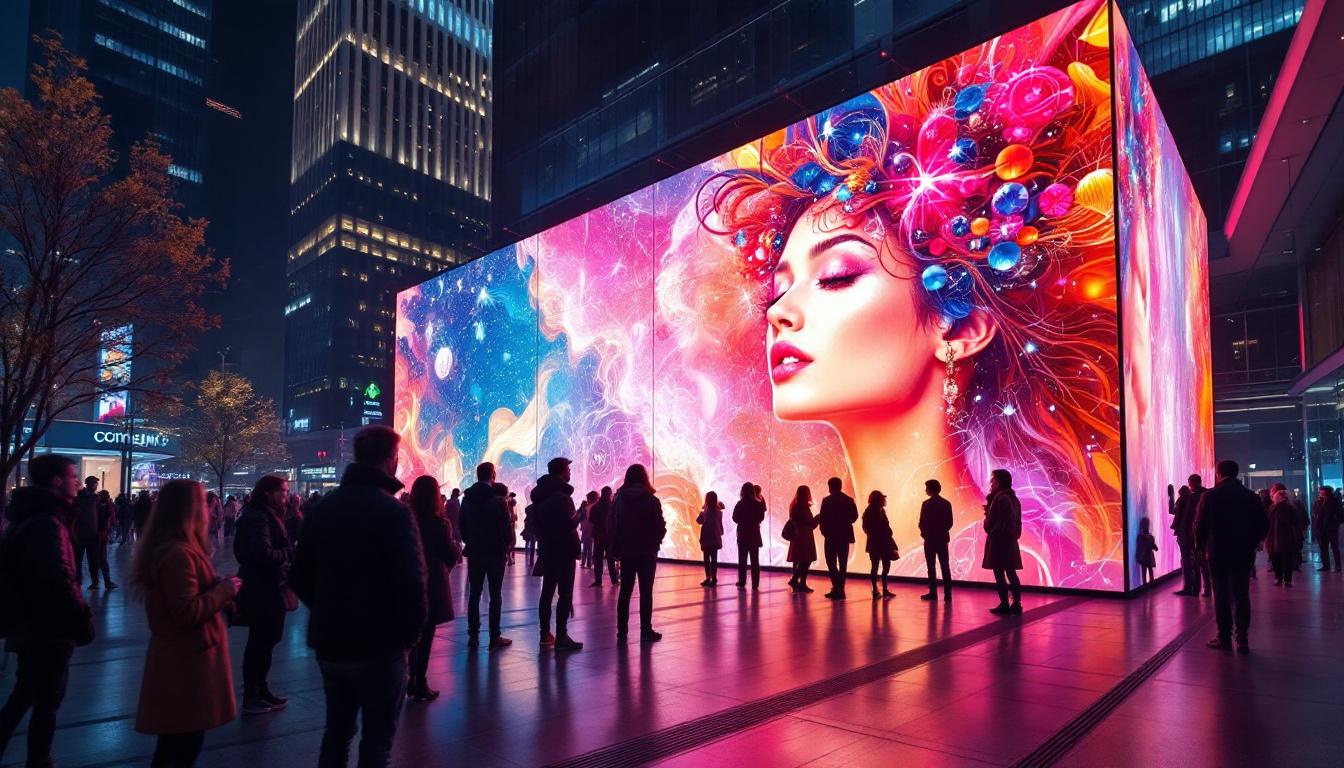
In recent years, large-scale LED displays have transformed the way businesses, artists, and event organizers engage with audiences. Among these innovations, horizontal large wall art using LED technology stands out as a dynamic and versatile medium. This article explores the fundamentals of large horizontal LED wall art, its applications, technological components, and the benefits that make it a compelling choice for modern visual communication.
Understanding Large Horizontal LED Wall Art
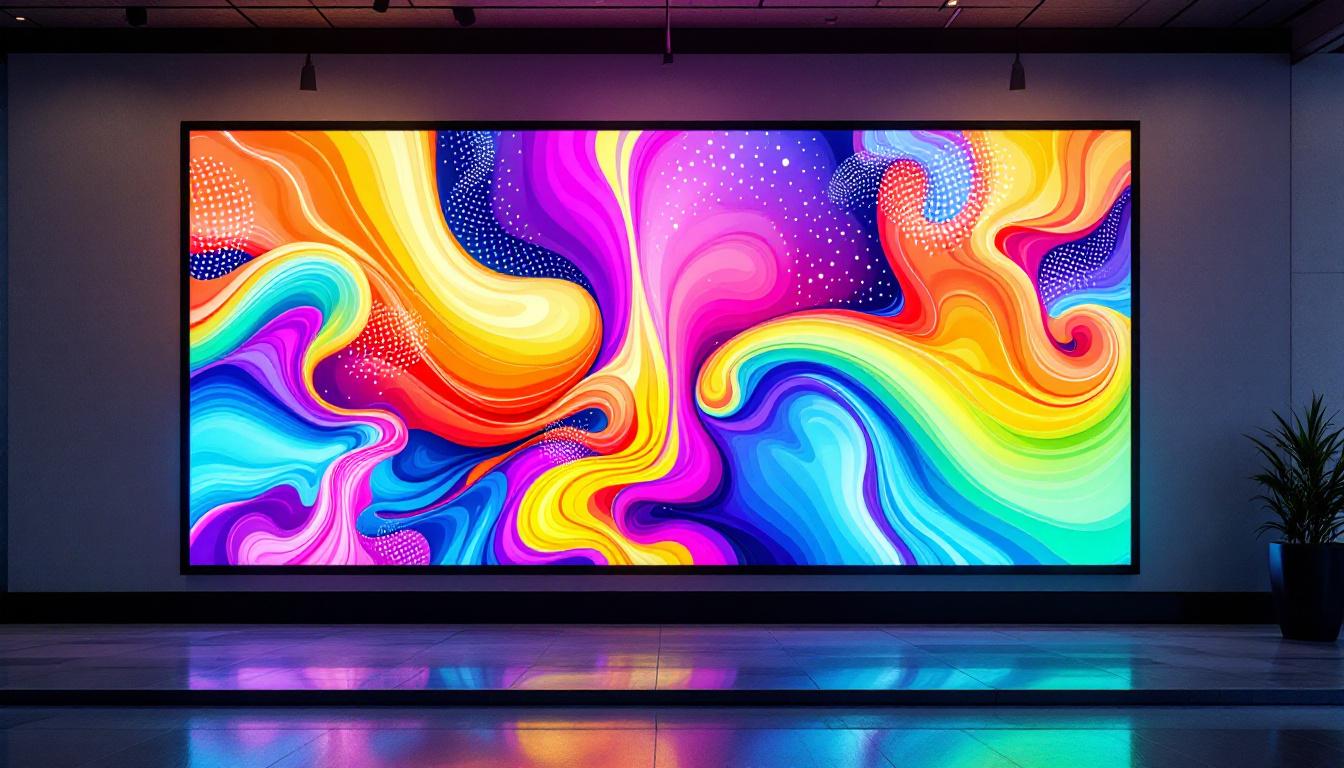
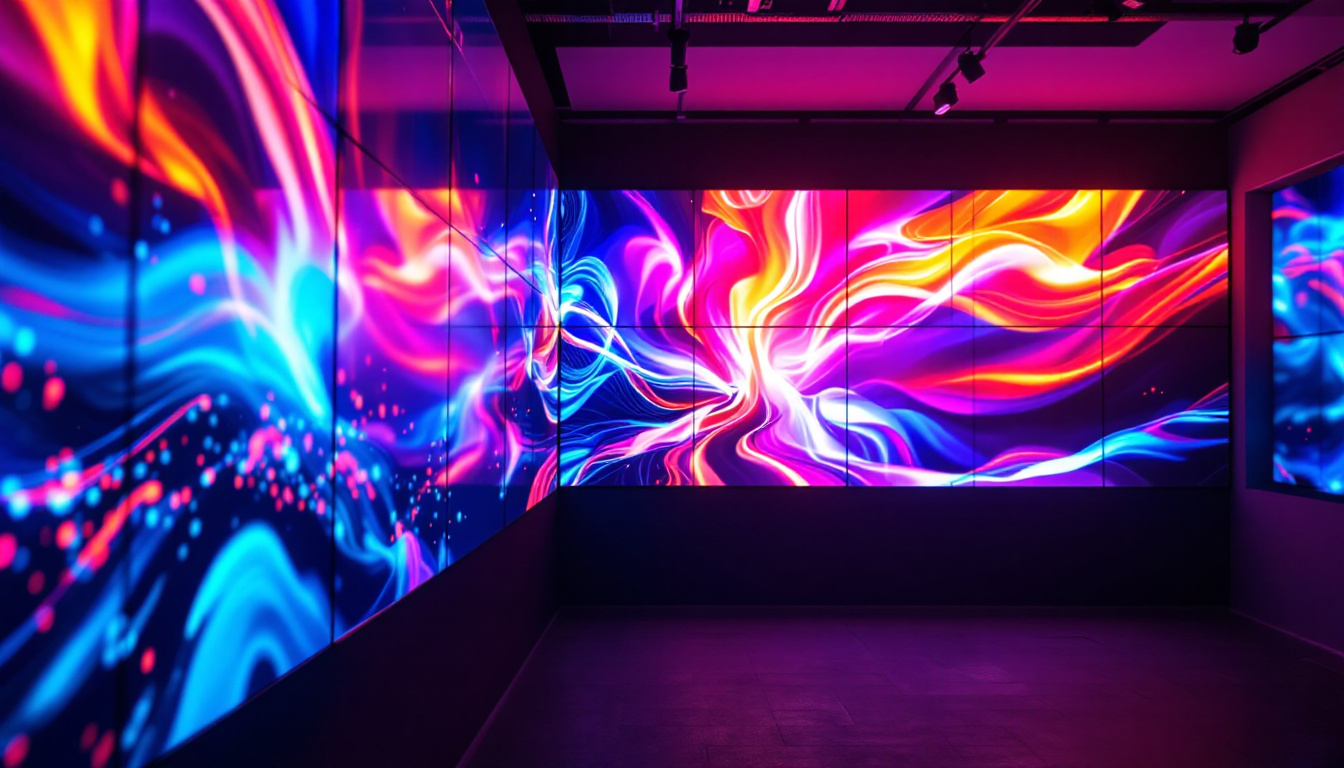
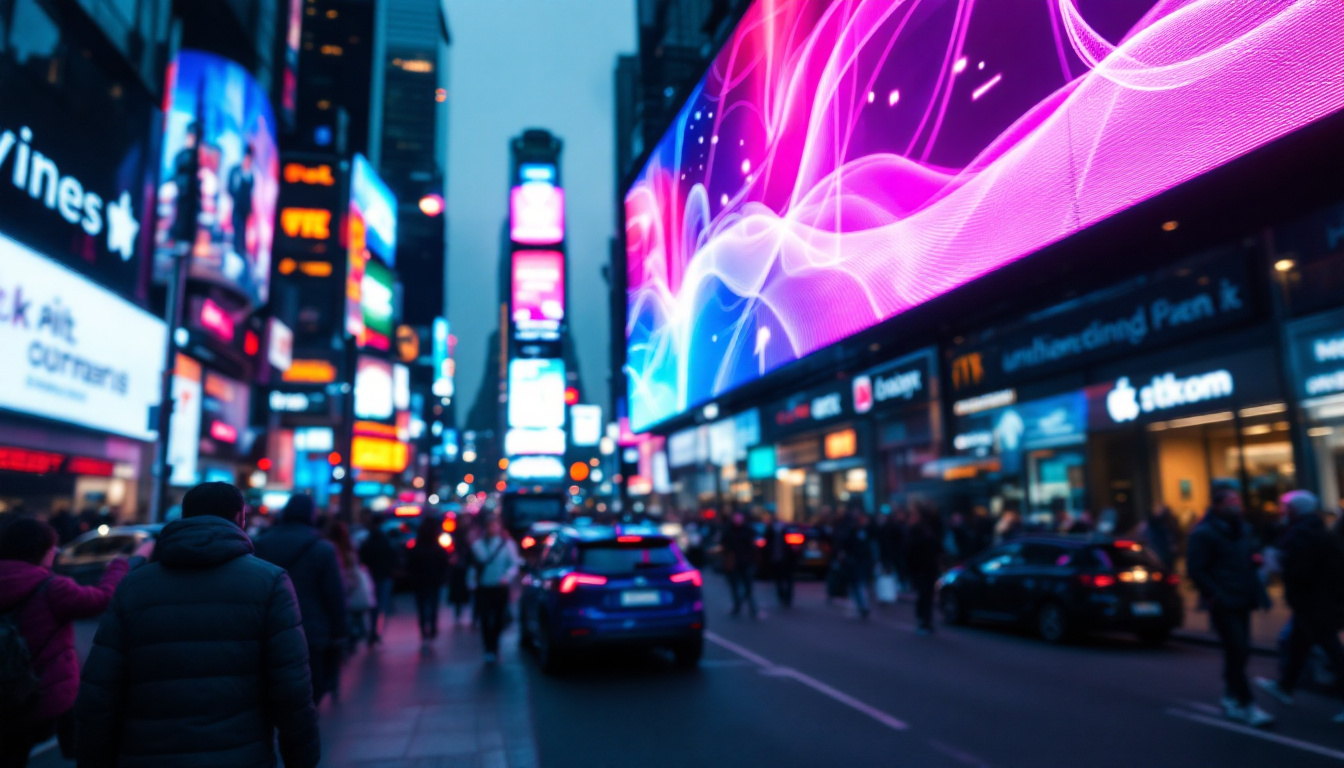
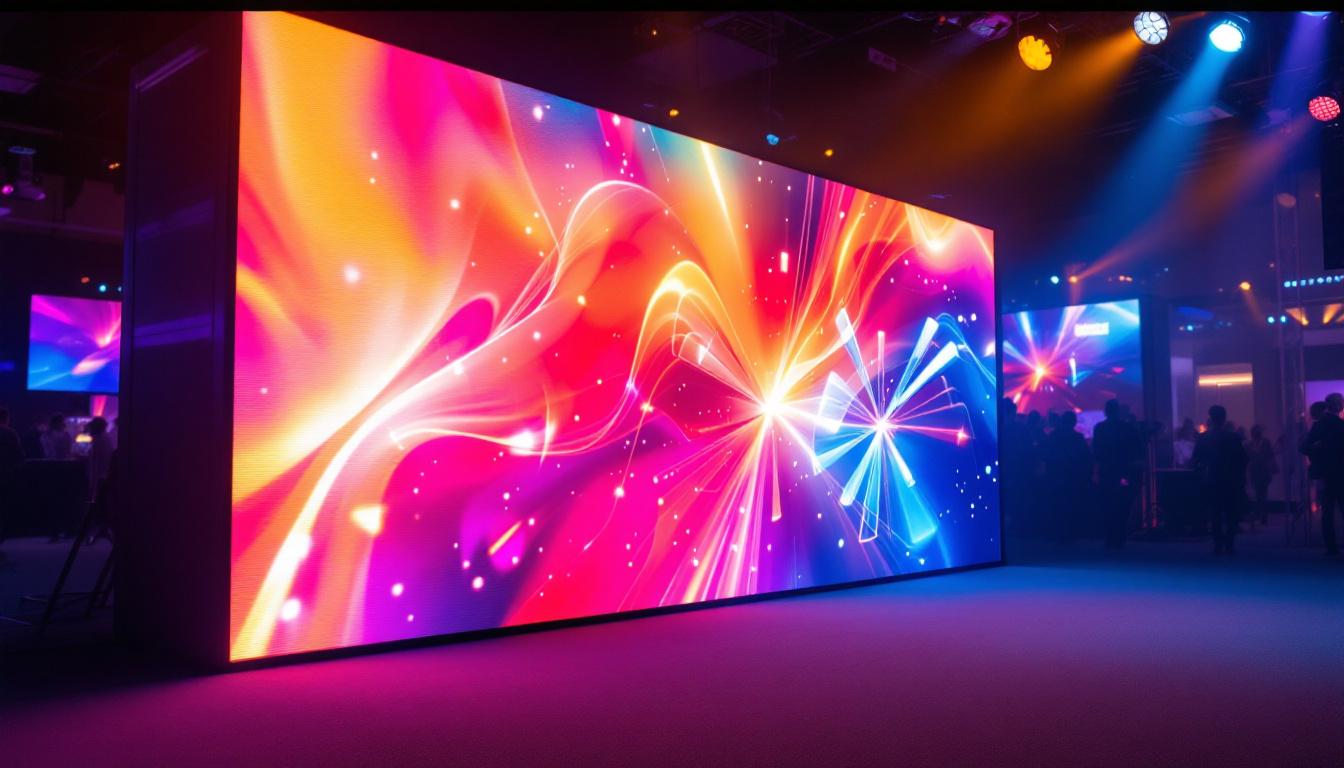
Large horizontal LED wall art refers to expansive digital displays that are mounted horizontally on walls, typically in public spaces, corporate environments, galleries, or entertainment venues. Unlike traditional static murals or paintings, these installations use light-emitting diodes (LEDs) to create vivid, high-resolution images and animations that can be updated in real time.
The horizontal orientation is particularly popular because it aligns naturally with human eye movement and architectural layouts. This format is ideal for panoramic visuals, wide-format advertisements, and immersive storytelling, offering a broad canvas that can engage viewers from multiple angles.
What Makes LED Technology Ideal for Large Wall Art?
LED technology offers several advantages over other display methods such as LCD or projection. LEDs provide superior brightness, energy efficiency, and durability, making them suitable for both indoor and outdoor installations. The ability to produce vibrant colors with high contrast ratios ensures that the displayed content is eye-catching and easily visible even in brightly lit environments.
Moreover, LED displays are modular, allowing for flexible sizing and shapes. This modularity enables artists and designers to customize the display dimensions to fit specific wall spaces, whether it’s a corporate lobby, a retail storefront, or a public plaza.
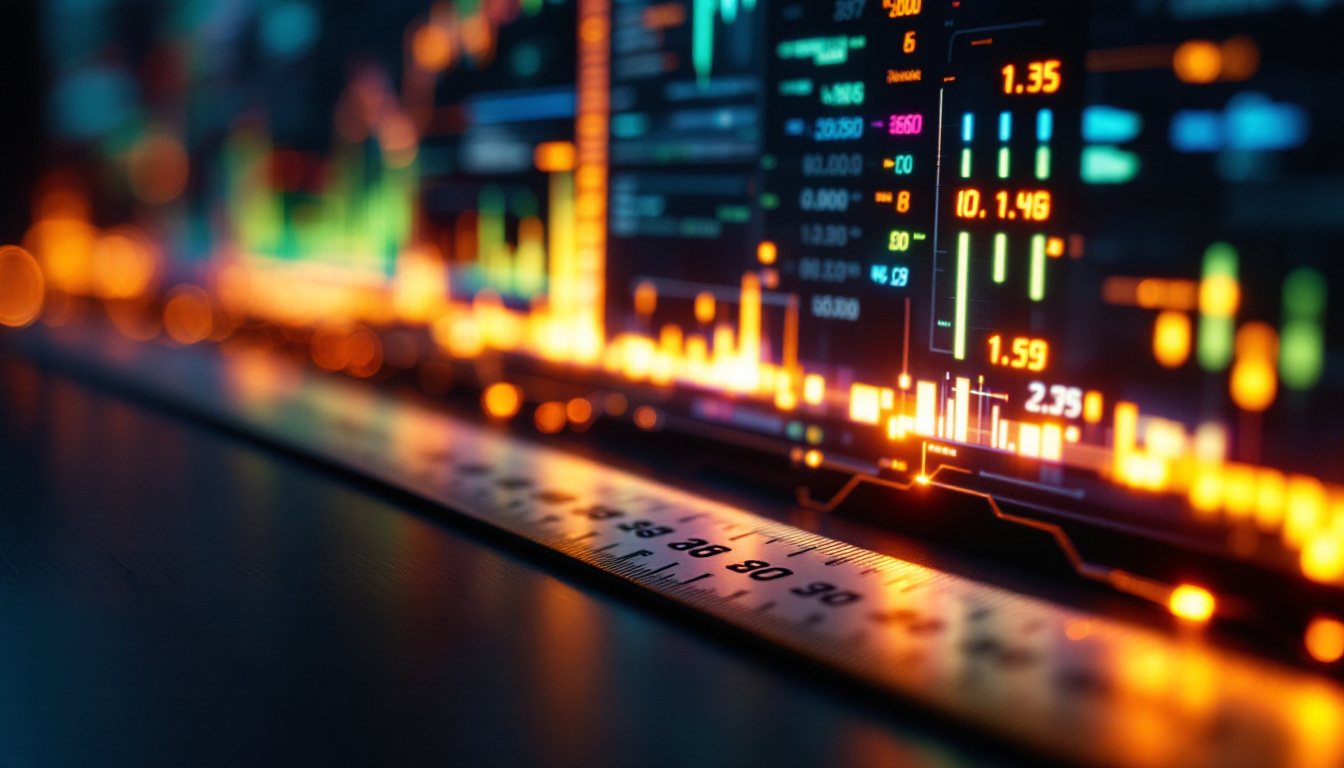
In addition to their visual appeal, large horizontal LED wall art can also serve functional purposes. For instance, in corporate settings, these displays can be used to showcase company branding, highlight key messages, or even display real-time data such as sales figures or social media feeds. This interactivity not only captivates the audience but also fosters a connection between the brand and its viewers. Furthermore, the ability to change the content frequently means that the displays can remain fresh and relevant, adapting to seasonal themes or current events, which keeps the audience engaged over time.
Another fascinating aspect of LED wall art is its potential for collaboration between technology and traditional art forms. Artists can create dynamic pieces that incorporate video, animation, and even audience interaction, blurring the lines between digital and physical art. This fusion opens up new avenues for creativity, allowing for installations that respond to viewer movements or even incorporate live feeds from social media, making the art experience more personal and immediate. As technology continues to evolve, the possibilities for large horizontal LED wall art are boundless, promising to transform how we experience art in public and private spaces alike.
Key Components of Large Horizontal LED Displays
To appreciate how these displays function, it’s important to understand their main components and how they work together to produce stunning visual effects.
LED Modules and Pixels
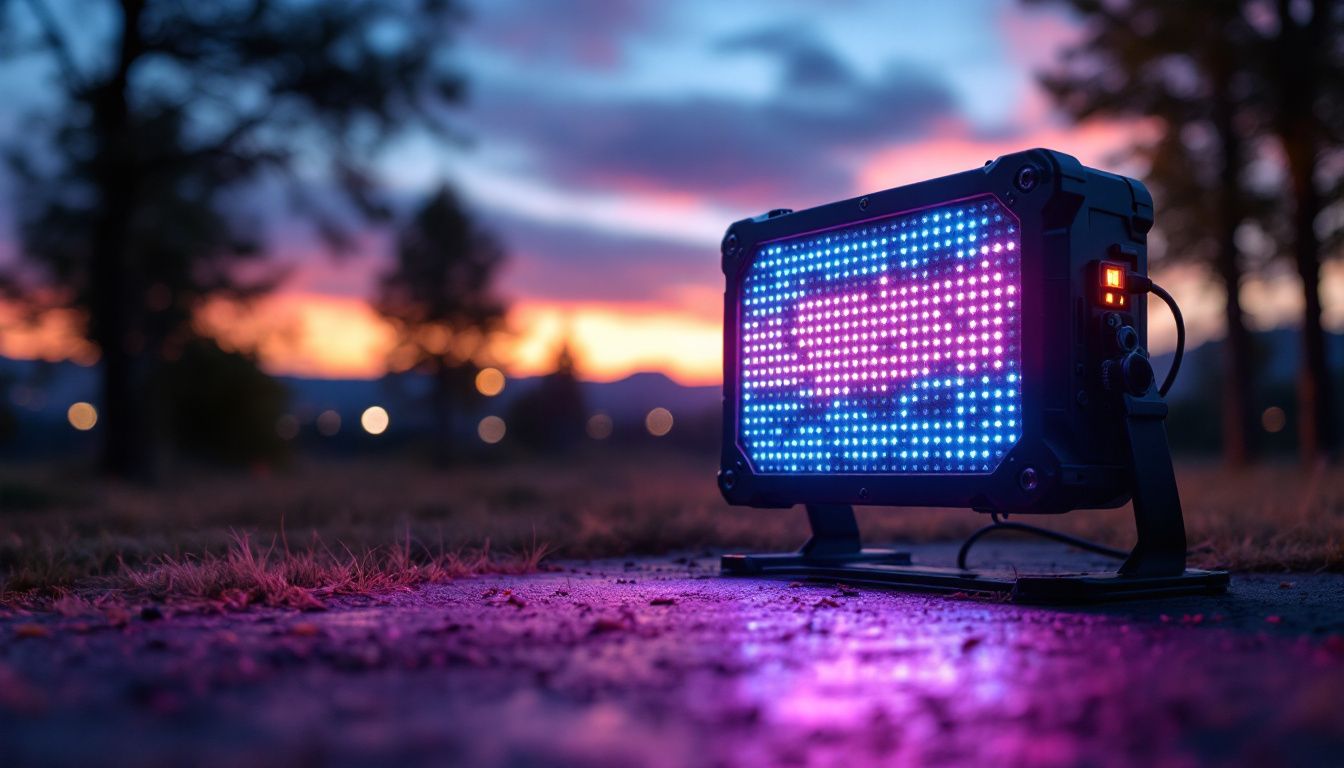
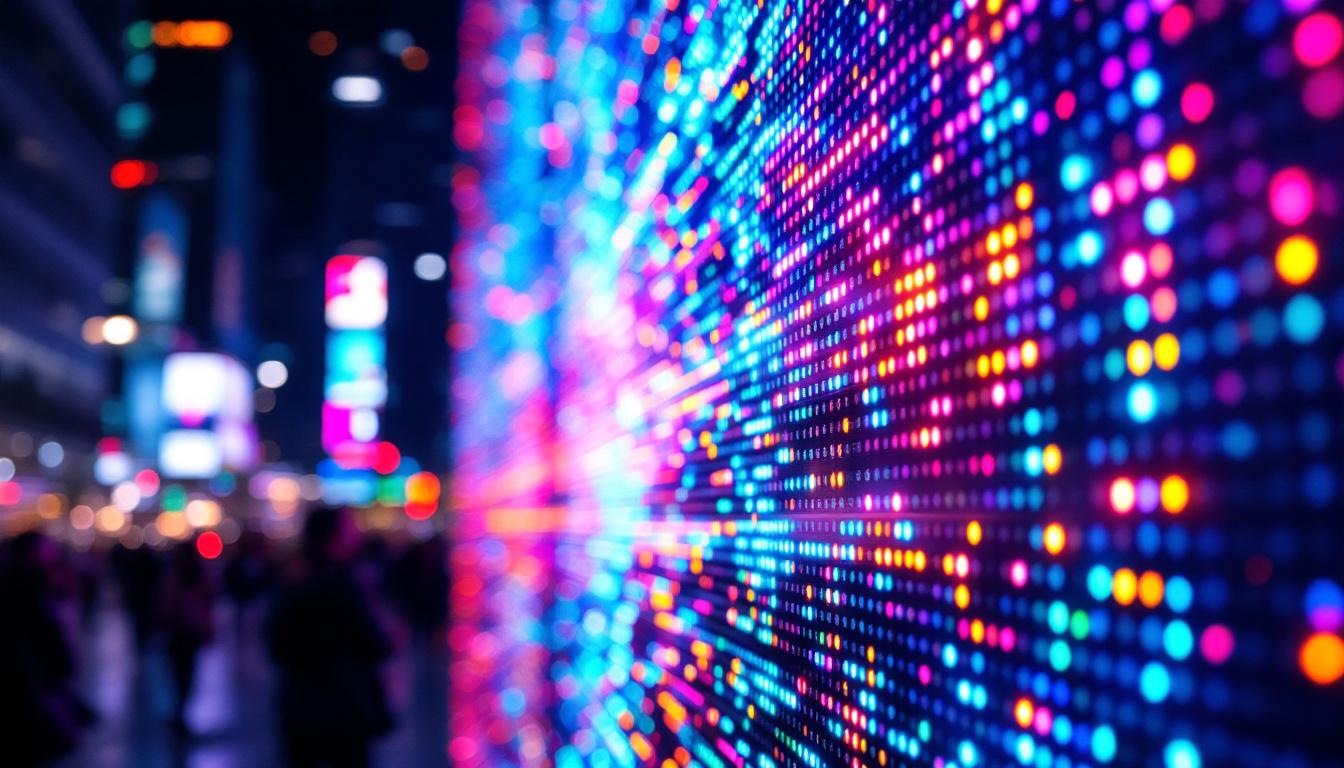
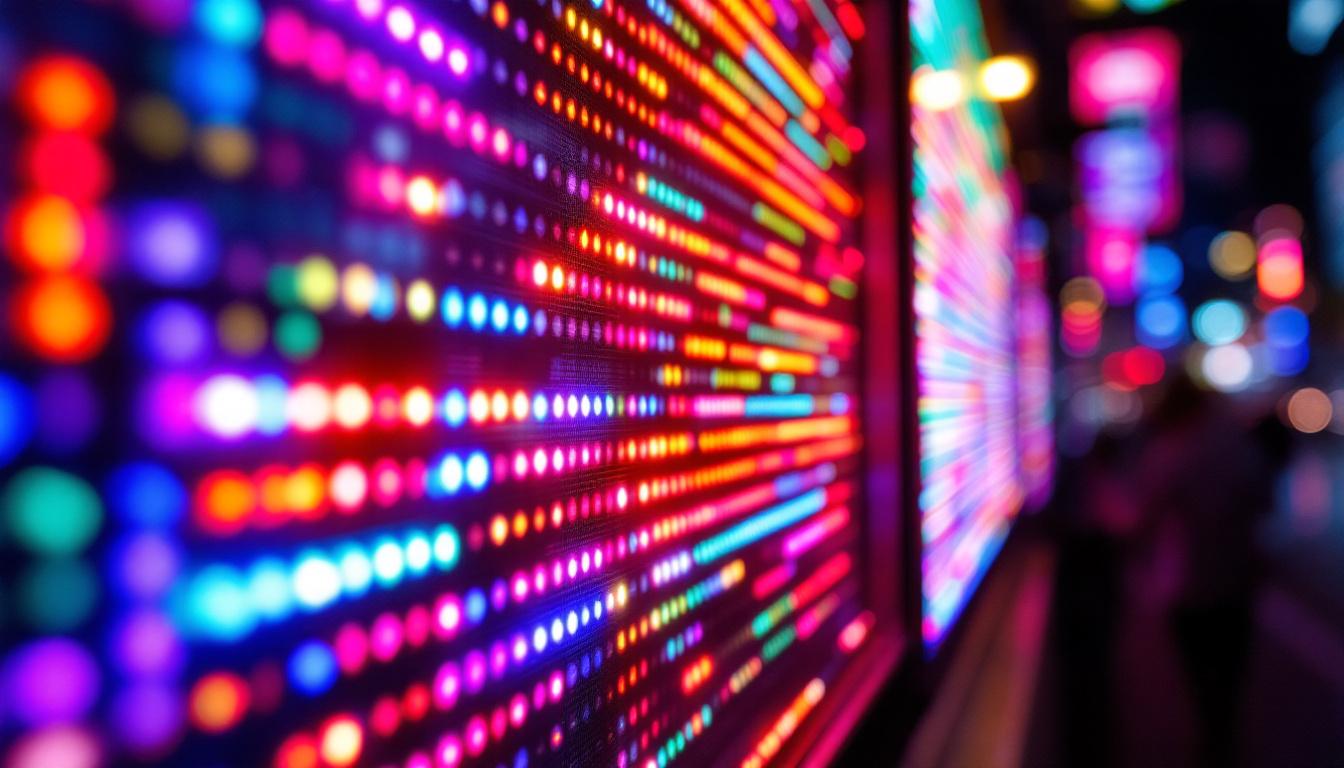
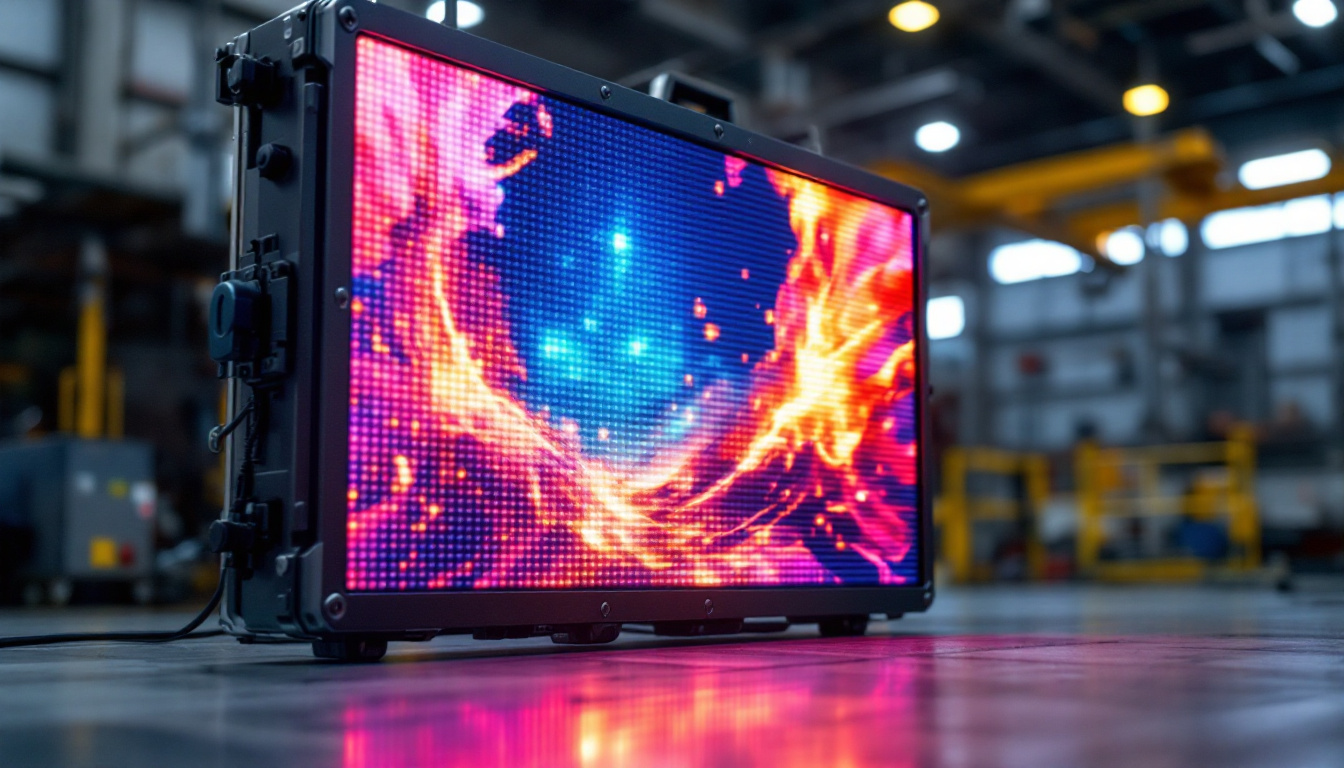
The core of any LED display is the LED module, which consists of a grid of individual LEDs arranged to form pixels. Each pixel typically contains red, green, and blue LEDs that combine to produce a full spectrum of colors through varying intensities. The density of these pixels, measured in pixel pitch (the distance between pixels), determines the resolution and clarity of the image.
For large wall art, pixel pitch can vary depending on viewing distance. For example, a pixel pitch of 2-3 millimeters is common for indoor displays viewed up close, while outdoor installations might use a larger pitch of 6-10 millimeters or more to balance resolution with cost and visibility.
Control Systems and Software
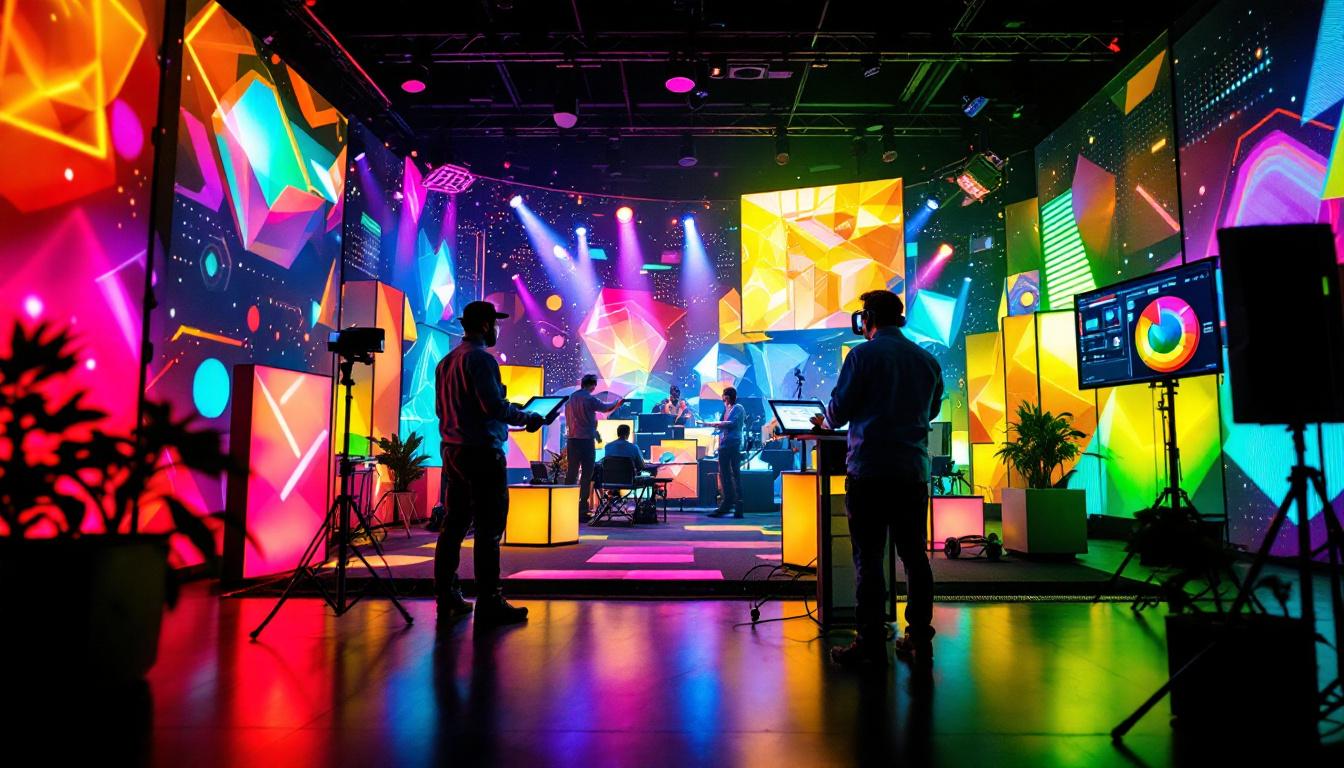
Behind the scenes, sophisticated control systems manage the content displayed on the LED wall. These systems receive input from media players or computers and translate it into signals that control each LED’s brightness and color. Advanced software platforms allow users to schedule content, create animations, and adjust settings remotely, providing flexibility for dynamic installations.
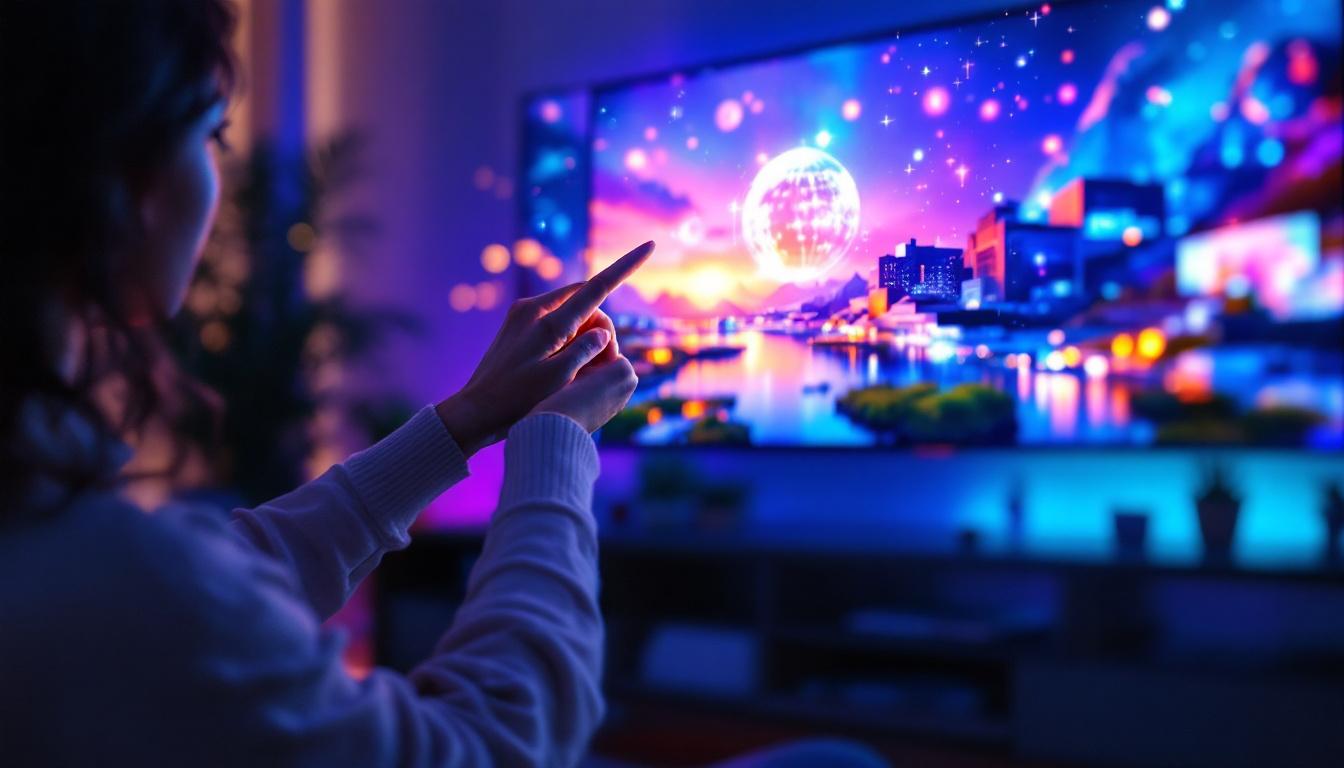
Some LED walls are integrated with interactive technologies such as motion sensors or touch capabilities, enhancing user engagement through responsive content that reacts to viewer presence or input.
Power Supply and Cooling
Large LED displays require reliable power sources and effective cooling mechanisms to maintain optimal performance. LEDs generate heat during operation, and without adequate heat dissipation, their lifespan and brightness can degrade. Modern LED walls incorporate heat sinks, fans, or passive cooling designs to ensure longevity and consistent brightness levels.
Applications of Large Horizontal LED Wall Art
The versatility of LED wall art has led to its adoption across diverse industries and environments. Below are some of the most prominent applications.
Corporate and Retail Environments
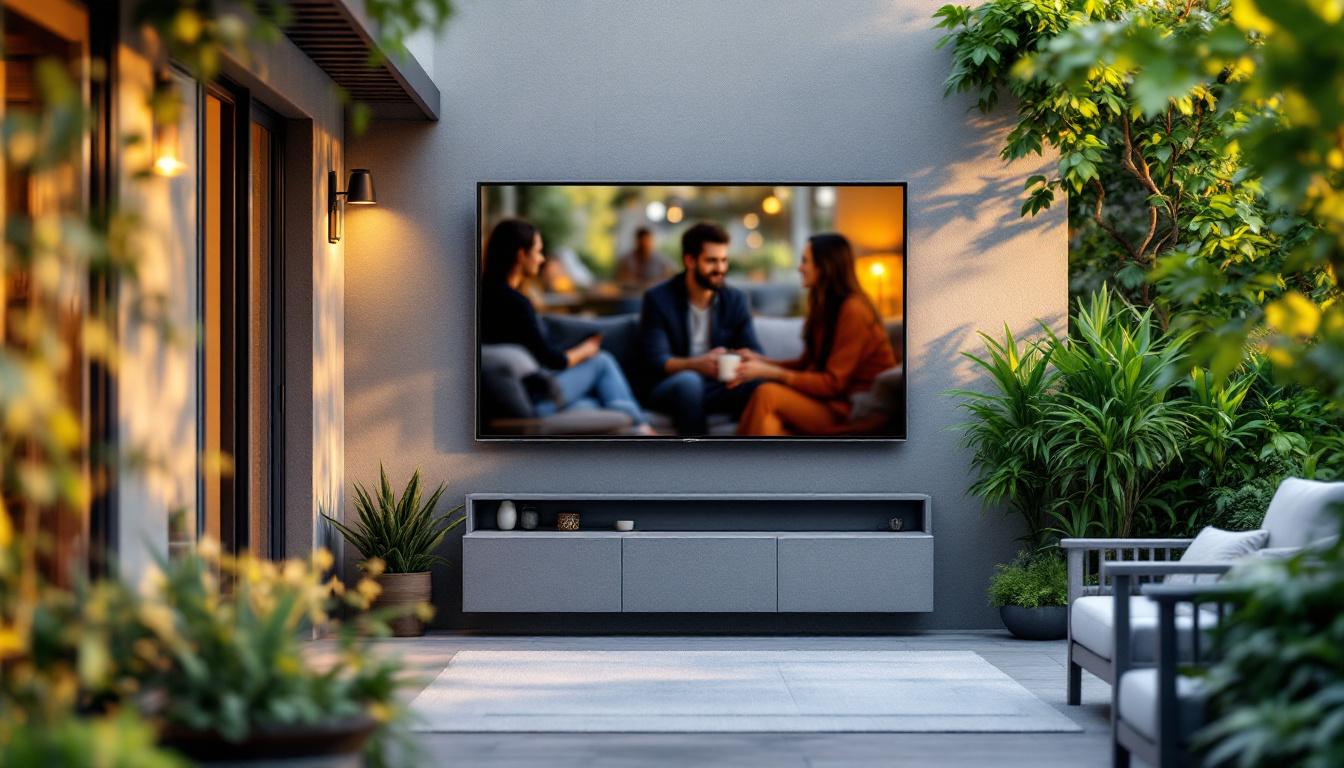
Many corporations use large horizontal LED walls in their lobbies or conference rooms to showcase branding, corporate messages, or live data feeds. Retailers install these displays to create dynamic storefronts that attract foot traffic with changing promotions, product launches, or immersive brand stories.
For example, a global electronics retailer might use a 20-foot-wide LED wall to display high-definition videos of new gadgets, creating an engaging shopping experience that static posters cannot match.
Art Installations and Galleries
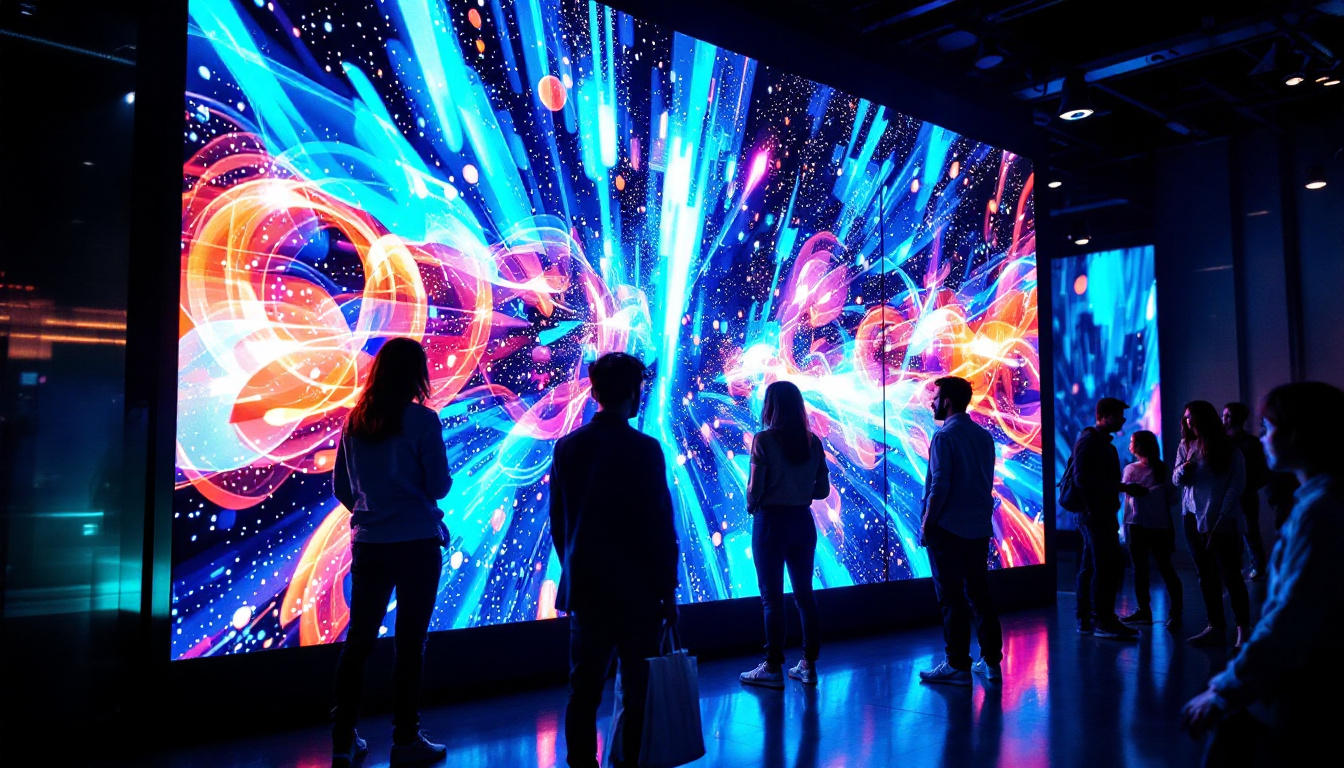
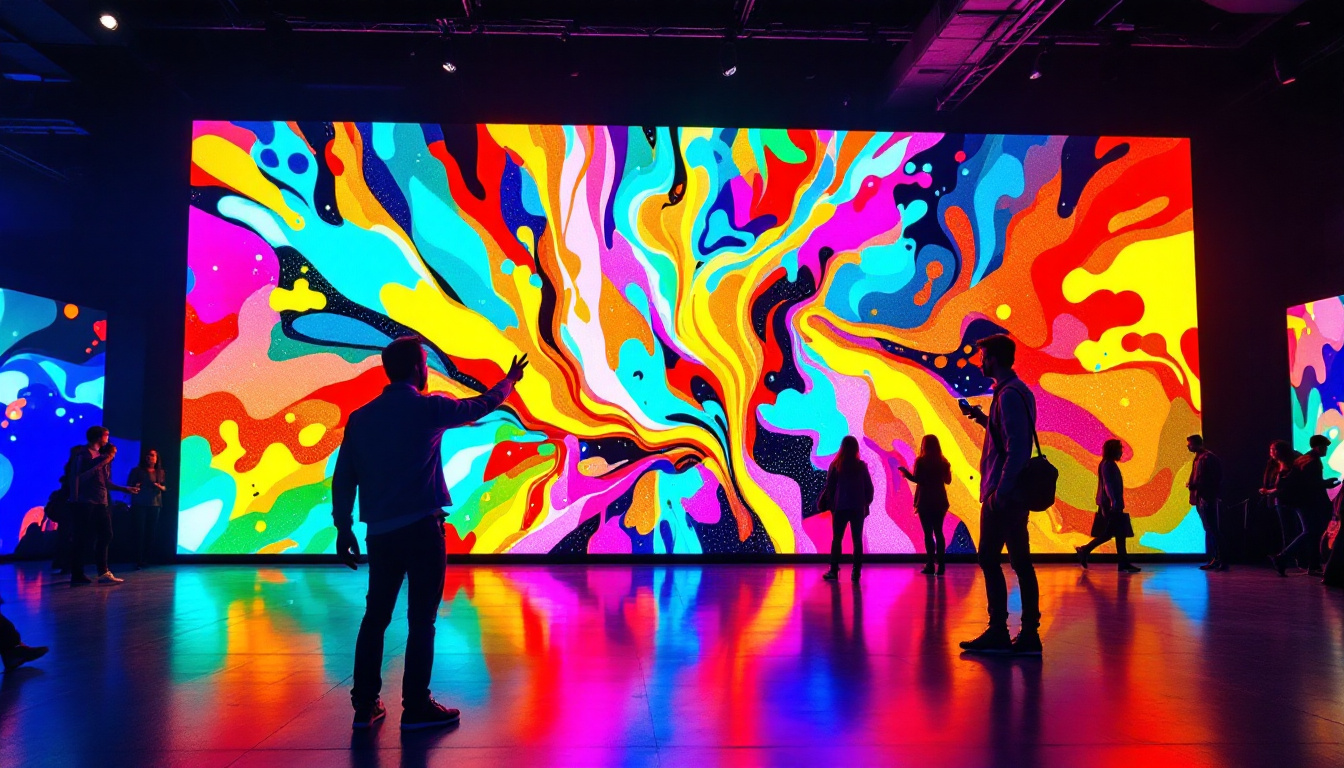
Artists and curators have embraced LED wall art as a new medium for creative expression. Unlike traditional art, LED installations can incorporate motion, light, and interactivity, offering viewers a multi-sensory experience. Museums and galleries often feature LED walls to display digital art exhibitions or to complement physical artworks with animated backgrounds.
One notable example is the use of large horizontal LED walls in contemporary art museums to present immersive video art that envelops the audience, breaking the boundaries of conventional gallery spaces.
Events and Entertainment Venues
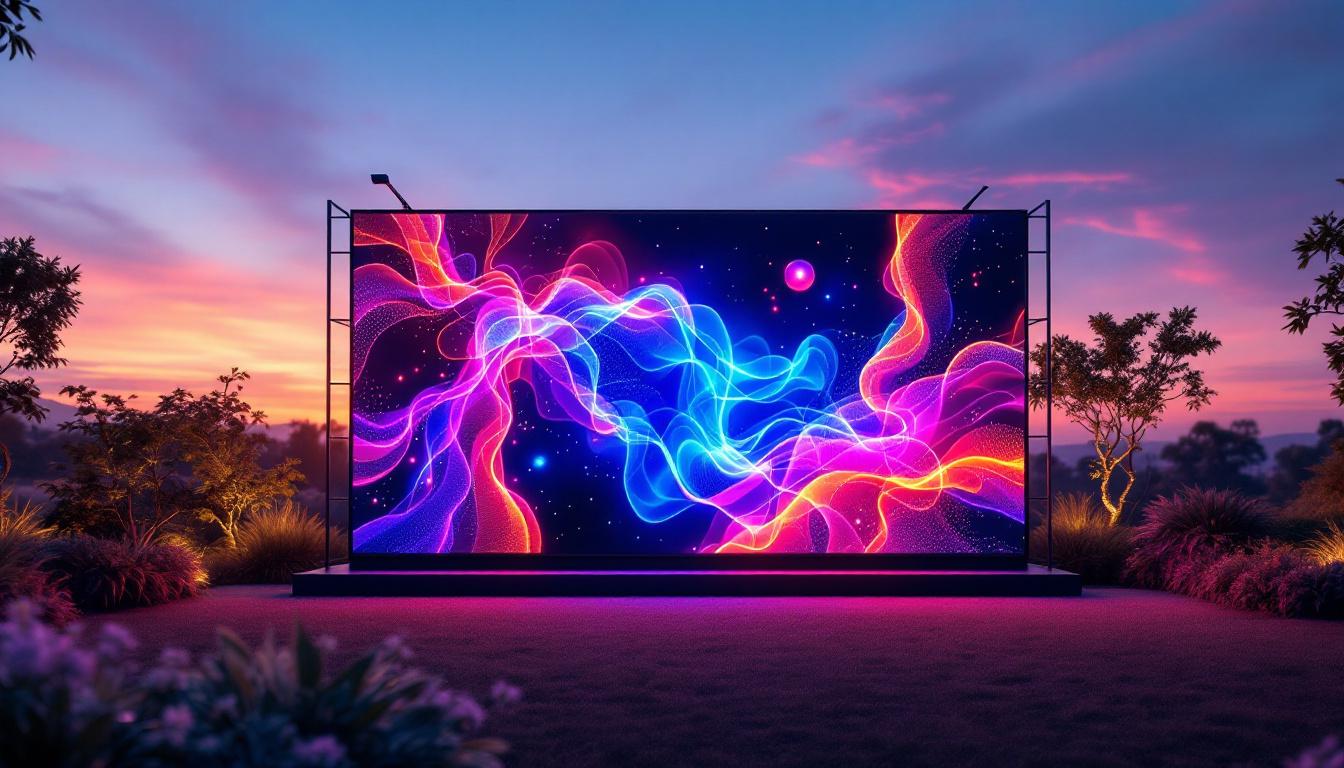
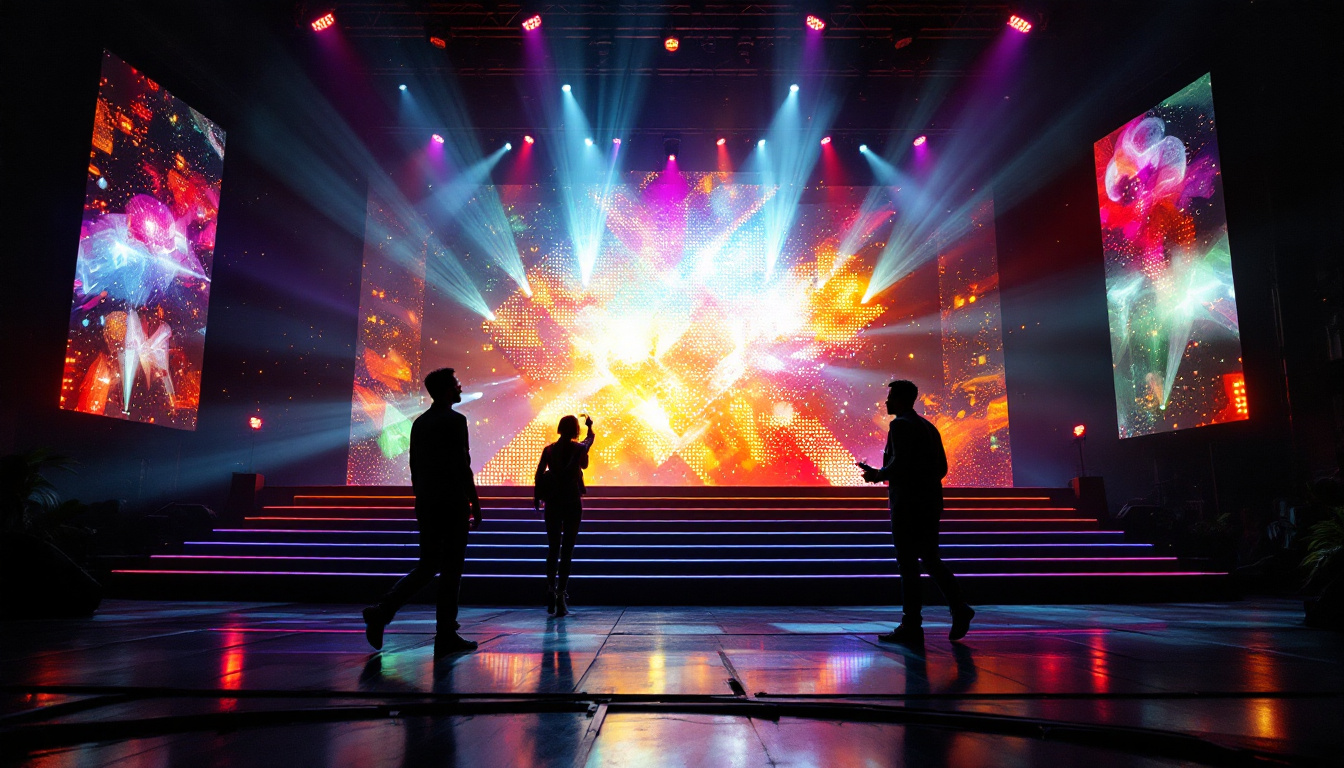
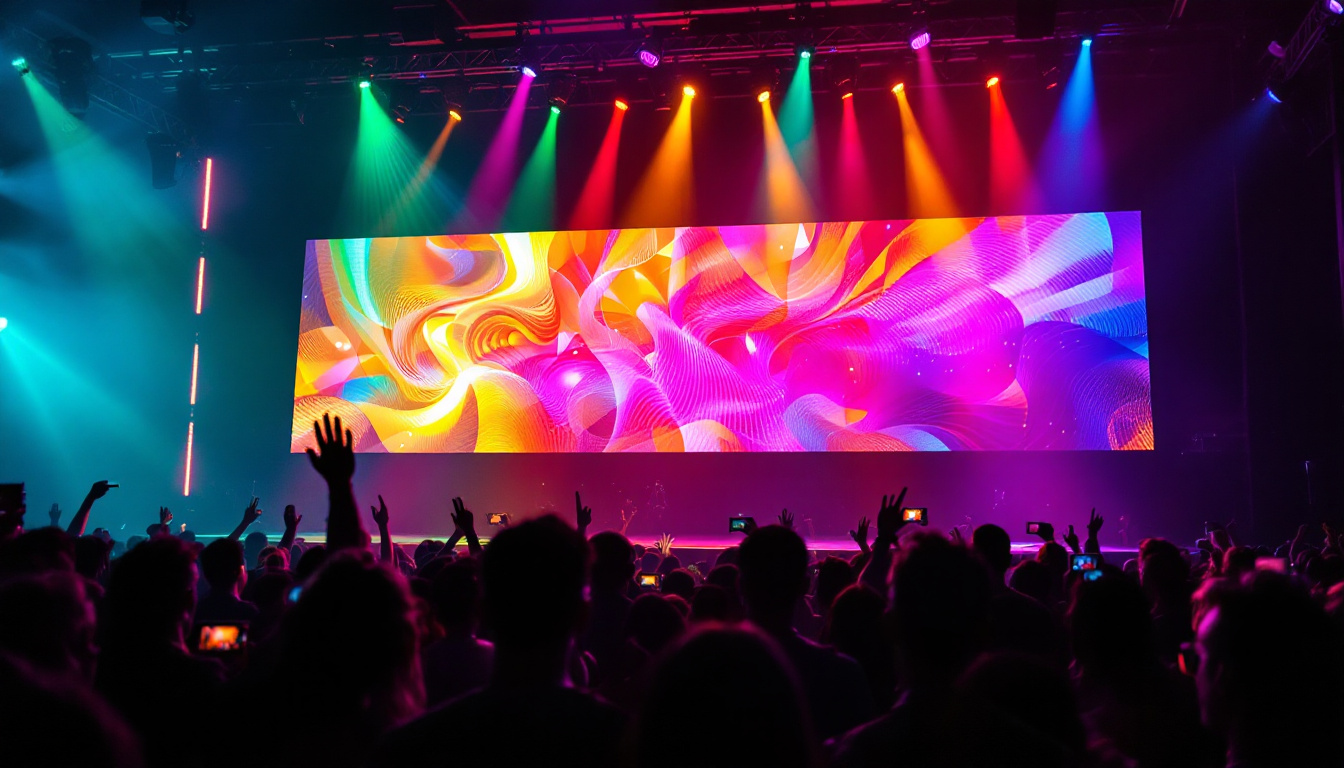
Concerts, theaters, and sports arenas frequently use large LED walls to enhance the spectator experience. Horizontal LED displays serve as backdrops for performances, providing vivid visuals that synchronize with music or action. They also display live feeds, scores, and advertisements during events.
For instance, a music festival might feature a massive horizontal LED wall behind the stage, displaying dynamic graphics that complement the performers and captivate the crowd.
Benefits of Using Large Horizontal LED Displays for Wall Art
Choosing LED technology for large horizontal wall art offers numerous advantages that contribute to its growing popularity.
High Visibility and Impact
LED walls are exceptionally bright and colorful, making them highly visible even from great distances or under direct sunlight. This visibility ensures that messages or artworks reach a broad audience and leave a lasting impression.
Flexibility and Customization
The modular nature of LED panels allows for custom sizes and shapes, enabling designers to tailor installations to specific architectural features or creative visions. Content can be updated instantly, allowing for seasonal themes, promotional campaigns, or rotating art exhibitions without the need for physical replacements.
Energy Efficiency and Longevity
Compared to other lighting and display technologies, LEDs consume less power and have longer operational lifespans, reducing maintenance and energy costs over time. This efficiency is especially important for large-scale installations that operate for extended hours.
Interactive and Dynamic Content
LED displays can support interactive elements, such as touch responsiveness or integration with sensors, creating engaging experiences that static art cannot provide. This interactivity can increase audience engagement and create memorable brand or artistic impressions.
Considerations When Installing Large Horizontal LED Walls
Despite their advantages, several factors must be considered to ensure successful installation and operation of large horizontal LED wall art.
Viewing Distance and Resolution
Choosing the appropriate pixel pitch is critical. Too low a resolution for close viewing distances can result in pixelated images, while excessively high resolution for distant viewing can unnecessarily increase costs. Careful planning based on the installation environment and audience proximity is essential.
Structural Support and Installation
Large LED walls can be heavy and require secure mounting structures. Walls must be assessed for load-bearing capacity, and professional installation teams are recommended to ensure safety and optimal alignment of panels.
Content Management and Maintenance
Ongoing content creation and management require dedicated resources, whether in-house or outsourced. Additionally, routine maintenance such as cleaning, software updates, and hardware checks are necessary to maintain image quality and prevent downtime.
Future Trends in Large Horizontal LED Wall Art
As technology advances, large horizontal LED wall art continues to evolve, integrating new features and capabilities that expand its potential.
Higher Resolutions and Miniaturization
Emerging LED technologies are pushing pixel pitches below 1 millimeter, enabling ultra-high-definition displays even at close range. This miniaturization allows LED art to rival traditional screens in clarity while maintaining the advantages of scale and brightness.
Integration with Augmented Reality (AR) and Artificial Intelligence (AI)
Future LED walls may incorporate AR elements, allowing viewers to interact with digital content through smartphones or wearable devices. AI-driven content management could personalize displays based on audience demographics or real-time data, creating highly targeted visual experiences.
Sustainability and Eco-Friendly Innovations
With increasing focus on environmental impact, LED manufacturers are developing more sustainable materials and energy-saving technologies. Solar-powered LED walls and recyclable components are examples of innovations aimed at reducing the ecological footprint of large-scale digital displays.
Conclusion
Large horizontal LED wall art represents a powerful convergence of technology, design, and communication. Its ability to deliver vibrant, dynamic content on a grand scale makes it an invaluable tool for businesses, artists, and event organizers alike. By understanding the technology, applications, and considerations involved, stakeholders can harness the full potential of LED displays to create impactful visual experiences that captivate and inspire audiences.
Illuminate Your Space with LumenMatrix
Ready to elevate your environment with the vibrant, dynamic appeal of large horizontal LED wall art? LumenMatrix is at the forefront of LED display technology, offering a wide array of solutions that transform any space into a visual spectacle. From indoor and outdoor displays to custom configurations that fit your unique needs, our mission is to revolutionize your visual communication. Engage and captivate your audience with unparalleled clarity and impact. Check out LumenMatrix LED Display Solutions today and bring your vision to life.