In the fast-evolving world of visual technology, LED displays have become a cornerstone for advertising, entertainment, and information dissemination. Among the various mounting and structural solutions available, the lattice frame kit stands out as a versatile and robust option for supporting LED panels. This article delves into the intricacies of lattice frame kits, explaining their design, benefits, and applications in LED display setups.
Understanding LED Displays and Their Structural Needs
LED (Light Emitting Diode) displays are composed of numerous small LED modules that collectively produce bright, vibrant images visible even in challenging lighting conditions. These displays are widely used in outdoor billboards, indoor event screens, stadium scoreboards, and retail signage. However, the effectiveness of an LED display is not solely dependent on the technology of the LEDs themselves but also on the structural framework that supports them.
Because LED panels can be quite heavy and require precise alignment for optimal image quality, the supporting structure must be both strong and adaptable. This is where lattice frame kits come into play. They provide a modular, lightweight, yet sturdy framework that ensures the LED panels are securely mounted and properly aligned.
The Importance of Structural Integrity
Structural integrity is critical for LED displays, especially those installed outdoors or in large venues where safety and durability are paramount. A poorly designed frame can lead to misalignment, image distortion, or even catastrophic failure in extreme weather conditions. Lattice frame kits are engineered to withstand significant loads and environmental stresses, making them ideal for both temporary and permanent installations.
Moreover, the choice of materials used in the construction of the supporting framework can greatly influence the longevity and performance of the LED display. Aluminum and steel are popular choices due to their strength-to-weight ratios and resistance to corrosion. These materials not only enhance the structural integrity but also contribute to the overall aesthetic appeal of the installation. Additionally, the modular nature of lattice frames allows for easy customization and scalability, enabling businesses to adapt their displays as their needs evolve, whether that means expanding the size of the display or relocating it to a different venue.
In addition to the physical support, proper ventilation and thermal management are essential considerations when designing the structure for LED displays. LED technology generates heat, and without adequate airflow, the risk of overheating can lead to reduced performance and a shorter lifespan for the display. Innovative lattice designs often incorporate features that promote airflow, ensuring that the LEDs operate within optimal temperature ranges. This not only enhances the reliability of the display but also minimizes maintenance costs over time, making it a wise investment for businesses looking to leverage the power of LED technology.
What Is a Lattice Frame Kit?
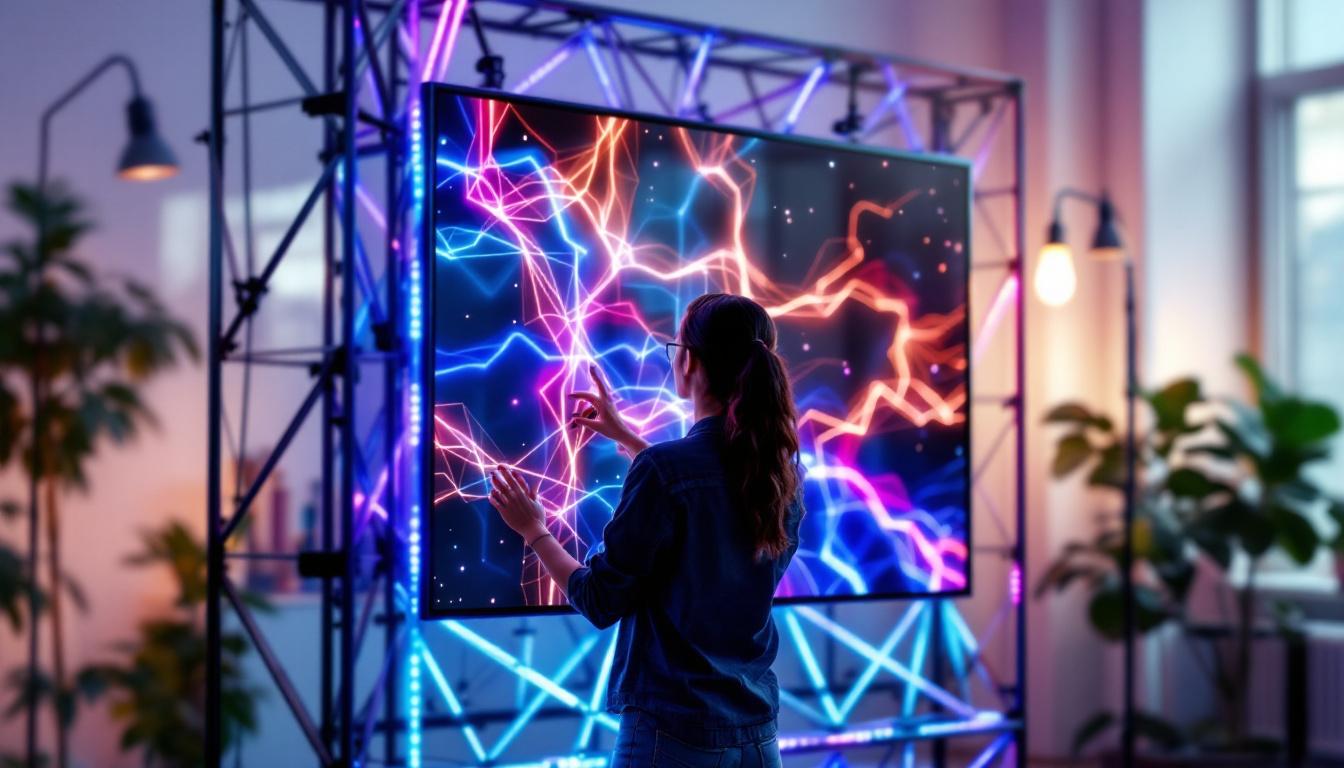
A lattice frame kit is a pre-engineered assembly of interconnected metal components, typically made from aluminum or steel, designed to create a rigid framework for mounting LED display panels. The “lattice” refers to the crisscross pattern of the frame members, which distributes weight evenly and enhances structural stability.
These kits come with standardized parts such as trusses, corner connectors, mounting brackets, and fasteners that can be quickly assembled on-site. Their modular nature allows for customization to fit various screen sizes and configurations, from small indoor displays to massive outdoor video walls.
Materials and Design Features
Most lattice frame kits use aluminum alloys due to their favorable strength-to-weight ratio, corrosion resistance, and ease of handling. Steel options are also available for applications requiring higher load capacities. The design typically incorporates square or rectangular tubing arranged in a triangular lattice pattern, which is known for its ability to resist bending and twisting forces effectively.
Additionally, many kits include adjustable mounting points and leveling features, enabling installers to fine-tune the alignment of LED panels for seamless image presentation. Some advanced kits also offer integrated cable management systems and quick-release mechanisms to facilitate maintenance and reduce downtime.
Advantages of Using Lattice Frame Kits for LED Displays
Choosing the right frame system is crucial for the success of an LED display project. Lattice frame kits offer several significant advantages that make them a preferred choice among event organizers, advertisers, and installation professionals.
1. Modularity and Flexibility
Lattice frame kits are inherently modular, allowing users to build frames of various sizes and shapes by combining standard components. This flexibility is especially valuable for custom installations where screen dimensions may not conform to standard ratios. Whether the display is a simple rectangular billboard or a complex curved video wall, lattice frames can be adapted accordingly.
2. Lightweight Yet Strong
The use of aluminum and the lattice design ensure that these frames provide high strength without excessive weight. This makes transportation, handling, and installation more manageable, reducing labor costs and installation time. Lightweight frames also minimize the load on supporting structures, which is critical for rooftop or suspended installations.
3. Enhanced Safety and Durability
Safety is paramount in public installations. Lattice frame kits are engineered to meet or exceed industry standards for load-bearing capacity and wind resistance. Their robust construction ensures that LED panels remain secure even under adverse weather conditions, such as strong winds or heavy rain. The corrosion-resistant materials also contribute to long-term durability, reducing maintenance requirements.
4. Ease of Assembly and Maintenance
Pre-fabricated components and standardized connectors simplify the assembly process, enabling faster setup times. Many kits are designed with maintenance in mind, featuring quick-release mounts and accessible cable routing. This facilitates routine inspections, repairs, and upgrades without dismantling the entire structure.
Applications of Lattice Frame Kits in LED Display Installations
Lattice frame kits are employed across a wide range of industries and settings due to their versatility and reliability. Understanding these applications helps highlight why these kits have become a standard solution in LED display technology.
Outdoor Advertising and Digital Billboards
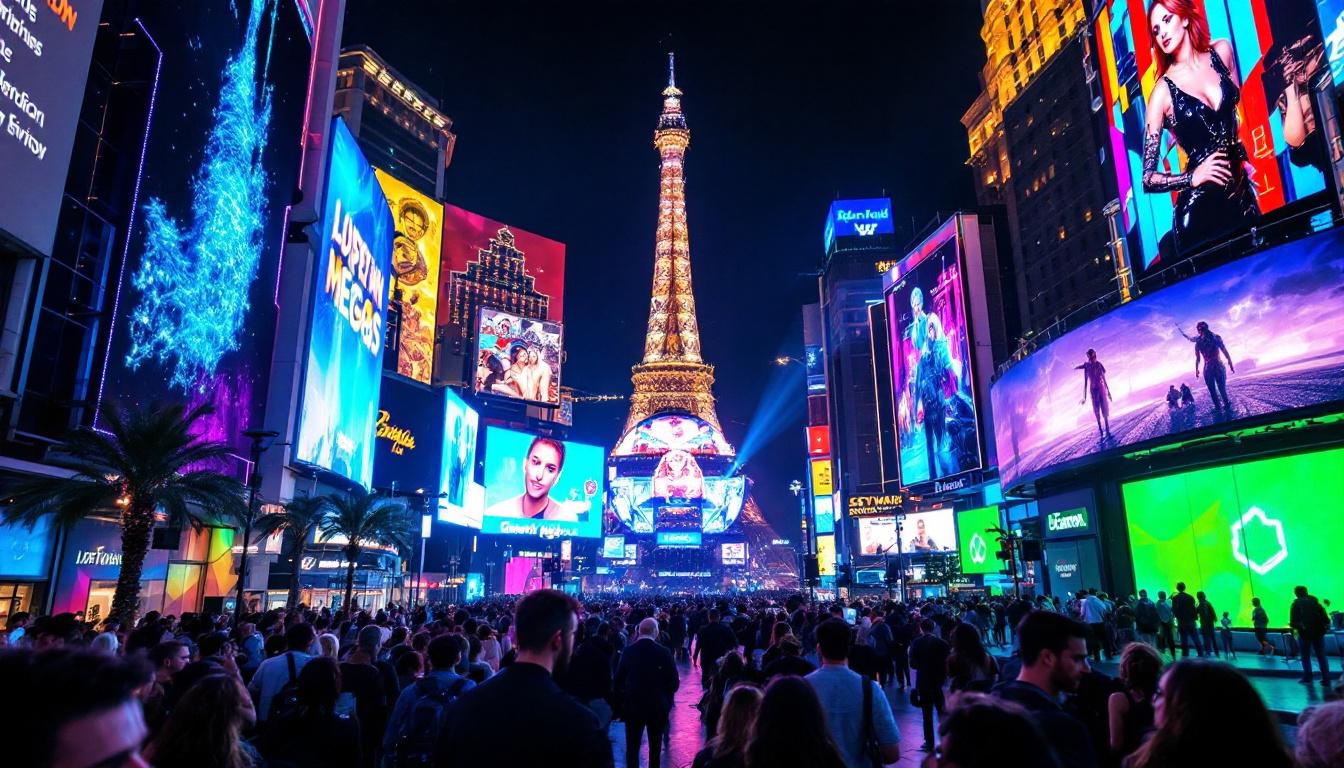
Outdoor digital billboards demand sturdy frameworks that can withstand environmental challenges while providing a large, clear viewing surface. Lattice frame kits are ideal for these installations because they offer the necessary strength and adaptability to mount large LED panels securely. Their corrosion resistance ensures longevity despite exposure to sun, rain, and pollution.
Concerts, Festivals, and Temporary Events
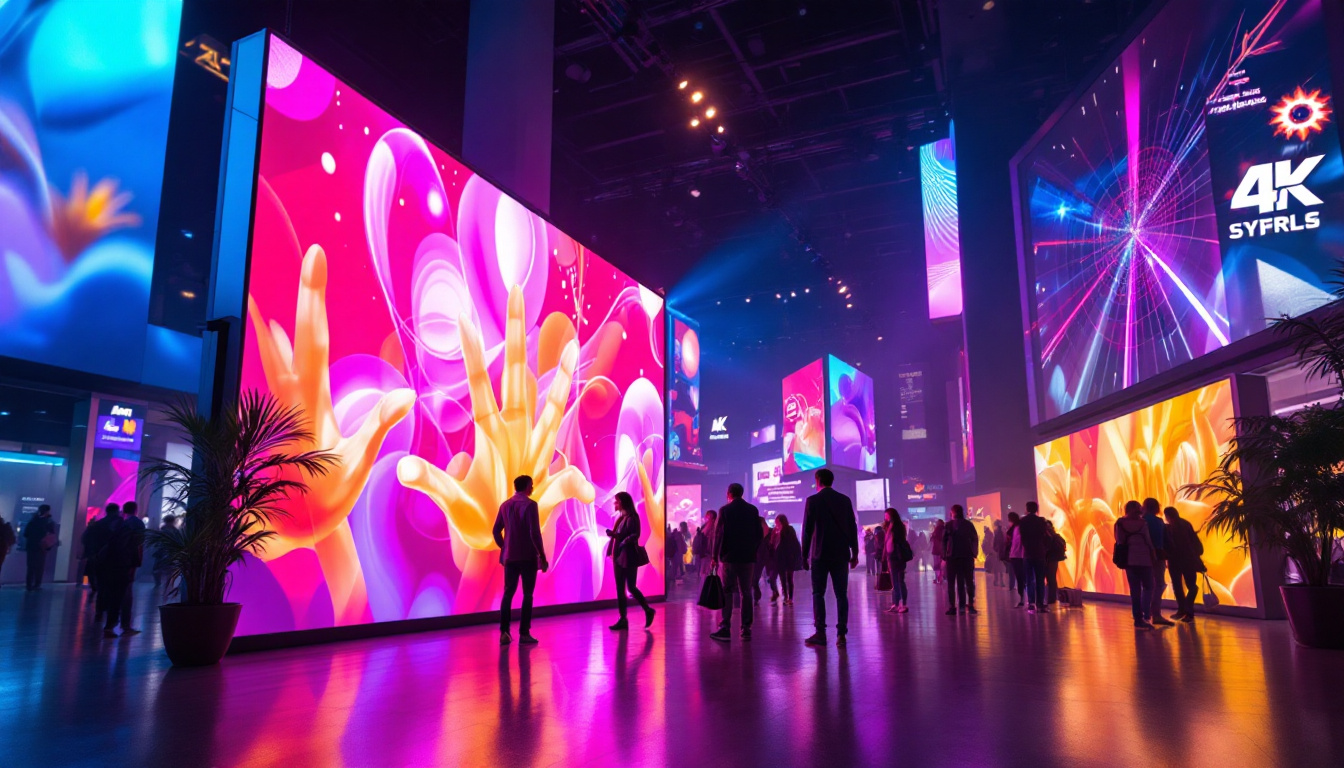
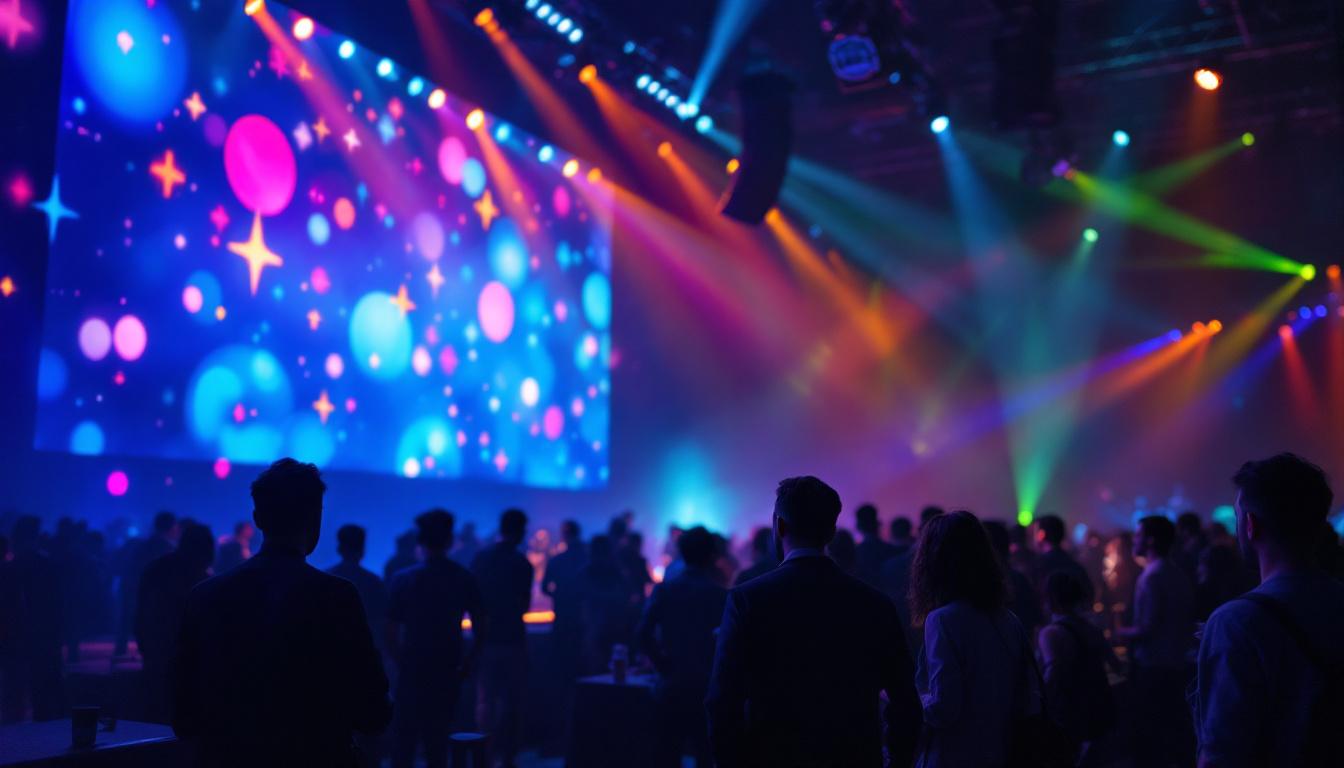
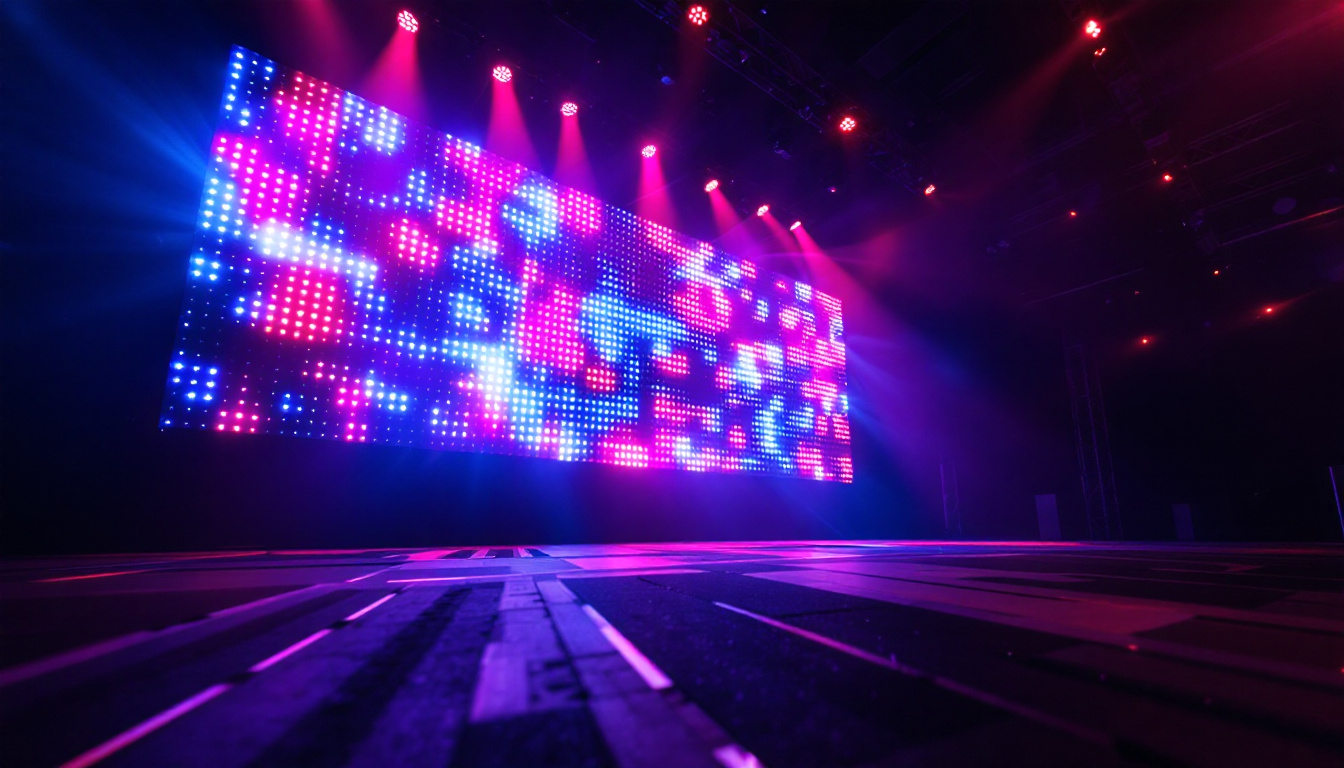
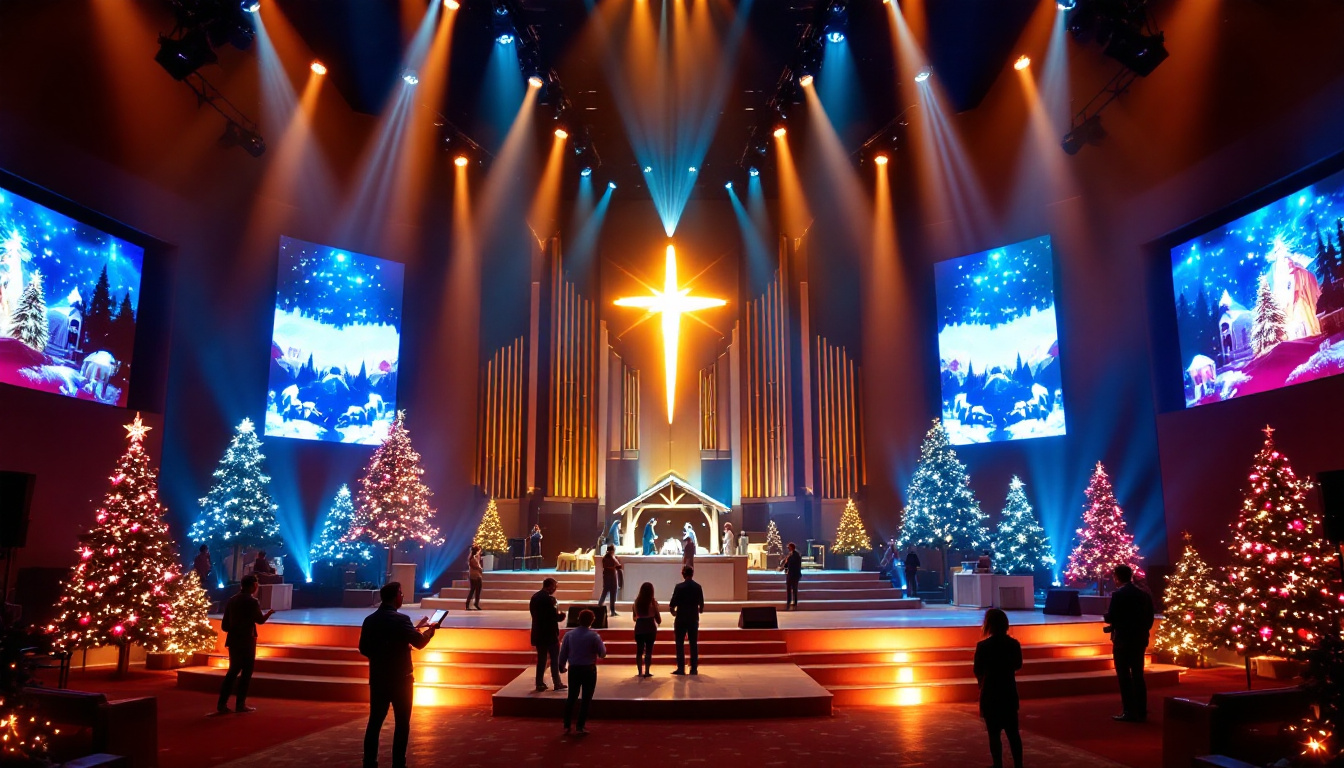
Temporary events require quick assembly and disassembly of LED displays. The modular nature of lattice frame kits makes them perfect for touring concerts, festivals, and trade shows. They allow for rapid deployment and customization of screen sizes to suit different venues and audience sizes, all while maintaining structural safety.
Sports Arenas and Stadiums
In sports venues, large LED screens provide real-time scores, replays, and advertisements. These installations often involve irregular shapes and curved surfaces to fit architectural features. Lattice frame kits can be configured to accommodate these unique requirements, ensuring seamless integration and stable support for heavy LED panels.
Retail and Corporate Environments
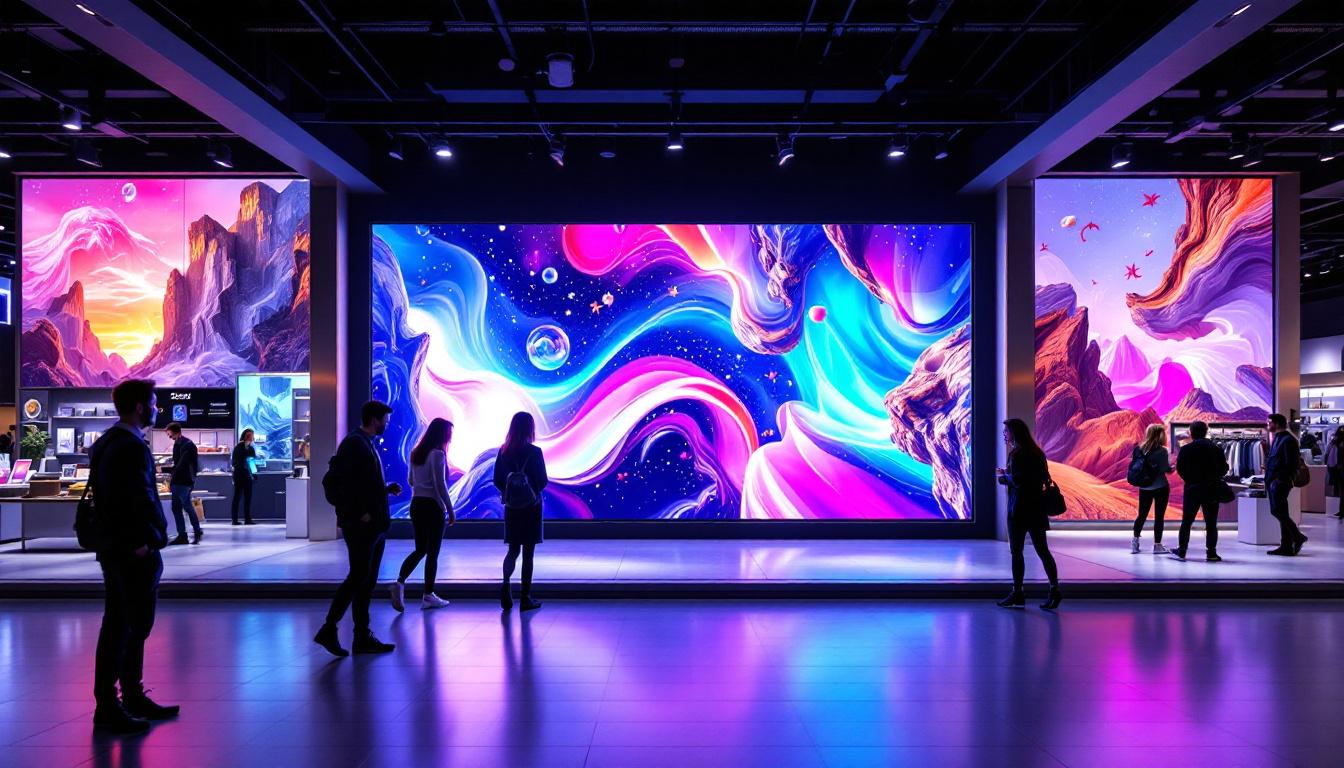
Indoor LED displays in retail stores, corporate lobbies, and conference centers benefit from lattice frame kits due to their clean, professional appearance and ease of installation. The lightweight frames reduce the need for structural reinforcements, and their flexibility allows for creative display designs that enhance brand presence.
Key Considerations When Selecting a Lattice Frame Kit
Choosing the right lattice frame kit involves evaluating several important factors to ensure compatibility with the LED display and the installation environment.
Load Capacity and Structural Requirements
Assessing the weight of the LED panels and any additional equipment is essential. The frame must support not only the static load but also dynamic forces such as wind and vibrations. Consulting with structural engineers or manufacturers’ specifications helps determine the appropriate frame rating.
Compatibility with LED Panels
Different LED modules have varying mounting hole patterns and thicknesses. Selecting a lattice frame kit that offers adjustable mounting brackets or customizable interfaces ensures secure attachment and proper alignment.
Environmental Conditions
Consider the installation site’s exposure to weather, temperature fluctuations, and potential corrosive elements. Opting for materials with suitable corrosion resistance and protective coatings will extend the lifespan of the frame.
Installation and Maintenance Logistics
Evaluate the ease of transport, assembly, and future maintenance. Kits with modular, lightweight components and quick-release mechanisms reduce labor costs and downtime during repairs or upgrades.
Future Trends in Lattice Frame Kits and LED Display Technology
As LED technology advances, so do the structural solutions that support these displays. Innovations in lattice frame kits are focusing on enhancing functionality, sustainability, and integration with digital systems.
Smart Frame Systems
Emerging lattice frame kits incorporate sensors and IoT (Internet of Things) technology to monitor structural health in real-time. These smart frames can detect stress, vibrations, or environmental changes, alerting operators to potential issues before they become critical.
Lightweight Composite Materials
Research into advanced composite materials aims to produce frames that are even lighter and stronger than traditional aluminum or steel. These materials can reduce transportation costs and environmental impact while maintaining or improving load capacities.
Integration with Modular LED Panel Technologies
As LED panels become more modular and flexible, lattice frame kits are evolving to accommodate curved, foldable, or transparent displays. This synergy enables more creative and immersive visual experiences in advertising, entertainment, and architectural applications.
Conclusion
Lattice frame kits are an essential component in the successful deployment of LED displays across various industries. Their modularity, strength, and adaptability make them a reliable choice for both temporary and permanent installations. Understanding the design principles, advantages, and application scenarios of lattice frame kits empowers professionals to make informed decisions that enhance the performance and longevity of their LED display projects.
With ongoing innovations in materials and smart technologies, lattice frame kits will continue to evolve, supporting the next generation of LED displays that captivate audiences worldwide.
Discover LumenMatrix’s Advanced LED Solutions
Ready to elevate your visual displays with the latest in LED technology? LumenMatrix is at the forefront of creating immersive and dynamic visual experiences. From vibrant Indoor LED Wall Displays to robust Outdoor LED Wall Displays, and from versatile Vehicle LED Displays to innovative Custom LED Solutions, we have a wide array of products designed to captivate your audience. Embrace the future of visual communication with LumenMatrix and let your brand shine like never before. Check out LumenMatrix LED Display Solutions today and transform your space into a spectacle of light and color.