In today’s world, screens are everywhere—from smartphones and laptops to TVs and digital billboards. Two of the most common types of display technologies you’ll encounter are LCD and LED. While these terms are often used interchangeably in everyday conversation, they refer to distinct technologies with unique characteristics. Understanding the difference between LCD and LED displays is essential for consumers, tech enthusiasts, and professionals who want to make informed decisions about purchasing or using display devices.
This article delves deep into the differences between LCD and LED displays, explaining how each technology works, their advantages and disadvantages, and their applications. Whether you’re shopping for a new TV, monitor, or digital signage, this guide will help clarify the often-confusing terminology and highlight what really matters when choosing a display.
Understanding LCD Technology
What is an LCD Display?
LCD stands for Liquid Crystal Display. It’s a flat-panel display technology that uses liquid crystals combined with a backlight to produce images. The liquid crystals themselves do not emit light; instead, they manipulate light passing through them to create visible images. This technology has been widely used in devices such as computer monitors, televisions, smartphones, and digital watches since the 1990s.
The basic structure of an LCD involves several layers: a backlight source, polarizing filters, liquid crystal cells, and color filters. When an electric current is applied to the liquid crystals, they twist and align in ways that control the amount of light passing through each pixel. By varying the alignment of these crystals, the display can produce different colors and shades. The efficiency and versatility of LCD technology have made it a popular choice for a wide range of applications, from consumer electronics to industrial displays.
Moreover, advancements in LCD technology have led to the development of various types of displays, such as IPS (In-Plane Switching) and TN (Twisted Nematic) panels. IPS panels are known for their superior color accuracy and wider viewing angles, making them ideal for professional graphic design and photography. On the other hand, TN panels are often favored in gaming due to their fast response times, although they may sacrifice some color fidelity and viewing angles.
How Does LCD Work?
At the heart of an LCD panel are millions of tiny liquid crystal cells arranged in a grid. These cells act like shutters that can block or allow light to pass through. The backlight, traditionally a cold cathode fluorescent lamp (CCFL), shines light through the panel. The liquid crystals adjust their orientation in response to electrical signals, controlling the intensity of light for each pixel.
Color is achieved by placing red, green, and blue filters over the liquid crystal cells. By mixing different intensities of these primary colors, the display can produce a full spectrum of colors. The combined effect of millions of pixels creates the images seen on the screen. As technology has progressed, newer backlighting methods such as LED (Light Emitting Diode) have emerged, offering improved brightness, energy efficiency, and color range. LED backlighting can also enhance contrast ratios, providing deeper blacks and more vibrant colors, which significantly enhances the viewing experience.
Additionally, modern LCDs often incorporate features like high dynamic range (HDR) and wide color gamut (WCG) capabilities, which allow for more lifelike images with greater detail in both shadows and highlights. These advancements have made LCD displays not only suitable for everyday use but also for high-end applications such as gaming and professional video editing, where color precision and image quality are paramount.
What is an LED Display?
Clarifying the Term “LED Display”
The term “LED display” can be somewhat misleading because it is often used to describe two different types of displays: LED-backlit LCDs and true LED displays such as OLED or microLED. In most consumer electronics, when people say “LED TV” or “LED monitor,” they are referring to an LCD panel that uses LEDs (Light Emitting Diodes) as a backlight instead of traditional CCFLs.
True LED displays, on the other hand, use LEDs themselves as the individual pixels that emit light directly, without the need for a separate backlight. Examples include OLED (Organic LED) and microLED technologies, which are distinct from LCDs but often lumped together under the “LED” umbrella.
LED-Backlit LCDs: The Most Common LED Displays
Most modern LCD screens use LED backlighting rather than CCFL. This shift began around 2008 and has become the industry standard due to several advantages. LED backlights are thinner, more energy-efficient, and capable of producing brighter images with better contrast than CCFLs.
There are two main types of LED backlighting:
- Edge-lit LED: LEDs are placed along the edges of the screen, and light is spread across the panel using light guides. This allows for thinner displays but can sometimes result in uneven brightness.
- Direct-lit or Full-array LED: LEDs are positioned directly behind the LCD panel in a grid. This setup enables local dimming, where specific zones can be dimmed or brightened independently to improve contrast and black levels.
Key Differences Between LCD and LED Displays
Backlighting Technology
The fundamental difference between traditional LCDs and LED displays lies in the backlighting. Traditional LCDs use CCFL backlights, which are fluorescent tubes that consume more power and produce less uniform lighting. LED displays use light-emitting diodes as the backlight source, offering numerous benefits including lower power consumption, longer lifespan, and better brightness control.
Picture Quality and Contrast
LED-backlit LCDs generally provide better picture quality than CCFL-backlit LCDs. Full-array LED backlighting with local dimming can significantly improve contrast ratios by dimming dark areas of the screen while keeping bright areas illuminated. This results in deeper blacks and more vibrant colors.
However, it’s important to note that LED-backlit LCDs still rely on liquid crystals to modulate light, so they cannot achieve the perfect blacks of true LED displays like OLEDs, where pixels emit their own light and can be turned off completely.
Energy Efficiency and Thickness
LED backlighting is more energy-efficient than CCFLs, reducing power consumption by up to 40% in some cases. This efficiency also contributes to less heat generation, which is beneficial for device longevity and user comfort.
Additionally, LED backlights are much smaller and more flexible in design, allowing manufacturers to produce ultra-thin screens. This has been a key driver in the trend toward slim, lightweight TVs and monitors.
Cost Considerations
When LED backlighting first emerged, LED-backlit LCDs were more expensive than CCFL-backlit models. Today, LED-backlit LCDs dominate the market and are available at a wide range of price points. True LED displays like OLED remain premium products with higher costs due to their advanced manufacturing processes.
True LED Displays: OLED and microLED Explained
OLED Displays
OLED (Organic Light Emitting Diode) displays are a type of true LED display where each pixel emits its own light. This eliminates the need for a separate backlight and allows for exceptional contrast ratios, perfect black levels, and wide viewing angles. OLED technology is widely used in high-end smartphones, TVs, and wearable devices.
Because OLED pixels can be turned off individually, these displays achieve infinite contrast ratios and vibrant colors. However, OLED screens can be more susceptible to burn-in and generally have a shorter lifespan compared to LED-backlit LCDs.
microLED Displays
microLED is an emerging display technology that uses microscopic LEDs as individual pixels. Like OLED, microLED displays emit their own light, offering excellent contrast and color accuracy. They also avoid some of OLED’s drawbacks, such as burn-in, and can achieve higher brightness levels.
Currently, microLED technology is expensive and complex to manufacture, limiting its availability mostly to specialized applications and premium products. However, it holds great promise for the future of display technology.
Applications and Use Cases
Consumer Electronics
Most consumer TVs and monitors today are LED-backlit LCDs, offering a balance of cost, performance, and energy efficiency. OLED TVs are gaining popularity in the premium segment due to their superior picture quality, especially for home theater enthusiasts and gamers.
Smartphones and tablets often use OLED displays for their vibrant colors and power efficiency, though some budget models still rely on LCD technology with LED backlighting.
Commercial and Industrial Displays
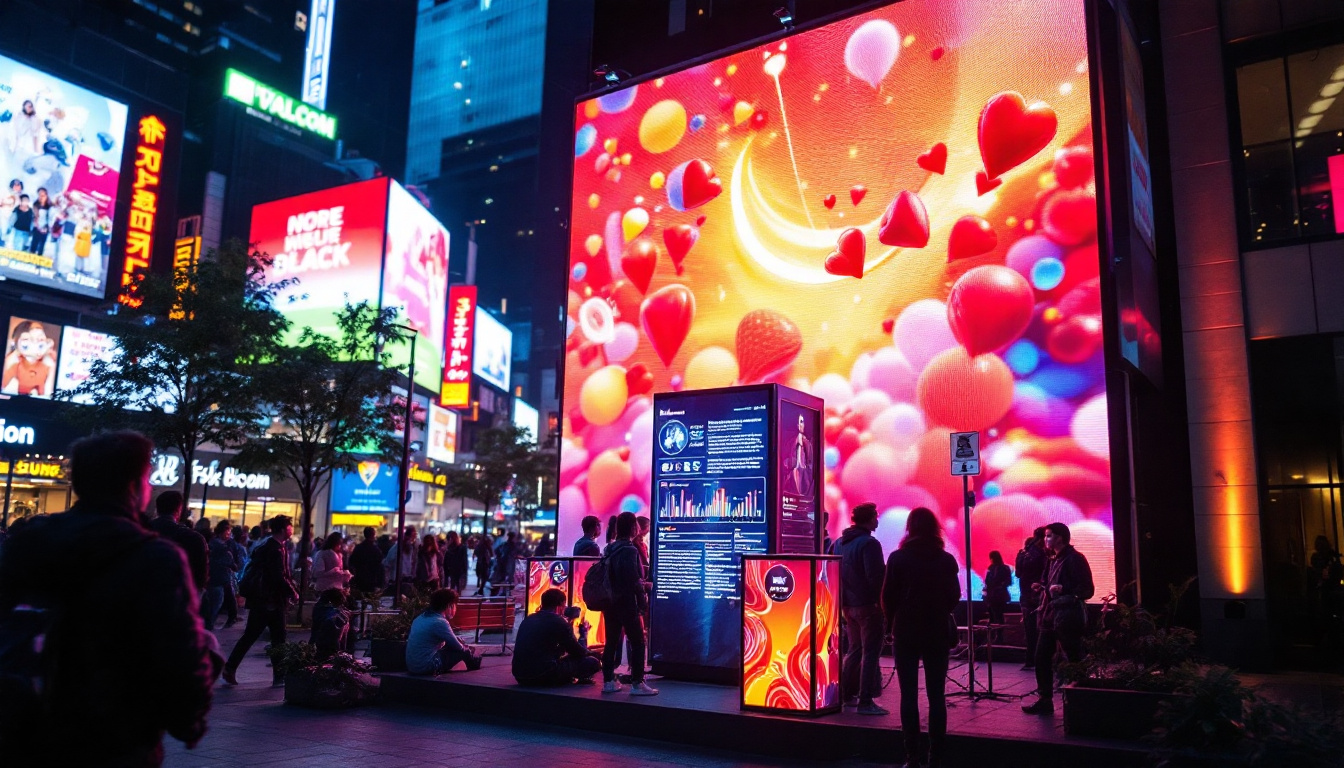
Large digital billboards and video walls frequently use true LED displays because they offer high brightness and durability in outdoor environments. LED technology’s scalability and brightness make it ideal for advertising and public information displays.
Professional and Specialized Uses
Medical imaging, graphic design, and video production often require displays with precise color accuracy and high contrast. OLED and high-end LED-backlit LCD monitors are preferred in these fields for their superior image quality.
Choosing the Right Display: What to Consider
Purpose and Environment
Consider where and how the display will be used. For brightly lit rooms or outdoor settings, LED-backlit LCDs with high brightness are suitable. For dark environments like home theaters, OLED’s deep blacks can enhance viewing experience.
Budget
LED-backlit LCDs offer excellent value for most users. If budget allows and image quality is a priority, OLED displays are worth considering. For commercial applications requiring large-scale installations, true LED displays are often the best choice.
Longevity and Maintenance
LED-backlit LCDs generally have longer lifespans and are less prone to burn-in than OLEDs. If the display will be used for static images or signage, LED-backlit LCD or microLED may be preferable.
Conclusion
Understanding the difference between LCD and LED displays is crucial for making informed decisions in today’s technology-driven world. While LCD refers to the liquid crystal technology that modulates light, LED typically refers to the backlighting method used in modern LCD panels or, in some cases, to true LED displays like OLED and microLED.
LED-backlit LCDs have become the standard in consumer electronics due to their improved energy efficiency, thinner designs, and better picture quality compared to older CCFL-backlit LCDs. Meanwhile, true LED displays such as OLED and microLED offer superior contrast and color performance but come at a higher cost and with some limitations.
By considering factors such as use case, budget, and desired picture quality, consumers and professionals can choose the display technology that best fits their needs. With ongoing advancements in display technology, the future promises even more exciting innovations in how images are rendered and experienced.
Discover Cutting-Edge LED Displays with LumenMatrix
Ready to elevate your visual experience with the latest in display technology? Look no further than LumenMatrix, a pioneer in crafting LED display modules that bring your content to life. Whether you’re in need of an Indoor LED Wall Display for a corporate event, an Outdoor LED Wall Display for impactful advertising, or any of our specialized solutions like Vehicle LED Displays and LED Sports Displays, LumenMatrix has you covered. Embrace the future of digital signage with our innovative LED Transparent Displays and more, designed to captivate and engage your audience. Check out LumenMatrix LED Display Solutions today and transform the way you communicate visually.