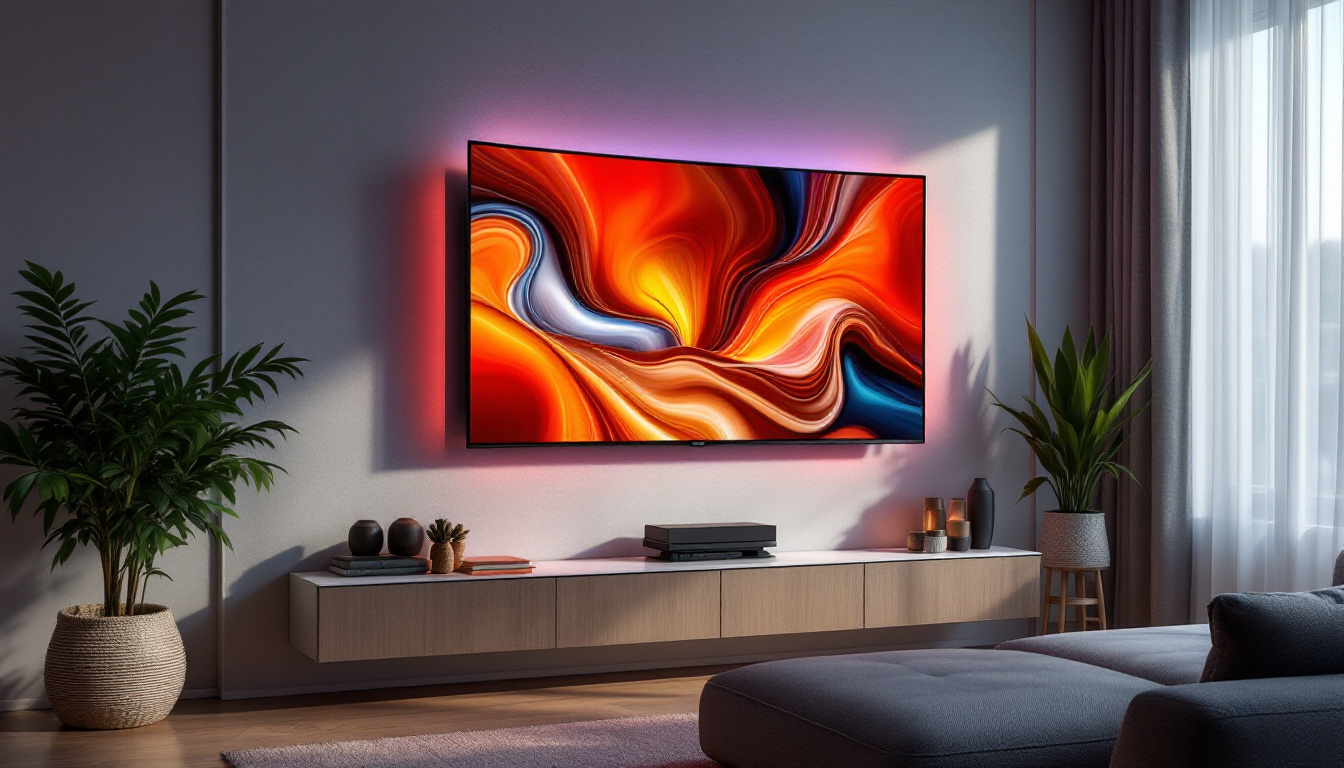
In today’s digital age, the display technology behind monitors plays a crucial role in how we interact with computers, televisions, and a variety of other devices. Among the most common display types, LCD monitors with LED backlighting have become the standard for consumers and professionals alike. However, despite their widespread use, many people remain unclear about what LED displays truly entail and how they differ from other technologies. This article aims to demystify LCD monitors with LED displays by exploring their technology, benefits, and practical applications.
Understanding LCD Technology
What is an LCD Monitor?
LCD stands for Liquid Crystal Display, a technology that uses liquid crystals to modulate light and produce images on screens. Unlike older cathode ray tube (CRT) monitors, LCDs are flat-panel displays, making them thinner, lighter, and more energy-efficient.
At the core of an LCD monitor are liquid crystals that do not emit light themselves. Instead, they manipulate light passing through them to create images. This manipulation is achieved by aligning the crystals in response to electrical currents, which controls the amount of light that reaches the viewer’s eyes. The combination of the liquid crystals and the polarizing filters allows for a wide range of colors and contrasts, making LCDs suitable for various applications, from casual computing to professional graphic design.
Moreover, the resolution of an LCD monitor is determined by the number of pixels it can display, which directly impacts the clarity and detail of the images shown. Higher resolutions, such as Full HD (1920×1080) or 4K (3840×2160), provide sharper images and are increasingly becoming the standard in both consumer and professional markets. This advancement in pixel density allows for a more immersive viewing experience, especially important for activities such as gaming and video editing.
The Role of Backlighting in LCDs
Since liquid crystals do not generate light, LCD monitors require an external light source, known as backlighting, to illuminate the screen. Early LCDs used cold cathode fluorescent lamps (CCFLs) as backlights, which were bulky and less energy-efficient.
Modern LCD monitors primarily use LED (Light Emitting Diode) backlighting, which offers numerous advantages over CCFLs, including improved brightness, energy efficiency, and thinner display panels. This shift from CCFL to LED backlighting has been instrumental in the evolution of LCD monitors. Additionally, LED technology allows for various backlighting techniques, such as edge-lit and full-array, which can enhance contrast and color accuracy. Edge-lit LEDs, for instance, place the light sources along the edges of the screen, while full-array backlighting uses a grid of LEDs behind the entire panel, allowing for localized dimming and improved black levels.
The choice of backlighting also influences the overall color reproduction of the display. With advancements in LED technology, manufacturers have developed wide color gamut displays that can reproduce a broader spectrum of colors, making them ideal for tasks that require precise color accuracy, such as photo editing and graphic design. As a result, users can enjoy more vibrant and lifelike images, further enhancing the visual experience across various multimedia applications.
What Does LED Display Mean?
Clarifying the Terminology: LED vs. LCD
One of the most common misconceptions is that LED displays are a separate type of screen technology from LCDs. In reality, most LED displays are actually LCD panels that use LEDs for backlighting instead of CCFLs. The term “LED display” often refers to an LCD screen with LED backlighting rather than a fundamentally different display technology.
True LED displays, sometimes called OLED (Organic LED) or microLED, are different technologies where the pixels themselves emit light. However, these are distinct from the LCD + LED combination that dominates the monitor market. OLED displays, for instance, offer deeper blacks and a wider color gamut because each pixel can be turned on or off independently, allowing for more precise control over the image. This results in vibrant colors and stunning contrast ratios that are particularly appealing for high-definition video and gaming applications.
Types of LED Backlighting
LED backlighting comes in two primary configurations: edge-lit and direct-lit (or full-array). Edge-lit LED monitors place LEDs along the edges of the screen, using light guides to distribute illumination evenly. This design allows for thinner panels and lower manufacturing costs. However, while edge-lit displays can be sleek and lightweight, they may struggle with uniformity in brightness, particularly in larger screens where light may not reach the center as effectively.
Direct-lit LED monitors have an array of LEDs positioned behind the entire screen. This setup enables better control of brightness and contrast, especially when paired with local dimming technology, which turns off LEDs in dark areas to enhance black levels. This feature not only improves the overall picture quality but also makes direct-lit displays more suitable for viewing in varied lighting conditions, as they can adapt to different environments. Additionally, advancements in backlighting technologies, such as quantum dot enhancements, are further pushing the boundaries of color accuracy and brightness in modern displays, making them a popular choice for both professional and consumer-grade monitors.
Advantages of LED-Backlit LCD Monitors
Energy Efficiency and Environmental Impact
LED backlighting consumes significantly less power than CCFL backlighting. According to recent studies, LED-backlit LCD monitors can use up to 40% less energy, making them more environmentally friendly and cost-effective over time. This energy efficiency is particularly important in office environments where multiple monitors operate continuously.
Additionally, LEDs do not contain mercury, unlike CCFLs, reducing the environmental hazards associated with disposal and recycling.
Improved Display Quality
LED backlighting enhances display brightness and color accuracy. Many high-end LED-backlit LCD monitors support wide color gamuts, including standards like Adobe RGB and DCI-P3, which are essential for professional photo and video editing.
Moreover, LED backlighting contributes to better contrast ratios, especially when combined with local dimming. This results in deeper blacks and more vibrant images, improving the overall viewing experience for gaming, multimedia, and productivity tasks.
Design and Durability Benefits
The compact size of LEDs enables manufacturers to produce thinner and lighter monitors. This slim profile not only saves desk space but also contributes to sleek, modern aesthetics that appeal to consumers.
LEDs also have a longer lifespan compared to CCFLs, often rated for tens of thousands of hours of use. This durability means fewer replacements and less maintenance over the monitor’s lifetime.
Comparing LED-Backlit LCDs to Other Display Technologies
LED-Backlit LCD vs. OLED
OLED (Organic Light Emitting Diode) displays differ fundamentally from LED-backlit LCDs. In OLEDs, each pixel emits its own light, allowing for perfect black levels and superior contrast ratios. This makes OLEDs highly desirable for high-end smartphones, televisions, and some monitors.
However, OLEDs tend to be more expensive and can suffer from issues like burn-in, where static images leave permanent marks on the screen. LED-backlit LCDs, while not offering the same contrast perfection, are generally more affordable and free from burn-in concerns.
LED-Backlit LCD vs. Traditional CCFL LCDs
Compared to CCFL-backlit LCDs, LED-backlit models offer better energy efficiency, thinner designs, and improved color performance. CCFL monitors are largely obsolete in the consumer market but may still be found in some industrial or legacy applications.
LED-Backlit LCD vs. Plasma Displays
Plasma displays, once popular for large-screen televisions, have largely been phased out. They offered excellent color reproduction and viewing angles but consumed more power and were heavier than LED-backlit LCDs. Today, LED-backlit LCDs dominate due to their versatility and efficiency.
Practical Considerations When Choosing an LED-Backlit LCD Monitor
Resolution and Screen Size
When selecting a monitor, resolution and screen size are critical factors. Common resolutions include Full HD (1920×1080), Quad HD (2560×1440), and 4K UHD (3840×2160). Higher resolutions provide sharper images but require more powerful graphics hardware, especially for gaming or professional use.
Screen size preferences vary depending on use cases. For office productivity, 24 to 27 inches is typical, while creative professionals and gamers might prefer larger screens for immersive experiences.
Refresh Rate and Response Time
For gamers and video editors, refresh rate and response time are important. LED-backlit LCD monitors can offer refresh rates from 60Hz up to 240Hz or higher, with faster response times reducing motion blur and ghosting effects.
Color Accuracy and Calibration
Professionals working in photography, video production, or graphic design should prioritize monitors with high color accuracy and factory calibration. Some LED-backlit LCD monitors come with hardware calibration tools and support for wide color gamuts, ensuring precise color reproduction.
Connectivity and Additional Features
Modern monitors often include multiple connectivity options such as HDMI, DisplayPort, USB-C, and built-in USB hubs. Features like adjustable stands, blue light filters, and flicker-free technology also contribute to user comfort and ergonomics.
The Future of LED Display Technology
Advancements in Mini-LED and MicroLED
Emerging technologies like Mini-LED and MicroLED aim to push the boundaries of LED-backlit LCD displays. Mini-LED uses thousands of tiny LEDs for backlighting, enabling even finer local dimming and improved contrast. MicroLED, on the other hand, is a self-emissive technology similar to OLED but with potentially greater brightness and longevity.
These innovations promise to deliver superior image quality while maintaining the benefits of LED technology, though they are currently more expensive and primarily found in high-end products.
Integration with Smart and Flexible Displays
LED technology is also being integrated into flexible and transparent displays, opening new possibilities for design and functionality. As these technologies mature, LED-backlit LCDs will continue to evolve, blending performance with versatility.
Conclusion
LED-backlit LCD monitors represent a mature and highly effective display technology that balances performance, cost, and energy efficiency. Understanding the distinction between LCD panels and LED backlighting helps clarify common misconceptions and enables consumers to make informed purchasing decisions.
With ongoing advancements such as Mini-LED and MicroLED, the future of LED display technology looks promising, offering even better image quality and innovative form factors. Whether for professional use, gaming, or everyday computing, LED-backlit LCD monitors remain a reliable and versatile choice in the evolving landscape of display technology.
Explore Cutting-Edge LED Displays with LumenMatrix
Ready to experience the future of display technology? LumenMatrix is at the forefront of LED innovation, offering a wide array of advanced LED display solutions tailored to your needs. From vibrant Indoor LED Walls to dynamic Outdoor LED Displays, and from versatile Vehicle LED Displays to sleek LED Poster Displays, our products are designed to captivate and engage. Discover how our LED Sports Displays, interactive Floor LED Displays, and Custom LED solutions can transform your visual communication. Elevate your brand’s visibility and create unforgettable experiences with our All-in-One LED and Transparent LED Displays. Don’t miss out on the opportunity to revolutionize your space. Check out LumenMatrix LED Display Solutions today and step into a world of unparalleled clarity and impact.