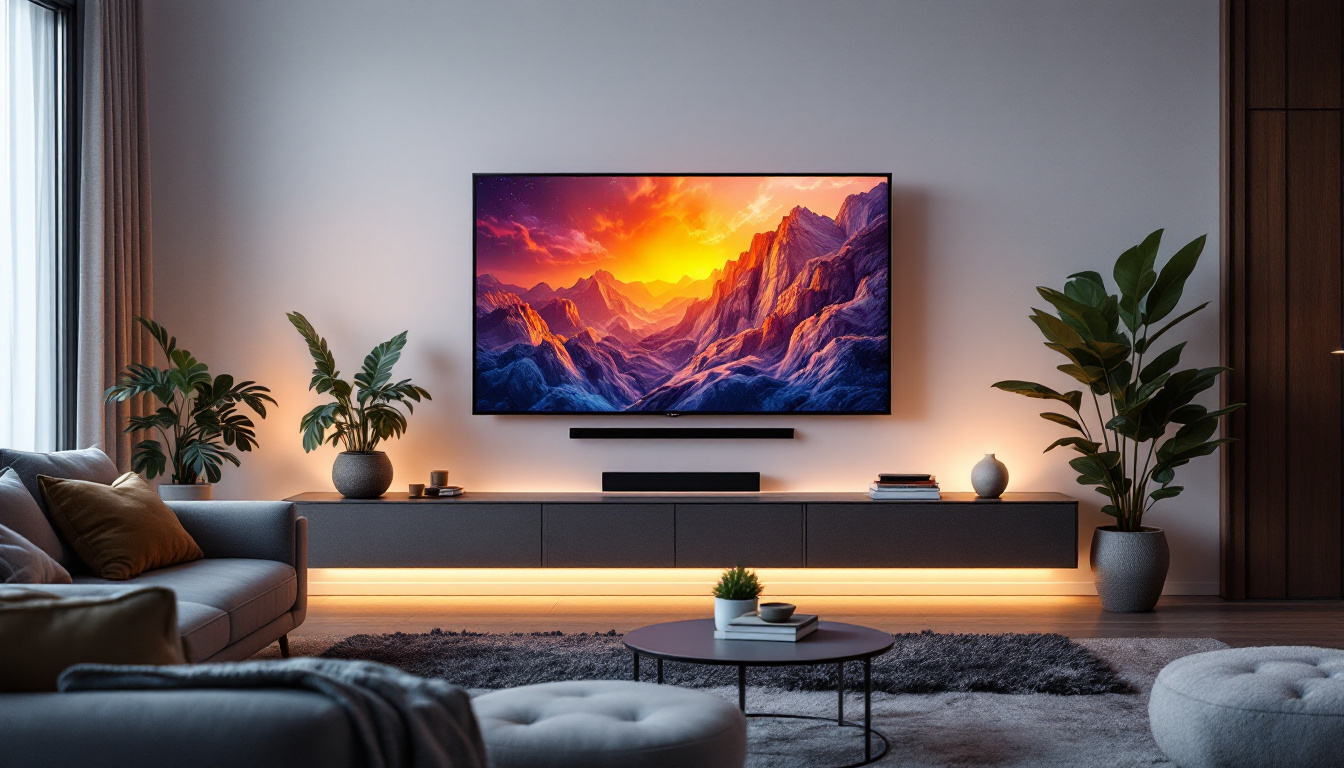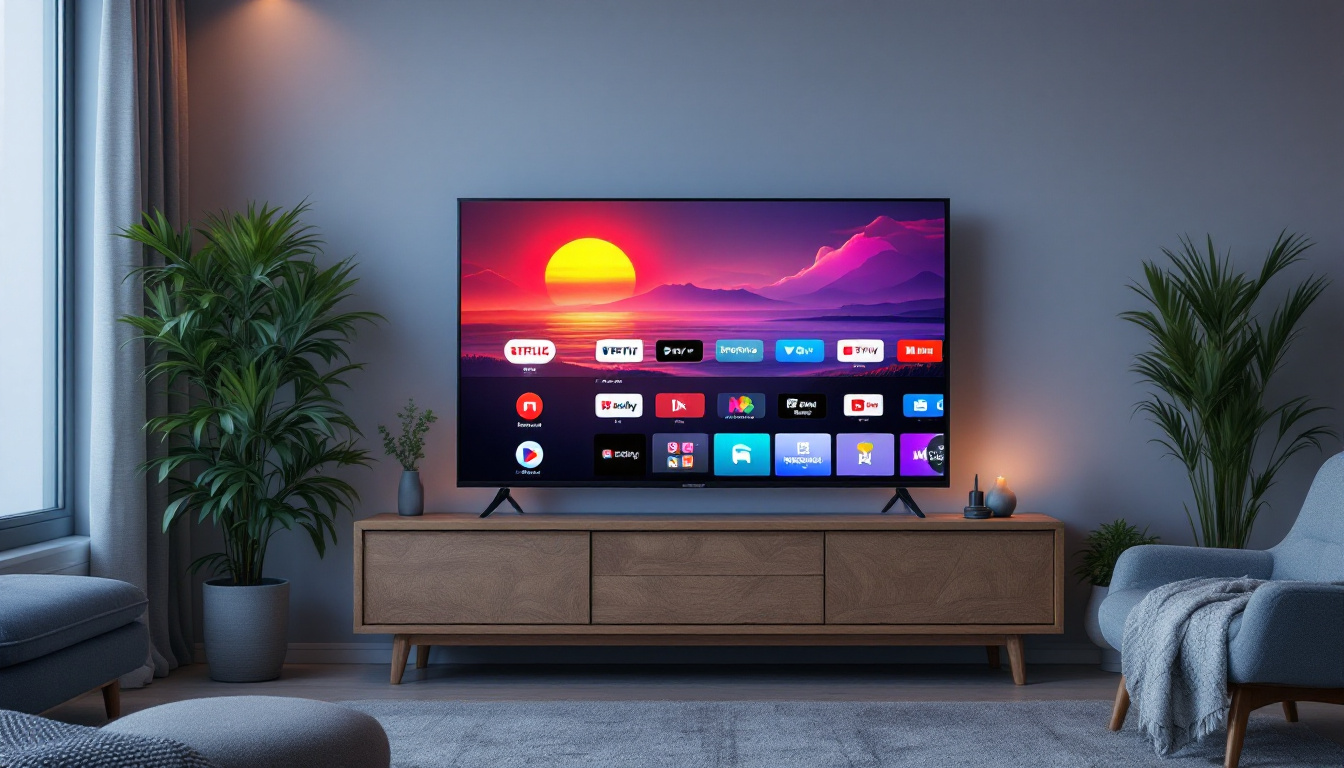
In today’s digital age, display technology plays a crucial role in how we interact with information, entertainment, and communication. Among the various types of display technologies, LCD panels with LED backlighting have become ubiquitous, powering everything from smartphones and laptops to large television screens and digital signage. Understanding how LCD panels work, the role of LED displays, and the differences between various technologies can help consumers, professionals, and enthusiasts make informed decisions when selecting displays for their needs.
Understanding LCD Panels: The Basics
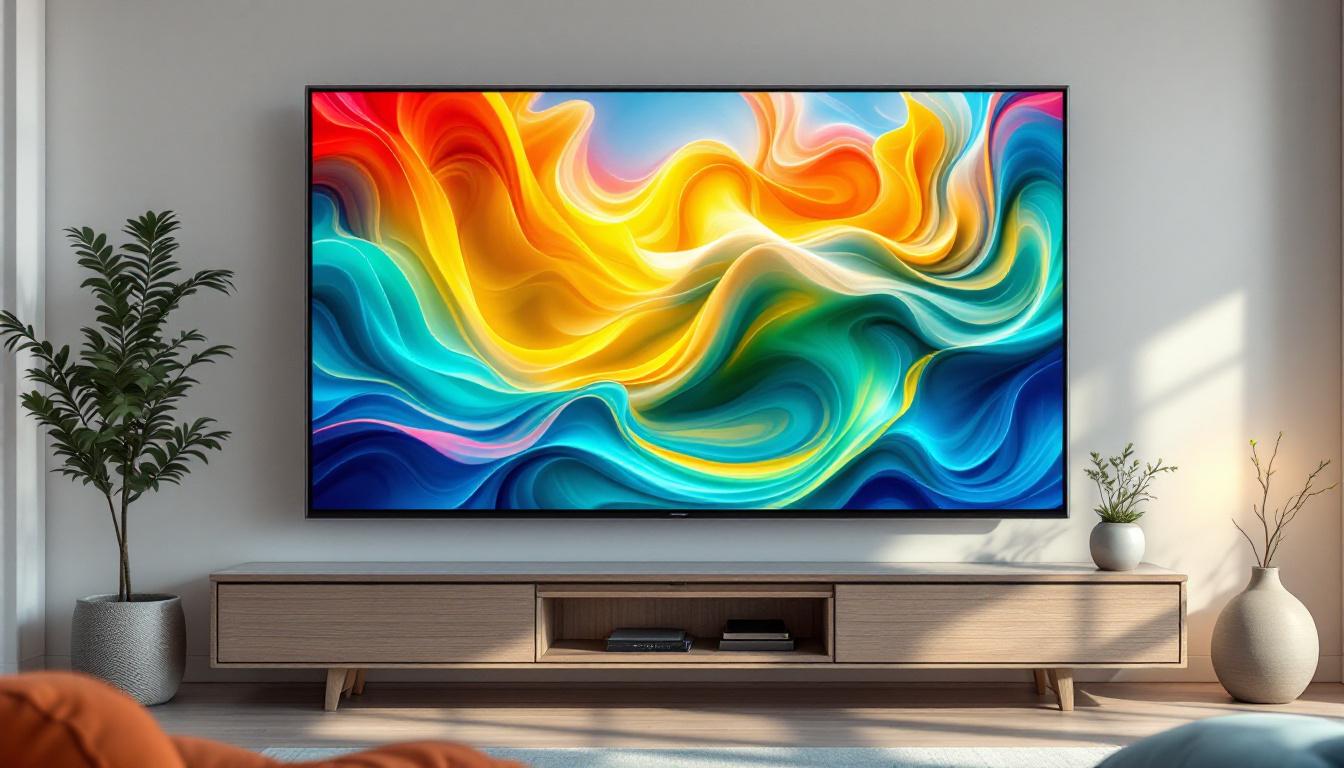
Liquid Crystal Display (LCD) panels are a type of flat-panel display technology that uses liquid crystals to modulate light and produce images. Unlike older cathode ray tube (CRT) displays, LCDs are thinner, lighter, and more energy-efficient, making them ideal for modern electronic devices. The versatility of LCD technology has allowed it to be used in a wide range of applications, from televisions and computer monitors to smartphones and tablets, revolutionizing how we interact with digital content.
How LCD Panels Work
At the core of an LCD panel are liquid crystals, which have properties between those of liquids and solid crystals. These crystals do not emit light directly. Instead, they manipulate light passing through them. An LCD panel consists of several layers, including polarizing filters, glass substrates, electrodes, and the liquid crystal layer itself. Each layer plays a crucial role in the display’s functionality, ensuring that the final image is vibrant and clear.
When an electric current is applied to the liquid crystals, their orientation changes, affecting how they interact with polarized light. By controlling the voltage applied to different parts of the panel, the display can control the amount of light passing through each pixel, thus creating images. The precision in this control allows for the display of millions of colors and intricate details, making LCD technology suitable for everything from simple text displays to high-definition video playback.
The Role of Backlighting in LCDs
Since liquid crystals do not emit light, LCD panels require a separate light source known as backlighting. Early LCDs used cold cathode fluorescent lamps (CCFLs) for backlighting, which were bulky and less energy-efficient. Modern LCD panels predominantly use Light Emitting Diodes (LEDs) for backlighting, leading to the term “LED display” often being used interchangeably with LCD, even though the display technology itself is LCD. The shift to LED backlighting has not only improved the overall performance of LCDs but has also enabled manufacturers to design sleeker and more aesthetically pleasing devices.
LED backlighting offers several advantages over CCFLs, including lower power consumption, thinner panels, better brightness control, and improved color accuracy. This advancement has contributed significantly to the widespread adoption of LCD panels in consumer electronics. Additionally, advancements in LED technology, such as local dimming and edge-lit designs, have further enhanced the contrast ratios and overall visual experience. As a result, LCD panels have become the preferred choice for a variety of uses, from gaming to professional graphic design, where color fidelity and response times are critical factors.
LED Displays: Clarifying the Terminology
The term “LED display” can sometimes cause confusion because it is used in different contexts. It is important to distinguish between LCD panels with LED backlighting and true LED displays.
LCD with LED Backlighting
As mentioned, most modern LCD panels use LEDs as the light source behind the liquid crystal layer. These LEDs can be arranged in different ways, such as edge-lit or direct-lit configurations. Edge-lit LED displays place LEDs along the edges of the screen, using light guides to distribute illumination evenly. Direct-lit or full-array LED displays have LEDs placed directly behind the panel, allowing for more precise local dimming and better contrast ratios.
True LED Displays
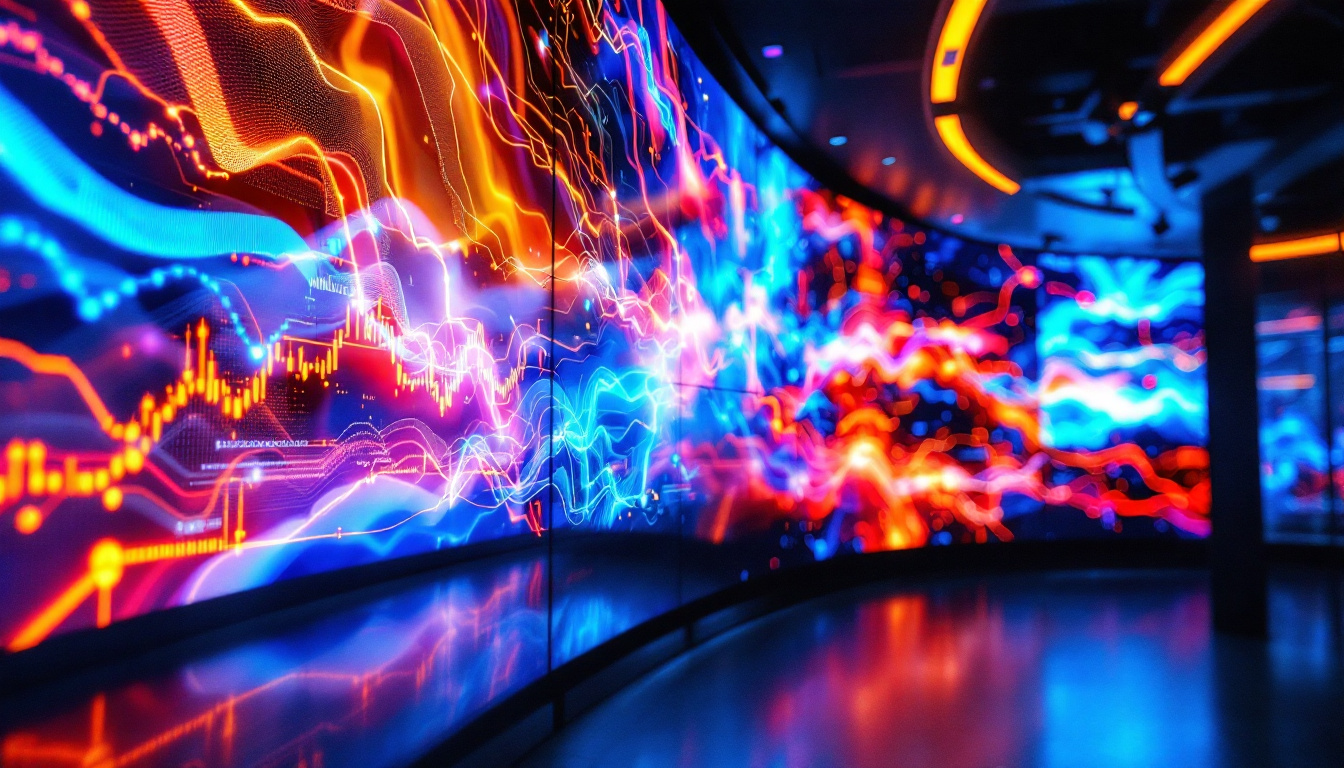
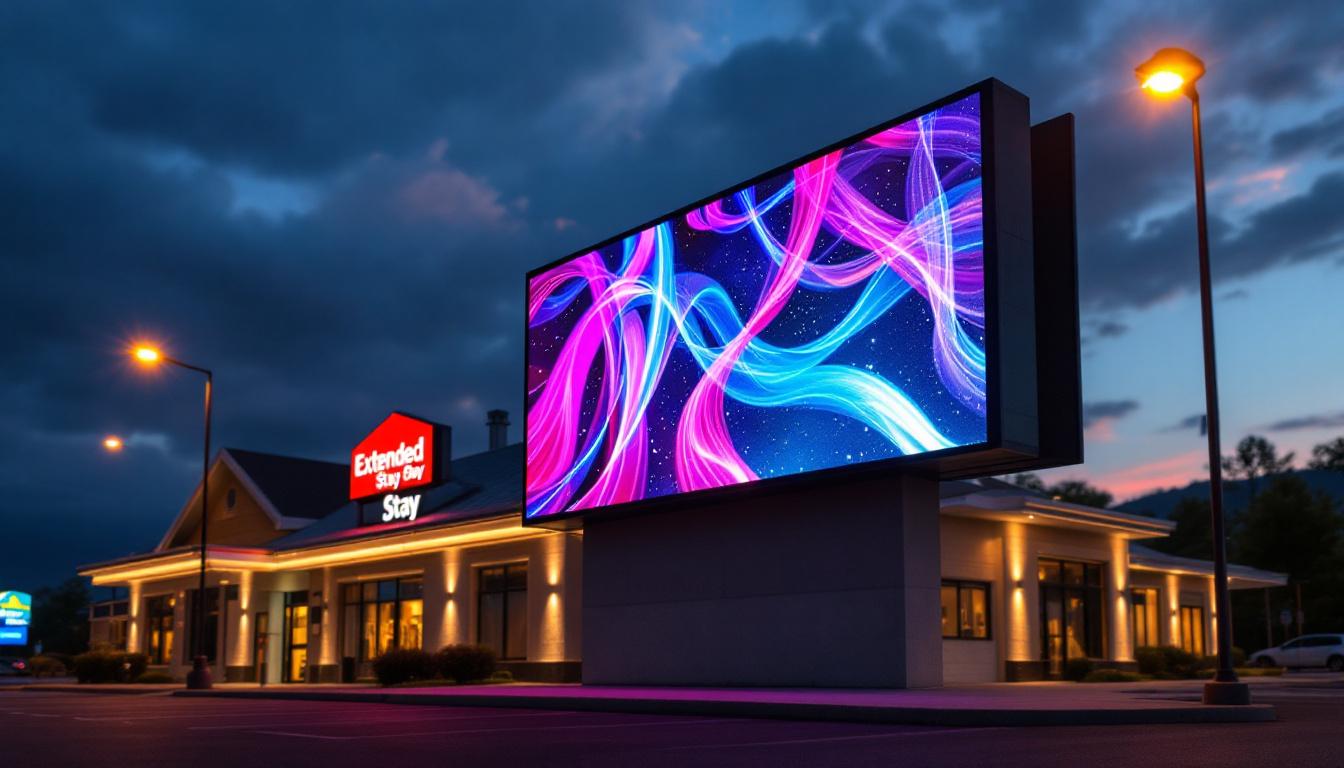
True LED displays, often called LED video walls or LED panels, do not use liquid crystals. Instead, they consist of an array of tiny LEDs that emit light directly to form images. These displays are commonly used in large-scale outdoor advertising, stadium screens, and digital billboards due to their high brightness and durability.
While true LED displays offer exceptional brightness and viewing angles, they are generally more expensive and less suited for close-up viewing compared to LCD panels. Understanding this distinction helps consumers and professionals choose the right technology for their specific applications.
Types of LED Backlighting in LCD Panels
LED backlighting technology has evolved significantly, with various configurations impacting display performance, thickness, and cost.
Edge-Lit LED Backlighting
In edge-lit LED displays, LEDs are positioned along the edges of the screen, and light is directed across the panel using light guides. This design allows manufacturers to produce ultra-thin displays, which are popular in smartphones, tablets, and slim televisions.
However, edge-lit displays can sometimes suffer from uneven brightness and limited local dimming capabilities, which may affect contrast and black levels.
Direct-Lit and Full-Array LED Backlighting
Direct-lit LED displays place LEDs behind the entire screen area, providing more uniform brightness. Full-array LED backlighting takes this further by dividing the backlight into multiple zones that can be dimmed independently, known as local dimming.
Local dimming enhances contrast ratios and black levels by dimming or turning off LEDs in dark areas of the image while keeping bright areas illuminated. This technology is especially beneficial in high dynamic range (HDR) content, providing a more immersive viewing experience.
Mini-LED and Micro-LED Technologies
Recent advancements have introduced mini-LED and micro-LED backlighting. Mini-LEDs are smaller than traditional LEDs, allowing thousands of dimming zones for even finer control over brightness and contrast. This results in displays with superior picture quality, deeper blacks, and higher peak brightness.
Micro-LED technology, on the other hand, uses microscopic LEDs that emit light individually without the need for liquid crystals or backlighting. While still emerging and costly, micro-LED displays promise exceptional brightness, color accuracy, and longevity, potentially revolutionizing the display market in the coming years.
Advantages and Limitations of LCD Panels with LED Backlighting
LCD panels with LED backlighting have become the standard for many applications due to their balance of cost, performance, and energy efficiency. However, like any technology, they come with both strengths and weaknesses.
Advantages
- Energy Efficiency: LED backlighting consumes less power than older CCFL backlights, making devices more energy-efficient and extending battery life in portable electronics.
- Thin and Lightweight: LED backlighting enables thinner and lighter displays, essential for modern mobile devices and sleek televisions.
- Improved Brightness and Color: LEDs offer better brightness control and color reproduction, enhancing image quality.
- Longer Lifespan: LEDs have a longer operational life than CCFLs, reducing maintenance and replacement costs.
- Environmentally Friendly: LEDs do not contain mercury, unlike CCFLs, making disposal safer and more environmentally responsible.
Limitations
- Contrast and Black Levels: Even with local dimming, LCD panels cannot achieve the perfect black levels of OLED displays, as some light leakage is inevitable.
- Viewing Angles: LCD panels may suffer from color shifting and reduced contrast when viewed from extreme angles compared to OLED or true LED displays.
- Response Time: While improved, LCD response times can still lag behind OLED, potentially affecting fast-moving content like gaming or sports.
- Complexity of Backlighting: Advanced backlighting systems like mini-LED increase manufacturing complexity and cost.
Applications of LCD Panels with LED Displays
The versatility of LCD panels with LED backlighting has led to their widespread adoption across numerous industries and applications.
Consumer Electronics
Smartphones, tablets, laptops, and televisions predominantly use LCD panels with LED backlighting due to their balance of image quality, cost, and energy efficiency. For example, the majority of mid-range to high-end televisions use full-array LED backlighting with local dimming to deliver superior picture quality at an affordable price.
Commercial and Industrial Use
Digital signage, point-of-sale displays, and medical imaging equipment often rely on LCD panels with LED backlighting. The ability to produce large, bright, and durable displays makes them ideal for environments requiring clear visibility and reliability.
Automotive Displays
Modern vehicles increasingly incorporate LCD panels with LED backlighting in dashboards, infotainment systems, and heads-up displays. The technology’s robustness and clarity enhance driver safety and user experience.
Gaming and Professional Monitors
High-performance LCD panels with advanced LED backlighting technologies, such as mini-LED, are becoming popular in gaming monitors and professional displays. These panels offer high refresh rates, excellent color accuracy, and improved contrast, catering to demanding users.
Future Trends in LCD and LED Display Technology
The display industry continues to innovate rapidly, with several trends shaping the future of LCD panels and LED displays.
Integration of Quantum Dot Technology
Quantum dot enhancement films (QDEF) are increasingly integrated into LCD panels to improve color accuracy and brightness. Quantum dots are semiconductor nanocrystals that emit precise wavelengths of light when illuminated by LEDs, resulting in richer and more vibrant colors. This technology is now common in premium LCD TVs marketed as “QLED.”
Advancements in Mini-LED and Micro-LED
Mini-LED backlighting is becoming more prevalent in high-end laptops, TVs, and tablets, offering near-OLED levels of contrast and brightness. Meanwhile, micro-LED displays, though still in early stages, promise to combine the best features of LCD and OLED technologies, such as perfect blacks, high brightness, and long lifespan.
Flexible and Transparent Displays
Research into flexible and transparent LCD and LED displays is ongoing, opening possibilities for innovative applications in wearable technology, automotive windows, and augmented reality devices.
Conclusion
LCD panels with LED backlighting represent a mature and highly versatile display technology that has transformed how people consume visual content across various devices and industries. Understanding the underlying principles of LCD operation, the role of LED backlighting, and the distinctions between LCD and true LED displays is essential for making informed choices in today’s diverse display market.
As technology advances, innovations such as mini-LED, micro-LED, and quantum dot enhancements continue to push the boundaries of image quality and efficiency. Whether for everyday consumer electronics, professional applications, or large-scale digital signage, LCD panels with LED displays remain a cornerstone of modern visual technology.
Discover Cutting-Edge LED Display Solutions
Ready to elevate your visual experience with the latest in LED display technology? Look no further than LumenMatrix, a pioneer in crafting immersive and dynamic LED display modules. From vibrant Indoor and Outdoor LED Wall Displays to innovative solutions like Vehicle LED Displays, LED Posters, and LED Sports Displays, LumenMatrix offers a wide array of products designed to captivate and engage. Embrace the future of visual communication with our Custom, All-in-One, and Transparent LED Displays, each tailored to deliver your message with unparalleled impact. Check out LumenMatrix LED Display Solutions and transform your space into a canvas of endless possibilities.