In today’s fast-paced world, capturing consumer attention is more challenging than ever. Businesses need dynamic, eye-catching solutions to stand out in crowded marketplaces. LED boards for advertising have emerged as one of the most effective tools for this purpose. These vibrant, versatile displays are transforming how brands communicate with their audiences, offering unparalleled visibility and engagement.
This article delves into the world of LED advertising boards, explaining what they are, how they work, and why they have become indispensable for modern marketing strategies. Whether you’re a business owner considering an LED display or a marketer looking to understand the technology behind it, this comprehensive guide will provide valuable insights.
What Is an LED Board for Advertising?
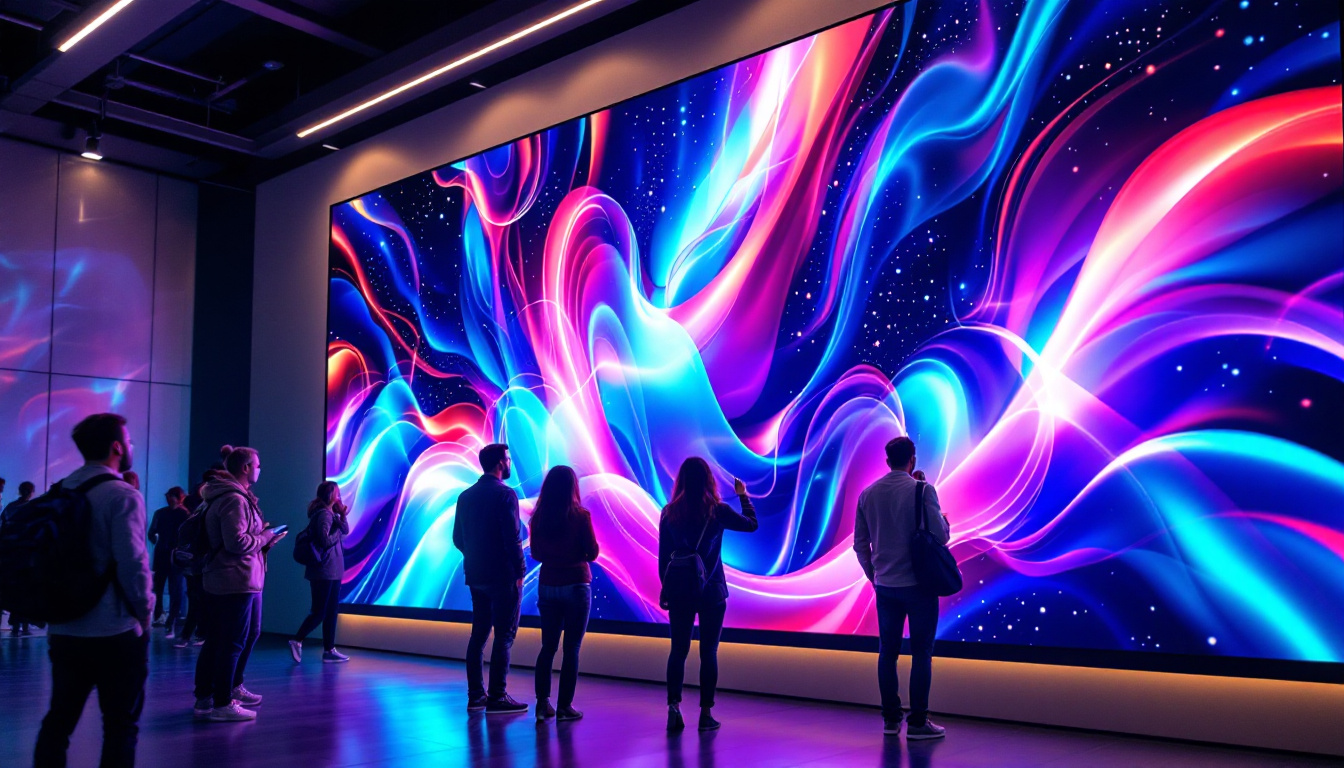
An LED board for advertising is a digital display that uses Light Emitting Diodes (LEDs) to showcase advertisements, messages, or information. Unlike traditional static billboards or posters, LED boards are capable of displaying moving images, videos, and changing content in real time.
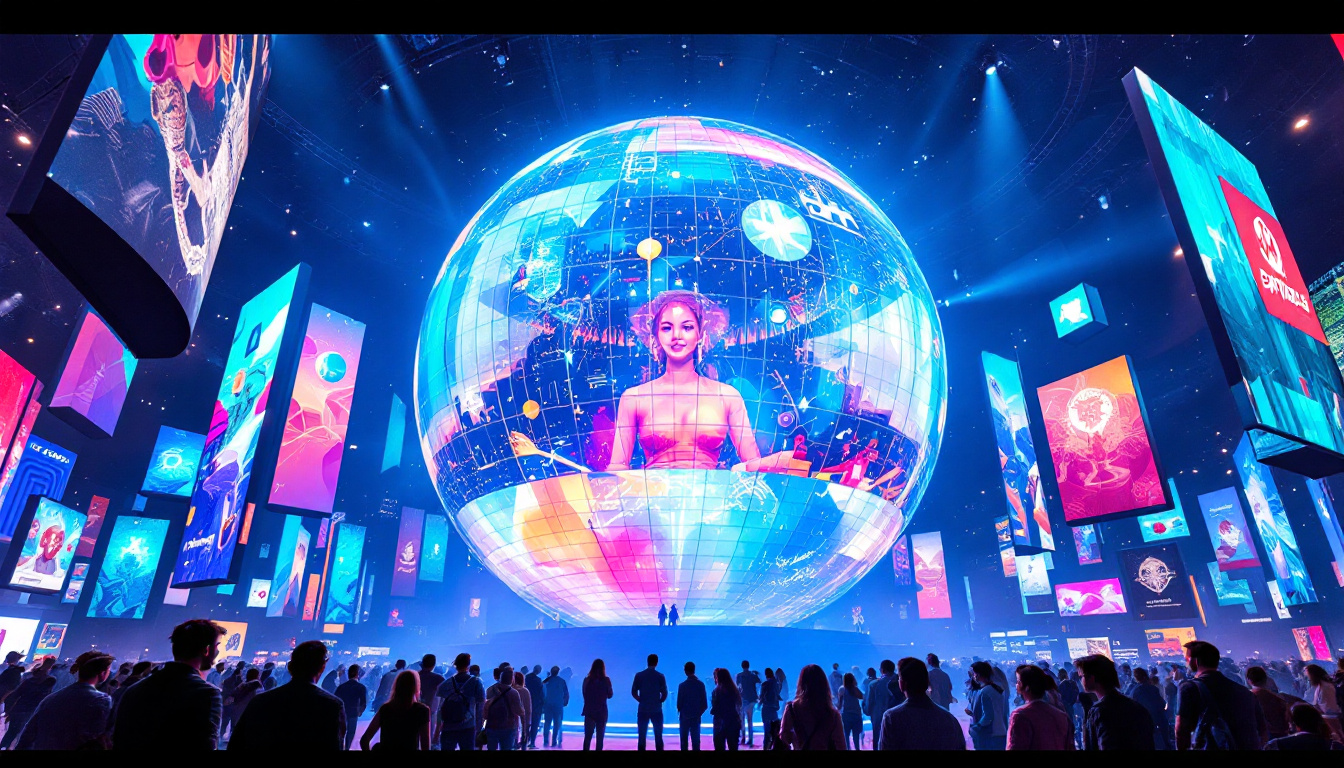
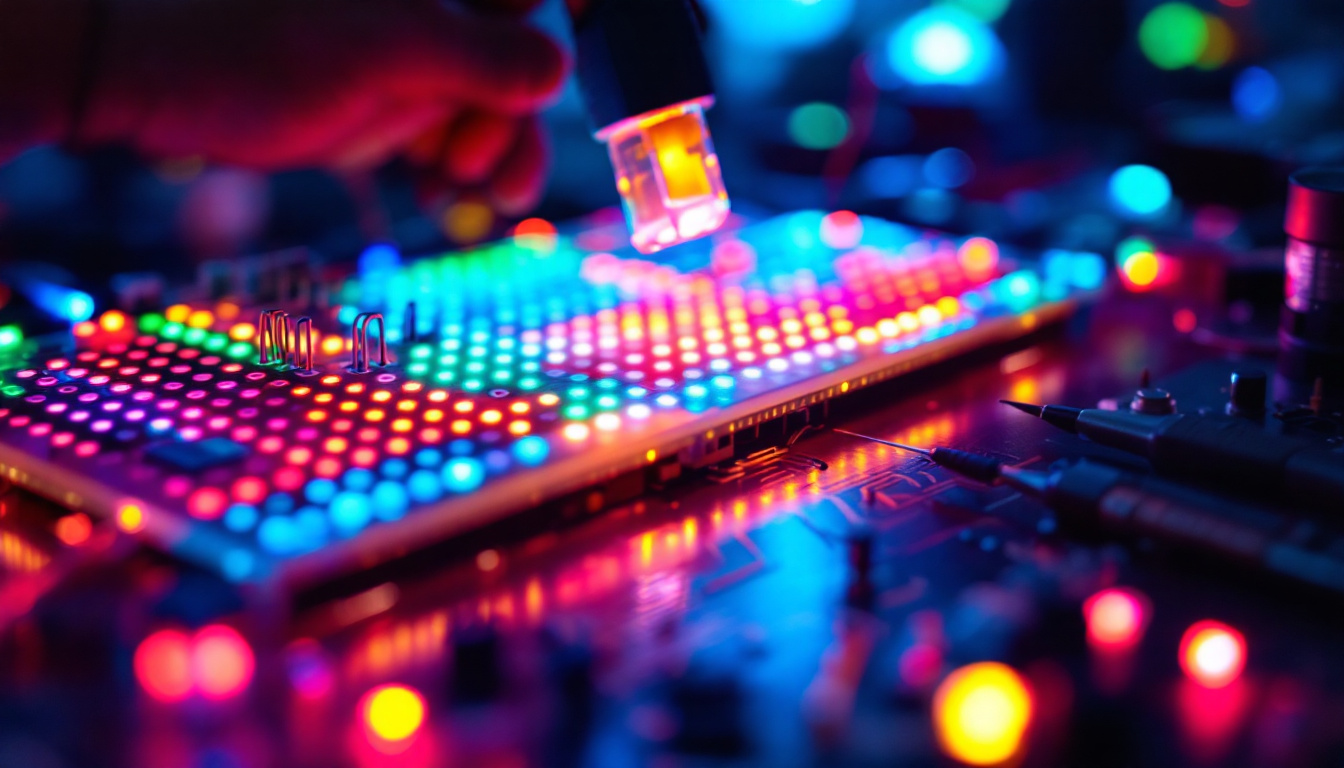
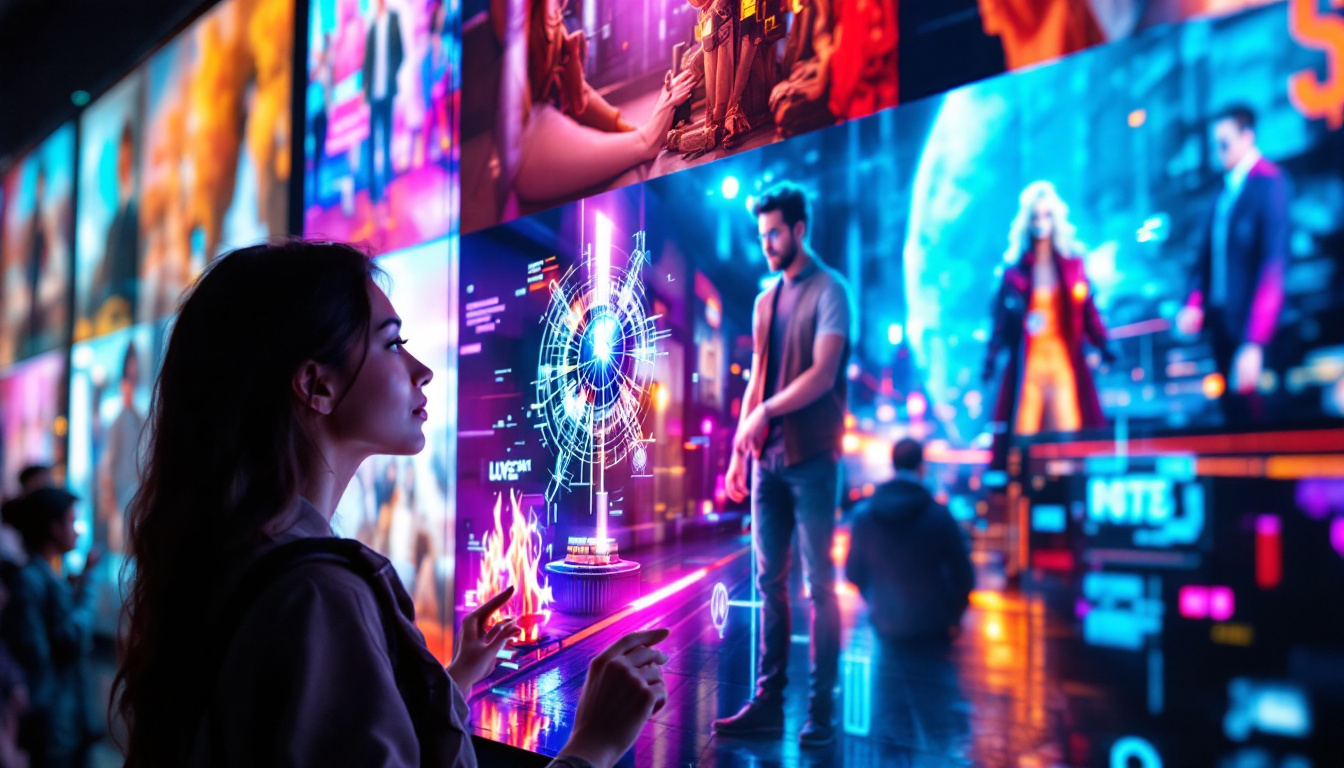
These boards are composed of thousands of tiny LEDs arranged in a grid. Each LED acts as a single pixel, and by controlling the brightness and color of each pixel, the board can produce vivid and dynamic visuals. LED advertising boards come in various sizes and resolutions, from small indoor screens to massive outdoor displays towering over city streets. Their versatility allows them to be used in a variety of settings, including shopping malls, sports arenas, and busy urban centers, where they can capture the attention of a diverse audience.
Key Features of LED Advertising Boards
LED boards offer several features that make them particularly attractive for advertising:
- Brightness: LEDs are extremely bright, ensuring visibility even in direct sunlight.
- Energy Efficiency: Compared to older technologies like neon or incandescent bulbs, LEDs consume less power, reducing operational costs.
- Durability: LED boards are weather-resistant and designed to operate continuously for years with minimal maintenance.
- Flexibility: Content can be updated instantly, allowing for real-time promotions and dynamic messaging.
- High Resolution: Modern LED boards can display high-definition images and videos, enhancing visual appeal.
Moreover, LED boards can be programmed to display a variety of content types, including live feeds, social media updates, and interactive elements that engage viewers. This interactivity can enhance customer experience, as businesses can create immersive campaigns that resonate with their target audience. For instance, some boards allow users to participate in polls or contests via their smartphones, fostering a sense of community and connection with the brand.
Additionally, the strategic placement of LED boards can significantly impact their effectiveness. High-traffic areas, such as highways and downtown districts, are prime locations for these displays, as they can reach thousands of potential customers daily. The ability to rotate multiple advertisements on a single board also maximizes exposure for various brands, making LED boards a cost-effective solution for advertisers looking to make a big impact without the need for multiple physical installations.
How LED Boards Work: The Technology Behind the Display
Understanding the technology behind LED advertising boards helps appreciate their capabilities and limitations. At the core, these displays rely on thousands of LEDs, each capable of emitting red, green, and blue light. By adjusting the intensity of these three colors, the display can produce a full spectrum of colors.
Pixel Pitch and Resolution
One of the most important technical aspects of LED boards is the pixel pitch, which refers to the distance between the centers of two adjacent LEDs. The smaller the pixel pitch, the higher the resolution and the sharper the image. For example, a pixel pitch of 2mm means the LEDs are very close together, suitable for close viewing distances like indoor displays. Outdoor boards typically have larger pixel pitches, such as 10mm or more, because viewers are usually farther away.
Choosing the right pixel pitch depends on the intended viewing distance and the type of content being displayed. High-resolution boards are ideal for detailed images and videos, while lower-resolution boards work well for simple text and graphics viewed from a distance.
Control Systems and Content Management
LED boards are connected to control systems that manage the content displayed. These systems can be as simple as a USB drive plugged into the display or as sophisticated as cloud-based platforms that allow remote management of multiple screens across different locations.
Modern LED advertising solutions often come with software that enables scheduling, content rotation, and real-time updates. This flexibility allows advertisers to tailor messages based on time of day, audience demographics, or special events, maximizing the impact of their campaigns.
Advantages of Using LED Boards for Advertising
LED boards have revolutionized outdoor and indoor advertising by offering benefits that traditional media cannot match. Here are some of the key advantages:
1. Enhanced Visibility and Engagement
LED boards are bright and colorful, making them highly visible even in adverse weather or bright daylight. Their ability to display motion graphics and videos naturally attracts more attention than static signs. Studies show that digital signage can increase brand awareness by up to 47.7% and improve customer engagement significantly.
2. Dynamic Content and Real-Time Updates
Unlike printed billboards that require physical replacement to change content, LED boards can be updated instantly. This allows advertisers to run multiple campaigns on the same board, adjust messaging based on market trends, or promote time-sensitive offers. For example, a restaurant can display breakfast specials in the morning and switch to dinner promotions by evening without any manual intervention.
3. Cost-Effectiveness Over Time
While the initial investment in LED boards may be higher than traditional signage, the long-term savings are substantial. LED displays consume less power and require less maintenance. Additionally, the ability to update content digitally eliminates printing and installation costs associated with static ads.
4. Environmental Benefits
LED technology is more environmentally friendly compared to older lighting methods. LEDs use less electricity, have longer lifespans, and contain no hazardous materials like mercury. This aligns well with the growing consumer preference for sustainable business practices.
Applications of LED Advertising Boards
LED boards have found applications across various industries and settings. Their versatility makes them suitable for both large-scale outdoor advertising and targeted indoor promotions.
Outdoor Advertising
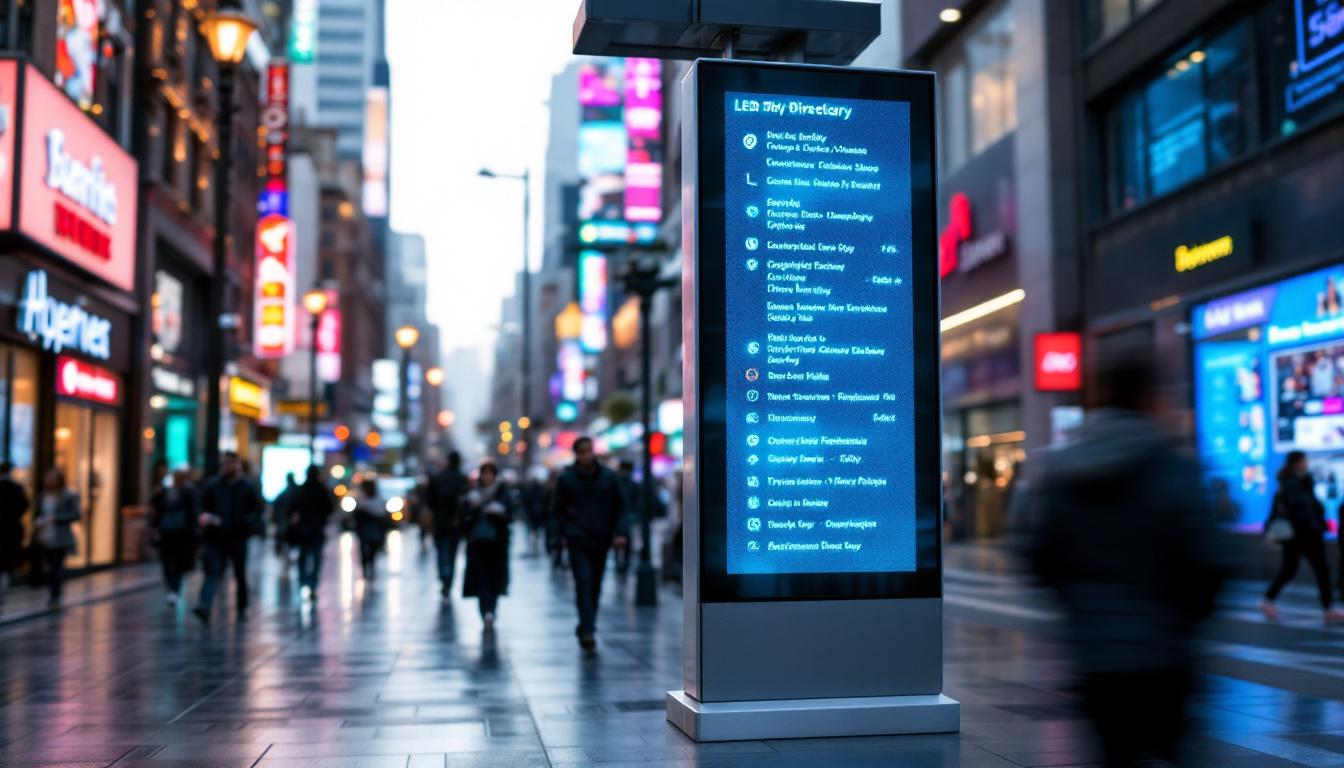
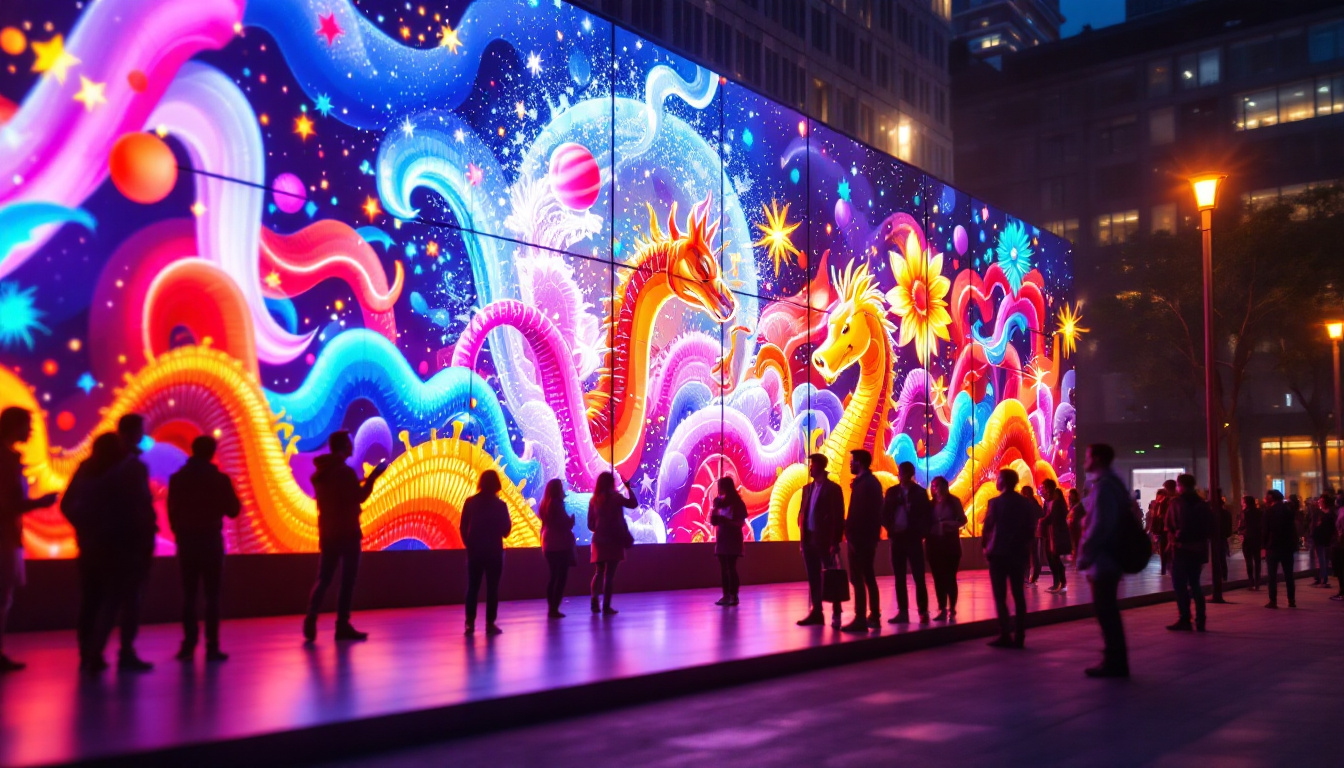
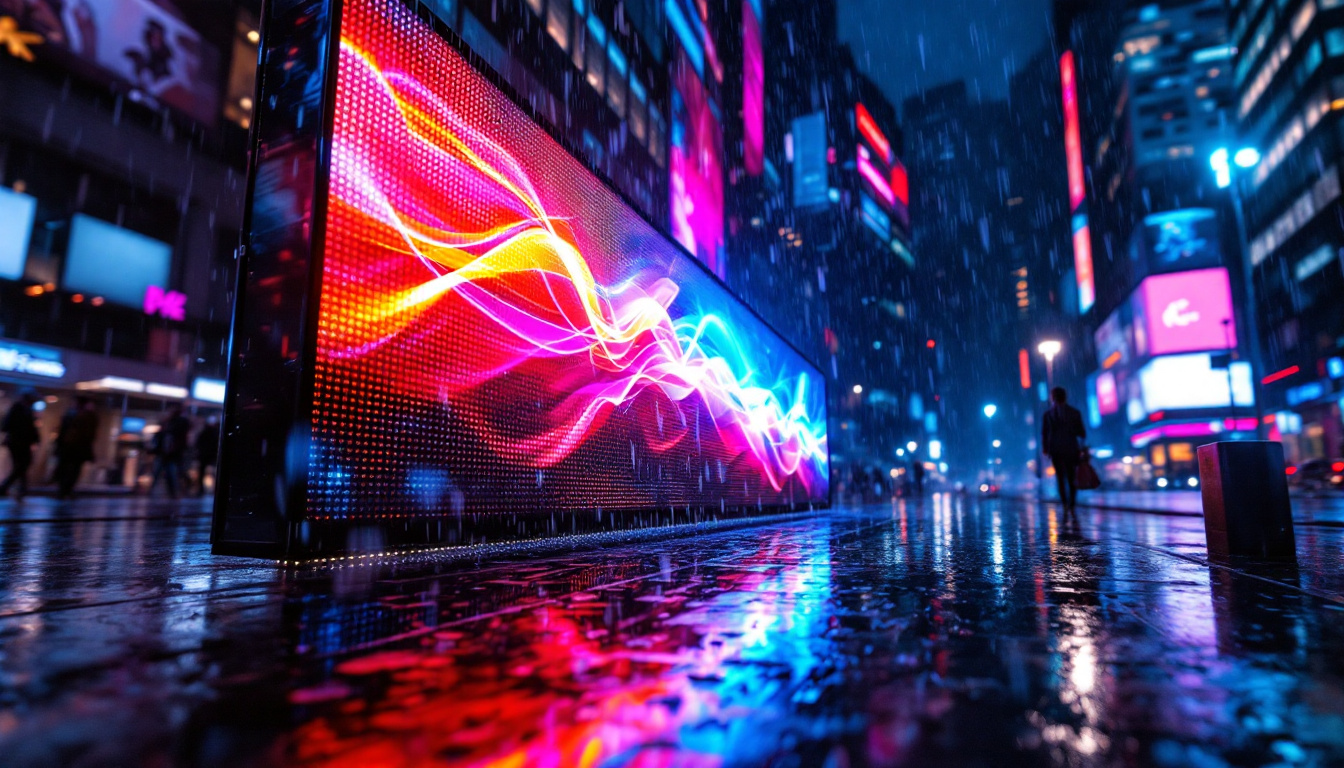
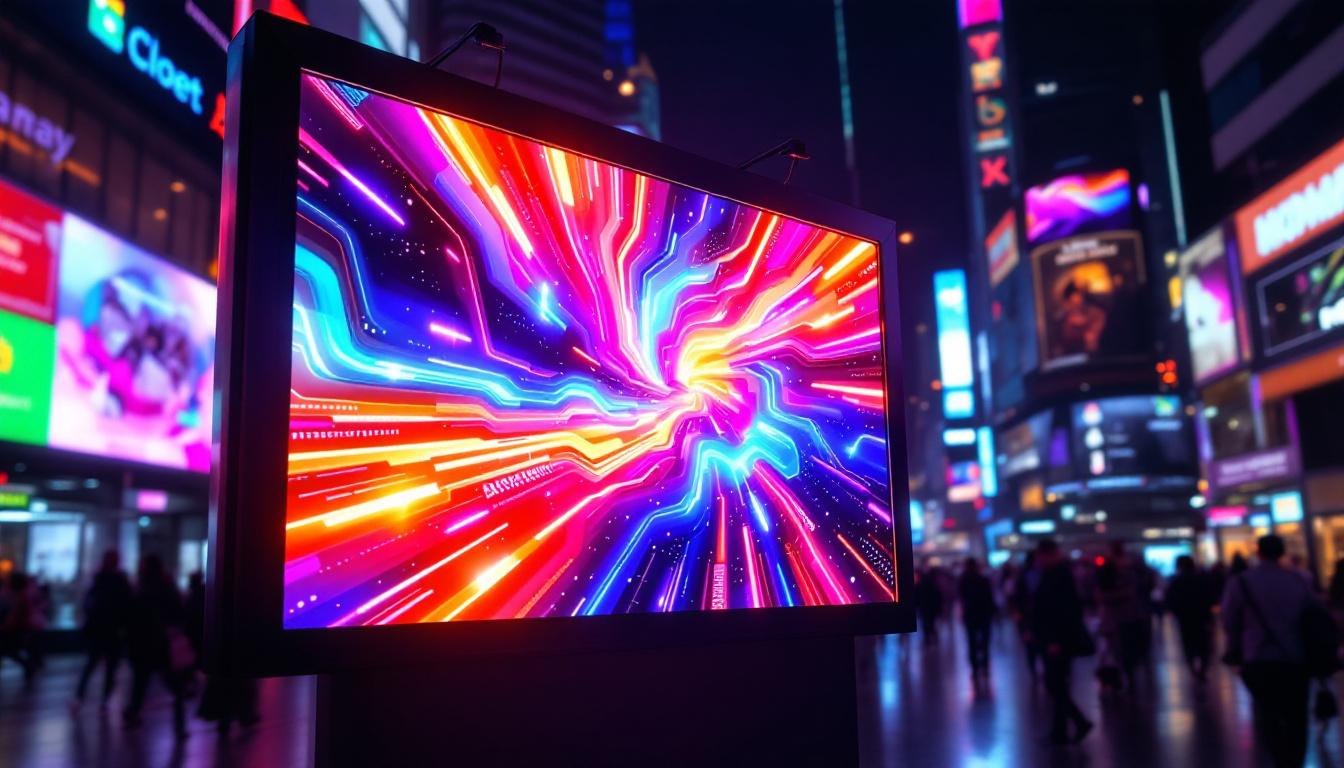
Outdoor LED billboards are commonly seen along highways, in city centers, and at sports arenas. These large-format displays can reach thousands of viewers daily, making them ideal for brand awareness campaigns, event promotions, and public service announcements. For instance, Times Square in New York City is famous for its massive LED screens that showcase advertisements from global brands.
Retail and Shopping Malls
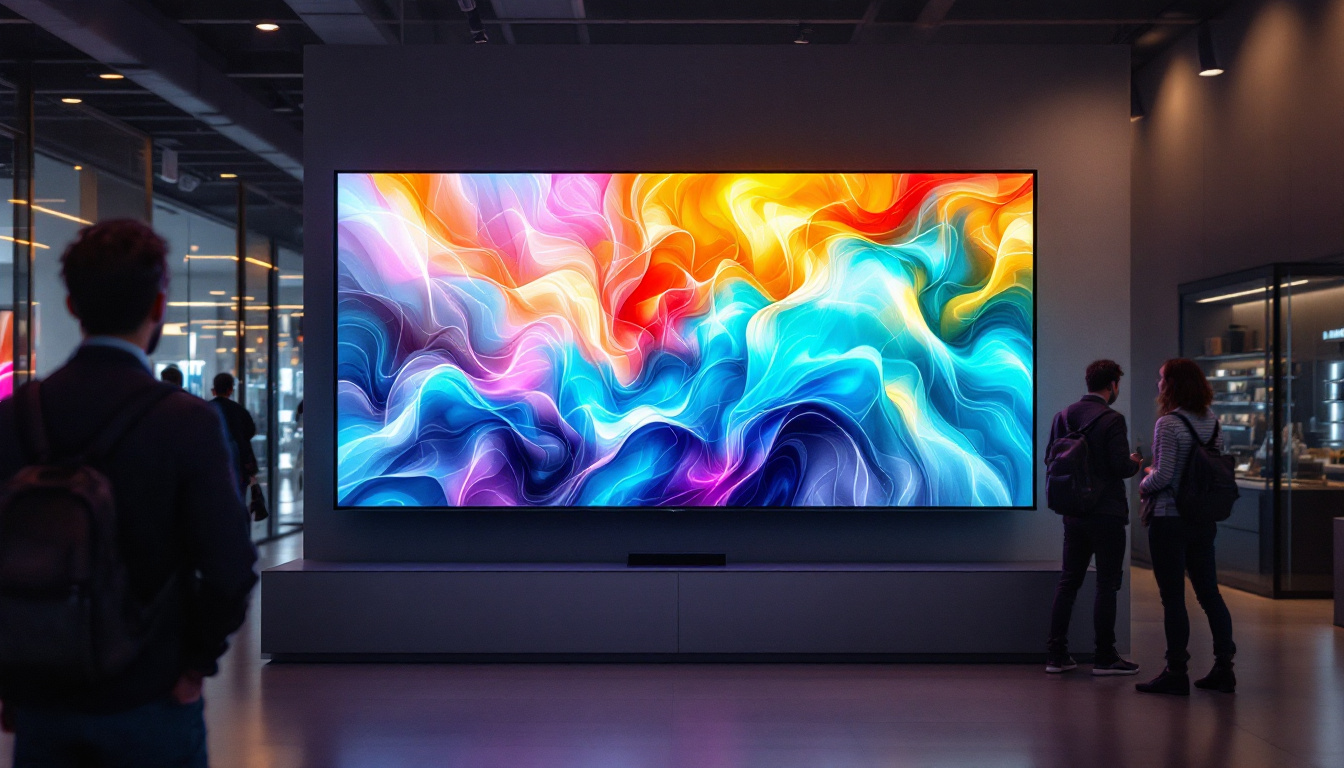
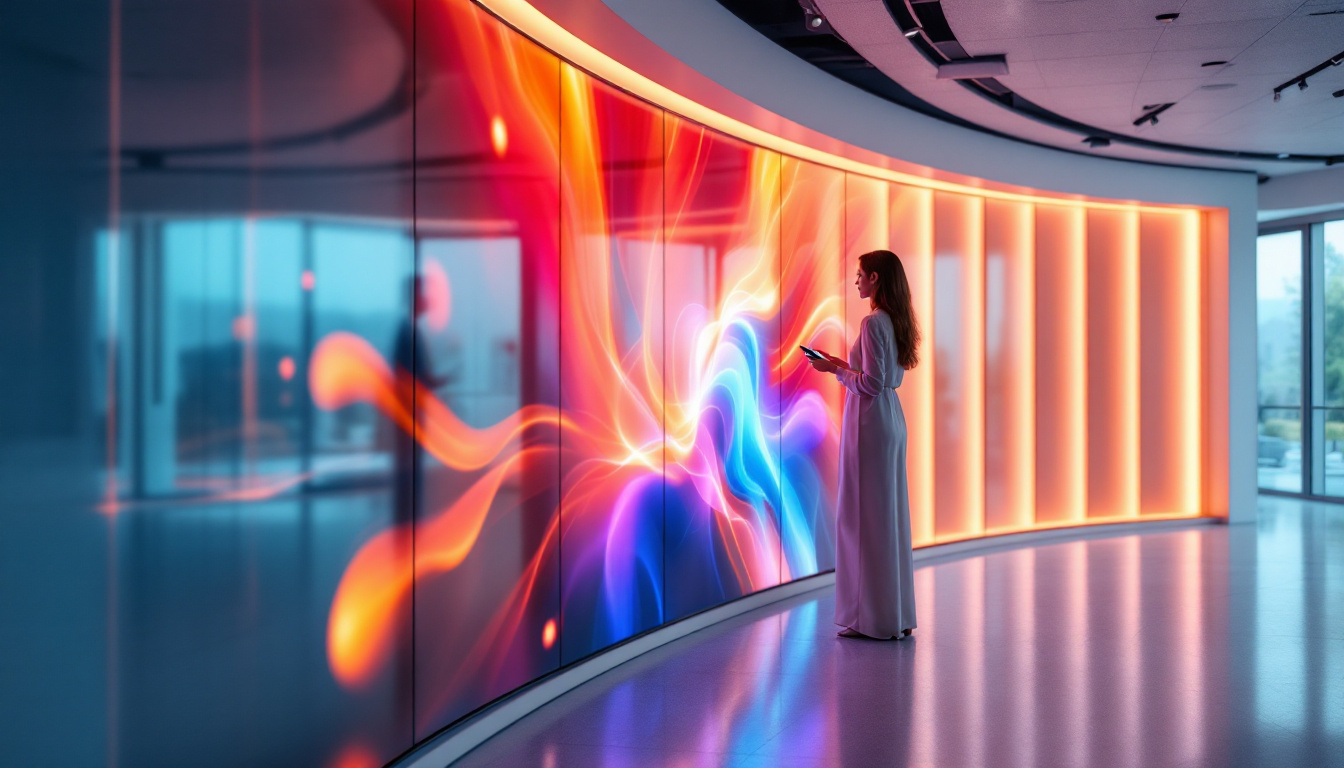
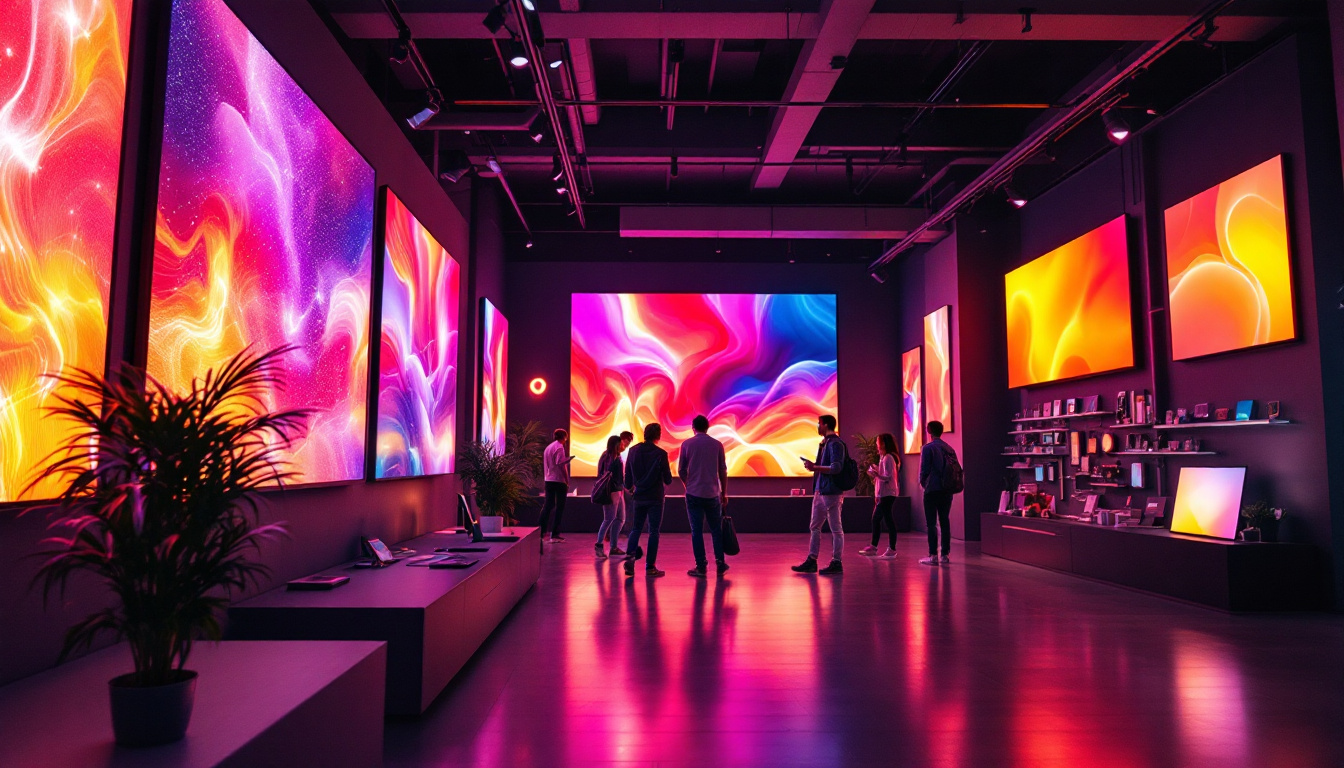
Retailers use LED displays inside stores and malls to attract customers, highlight promotions, and enhance the shopping experience. Interactive LED walls and digital kiosks can engage shoppers by providing product information or personalized offers.
Transportation Hubs
Airports, train stations, and bus terminals utilize LED boards to display schedules, wayfinding information, and advertisements. The ability to update content in real time is crucial in these environments where information changes frequently.
Events and Entertainment
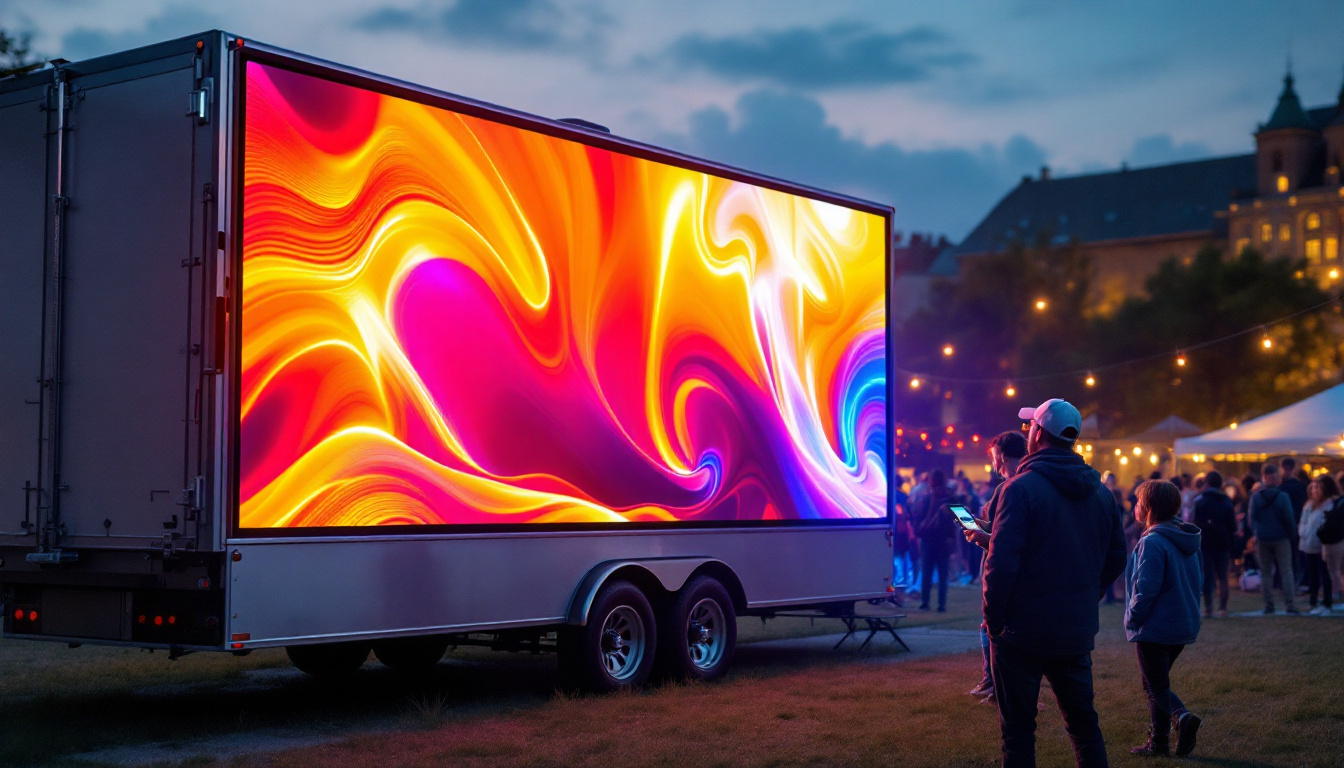
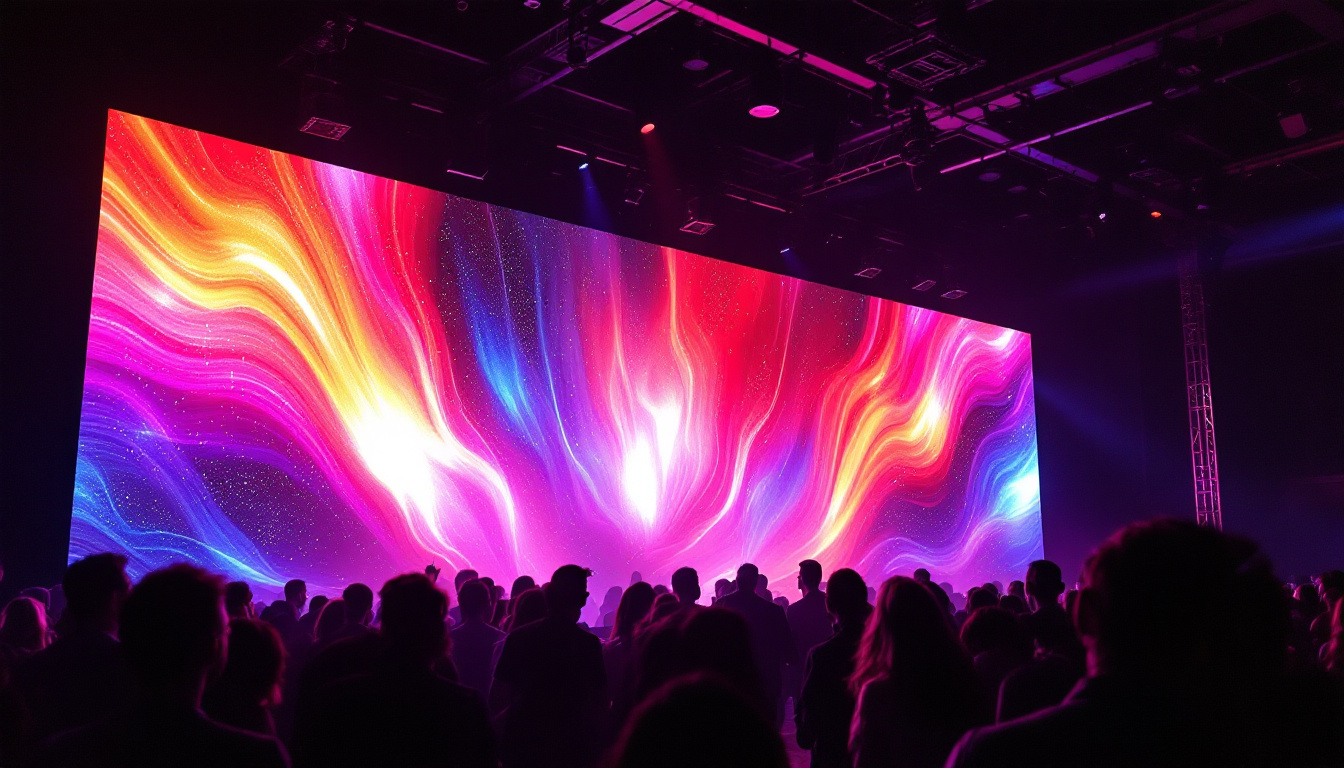
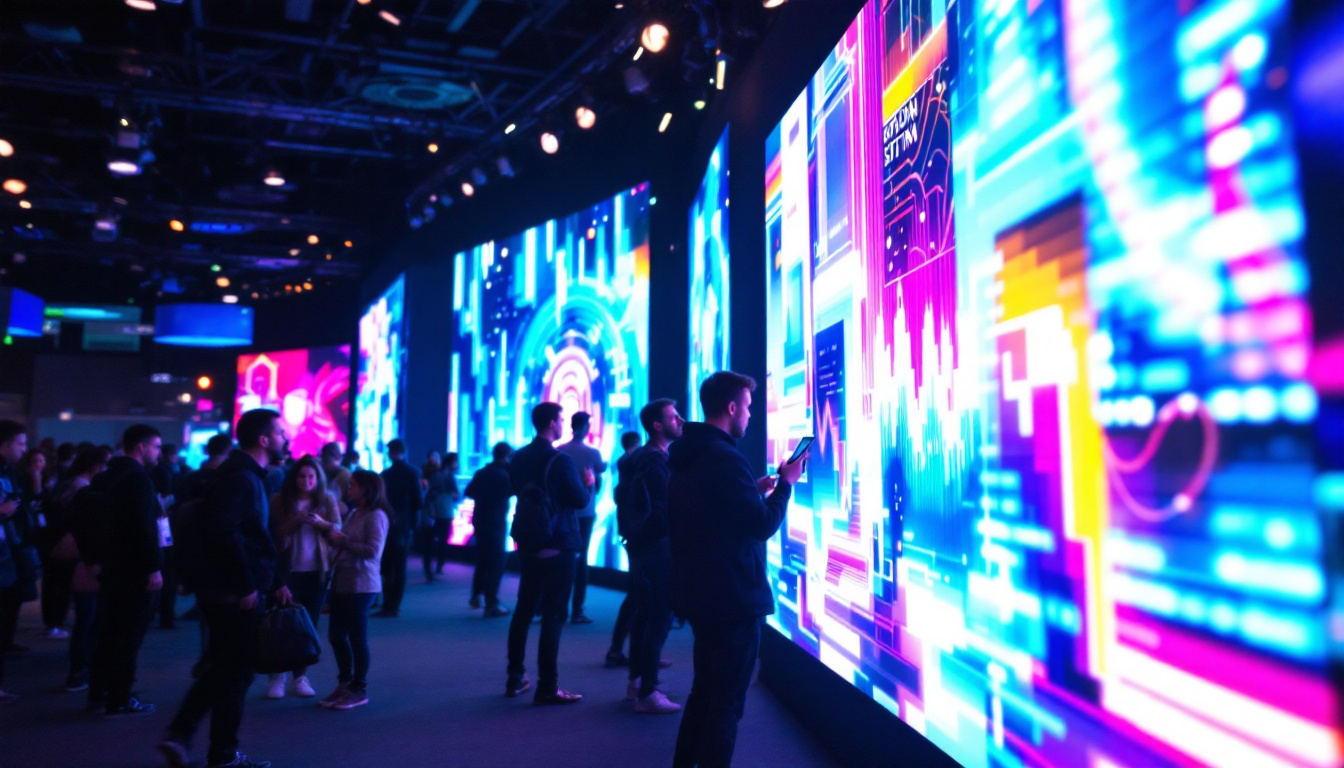
Concerts, sports events, and exhibitions often incorporate LED screens to provide live feeds, sponsor messages, and interactive content. Portable LED boards are also popular for temporary installations at festivals and trade shows.
Choosing the Right LED Board for Your Advertising Needs
Selecting the appropriate LED board involves considering several factors to ensure maximum effectiveness and return on investment.
Assessing Location and Viewing Distance
The location of the LED board will determine the size, brightness, and resolution required. For example, a board placed on a busy highway must be large and bright enough to be seen from a distance, while an indoor display in a retail store can be smaller with higher resolution for close viewing.
Content Strategy and Frequency of Updates
Understanding the type of content you plan to display and how often it will change is essential. If your campaign requires frequent updates or interactive content, investing in a system with robust content management capabilities is important.
Budget Considerations
LED advertising boards vary widely in price based on size, resolution, and features. While it’s tempting to opt for the cheapest option, it’s crucial to balance cost with quality and functionality to avoid frequent repairs or ineffective advertising.
Compliance and Regulations
Many cities have regulations governing the brightness, size, and placement of digital billboards to prevent distractions to drivers and preserve community aesthetics. It’s important to check local laws before installing an LED advertising board.
Future Trends in LED Advertising
The LED advertising industry continues to evolve rapidly, driven by technological advancements and changing consumer behaviors.
Integration with Artificial Intelligence
AI-powered LED boards can analyze audience demographics and behaviors in real time, adjusting content to maximize engagement. For example, facial recognition technology can detect age and gender to display tailored advertisements.
Interactive and Immersive Experiences
Touch-sensitive LED walls and augmented reality (AR) integrations are becoming more common, allowing consumers to interact directly with advertisements. This creates memorable brand experiences that foster loyalty.
Energy-Efficient and Sustainable Innovations
Manufacturers are developing LED boards with even lower power consumption and recyclable materials, addressing environmental concerns and reducing operational costs further.
Conclusion
LED boards for advertising represent a powerful fusion of technology and marketing. Their ability to deliver bright, dynamic, and flexible content makes them an essential tool for businesses seeking to capture attention and engage audiences effectively. By understanding the technology, advantages, and applications of LED advertising boards, organizations can make informed decisions that enhance their promotional efforts and drive measurable results.
As the technology continues to advance, LED advertising will only become more sophisticated, interactive, and sustainable, offering exciting opportunities for brands to connect with consumers in innovative ways.
Discover LumenMatrix’s Innovative LED Solutions
Ready to elevate your advertising strategy with the latest in LED technology? Look no further than LumenMatrix, a pioneer in crafting LED display modules that captivate and engage. From the bustling streets to the heart of your business, our comprehensive range of LED solutions, including Indoor and Outdoor LED Wall Displays, Vehicle LED Displays, and more, are designed to bring your brand to life. Experience the future of visual communication with LumenMatrix and let your message shine with unparalleled clarity. Check out LumenMatrix LED Display Solutions today and transform your advertising approach.