In the modern era of sports and entertainment, LED display technology has revolutionized how audiences experience live events. From vibrant scoreboards to dynamic advertising panels, LED boards in stadiums have become an essential component of the spectator experience. This article explores the technology behind LED boards in stadiums, their benefits, applications, and future trends shaping this vibrant display medium.
Understanding LED Display Technology in Stadiums
LED, or Light Emitting Diode, technology is the foundation of the bright, high-resolution displays seen in stadiums worldwide. Unlike traditional display technologies such as LCD or projection systems, LED displays use an array of tiny light-emitting diodes to produce images and video with exceptional brightness and clarity.
Each LED acts as a pixel or sub-pixel, and by controlling the intensity and color of these diodes, the display can render vivid images visible even under direct sunlight. This capability makes LED boards ideal for outdoor stadium environments where lighting conditions can vary dramatically. The ability to maintain visibility in bright daylight is one of the primary reasons why stadiums are increasingly opting for LED technology over older display systems, which often struggle to compete with natural light.
How LED Boards Work
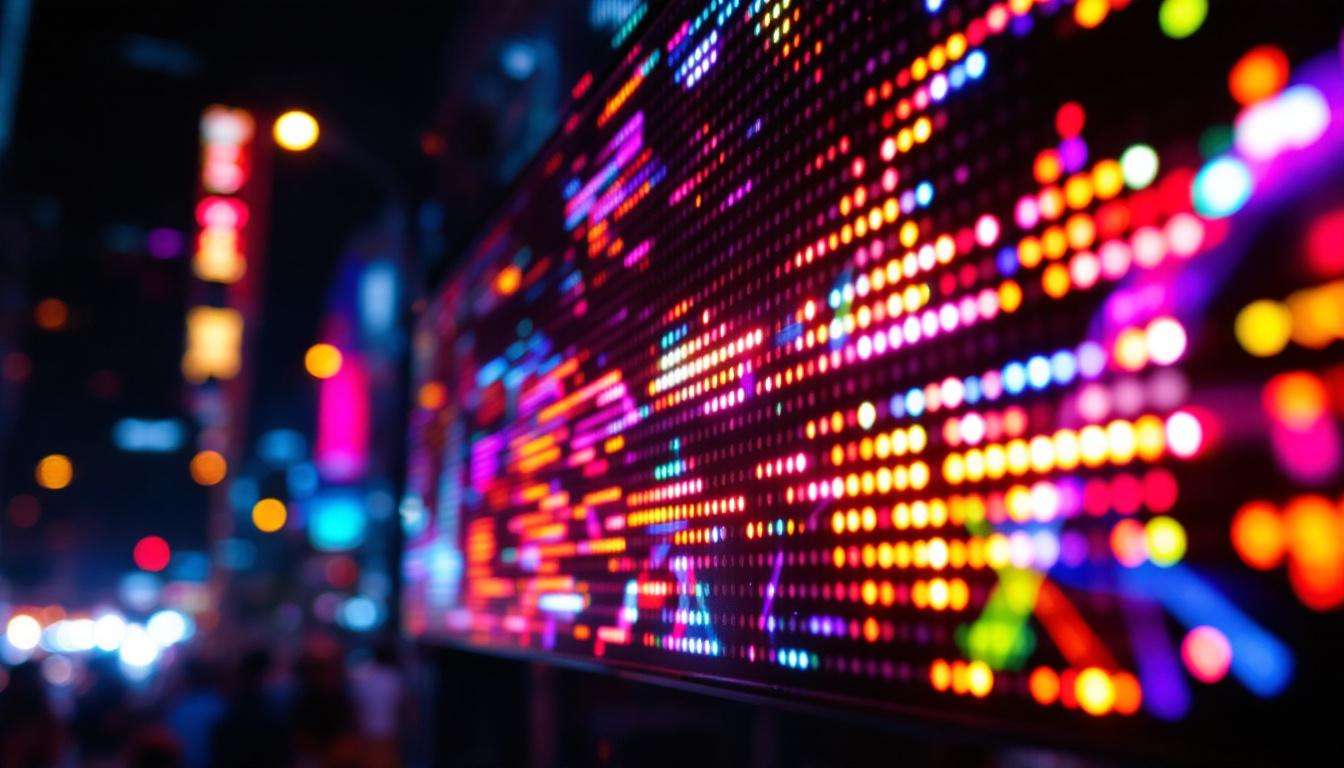
LED boards consist of multiple modules, each containing several LEDs arranged in a grid. These modules are combined to form large panels that can be scaled to any size, from small scoreboards to massive video walls. The display system is controlled by a computer that sends signals to each LED, determining its color and brightness in real-time. This intricate system allows for the seamless integration of live feeds, instant replays, and interactive graphics, enhancing the overall spectator experience.
Modern stadium LED boards use RGB (red, green, blue) LEDs, which mix these primary colors to produce a full spectrum of colors. The precision control over each LED allows for smooth video playback, animations, and dynamic content that can engage fans throughout an event. Additionally, many stadiums are now incorporating advanced features such as augmented reality overlays and interactive fan engagement tools, making the LED displays not just a source of information, but a central part of the entertainment experience.
Pixel Pitch and Resolution
One of the key technical specifications of LED displays is the pixel pitch—the distance between the centers of two adjacent LEDs. A smaller pixel pitch means higher resolution and finer image detail, which is crucial for displays viewed from close distances. This is particularly important in stadiums where fans may be seated at varying distances from the screen, necessitating a careful balance between resolution and viewing experience.
In stadium settings, pixel pitch varies depending on the viewing distance. For example, a giant scoreboard viewed from hundreds of feet away may have a pixel pitch of 10mm or more, while smaller displays closer to the audience might have pitches as low as 3mm. Advances in LED manufacturing have enabled pixel pitches below 1mm, although these are typically reserved for indoor or specialized applications. Furthermore, as technology continues to evolve, we can expect to see even more innovations in pixel density and display capabilities, allowing for even more immersive experiences that captivate audiences and keep them engaged throughout the event. The interplay between pixel pitch and resolution is crucial, as it not only affects the visual quality but also influences the overall design and layout of the stadium’s display systems.
Applications of LED Boards in Stadiums
LED boards serve multiple purposes in stadiums, enhancing both the operational aspects of events and the overall fan experience. Their versatility and adaptability make them indispensable in modern sports venues.
Scoreboards and Game Information Displays
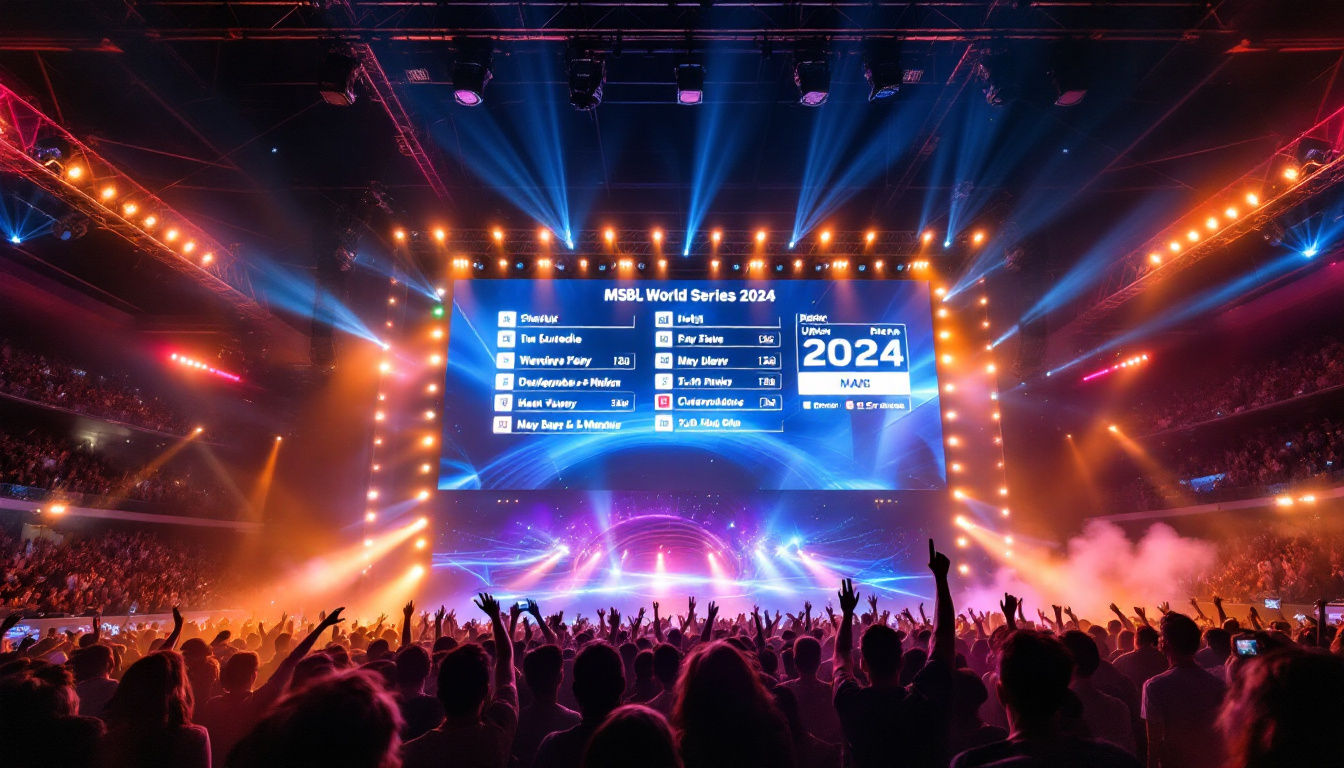
Traditional scoreboards have evolved into sophisticated LED displays that show not only scores but also player statistics, game clocks, and instant replays. The ability to update information in real-time ensures fans stay informed and engaged throughout the event.
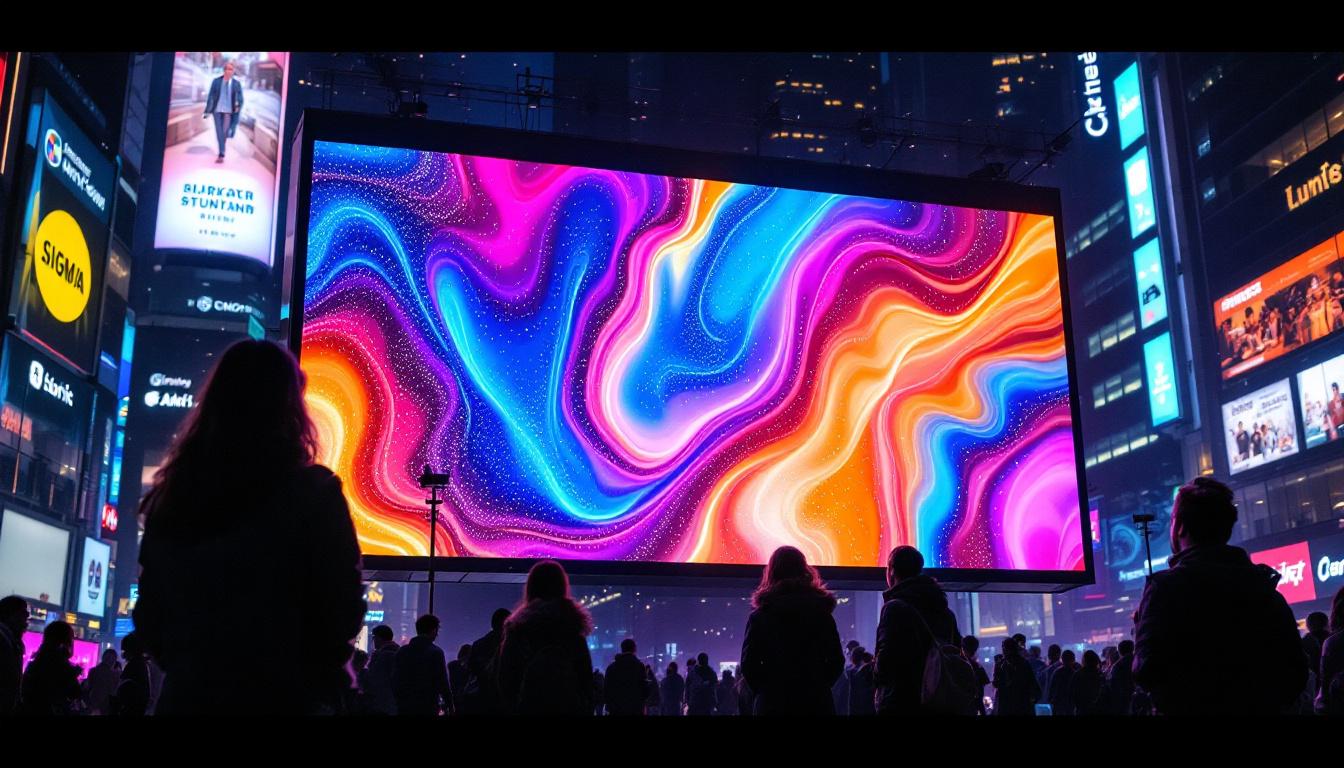
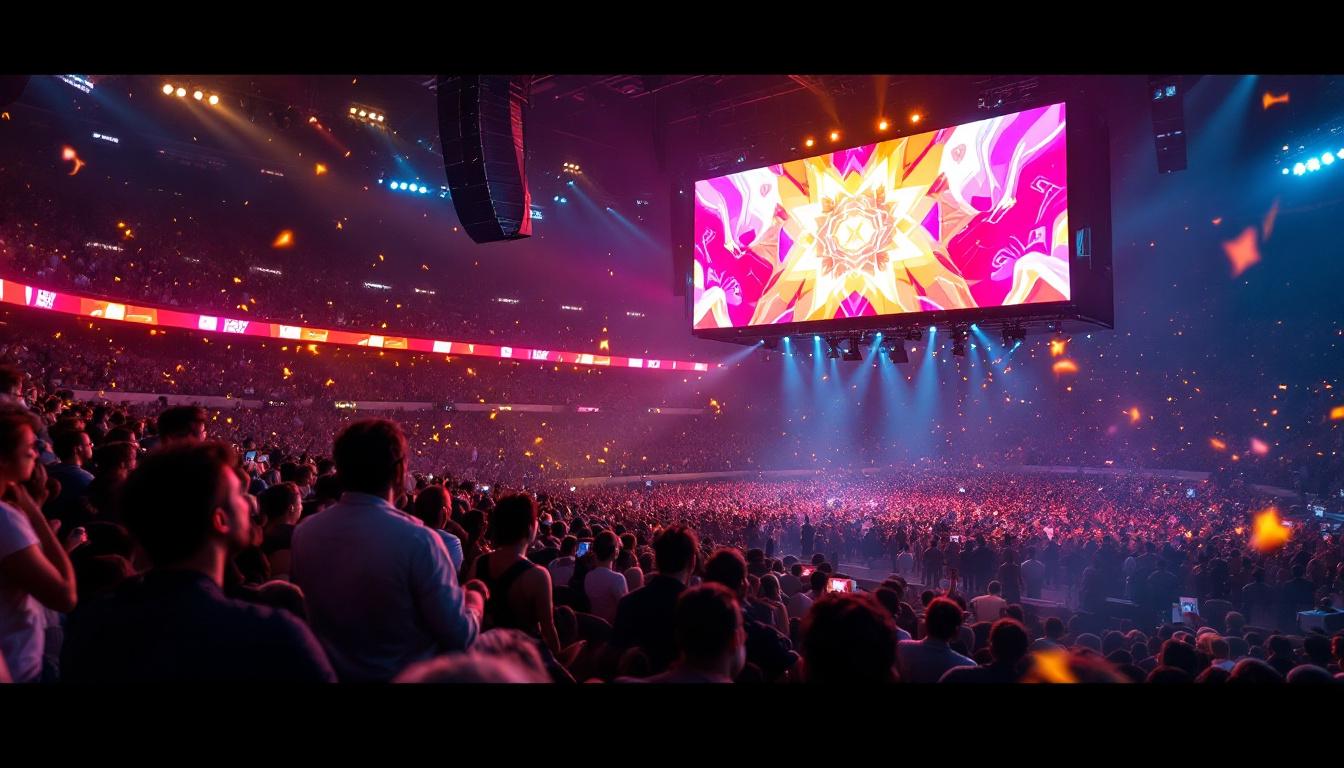
For example, the AT&T Stadium in Arlington, Texas, features one of the largest high-definition LED video boards in the world, measuring approximately 160 feet wide and 72 feet tall. This massive screen delivers crystal-clear images and instant replays to over 100,000 spectators, demonstrating the scale and impact of modern LED technology.
Advertising and Sponsorship Displays
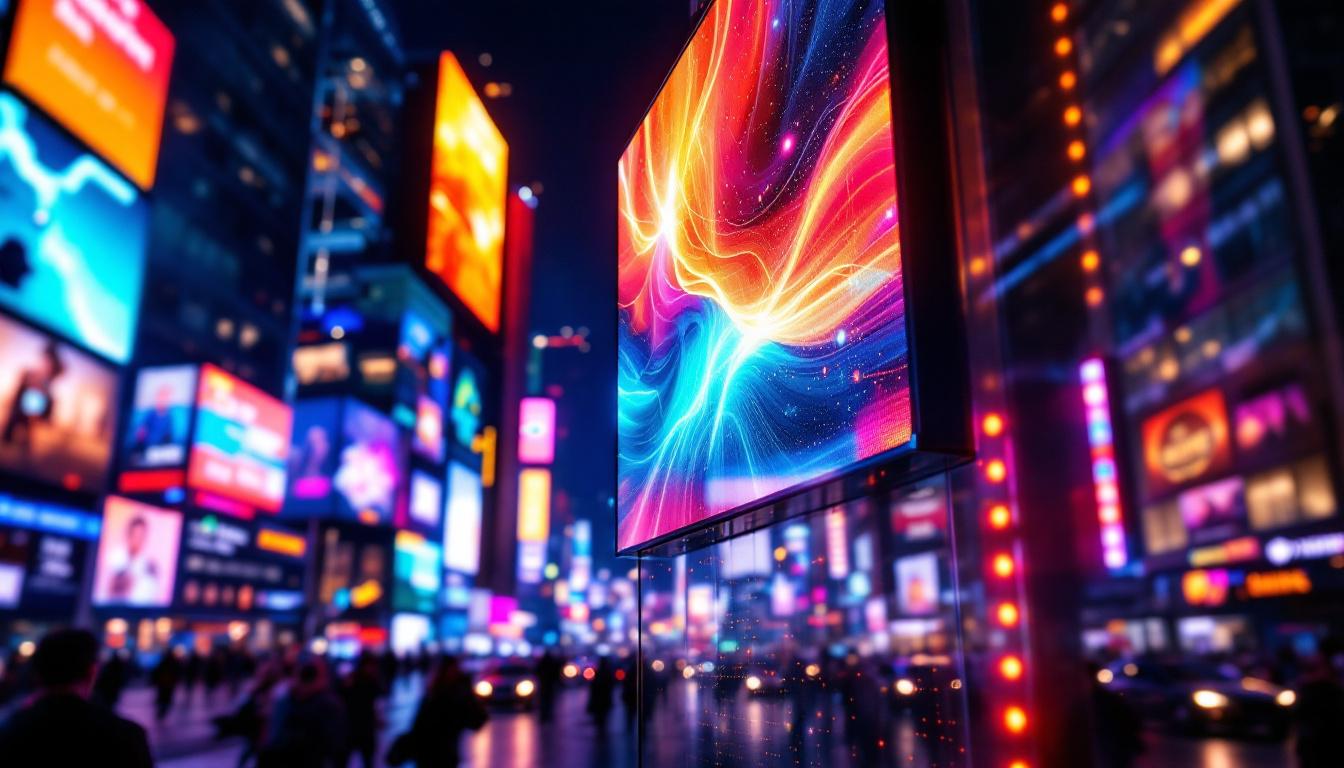
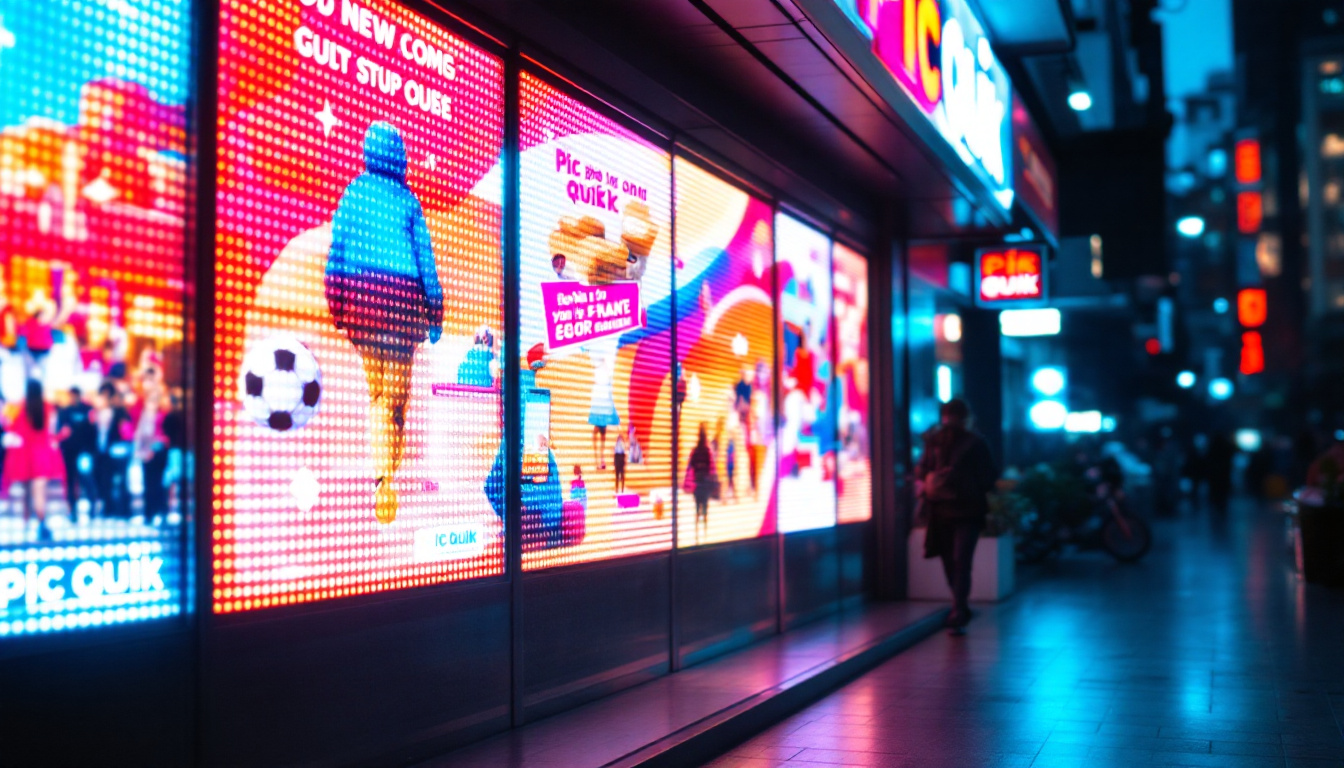
LED boards have become a prime platform for advertising within stadiums. Their brightness and dynamic capabilities allow for eye-catching advertisements that can be changed instantly to target different audiences or sponsors during an event.
According to a 2023 report by Nielsen Sports, digital advertising in stadiums has seen a 25% year-over-year growth, driven largely by the adoption of LED display technology. This trend underscores the commercial value LED boards bring to venue operators and sponsors alike.
Fan Engagement and Interactive Content
Beyond static images and videos, LED boards are increasingly used to create interactive fan experiences. From live social media feeds and fan polls to augmented reality effects, these displays foster a deeper connection between fans and the event.
Many stadiums now integrate LED boards with mobile apps, allowing fans to participate in live voting or view customized content on the big screen. This interactivity not only enhances enjoyment but also provides valuable data to teams and marketers.
Advantages of LED Boards Over Traditional Displays
The rise of LED boards in stadiums is not accidental; it is driven by several clear advantages over older display technologies.
Brightness and Visibility
One of the most significant benefits of LED displays is their superior brightness. LEDs can achieve luminance levels exceeding 5,000 nits, making them easily visible even in direct sunlight. This is critical for outdoor stadiums where ambient light conditions can be challenging.
In contrast, traditional LCD or projection systems often struggle with glare and washed-out images, limiting their effectiveness in such environments.
Durability and Weather Resistance
Stadium LED boards are designed to withstand harsh weather conditions, including rain, snow, and extreme temperatures. Their solid-state design means fewer moving parts and greater resistance to shock and vibration.
Many LED modules are rated with IP65 or higher ingress protection, ensuring they remain operational and safe in outdoor settings. This durability reduces maintenance costs and downtime, which is crucial during high-profile events.
Energy Efficiency
LED technology is inherently energy-efficient compared to older lighting and display methods. Stadiums benefit from lower power consumption, which translates to reduced operational costs and a smaller environmental footprint.
For example, a study by the U.S. Department of Energy found that LED displays can use up to 50% less energy than equivalent plasma or projection systems, making them a sustainable choice for large venues.
Flexibility and Customization
LED boards offer unparalleled flexibility in terms of size, shape, and content. Stadium operators can customize displays to fit unique architectural features or create immersive environments by integrating multiple screens.
This adaptability also extends to content management, with software platforms enabling real-time updates, multi-language support, and synchronized displays across different parts of the venue.
Challenges and Considerations in Stadium LED Board Installation
While LED boards bring numerous benefits, their implementation in stadiums requires careful planning and consideration to maximize effectiveness and return on investment.
Initial Investment and Cost
High-quality LED displays represent a significant upfront investment. Costs include not only the hardware but also installation, control systems, and ongoing maintenance. Stadiums must balance the desire for cutting-edge technology with budget constraints.
However, many venues find that the long-term benefits, including increased advertising revenue and enhanced fan engagement, justify the initial expenditure.
Content Management and Technical Expertise
Operating large LED boards requires specialized software and skilled personnel to manage content effectively. Poorly designed or outdated content can detract from the fan experience rather than enhance it.
Stadiums often invest in dedicated media teams or partner with digital content providers to ensure that displays are used to their full potential, delivering timely, relevant, and engaging visuals.
Viewing Angles and Sightlines
Designing LED boards for optimal visibility throughout a stadium is complex. Factors such as viewing angles, distance, and obstructions must be considered to ensure all spectators can see the displays clearly.
Advanced LED panels offer wide viewing angles, often up to 160 degrees horizontally and vertically, but strategic placement and multiple screens are often necessary to cover large venues effectively.
Future Trends in Stadium LED Display Technology
The evolution of LED technology continues to open new possibilities for stadiums seeking to enhance the fan experience and operational efficiency.
MicroLED and MiniLED Innovations
Emerging technologies like MicroLED and MiniLED promise even higher resolution, improved brightness, and better energy efficiency. MicroLED displays use microscopic LEDs to create ultra-fine pixel pitches, enabling stunning image quality even at close viewing distances.
These advancements may soon enable stadiums to deploy flexible, curved, or even transparent LED displays, further integrating digital content into the architectural fabric of venues.
Integration with Augmented Reality (AR) and 5G
The combination of LED boards with AR and 5G connectivity is set to transform live events. High-speed networks allow for real-time data streaming and interactive content delivery, while AR can overlay digital information onto physical spaces.
Fans could soon enjoy personalized stats, immersive replays, or interactive games displayed on LED boards synchronized with their mobile devices, creating a seamless digital-physical experience.
Environmental Sustainability
As environmental concerns grow, stadiums are prioritizing sustainable technologies. Future LED boards will likely incorporate recyclable materials, advanced cooling systems, and smart energy management to reduce their ecological impact.
Some venues are already experimenting with solar-powered LED displays and integrating them into broader green initiatives, aligning technology upgrades with sustainability goals.
Conclusion
LED boards have become an indispensable feature of modern stadiums, transforming how events are presented and experienced. Their brightness, durability, and versatility make them ideal for the demanding conditions of large venues, while their ability to deliver dynamic content enhances fan engagement and commercial opportunities.
As technology advances, LED displays will continue to evolve, offering even more immersive and interactive experiences. For stadium operators, investing in LED board technology is not just about keeping up with trends but about creating memorable, engaging environments that captivate audiences and drive revenue.
Understanding the technical aspects, applications, benefits, and challenges of LED boards is essential for stakeholders aiming to leverage this powerful medium effectively. The future of stadium displays is bright—literally and figuratively—with LED technology leading the way.
Explore Cutting-Edge LED Solutions with LumenMatrix
Ready to elevate your stadium’s spectator experience with the latest in LED display technology? Discover LumenMatrix’s innovative solutions, from Indoor and Outdoor LED Wall Displays to specialized LED Sports Displays and beyond. Our mission is to revolutionize your visual communications, ensuring your message resonates with clarity and impact. Don’t just keep up with the trends—set them. Check out LumenMatrix LED Display Solutions today and transform your venue into a dynamic, engaging environment.