In the evolving world of visual technology, LED displays have become a cornerstone for delivering vibrant, dynamic, and energy-efficient lighting solutions. Among these innovations, the LED cinematic light box stands out as a versatile tool for both professional and creative applications. This article explores the technology behind LED cinematic light boxes, their advantages, applications, and how they are transforming visual displays in cinema, advertising, and beyond.
Understanding LED Cinematic Light Boxes
What Is an LED Cinematic Light Box?
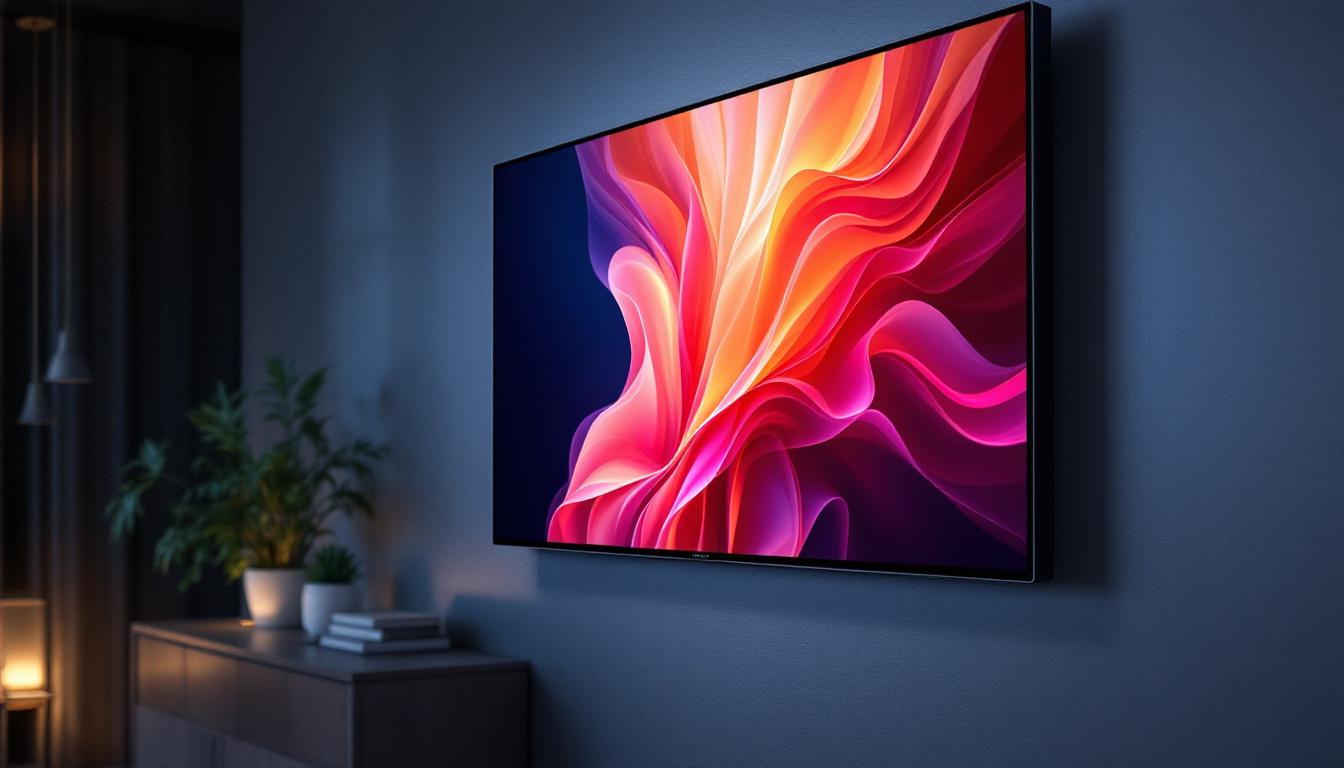
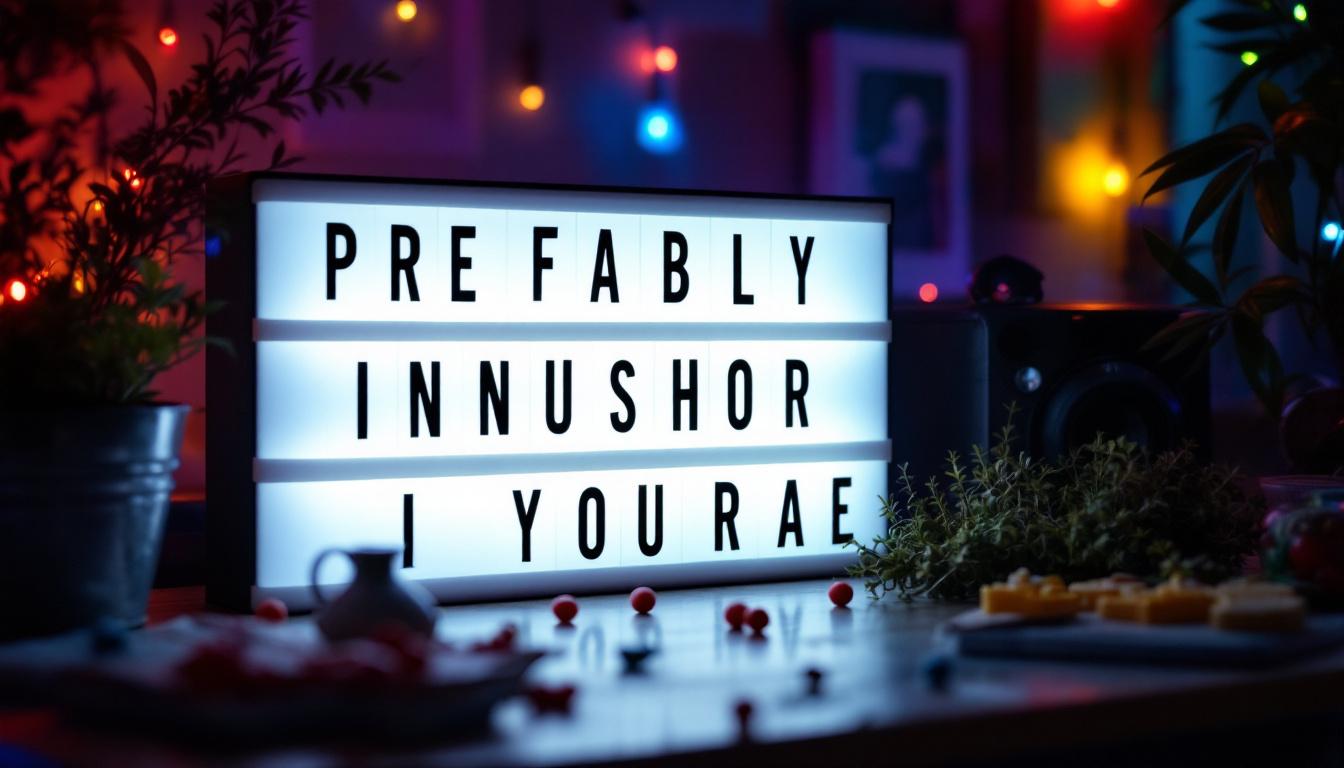
An LED cinematic light box is a specialized display device that uses light-emitting diodes (LEDs) to illuminate graphics, images, or text within a framed enclosure. Unlike traditional light boxes that rely on fluorescent or incandescent bulbs, these devices utilize LED technology to provide brighter, more uniform lighting with greater energy efficiency and longevity.
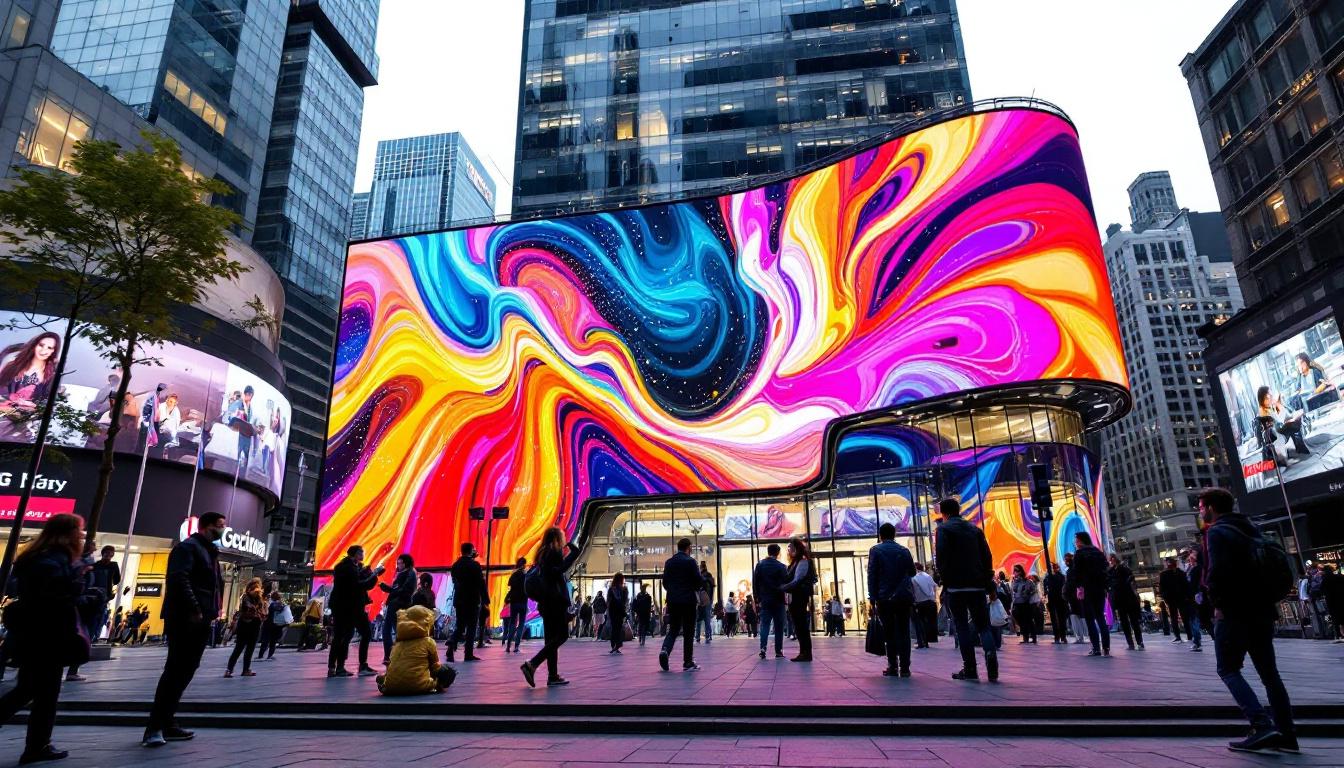
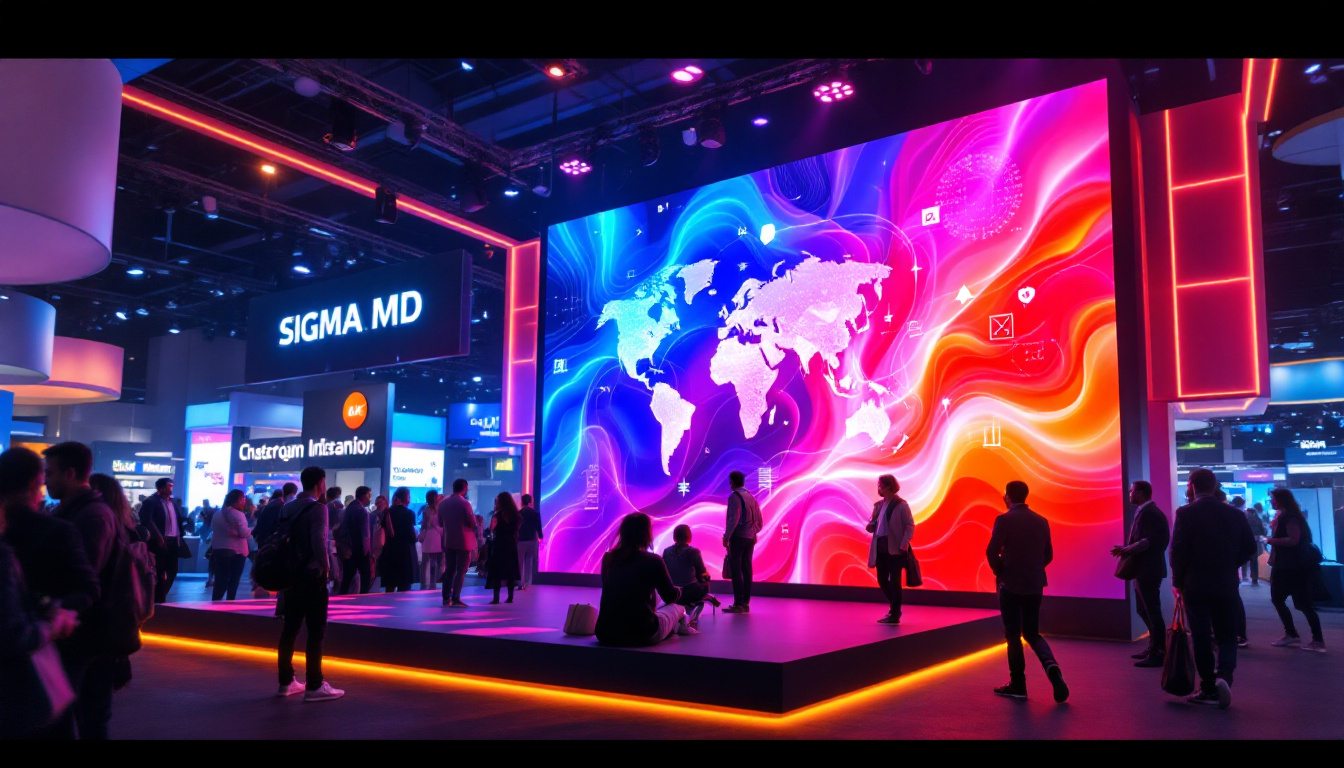
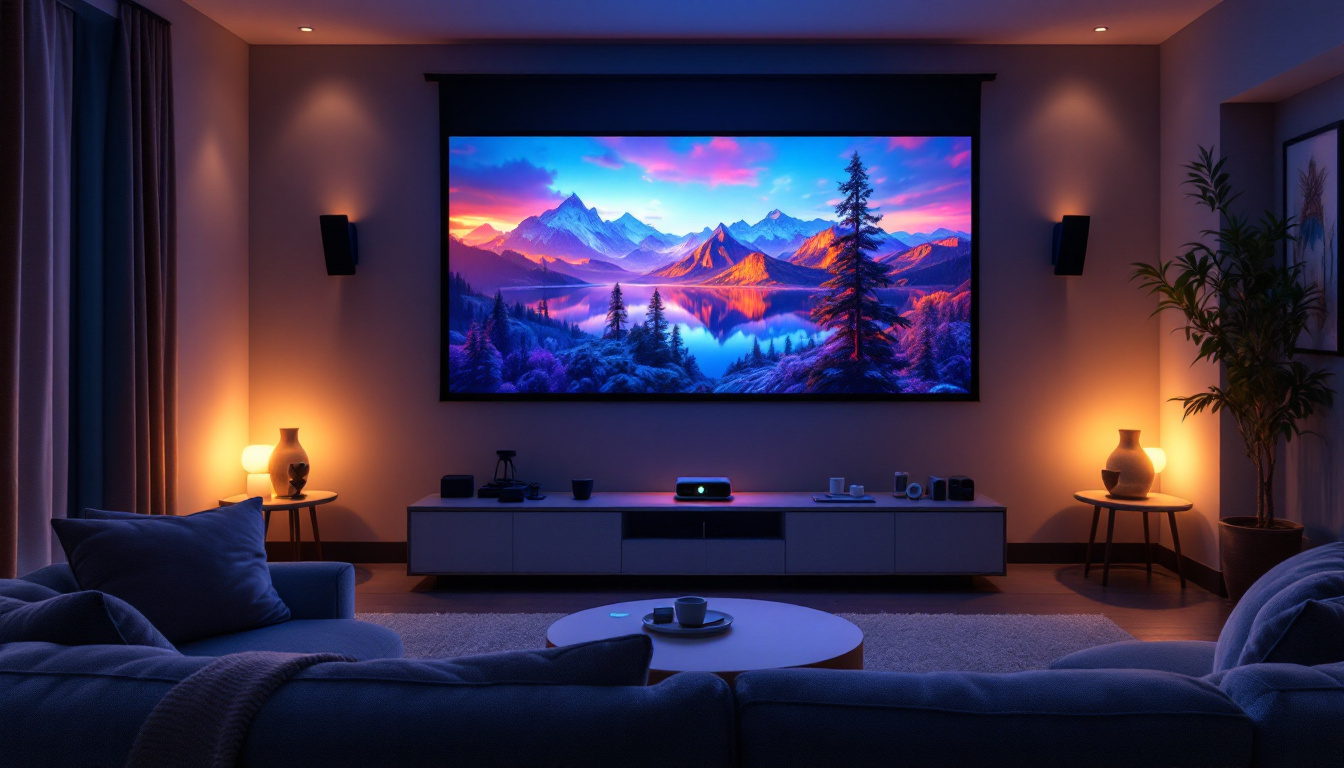
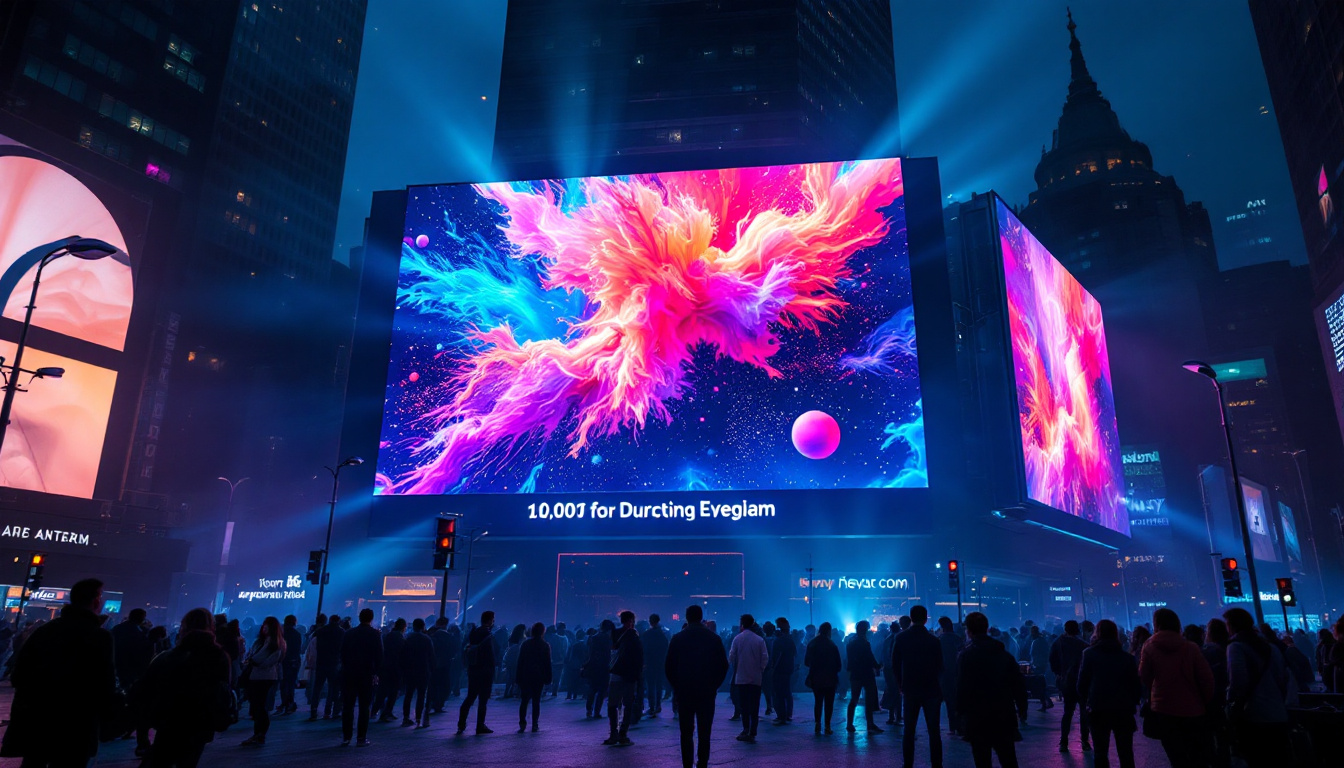
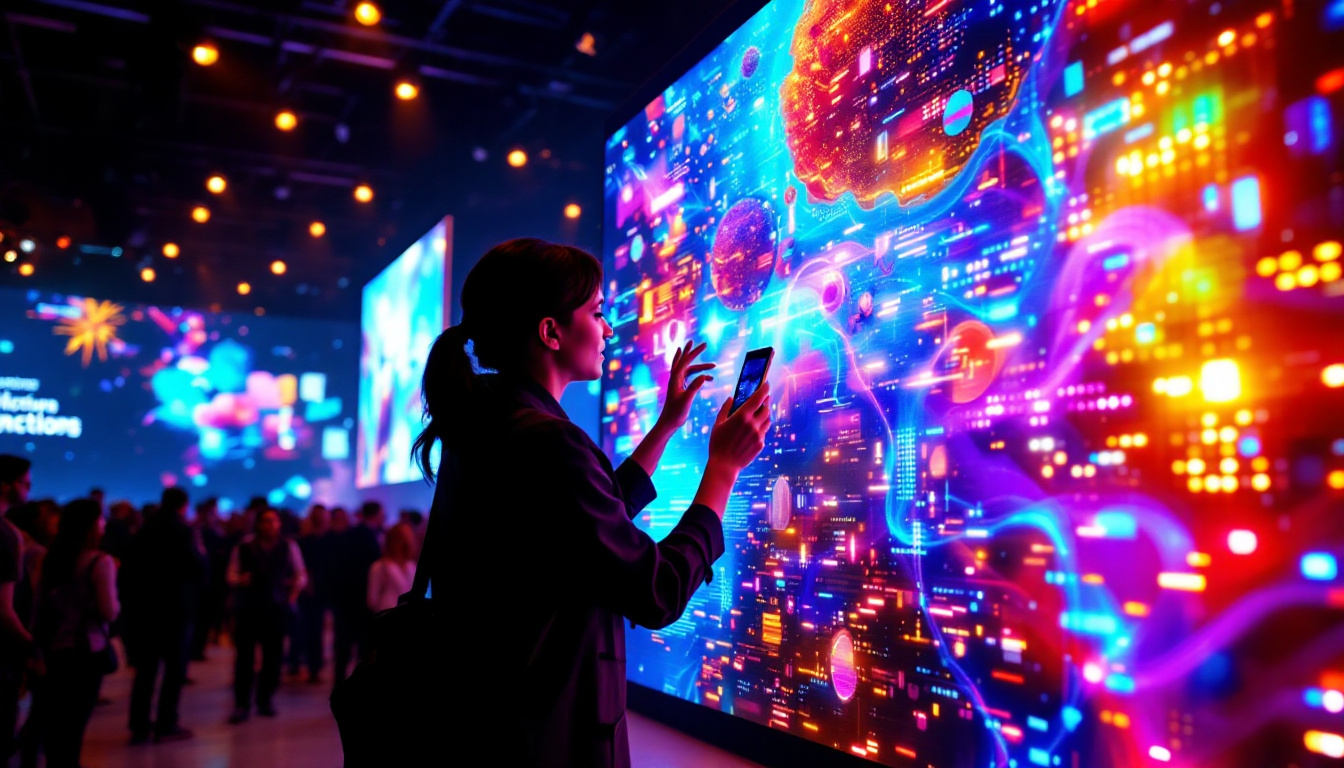
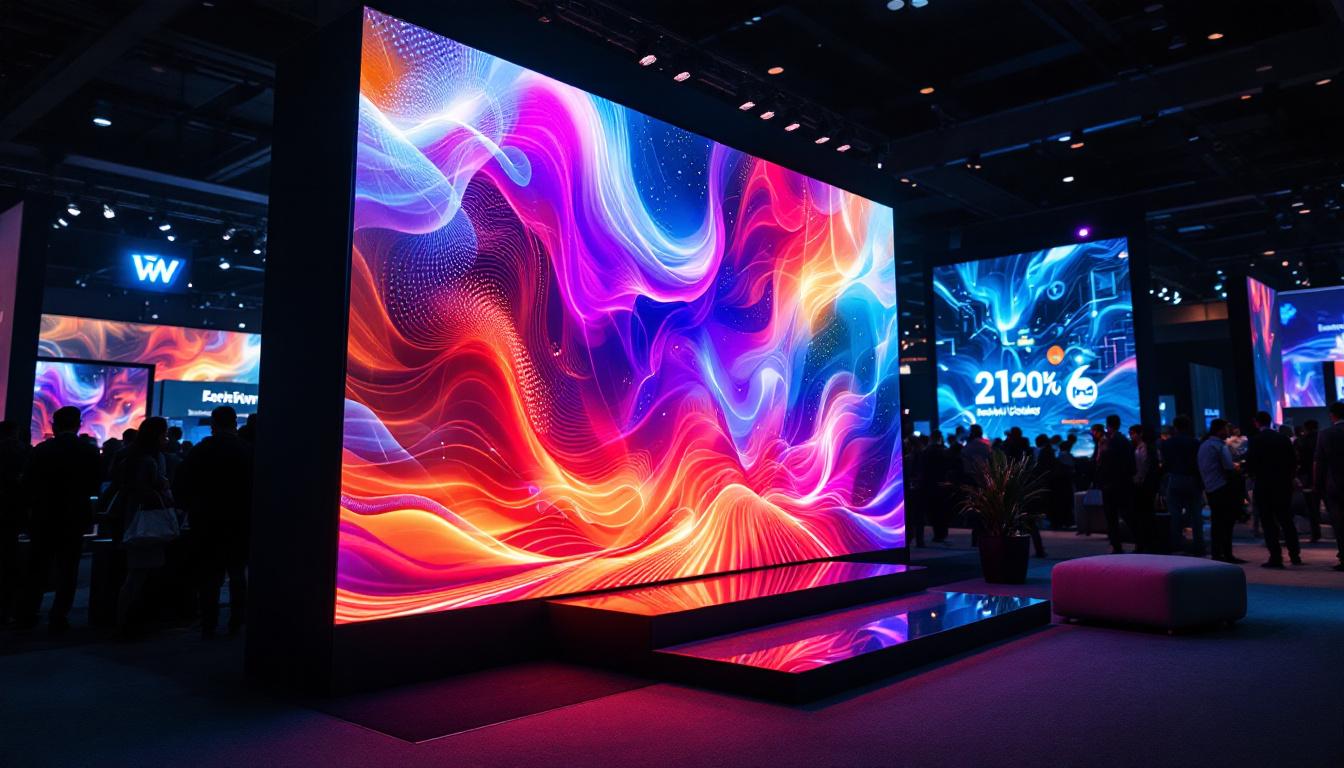
Typically, these light boxes are used in cinematic environments to enhance visual storytelling by providing backlit promotional posters, dynamic signage, or ambient lighting effects. The term “cinematic” refers to their application in film-related settings, but their use extends far beyond, encompassing retail, exhibitions, and architectural design. In retail spaces, for instance, LED cinematic light boxes can draw attention to new products or seasonal promotions, effectively guiding customers through the store while creating an engaging atmosphere.
Moreover, the versatility of LED cinematic light boxes allows them to be customized in size and shape, making them suitable for various applications. Whether it’s a large-scale installation in a movie theater lobby or a compact version for a tabletop display, these light boxes can be tailored to fit the specific needs of any environment. Their sleek design not only enhances aesthetics but also ensures that the focus remains on the displayed content, making them a popular choice for businesses aiming to make a lasting impression.
How Do LED Displays Work?
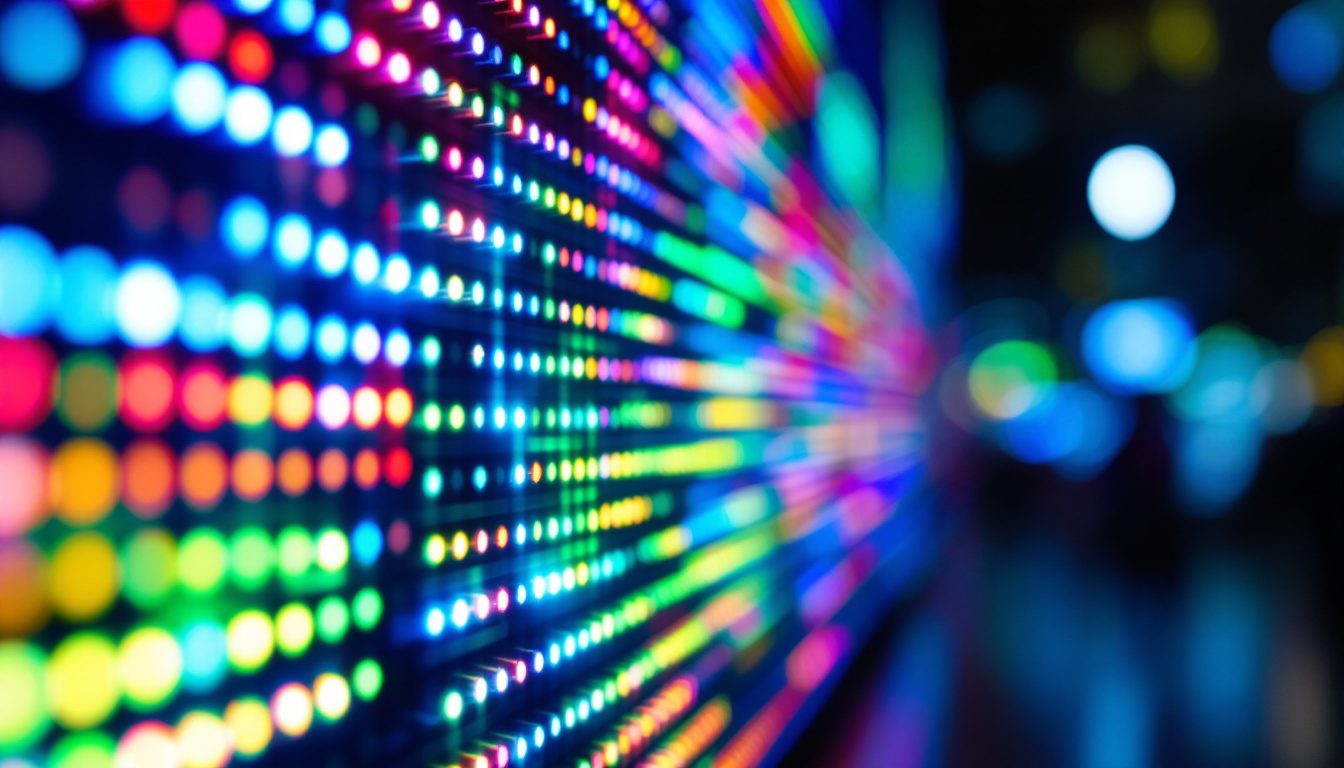
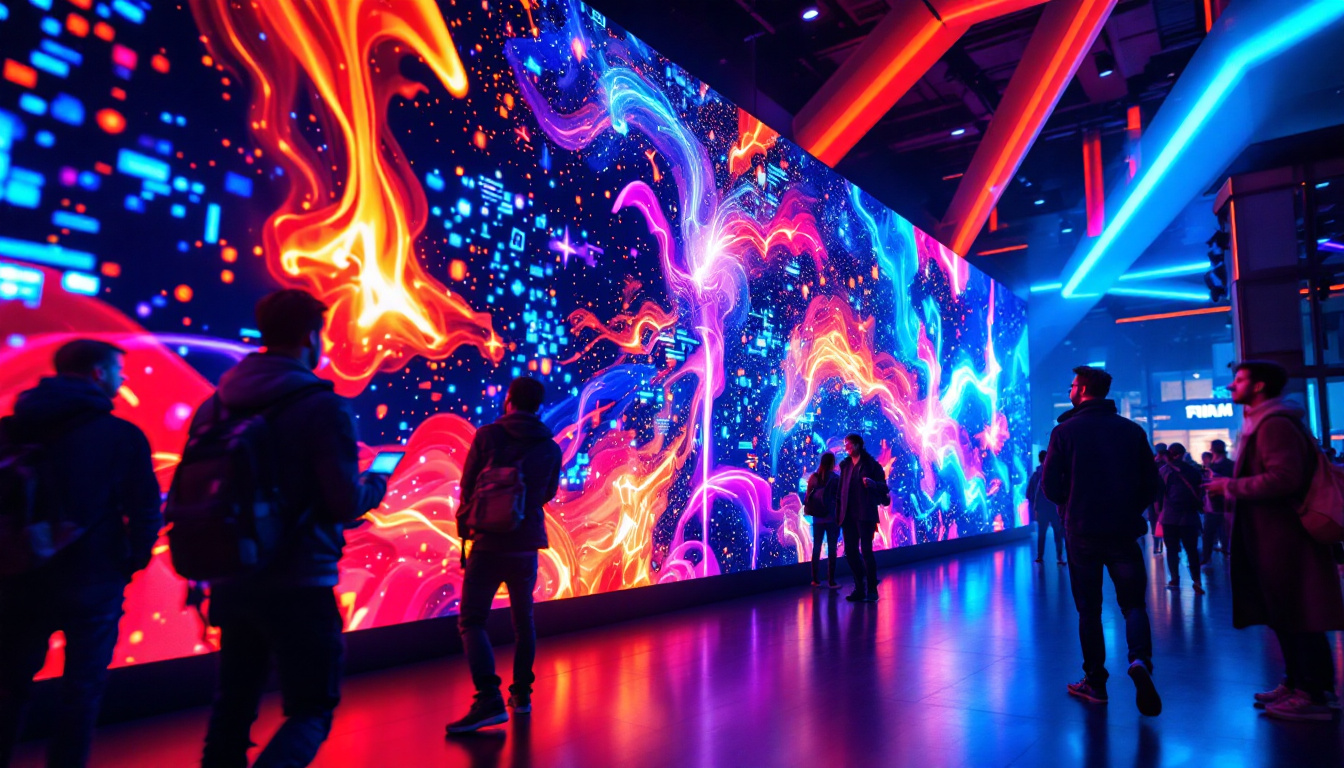
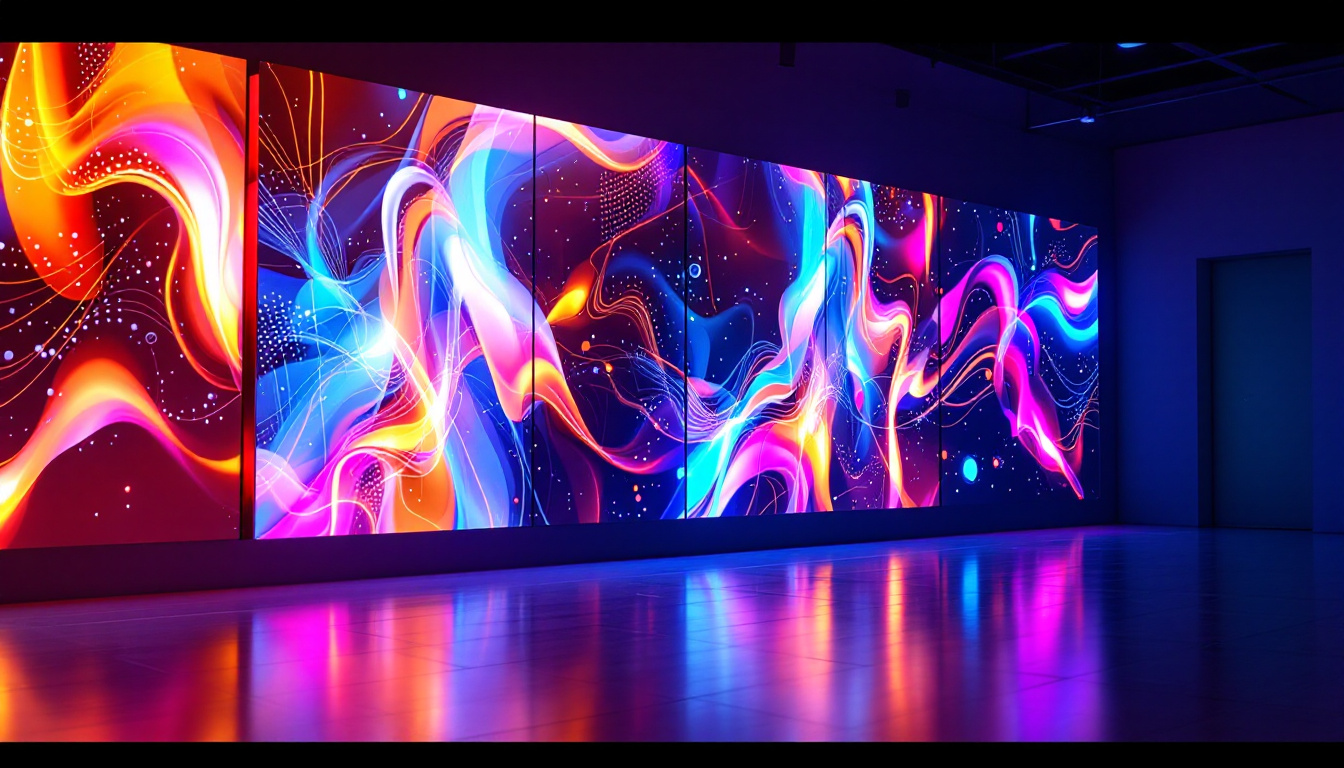
At the core of an LED cinematic light box is an array of LEDs arranged behind a translucent panel. When powered, these LEDs emit light that passes through the graphic material, illuminating the image with vibrant colors and sharp contrast. The LEDs can be monochromatic or full-color RGB, allowing for static or animated displays. This capability to display dynamic content is particularly beneficial in environments where messages need to change frequently, such as in advertising or event promotions.
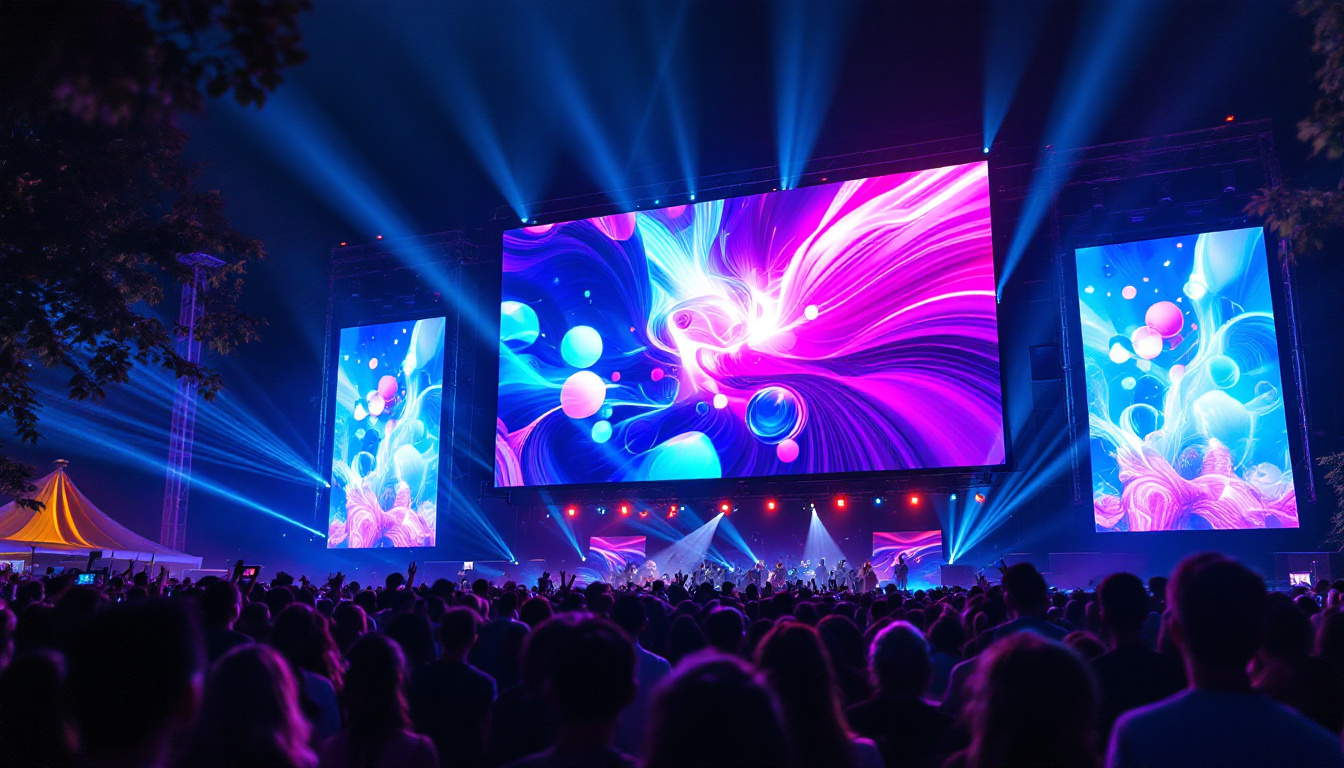
Modern LED displays often incorporate advanced control systems, enabling brightness adjustment, color temperature tuning, and dynamic content changes. This flexibility makes them ideal for environments where lighting conditions or messaging need to adapt quickly. For example, during the day, the brightness can be increased to counteract natural light, while at night, it can be dimmed for a more subdued ambiance. Additionally, many LED cinematic light boxes can be programmed to display animations or transitions, providing an engaging visual experience that captures the attention of passersby. This adaptability not only enhances the visual appeal but also allows for creative storytelling, making them a powerful tool in marketing and communication strategies.
Advantages of LED Cinematic Light Boxes
Energy Efficiency and Longevity
One of the most significant benefits of LED light boxes is their energy efficiency. LEDs consume up to 75% less energy compared to traditional fluorescent lighting, making them an environmentally friendly choice. This efficiency translates to reduced operational costs, especially important for businesses running displays continuously.
Additionally, LEDs have a longer lifespan, often exceeding 50,000 hours of operation. This durability reduces maintenance requirements and replacement costs, which is particularly valuable in commercial and cinematic settings where downtime can be costly. The extended life of LED light boxes means fewer materials are consumed over time, further contributing to sustainability efforts and reducing the carbon footprint associated with frequent replacements.
Superior Visual Quality
LED cinematic light boxes offer superior brightness and color accuracy compared to conventional light sources. The ability to produce vivid colors and high contrast ratios enhances the visual impact of displayed content, making images more engaging and easier to see even in brightly lit environments.
Furthermore, LEDs provide uniform illumination across the entire display surface, eliminating hotspots or uneven lighting that can detract from the viewing experience. This uniformity is crucial in cinematic applications where visual clarity and aesthetic appeal are paramount. The advanced technology behind LED light boxes also allows for a wider color gamut, enabling creators to showcase their work with stunning realism and depth, which is particularly beneficial in film and advertising where visual storytelling is key.
Design Flexibility and Customization
LED technology allows for a high degree of customization in terms of size, shape, and functionality. Cinematic light boxes can be designed to fit specific dimensions or integrated into architectural features seamlessly. The slim profile of LED panels also enables sleek, modern designs that complement contemporary spaces.
With programmable LEDs, users can create dynamic lighting effects, animations, or changeable messages, adding an interactive dimension to displays. This versatility supports creative expression and marketing innovation. Moreover, the lightweight nature of LED light boxes facilitates easy installation and repositioning, allowing businesses to adapt their displays to different events or promotional campaigns without significant logistical challenges. The ability to easily modify the content and lighting also means that businesses can keep their displays fresh and relevant, engaging audiences in new and exciting ways.
Applications of LED Cinematic Light Boxes
Film and Entertainment Industry
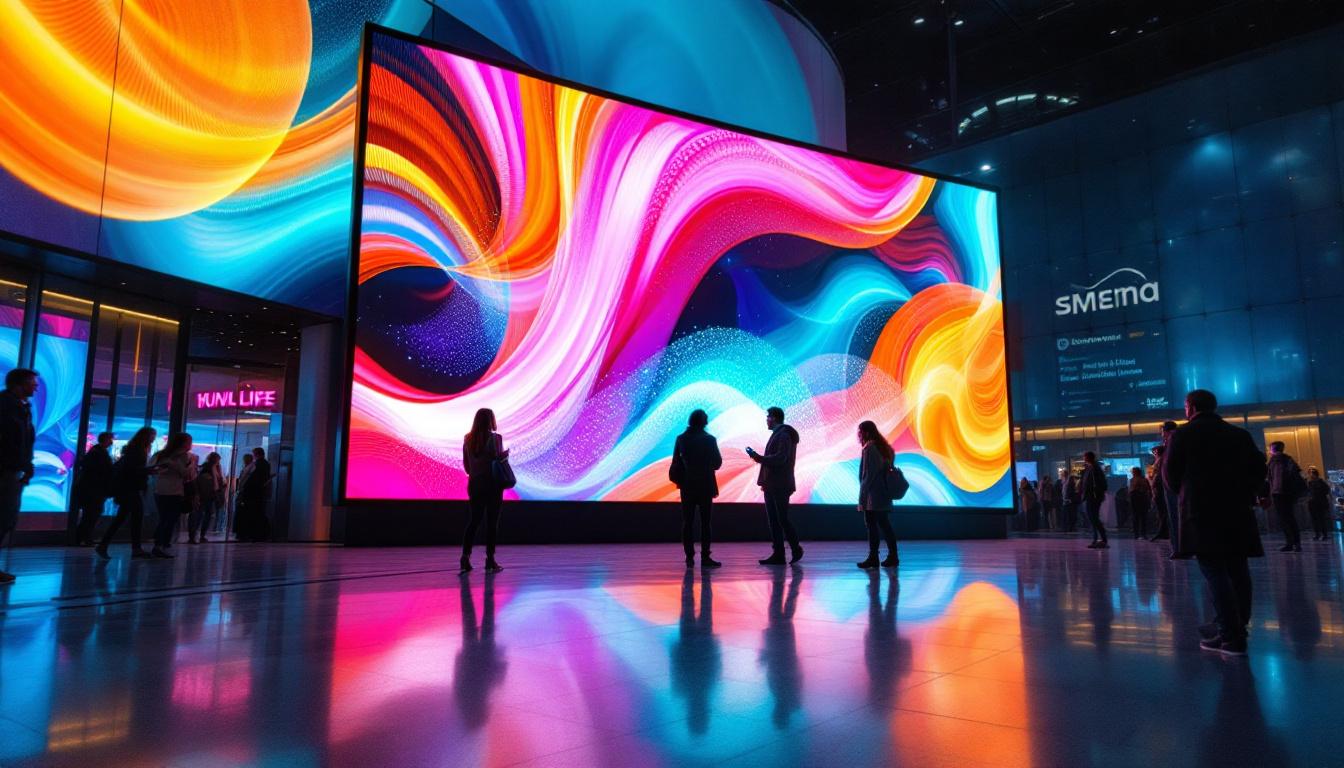
In the film industry, LED cinematic light boxes are widely used for promotional purposes, such as backlit movie posters in theaters and film festivals. Their ability to attract attention with bright, vivid imagery helps drive audience engagement and ticket sales.
Beyond promotion, these light boxes can be part of set design, providing ambient lighting or visual effects that enhance the storytelling experience. Their controllability allows lighting designers to match the mood and tone of scenes precisely.
Retail and Advertising
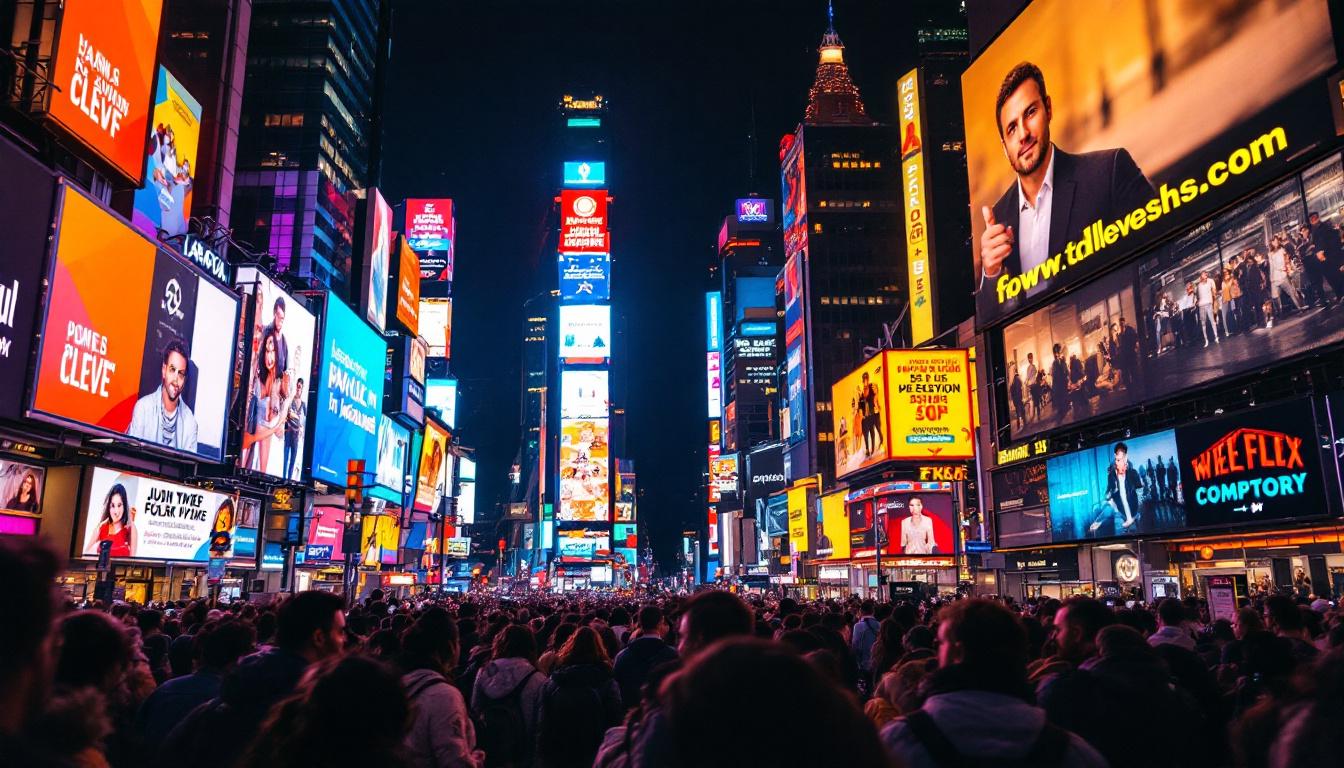
Retail environments benefit greatly from LED cinematic light boxes by using them to highlight products, sales, or brand messages. Their brightness and color fidelity make advertisements stand out, even in busy or well-lit stores.
Digital versions of these light boxes can cycle through multiple advertisements or promotional messages, maximizing the use of display space and keeping content fresh and engaging for customers.
Exhibitions and Museums
Exhibitions and museums use LED light boxes to illuminate informational panels, artwork, or artifacts with controlled lighting that protects sensitive materials. The ability to adjust brightness and color temperature helps preserve items while enhancing visitor experience.
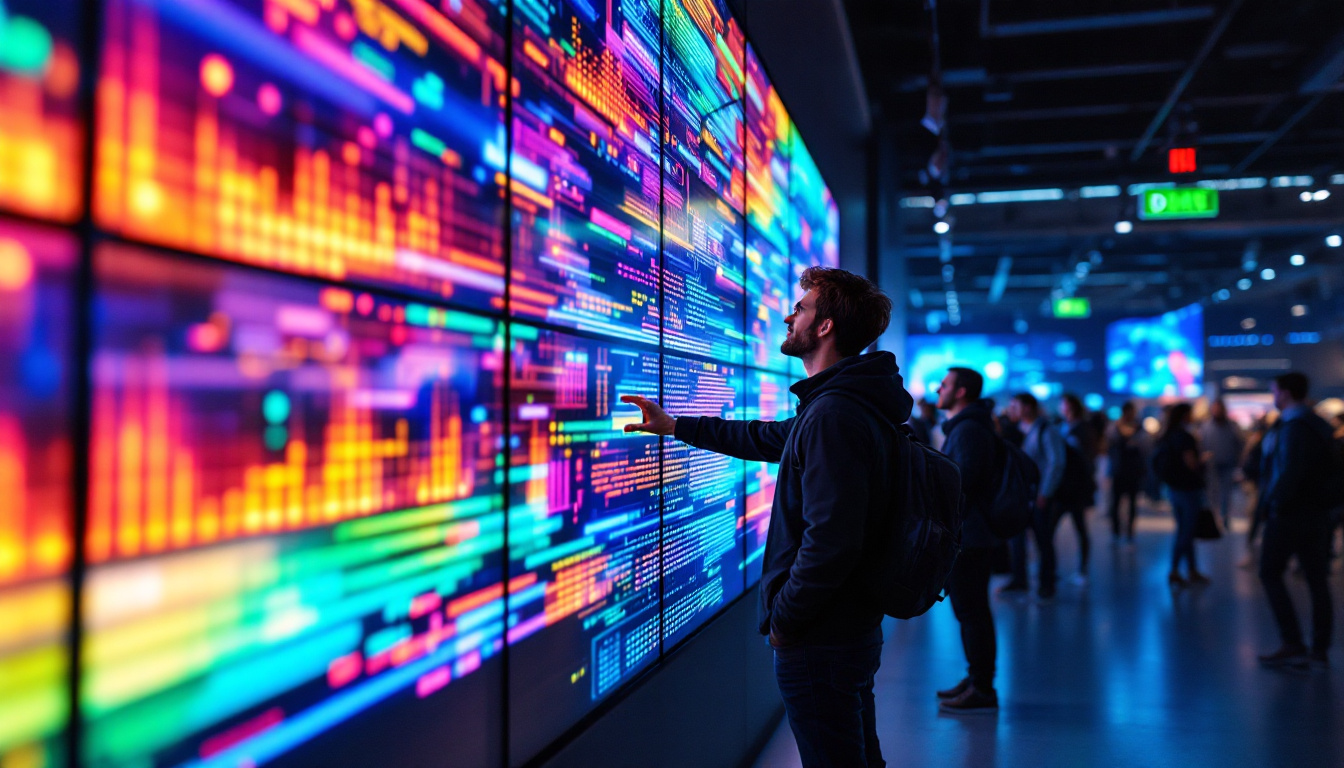
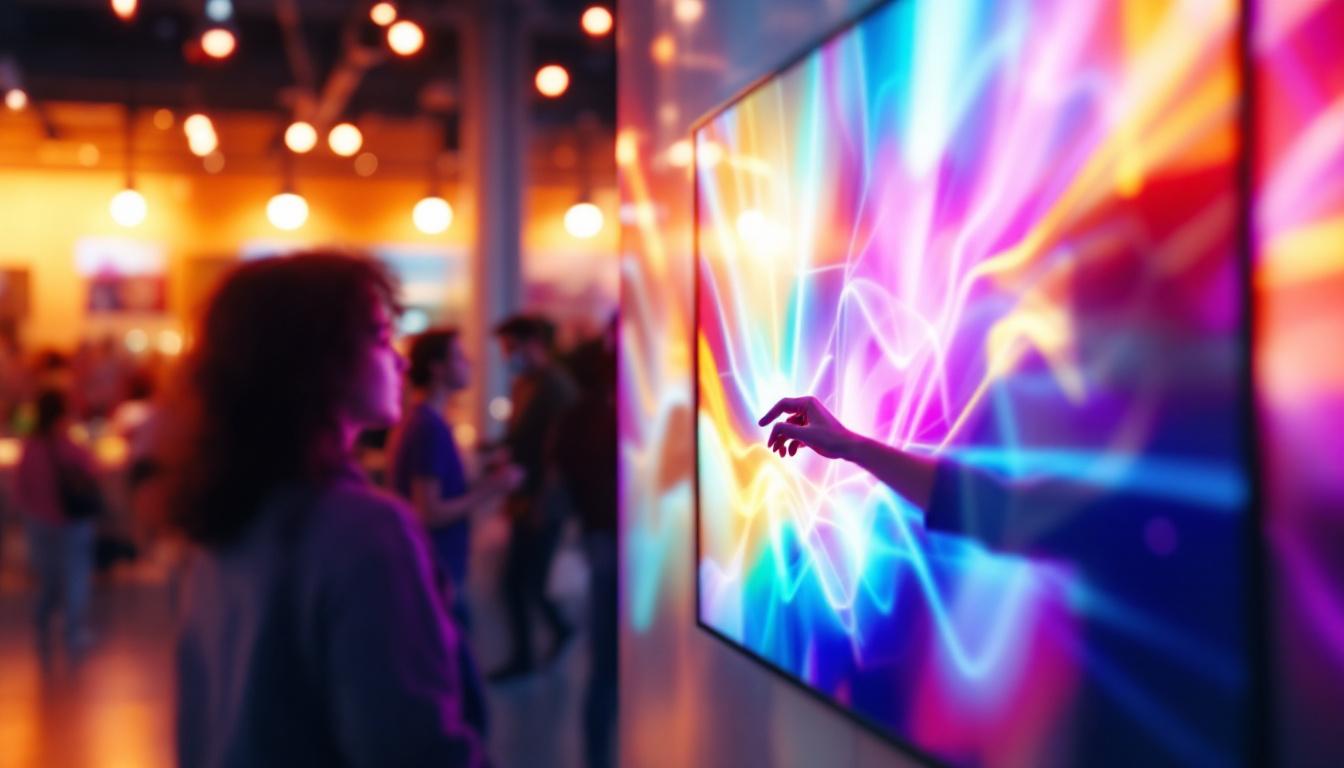
Interactive exhibits can also leverage programmable LED light boxes to create immersive environments that respond to visitor actions or time-based events.
Technical Considerations When Choosing an LED Cinematic Light Box
Brightness and Color Temperature
Brightness, measured in nits or lumens, is a critical factor depending on the environment where the light box will be used. Cinematic light boxes typically require higher brightness levels to compete with ambient lighting in theaters or outdoor settings.
Color temperature, expressed in Kelvin (K), influences the mood and appearance of the illuminated content. Warmer temperatures (2700K–3500K) create a cozy atmosphere, while cooler temperatures (5000K–6500K) offer a crisp, daylight-like effect. Adjustable color temperature provides flexibility for different applications.
Resolution and Pixel Density
For LED light boxes that display dynamic or high-detail content, resolution and pixel density are important. Higher pixel density ensures sharper images and smoother color gradients, which is essential for cinematic-quality visuals.
Static light boxes with printed graphics require less consideration of pixel density but benefit from uniform illumination to avoid distortions or color inconsistencies.
Durability and Environmental Resistance
Depending on the installation location, LED cinematic light boxes may need to withstand environmental factors such as moisture, dust, or temperature fluctuations. Outdoor displays require weatherproof enclosures and robust materials to maintain performance and longevity.
Indoor installations should consider ventilation and heat dissipation to prevent overheating, which can reduce LED lifespan and affect brightness.
Future Trends in LED Cinematic Light Boxes
Integration with Smart Technologies
The future of LED cinematic light boxes is closely linked with smart technology integration. IoT-enabled displays can be remotely controlled, monitored, and updated, allowing for real-time content management and energy optimization.
Artificial intelligence and machine learning algorithms may soon enable these light boxes to adapt content based on audience demographics, time of day, or environmental conditions, enhancing relevance and engagement.
Advancements in Mini-LED and Micro-LED
Emerging LED technologies like mini-LED and micro-LED offer even greater brightness, contrast, and energy efficiency. These advancements promise thinner, more flexible light boxes with improved color accuracy and dynamic range, pushing the boundaries of cinematic display quality.
As production costs decrease, these technologies will become more accessible, expanding the range of applications and creative possibilities.
Sustainability and Eco-Friendly Design
With increasing emphasis on sustainability, manufacturers are focusing on eco-friendly materials, recyclable components, and energy-saving features. LED cinematic light boxes that incorporate these elements appeal to environmentally conscious businesses and consumers alike.
Innovations in power management and solar integration may further reduce the carbon footprint of these displays, aligning with global efforts to combat climate change.
Conclusion
LED cinematic light boxes represent a significant advancement in display technology, combining energy efficiency, superior visual quality, and versatile design. Their applications span from cinematic promotion and set design to retail advertising and museum exhibitions, making them indispensable tools in modern visual communication.
As technology continues to evolve, LED cinematic light boxes will become smarter, more sustainable, and capable of delivering increasingly immersive and engaging experiences. For businesses and creatives looking to captivate audiences with stunning visuals, understanding the capabilities and benefits of LED cinematic light boxes is essential.
Illuminate Your Message with LumenMatrix
Ready to elevate your visual storytelling and captivate your audience with unparalleled clarity and vibrancy? Discover the innovative world of LumenMatrix LED display technology. From immersive Indoor LED Wall Displays to dynamic Outdoor LED Wall Displays, and from versatile Vehicle LED Displays to sleek LED Poster Displays, LumenMatrix offers a comprehensive range of solutions tailored to your needs. Whether you’re looking to enhance brand visibility, create engaging sports experiences, or revolutionize your space with Custom or All-in-One LED Displays, LumenMatrix is your partner in revolutionizing visual communication. Check out LumenMatrix LED Display Solutions today and transform your message into an unforgettable visual experience.