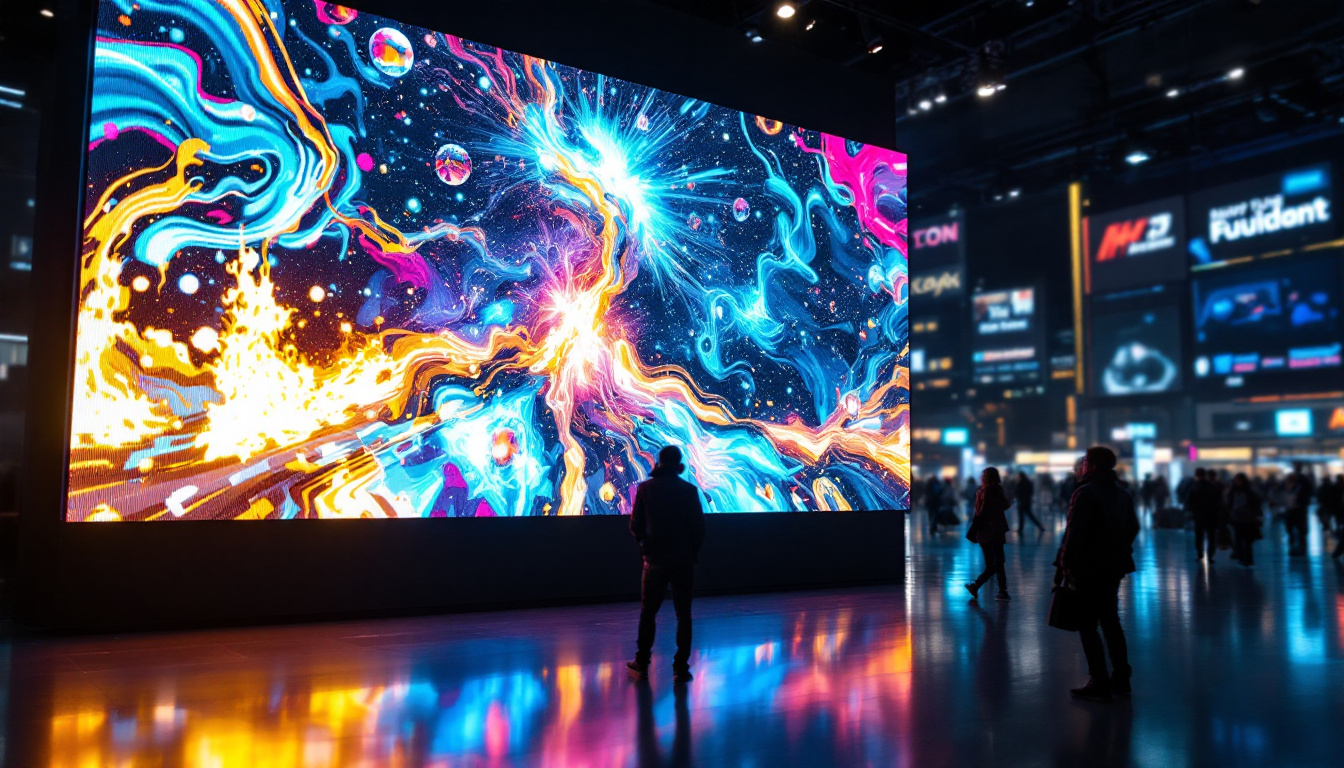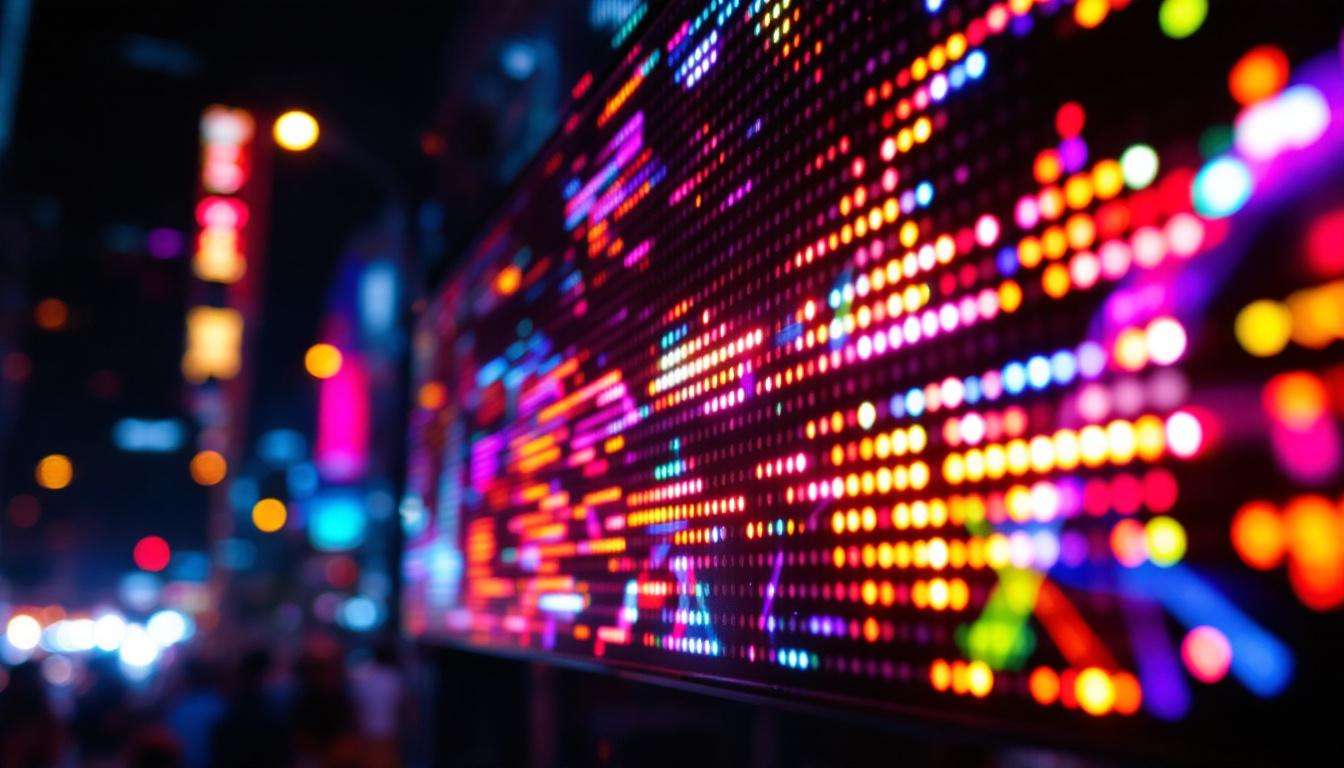
In an era dominated by digital communication, LED displays have become a cornerstone of visual technology. From vibrant billboards to immersive stadium screens and even the displays on your smartphone, LED technology is everywhere. But what exactly is an LED display, how does it work, and why has it become the preferred choice for so many applications? This article dives deep into the world of LED displays, explaining their technology, types, advantages, and future trends.
Understanding LED Display Technology
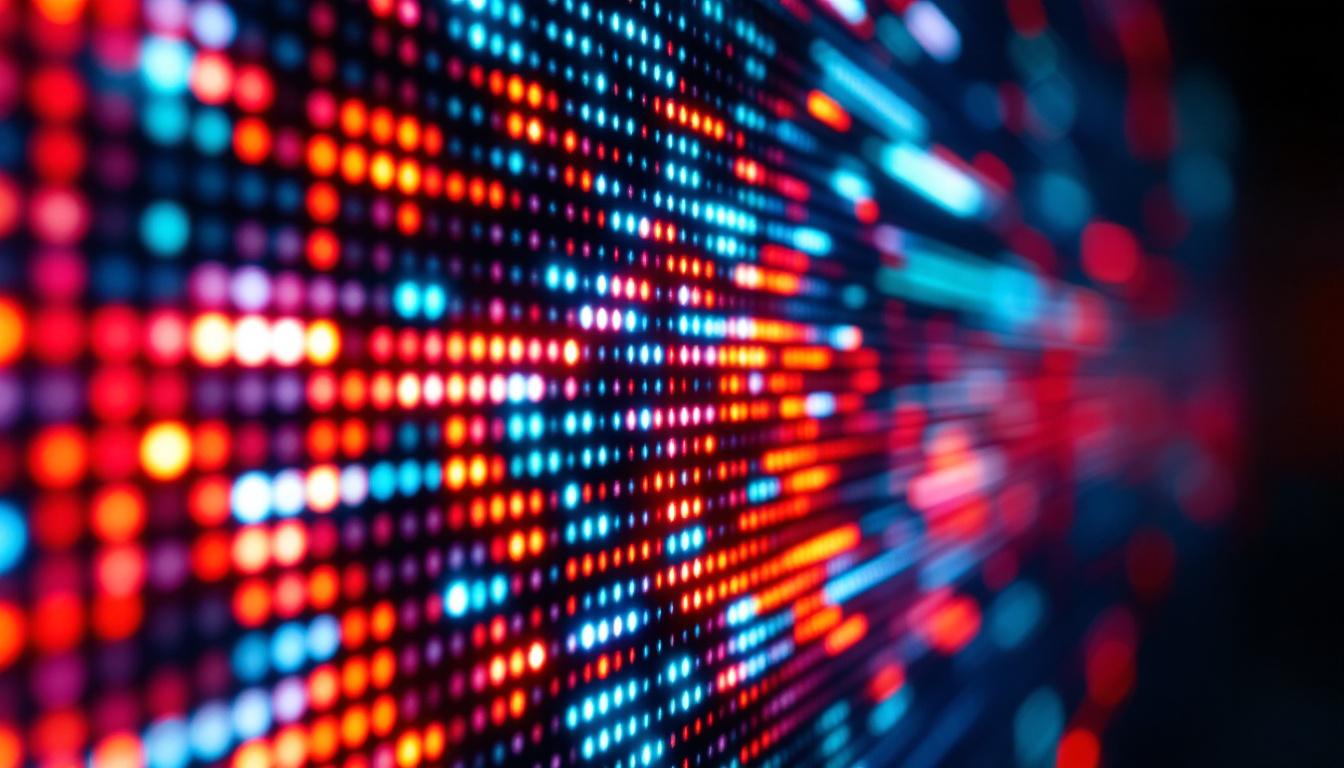
LED stands for Light Emitting Diode, a semiconductor device that emits light when an electric current passes through it. Unlike traditional lighting or display technologies, LEDs are highly energy-efficient, durable, and capable of producing bright, vivid colors. LED displays leverage this technology by arranging thousands or even millions of these tiny diodes into a matrix to form images or videos.
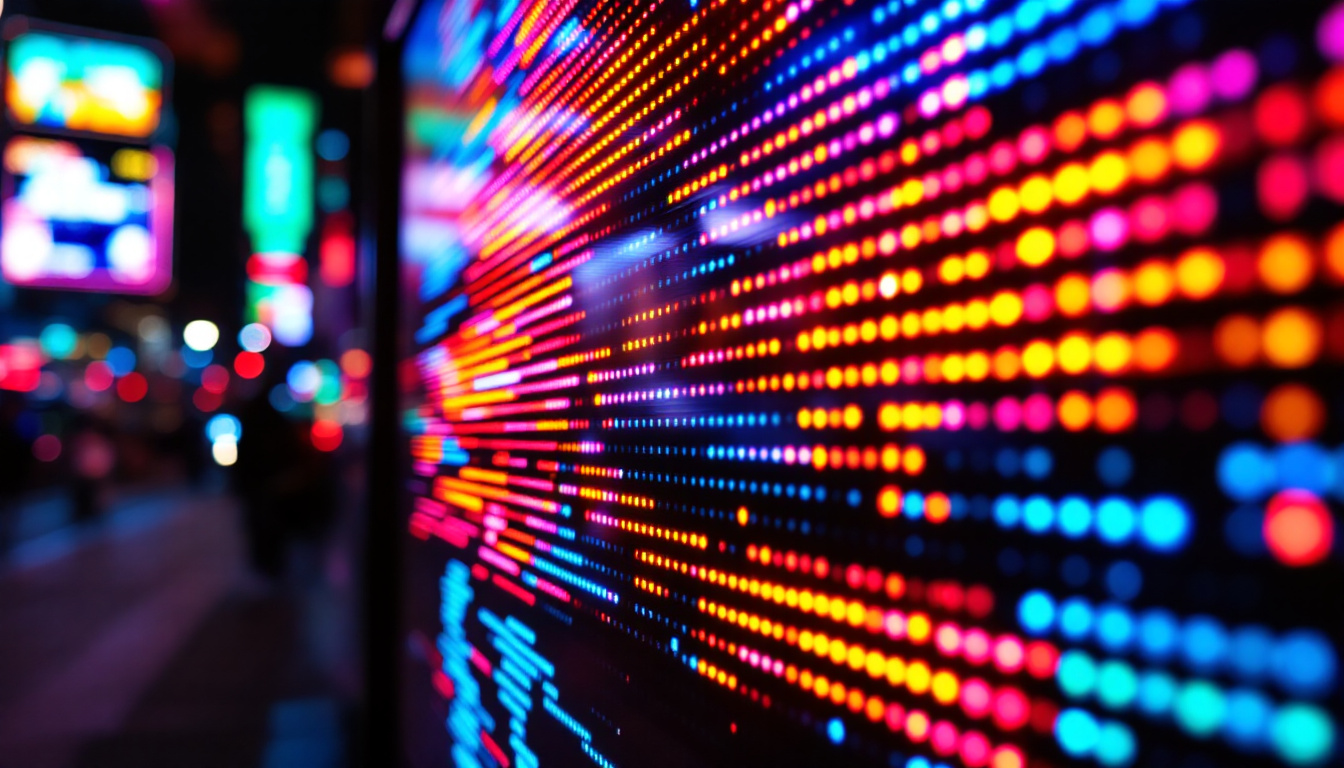
The fundamental principle behind an LED display is simple: each diode acts as a single pixel or part of a pixel. By controlling the brightness and color of each diode, the display can render complex images with remarkable clarity and vibrancy. This control is typically achieved through sophisticated electronics that modulate the current and color output of each LED in real-time. The result is a display that not only captures attention but also enhances the viewer’s experience, making it a popular choice in various fields from entertainment to education.
How LED Displays Work
At the heart of an LED display is a grid of LEDs, often grouped into clusters known as pixels. Each pixel usually consists of three sub-pixels: red, green, and blue LEDs. By varying the intensity of these sub-pixels, the display can produce a full spectrum of colors through additive color mixing.
For example, when all three sub-pixels are at full brightness, the pixel appears white. When only the red and green sub-pixels are lit, the pixel appears yellow, and so on. This RGB (Red-Green-Blue) model is the foundation of most digital displays, including LEDs. The precision with which these colors can be mixed allows for stunning visuals, making LED displays a favorite in settings where image quality is paramount, such as in movie theaters and art installations.
Types of LED Displays
LED displays come in various forms, tailored to different applications and environments. The primary types include:
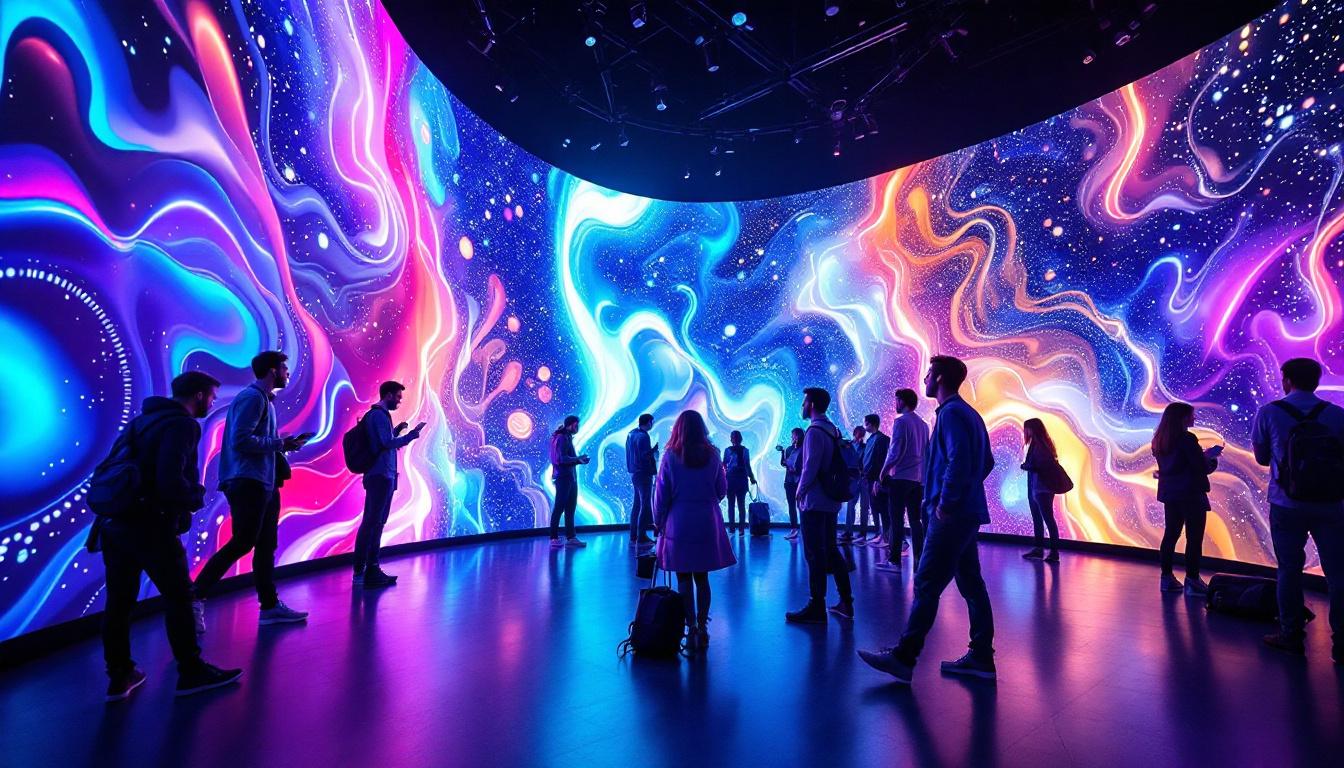
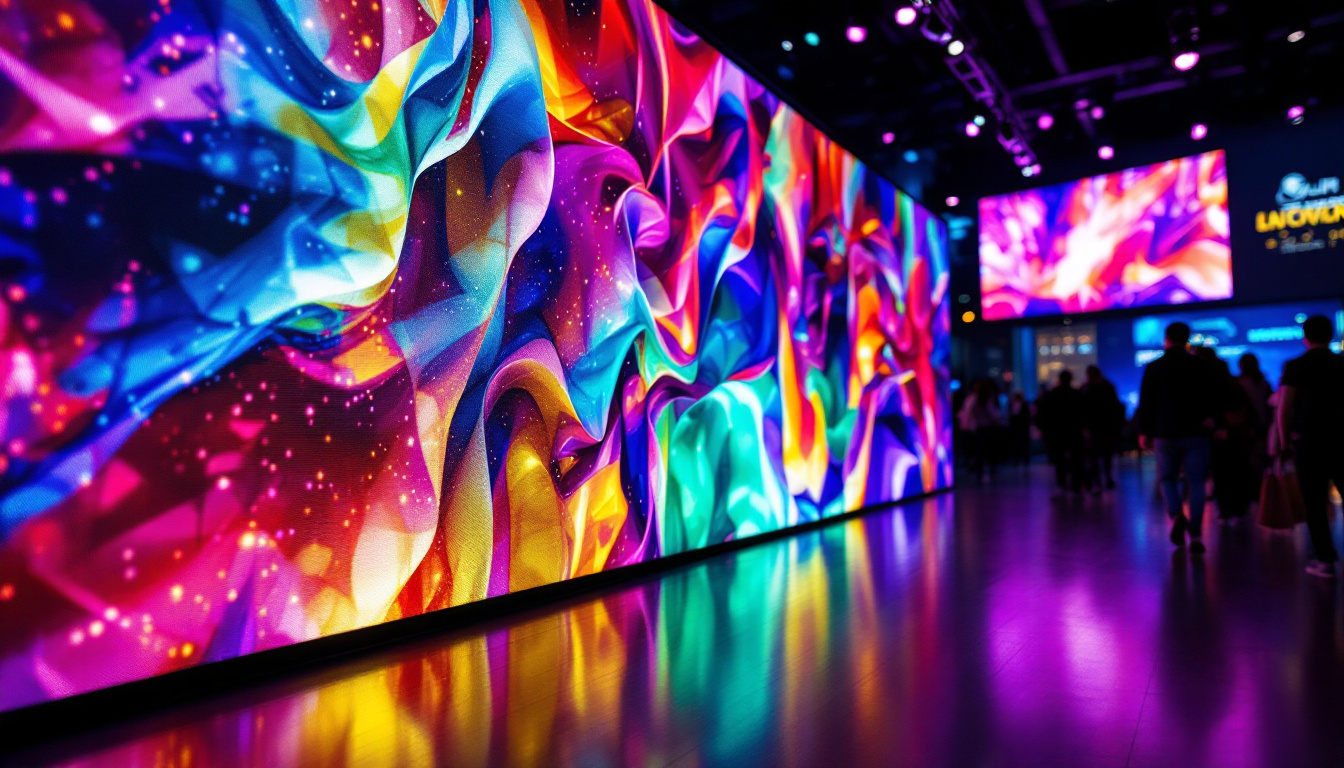
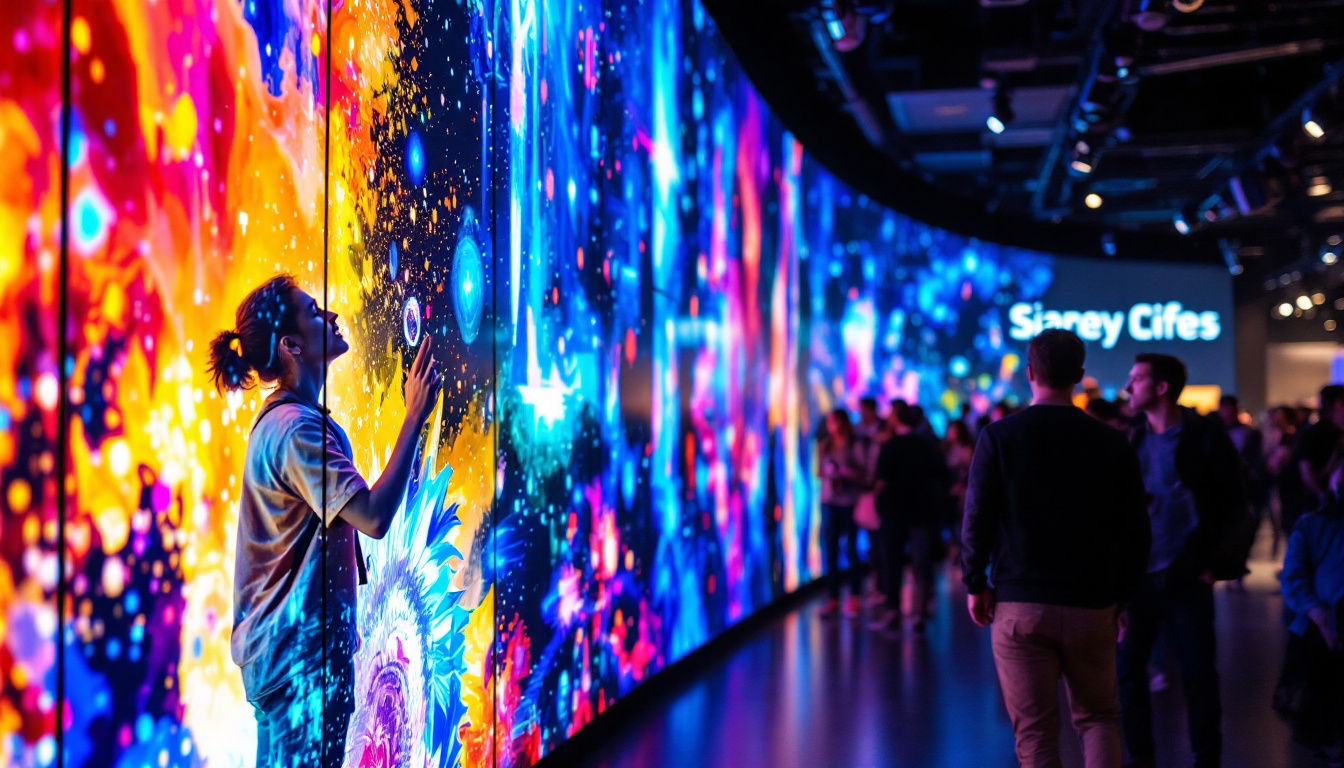
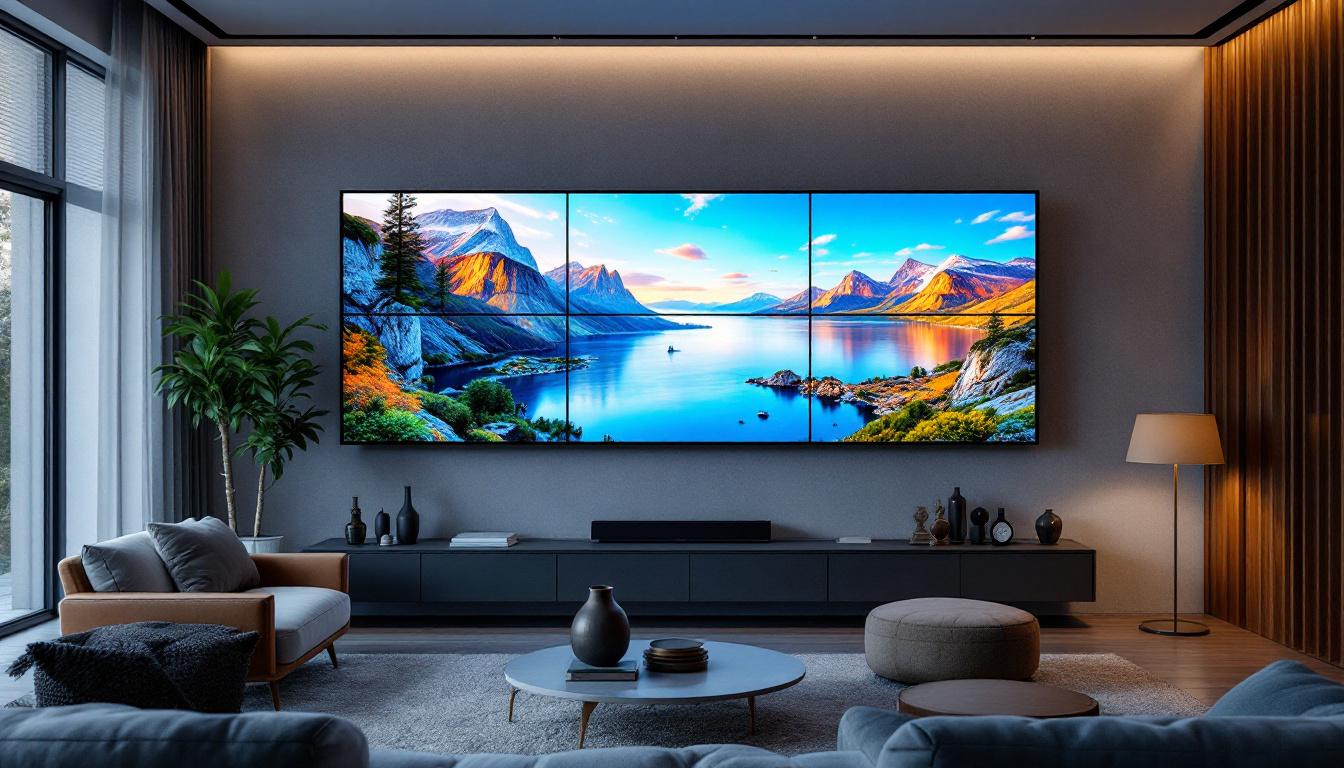
- Indoor LED Displays: Designed for close-range viewing, these displays have a higher pixel density to deliver sharp images. They are commonly used in retail stores, conference rooms, and indoor advertising.
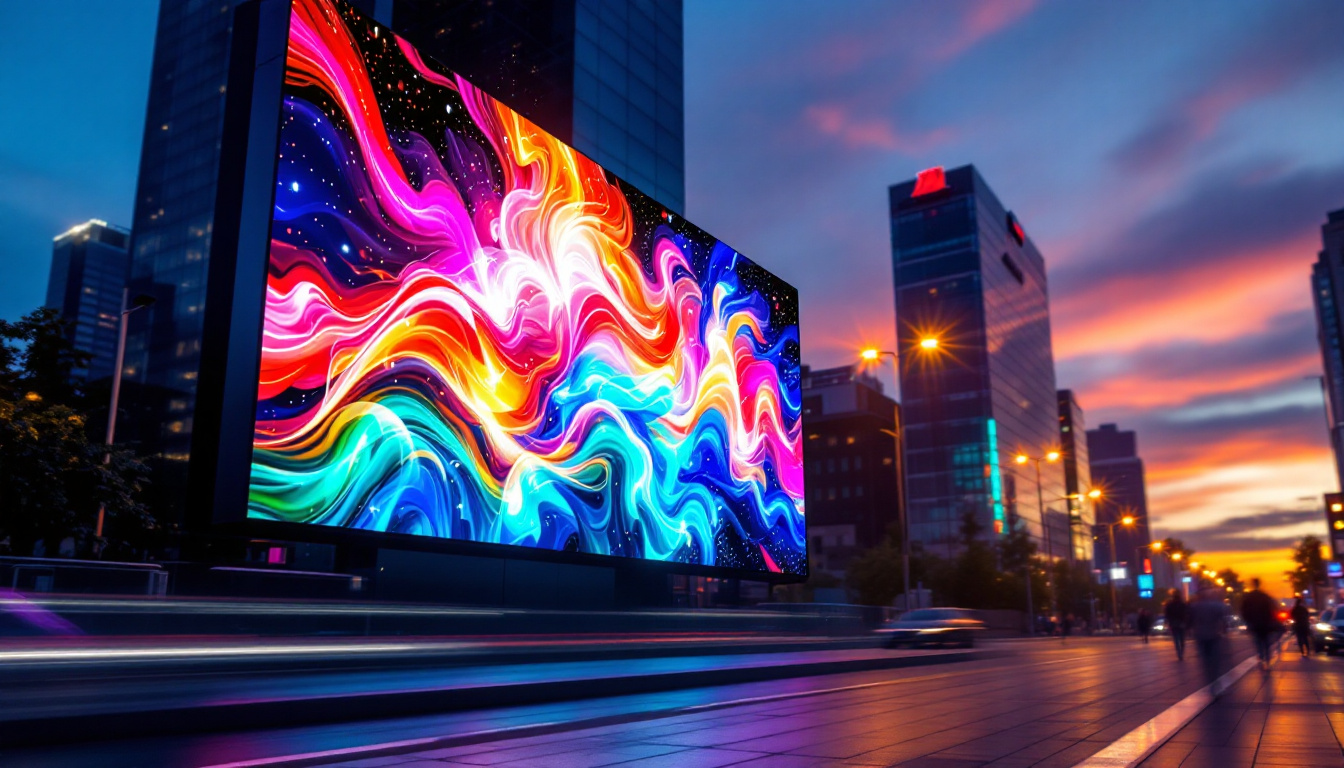
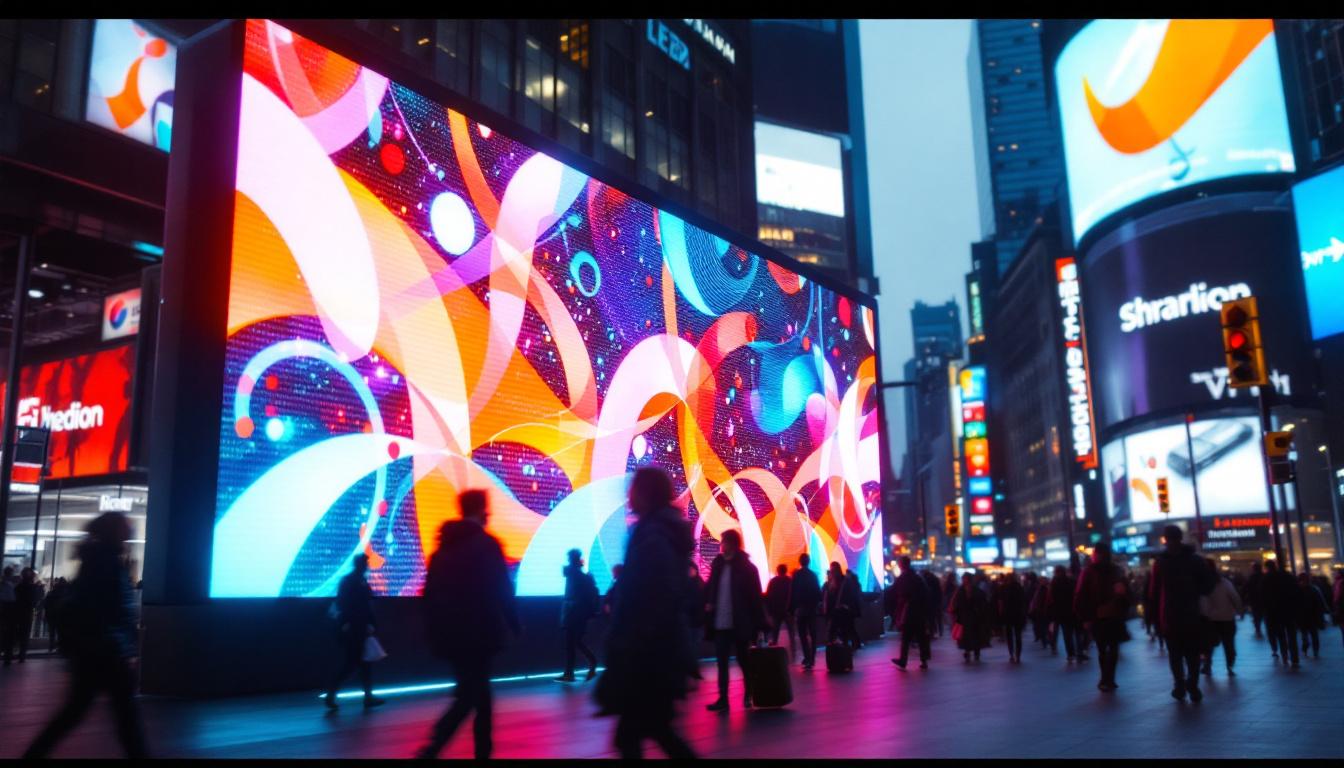
- Outdoor LED Displays: Built to withstand harsh weather conditions, these displays are brighter to combat sunlight glare and have robust casings. They are often used for billboards, sports arenas, and public information boards.
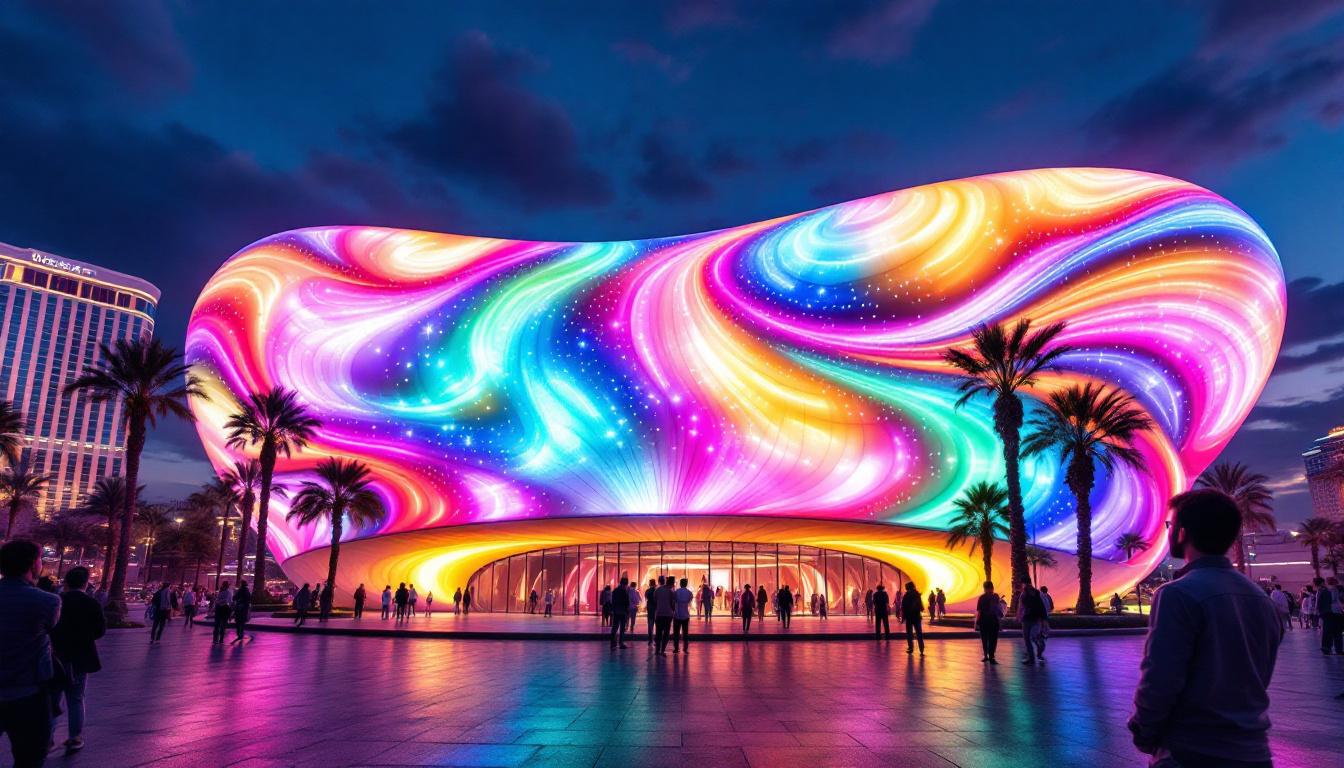
- Flexible LED Displays: Utilizing bendable substrates, these displays can curve or wrap around surfaces, enabling innovative design possibilities such as wearable screens or architectural installations.
- Transparent LED Displays: These displays allow light to pass through, making them ideal for storefront windows or glass walls where visibility from both sides is desired.
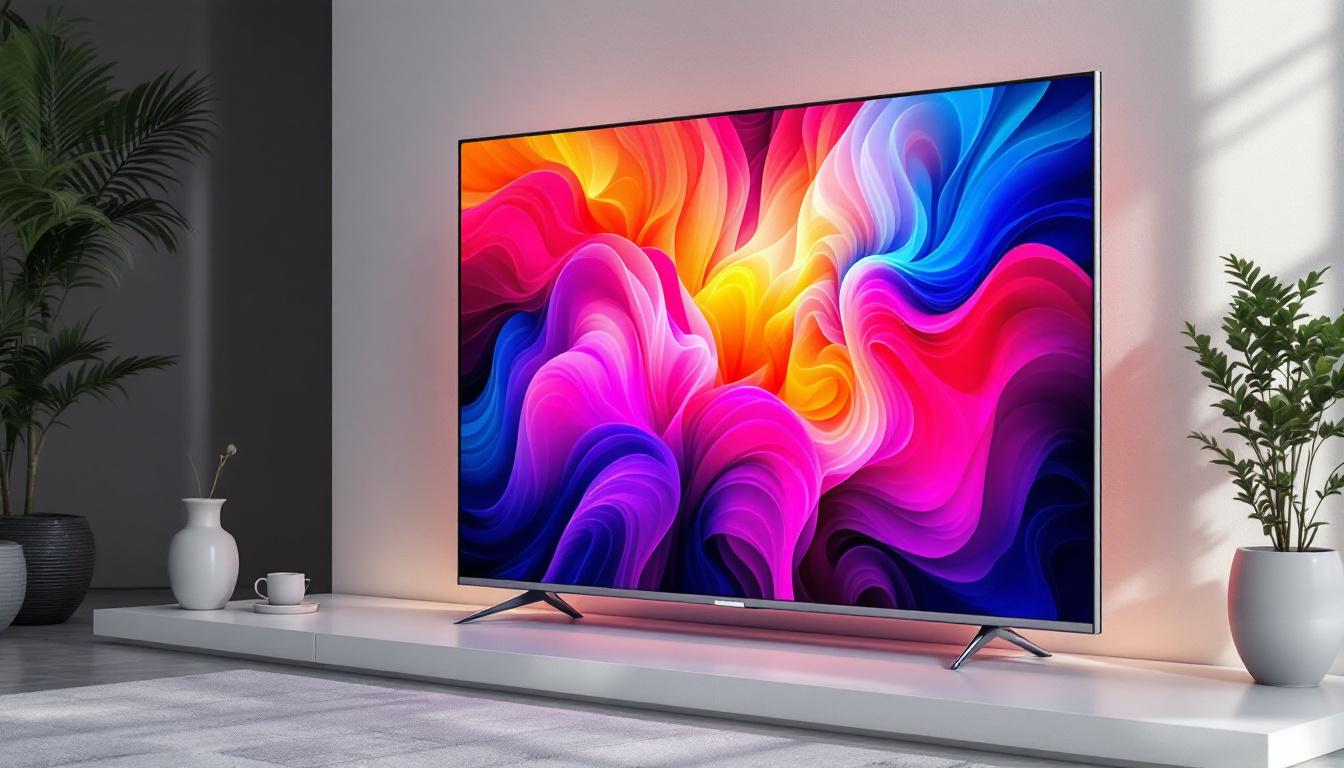
In addition to these main types, LED technology continues to evolve, leading to advancements such as MicroLED and MiniLED displays. MicroLED technology utilizes microscopic LEDs to create displays that are not only thinner and lighter but also offer superior contrast ratios and energy efficiency. MiniLED, on the other hand, enhances traditional LCD displays by using thousands of tiny LEDs for backlighting, resulting in improved brightness and color accuracy. These innovations are paving the way for even more immersive viewing experiences, pushing the boundaries of what LED displays can achieve in both consumer electronics and professional applications.
Moreover, the integration of smart technology with LED displays has transformed how we interact with visual media. Smart LED displays can connect to the internet, allowing for dynamic content updates, remote management, and interactive features. This connectivity opens up exciting possibilities for advertising, where real-time data can be used to tailor messages to specific audiences, thereby enhancing engagement and effectiveness. As the technology continues to advance, the potential applications for LED displays seem limitless, from enhancing public spaces to revolutionizing personal devices.
Advantages of LED Displays Over Other Technologies
LED displays have surged in popularity due to their numerous benefits compared to traditional display technologies such as LCD (Liquid Crystal Display) or plasma screens. Understanding these advantages helps explain why industries across the board are adopting LED solutions.
Superior Brightness and Contrast
One of the standout features of LED displays is their exceptional brightness. Outdoor LED billboards, for example, can reach brightness levels exceeding 5,000 nits, ensuring visibility even under direct sunlight. This is significantly higher than typical LCD screens, which usually max out around 500 to 1,000 nits.
Additionally, LEDs offer superior contrast ratios. Because each LED emits light individually, black pixels can be turned off completely, resulting in true blacks and vibrant colors. This capability enhances image quality and viewer experience, especially in dark environments.
Energy Efficiency and Longevity
LEDs consume far less power than traditional lighting and display technologies. According to the U.S. Department of Energy, LEDs use at least 75% less energy and last 25 times longer than incandescent lighting. This efficiency translates into lower operating costs and reduced environmental impact for businesses and consumers alike.
Moreover, LED displays have a longer lifespan, often exceeding 100,000 hours of operation. This durability reduces maintenance needs and replacement frequency, making them a cost-effective long-term investment.
Design Flexibility and Scalability
LED technology allows for a wide range of design options. Displays can be manufactured in various shapes and sizes, from small wearable screens to massive stadium displays spanning thousands of square feet. The modular nature of LED panels also enables easy scalability and repair, as individual modules can be replaced without dismantling the entire screen.
Flexible and transparent LED displays further expand creative possibilities, enabling designers and advertisers to integrate digital content seamlessly into architectural elements and unconventional surfaces.
Applications of LED Displays in Modern Industries
The versatility and performance of LED displays have made them indispensable across numerous sectors. Here are some of the most prominent applications:
Advertising and Digital Signage
LED billboards and digital signage have revolutionized outdoor advertising. Their brightness, dynamic content capabilities, and durability make them ideal for capturing attention in busy urban environments. According to a study by Nielsen, digital billboards can increase recall rates by up to 47% compared to static signs.
Retailers also use indoor LED displays for promotional content, enhancing customer engagement through interactive and eye-catching visuals.
Sports and Entertainment Venues
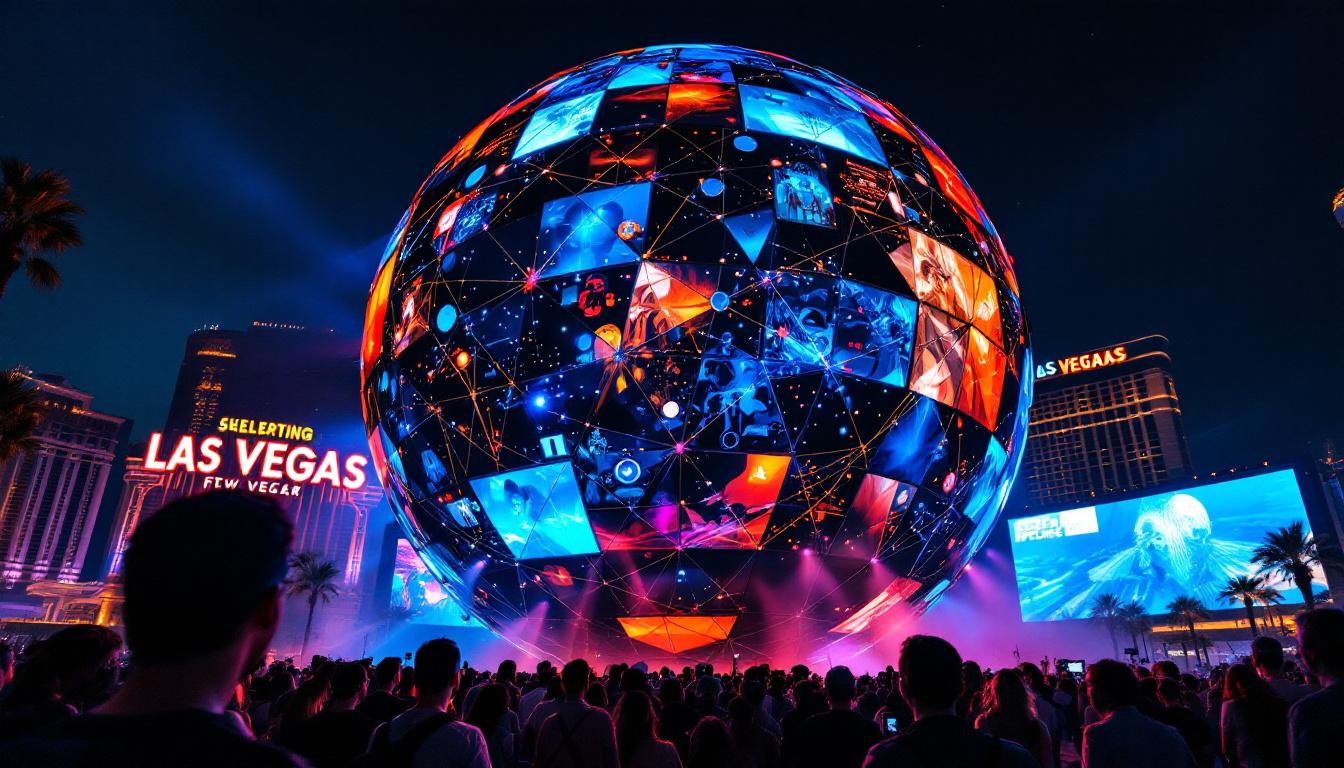
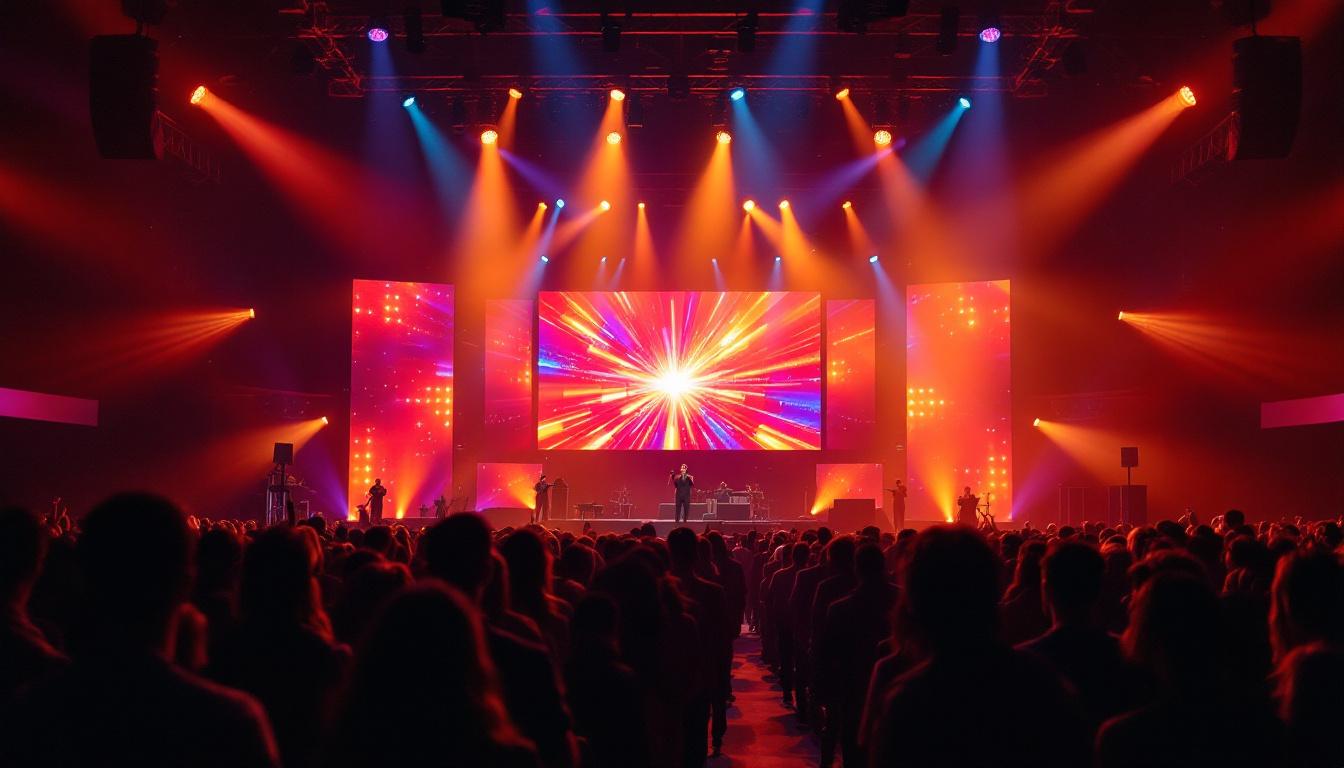
Stadiums and arenas rely heavily on large-scale LED screens to provide live action replays, scores, and advertisements. These displays enhance the spectator experience by delivering high-definition content visible from any seat. For instance, the AT&T Stadium in Texas boasts one of the world’s largest LED video boards, measuring over 160 feet wide and 72 feet tall.
Transportation and Public Information
LED displays are widely used in transportation hubs such as airports, train stations, and bus terminals to convey real-time information. Their high visibility and reliability ensure travelers receive timely updates on schedules, delays, and safety messages.
Additionally, traffic management systems employ LED signs to communicate road conditions and alerts, improving safety and traffic flow.
Corporate and Educational Environments
In offices and educational institutions, LED displays facilitate presentations, video conferencing, and digital collaboration. Their clarity and responsiveness support effective communication and engagement in meetings and classrooms.
Emerging Trends and the Future of LED Displays
The LED display industry continues to evolve rapidly, driven by technological advancements and changing consumer demands. Several trends are shaping the future landscape of LED displays.
MicroLED and MiniLED Technologies
MicroLED and MiniLED represent the next generation of LED displays, offering even higher resolution, brightness, and energy efficiency. MicroLEDs are tiny LEDs, often smaller than 100 micrometers, that can be packed densely to create ultra-high-definition screens with exceptional color accuracy and contrast.
These technologies are poised to challenge OLED (Organic Light Emitting Diode) displays in premium devices such as smartphones, TVs, and augmented reality headsets, combining the best features of LEDs and OLEDs without their respective drawbacks.
Integration with IoT and Smart Technologies
LED displays are increasingly integrated with Internet of Things (IoT) devices and smart systems. This integration enables dynamic content updates based on real-time data, user interaction, or environmental conditions. For example, smart city initiatives use connected LED displays to provide personalized information, advertisements, and emergency alerts.
Sustainability and Eco-Friendly Innovations
As environmental concerns grow, manufacturers are focusing on making LED displays more sustainable. Innovations include the use of recyclable materials, reduced power consumption, and manufacturing processes with lower carbon footprints. Additionally, advancements in LED lifespan and efficiency contribute to minimizing electronic waste.
Choosing the Right LED Display for Your Needs
Selecting an LED display involves considering several factors to ensure optimal performance and return on investment. Key considerations include:
Pixel Pitch and Resolution
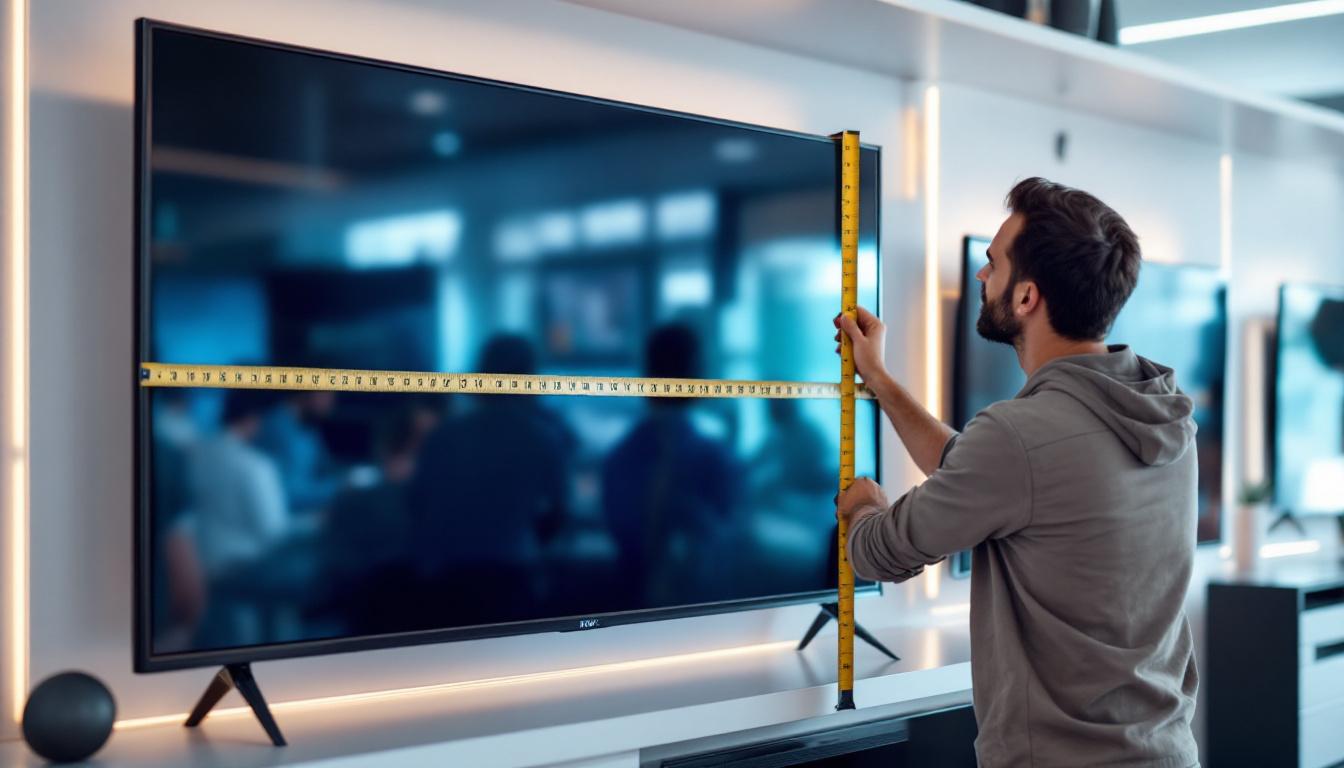
Pixel pitch refers to the distance between the centers of two adjacent pixels, usually measured in millimeters. A smaller pixel pitch means higher resolution and sharper images, which is crucial for close viewing distances. For example, indoor displays often have pixel pitches as low as 1 mm, while outdoor displays may range from 4 mm to 20 mm depending on viewing distance.
Brightness and Viewing Environment
Brightness requirements depend on the ambient lighting conditions. Outdoor displays need higher brightness levels to remain visible under sunlight, whereas indoor displays can operate at lower brightness to reduce eye strain and power consumption.
Durability and Weather Resistance
Outdoor LED displays must be rated for weather resistance, including protection against rain, dust, and temperature extremes. IP (Ingress Protection) ratings indicate the level of protection, with IP65 or higher being common for outdoor installations.
Installation and Maintenance
Consider the ease of installation and ongoing maintenance. Modular LED panels facilitate quicker setup and simplified repairs. Additionally, ensure that the manufacturer offers reliable technical support and warranty coverage.
Conclusion
LED displays have transformed the way information and entertainment are delivered across multiple industries. Their superior brightness, energy efficiency, durability, and design flexibility make them an ideal choice for applications ranging from advertising and sports venues to transportation and corporate environments.
As technology advances with innovations like MicroLED and smart integration, LED displays will continue to evolve, offering even more immersive and sustainable visual experiences. Understanding the fundamentals of LED technology and the factors influencing display selection empowers businesses and consumers to make informed decisions and harness the full potential of LED displays.
Discover LumenMatrix’s Innovative LED Display Solutions
Ready to elevate your visual experience with the latest in LED technology? Look no further than LumenMatrix, where innovation meets excellence in creating dynamic and engaging visual displays. From Indoor and Outdoor LED Wall Displays to specialized solutions like Vehicle, Sports, and Floor LED Displays, LumenMatrix offers a comprehensive range of products designed to revolutionize visual communication. Embrace the future with Custom, All-in-One, and Transparent LED Displays that promise to captivate your audience and amplify your message. Check out LumenMatrix LED Display Solutions today and transform the way you connect with the world.