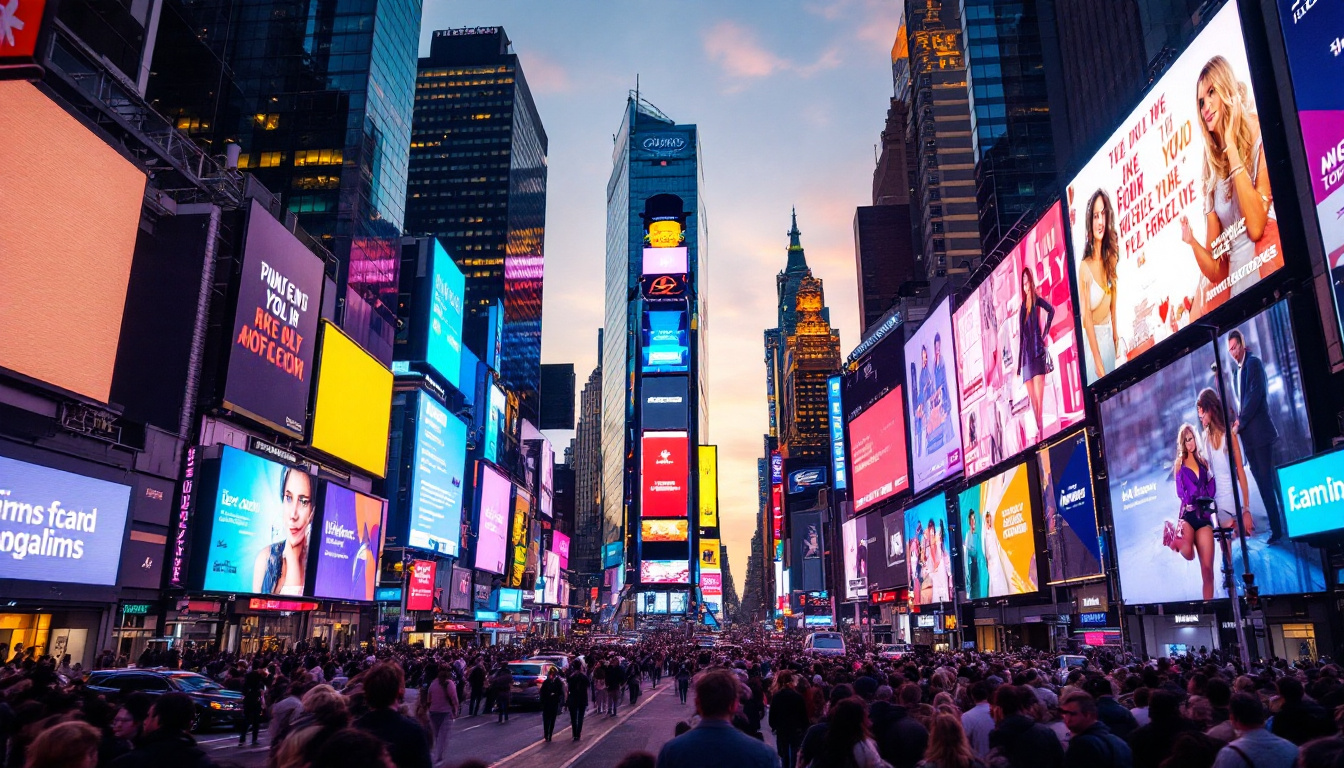
In today’s fast-paced digital world, visual communication plays a pivotal role in capturing attention and conveying messages effectively. Among the many tools available, LED custom signs have emerged as a dynamic and versatile solution for businesses, organizations, and individuals alike. This article delves deep into the world of LED displays, explaining their technology, benefits, types, and practical applications, helping you understand why they have become an essential element in modern signage.
Understanding LED Technology
What is an LED?
LED stands for Light Emitting Diode, a semiconductor device that emits light when an electric current passes through it. Unlike traditional incandescent bulbs, LEDs are highly energy-efficient, durable, and capable of producing bright, vibrant colors. These qualities make LEDs ideal for use in display technologies, including custom signs.
LEDs have revolutionized the signage industry by replacing older technologies such as neon and fluorescent lights. Their compact size allows for the creation of intricate designs and flexible display formats, ranging from small signs to massive video walls. The ability to control each LED individually also enables dynamic content, including animations and real-time updates. Additionally, LEDs have a longer lifespan compared to traditional lighting options, often lasting up to 25,000 hours or more, which significantly reduces maintenance costs and the frequency of replacements. This longevity, combined with their low energy consumption, makes them an environmentally friendly choice, contributing to reduced carbon footprints in commercial and residential settings.
How Do LED Displays Work?
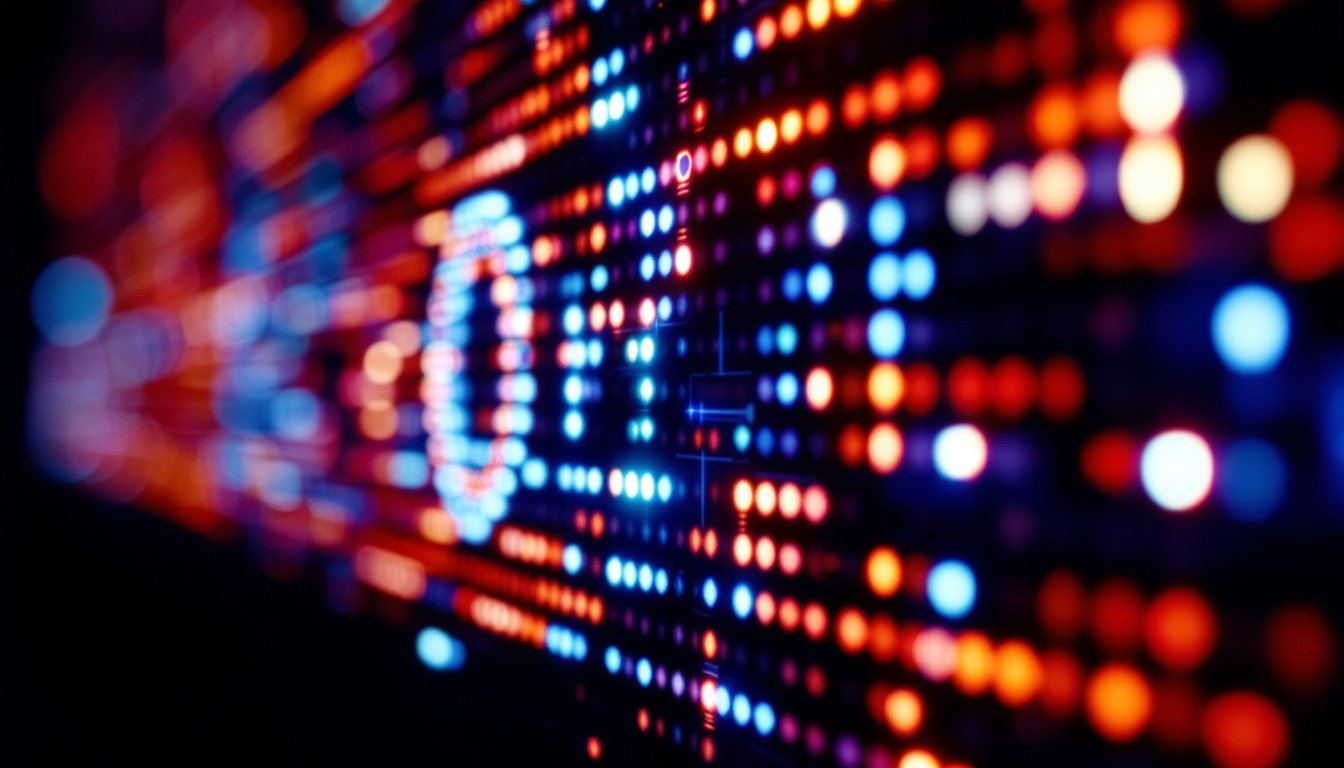
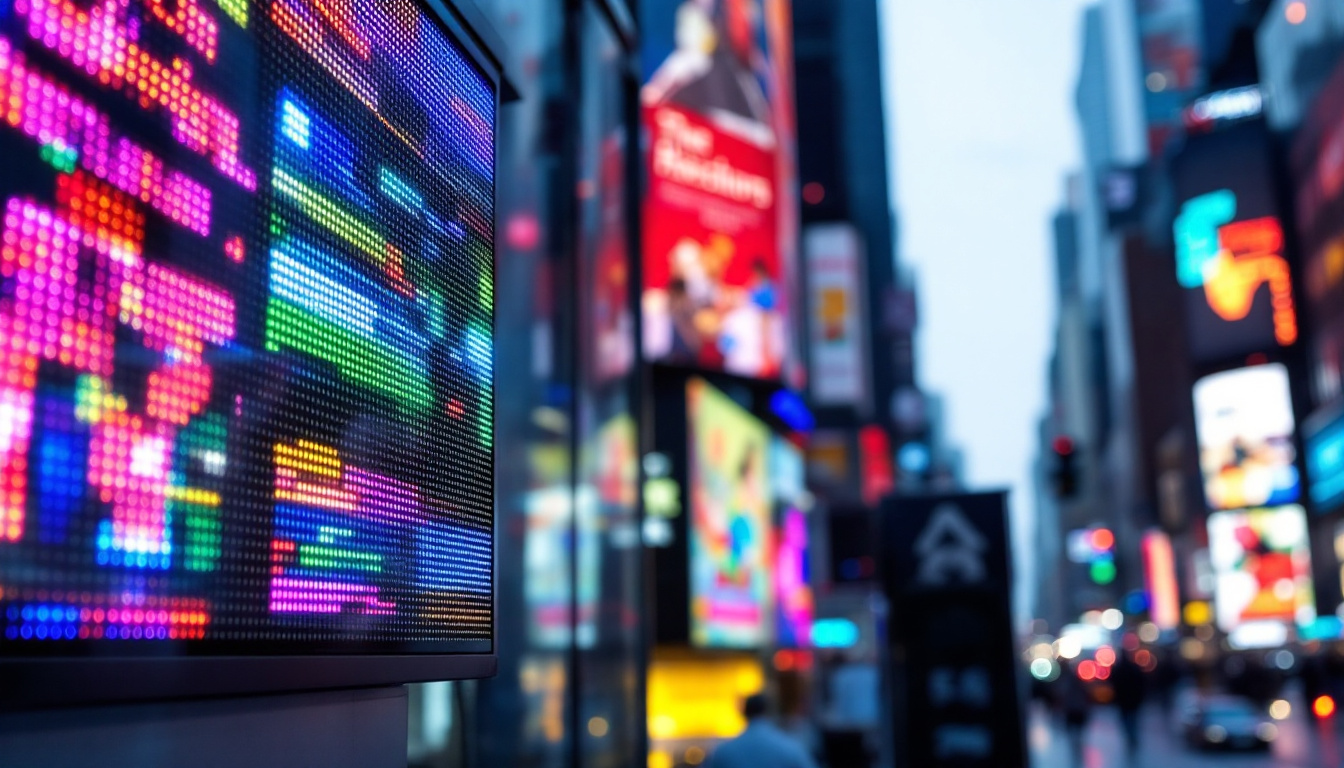
LED displays consist of thousands to millions of tiny LEDs arranged in a grid or matrix. Each LED acts as a pixel, and by varying the intensity and color of each pixel, the display can produce images, text, and videos. The control system behind an LED display manages these pixels to render the desired content.
There are two main types of LEDs used in displays: single-color LEDs and full-color LEDs. Single-color LEDs typically emit red, green, or blue light and are used in simpler displays, while full-color LEDs combine these three colors to produce a broad spectrum of colors, enabling high-resolution, vivid images. The technology behind full-color LEDs often employs a technique called pulse-width modulation (PWM), which adjusts the brightness of each color channel to create the illusion of varying shades and tones. This allows for stunning visual effects and smooth transitions, making LED displays not only functional but also aesthetically pleasing. Moreover, advancements in LED technology, such as organic LEDs (OLEDs), are pushing the boundaries of display capabilities, offering even thinner profiles and enhanced color accuracy, further enhancing their appeal in both commercial and artistic applications.
Benefits of LED Custom Signs
Energy Efficiency and Longevity
One of the most significant advantages of LED custom signs is their energy efficiency. LEDs consume up to 80% less energy compared to traditional lighting solutions, which translates into substantial cost savings over time. For businesses, this means lower electricity bills and a smaller carbon footprint.
In addition to energy savings, LEDs boast a long operational life, often exceeding 50,000 hours. This durability reduces maintenance costs and downtime, making LED signs a reliable investment for long-term use.
Visibility and Brightness
LED signs are known for their exceptional brightness and clarity, which ensures visibility even in direct sunlight or adverse weather conditions. This feature is particularly important for outdoor signage, where competing with natural light is a challenge.
Moreover, LED displays can be programmed to adjust brightness automatically based on ambient light levels, enhancing readability without causing glare or light pollution. This adaptability improves user experience and ensures messages are seen clearly at all times.
Customization and Flexibility
Custom LED signs offer unparalleled flexibility in design and functionality. Businesses can tailor their signs to match branding, size requirements, and content needs. Whether it’s a simple scrolling text, complex animations, or live video feeds, LED displays can handle it all.
Additionally, LED custom signs can be integrated with software platforms that allow remote content management. This means updates can be made instantly from anywhere, facilitating timely promotions, announcements, or emergency messages.
Types of LED Displays
Indoor vs. Outdoor LED Signs
LED custom signs are broadly categorized into indoor and outdoor displays, each designed to meet specific environmental and usage requirements.
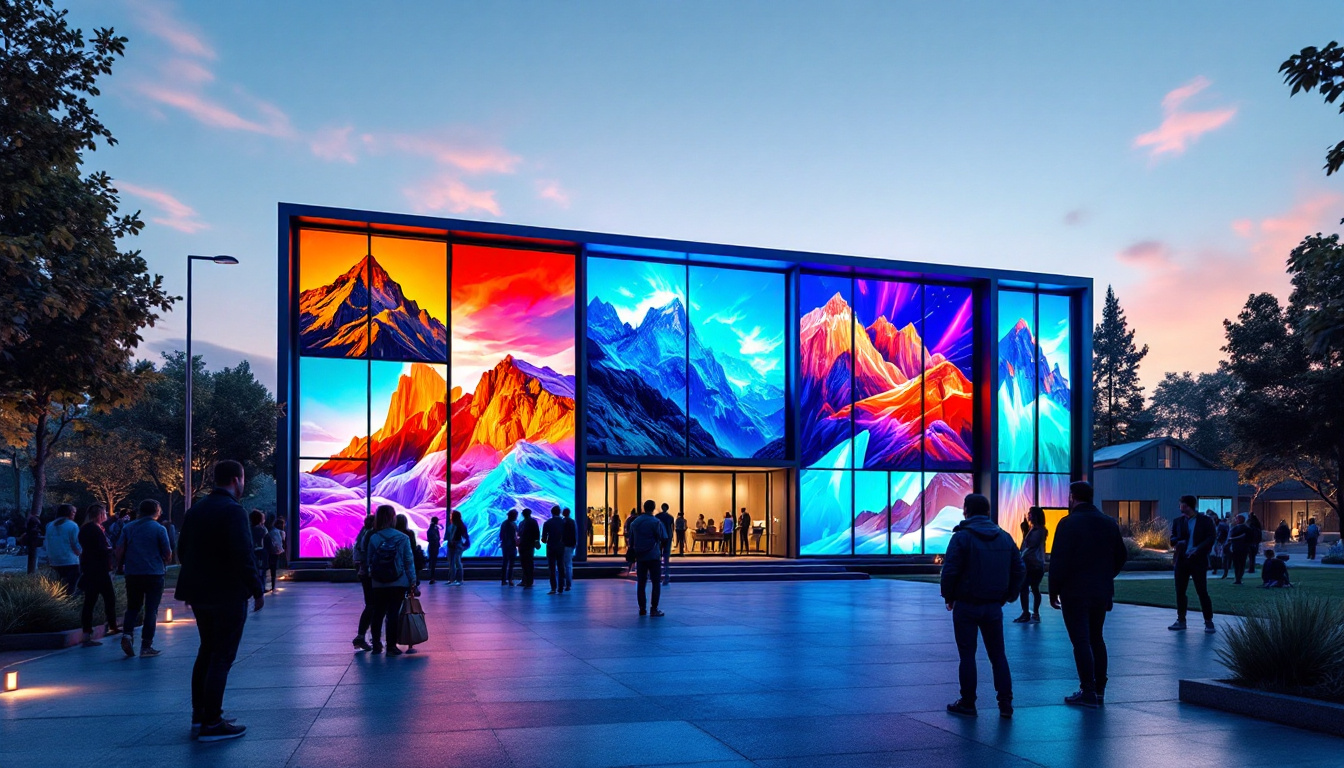
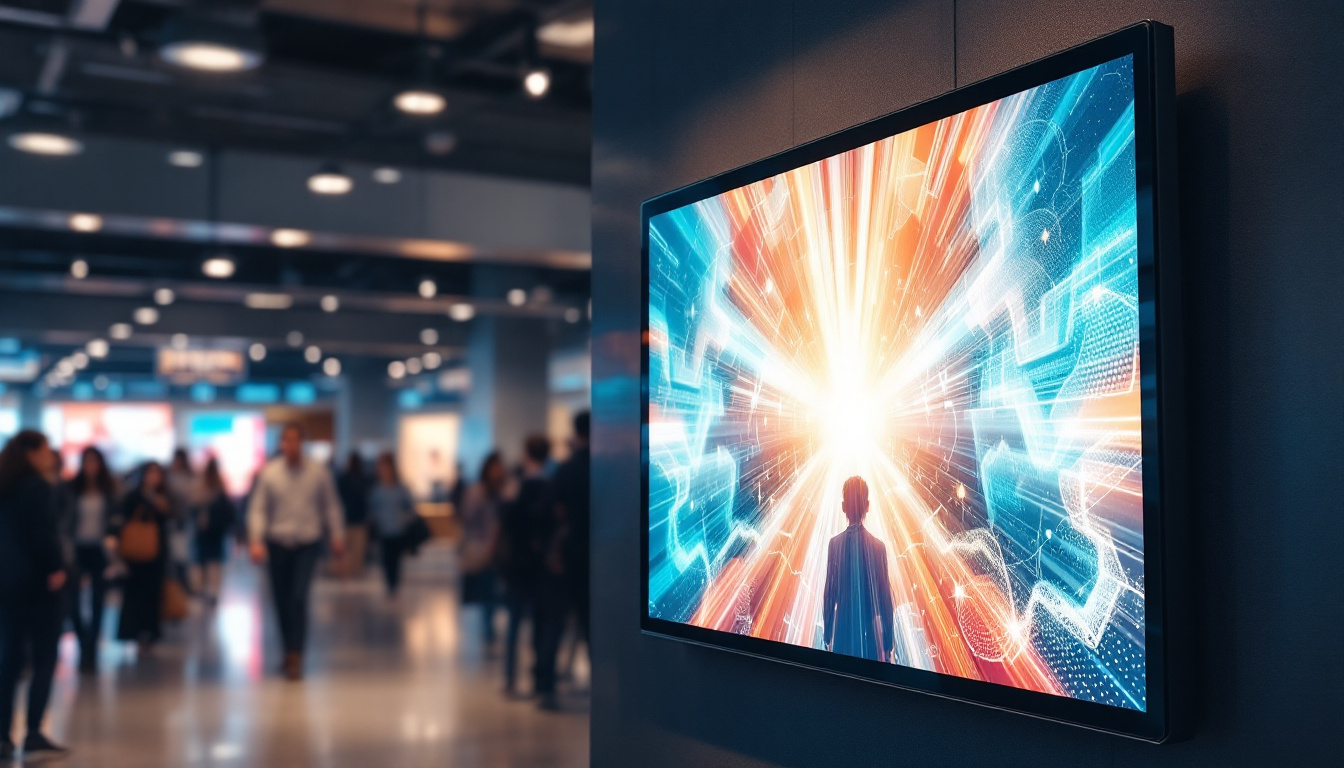
Indoor LED Signs: These are typically used in retail stores, airports, conference centers, and other enclosed spaces. Indoor displays prioritize high resolution and color accuracy since ambient lighting is controlled. They are often used for digital menus, wayfinding, or promotional content.
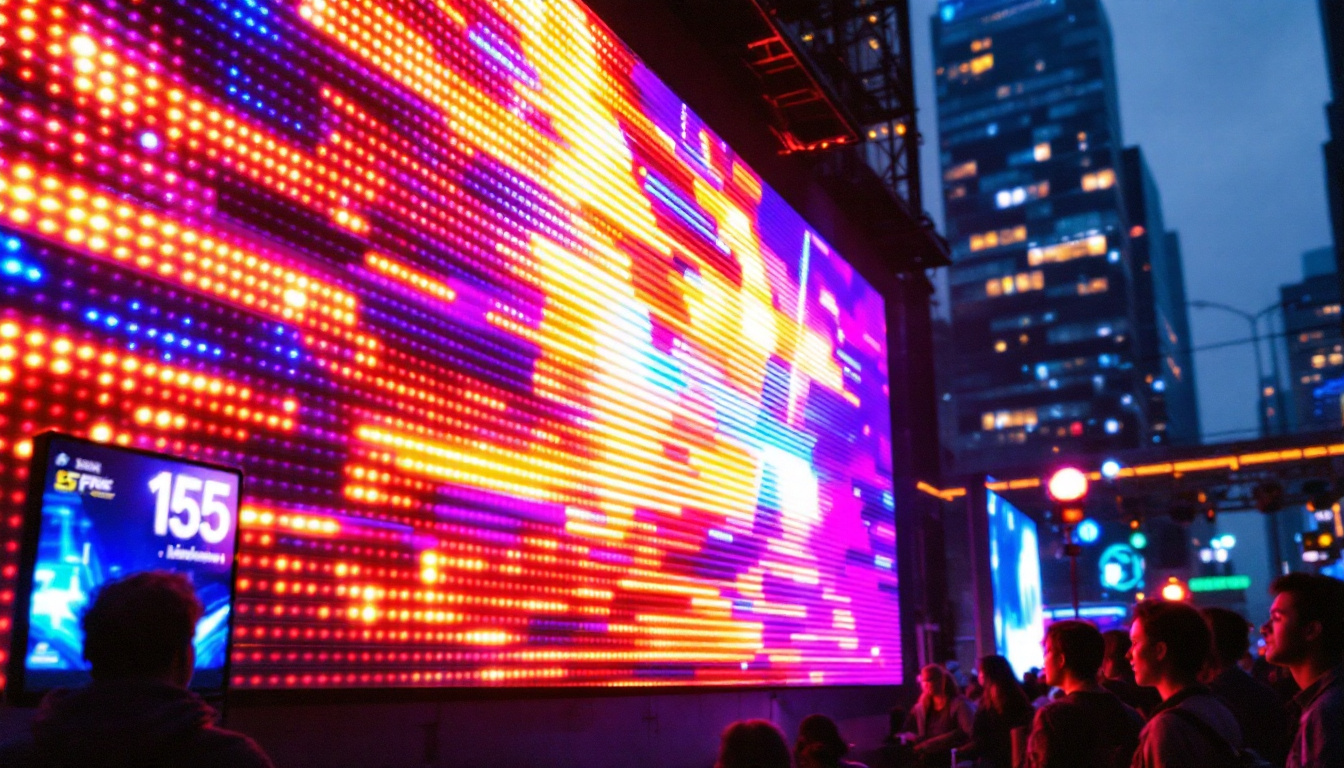
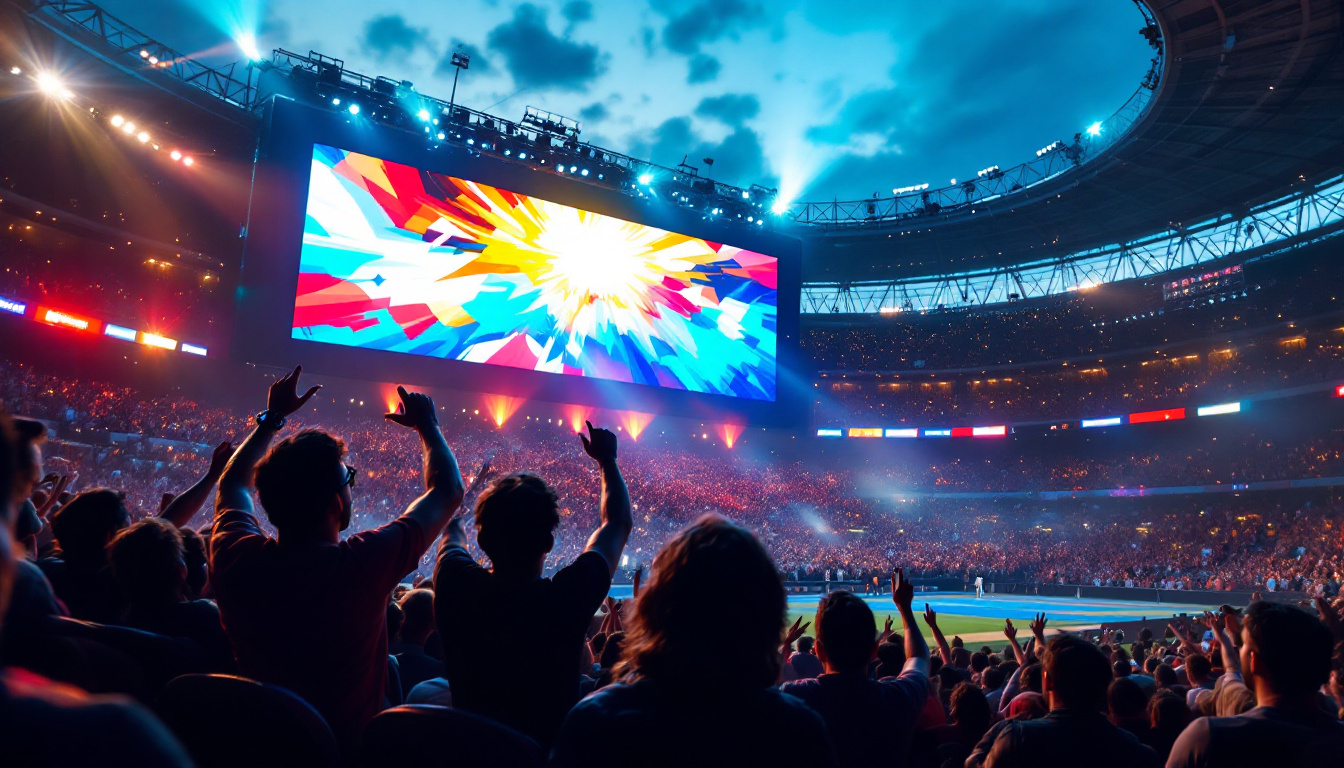
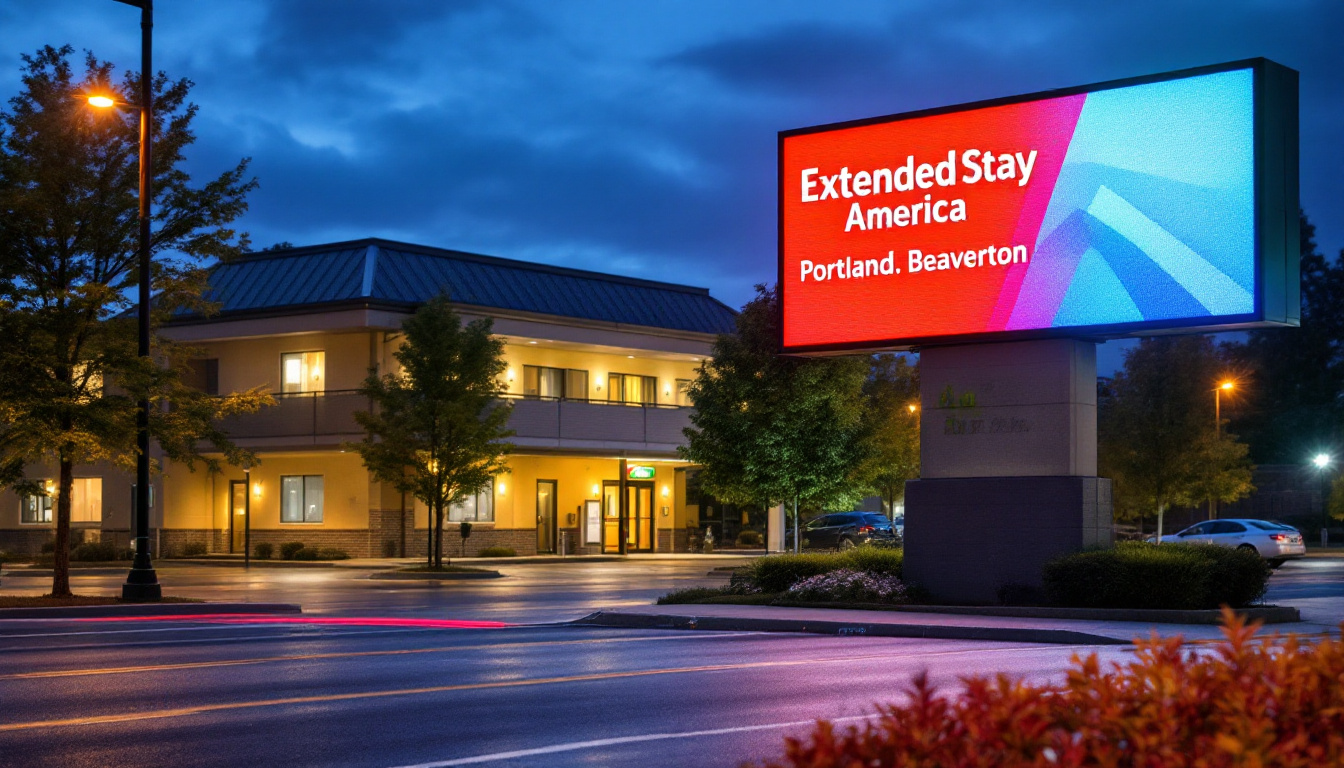
Outdoor LED Signs: Built to withstand harsh weather conditions, outdoor LED signs feature waterproof and dustproof enclosures. They also have higher brightness levels to combat sunlight glare. Common applications include billboards, storefront signs, and event displays.
Fixed vs. Portable LED Displays
Fixed LED displays are permanently installed at a specific location and are ideal for long-term signage solutions. They offer larger sizes and higher resolutions, making them suitable for advertising and information dissemination in high-traffic areas.
Portable LED displays, on the other hand, are designed for mobility and quick setup. These are popular for trade shows, concerts, and temporary events where flexibility is key. Despite their portability, modern portable LED signs maintain excellent brightness and image quality.
Pixel Pitch and Resolution
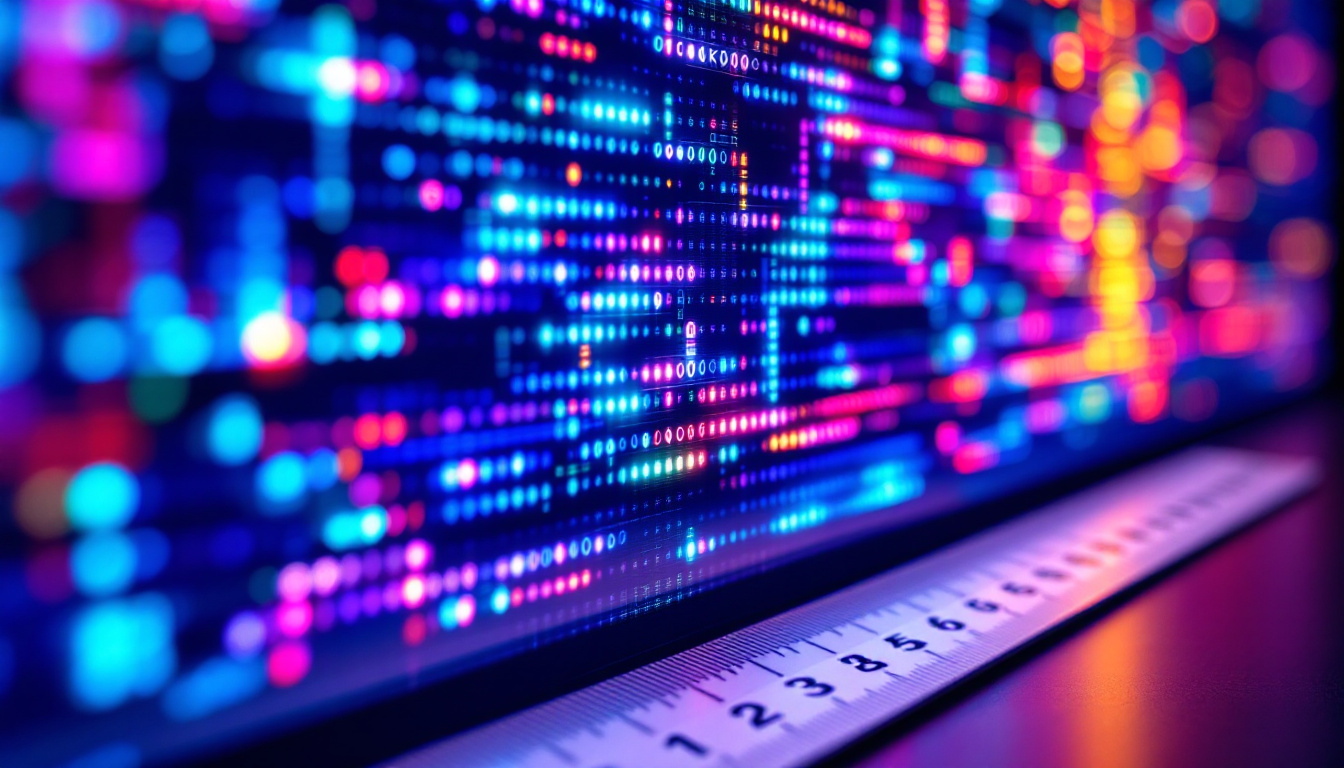
Pixel pitch refers to the distance between the centers of two adjacent LEDs, measured in millimeters. It is a critical factor that determines the resolution and viewing distance of an LED display. A smaller pixel pitch means higher resolution and better image clarity, especially at close viewing distances.
For example, an LED sign with a 2mm pixel pitch is ideal for indoor environments where viewers are close to the display, while a 10mm pixel pitch is more suitable for outdoor billboards viewed from a distance. Understanding pixel pitch helps in selecting the right display for your specific needs.
Applications of LED Custom Signs
Retail and Advertising
Retailers leverage LED custom signs to attract customers and promote products effectively. Dynamic content such as flashing sales announcements, product videos, and interactive displays enhance customer engagement and drive sales. According to a study by the Digital Signage Federation, businesses using digital signage report up to a 30% increase in customer engagement.
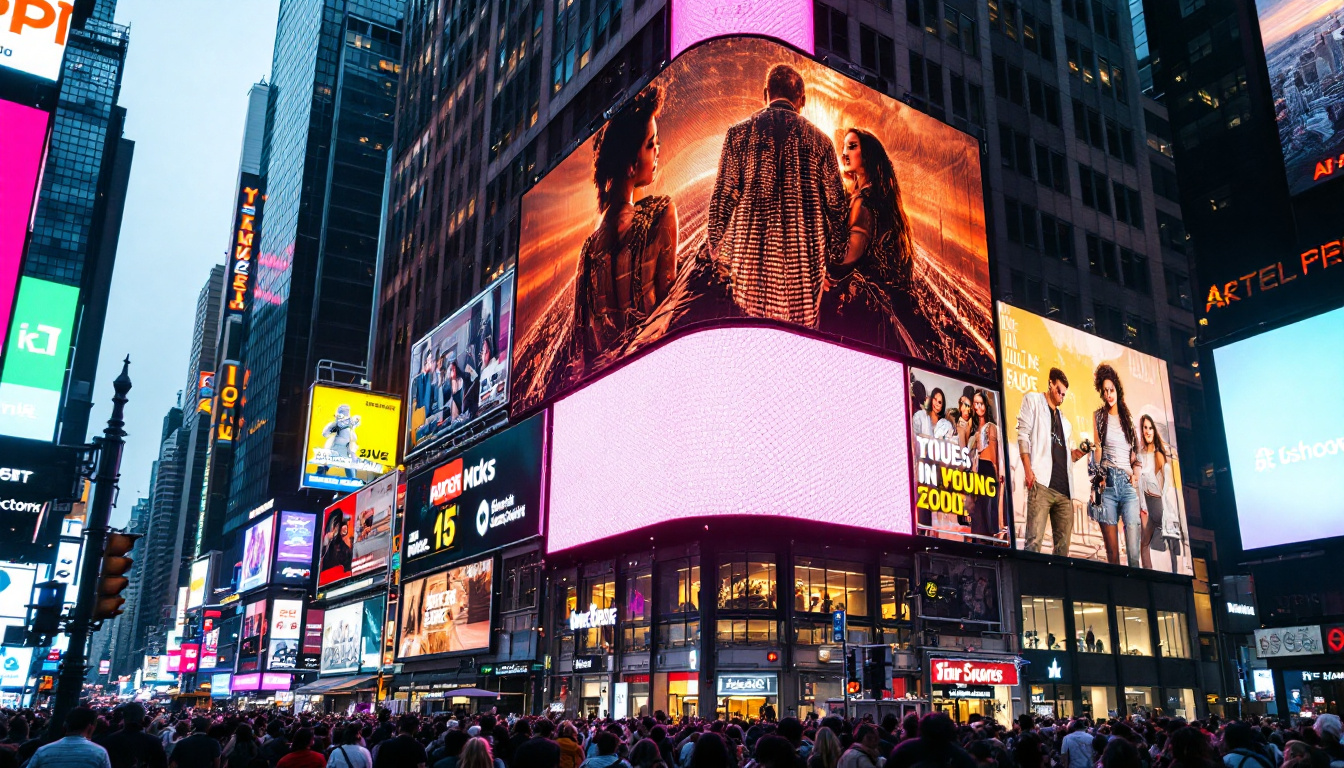
Outdoor LED billboards are a staple in advertising, offering high visibility and the ability to update campaigns in real-time. This flexibility allows advertisers to tailor messages based on time of day, weather, or audience demographics, maximizing impact.
Transportation and Public Spaces
LED displays are widely used in transportation hubs such as airports, train stations, and bus terminals. They provide real-time updates on schedules, delays, and safety information, improving passenger experience and operational efficiency.
In public spaces, LED signs serve as tools for community announcements, emergency alerts, and event promotions. Their ability to display clear, readable messages in various lighting conditions makes them invaluable for public communication.
Corporate and Educational Environments
Corporations utilize LED custom signs for branding, internal communications, and visitor information. Lobby displays showcasing company achievements or upcoming events enhance corporate image and employee engagement.
Educational institutions employ LED signs for campus navigation, event advertising, and emergency notifications. The adaptability of LED displays ensures that messages can be tailored to different audiences and updated as needed.
Choosing the Right LED Custom Sign
Assessing Your Needs
Before investing in an LED custom sign, it is essential to evaluate your specific requirements. Consider factors such as location (indoor or outdoor), viewing distance, content type, and budget. Understanding these parameters will guide you in selecting the appropriate size, resolution, and features.
Quality and Reliability
Not all LED displays are created equal. It is crucial to choose products from reputable manufacturers that comply with industry standards. Look for certifications such as IP ratings for weather resistance and warranties that guarantee performance.
Additionally, consider the control system and software compatibility. A user-friendly interface and remote management capabilities can significantly enhance the utility of your LED sign.
Installation and Maintenance
Professional installation ensures that your LED custom sign operates safely and efficiently. Proper mounting, electrical connections, and calibration are vital for optimal performance.
Regular maintenance, including cleaning and software updates, prolongs the lifespan of your LED display. Many providers offer service packages that include monitoring and troubleshooting support.
Future Trends in LED Display Technology
Advancements in Mini-LED and Micro-LED
Emerging technologies like Mini-LED and Micro-LED promise even higher resolution and better energy efficiency. These innovations use smaller LEDs, allowing for thinner displays with improved brightness and color accuracy. As production costs decrease, these technologies are expected to become mainstream in custom signage.
Integration with IoT and AI
Integration of LED displays with the Internet of Things (IoT) and Artificial Intelligence (AI) is transforming how signs interact with their environment and audience. Smart LED signs can adapt content based on real-time data such as foot traffic, weather conditions, or social media trends, creating personalized and context-aware messaging.
Sustainability and Eco-Friendly Solutions
As environmental concerns grow, manufacturers are focusing on sustainable LED solutions. This includes using recyclable materials, reducing power consumption, and designing for easy disassembly and recycling. Businesses adopting eco-friendly LED signage not only reduce their environmental impact but also enhance their brand reputation among increasingly conscious consumers.
Conclusion
LED custom signs represent a powerful tool in modern communication, combining technological innovation with practical benefits. Their energy efficiency, brightness, and versatility make them suitable for a wide range of applications, from retail advertising to public information systems. Understanding the technology behind LED displays and the factors influencing their performance is essential for making informed decisions.
As LED technology continues to evolve, embracing these advancements can provide businesses and organizations with a competitive edge, enabling them to engage audiences more effectively and sustainably. Whether you are looking to enhance brand visibility, improve customer experience, or communicate critical information, LED custom signs offer a compelling solution that is both impactful and future-ready.
Discover the Future of Visual Communication with LumenMatrix
Ready to elevate your brand’s presence and captivate your audience with the latest in LED display technology? LumenMatrix is at the forefront of innovation, offering a diverse range of LED display solutions tailored to your unique needs. From Indoor and Outdoor LED Wall Displays to specialized options like Vehicle, Sports, and Floor LED Displays, our mission is to transform your visual communication strategy. Experience the difference with our Custom, All-in-One, and Transparent LED Displays designed to make a lasting impact. Don’t just take our word for it; check out LumenMatrix LED Display Solutions today and see how we can help you share your message with precision and flair.