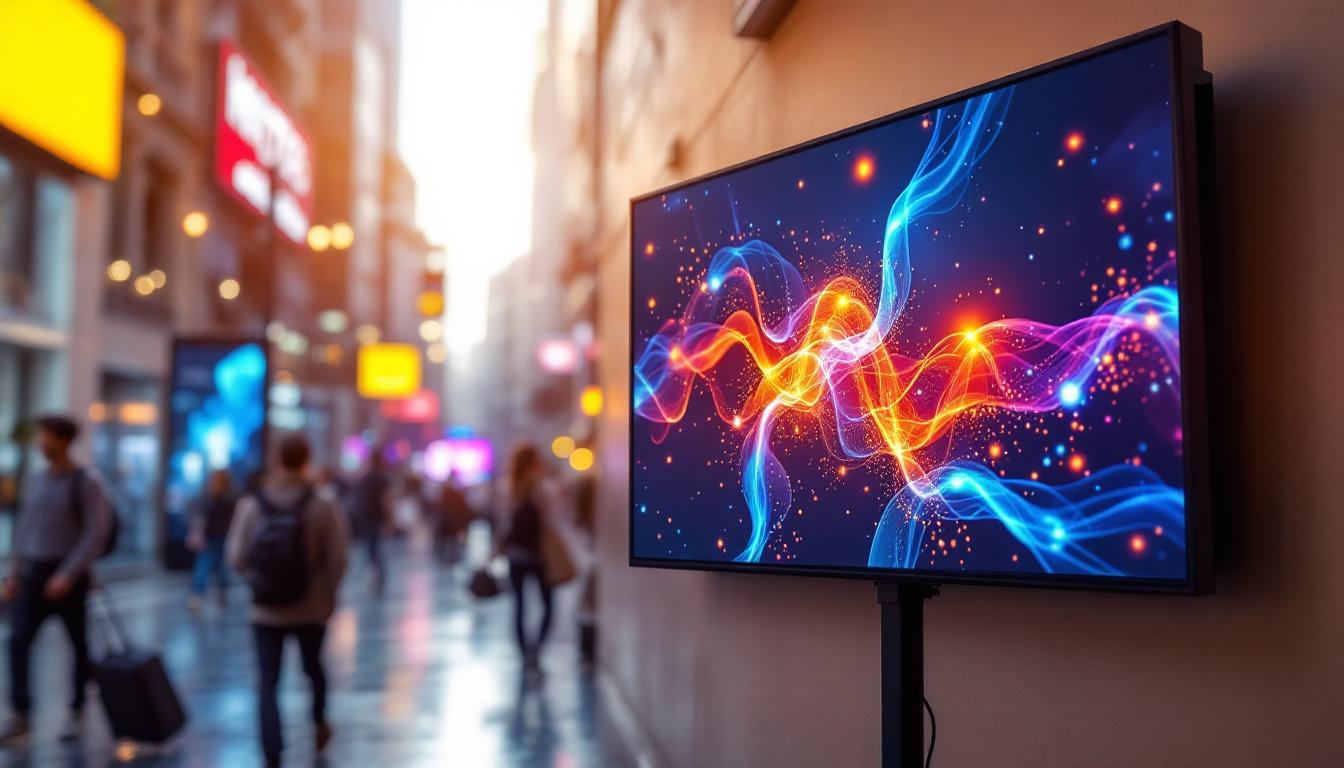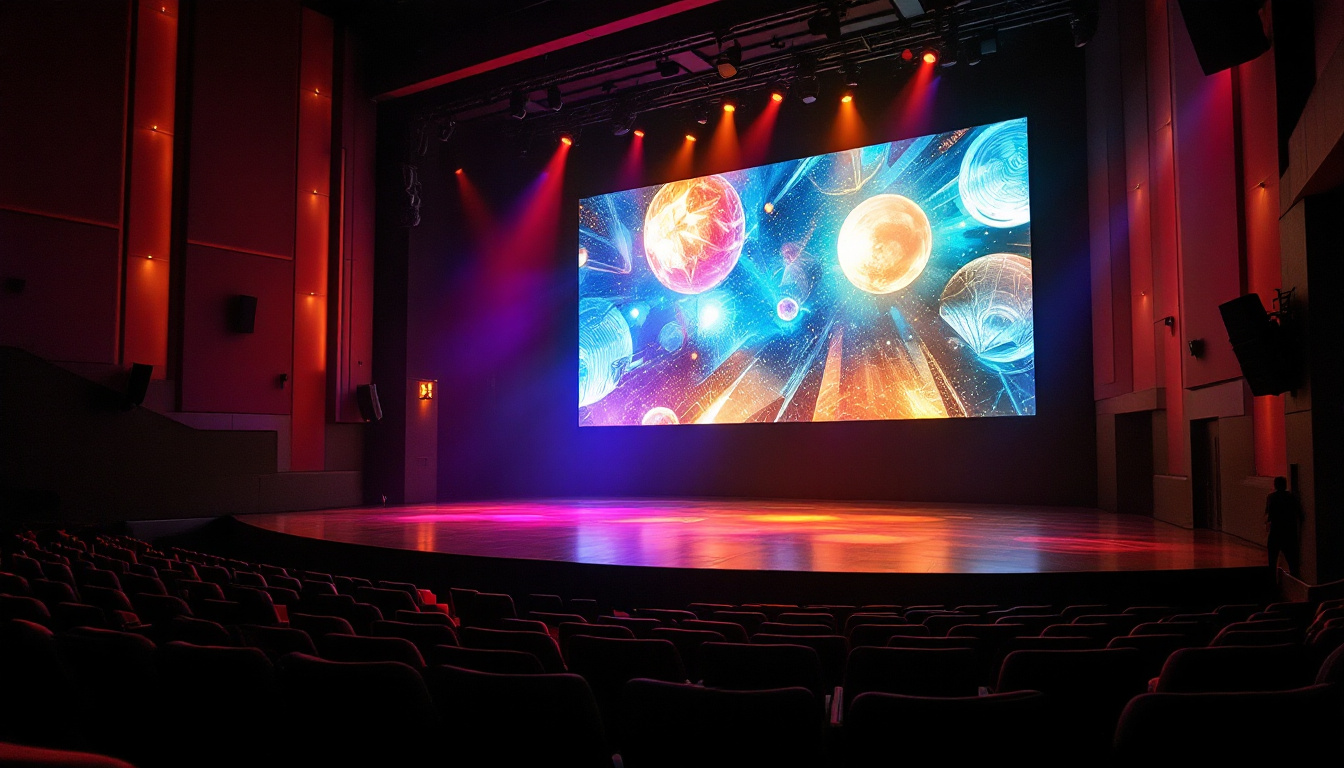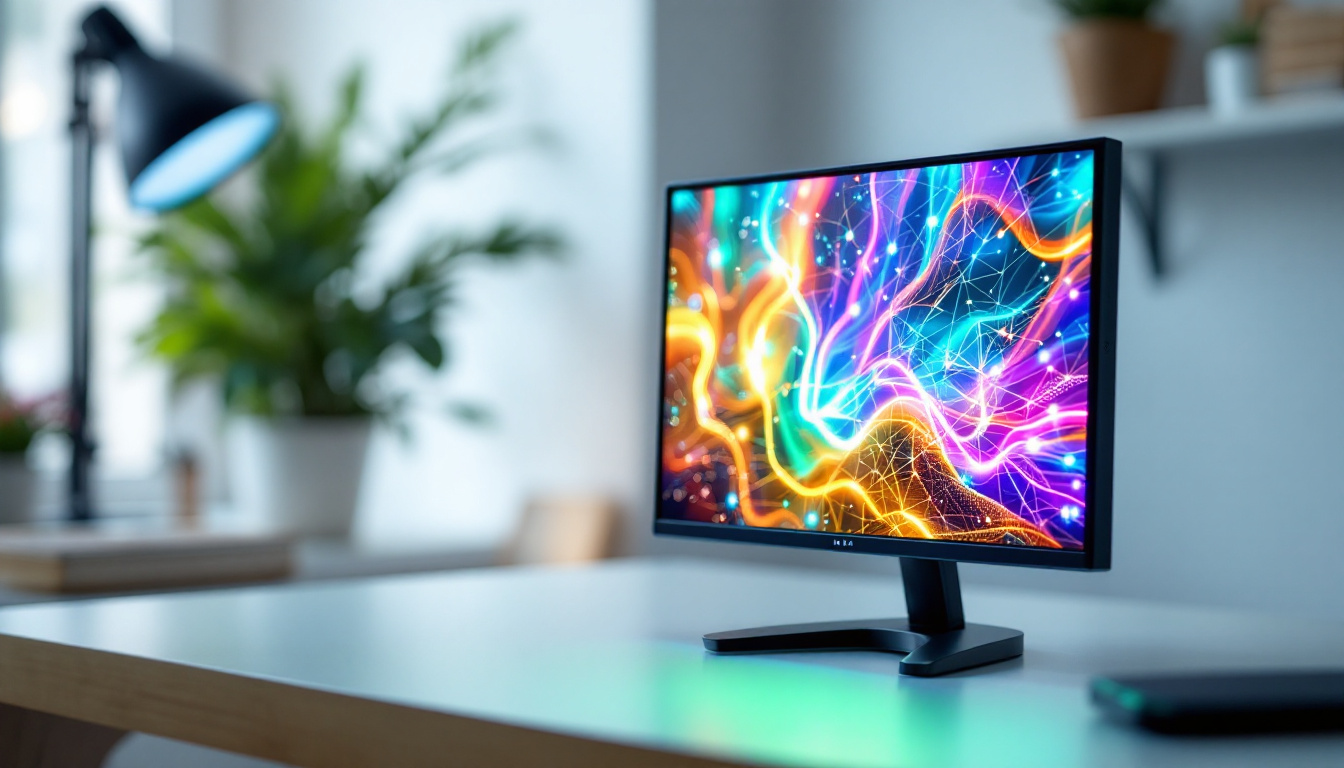
In today’s fast-paced world, communication is more visual than ever before. One of the most effective ways to capture attention and convey messages clearly is through LED digital display boards. From advertising billboards to information panels in transportation hubs, LED displays have become an integral part of modern communication infrastructure. This article delves into the technology behind LED digital display boards, their applications, benefits, and considerations when choosing the right display for your needs.
Understanding LED Display Technology
What is an LED Display?
LED stands for Light Emitting Diode, a semiconductor device that emits light when an electric current passes through it. An LED display board is composed of numerous tiny LEDs arranged in a matrix to form pixels. These pixels collectively produce images, text, or videos by varying the brightness and color of each LED.
Unlike traditional LCD or plasma screens, LED displays use direct light emission, which results in higher brightness and better visibility, especially in outdoor environments. This makes LED boards ideal for applications where clarity and visibility under various lighting conditions are crucial. Additionally, LED technology is energy-efficient, consuming less power than older display technologies, which not only reduces operational costs but also contributes to environmental sustainability.
Types of LED Displays
LED displays come in several forms, primarily categorized by their pixel pitch—the distance between the centers of two adjacent LEDs. Smaller pixel pitches mean higher resolution and finer image quality, which is essential for close viewing distances.
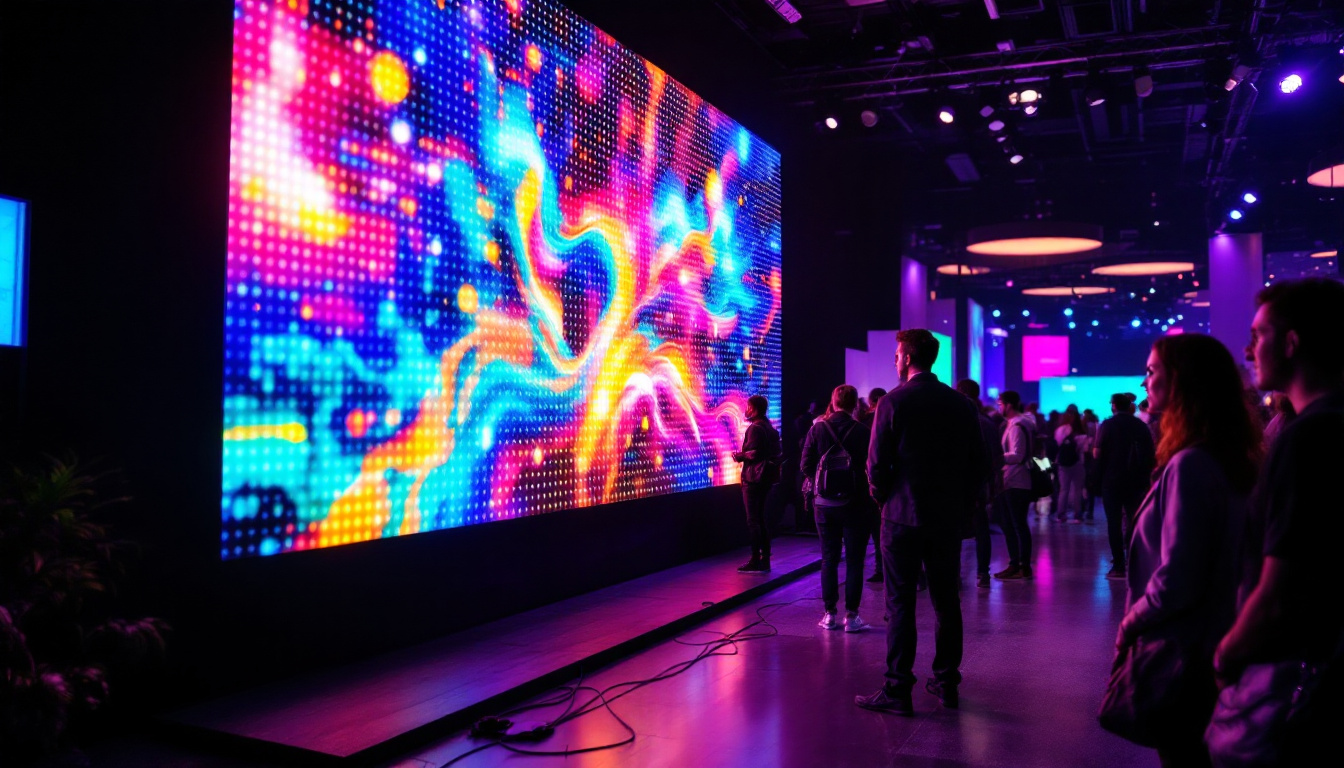
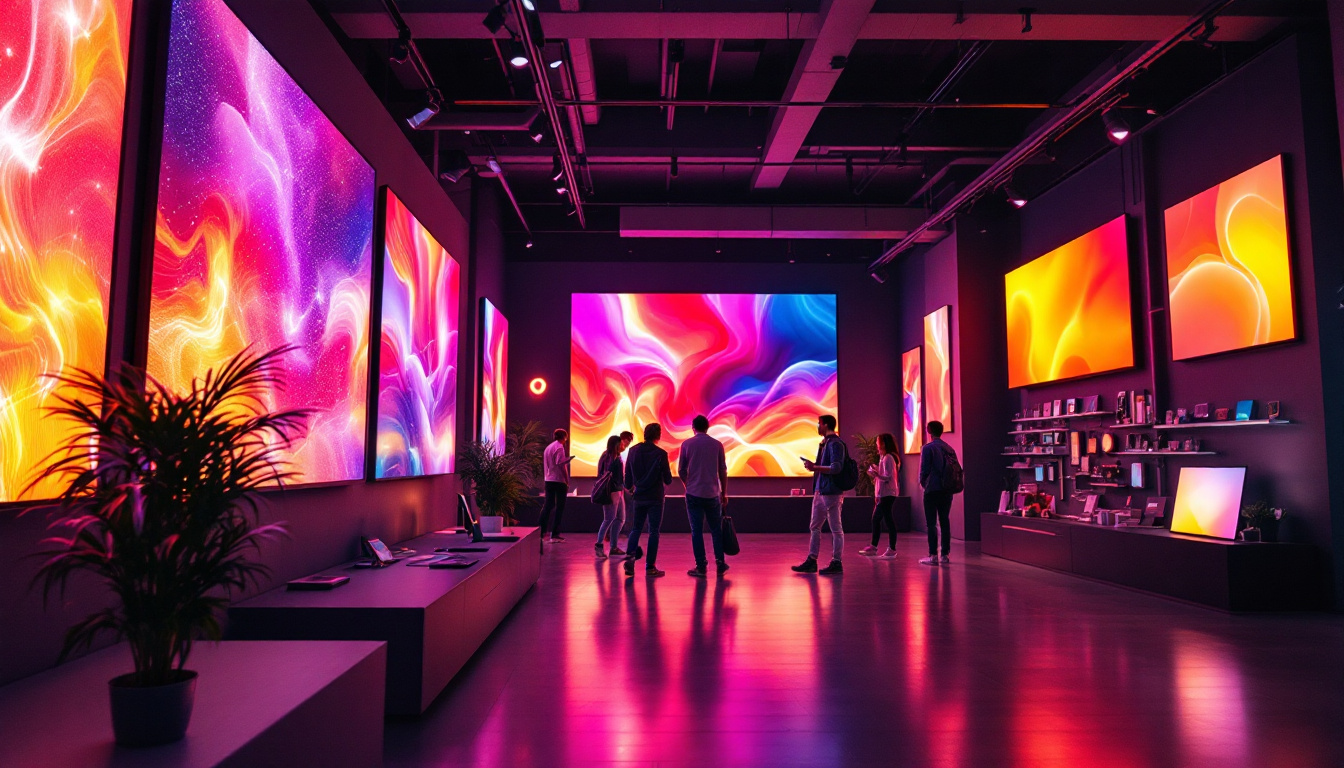
- Indoor LED Displays: These typically have a pixel pitch ranging from 1mm to 4mm, providing crisp visuals suitable for close-range viewing in conference rooms, retail stores, or event venues. Their vibrant colors and high refresh rates make them ideal for displaying dynamic content, such as promotional videos or live feeds.
- Outdoor LED Displays: With pixel pitches between 4mm and 20mm or more, these displays are designed to withstand weather conditions and offer high brightness to combat sunlight glare. They often feature protective coatings and robust casings to ensure durability against rain, wind, and UV exposure, making them perfect for billboards and public signage.
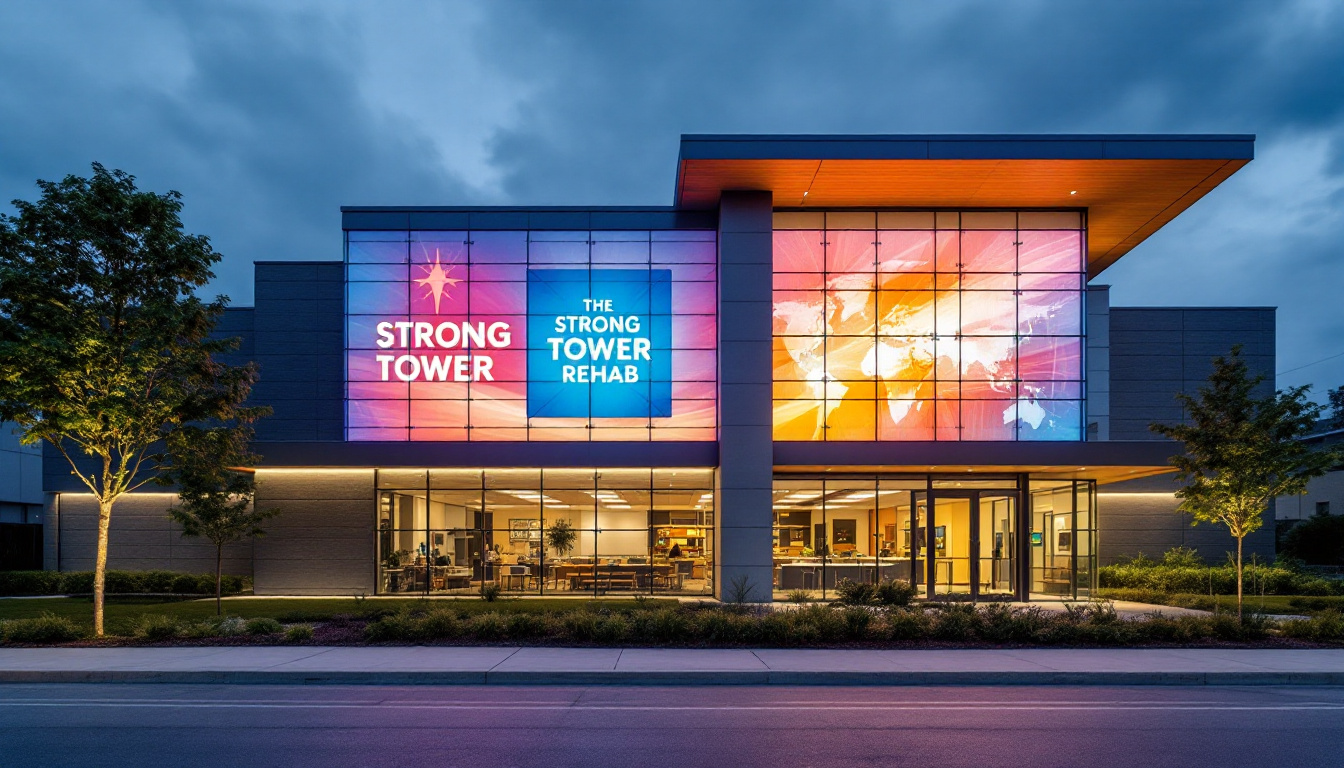
- Flexible and Transparent LED Displays: Innovations in LED technology have led to flexible displays that can curve around surfaces and transparent displays that allow light to pass through, expanding creative possibilities. These types of displays are increasingly used in architectural applications and retail environments, where they can blend seamlessly into their surroundings while still delivering eye-catching content.
How Do LED Displays Work?
Each LED in the display emits light in red, green, or blue (RGB). By adjusting the intensity of these three colors at each pixel, the display can produce a wide spectrum of colors. The control system processes input signals—such as video or text—and translates them into commands that adjust each LED’s brightness and color.
Modern LED displays use sophisticated drivers and controllers that enable smooth video playback, dynamic content changes, and integration with software platforms for remote management. The result is a versatile display capable of showing anything from static images to full-motion video. Furthermore, advancements in technology have introduced features such as high dynamic range (HDR) and wide color gamut (WCG), which enhance the visual experience by providing deeper contrasts and a broader range of colors, making the content more engaging and lifelike.
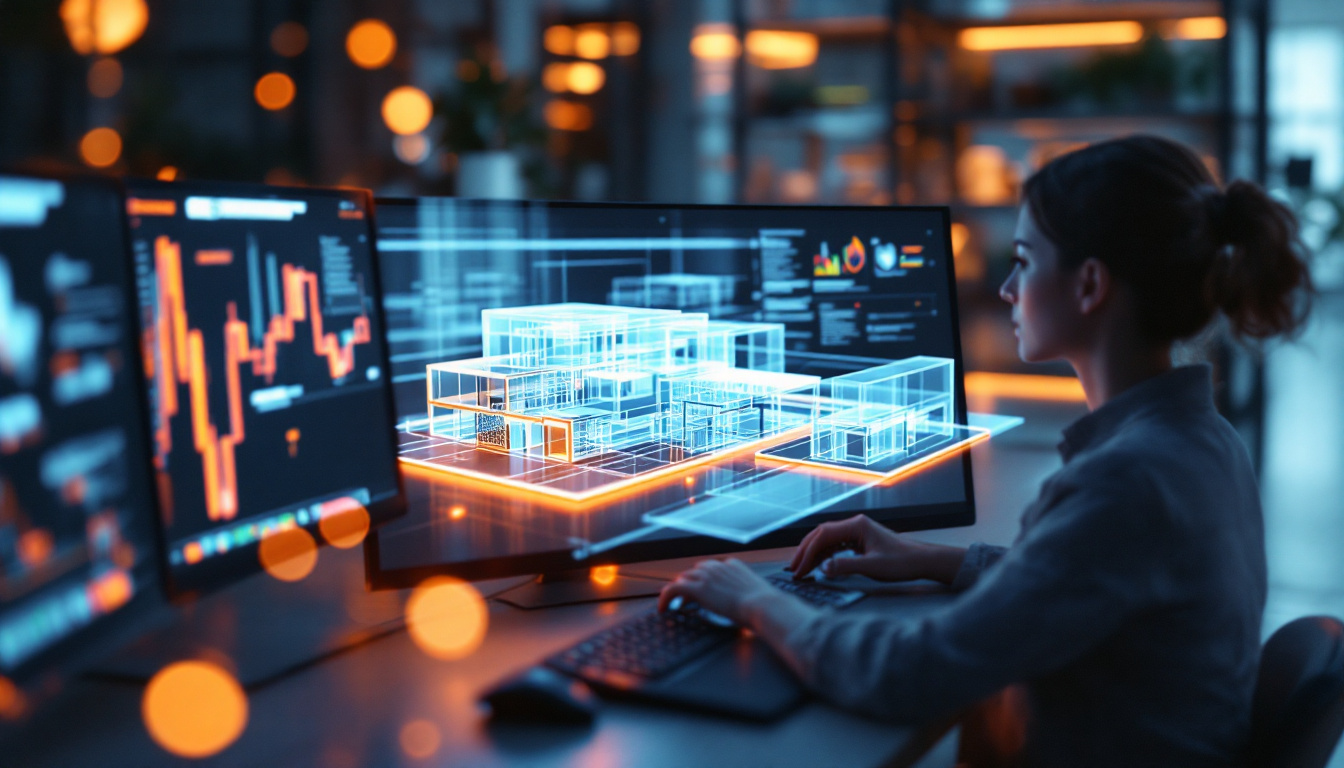
Additionally, many LED displays now incorporate smart technology, allowing for real-time data integration. This means that businesses can display live information, such as stock prices or social media feeds, directly on their screens, creating a dynamic interaction with their audience. The ability to update content remotely and instantly makes LED displays a powerful tool for marketing and communication in today’s fast-paced digital landscape.
Applications of LED Digital Display Boards
Advertising and Marketing
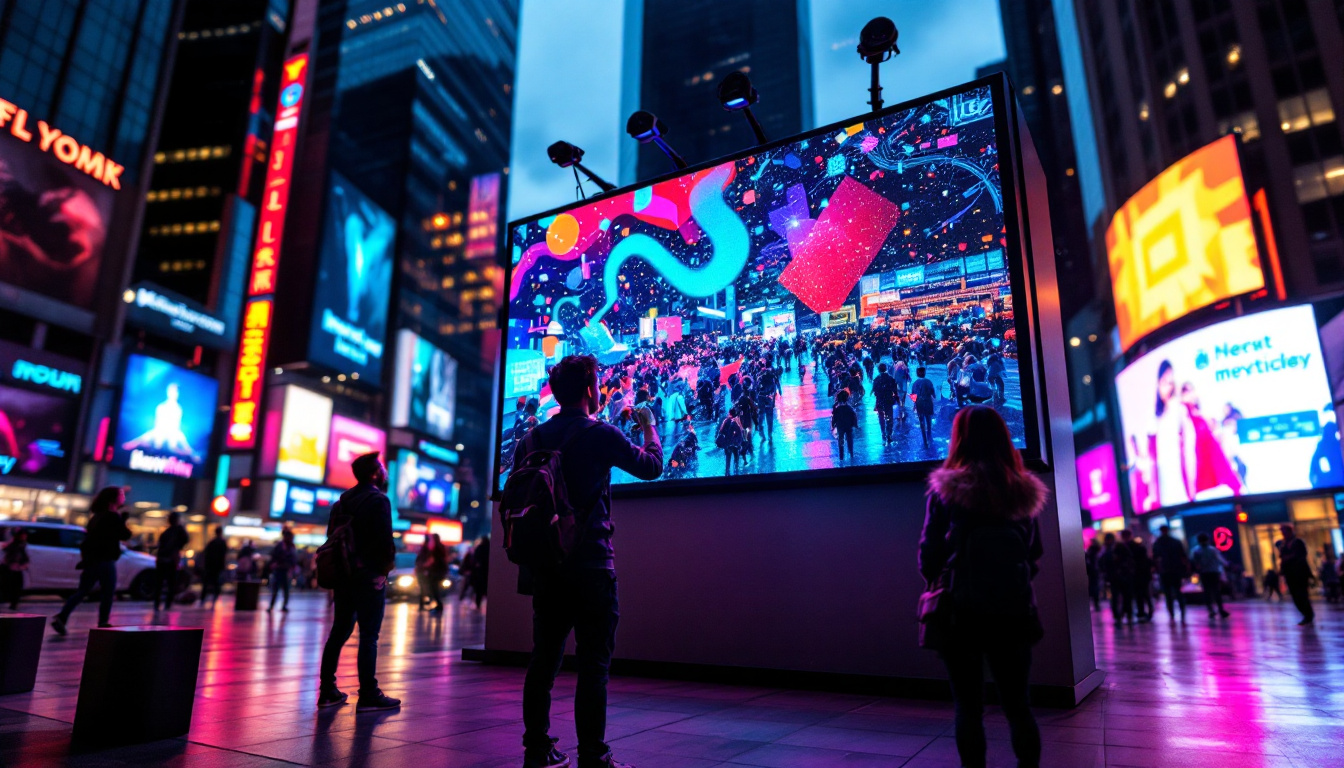
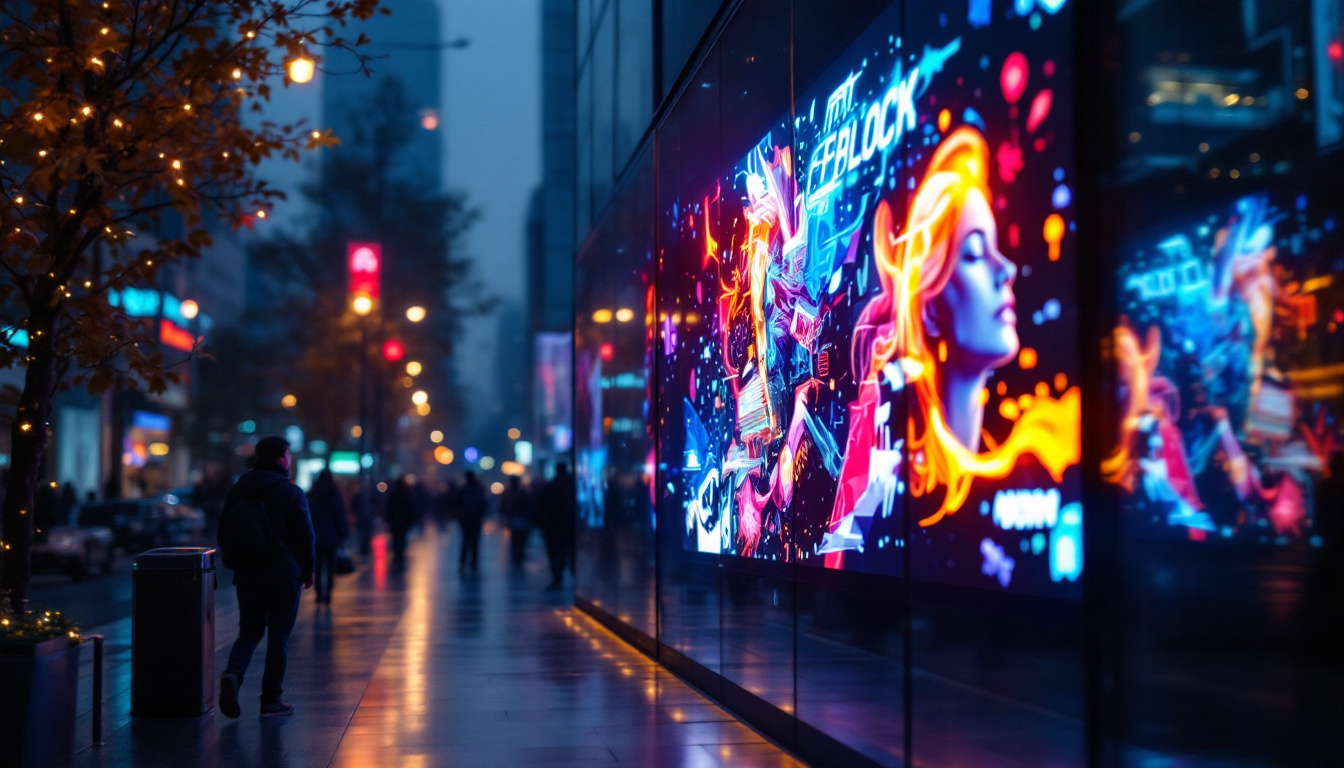
One of the most common uses of LED digital display boards is in advertising. Billboards equipped with LED technology can display vibrant, eye-catching content that changes dynamically throughout the day. According to a report by Grand View Research, the global digital signage market, which includes LED displays, is expected to reach $32.84 billion by 2028, driven largely by advertising demand.
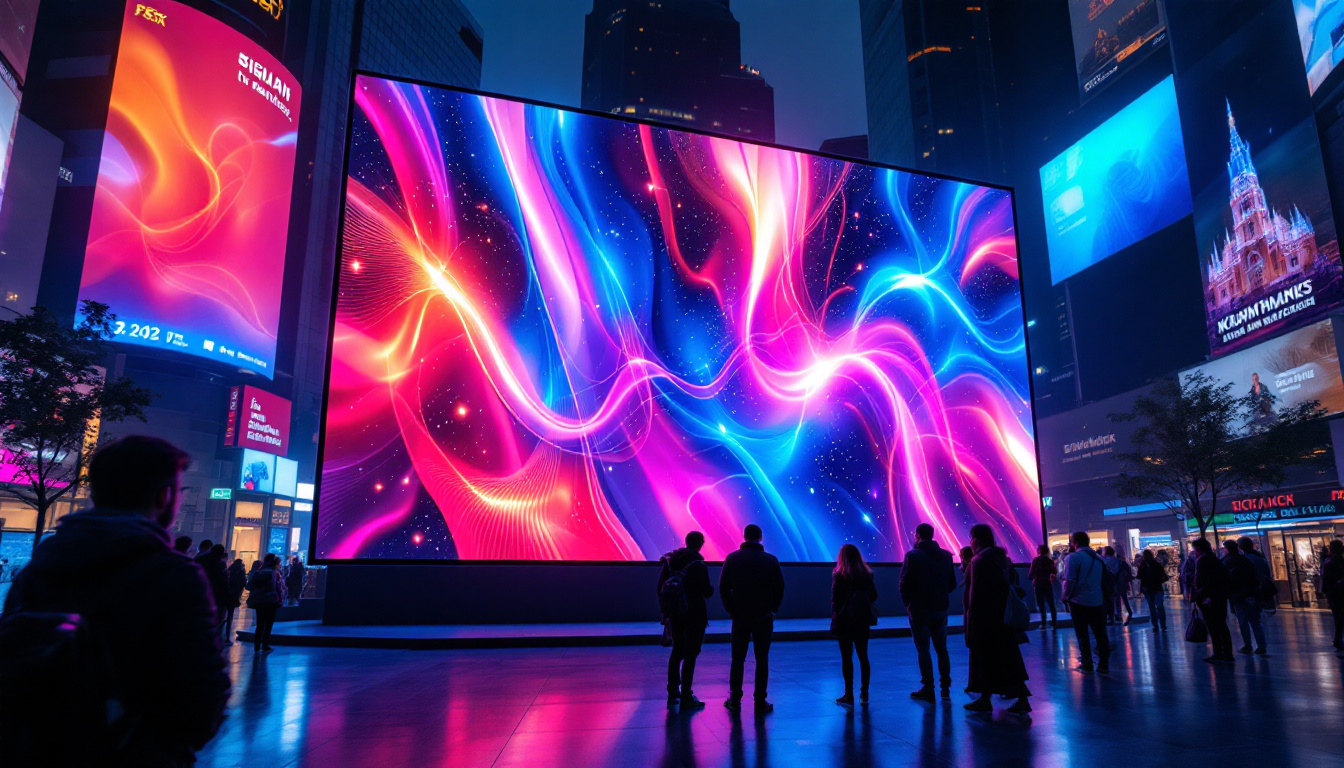
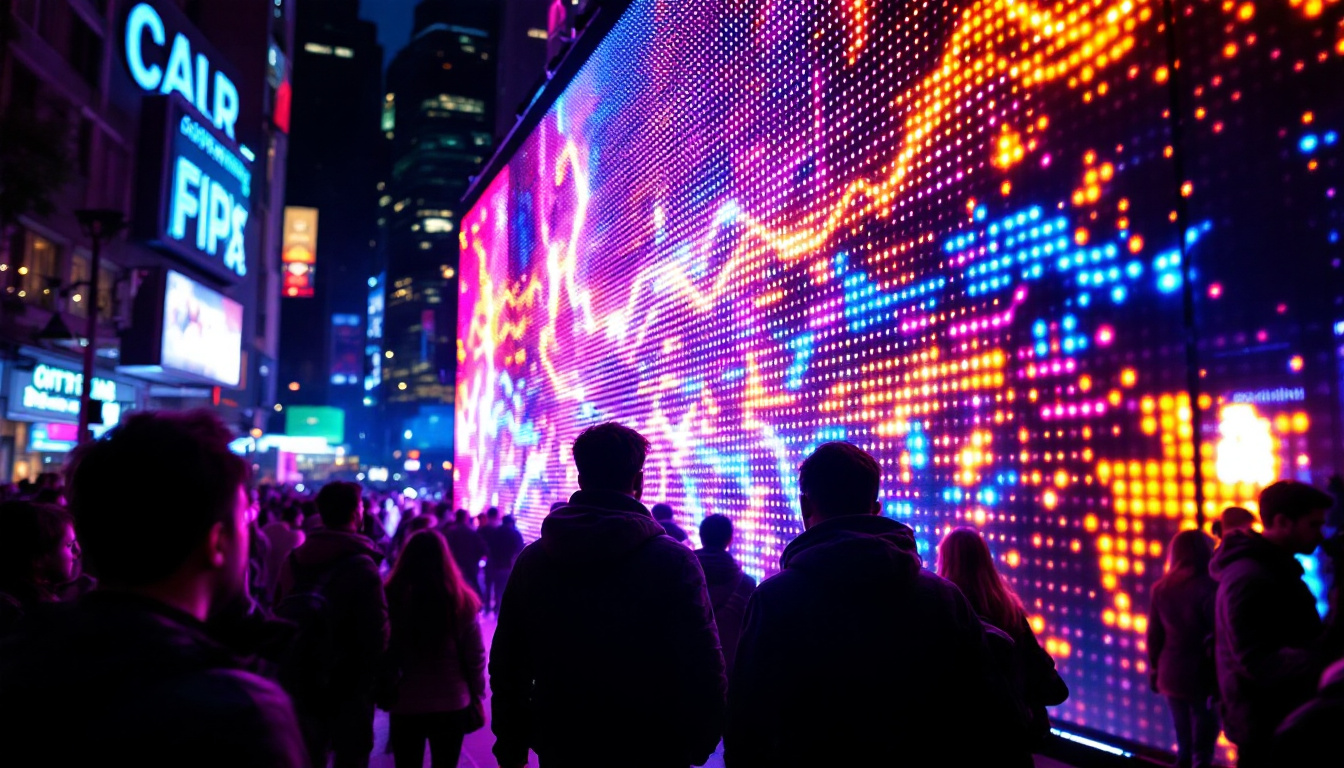
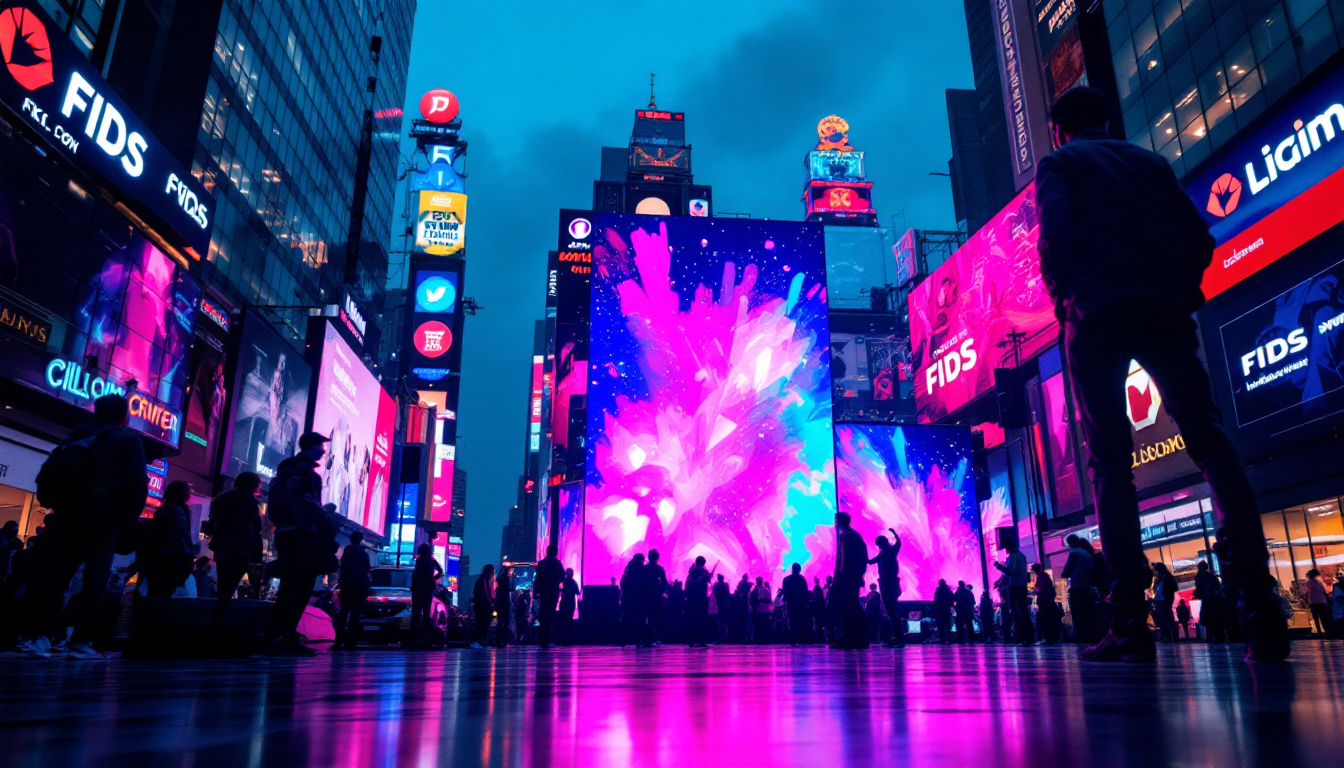
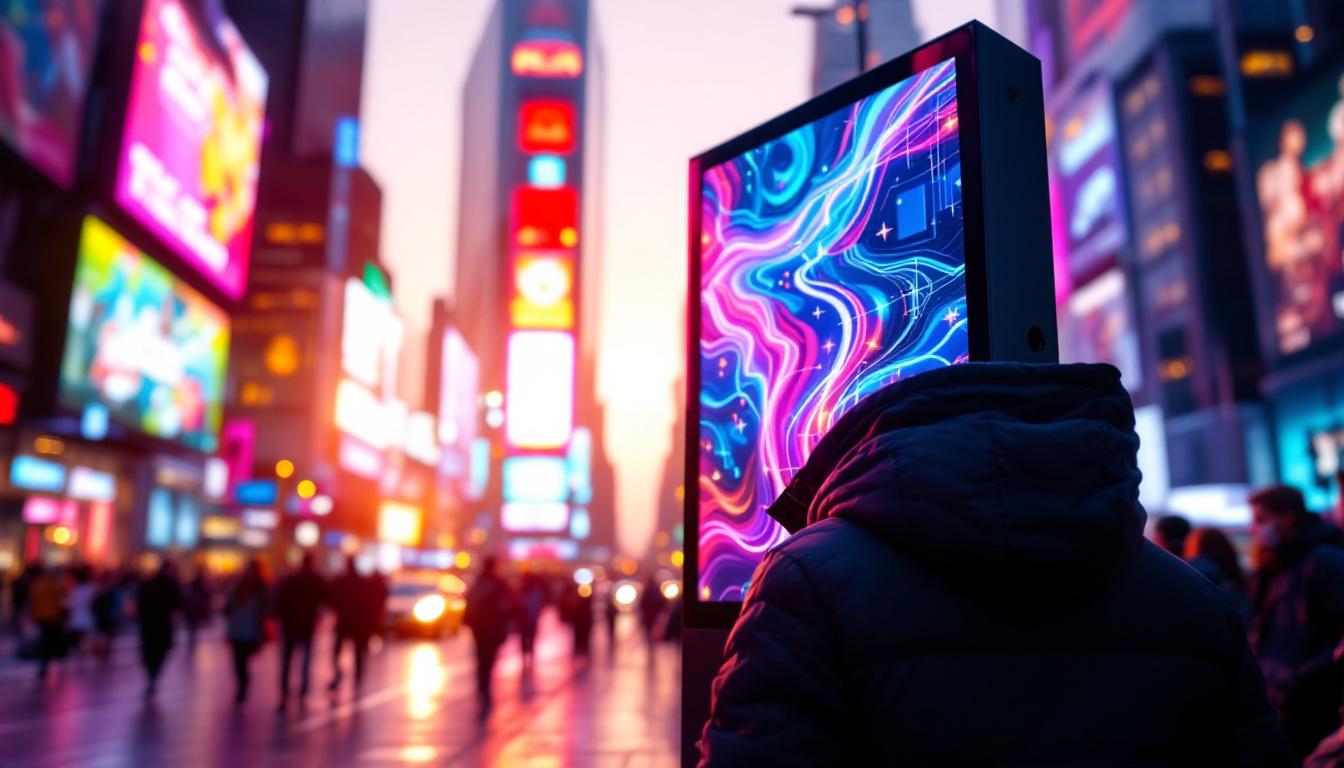
LED displays allow advertisers to tailor messages based on time, audience demographics, or even weather conditions, increasing engagement and conversion rates. Iconic locations such as Times Square in New York City showcase the power of LED billboards in creating memorable brand experiences.
Transportation and Public Information
LED display boards are widely used in airports, train stations, and bus terminals to provide real-time information such as arrival and departure times, delays, and safety messages. Their high visibility ensures that travelers can easily access critical information, improving operational efficiency and passenger experience.
In addition, LED displays are employed in traffic management systems to communicate road conditions, speed limits, and emergency alerts, contributing to safer and more organized transportation networks.
Sports and Entertainment Venues
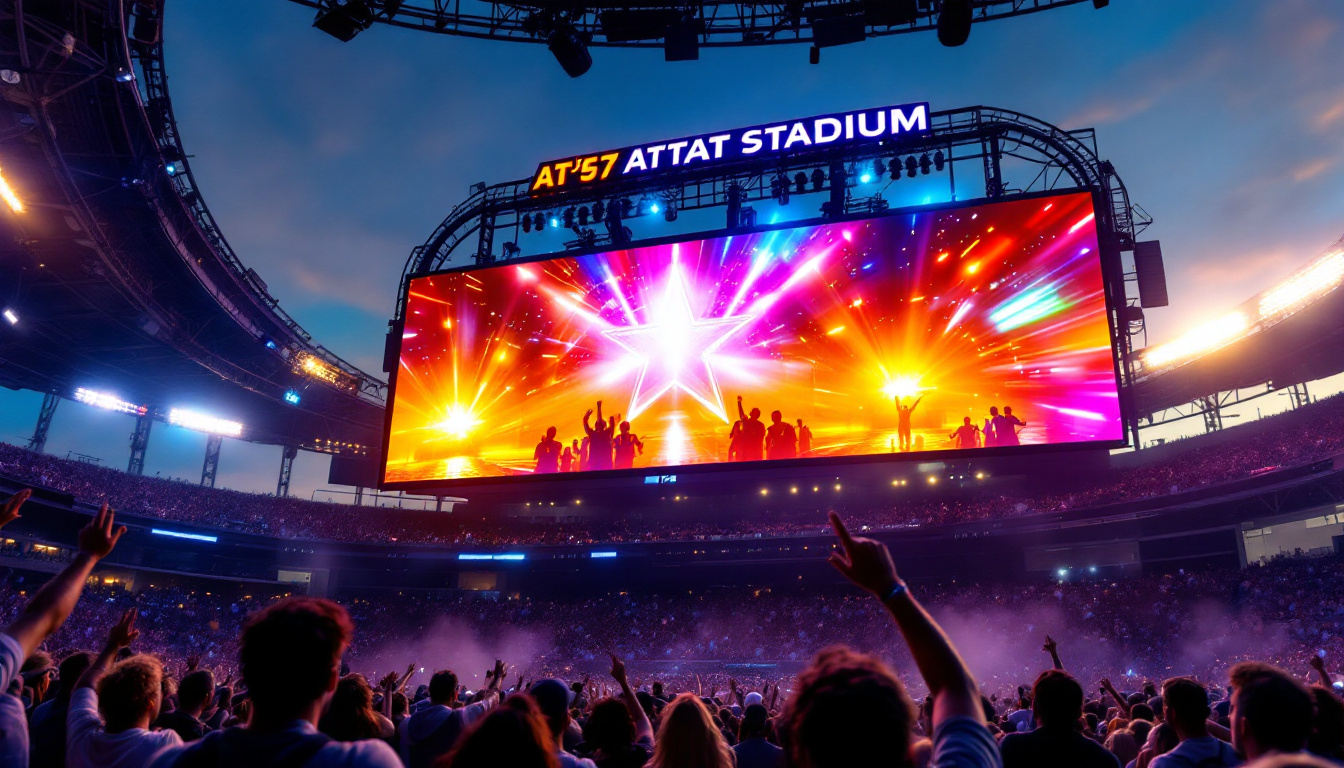
Stadiums and arenas utilize large LED screens to enhance the spectator experience by displaying live game footage, scores, and interactive content. These displays must be capable of handling high refresh rates and vivid colors to keep audiences engaged.
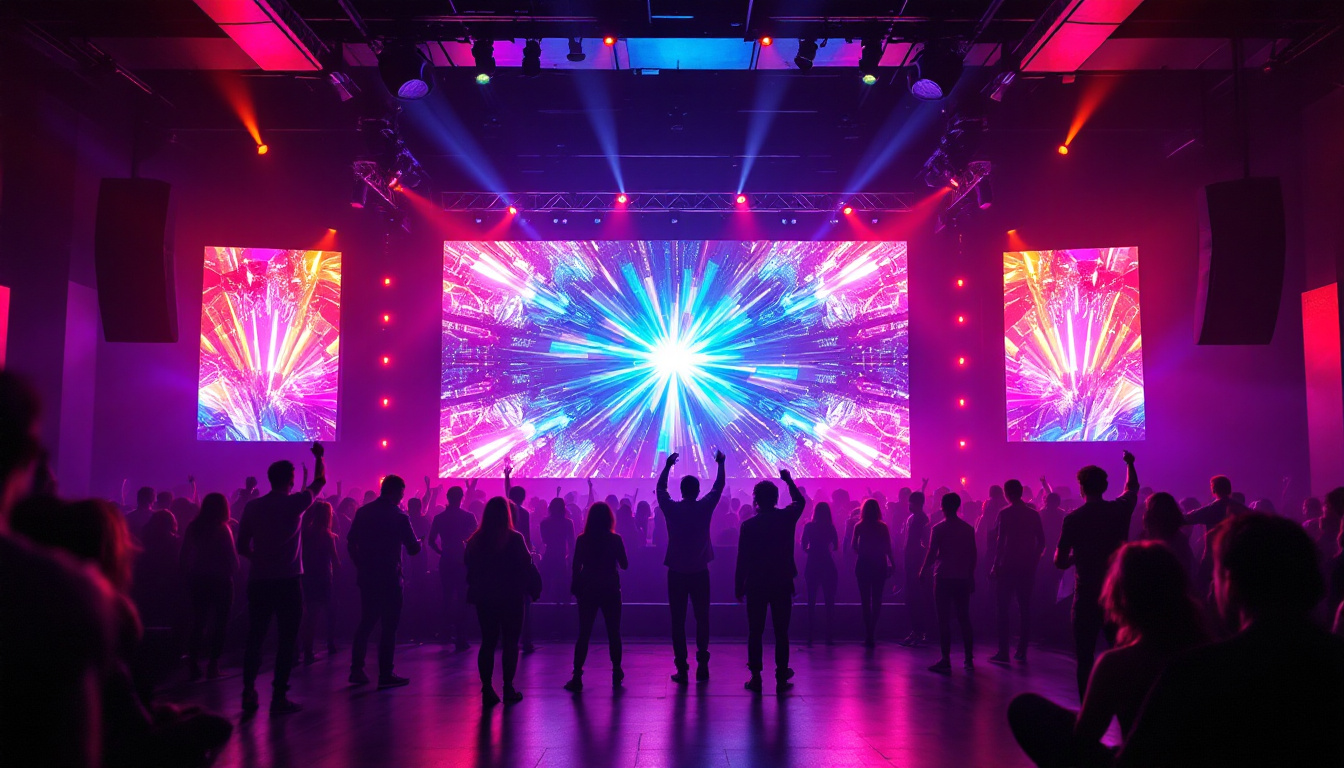
Concerts and theatrical productions also benefit from LED display technology, enabling dynamic backdrops and immersive visual effects that elevate performances.
Corporate and Educational Environments
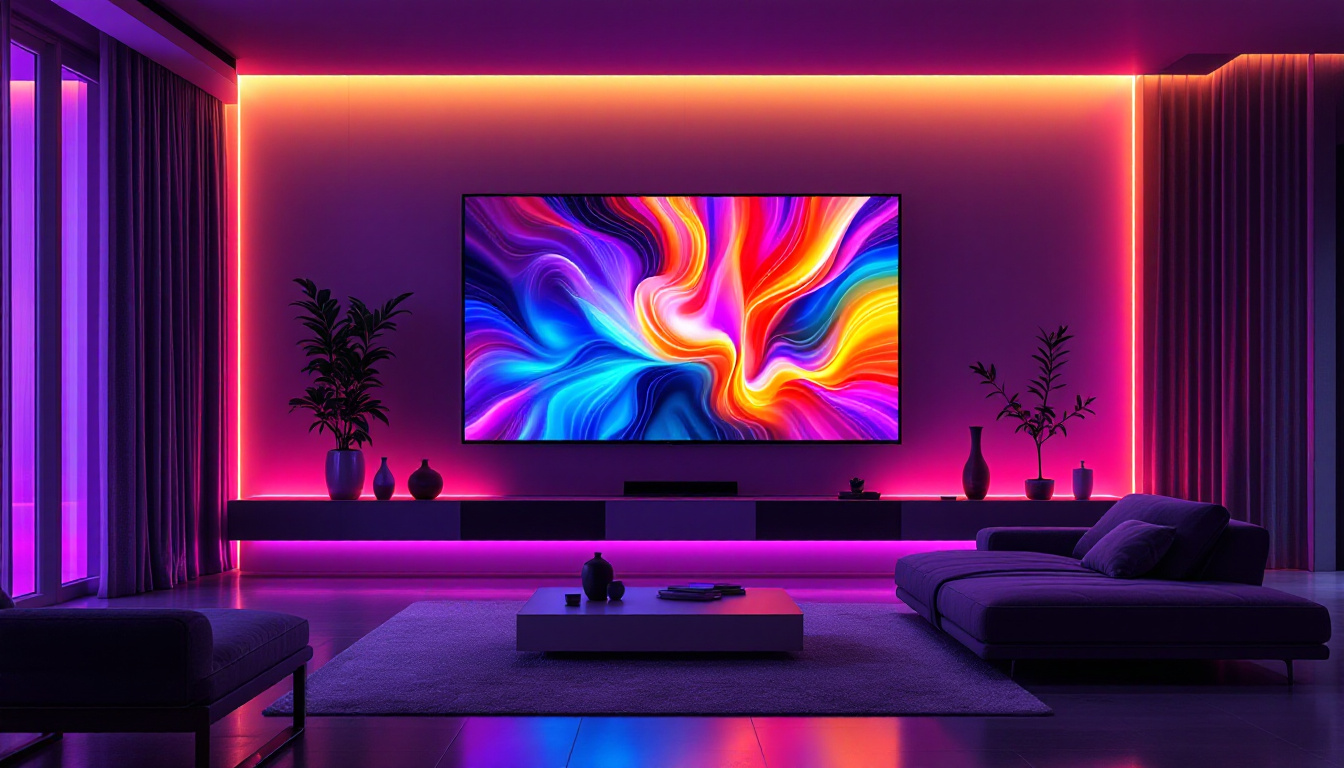
In corporate settings, LED displays are used for presentations, digital signage, and video conferencing. Their ability to deliver clear visuals in various lighting conditions makes them ideal for boardrooms and lobbies.
Educational institutions employ LED boards for interactive learning, announcements, and event promotion, fostering a more engaging environment for students and staff.
Benefits of LED Digital Display Boards
High Visibility and Brightness
LED displays can achieve brightness levels exceeding 5,000 nits, making them visible even in direct sunlight. This is a significant advantage over other display technologies, especially for outdoor applications where ambient light can wash out images.
Energy Efficiency and Longevity
LEDs consume less power compared to traditional lighting and display technologies. Advances in LED efficiency have led to reduced energy costs and lower environmental impact. Additionally, LED displays have a long operational lifespan—often exceeding 100,000 hours—minimizing maintenance and replacement expenses.
Flexibility and Customization
LED display boards can be customized in size, shape, and resolution to fit specific needs. Modular designs allow for scalable installations, from small indoor panels to massive outdoor billboards. Content can be updated instantly through software, enabling dynamic messaging and real-time interaction.
Durability and Weather Resistance
Outdoor LED displays are built to withstand harsh weather conditions, including rain, wind, and extreme temperatures. Protective coatings and robust enclosures ensure reliable operation in diverse environments.
Key Considerations When Choosing an LED Display Board
Pixel Pitch and Resolution
The choice of pixel pitch depends largely on the viewing distance. For example, an LED display with a 2mm pixel pitch is ideal for close viewing distances of a few meters, such as in retail stores or conference rooms. Conversely, a 10mm pixel pitch is suitable for large outdoor billboards viewed from hundreds of meters away.
Understanding the relationship between pixel pitch, resolution, and viewing distance is crucial to ensure optimal image quality and cost-effectiveness.
Brightness and Contrast Ratio
Brightness is measured in nits, and higher values are necessary for outdoor displays exposed to sunlight. Contrast ratio, the difference between the brightest white and the darkest black the display can produce, affects image clarity and color depth. Selecting a display with appropriate brightness and contrast ensures visibility and visual impact.
Viewing Angle
LED displays have varying viewing angles, which determine how well the image can be seen from different positions. Wide viewing angles are important for public spaces where audiences may be spread out. Narrow viewing angles can limit visibility and reduce effectiveness.
Installation and Maintenance
Consider the installation environment and accessibility for maintenance. Modular LED panels simplify repairs and upgrades, while weatherproof enclosures protect outdoor displays. Regular maintenance, including cleaning and software updates, is necessary to maintain performance.
Content Management and Software Integration
Modern LED displays often come with content management systems (CMS) that allow users to schedule, update, and monitor content remotely. Integration with other digital platforms and data sources can enhance functionality, such as displaying live social media feeds or real-time data.
Future Trends in LED Display Technology
MicroLED and MiniLED Innovations
Emerging technologies like MicroLED and MiniLED promise even higher resolution, better color accuracy, and improved energy efficiency. MicroLED displays use microscopic LEDs as individual pixels, offering superior brightness and contrast without the burn-in issues associated with OLEDs.
Interactive and Smart Displays
Integration of touch capabilities and sensors is transforming LED displays into interactive platforms. Smart LED boards can respond to user inputs, environmental changes, or data analytics, enabling personalized and engaging experiences.
Environmental Sustainability
Manufacturers are increasingly focusing on eco-friendly materials and energy-saving designs. Advances in recycling and disposal methods aim to reduce the environmental footprint of LED display production and end-of-life management.
Conclusion
LED digital display boards have revolutionized the way information and advertising are presented across various industries. Their superior brightness, energy efficiency, durability, and flexibility make them a preferred choice for both indoor and outdoor applications. Understanding the technology, applications, and key selection criteria helps businesses and organizations maximize the benefits of LED displays.
As LED technology continues to evolve, with innovations like MicroLED and interactive capabilities on the horizon, the potential for creative and impactful visual communication is greater than ever. Whether for advertising, public information, entertainment, or corporate use, LED digital display boards offer a dynamic and effective solution for engaging audiences in today’s visually-driven world.
Illuminate Your Message with LumenMatrix
Ready to elevate your visual communication with unparalleled clarity and vibrancy? Discover LumenMatrix’s comprehensive range of LED display solutions, from Indoor and Outdoor LED Walls to innovative Transparent Displays. Each module is crafted to captivate and engage your audience, ensuring your message resonates with impact. Embrace the future of digital signage with LumenMatrix and transform how you connect with the world. Check out LumenMatrix LED Display Solutions and start your journey towards revolutionary visual storytelling today.