In today’s fast-paced digital world, LED displays have become an integral part of how information is presented and consumed. From vibrant billboards on city streets to the screens in your smartphone, LED technology powers much of the visual content we interact with daily. This article delves into the fundamentals of LED displays, exploring their technology, applications, advantages, and future trends. Whether you’re a business owner considering digital signage or a tech enthusiast curious about display technology, understanding LED displays is essential.
What is an LED Display?
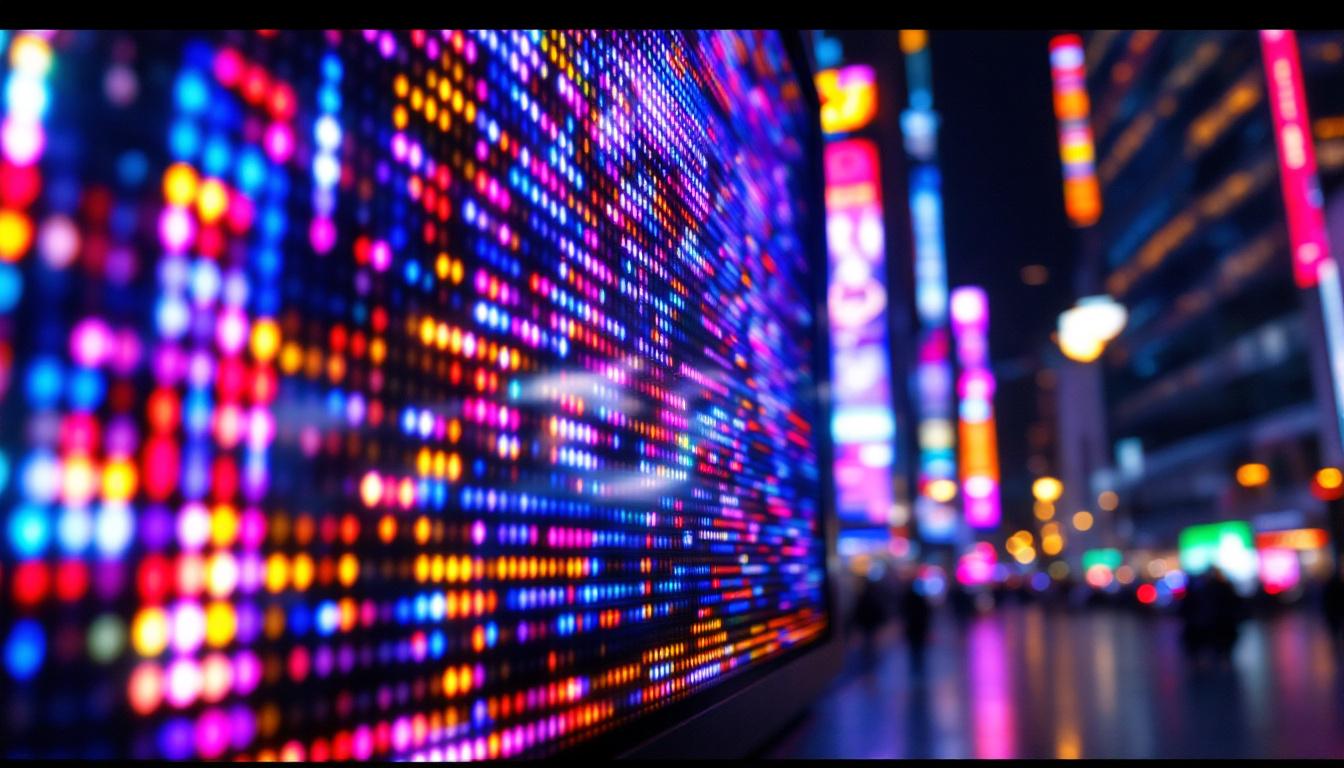
LED stands for Light Emitting Diode, a semiconductor device that emits light when an electric current passes through it. An LED display is essentially a flat panel or screen that uses an array of these tiny LEDs to create images, videos, or text. Unlike traditional LCD or plasma screens that rely on backlighting, LED displays generate their own light, which results in brighter, more vivid visuals. This inherent brightness allows for a wider range of applications, from large outdoor billboards to indoor video walls in concert venues and shopping malls.
LED displays can be categorized into two main types: direct view LED and LED-backlit LCD. Direct view LED displays use LEDs as the actual pixels forming the image, while LED-backlit LCDs use LEDs as a backlight behind an LCD panel. The focus of this article is primarily on direct view LED displays, which are widely used for large-scale digital signage, outdoor advertising, and event screens. These displays are not only energy-efficient but also have a longer lifespan compared to traditional display technologies, making them a cost-effective solution for businesses looking to enhance their visual communication.
How Do LED Displays Work?
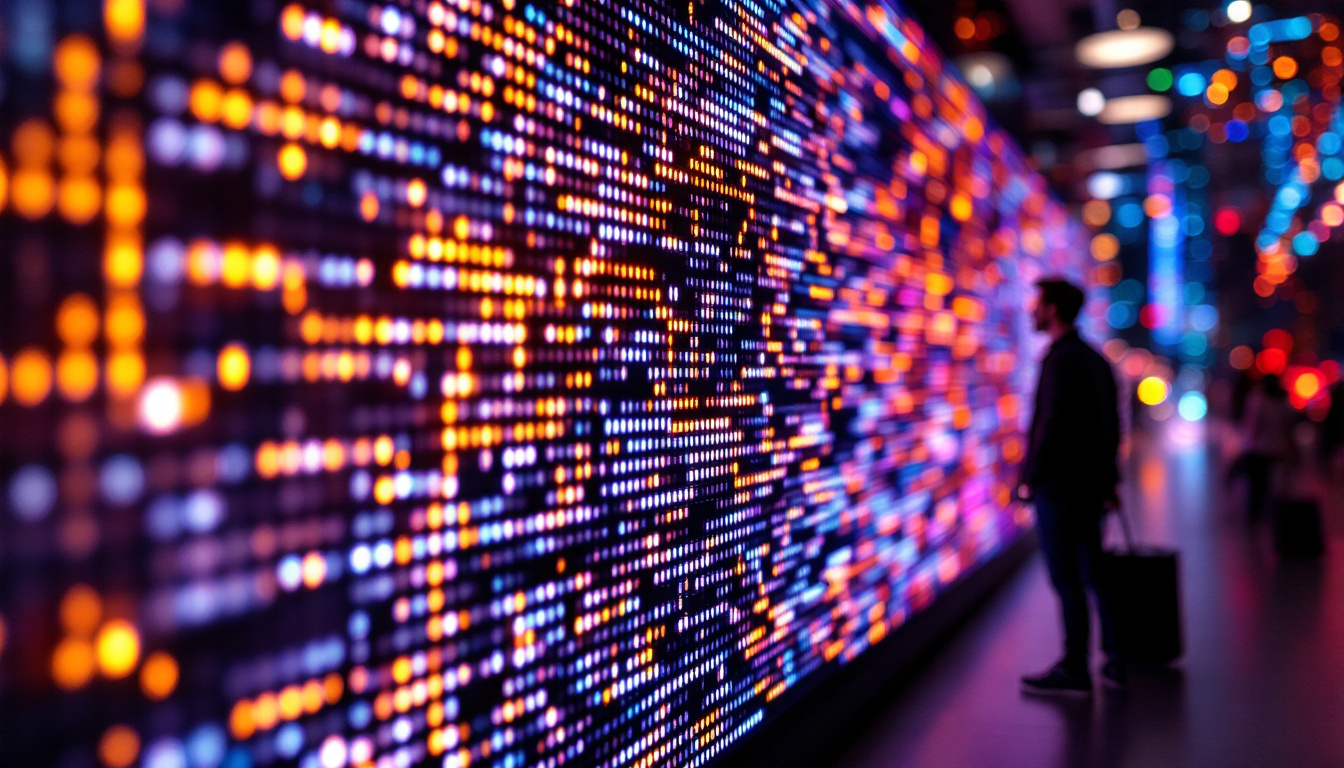
Each LED in the display acts as a pixel or part of a pixel. By controlling the intensity and color of individual LEDs, the display can produce a full spectrum of colors and complex images. Modern LED displays use red, green, and blue LEDs combined in varying intensities to create millions of colors through a process called additive color mixing. This technology allows for stunning visuals that can capture attention and convey messages effectively, whether it’s a vibrant advertisement or an engaging presentation.
The brightness of LED displays is measured in nits, with commercial outdoor displays often reaching 5,000 to 10,000 nits or more, making them visible even in direct sunlight. This high brightness is a key advantage over other display technologies. Additionally, LED displays are known for their excellent contrast ratios, which enhance the clarity of images and text. With advancements in technology, features such as dynamic refresh rates and high-definition resolutions have further improved the performance of LED displays, making them suitable for a variety of environments, from bustling city streets to intimate indoor settings. The versatility of LED displays continues to drive innovation, leading to new applications in art installations, sports arenas, and even in home entertainment systems, where they provide an immersive viewing experience.
Types of LED Displays and Their Applications
LED displays come in various forms tailored to different uses and environments. Understanding these types helps in selecting the right display for a specific purpose.
1. Outdoor LED Displays
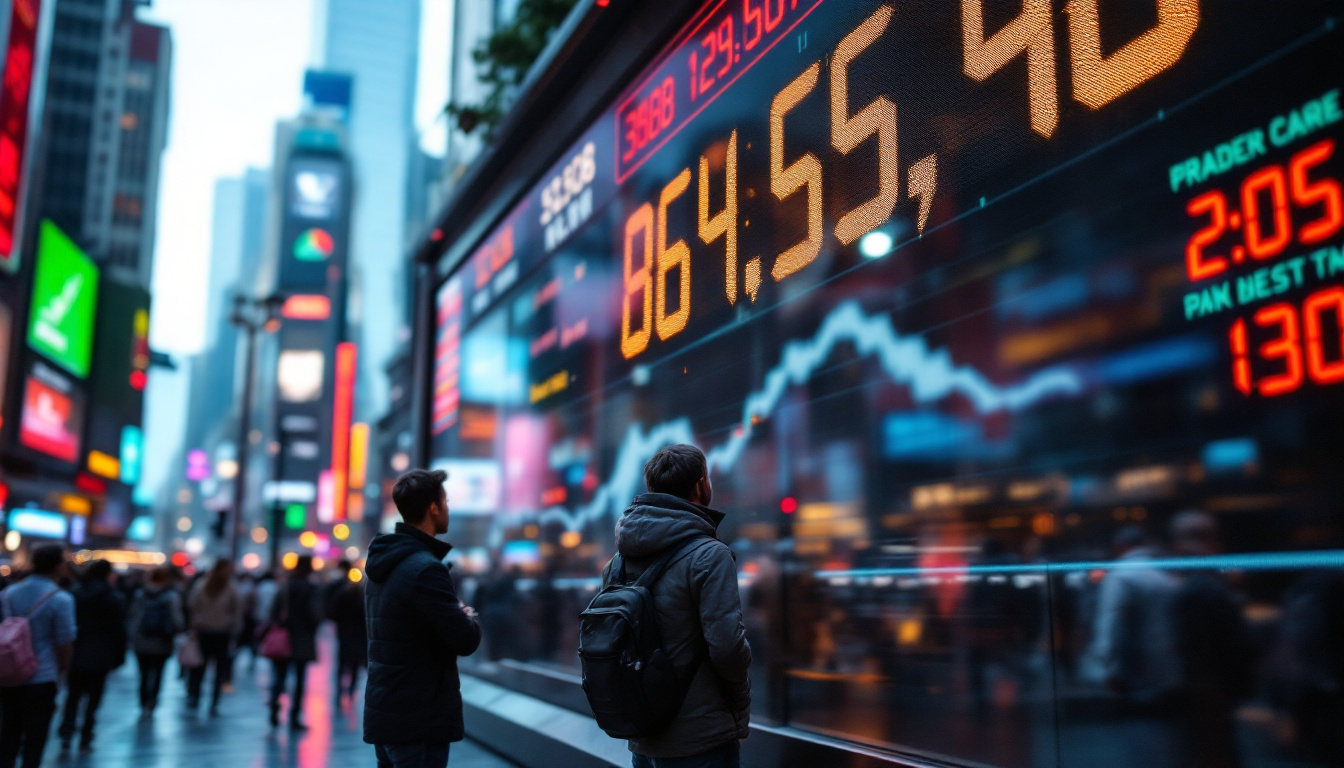
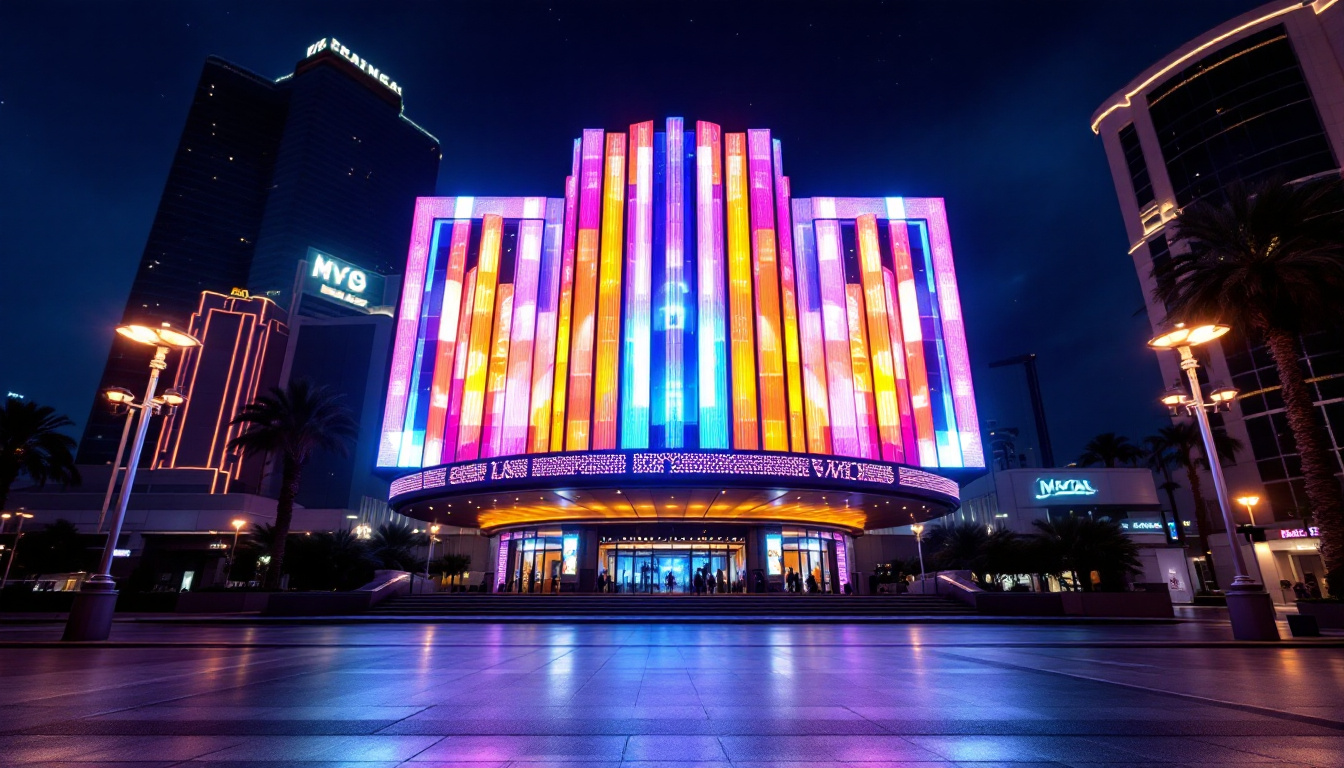
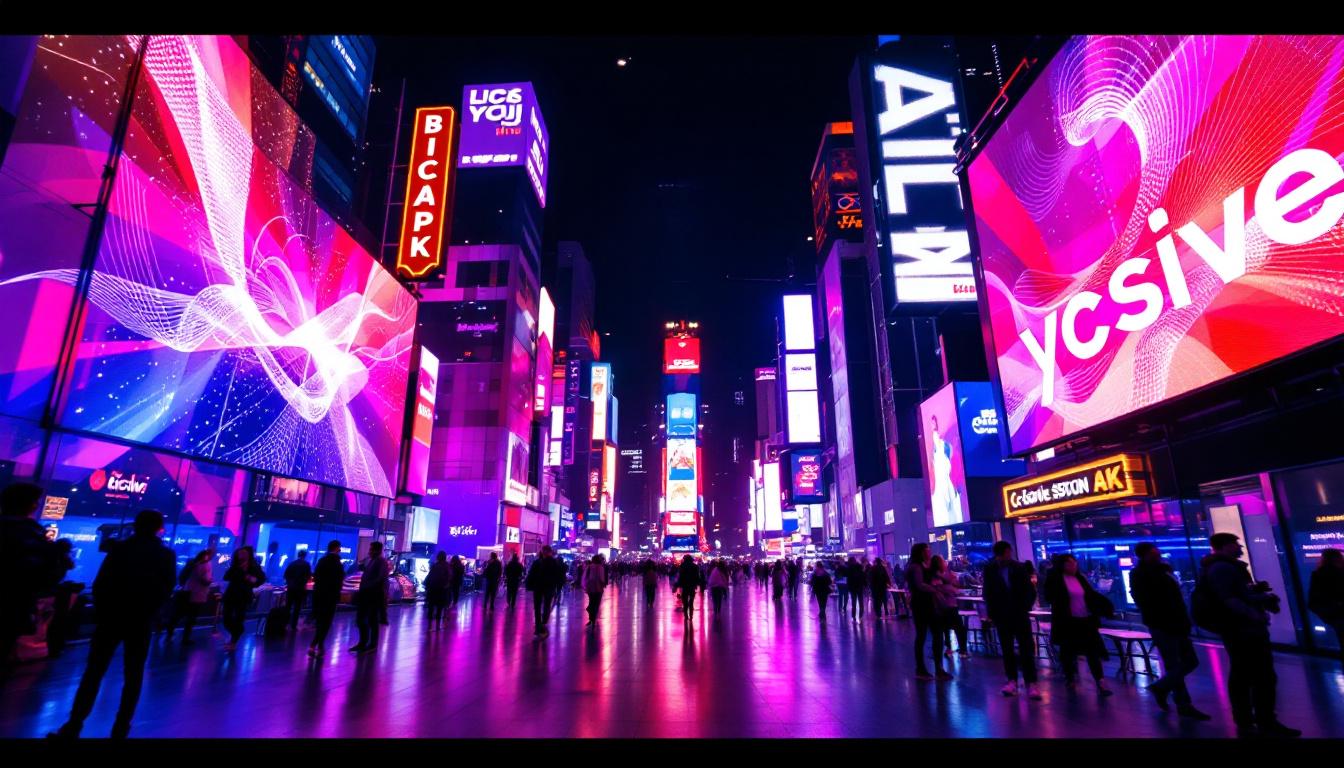
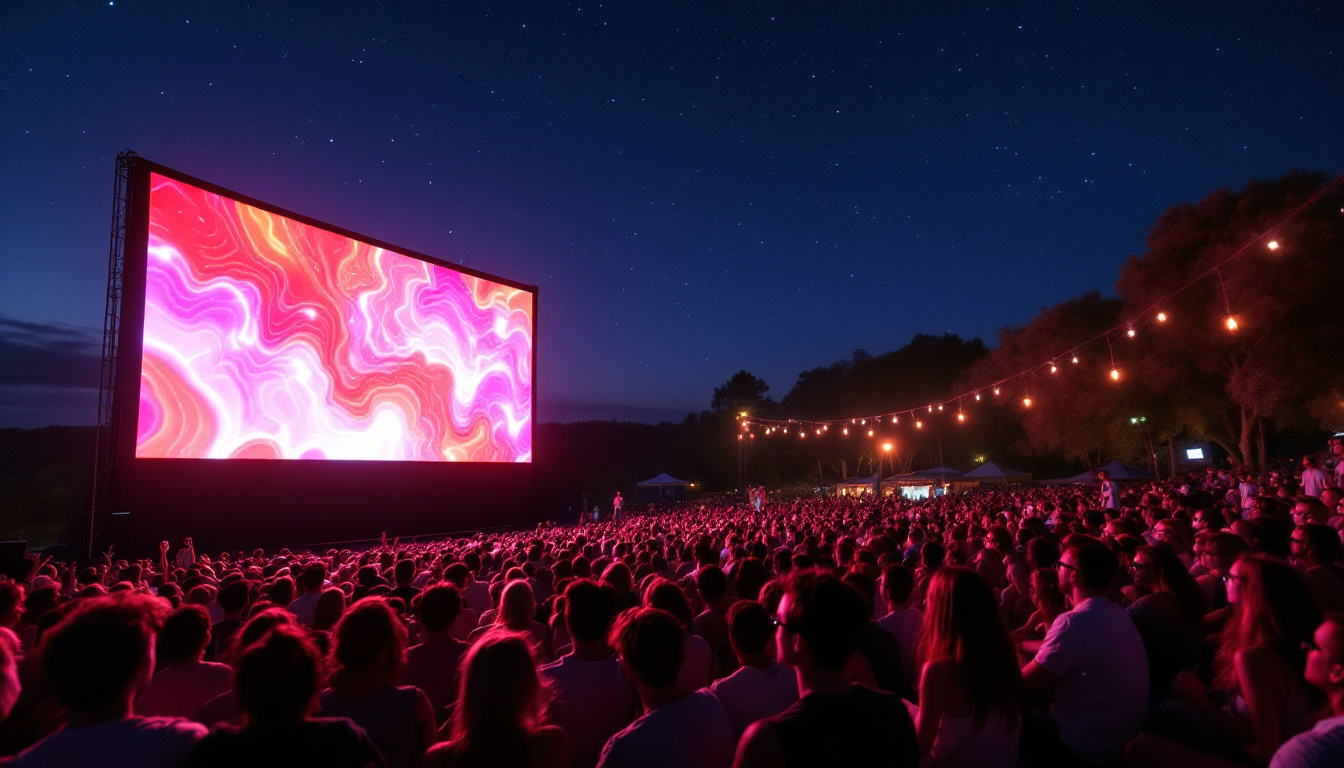
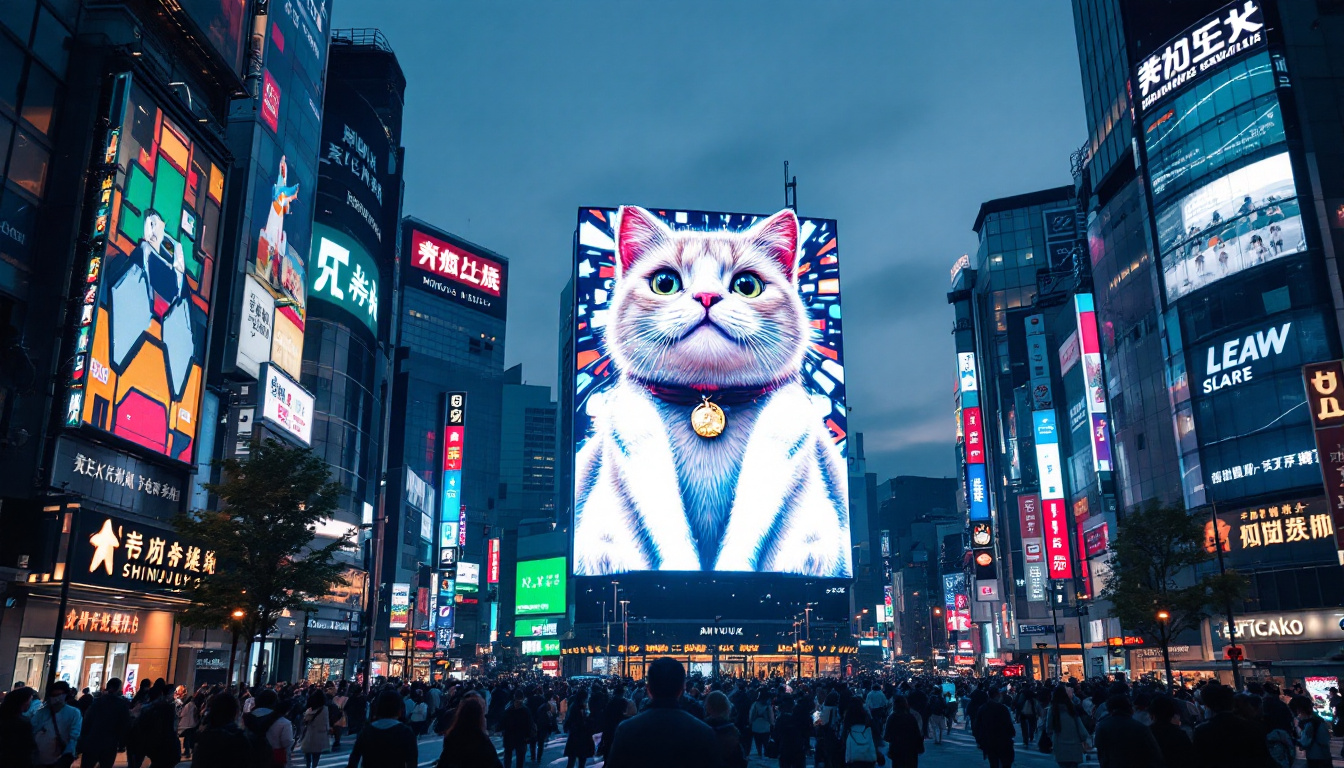
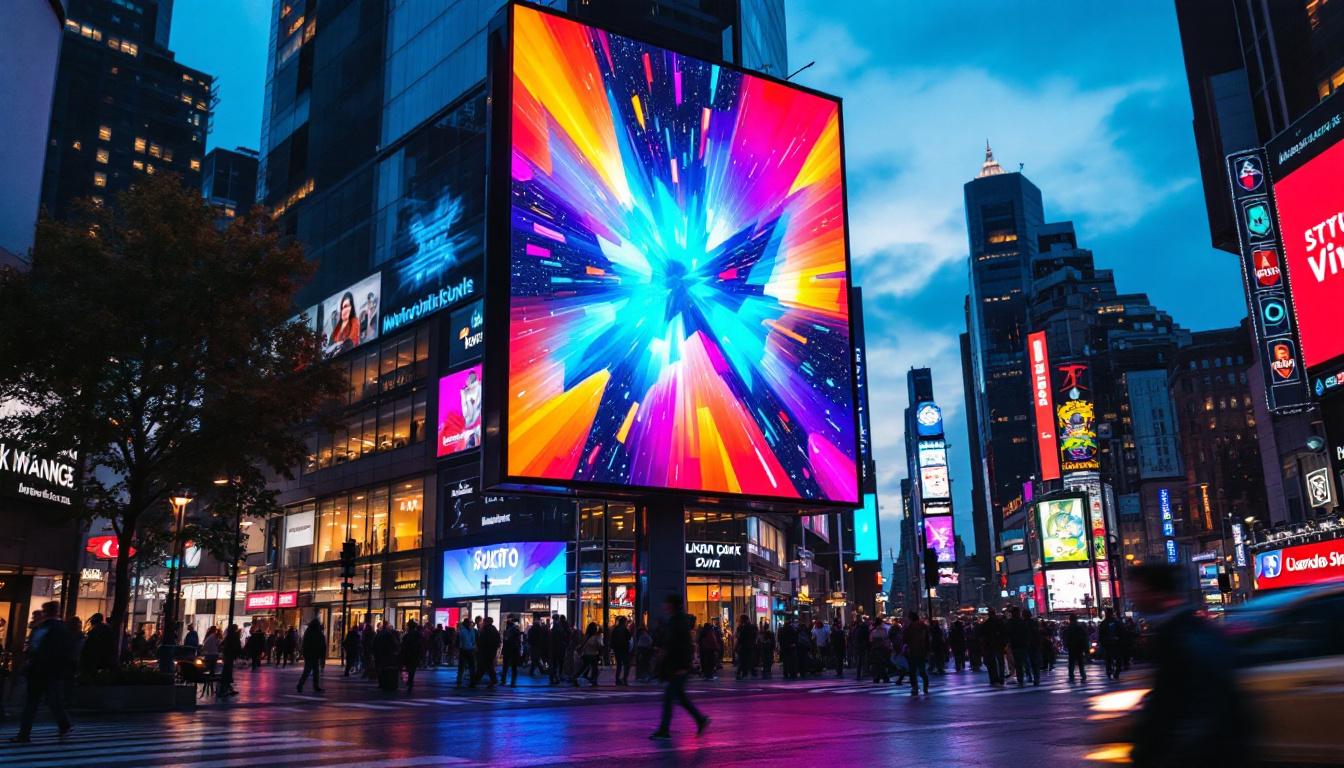
Outdoor LED displays are designed to withstand harsh weather conditions and high ambient light levels. They are commonly used for billboards, stadium screens, traffic signs, and public information boards. These displays feature robust enclosures, high brightness, and wide viewing angles to ensure visibility from a distance and under varying lighting conditions.
For example, Times Square in New York City is famous for its massive outdoor LED billboards that attract millions of viewers daily. The ability to update content remotely and instantly makes these displays highly effective for advertising and public messaging.
2. Indoor LED Displays
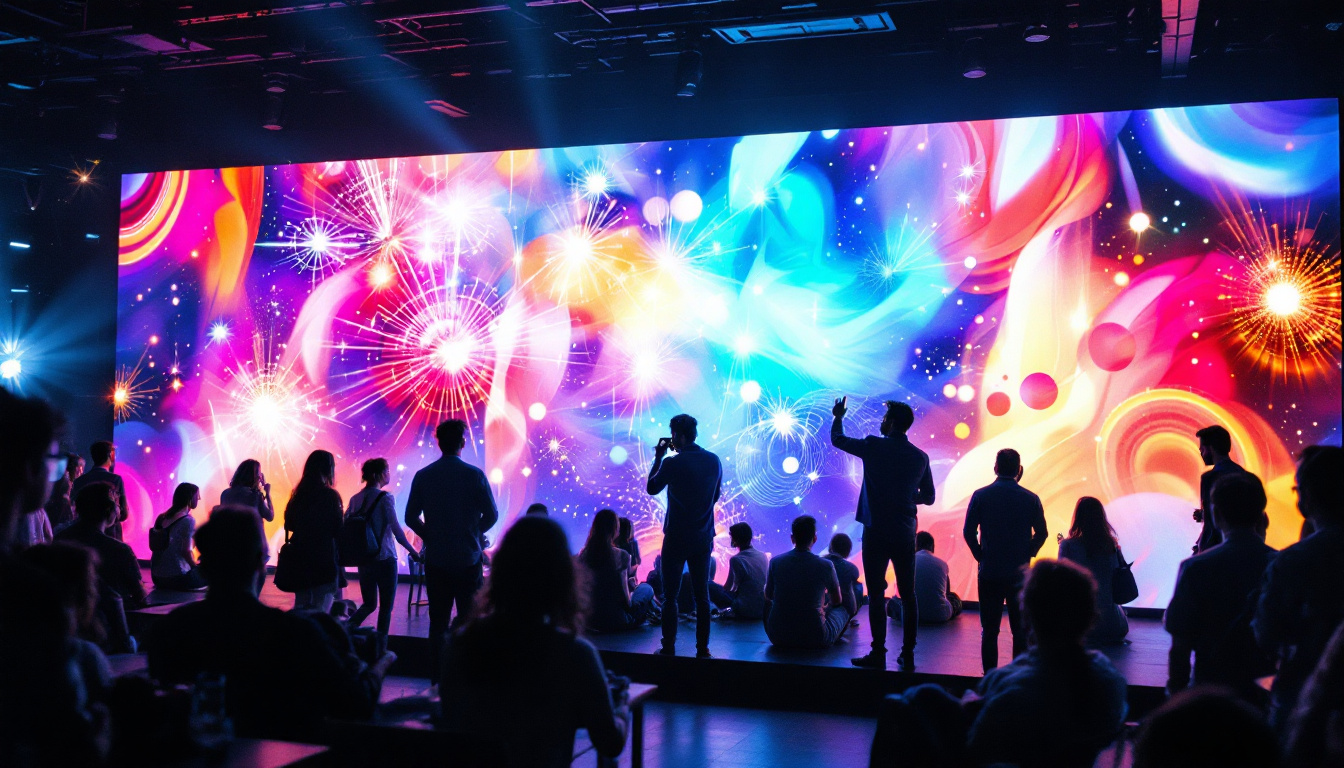
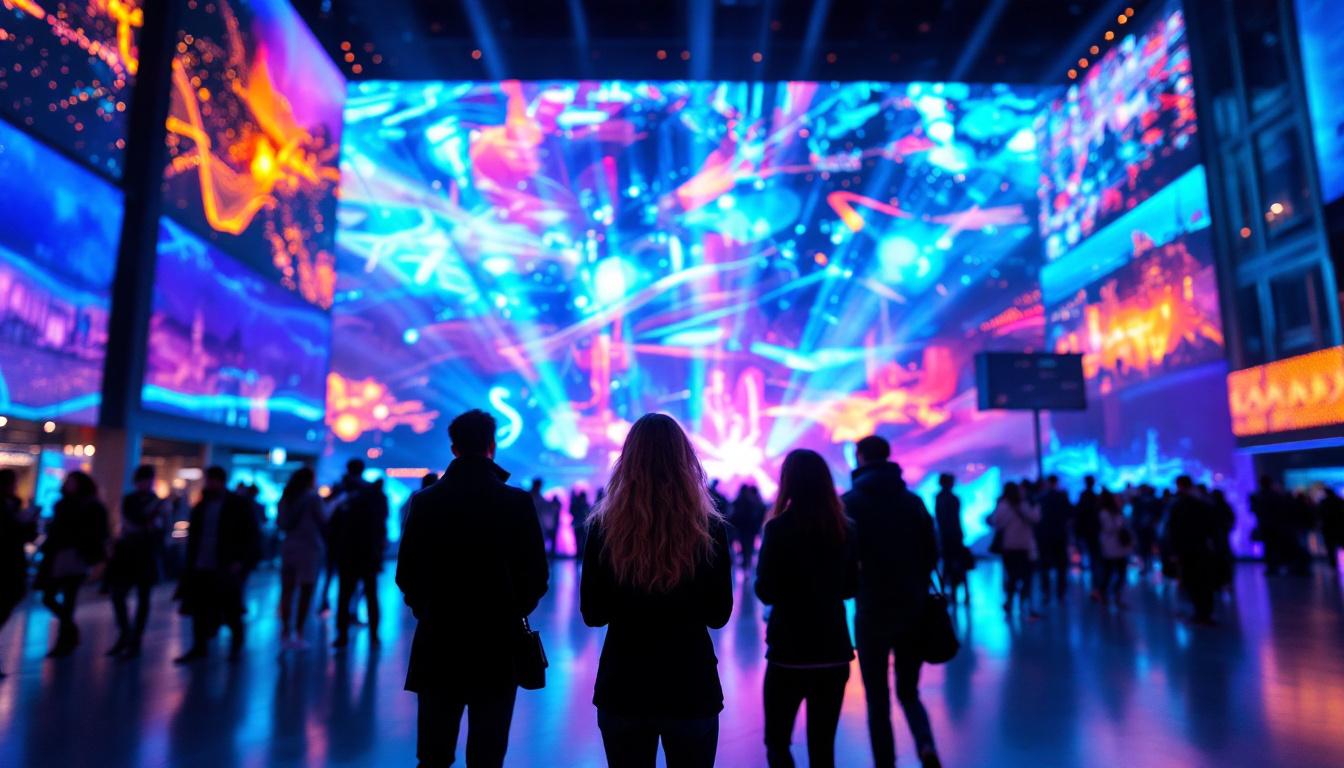
Indoor LED displays are typically used in retail stores, conference rooms, control centers, and entertainment venues. These displays have a higher pixel density for closer viewing distances and lower brightness levels compared to outdoor models, which helps reduce eye strain and energy consumption indoors.
Retail environments use indoor LED displays to engage customers with dynamic promotions, while corporate settings employ them for presentations and video conferencing. Their seamless design and vibrant colors make them a popular choice for enhancing visual communication.
3. Transparent LED Displays
Transparent LED displays are an innovative type of screen that allows light to pass through, making them ideal for glass windows or storefronts. They combine advertising with architectural aesthetics, enabling businesses to display digital content without obstructing natural light or visibility.
This technology is gaining traction in urban retail spaces and museums, where maintaining an open, airy atmosphere is important while still delivering impactful digital content.
4. Flexible and Curved LED Displays
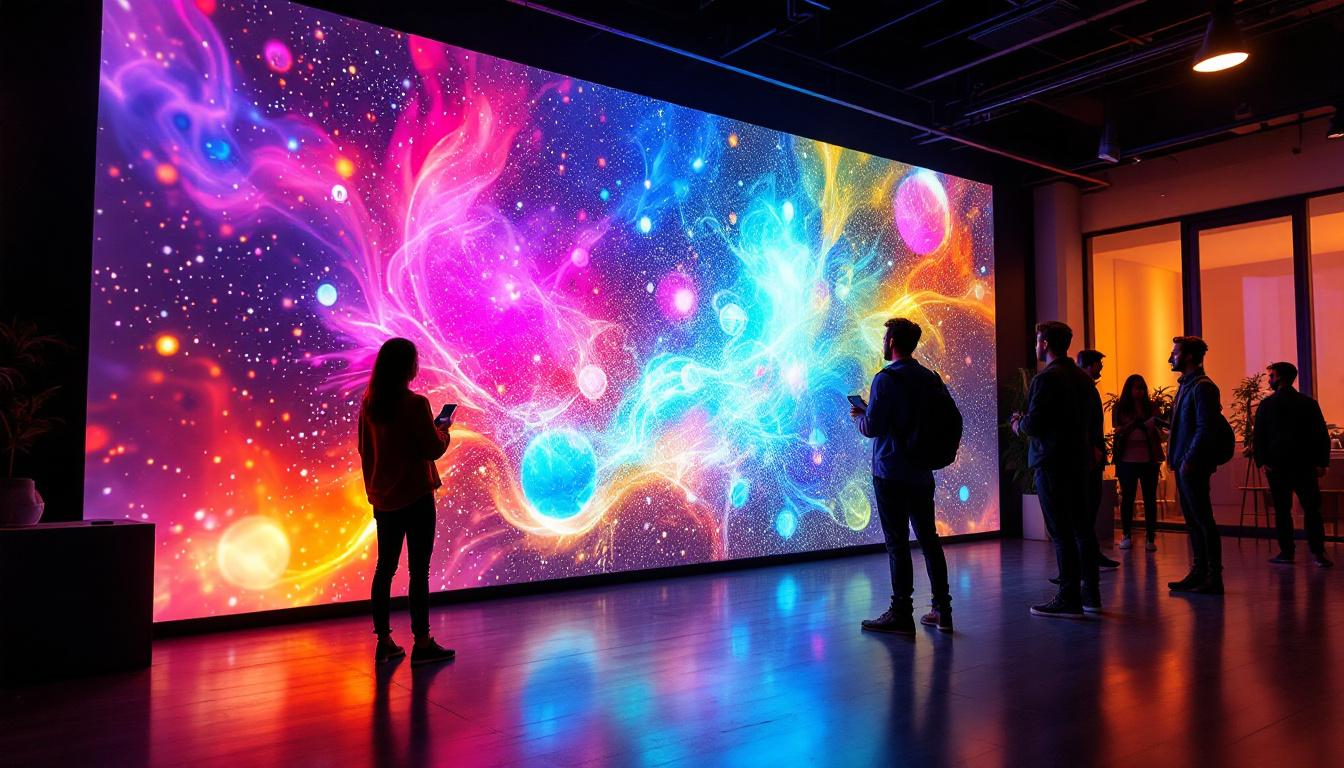
Flexible LED displays can bend or curve to fit unique surfaces, opening up creative possibilities for designers and advertisers. These displays are used in exhibitions, stage productions, and innovative architectural installations where traditional flat screens are impractical.
Curved LED displays enhance immersion in entertainment venues and control rooms by providing a wider field of view and reducing distortion at the edges.
Advantages of LED Displays Over Other Technologies
LED displays have several distinct advantages that have contributed to their widespread adoption across industries.
Superior Brightness and Visibility
One of the most significant benefits of LED displays is their high brightness levels. Outdoor LED screens can achieve brightness levels of up to 10,000 nits, far surpassing LCD and plasma displays. This makes them clearly visible even in direct sunlight, a critical factor for outdoor advertising and public information systems.
Energy Efficiency and Longevity
LEDs are inherently energy-efficient, consuming less power than traditional lighting and display technologies. This translates into lower operating costs and a reduced environmental footprint. Additionally, LEDs have a long lifespan, often exceeding 100,000 hours of operation, which reduces maintenance and replacement expenses.
Vibrant Colors and High Contrast
LED displays offer excellent color reproduction and contrast ratios, resulting in vivid and sharp images. The ability to control each LED individually allows for deep blacks and bright whites, enhancing the overall visual experience.
Durability and Weather Resistance
Outdoor LED displays are built to endure extreme weather conditions, including rain, snow, heat, and dust. Their rugged construction and protective coatings ensure consistent performance in challenging environments, unlike many other display types that may degrade or fail outdoors.
Scalability and Customization
LED displays can be assembled from modular panels, allowing for virtually any size or shape. This scalability makes them suitable for everything from small retail signs to massive stadium screens. Custom pixel pitches (the distance between LEDs) enable optimization for different viewing distances and resolutions.
Key Considerations When Choosing an LED Display
Selecting the right LED display involves evaluating several factors to ensure it meets the specific needs of the application.
Pixel Pitch and Resolution
Pixel pitch is the distance between the centers of adjacent LEDs, typically measured in millimeters. A smaller pixel pitch means higher resolution and sharper images, suitable for close viewing distances. For example, a 1.5mm pixel pitch display is ideal for indoor environments where viewers are close to the screen, while a 10mm pitch might be sufficient for large outdoor billboards viewed from afar.
Brightness Levels
Consider the ambient lighting conditions where the display will be installed. Outdoor displays require higher brightness to combat sunlight, whereas indoor displays benefit from lower brightness to reduce glare and power consumption.
Viewing Angle
The viewing angle determines how far off-center a viewer can be while still seeing a clear image. Wide viewing angles are essential for public displays where audiences may be spread out. LED displays generally offer wider viewing angles compared to LCDs, often up to 160 degrees horizontally and vertically.
Durability and Environmental Protection
For outdoor installations, ensure the display has an IP (Ingress Protection) rating indicating resistance to water and dust. An IP65 rating or higher is typically recommended for outdoor LED displays to withstand rain and dust ingress.
Control Systems and Connectivity
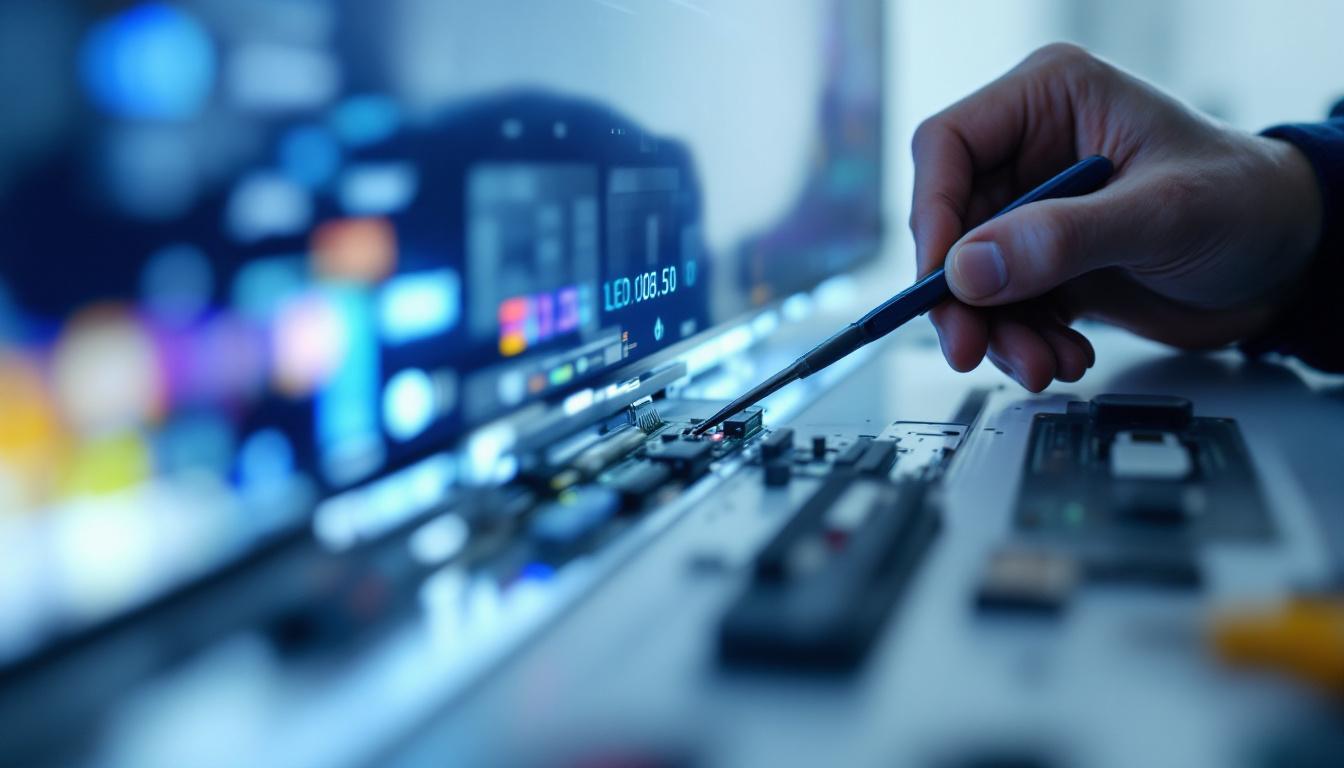
Modern LED displays come with sophisticated control systems that allow remote content management, scheduling, and diagnostics. Compatibility with various input sources and network protocols is important for seamless integration into existing infrastructure.
Emerging Trends and the Future of LED Displays
The LED display industry is continuously evolving, driven by technological advancements and changing market demands.
Mini-LED and Micro-LED Technologies
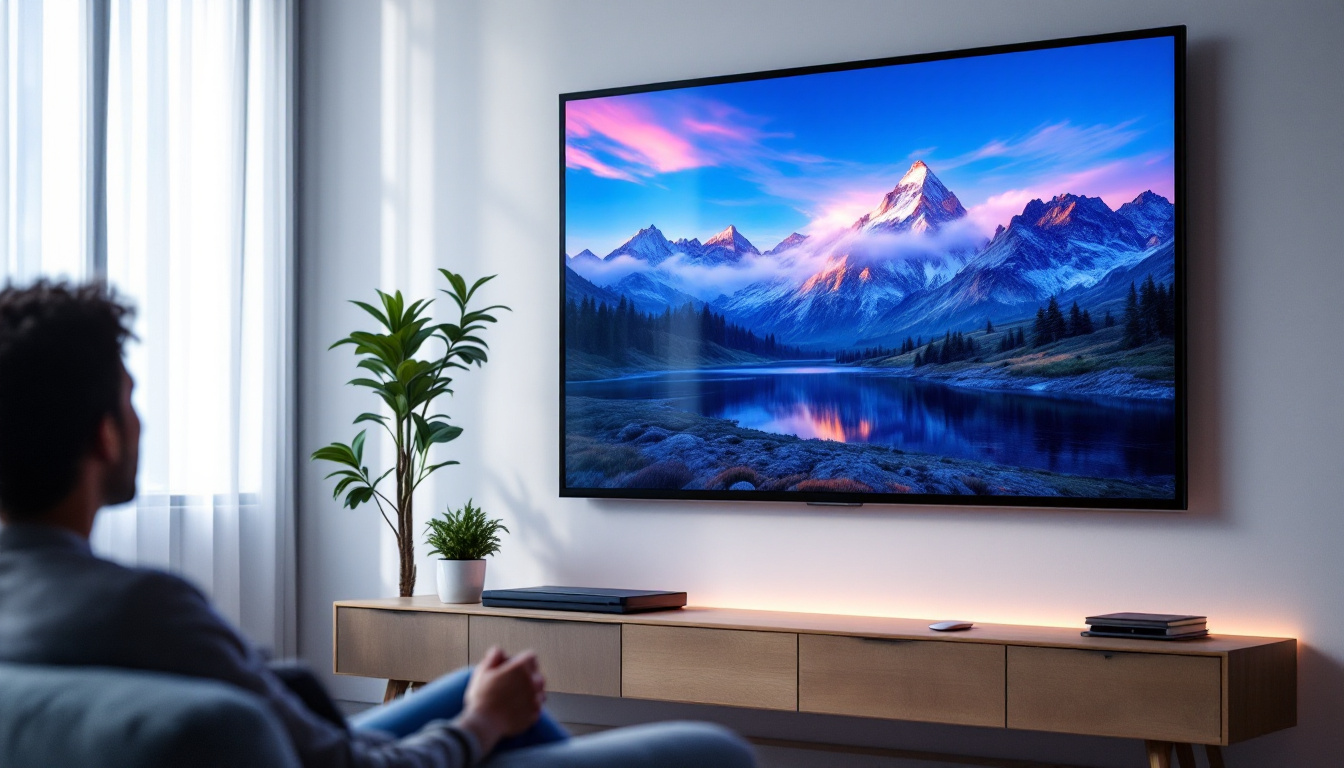
Mini-LED and Micro-LED are next-generation display technologies that use even smaller LEDs to achieve higher resolutions and better performance. Micro-LED displays, in particular, promise superior brightness, color accuracy, and energy efficiency, potentially revolutionizing consumer electronics like TVs and smartphones.
Interactive and Smart LED Displays
Interactive LED displays equipped with touch sensors and AI capabilities are becoming more common. These smart displays enable personalized content, real-time data integration, and enhanced user engagement, especially in retail and public spaces.
Integration with Augmented Reality (AR) and Virtual Reality (VR)
LED displays are increasingly being integrated with AR and VR technologies to create immersive environments for entertainment, education, and training. Large LED walls combined with AR overlays offer new possibilities for storytelling and visualization.
Sustainability and Eco-Friendly Design
As environmental concerns grow, manufacturers are focusing on making LED displays more sustainable by using recyclable materials, reducing power consumption, and improving manufacturing processes. This aligns with global efforts to reduce carbon footprints and promote green technology.
Conclusion
LED displays have transformed the way visual information is communicated across various sectors. Their superior brightness, energy efficiency, durability, and versatility make them the preferred choice for both indoor and outdoor applications. As technology advances, LED displays will continue to evolve, offering even more immersive, interactive, and sustainable solutions.
Understanding the different types of LED displays, their advantages, and key selection criteria is crucial for businesses and organizations looking to invest in digital signage or visual communication tools. By staying informed about emerging trends and innovations, stakeholders can make strategic decisions that maximize the impact and longevity of their LED display investments.
Discover LumenMatrix’s Advanced LED Display Solutions
Ready to elevate your visual communication with the latest in LED display technology? Look no further than LumenMatrix, a pioneer in crafting LED display modules that bring your brand to life. Whether you need an Indoor LED Wall Display for a corporate event, an Outdoor LED Wall Display for impactful advertising, or any of our specialized solutions like Vehicle LED Displays, LED Sports Displays, and Custom LED Displays, LumenMatrix has you covered. Our mission is to transform your communication with vibrant, engaging, and precise digital signage solutions. Check out LumenMatrix LED Display Solutions today and experience the future of visual storytelling.