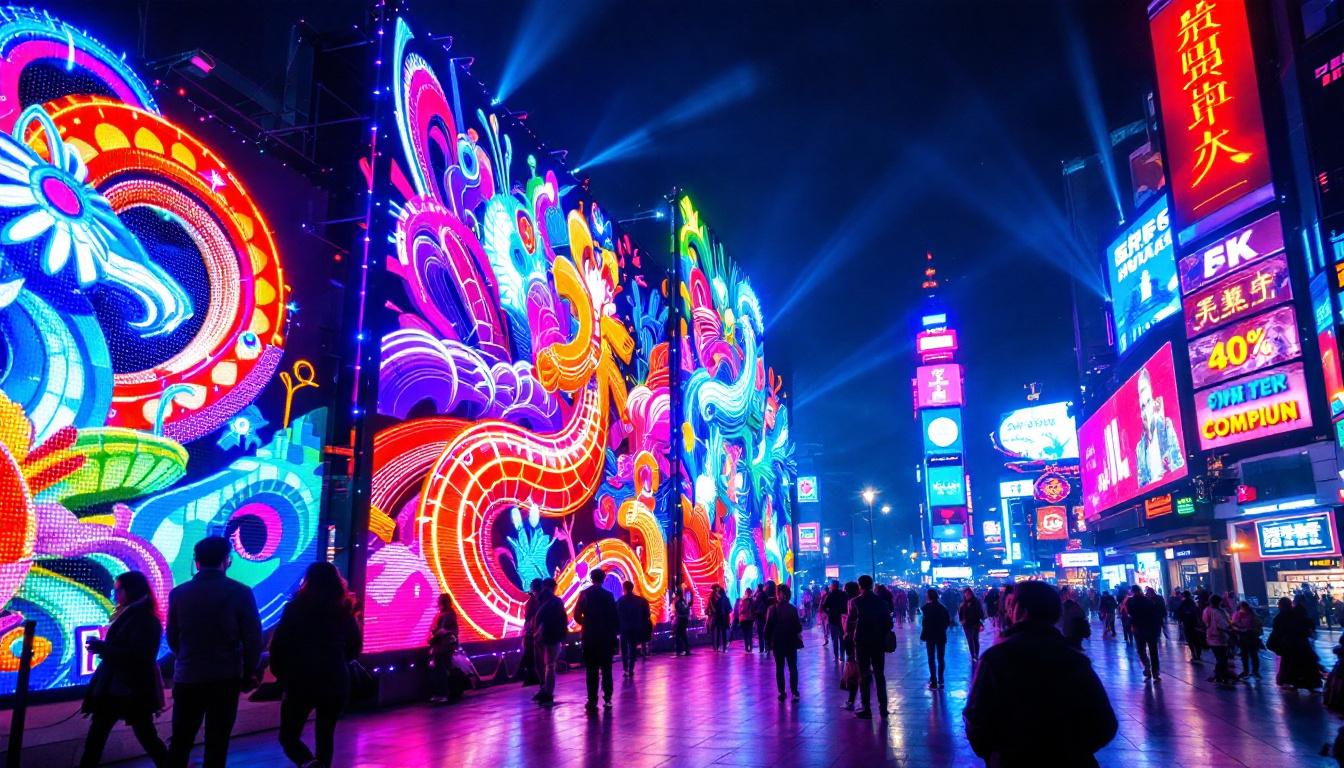
In the rapidly evolving world of digital signage and visual communication, LED displays have become a cornerstone technology. From vibrant billboards in Times Square to dynamic information boards in airports, LED displays offer unparalleled brightness, color accuracy, and versatility. This article delves into the fundamentals of LED displays, exploring their technology, types, applications, and future trends, providing a comprehensive understanding for professionals and enthusiasts alike.
Understanding LED Display Technology
What is an LED Display?
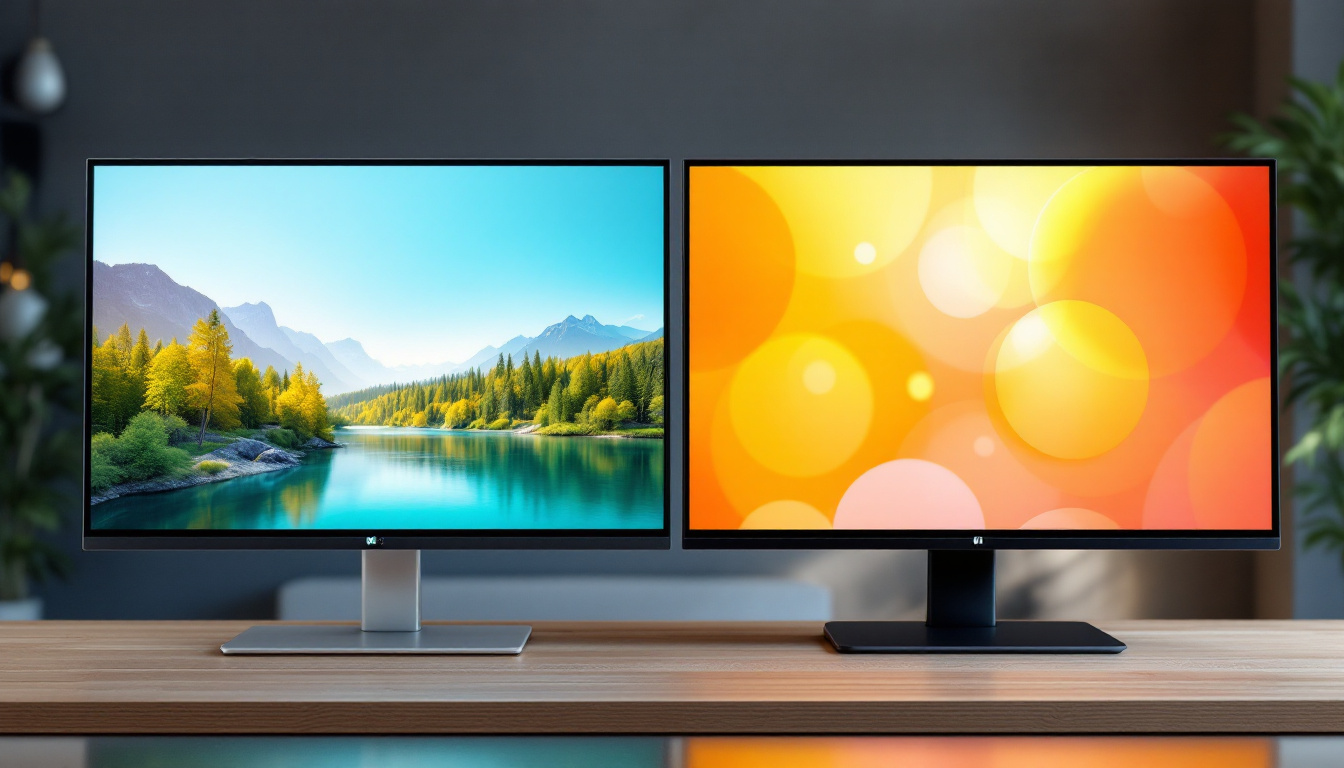
LED stands for Light Emitting Diode, a semiconductor device that emits light when an electric current passes through it. An LED display is a flat panel that uses an array of these diodes as pixels to create images, videos, and text. Unlike traditional LCD or plasma screens, LED displays use direct light emission, which results in higher brightness and better contrast ratios.
Each pixel in an LED display is composed of one or more LEDs, typically red, green, and blue, which combine to produce a full spectrum of colors. This RGB system allows for millions of color variations, enabling vivid and lifelike visuals. The brilliance of LED technology not only enhances the viewing experience but also makes it ideal for various applications, from large outdoor billboards to smaller screens in retail environments. The ability to display dynamic content in real-time has transformed advertising and information dissemination, making it more engaging and effective.
How Do LED Displays Work?
LED displays operate by controlling the intensity of each LED within the pixel matrix. When electricity flows through the diodes, they emit light at specific wavelengths corresponding to their color. By adjusting the voltage and current, the display modulates brightness and color saturation. This precise control enables LED displays to achieve deep blacks and vibrant colors, enhancing the overall image quality.
The control system processes input signals—such as video or graphical data—and translates them into electrical signals that drive the LEDs. This process happens thousands of times per second, creating smooth motion and dynamic imagery. Advanced LED displays also incorporate technologies like pulse-width modulation (PWM) to further refine brightness levels, ensuring that even subtle changes in light are rendered accurately. This capability is particularly important in applications such as digital signage, where clarity and detail are crucial for effective communication.
Key Components of LED Displays
Several critical components work together to ensure the performance and reliability of LED displays:
- LED Modules: The building blocks of the display, containing clusters of LEDs arranged in a grid.
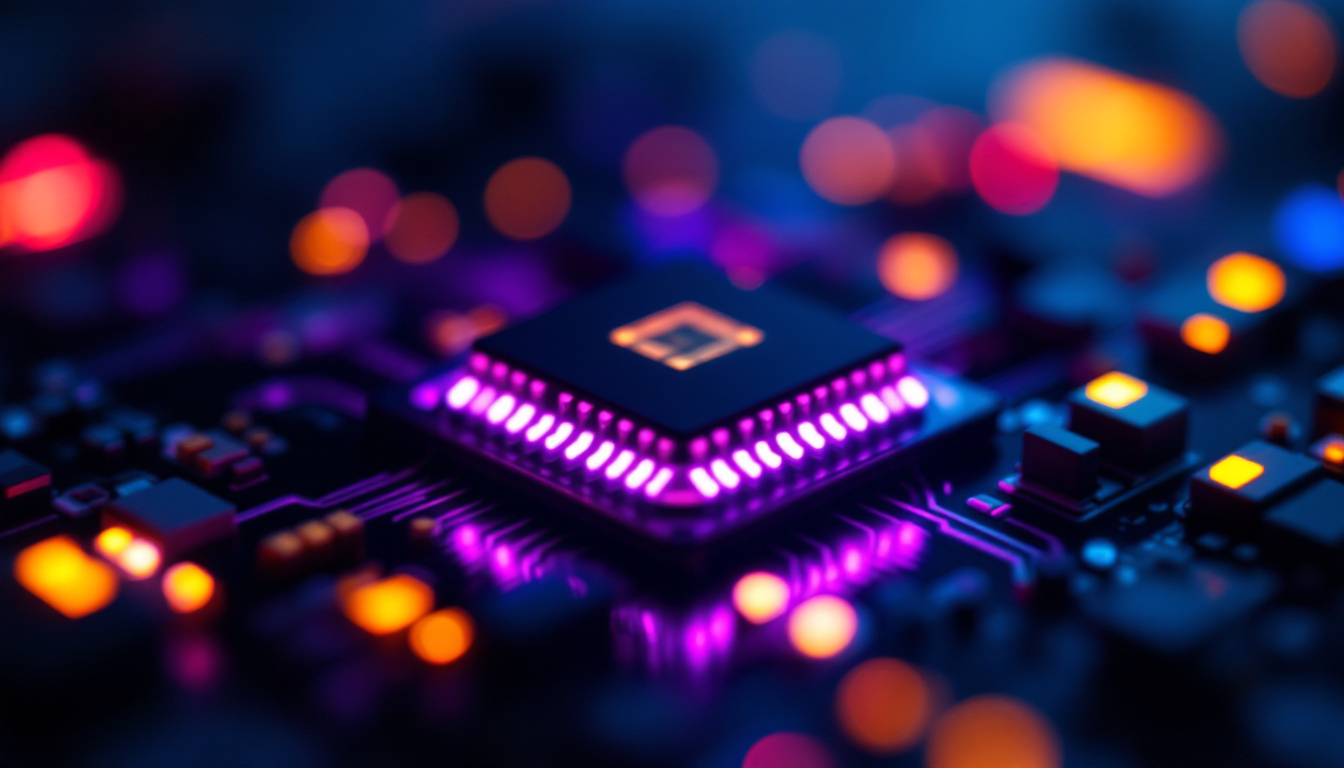
- Driver ICs: Integrated circuits that regulate the current supplied to each LED, ensuring consistent brightness and color.
- Control System: Hardware and software that manage image processing, signal decoding, and timing.
- Power Supply: Provides stable electrical power to the entire display system.
- Cabinet or Frame: The physical structure housing the modules, designed for durability and ease of maintenance.
In addition to these primary components, LED displays often feature advanced cooling systems to dissipate heat generated during operation, which is essential for maintaining optimal performance and longevity. Furthermore, many modern LED displays are designed with modularity in mind, allowing for easy upgrades and repairs. This flexibility not only extends the lifespan of the display but also makes it easier for businesses to adapt to changing technological advancements and market demands.
Moreover, the integration of smart technology into LED displays has opened up new possibilities for interactivity and connectivity. With built-in sensors and network capabilities, these displays can respond to environmental changes, audience engagement, and even integrate with social media platforms. This level of interactivity not only enhances the viewer experience but also provides businesses with valuable data on consumer behavior and preferences, allowing for more targeted and effective marketing strategies.
Types of LED Displays
Indoor vs. Outdoor LED Displays
One of the primary distinctions in LED displays is their intended environment. Indoor and outdoor LED displays differ significantly in design and performance characteristics.
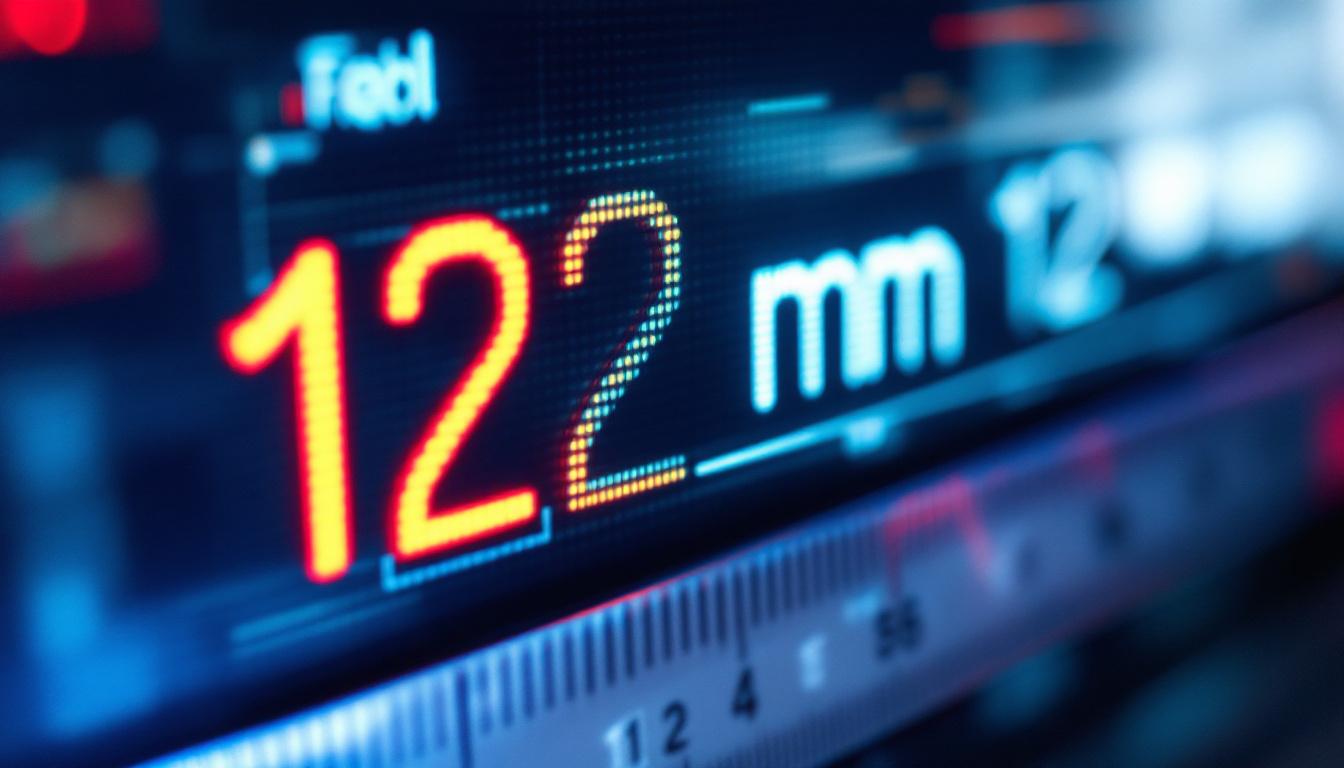
Indoor LED Displays are designed for controlled environments such as shopping malls, conference rooms, and stadium interiors. They typically have a higher pixel density, with pixel pitches as small as 0.9mm, allowing for close viewing distances and detailed images. Their brightness levels range between 800 to 1,200 nits, sufficient for indoor lighting conditions.
Outdoor LED Displays must withstand harsh weather conditions, including rain, dust, and extreme temperatures. They feature robust enclosures with IP65 or higher ratings for water and dust resistance. Their brightness levels are much higher, often exceeding 5,000 nits, to ensure visibility even under direct sunlight. The pixel pitch is generally larger (from 4mm to 20mm) because viewers tend to be farther away.
Fixed vs. Rental LED Displays
Another important classification is based on installation type:
- Fixed LED Displays: Permanently installed in a location, such as building facades, sports arenas, or retail stores. These are designed for long-term use and optimized for durability and maintenance.
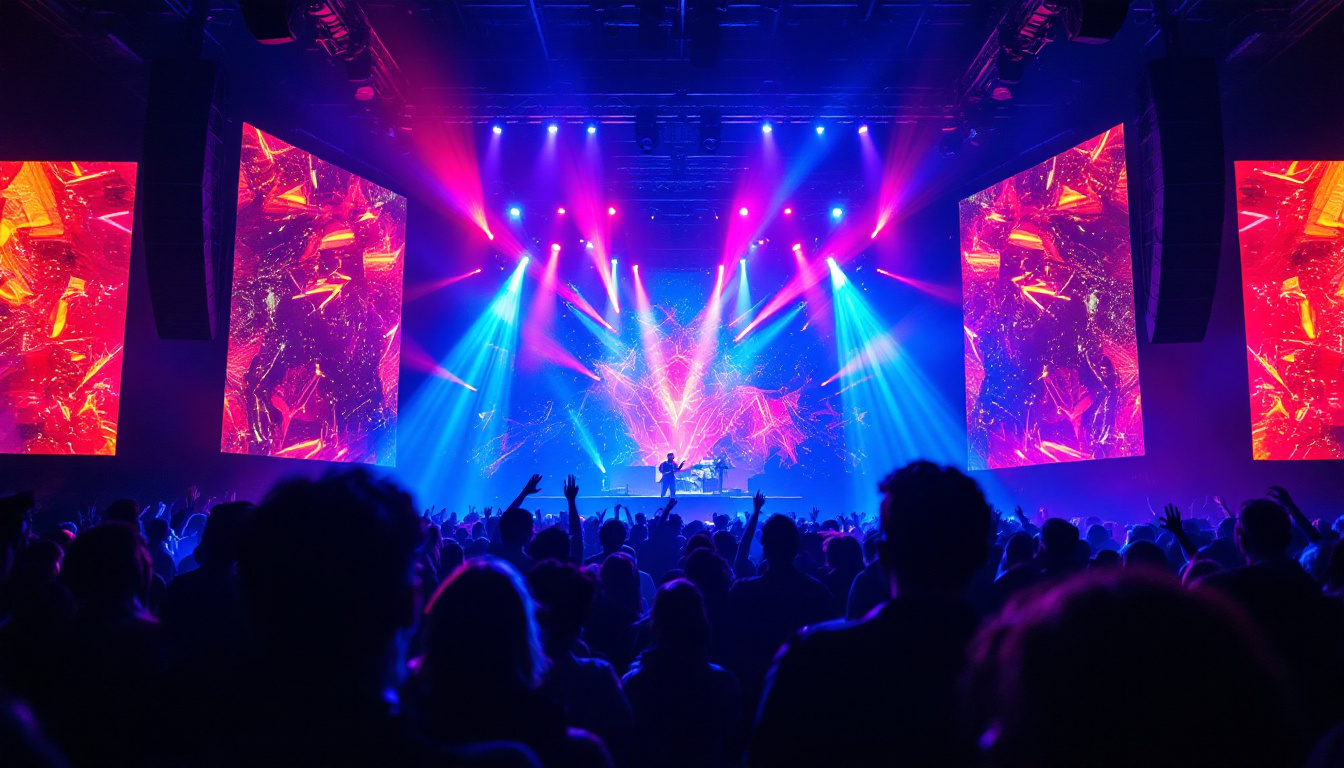
- Rental LED Displays: Portable and modular, designed for temporary events like concerts, trade shows, and exhibitions. They prioritize ease of assembly, lightweight materials, and quick setup.
Transparent and Flexible LED Displays
Innovations in LED technology have led to specialized displays that offer unique visual and structural properties.
Transparent LED Displays use a mesh or grid of LEDs embedded in glass or acrylic panels, allowing viewers to see through the display. This technology is popular for retail windows and architectural applications, where maintaining natural light and visibility is important.
Flexible LED Displays utilize bendable substrates, enabling curved or irregular installations. These displays open creative possibilities in interior design, advertising, and stage production.
Applications of LED Displays
Advertising and Marketing
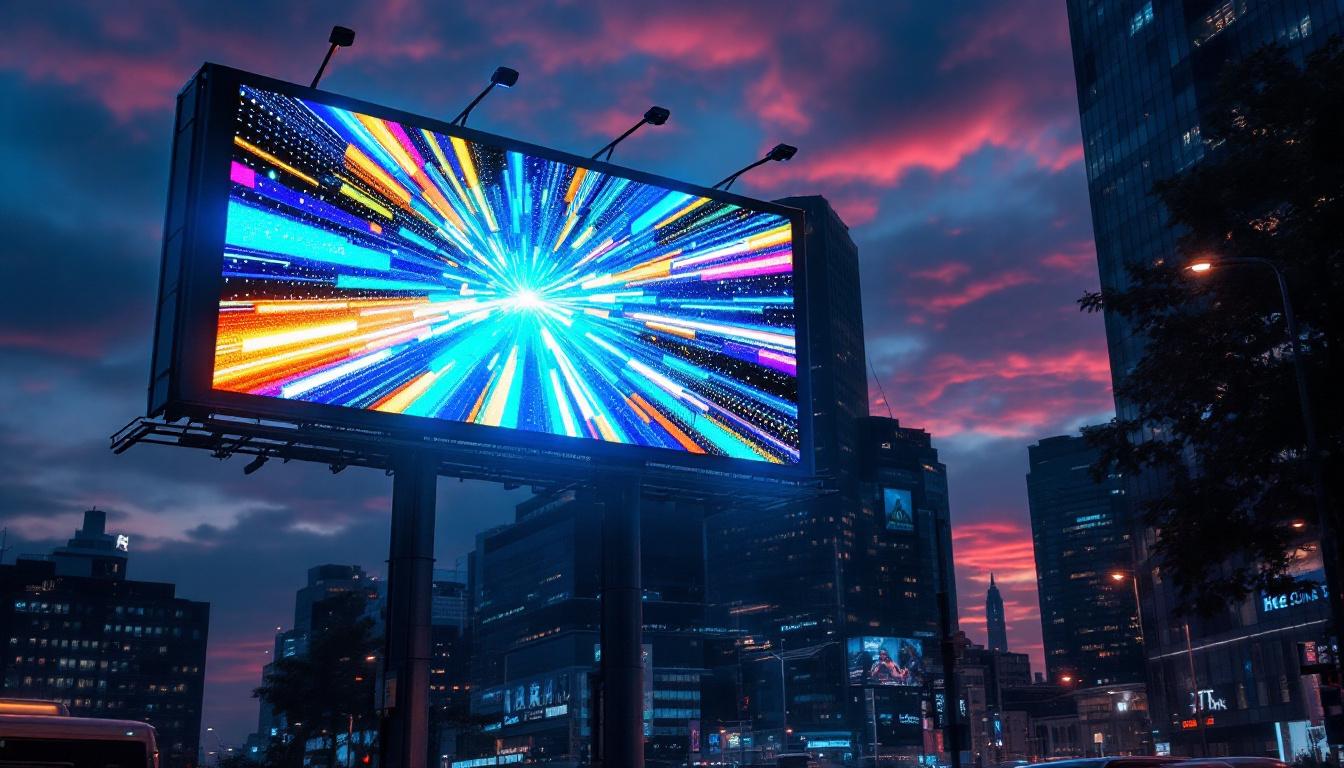
LED displays have revolutionized outdoor and indoor advertising by providing dynamic, eye-catching content that can be updated in real-time. Digital billboards leverage LED technology to show high-resolution videos, animations, and interactive content, significantly increasing engagement compared to static posters.
According to recent market research, the global digital signage market, driven largely by LED displays, is expected to grow at a compound annual growth rate (CAGR) of over 8% between 2023 and 2028. This growth underscores the increasing reliance of brands on LED displays for impactful marketing campaigns.
Sports and Entertainment Venues
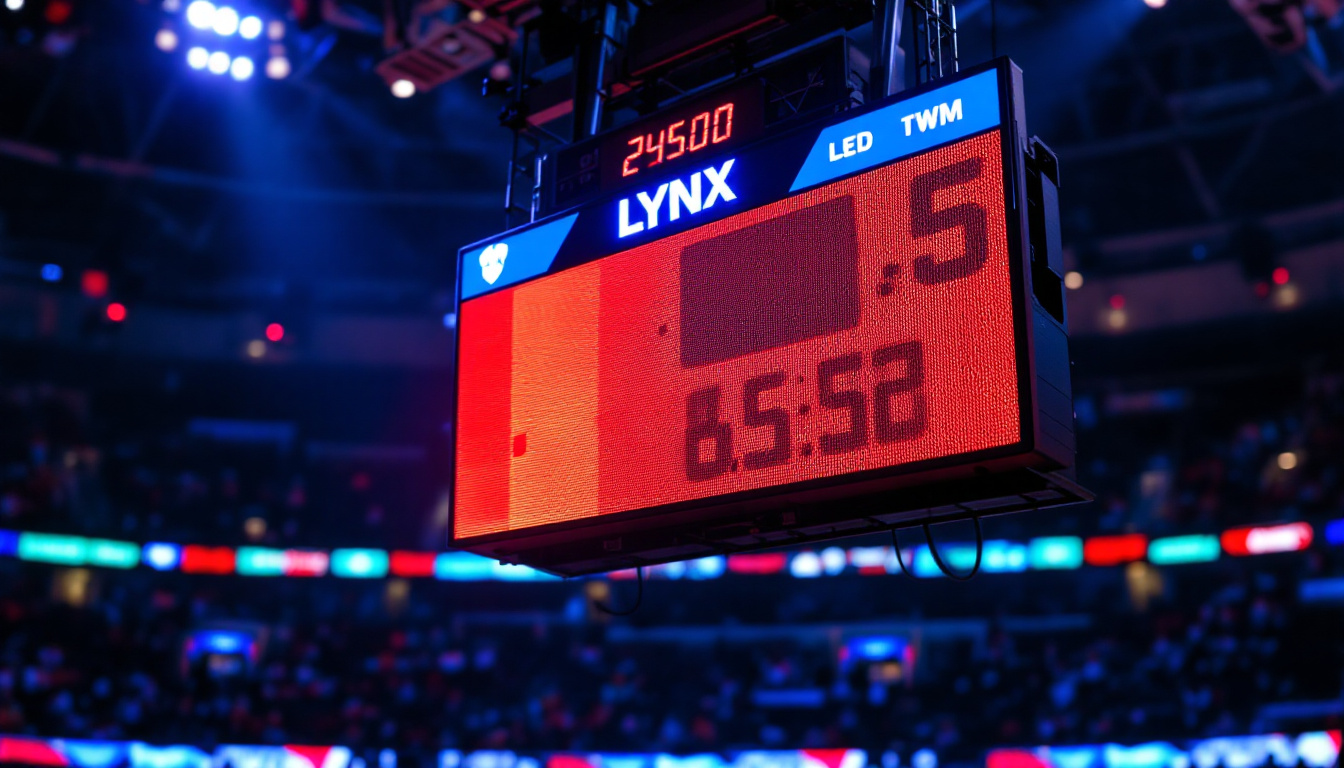
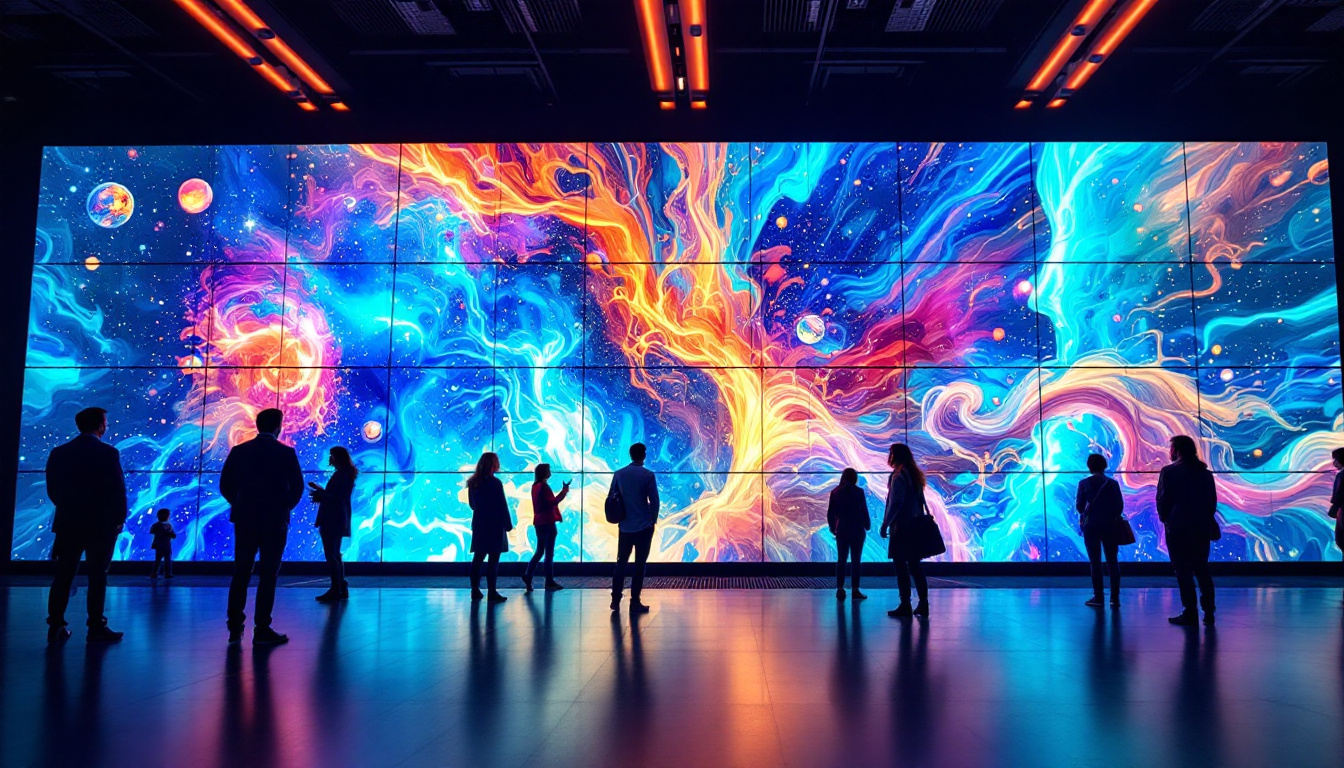
Stadiums and arenas use massive LED screens to enhance the spectator experience. From live game footage and instant replays to advertisements and fan engagement content, LED displays are integral to modern sports entertainment.
For example, the AT&T Stadium in Texas features one of the largest high-definition LED video boards globally, measuring approximately 160 feet wide and 72 feet tall, delivering crystal-clear images to tens of thousands of fans.
Transportation and Public Information
Airports, train stations, and bus terminals rely on LED displays for real-time information dissemination. Their high brightness and visibility ensure travelers can easily access schedules, alerts, and directions, improving overall efficiency and safety.
Additionally, LED displays are increasingly used in smart city initiatives to provide dynamic traffic management, emergency notifications, and environmental monitoring data.
Retail and Hospitality
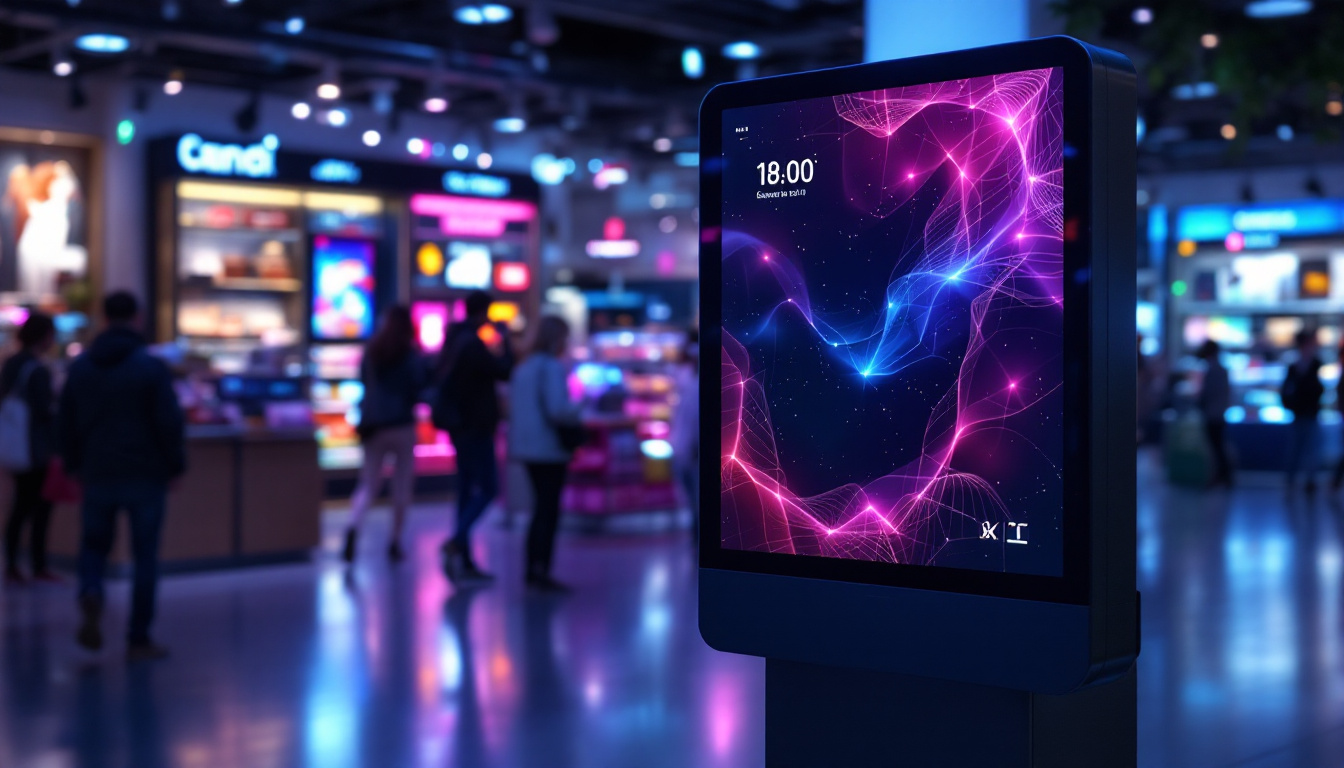
Retailers use LED displays to create immersive shopping environments, showcasing promotions, product information, and brand stories. Hotels and restaurants integrate LED screens for digital menus, event announcements, and ambient visuals, enhancing customer engagement.
Advantages of LED Displays
Superior Brightness and Visibility
One of the most significant advantages of LED displays is their exceptional brightness. Outdoor LED screens can reach brightness levels above 7,000 nits, ensuring clear visibility even in direct sunlight. This capability is crucial for outdoor advertising and public information systems.
Energy Efficiency and Longevity
LED technology is inherently energy-efficient compared to traditional display technologies. LEDs consume less power while providing higher brightness, translating to lower operational costs. Additionally, LEDs have a long lifespan, often exceeding 100,000 hours of operation, reducing maintenance and replacement expenses.
Flexibility and Scalability
LED displays are modular, allowing for custom sizes and shapes. This scalability makes them suitable for a wide range of applications, from small indoor screens to massive outdoor billboards. The modular design also facilitates easier repairs and upgrades.
High Refresh Rates and Color Accuracy
With refresh rates often exceeding 3,000 Hz, LED displays deliver smooth motion without flicker, which is essential for video content and live broadcasts. Their precise color calibration ensures vibrant and accurate color reproduction, enhancing viewer experience.
Challenges and Considerations
Initial Investment and Installation
Despite their benefits, LED displays can require significant upfront investment. High-resolution, large-scale LED installations involve considerable costs for hardware, installation, and integration. However, the total cost of ownership often balances out due to energy savings and long-term durability.
Environmental Impact and Heat Management
LED displays generate heat during operation, necessitating effective thermal management systems to maintain performance and longevity. Additionally, the environmental impact of manufacturing and disposing of LED components is an ongoing concern, prompting manufacturers to adopt sustainable practices.
Pixel Pitch and Viewing Distance
Choosing the appropriate pixel pitch is critical for image clarity. A smaller pixel pitch delivers higher resolution but increases cost. Understanding the typical viewing distance helps optimize the balance between resolution and budget.
The Future of LED Display Technology
MicroLED and MiniLED Innovations
Emerging technologies like MicroLED and MiniLED promise to push LED display performance even further. MicroLEDs are microscopic LEDs that offer superior brightness, contrast, and energy efficiency, rivaling OLED displays but with better durability.
MiniLED technology uses smaller LEDs to improve backlighting in LCD panels, enhancing contrast and color accuracy. These advancements are expected to drive the next generation of high-performance displays in consumer electronics and professional signage.
Integration with Smart Technologies
LED displays are increasingly integrated with IoT (Internet of Things) and AI-driven content management systems. This integration enables real-time data-driven content updates, personalized advertising, and interactive user experiences.
For instance, smart LED billboards can adjust brightness based on ambient light, change content based on audience demographics, or display emergency alerts automatically, enhancing their utility and effectiveness.
Sustainability and Eco-Friendly Designs
As environmental concerns grow, manufacturers are focusing on eco-friendly materials, energy-efficient designs, and recycling programs for LED displays. Innovations in biodegradable components and low-power operation are expected to make LED technology more sustainable in the coming years.
Conclusion
LED displays have transformed the landscape of visual communication, offering unmatched brightness, versatility, and durability. Understanding the technology behind LED displays, their types, applications, and future trends is essential for businesses and organizations looking to leverage this powerful medium.
Whether for advertising, entertainment, public information, or retail, LED displays provide dynamic and engaging solutions that meet the demands of modern audiences. As technology continues to advance, LED displays will remain at the forefront of innovation, shaping how people experience digital content worldwide.
Explore the Future of Visual Communication with LumenMatrix
Ready to elevate your visual messaging with the latest in LED display technology? Discover LumenMatrix’s comprehensive range of LED display solutions, from Indoor and Outdoor LED Wall Displays to innovative Transparent and Custom LED Displays. Each product is crafted to captivate your audience and amplify your brand’s presence. Embrace the future of digital signage with LumenMatrix and create unforgettable visual experiences. Check out LumenMatrix LED Display Solutions today and transform the way you communicate with your audience.