In today’s world, LED lights have become an integral part of our daily lives, from the screens we use to the lighting that illuminates our homes and cities. But what exactly does “LED” mean, and how do LED displays work? This article delves into the meaning of LED lights, explores the technology behind LED displays, and explains their applications, benefits, and future trends. Whether you’re a technology enthusiast, a business owner considering digital signage, or simply curious about the glowing screens around you, this comprehensive guide will illuminate everything you need to know.
Understanding LED: What Does LED Stand For?
LED stands for Light Emitting Diode. It is a semiconductor device that emits light when an electric current passes through it. Unlike traditional incandescent bulbs that produce light by heating a filament, LEDs generate light through electroluminescence—a process where electrons recombine with electron holes within the device, releasing energy in the form of photons.
Invented in the early 1960s, LEDs were initially used as indicator lights on electronic devices. Their efficiency, longevity, and compact size have since led to widespread adoption in various lighting and display applications. Today, LEDs are found in everything from household lighting and automotive headlights to large-scale digital billboards and smartphone screens.
The Science Behind LED Technology
At the heart of an LED is a chip made from semiconductor materials such as gallium arsenide or gallium phosphide. When voltage is applied, electrons move across the chip and release energy in the form of light. The color of the light depends on the semiconductor material and the energy band gap, which determines the wavelength of the emitted photons.
Modern LEDs can produce a broad spectrum of colors, including red, green, blue, and white. White LEDs are typically created by combining blue LEDs with phosphor coatings that convert some of the blue light into other colors, resulting in a balanced white light.
What Is an LED Display?
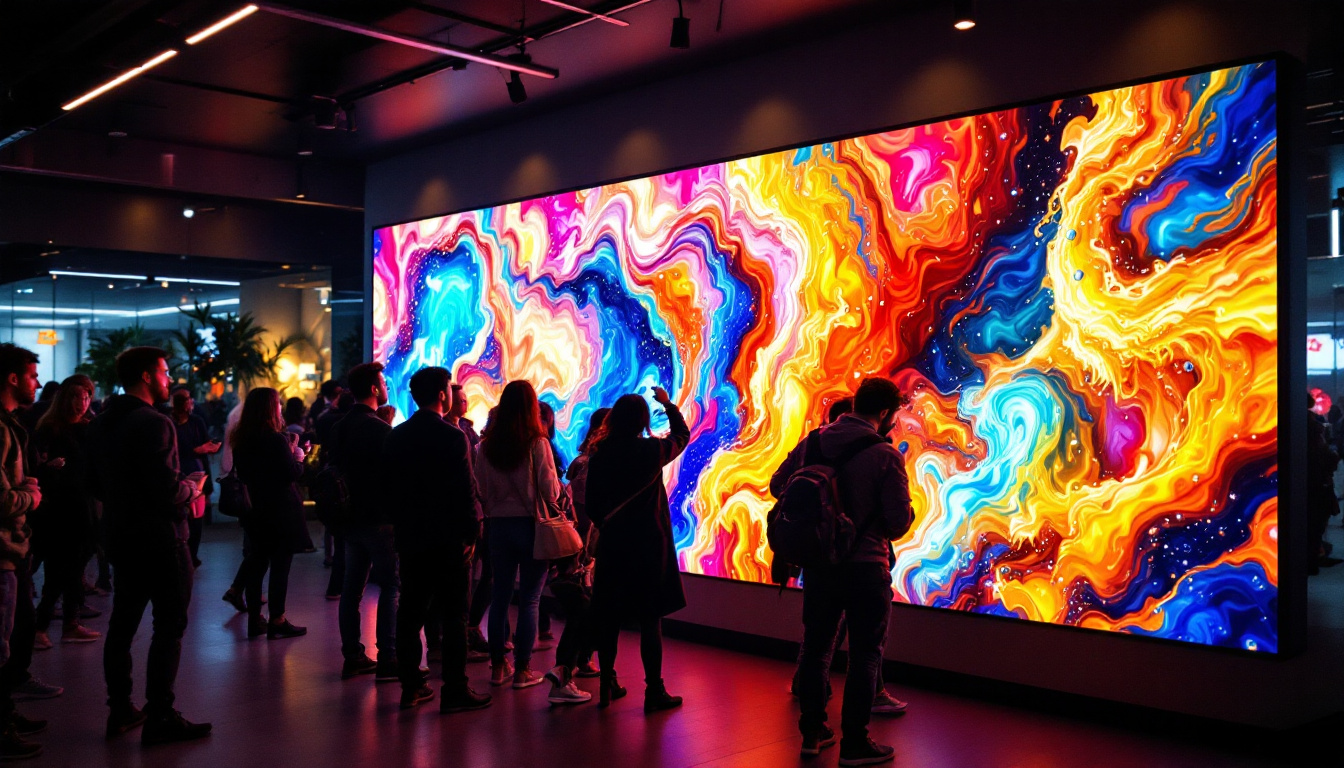
An LED display is a flat panel display that uses an array of light-emitting diodes as pixels for a video display. These displays are known for their brightness, energy efficiency, and durability, making them ideal for both indoor and outdoor applications.
LED displays can range from small indicator panels to massive video walls used in stadiums and public spaces. The technology behind these displays allows for vibrant colors, high contrast ratios, and excellent visibility even in direct sunlight.
Types of LED Displays
There are several types of LED displays, each designed for specific uses and environments:
- Direct View LED Displays: These are composed of thousands of tiny LEDs arranged in a matrix. Each LED acts as a pixel, producing light directly. This type is commonly used in large outdoor screens, digital billboards, and stadium displays.
- LED Backlit LCD Displays: These use LEDs as a backlight source behind an LCD panel. This combination enhances brightness and color accuracy, commonly seen in televisions, computer monitors, and smartphones.
- OLED Displays: Organic Light Emitting Diode (OLED) displays differ from traditional LEDs by using organic compounds that emit light when an electric current is applied. OLEDs offer superior contrast and flexibility but are typically more expensive.
How LED Displays Work
In a direct view LED display, each pixel consists of one or more LEDs that emit red, green, and blue light. By adjusting the intensity of these primary colors, the display can produce a full spectrum of colors. The LEDs are controlled by a driver circuit that receives video signals and modulates the LEDs accordingly.
Pixel pitch—the distance between the centers of two adjacent pixels—is a critical factor in LED display quality. Smaller pixel pitches result in higher resolution and sharper images, making them suitable for close viewing distances. Conversely, larger pixel pitches are used for displays viewed from afar, such as highway billboards.
Applications of LED Displays
LED displays have transformed the way information and advertisements are presented across various industries. Their versatility and performance have made them a preferred choice in many sectors.
Advertising and Digital Signage
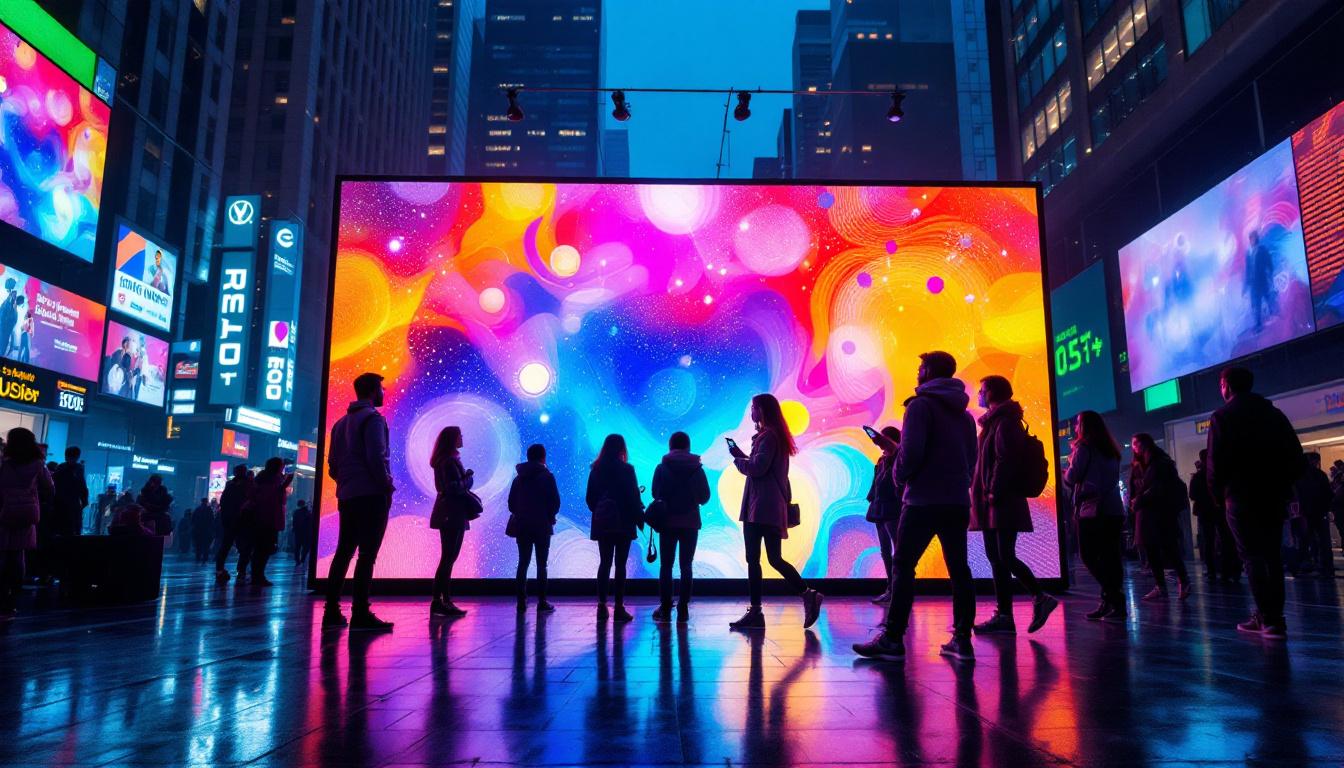
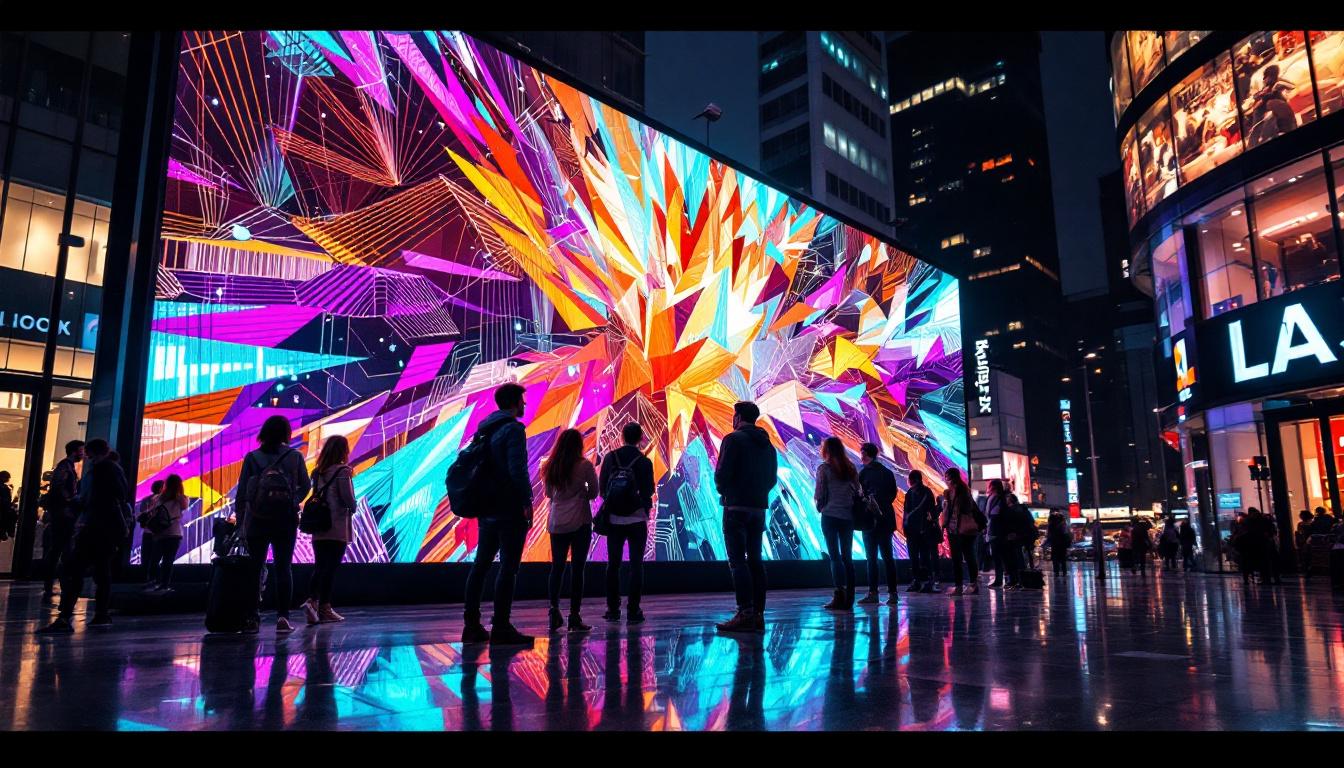
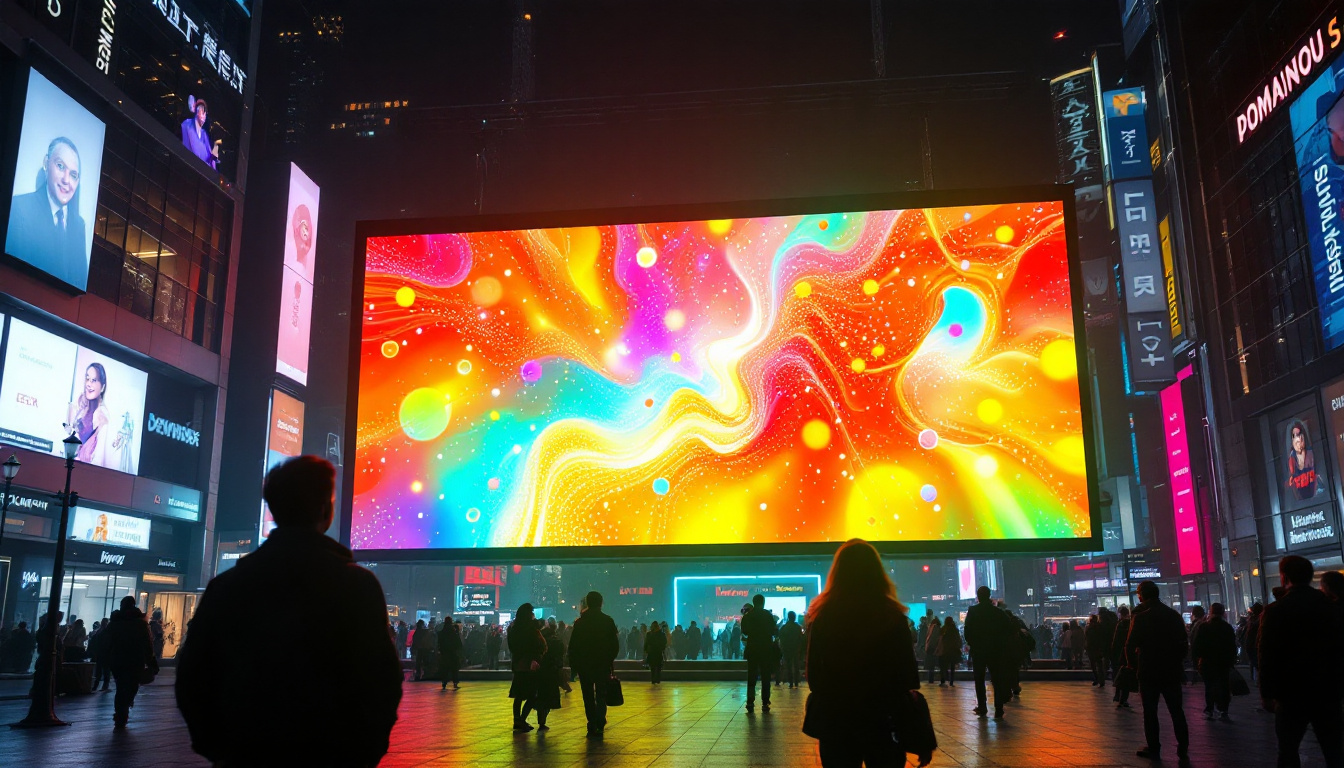
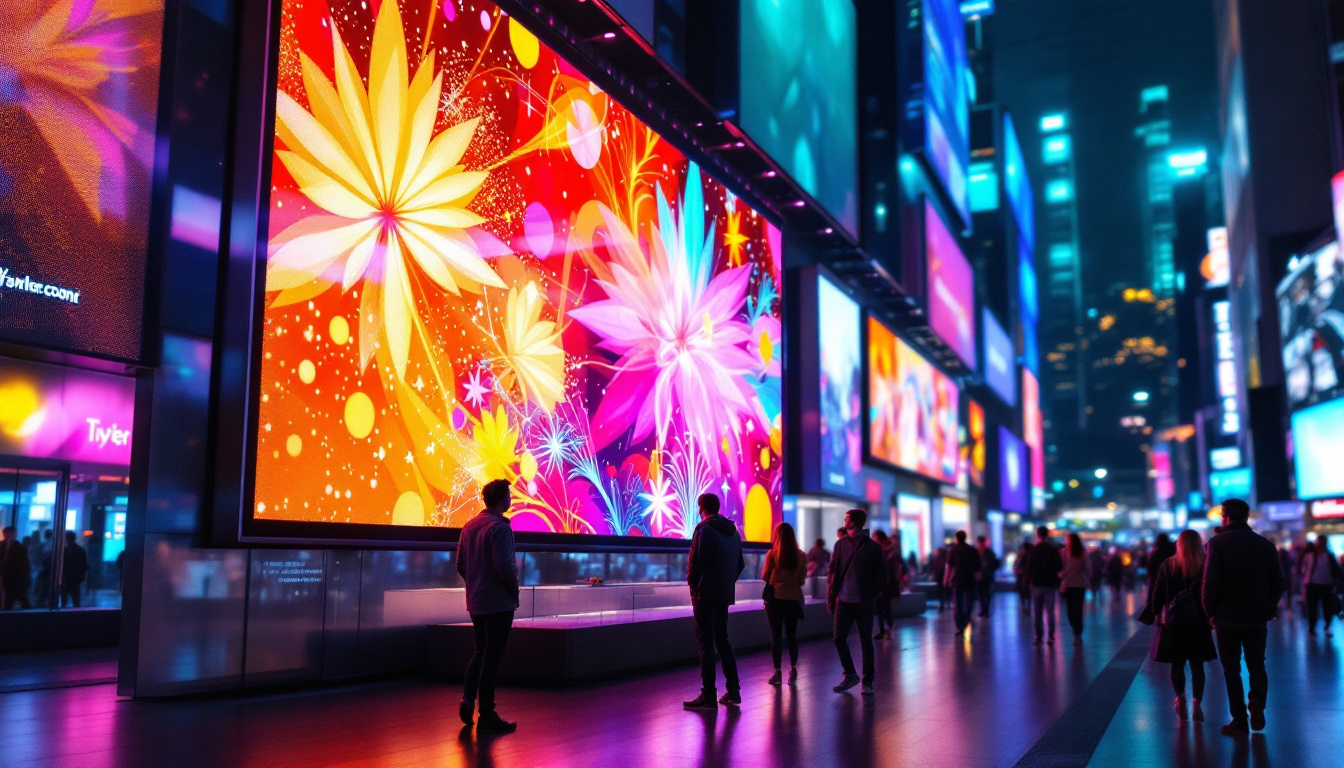
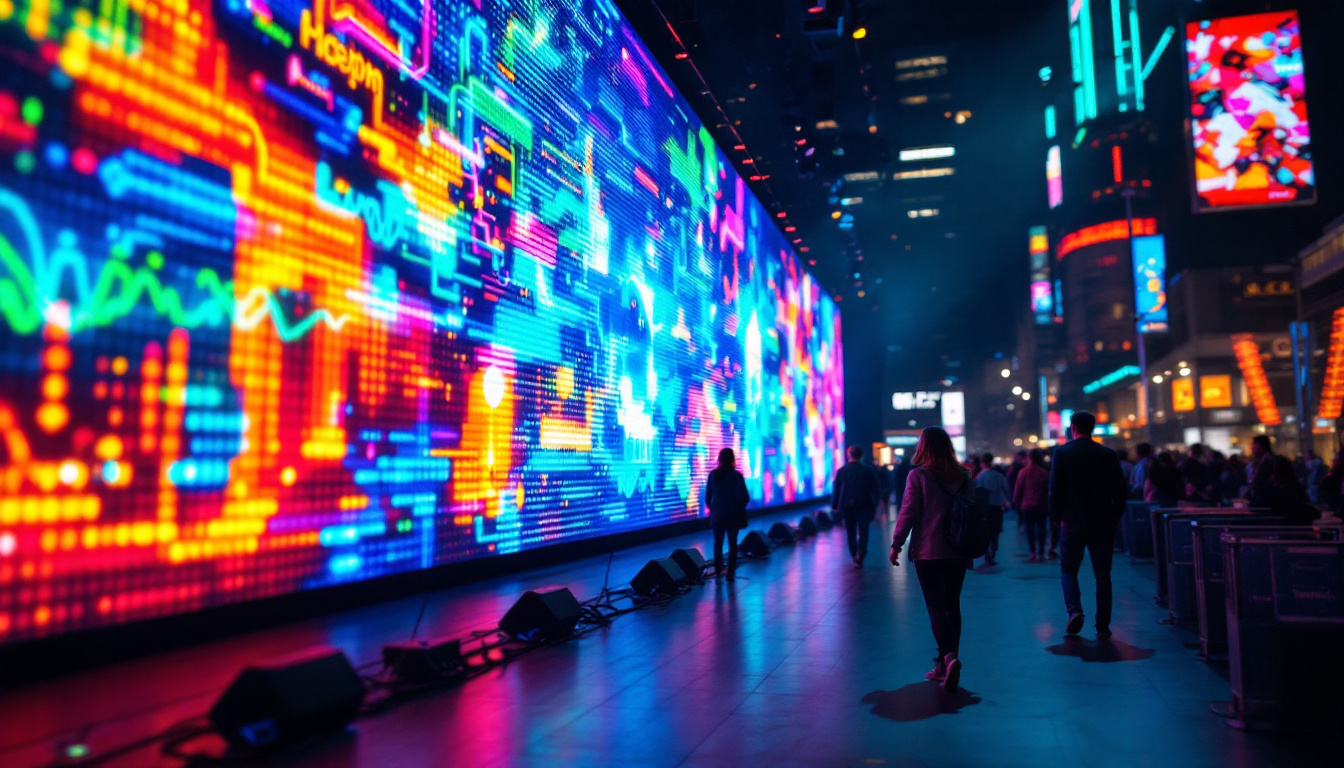
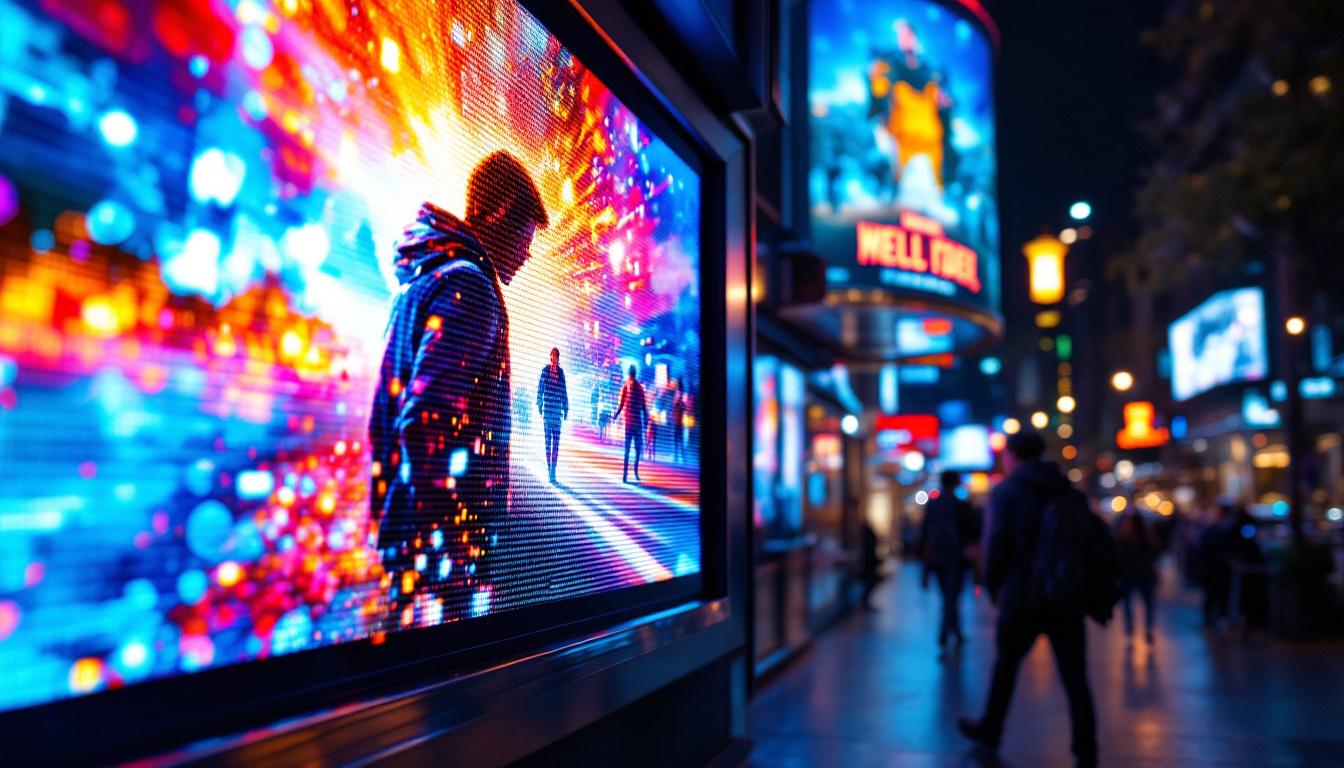
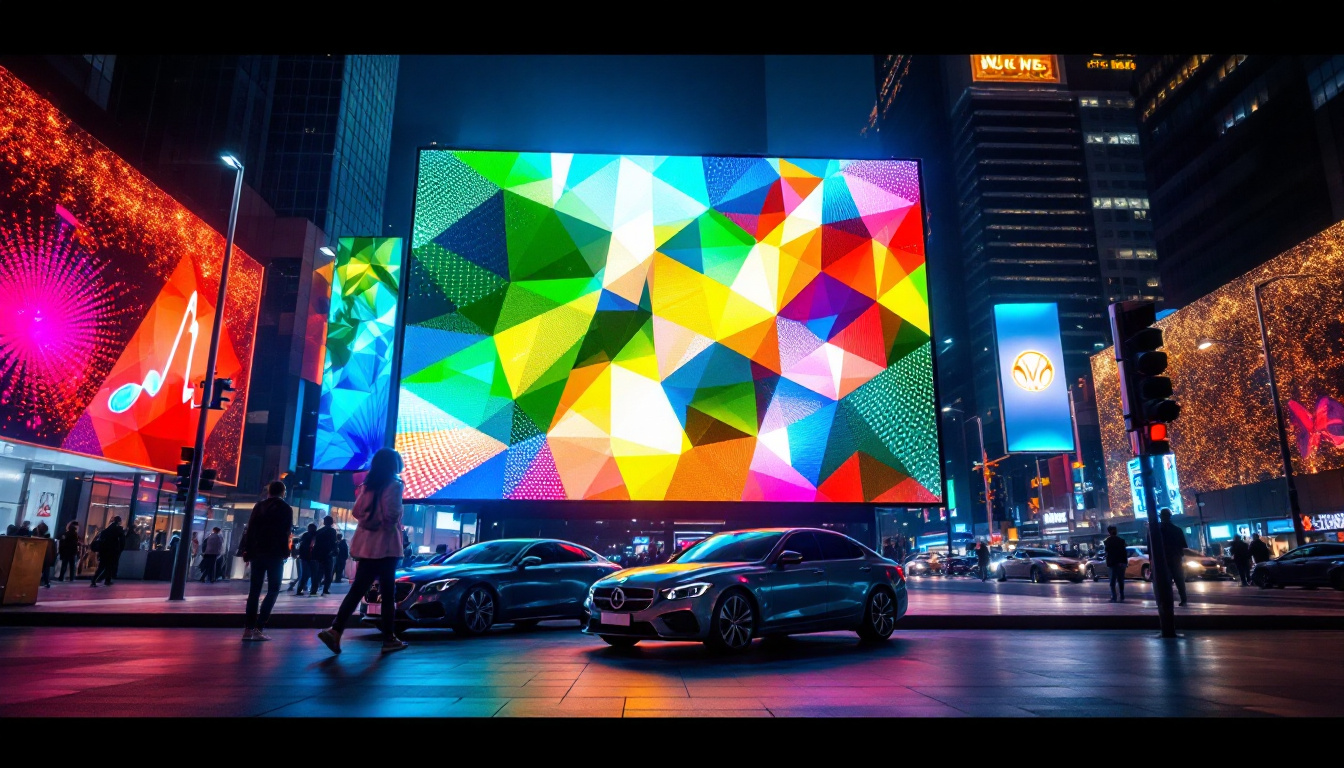
One of the most visible uses of LED displays is in advertising. Digital billboards equipped with LED panels offer dynamic content that can be updated remotely and in real-time. This flexibility allows advertisers to target specific audiences with tailored messages, increasing engagement and effectiveness.
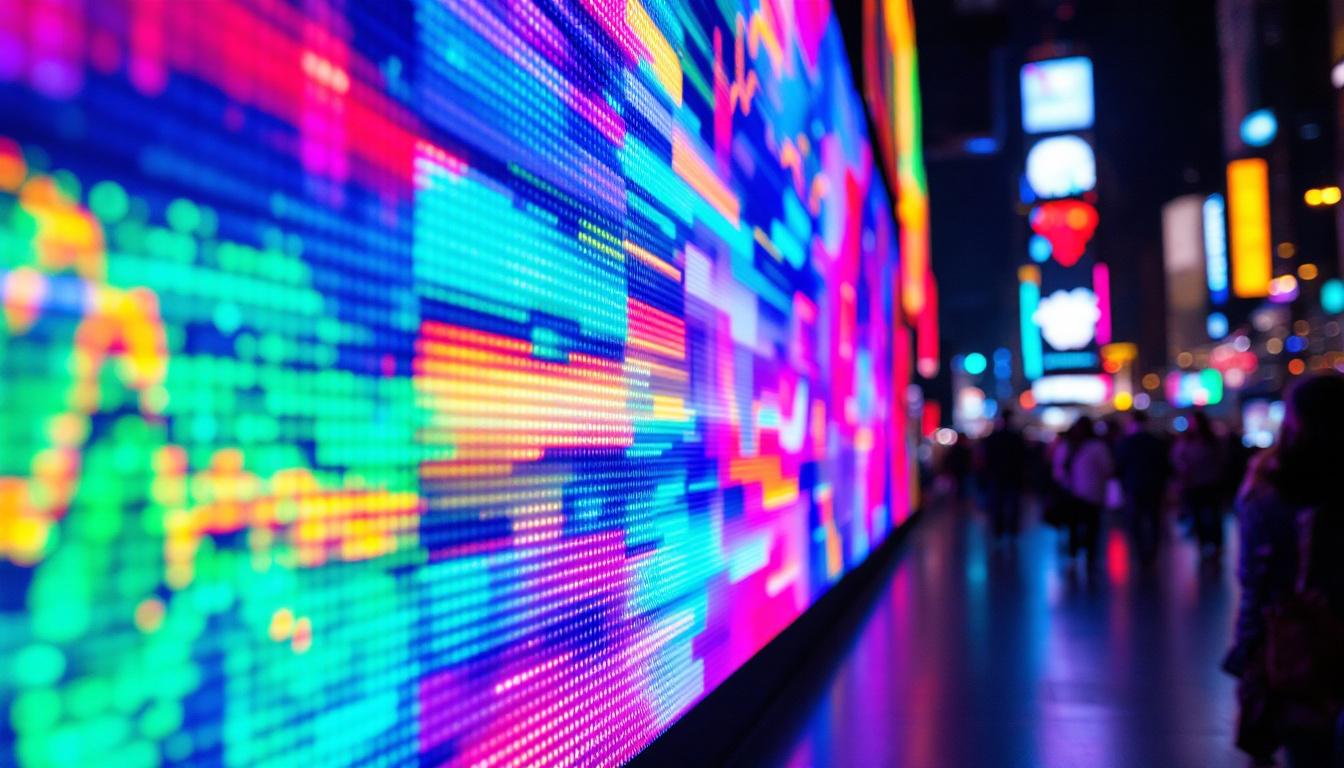
For example, Times Square in New York City is renowned for its massive LED billboards that light up the area with vibrant advertisements and announcements. Similarly, shopping malls and retail stores use LED signage to attract customers and promote products.
Sports and Entertainment Venues
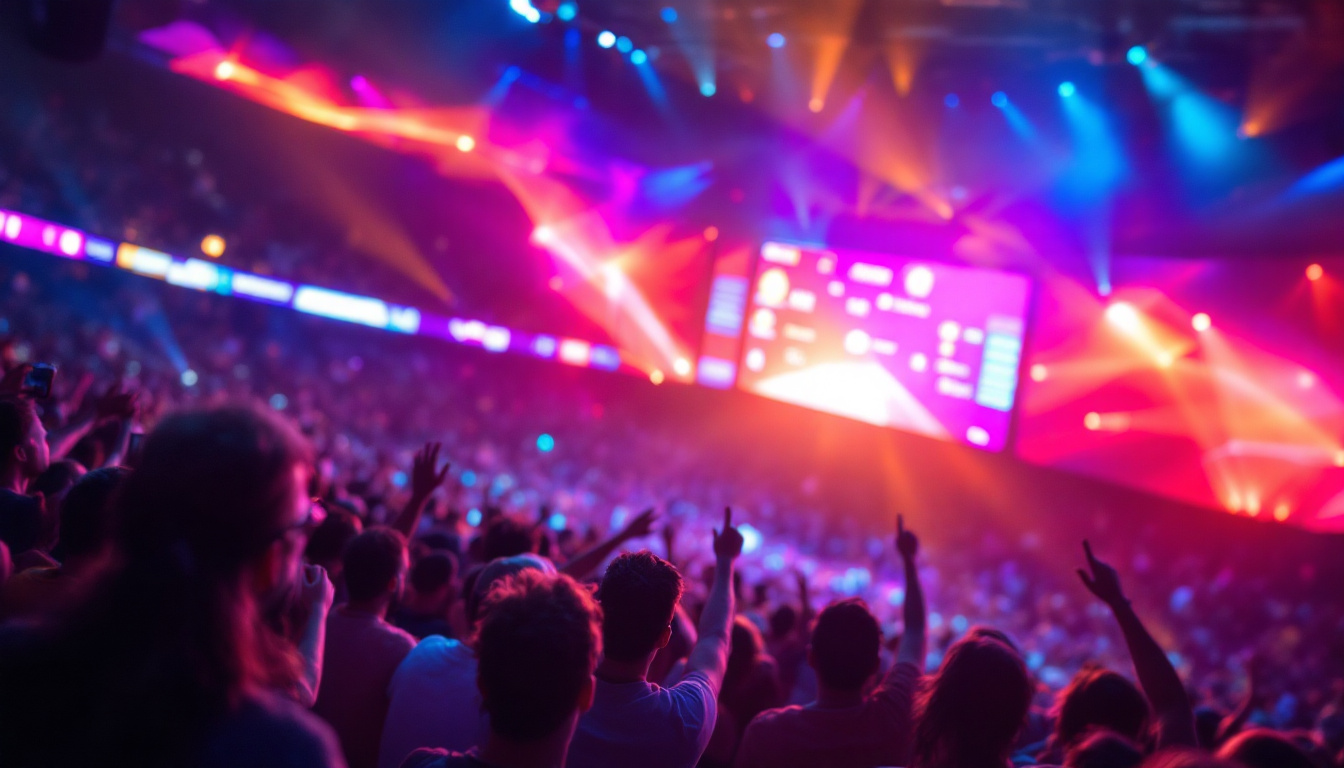
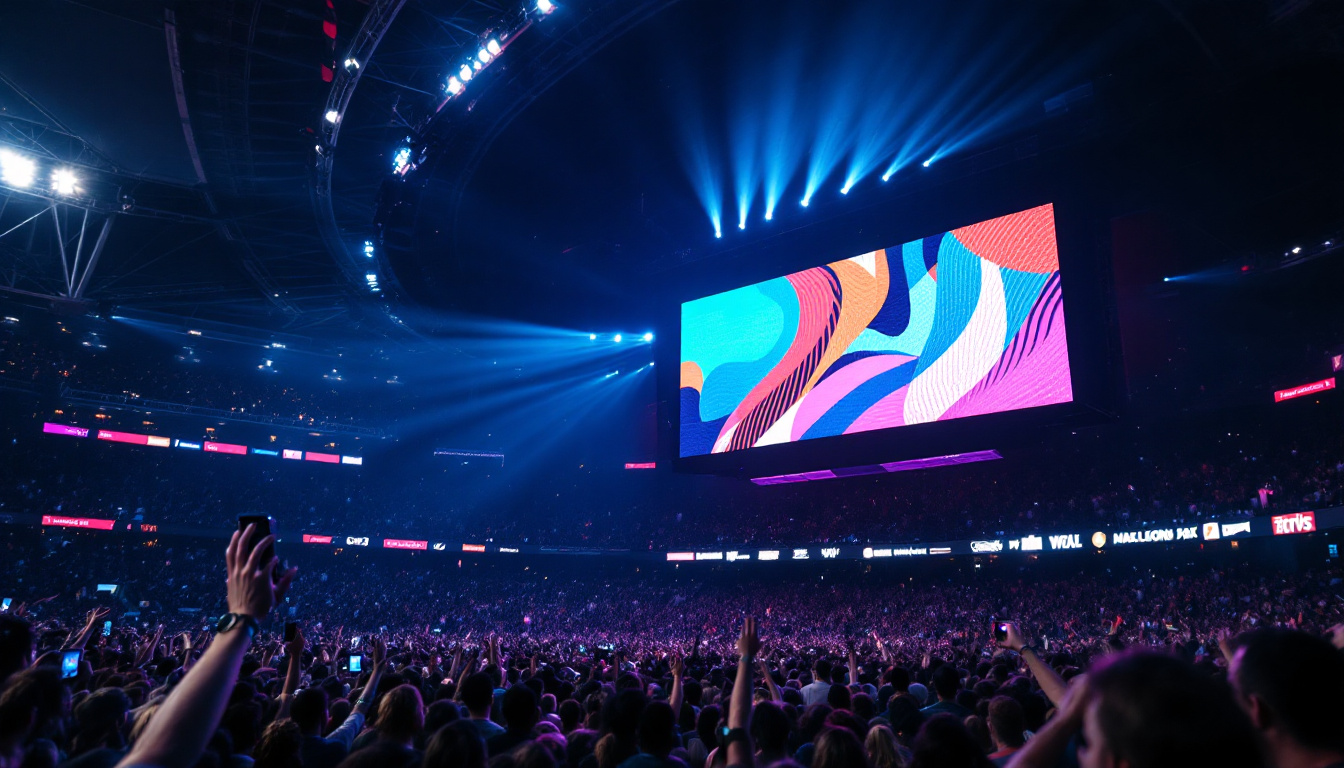
Stadiums and arenas employ large LED video walls to enhance the spectator experience. These displays provide live game footage, instant replays, scores, and interactive content. The brightness and clarity of LED displays ensure visibility even under bright daylight conditions.
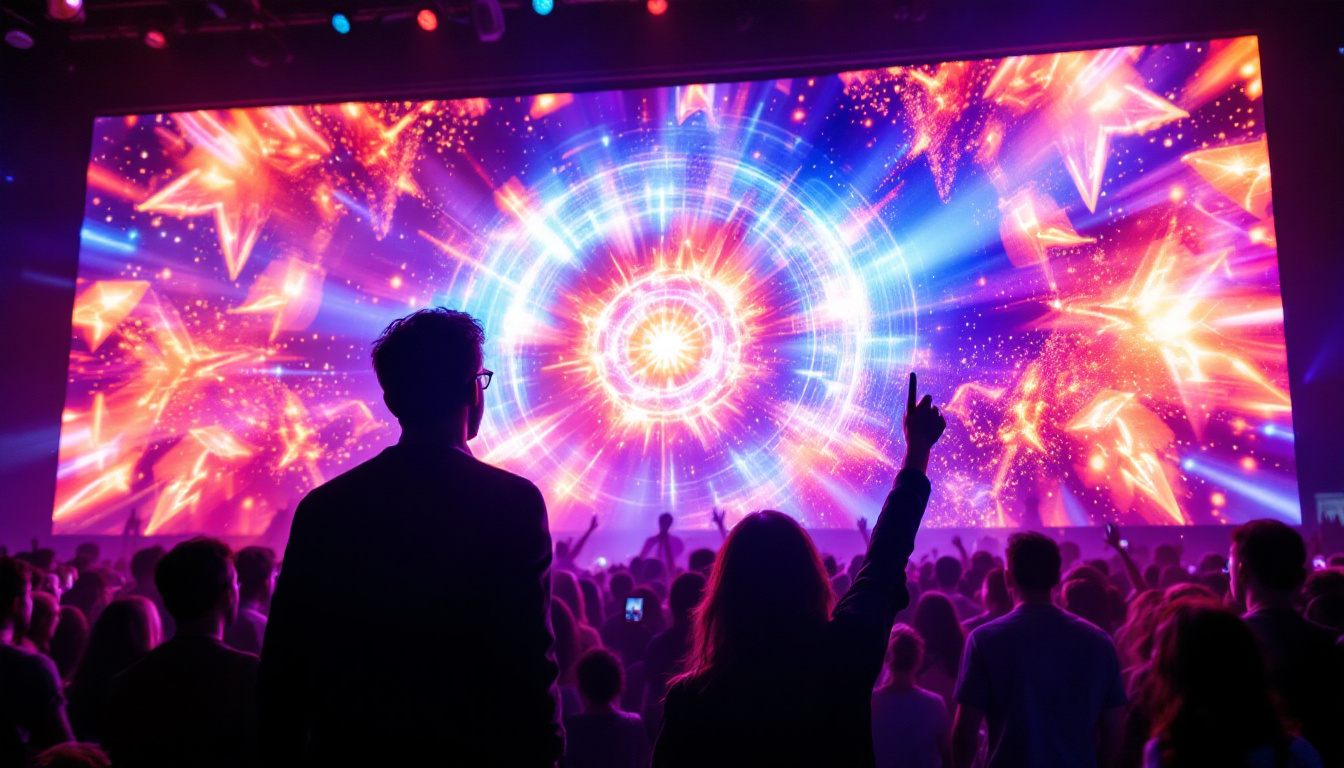
Concerts and events also utilize LED screens to create immersive visual effects that synchronize with performances, making the experience more engaging for audiences.
Transportation and Public Information
LED displays are widely used in transportation hubs such as airports, train stations, and bus terminals. They provide real-time updates on schedules, delays, and safety information. Their reliability and visibility make them ideal for critical communication in public spaces.
Additionally, traffic management systems use LED signage to convey warnings, speed limits, and route information to drivers, enhancing road safety.
Residential and Commercial Lighting
Beyond displays, LED technology has revolutionized lighting. LED bulbs consume significantly less energy compared to incandescent and fluorescent lights, reducing electricity costs and environmental impact. They also have longer lifespans, sometimes exceeding 25,000 hours of use.
Smart LED lighting systems can be controlled remotely and programmed to adjust brightness and color temperature, improving comfort and energy efficiency in homes and offices.
Benefits of LED Displays Over Traditional Technologies
LED displays offer several advantages compared to older display technologies such as cathode ray tubes (CRT) and plasma screens, as well as traditional lighting solutions.
Energy Efficiency and Environmental Impact
LEDs are highly energy-efficient, converting a greater percentage of electricity into light rather than heat. This efficiency translates into lower operating costs and reduced carbon footprints. According to the U.S. Department of Energy, LEDs use at least 75% less energy and last 25 times longer than incandescent lighting.
Furthermore, LEDs do not contain hazardous materials like mercury, which is present in fluorescent lamps, making them safer for disposal and recycling.
Durability and Longevity
LEDs are solid-state devices, meaning they have no fragile filaments or glass tubes. This construction makes them resistant to shock, vibration, and extreme temperatures. As a result, LED displays and lights have longer operational lifespans and require less maintenance.
Superior Display Quality
LED displays provide high brightness, excellent color accuracy, and wide viewing angles. Their fast response times eliminate motion blur, which is essential for video playback and gaming applications. Additionally, LED technology supports flexible and curved display designs, expanding creative possibilities.
Cost-Effectiveness Over Time
While the initial investment in LED displays and lighting may be higher than traditional options, the long-term savings in energy and maintenance costs make LEDs more economical. Businesses and municipalities often see a return on investment within a few years of switching to LED technology.
Challenges and Considerations in LED Display Use
Despite their many advantages, LED displays come with certain challenges that users and installers should consider.
Initial Cost and Installation Complexity
The upfront cost of high-quality LED displays can be significant, especially for large-scale installations. Additionally, installation requires careful planning to ensure proper power supply, heat dissipation, and structural support.
Choosing the right pixel pitch, brightness level, and control system is essential to optimize performance and avoid overspending on unnecessary features.
Heat Management
Although LEDs are more efficient than traditional light sources, they still generate heat that must be managed to maintain performance and longevity. Effective heat sinks and ventilation are critical components of LED display design.
Color Calibration and Uniformity
Maintaining consistent color and brightness across an entire LED display can be challenging, especially in large video walls composed of multiple panels. Regular calibration and quality control are necessary to ensure a uniform viewing experience.
The Future of LED Displays
LED technology continues to evolve rapidly, driven by advances in materials science, manufacturing, and digital control systems. Emerging trends promise to further enhance the capabilities and applications of LED displays.
MicroLED and MiniLED Innovations
MicroLED and MiniLED technologies represent the next generation of LED displays. MicroLEDs are tiny LEDs that can be individually controlled, offering higher resolution, better brightness, and improved energy efficiency compared to traditional LEDs. MiniLEDs are slightly larger but still provide enhanced contrast and local dimming capabilities for LCD backlighting.
These innovations are expected to compete with OLED displays by combining the best attributes of both technologies.
Flexible and Transparent Displays
Advances in flexible LED substrates enable the creation of curved, foldable, and even transparent displays. These new form factors open up possibilities for innovative designs in architecture, automotive dashboards, wearable devices, and augmented reality applications.
Integration with Smart Technologies
LED displays are increasingly integrated with Internet of Things (IoT) platforms and artificial intelligence (AI) to enable dynamic content delivery, audience analytics, and interactive experiences. Smart LED signage can adapt in real-time to environmental conditions, user behavior, and marketing strategies.
Conclusion
LED lights and displays have transformed the way we illuminate spaces and communicate visually. Understanding the meaning of LED and the technology behind LED displays reveals why they have become the preferred choice across industries worldwide. Their energy efficiency, durability, and superior display quality offer compelling advantages over traditional technologies.
As LED technology continues to advance, its applications will expand, bringing brighter, smarter, and more versatile displays into everyday life. Whether for advertising, entertainment, transportation, or residential lighting, LED displays represent a vibrant and sustainable future in visual technology.
Illuminate Your World with LumenMatrix
Ready to elevate your visual communication with unparalleled clarity and vibrancy? Discover LumenMatrix’s innovative LED display solutions, where cutting-edge technology meets creative design. From captivating Indoor and Outdoor LED Wall Displays to dynamic Vehicle and Sports Displays, LumenMatrix offers a wide range of options to bring your brand to life. Experience the future of digital signage with our Custom, All-in-One, and Transparent LED Displays, designed to engage and inspire. Check out LumenMatrix LED Display Solutions today and transform your space into a beacon of innovation.