In today’s digital era, LED displays have become a cornerstone of visual communication, transforming how information and media are presented across various industries. From vibrant advertising billboards to sophisticated control rooms and immersive entertainment venues, LED screens deliver unparalleled brightness, color accuracy, and flexibility. This article delves into the technology behind LED displays, their types, applications, and the factors driving their rapid adoption worldwide.
Understanding LED Display Technology
LED stands for Light Emitting Diode, a semiconductor device that emits light when an electric current passes through it. Unlike traditional display technologies such as LCD (Liquid Crystal Display) or plasma screens, LED displays use tiny LEDs as individual pixels to produce images. This fundamental difference offers several advantages, including higher brightness, better energy efficiency, and longer lifespan.
How LED Screens Work
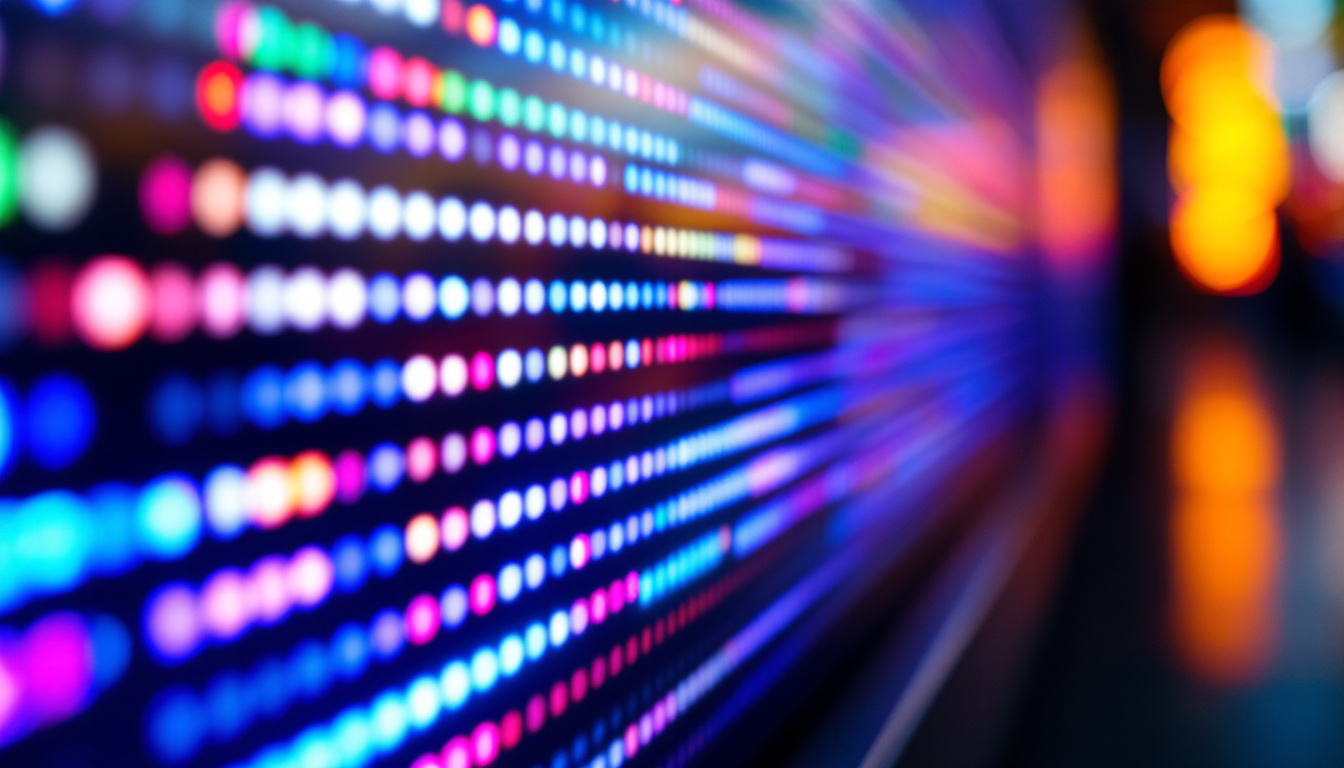
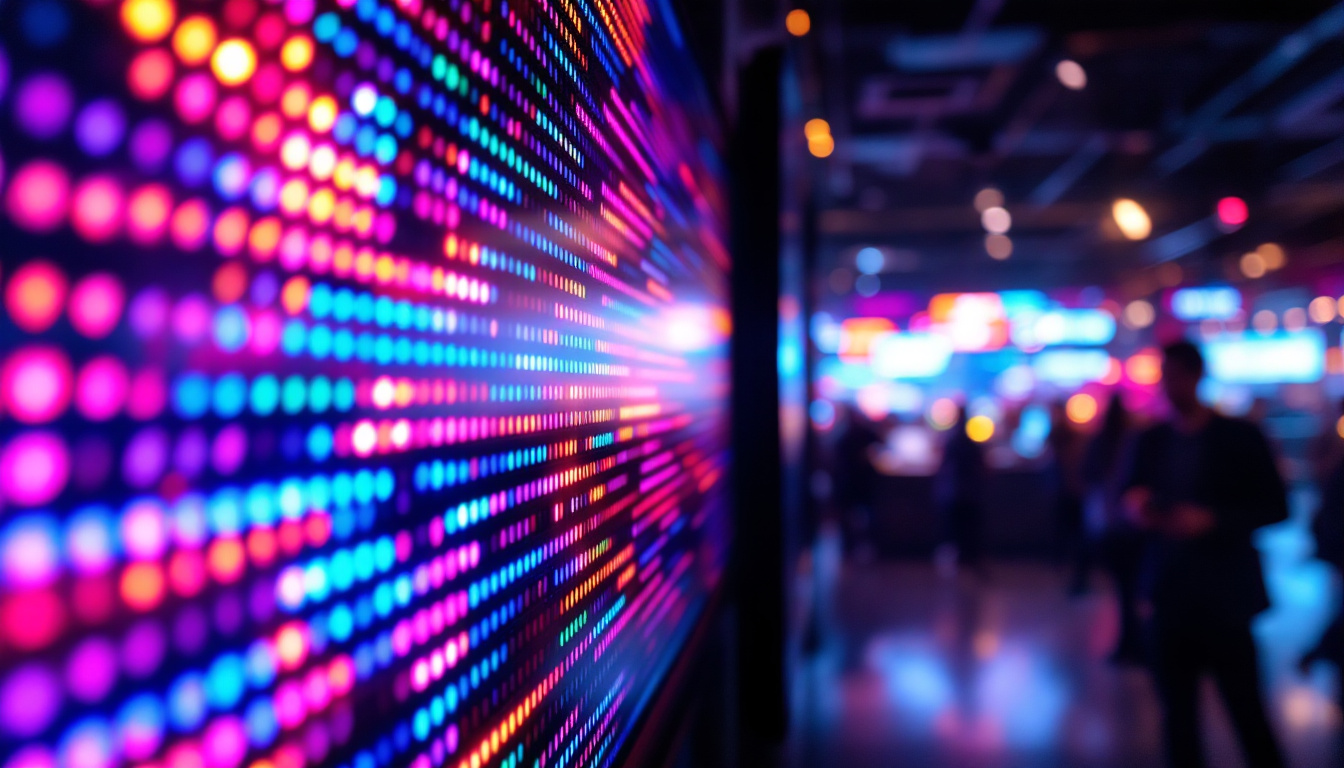
Each pixel on an LED screen is composed of one or more LEDs, typically red, green, and blue (RGB). By varying the intensity of these three colors, the screen can reproduce a broad spectrum of colors. The LEDs are arranged in a grid, and the display controller manages which LEDs light up and at what brightness to form the desired image or video.
The brightness of LED screens is measured in nits, with many outdoor LED displays capable of reaching 5,000 nits or more, making them visible even in direct sunlight. This high luminance level is a key reason LED screens outperform other technologies in outdoor environments. Additionally, the rapid response time of LEDs allows for smooth motion rendering, making them ideal for dynamic content such as sports broadcasts and video games.
Types of LED Displays
LED displays are generally categorized into two main types: direct view LED displays and LED-backlit LCDs. Direct view LED displays use LEDs as the light source and image pixels themselves, while LED-backlit LCDs use LEDs only as a backlight behind an LCD panel.
Direct view LED displays are further divided based on pixel pitch—the distance between the centers of two adjacent pixels. Smaller pixel pitch (e.g., 1.2mm to 2.5mm) is used for indoor screens requiring high resolution, while larger pixel pitch (e.g., 4mm to 20mm) suits outdoor applications where viewers are farther away. The choice of pixel pitch is crucial not only for image clarity but also for cost-effectiveness, as smaller pixel pitches can significantly increase production costs. Furthermore, advancements in technology have led to the development of flexible LED displays, which can be curved or shaped to fit unique installations, expanding the creative possibilities for designers and advertisers alike.
Applications of LED Displays Across Industries
The versatility of LED displays has led to their widespread adoption across numerous sectors. Their ability to deliver bright, dynamic content with excellent visibility makes them ideal for both commercial and professional uses.
Advertising and Digital Signage
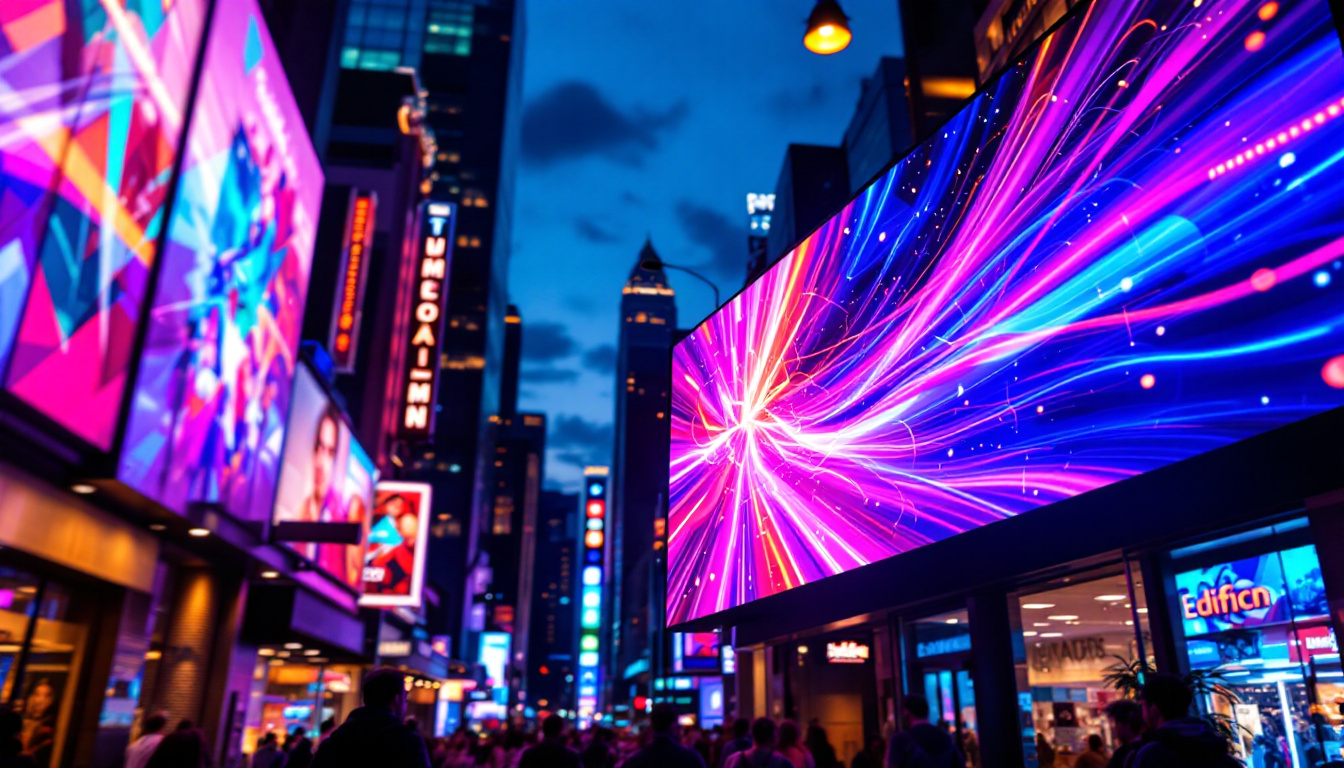
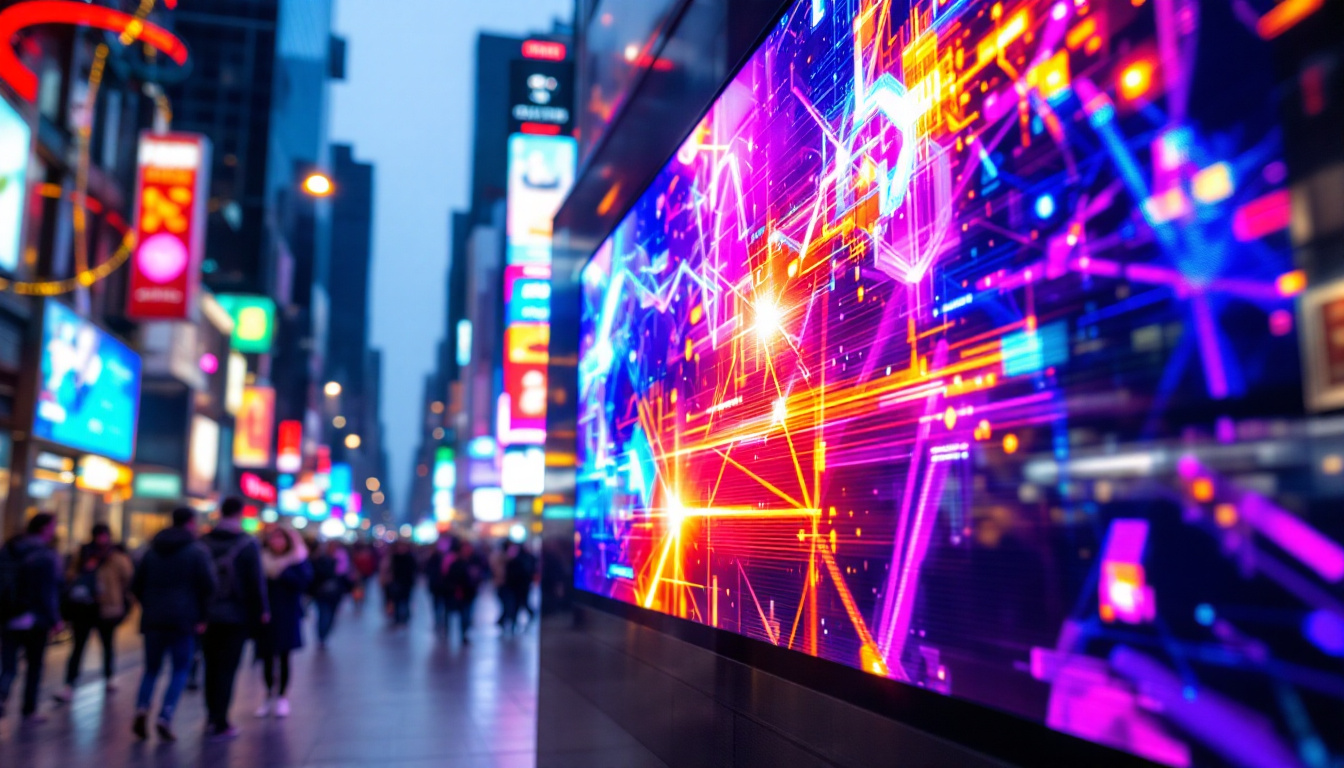
One of the most visible uses of LED screens is in advertising. Digital billboards and signage have replaced traditional static posters, offering advertisers the ability to change content in real-time and display animated, eye-catching visuals. According to recent market research, the global digital signage market is expected to grow at a compound annual growth rate (CAGR) of over 8% through 2028, driven largely by LED technology.
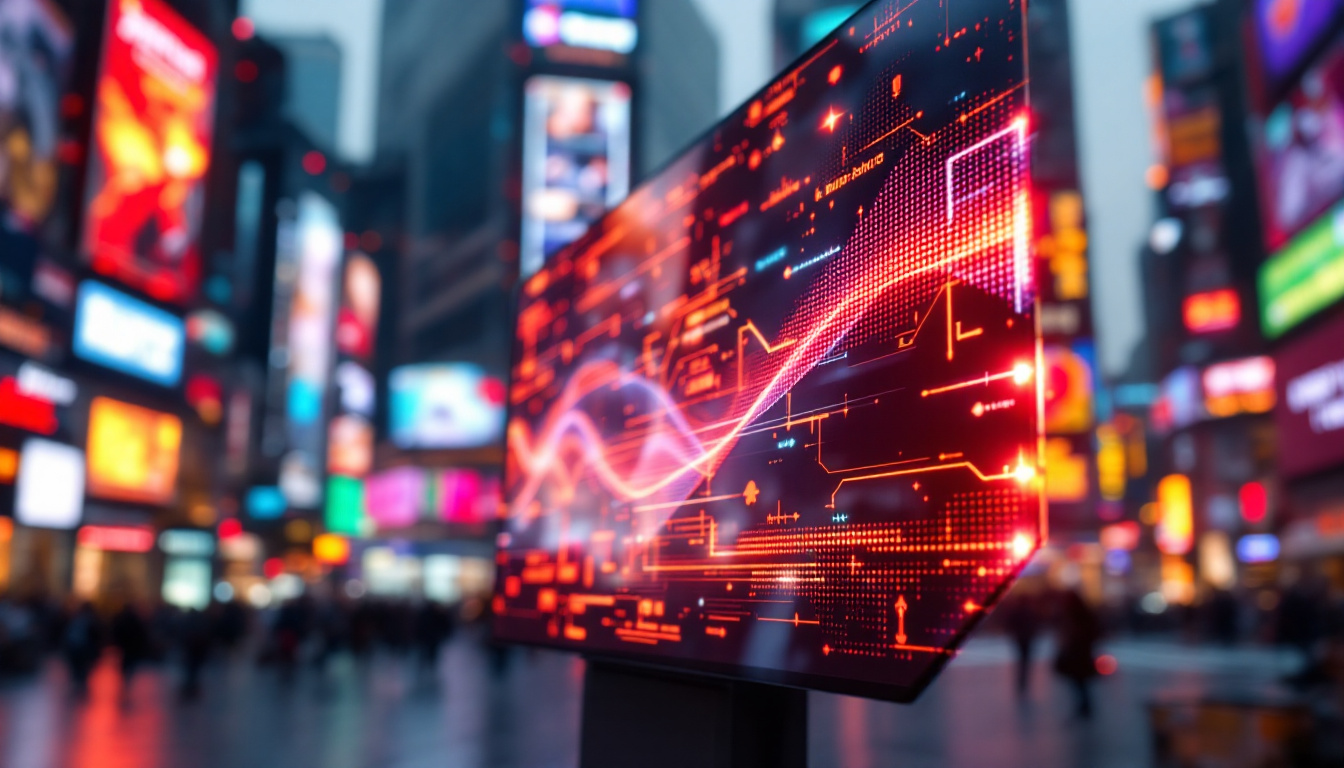
Major cities worldwide, such as Times Square in New York City and Shibuya Crossing in Tokyo, showcase massive LED billboards that captivate millions of viewers daily. The high brightness and weather resistance of LED displays make them perfect for outdoor advertising, ensuring messages remain clear regardless of lighting conditions. Additionally, the integration of smart technology allows for targeted advertising, where content can be customized based on the time of day or audience demographics, further enhancing the effectiveness of marketing campaigns.
Sports and Entertainment Venues
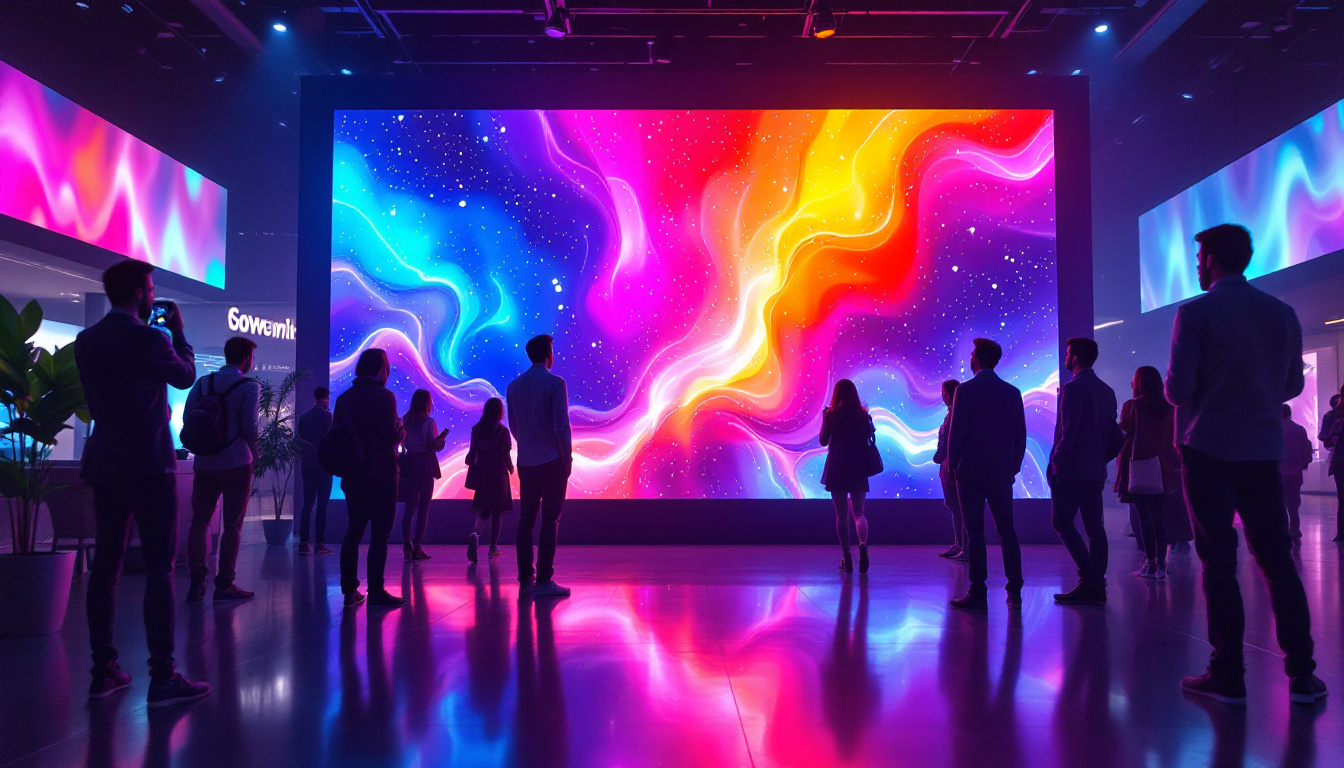
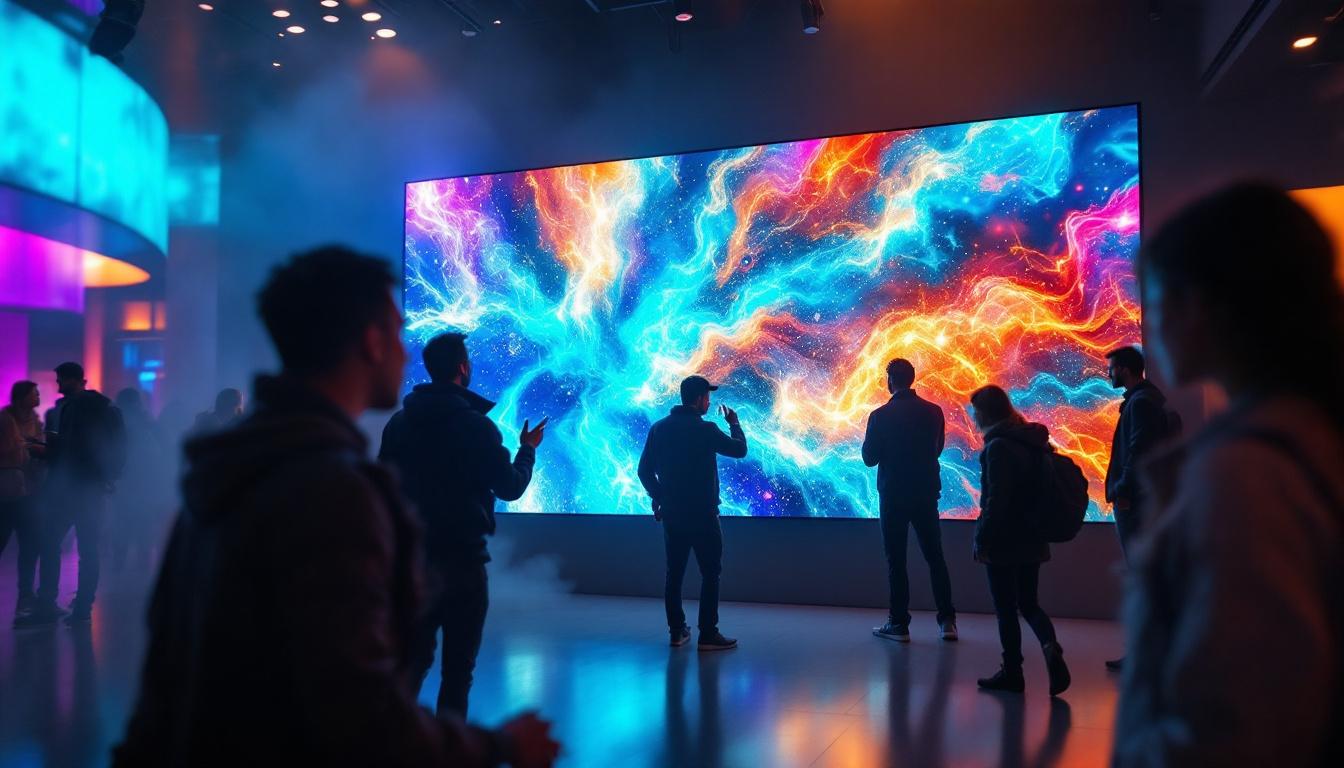
LED screens have revolutionized the spectator experience in stadiums and arenas. Giant LED video walls display live action, replays, and interactive content, enhancing fan engagement. The flexibility of LED panels allows for creative installations, including curved and wrap-around displays. This innovation not only improves visibility from various angles but also fosters a sense of community among fans as they share the excitement of the event together.
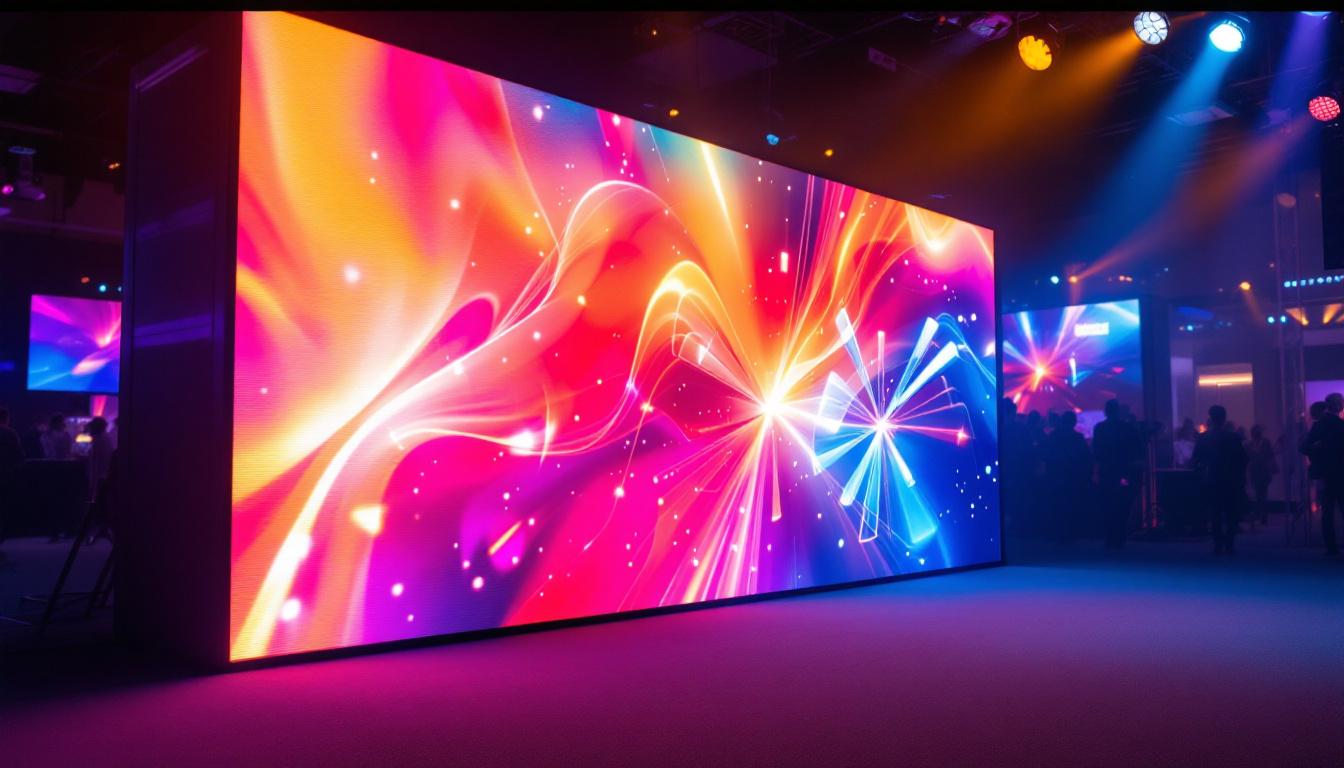
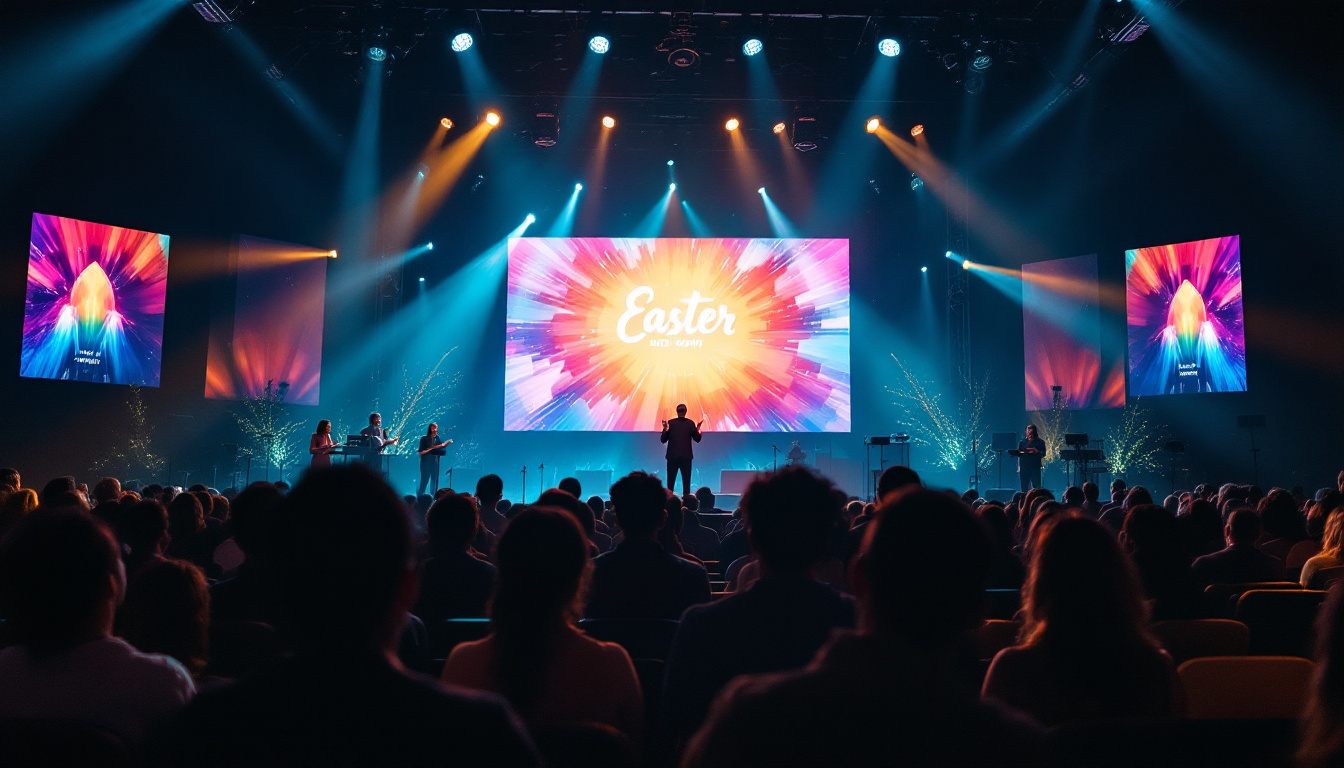
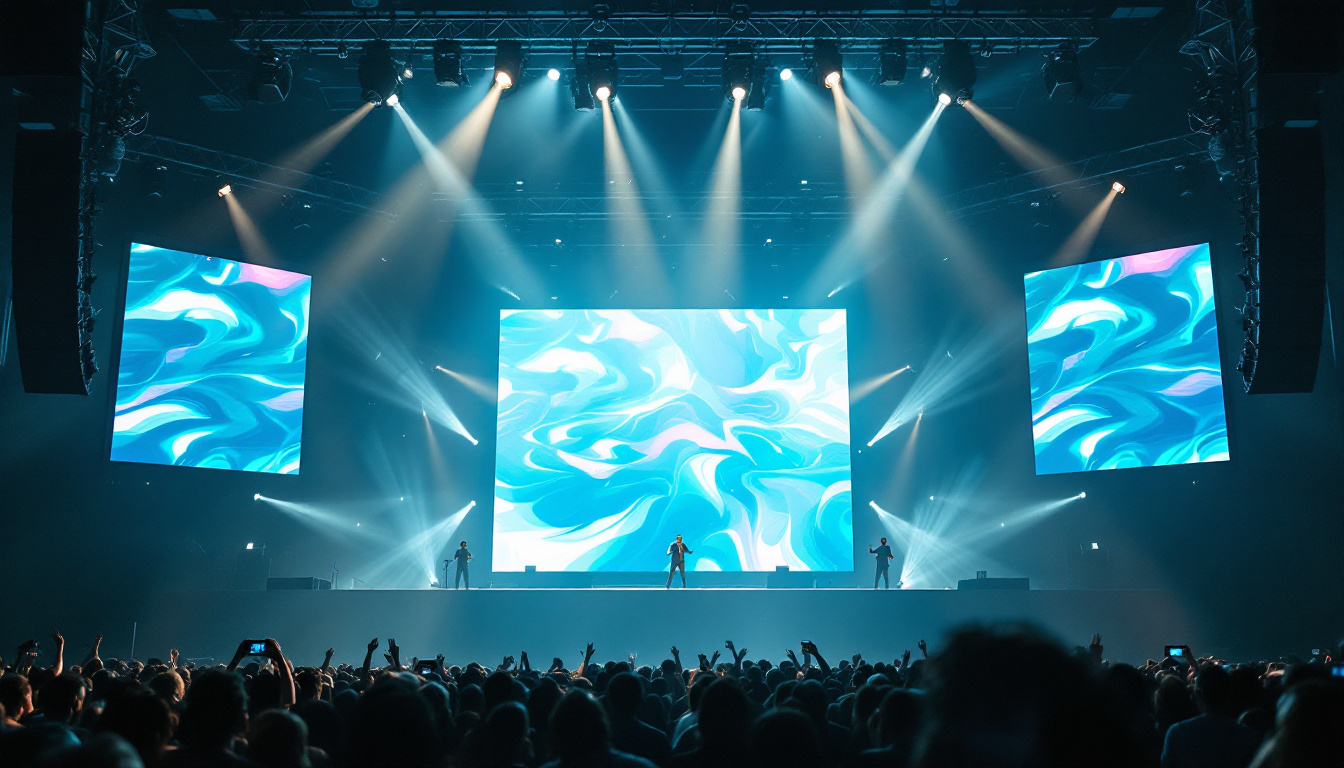
For concerts and events, LED screens provide dynamic backdrops that synchronize with performances, creating immersive environments. Their lightweight modular design enables quick assembly and disassembly, which is essential for touring productions. Furthermore, advancements in LED technology have led to the development of transparent displays, allowing for stunning visual effects that do not obstruct the view of the stage or venue, thus enhancing the overall aesthetic experience for attendees.
Control Rooms and Corporate Use
In industries such as transportation, utilities, and security, LED video walls serve as critical tools for monitoring and decision-making. Control rooms rely on high-resolution LED displays to present real-time data from multiple sources, enabling operators to respond swiftly to changing situations. The ability to display large amounts of information simultaneously on a single screen helps improve situational awareness and operational efficiency.
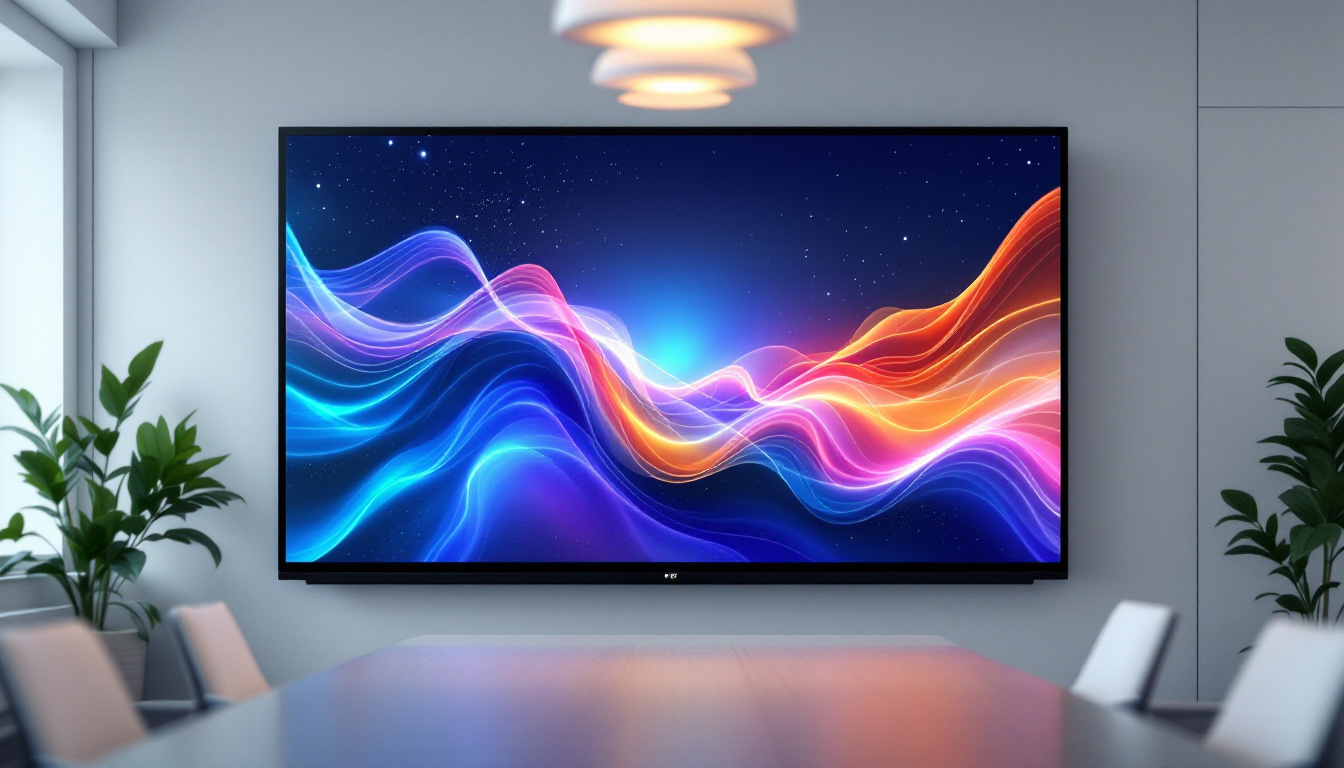
Corporate offices also use LED displays for presentations, video conferencing, and digital communication, benefiting from their sharp image quality and scalability. These displays can be integrated with collaborative technology, allowing teams to share information seamlessly during meetings. Moreover, the trend of remote work has increased the demand for high-quality video conferencing solutions, making LED screens an essential component for maintaining effective communication in a hybrid work environment. As companies continue to embrace digital transformation, the role of LED displays in fostering connectivity and enhancing productivity will only grow stronger.
Key Advantages of LED Displays
LED technology offers several compelling benefits that have driven its widespread adoption. Understanding these advantages helps explain why LED displays continue to dominate the visual display market.
Superior Brightness and Visibility
LED displays can achieve brightness levels far exceeding those of LCDs and other display types. This makes them ideal for outdoor use where sunlight can wash out less luminous screens. The ability to maintain vivid colors and sharp images in various lighting conditions is a critical advantage for advertisers and event organizers. Furthermore, the high contrast ratios of LED displays enhance the viewing experience, making them particularly effective in settings where attention-grabbing visuals are paramount, such as concerts, sporting events, and public advertising.
Energy Efficiency and Longevity
Compared to traditional lighting and display technologies, LEDs consume less power while delivering higher brightness. This energy efficiency translates into lower operating costs, especially for large-scale installations that run continuously. In addition to financial savings, this reduced energy consumption contributes to a smaller carbon footprint, making LED displays a more environmentally friendly choice.
Additionally, LEDs have a longer operational lifespan, often exceeding 50,000 hours, reducing maintenance and replacement expenses over time. This longevity is particularly beneficial for businesses that rely on continuous display operation, as it minimizes downtime and the need for frequent service calls. The durability of LED technology also means they are less susceptible to damage from shocks and vibrations, making them suitable for a variety of dynamic environments.
Design Flexibility and Scalability
LED displays are highly modular, allowing for custom sizes and shapes. Panels can be combined seamlessly to create enormous video walls or configured into curved and irregular forms. This flexibility supports creative architectural integration and tailored solutions for different environments. The lightweight nature of LED panels also facilitates easier installation and repositioning, enabling businesses to adapt their display setups as needed without significant structural changes.
Moreover, the advancements in pixel pitch technology allow for higher resolutions even at close viewing distances, making LED displays suitable for both large-scale outdoor billboards and intimate indoor settings. This scalability means that whether for a massive stadium or a small retail space, LED displays can be optimized to deliver the best possible visual impact, ensuring that messages are communicated effectively to diverse audiences.
Choosing the Right LED Display: Factors to Consider
Selecting an LED display requires careful consideration of various technical and practical factors. Making the right choice ensures optimal performance and return on investment.
Pixel Pitch and Resolution
Pixel pitch directly affects image clarity and viewing distance. Smaller pixel pitch provides higher resolution and is suitable for close-up viewing, such as indoor retail displays or control rooms. Larger pixel pitch is cost-effective for outdoor signage where viewers are farther away.
Brightness and Contrast Ratio
Brightness requirements vary depending on the installation environment. Outdoor displays need higher brightness to combat sunlight, while indoor screens can operate at lower levels. Contrast ratio, the difference between the darkest black and brightest white, influences image depth and color vibrancy.
Durability and Weather Resistance
For outdoor applications, LED displays must withstand harsh weather conditions, including rain, dust, and extreme temperatures. Look for displays with appropriate IP (Ingress Protection) ratings, typically IP65 or higher, to ensure longevity and reliable operation.
Viewing Angle and Color Accuracy
Wide viewing angles ensure that the image remains consistent and vibrant even when viewed from the side. Color accuracy is essential for branding and visual impact, especially in advertising and corporate settings.
The Future of LED Display Technology
LED display technology continues to evolve rapidly, driven by innovations in materials, manufacturing, and digital processing. Emerging trends promise to enhance performance and expand applications even further.
MicroLED and MiniLED Advances
MicroLED and MiniLED technologies represent the next generation of LED displays, featuring smaller LEDs that enable higher pixel densities and improved image quality. MicroLED displays, in particular, offer exceptional brightness, contrast, and energy efficiency, with potential applications ranging from smartphones to large-format screens.
Integration with Smart Technologies
LED displays are increasingly integrated with IoT (Internet of Things) and AI (Artificial Intelligence) systems. This integration allows for dynamic content adaptation based on audience demographics, environmental conditions, and real-time analytics, enhancing user engagement and advertising effectiveness.
Sustainability and Eco-Friendly Designs
As environmental concerns grow, manufacturers are focusing on sustainable materials and energy-saving features in LED displays. Innovations include recyclable components, reduced power consumption, and improved manufacturing processes to minimize environmental impact.
Conclusion
LED displays have transformed the landscape of digital visual communication, offering unmatched brightness, versatility, and energy efficiency. Their widespread adoption across advertising, entertainment, corporate, and industrial sectors underscores their importance in modern society. By understanding the technology, applications, and key considerations, businesses and organizations can leverage LED displays to create impactful, engaging, and future-proof visual experiences.
As LED technology advances with innovations like MicroLED and smart integration, the potential for even more immersive and sustainable displays continues to grow, making LED screens an essential component of the digital future.
Illuminate Your Space with LumenMatrix
Ready to elevate your visual communication with brilliant clarity and dynamic versatility? Discover LumenMatrix’s comprehensive range of LED display solutions, from vibrant Indoor and Outdoor LED Wall Displays to innovative Vehicle and Sports LED Displays. Whether you’re looking to create a custom display, captivate with a Transparent LED, or engage with an All-in-One solution, LumenMatrix is your partner in crafting immersive experiences that resonate with your audience. Check out LumenMatrix LED Display Solutions today and transform your space into a beacon of engagement.