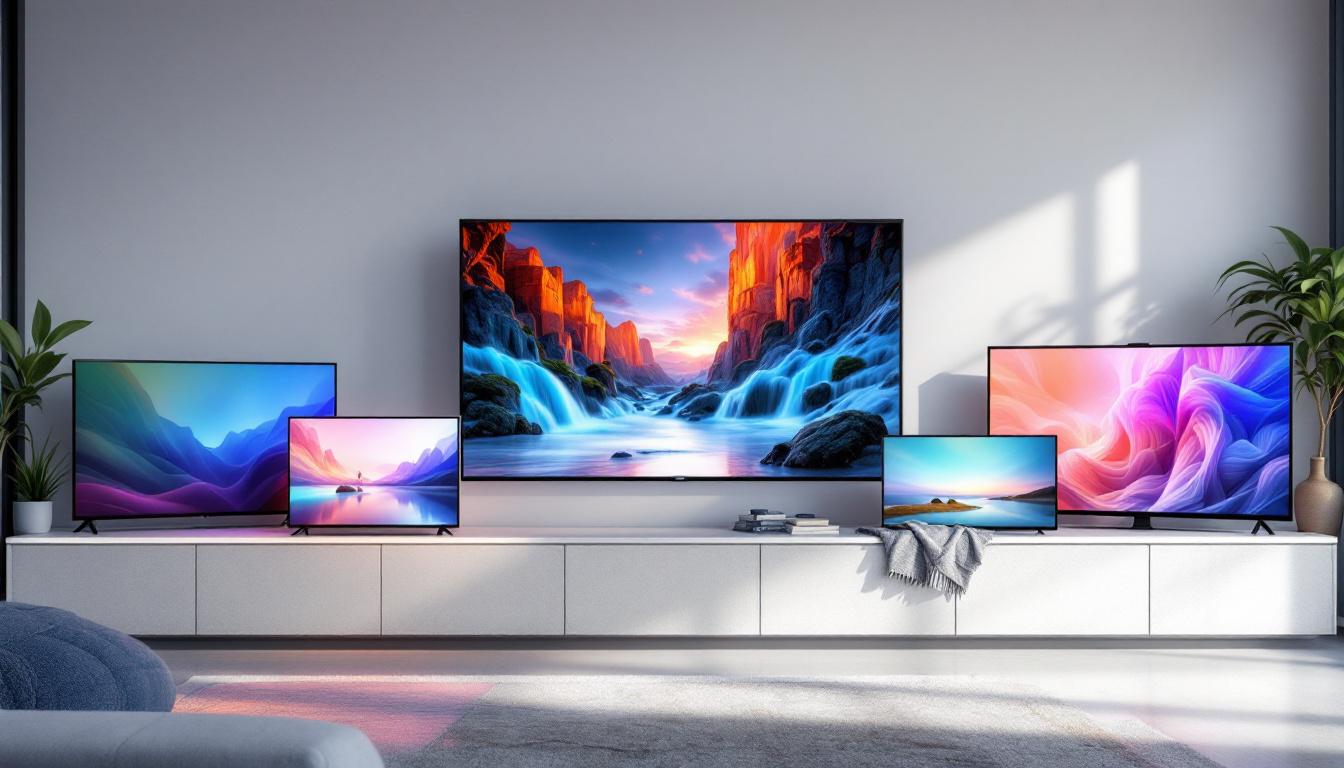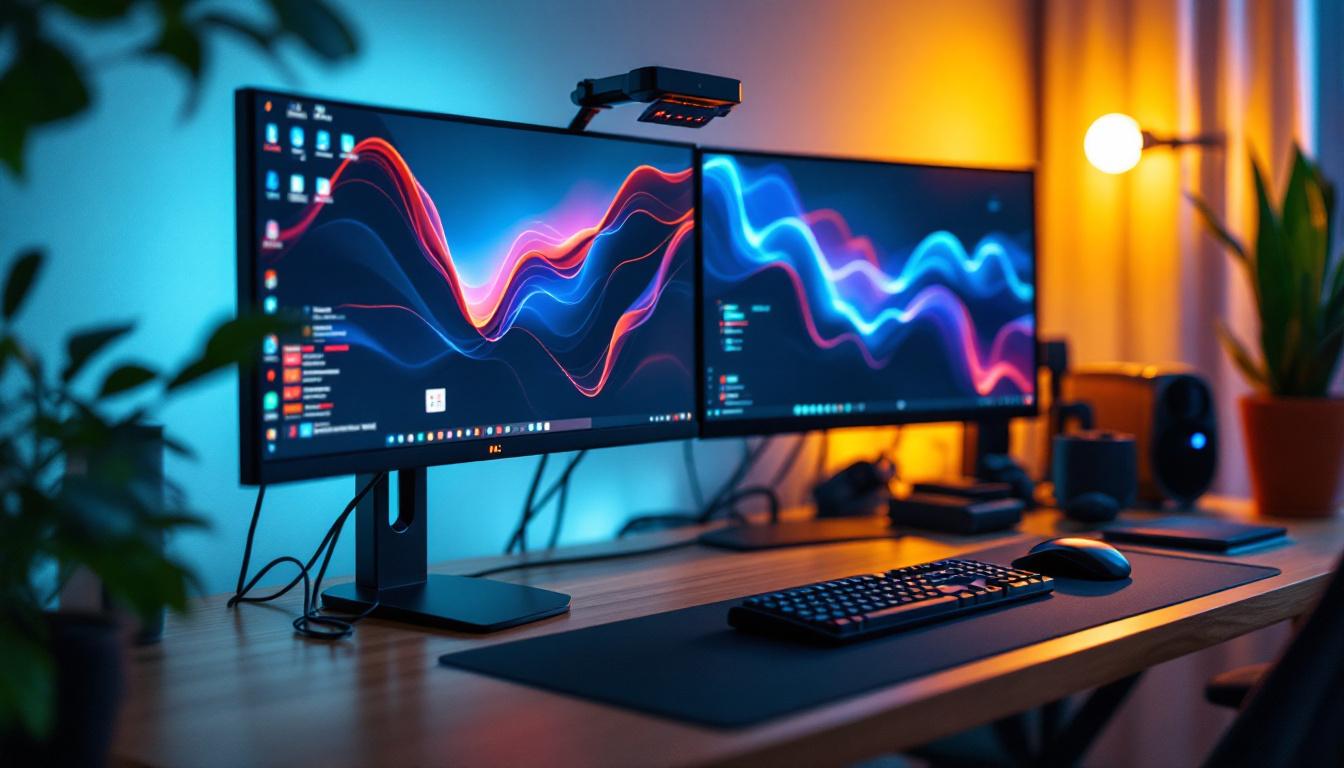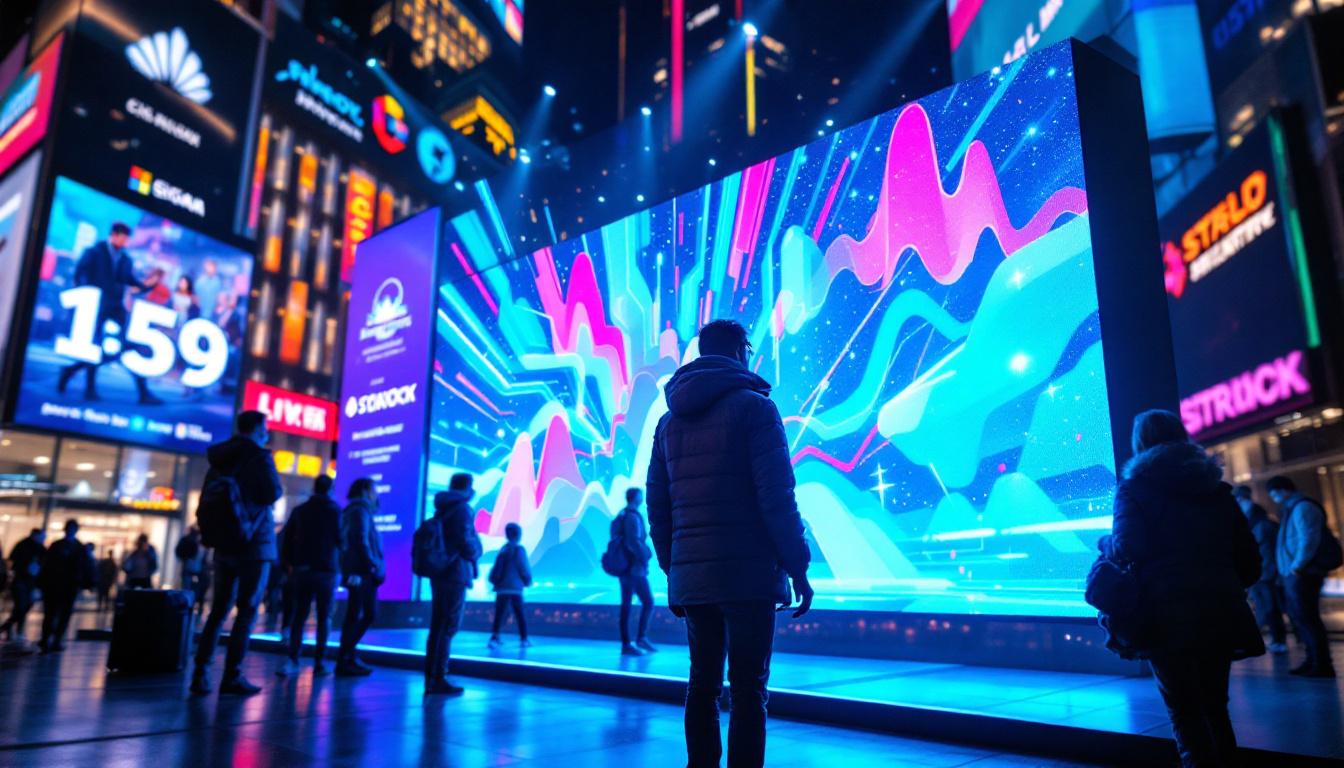
In recent years, LED displays have become a cornerstone of modern visual communication, transforming everything from advertising billboards to stadium screens and even home entertainment systems. The rapid advancement in LED technology has not only enhanced display quality but also revolutionized manufacturing processes, enabling the production of increasingly sophisticated and energy-efficient displays. This article delves into the world of LED manufacturing, explaining the fundamentals of LED displays, the manufacturing techniques involved, and the factors driving innovation in this dynamic industry.
Understanding LED Displays: The Basics
What is an LED Display?
LED stands for Light Emitting Diode, a semiconductor device that emits light when an electric current passes through it. An LED display is essentially a flat panel that uses an array of these tiny LEDs as pixels to create images, videos, or text. Unlike traditional LCD or plasma displays, LED displays are self-illuminating, meaning each pixel produces its own light, resulting in higher brightness, better contrast, and improved energy efficiency.
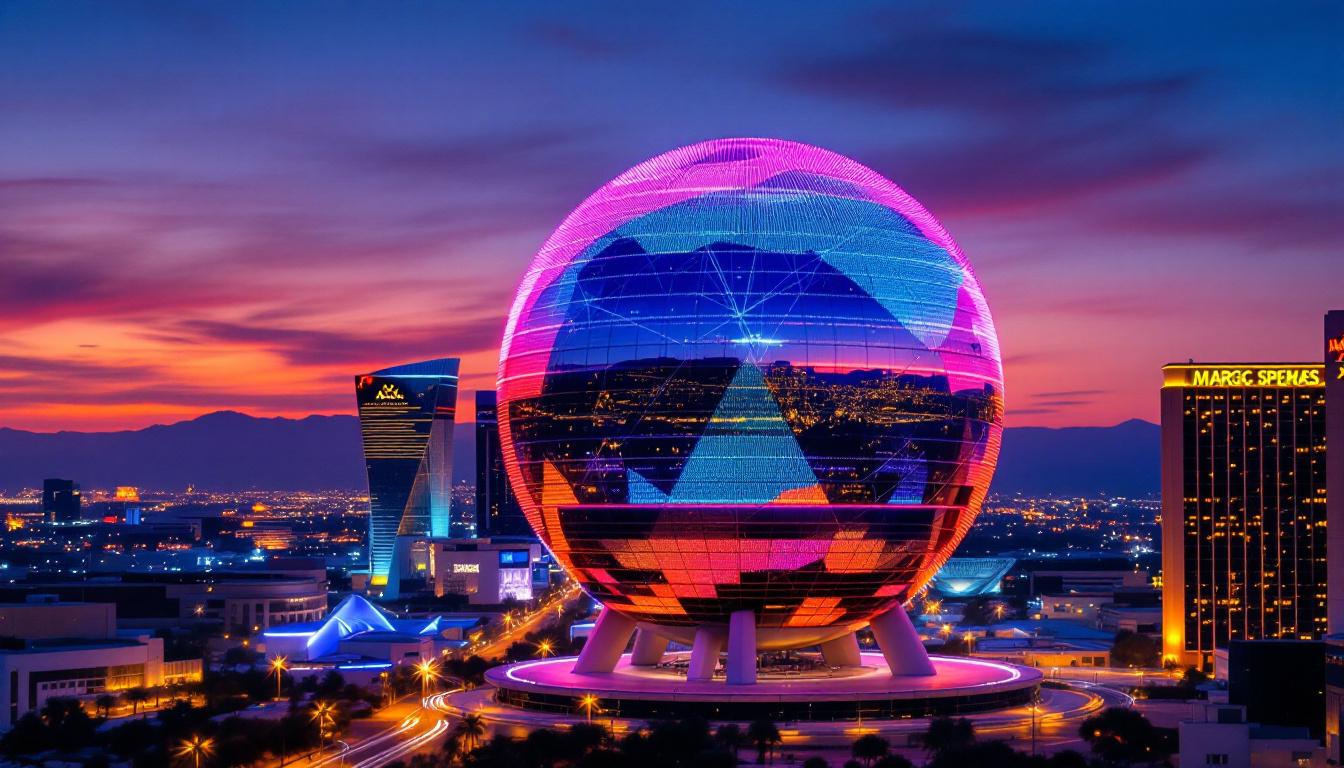
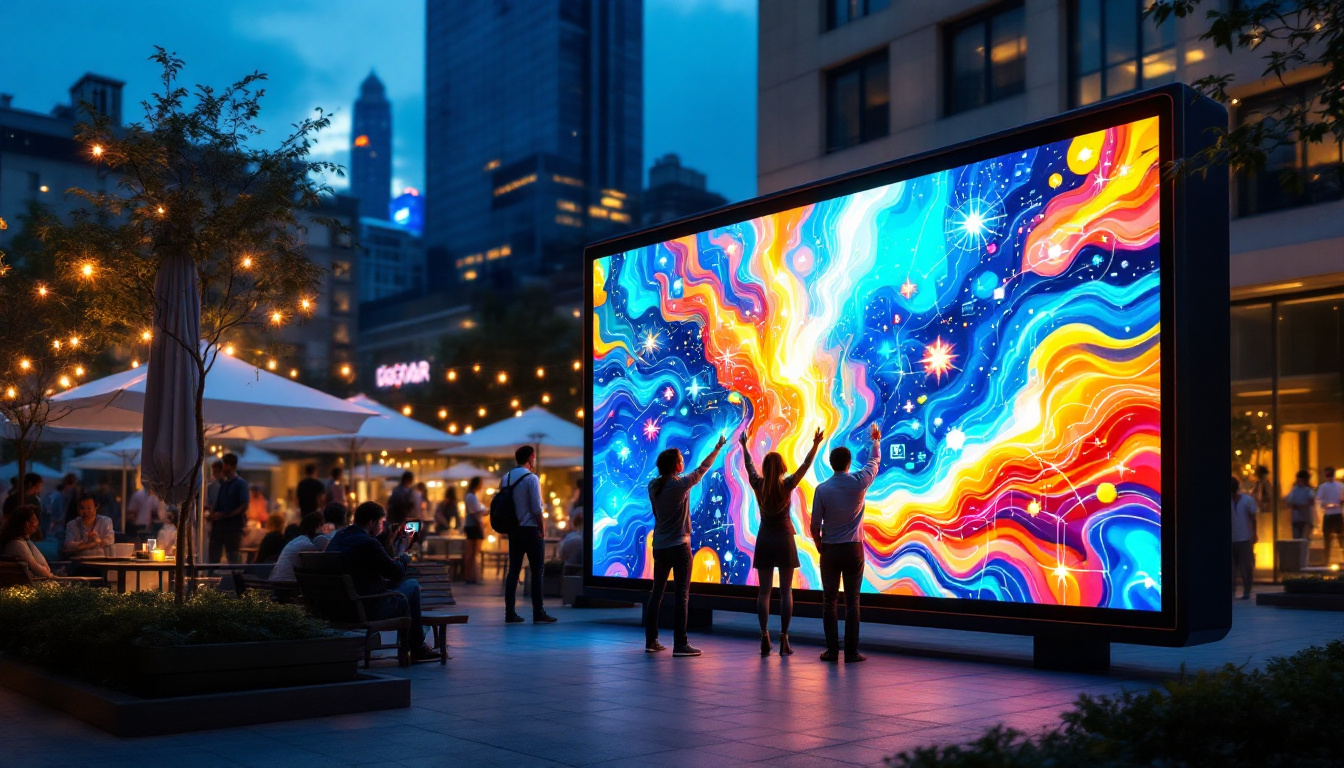
LED displays come in various forms, including indoor and outdoor screens, flexible panels, and transparent displays. Their versatility makes them suitable for a wide range of applications such as digital signage, traffic signals, video walls, and wearable technology. The adaptability of LED technology allows for creative installations that can transform spaces, from vibrant advertising in urban settings to immersive experiences in art galleries. Furthermore, the durability of LED displays ensures they can withstand harsh environmental conditions, making them a popular choice for outdoor events and installations.
Types of LED Displays
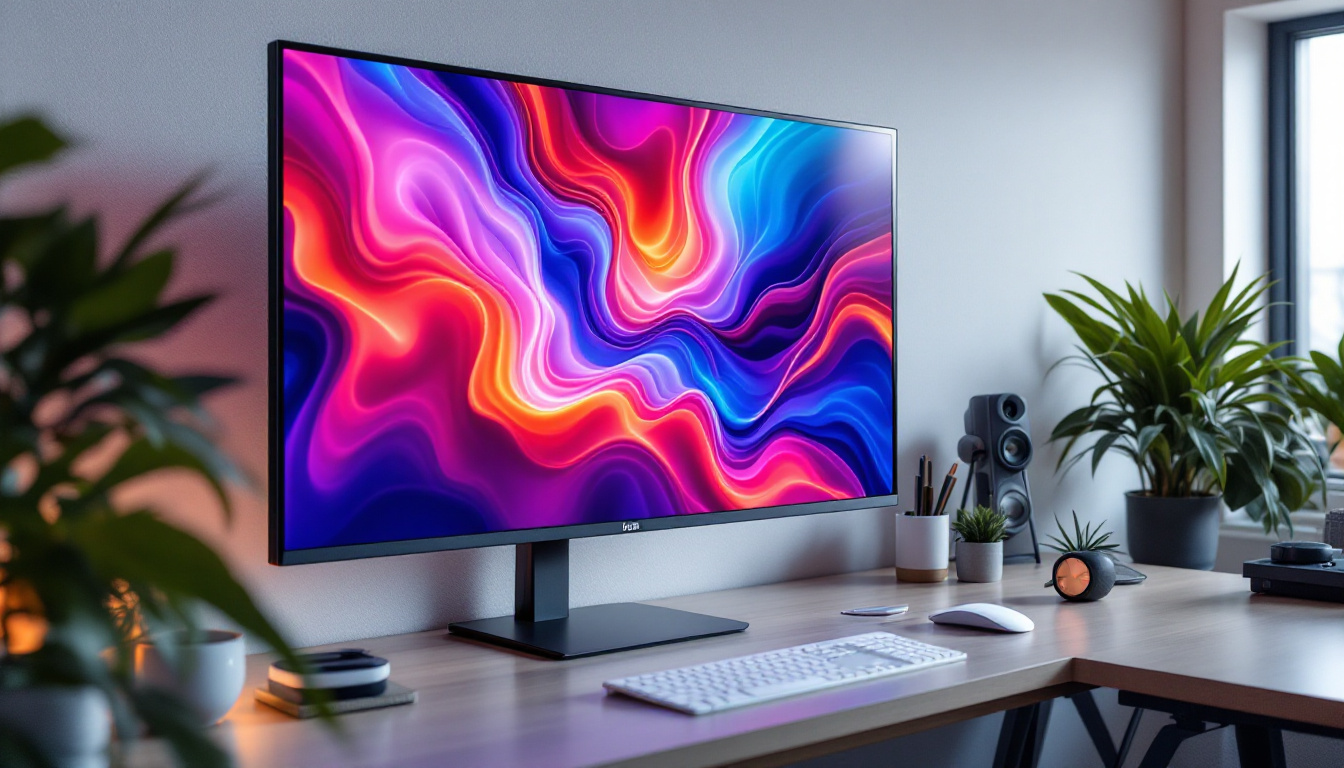
There are primarily two types of LED displays: direct-view LED displays and LED-backlit LCD displays. Direct-view LED displays use LEDs as the actual pixels, making them ideal for large-scale applications like stadiums and billboards. In contrast, LED-backlit LCD displays use LEDs as a backlight source behind an LCD panel, common in televisions and computer monitors. The direct-view technology allows for seamless integration of large screens, providing a captivating visual experience that can be viewed from a distance without loss of quality.
Another important classification is based on the color of the LEDs: single-color (usually red or green), dual-color, and full-color RGB LED displays. Full-color displays combine red, green, and blue LEDs at each pixel to produce a broad spectrum of colors, enabling vibrant and dynamic visuals. This capability is particularly beneficial in advertising and entertainment, where engaging visuals can capture audience attention. Additionally, advancements in LED technology have led to the development of high-resolution displays that can achieve pixel pitches as small as 1mm, making them suitable for close-up viewing in retail environments and trade shows. The evolution of LED displays continues to push the boundaries of design and functionality, paving the way for innovative applications in various industries.
The LED Display Manufacturing Process
Semiconductor Fabrication: Creating the LED Chips
The journey of an LED display begins at the semiconductor fabrication stage, where LED chips are produced. These chips are made from semiconductor materials such as gallium arsenide (GaAs), gallium phosphide (GaP), or gallium nitride (GaN), depending on the desired color and performance characteristics.
The fabrication process involves epitaxial growth, where thin layers of semiconductor materials are deposited onto a substrate using techniques like Metal-Organic Chemical Vapor Deposition (MOCVD). This step is critical as it determines the efficiency and brightness of the LED. Afterward, photolithography and etching define the chip’s structure, followed by the addition of electrical contacts.
LED Packaging and Testing
Once the LED chips are fabricated, they undergo packaging, which protects the delicate semiconductor and enhances light extraction. Packaging involves mounting the chip on a lead frame, wire bonding, and encapsulating it with a transparent resin or lens. This stage also influences the LED’s color consistency and viewing angle.
Rigorous testing is conducted to ensure each LED meets quality standards for brightness, color accuracy, and durability. Automated optical inspection systems and electrical tests help identify defective units, ensuring only high-quality LEDs proceed to assembly.
Module Assembly and PCB Integration
LED chips are then assembled into modules, the building blocks of LED displays. These modules consist of multiple LEDs mounted on printed circuit boards (PCBs), which provide mechanical support and electrical connections. The PCBs are designed with precise circuitry to control the LEDs’ operation, including current regulation and signal transmission.
Advanced manufacturing techniques such as surface-mount technology (SMT) enable the precise placement of LEDs on PCBs at high speeds. Additionally, thermal management solutions like heat sinks and thermal interface materials are integrated to dissipate heat and maintain optimal operating temperatures.
Final Display Assembly and Calibration
The LED modules are then assembled into larger panels or cabinets, which can be combined to form video walls of various sizes. Mechanical frames, power supplies, and control systems are integrated during this stage. The display undergoes calibration to ensure uniform brightness and color consistency across all modules, using specialized software and sensors.
Final quality checks assess parameters such as pixel pitch accuracy, viewing angle, and environmental resistance, especially for outdoor displays that must withstand weather conditions.
Key Innovations in LED Display Manufacturing
Mini-LED and Micro-LED Technologies
Recent advancements in LED manufacturing have introduced mini-LED and micro-LED technologies, pushing the boundaries of display resolution and efficiency. Mini-LEDs are smaller than traditional LEDs, allowing for higher pixel density and improved local dimming in backlit LCDs, resulting in better contrast ratios.
Micro-LED technology takes this a step further by using microscopic LEDs as individual pixels in direct-view displays. This approach offers superior brightness, contrast, and lifespan compared to OLED and traditional LED displays. However, manufacturing micro-LEDs at scale remains challenging due to the precision required in chip placement and mass transfer.
Flexible and Transparent LED Displays
Innovation in materials and manufacturing processes has enabled the production of flexible and transparent LED displays. Flexible displays use bendable substrates like plastic or thin glass, opening new possibilities for curved screens, wearable devices, and foldable smartphones.
Transparent LED displays integrate LEDs with see-through substrates, allowing viewers to see content while maintaining visibility of the background. These displays are increasingly used in retail windows, automotive heads-up displays, and architectural applications.
Automation and Industry 4.0 Integration
The LED manufacturing industry is embracing automation and Industry 4.0 principles to enhance production efficiency and quality control. Robotics, machine learning, and real-time data analytics optimize processes such as chip sorting, module assembly, and defect detection.
Smart factories equipped with Internet of Things (IoT) sensors enable predictive maintenance and adaptive manufacturing, reducing downtime and waste. This digital transformation is essential to meet the growing demand for high-quality LED displays while controlling costs.
Factors Influencing LED Display Quality and Performance
Pixel Pitch and Resolution
Pixel pitch, the distance between the centers of two adjacent LEDs, is a critical factor determining the resolution and viewing distance of an LED display. Smaller pixel pitches result in higher resolution and finer image details, making them suitable for close-up viewing environments such as retail stores or control rooms.
Conversely, larger pixel pitches are cost-effective for large outdoor displays where viewers are positioned farther away. Manufacturers must balance pixel pitch with cost, power consumption, and intended application to optimize display performance.
Brightness and Color Accuracy
Brightness is measured in nits (cd/m²) and is especially important for outdoor displays exposed to sunlight. Modern LED displays can achieve brightness levels exceeding 5,000 nits, ensuring visibility even in direct sunlight.
Color accuracy depends on the quality of the LEDs and the calibration process. High-quality RGB LEDs with consistent wavelength emissions produce vibrant and true-to-life colors. Advanced calibration techniques correct color shifts and ensure uniformity across the entire display.
Durability and Environmental Resistance
LED displays intended for outdoor use must withstand harsh environmental conditions such as rain, dust, temperature fluctuations, and UV exposure. Manufacturers use robust materials, protective coatings, and sealed enclosures rated with IP65 or higher to ensure longevity and reliable performance.
Thermal management is also crucial, as excessive heat can degrade LED lifespan and performance. Efficient heat dissipation mechanisms help maintain stable operating temperatures, enhancing durability.
The Future of LED Display Manufacturing
Sustainability and Energy Efficiency
As global awareness of environmental issues grows, LED manufacturers are focusing on sustainability throughout the production lifecycle. This includes using eco-friendly materials, reducing hazardous substances, and implementing energy-efficient manufacturing processes.
LED displays themselves are inherently energy-efficient compared to other display technologies, consuming significantly less power while delivering superior brightness and longevity. Continued improvements in LED chip efficiency and power management circuits are expected to further reduce energy consumption.
Customization and Smart Integration
The future of LED displays lies in customization and smart integration. Manufacturers are developing modular, scalable displays that can be tailored to specific applications and environments. Integration with IoT and AI technologies enables interactive and adaptive displays that respond to user behavior and environmental conditions.
For example, smart LED billboards can adjust brightness and content based on time of day, weather, or audience demographics, enhancing engagement and reducing energy waste.
Expanding Applications and Market Growth
The global LED display market is projected to grow significantly, driven by demand in sectors such as retail, sports, transportation, and entertainment. Emerging applications include augmented reality (AR) and virtual reality (VR) displays, automotive lighting and dashboards, and medical imaging.
Manufacturers are investing in research and development to create thinner, lighter, and more flexible displays, enabling new form factors and use cases. This expansion underscores the importance of advanced manufacturing techniques and quality control in meeting evolving market needs.
Conclusion
LED display manufacturing is a complex and rapidly evolving field that combines advanced semiconductor technology, precision engineering, and innovative materials science. Understanding the manufacturing process—from chip fabrication to final assembly—provides valuable insight into the factors that influence display quality, performance, and cost.
With ongoing innovations such as micro-LEDs, flexible displays, and smart integration, the LED display industry is poised for continued growth and transformation. Manufacturers who embrace automation, sustainability, and customization will be well-positioned to meet the diverse needs of a global market hungry for brighter, more vivid, and more energy-efficient visual solutions.
Discover the Future of Visual Engagement with LumenMatrix
As you’ve seen, the LED display industry is at the forefront of innovation, offering unparalleled opportunities for dynamic and energy-efficient visual communication. LumenMatrix stands as a beacon of this technological evolution, providing a vast array of LED display solutions tailored to your unique needs. From mesmerizing Indoor LED Walls to robust Outdoor displays, and from versatile Vehicle LED Displays to interactive Floor LED solutions, our mission is to elevate your brand’s visibility to new heights. Ready to transform your space with captivating visuals? Check out LumenMatrix LED Display Solutions and join the revolution in digital signage excellence.