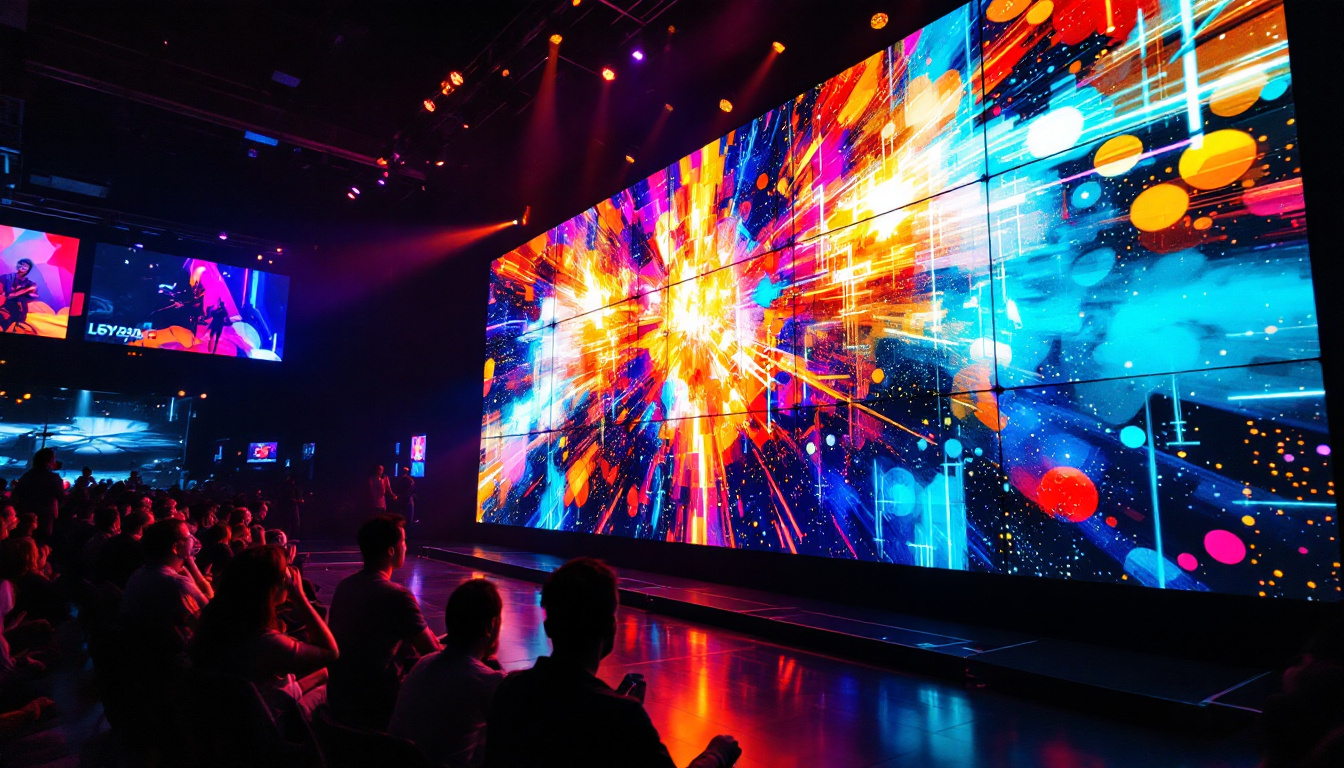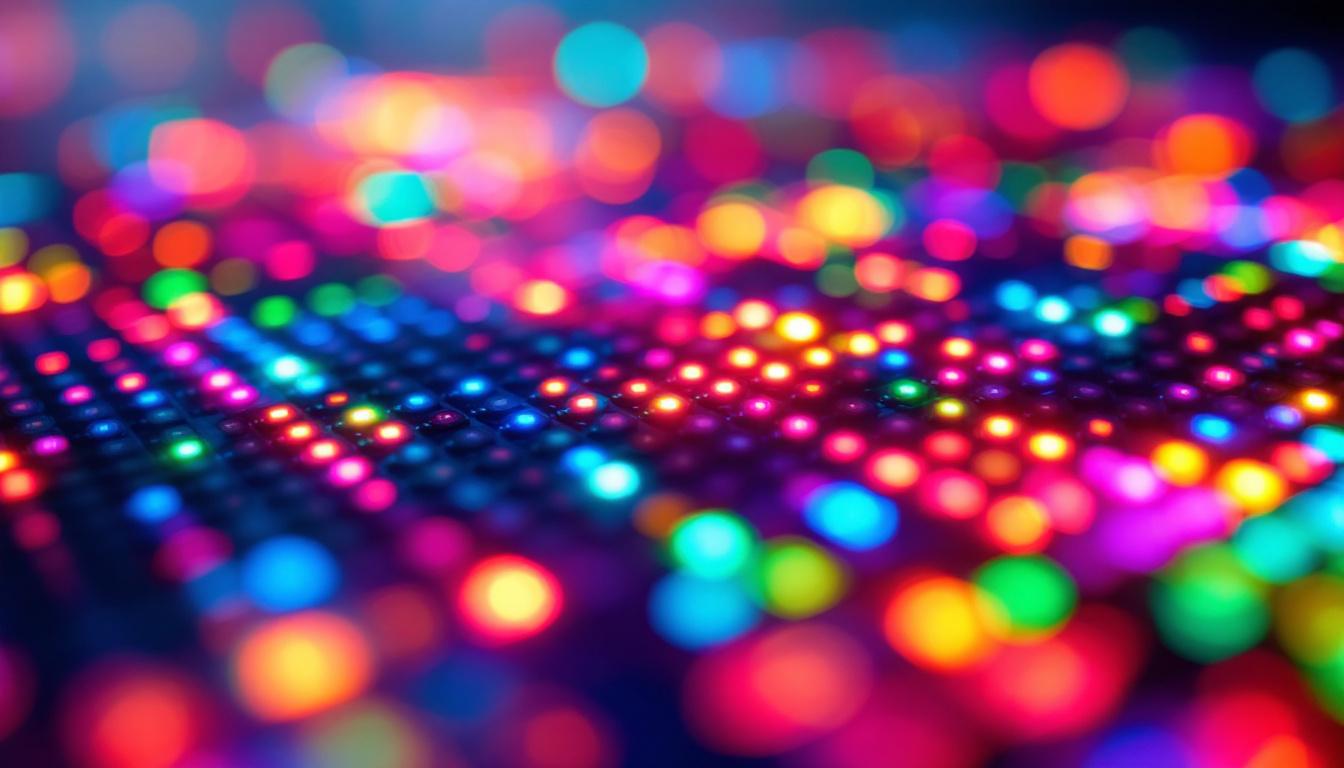
In the rapidly evolving world of digital displays, LED technology stands out as one of the most versatile and widely adopted solutions. Among the various types of LED displays, the LED matrix pixel panel is a fundamental building block that powers everything from simple digital clocks to massive outdoor advertising billboards. This article delves into the intricacies of LED matrix pixel panels, explaining their structure, functionality, applications, and the technology behind their vibrant displays.
What is an LED Matrix Pixel Panel?
An LED matrix pixel panel is essentially a grid of light-emitting diodes (LEDs) arranged in rows and columns. Each LED acts as a single pixel, which can be individually controlled to display images, text, or video. The term “matrix” refers to this grid-like arrangement, which allows for precise control over each pixel’s brightness and color.
Unlike traditional displays that rely on liquid crystals or cathode ray tubes, LED matrix panels emit their own light, resulting in brighter and more energy-efficient displays. This self-illumination property makes LED matrices ideal for both indoor and outdoor use, especially in environments with high ambient light. They are commonly found in applications ranging from large advertising billboards to intricate art installations, showcasing their versatility in various settings.
Basic Structure and Components
At the core, an LED matrix pixel panel consists of several key components:
- LEDs: These are the tiny semiconductor devices that emit light when an electric current passes through them. Depending on the design, LEDs can be single-color (red, green, blue) or RGB, which combine these three colors to produce a full spectrum.
- Driving Circuitry: This includes integrated circuits and microcontrollers that manage the power supply and control signals to each LED, ensuring the correct pixels light up at the right time.
- Controller Board: This is the interface between the LED panel and the input source, such as a computer or media player. It processes the input data and translates it into signals that control the LEDs.
- Power Supply: LED panels require a stable power source to maintain consistent brightness and performance.
The combination of these components allows LED matrix panels to display dynamic content with high refresh rates and excellent color accuracy. Furthermore, advancements in technology have led to the development of flexible LED panels, which can be bent and shaped to fit unconventional spaces, making them even more adaptable for creative projects. These flexible panels open up new possibilities for designers and artists, allowing for innovative displays that can conform to various surfaces and structures.
In addition to their aesthetic applications, LED matrix panels are also utilized in functional environments, such as in transportation systems for real-time information displays or in sports arenas for live scoring updates. Their ability to convey information quickly and clearly makes them invaluable in scenarios where visibility and immediacy are crucial. As the technology continues to evolve, we can expect to see even more sophisticated applications that leverage the unique capabilities of LED matrix panels, further enhancing our visual experiences in both public and private spaces.
How LED Matrix Pixel Panels Work
Understanding how an LED matrix pixel panel operates requires a look into the principles of multiplexing and pixel control. Since each LED represents a pixel, controlling thousands or even millions of LEDs individually would be impractical without efficient management techniques.
Multiplexing and Scanning Techniques
Multiplexing is a method where rows and columns of the LED matrix are scanned rapidly to light up specific LEDs at precise intervals. Instead of powering each LED continuously, the controller activates LEDs row by row or column by column in quick succession. This rapid scanning creates the illusion that all LEDs are lit simultaneously to the human eye.
For example, in an 8×8 LED matrix, the controller might energize the first row’s LEDs momentarily, then move to the second row, and so forth, cycling through all rows multiple times per second. This technique significantly reduces the number of control lines needed and minimizes power consumption.
Color Control and Brightness
In RGB LED matrix panels, each pixel comprises three LEDs—red, green, and blue—that can be combined at varying intensities to produce millions of colors. Pulse-width modulation (PWM) is commonly used to adjust brightness by varying the amount of time each LED is on during a cycle.
Advanced LED panels use high-frequency PWM to prevent flickering and ensure smooth color gradients. Additionally, some panels incorporate color calibration to maintain consistent hues across the entire display, which is critical for professional applications like advertising and broadcasting.
Applications of LED Matrix Pixel Panels
LED matrix pixel panels are incredibly versatile and have found applications across numerous industries. Their adaptability, brightness, and energy efficiency make them a preferred choice for various display needs.
Advertising and Digital Signage
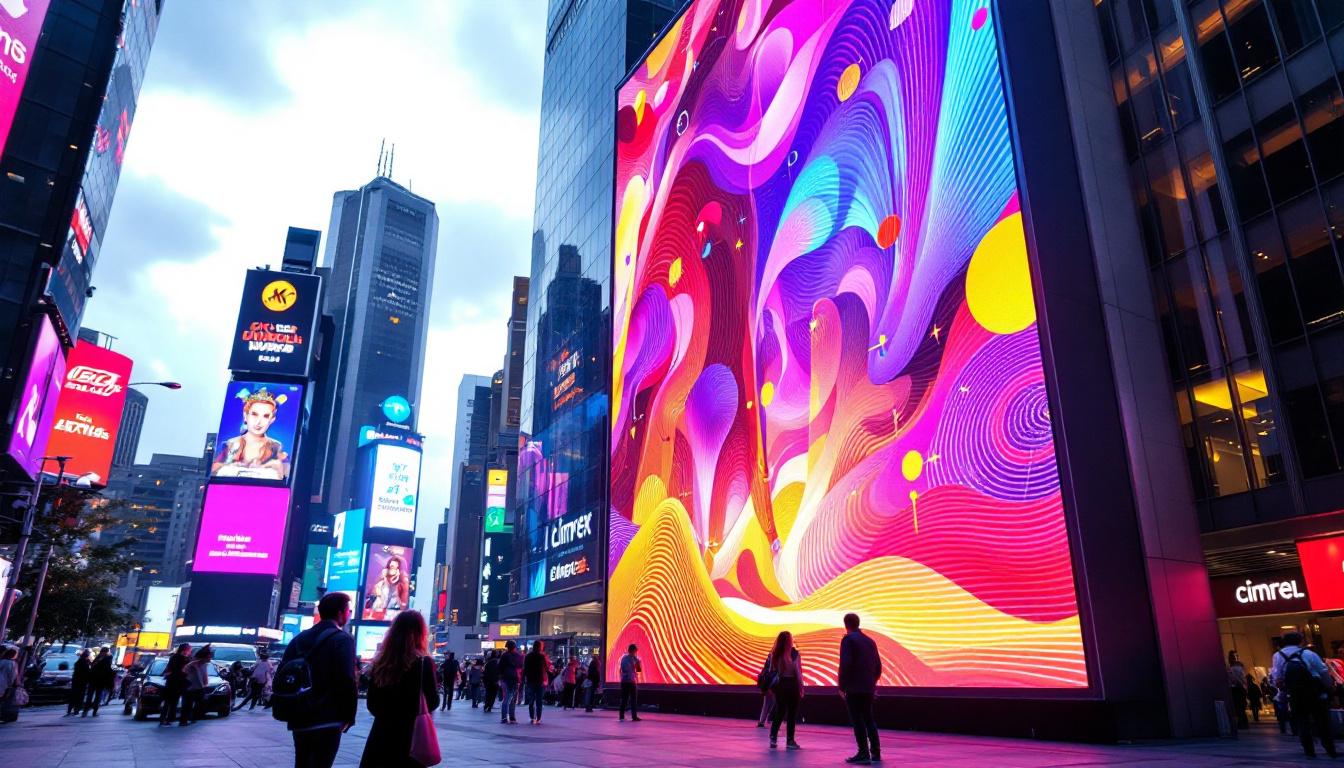
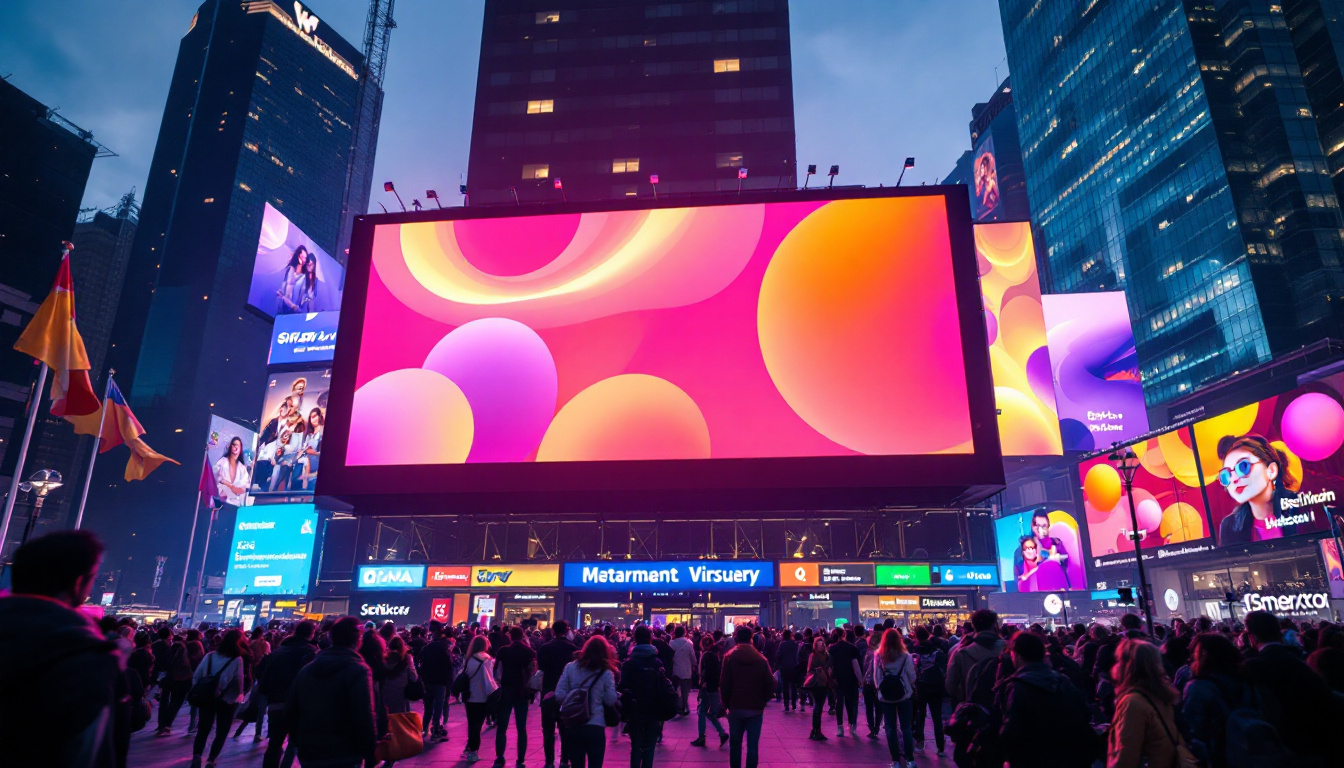
One of the most prominent uses of LED matrix panels is in outdoor advertising. Billboards and digital signage leverage large-scale LED matrices to display vibrant, eye-catching content that can be updated remotely and in real-time. According to industry reports, the global digital signage market is expected to reach over $32 billion by 2028, driven largely by advancements in LED display technology.
LED matrix panels enable advertisers to showcase dynamic content such as videos, animations, and interactive messages, increasing engagement and brand visibility. Their high brightness ensures visibility even under direct sunlight, a critical factor for outdoor installations.
Sports and Entertainment Venues
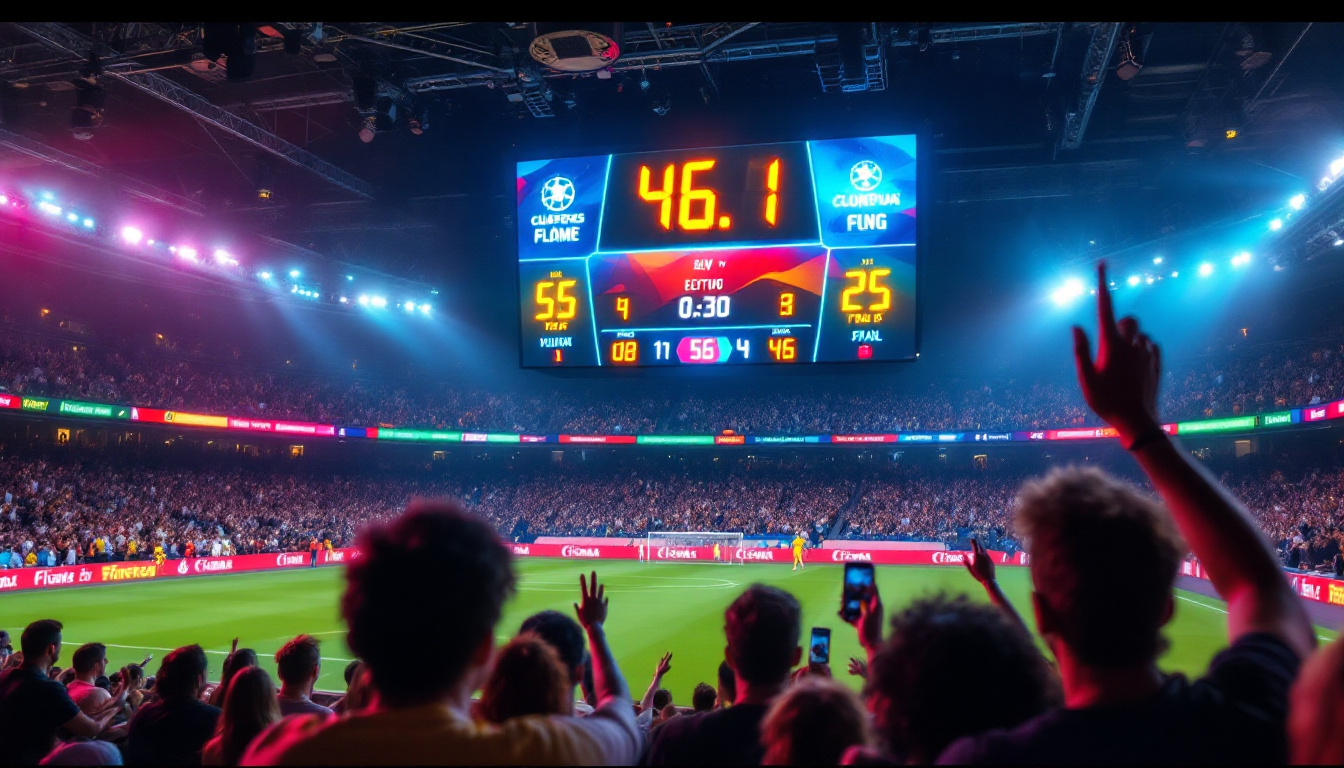
Stadiums and arenas utilize large LED matrix displays for scoreboards, live video feeds, and crowd engagement. These panels are designed to withstand harsh weather conditions and deliver high-resolution images to large audiences. The ability to display real-time statistics and instant replays enhances the spectator experience significantly.
Industrial and Informational Displays
In industrial settings, LED matrix panels serve as status indicators, alert systems, and informational displays. Their reliability and clarity make them suitable for environments where quick visual communication is essential, such as manufacturing plants and transportation hubs.
Art and Creative Installations
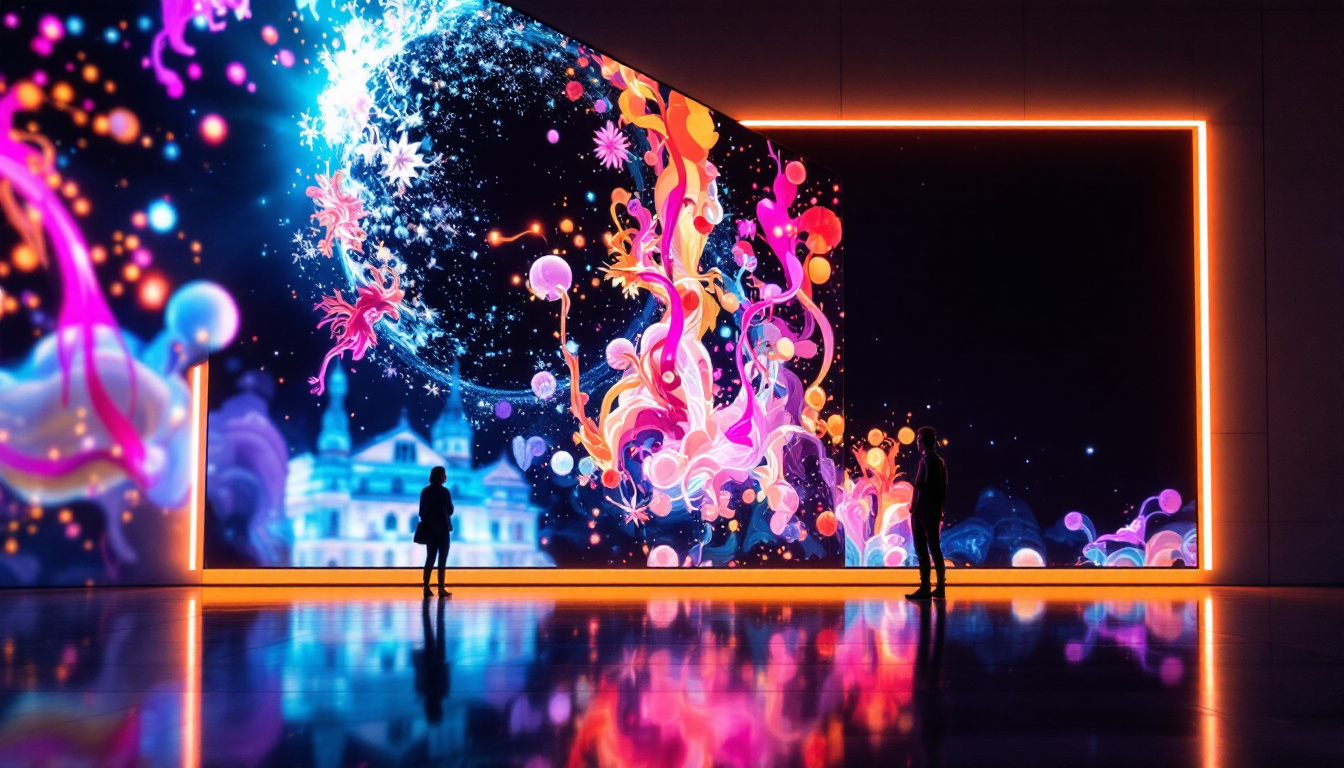
Artists and designers employ LED matrix panels to create interactive installations and digital art pieces. The pixel-level control allows for intricate animations and light patterns, opening new avenues for creative expression in public spaces and galleries.
Advantages of LED Matrix Pixel Panels
The popularity of LED matrix pixel panels is rooted in several key advantages that set them apart from other display technologies.
High Brightness and Visibility
LEDs are inherently bright light sources, making matrix panels easily visible in various lighting conditions, including direct sunlight. This attribute is essential for outdoor applications where visibility is paramount.
Energy Efficiency
Compared to traditional display technologies like LCDs or plasma screens, LED matrix panels consume less power. This energy efficiency translates to lower operating costs and a reduced environmental footprint, which is increasingly important for businesses and municipalities.
Durability and Longevity
LEDs have a long operational life, often exceeding 50,000 hours. Moreover, LED matrix panels are typically designed to be weather-resistant and robust, capable of withstanding exposure to moisture, dust, and temperature fluctuations.
Flexibility and Scalability
LED matrix panels can be manufactured in various sizes and resolutions, allowing for scalable solutions tailored to specific needs. Modules can be combined seamlessly to create enormous displays without compromising image quality.
Challenges and Considerations
While LED matrix pixel panels offer many benefits, there are also challenges and factors to consider when selecting and deploying these displays.
Resolution and Pixel Pitch
The resolution of an LED matrix panel depends on the pixel pitch—the distance between adjacent pixels. Smaller pixel pitches provide higher resolution and finer image detail but come at a higher cost. Choosing the right pixel pitch involves balancing image quality requirements with budget constraints and viewing distance.
Heat Management
LEDs generate heat during operation, and effective thermal management is crucial to maintain performance and extend lifespan. High-quality LED panels incorporate heat sinks and ventilation to dissipate heat efficiently.
Cost Considerations
Initial investment in LED matrix panels can be significant, especially for high-resolution or large-scale installations. However, the long-term benefits of energy savings and durability often justify the upfront costs.
Maintenance and Calibration
To ensure consistent performance, LED matrix panels require periodic maintenance and calibration. This includes cleaning, checking for dead pixels, and adjusting color balance. Advanced panels may feature self-diagnostic tools to simplify maintenance.
Future Trends in LED Matrix Pixel Technology
The LED display industry continues to innovate, with several emerging trends shaping the future of LED matrix pixel panels.
MicroLED and MiniLED Technologies
MicroLED and MiniLED represent the next generation of LED display technology, offering even higher resolution, improved brightness, and better energy efficiency. MicroLEDs are significantly smaller than traditional LEDs, allowing for ultra-fine pixel pitches and superior image quality, which is particularly promising for applications like augmented reality and wearable displays.
Flexible and Transparent LED Panels
Advancements in flexible substrates and transparent LED technology are enabling new form factors. Flexible LED matrix panels can be curved or bent to fit unconventional surfaces, while transparent panels allow for see-through displays, ideal for retail windows and architectural integration.
Integration with IoT and Smart Systems
LED matrix panels are increasingly being integrated with Internet of Things (IoT) platforms and smart control systems. This enables real-time content updates, remote diagnostics, and adaptive brightness control based on ambient conditions, enhancing operational efficiency and user experience.
Conclusion
LED matrix pixel panels are a cornerstone of modern digital display technology, combining brightness, flexibility, and energy efficiency to meet diverse visual communication needs. From advertising and entertainment to industrial applications and creative arts, these panels offer unparalleled versatility and performance.
As technology advances, LED matrix panels will continue to evolve, delivering higher resolutions, innovative form factors, and smarter control systems. Understanding the fundamentals of how these displays work and their practical considerations is essential for anyone looking to harness their potential effectively.
Whether deploying a small indoor sign or a massive outdoor billboard, LED matrix pixel panels provide a reliable and vibrant solution that captures attention and communicates messages with clarity and impact.
Discover LumenMatrix’s Innovative LED Solutions
Ready to elevate your visual communication with the latest in LED technology? Explore LumenMatrix’s comprehensive range of LED display modules, from vibrant Indoor and Outdoor LED Wall Displays to dynamic Vehicle and Sports LED Displays, and beyond. Our mission is to revolutionize your visual experience with displays that not only capture attention but also create unforgettable impressions. Check out LumenMatrix LED Display Solutions today and see how we can help you share your message with the world.