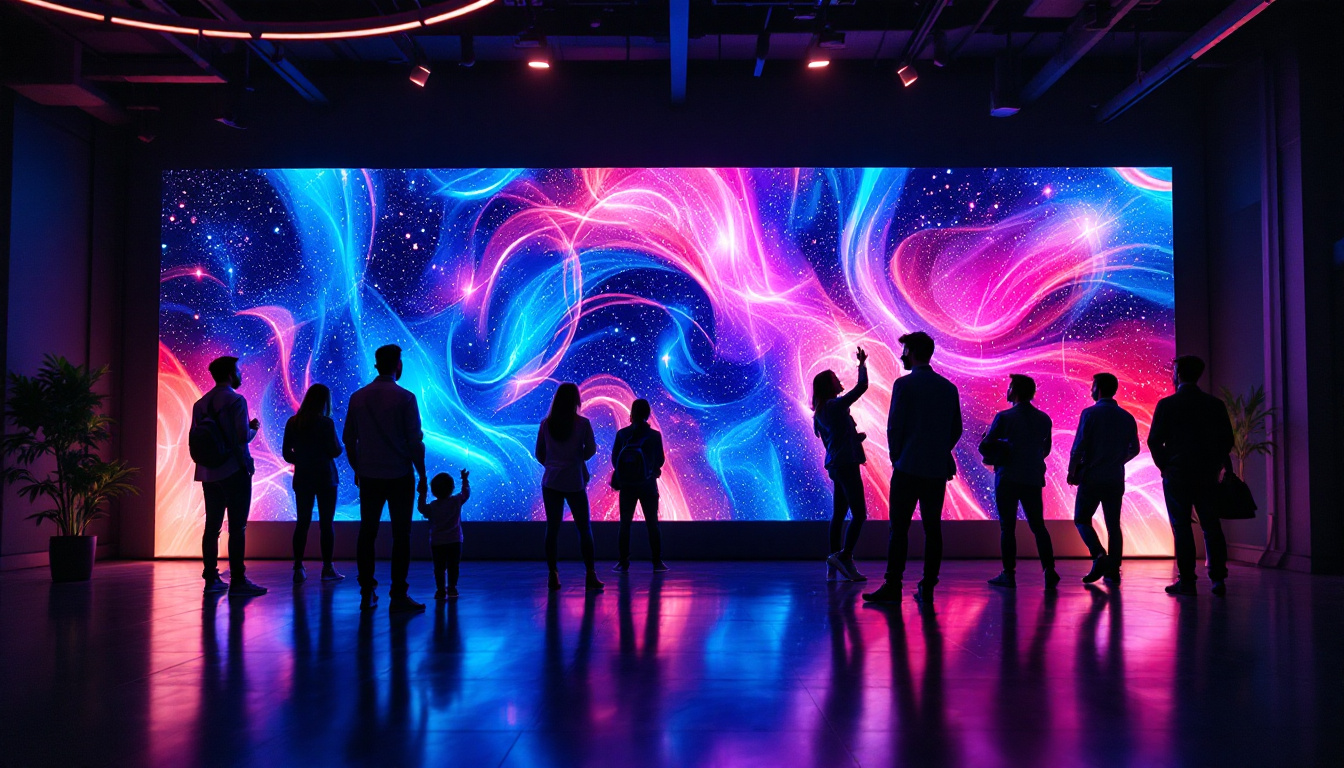
In the rapidly evolving world of digital signage and visual communication, LED display technology has become a cornerstone for delivering vibrant, dynamic content. Among the various components that make up these displays, the LED panel display module stands out as a critical element. This article dives deep into the anatomy, technology, applications, and advantages of LED panel display modules, offering a comprehensive understanding for professionals, enthusiasts, and decision-makers alike.
Understanding LED Panel Display Modules
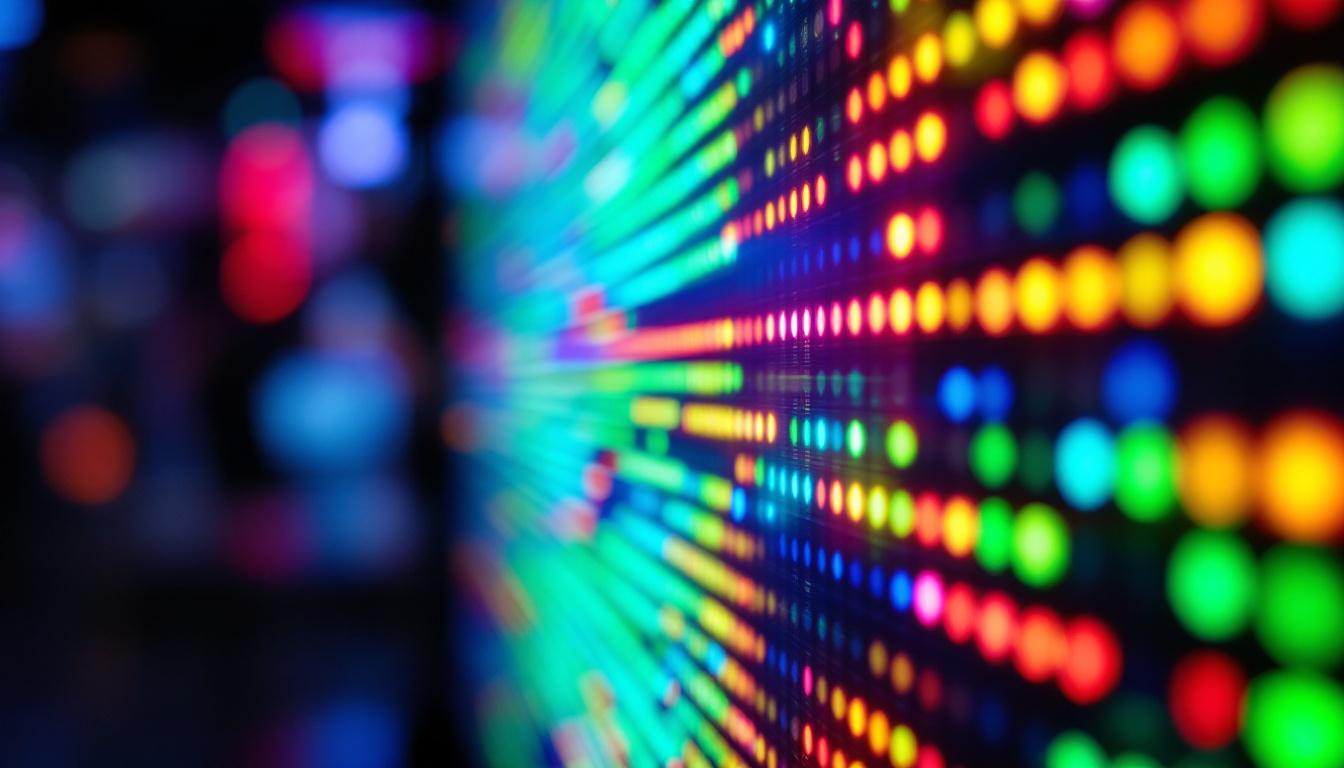
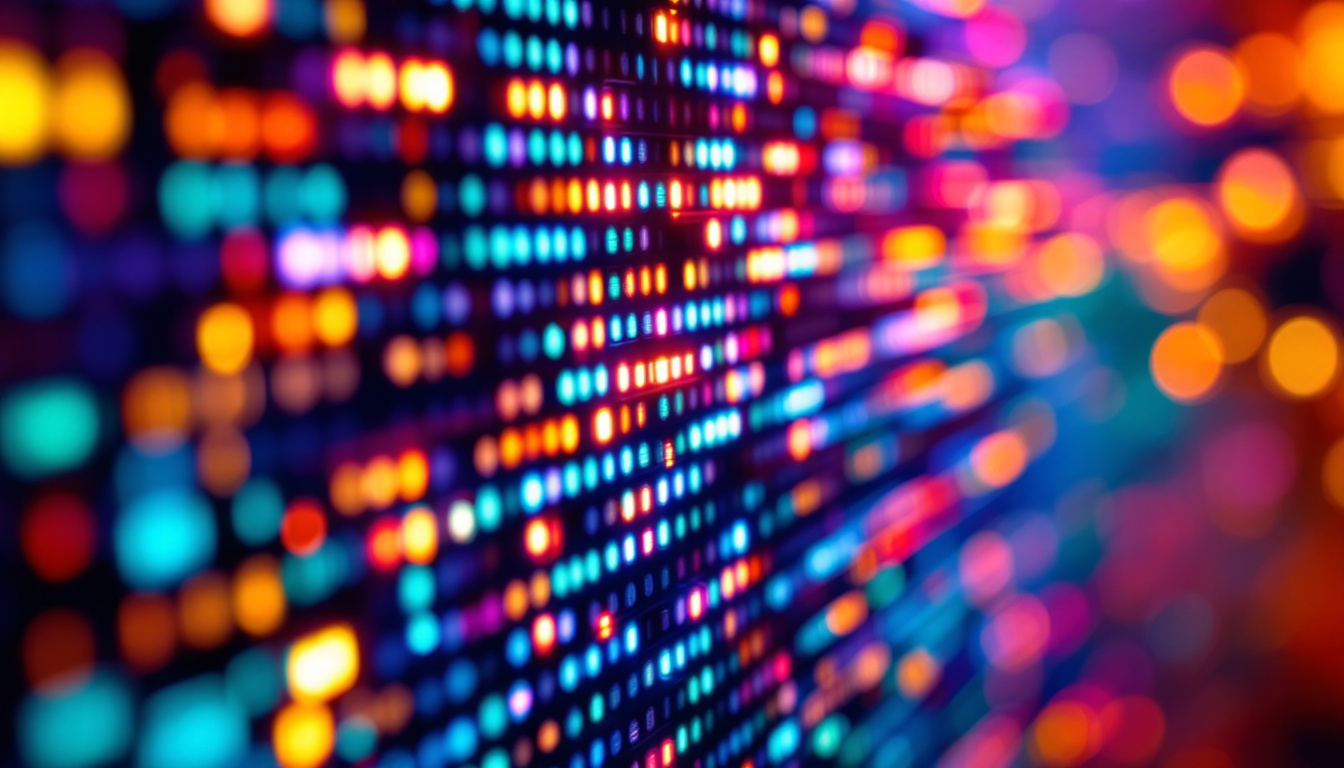
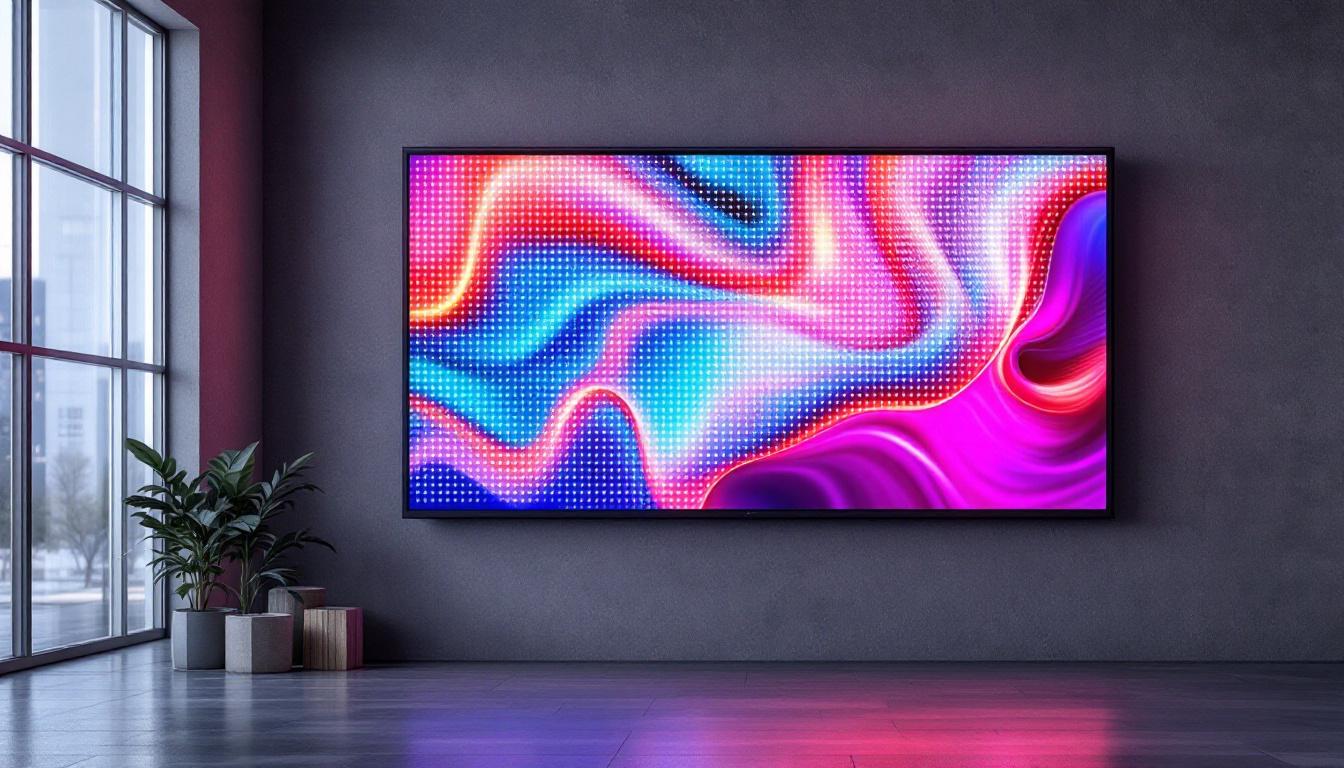
At its core, an LED panel display module is a self-contained unit consisting of an array of light-emitting diodes (LEDs) arranged in a grid pattern. These modules are the building blocks of larger LED screens, which can range from small indoor displays to massive outdoor billboards.
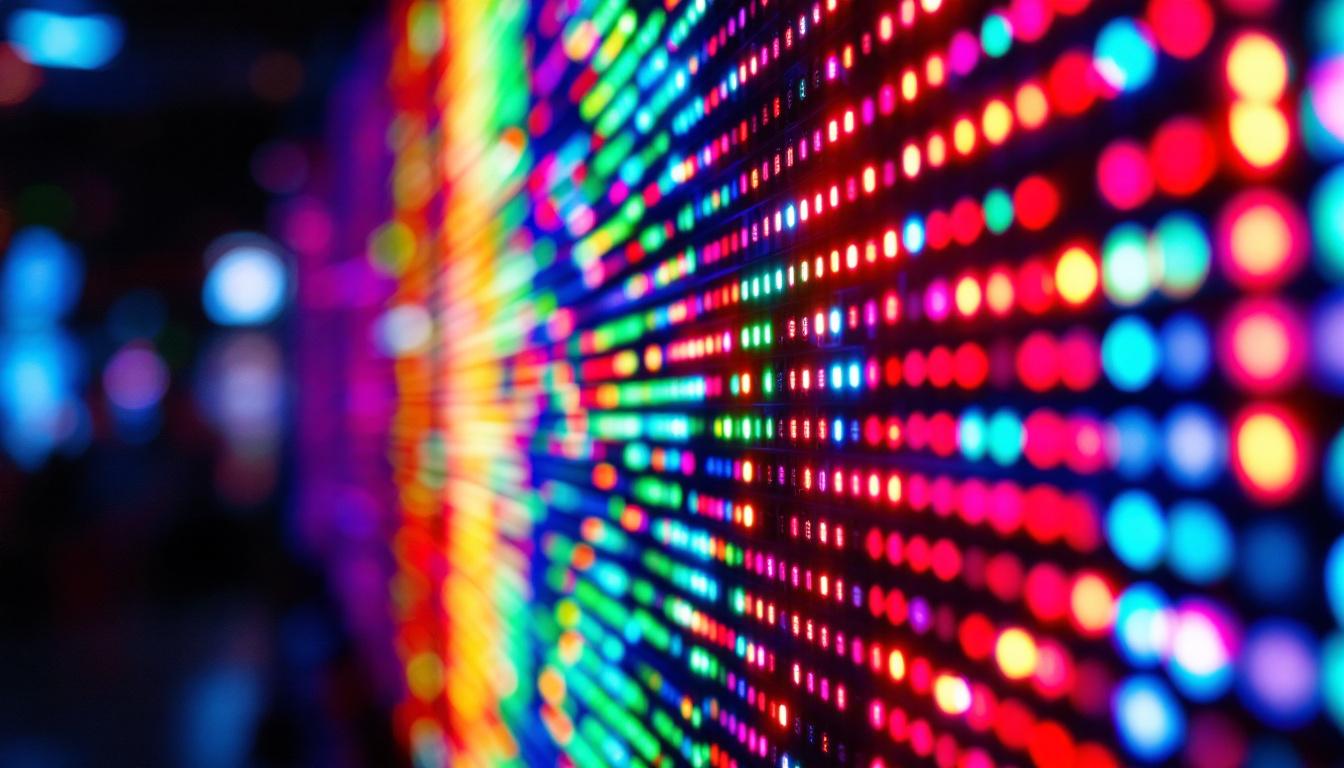
Each module typically contains several hundred to thousands of LEDs, which work together to produce images and videos with remarkable brightness and color accuracy. The modular design allows for scalability and flexibility, enabling manufacturers and installers to create displays of virtually any size and shape by connecting multiple modules seamlessly.
Key Components of an LED Panel Module
Understanding the internal structure helps appreciate how these modules function. Key components include:
- LED Pixels: The smallest unit of the display, each pixel usually consists of red, green, and blue LEDs that combine to produce a wide color spectrum.
- Driver ICs: Integrated circuits that control the current flowing through each LED, ensuring precise brightness and color control.
- Printed Circuit Board (PCB): The physical platform that holds the LEDs and driver ICs, providing electrical connections and mechanical support.
- Power Supply and Data Interface: Modules receive power and data signals, often through standardized connectors, enabling synchronization across multiple modules.
How LED Panel Modules Work Together
When multiple modules are connected, they form a larger display surface. A control system sends data to each module, telling the LEDs which colors and brightness levels to display at any given moment. This synchronization allows for smooth, high-resolution images and video playback across the entire screen.
Modern LED display systems use advanced processing techniques to ensure color uniformity and minimize visual artifacts, even when modules are replaced or maintained individually.
Types of LED Panel Display Modules
LED panel modules come in various types, each optimized for specific applications and environments. Selecting the right type depends on factors such as viewing distance, ambient lighting, and installation location.
Indoor LED Modules
Indoor LED modules are designed for environments with controlled lighting, such as conference rooms, shopping malls, and broadcast studios. They typically feature:
- High Pixel Density: Pixel pitches as small as 0.9mm to 4mm allow for crisp images at close viewing distances.
- Lower Brightness: Since indoor environments have less ambient light, these modules operate at lower brightness levels, reducing power consumption and heat output.
- Lightweight and Slim Design: Facilitates easy installation on walls or ceilings without bulky support structures.
Outdoor LED Modules
Outdoor modules are engineered to withstand harsh weather conditions and deliver high visibility even under direct sunlight. Their characteristics include:
- Higher Brightness: Often exceeding 5,000 nits to combat sunlight glare.
- Robust Enclosures: IP65 or higher ratings ensure protection against dust, rain, and extreme temperatures.
- Larger Pixel Pitch: Typically ranging from 4mm to 20mm, suitable for longer viewing distances.
Transparent and Flexible LED Modules
Innovation in LED technology has led to specialized modules such as transparent and flexible panels. Transparent LED modules allow light to pass through, making them ideal for glass facades and retail windows, while flexible modules can conform to curved surfaces, expanding creative possibilities for designers.
Technical Specifications and Performance Metrics
When evaluating LED panel display modules, several technical specifications are critical to understanding performance and suitability for specific applications.
Pixel Pitch and Resolution
Pixel pitch, measured in millimeters, is the distance between the centers of two adjacent pixels. It directly influences the display’s resolution and optimal viewing distance. A smaller pixel pitch means higher resolution and better image quality at close range, which is essential for indoor applications like control rooms or retail displays.
For example, a 1.5mm pitch LED module provides sharp images suitable for viewing within a few feet, whereas a 10mm pitch module is better suited for outdoor billboards viewed from hundreds of feet away.
Brightness and Contrast Ratio
Brightness, measured in nits (cd/m²), determines how well the display performs under various lighting conditions. Indoor modules typically range from 800 to 1,200 nits, while outdoor modules can exceed 5,000 nits to maintain visibility in sunlight.
Contrast ratio, the difference between the darkest black and brightest white, affects image depth and clarity. High contrast ratios enhance the viewing experience, especially for video content.
Refresh Rate and Viewing Angle
Refresh rate, expressed in Hertz (Hz), indicates how many times per second the display updates its image. Higher refresh rates (above 3,000 Hz) are crucial for applications involving video playback or camera filming to avoid flicker.
Viewing angle defines the maximum angle from which the display can be viewed without significant color or brightness degradation. Wide viewing angles (up to 160° horizontally and vertically) ensure consistent image quality for audiences spread across large areas.
Applications of LED Panel Display Modules
The versatility of LED panel display modules has led to their widespread adoption across diverse industries and use cases.
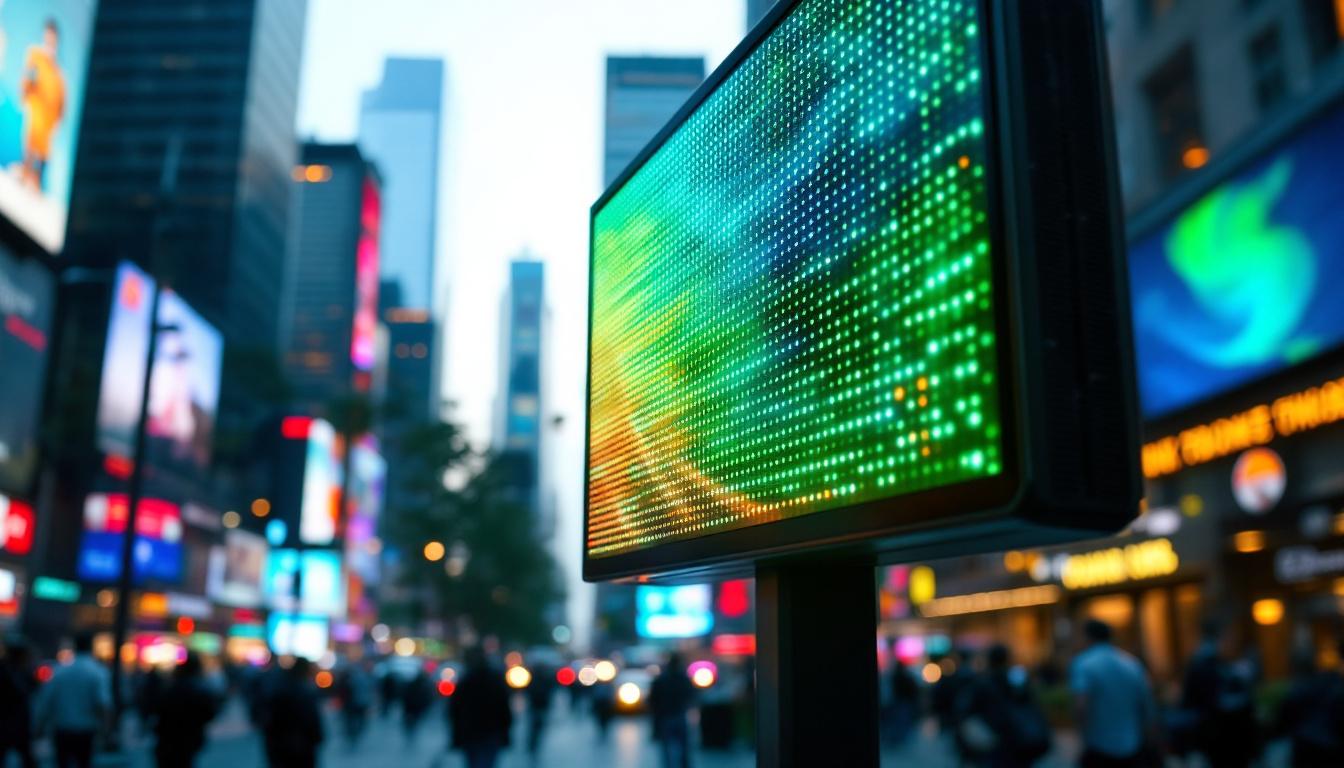
Advertising and Outdoor Signage
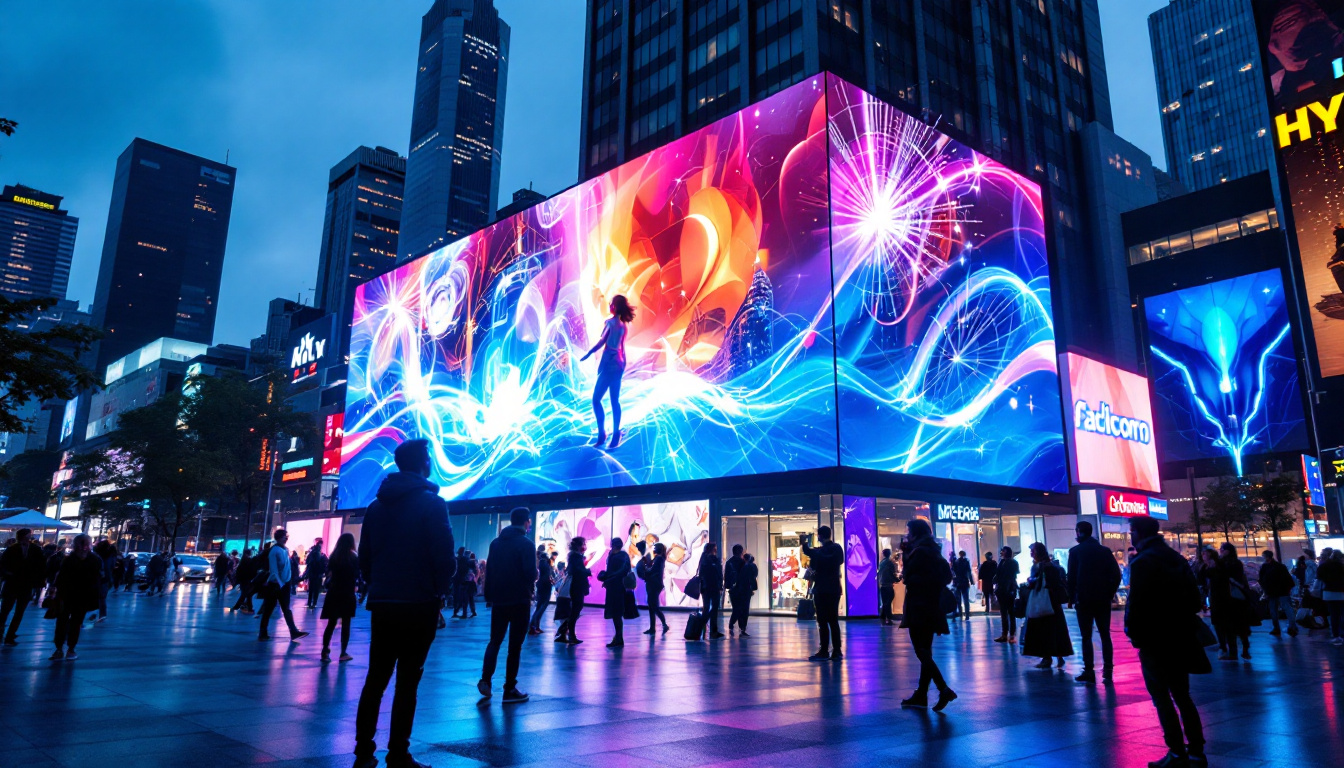
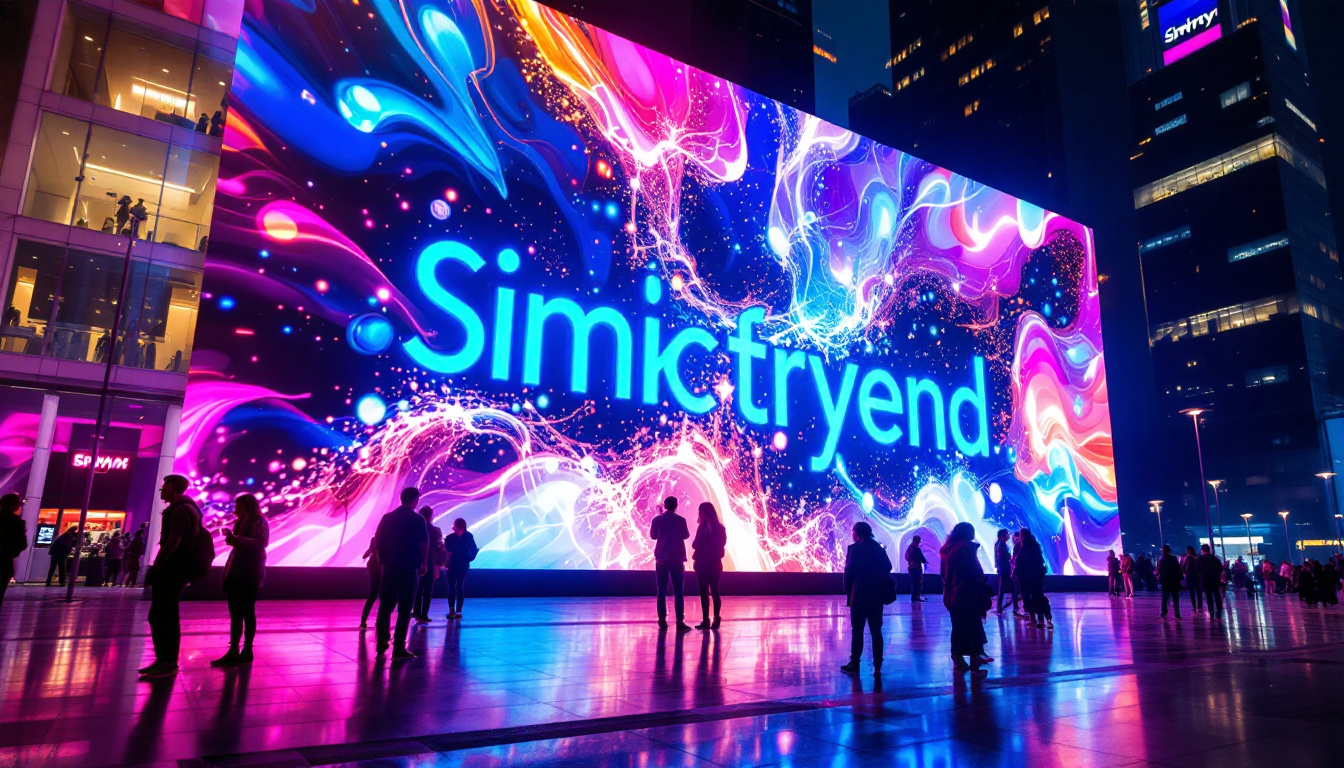
One of the most prominent applications is in advertising, where LED billboards and digital signage capture attention with bright, dynamic content. According to recent market research, the global digital signage market is expected to grow at a CAGR of over 8% through 2028, driven largely by advancements in LED technology.
Outdoor LED panels enable advertisers to deliver real-time promotions, weather updates, and interactive content, enhancing engagement and brand visibility.
Sports Arenas and Entertainment Venues
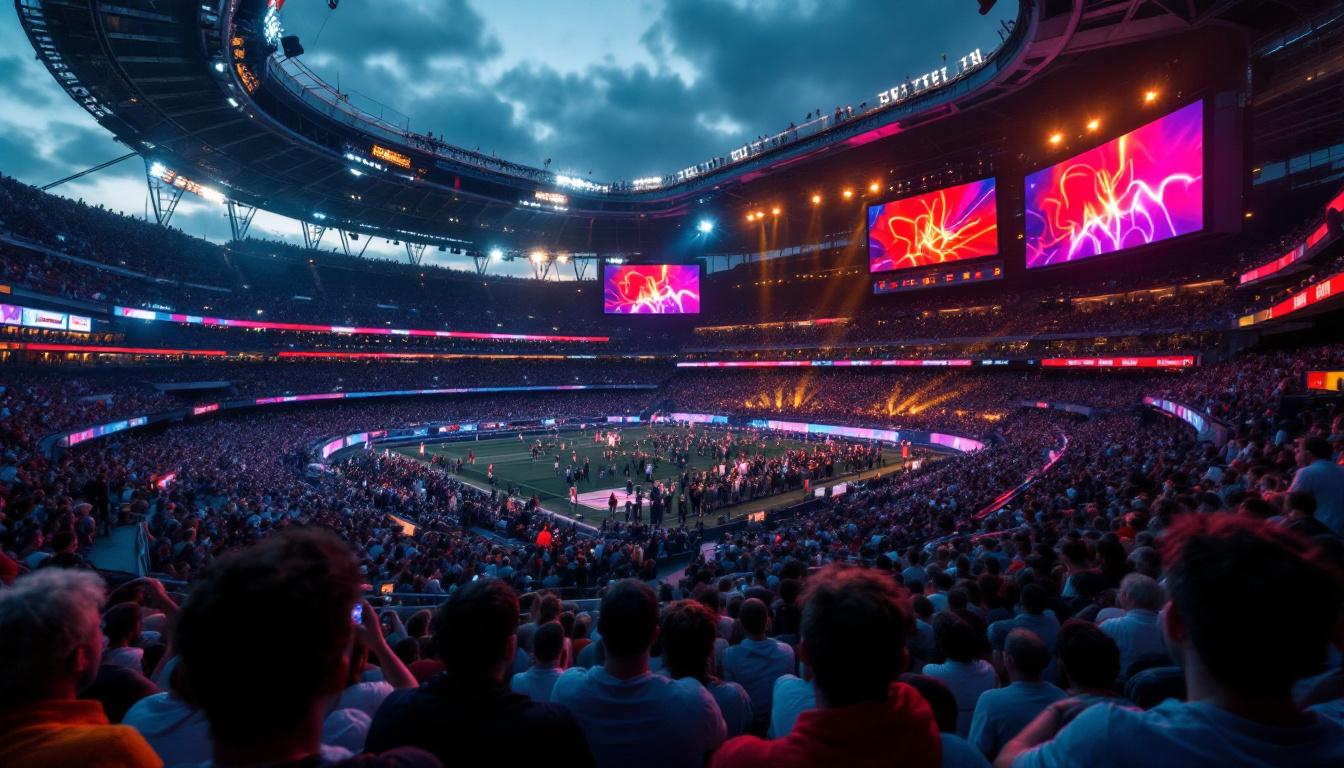
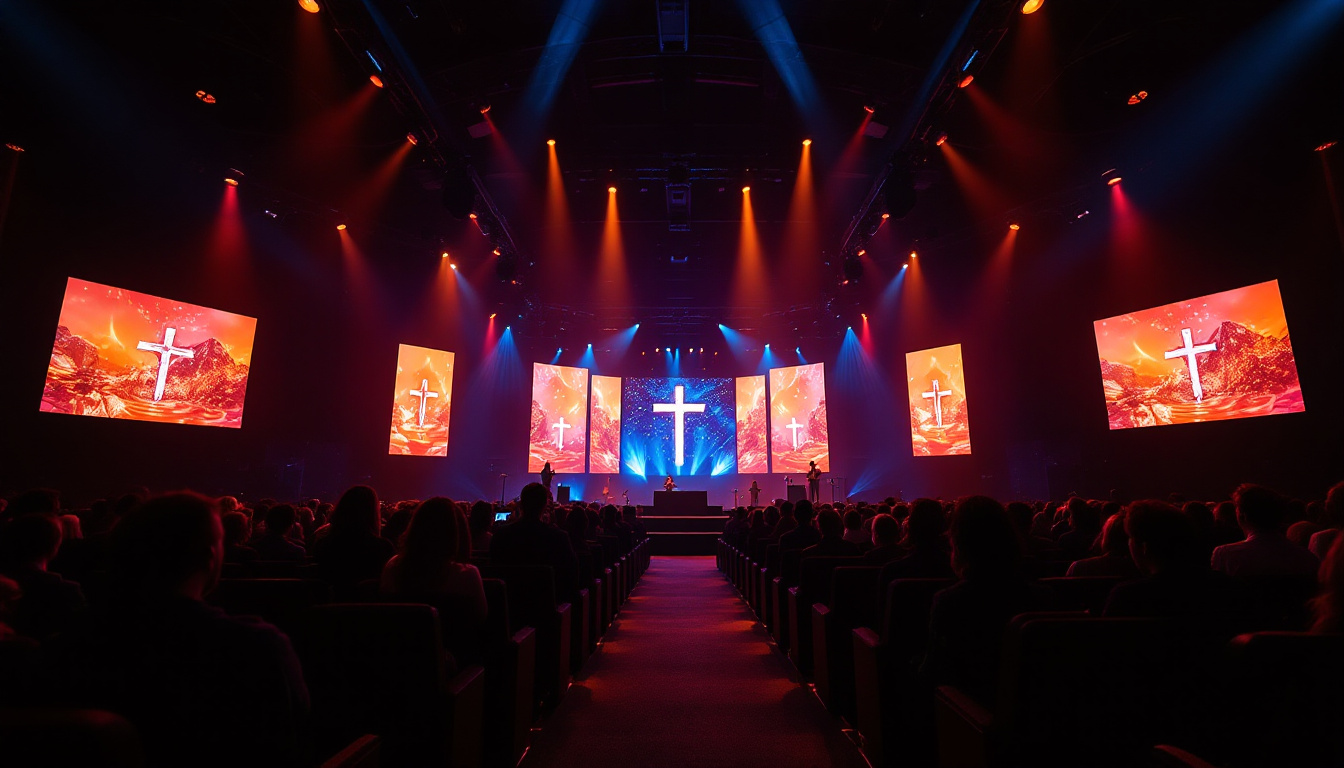
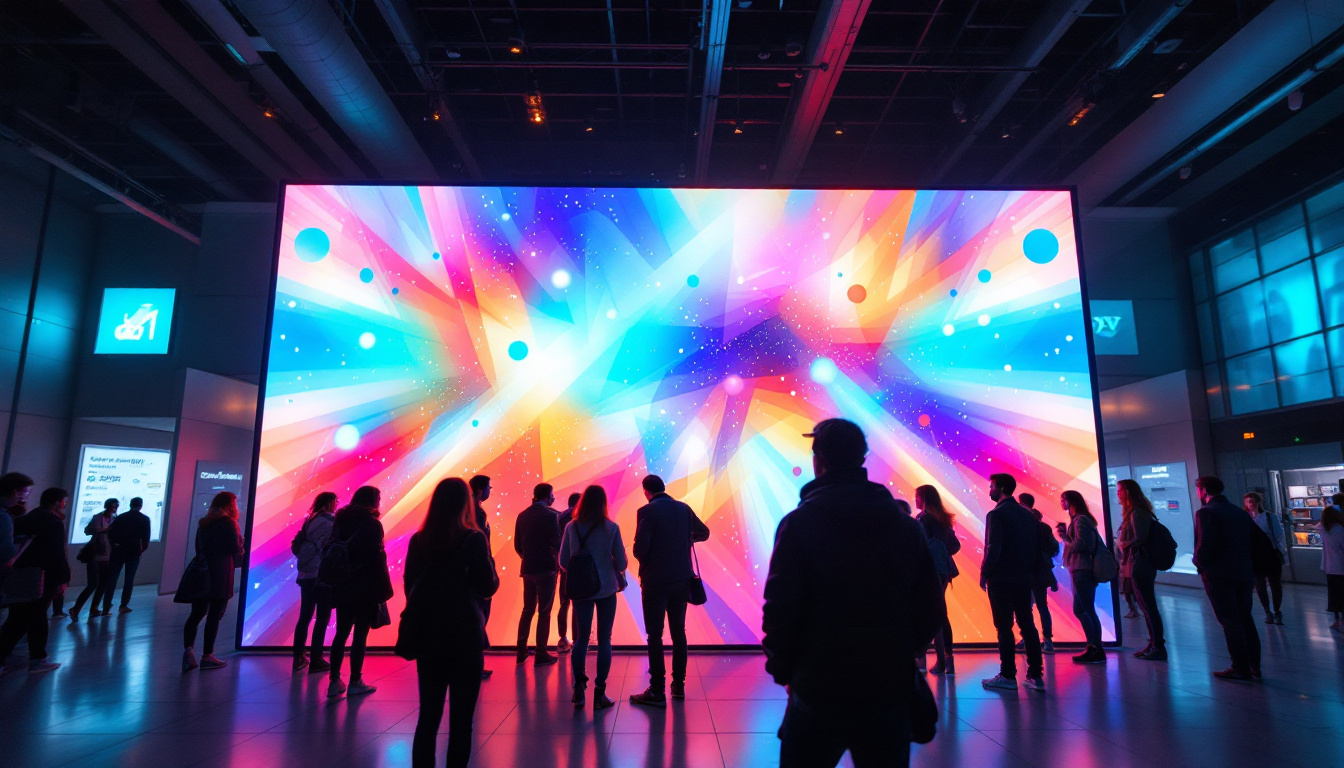
LED display modules are integral to modern sports arenas, concert halls, and theaters. They provide large-scale screens for live video feeds, instant replays, and immersive visual effects. The ability to configure displays in various shapes and sizes allows venues to tailor the visual experience to their audience.
Corporate and Control Room Displays
In corporate environments and mission-critical control rooms, high-resolution indoor LED panels facilitate data visualization, presentations, and monitoring systems. Their reliability and clarity support decision-making processes and enhance communication.
Transportation and Public Information Systems
LED modules are widely used in airports, train stations, and bus terminals to display schedules, alerts, and wayfinding information. Their brightness and legibility ensure information is accessible even in crowded or brightly lit environments.
Advantages of LED Panel Display Modules
LED panel display modules offer several benefits that have contributed to their dominance in the display technology market.
Energy Efficiency and Longevity
Compared to traditional display technologies like LCD and plasma, LED modules consume less power while delivering higher brightness. Advances in LED materials and driver electronics have extended the lifespan of these modules to over 100,000 hours under optimal conditions, reducing maintenance costs and downtime.
Modularity and Scalability
The modular nature of LED panels allows for easy customization and scalability. Whether creating a small indoor display or a massive outdoor billboard, modules can be combined and configured to meet specific size and resolution requirements. This flexibility also simplifies repairs and upgrades, as individual modules can be replaced without affecting the entire display.
Superior Visual Performance
LED modules provide vibrant colors, deep blacks, and high contrast ratios, resulting in visually stunning images. Their wide viewing angles and fast refresh rates ensure smooth motion and consistent quality from various perspectives, essential for dynamic content and live events.
Durability and Environmental Resistance
Outdoor LED modules are built to withstand extreme weather conditions, including rain, dust, and temperature fluctuations. This durability ensures reliable performance in diverse environments, making them suitable for permanent installations as well as temporary events.
Challenges and Considerations When Choosing LED Panel Modules
Despite their advantages, selecting and deploying LED panel display modules requires careful consideration of several factors to ensure optimal performance and return on investment.
Cost and Budget Constraints
High-quality LED modules can represent a significant upfront investment, especially for large-scale or high-resolution displays. It is important to balance cost with required specifications, considering factors such as pixel pitch, brightness, and durability.
Installation and Maintenance
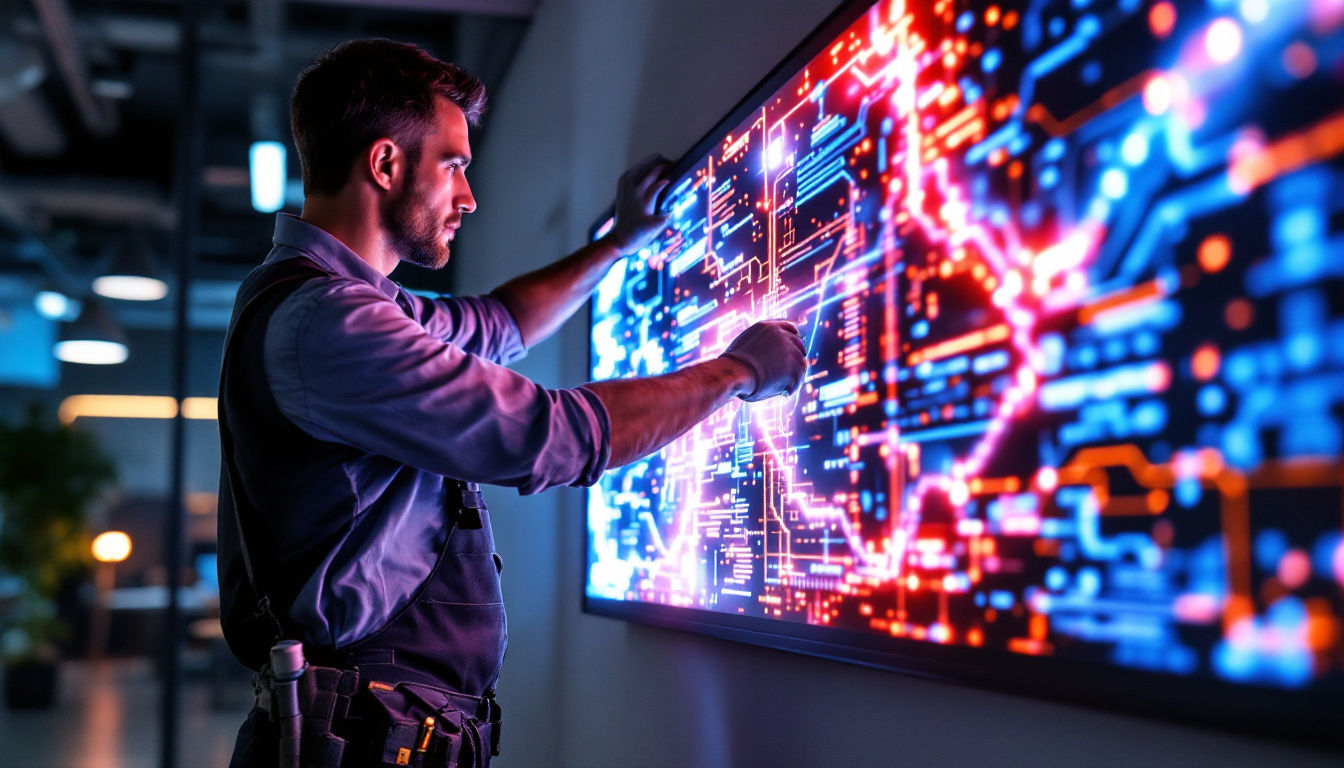
Proper installation is critical to avoid issues like misalignment, color inconsistency, or signal interference. Additionally, maintenance access should be planned to facilitate cleaning, repairs, and module replacement without disrupting operation.
Environmental and Regulatory Compliance
Outdoor installations must comply with local regulations regarding brightness levels, light pollution, and safety. Environmental factors such as humidity, temperature extremes, and exposure to pollutants must also be addressed through appropriate module selection and protective measures.
Future Trends in LED Panel Display Technology
The LED display industry continues to innovate, driven by advances in materials science, electronics, and software integration.
MicroLED and MiniLED Technologies
Emerging technologies like MicroLED and MiniLED promise even higher resolution, improved energy efficiency, and enhanced color accuracy. These smaller LEDs enable finer pixel pitches and thinner panels, expanding possibilities for ultra-high-definition displays.
Integration with Smart Technologies
Integration with IoT and AI is enabling smarter LED displays capable of real-time content adaptation, audience analytics, and remote management. This enhances interactivity and operational efficiency for advertisers and venue operators.
Sustainability and Eco-Friendly Designs
Manufacturers are increasingly focusing on sustainable materials, energy-saving designs, and recyclability to reduce the environmental impact of LED displays. This aligns with global trends toward greener technology adoption.
Conclusion
LED panel display modules are fundamental components that have revolutionized the way visual content is presented across industries. Their modularity, brightness, and versatility make them suitable for a wide range of applications, from indoor corporate displays to massive outdoor advertising screens.
Understanding the technical aspects, types, and practical considerations of LED modules empowers businesses and professionals to make informed decisions that maximize impact and efficiency. As technology advances, LED displays will continue to evolve, offering even more dynamic, sustainable, and immersive visual experiences.
Discover LumenMatrix’s Advanced LED Display Solutions
Ready to elevate your visual communication with cutting-edge LED display technology? LumenMatrix offers a comprehensive range of LED display modules tailored to your specific needs. From captivating Indoor LED Wall Displays to robust Outdoor LED Wall Displays, and from dynamic Vehicle LED Displays to innovative LED Transparent Displays, our solutions are designed to make your brand stand out. Experience the future of digital signage with LumenMatrix and transform your space into a vibrant canvas of engagement. Check out LumenMatrix LED Display Solutions today and take the first step towards an unparalleled visual experience.