In an era where visual communication is paramount, LED panels have become a cornerstone technology for businesses, event organizers, advertisers, and public spaces. Whether you’re looking to enhance your storefront, create an immersive event experience, or deliver dynamic information displays, understanding LED panels is essential to making an informed purchase. This comprehensive guide will explore what LED panels are, how they work, the different types available, and key considerations when shopping for LED panels for sale.
What Are LED Panels?
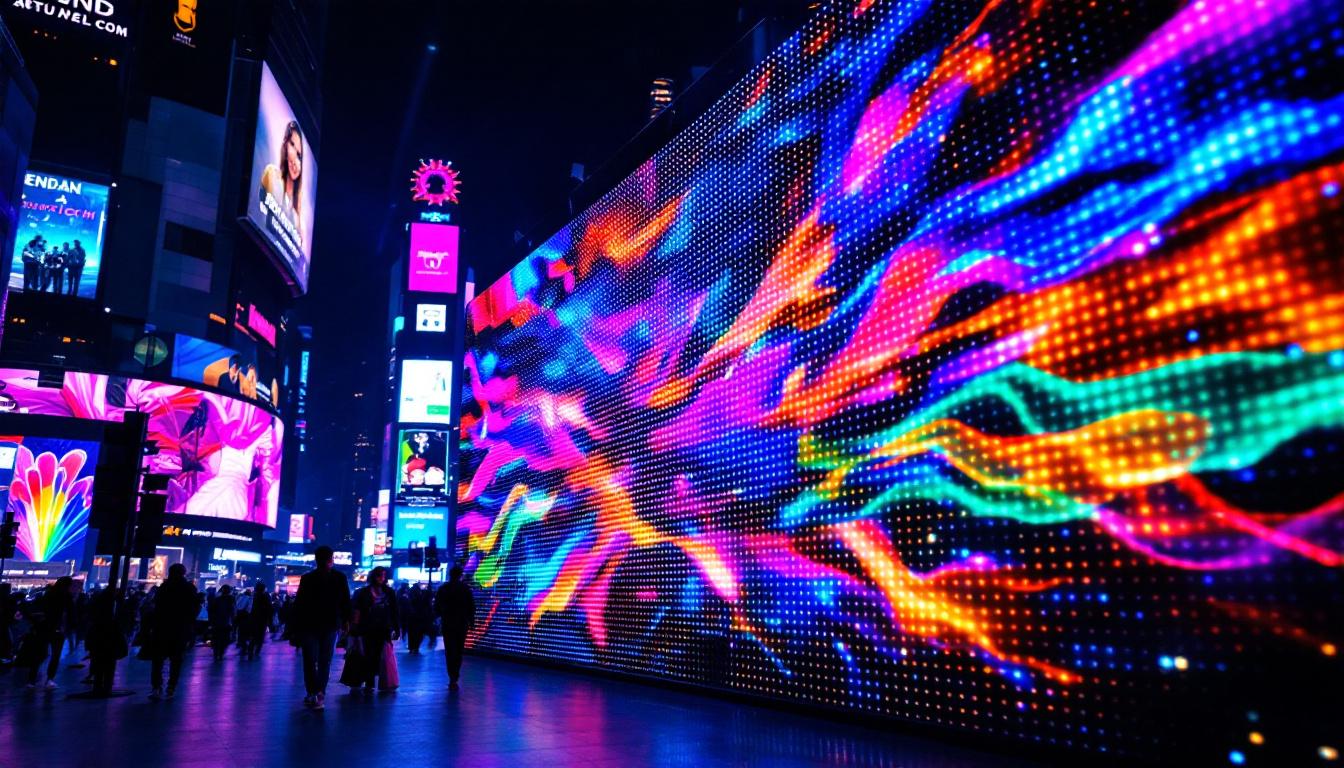
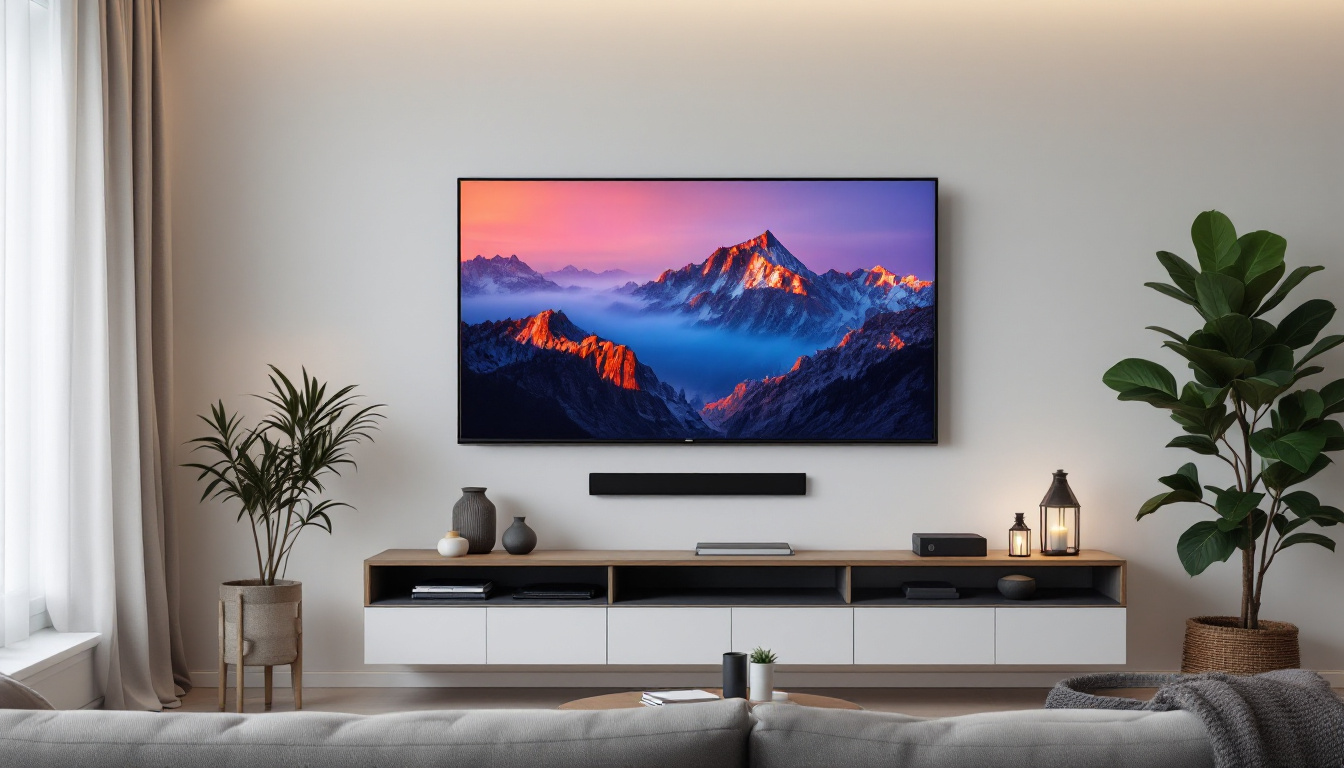
LED panels are flat display screens composed of numerous light-emitting diodes (LEDs) arranged in a grid. These tiny diodes emit light when an electric current passes through them, creating bright, vivid images and videos. Unlike traditional LCD or plasma screens, LED panels offer superior brightness, energy efficiency, and durability, making them ideal for both indoor and outdoor applications.
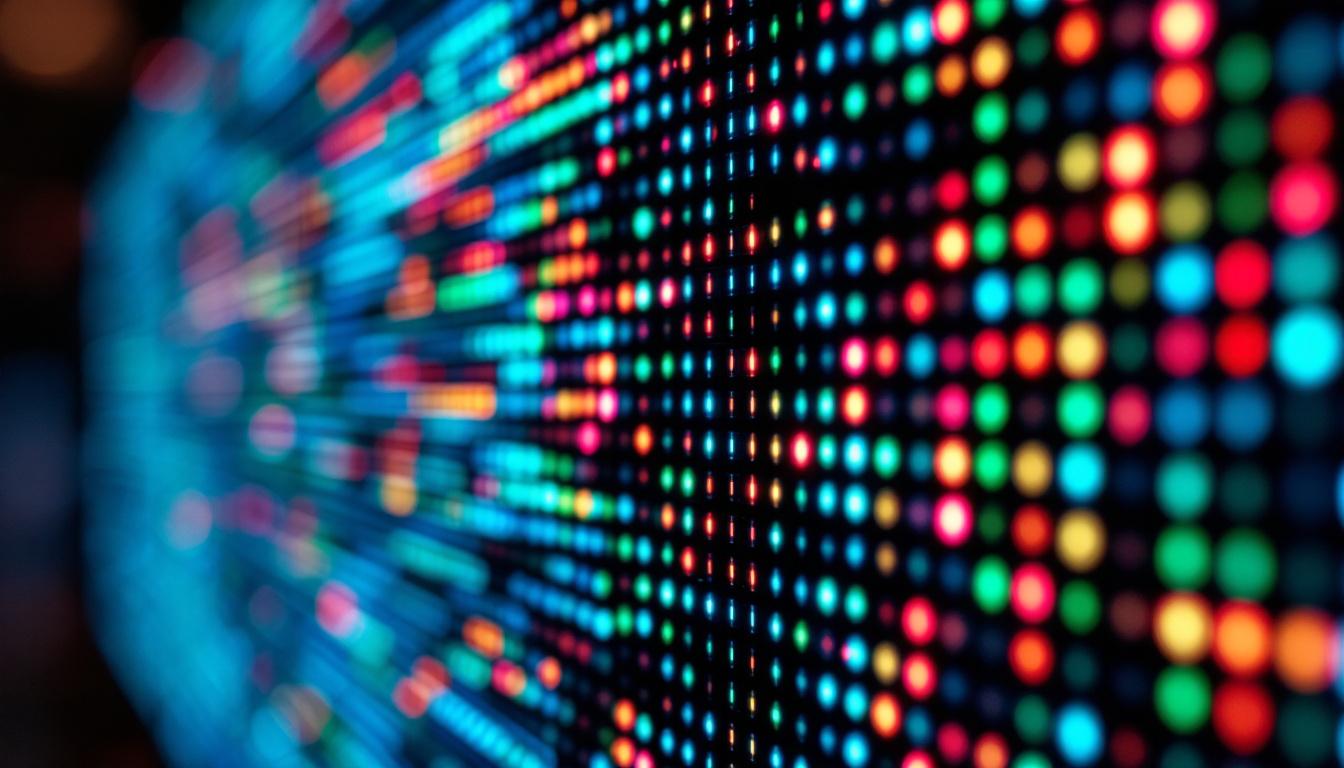
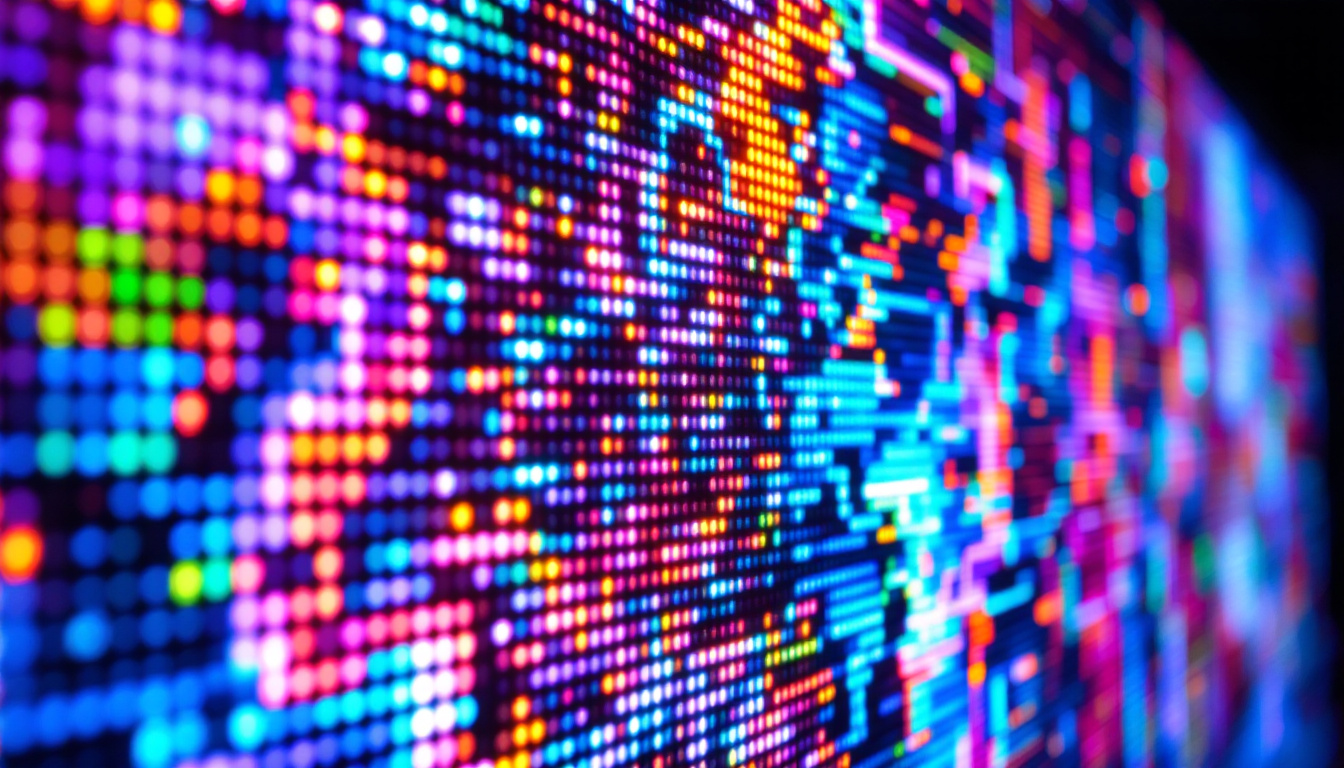
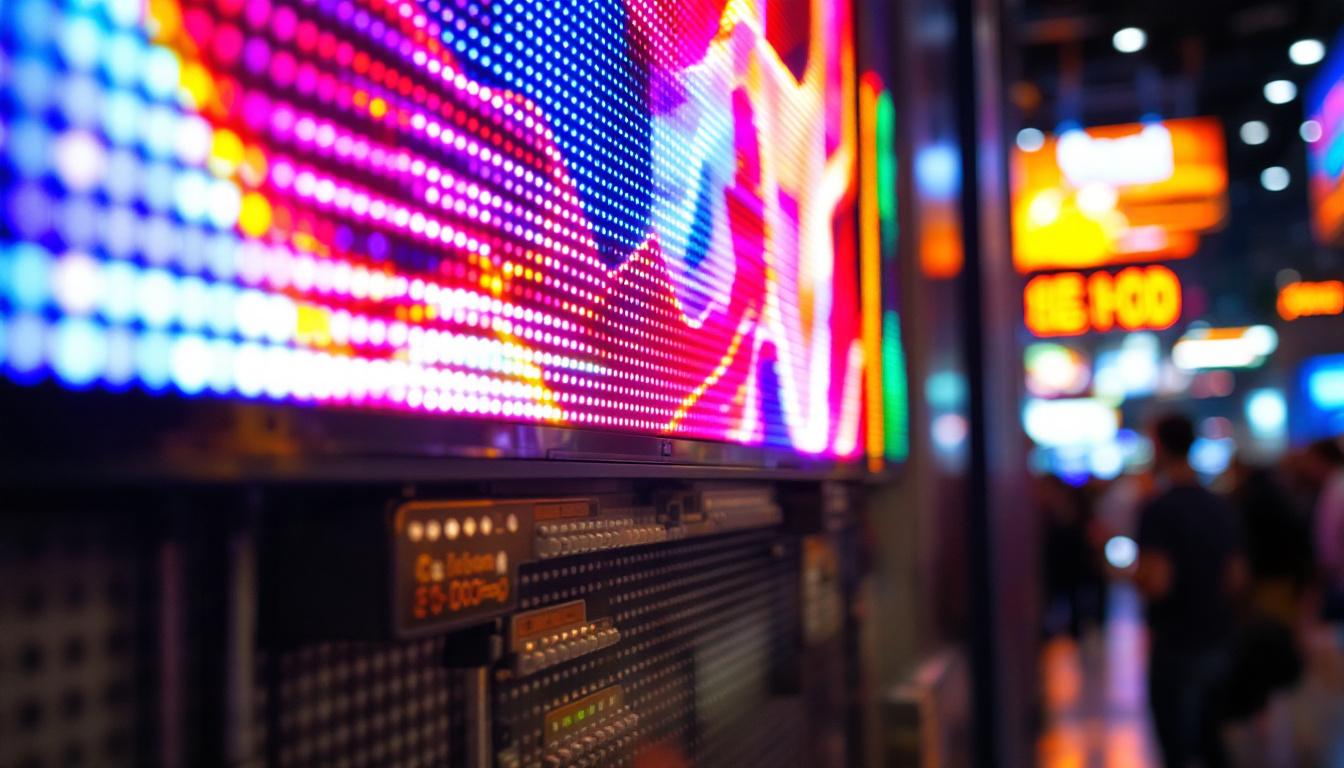
LED panels vary in size, resolution, and pixel pitch (the distance between individual LEDs), which influences the clarity and viewing distance. They can be used for anything from small digital signage to massive video walls spanning entire building facades.
The Evolution of LED Display Technology
The first LED displays appeared in the 1960s, primarily as simple numeric or alphanumeric indicators. Over the decades, advances in semiconductor technology and manufacturing have transformed LED panels into full-color, high-resolution displays. Today’s LED panels support millions of colors, high refresh rates, and seamless video playback, allowing for dynamic content that grabs attention and communicates effectively.
How Do LED Panels Work?
At the core of an LED panel is the LED itself—a semiconductor device that emits light when an electric current passes through it. Each LED can produce a specific color, typically red, green, or blue. By combining these three primary colors at varying intensities, the panel can produce a full spectrum of colors.
LED panels are controlled by a driver system that regulates the electrical current to each diode, adjusting brightness and color output. This control system is connected to a video processor or controller that receives input from a computer or media player, translating digital content into signals that light up the LEDs accordingly.
Pixel Pitch and Resolution
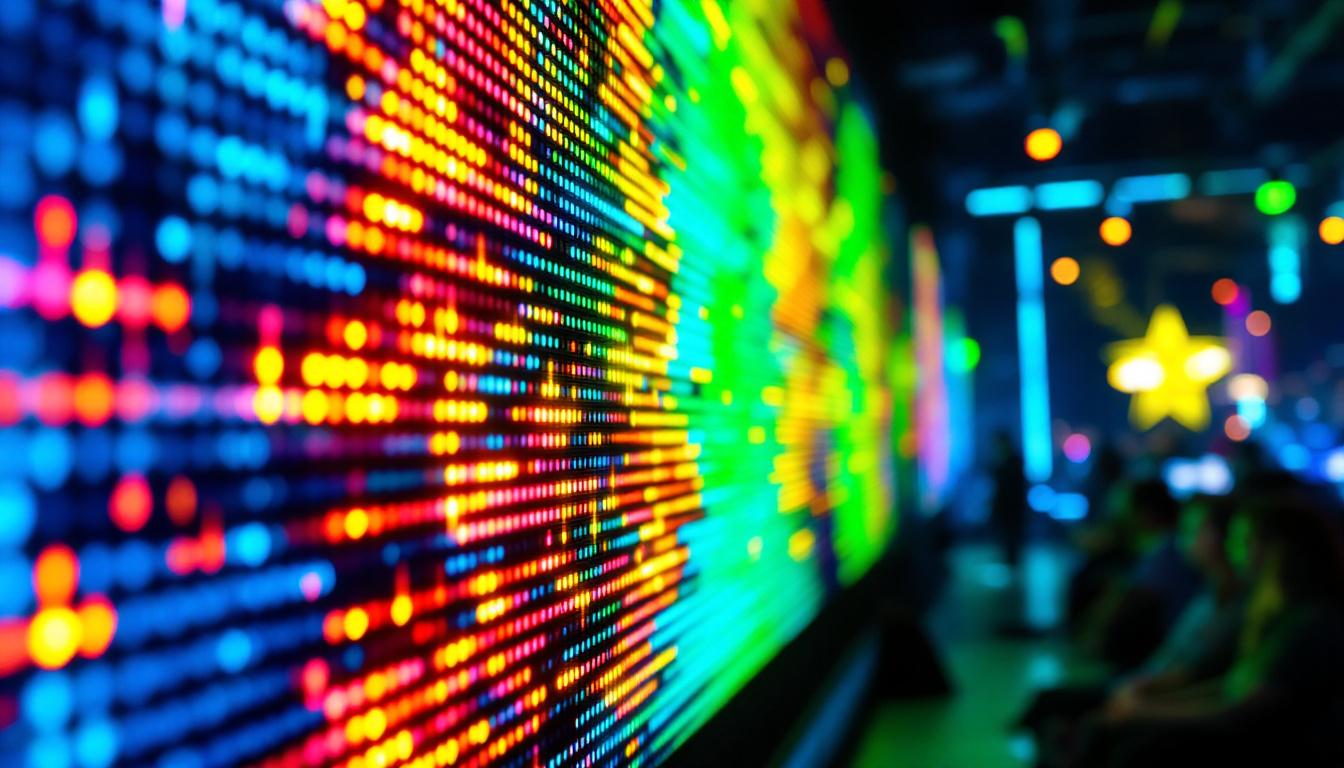
Pixel pitch is a critical specification in LED panels, defined as the distance from the center of one LED cluster (or pixel) to the center of the next. A smaller pixel pitch means more pixels per square meter, resulting in higher resolution and sharper images. For example, a 1.5mm pixel pitch panel is suitable for close viewing distances, such as retail displays, while a 10mm pixel pitch panel might be used for large outdoor billboards viewed from afar.
Resolution is the total number of pixels in the display, usually expressed as width x height. The combination of pixel pitch and panel size determines the overall resolution and image quality.
Types of LED Panels
LED panels come in various types, each designed for specific applications and environments. Understanding these types helps buyers select the right panel for their needs.
Indoor LED Panels
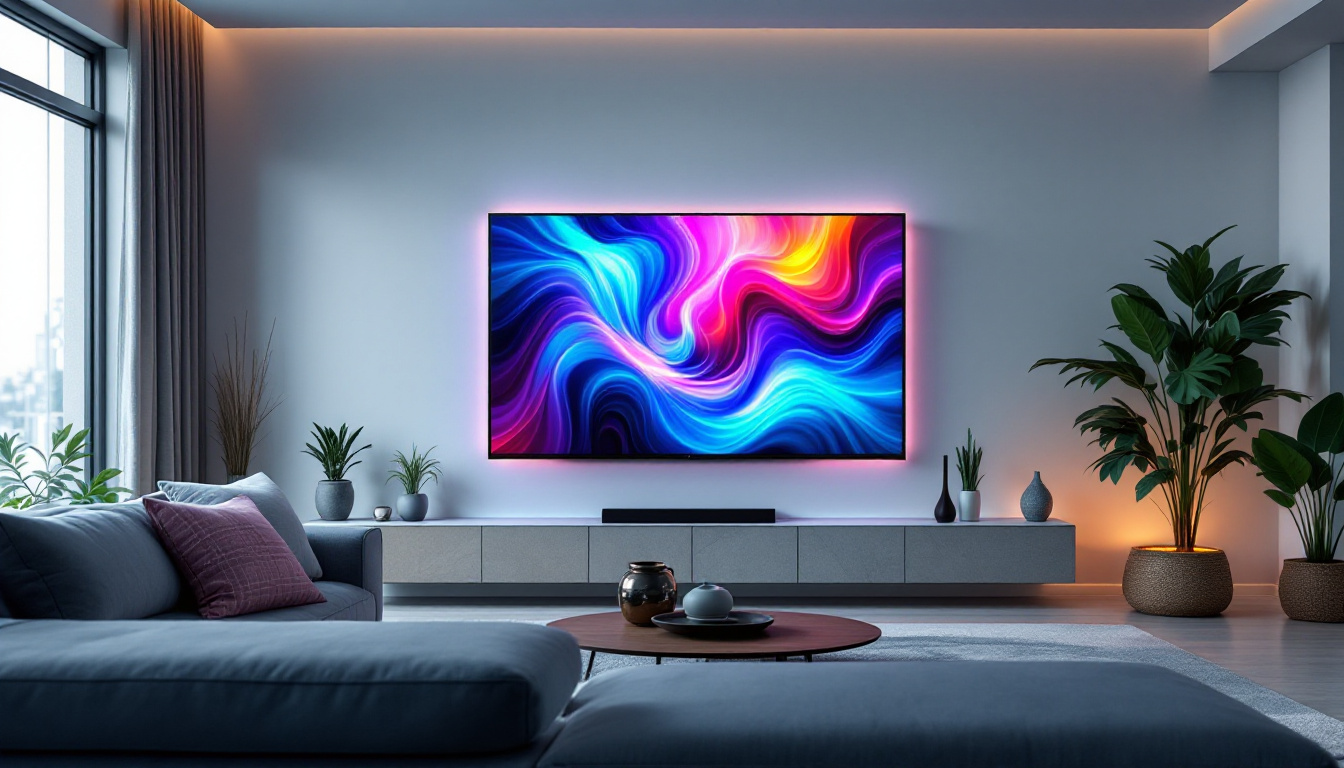
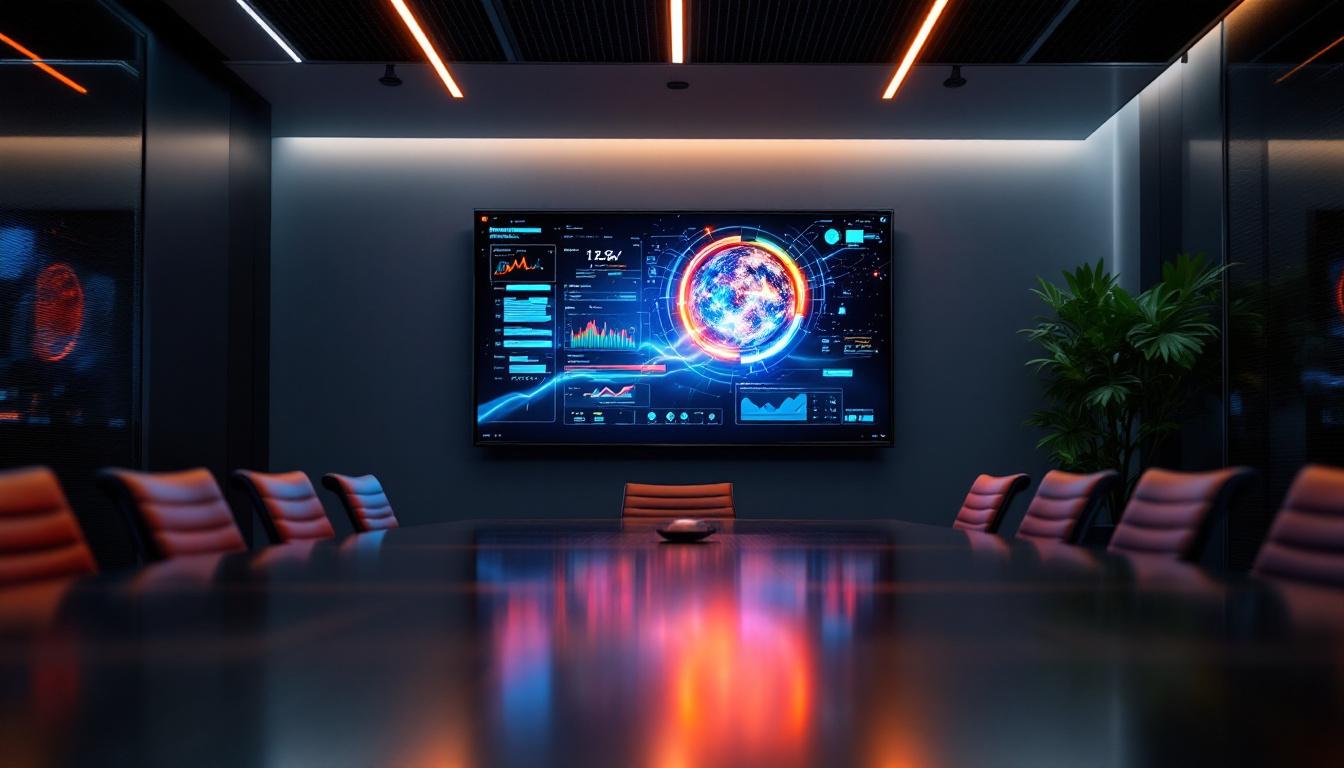
Indoor LED panels are designed for controlled environments with lower brightness requirements. They typically have smaller pixel pitches (1.2mm to 4mm) to provide high-definition images at close viewing distances. These panels are commonly used in retail stores, conference rooms, control centers, and broadcast studios.
Indoor panels prioritize color accuracy, contrast, and refresh rates to ensure crisp, flicker-free visuals. They are usually lighter and thinner than outdoor panels, facilitating easier installation and integration into interior spaces.
Outdoor LED Panels
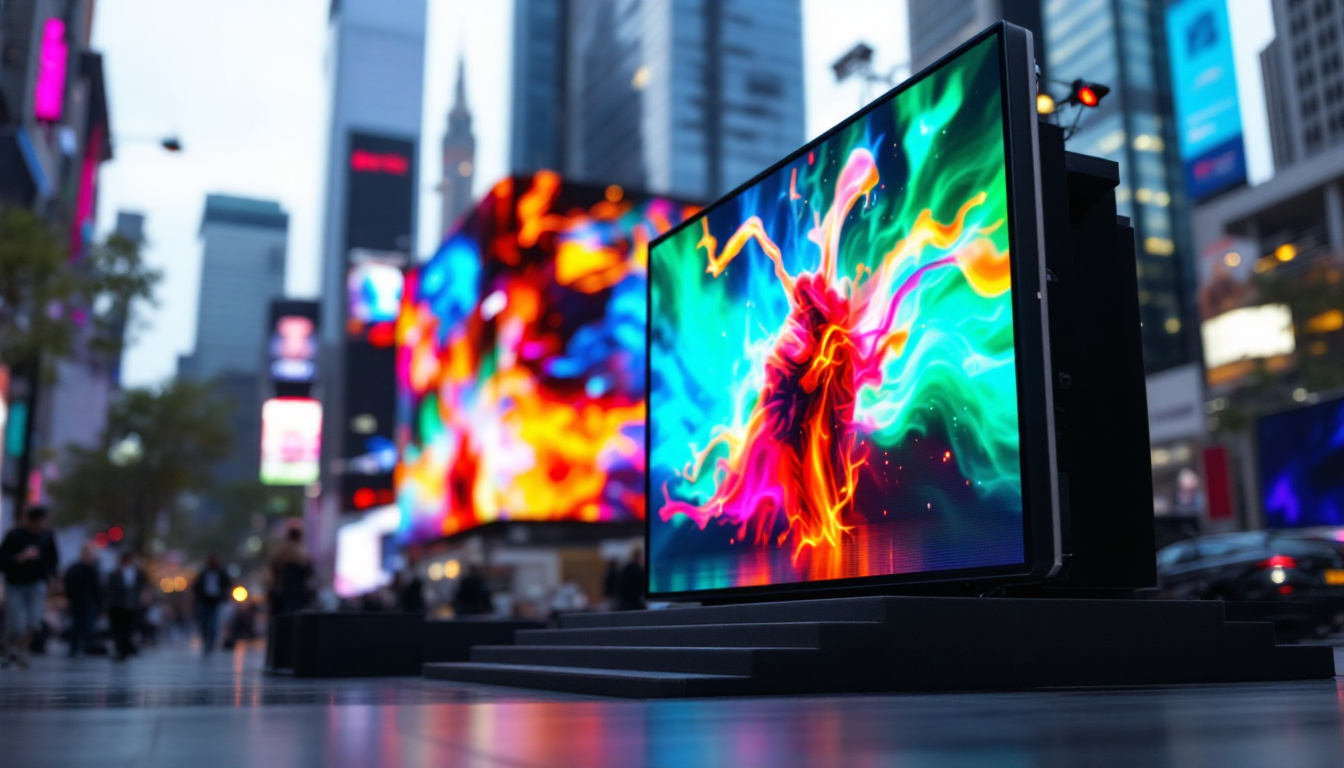
Outdoor LED panels are built to withstand harsh weather conditions, including rain, wind, dust, and extreme temperatures. They feature higher brightness levels (often exceeding 5,000 nits) to remain visible even in direct sunlight. Pixel pitches for outdoor panels are typically larger (6mm to 20mm), as viewers tend to observe these displays from greater distances.
Durability is a key factor in outdoor LED panels, which often include waterproof and dustproof ratings such as IP65 or higher. These panels are widely used for advertising billboards, sports stadiums, transportation hubs, and public information displays.
Transparent LED Panels
Transparent LED panels are innovative displays that allow light to pass through them, making them ideal for glass surfaces like storefront windows or building facades. They combine LED technology with transparent materials, enabling dynamic content without obstructing natural light or views.
These panels are gaining popularity in retail and architectural applications where maintaining visibility through windows is important while still delivering engaging digital content.
Flexible and Curved LED Panels
Flexible LED panels can bend or curve, allowing for creative installations on curved surfaces or irregular shapes. This type of panel is often used in artistic displays, stage design, and immersive environments where traditional flat panels would not fit.
The ability to customize shapes and sizes opens new possibilities for designers and advertisers seeking unique visual experiences.
Key Benefits of LED Panels
LED panels offer several advantages over other display technologies, making them a popular choice across industries.
High Brightness and Visibility
LED panels can achieve brightness levels far beyond those of LCD or projection displays, ensuring visibility in bright ambient light conditions. This is crucial for outdoor advertising and public information systems where sunlight can wash out less bright displays.
Energy Efficiency
Compared to traditional lighting and display technologies, LEDs consume significantly less power. This energy efficiency translates into lower operating costs and a smaller environmental footprint, which is increasingly important for businesses aiming to reduce energy consumption.
Long Lifespan and Durability
LEDs have a long operational life, often rated at 50,000 to 100,000 hours. Additionally, LED panels are resistant to shock and vibration, making them reliable for both indoor and outdoor use. This durability reduces maintenance and replacement costs over time.
Flexible Content and Dynamic Messaging
Unlike static signage, LED panels allow for real-time content updates, animations, and video playback. This flexibility enables businesses to tailor messages to specific audiences, times of day, or events, maximizing engagement and impact.
Factors to Consider When Buying LED Panels for Sale
Purchasing LED panels requires careful consideration of several factors to ensure the investment meets your needs and delivers the desired results.
Viewing Distance and Pixel Pitch
Determine the typical viewing distance for your display. Closer viewing distances require smaller pixel pitches for clear images, while larger pixel pitches are suitable for distant viewing. For example, a retail store window display viewed from a few feet away might need a 1.5mm pixel pitch, whereas a roadside billboard viewed from hundreds of feet away could use a 10mm or larger pitch.
Indoor vs. Outdoor Use
Choose panels rated for the environment where they will be installed. Outdoor panels must have appropriate weatherproofing and brightness levels, while indoor panels can prioritize resolution and color accuracy.
Resolution and Screen Size
Balance the desired screen size with the resolution needed to display your content clearly. Larger screens with low resolution can appear pixelated, while very high-resolution panels may be unnecessary for distant viewing and increase costs.
Brightness and Contrast Ratio
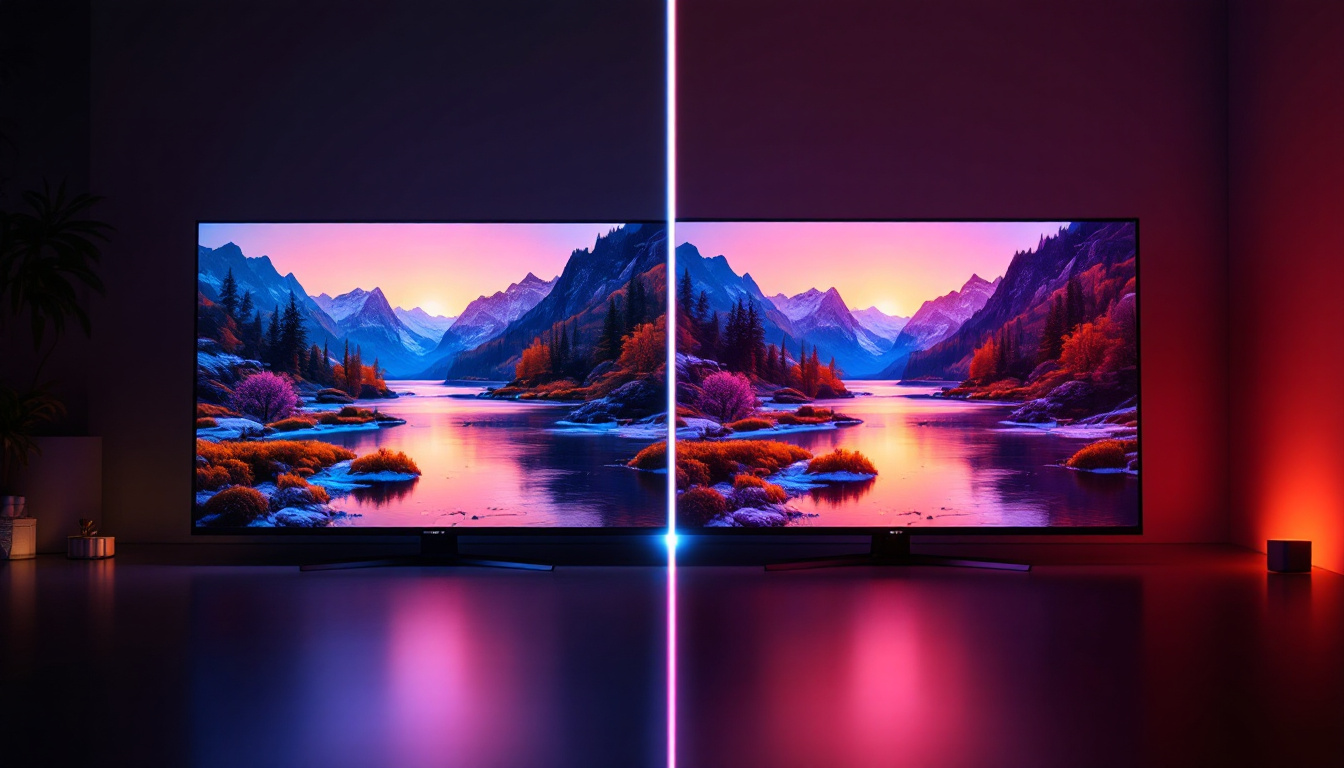
Brightness is measured in nits, and higher values are essential for outdoor visibility. Contrast ratio affects how well the display renders dark and bright areas, impacting overall image quality.
Refresh Rate and Color Depth
A higher refresh rate reduces flicker and improves video playback smoothness, which is important for broadcast and live event applications. Color depth determines how many colors the panel can display, influencing image richness and realism.
Installation and Maintenance
Consider the ease of installation, mounting options, and accessibility for maintenance. Modular panels that can be easily replaced or serviced reduce downtime and long-term costs.
Budget and Total Cost of Ownership
While initial purchase price is important, factor in operating costs such as power consumption, maintenance, and potential upgrades. Investing in quality panels may result in lower costs over the product’s lifespan.
Popular Applications of LED Panels
LED panels are versatile and can be found in a wide range of settings, each with unique requirements and benefits.
Advertising and Marketing
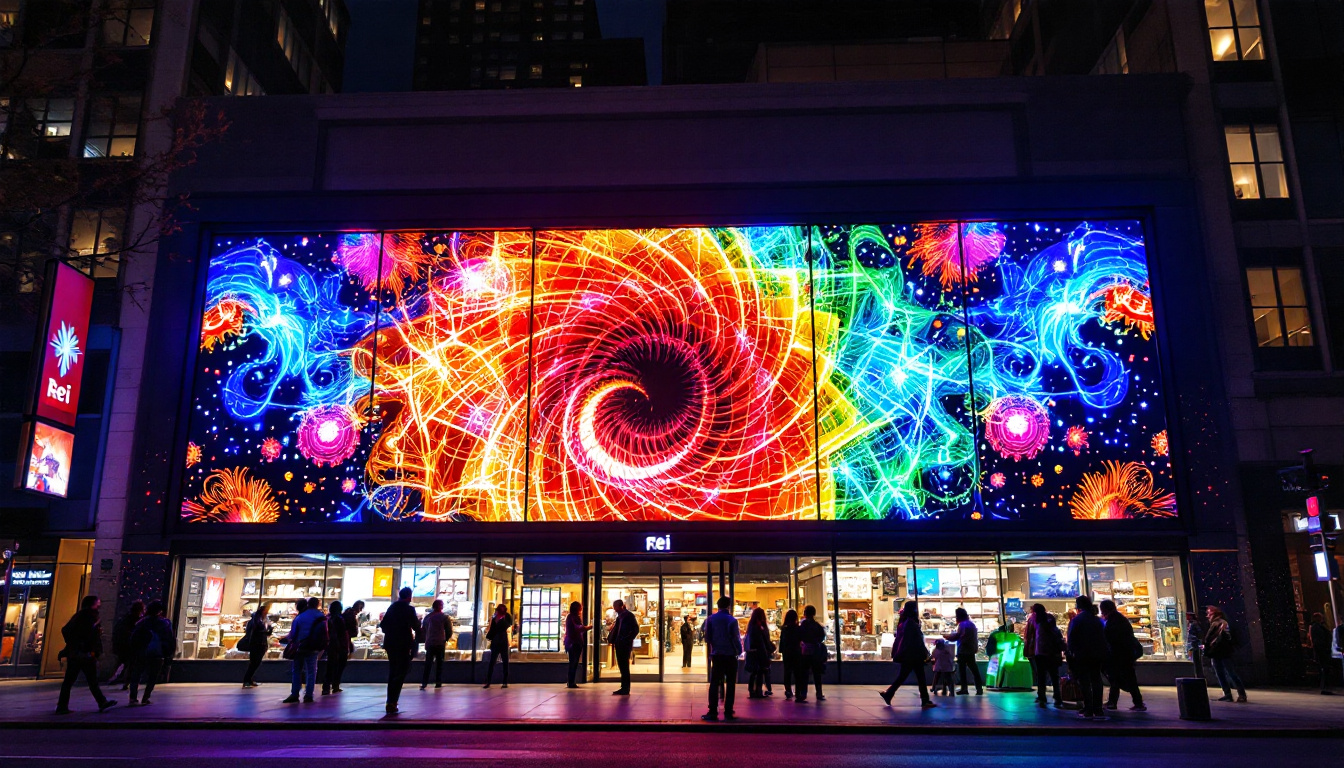
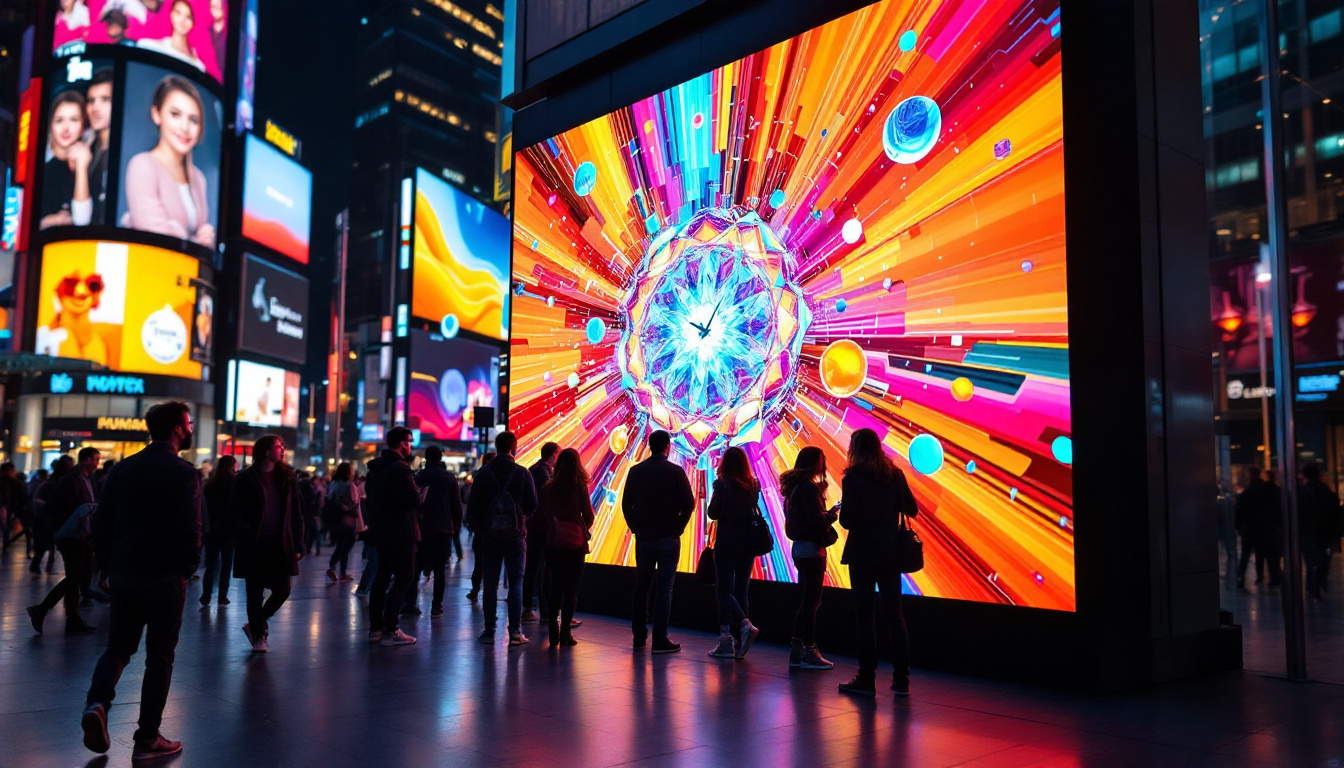
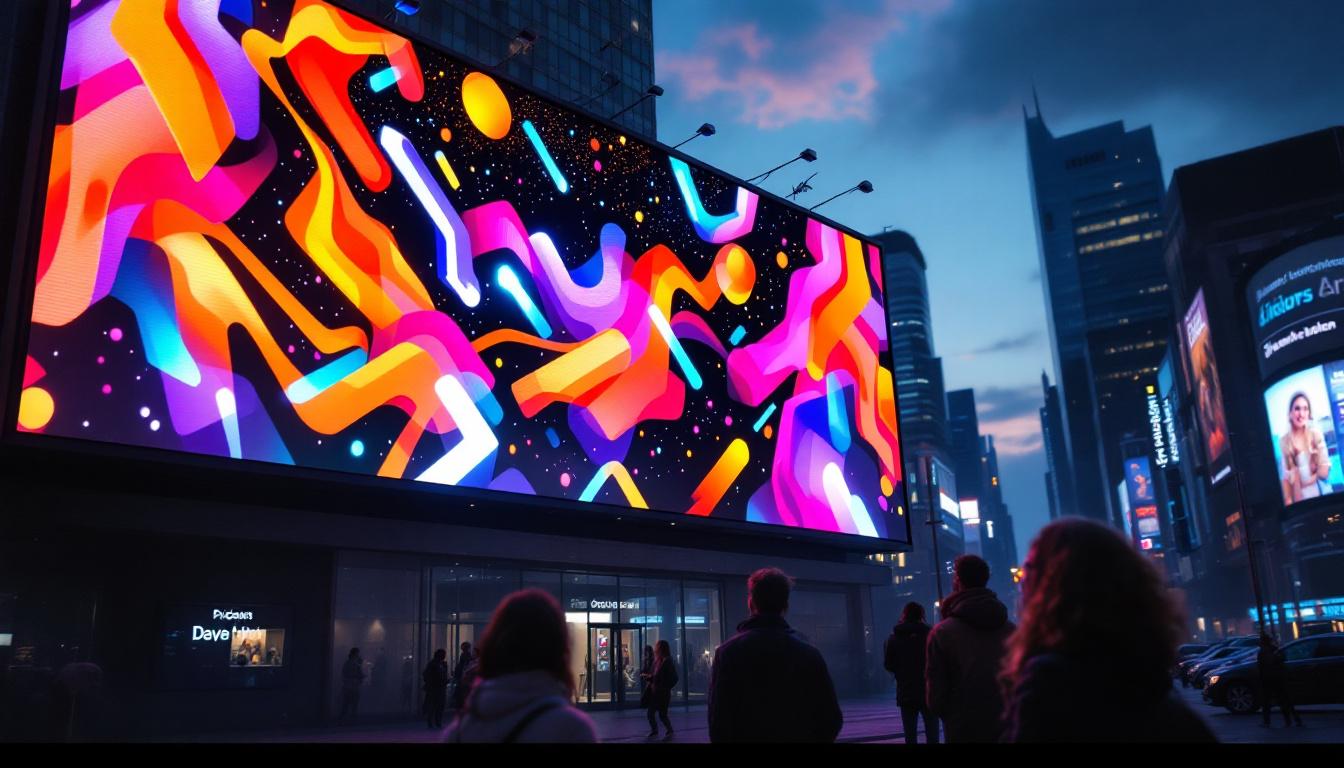
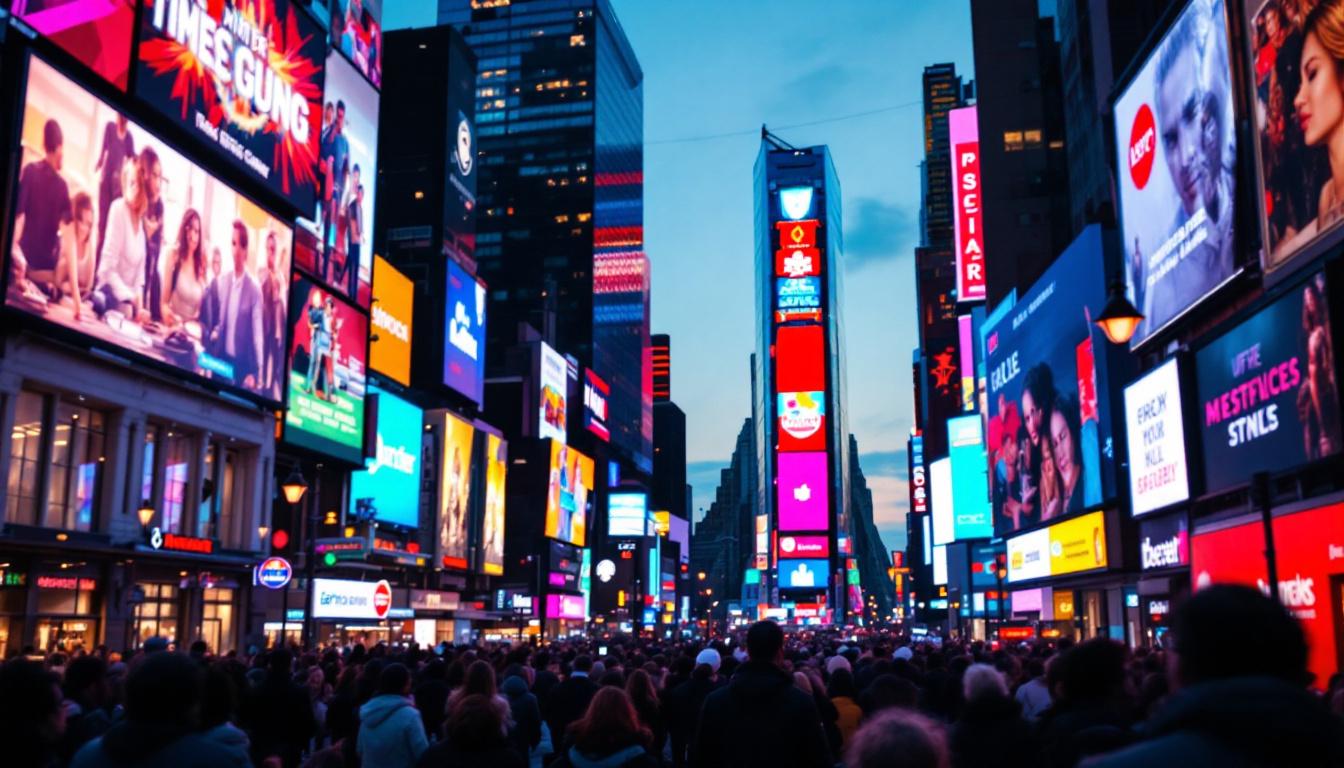
Digital billboards and retail signage use LED panels to attract attention with bright, dynamic content. Studies have shown that digital signage can increase customer engagement by up to 30%, making LED panels a valuable marketing tool.
Events and Entertainment
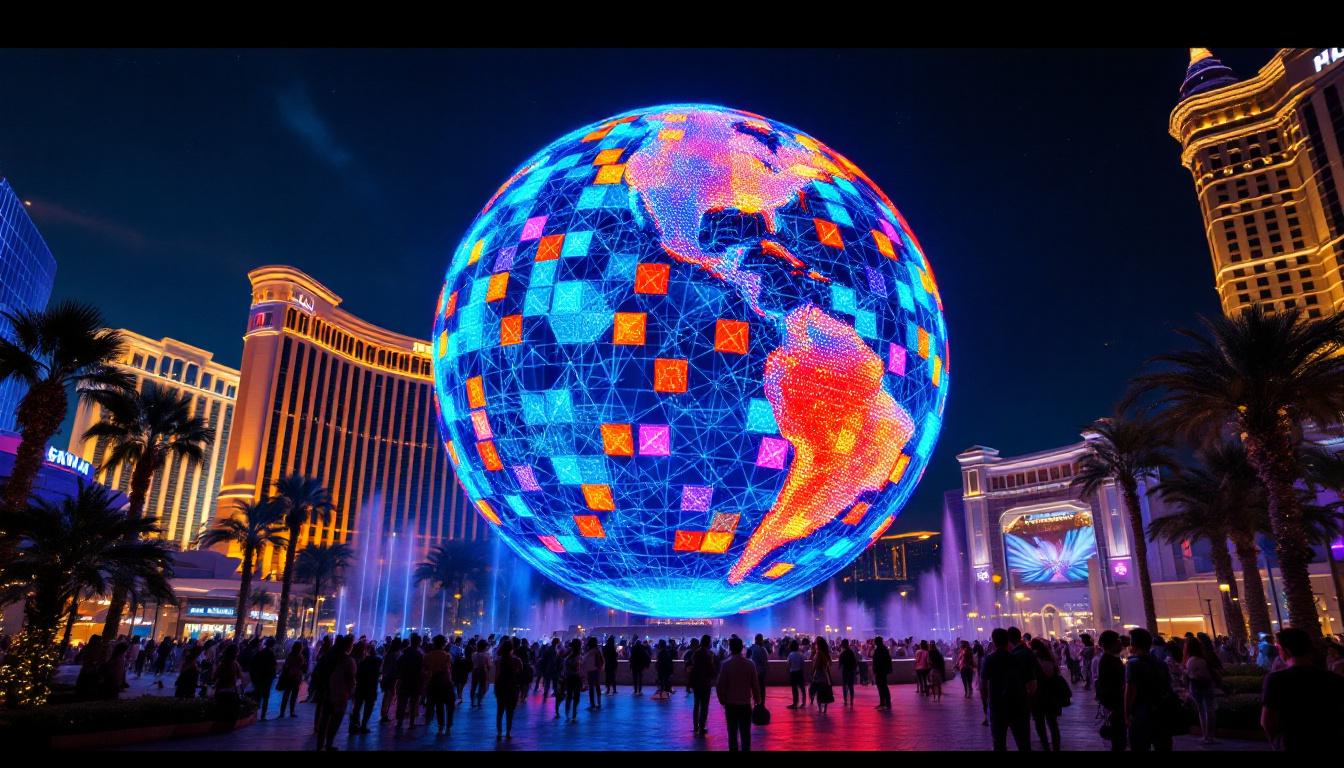
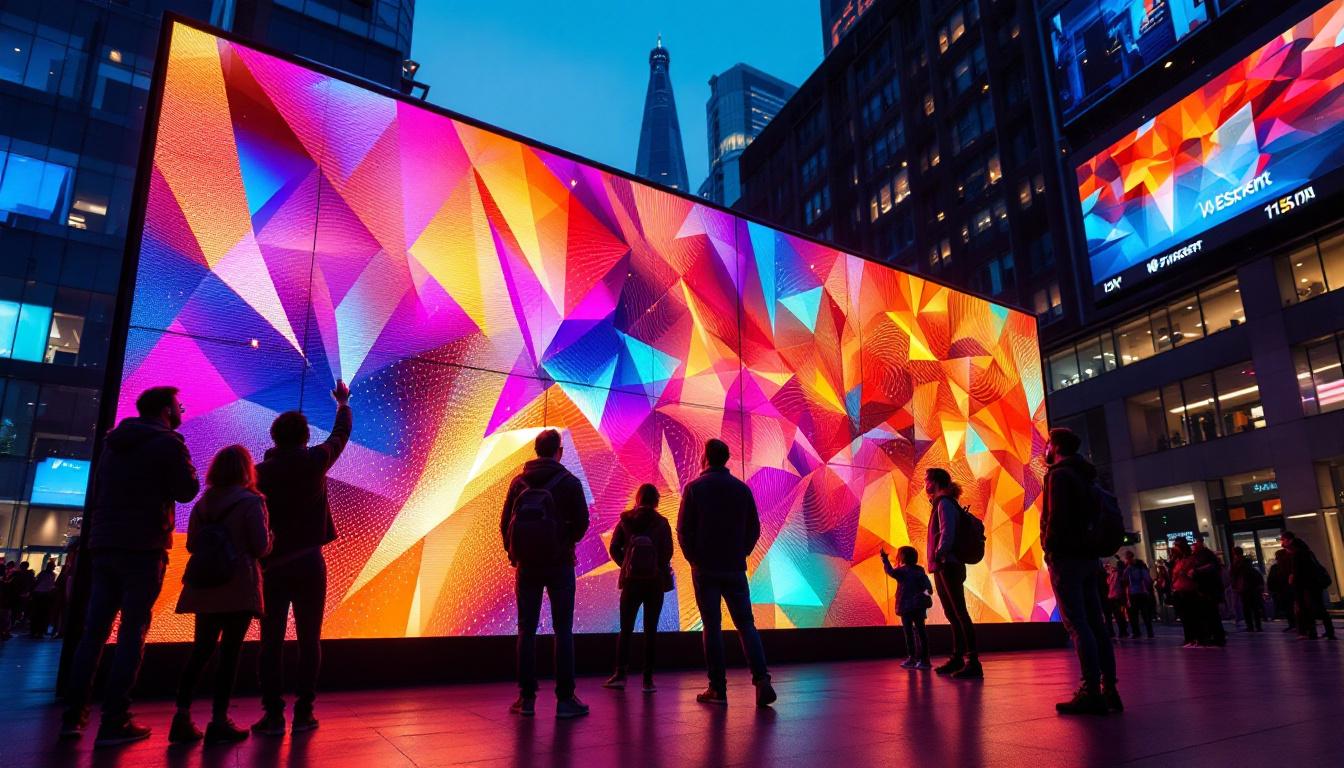
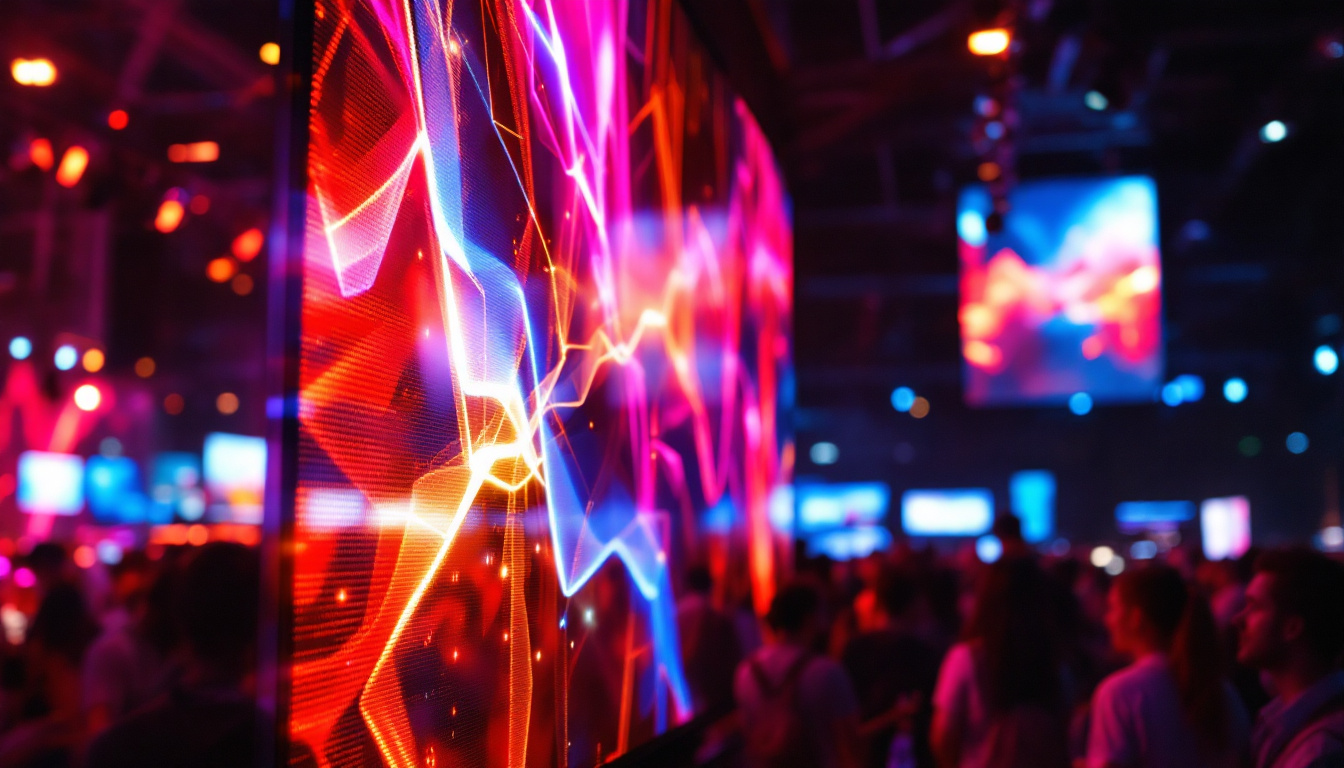
Concerts, sports arenas, theaters, and exhibitions utilize LED panels to create immersive experiences. Large video walls and stage backdrops enhance visual storytelling and audience engagement.
Corporate and Educational Environments
LED panels serve as information displays in conference rooms, auditoriums, and lecture halls. They facilitate presentations, video conferencing, and digital signage for internal communication.
Transportation and Public Information
Airports, train stations, and bus terminals deploy LED panels for real-time scheduling updates, wayfinding, and emergency alerts, improving passenger experience and safety.
Architectural and Decorative Uses
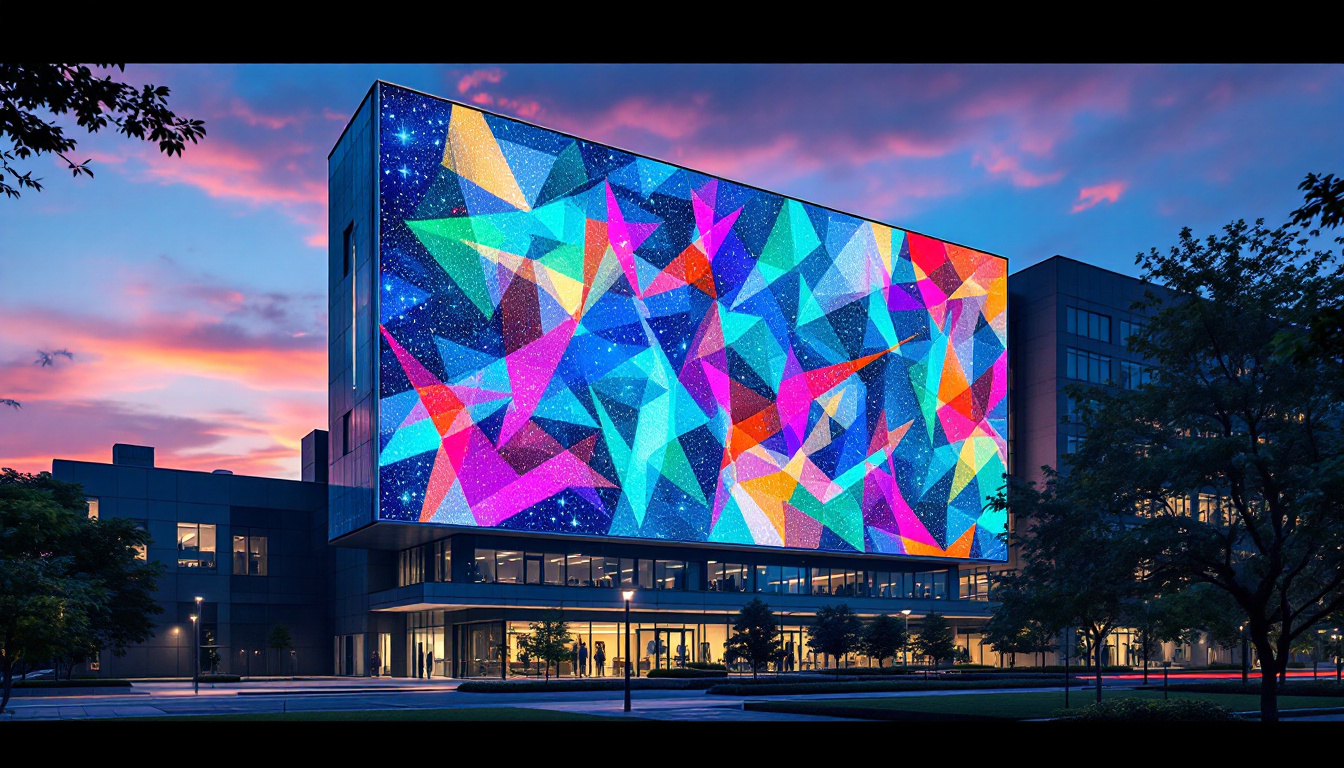
Architects and designers incorporate LED panels into building facades and interiors to create dynamic lighting effects and interactive installations, blending technology with aesthetics.
Where to Find LED Panels for Sale
LED panels are available from a variety of suppliers, ranging from specialized manufacturers to general electronics distributors. When sourcing LED panels, consider the following:
Reputable Manufacturers
Choose manufacturers with proven track records for quality and innovation. Brands with certifications such as ISO 9001 and compliance with RoHS and CE standards ensure product reliability and safety.
Authorized Dealers and Distributors
Purchasing through authorized dealers ensures access to genuine products, warranty support, and after-sales service. Dealers often provide customization options and installation assistance.
Online Marketplaces
Platforms like Alibaba, Amazon Business, and specialized B2B marketplaces offer a wide range of LED panels. However, it’s important to verify seller credibility and product specifications carefully.
Custom Solutions Providers
For complex projects, working with companies that offer custom LED display solutions can provide tailored designs, integration services, and ongoing support.
Conclusion
LED panels represent a powerful medium for visual communication, combining brightness, durability, and flexibility. Understanding the technology behind LED displays, the types available, and the factors influencing performance and cost is crucial for making an informed purchase. Whether for advertising, events, corporate use, or architectural applications, selecting the right LED panel can enhance engagement, convey messages effectively, and deliver long-term value.
As LED technology continues to evolve, with innovations like microLED and miniLED on the horizon, the potential for more immersive and energy-efficient displays will only grow. Investing in high-quality LED panels today positions businesses and organizations to leverage these advancements and stay ahead in the competitive landscape of visual communication.
Discover Cutting-Edge LED Display Solutions
Ready to elevate your visual communication with the latest in LED technology? Look no further than LumenMatrix, a pioneer in crafting LED display modules that captivate and engage. From vibrant Indoor and Outdoor LED Wall Displays to dynamic Vehicle and Sports LED Displays, our extensive range of solutions, including LED Posters, Floor Displays, and Custom LED innovations, is designed to make your brand shine. Experience the future of digital signage with our All-in-One and Transparent LED Displays. Embrace the LumenMatrix mission to transform your messaging with unparalleled clarity and impact. Check out LumenMatrix LED Display Solutions and join the visual revolution today.