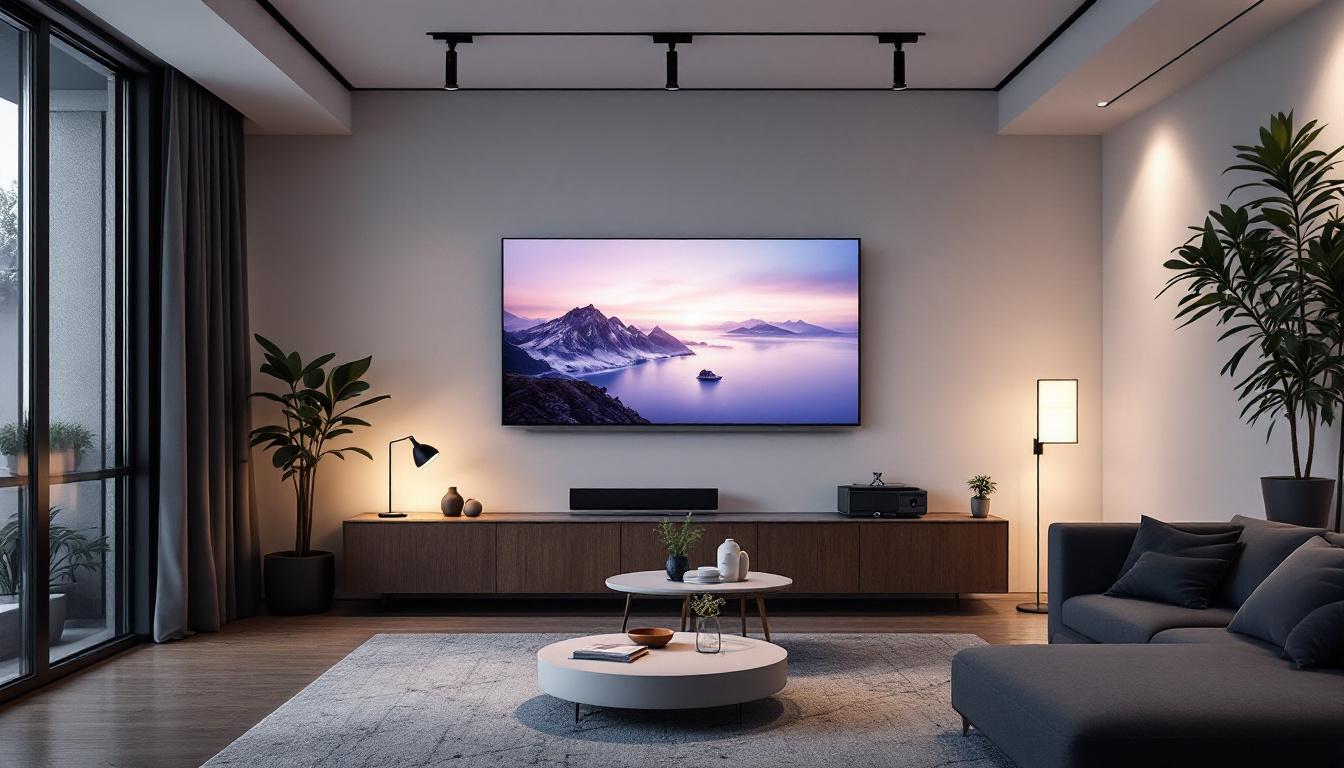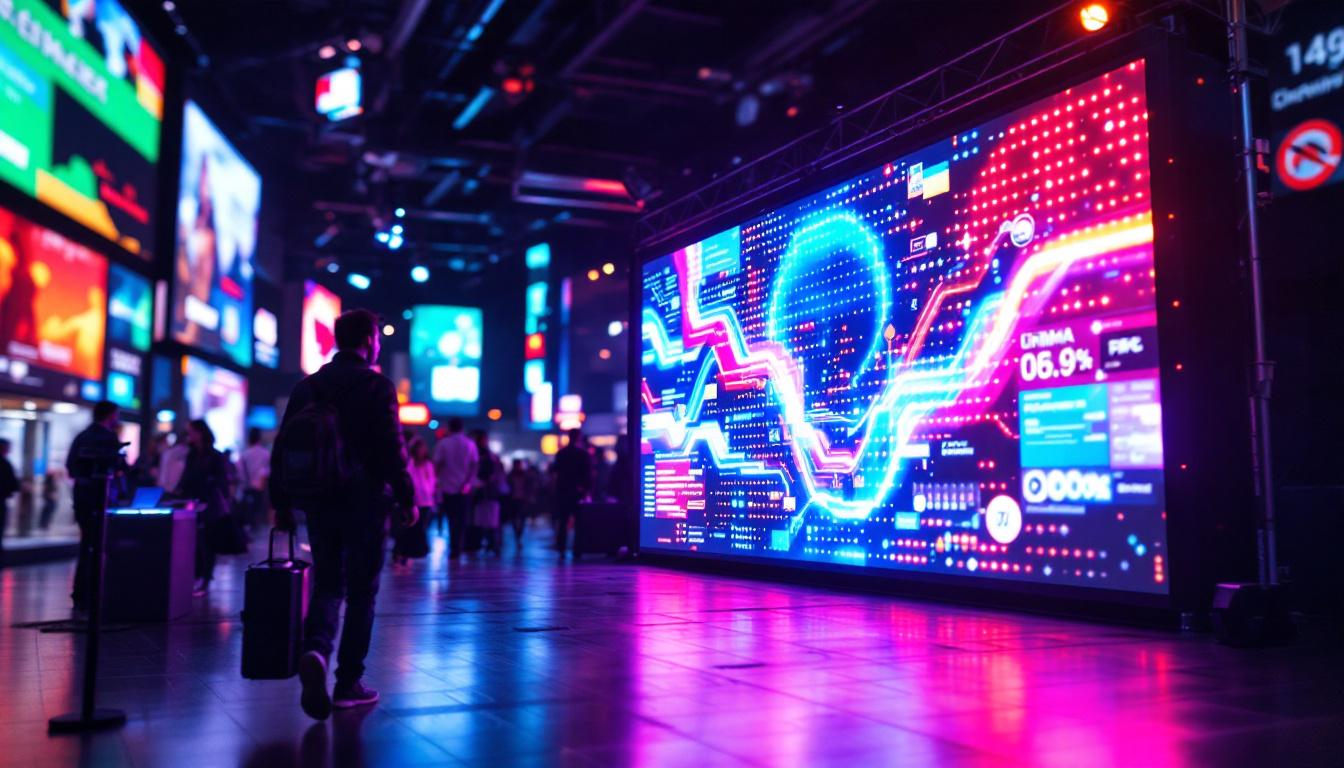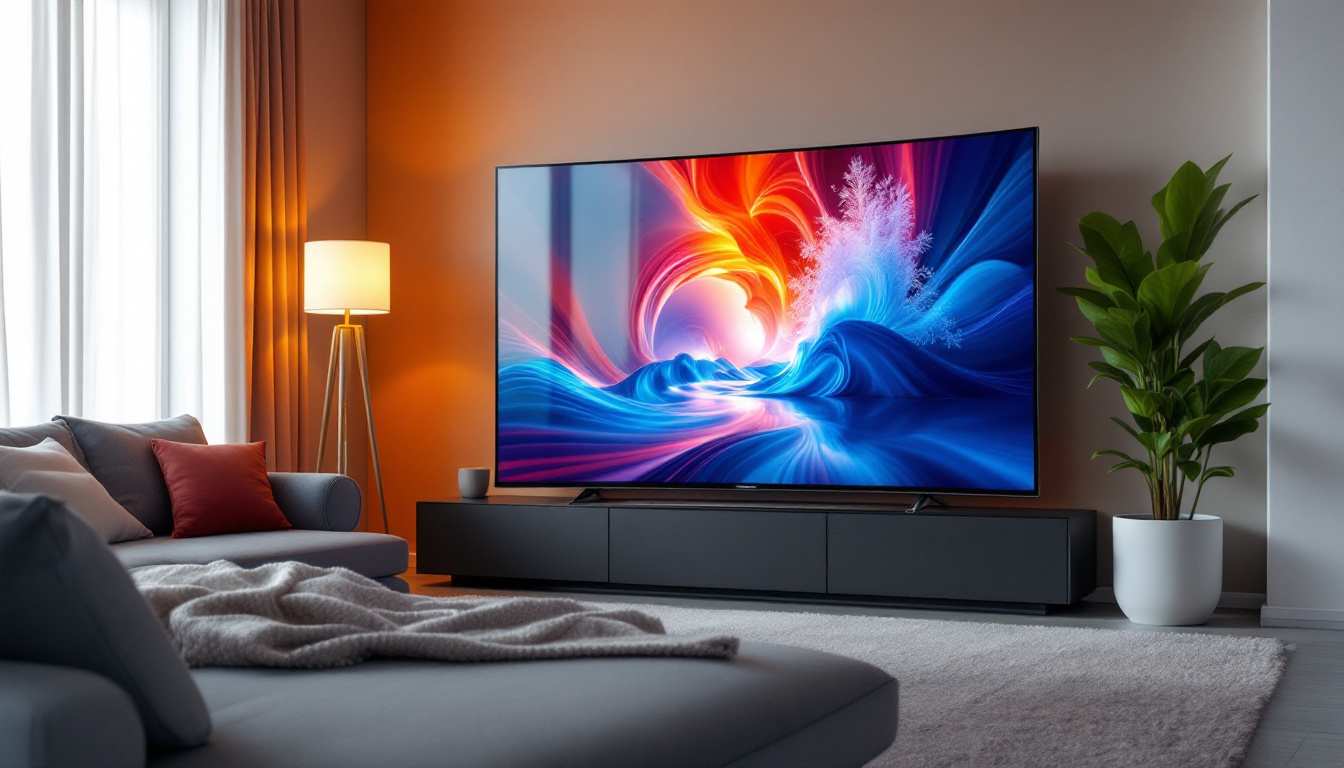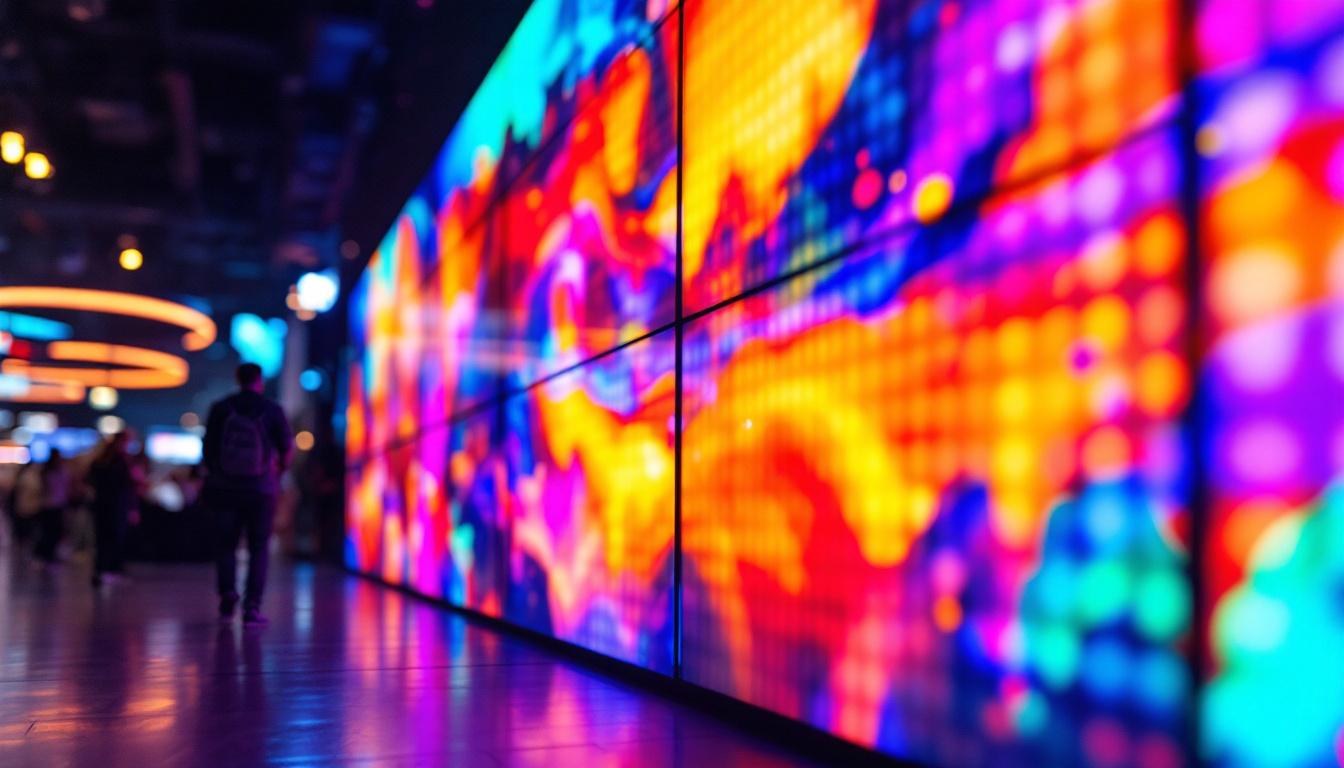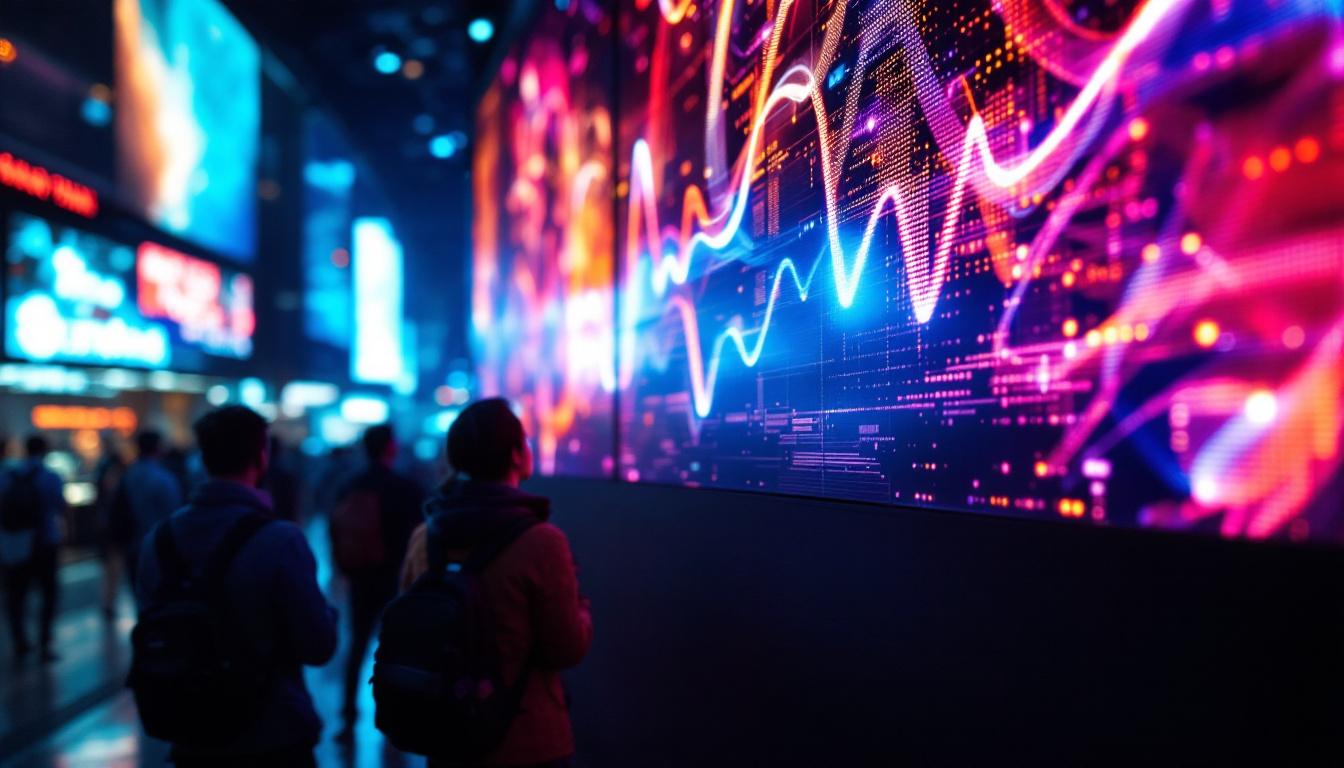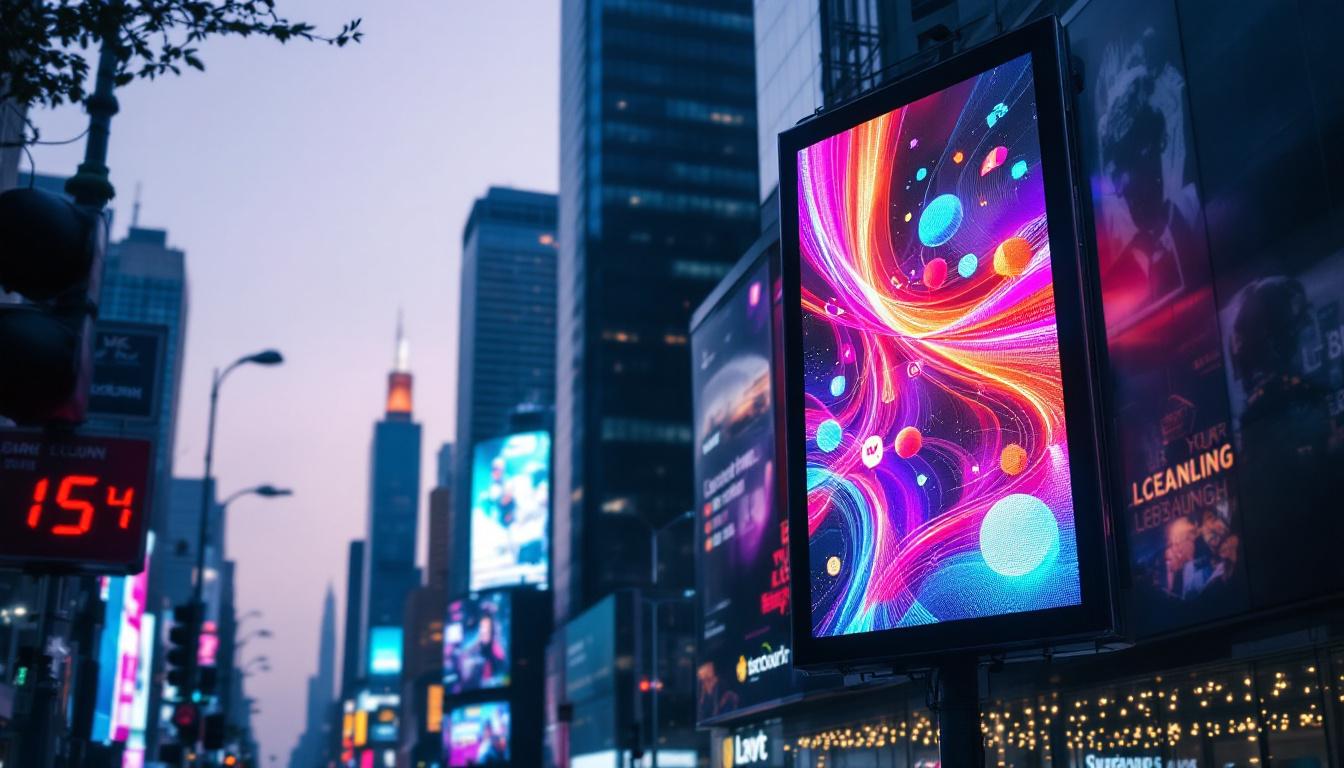
In recent years, LED technology has revolutionized the way we communicate visually. From massive outdoor billboards to sleek indoor displays, LED panels have become an essential component in advertising, entertainment, and information dissemination. But what exactly are LED panels, how do they work, and why have they become so popular? This article explores the fundamentals of LED displays, their technology, applications, and the factors that make them stand out in the digital display market.
Understanding LED Panels: The Basics
LED stands for Light Emitting Diode, a semiconductor device that emits light when an electric current passes through it. An LED panel is essentially a flat display screen made up of numerous tiny LEDs arranged in a grid. These panels can produce bright, vibrant images and videos by controlling the light intensity of each individual diode.
Unlike traditional LCD or plasma screens, LED panels are self-emissive, meaning each diode generates its own light. This characteristic allows for deeper blacks, higher contrast ratios, and better energy efficiency, making LED panels highly desirable for a wide range of applications. Their versatility means they can be found not only in televisions and computer monitors but also in advertising displays, digital signage, and even architectural lighting, showcasing their adaptability across various fields.
How LED Panels Work
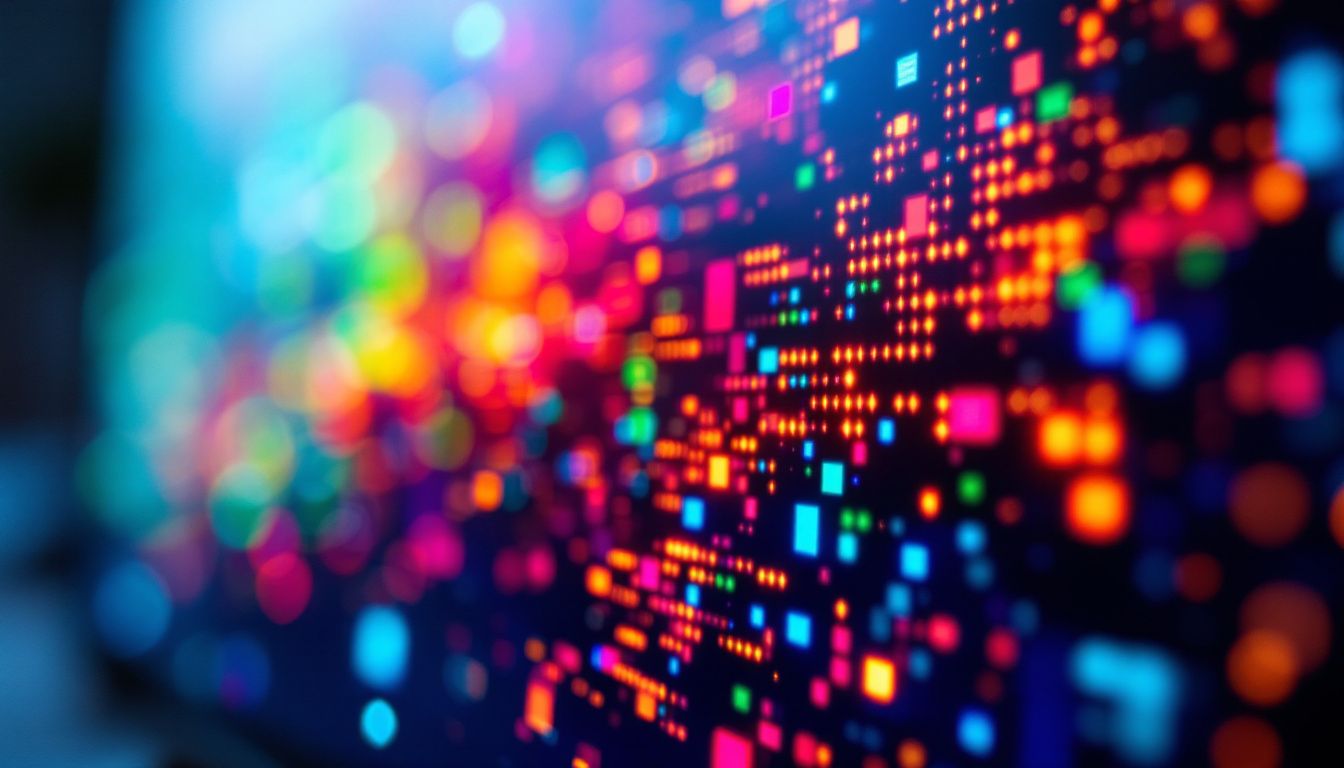
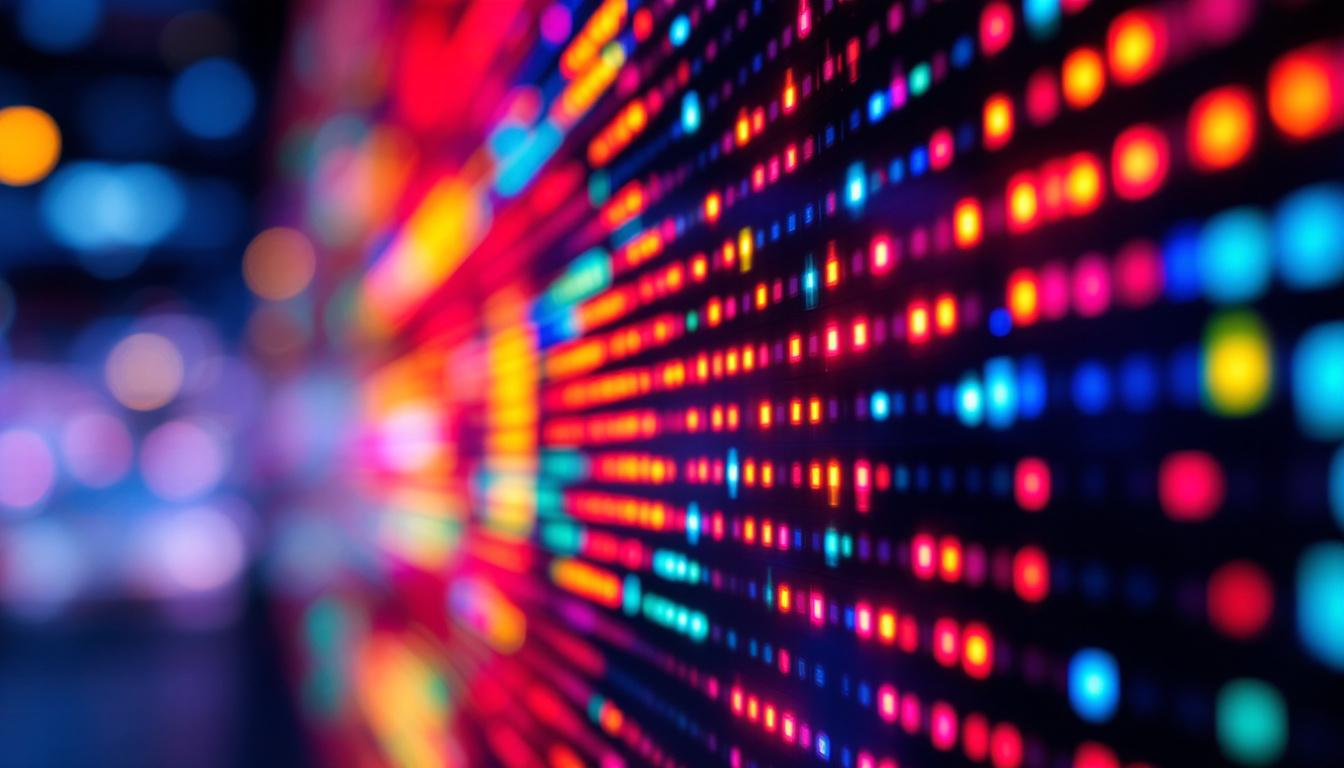
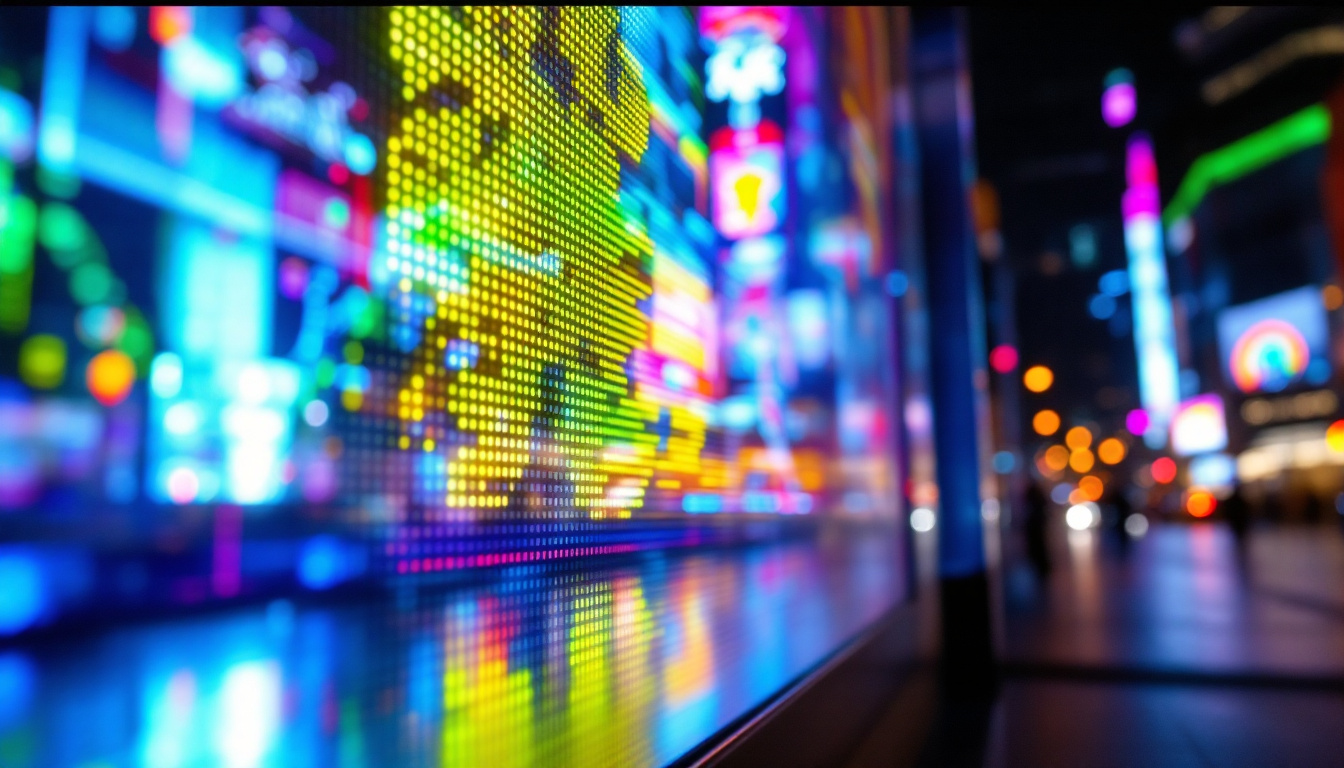
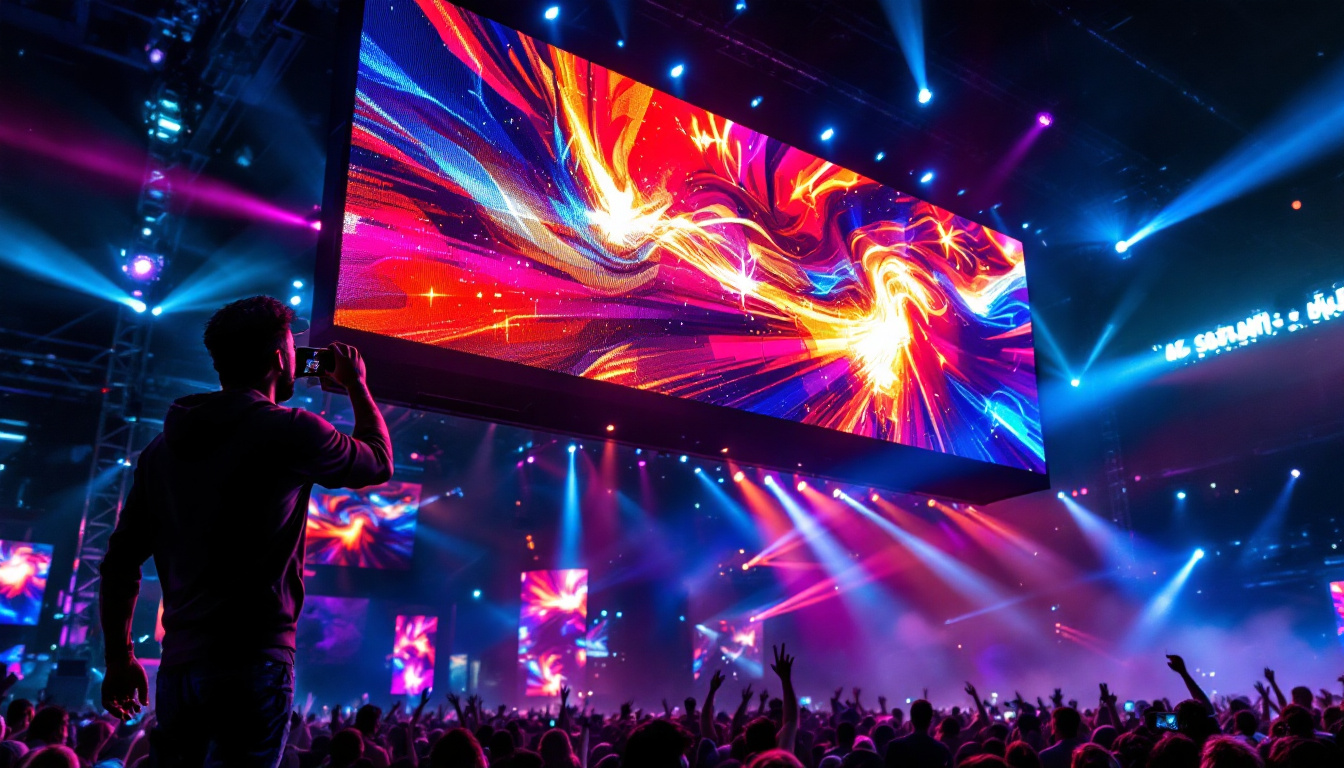
Each LED in a panel acts as a single pixel or part of a pixel. In full-color LED panels, each pixel is typically composed of three sub-pixels: red, green, and blue (RGB). By varying the brightness of these sub-pixels, the panel can reproduce millions of colors. The control system behind the panel processes incoming video signals and adjusts the LEDs accordingly to display images or videos with high precision. This technology allows for stunning visual experiences, making LED panels a popular choice for concerts, sports events, and immersive installations.
The density of LEDs on a panel, known as pixel pitch, plays a crucial role in image clarity. Pixel pitch is the distance between the centers of two adjacent pixels and is measured in millimeters. A smaller pixel pitch means higher resolution and sharper images, especially important for close-up viewing. For instance, a pixel pitch of 1.5mm is ideal for indoor environments where viewers are close to the screen, while a larger pitch might be suitable for outdoor displays viewed from a distance. Additionally, advancements in LED technology have led to the development of flexible and transparent LED panels, further expanding the possibilities for creative display solutions in modern design.
Types of LED Panels and Their Applications
LED panels come in various types, each designed for specific environments and purposes. Understanding these types helps in selecting the right panel for a particular use case.
Indoor LED Panels
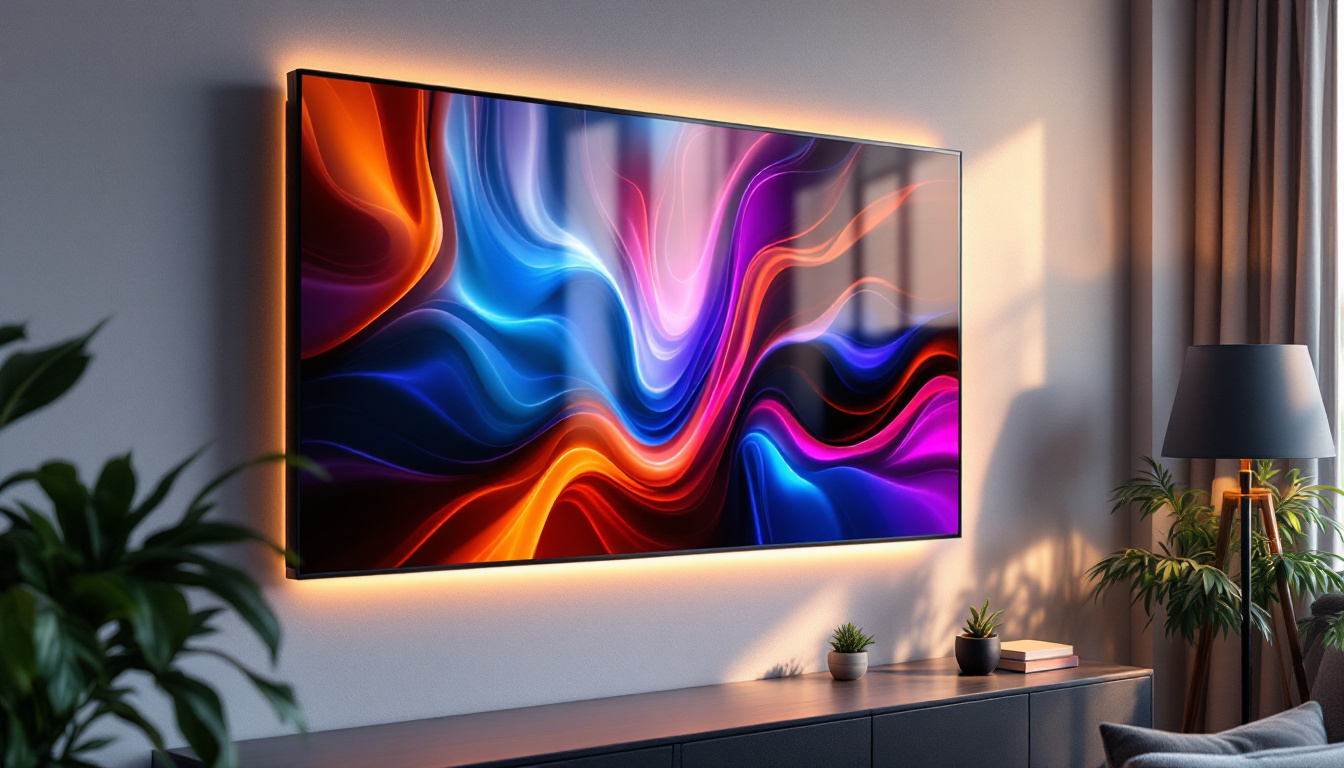
Indoor LED panels are designed for use inside buildings, such as shopping malls, conference rooms, airports, and retail stores. They typically have a smaller pixel pitch, ranging from 1mm to 4mm, which ensures crisp images when viewed from short distances.
These panels offer high brightness levels suitable for indoor lighting conditions without causing glare or discomfort. Their slim design and lightweight construction allow for easy installation and integration into interior designs. Additionally, many indoor LED panels come with customizable features, such as adjustable color temperatures and dimming capabilities, enabling users to create the perfect ambiance for different events or settings. This adaptability makes them particularly useful in environments that require frequent changes, such as exhibition halls or multipurpose venues.
Outdoor LED Panels
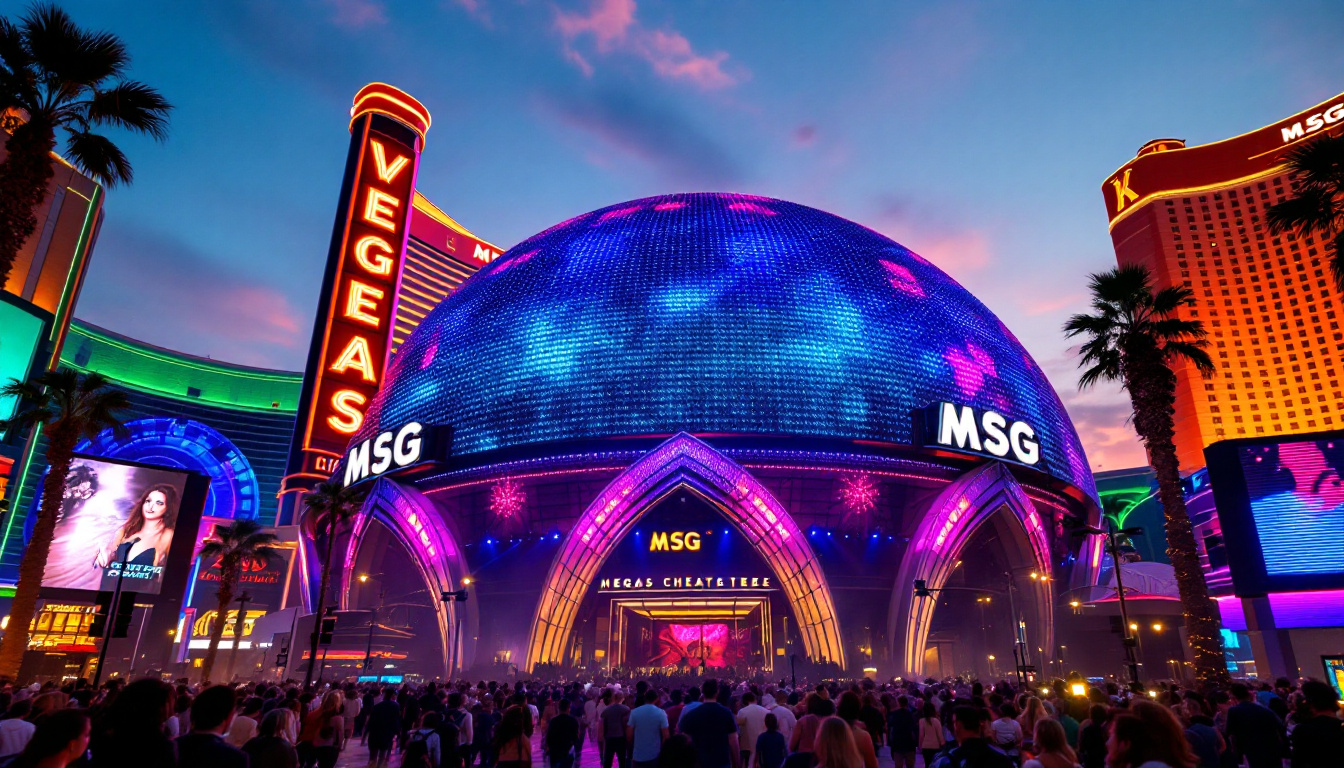
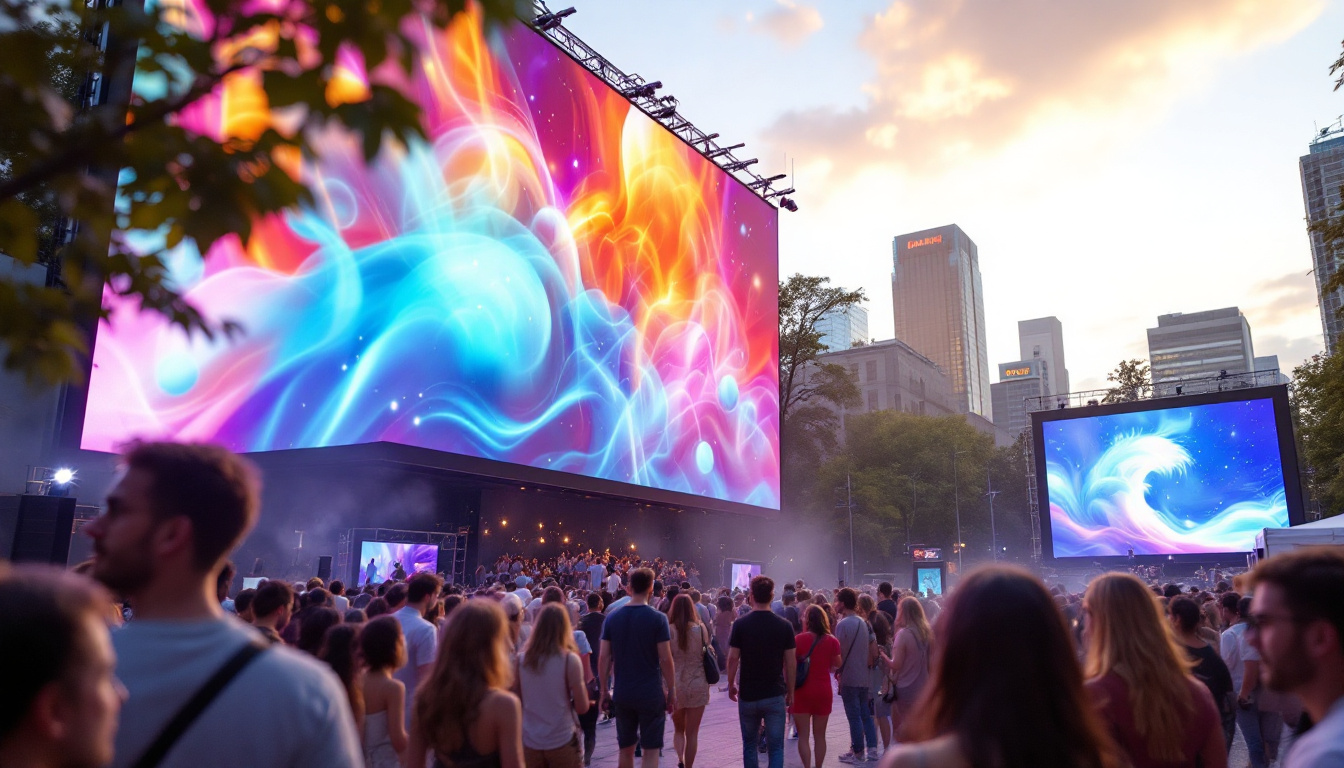
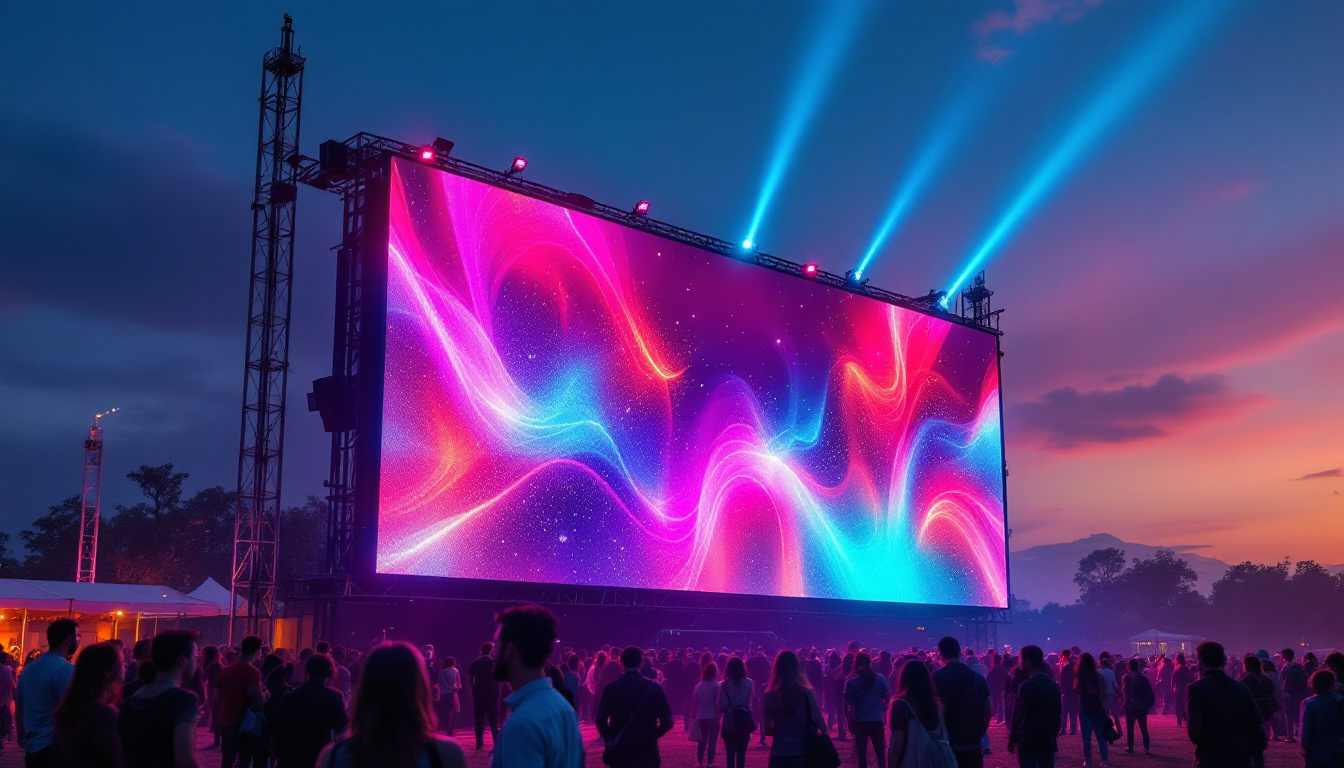
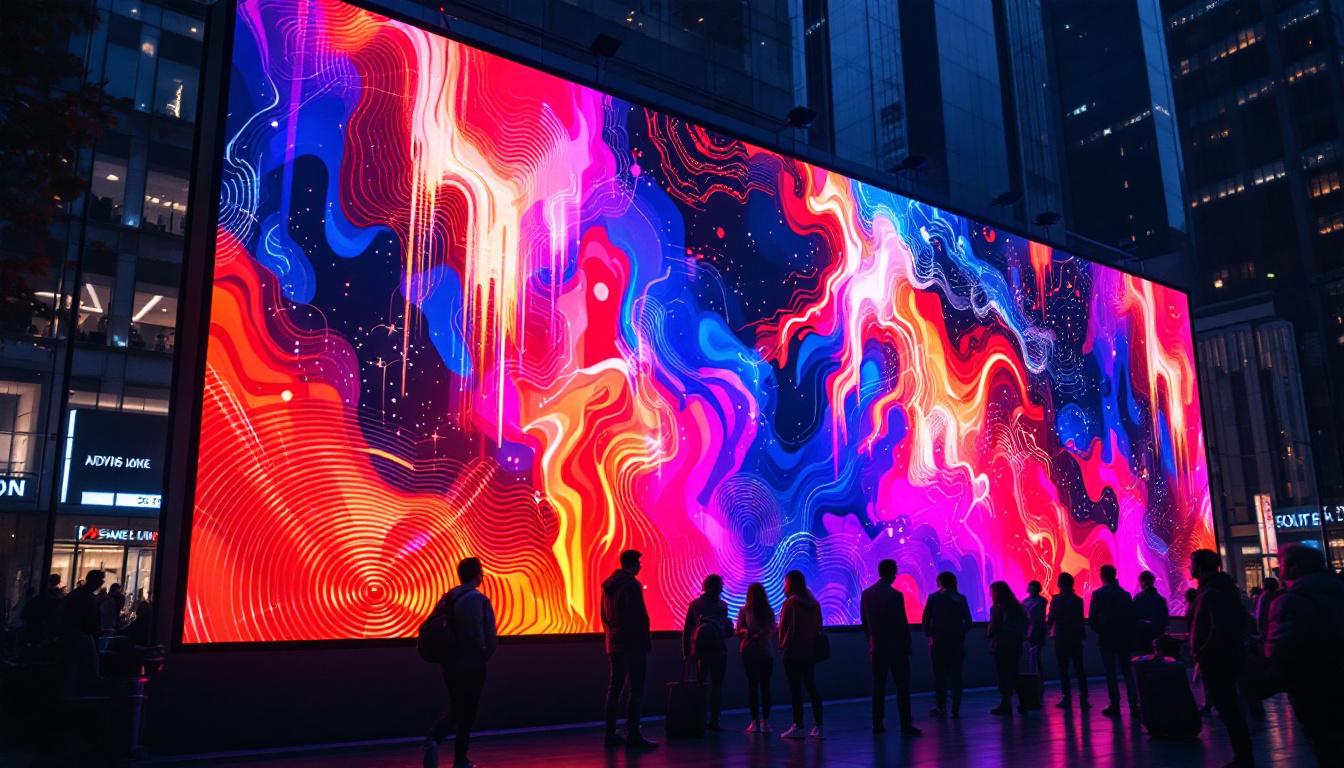
Outdoor LED panels are built to withstand harsh weather conditions, including rain, dust, and extreme temperatures. They are commonly used in stadiums, billboards, transportation hubs, and public event spaces.
Because outdoor viewers are usually farther away, these panels have a larger pixel pitch, often between 6mm and 20mm. They also feature higher brightness levels—sometimes exceeding 5,000 nits—to ensure visibility even in direct sunlight. In addition to their durability and brightness, many outdoor panels are equipped with advanced cooling systems to manage heat dissipation, ensuring consistent performance over extended periods. This makes them ideal for high-traffic areas where continuous operation is essential, such as busy highways or concert venues, where real-time updates and advertisements can engage and inform large audiences.
Transparent LED Panels
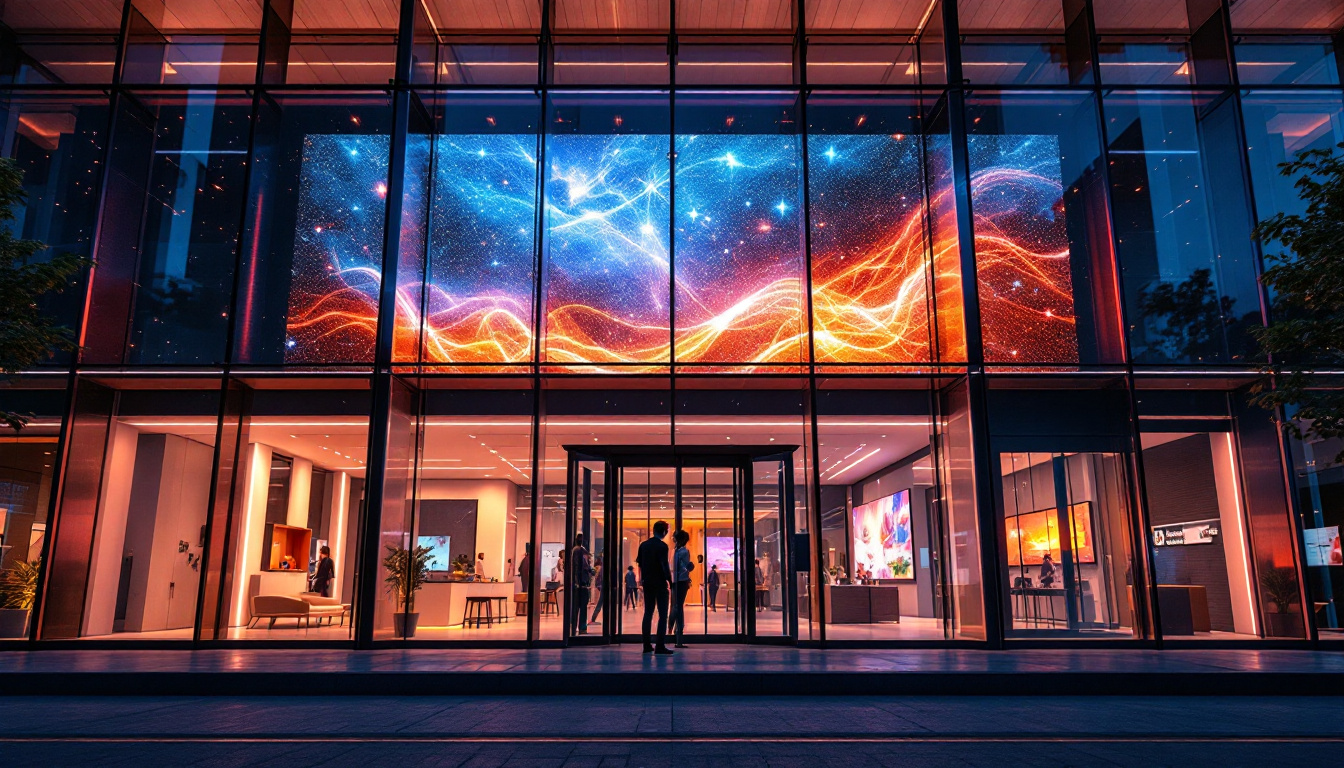
Transparent LED panels are a relatively new innovation that allows light to pass through the screen, making them ideal for glass walls and windows. These panels maintain transparency while displaying dynamic content, creating unique advertising and architectural effects.
They are increasingly popular in retail storefronts and corporate lobbies, where maintaining natural light and visibility is important alongside digital messaging. The ability to blend digital displays with architectural elements not only enhances aesthetic appeal but also opens up new avenues for interactive advertising. For instance, brands can showcase products or promotions while still allowing customers to see the store’s interior, creating a seamless shopping experience. Furthermore, transparent LED panels can be integrated with smart technology, allowing for real-time updates and interactivity, which can significantly enhance customer engagement and drive foot traffic into stores.
Advantages of LED Display Technology
LED panels offer several advantages over other display technologies, which explains their widespread adoption across industries.
Superior Brightness and Contrast
One of the most significant benefits of LED displays is their exceptional brightness. With the ability to reach up to 10,000 nits in some outdoor models, LED panels remain visible in bright daylight conditions where LCDs and projectors struggle.
The self-emissive nature of LEDs also provides superior contrast ratios. Blacks appear truly black because LEDs can be turned off individually, unlike LCDs that rely on backlighting, which can cause light bleed. This capability not only enhances the visual experience but also makes LED displays ideal for applications such as digital art installations and high-definition video content, where color accuracy and depth are paramount.
Energy Efficiency
LED technology is inherently energy-efficient compared to traditional lighting and display systems. LEDs consume less power while delivering brighter output, which translates to lower operating costs and a reduced environmental footprint.
For businesses with large-scale digital signage, this efficiency can lead to significant savings over time, making LED panels a cost-effective investment. Furthermore, many modern LED displays come equipped with smart technology that adjusts brightness based on ambient light conditions, further optimizing energy use and extending the lifespan of the display.
Durability and Longevity
LED panels are known for their robustness and long lifespan. High-quality LED modules can last anywhere from 50,000 to 100,000 hours, depending on usage and maintenance. This durability reduces the need for frequent replacements and maintenance, which is especially important for outdoor installations.
Additionally, LED panels are resistant to shock and vibration, making them suitable for various environments, including transportation and industrial settings. This resilience is particularly beneficial in high-traffic areas where displays are exposed to potential damage from environmental factors or human interaction, ensuring that the investment remains protected and functional over time.
Flexibility and Customization
LED panels can be manufactured in various shapes and sizes, including curved and flexible formats. This adaptability allows designers and advertisers to create innovative display solutions tailored to specific architectural or branding needs.
Modular LED panels can be combined to form large video walls of almost any dimension, enabling seamless and immersive viewing experiences. The flexibility of LED technology also extends to its application in creative installations, such as interactive displays and augmented reality environments, where the ability to customize the display’s form factor can significantly enhance audience engagement and interaction.
Choosing the Right LED Panel: Key Considerations
Selecting the appropriate LED panel requires evaluating several factors to ensure optimal performance and return on investment.
Resolution and Pixel Pitch
Resolution is a critical factor that determines image clarity. For indoor applications or close viewing distances, a smaller pixel pitch (1mm to 3mm) is preferred. For outdoor or large-scale displays viewed from afar, a larger pixel pitch (6mm and above) is sufficient and more cost-effective.
Understanding the typical viewing distance helps in choosing the right pixel pitch to avoid pixelation or blurred images.
Brightness and Environmental Conditions
Consider the ambient lighting conditions where the panel will be installed. Outdoor panels require higher brightness levels to combat sunlight, while indoor panels can operate efficiently at lower brightness to prevent eye strain.
Weatherproof ratings such as IP65 or higher are essential for outdoor panels to ensure protection against dust and water ingress.
Installation and Maintenance
The ease of installation and maintenance should not be overlooked. Lightweight, modular panels simplify setup and future repairs. Additionally, some LED panels offer front-access servicing, allowing maintenance without dismantling the entire structure.
Consider the availability of technical support and warranty terms when investing in LED display technology.
Emerging Trends in LED Display Technology
The LED display industry continues to evolve rapidly, driven by technological advancements and changing user demands.
Mini-LED and Micro-LED Innovations
Mini-LED and Micro-LED technologies represent the next generation of LED displays. Mini-LEDs use thousands of tiny LEDs as backlighting for LCD screens, improving contrast and brightness. Micro-LEDs, on the other hand, are self-emissive like traditional LEDs but much smaller, enabling even higher resolutions and better energy efficiency.
These technologies promise to bridge the gap between OLED and LED displays, offering superior image quality and durability.
Integration with Smart Technologies
Modern LED panels increasingly integrate with smart systems, including IoT devices and AI-powered content management. This allows dynamic content updates, audience analytics, and interactive features that enhance user engagement.
For example, digital signage in retail can adapt promotions based on real-time data, improving marketing effectiveness.
Sustainability and Eco-Friendly Designs
As environmental concerns grow, manufacturers are focusing on sustainable materials and energy-saving designs. LED panels with recyclable components and reduced power consumption align with corporate social responsibility goals and regulatory requirements.
Conclusion
LED panels have transformed visual communication by offering bright, durable, and versatile display solutions suitable for a wide range of applications. Understanding the technology behind LED displays, their types, advantages, and key selection criteria empowers businesses and organizations to make informed decisions that maximize impact and efficiency.
With ongoing innovations such as Mini-LED, Micro-LED, and smart integrations, LED display technology is poised to become even more integral to digital communication strategies in the years ahead.
Discover Cutting-Edge LED Display Solutions with LumenMatrix
Ready to elevate your visual communication to the next level? LumenMatrix is at the forefront of LED display innovation, offering a diverse range of products from Indoor and Outdoor LED Wall Displays to specialized solutions like Vehicle LED Displays, LED Sports Displays, and even Custom LED Displays tailored to your unique needs. Embrace the future of digital signage with our All-in-One and Transparent LED Displays, designed to captivate your audience and amplify your message. Don’t miss out on the opportunity to transform your space with our advanced LED technology. Check out LumenMatrix LED Display Solutions today and see the difference for yourself.