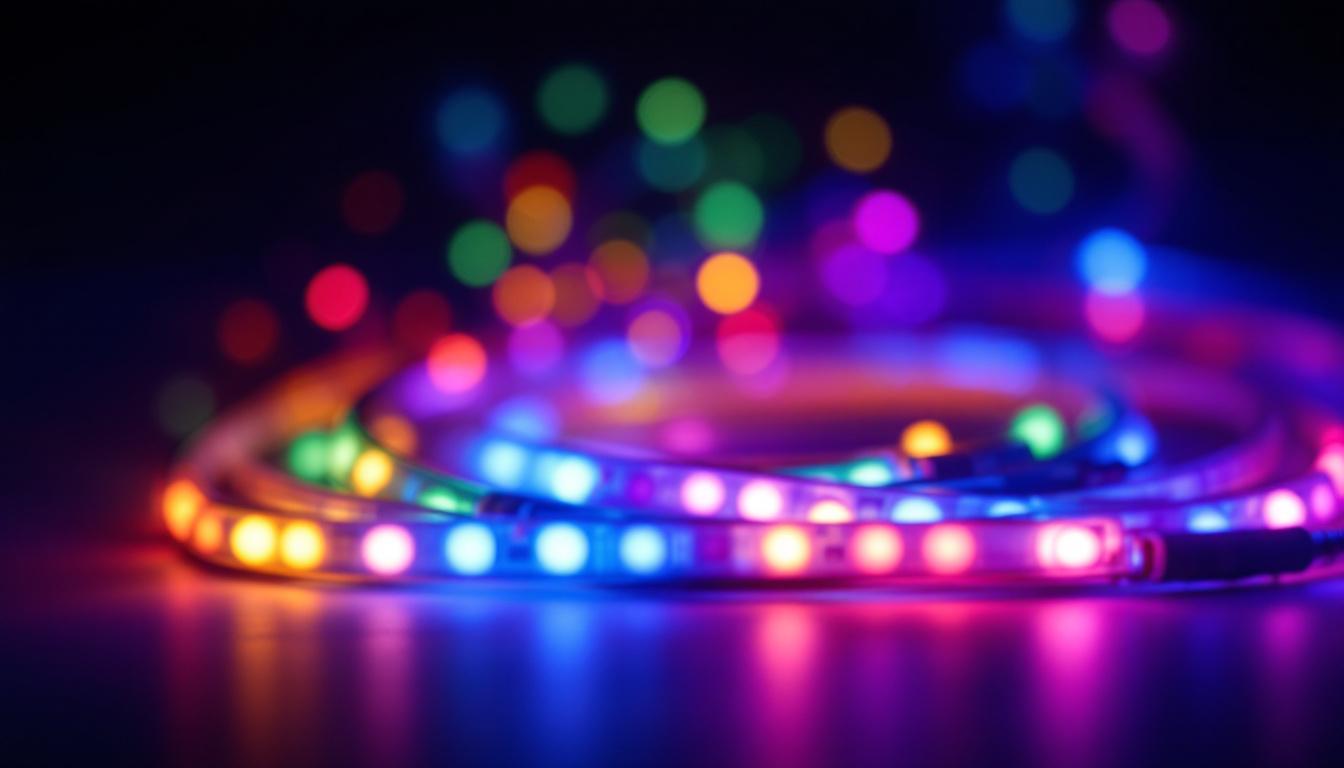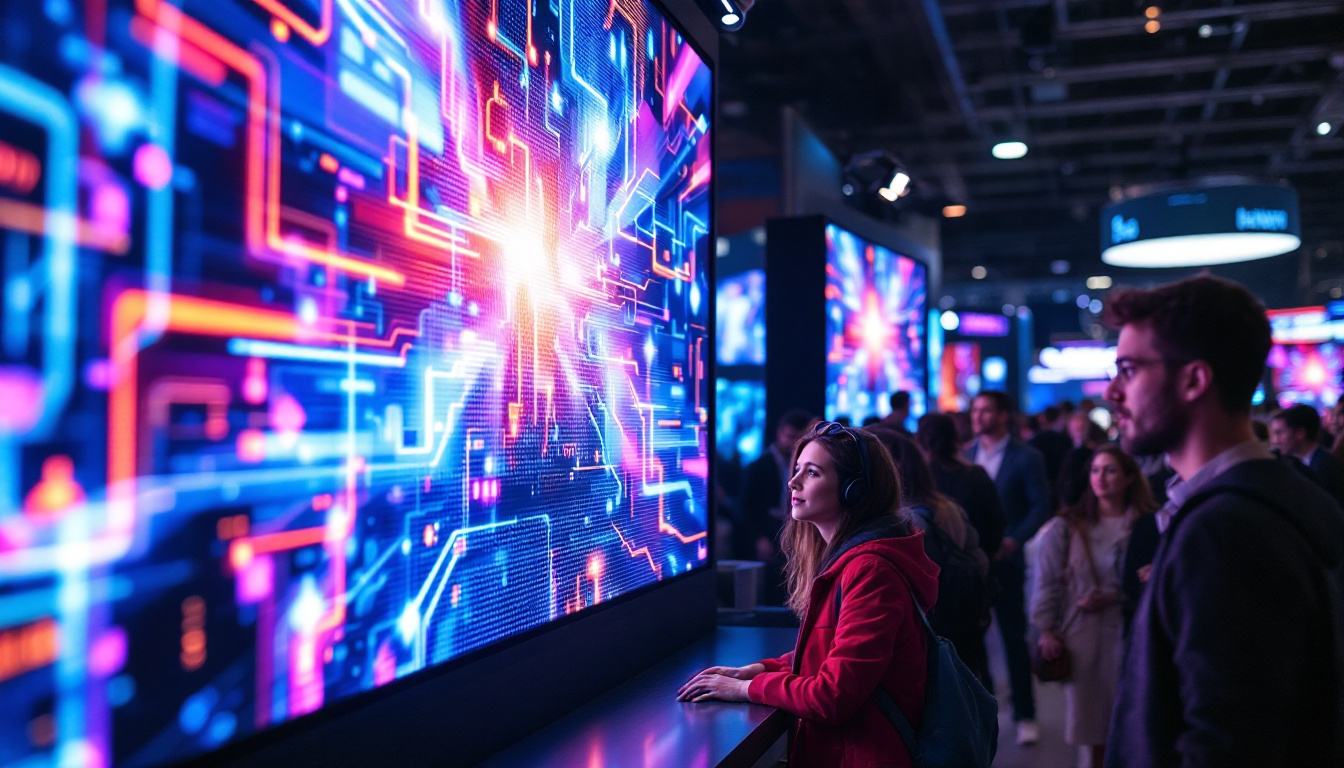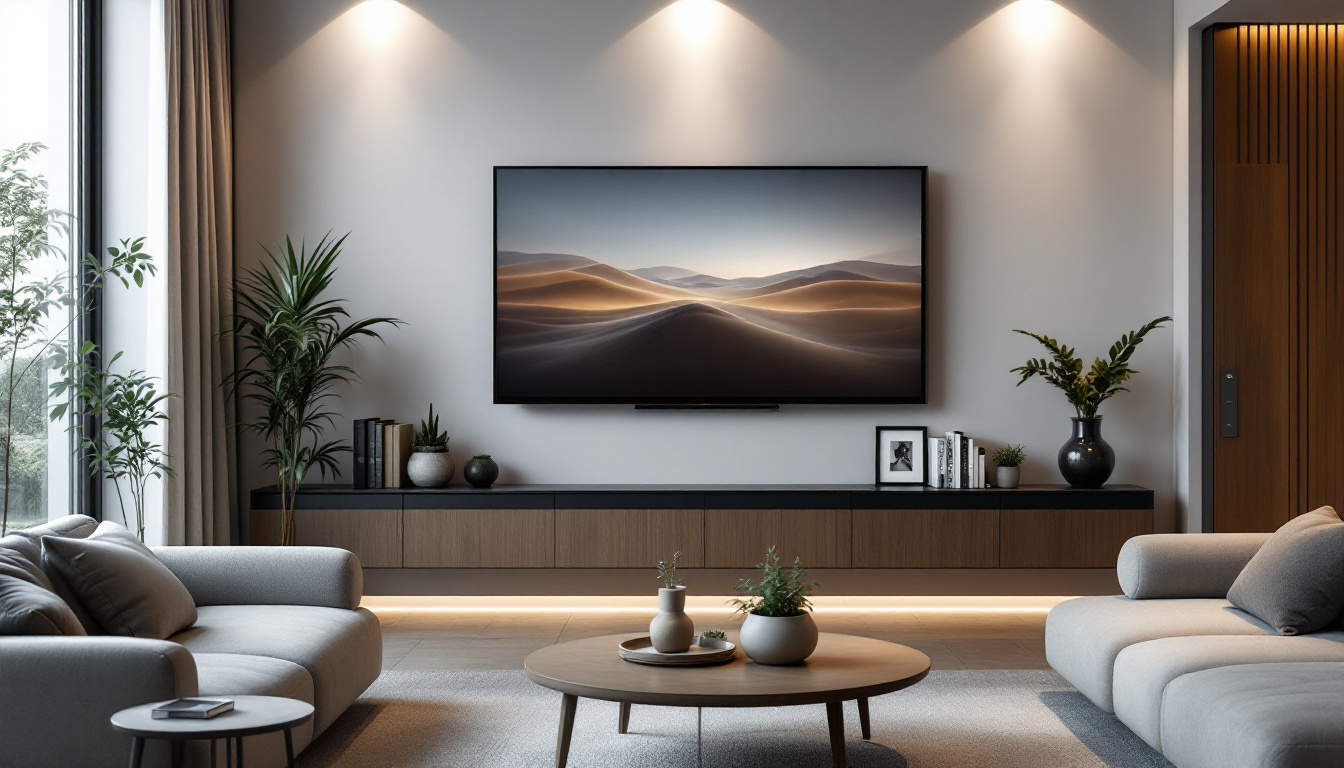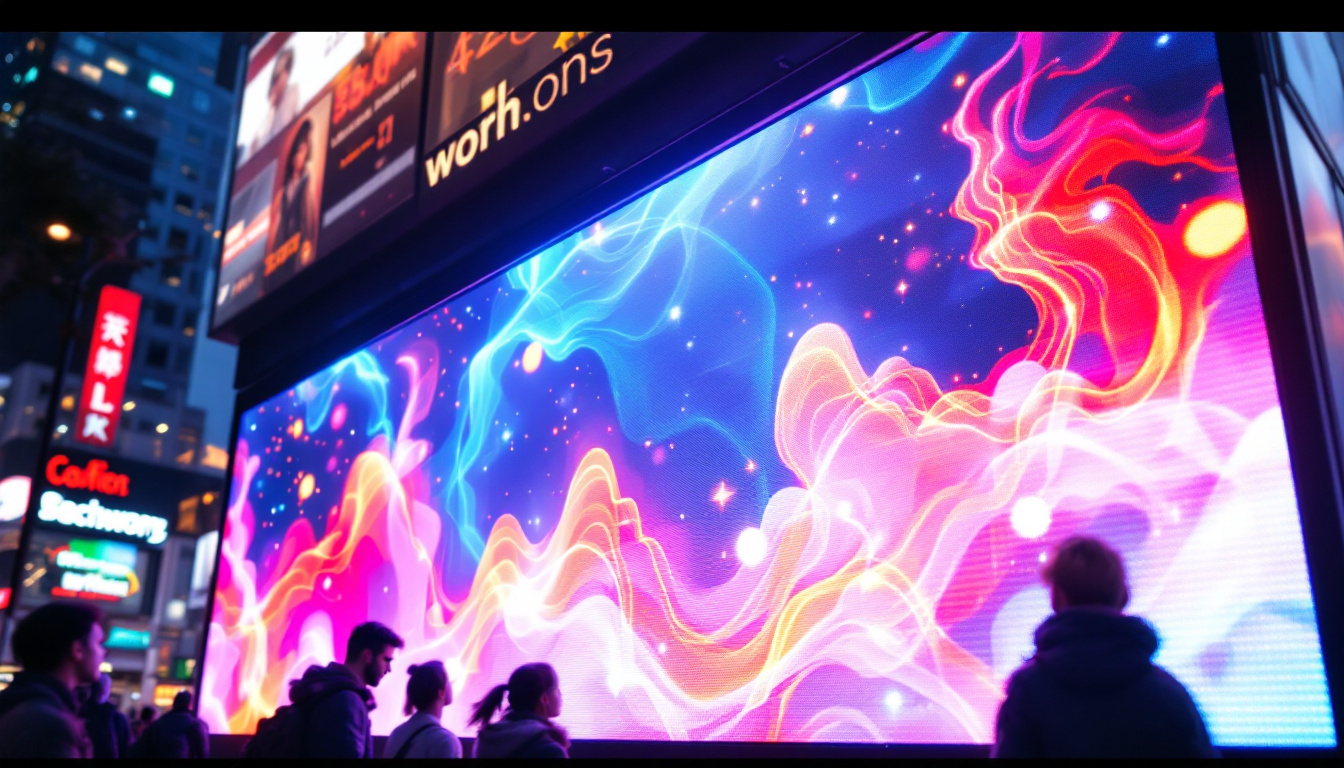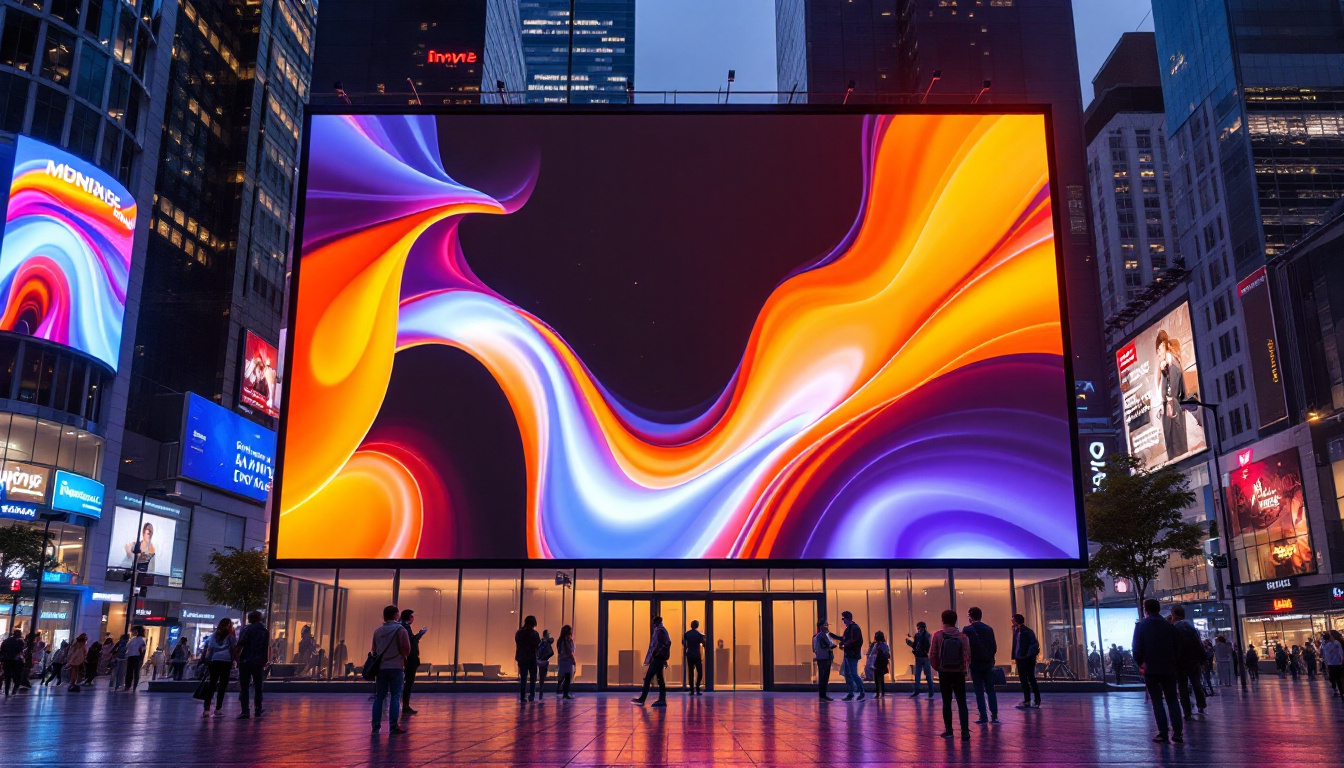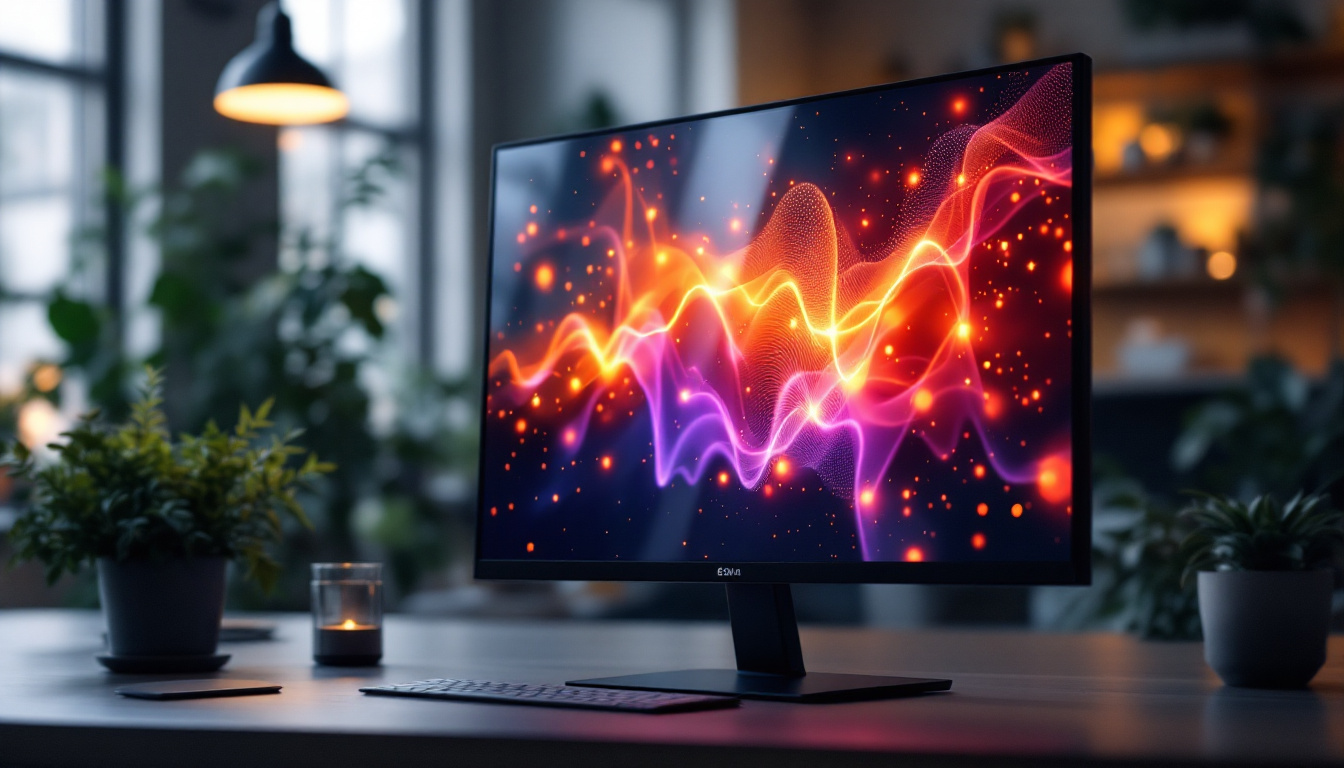
In the rapidly evolving world of digital displays, LED technology stands out as a cornerstone of modern visual communication. From massive outdoor billboards to intricate indoor screens, LED displays have transformed how information and entertainment are presented. Central to this technology is the concept of the LED pixel, the fundamental building block that determines the quality, clarity, and vibrancy of any LED display. This article delves into the intricacies of LED pixels, explaining their function, types, and significance in the broader context of LED display technology.
Understanding LED Pixels: The Building Blocks of LED Displays
What Is an LED Pixel?
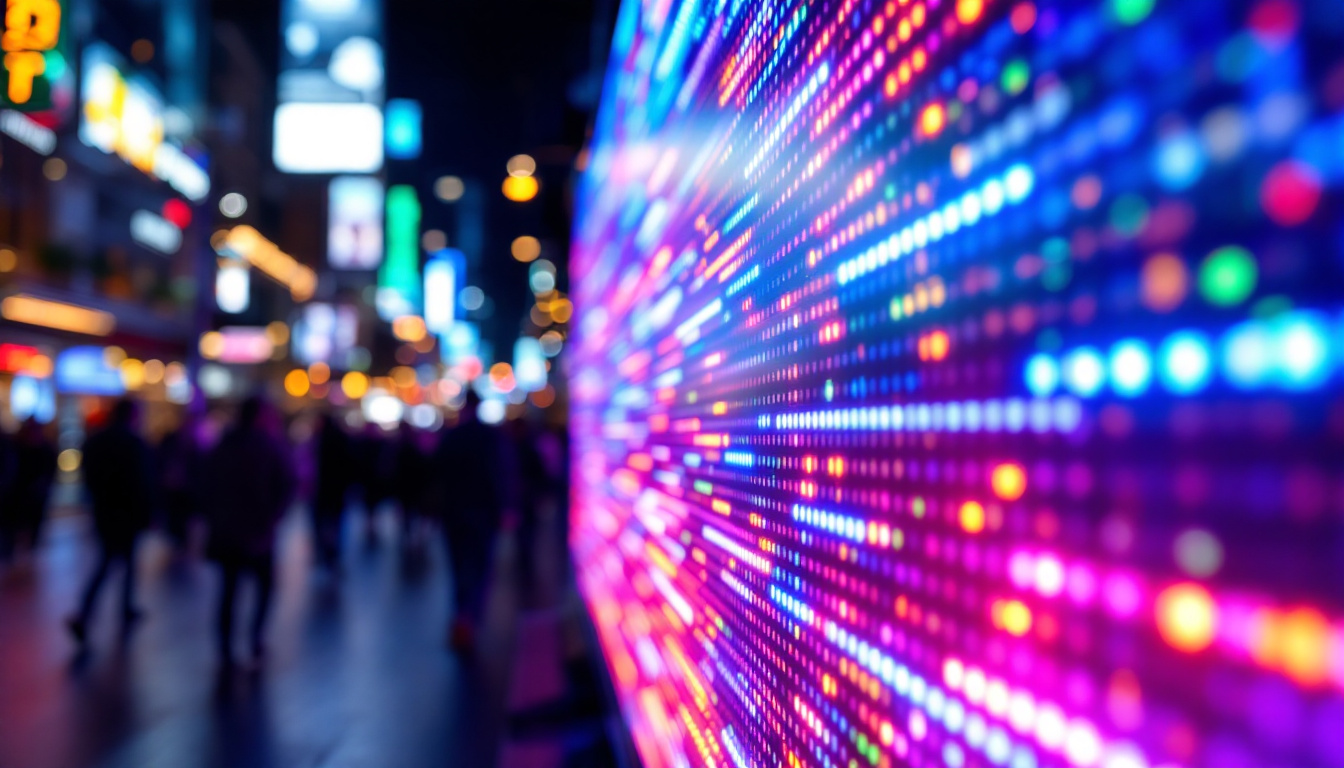
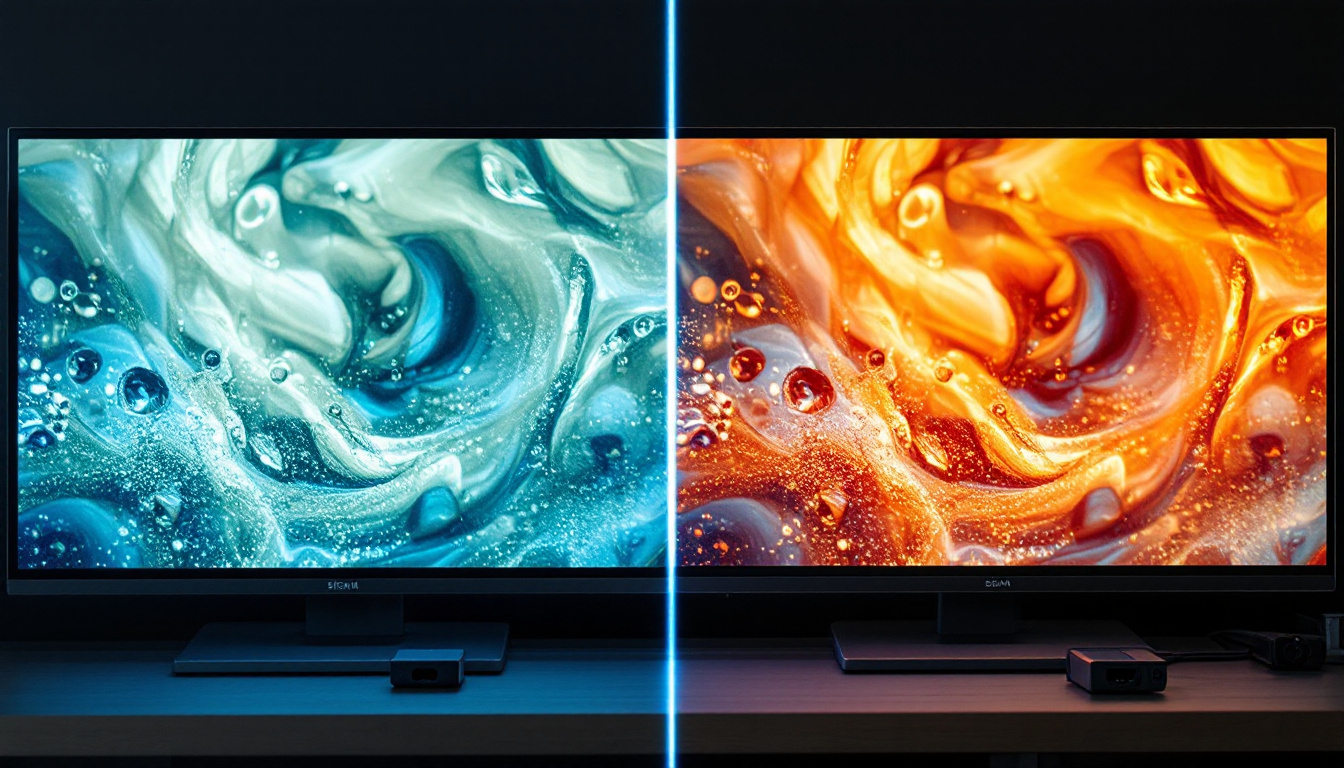
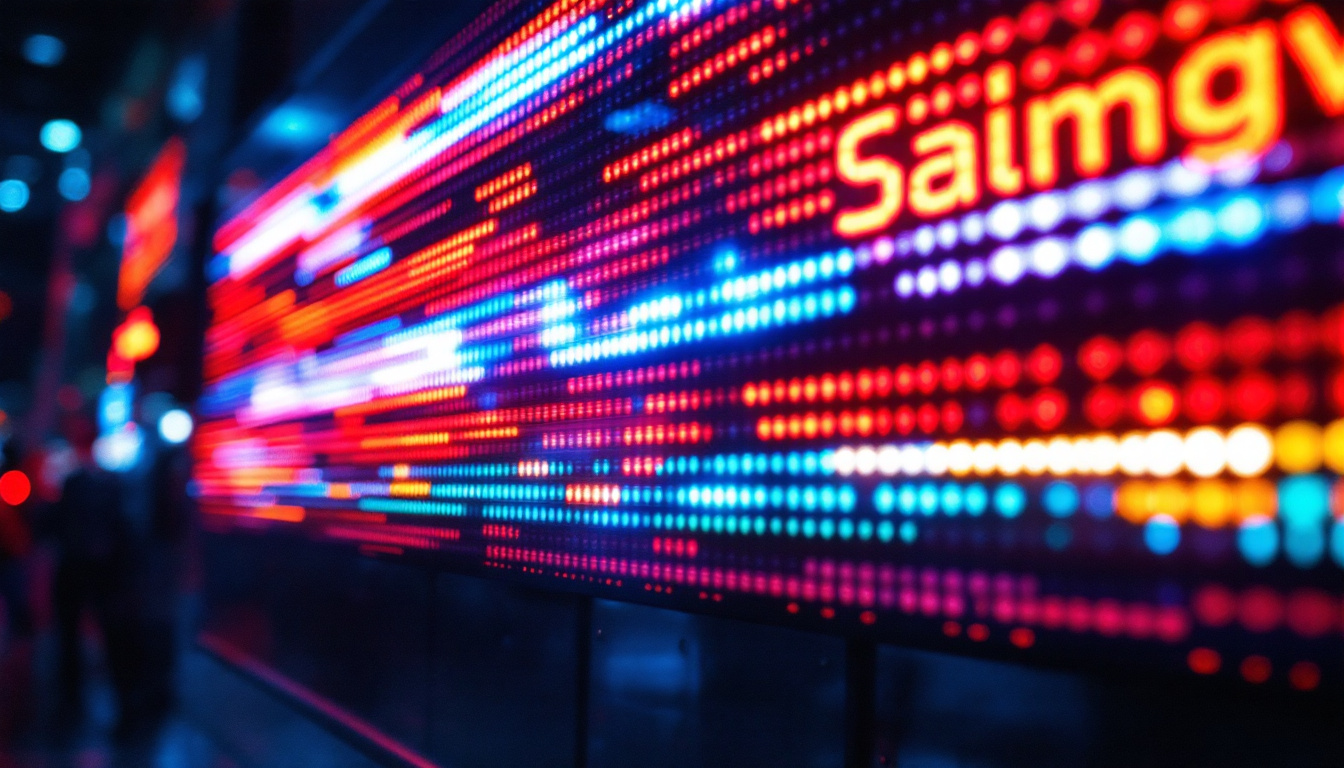
An LED pixel is the smallest unit of an LED display that emits light and color. Unlike traditional pixels found in LCD or OLED screens, which rely on liquid crystals or organic compounds, LED pixels consist of tiny light-emitting diodes (LEDs) that produce their own light. Each pixel typically contains multiple LEDs—usually red, green, and blue—that combine to create a full spectrum of colors through varying intensities.
The quality and resolution of an LED display largely depend on the density and arrangement of these pixels. The more pixels per square inch, the sharper and more detailed the image appears. This is why LED pixels are crucial for applications requiring high-definition visuals, such as digital signage, stadium screens, and television production backdrops. Additionally, the placement of these pixels can significantly influence the viewer’s experience; for instance, closer pixel spacing can enhance the viewing angle and reduce the visibility of individual pixels, creating a more immersive experience for the audience.
Moreover, advancements in technology have led to the development of flexible LED pixels, which can be bent and shaped to fit various display formats. This innovation opens up new possibilities for creative installations, allowing designers to create dynamic displays that can adapt to different environments and artistic visions. As a result, LED pixels are not just functional components; they are becoming integral to modern art and architecture, transforming spaces with captivating visual effects.
How LED Pixels Work
Each LED pixel functions by mixing light from its red, green, and blue components at different intensities. This process, known as additive color mixing, allows the pixel to produce millions of colors. A control system adjusts the brightness of each LED within the pixel to render the desired color and brightness level.
For example, when all three LEDs are at full brightness, the pixel appears white. When only the red LED is lit, the pixel appears red, and so on. By varying the intensity of each LED, the pixel can display a wide range of colors, enabling vibrant and dynamic images. The technology behind LED pixels also includes sophisticated algorithms that optimize color reproduction and brightness consistency across the display, ensuring that images look their best regardless of the viewing angle or ambient lighting conditions.
Furthermore, modern LED displays often incorporate features such as dynamic range adjustment and color calibration, which enhance the overall visual experience. These features allow the display to adapt to different content types, from bright advertisements to subtle video art, ensuring that the colors remain true to life. As a result, LED pixels not only serve as the fundamental building blocks of displays but also as key players in the evolution of visual technology, pushing the boundaries of what is possible in digital imagery.
Types of LED Pixels and Their Applications
Surface-Mounted Device (SMD) Pixels
SMD pixels are among the most common types used in modern LED displays. These pixels consist of tiny LEDs mounted directly onto the surface of a circuit board. Because of their compact size and ability to emit light in multiple directions, SMD pixels are ideal for indoor displays where viewers are close to the screen.
SMD technology allows for high pixel density, which translates into higher resolution and more detailed images. This makes SMD pixels popular for applications like retail signage, conference room displays, and television studios.
Through-Hole LED Pixels
Through-hole LED pixels use LEDs with leads that pass through the circuit board and are soldered on the opposite side. These pixels are generally larger and less dense than SMD pixels, making them more suitable for outdoor displays where viewers are farther away.
Due to their size and durability, through-hole LEDs are often used in large-scale applications such as stadium screens, highway billboards, and public event displays. Their robust construction allows them to withstand harsh weather conditions, making them reliable for outdoor use.
Mini LED and Micro LED Pixels
Recent advancements have introduced mini LED and micro LED pixels, which are smaller than traditional SMD pixels. Mini LEDs typically range from 100 to 200 microns in size, while micro LEDs can be as small as 10 microns. These tiny pixels enable ultra-high-resolution displays with exceptional brightness and contrast.
Mini and micro LED technologies are gaining traction in premium television screens, augmented reality devices, and high-end digital signage. Their ability to deliver superior image quality while consuming less power makes them a promising technology for the future of LED displays.
Key Factors Influencing LED Pixel Performance
Pixel Pitch and Resolution
Pixel pitch is the distance from the center of one pixel to the center of the adjacent pixel, usually measured in millimeters. It is a critical factor that influences the resolution and viewing distance of an LED display. A smaller pixel pitch means pixels are packed more closely together, resulting in higher resolution and sharper images.
For example, a pixel pitch of 1.5mm is common in indoor LED displays designed for close viewing, while outdoor displays may have pixel pitches ranging from 4mm to 20mm or more, depending on the required viewing distance. Choosing the appropriate pixel pitch ensures optimal image clarity without unnecessary cost increases.
Brightness and Contrast Ratio
Brightness, measured in nits, indicates how much light an LED pixel emits. Outdoor LED displays typically require high brightness levels, often exceeding 5,000 nits, to remain visible under direct sunlight. Indoor displays generally operate at lower brightness levels, around 800 to 1,500 nits, to prevent eye strain and maintain color accuracy.
The contrast ratio, which compares the brightness of the brightest white to the darkest black a pixel can produce, is equally important. High contrast ratios enhance image depth and realism, making visuals more engaging and easier to interpret.
Color Accuracy and Calibration
Color accuracy depends on the quality of the LEDs used in each pixel and the calibration of the display system. Professional LED displays undergo rigorous color calibration to ensure consistent and accurate color reproduction across the entire screen.
Calibration involves adjusting the intensity of each LED within the pixels to match standardized color profiles. This process is essential in environments where color fidelity is critical, such as broadcast studios, art exhibitions, and medical imaging.
Applications of LED Pixel Displays
Advertising and Digital Signage
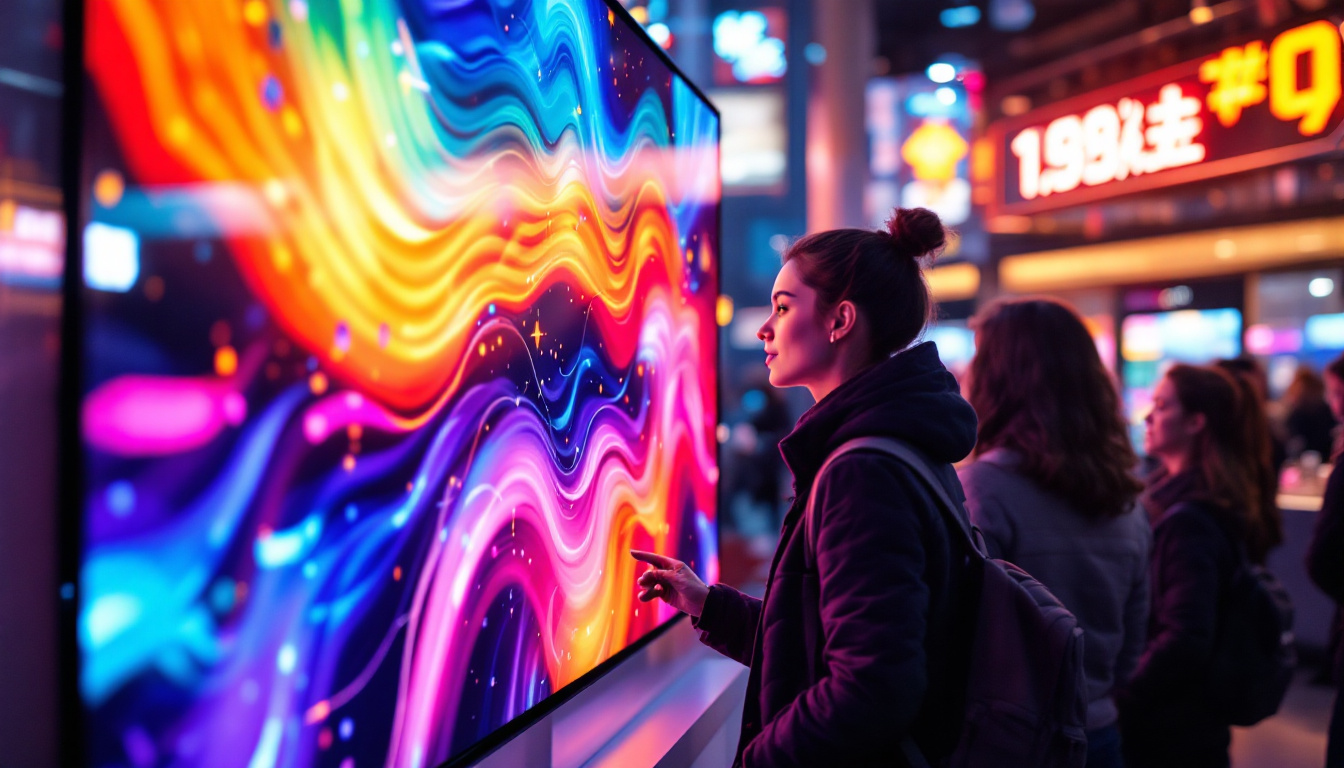
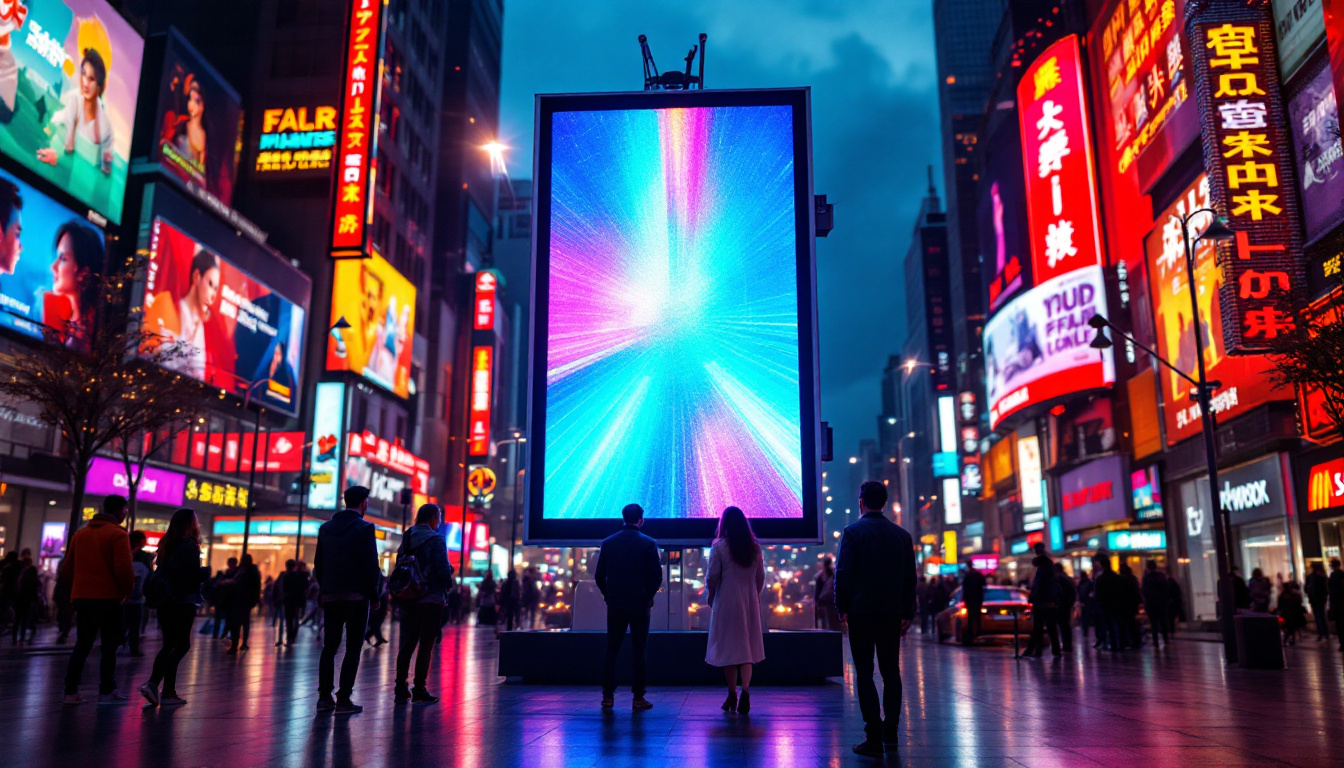
LED pixel displays are revolutionizing advertising by enabling dynamic, eye-catching content that can be updated in real-time. Retailers and brands use LED displays to attract customers with vibrant visuals, animations, and interactive elements.
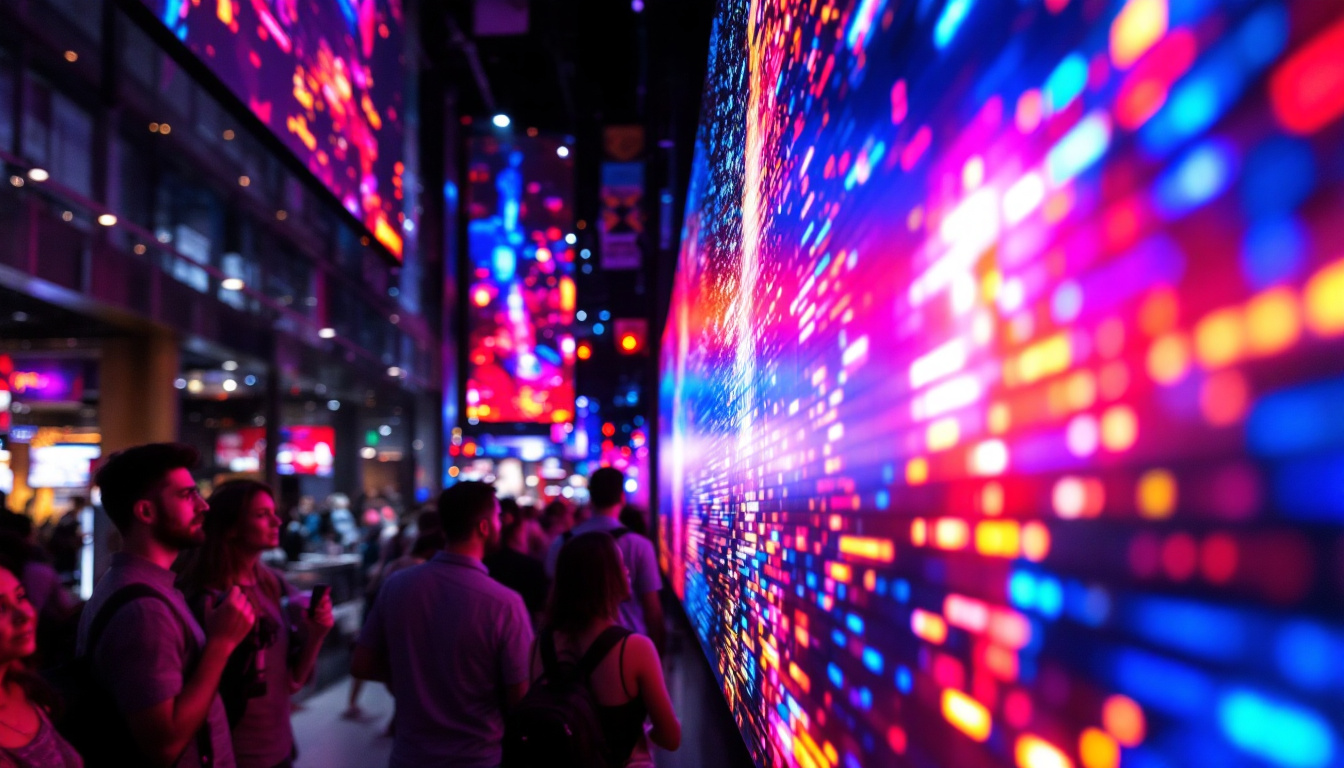
Large outdoor billboards equipped with LED pixels can display high-resolution videos and graphics, making them more engaging than traditional static signs. The ability to schedule and remotely manage content also offers flexibility and cost savings for advertisers.
Entertainment and Events
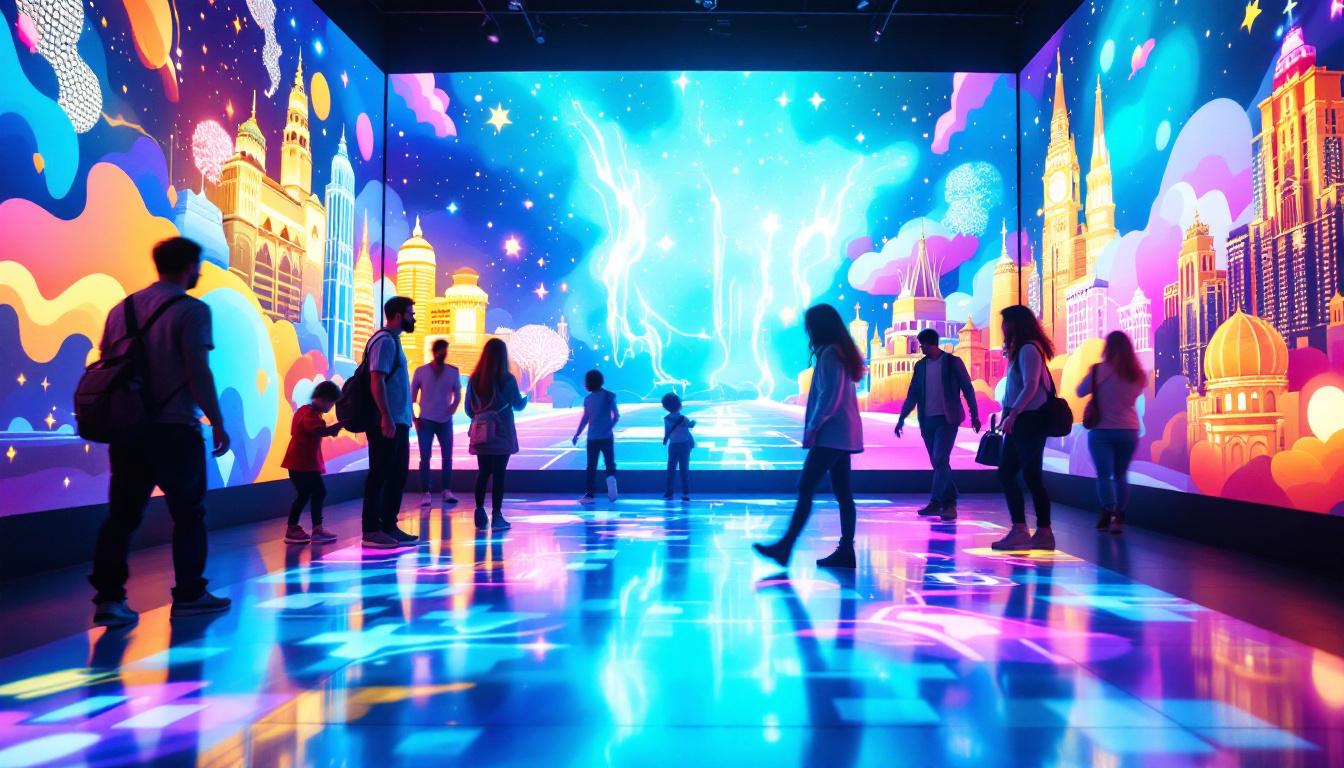
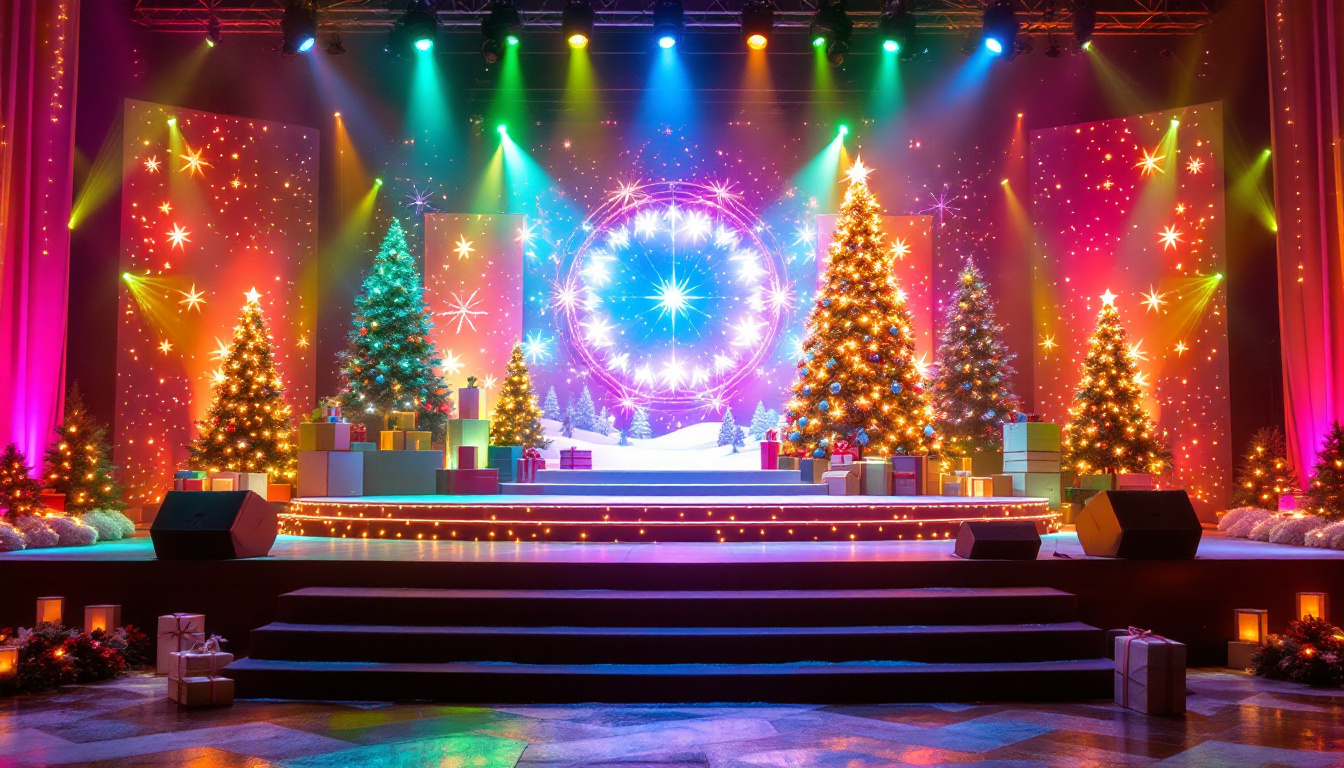
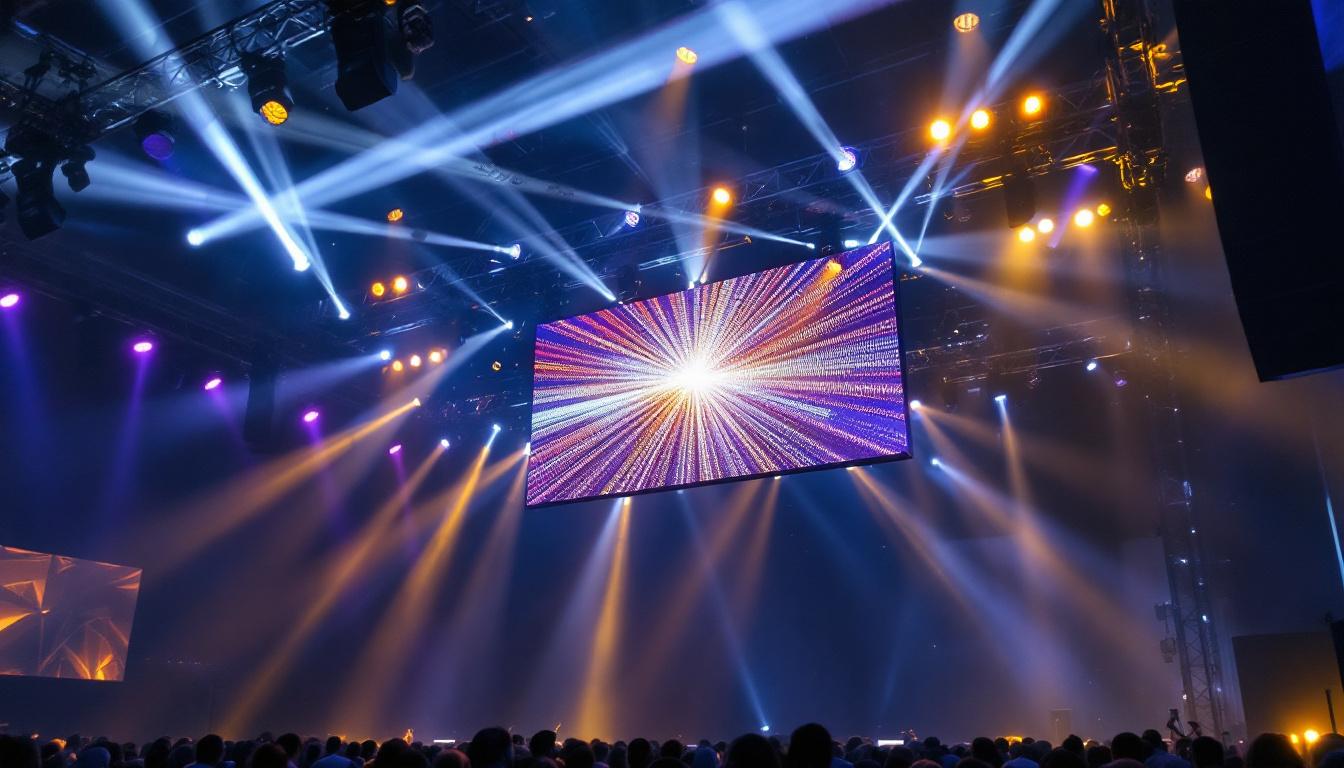
Concerts, sports events, and theatrical productions frequently rely on LED pixel displays to enhance the audience experience. Massive LED screens provide clear visuals even in large venues, ensuring that every spectator enjoys the performance regardless of their seat location.
LED pixels enable creative freedom for event organizers, allowing for immersive backdrops, live video feeds, and interactive lighting effects. This technology has become a staple in modern event production due to its versatility and visual impact.
Transportation and Public Information
LED pixel displays are widely used in transportation hubs such as airports, train stations, and bus terminals. These displays provide real-time information on schedules, delays, and safety announcements, improving passenger experience and operational efficiency.
Thanks to their brightness and durability, LED displays are also used in traffic signals and highway message boards, where visibility and reliability are paramount for public safety.
Future Trends in LED Pixel Technology
Advancements in Micro LED Displays
Micro LED technology is poised to redefine LED displays by offering unprecedented resolution, brightness, and energy efficiency. Unlike traditional LEDs, micro LEDs can be individually controlled at a microscopic scale, enabling displays that are thinner, lighter, and more flexible.
Research and development efforts are focused on overcoming manufacturing challenges to make micro LED displays commercially viable for consumer electronics, automotive dashboards, and wearable devices.
Integration with Smart Technologies
The integration of LED pixel displays with IoT (Internet of Things) and AI (Artificial Intelligence) is creating smarter and more responsive digital signage solutions. These systems can adapt content based on audience demographics, environmental conditions, and real-time data analytics.
For instance, smart LED displays in retail environments can personalize advertisements based on customer behavior, increasing engagement and conversion rates. This trend highlights the growing importance of LED pixels not just as display elements but as integral parts of intelligent communication networks.
Sustainability and Energy Efficiency
As environmental concerns become more pressing, LED pixel technology is evolving to prioritize sustainability. Innovations in LED materials and power management are reducing energy consumption without compromising brightness or color quality.
Manufacturers are also exploring recyclable materials and modular designs to extend the lifespan of LED displays and minimize electronic waste. These efforts align with global initiatives to promote greener technologies in the electronics industry.
Conclusion
LED pixels are the fundamental units that define the performance and capabilities of LED displays. Understanding their structure, types, and operational principles is essential for anyone involved in the design, deployment, or utilization of LED display technology. With ongoing advancements in pixel miniaturization, color accuracy, and smart integration, LED displays continue to expand their role across advertising, entertainment, transportation, and beyond.
As the technology matures, the future of LED pixels promises even more vibrant, efficient, and intelligent displays that will shape how information and experiences are shared worldwide.
Discover LumenMatrix’s Innovative LED Display Solutions
As you’ve seen, LED pixels are at the heart of today’s most dynamic and engaging displays. If you’re looking to elevate your visual communication with the latest in LED display technology, look no further than LumenMatrix. Our extensive range of solutions, from Indoor and Outdoor LED Wall Displays to specialized options like Vehicle LED Displays and LED Sports Displays, is designed to captivate and engage your audience. Embrace the future of digital signage with LumenMatrix’s cutting-edge LED display modules. Check out LumenMatrix LED Display Solutions and see how we can transform your space into a vibrant canvas for your brand’s message.