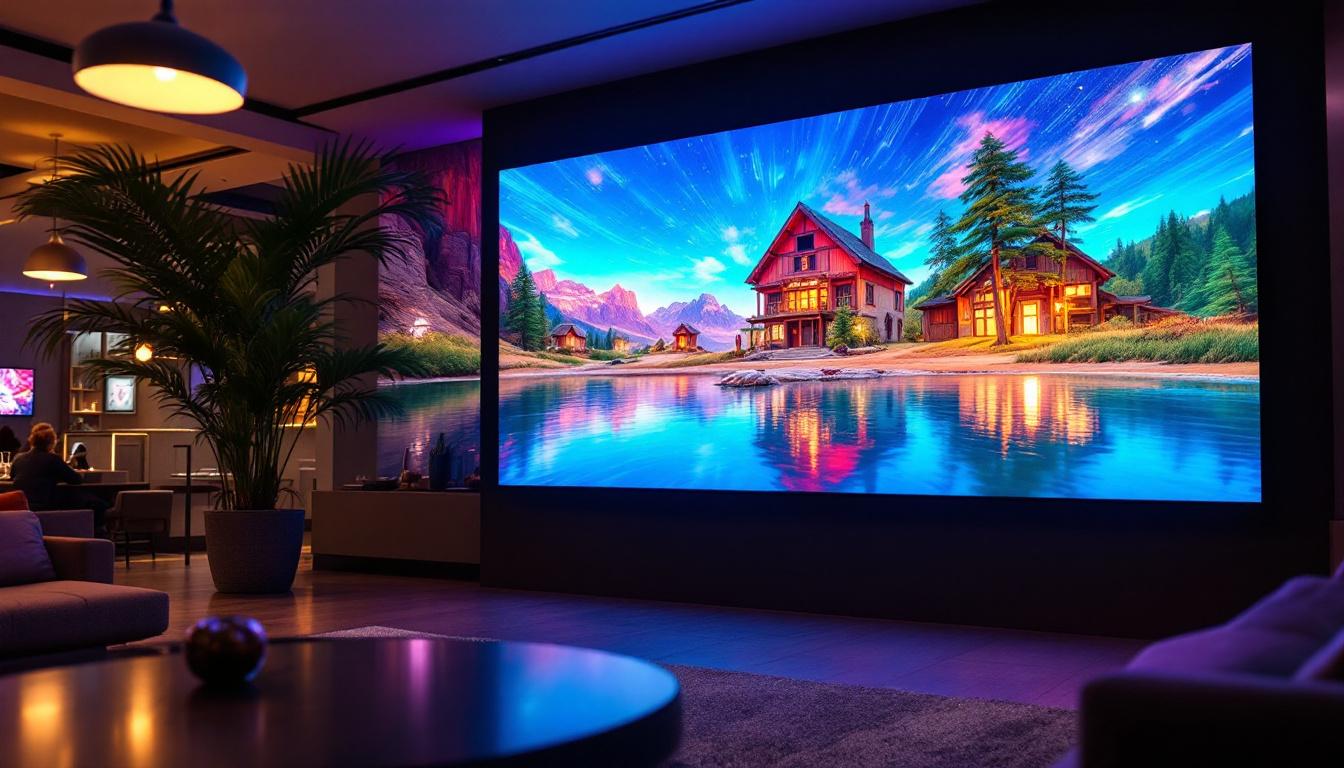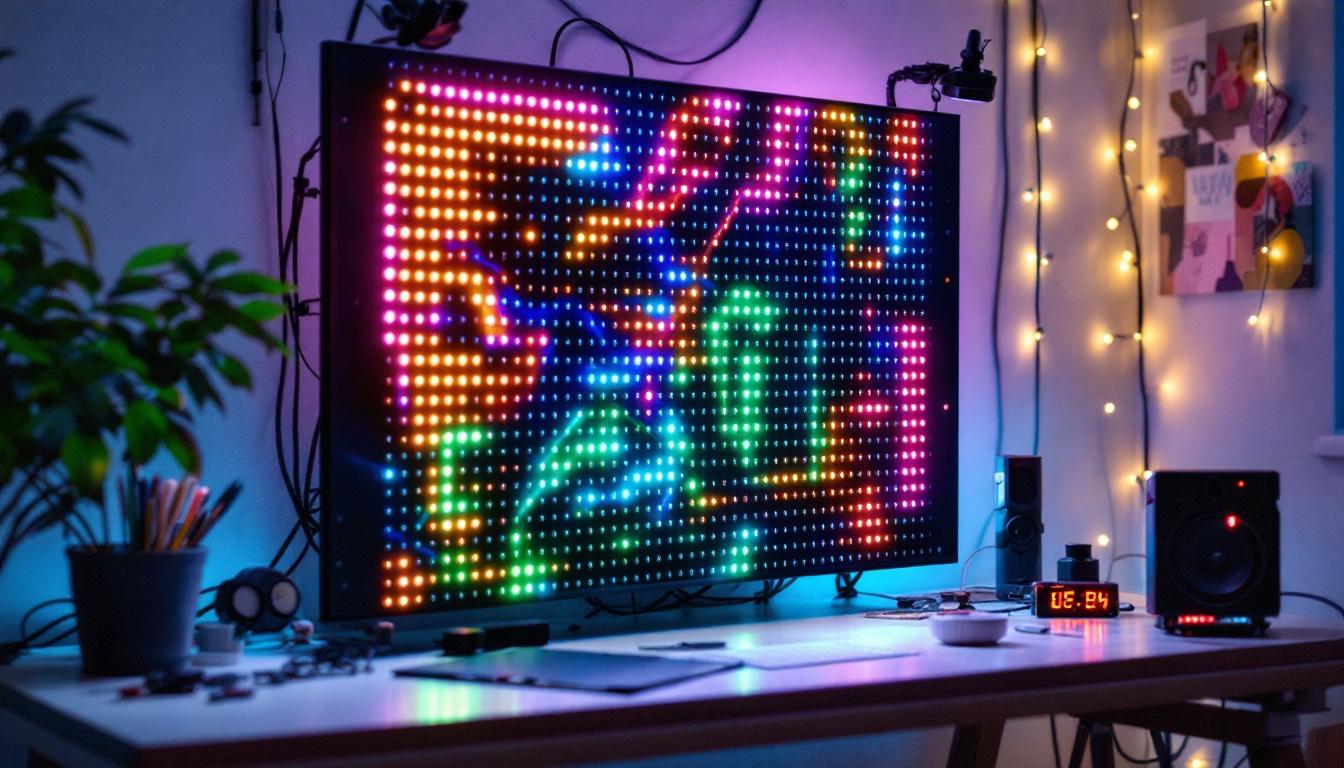
In recent years, LED screens have become ubiquitous, transforming everything from advertising billboards to home entertainment and event staging. Their vibrant colors, energy efficiency, and versatility make them a preferred choice for visual displays worldwide. For tech enthusiasts and professionals alike, building a DIY LED display can be an exciting and rewarding project. This article unpacks the fundamentals of LED screens, explores the technology behind them, and guides you through the essentials of creating your own LED display.
Understanding LED Screen Technology
What is an LED Screen?
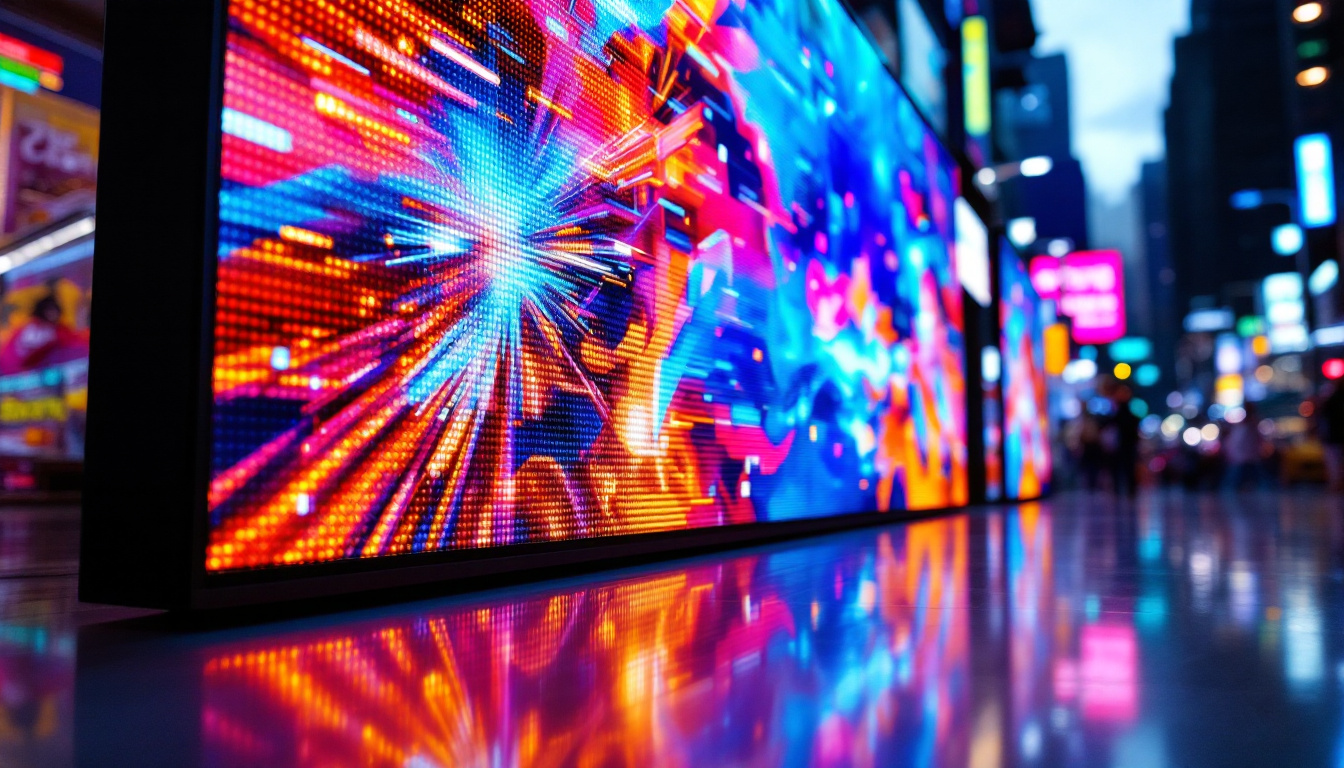
An LED (Light Emitting Diode) screen is a flat panel display that uses an array of light-emitting diodes as pixels to create images and videos. Unlike traditional LCD or plasma displays, LED screens produce their own light, which results in brighter images, higher contrast ratios, and better energy efficiency. These screens are widely used in various applications, from large outdoor advertising billboards to indoor video walls and even wearable technology.
The core advantage of LED technology lies in its ability to deliver vivid colors and deep blacks while consuming less power. This is because LEDs emit light directly, eliminating the need for backlighting found in LCDs. Additionally, LED displays offer superior viewing angles and durability, making them suitable for both indoor and outdoor environments. The longevity of LED screens is another significant benefit, with many models boasting lifespans of over 100,000 hours, which translates to years of consistent performance without the need for frequent replacements.
Types of LED Displays
LED displays come in several types, each tailored to specific use cases and environments:
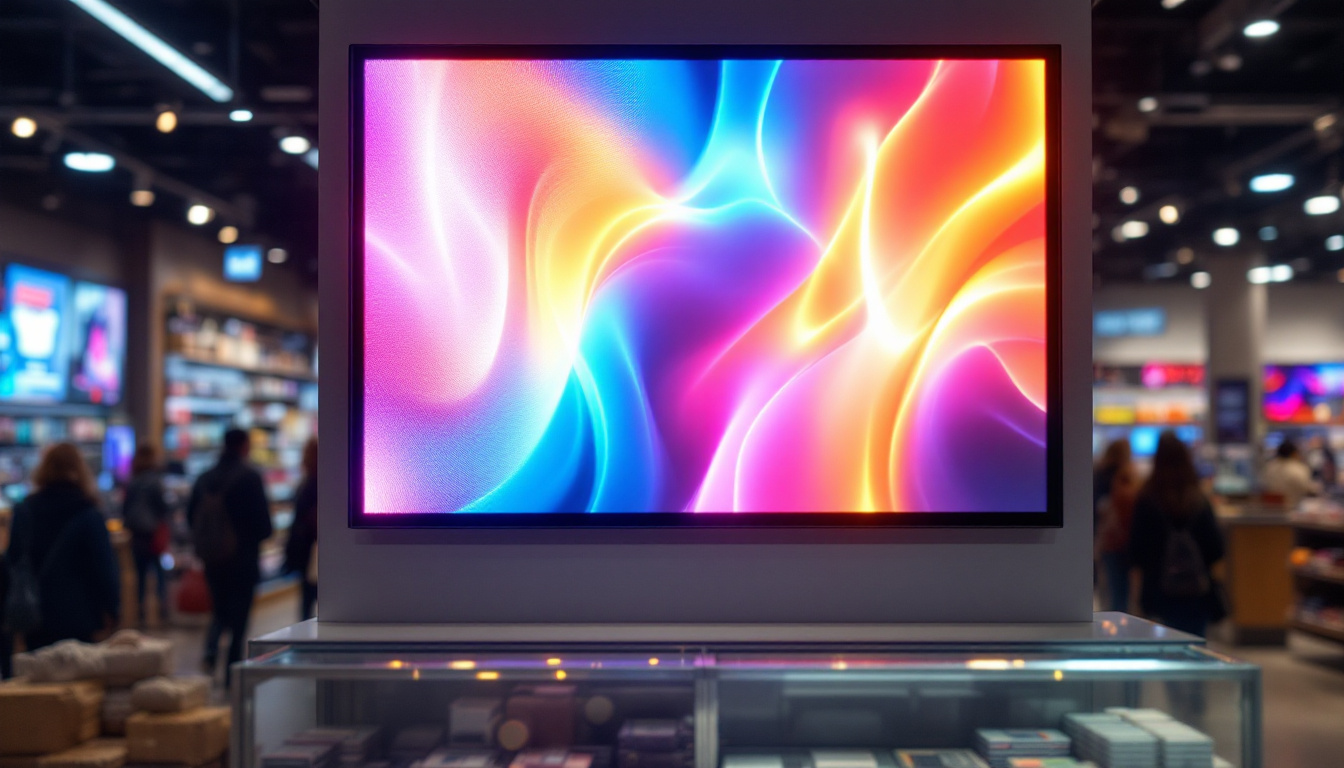
- Indoor LED Displays: These screens have a higher pixel density and smaller pixel pitch, typically ranging from 1mm to 4mm. They are designed for close viewing distances, such as in conference rooms, retail stores, and broadcast studios. The clarity and detail provided by indoor LED displays make them ideal for presentations and advertisements where every detail matters.
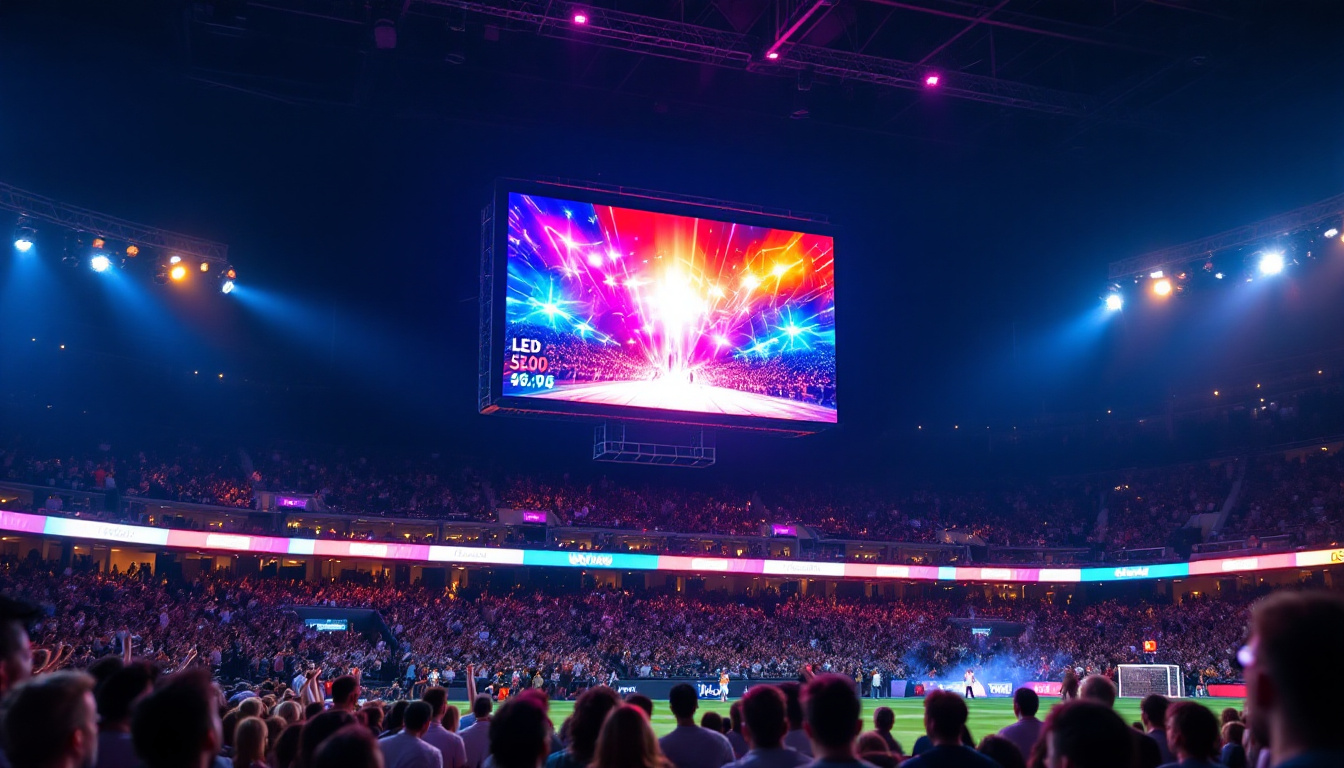
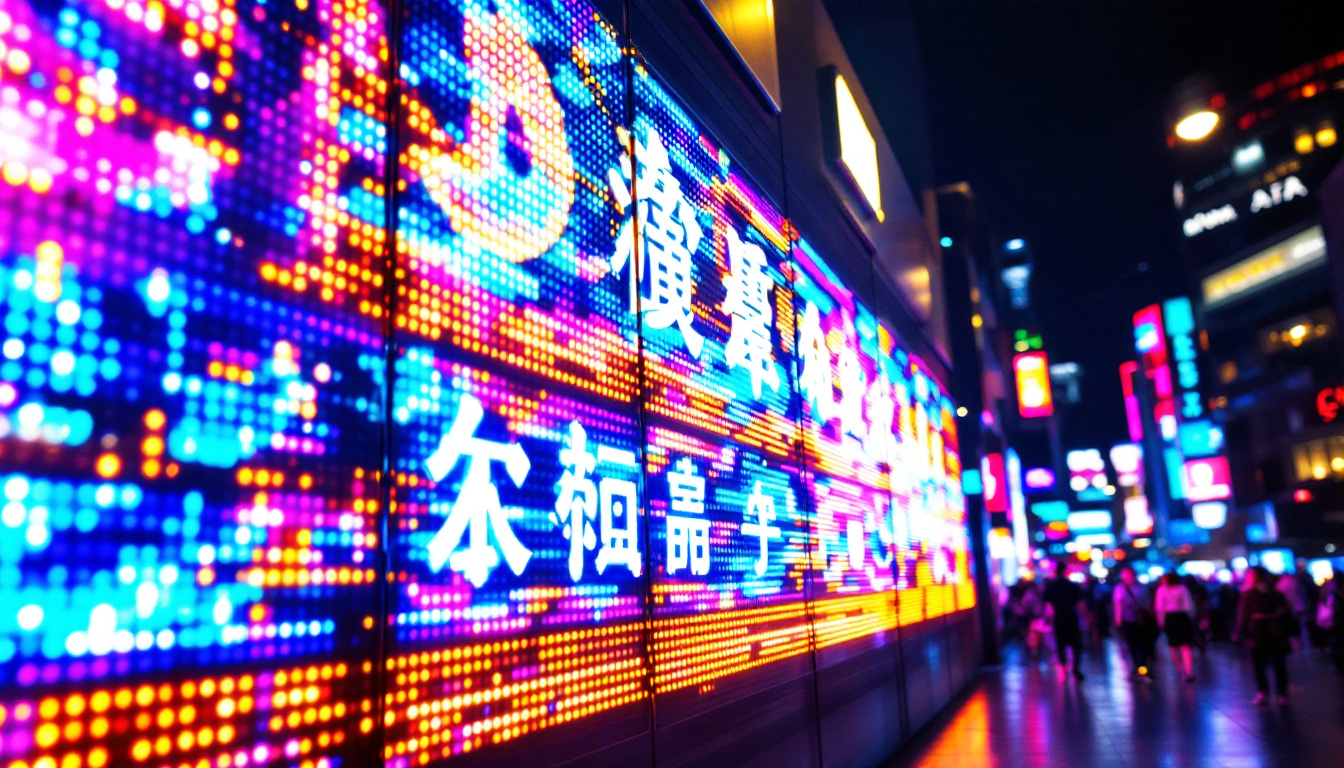
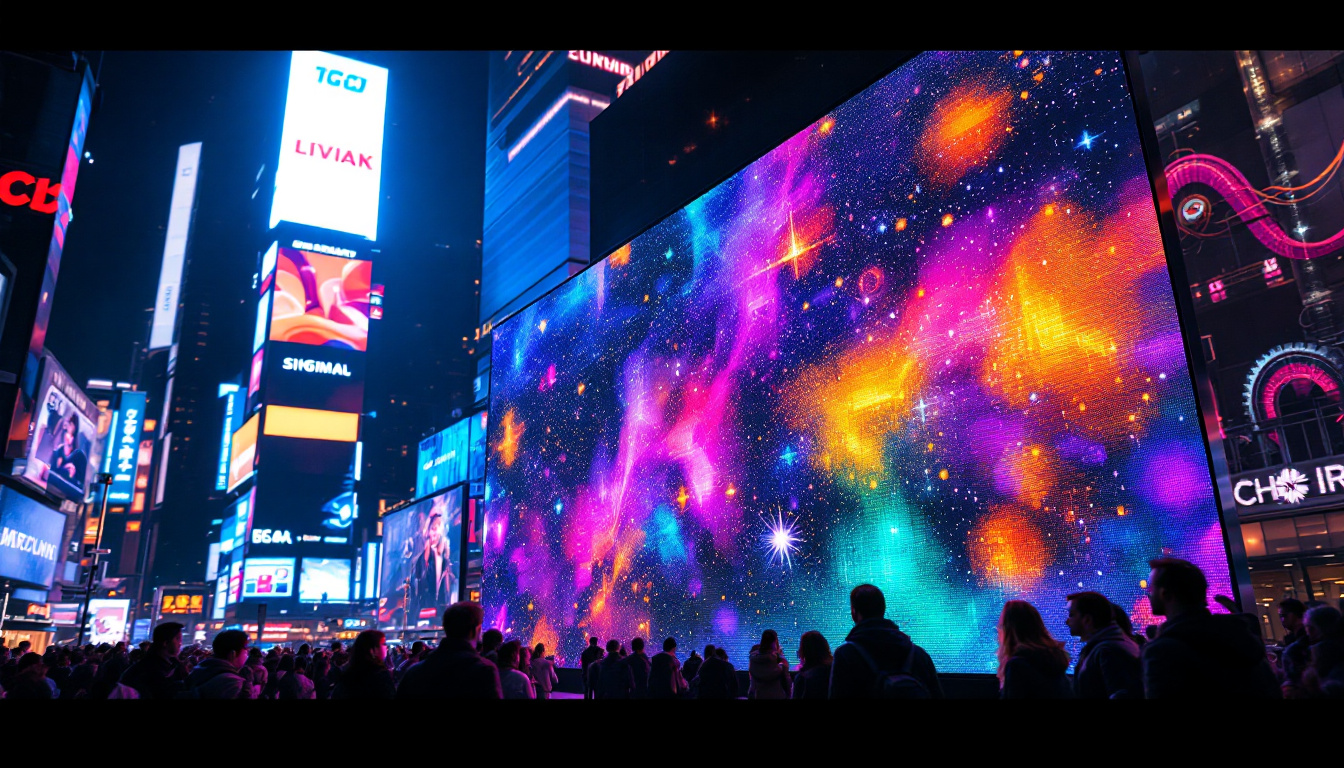
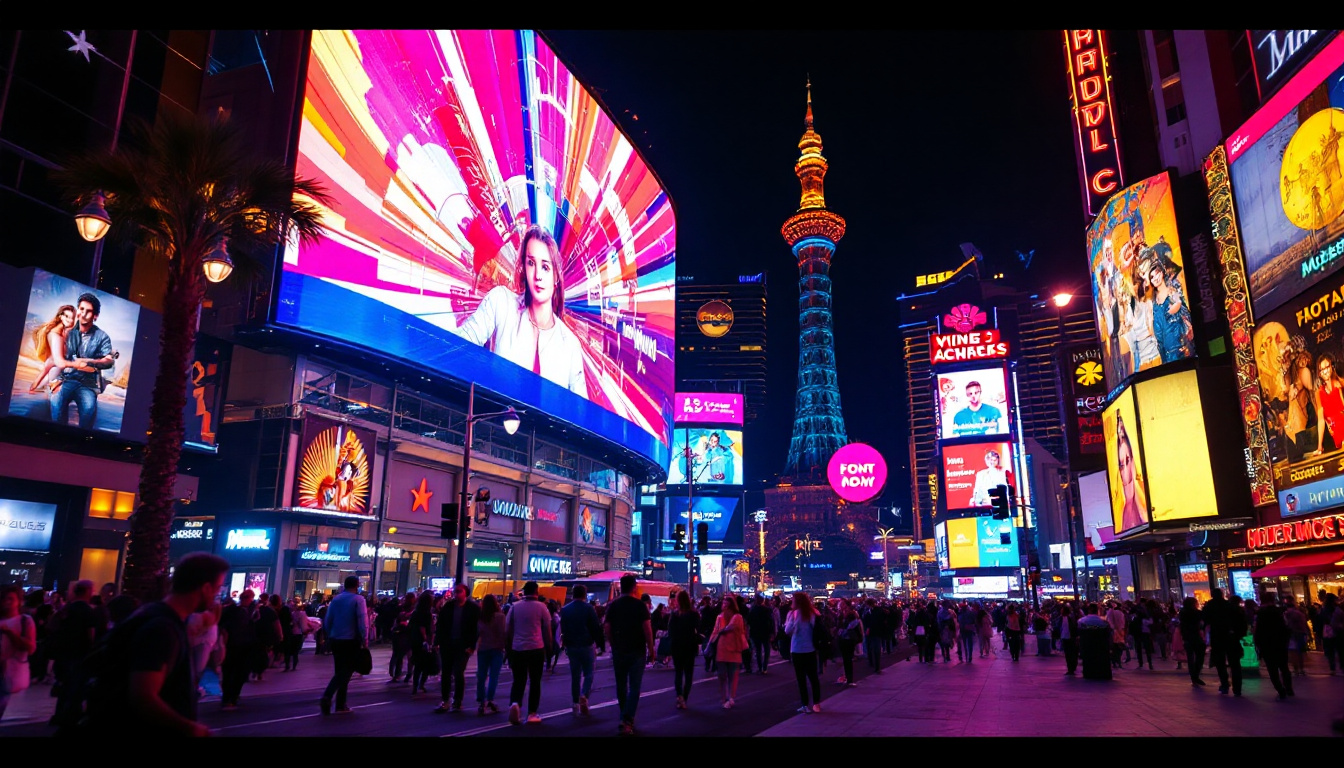
- Outdoor LED Displays: Built to withstand harsh weather conditions, these displays have larger pixel pitches (usually 6mm to 20mm) and higher brightness levels to combat sunlight glare. Common uses include sports arenas, billboards, and public information boards. Outdoor LED displays are engineered to resist moisture, dust, and extreme temperatures, ensuring they remain functional and visually appealing in various climates.
- Flexible and Transparent LED Displays: Innovative designs allow LED modules to be curved or even transparent, enabling creative applications in architecture and retail. These displays can be integrated into building facades or used as window displays, providing a modern aesthetic while showcasing dynamic content. The flexibility of these screens opens up new possibilities for artistic expression and interactive advertising.
Choosing the right type of LED display depends heavily on the intended environment, viewing distance, and budget. Factors such as brightness, resolution, and pixel pitch must be considered to ensure optimal performance in the specific setting. Additionally, advancements in LED technology continue to emerge, with features like smart connectivity and integration with augmented reality, further enhancing the capabilities and applications of LED screens in various industries.
Key Components of an LED Display
LED Modules and Pixels
The fundamental building block of any LED screen is the LED module. Each module contains a matrix of LEDs arranged in pixels. A pixel usually consists of three LEDs—red, green, and blue (RGB)—which combine to produce a full spectrum of colors through varying brightness levels.
The pixel pitch, which is the distance between the centers of two adjacent pixels, determines the display’s resolution and clarity. Smaller pixel pitches mean higher resolution and finer image quality but also increase the cost and complexity of the display.
Control System and Drivers
Behind the scenes, a control system manages the data sent to each LED module. This system includes LED drivers, which regulate the power supplied to each LED, ensuring consistent brightness and color accuracy. The control system also processes input signals from video sources and synchronizes the entire display to produce seamless images.
For DIY projects, microcontrollers such as Arduino or Raspberry Pi are popular choices for managing LED displays. These platforms offer flexibility and a wide range of programming options, making them ideal for hobbyists and professionals alike.
Power Supply and Cooling
LED screens require a stable power supply capable of delivering the necessary current without fluctuations. Power requirements vary depending on the size and brightness of the display. Efficient power management is crucial to prevent overheating and prolong the lifespan of the LEDs.
Cooling mechanisms, such as heat sinks and fans, are often integrated into larger displays to dissipate heat generated during operation. Proper thermal management ensures optimal performance and prevents damage.
Designing Your Own LED Display: Step-by-Step
Planning and Design Considerations
Before diving into the assembly of an LED screen, careful planning is essential. Define the purpose of your display: Will it be used for static images, video playback, or interactive content? Determine the size, resolution, and viewing distance to select the appropriate pixel pitch and module type.
Budget constraints also play a significant role. High-resolution, large-scale LED displays can be expensive, so balancing quality with cost is key. Additionally, consider environmental factors such as indoor versus outdoor use, ambient lighting, and mounting options.
Choosing Components
Selecting the right components is critical for a successful build. For a DIY LED screen, consider the following:
- LED Modules: Purchase modules with a pixel pitch that matches your resolution needs. Modules with integrated drivers simplify assembly.
- Controller Board: Depending on your programming skills, choose a controller that supports your desired input formats and offers sufficient processing power.
- Power Supply: Ensure the power supply can handle the total wattage of all LED modules combined, with some overhead for safety.
- Frame and Mounting: Build or buy a sturdy frame to hold the modules securely. Aluminum frames are popular for their strength and lightweight properties.
Assembly and Wiring
Assembling the LED screen involves mounting the LED modules onto the frame and connecting them electrically. Modules are typically daisy-chained, with data and power cables linking each unit. Proper wiring ensures signal integrity and power distribution.
Take care to follow manufacturer guidelines for wiring and avoid mixing up data input and output ports. Labeling cables during assembly can save time during troubleshooting.
Programming and Calibration
Once assembled, the LED display requires programming to display content. This involves uploading images, videos, or animations to the controller and configuring settings such as brightness, color calibration, and refresh rate.
Calibration is particularly important to achieve uniform color and brightness across the entire screen. Tools like colorimeters and software utilities can assist in fine-tuning the display for optimal performance.
Applications and Benefits of DIY LED Screens
Versatility Across Industries
DIY LED screens offer tremendous flexibility and can be tailored to a wide range of applications:
- Advertising and Marketing: Custom-sized LED displays can be used for eye-catching signage and promotional content in retail environments.
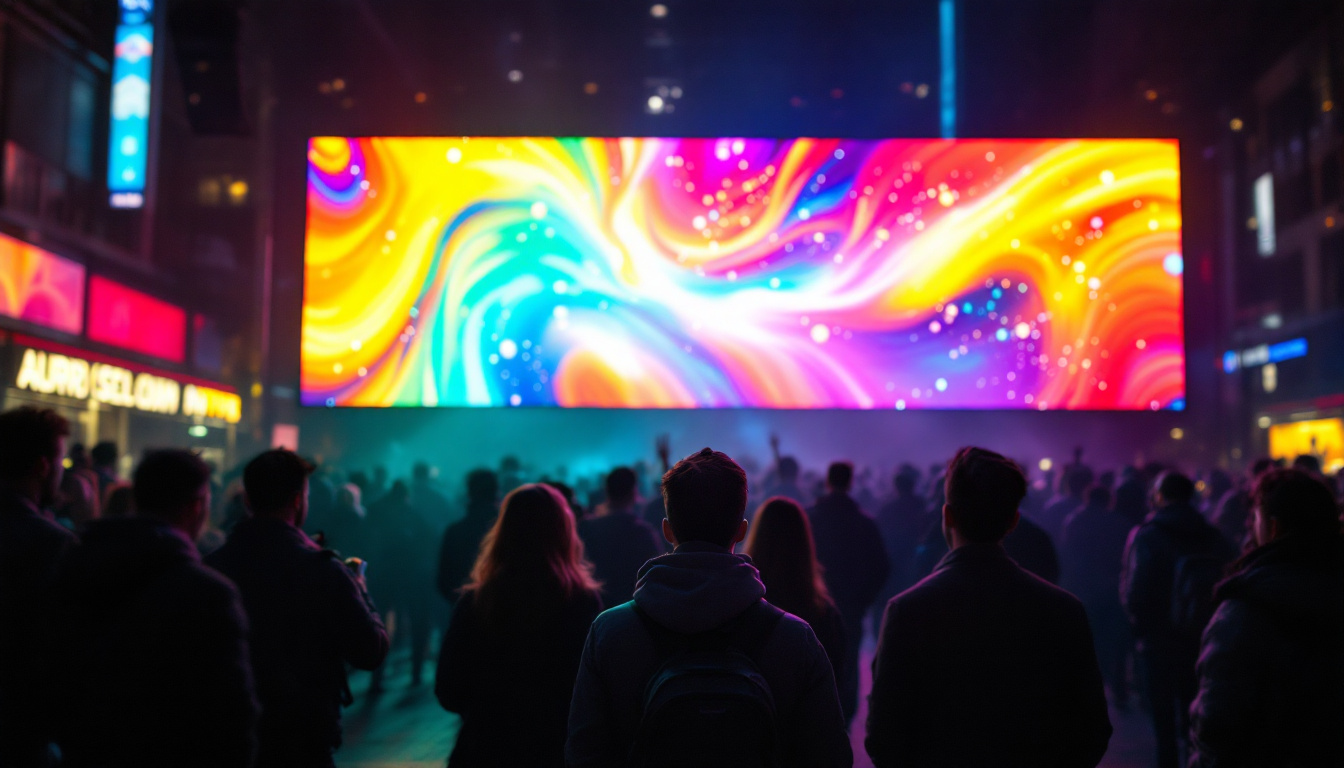
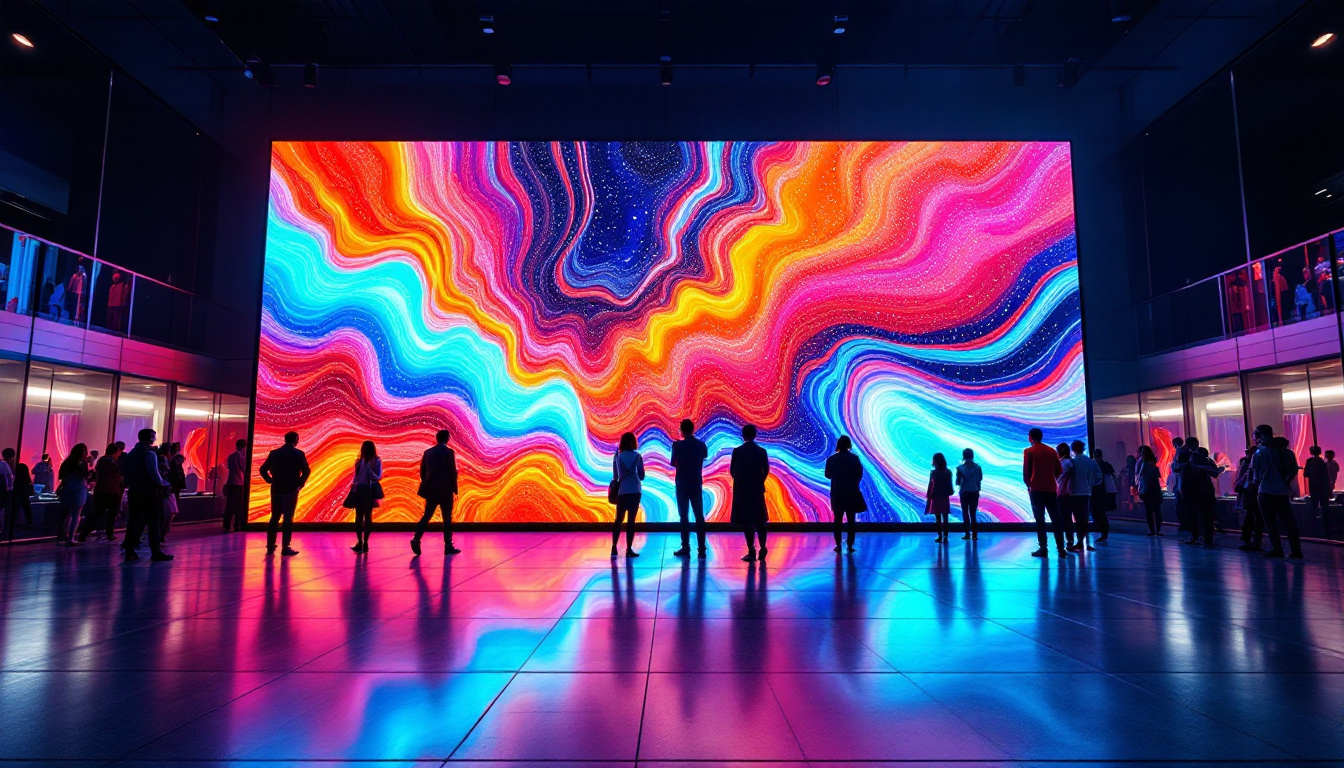
- Events and Entertainment: Portable LED walls enhance concerts, trade shows, and corporate events with dynamic visuals.
- Education and Information: Interactive LED displays serve as engaging teaching tools and public information boards.
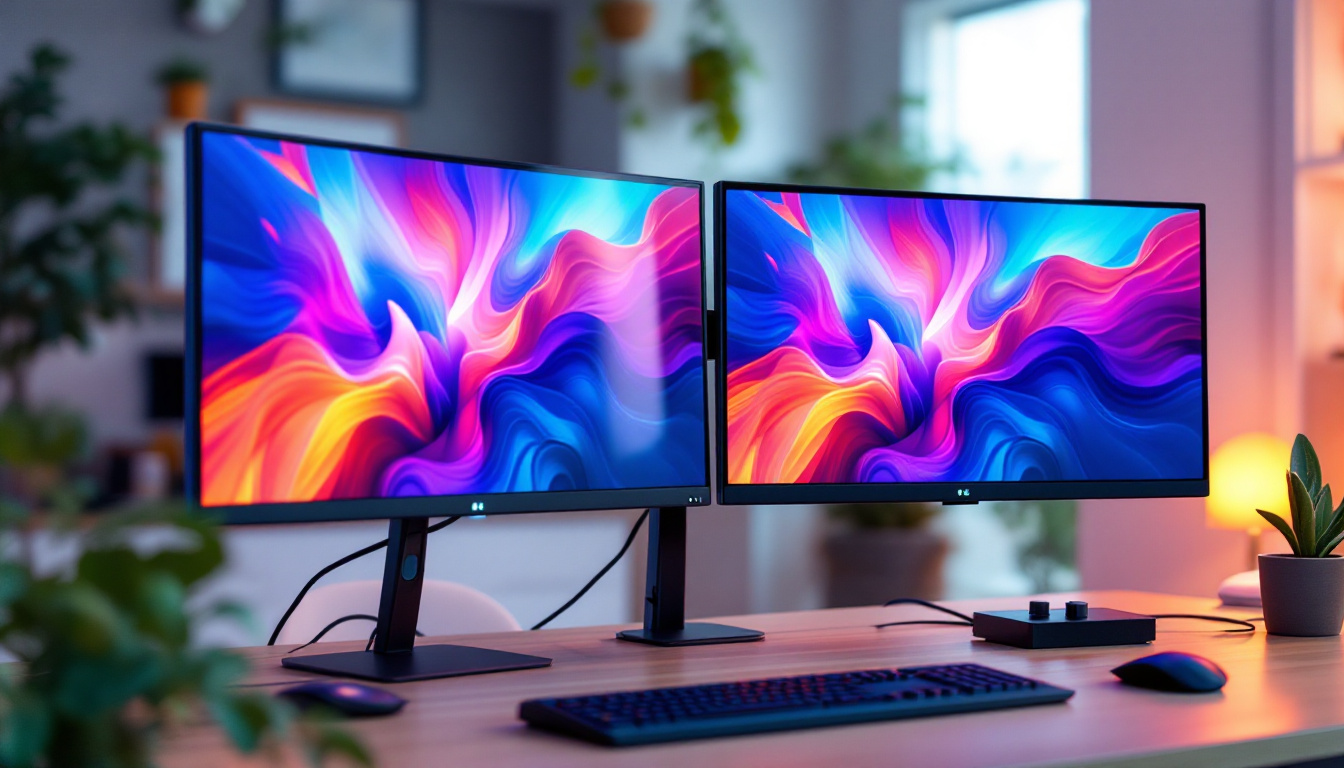
- Home and Hobby: Enthusiasts build LED displays for gaming setups, home theaters, or artistic installations.
Cost-Effectiveness and Customization
Building your own LED screen can be more cost-effective than purchasing pre-built solutions, especially when tailored to specific size and resolution requirements. DIY projects also allow for customization in design, interactivity, and functionality that off-the-shelf products may not offer.
Moreover, the learning experience gained through the process of designing and assembling an LED display is invaluable for hobbyists and professionals seeking to deepen their understanding of electronics and visual technology.
Challenges and Considerations in DIY LED Projects
Technical Complexity
While DIY LED screens are rewarding, they come with technical challenges. Managing power distribution, ensuring signal integrity, and programming the controller require a solid grasp of electronics and software development. Mistakes in wiring or configuration can lead to malfunctioning displays or damage to components.
Maintenance and Durability
DIY displays may lack the robustness of commercial products, especially for outdoor use. Exposure to weather elements necessitates protective enclosures and waterproofing. Regular maintenance, including cleaning and component checks, is essential to maintain performance over time.
Safety Precautions
Working with electrical components involves risks such as electric shock and fire hazards. Always follow safety guidelines, use appropriate tools, and ensure components are rated for your intended use. Proper grounding and insulation are critical for safe operation.
Future Trends in LED Display Technology
MicroLED and MiniLED Innovations
Emerging technologies like MicroLED and MiniLED promise even higher resolutions, better energy efficiency, and thinner displays. MicroLED, in particular, offers self-emissive pixels with superior brightness and color accuracy, potentially revolutionizing display technology in the coming years.
Integration with Smart Technologies
Integration of LED displays with IoT (Internet of Things) and AI-driven content management systems is becoming increasingly common. This allows for dynamic, context-aware content delivery and remote management, enhancing the functionality of LED screens in smart cities and digital signage networks.
Environmental Sustainability
Advancements in LED technology are also focusing on reducing environmental impact through improved energy efficiency, recyclable materials, and longer component lifespans. These trends align with global efforts toward sustainable electronics manufacturing and usage.
Conclusion
DIY LED screens offer an exciting opportunity to explore cutting-edge display technology while creating customized visual solutions. Understanding the fundamentals of LED technology, careful planning, and attention to detail are key to a successful build. Whether for professional applications or personal projects, LED displays continue to evolve, opening new horizons for creativity and communication.
As LED technology advances and becomes more accessible, the potential for innovative DIY projects will only grow, making now an excellent time to dive into the world of LED displays.
Take the Next Step with LumenMatrix
Ready to bring your DIY LED screen project to life? LumenMatrix is at the forefront of LED display innovation, offering a wide array of solutions that cater to any application you can imagine. From dazzling indoor and outdoor displays to specialized options like vehicle, sports, and floor LED displays, LumenMatrix has the technology to make your vision a reality. Embrace the future of visual communication with our cutting-edge LED display modules and transform how your audience connects with your message. Check out LumenMatrix LED Display Solutions today and start creating unforgettable visual experiences.