In the rapidly evolving world of digital displays, LED screens have become a cornerstone technology for advertising, events, retail, and entertainment. Among the various types of LED installations, LED screen floors are gaining popularity for their unique ability to combine functionality with immersive visual experiences. However, understanding the pricing of LED screen floors can be complex due to the many technical and market factors involved. This article provides a comprehensive explanation of LED screen floors, the factors influencing their price, and insights to help businesses and event planners make informed decisions.
What Is an LED Screen Floor?
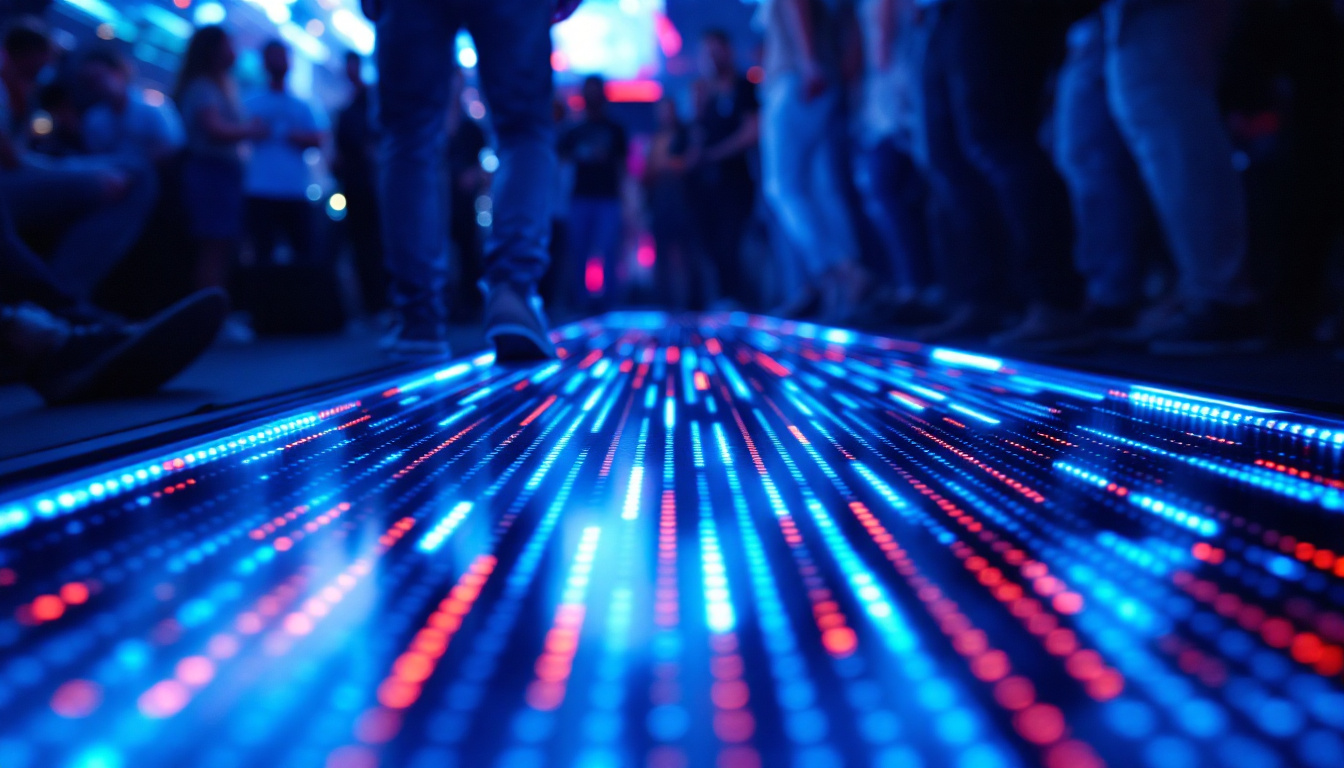
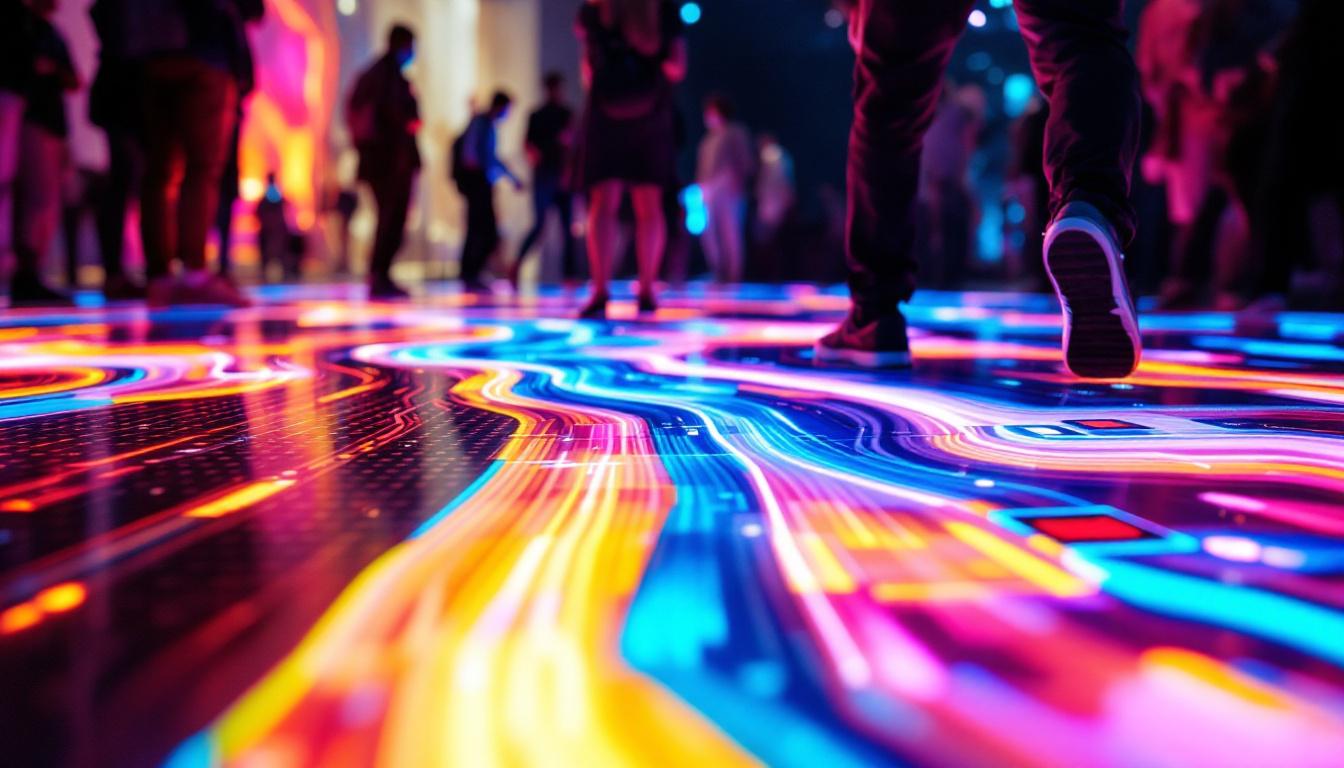
An LED screen floor is a type of digital display system designed to be installed on the floor surface, allowing visuals to be viewed from above or at eye level. Unlike traditional vertical LED displays, these screens are built to withstand foot traffic and heavy loads, making them ideal for interactive exhibitions, concerts, retail environments, and public spaces.
Typically, LED screen floors consist of modular panels made from durable materials such as tempered glass or acrylic, with embedded LED pixels beneath. These panels are engineered to be slip-resistant and robust enough to handle thousands of steps daily without compromising image quality or safety.
The ability to display dynamic content—ranging from advertisements and wayfinding information to interactive games and artistic visuals—makes LED floor screens a versatile tool for engaging audiences in innovative ways.
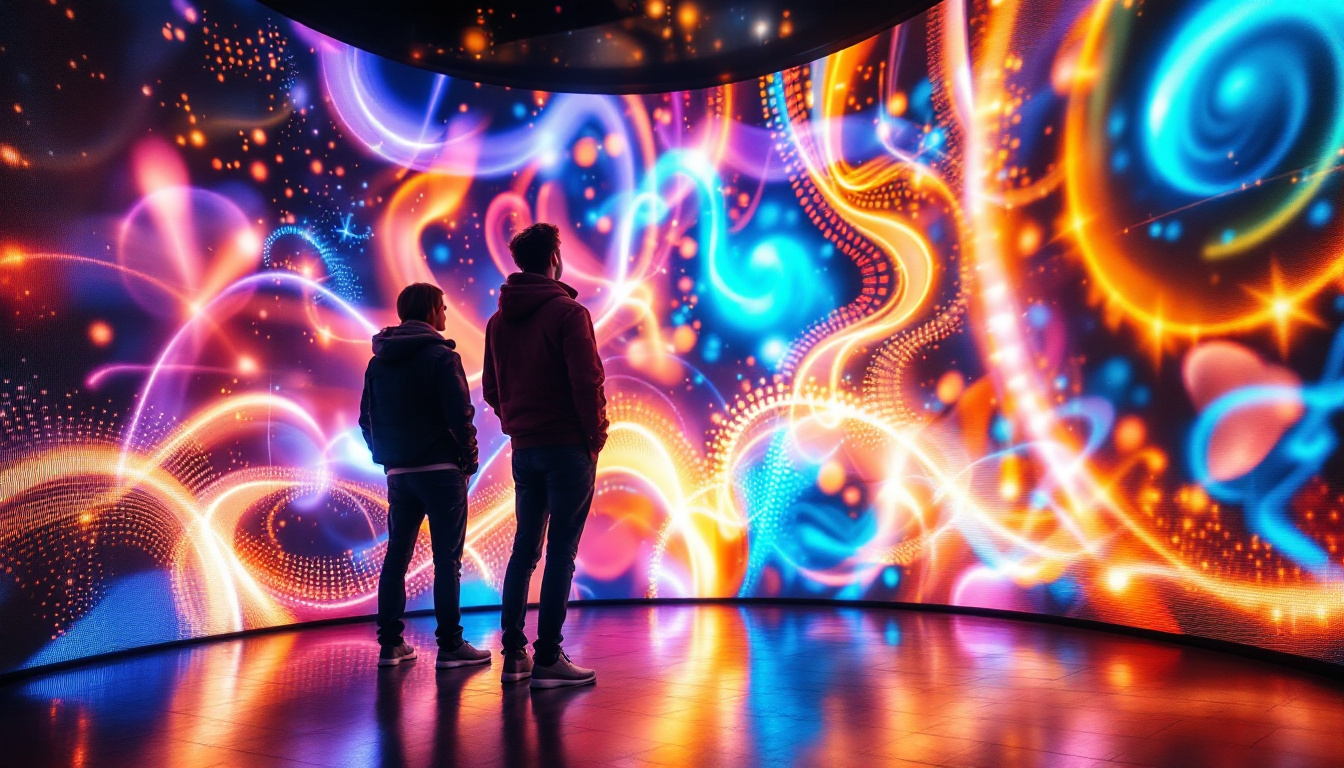
In addition to their aesthetic appeal, LED screen floors can be programmed to respond to user interactions, creating an immersive experience that captivates visitors. For instance, in a retail setting, customers can step onto the screen to reveal special promotions or product information, enhancing their shopping experience. This interactivity not only draws attention but also encourages customers to engage with the brand on a deeper level.
Moreover, the technology behind LED screen floors is continually evolving, with advancements in resolution and brightness that allow for stunning visual displays even in brightly lit environments. Some systems now incorporate sensors and cameras that track movement, enabling real-time content changes based on the audience’s actions. This capability opens up new avenues for creativity, allowing artists and marketers to craft unique experiences that leave a lasting impression.
Key Components Affecting LED Screen Floor Price
Understanding the price of an LED screen floor requires a breakdown of its core components and the technology involved. Several factors influence the overall cost, including pixel pitch, panel size, brightness, durability, and installation complexity.
Pixel Pitch and Resolution
Pixel pitch refers to the distance between the centers of two adjacent LED pixels, measured in millimeters. It directly impacts the resolution and clarity of the display. Smaller pixel pitches (e.g., 1.5mm to 3mm) provide higher resolution and sharper images, but they come at a higher cost due to the increased density of LEDs and more sophisticated manufacturing.
For LED floor screens, the pixel pitch is often a balance between resolution and durability, with common pitches ranging from 2mm to 6mm. High-resolution floors are preferred for close-up viewing environments such as retail stores, while larger pixel pitches may suffice for event stages or public spaces where viewers are farther away.
Panel Size and Modular Design
LED floor screens are composed of multiple panels that can be combined to create the desired screen size. The cost per panel varies depending on the materials, LED density, and structural reinforcements. Larger installations require more panels, naturally increasing the total price.
Modular design allows for scalability and easier maintenance, but it also adds to the complexity and cost of installation. Custom-sized panels or irregular shapes can further increase pricing due to bespoke manufacturing requirements.
Brightness and Viewing Environment
Brightness is a critical factor for LED displays, especially for floors exposed to ambient light or outdoor conditions. Measured in nits (cd/m²), higher brightness levels ensure visibility even under direct sunlight or brightly lit venues.
LED floor screens designed for outdoor use or high ambient light environments typically command higher prices due to the need for more powerful LEDs and enhanced cooling systems. Indoor floor screens can operate at lower brightness levels, reducing cost but limiting their use in certain settings.
Durability and Load-Bearing Capacity
One of the defining features of LED floor screens is their ability to support foot traffic and sometimes even vehicle loads. This requires specialized materials such as reinforced tempered glass, anti-slip coatings, and shock-absorbing structures.
The engineering and materials required to ensure safety and longevity significantly impact the price. Floors designed for heavy-duty use, such as in stadiums or public squares, are more expensive than those intended for light foot traffic in controlled environments.
Installation and Maintenance Costs
Installation of LED floor screens is more complex than traditional wall-mounted displays. It often involves floor preparation, precise leveling, integration with existing infrastructure, and electrical wiring to support power and data transmission.
Labor costs for installation can be significant, especially for large-scale or custom projects. Additionally, ongoing maintenance—including cleaning, repairs, and software updates—should be factored into the total cost of ownership.
Typical Price Ranges for LED Screen Floors
LED screen floor prices vary widely depending on the specifications and project scope. As of 2024, the following price ranges provide a general guideline:
Entry-Level LED Floor Screens
Entry-level LED floor screens, suitable for small indoor applications with moderate foot traffic, generally cost between $1,000 and $2,500 per square meter. These models often feature pixel pitches of 4mm to 6mm and lower brightness levels (around 800-1,200 nits).
They are ideal for retail displays, exhibitions, and temporary installations where budget constraints are a priority, but image quality and durability remain important.
Mid-Range LED Floor Screens
Mid-range options, commonly used in corporate events, museums, and medium-traffic venues, typically range from $2,500 to $5,000 per square meter. These screens offer better resolution (2mm to 4mm pixel pitch), higher brightness (1,200-2,500 nits), and improved load-bearing capabilities.
This category balances cost with performance, providing a versatile solution for a wide range of applications.
High-End and Custom LED Floor Screens
High-end LED floor screens, designed for large-scale events, stadiums, or permanent outdoor installations, can exceed $5,000 per square meter. These systems feature ultra-high resolution (1.2mm to 2mm pixel pitch), brightness levels above 3,000 nits, and robust materials capable of supporting heavy pedestrian and vehicular traffic.
Custom designs, interactive features, and advanced control systems further increase the price, but deliver unmatched visual impact and durability.
Factors Influencing LED Screen Floor Pricing Trends
The LED display market is dynamic, with pricing influenced by technological advancements, supply chain factors, and market demand. Several trends are shaping the cost structure of LED screen floors:
Advancements in LED Technology
Recent improvements in LED efficiency, miniaturization, and manufacturing processes have gradually lowered costs while enhancing performance. For example, the development of micro-LED technology promises even higher resolution and brightness with lower power consumption, which could impact future pricing.
However, cutting-edge technologies often come at a premium initially, so early adopters may face higher prices until economies of scale are achieved.
Material and Supply Chain Considerations
Global supply chain disruptions, fluctuations in raw material costs (such as rare earth elements used in LEDs), and manufacturing capacity constraints can cause price volatility. The COVID-19 pandemic and geopolitical tensions have underscored the importance of resilient supply chains in the electronics industry.
Manufacturers sourcing components locally or investing in vertical integration may offer more stable pricing, but these factors vary by region.
Customization and Integration Complexity
Projects requiring custom shapes, interactive touch capabilities, or integration with other technologies (like augmented reality or IoT sensors) tend to increase costs. The design, engineering, and software development needed for these features add to both upfront and ongoing expenses.
Clients should carefully assess their needs to avoid over-specifying and inflating costs unnecessarily.
How to Choose the Right LED Screen Floor for Your Budget
Selecting an LED screen floor that meets both your functional requirements and budget constraints involves a strategic approach. Here are key considerations to guide the decision-making process:
Define the Primary Use Case
Understanding how the LED floor will be used is crucial. Is it for a temporary event, a permanent installation, or an interactive experience? Will it be indoors or outdoors? What is the expected foot traffic volume? These questions help determine the necessary specifications and durability requirements.
Balance Resolution and Viewing Distance
Higher resolution screens cost more but are only necessary if viewers will be close enough to appreciate the detail. For larger venues or displays viewed from a distance, a coarser pixel pitch may deliver sufficient image quality at a lower price.
Consider Total Cost of Ownership
Beyond the initial purchase price, factor in installation, maintenance, power consumption, and potential repair costs. Investing in higher-quality materials and components may reduce long-term expenses and downtime.
Request Detailed Quotes and Compare Vendors
Obtaining multiple quotes with clear breakdowns of costs and specifications allows for informed comparisons. Reputable vendors should provide transparent pricing, warranties, and after-sales support.
Conclusion: Investing Wisely in LED Screen Floors
LED screen floors represent a compelling blend of technology and creativity, offering immersive visual experiences that can transform spaces and captivate audiences. However, their pricing is influenced by a variety of technical and market factors that require careful consideration.
By understanding the key components that affect cost—such as pixel pitch, panel size, brightness, durability, and installation complexity—buyers can make strategic decisions that align with their budget and objectives. Staying informed about market trends and technological advancements further aids in selecting the right solution.
Ultimately, investing in an LED screen floor is not just about the upfront price but about achieving long-term value through quality, reliability, and impactful visual engagement.
Discover the Future of LED Display Floors with LumenMatrix
Ready to elevate your space with an LED screen floor that combines durability, high-resolution, and interactive capabilities? Look no further than LumenMatrix, a pioneer in LED display technology. Our extensive range of solutions, from Indoor and Outdoor LED Wall Displays to innovative Floor LED Displays, is designed to bring your vision to life. Experience the difference with LumenMatrix and let us help you create an environment that not only stands out but also stands the test of time. Check out LumenMatrix LED Display Solutions today and start your journey towards unparalleled visual engagement.