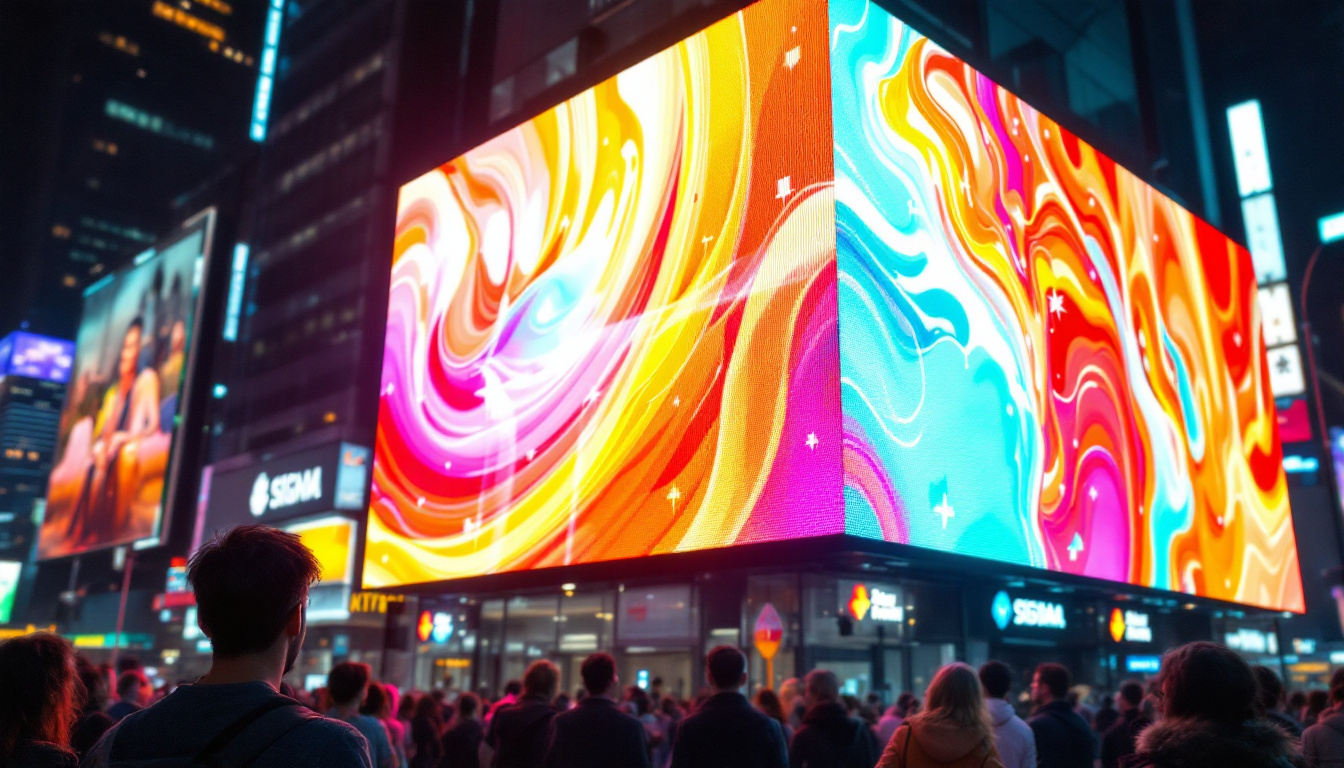
LED displays have become an integral part of modern visual communication, from advertising billboards to large-scale event screens and digital signage. Despite their widespread use and technological advancements, LED screens are not immune to problems that can affect their performance and longevity. Understanding these issues is crucial for businesses, technicians, and end-users who rely on LED technology for impactful visual presentations.
Understanding LED Display Technology
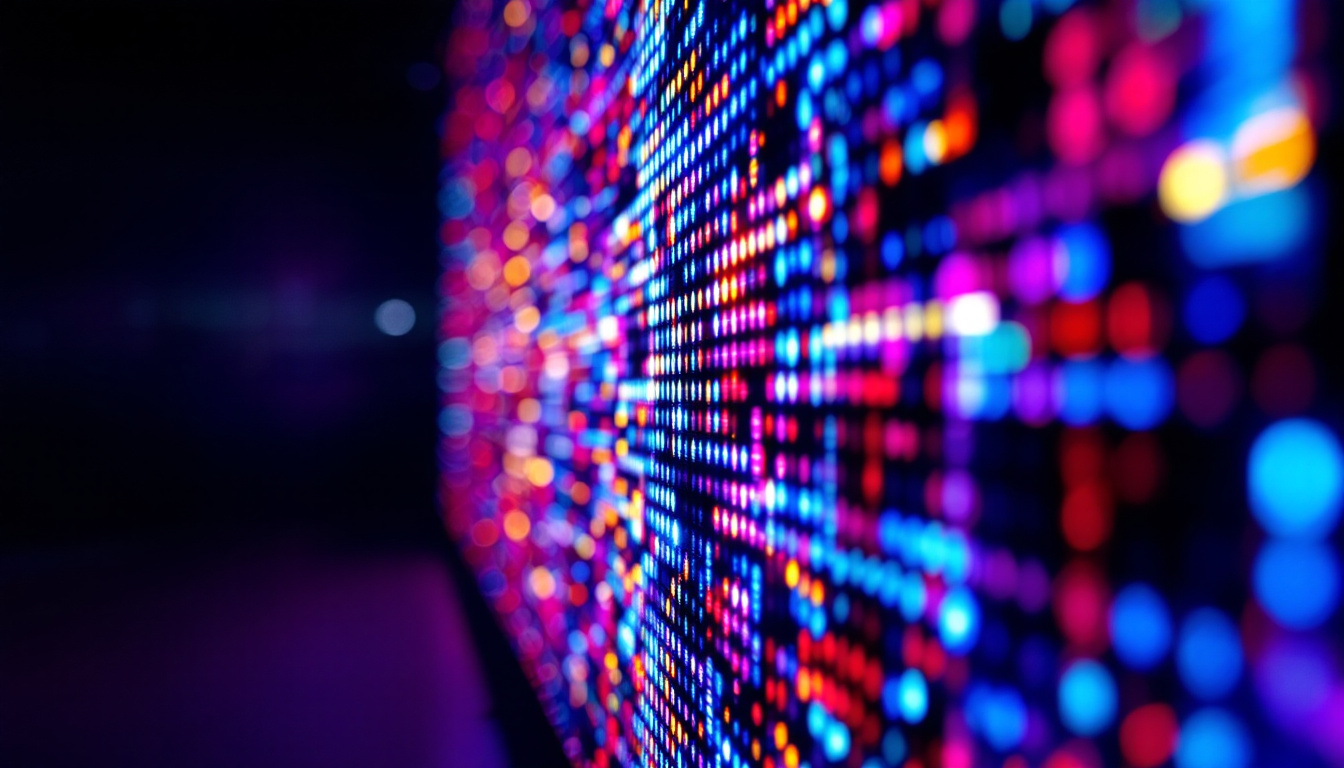
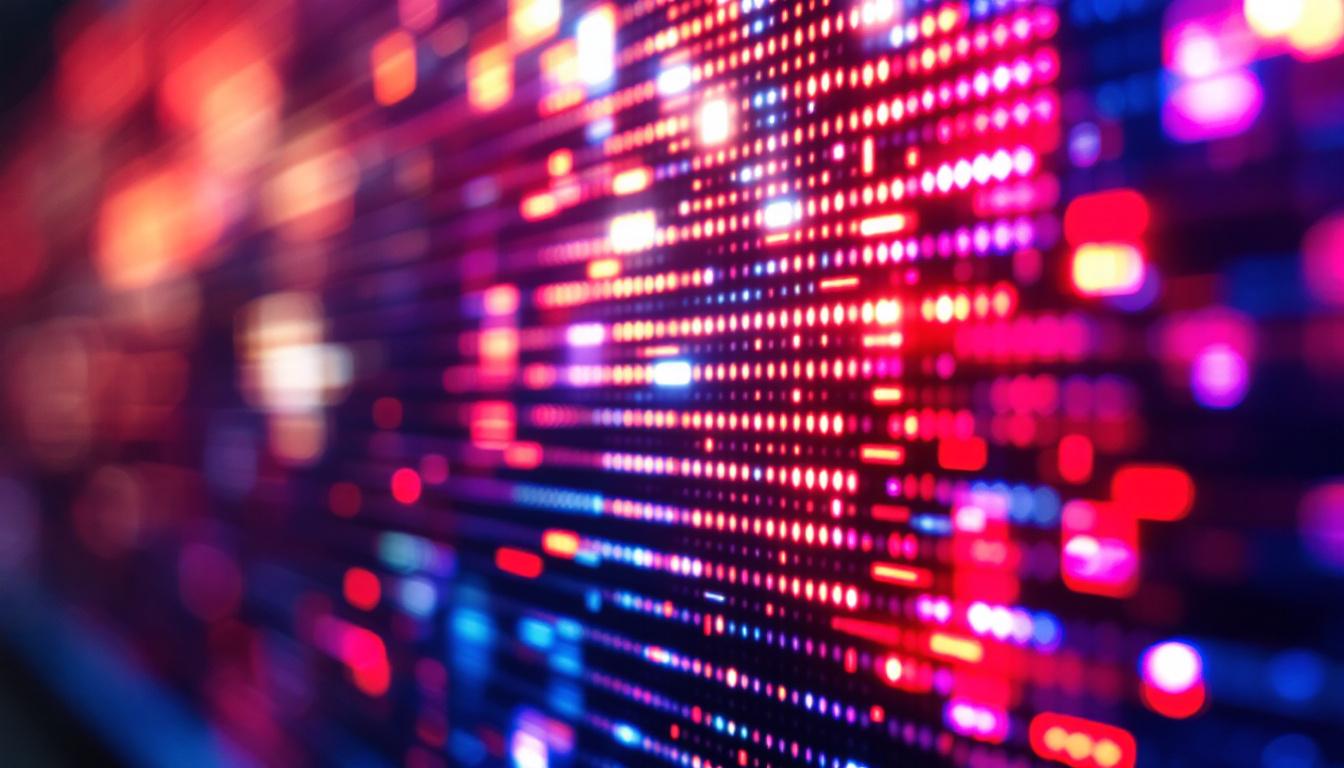
Before diving into common problems, it’s important to understand how LED displays work. LED stands for Light Emitting Diode, a semiconductor device that emits light when an electric current passes through it. LED displays consist of thousands, sometimes millions, of these tiny diodes arranged in a matrix to create images and videos.
Each pixel on an LED screen is typically composed of three sub-pixels: red, green, and blue (RGB). By varying the intensity of these sub-pixels, the display can produce a full spectrum of colors. The brightness, contrast, and resolution of LED screens make them ideal for outdoor and indoor applications, offering high visibility even in direct sunlight.
Modern LED displays use surface-mounted device (SMD) technology, which allows for smaller pixels and higher resolution. This technology has enabled the rise of ultra-fine pitch LED displays, where the distance between pixels is less than 1 millimeter, suitable for close viewing distances such as in control rooms or retail environments.
In addition to their impressive visual capabilities, LED displays are also known for their energy efficiency. Compared to traditional display technologies like LCD or plasma, LED screens consume significantly less power, making them a more sustainable choice for businesses and consumers alike. This efficiency not only reduces electricity costs but also contributes to a lower carbon footprint, which is increasingly important in today’s environmentally conscious market.
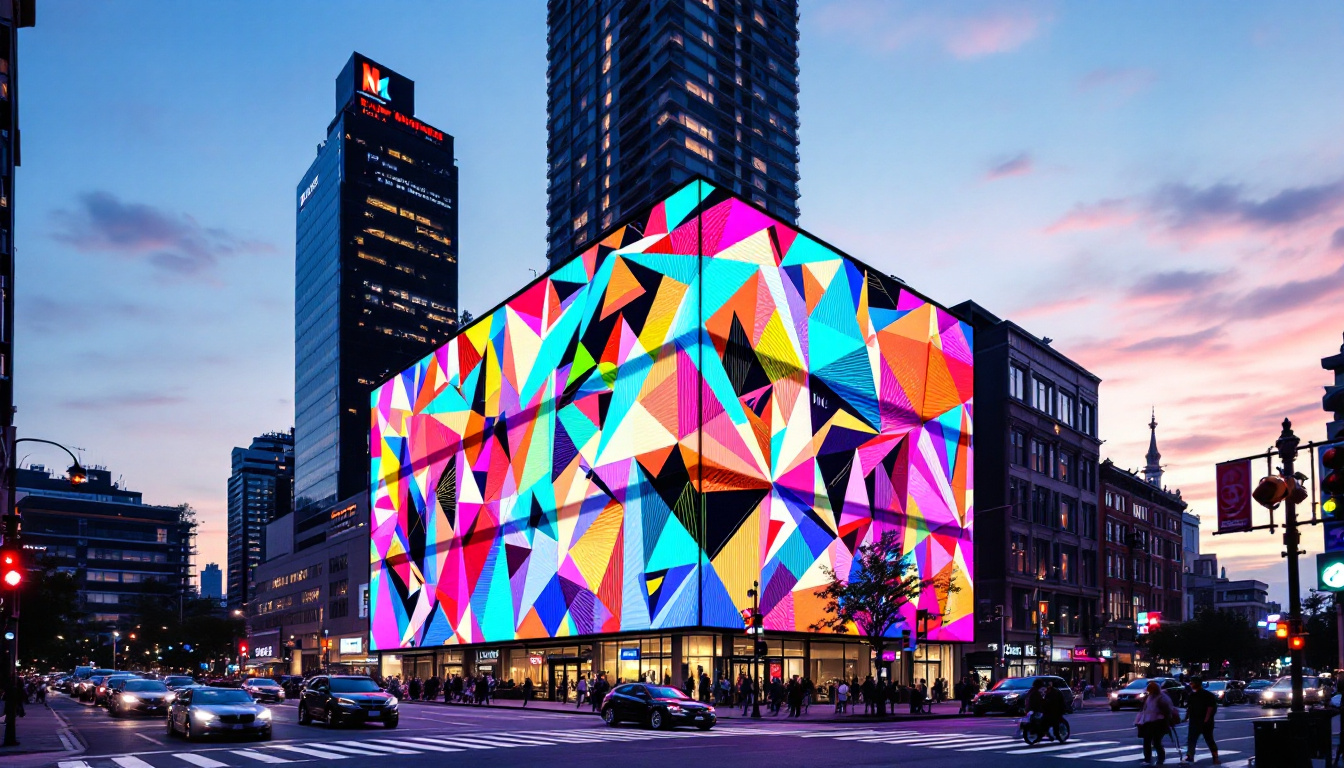
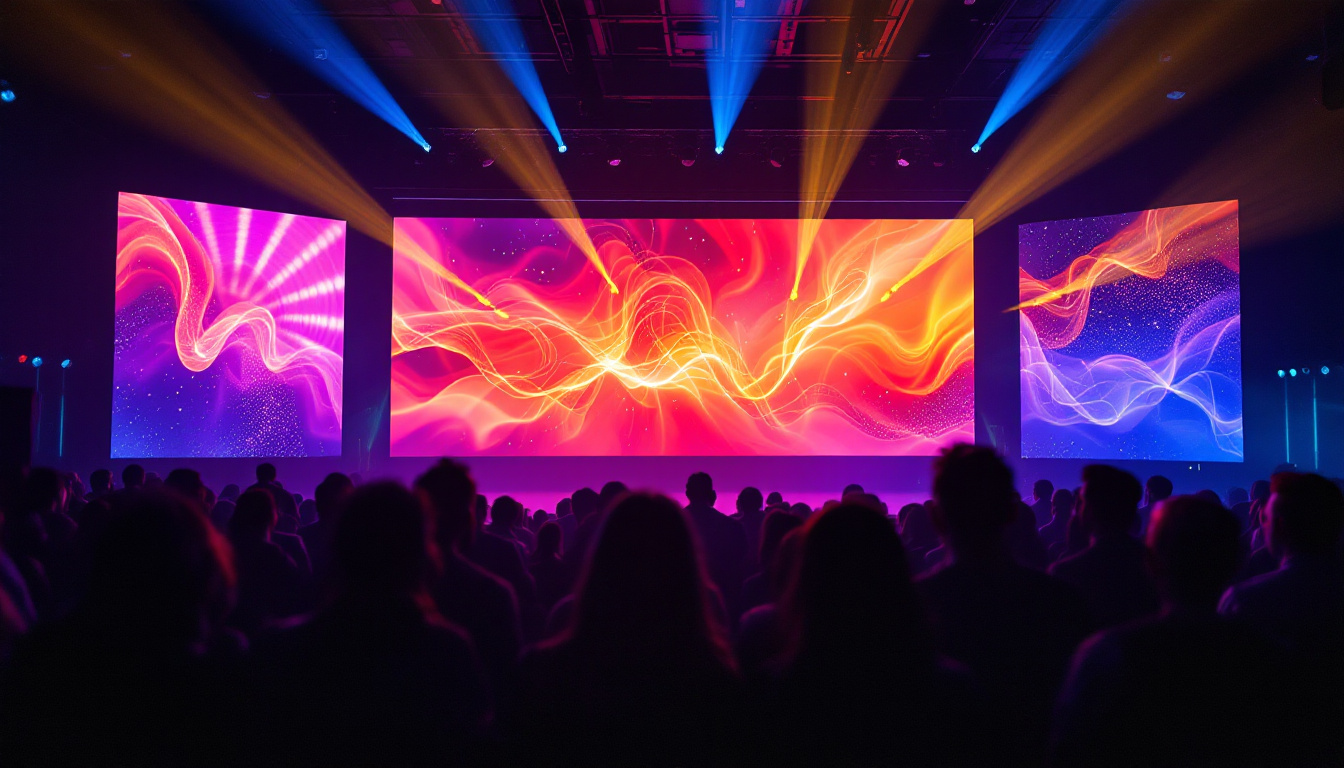
Furthermore, LED displays are highly versatile and can be used in a variety of settings, from large-scale outdoor billboards to intimate indoor displays. Their modular design allows for easy customization and scalability, enabling businesses to create unique installations that fit their specific needs. As technology continues to advance, we can expect to see even more innovative applications for LED displays, including integration with smart technologies and interactive features that enhance user engagement.
Common LED Screen Problems and Their Causes
Despite their robust design, LED screens can encounter a variety of problems that impact image quality and operational reliability. These issues can stem from hardware failures, environmental factors, or installation errors.
Dead or Stuck Pixels
One of the most noticeable problems is the presence of dead or stuck pixels. Dead pixels are LEDs that fail to light up, appearing as black spots on the screen, while stuck pixels remain permanently lit in one color. These defects can be caused by manufacturing flaws, physical damage, or electrical failures within the LED module.
While a few dead pixels might not significantly affect the overall display, larger clusters can degrade the viewing experience, especially on high-resolution screens. Manufacturers often specify acceptable pixel defect rates, but excessive dead pixels usually warrant repair or replacement.
Color Inconsistency and Calibration Issues
Color uniformity is vital for professional LED displays. Over time, LEDs can age unevenly, leading to color shifts and brightness variations across the screen. Environmental conditions such as UV exposure, humidity, and temperature fluctuations accelerate this degradation.
Calibration is the process of adjusting the color and brightness levels to ensure uniformity. Failure to perform regular calibration can result in inconsistent colors, which is particularly problematic for brand-sensitive applications where accurate color reproduction is critical.
Flickering and Signal Interference
Flickering is a common issue that can be caused by several factors including poor signal transmission, faulty power supplies, or incompatible hardware components. It manifests as rapid brightness fluctuations or horizontal lines appearing intermittently on the screen.
Signal interference may originate from electromagnetic sources near the display or from low-quality cables and connectors. Ensuring proper shielding, using high-quality transmission equipment, and maintaining clean connections are essential steps to mitigate flickering problems.
Module Failure and Connectivity Issues
LED displays are modular, composed of multiple panels or modules connected together. If one module fails, it can cause a portion of the display to go dark or display incorrect colors. Connectivity issues between modules, such as loose cables or damaged connectors, can also disrupt the signal flow, leading to partial screen outages or image distortion.
Regular inspection and maintenance of module connections are necessary to prevent these problems. Additionally, using modules from reputable manufacturers with robust quality control can reduce the likelihood of module failure.
Power Supply Problems
Power supply units (PSUs) are critical for LED screen operation, converting AC power to the DC voltage required by the LEDs. Faulty or unstable power supplies can cause screen flickering, dimming, or complete shutdowns.
Power surges, voltage fluctuations, and overheating are common causes of PSU failure. Implementing surge protectors, uninterruptible power supplies (UPS), and adequate ventilation can help protect the LED display from power-related issues.
Environmental and Installation Factors Affecting LED Screens
Many LED screen problems arise not from the technology itself but from environmental conditions and installation practices. Understanding these factors can help in designing more reliable LED display systems.
Weather and Outdoor Exposure
Outdoor LED screens are exposed to rain, wind, dust, and extreme temperatures, all of which can affect performance. Moisture ingress can cause short circuits and corrosion, while dust accumulation can block light output and cause overheating.
To combat these issues, outdoor LED screens are typically rated with an IP (Ingress Protection) code indicating their resistance to water and dust. For example, an IP65 rating means the screen is dust-tight and protected against water jets. Proper sealing, drainage, and regular cleaning are essential maintenance steps.
Temperature and Thermal Management
LEDs generate heat during operation, and excessive temperatures can accelerate LED degradation and cause component failures. Thermal management solutions such as heat sinks, fans, and ventilation systems are crucial to maintain optimal operating temperatures.
In hot climates or enclosed installations, inadequate cooling can lead to premature screen failure. Monitoring temperature and ensuring sufficient airflow can extend the lifespan of LED displays.
Improper Installation and Handling
Incorrect installation is a frequent cause of LED screen problems. Misalignment of modules, improper grounding, and inadequate structural support can lead to mechanical stress and electrical faults.
Additionally, handling LED modules without proper electrostatic discharge (ESD) precautions can damage delicate components. Employing trained technicians and following manufacturer guidelines during installation and maintenance is vital to avoid these issues.
Maintenance and Troubleshooting Best Practices
Proactive maintenance and timely troubleshooting can significantly reduce downtime and repair costs associated with LED screen problems. A structured approach ensures that potential issues are identified and resolved before they escalate.
Regular Inspection and Cleaning
Routine visual inspections help detect physical damage, dirt accumulation, and loose connections. Cleaning should be performed with appropriate materials to avoid scratching or damaging the LED surface. For example, using microfiber cloths and mild cleaning agents is recommended.
Scheduled Calibration and Testing
Periodic calibration ensures color and brightness consistency across the display. Advanced LED control systems often include software tools for automated calibration and diagnostics, enabling quick identification of failing pixels or modules.
Testing signal integrity and power supply performance regularly helps prevent flickering and unexpected shutdowns.
Using Diagnostic Tools and Software
Modern LED display systems come equipped with diagnostic software that monitors the health of the screen in real-time. These tools can alert operators to issues such as temperature anomalies, voltage irregularities, or pixel failures, facilitating rapid response.
Professional Repairs and Component Replacement
When problems are detected, it’s important to engage qualified technicians for repairs. Replacing faulty modules, power supplies, or cables with genuine parts ensures compatibility and reliability. Attempting DIY repairs without proper knowledge can exacerbate issues and void warranties.
Future Trends and Innovations in LED Display Technology
The LED display industry continues to evolve rapidly, addressing many of the current challenges through innovative technologies and design improvements.
MicroLED and MiniLED Technologies
MicroLED and MiniLED are emerging technologies that offer higher brightness, better contrast, and longer lifespans compared to traditional LEDs. MicroLED displays use microscopic LEDs that can be individually controlled, enabling ultra-high resolution and energy efficiency.
These advancements promise to reduce common problems such as dead pixels and color inconsistency, while also enabling thinner and more flexible display designs.
Enhanced Durability and Smart Monitoring
Manufacturers are integrating smart sensors and IoT capabilities into LED displays, allowing continuous monitoring of environmental conditions and component health. This data-driven approach enables predictive maintenance, minimizing unexpected failures and optimizing performance.
Improved Energy Efficiency
Energy consumption is a significant consideration for large LED installations. Advances in LED chip design and power management systems are reducing power requirements without compromising brightness or image quality, making LED displays more sustainable and cost-effective.
Conclusion
LED displays are powerful tools for communication and advertising, but like any technology, they come with potential problems that can affect their effectiveness. Understanding the common issues—ranging from dead pixels and color inconsistencies to power supply failures and environmental impacts—empowers users to take proactive measures.
Proper installation, regular maintenance, and timely troubleshooting are key to maximizing the lifespan and performance of LED screens. As technology advances, emerging innovations promise to mitigate many current challenges, offering brighter, more reliable, and energy-efficient displays for the future.
For businesses and professionals relying on LED screens, staying informed about these issues and solutions is essential to safeguard their investment and ensure a consistently impressive visual experience.
Explore Cutting-Edge LED Solutions with LumenMatrix
As you navigate the complexities of LED display technology and its challenges, LumenMatrix stands at the forefront of innovation, ready to guide you to the perfect visual solution. With a diverse range of products from Indoor and Outdoor LED Wall Displays to specialized options like Vehicle, Sports, and Floor LED Displays, LumenMatrix is committed to enhancing your brand’s visibility and audience engagement. Embrace the future of visual communication with our Custom, All-in-One, and Transparent LED Displays. Check out LumenMatrix LED Display Solutions today and experience the transformative power of advanced LED technology.