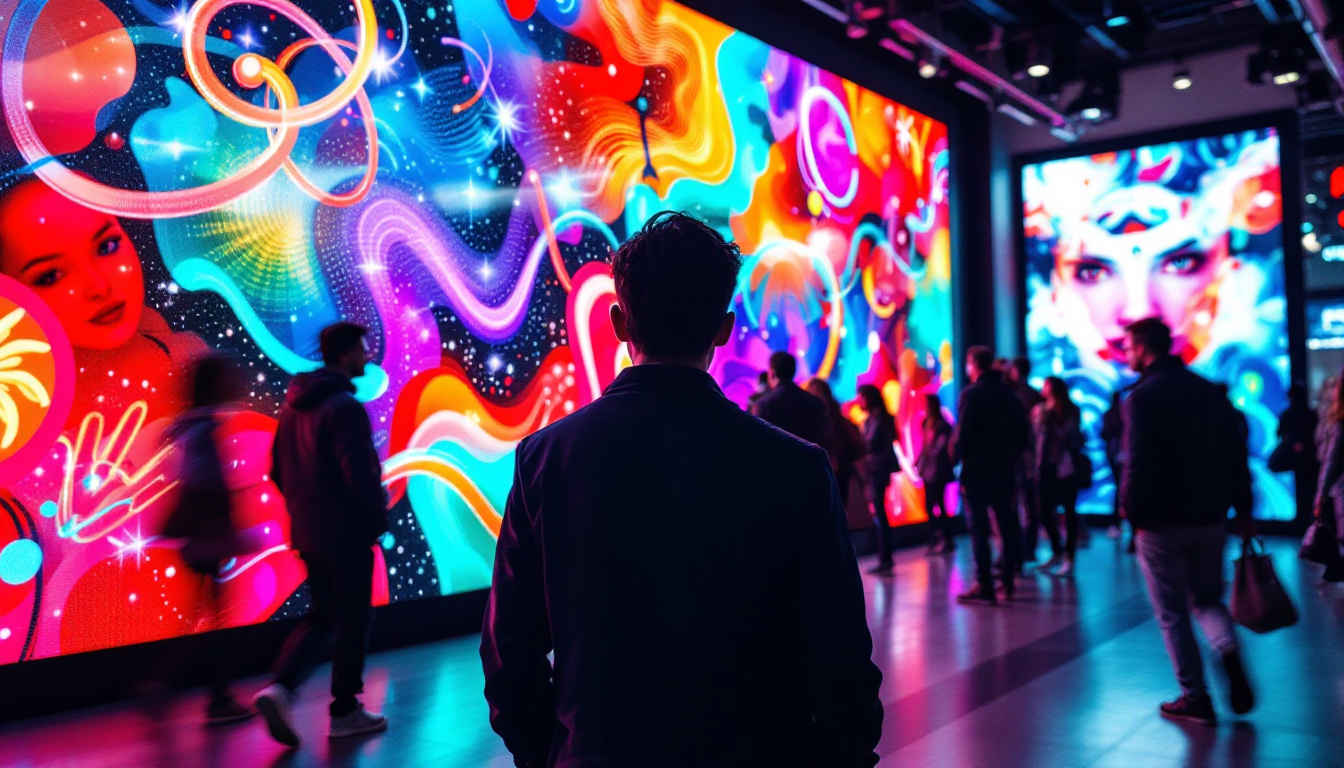
In an era where visual communication drives business success, LED displays have emerged as a powerful tool for advertising, information dissemination, and brand engagement. From bustling city centers to retail storefronts, LED signs captivate audiences with vibrant colors and dynamic content. But what exactly makes LED displays so effective, and why are they becoming the go-to choice for businesses worldwide? This article delves into the technology behind LED displays, their advantages, types, and how a professional LED sign company can help elevate your brand’s visibility.
Understanding LED Display Technology
What is an LED Display?
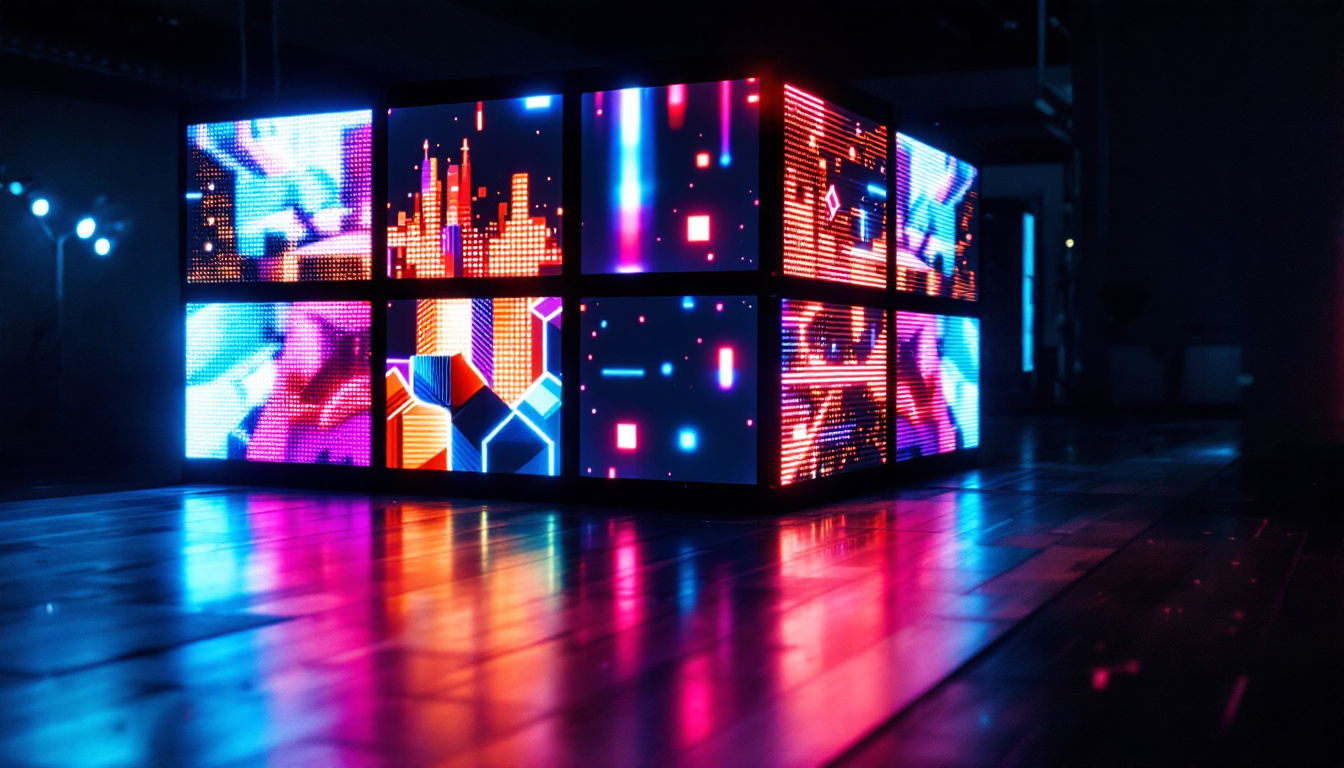
LED stands for Light Emitting Diode, a semiconductor device that emits light when an electric current passes through it. An LED display is a flat panel that uses an array of these diodes to create images, text, and video. Unlike traditional signs that rely on static prints or incandescent bulbs, LED displays can change content dynamically, offering unparalleled flexibility.
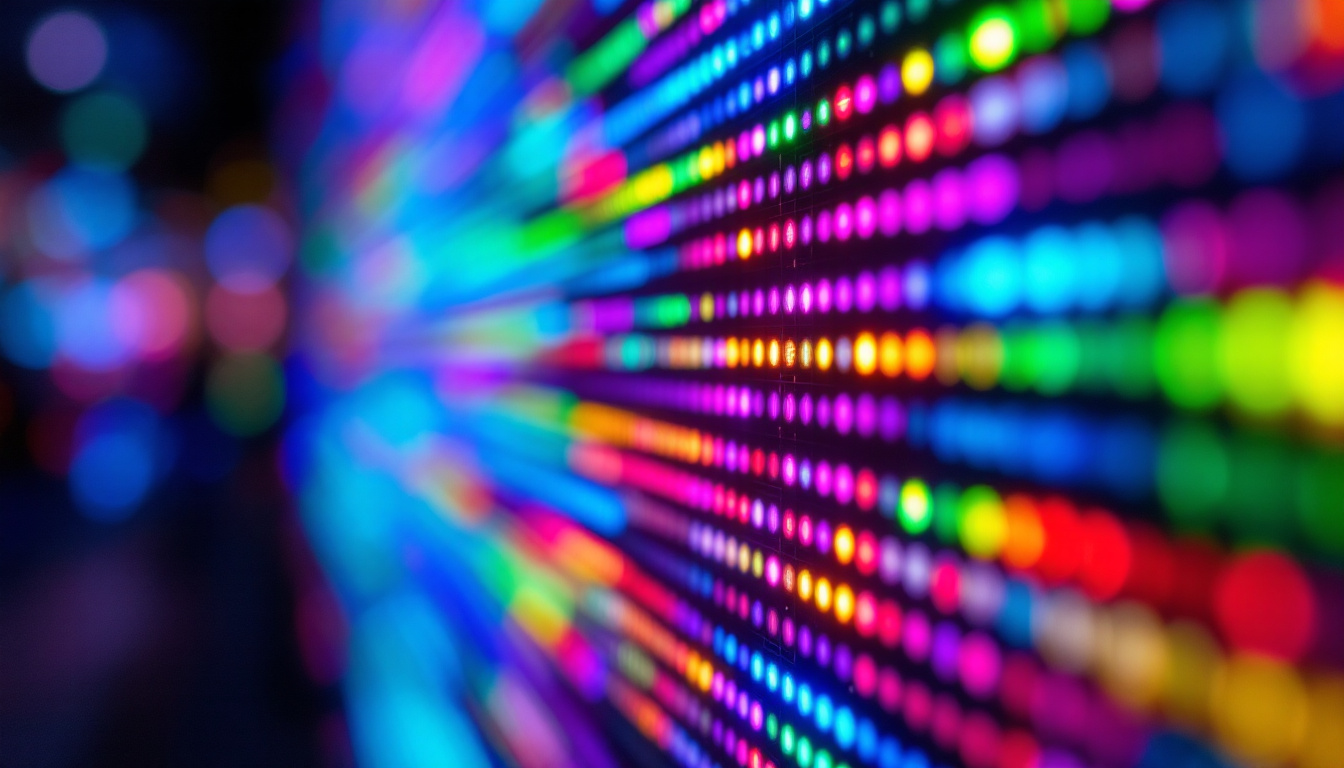
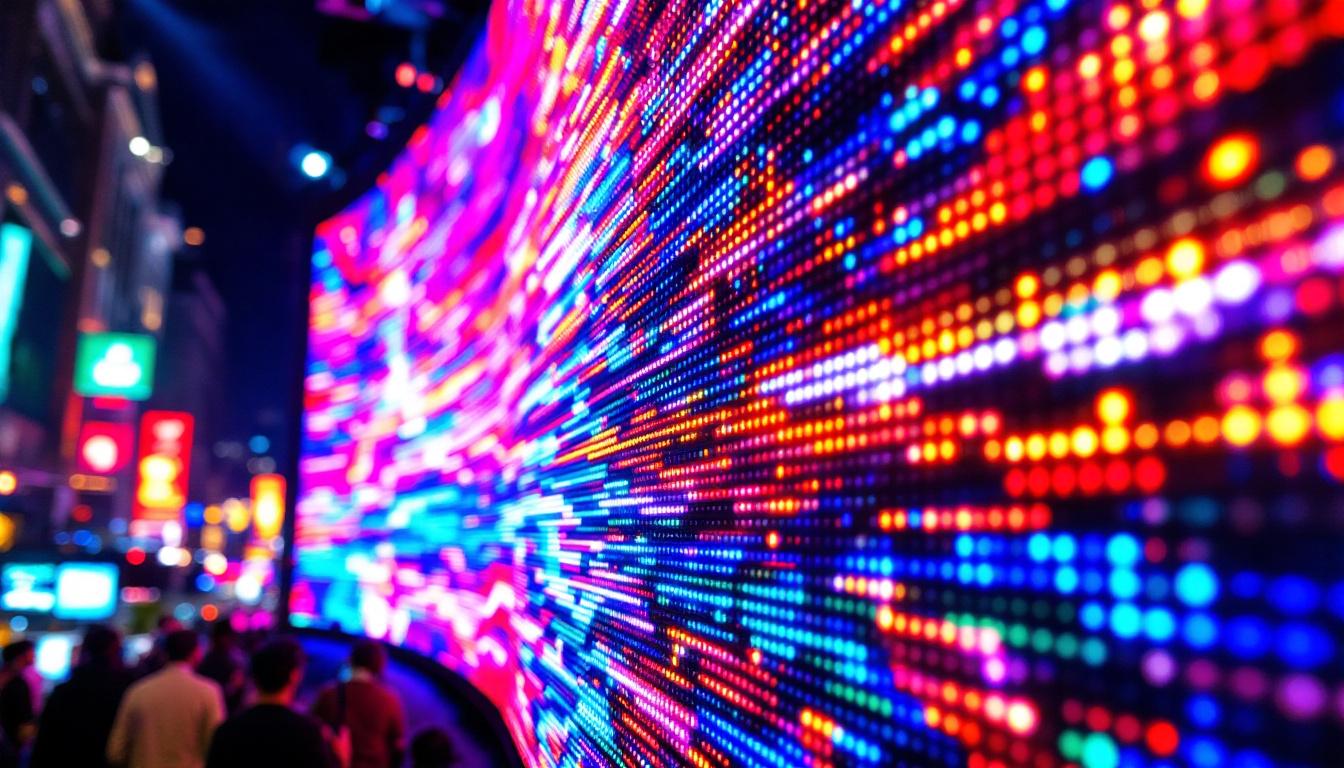
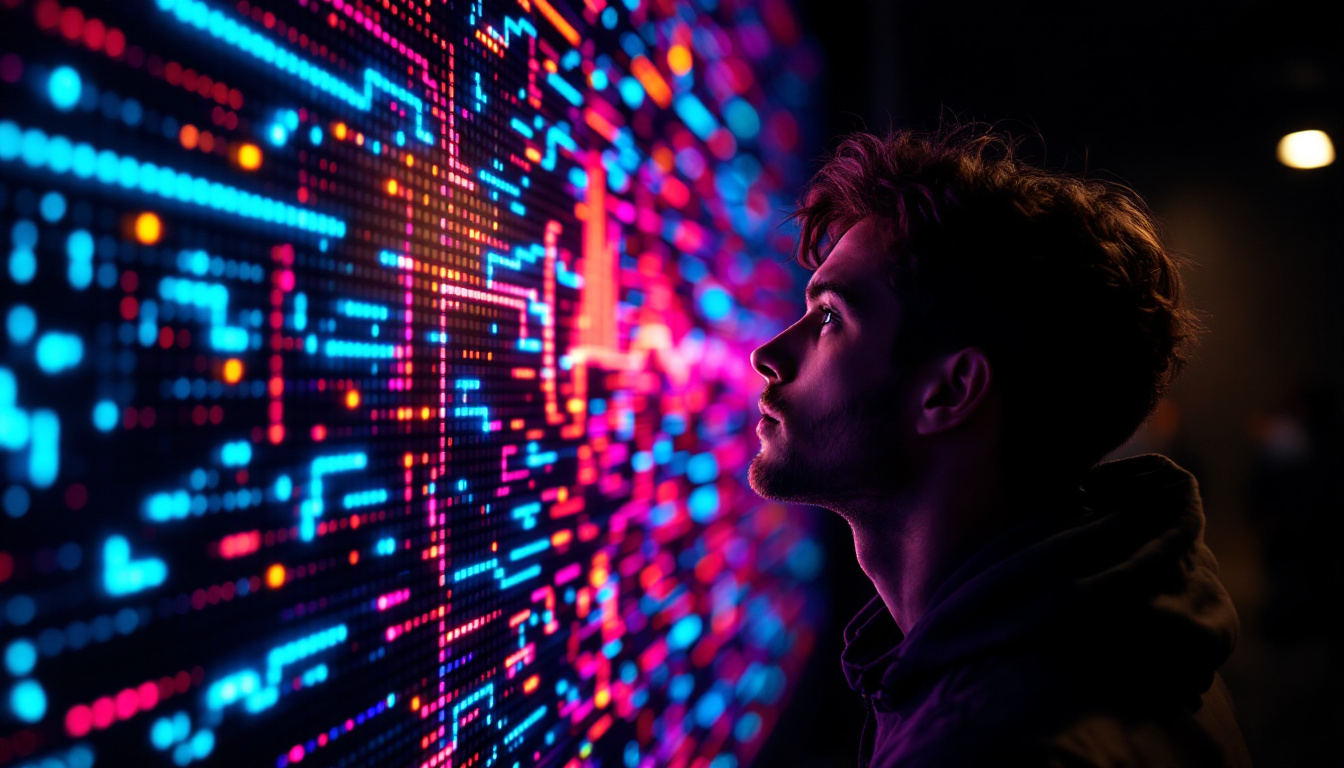
The basic structure of an LED display consists of thousands of tiny LEDs arranged in a grid. Each LED acts as a pixel, and by controlling the brightness and color of each pixel, the display can render complex images and animations. Modern LED displays often use full-color RGB LEDs, which combine red, green, and blue diodes to produce a wide spectrum of colors. This technology not only allows for vibrant and eye-catching visuals but also enables the display to adapt to various lighting conditions, ensuring that the content remains visible even in bright sunlight or dim environments.
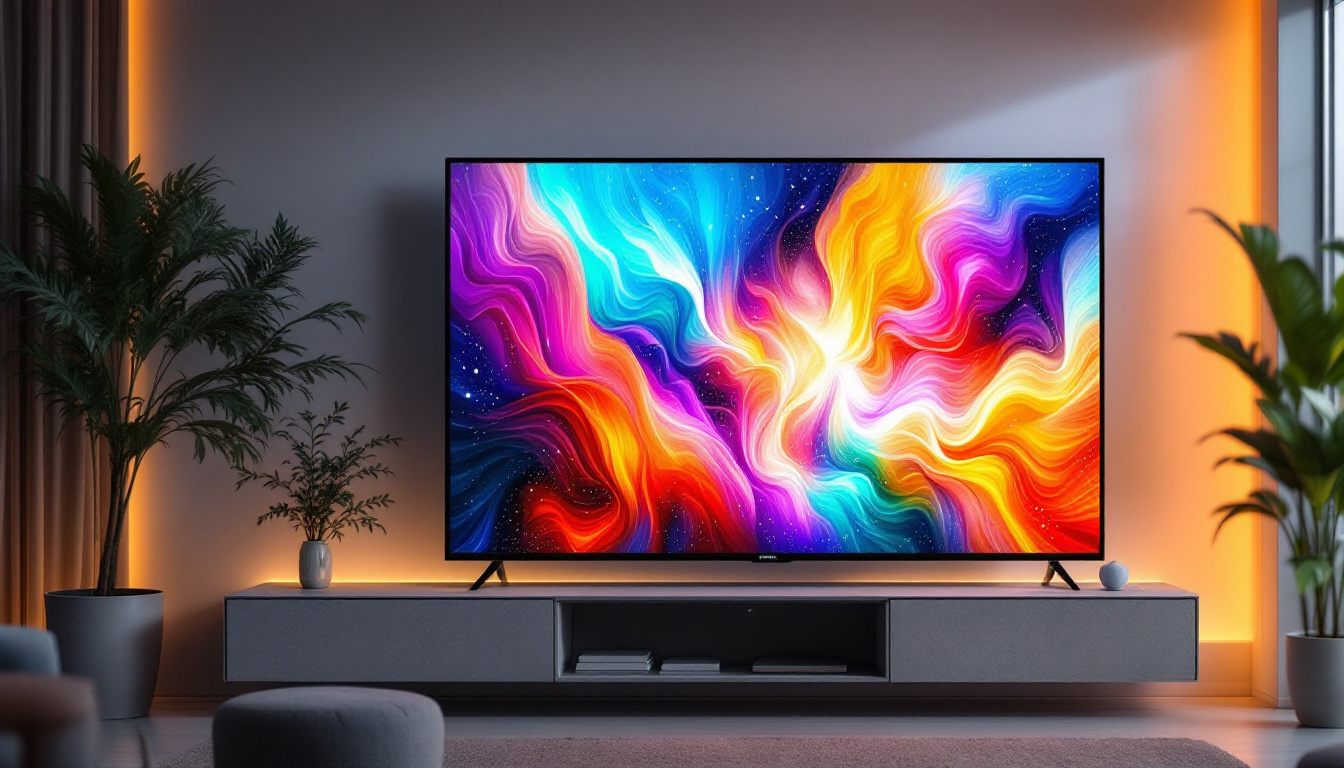
Furthermore, the applications of LED displays are vast and varied. From large outdoor billboards that advertise products in bustling city centers to smaller screens used in retail environments, LED displays have transformed how information is communicated visually. They can be found in sports arenas, concert venues, and even in homes as part of entertainment systems, showcasing their versatility and appeal across different sectors.
How Do LED Displays Work?
At the core, an LED display works by switching individual diodes on and off at high speeds. This switching is controlled by a driver circuit and a control system that processes input signals from computers or media players. The control system determines which LEDs should light up and at what intensity to form the desired image.
One key technical aspect is the “refresh rate,” which is how many times per second the display updates its image. High refresh rates ensure smooth motion and reduce flicker, which is essential for video playback and comfortable viewing. Another important factor is the “pixel pitch,” the distance between the centers of two adjacent LEDs. Smaller pixel pitches mean higher resolution and sharper images, which is crucial for close-up viewing. Additionally, advancements in technology have led to the development of flexible LED displays that can be curved or shaped to fit unique spaces, further expanding the creative possibilities for designers and advertisers alike.
Moreover, LED displays are increasingly being integrated with smart technology, allowing for real-time content updates and interactivity. This integration can include sensors that adjust brightness based on ambient light or even interactive touch capabilities that engage users directly. As a result, LED displays are not just passive information sources; they can become dynamic platforms for engagement, enhancing the overall experience for viewers and creating a more immersive environment.
Advantages of LED Displays for Businesses
High Visibility and Brightness
LED displays are renowned for their brightness, which can reach up to 10,000 nits or more, making them clearly visible even in direct sunlight. This makes them ideal for outdoor advertising, where competing with ambient light is a challenge. The intense brightness ensures that messages are seen from long distances, increasing the reach of your marketing efforts. Moreover, the vibrant colors produced by LED technology can captivate audiences, drawing attention to your brand in a crowded marketplace. This high visibility not only enhances brand recognition but also encourages customer engagement, as potential clients are more likely to stop and take notice of eye-catching displays.
Energy Efficiency and Longevity
Compared to traditional lighting and signage technologies, LEDs consume significantly less power. This energy efficiency translates into lower operating costs, especially important for businesses running displays 24/7. Additionally, LED modules boast a long lifespan, often exceeding 100,000 hours, reducing maintenance frequency and costs. This longevity means that businesses can invest in LED displays with confidence, knowing they will not only save on energy bills but also benefit from a reliable advertising medium that requires minimal upkeep. Furthermore, many LED systems come equipped with smart technology that can adjust brightness levels based on ambient light, further optimizing energy consumption and extending the life of the display.
Dynamic Content and Flexibility
Unlike static signs, LED displays can show a variety of content types — from simple text and images to complex animations and videos. This flexibility allows businesses to tailor messages in real-time, adapting to promotions, events, or changing customer demographics. For example, a retail store can highlight different products throughout the day or display weather updates and news to engage passersby. Additionally, the ability to schedule content changes means that businesses can plan their advertising strategies in advance, ensuring that the right message reaches the right audience at the right time. This dynamic capability not only enhances customer interaction but also allows for creative storytelling that can resonate more deeply with viewers, making your brand memorable.
Durability and Weather Resistance
LED displays designed for outdoor use are built to withstand harsh environmental conditions, including rain, wind, dust, and extreme temperatures. High-quality LED sign companies use weatherproof enclosures and protective coatings to ensure longevity and consistent performance regardless of location. This durability is particularly beneficial for businesses in regions with unpredictable weather patterns, as it minimizes the risk of damage and the associated costs of repairs or replacements. Additionally, many LED displays come with advanced heat dissipation systems, which help maintain optimal operating temperatures, further enhancing their reliability. Such robust construction not only protects your investment but also ensures that your advertising remains uninterrupted, keeping your messages visible and effective at all times.
Types of LED Displays and Their Applications
Indoor LED Displays
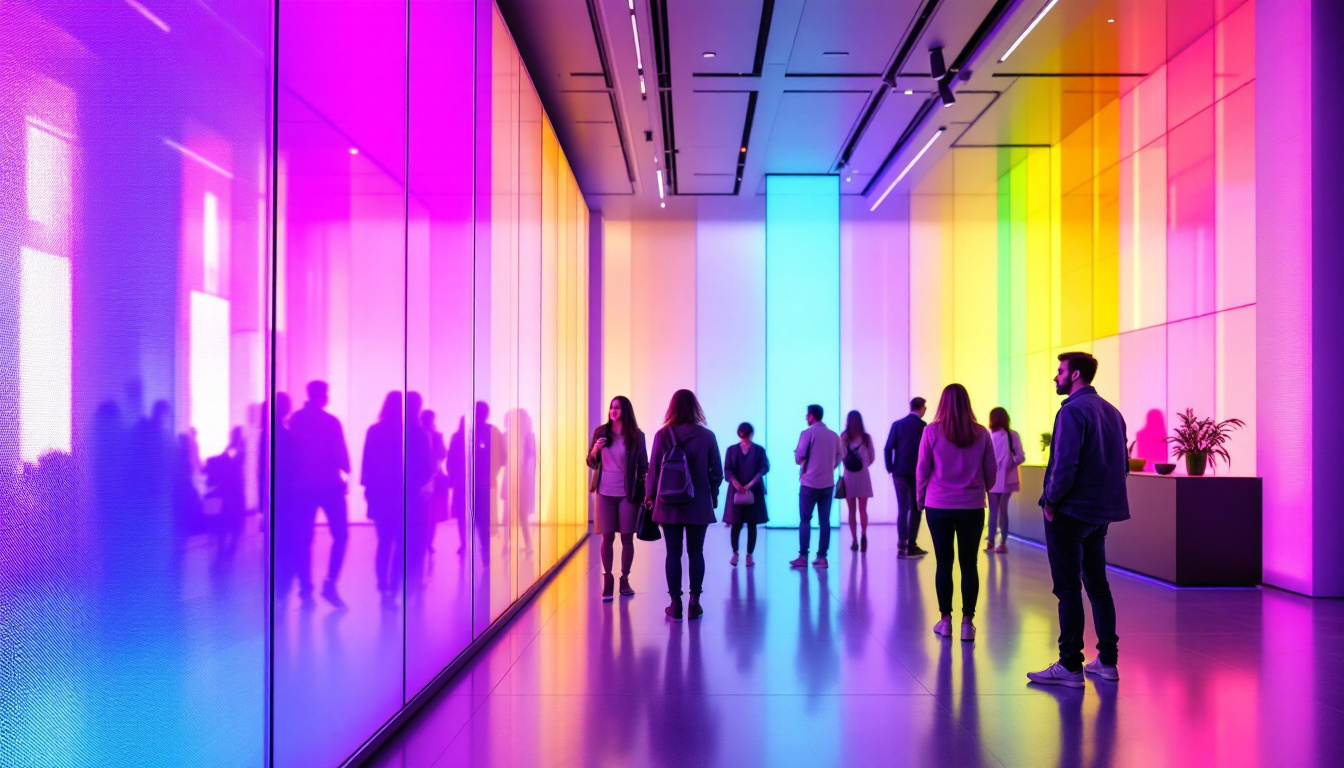
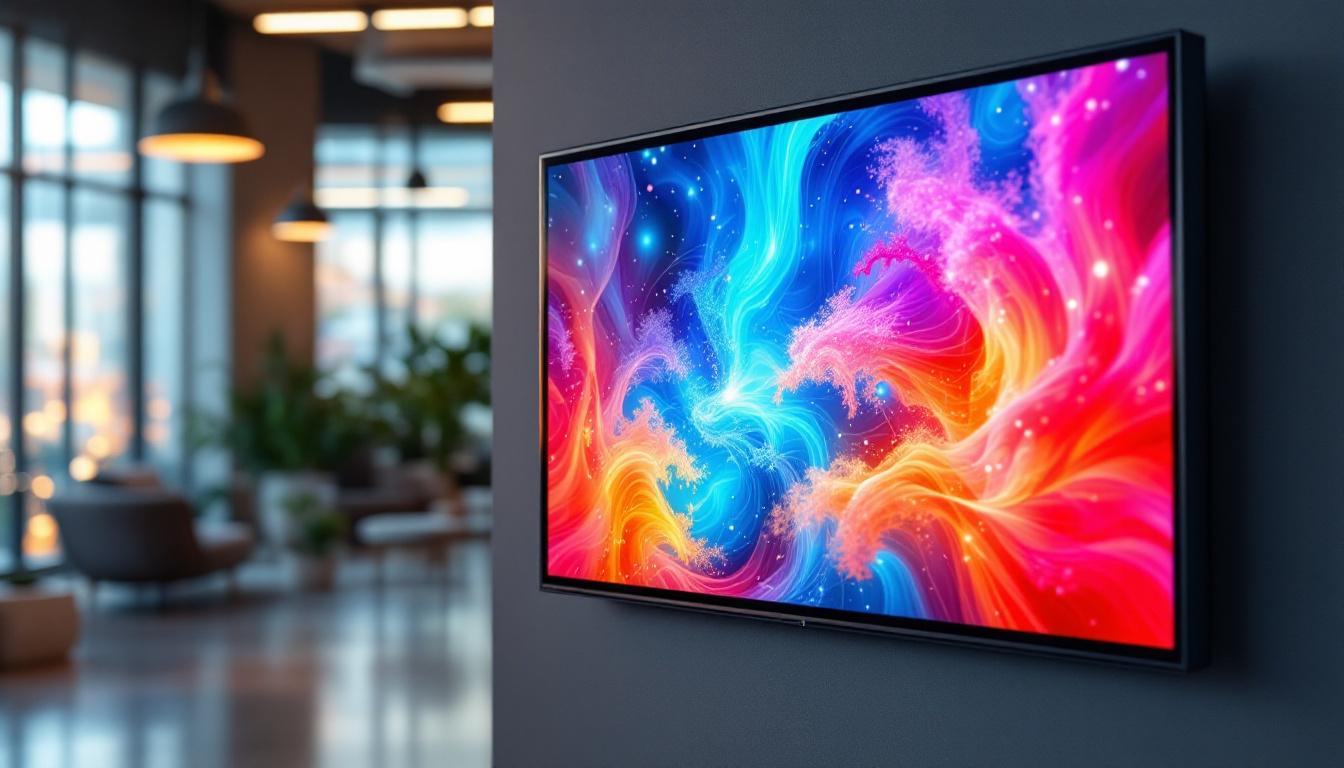
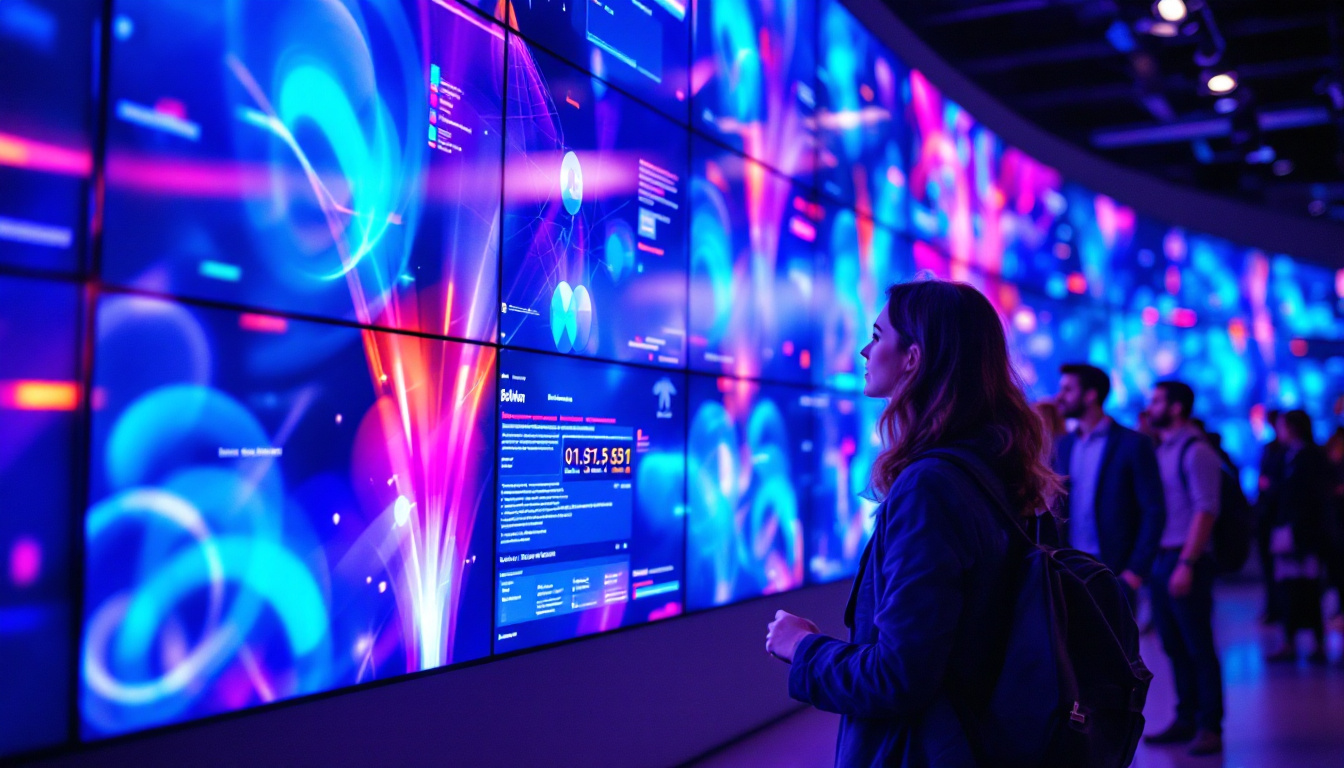
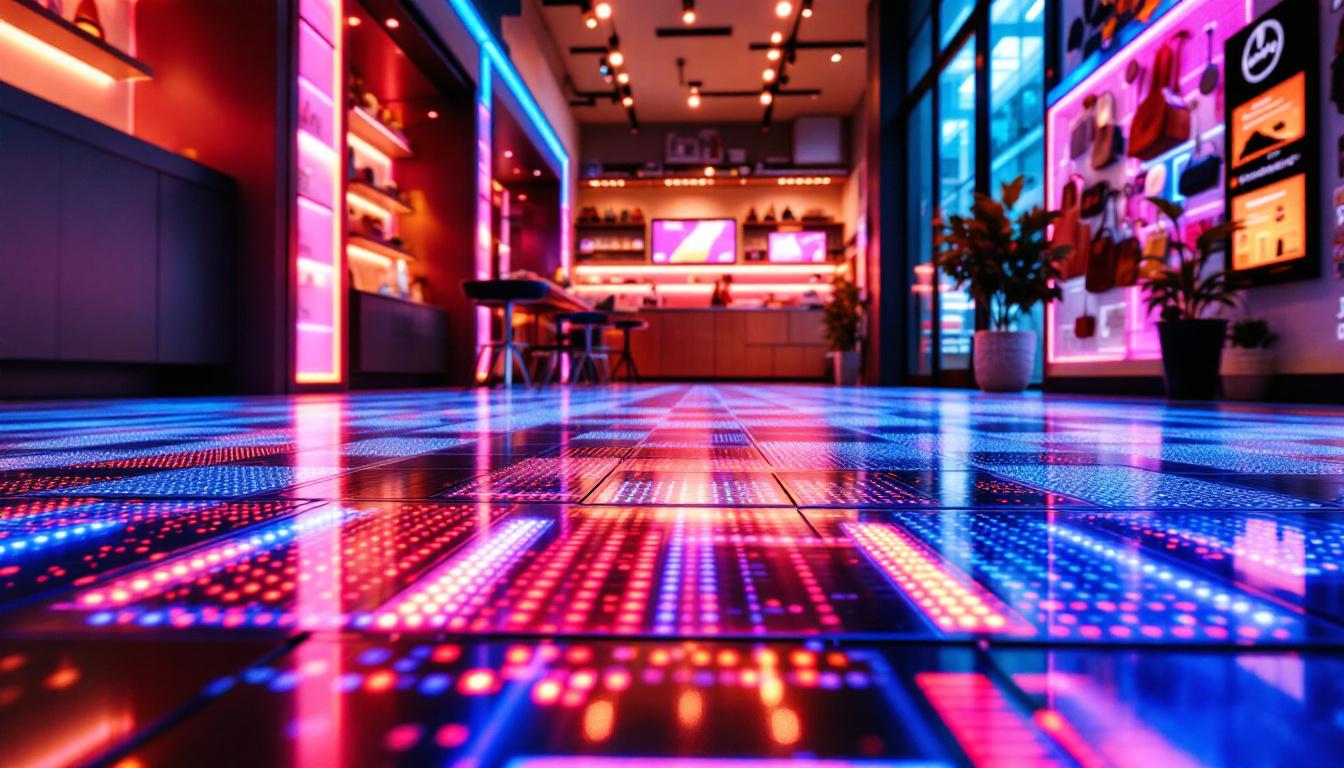
Indoor LED displays are commonly used in retail stores, corporate lobbies, conference centers, and entertainment venues. They typically have a smaller pixel pitch, ranging from 1.2mm to 4mm, enabling high-resolution images suitable for close viewing distances. These displays are ideal for digital signage, wayfinding, and interactive kiosks.
For instance, a shopping mall might use indoor LED walls to showcase advertisements, event schedules, or brand promotions. The ability to update content quickly and remotely makes indoor LED displays a versatile communication tool.
Outdoor LED Displays
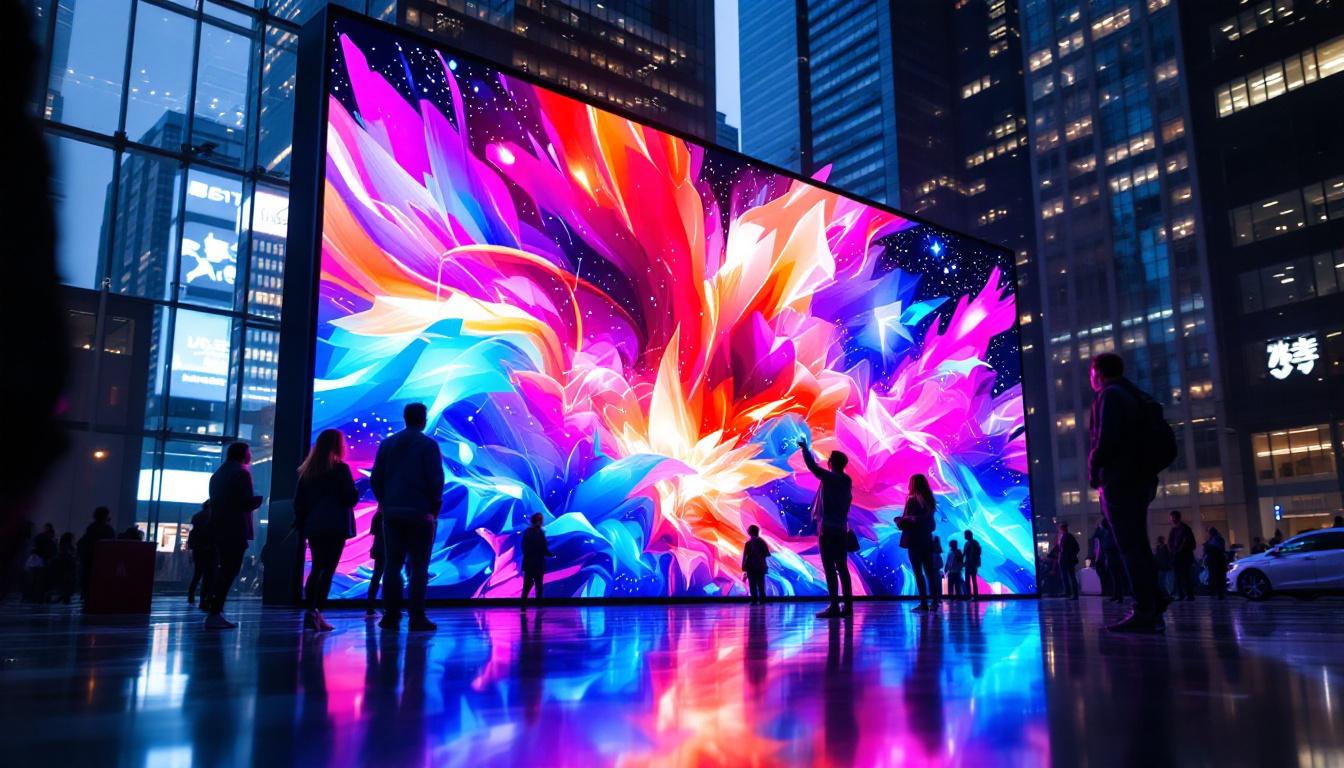
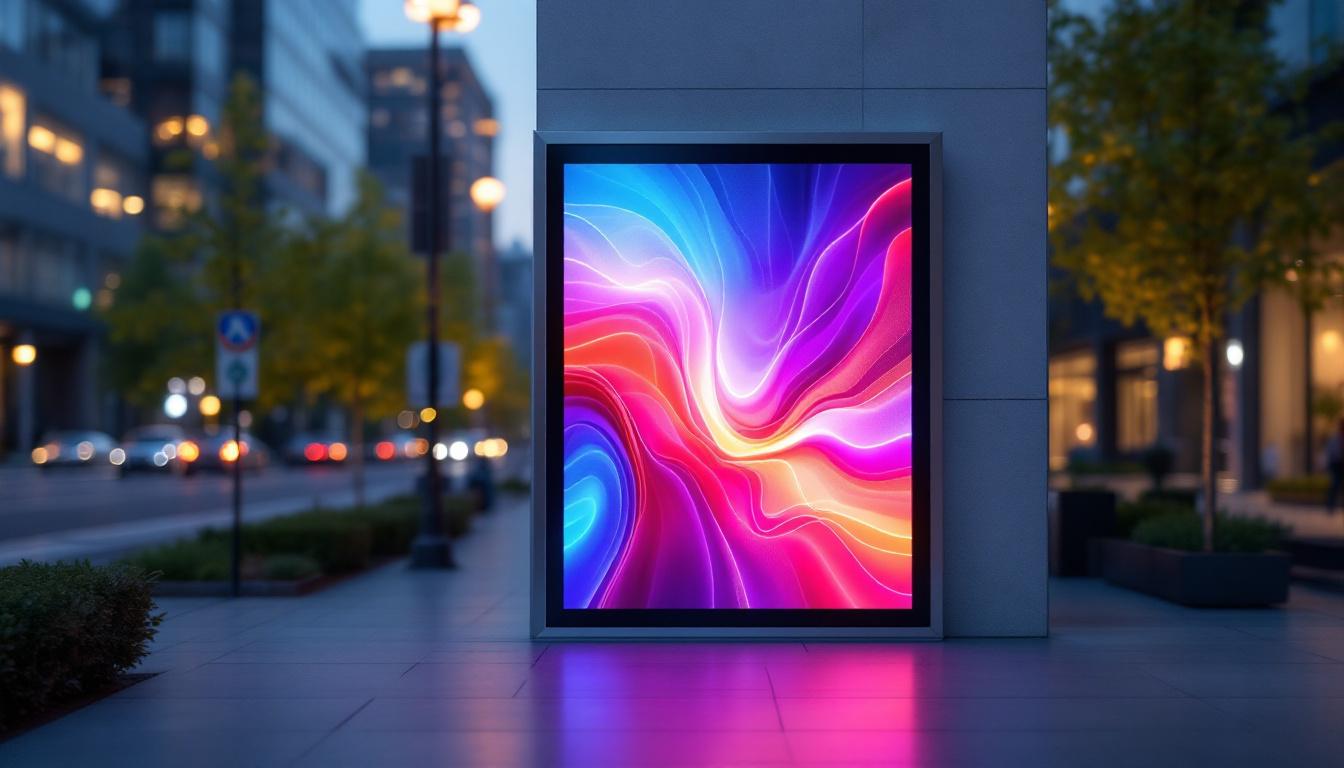
Outdoor LED displays are designed to be highly visible in daylight and resistant to weather conditions. They usually have a larger pixel pitch, typically between 4mm and 20mm, optimized for viewing from greater distances. These displays are widely used for billboards, sports arenas, transportation hubs, and public information boards.
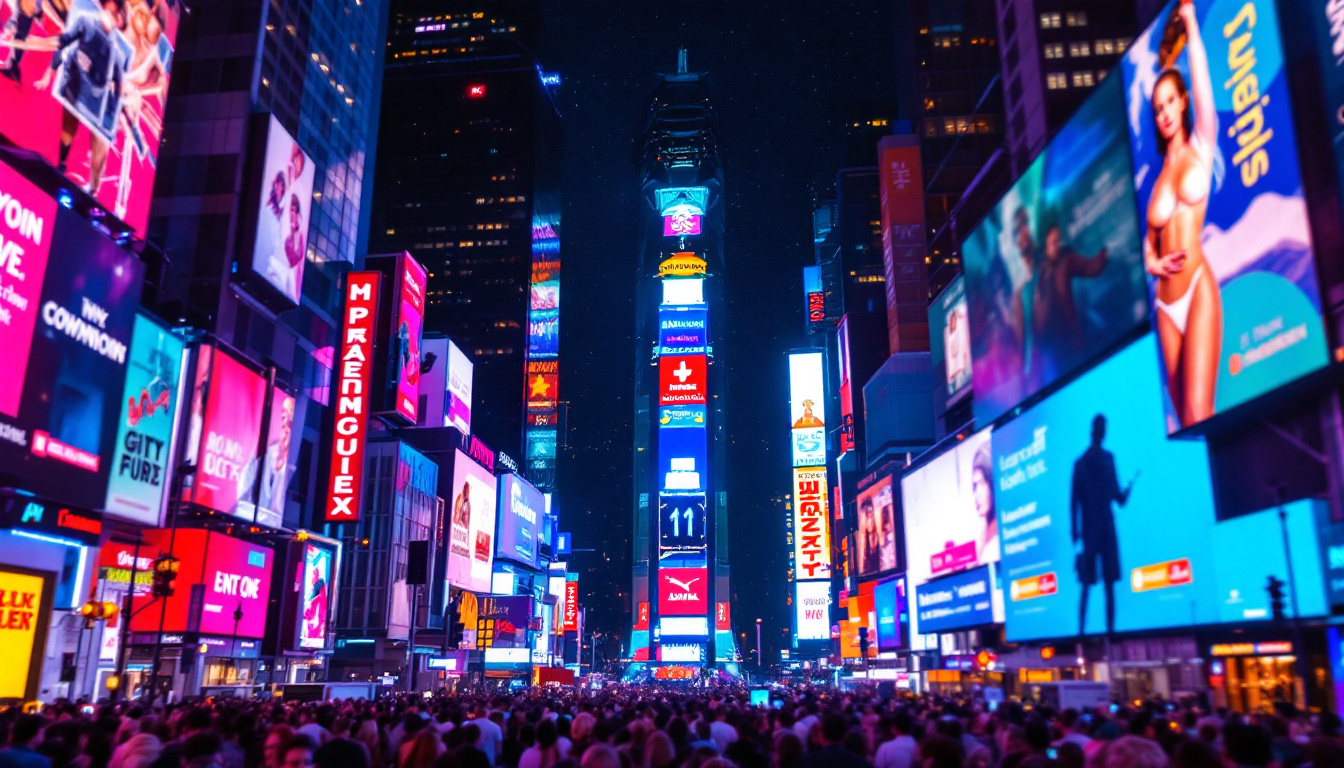
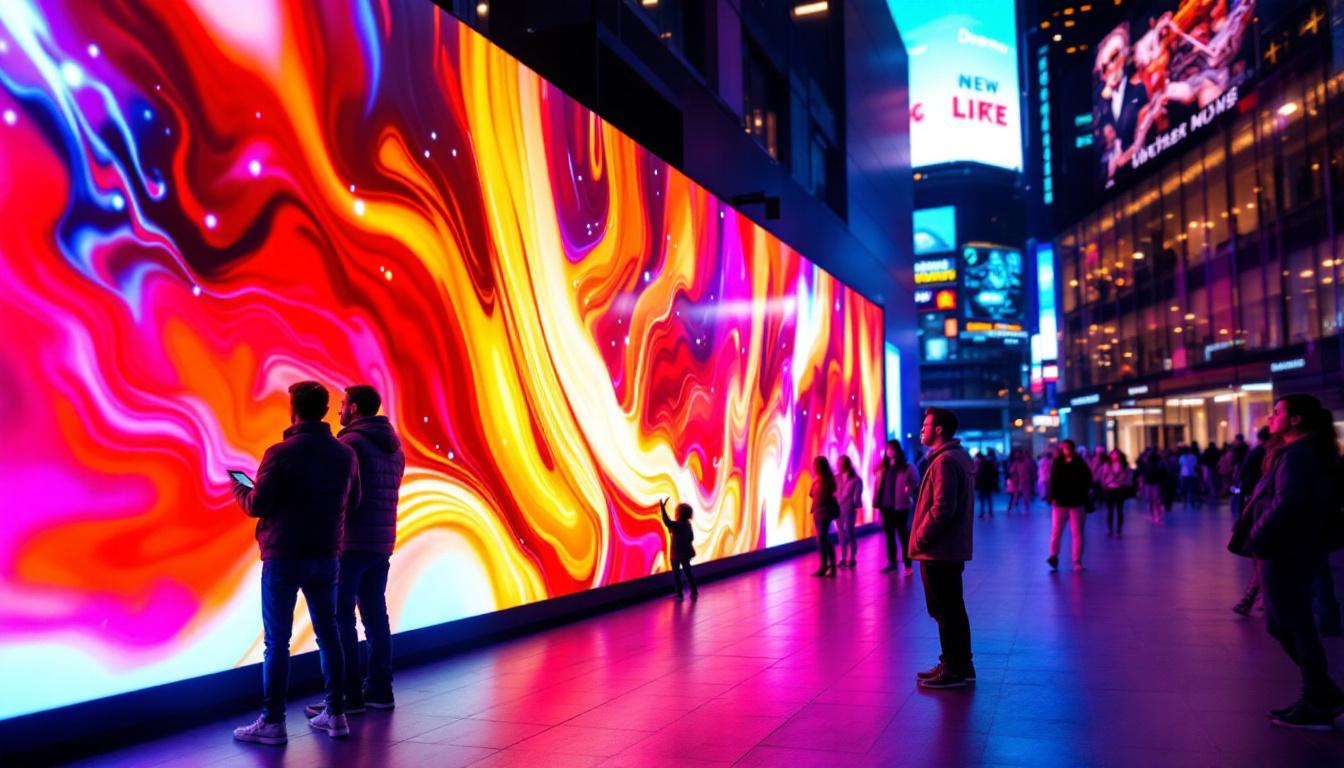
One notable example is Times Square in New York City, where massive outdoor LED billboards create an iconic advertising landscape. Businesses leveraging outdoor LED displays can capture the attention of thousands of potential customers daily, making them a powerful investment.
Transparent and Flexible LED Displays
Innovations in LED technology have led to the development of transparent and flexible LED screens. Transparent LED displays can be installed on glass surfaces, allowing natural light to pass through while displaying digital content. This is particularly popular in retail storefronts and building facades, combining aesthetics with functionality.
Flexible LED displays, on the other hand, can bend and curve, enabling creative installations on irregular surfaces or architectural features. These cutting-edge options open new possibilities for immersive advertising and artistic expression.
Choosing the Right LED Sign Company
Expertise and Experience
Partnering with a reputable LED sign company is crucial to ensure the quality and effectiveness of your display. Experienced companies understand the nuances of LED technology, including pixel pitch selection, brightness calibration, and content management systems. They can provide tailored solutions that align with your business goals and environmental conditions.
Customization and Design Services
A professional LED sign company offers comprehensive design services, helping you create visually compelling content that resonates with your target audience. Customization options include screen size, resolution, enclosure design, and mounting solutions. Collaborative design processes ensure that the final product integrates seamlessly with your brand identity and physical space.
Installation and Maintenance Support
Proper installation is critical to the performance and longevity of LED displays. Qualified sign companies employ certified technicians who follow industry best practices and safety standards. Additionally, ongoing maintenance and technical support services help prevent downtime and extend the life of your investment.
Advanced Content Management Systems
Modern LED displays are controlled via sophisticated content management systems (CMS) that allow remote scheduling, content updates, and performance monitoring. Leading LED sign companies provide user-friendly CMS platforms or integrate with existing business software, enabling efficient and flexible content control.
Future Trends in LED Display Technology
MicroLED and MiniLED Innovations
Emerging technologies like MicroLED and MiniLED promise even higher resolution, better color accuracy, and improved energy efficiency. MicroLEDs are significantly smaller than traditional LEDs, allowing for ultra-fine pixel pitches and stunning image clarity. These advancements are expected to revolutionize indoor displays, wearable devices, and augmented reality applications.
Integration with IoT and Smart Systems
Integration of LED displays with the Internet of Things (IoT) enables smarter, context-aware signage. For example, displays can adjust brightness based on ambient light or change content dynamically based on real-time data such as weather, traffic, or social media trends. This level of interactivity enhances customer engagement and provides valuable analytics for businesses.
Sustainability and Eco-Friendly Solutions
As environmental concerns grow, LED display manufacturers and sign companies are focusing on sustainable materials, recyclable components, and energy-saving technologies. Solar-powered LED signs and low-carbon manufacturing processes are gaining traction, aligning with corporate social responsibility goals.
Conclusion
LED displays represent a dynamic and impactful medium for businesses seeking to enhance their visibility and connect with audiences in meaningful ways. Understanding the technology, benefits, and types of LED displays helps in making informed decisions tailored to specific needs and environments. Collaborating with a skilled LED sign company ensures that your investment delivers maximum value through expert design, installation, and ongoing support.
As LED technology continues to evolve, embracing these innovations will keep businesses at the forefront of visual communication, driving growth and brand recognition in an increasingly competitive marketplace.
Illuminate Your Brand with LumenMatrix
Ready to transform your brand’s presence with the vibrancy and innovation of LED displays? LumenMatrix is at the forefront of LED display technology, offering a diverse range of solutions tailored to your unique needs. From Indoor and Outdoor LED Walls to specialized displays for vehicles, sports, and even transparent applications, we have the expertise to bring your vision to life. Elevate your visual communication and engage your audience like never before. Check out LumenMatrix LED Display Solutions today and step into the future of digital signage.