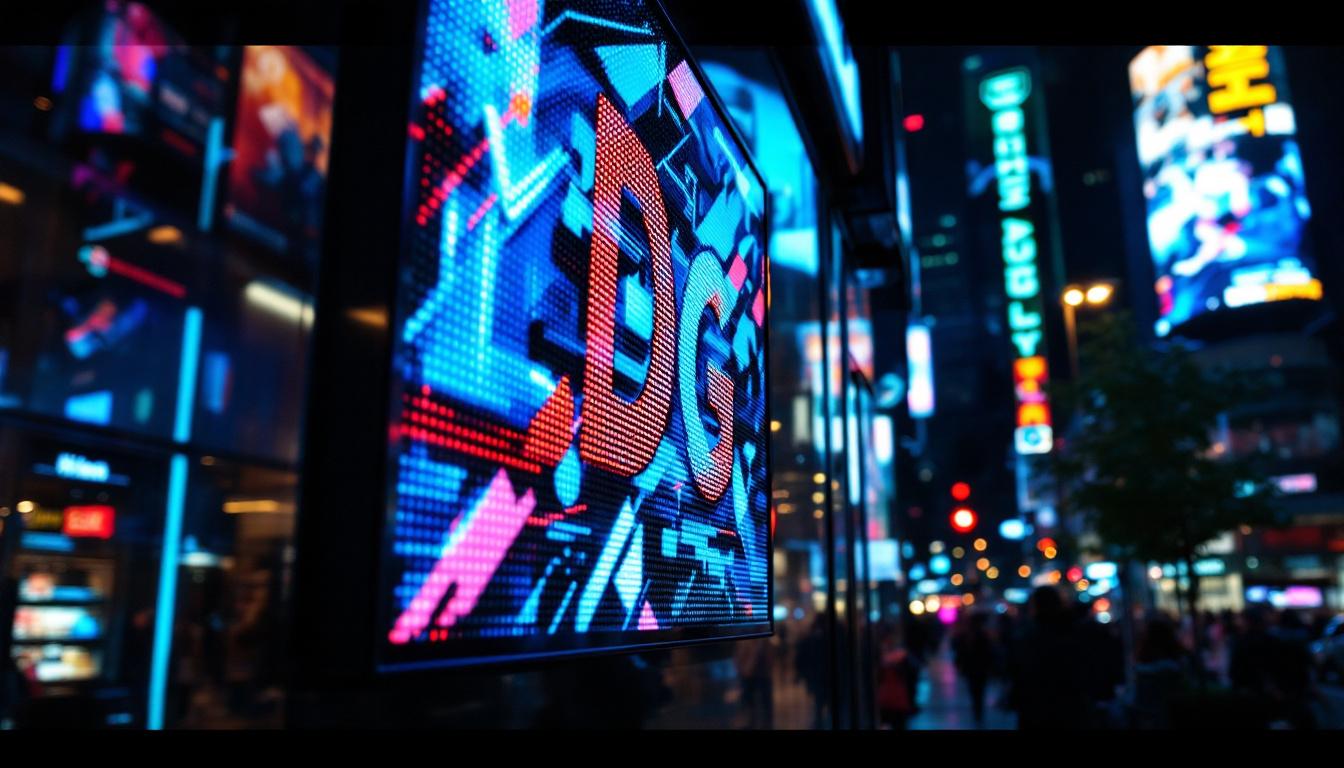
In today’s fast-paced world, capturing attention quickly and effectively is crucial for businesses, advertisers, and public information systems. LED sign panels have become a cornerstone of modern digital communication, offering vibrant, dynamic displays that can be seen from great distances and in various lighting conditions. But what exactly are LED sign panels, how do they work, and why have they become so essential in signage and advertising? This article explores the technology behind LED displays, their applications, benefits, and the latest trends shaping the industry.
Understanding LED Sign Panels: The Basics
What Are LED Sign Panels?
LED sign panels are electronic display boards that use light-emitting diodes (LEDs) to present information, advertisements, or messages. Unlike traditional static signs, LED panels are capable of showing dynamic content such as scrolling text, animations, videos, and real-time updates. These panels can vary in size from small indoor displays to massive outdoor billboards. They have become increasingly popular due to their energy efficiency and the ability to capture attention in a visually striking manner.
The core component of these signs is the LED itself—a semiconductor device that emits light when an electric current passes through it. LEDs are arranged in a grid or matrix, and by controlling which LEDs light up and their color intensity, the panel can display complex images and text. The durability of LEDs also contributes to their appeal; they can withstand various weather conditions, making them suitable for both indoor and outdoor applications. Furthermore, the lifespan of an LED can exceed 50,000 hours, which translates to years of reliable service without the need for frequent replacements.
How Do LED Displays Work?
LED displays operate by illuminating individual diodes in precise patterns. Each pixel on the screen typically consists of three LEDs: red, green, and blue (RGB). By adjusting the brightness of each of these LEDs, the display can produce a wide spectrum of colors. This RGB color mixing is what allows LED panels to show vivid, full-color images and videos. The technology behind these displays has advanced significantly, enabling high-definition resolutions that enhance the clarity and detail of the content being shown.
The panels are controlled by a computer or a dedicated controller that sends signals to the LEDs, determining which ones to light up and at what intensity. This control system can be programmed to update content frequently, making LED signs highly versatile for various uses. In addition to advertising, LED sign panels are often employed in sports arenas for live score updates, in transportation hubs for real-time travel information, and in retail environments to showcase promotions and specials. The ability to change messages quickly allows businesses to respond to market trends and customer needs in real time, further enhancing their effectiveness as a communication tool.
Types of LED Sign Panels
Indoor vs. Outdoor LED Displays
One of the primary distinctions in LED sign panels is whether they are designed for indoor or outdoor use. Indoor LED displays are generally smaller, have higher pixel density (meaning more LEDs per square inch), and are optimized for close viewing distances. They are commonly used in retail stores, corporate lobbies, and event venues.
Outdoor LED displays, on the other hand, are built to withstand weather conditions such as rain, wind, and sunlight. They are larger, have a lower pixel density due to the longer viewing distances, and are equipped with brightness sensors to adjust the display’s luminance according to ambient light. This ensures visibility during bright daylight without causing glare at night.
Fixed vs. Mobile LED Sign Panels
Fixed LED panels are installed permanently on buildings, billboards, or other structures. These are ideal for long-term advertising campaigns or informational displays. Mobile LED signs, such as those mounted on trucks or trailers, offer flexibility and mobility, allowing businesses to reach different locations and audiences easily.
Monochrome, Dual-Color, and Full-Color Displays
LED signs can also be categorized based on their color capabilities. Monochrome displays use a single color, often red or amber, and are typically used for simple text messages. Dual-color signs add one more color, usually red and green, to increase visual impact. Full-color LED panels, using the RGB configuration, provide the richest visual experience and are preferred for advertising and entertainment purposes.
Applications of LED Sign Panels
Advertising and Marketing
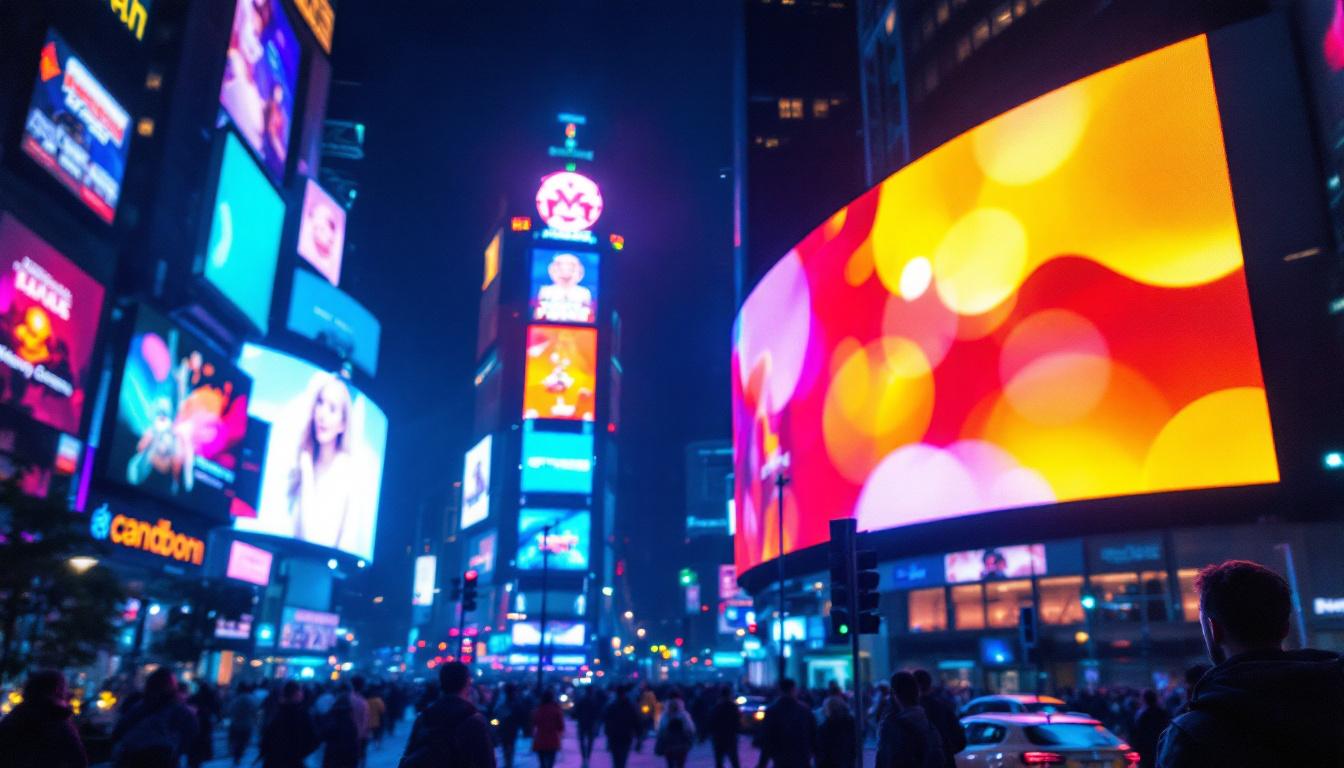
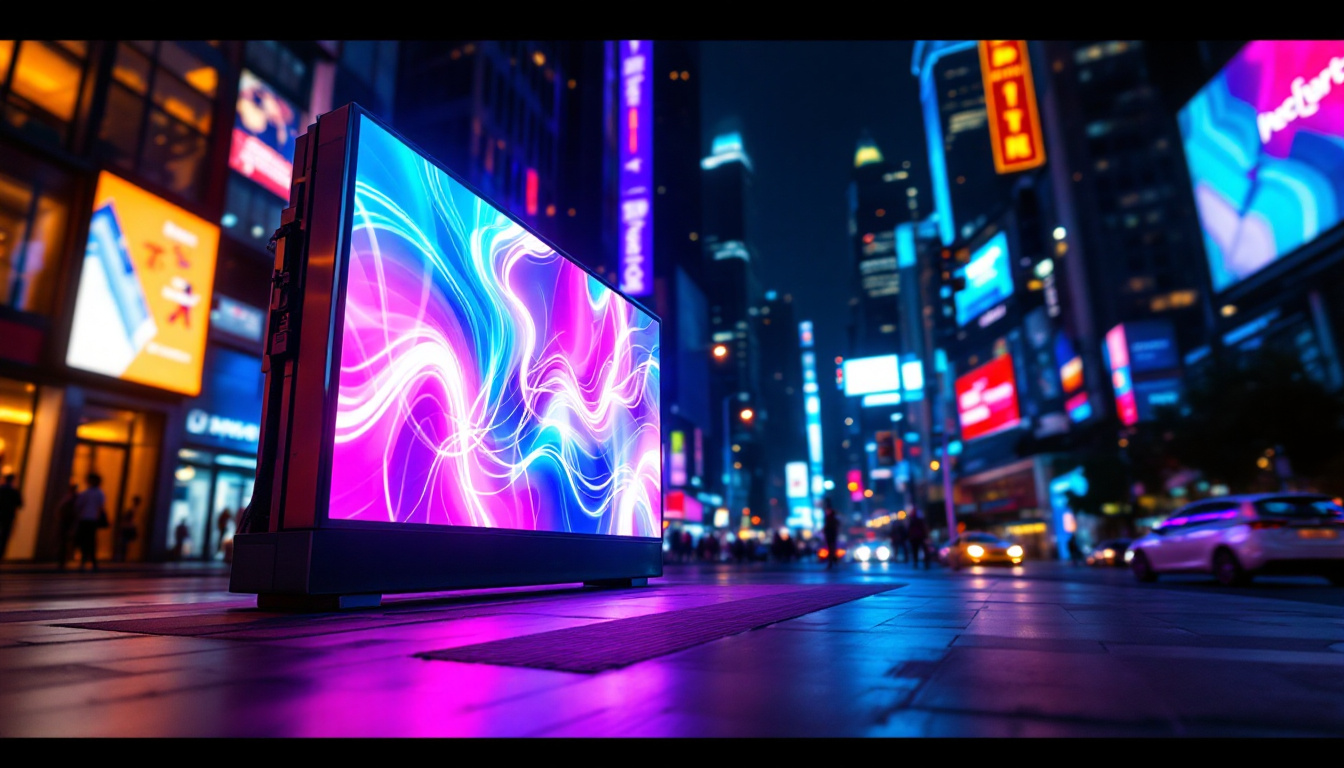
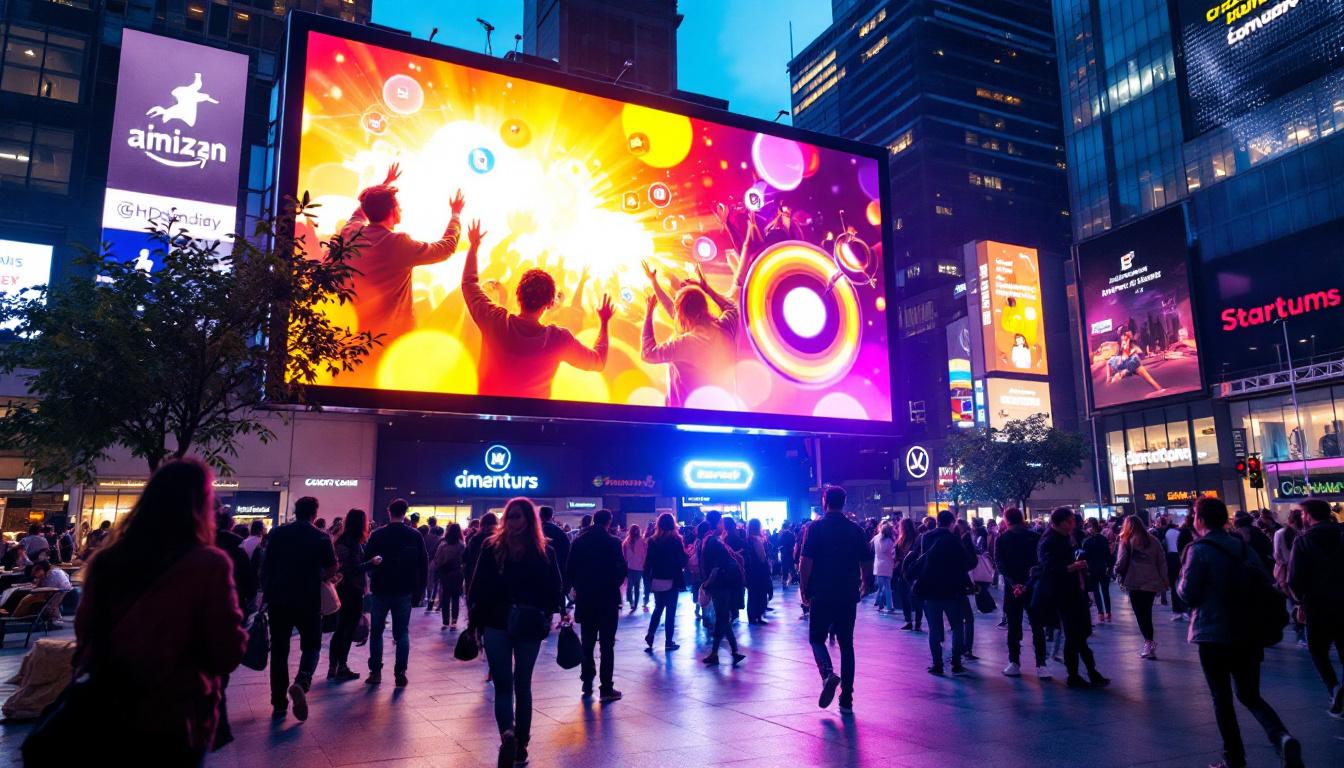
LED sign panels have revolutionized advertising by enabling dynamic, eye-catching displays that can be changed instantly. From Times Square in New York to shopping malls worldwide, LED billboards attract millions of viewers daily. Their ability to display videos, animations, and real-time promotions makes them more engaging than traditional static signs.
Studies have shown that digital signage can increase customer engagement by up to 30% and boost sales by up to 20% in retail environments. This is largely due to the vibrant visuals and the ability to tailor content to specific times or audiences.
Public Information and Transportation
LED displays are widely used in public transportation hubs such as airports, train stations, and bus terminals. They provide real-time updates on schedules, delays, and safety information. The high visibility and clarity of LED signs ensure that passengers receive timely and accurate information, improving overall transit experience.
Sports and Entertainment Venues
Stadiums and arenas use large LED screens to enhance the spectator experience. These displays show live game footage, replays, advertisements, and interactive content. The ability to display high-definition video content on massive scales has transformed how events are presented and enjoyed.
Corporate and Educational Settings
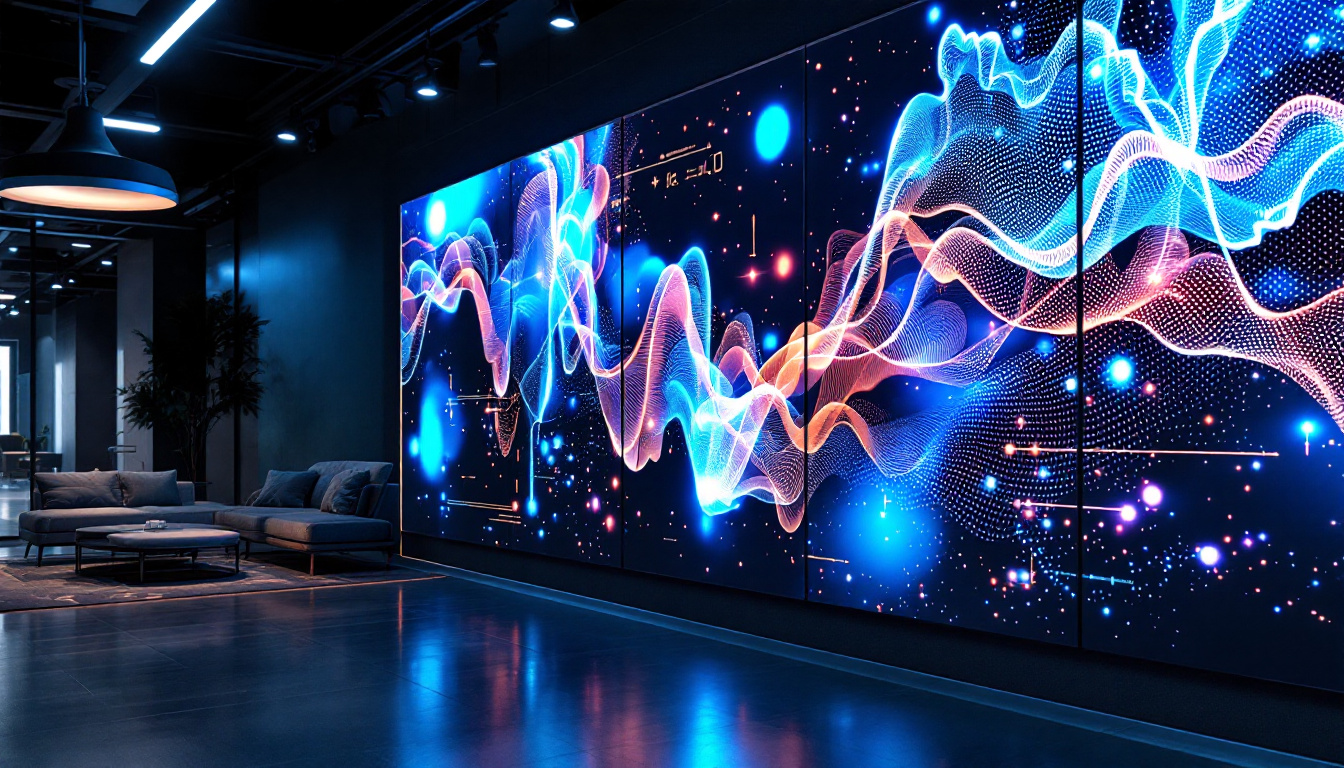
Many companies use indoor LED panels for internal communications, such as displaying announcements, performance metrics, or event information. Educational institutions also utilize LED displays for campus news, emergency alerts, and event promotions, ensuring that students and staff stay informed.
Advantages of LED Sign Panels
Energy Efficiency and Longevity
One of the most significant benefits of LED technology is its energy efficiency. LEDs consume up to 80% less energy than traditional incandescent or fluorescent lighting, making LED sign panels cost-effective to operate over time. Additionally, LEDs have a long lifespan, often exceeding 50,000 hours, which reduces maintenance and replacement costs.
Brightness and Visibility
LED panels are incredibly bright, with some outdoor displays reaching up to 10,000 nits of luminance. This ensures that content is visible even under direct sunlight, a critical factor for outdoor advertising. The high contrast ratio also improves readability in low-light conditions.
Flexibility and Customization
LED sign panels offer unparalleled flexibility in content management. Businesses can update messages remotely and instantly, schedule content changes, and even integrate interactive features. This adaptability allows for targeted marketing campaigns and timely communication.
Durability and Weather Resistance
Outdoor LED panels are designed to withstand harsh environmental conditions, including rain, snow, dust, and extreme temperatures. Their rugged construction ensures reliable performance year-round, making them suitable for diverse climates and locations.
Technological Innovations and Trends
Higher Resolution and Pixel Density
Advancements in LED technology have led to higher pixel densities, enabling sharper and more detailed images. Micro-LED technology, which uses tiny LEDs smaller than 100 micrometers, is pushing the boundaries of display resolution and brightness, promising even more stunning visuals in the near future.
Energy-Saving Features
Modern LED sign panels incorporate sensors that adjust brightness based on ambient light, reducing energy consumption without compromising visibility. Some systems also use AI to optimize content display times and patterns for maximum impact and efficiency.
Integration with IoT and Smart Technologies
LED displays are increasingly integrated with Internet of Things (IoT) platforms, allowing for real-time data-driven content updates. For example, transportation displays can automatically update schedules based on live traffic data, while retail signs can change promotions based on inventory levels or customer demographics.
Flexible and Transparent LED Panels
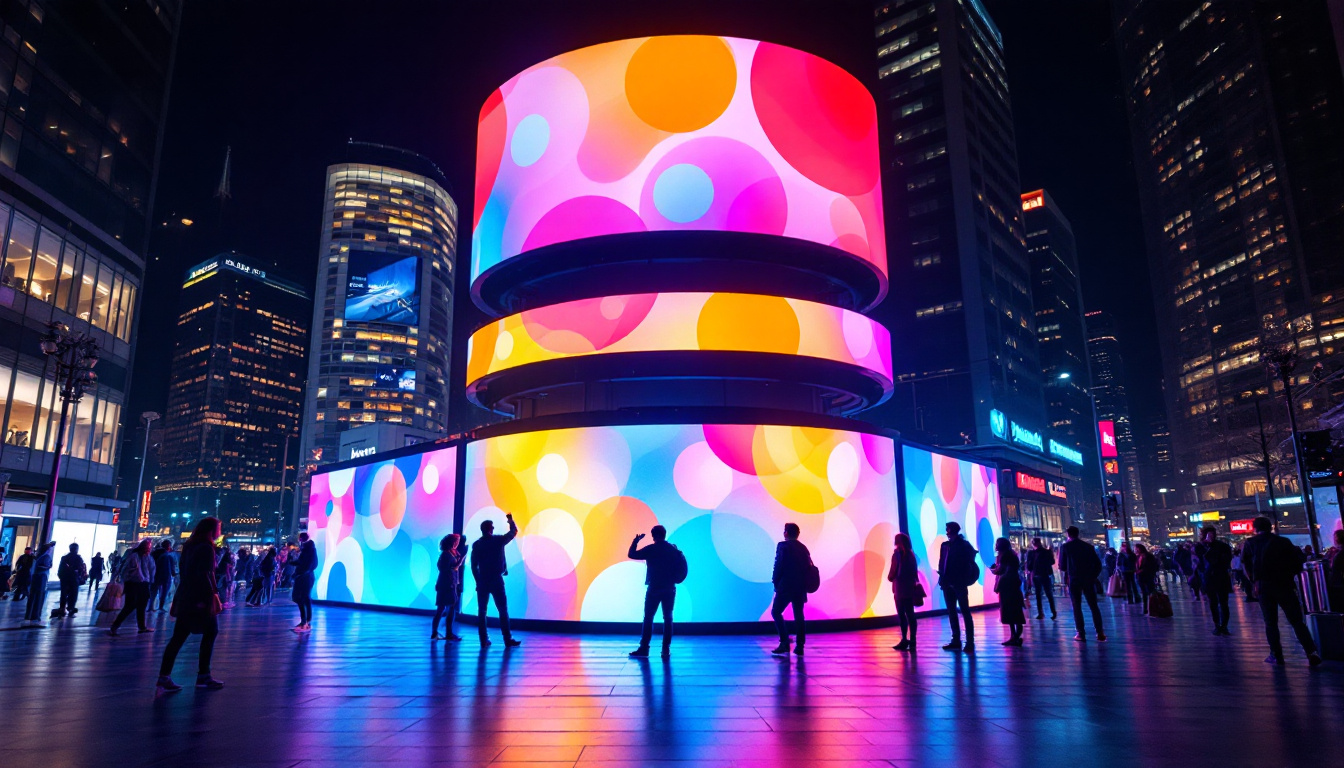
Emerging innovations include flexible LED panels that can be curved or shaped to fit unique architectural designs. Transparent LED displays, which can be installed on glass surfaces without obstructing views, are gaining popularity in retail and corporate environments for their sleek, modern aesthetic.
Choosing the Right LED Sign Panel for Your Needs
Assessing Viewing Distance and Location
One of the first considerations when selecting an LED sign panel is the typical viewing distance. Higher pixel density is necessary for close-up viewing to ensure image clarity, while lower pixel density is sufficient for displays viewed from afar. Understanding the environment—indoor or outdoor, lighting conditions, and weather exposure—is also critical.
Content and Functionality Requirements
Determine what kind of content will be displayed: static text, animations, videos, or interactive elements. This will influence the choice of resolution, color capabilities, and control systems. Additionally, consider whether you need remote content management or integration with other digital platforms.
Budget and Maintenance
While LED sign panels can be a significant investment, their long-term benefits often justify the cost. It’s important to factor in not only the initial purchase price but also installation, energy consumption, and maintenance expenses. Working with reputable suppliers and installers can help ensure reliability and service support.
Conclusion
LED sign panels represent a powerful tool for communication, marketing, and information dissemination in a variety of settings. Their vibrant displays, energy efficiency, and adaptability have made them the preferred choice for businesses and organizations worldwide. As technology continues to evolve, LED displays will become even more versatile and impactful, offering exciting possibilities for engaging audiences and enhancing visual communication.
Whether you are considering an LED sign panel for advertising, public information, or corporate communication, understanding the technology and options available will help you make an informed decision that maximizes your investment and achieves your goals.
Discover LumenMatrix’s Innovative LED Display Solutions
Ready to elevate your visual communication with the latest in LED technology? LumenMatrix is at the forefront of creating immersive and dynamic visual experiences. From Indoor and Outdoor LED Wall Displays to specialized solutions like Vehicle, Sports, and Floor LED Displays, we offer a wide range of cutting-edge products designed to capture attention and engage audiences. Our mission is to empower your business with digital signage that stands out. Check out LumenMatrix LED Display Solutions today and see how we can help you make a lasting impression.