In the rapidly evolving world of digital signage and display technology, LED displays have become a cornerstone for vibrant, high-impact visual communication. Among the various types of LED configurations, LED squares stand out for their versatility and clarity. This article delves into the fundamentals of LED squares, exploring their technology, applications, and the reasons behind their growing popularity in multiple industries.
Understanding LED Squares: What Are They?
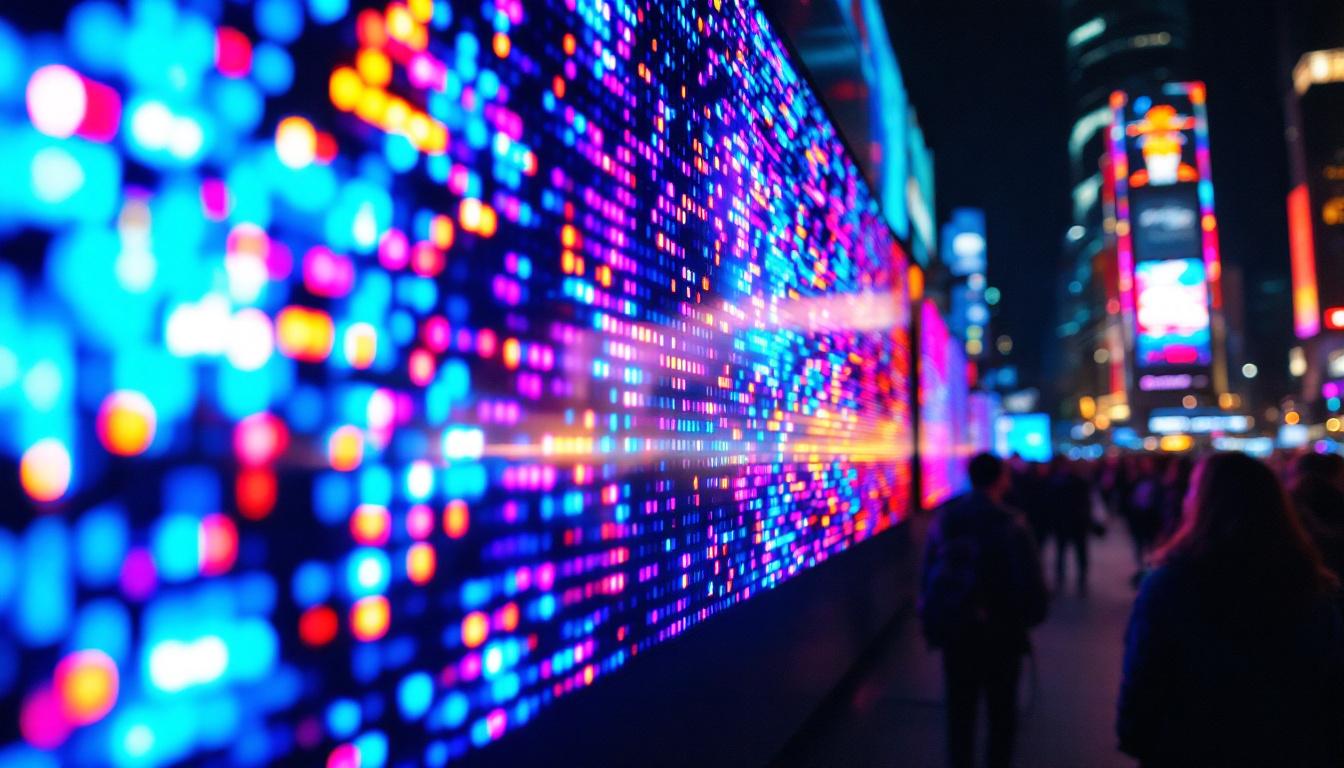
LED squares refer to a specific type of LED display module composed of multiple light-emitting diodes arranged in a square matrix. These modules are the building blocks of larger LED screens and are designed to produce bright, clear images and videos by controlling the intensity and color of each diode.
The term “LED square” often describes the physical shape of the module, which typically comes in standardized sizes such as 16×16, 32×32, or 64×64 diode arrays. These squares can be tiled seamlessly to create expansive displays that maintain uniform brightness and color consistency. This modularity not only allows for flexibility in design but also facilitates easy repairs and upgrades, as individual squares can be replaced without the need to dismantle the entire display.
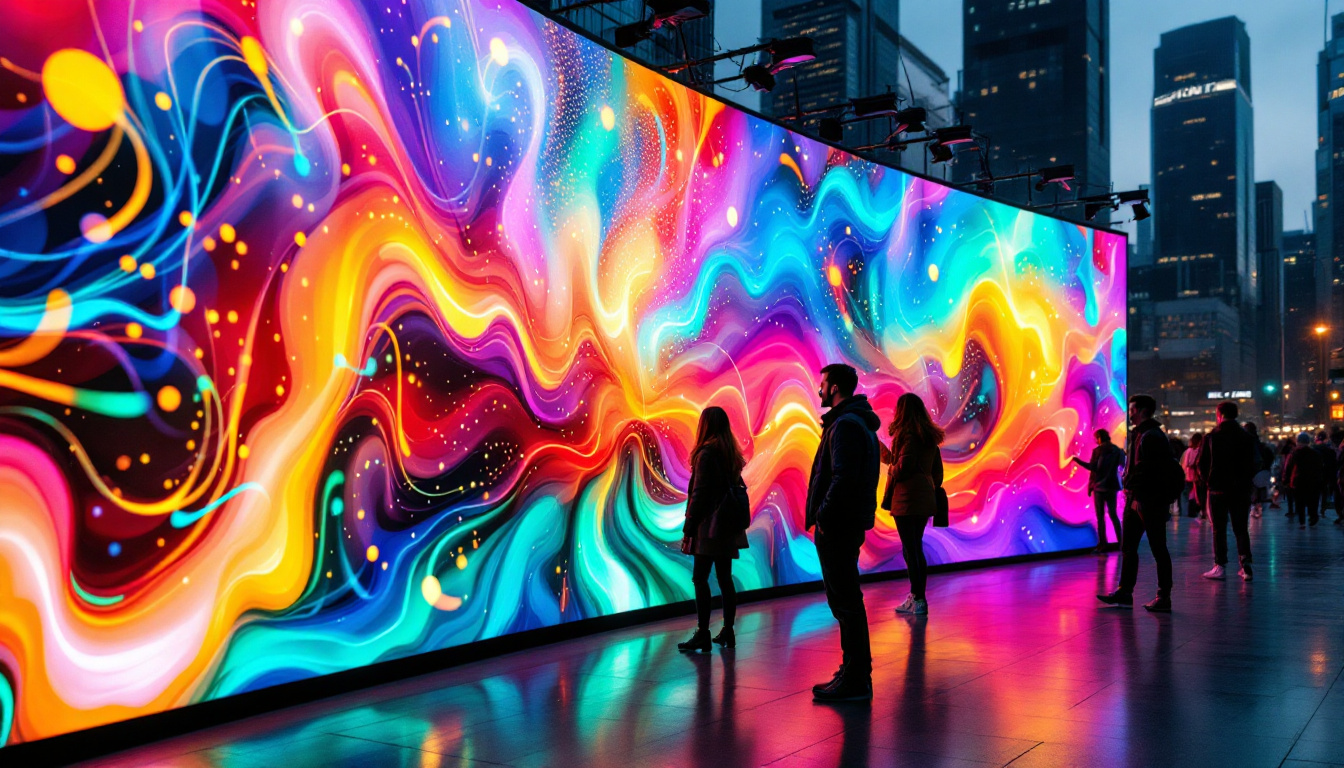
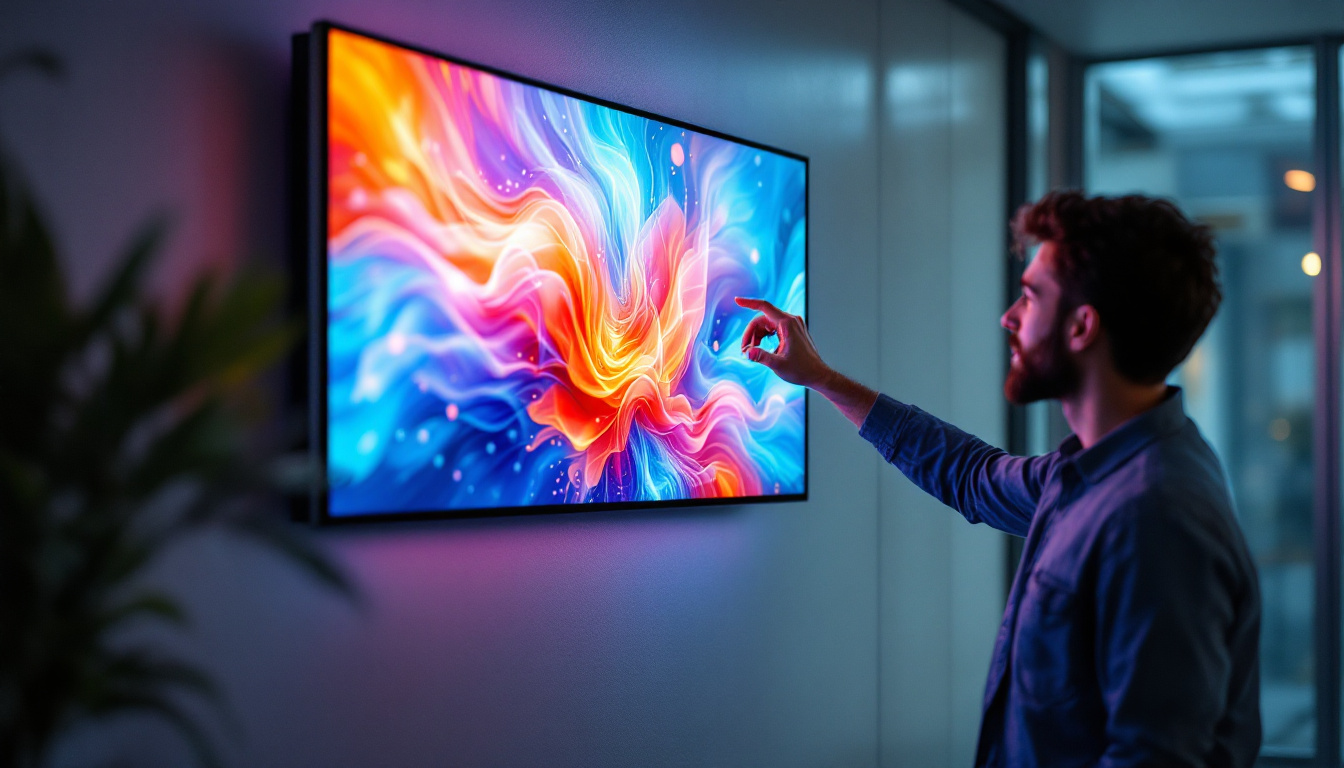
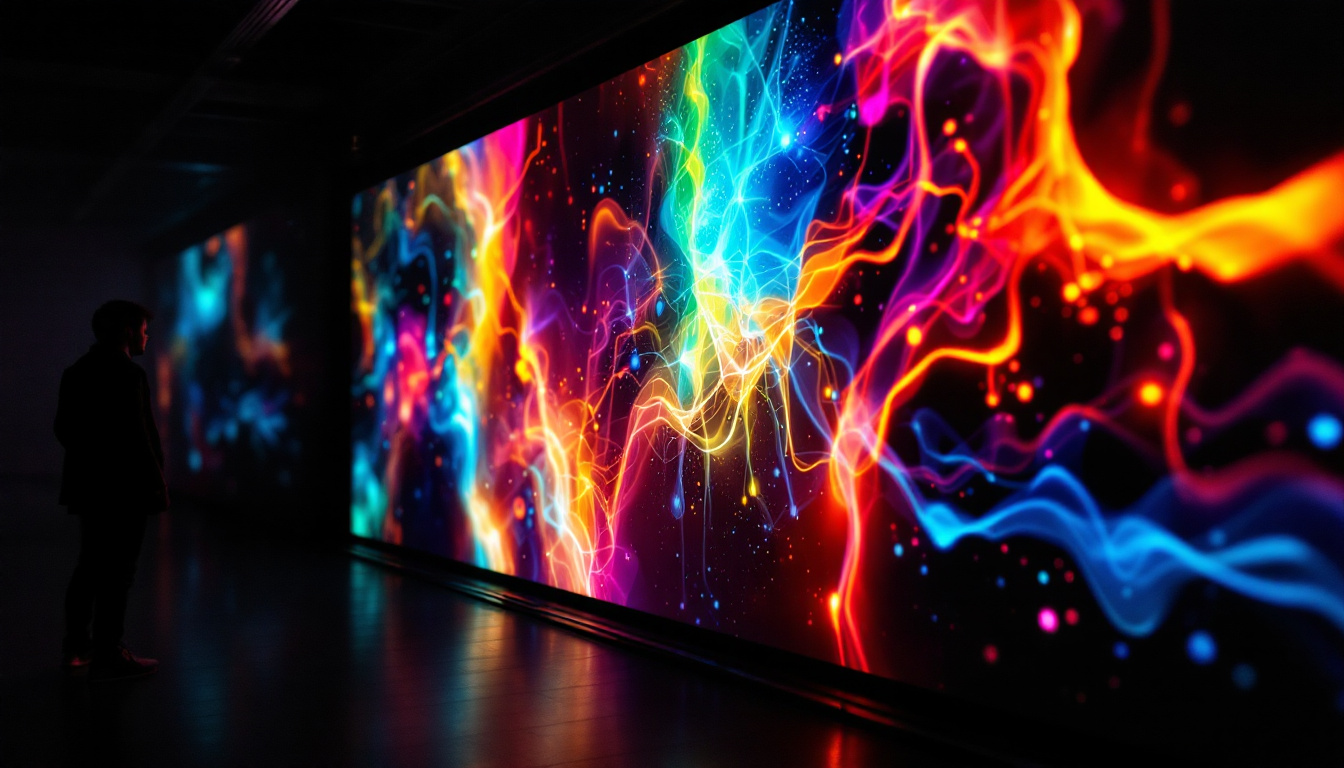
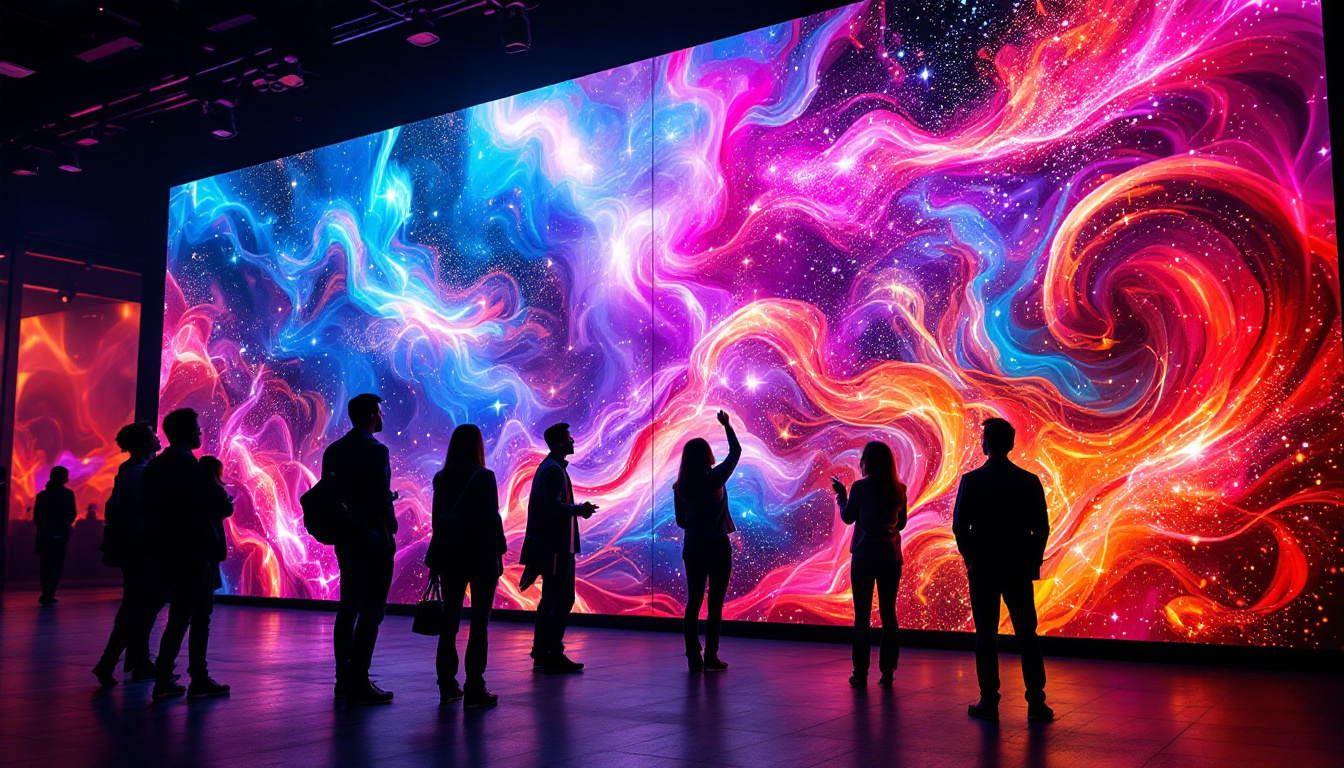
In addition to their practical applications in advertising and entertainment, LED squares are also increasingly being utilized in artistic installations and interactive displays. Artists and designers leverage the vibrant colors and dynamic capabilities of LED squares to create immersive environments that engage viewers in unique ways. The ability to program these displays to respond to sound or movement opens up a realm of creative possibilities, making them a popular choice for modern art exhibitions and interactive experiences.
The Technology Behind LED Squares
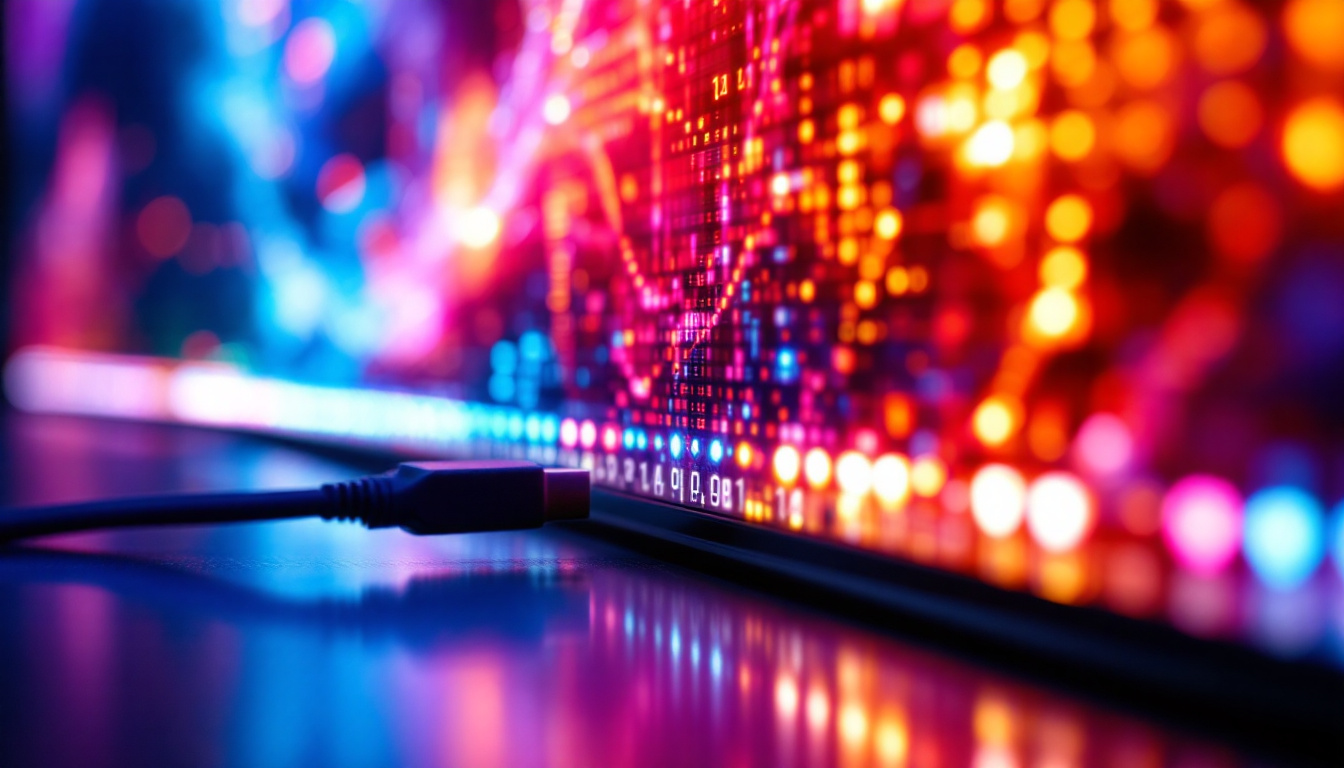
At the core of LED square technology is the light-emitting diode, a semiconductor device that emits light when an electric current passes through it. Each diode within the square can be individually controlled to display a specific color and brightness level. This granular control enables the creation of detailed images and smooth video playback.
Modern LED squares often use surface-mounted device (SMD) LEDs, which integrate red, green, and blue diodes into a single package. This design allows for a wide color gamut and enhanced viewing angles, making the display vibrant and visually appealing from various perspectives. Moreover, advancements in LED technology have led to improved energy efficiency and longer lifespans for these displays, making them a more sustainable choice for businesses and event organizers.
Furthermore, the integration of smart technology into LED squares has revolutionized their functionality. With the advent of wireless connectivity and smart control systems, users can now manage their displays remotely, adjusting settings and content in real-time. This capability is particularly beneficial for dynamic advertising campaigns, where content can be updated instantly to reflect current promotions or events. As a result, LED squares are not only a tool for visual communication but also a powerful medium for engaging audiences in a fast-paced digital landscape.
Key Advantages of LED Squares in Display Technology
LED squares offer several advantages that make them a preferred choice for many display applications. Understanding these benefits is essential for businesses and designers looking to invest in effective digital signage solutions.
High Brightness and Visibility
One of the most significant advantages of LED squares is their exceptional brightness. Unlike LCD or projection displays, LED squares emit their own light, allowing them to perform well even in direct sunlight or brightly lit environments. Typical LED displays can reach brightness levels of 1,000 to 5,000 nits, with some outdoor models exceeding 10,000 nits.
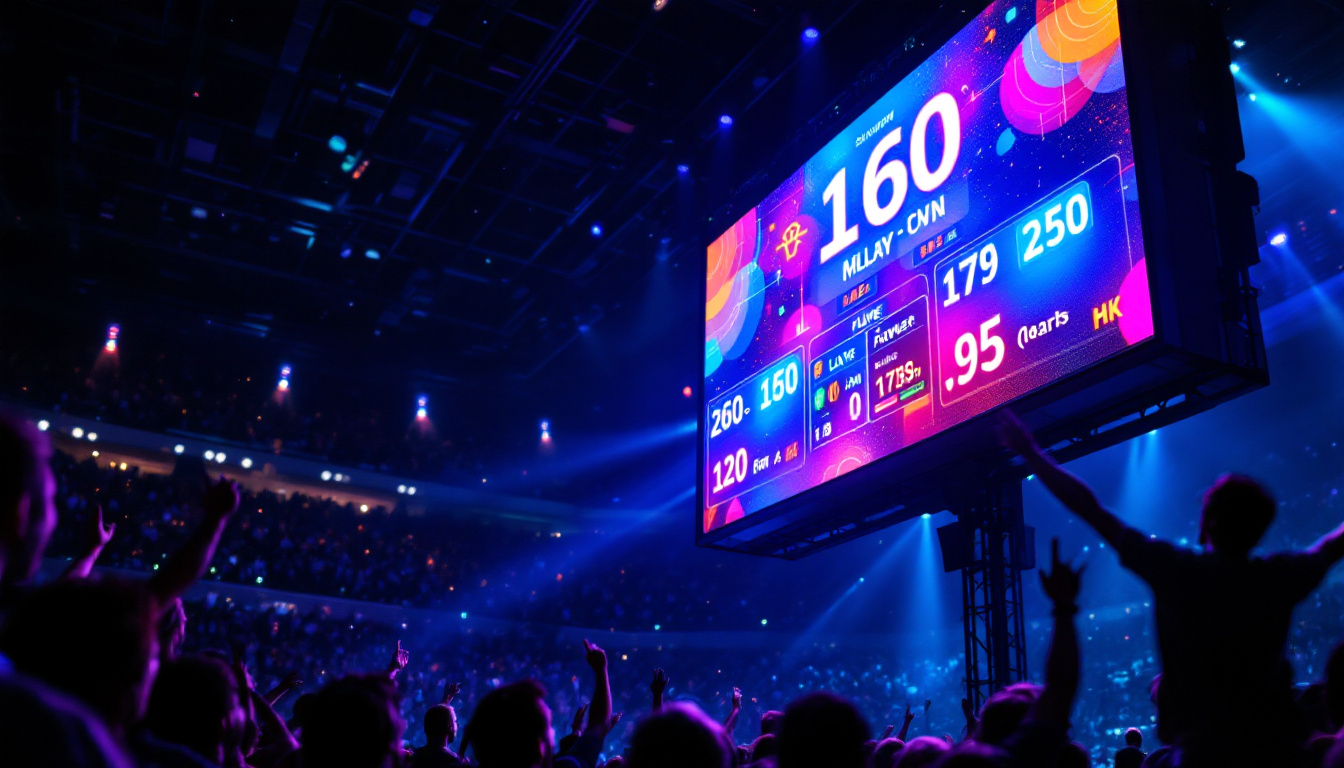
This high luminance ensures that content remains clear and legible, whether it’s a billboard on a busy highway, an indoor advertising screen in a shopping mall, or a scoreboard in a stadium filled with daylight.
Energy Efficiency and Longevity
LED technology is renowned for its energy efficiency compared to traditional lighting and display methods. LED squares consume less power while delivering superior brightness, which translates to lower operating costs for businesses.
Moreover, LEDs have a long operational lifespan, often exceeding 50,000 hours. This durability reduces maintenance frequency and costs, making LED squares a cost-effective investment over time.
Modular Design and Scalability
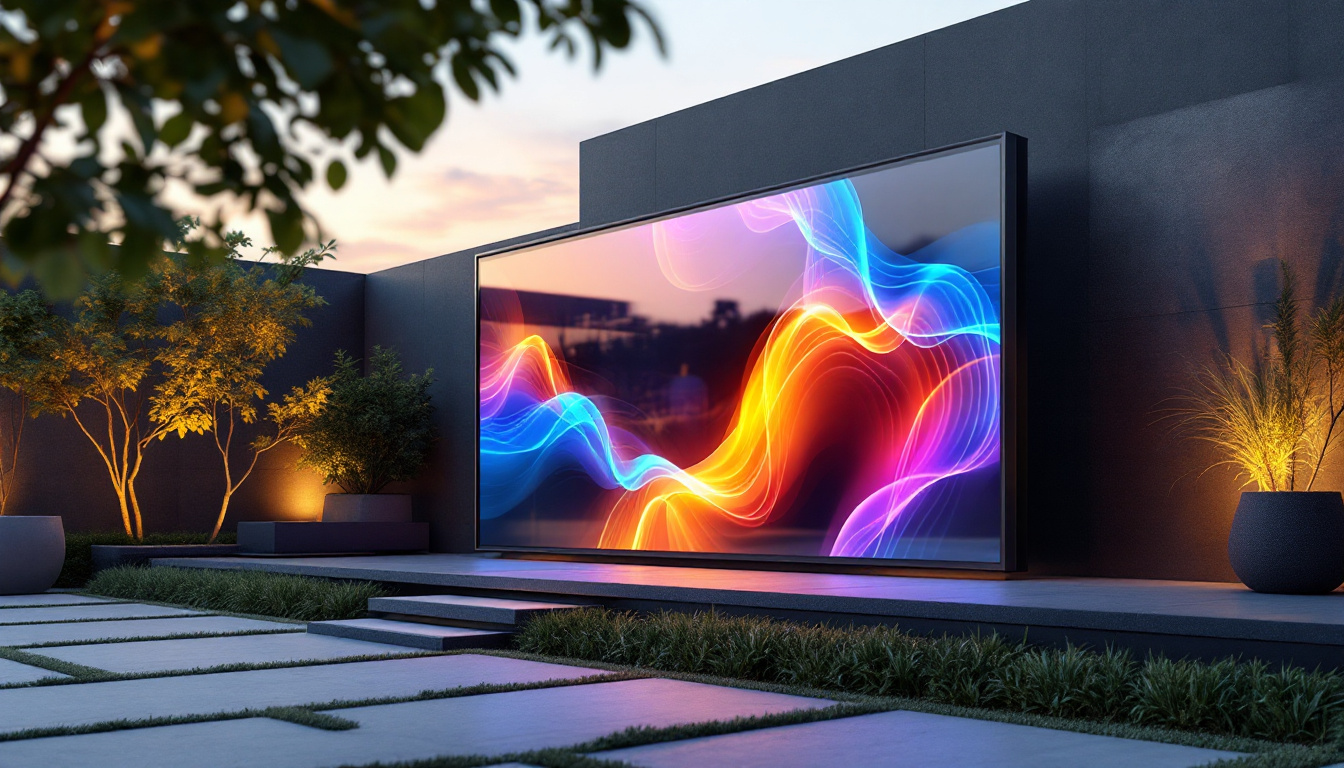
The modular nature of LED squares allows for flexible display sizes and shapes. By connecting multiple squares, it’s possible to create displays ranging from small indoor screens to massive outdoor video walls. This scalability is particularly beneficial for events, retail environments, and public spaces where display requirements may change or expand.
Additionally, the modular design simplifies maintenance. If one square malfunctions, it can be replaced independently without affecting the entire display, minimizing downtime.
Applications of LED Squares Across Industries
LED squares have found widespread use across diverse sectors due to their adaptability and performance. Below are some of the most prominent applications where LED squares have made a significant impact.
Advertising and Digital Signage
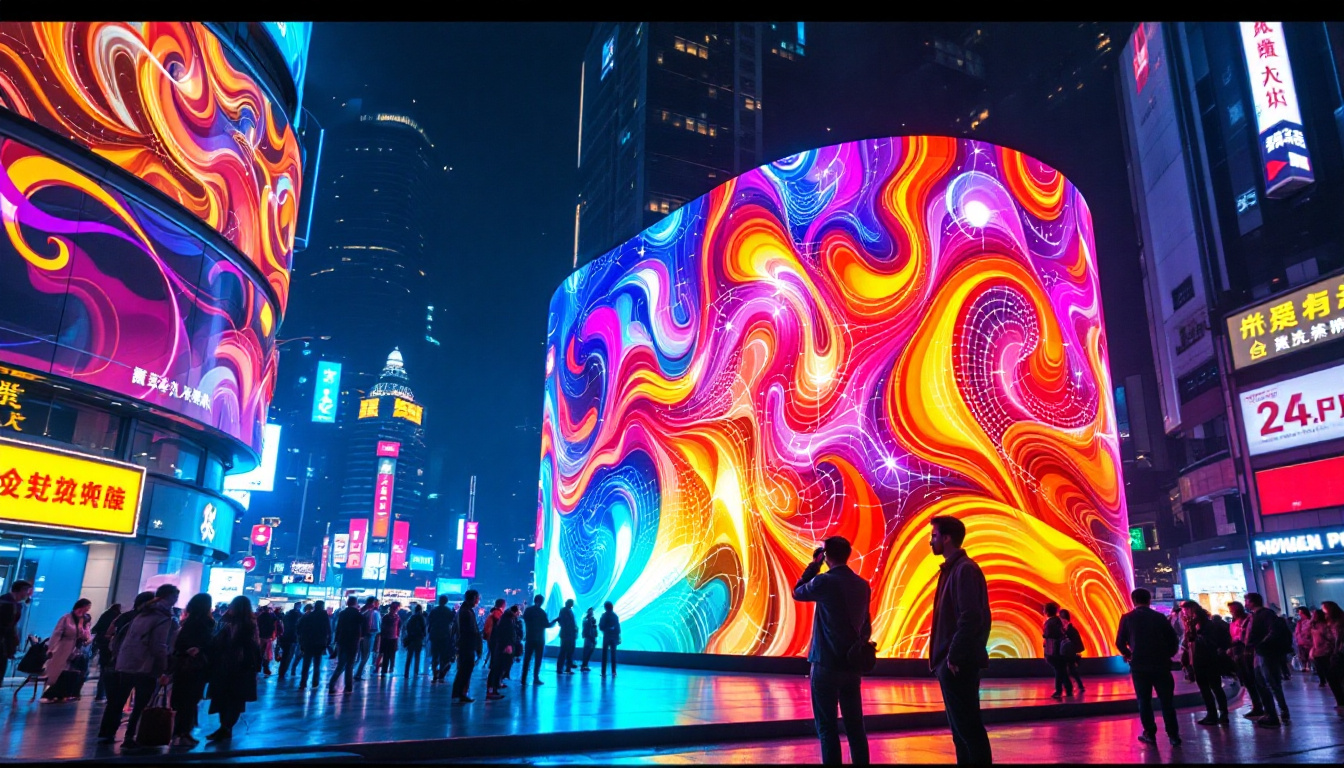
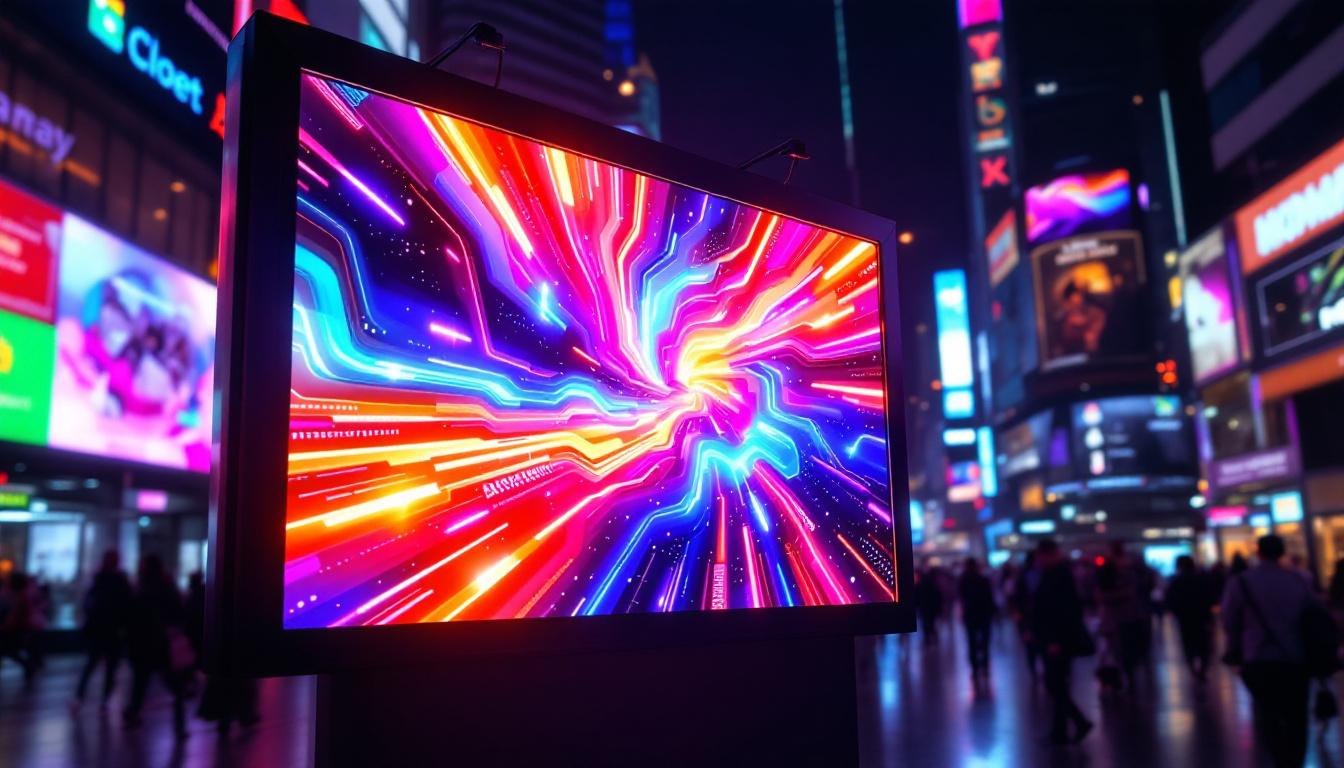
In the advertising world, capturing attention is paramount. LED squares enable the creation of dynamic, eye-catching digital billboards and signage that can display high-resolution videos, animations, and real-time content updates. Brands leverage these displays to engage audiences effectively and deliver targeted messages.
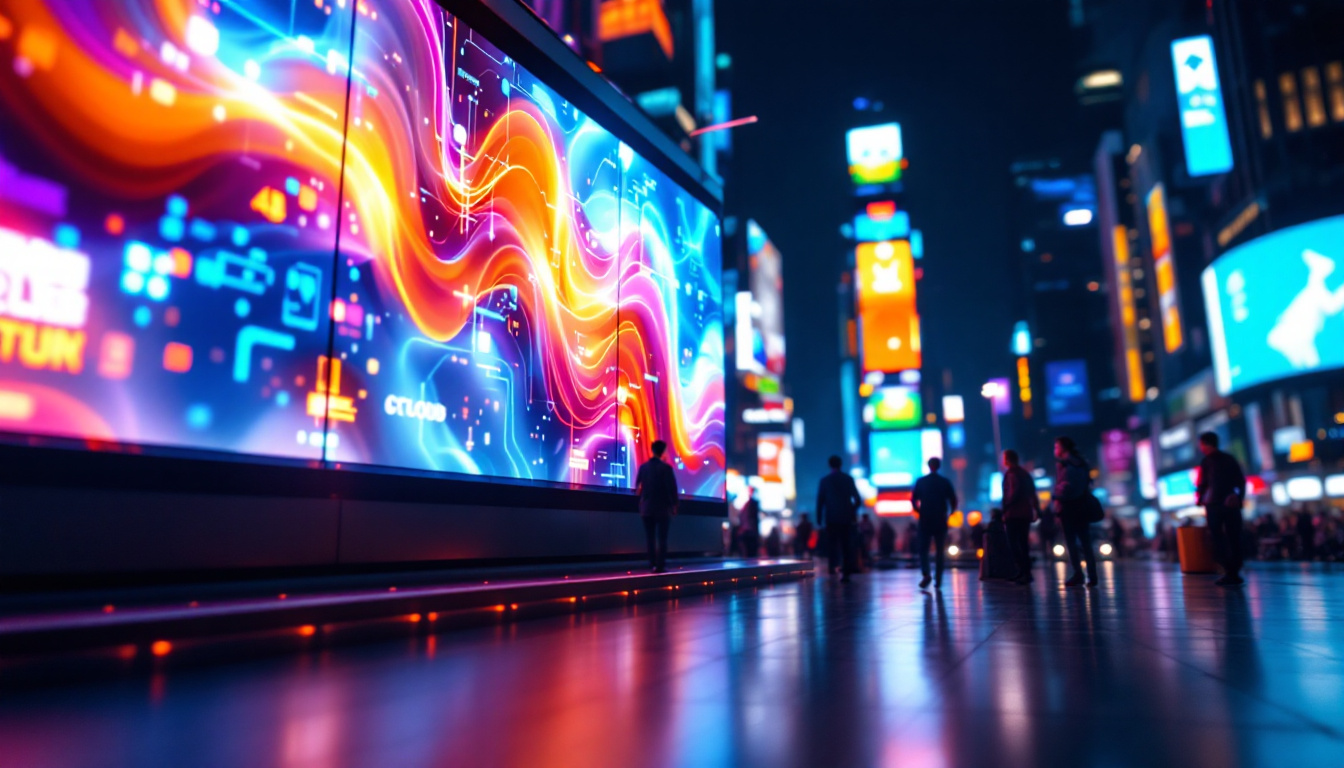
For instance, Times Square in New York City features some of the largest LED square-based displays globally, showcasing vibrant advertisements that remain visible day and night. The ability to update content remotely and instantly also provides advertisers with unmatched flexibility.
Sports and Entertainment Venues
Sports arenas and entertainment venues utilize LED squares to enhance the spectator experience. Scoreboards, video walls, and perimeter advertising boards rely on LED squares for their brightness and clarity, ensuring that fans can follow the action and enjoy replays even from distant seats.
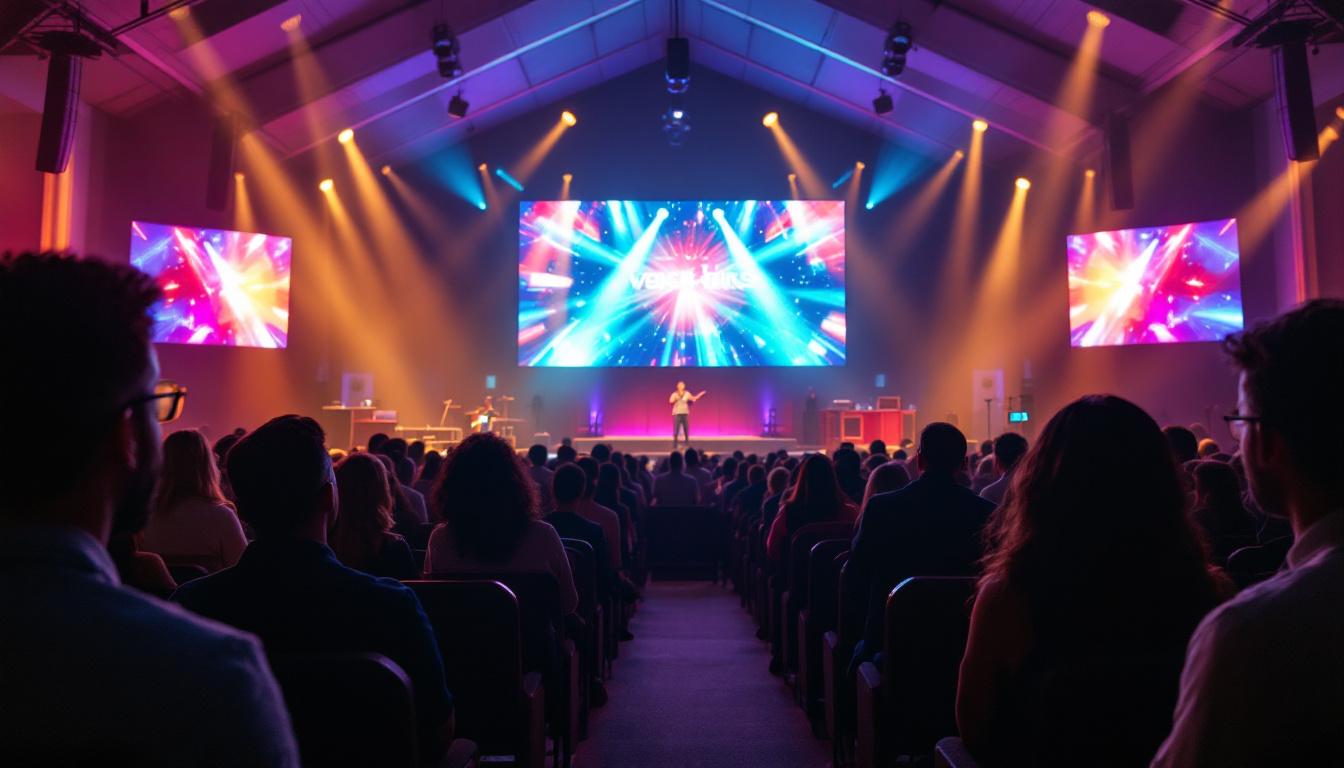
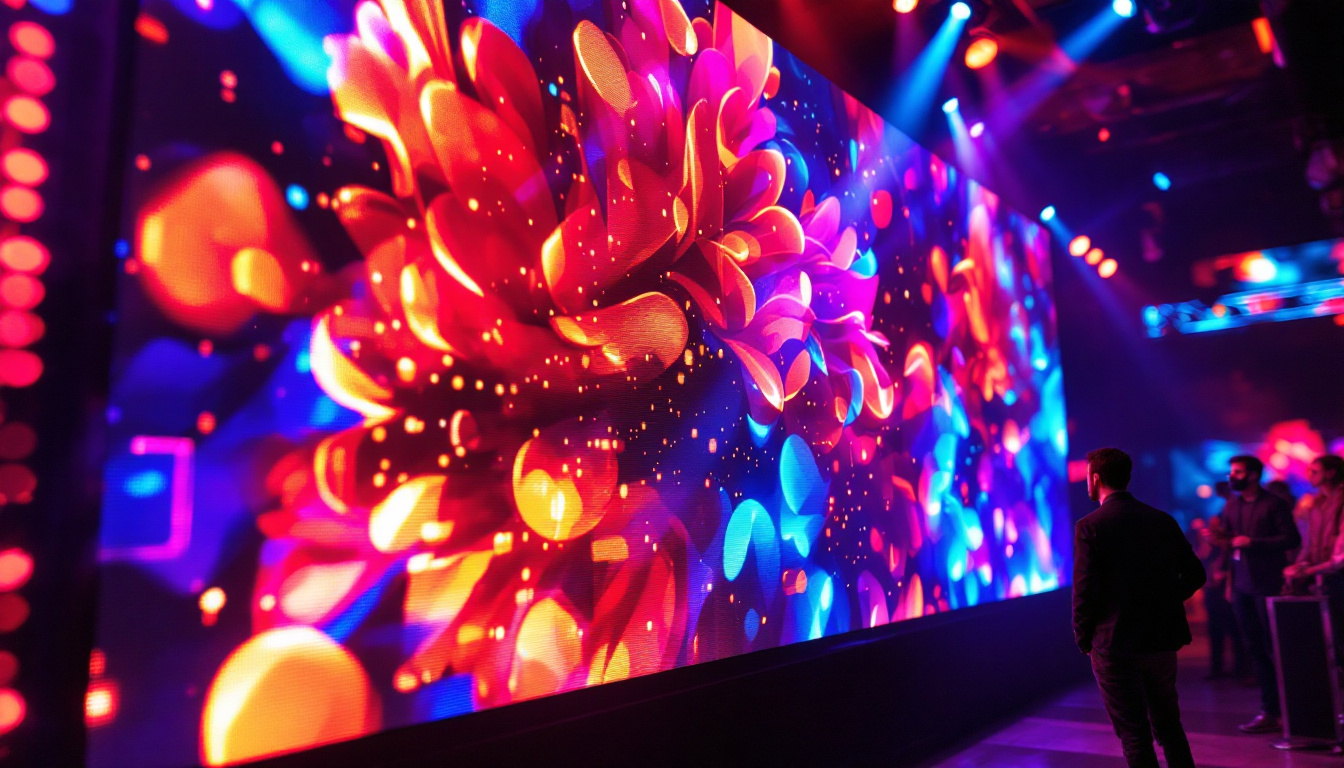
Moreover, LED squares are integral in concert stages and event backdrops, enabling dynamic visual effects that complement performances and engage audiences on a sensory level.
Transportation and Public Information Displays
Transportation hubs such as airports, train stations, and bus terminals use LED square displays for real-time information dissemination. These displays provide travelers with updates on schedules, delays, and safety announcements in a clear and timely manner.
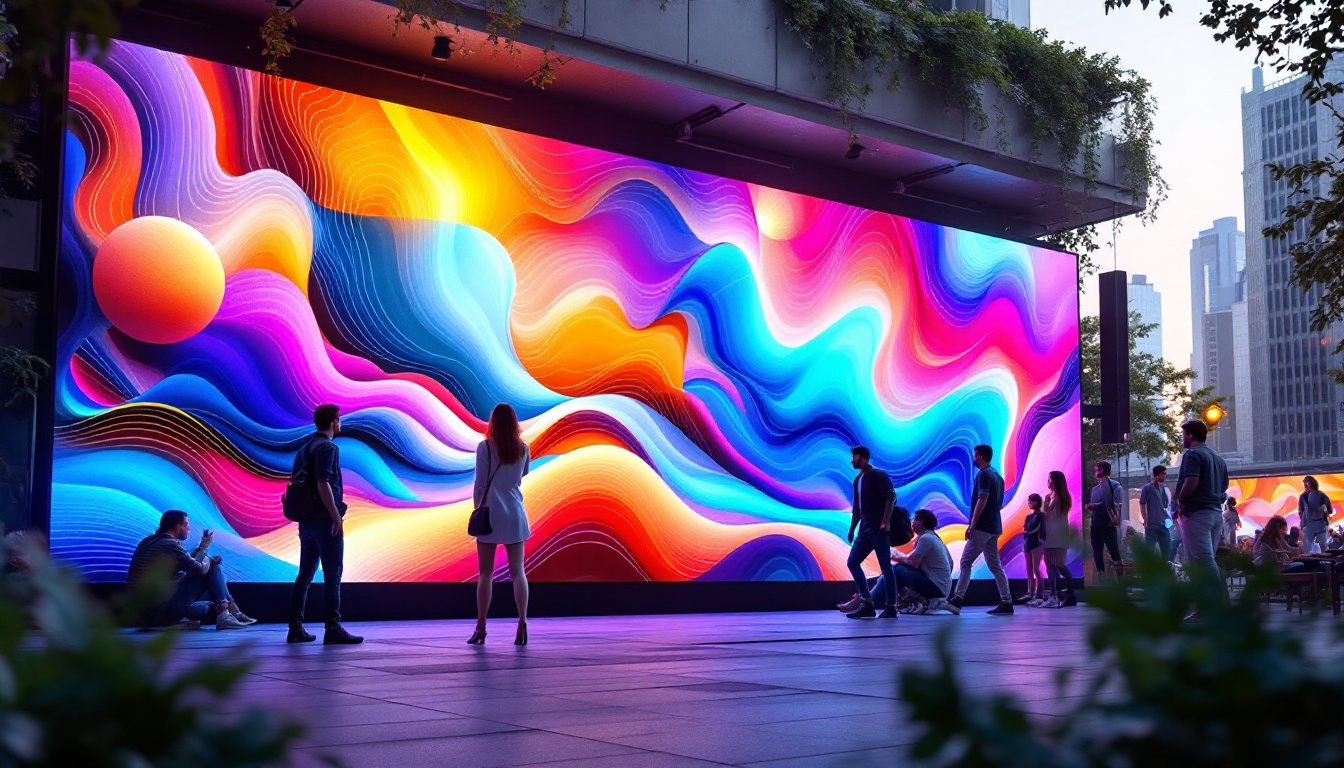
Outdoor LED square displays are also common in public spaces for emergency alerts and community messaging, demonstrating their role in public safety and communication.
Technical Considerations When Choosing LED Squares
For businesses and organizations considering LED squares for their display needs, several technical factors must be evaluated to ensure optimal performance and return on investment.
Pixel Pitch and Resolution
Pixel pitch refers to the distance between the centers of adjacent LEDs within a square module, typically measured in millimeters. A smaller pixel pitch means higher resolution and finer image detail, which is crucial for close-viewing environments like retail stores or indoor displays.
Conversely, larger pixel pitches are suitable for outdoor displays viewed from a distance, where ultra-fine detail is less critical. Selecting the appropriate pixel pitch balances image quality with cost, as smaller pitches generally increase the price of the display.
Brightness and Contrast Ratio
Brightness levels must align with the intended environment. Indoor LED squares typically require brightness levels between 800 and 1,500 nits, while outdoor displays need much higher brightness to combat sunlight glare.
Contrast ratio, the difference between the darkest black and brightest white the display can produce, also affects image quality. High contrast ratios contribute to more vivid and lifelike visuals, enhancing viewer engagement.
Refresh Rate and Color Accuracy
Refresh rate, measured in hertz (Hz), indicates how many times per second the display updates its image. Higher refresh rates reduce flicker and improve the smoothness of motion, which is particularly important for video content and live broadcasts.
Color accuracy ensures that the displayed content matches the intended hues and tones. Advanced LED squares incorporate calibration technologies to maintain consistent color reproduction over time, which is vital for brand integrity and visual appeal.
Future Trends in LED Square Technology
The LED display industry continues to innovate, with LED squares at the forefront of several emerging trends that promise to enhance their capabilities and applications.
MicroLED and MiniLED Integration
MicroLED and MiniLED technologies represent the next generation of LED displays, offering even smaller diode sizes and improved performance. These advancements allow for higher resolution, better contrast, and increased energy efficiency within LED squares.
As manufacturing processes mature and costs decrease, MicroLED and MiniLED squares are expected to become more accessible, enabling ultra-high-definition displays for both consumer and commercial markets.
Flexible and Transparent LED Squares
Innovations in materials and design have led to the development of flexible and transparent LED squares. Flexible modules can conform to curved surfaces, opening new possibilities for creative installations and architectural integration.
Transparent LED squares allow light to pass through the display, making them ideal for glass facades and windows where maintaining natural light is important. These features expand the potential applications of LED squares beyond traditional flat screens.
AI-Driven Content and Smart Displays
Artificial intelligence is increasingly being integrated into LED display systems to optimize content delivery and enhance viewer engagement. Smart LED squares can adjust brightness and color based on ambient conditions, personalize advertisements, and analyze audience reactions in real time.
This intelligent functionality not only improves the effectiveness of digital signage but also provides valuable data for marketers and event organizers.
Conclusion: Why LED Squares Are a Smart Choice for Modern Displays
LED squares combine cutting-edge technology with practical advantages that make them a compelling choice for a wide range of display applications. Their high brightness, energy efficiency, modularity, and adaptability enable businesses to deliver impactful visual experiences that captivate audiences and drive engagement.
As LED technology continues to advance, LED squares will remain a foundational element in digital display solutions, evolving to meet the demands of increasingly sophisticated and dynamic visual communication environments.
Discover the Future of Visual Communication with LumenMatrix
Ready to elevate your visual messaging with the latest in LED display technology? LumenMatrix is at the forefront of innovation, offering a diverse range of LED display solutions tailored to your unique needs. From Indoor and Outdoor LED Wall Displays to specialized options like Vehicle, Sports, and Floor LED Displays, our products are designed to make your brand shine. Experience the revolution in digital signage with our Custom, All-in-One, and Transparent LED Displays. Check out LumenMatrix LED Display Solutions today and transform the way you engage with your audience.