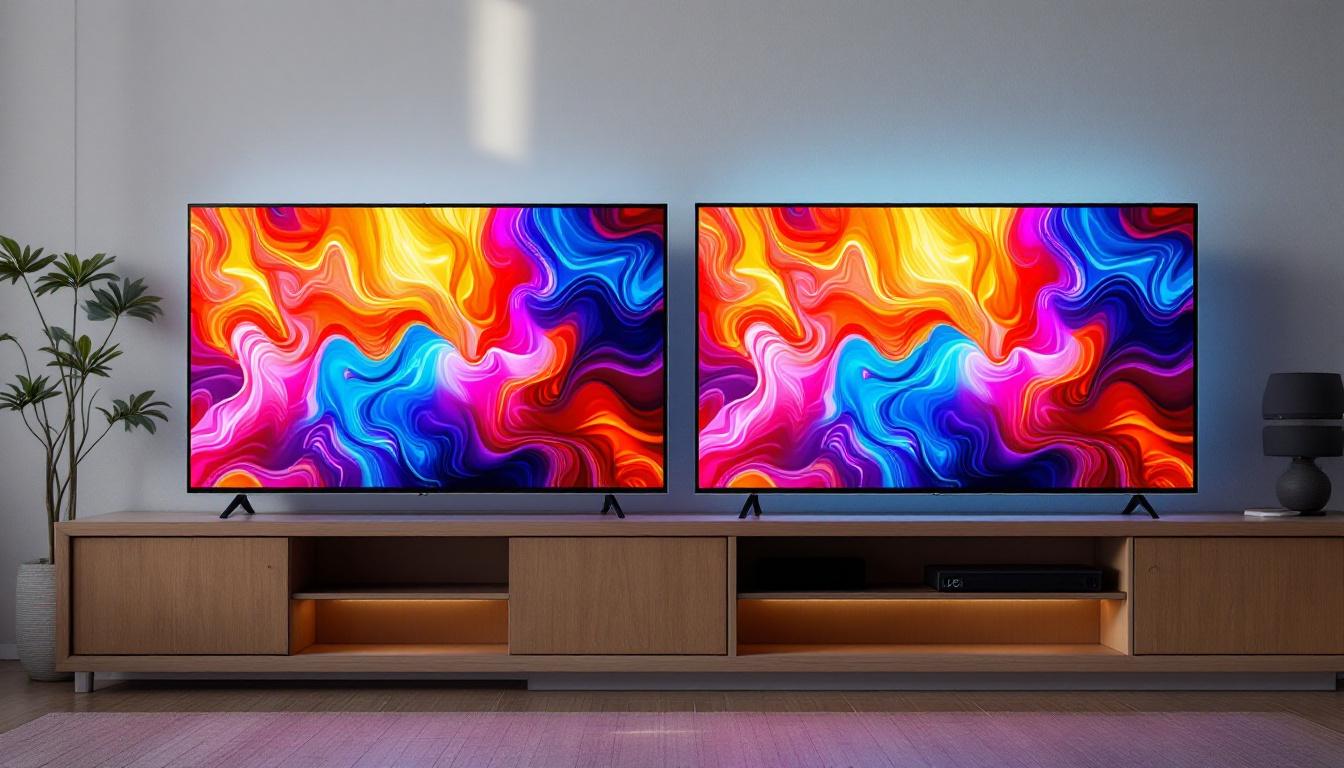
When shopping for a new television, the terms LED TV and LCD TV often come up, sometimes used interchangeably. However, understanding the differences between these two technologies is crucial to making an informed purchase that meets your viewing needs and budget. This article delves into the distinctions between LED and LCD TVs, explains how LED displays work, and guides you through the key factors to consider when choosing the right TV for your home.
Understanding the Basics: What is LCD TV?
LCD stands for Liquid Crystal Display, a technology that has been the backbone of flat-panel televisions for decades. An LCD TV uses a liquid crystal solution sandwiched between two layers of polarized glass. When an electric current passes through the crystals, they align to allow varying degrees of light to pass through, creating images on the screen.
However, LCD panels do not emit light by themselves. Instead, they rely on a backlight to illuminate the display. Traditionally, this backlight was provided by cold cathode fluorescent lamps (CCFLs), which are fluorescent tubes positioned behind the screen. This setup is what defines a classic LCD TV.
CCFL backlighting has certain limitations, including bulkier design, higher power consumption, and less precise control over brightness and contrast levels compared to newer technologies. In recent years, LED (Light Emitting Diode) backlighting has become the more popular choice for LCD TVs. This advancement not only allows for a slimmer profile but also improves energy efficiency and enhances the overall picture quality. LED backlighting can be implemented in various ways, including edge-lit and full-array configurations, which provide different levels of control over local dimming and contrast ratios.
Moreover, the evolution of LCD technology has led to the development of features such as 4K resolution and HDR (High Dynamic Range), which significantly enhance the viewing experience. 4K resolution offers four times the pixel count of standard HD, resulting in sharper images and finer details. HDR, on the other hand, expands the range of colors and contrasts that a TV can display, making bright areas brighter and dark areas more defined. This combination of advancements ensures that LCD TVs remain competitive in a market increasingly dominated by OLED and QLED technologies, appealing to a wide range of consumers looking for quality and affordability in their home entertainment systems.
What is an LED TV? Clarifying the Terminology
Despite the name, LED TVs are actually a type of LCD TV. The key difference lies in the backlighting technology. Instead of CCFLs, LED TVs use Light Emitting Diodes (LEDs) as the backlight source.
LED backlighting offers several advantages over CCFLs. LEDs are smaller, more energy-efficient, and can be arranged in different configurations to improve picture quality. This means LED TVs are essentially LCD TVs with LED backlighting, which is why the term “LED TV” is often used to market the improved version of LCD TVs.
There are two primary types of LED backlighting:
- Edge-lit LED: LEDs are placed along the edges of the screen, and light is distributed across the display using light guides.
- Full-array LED: LEDs are spread evenly behind the entire screen, allowing for better control of brightness and contrast through local dimming.
In addition to these backlighting types, it’s important to note that LED TVs can also incorporate advanced technologies such as High Dynamic Range (HDR) and Wide Color Gamut (WCG). HDR enhances the contrast and color accuracy of the display, making bright areas brighter and dark areas darker, which results in a more lifelike image. WCG expands the range of colors that the TV can reproduce, allowing for richer and more vibrant visuals that can truly immerse viewers in their favorite films and shows.
Furthermore, the evolution of LED technology has led to the development of OLED (Organic Light Emitting Diodes) and QLED (Quantum Dot LED) displays, which offer even more impressive picture quality. OLED screens provide deep blacks and infinite contrast ratios by allowing each pixel to emit its own light, while QLED uses quantum dots to enhance brightness and color accuracy. As consumers become more discerning about picture quality, the competition among these technologies continues to drive innovation in the television market.
Comparing Picture Quality: LED vs LCD TVs
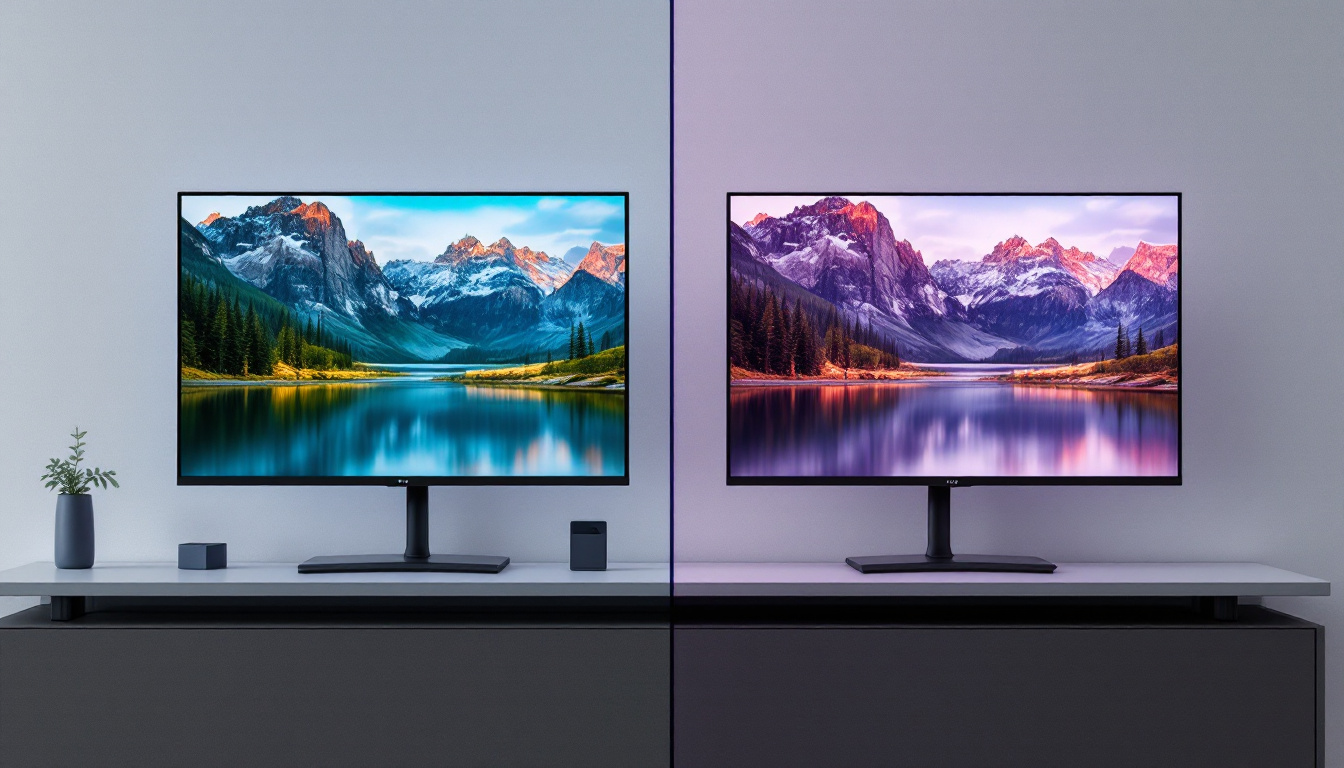
When it comes to picture quality, LED-backlit LCD TVs generally outperform traditional CCFL-backlit LCD TVs. The use of LEDs allows for better brightness, contrast, and color accuracy.
Full-array LED TVs with local dimming can selectively dim parts of the screen to enhance black levels and improve contrast ratios. This technology reduces the “halo” effect seen in edge-lit LED TVs and CCFL-backlit LCDs, where bright areas bleed into dark areas.
Additionally, LED backlighting can support higher dynamic range (HDR) content, which enhances the viewing experience by displaying a wider range of brightness and color. Many modern LED TVs support HDR10, Dolby Vision, or HDR10+ standards, which are not typically available on older CCFL-backlit LCD models.
Moreover, the advancements in LED technology have also led to the introduction of Quantum Dot displays, which utilize tiny semiconductor nanocrystals to produce more vibrant colors. This technology enhances the color gamut significantly, allowing viewers to experience a richer and more immersive visual experience. Quantum Dot displays are particularly effective in bright environments, where they can maintain color accuracy and vibrancy without being washed out by ambient light.
Furthermore, the rise of OLED technology has also influenced the conversation around picture quality. While OLED TVs are distinct from LED-backlit LCDs, they offer exceptional contrast ratios and true blacks because each pixel emits its own light and can be turned off completely. This capability allows for stunning visuals, especially in dark scenes, and has led many to compare the two technologies closely. As consumers become more discerning about picture quality, understanding the nuances between LED, LCD, and OLED technologies becomes increasingly important in making an informed purchasing decision.
Energy Efficiency and Environmental Impact
LED TVs are significantly more energy-efficient than traditional LCD TVs with CCFL backlighting. According to the U.S. Department of Energy, LED-backlit LCD TVs consume about 30-50% less power than their CCFL counterparts.
This efficiency translates into lower electricity bills and a smaller carbon footprint. LEDs also have a longer lifespan and contain fewer toxic materials, making LED TVs a more environmentally friendly choice.
Design and Form Factor Differences
The smaller size of LEDs compared to CCFL tubes allows manufacturers to produce thinner and lighter TV panels. Edge-lit LED TVs can be incredibly slim, sometimes less than an inch thick, enabling sleek designs that blend seamlessly into modern living spaces.
Traditional CCFL-backlit LCD TVs tend to be bulkier due to the size of the fluorescent tubes and the need for additional components to distribute light evenly.
Cost Considerations: What Are You Paying For?
When LED TVs first entered the market, they were priced significantly higher than CCFL-backlit LCD TVs. However, as LED technology has become the industry standard, the price gap has narrowed considerably.
Today, most new LCD TVs on the market use LED backlighting, making “LED TV” the default term consumers encounter. CCFL-backlit LCD TVs are now rare and generally found only in budget or older models.
While full-array LED TVs with local dimming and advanced features are more expensive, edge-lit LED TVs offer a good balance of price and performance for many consumers.
Common Misconceptions About LED and LCD TVs
One of the most widespread misconceptions is that LED TVs are fundamentally different from LCD TVs. In reality, LED TVs are a subset of LCD TVs that use LED backlighting instead of CCFLs.
Another confusion arises from the term “OLED,” which stands for Organic Light Emitting Diode. OLED TVs are entirely different from LED LCD TVs because they do not require a backlight; each pixel emits its own light. OLED displays offer superior contrast and viewing angles but are generally more expensive.
Which TV Technology is Best for You?
Choosing between LED and LCD TVs primarily comes down to understanding that modern LED TVs are essentially advanced LCD TVs with better backlighting. If you are considering a new TV purchase, it is almost certain you will be buying an LED-backlit LCD TV.
Here are some factors to consider:
- Picture Quality: Opt for full-array LED TVs with local dimming if you want better contrast and black levels.
- Budget: Edge-lit LED TVs provide good performance at a more affordable price point.
- Energy Efficiency: LED TVs consume less power and are more environmentally friendly.
- Design: If a slim profile is important, LED TVs, especially edge-lit models, offer sleek designs.
- Future-proofing: Look for TVs that support HDR standards for enhanced viewing experiences.
Conclusion: LED Backlighting Has Redefined LCD TVs
In summary, the distinction between LED TV and LCD TV is largely a matter of backlighting technology. LED TVs represent the evolution of LCD technology, offering improved picture quality, energy efficiency, and design flexibility.
As LED backlighting has become the industry norm, the term “LED TV” has become synonymous with modern LCD TVs. Understanding this relationship helps consumers navigate the market and select a television that delivers the best value and viewing experience.
Whether you prioritize image quality, energy savings, or sleek design, LED-backlit LCD TVs provide a versatile and reliable option for today’s home entertainment needs.
Discover the Future of Visual Experience with LumenMatrix
As you consider upgrading your home entertainment system with the latest LED-backlit LCD TV, why not take a moment to explore the innovative world of LED display solutions offered by LumenMatrix? With a commitment to revolutionizing visual communication, LumenMatrix provides an array of LED display modules that are perfect for any setting, from vibrant indoor walls to dynamic outdoor signage, and even mobile vehicle displays. Experience the pinnacle of picture quality and design with our LED Poster Displays, LED Sports Displays, and customizable options that promise to captivate and engage. Elevate your visual experience by visiting LumenMatrix LED Display Solutions and see how our technology can transform your space today.