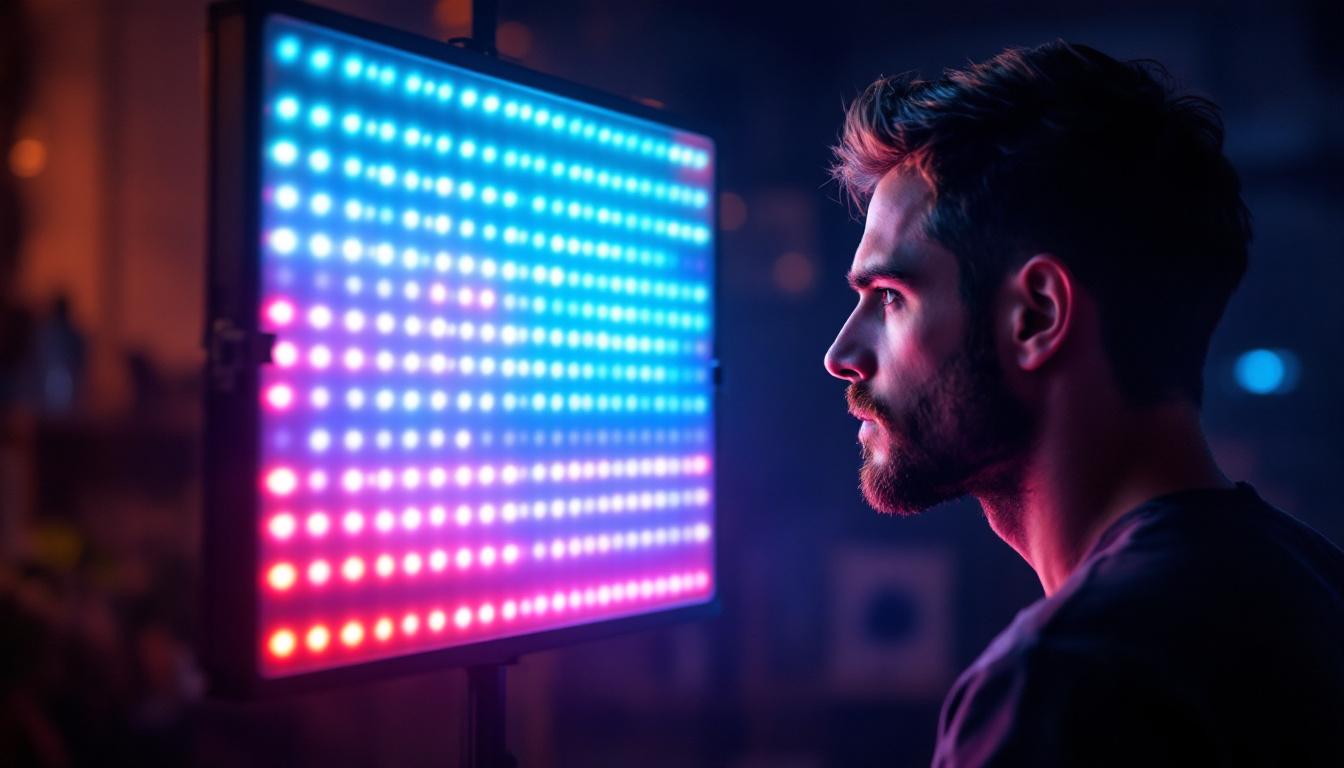
In the rapidly evolving world of visual technology, LED video light panels have become indispensable tools across multiple industries. From professional photography and videography to broadcasting and live events, these panels offer unparalleled control over lighting and image quality. This article delves into the fundamentals of LED video light panels, explaining their technology, applications, and the advantages they bring to modern visual production.
Understanding LED Video Light Panels
LED video light panels are specialized lighting devices that use light-emitting diodes (LEDs) arranged in a flat panel to produce bright, even illumination. Unlike traditional incandescent or fluorescent lights, LEDs are highly energy-efficient, durable, and capable of producing a broad spectrum of colors and intensities. This makes them an increasingly popular choice among videographers, photographers, and content creators who demand high-quality lighting solutions without the drawbacks of older technologies.
At their core, these panels serve as both a light source and a display surface, especially in applications where video content is integrated directly into the panel. This dual functionality is particularly relevant in large-scale LED displays used in events, advertising, and broadcasting. The ability to seamlessly blend lighting with visual content allows for innovative storytelling techniques, enhancing the overall viewer experience and creating immersive environments that captivate audiences.
How LED Technology Works in Light Panels
LEDs function by passing an electric current through semiconductor materials, which then emit light through electroluminescence. The color of the light depends on the semiconductor’s composition, allowing manufacturers to produce LEDs that emit nearly any color in the visible spectrum. This technological advancement has revolutionized the way lighting is approached in the film and photography industries, providing creators with tools that were previously unimaginable.
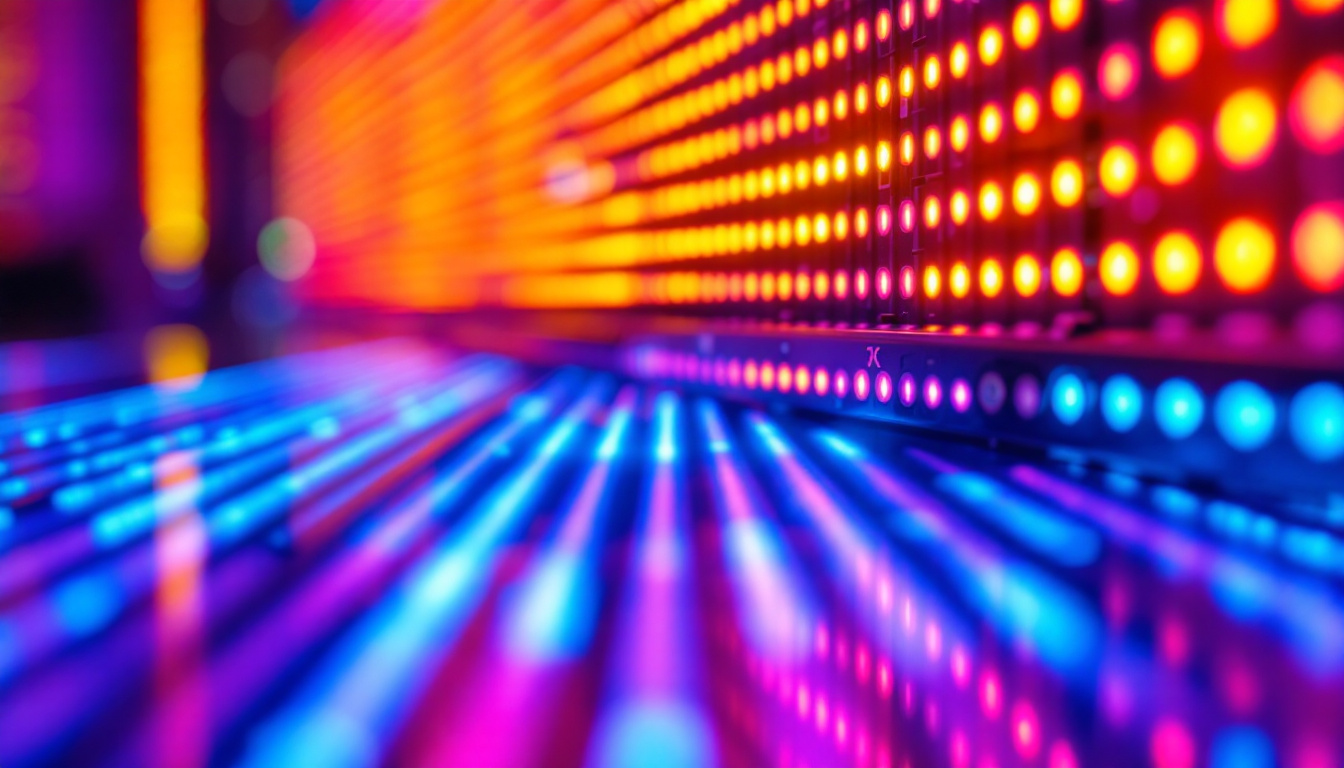
In video light panels, thousands of these LEDs are arranged in a grid, enabling precise control over brightness and color temperature. Advanced models incorporate dimming capabilities and color tuning, allowing users to customize lighting to suit specific environments or creative needs. Additionally, many panels now feature wireless control options, enabling users to adjust settings remotely, which is particularly useful in dynamic shooting situations where quick changes are necessary.
Types of LED Video Light Panels
LED video light panels come in various configurations, each tailored to different professional requirements:
- Bi-color Panels: These panels combine warm and cool white LEDs, allowing users to adjust color temperature between approximately 3200K and 5600K. This flexibility is essential for matching ambient lighting conditions. For instance, in a mixed lighting environment, bi-color panels can help achieve a cohesive look, ensuring that the subject is illuminated in a flattering manner without harsh shadows or color casts.
- RGB Panels: Featuring red, green, and blue LEDs, these panels can produce a full spectrum of colors, making them ideal for creative lighting effects and dynamic video production. With the ability to create vibrant hues and gradients, RGB panels are particularly favored in music videos, theatrical performances, and events where mood and atmosphere are paramount.
- High-CRI Panels: Panels with a high Color Rendering Index (CRI) of 90 or above accurately reproduce colors, which is critical in photography and film where true-to-life color representation is necessary. These panels are often used in product photography, fashion shoots, and any scenario where color fidelity is crucial to the final output.
Furthermore, many LED video light panels are designed with portability in mind, featuring lightweight materials and battery-operated options that make them ideal for on-location shoots. This adaptability allows professionals to maintain high-quality lighting standards regardless of the setting, whether it be a studio, outdoor event, or even a small indoor space. As technology continues to evolve, the integration of smart features such as app control, programmable scenes, and real-time adjustments will further enhance the versatility and functionality of LED video light panels, making them indispensable tools in modern visual storytelling.
Applications of LED Video Light Panels
The versatility of LED video light panels has led to widespread adoption across various fields. Understanding their applications helps clarify why they are considered essential in modern visual workflows.
Photography and Videography
Consistent, controllable lighting is a cornerstone of quality photography and videography. LED video light panels provide soft, even illumination that reduces harsh shadows and highlights, enhancing the subject’s appearance.
Professional photographers and filmmakers use these panels for portrait shoots, product photography, interviews, and cinematic lighting setups. The ability to adjust color temperature and brightness on the fly allows for seamless integration with natural or existing artificial light.
Broadcasting and Live Streaming
In broadcasting studios and live streaming environments, LED video light panels ensure subjects are well-lit, improving image clarity and viewer engagement. The panels’ low heat emission is particularly advantageous in confined studio spaces, maintaining comfort for on-air talent.
Moreover, LED panels with built-in dimming and color control facilitate quick adjustments during live productions, accommodating different scenes and moods without interrupting the broadcast.
Event Production and Stage Lighting
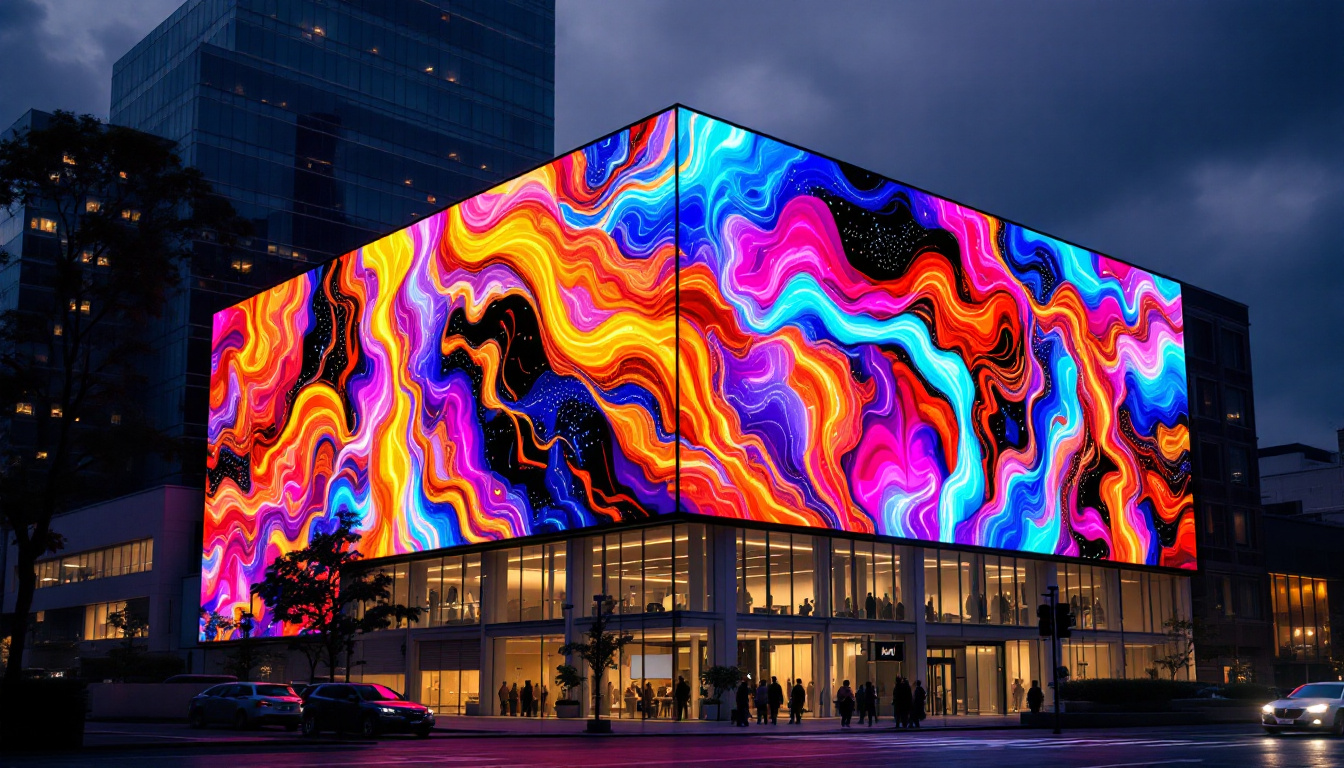
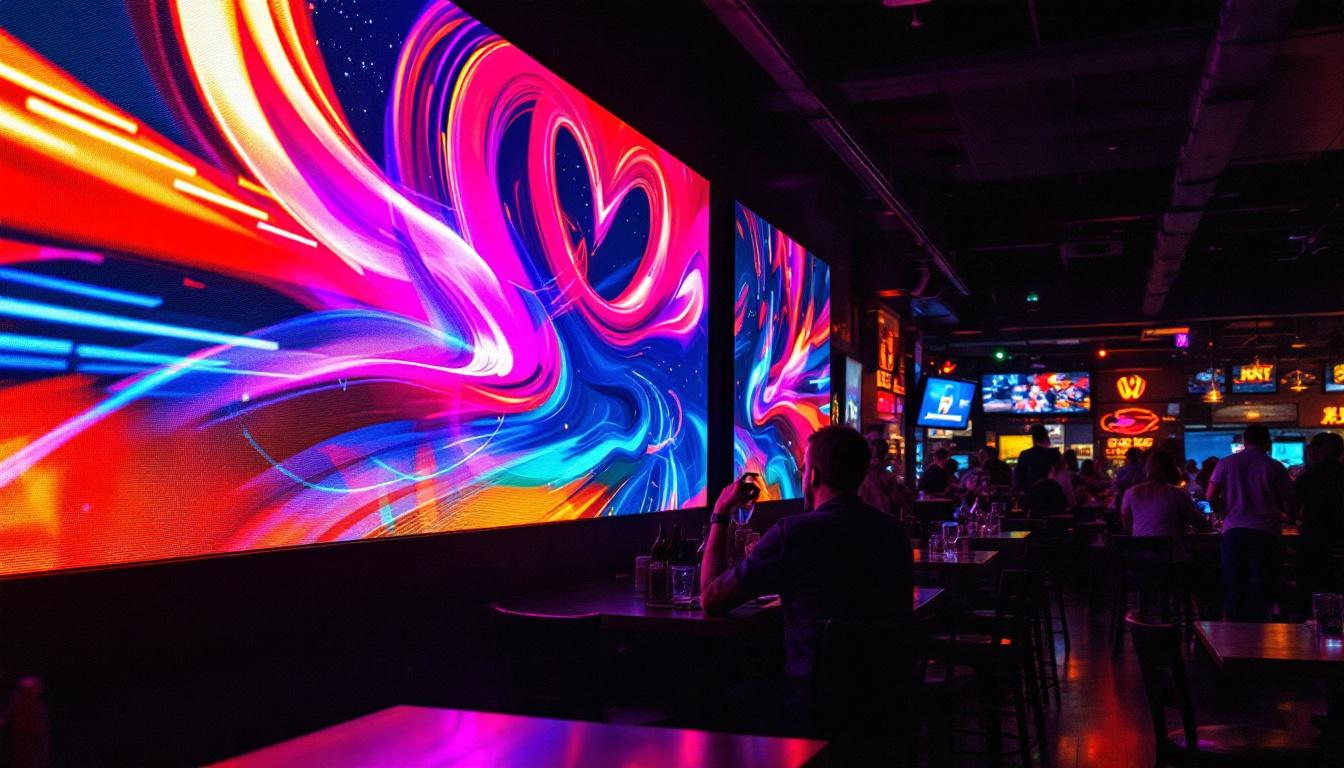
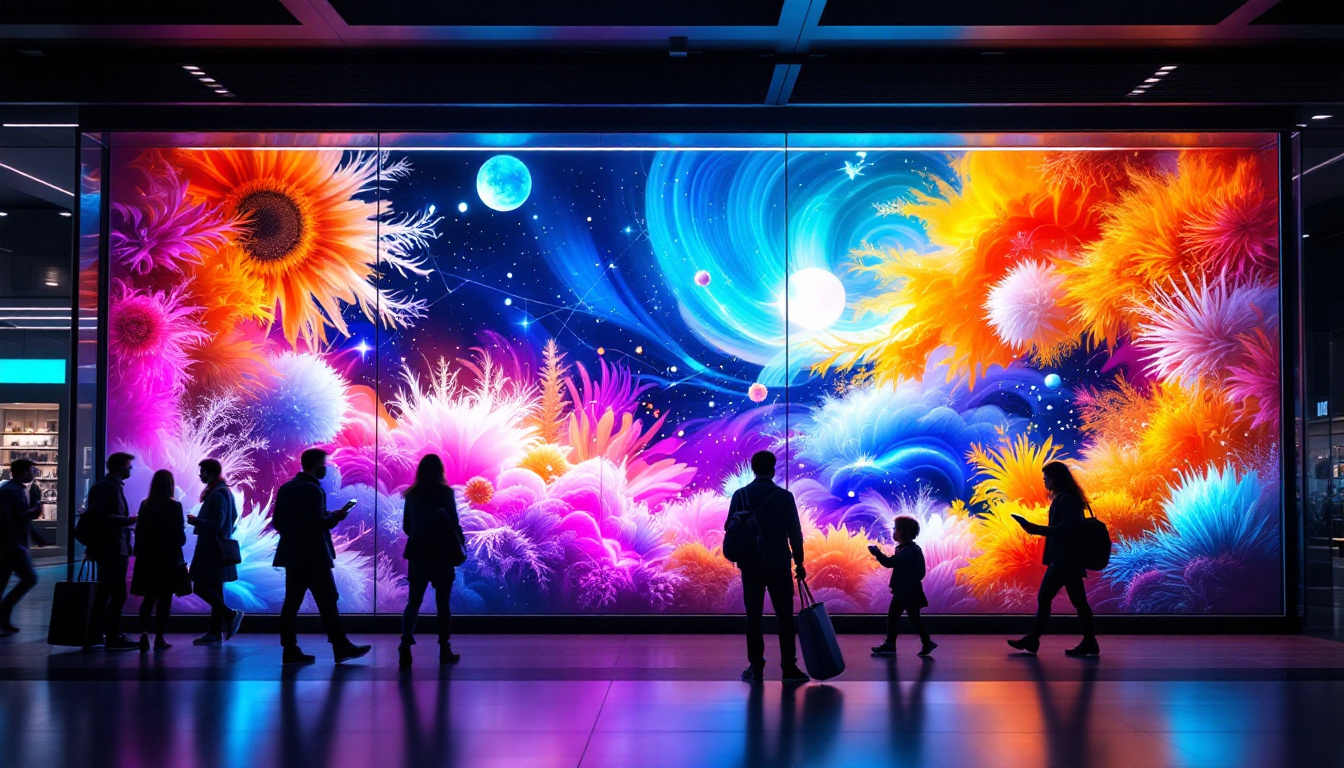
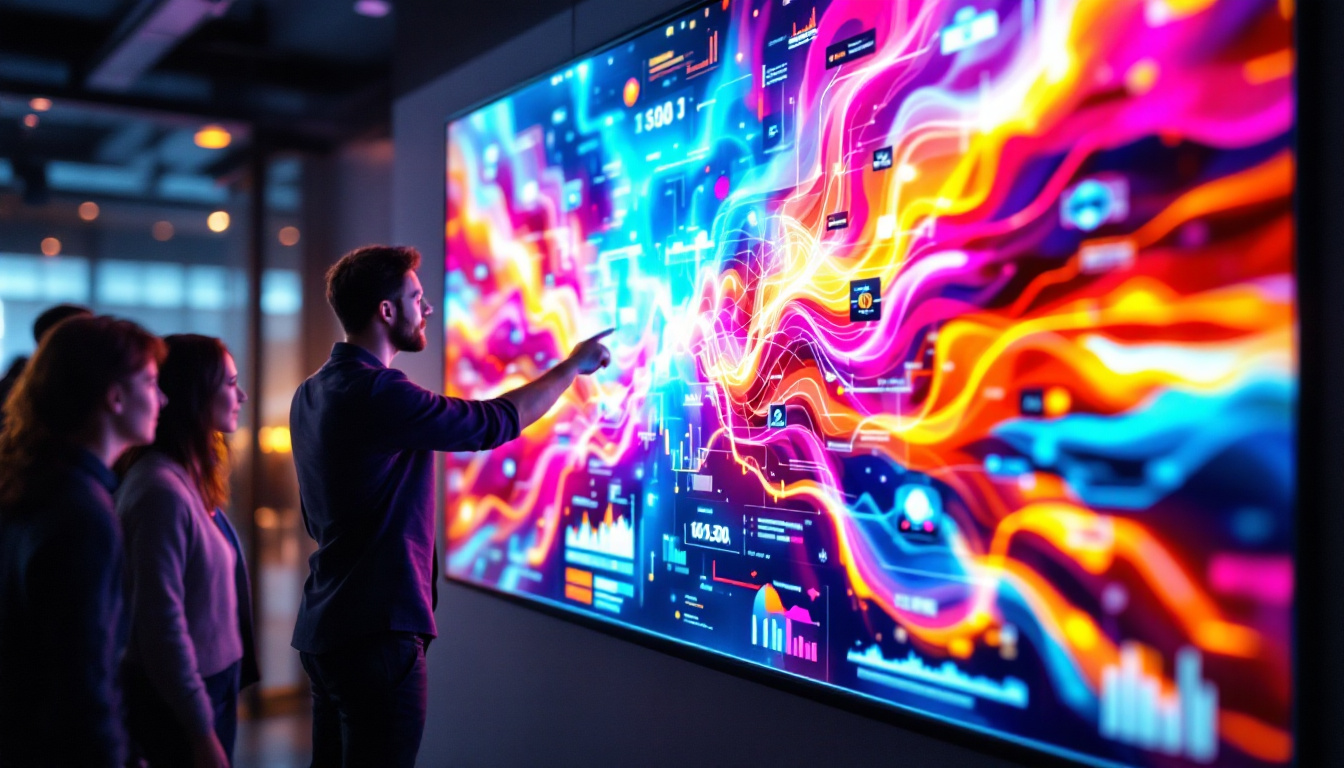
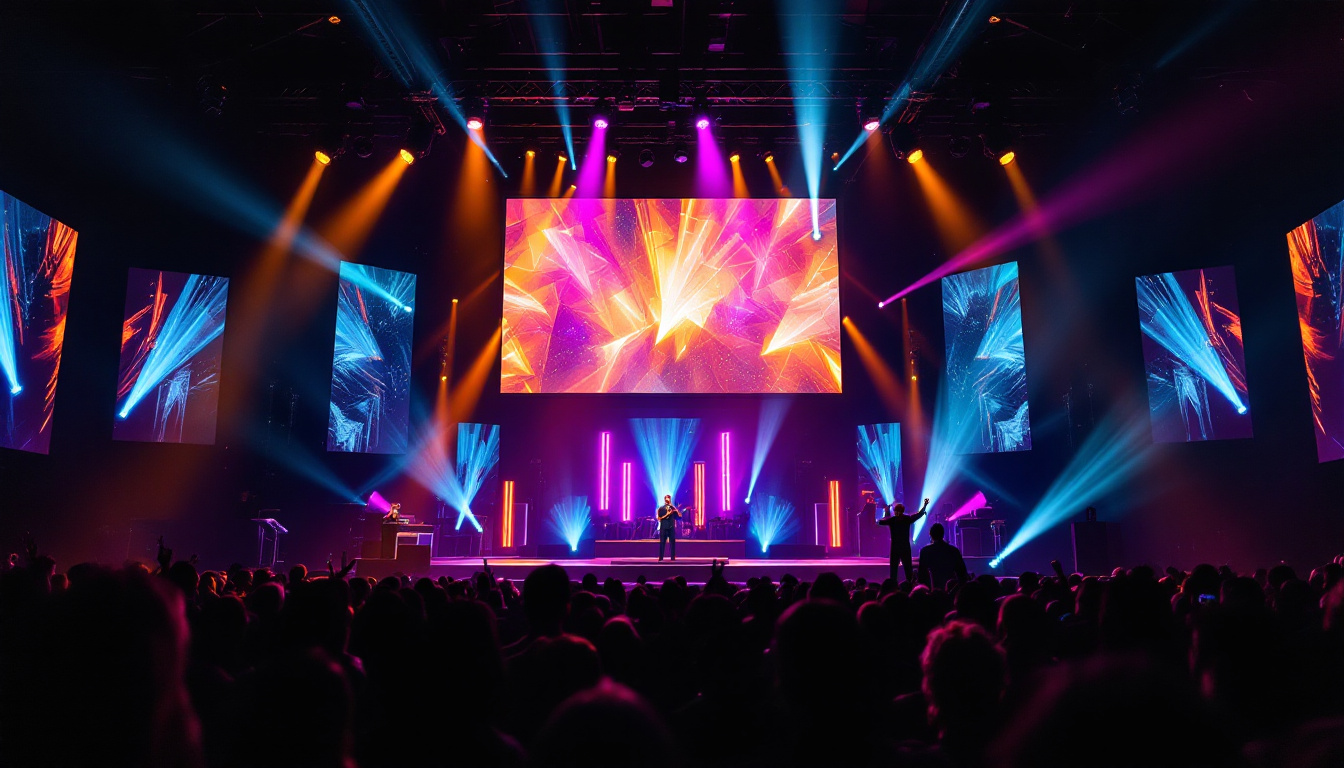
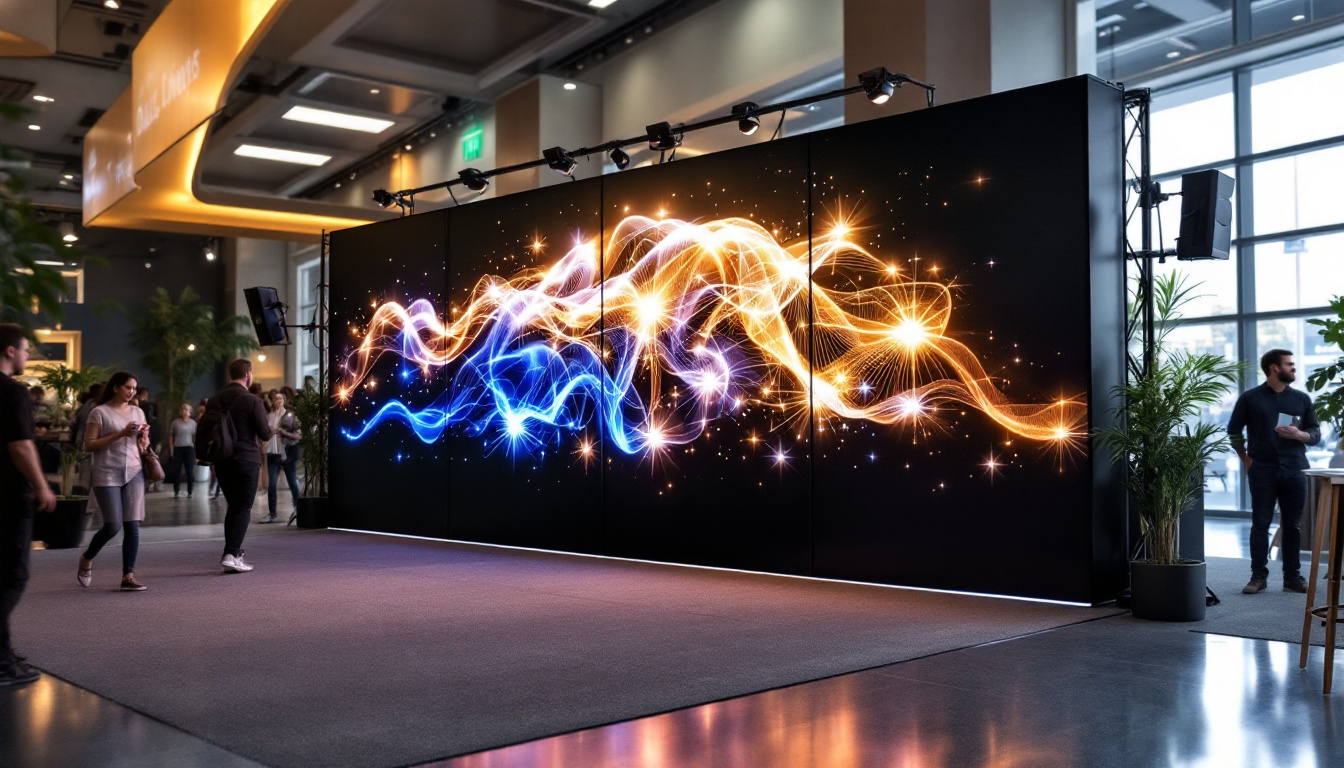
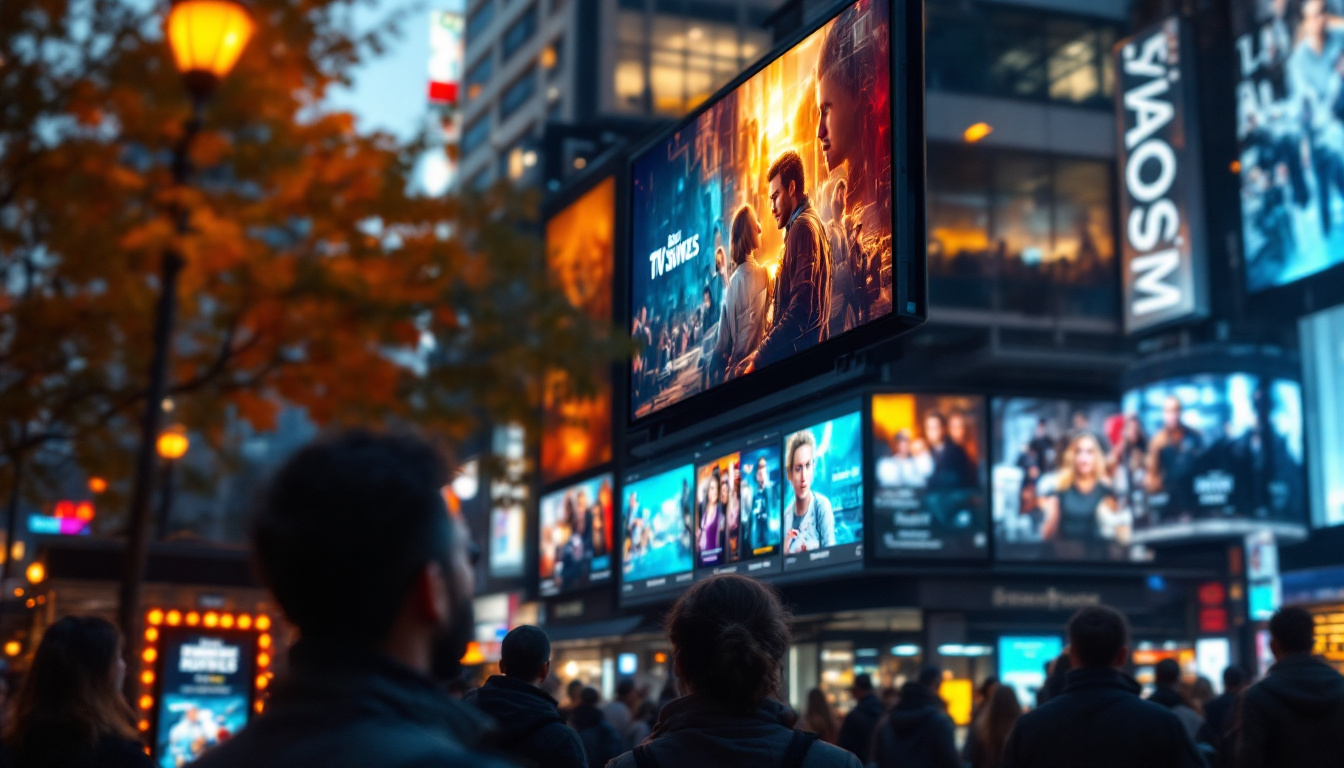
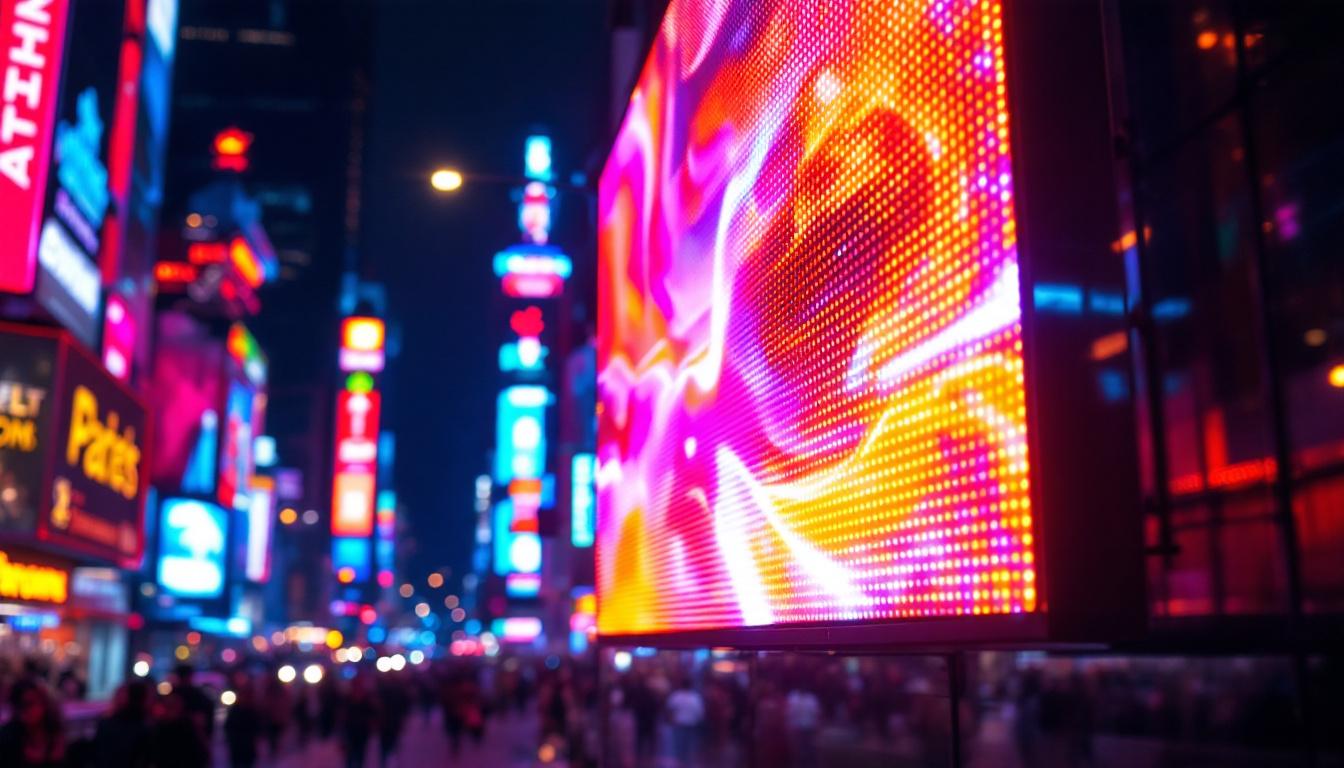
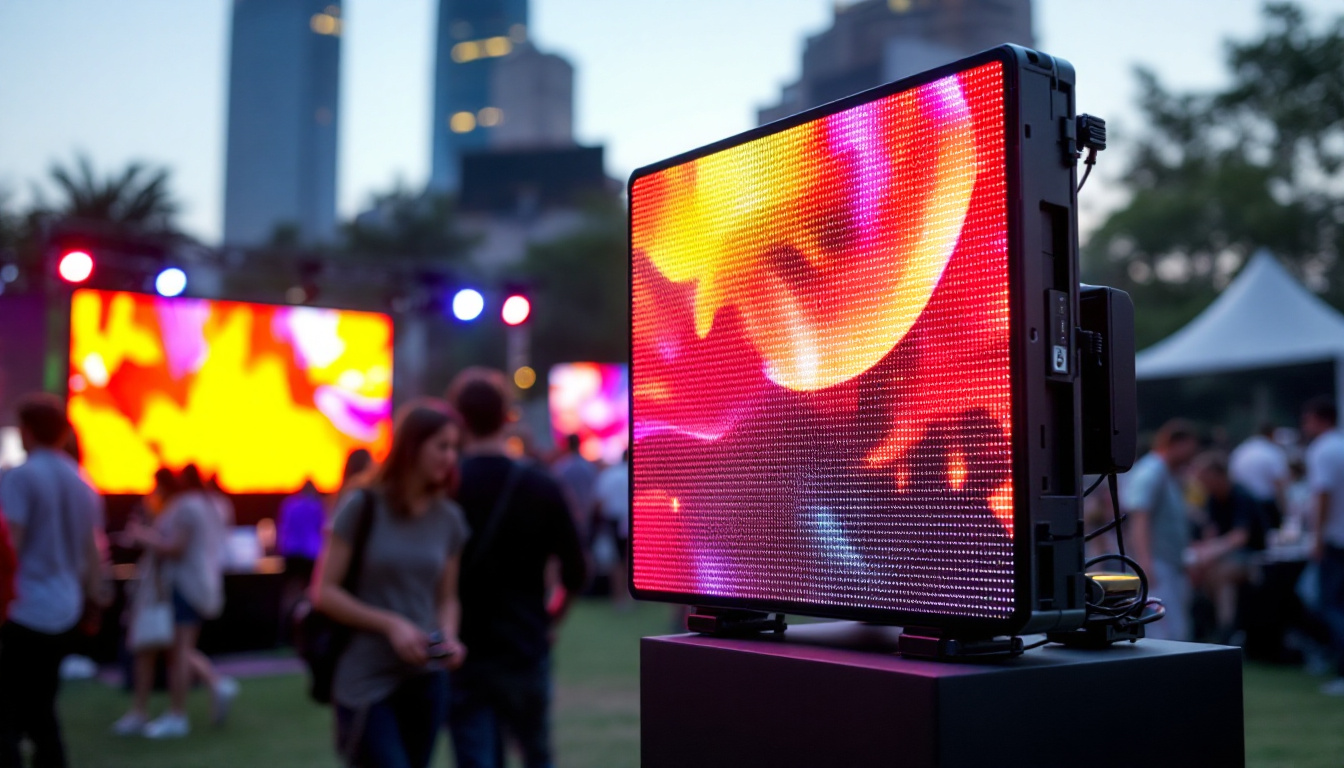
Large-scale LED video light panels are integral to event production, including concerts, conferences, and trade shows. These panels can function both as lighting sources and as dynamic video displays, projecting graphics, videos, and live feeds.
The scalability of LED panels allows for the creation of massive video walls that captivate audiences with vivid imagery and synchronized lighting effects, enhancing the overall event experience.
Advantages of LED Video Light Panels
The shift towards LED technology in video light panels is driven by numerous benefits that outperform traditional lighting solutions. These advantages contribute to improved production quality, cost savings, and environmental sustainability.
Energy Efficiency and Longevity
LEDs consume significantly less power compared to incandescent or fluorescent lights. According to the U.S. Department of Energy, LEDs use at least 75% less energy and last 25 times longer than traditional bulbs. This efficiency translates into lower operating costs and reduced environmental impact.
For production companies and studios operating multiple lights for extended periods, the energy savings can be substantial, making LED panels a financially sound investment.
Color Accuracy and Customization
High-quality LED panels offer superior color accuracy, essential for professional visual work where color fidelity is critical. The ability to adjust color temperature and hue allows creators to match lighting to specific scenes or artistic visions.
Some advanced panels also support programmable lighting effects, enabling dynamic color changes and patterns that enhance storytelling and visual appeal.
Portability and Ease of Use
Modern LED video light panels are designed to be lightweight and compact, facilitating easy transport and setup. This portability is invaluable for on-location shoots and live events where quick deployment is necessary.
Many panels feature user-friendly interfaces, wireless control options, and battery-powered operation, further enhancing their convenience and adaptability.
Technical Considerations When Choosing an LED Video Light Panel
Selecting the right LED video light panel involves evaluating several technical factors to ensure it meets specific production needs.
Brightness and Output
Brightness is measured in lumens or lux, with higher values indicating more intense light output. For studio work, panels offering adjustable brightness up to 10,000 lux at one meter are common, providing sufficient illumination for various scenarios.
It is important to consider the environment where the panel will be used; outdoor shoots may require higher brightness levels to compete with sunlight, while indoor setups may benefit from softer lighting.
Color Rendering Index (CRI) and TLCI
CRI measures how accurately a light source reveals colors compared to natural light, with values above 90 considered excellent for professional use. The Television Lighting Consistency Index (TLCI) is another metric tailored for broadcast applications, ensuring colors appear natural on camera.
Choosing panels with high CRI and TLCI ratings ensures that subjects are rendered with true-to-life colors, reducing post-production correction efforts.
Beam Angle and Diffusion
The beam angle defines the spread of light emitted by the panel. Wider angles (above 120 degrees) produce soft, even lighting ideal for portraits and interviews, while narrower angles focus light for dramatic effects.
Many LED panels include diffusion filters or built-in diffusers to soften light, minimizing harsh shadows and creating a more flattering illumination.
Control Options and Connectivity
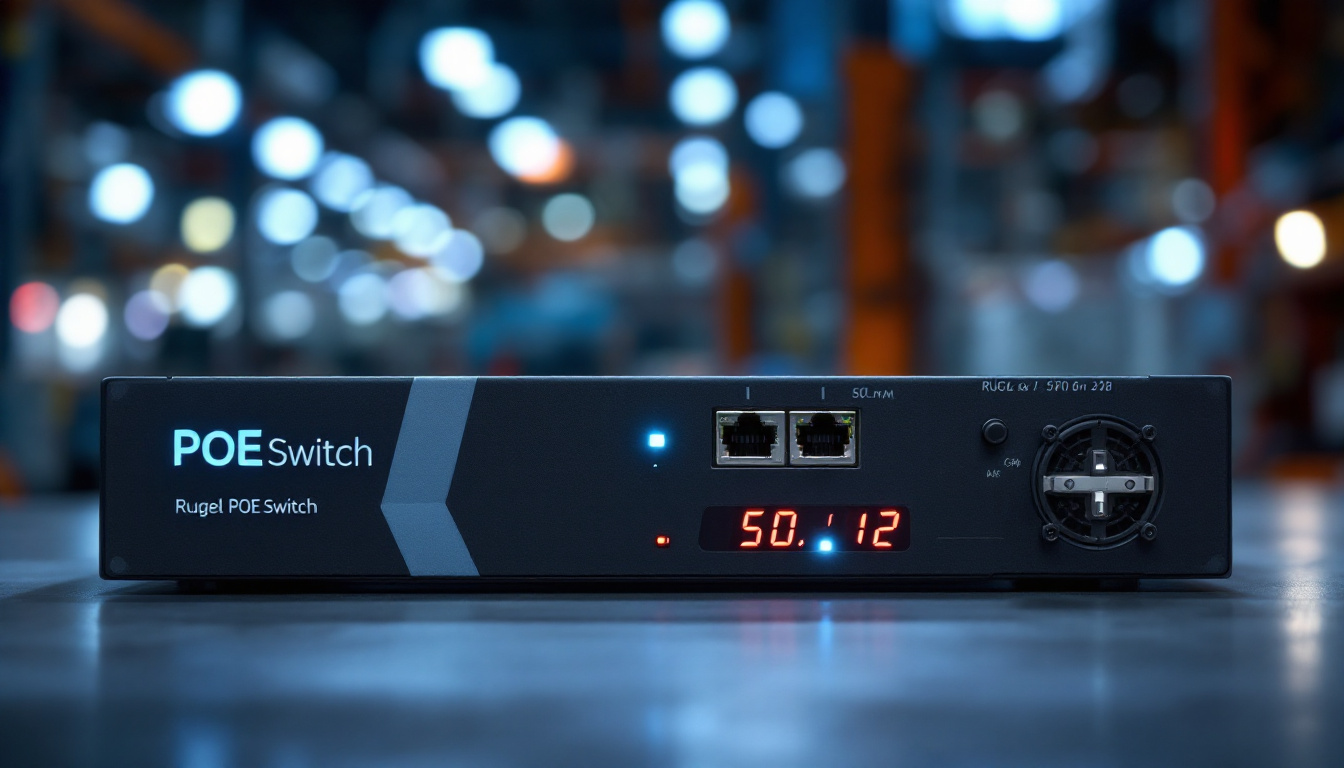
Modern LED video light panels often come with multiple control interfaces, including onboard controls, remote controls, and smartphone apps. Wireless connectivity via Bluetooth or Wi-Fi allows for seamless integration into complex lighting setups.
Some panels also support DMX control, a standard protocol in professional stage lighting, enabling synchronized operation with other lighting equipment.
Future Trends in LED Video Light Panels
The LED lighting industry continues to innovate, with emerging trends promising to enhance the capabilities and applications of video light panels.
Micro-LED and Mini-LED Technologies
Micro-LED and mini-LED technologies offer higher pixel densities and improved brightness compared to conventional LEDs. These advancements enable thinner, more flexible panels with superior image quality, expanding possibilities for integrated video and lighting solutions.
Smart Lighting and AI Integration
Integration of artificial intelligence and smart control systems is making LED video light panels more intuitive. Features such as automatic color temperature adjustment based on ambient light and scene recognition are becoming more common, simplifying operation and improving results.
Sustainability and Eco-Friendly Design
As environmental concerns grow, manufacturers are focusing on sustainable materials and energy-efficient designs. Recyclable components, reduced hazardous substances, and improved energy management are key areas of development.
Conclusion
LED video light panels represent a significant advancement in lighting technology, offering unmatched flexibility, efficiency, and quality. Their widespread adoption across photography, videography, broadcasting, and event production underscores their value in delivering professional-grade illumination and dynamic visual displays.
Understanding the technology behind these panels, their applications, and the factors influencing their performance enables professionals to make informed decisions that enhance their creative work. As LED technology continues to evolve, these panels will remain at the forefront of visual innovation, shaping the future of lighting and display solutions.
Explore Cutting-Edge LED Solutions with LumenMatrix
Ready to elevate your visual projects with the latest in LED technology? Discover LumenMatrix’s innovative LED display solutions, designed to bring your creative vision to life with unparalleled brightness, clarity, and versatility. Whether you’re looking to captivate an audience with an Indoor LED Wall Display, make a statement with a Vehicle LED Display, or create a unique atmosphere with a Custom LED Display, LumenMatrix has the tools you need to communicate with impact. Check out LumenMatrix LED Display Solutions and join the revolution in visual storytelling.