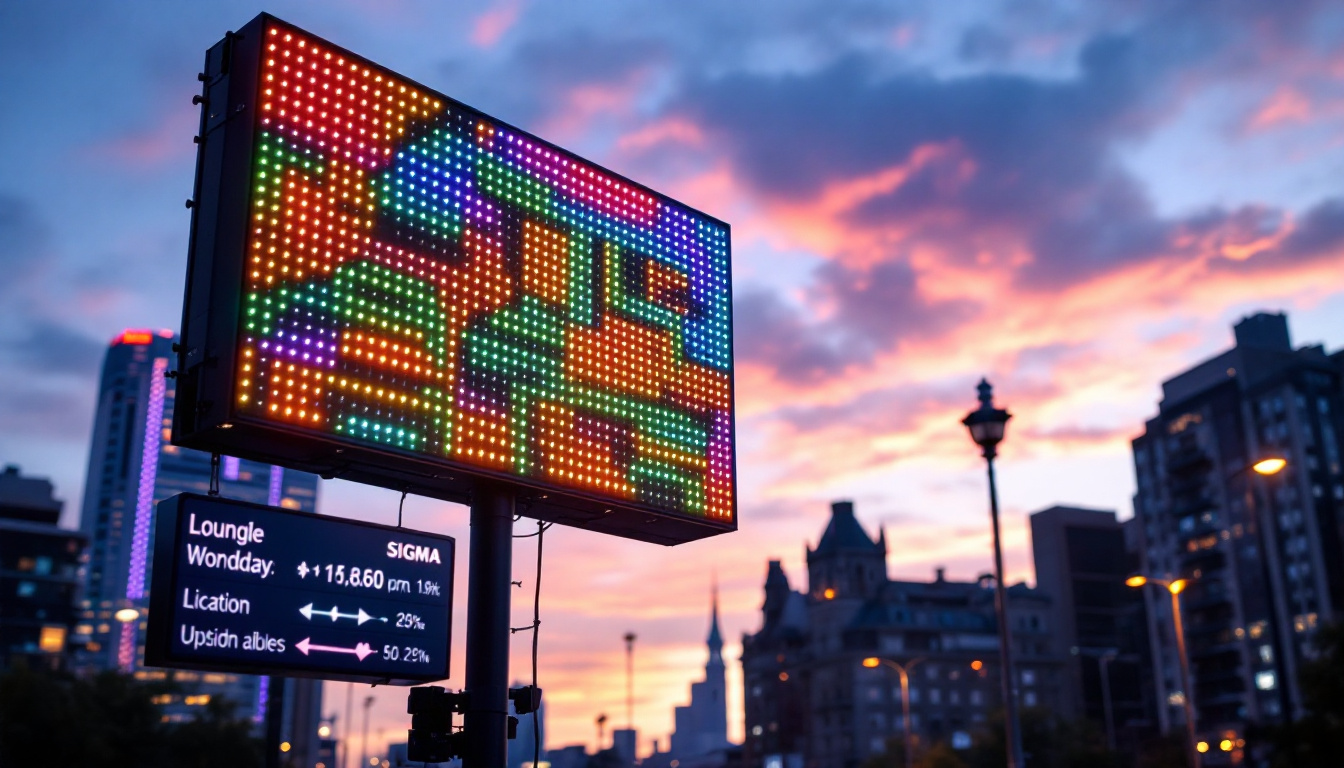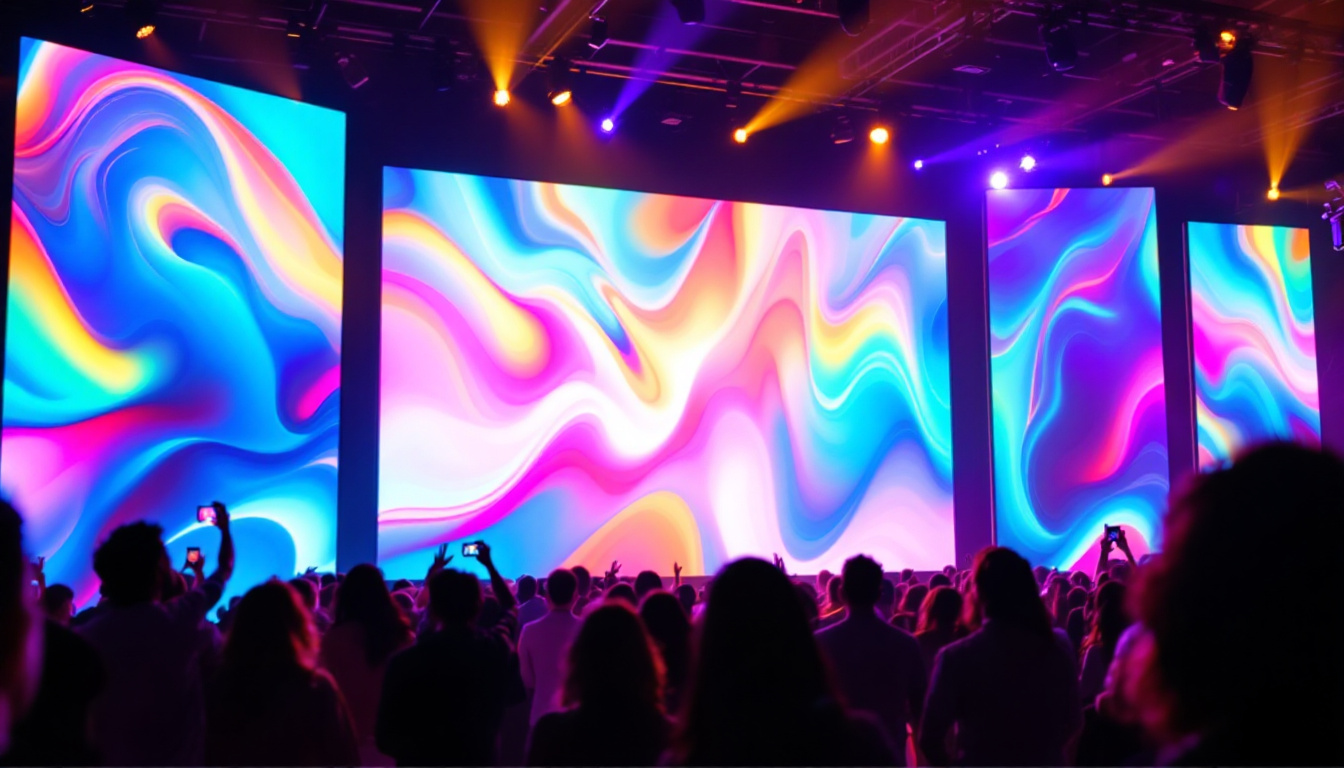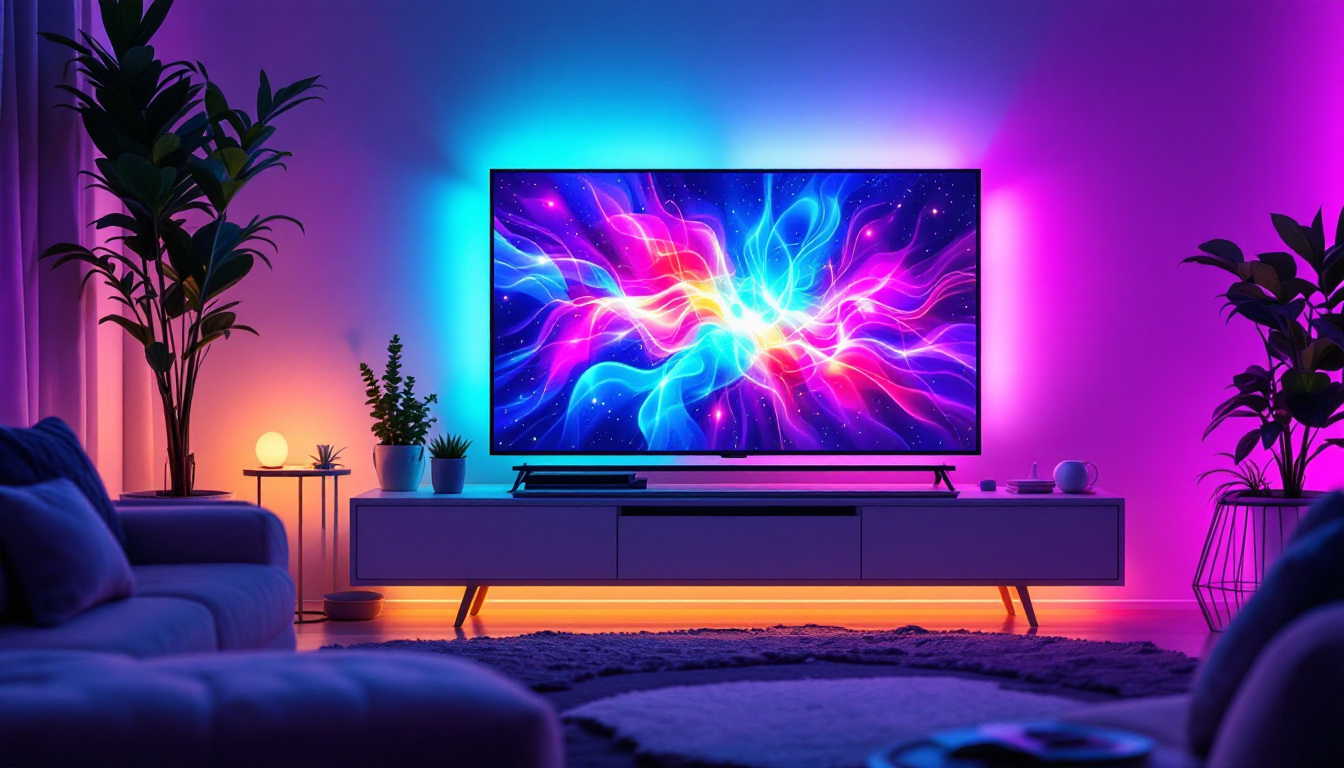
In an era where visual communication dominates, LED video screens have become indispensable across industries. From advertising billboards to live event backdrops, these vibrant displays captivate audiences with their brightness, clarity, and versatility. But what exactly is an LED video screen, and how does it work? This comprehensive article unpacks the technology behind LED displays, explores their applications, and highlights the latest trends shaping their future.
Understanding LED Video Screen Technology
At its core, an LED video screen is a display device composed of numerous light-emitting diodes (LEDs) arranged in a matrix to form images and videos. Unlike traditional LCD or plasma screens, LED displays use tiny semiconductor light sources that emit light when an electric current passes through them.
How Do LED Displays Work?
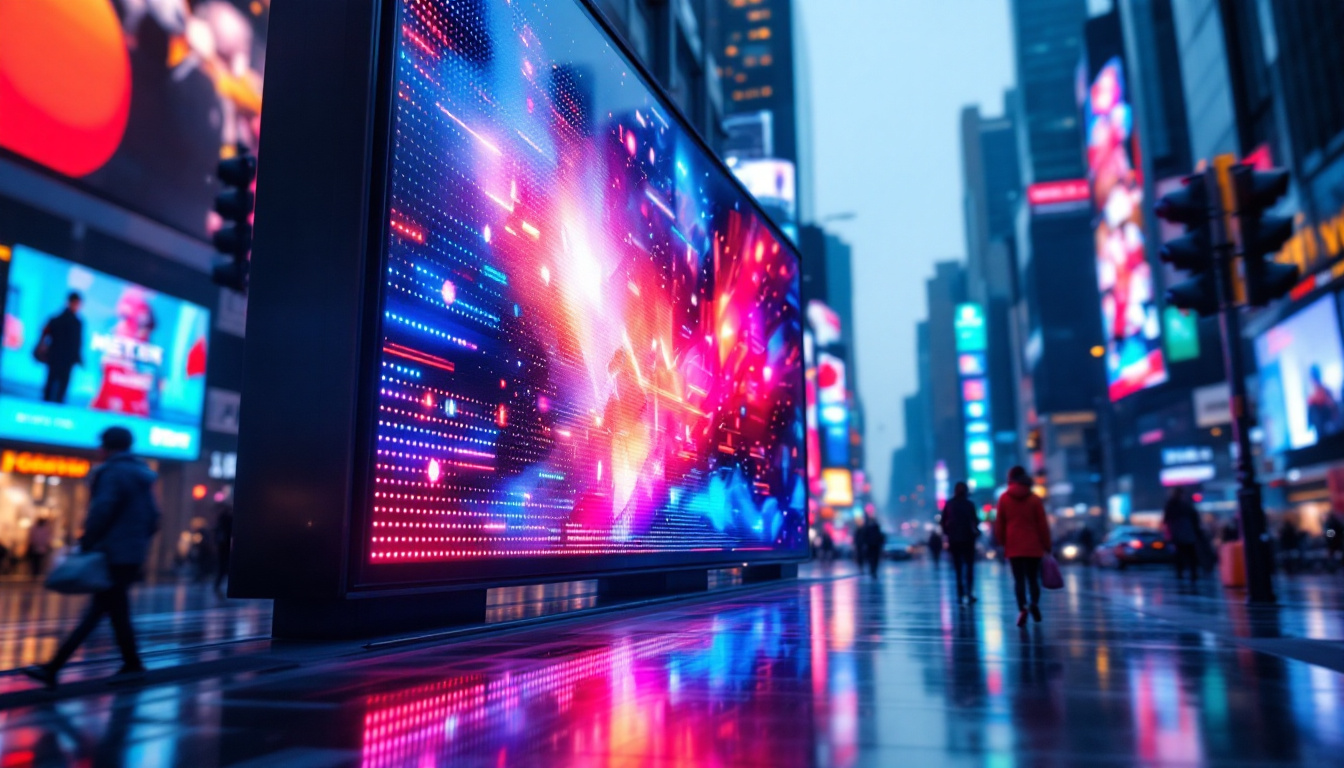
Each LED in the screen acts as a pixel or part of a pixel. By controlling the intensity and color of individual LEDs, the screen can render detailed images and videos. Modern LED displays typically use red, green, and blue LEDs combined to create a full spectrum of colors through additive color mixing.
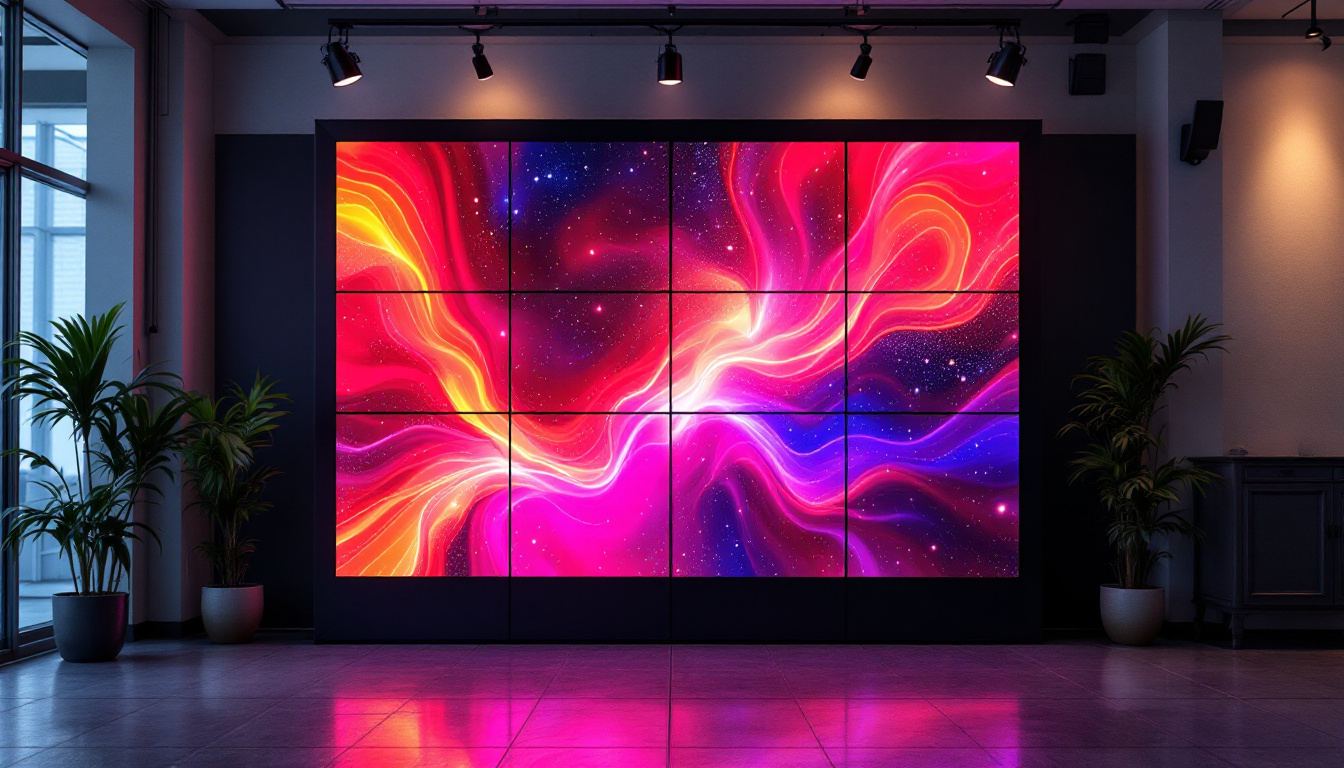
The display is divided into modules or panels, which are tiled together to form larger screens. These modules contain thousands of LEDs, each controlled by a driver circuit that adjusts brightness and color in real-time based on the input signal. This modular design not only allows for seamless scaling to various sizes but also facilitates easier repairs and maintenance, as individual panels can be replaced without needing to take down the entire display.
Types of LED Displays
LED video screens come in several varieties, primarily distinguished by their pixel pitch—the distance between the centers of two adjacent LEDs. Pixel pitch directly impacts resolution and viewing distance:
- Indoor LED Displays: Featuring smaller pixel pitches (often between 1mm and 4mm), these screens deliver high resolution and are designed for close viewing distances, such as in retail stores, conference rooms, or broadcast studios.
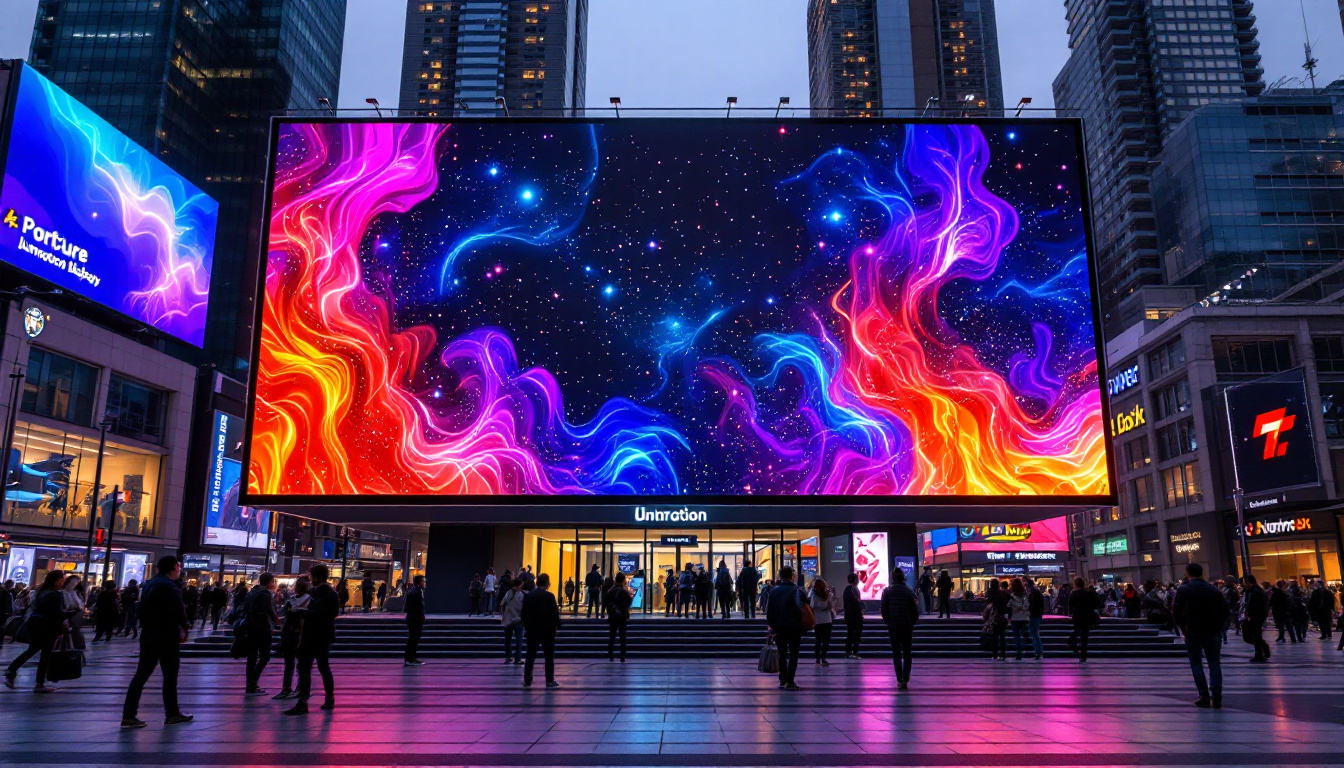
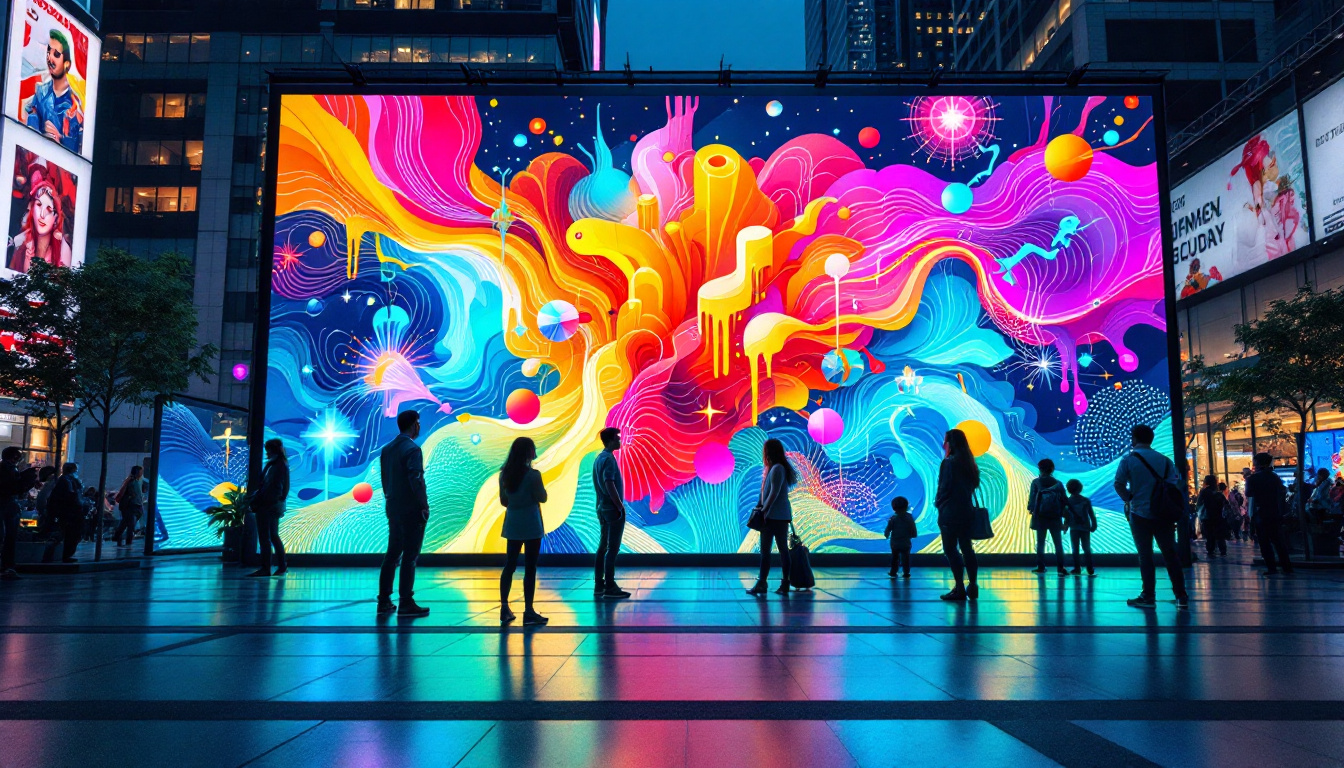
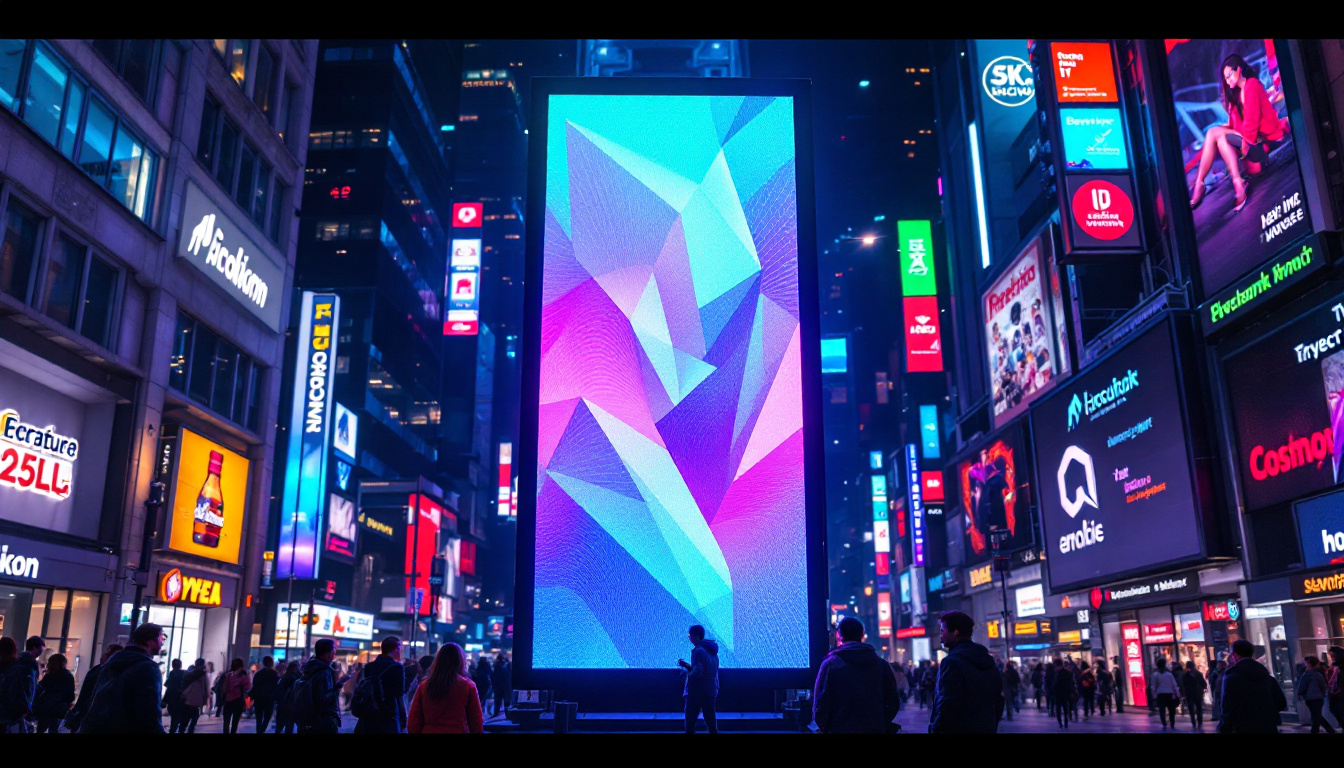
- Outdoor LED Displays: With larger pixel pitches (typically 6mm to 20mm or more), outdoor screens prioritize brightness and durability to withstand sunlight and weather conditions. These are commonly used for billboards, stadium screens, and public information displays.
- Transparent LED Displays: These innovative screens use see-through panels embedded with LEDs, allowing natural light to pass through while displaying dynamic content. They are popular in retail windows and architectural installations.
Key Technical Specifications
When evaluating LED video screens, several technical factors influence performance and suitability:
- Brightness: Measured in nits (cd/m²), brightness levels for indoor screens typically range from 800 to 1,500 nits, while outdoor screens can exceed 5,000 nits to remain visible in direct sunlight.
- Refresh Rate: The number of times the image updates per second, usually 1,920 Hz or higher, is critical for smooth video playback and reducing flicker, especially for broadcast applications.
- Contrast Ratio: The difference between the darkest black and brightest white the screen can display, influencing image depth and clarity.
- Viewing Angle: The maximum angle at which the screen can be viewed without significant color or brightness degradation, often exceeding 140 degrees horizontally and vertically.
Furthermore, advancements in LED technology have led to the development of features such as HDR (High Dynamic Range), which enhances the color and contrast of the images displayed, making them more vibrant and lifelike. This is particularly beneficial in environments where visual impact is crucial, such as concerts, sporting events, and advertising. Additionally, many modern LED screens now incorporate smart technology, allowing for remote management and content updates, which streamlines operations for businesses and event organizers alike.
Another exciting trend in LED technology is the integration of interactive capabilities. Touch-sensitive LED displays are becoming increasingly popular in educational settings and retail environments, enabling users to engage with content in a more immersive way. This interactivity not only enhances user experience but also provides valuable data on customer engagement and preferences, allowing businesses to tailor their offerings more effectively. As technology continues to evolve, the potential applications for LED video screens seem limitless, paving the way for even more innovative uses in various industries.
Applications of LED Video Screens Across Industries
LED video screens have transformed how information and entertainment are delivered, offering dynamic and eye-catching visual experiences. Their flexibility and scalability make them suitable for a wide range of applications.
Advertising and Digital Signage
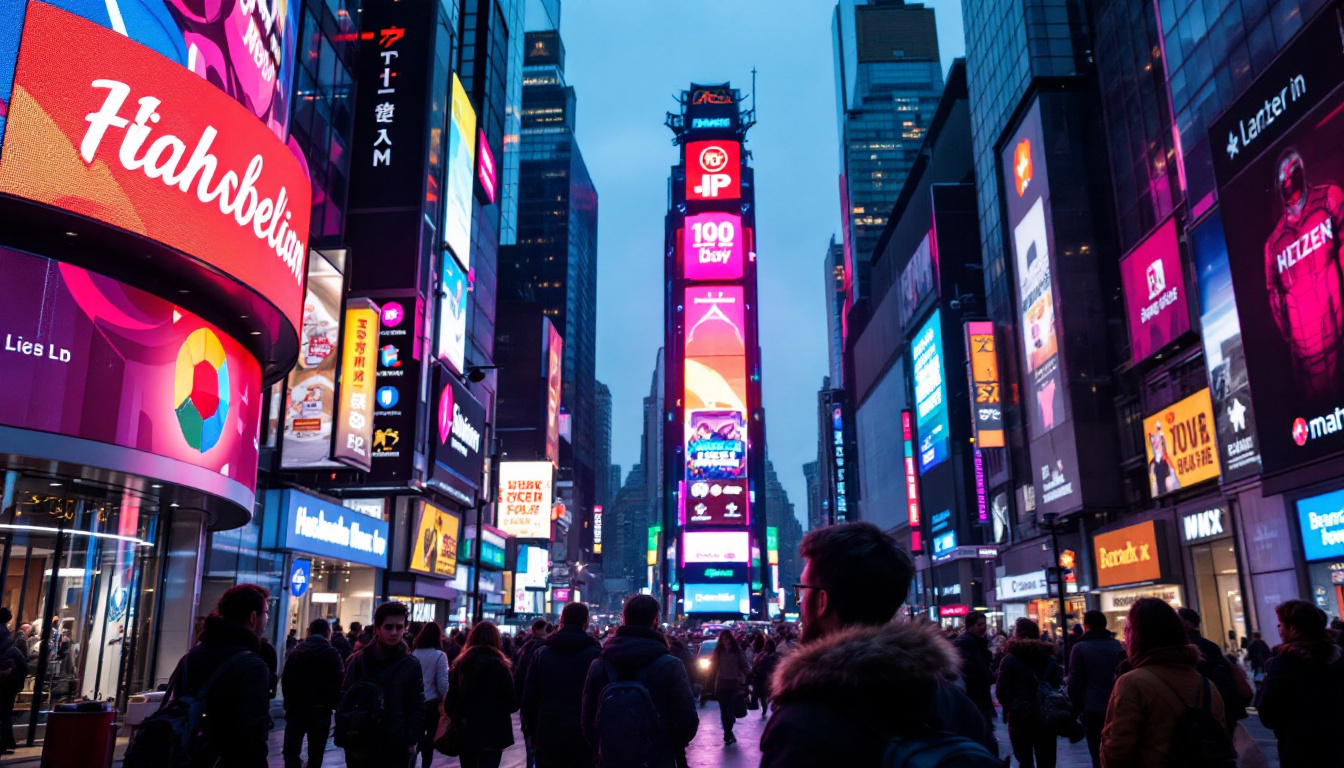
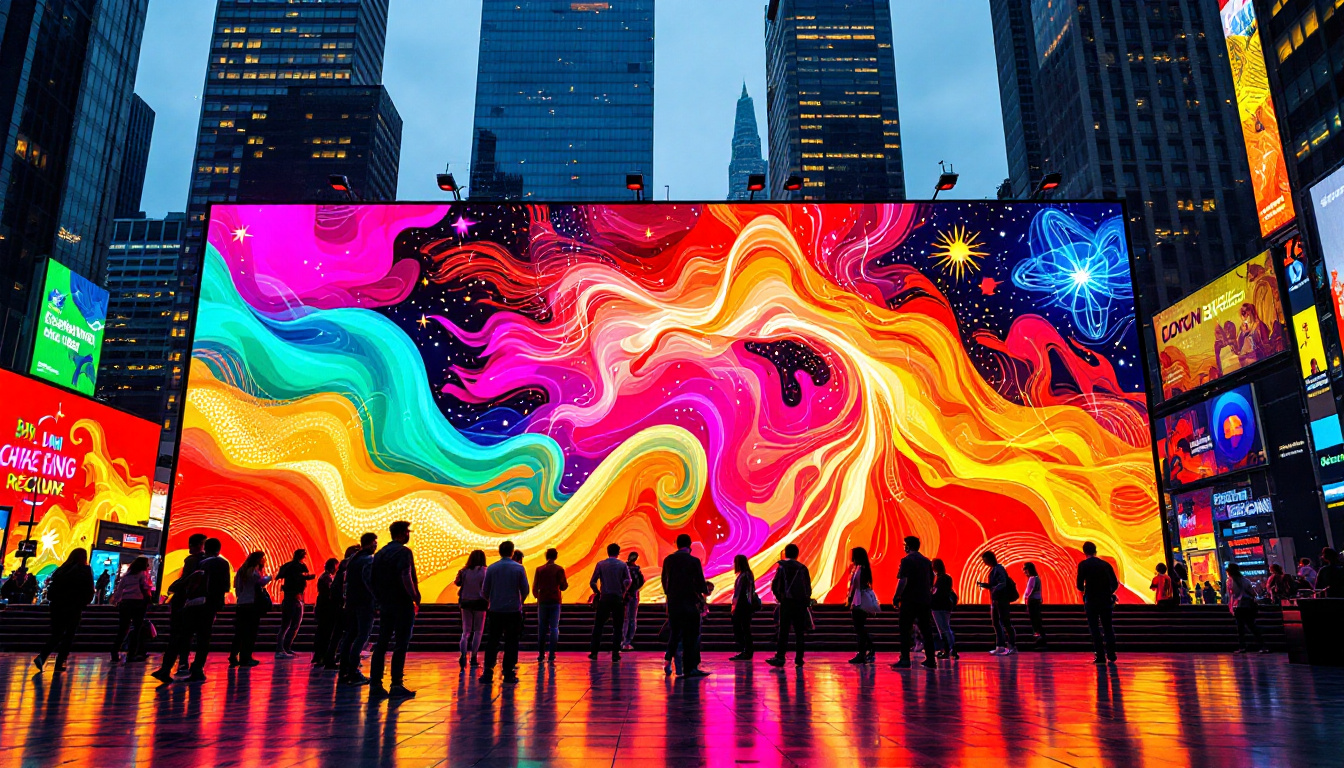
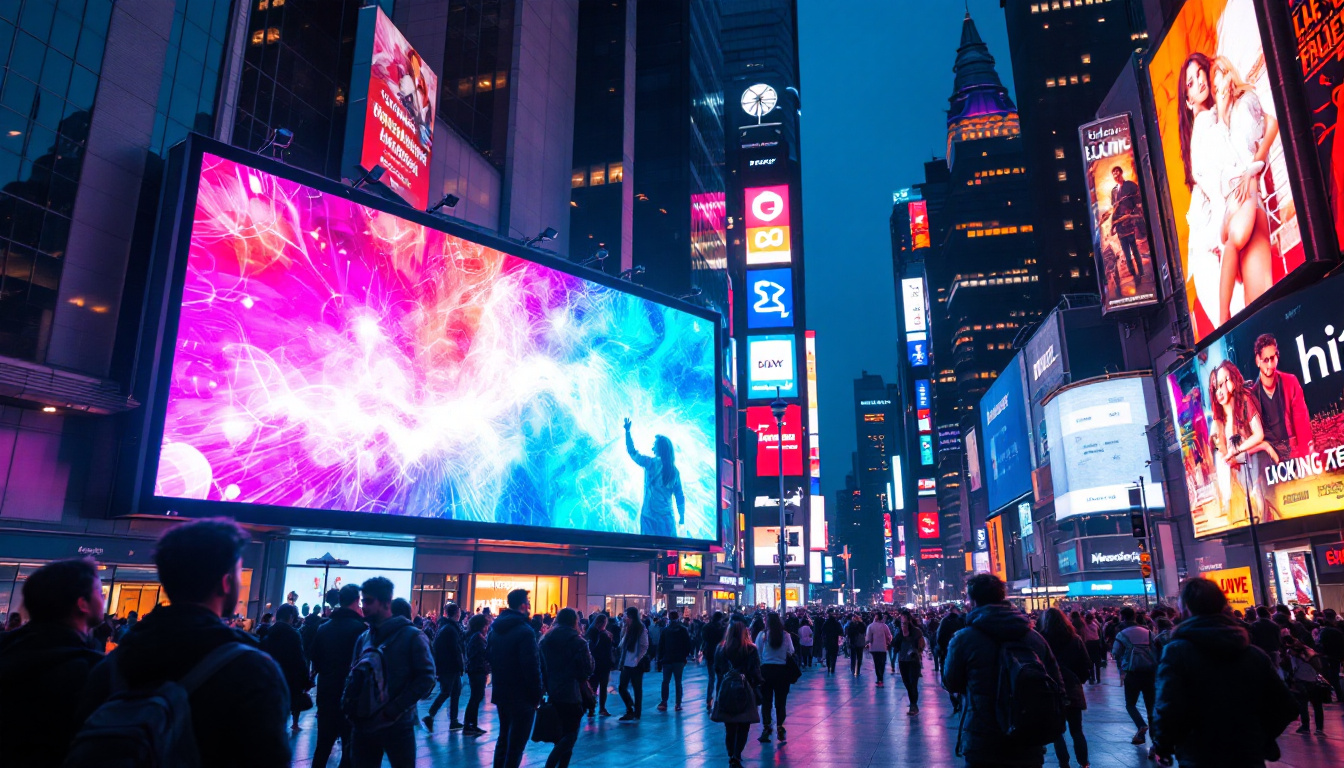
One of the most prominent uses of LED video screens is in outdoor advertising. Digital billboards equipped with LED displays allow advertisers to rotate multiple ads, update content remotely, and even incorporate interactive elements. According to the Outdoor Advertising Association of America, digital billboard revenue in the U.S. surpassed $4 billion in 2023, reflecting the growing dominance of LED technology in this space.
Indoor digital signage in shopping malls, airports, and transit stations leverages LED screens for wayfinding, promotions, and real-time information, enhancing customer engagement and operational efficiency.
Entertainment and Events
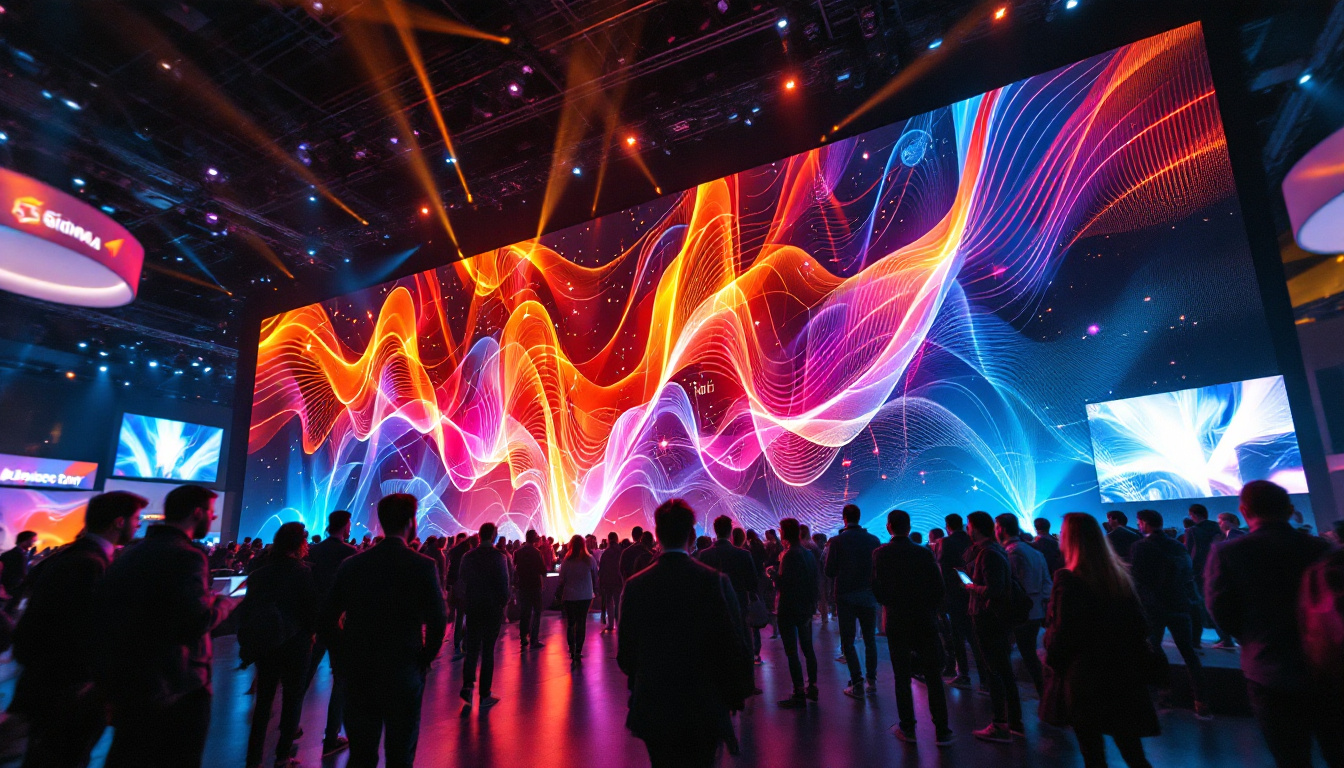
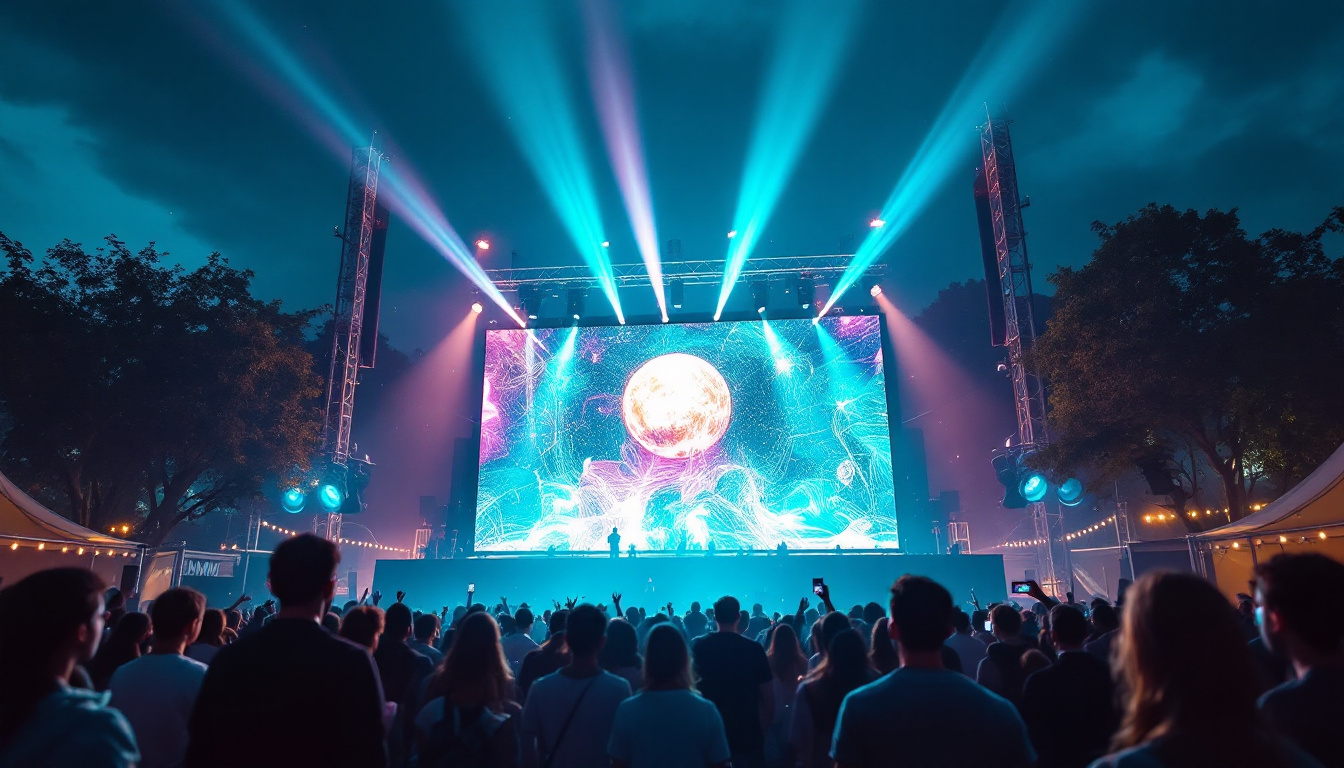
Concerts, sports arenas, and festivals rely heavily on large LED video walls to provide immersive experiences. These screens display live feeds, graphics, and special effects visible to thousands of attendees. The ability to create seamless, ultra-large displays by combining multiple LED modules is a game-changer for event production.
For example, the Super Bowl halftime shows and major music festivals regularly deploy massive LED screens that deliver vivid visuals even under challenging lighting conditions.
Corporate and Educational Use
In corporate environments, LED video walls serve as central communication hubs in lobbies, boardrooms, and control centers. They enable high-resolution presentations, video conferencing, and data visualization, facilitating better decision-making and collaboration.
Educational institutions are adopting LED displays for lecture halls and auditoriums, enhancing learning experiences with clear, bright visuals that engage students more effectively than traditional projectors.
Transportation and Public Information
LED screens are increasingly utilized in airports, train stations, and bus terminals to provide real-time updates, schedules, and emergency alerts. Their high visibility and reliability make them ideal for critical information dissemination.
Advantages of LED Video Screens Over Other Display Technologies
LED video screens offer several distinct benefits that have driven their widespread adoption.
Superior Brightness and Visibility
LEDs emit their own light, enabling exceptional brightness levels that outperform LCD and projection-based displays. This self-illumination ensures content remains clear and vibrant even in direct sunlight or well-lit environments.
Energy Efficiency and Longevity
Compared to traditional lighting and display technologies, LEDs consume less power and generate less heat. This energy efficiency translates into lower operating costs. Additionally, LED displays typically have a lifespan exceeding 100,000 hours, reducing maintenance and replacement frequency.
Scalability and Flexibility
LED video screens can be customized to virtually any size and shape by assembling modular panels. This flexibility allows for creative installations, from curved walls to irregular surfaces, accommodating diverse design requirements.
Durability and Weather Resistance
Outdoor LED displays are engineered to withstand harsh environmental conditions, including rain, wind, and temperature extremes. Their robust construction ensures reliable performance in demanding settings.
High Refresh Rates and Color Accuracy
Modern LED screens support high refresh rates, minimizing flicker and motion blur, which is essential for broadcasting and live events. Advances in LED chip technology also deliver improved color accuracy and uniformity.
Emerging Trends and Innovations in LED Display Technology
The LED display industry continues to evolve rapidly, driven by advancements in materials, manufacturing, and digital integration.
MicroLED and MiniLED Technologies
MicroLED displays, which use microscopic LEDs as individual pixels, promise even higher resolution, brightness, and contrast than conventional LED screens. Though still emerging, MicroLED technology is poised to revolutionize consumer electronics and large-format displays alike.
MiniLED, a more immediate innovation, employs smaller LEDs to enhance backlighting in LCD panels, resulting in better contrast and color performance. This hybrid approach is already gaining traction in premium TVs and monitors.
Flexible and Transparent LED Displays
Flexible LED screens that can bend and fold open new possibilities for wearable technology, curved architectural installations, and portable displays. Meanwhile, transparent LED panels enable unique applications in retail and advertising, blending digital content with physical environments.
Integration with IoT and AI
Smart LED displays connected to the Internet of Things (IoT) can dynamically adapt content based on audience demographics, weather conditions, or time of day. Artificial intelligence algorithms optimize content delivery and maintenance, enhancing user engagement and operational efficiency.
Energy Harvesting and Sustainability
With increasing focus on sustainability, manufacturers are exploring LEDs powered by renewable energy sources and incorporating recyclable materials. Innovations in energy harvesting aim to create self-sustaining displays, reducing environmental impact.
Choosing the Right LED Video Screen for Your Needs
Selecting an LED video screen involves balancing technical specifications, budget, and intended use. Understanding key considerations ensures the investment delivers maximum value.
Assess Viewing Environment and Distance
Determine whether the screen will be used indoors or outdoors, the typical ambient lighting conditions, and the average viewing distance. Smaller pixel pitches suit close-range viewing, while larger pitches are adequate for distant audiences.
Resolution and Screen Size
Higher resolution screens provide sharper images but come at increased cost. Consider the content type—text-heavy information requires higher resolution than simple graphics or video.
Brightness and Weatherproofing
Outdoor installations demand high brightness and robust weatherproof ratings (IP65 or higher) to ensure visibility and durability. Indoor screens can prioritize color accuracy and contrast.
Installation and Maintenance
Evaluate the ease of installation, modularity for future upgrades, and accessibility for maintenance. Some LED screens offer front-serviceable modules, simplifying repairs in tight spaces.
Budget and Total Cost of Ownership
Beyond initial purchase price, factor in installation, power consumption, maintenance, and potential content management software costs. Investing in quality upfront can reduce long-term expenses.
Conclusion
LED video screens have revolutionized visual communication by delivering bright, dynamic, and scalable displays across countless applications. Understanding the technology, benefits, and current trends empowers businesses and organizations to harness their full potential effectively. Whether for advertising, entertainment, corporate communication, or public information, selecting the right LED display tailored to specific needs ensures impactful and lasting impressions.
As LED technology continues to advance, expect even more innovative and immersive display solutions that will redefine how audiences experience digital content in the years ahead.
Discover LumenMatrix’s Innovative LED Display Solutions
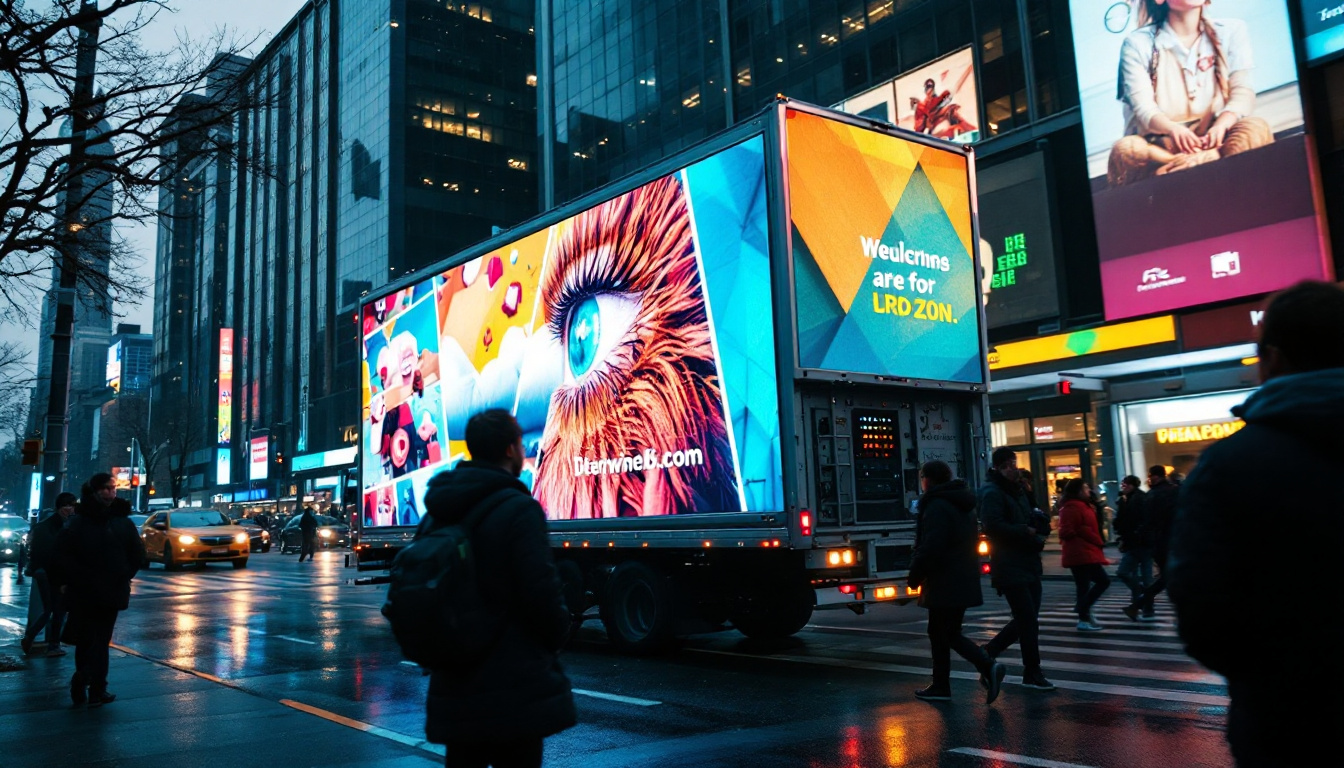
Ready to elevate your visual communication with cutting-edge LED display technology? LumenMatrix is at the forefront of creating immersive visual experiences that captivate and engage. From vibrant Indoor and Outdoor LED Wall Displays to dynamic Vehicle and Sports LED solutions, our extensive range caters to every need. Experience the future of digital signage with our Custom, All-in-One, and Transparent LED Displays, designed to make your brand stand out. Don’t just take our word for it; check out LumenMatrix LED Display Solutions and see how we can transform your message into a powerful visual statement.