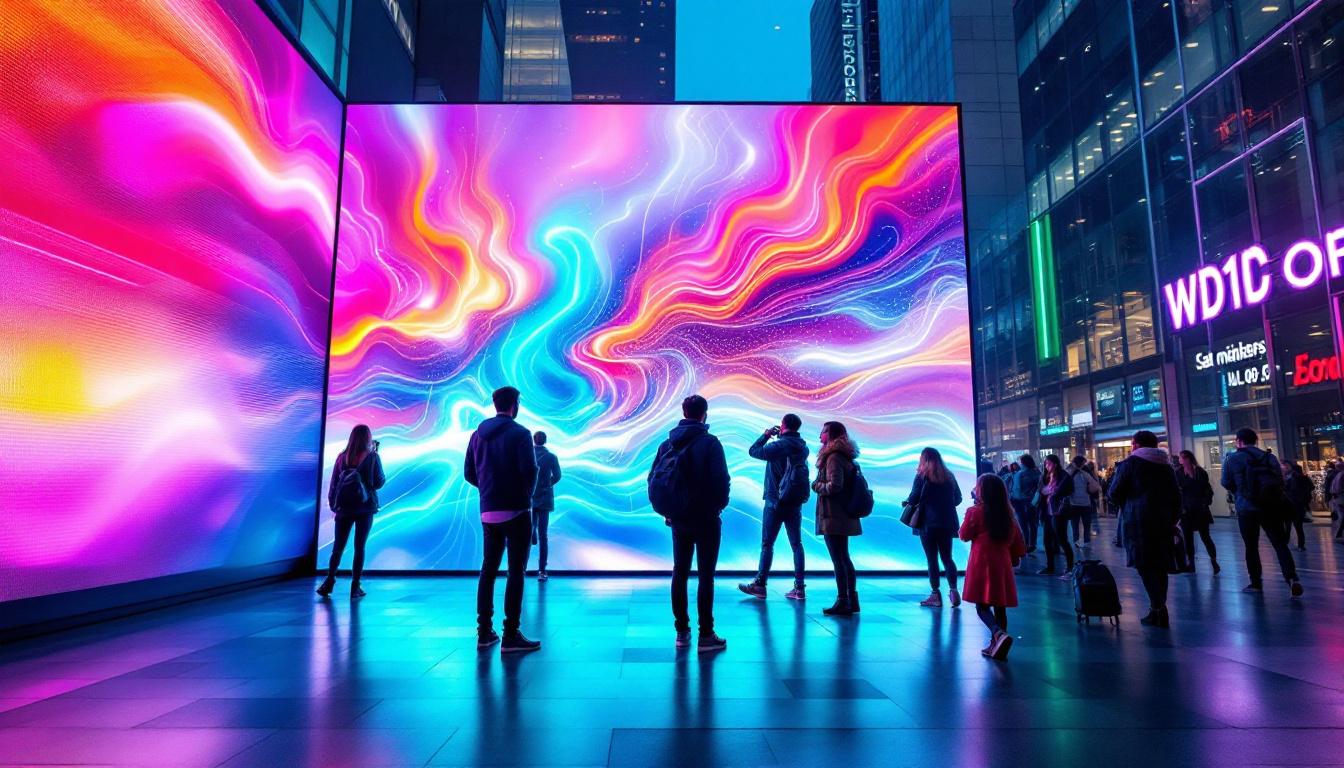
In the rapidly evolving world of digital signage and large-scale displays, LED walls have become a dominant technology. From stadiums and concert venues to corporate lobbies and advertising billboards, LED displays offer vibrant visuals, flexibility, and durability unmatched by traditional screens. This article explores the fundamentals of LED walls, the manufacturing process, key technological features, and why choosing the right LED wall manufacturer is crucial for success.
Understanding LED Walls: What Makes Them Unique?
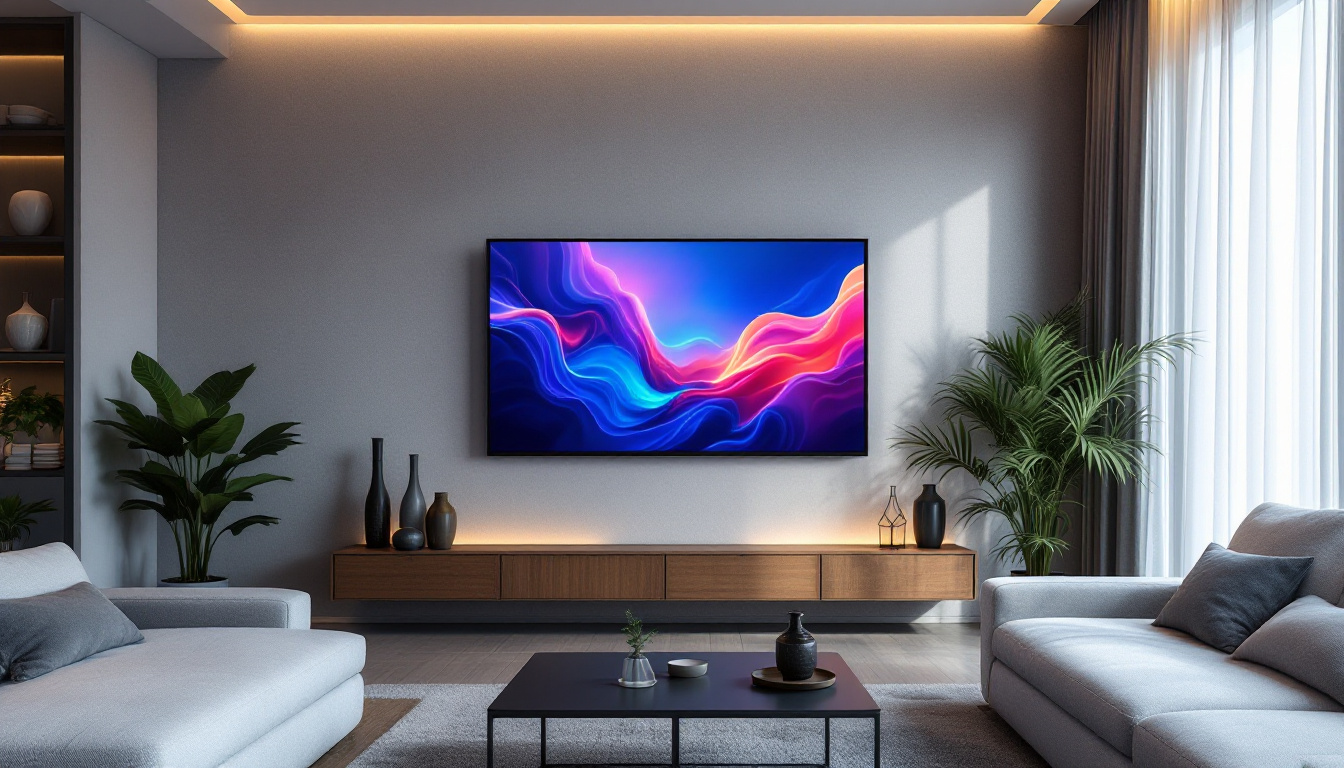
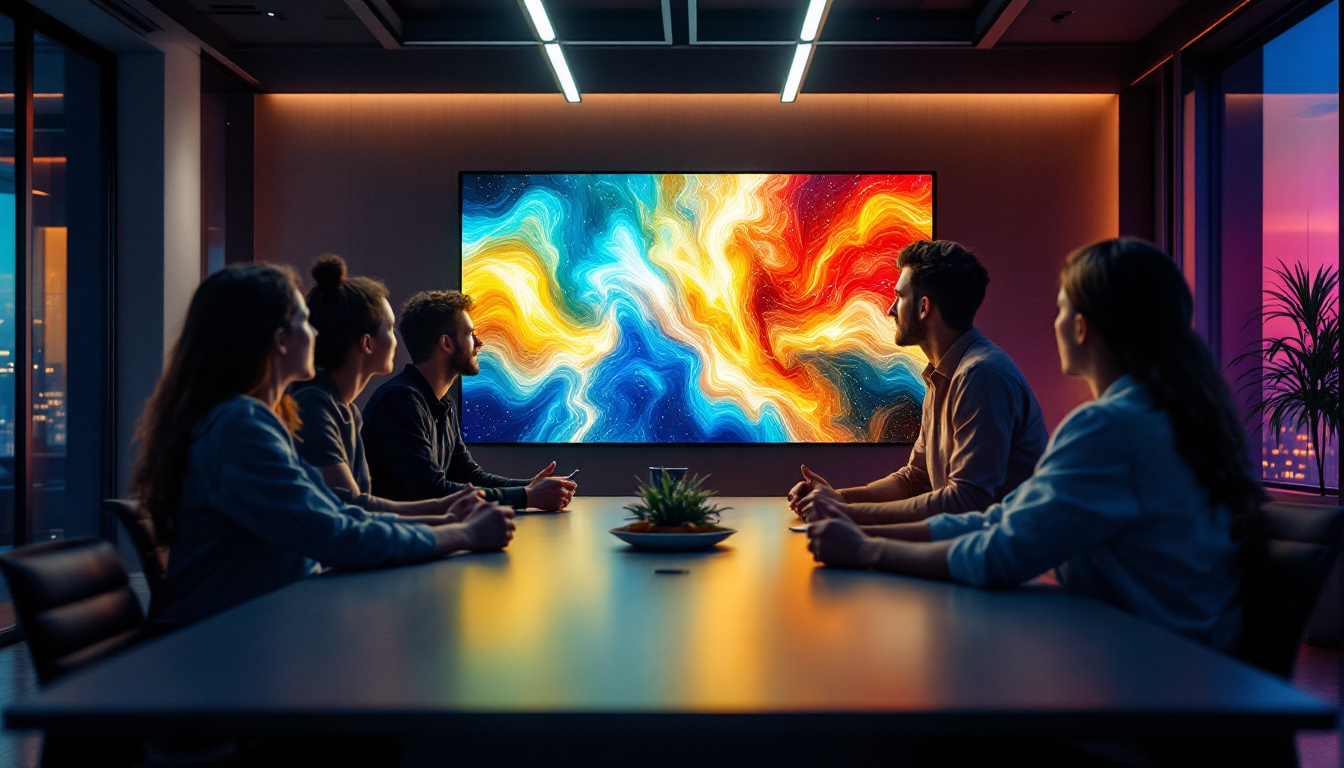
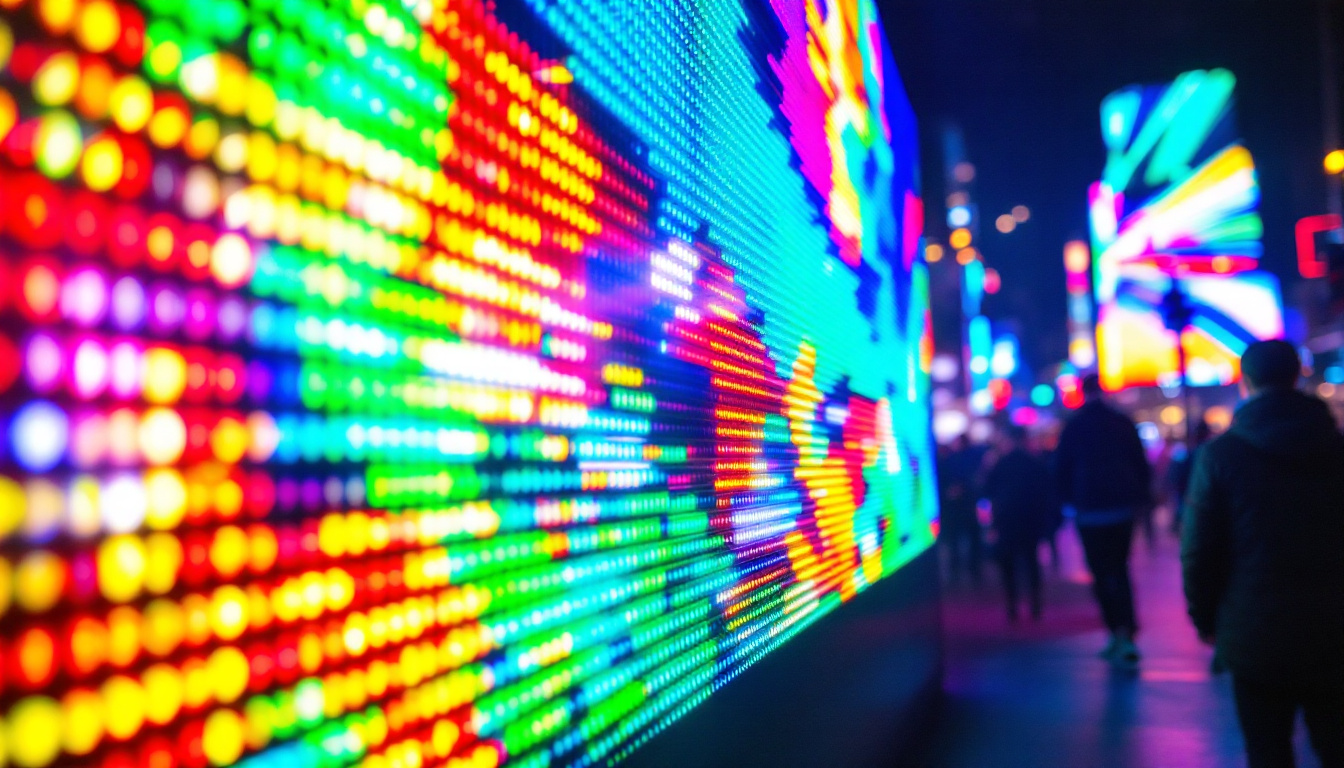
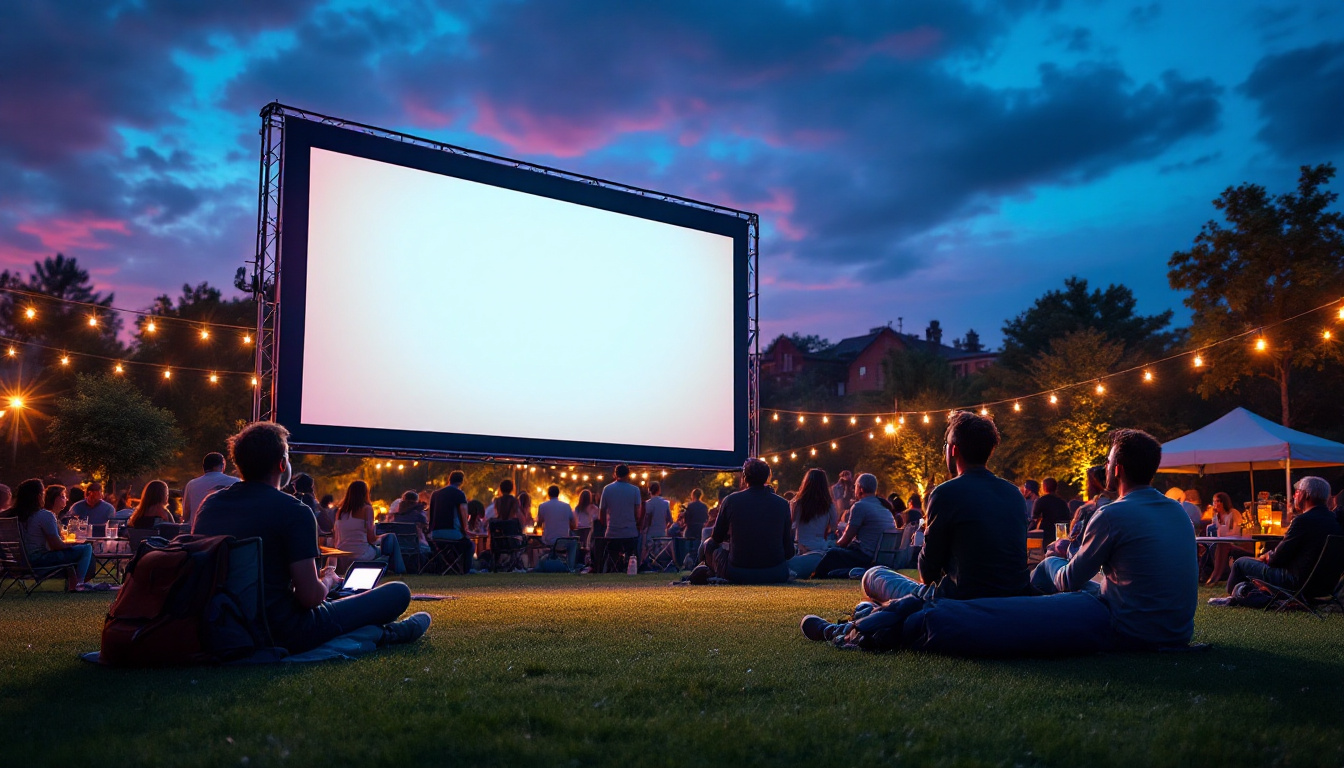
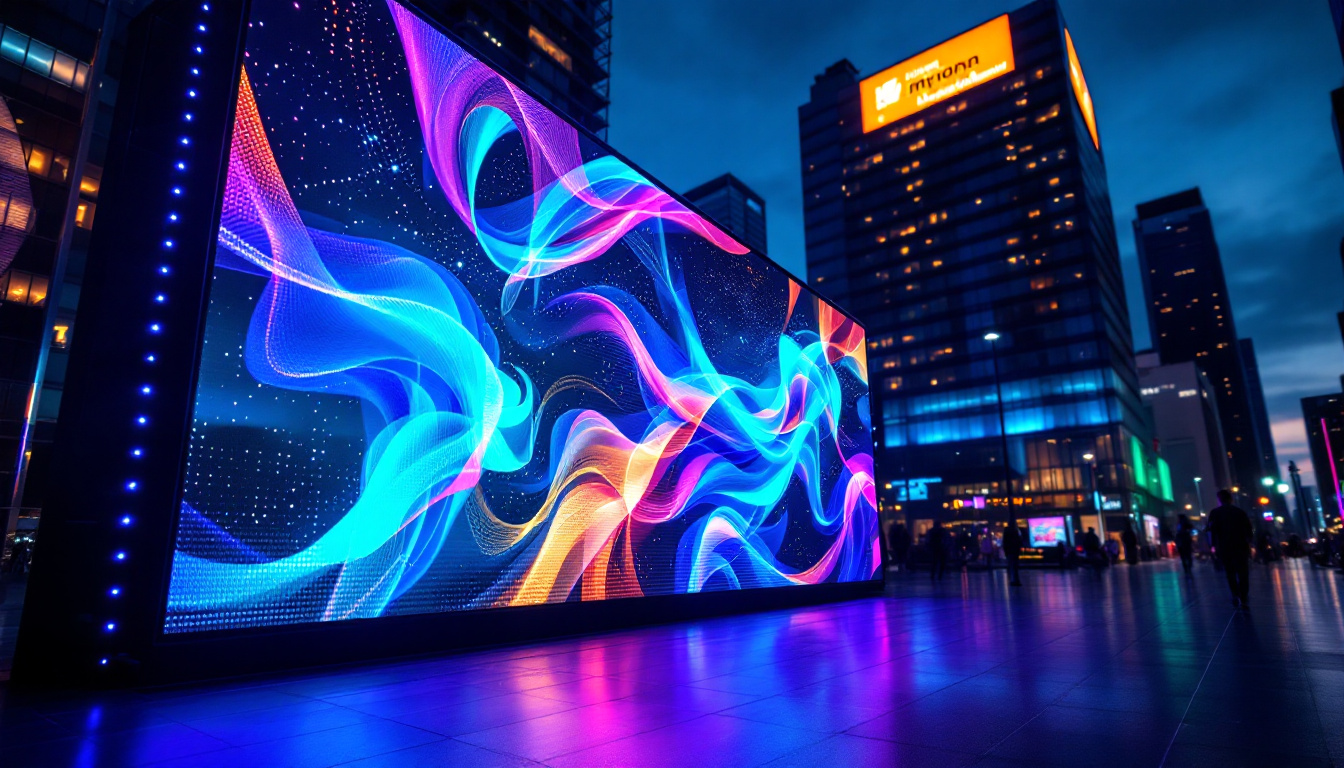
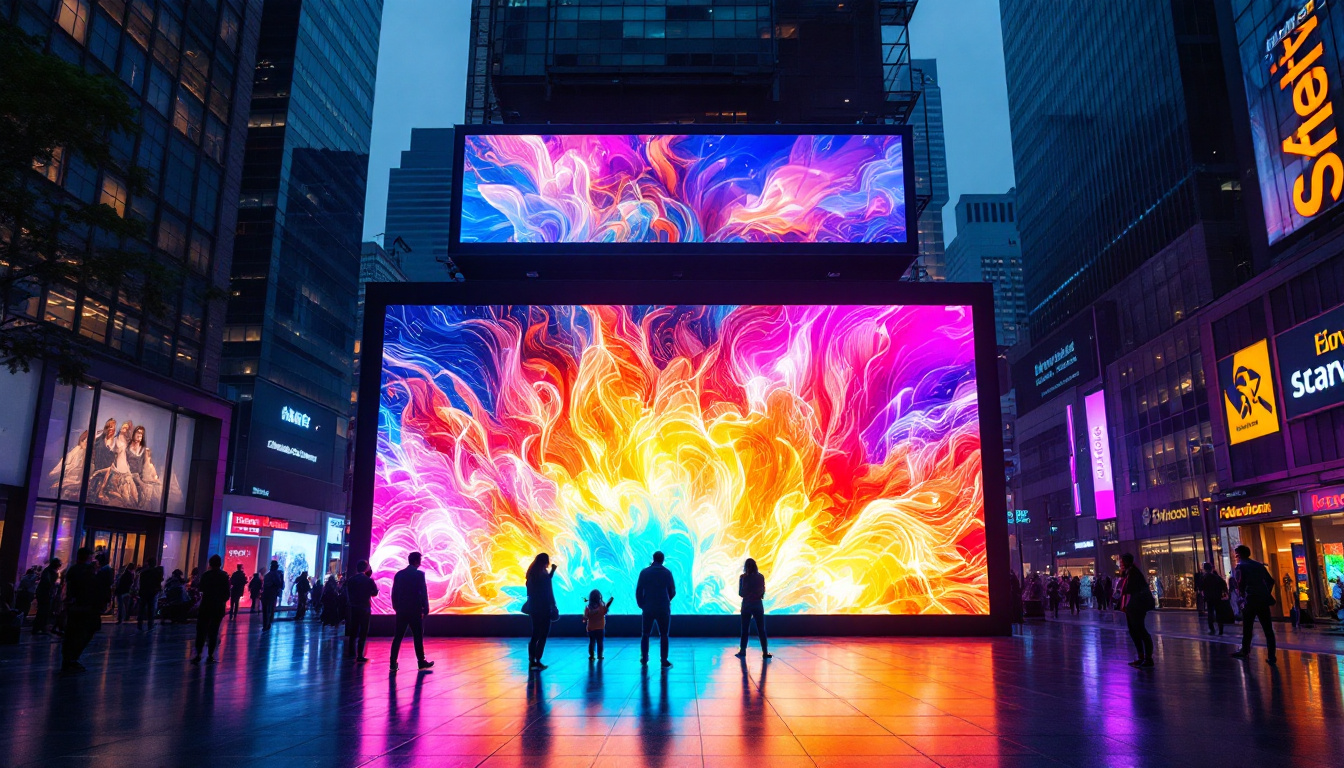
LED walls, also known as LED video walls or LED displays, consist of numerous light-emitting diodes arranged in a matrix to form a large screen. Unlike LCD or projection screens, LED walls emit their own light, resulting in brighter images and better contrast, even in direct sunlight. This self-emissive property makes them ideal for both indoor and outdoor applications. The vibrant colors and high brightness levels of LED walls make them particularly effective for advertising, entertainment, and information dissemination in various environments, from bustling city centers to quiet indoor venues.
One of the defining characteristics of an LED wall is its modular design. Each module, often called a cabinet or panel, contains a grid of LEDs that can be seamlessly connected with others to create displays of various sizes and shapes. This scalability allows for remarkable flexibility, whether it’s a small retail display or a massive stadium screen spanning thousands of square feet. Additionally, the modularity of LED walls means that they can be easily maintained or upgraded; if one panel fails, it can be replaced without needing to take down the entire display, ensuring minimal downtime and continued operation.
Pixel Pitch and Resolution
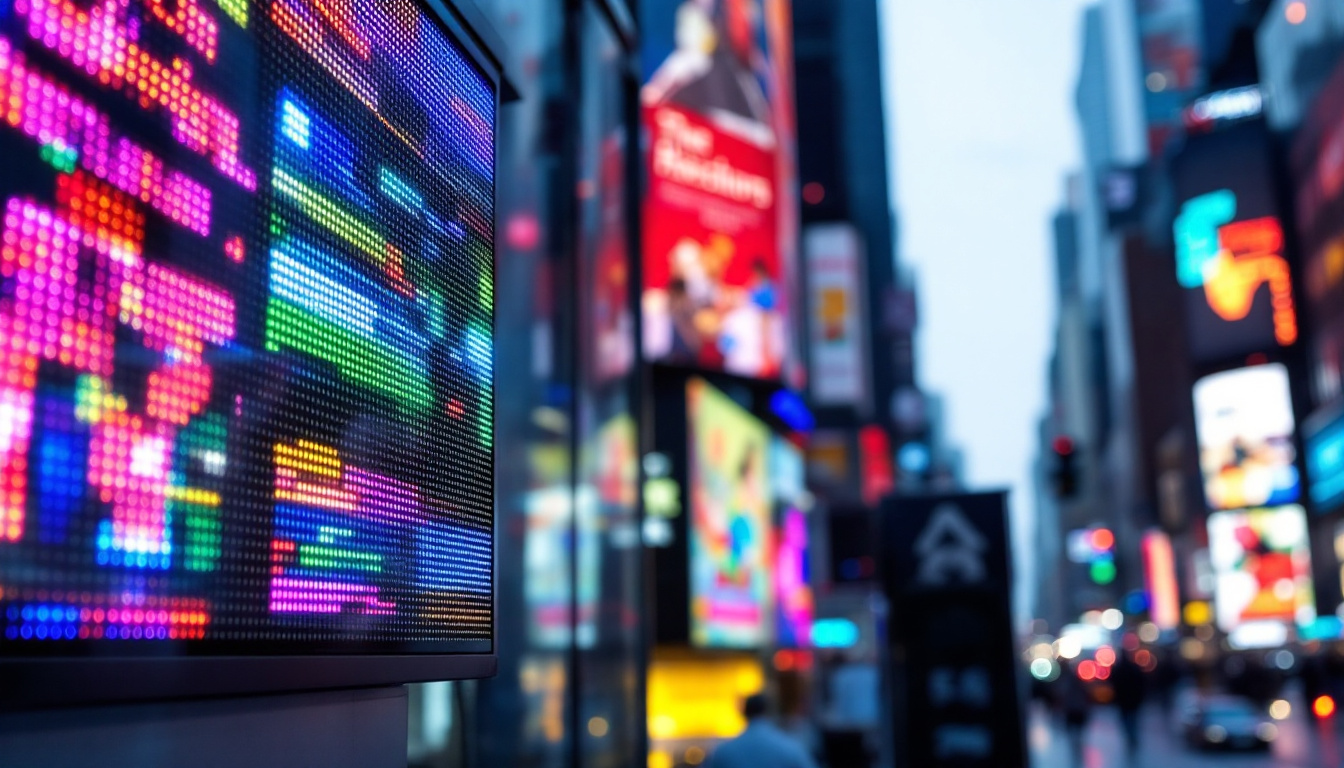
A critical technical specification in LED walls is the pixel pitch, which refers to the distance between the centers of two adjacent pixels. Pixel pitch directly impacts the resolution and viewing distance of the display. Smaller pixel pitches (e.g., 1.2 mm to 2.5 mm) are common for indoor LED walls where viewers are close to the screen, providing sharp, detailed images. Larger pixel pitches (e.g., 4 mm to 10 mm or more) are suited for outdoor environments where viewers are farther away. The choice of pixel pitch not only affects image clarity but also influences the overall cost of the installation, as higher-resolution displays typically require more advanced technology and materials.
For example, a retail store might use a 1.5 mm pixel pitch LED wall to showcase high-definition advertisements, while a sports stadium might opt for a 10 mm pitch to ensure visibility from the stands. Understanding this relationship helps manufacturers and clients select the right LED display for their specific needs. Moreover, advancements in technology have led to the development of fine-pitch LED displays that can achieve stunning resolutions, making them suitable for applications such as control rooms, broadcast studios, and high-end events where every detail matters. As the demand for high-quality visual experiences continues to grow, the evolution of pixel pitch technology will undoubtedly play a pivotal role in shaping the future of LED wall displays.
The Manufacturing Process: How LED Walls Are Made
Manufacturing LED walls is a complex process involving precision engineering and high-quality materials. Leading LED wall manufacturers integrate advanced technology and rigorous quality control to ensure durability, color accuracy, and energy efficiency.
LED Chip Selection and Assembly
The core component of an LED wall is the LED chip itself. Manufacturers typically source chips from reputable semiconductor producers to guarantee brightness and longevity. These chips are then mounted onto printed circuit boards (PCBs) which form the individual pixels. Each pixel usually consists of red, green, and blue LEDs, which combine to produce a full spectrum of colors through varying intensities.
Assembly requires meticulous alignment of these LEDs to ensure uniformity and prevent color distortion. Automated pick-and-place machines are often used to position the tiny LEDs accurately, followed by soldering and encapsulation to protect the components from environmental factors. Additionally, some manufacturers are now exploring the use of advanced materials, such as organic LEDs (OLEDs), which can offer even greater flexibility and color depth. This innovation is paving the way for the next generation of LED walls, which may be thinner and more energy-efficient than their predecessors.
Cabinet Construction and Modular Design
Once the LED modules are assembled, they are enclosed in robust cabinets designed to withstand various conditions. Outdoor LED walls, for instance, require weatherproofing, including protection against moisture, dust, and temperature fluctuations. Manufacturers often use aluminum or steel frames with specialized coatings to enhance durability.
The modular design also facilitates easy maintenance and scalability. If a module fails or requires upgrading, it can be replaced without dismantling the entire display. This modularity is a significant advantage for large installations, reducing downtime and maintenance costs. Furthermore, the design allows for creative configurations, enabling users to create unique shapes and sizes that can fit various architectural environments. This adaptability has made LED walls a popular choice for everything from concert stages to corporate lobbies, where aesthetic appeal is as crucial as functionality.
Calibration and Quality Control
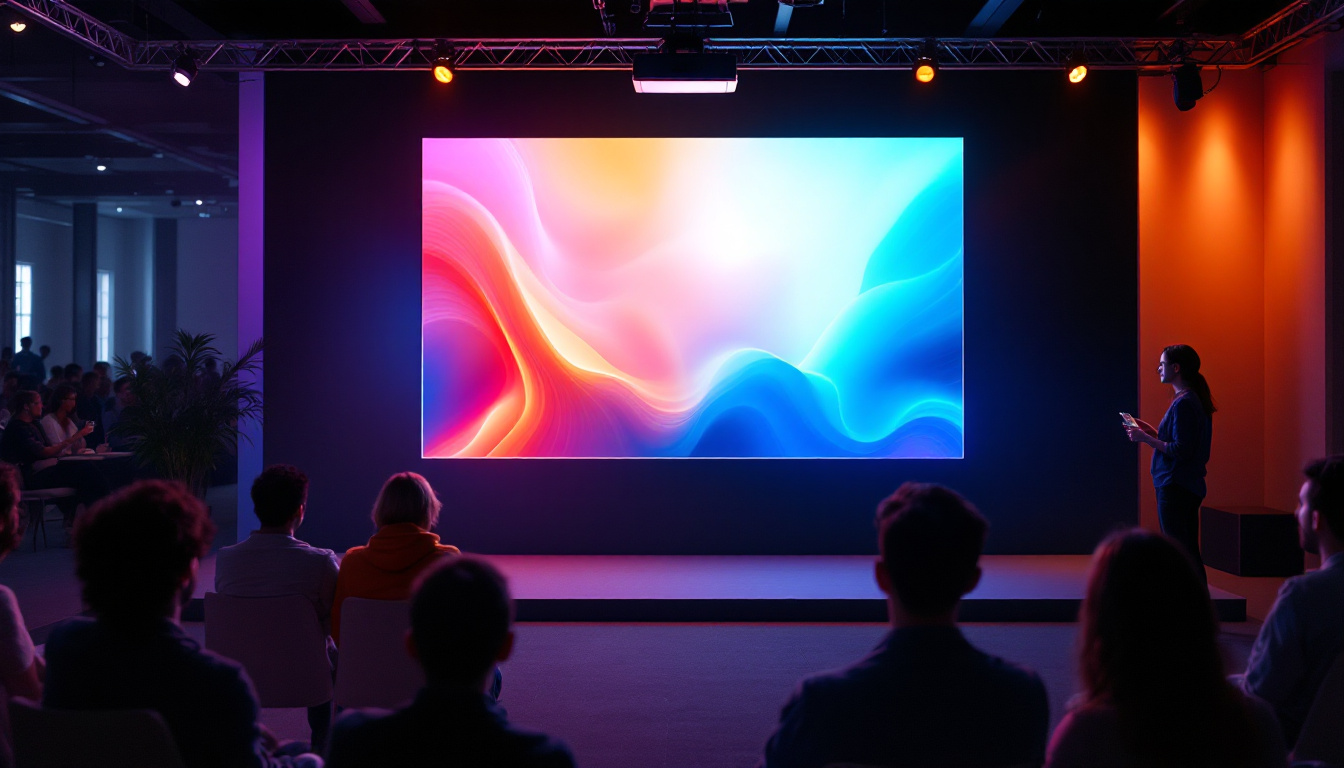
Before shipment, LED walls undergo extensive calibration to ensure color consistency and brightness uniformity across the entire surface. Advanced software tools measure and adjust each pixel’s output, compensating for any variances in LED performance. This process is vital for delivering a seamless viewing experience, especially for applications like live events or corporate presentations where image quality is paramount.
Quality control also includes stress testing under different environmental conditions, verifying power consumption, and ensuring compliance with safety standards. Reliable manufacturers invest heavily in these stages to uphold their reputation and client satisfaction. In addition to these tests, many manufacturers are now implementing sustainability practices in their production processes, such as using recyclable materials and minimizing waste. This commitment to environmental responsibility not only enhances their brand image but also appeals to a growing market of eco-conscious consumers who prioritize sustainable technology in their purchasing decisions.
Technological Innovations Driving LED Wall Advancements
The LED display industry is continually innovating, pushing the boundaries of what these walls can achieve. Recent advancements have focused on improving image quality, energy efficiency, and installation flexibility.
Mini-LED and Micro-LED Technologies
Mini-LED and Micro-LED represent the next generation of LED display technology. Mini-LEDs are smaller than traditional LEDs, allowing for higher pixel density and better contrast ratios. This technology is increasingly used in premium indoor LED walls and even consumer electronics like TVs and monitors.
Micro-LEDs take this a step further by using microscopic LEDs that can be individually controlled, offering exceptional brightness, color accuracy, and energy efficiency. While still emerging in large-scale LED walls due to manufacturing complexities and cost, Micro-LEDs hold promise for future applications requiring ultra-high resolution and durability.
Flexible and Transparent LED Displays
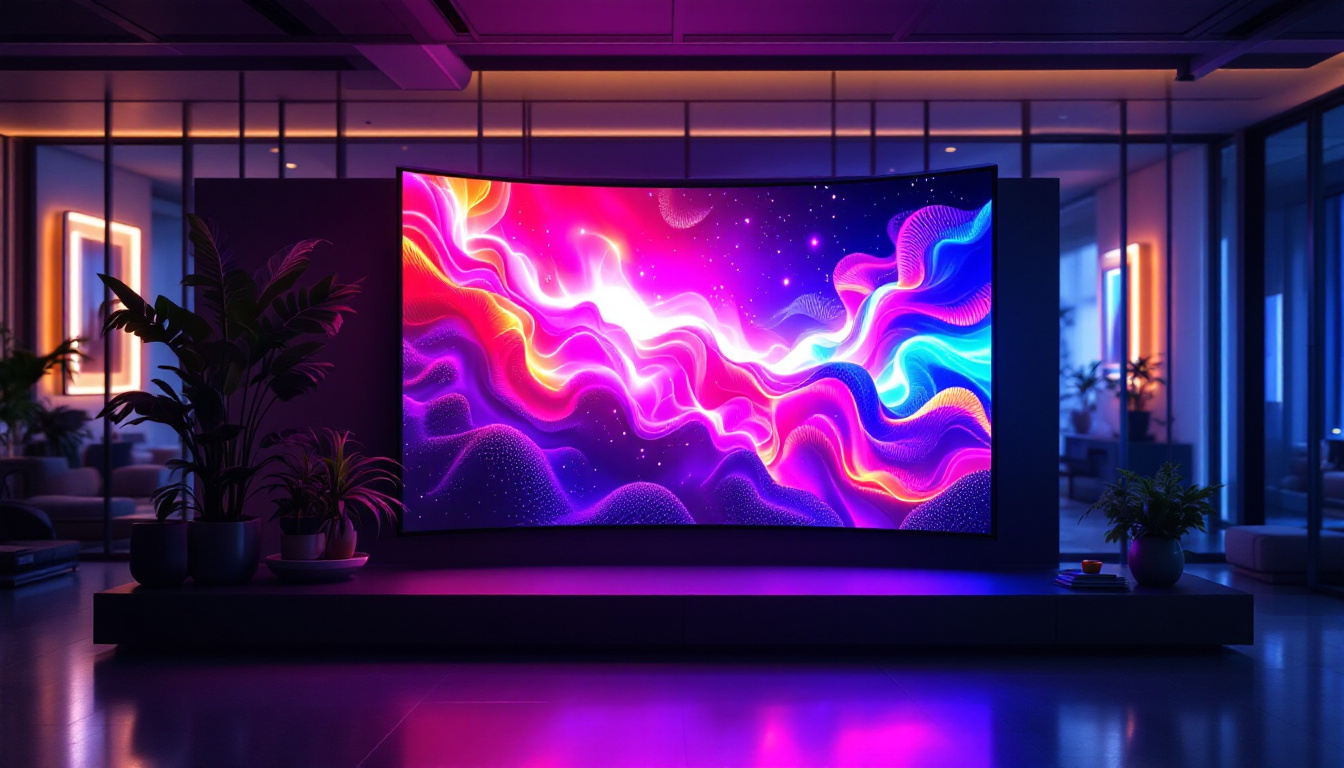
Manufacturers are also exploring flexible and transparent LED panels, expanding the creative possibilities for digital signage. Flexible LED walls can be curved or bent, making them suitable for architectural installations or immersive environments. Transparent LED displays allow viewers to see through the screen, ideal for retail windows or glass facades without obstructing natural light.
Smart Control Systems and Integration
Modern LED walls are often integrated with smart control systems that enable real-time content management, remote diagnostics, and synchronization with other digital platforms. These systems utilize cloud-based software and AI-driven analytics to optimize display performance and audience engagement.
For example, an LED wall in a shopping mall might dynamically adjust brightness based on ambient light or change content based on time of day and customer demographics. Such intelligent features enhance the effectiveness of LED displays as marketing and communication tools.
Choosing the Right LED Wall Manufacturer: Key Considerations
Selecting a reliable LED wall manufacturer is critical to ensuring a successful installation that meets both technical and budgetary requirements. Several factors should be considered when evaluating manufacturers.
Experience and Track Record
Established manufacturers with a proven track record typically offer higher quality products and better after-sales support. Reviewing case studies, client testimonials, and industry certifications can provide valuable insights into a manufacturer’s credibility and expertise.
Customization and Technical Support
Every LED wall project has unique demands, from size and resolution to installation environment and content management. Manufacturers that offer customization options and comprehensive technical support can help tailor solutions that maximize performance and longevity.
Additionally, responsive customer service and training programs ensure that clients can operate and maintain their LED walls effectively, reducing downtime and operational costs.
Compliance and Warranty
Compliance with international standards such as CE, RoHS, and UL ensures that LED walls meet safety and environmental regulations. A robust warranty policy also reflects a manufacturer’s confidence in their products and provides peace of mind for clients.
The Future of LED Walls: Trends to Watch
As LED technology continues to advance, the future of LED walls looks promising with exciting trends shaping the industry landscape.
Higher Resolution and Immersive Experiences
With the rise of 4K and 8K content, LED walls are evolving to support ultra-high resolutions, creating more immersive and visually stunning experiences. This is particularly impactful in entertainment venues, museums, and retail environments where captivating visuals drive engagement.
Sustainability and Energy Efficiency
Environmental concerns are prompting manufacturers to develop more energy-efficient LED walls with longer lifespans and recyclable materials. Innovations such as low-power LEDs and smart energy management systems contribute to reducing the carbon footprint of large-scale digital displays.
Integration with Augmented Reality (AR) and Interactive Technologies
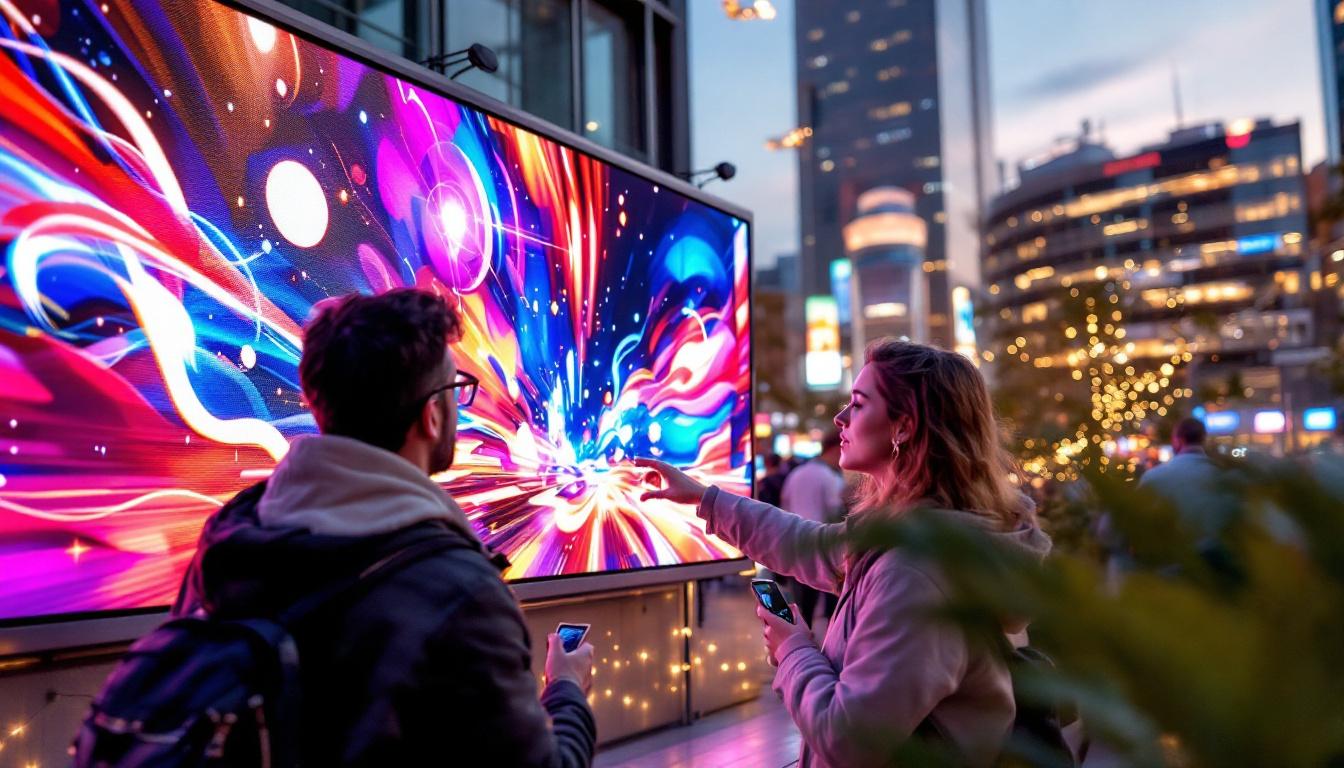
Combining LED walls with AR and interactive sensors is unlocking new possibilities for audience interaction and personalized content delivery. For instance, interactive LED walls can respond to gestures or mobile devices, enhancing visitor engagement in public spaces and exhibitions.
Conclusion
LED walls have revolutionized the way information and entertainment are presented in public and private spaces. Their brightness, scalability, and versatility make them an indispensable tool across industries. Understanding the technology behind LED displays, the manufacturing process, and the latest innovations helps businesses make informed decisions when investing in LED walls.
Choosing the right LED wall manufacturer ensures that the final product not only meets technical specifications but also delivers reliable performance and excellent support. As the technology continues to evolve, LED walls will play an increasingly vital role in creating dynamic, engaging visual experiences worldwide.
Discover LumenMatrix LED Display Solutions
Ready to elevate your visual experience with the latest in LED technology? Look no further than LumenMatrix, a pioneer in crafting exceptional LED displays that bring your content to life. Whether you’re in need of an Indoor LED Wall Display for your corporate headquarters, an Outdoor LED Wall Display for impactful advertising, or any of our specialized solutions like Vehicle, Sports, or Floor LED Displays, LumenMatrix has you covered. Embrace the future of digital signage and create unforgettable visual narratives with our Custom, All-in-One, and LED Transparent Displays. Check out LumenMatrix LED Display Solutions today and start your journey towards unparalleled brand visibility and audience engagement.