In today’s digital age, LED displays have become an integral part of how information is presented and consumed across various industries. From vibrant advertising billboards to sophisticated control rooms, LED technology offers unmatched brightness, clarity, and versatility. This article aims to provide a comprehensive understanding of LED displays, covering their technology, types, applications, and future trends.
Understanding the Basics of LED Displays
What is an LED Display?
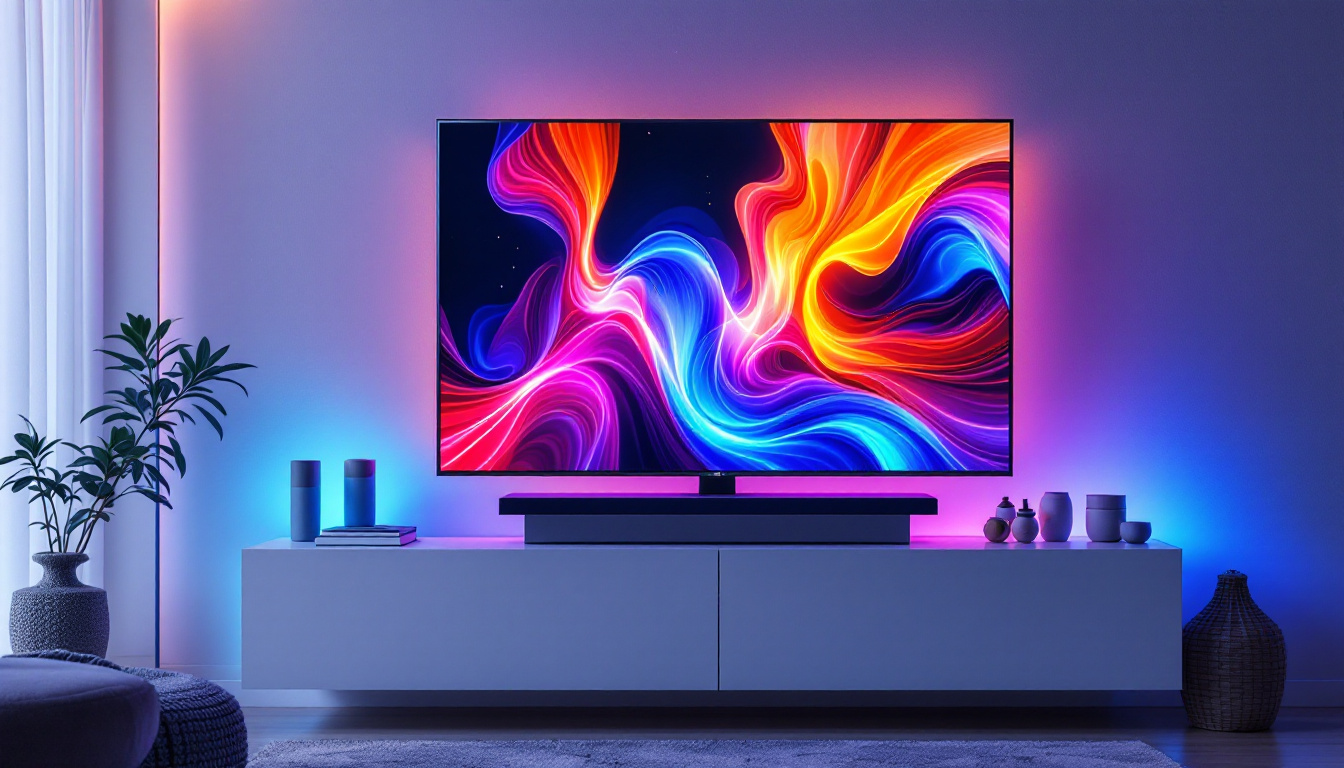
LED stands for Light Emitting Diode, a semiconductor device that emits light when an electric current passes through it. An LED display is a flat panel display that uses an array of LEDs as pixels to produce images, videos, or text. Unlike traditional LCD or plasma screens, LED displays use these tiny diodes directly as the light source, resulting in higher brightness and energy efficiency.
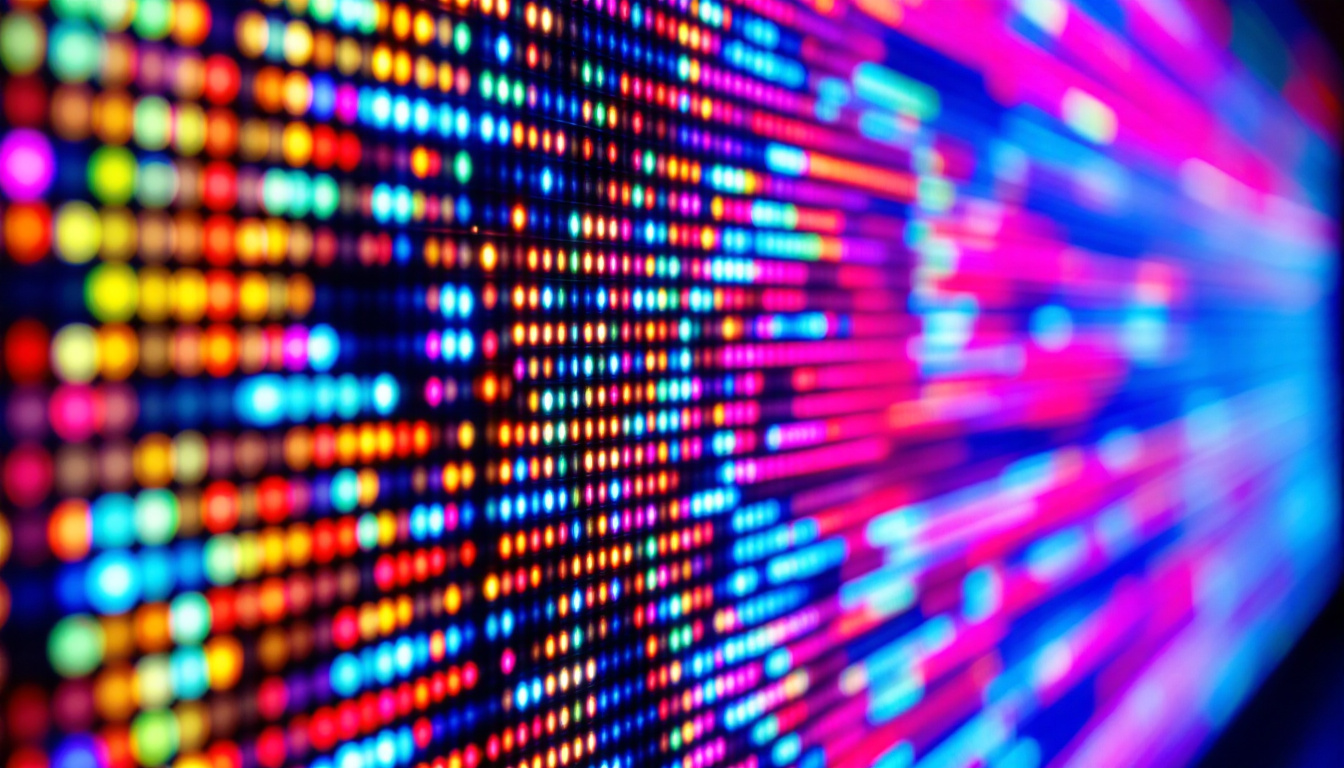
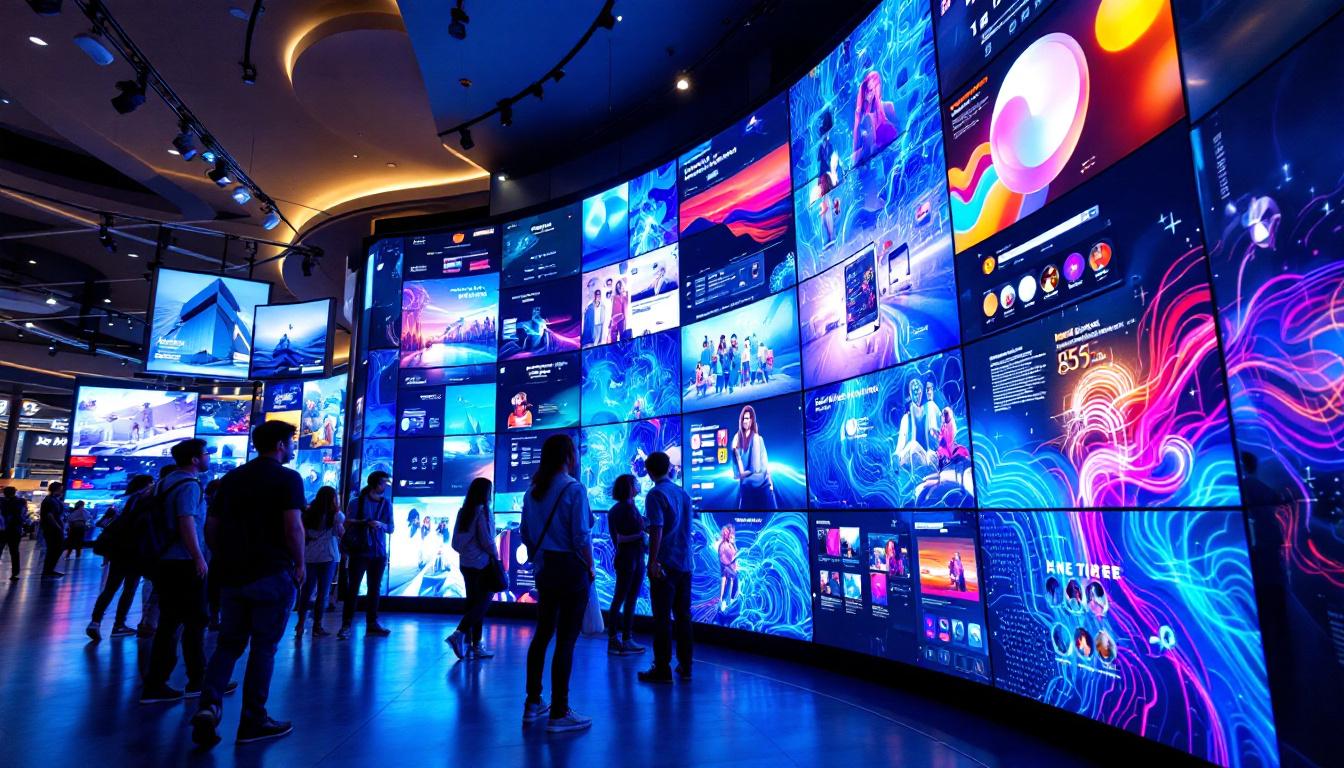
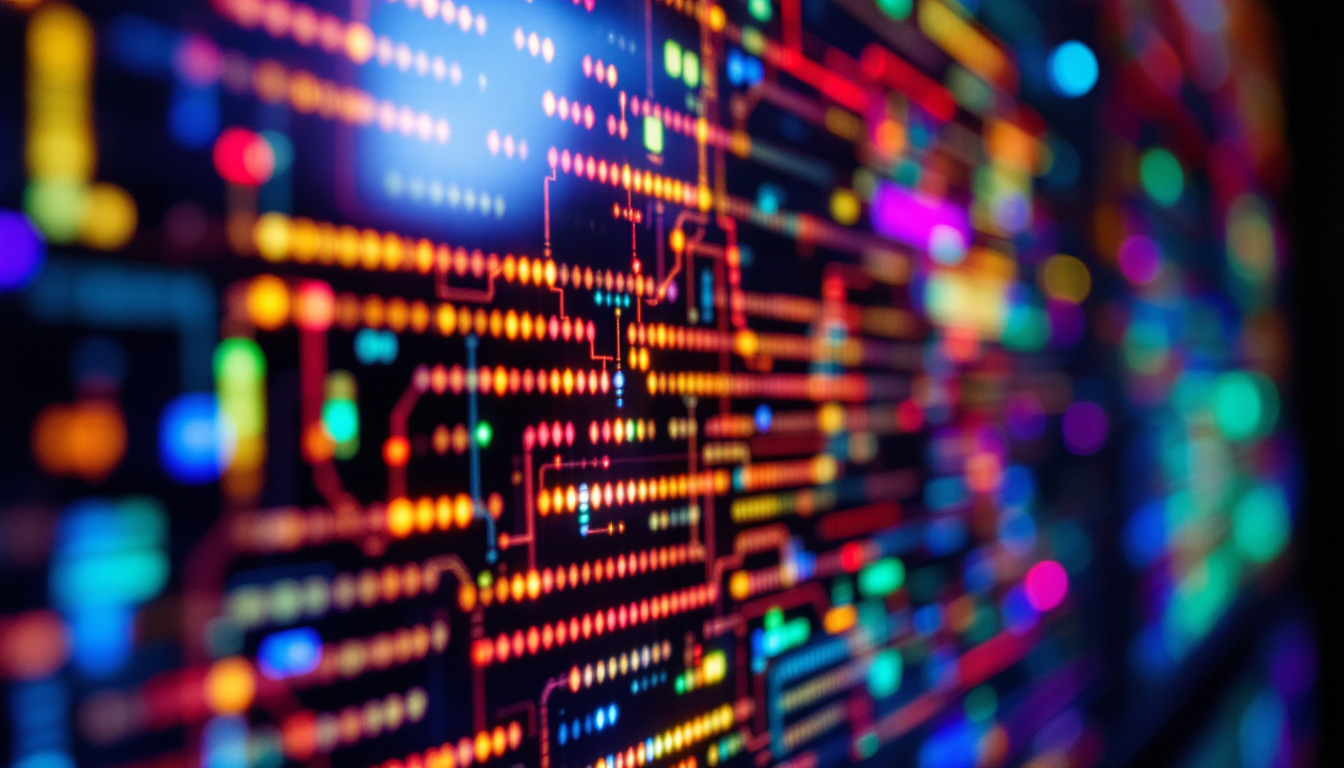
LED displays are composed of thousands, sometimes millions, of individual LEDs arranged in a matrix. Each LED can be controlled independently to produce different colors and intensities, allowing the display to render detailed and vivid images. The ability to control each pixel’s brightness and color precisely makes LED displays ideal for both indoor and outdoor use. This versatility is particularly beneficial in environments such as stadiums, concert venues, and retail spaces, where dynamic content can capture the attention of audiences and enhance the overall experience.
How Do LED Displays Work?
At the core of an LED display’s operation is the principle of electroluminescence, where an electric current stimulates the LED to emit light. The display is divided into pixels, each consisting of red, green, and blue LEDs (RGB). By adjusting the intensity of these three colors, the display can produce a wide spectrum of colors.
The LEDs are controlled by a driver circuit that receives input signals from a video source. The driver processes these signals and activates the appropriate LEDs to form the desired image. The refresh rate, pixel pitch, and resolution are critical factors that influence the display’s visual quality and smoothness. Additionally, advancements in technology have led to the development of smart LED displays that can connect to the internet, allowing for real-time updates and interactivity. This capability opens up new avenues for advertising and communication, enabling businesses to tailor their messages based on current trends or audience engagement.
Moreover, LED displays are increasingly being integrated with sensors and software that can analyze viewer behavior and preferences. This data-driven approach not only enhances the effectiveness of marketing campaigns but also provides insights into consumer engagement patterns. As a result, LED displays are not just passive screens but active participants in the digital landscape, adapting to the needs of both the audience and the content being displayed. This evolution signifies a shift towards more intelligent and responsive visual communication tools in various sectors, from entertainment to education.
Types of LED Displays
Indoor LED Displays
Indoor LED displays are designed for environments with controlled lighting conditions. They typically have a higher pixel density and smaller pixel pitch, which means the LEDs are packed more closely together to provide sharper images at close viewing distances. These displays are commonly used in conference rooms, retail stores, airports, and museums.
One of the advantages of indoor LED displays is their ability to maintain consistent brightness without overwhelming the viewer’s eyes. Their energy efficiency and long lifespan make them a cost-effective solution for businesses seeking dynamic visual communication.
Outdoor LED Displays
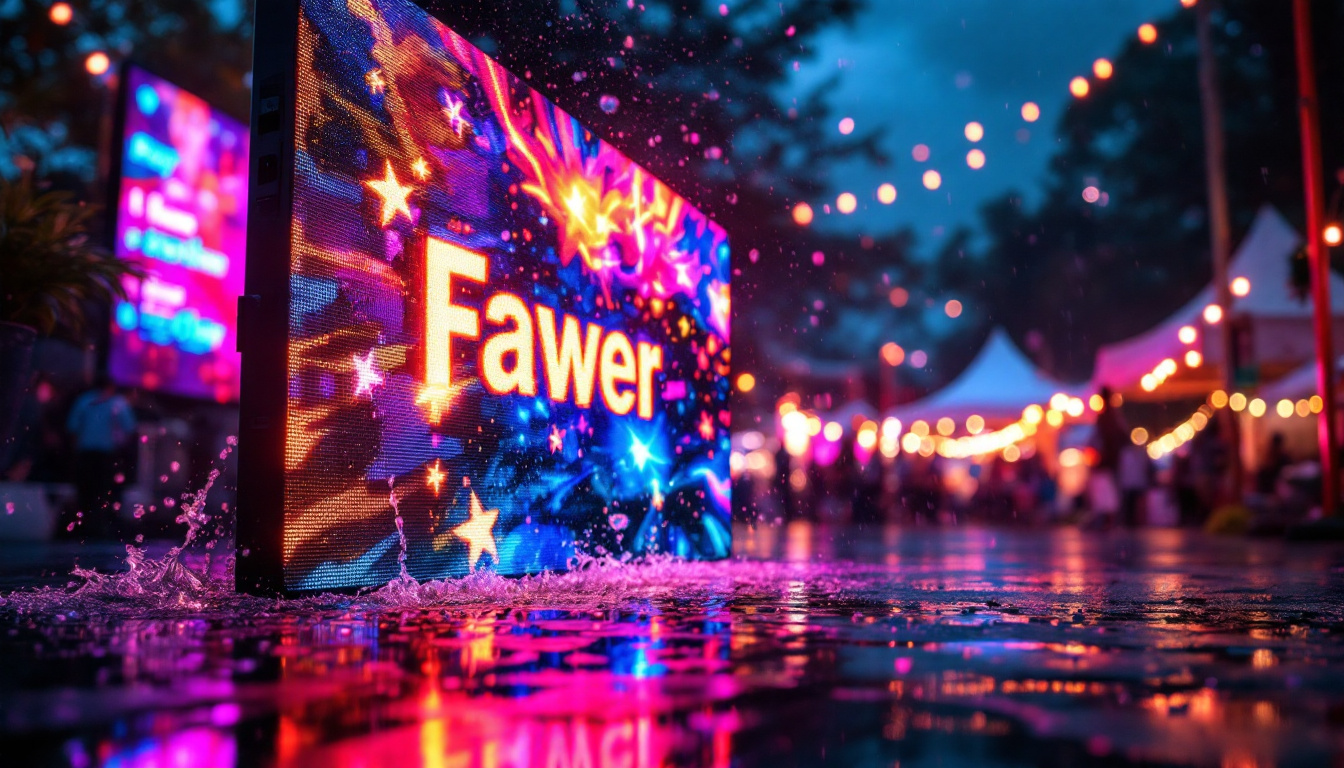
Outdoor LED displays must withstand harsh environmental conditions such as sunlight, rain, dust, and temperature fluctuations. Therefore, they are built with weatherproof enclosures and have higher brightness levels—often exceeding 5,000 nits—to remain visible even in direct sunlight.
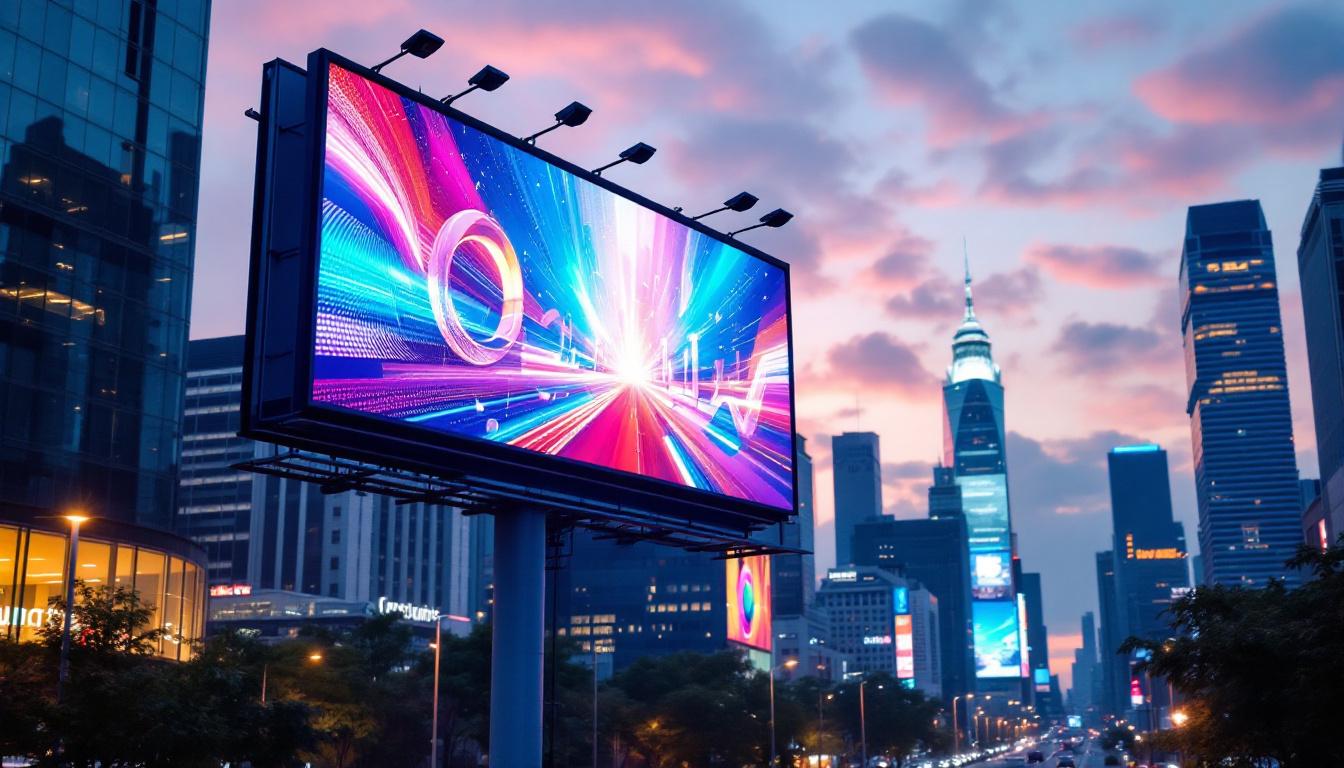
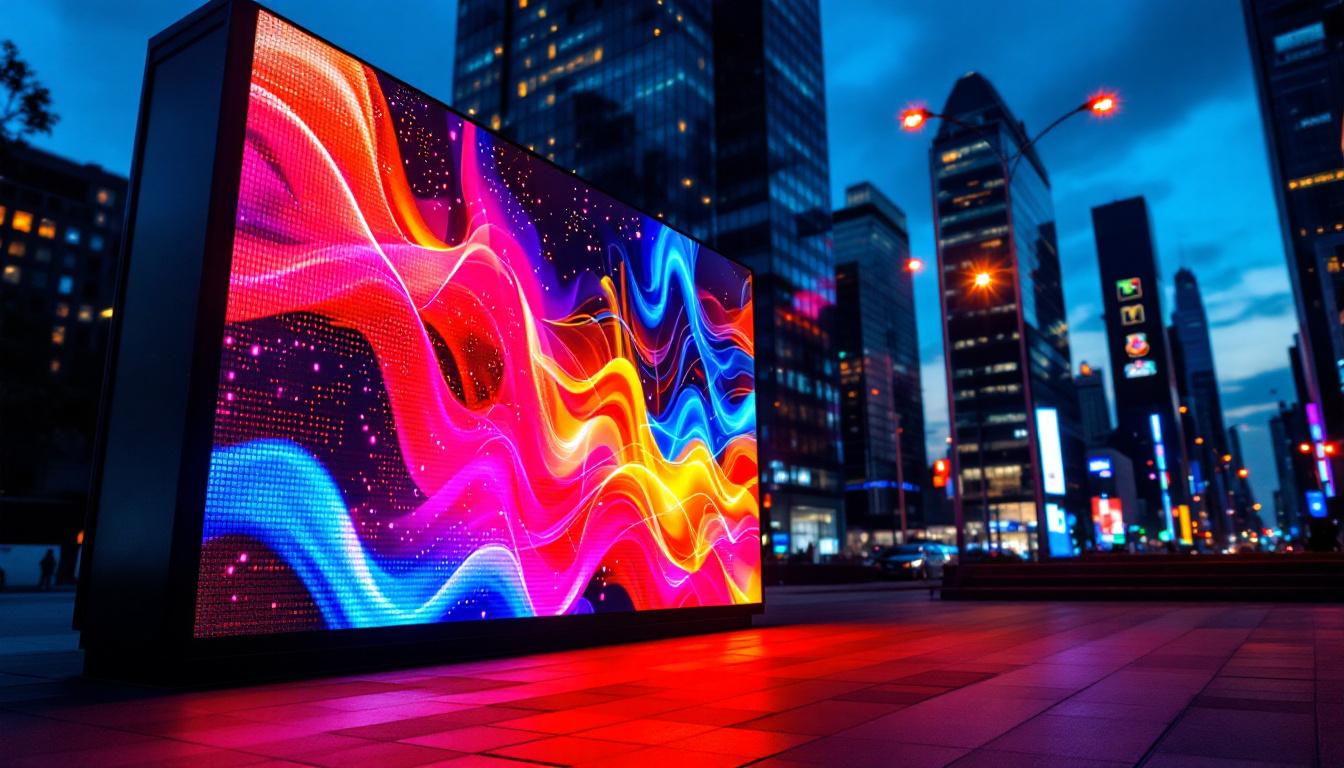
These displays are widely used for digital billboards, sports stadium screens, and public information boards. Their large size and high visibility make them effective tools for advertising and public messaging. However, outdoor LED displays generally have a larger pixel pitch compared to indoor models, as viewers tend to observe them from greater distances.
Transparent LED Displays
Transparent LED displays are an innovative subset of LED technology that allows light to pass through the screen, creating a see-through effect. These displays are typically installed on glass surfaces such as storefront windows, allowing businesses to showcase digital content without blocking natural light or visibility.
This technology is gaining traction in retail and architectural applications, offering a futuristic way to engage customers while maintaining an open and airy environment. Transparent LED displays combine aesthetics with functionality, providing a unique visual experience.
Key Technical Specifications and Their Importance
Pixel Pitch
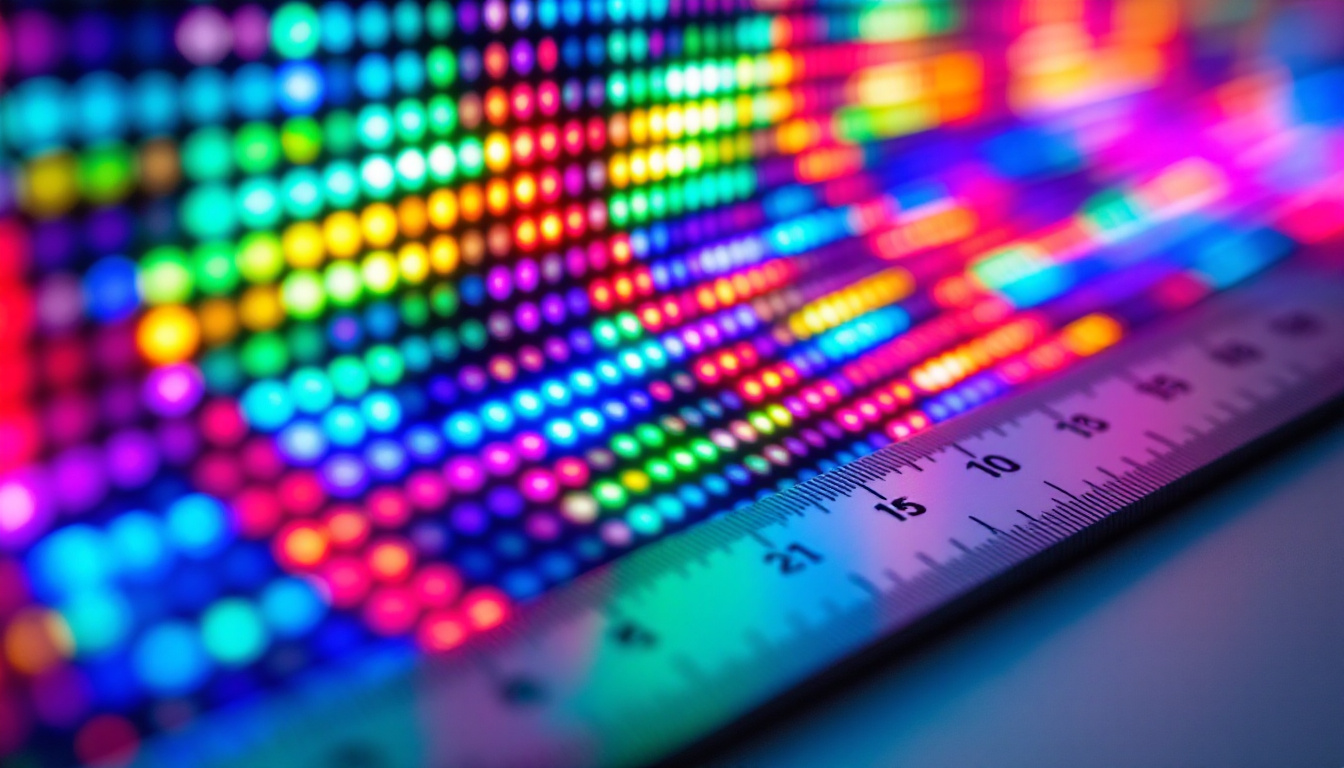
Pixel pitch refers to the distance between the centers of two adjacent pixels, measured in millimeters. It is a crucial factor that determines the resolution and viewing distance of an LED display. A smaller pixel pitch means higher resolution and better image clarity at close range, which is ideal for indoor displays.
For example, a pixel pitch of 1.5mm is common in high-definition indoor LED screens, while outdoor displays might have pixel pitches ranging from 6mm to 20mm depending on their size and intended viewing distance. Choosing the right pixel pitch ensures that the display looks sharp and clear to its target audience.
Brightness and Contrast Ratio
Brightness, measured in nits, indicates how luminous the display is. Outdoor LED displays require high brightness levels—often between 5,000 to 10,000 nits—to remain visible under direct sunlight. Indoor displays typically operate at lower brightness levels, around 800 to 1,200 nits, to avoid eye strain.
The contrast ratio, which is the difference between the darkest black and the brightest white the display can produce, affects the depth and vibrancy of the image. High contrast ratios contribute to more vivid and lifelike visuals, enhancing the viewer’s experience.
Refresh Rate
The refresh rate, measured in Hertz (Hz), defines how many times per second the display updates its image. A higher refresh rate reduces flickering and motion blur, which is especially important for video content and fast-moving graphics. Most modern LED displays operate at refresh rates of 1,000 Hz or higher, ensuring smooth and flicker-free viewing.
Applications of LED Displays Across Industries
Advertising and Marketing
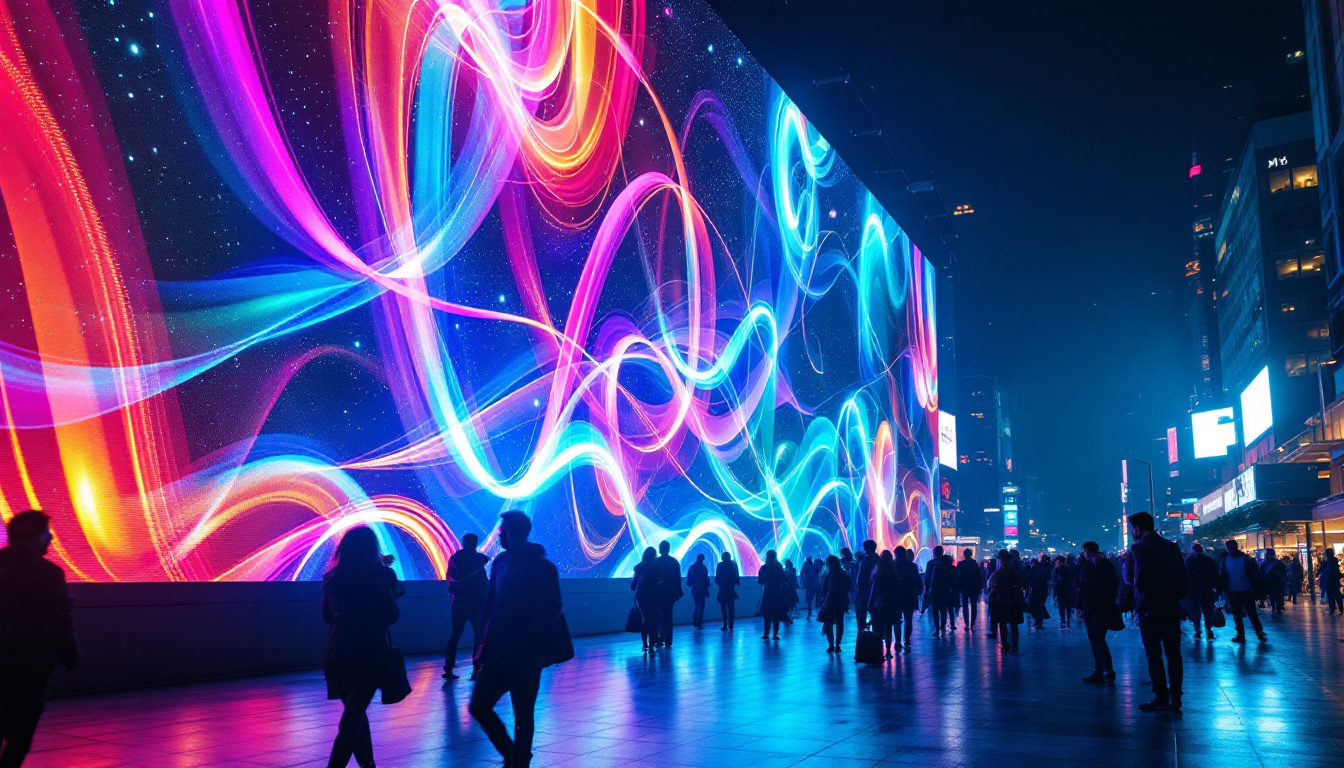
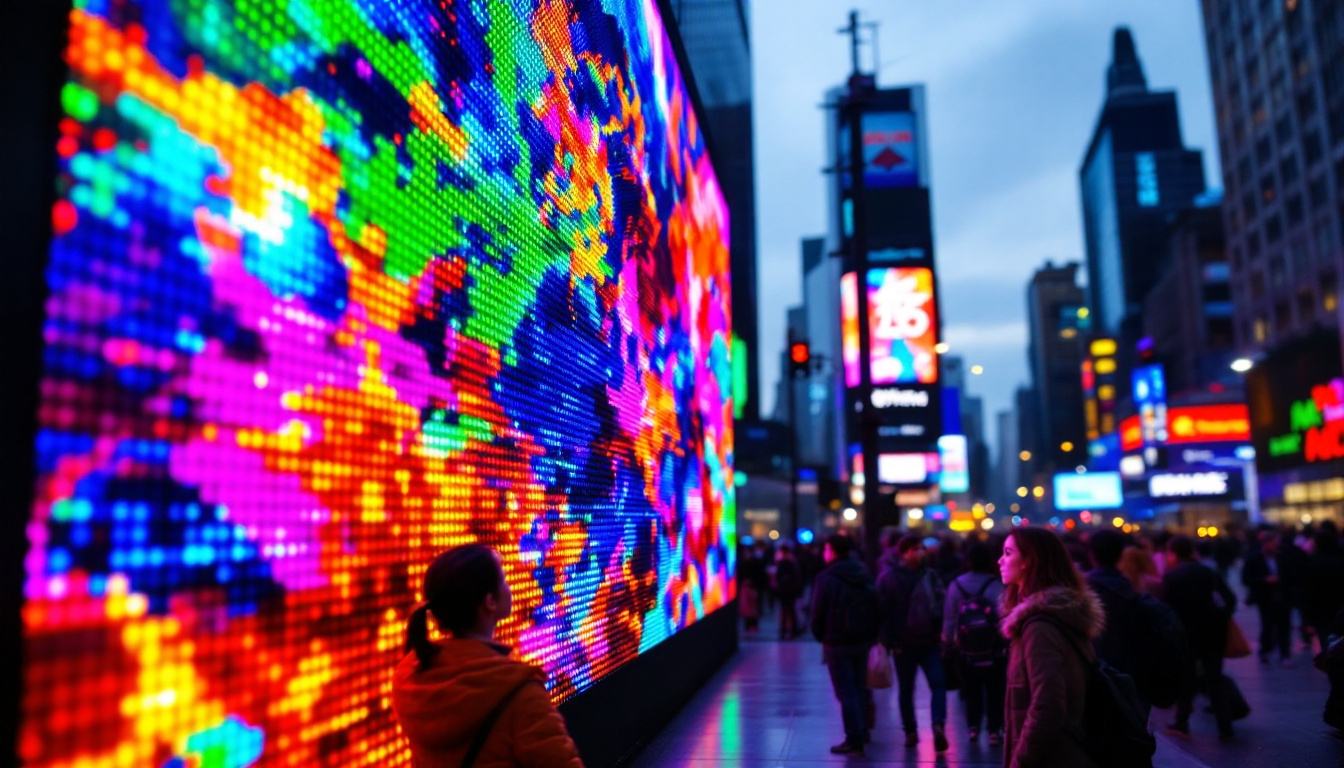
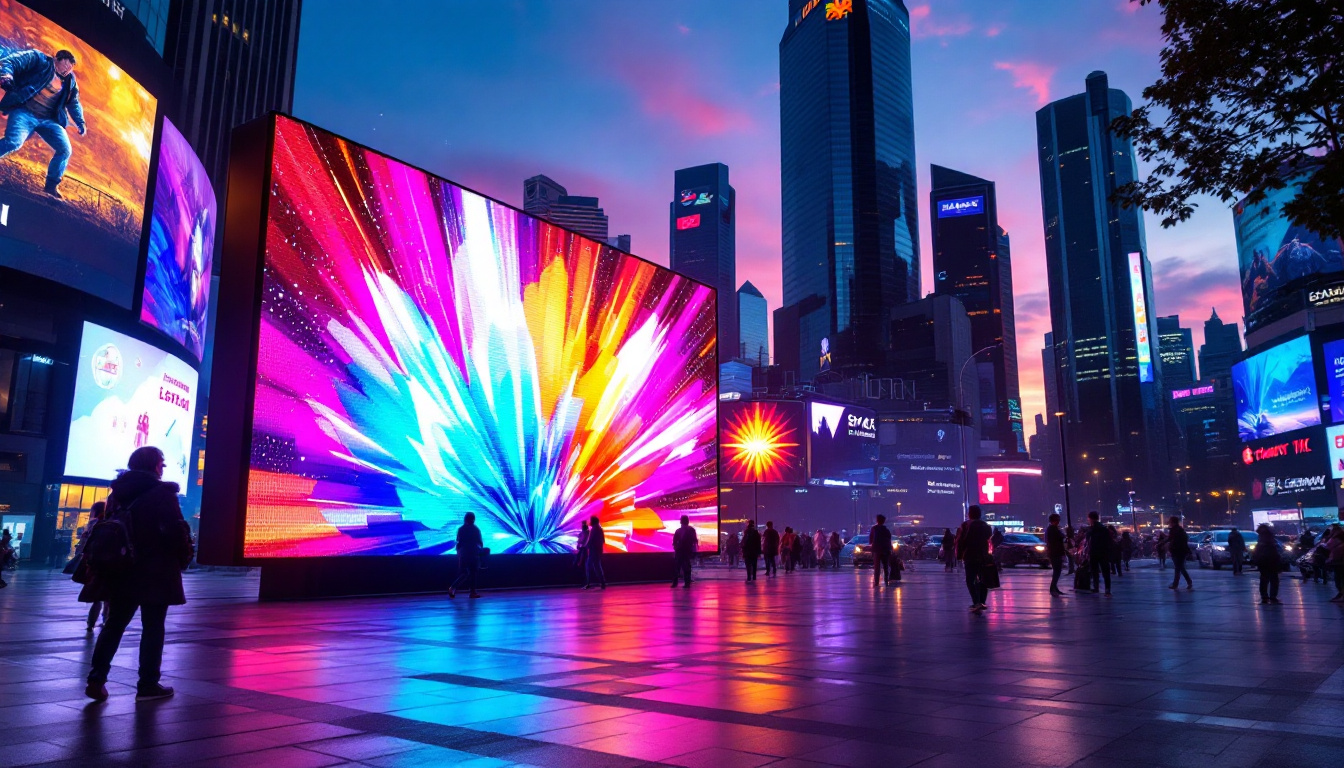
LED displays have revolutionized the advertising industry by enabling dynamic, eye-catching content that can be updated in real time. Digital billboards equipped with LED technology allow advertisers to tailor messages based on time of day, weather, or audience demographics, maximizing engagement and return on investment.
According to recent market research, the global digital signage market, heavily driven by LED displays, is projected to grow at a compound annual growth rate (CAGR) of over 8% through 2027. This growth underscores the increasing reliance on LED technology for effective marketing campaigns.
Sports and Entertainment Venues
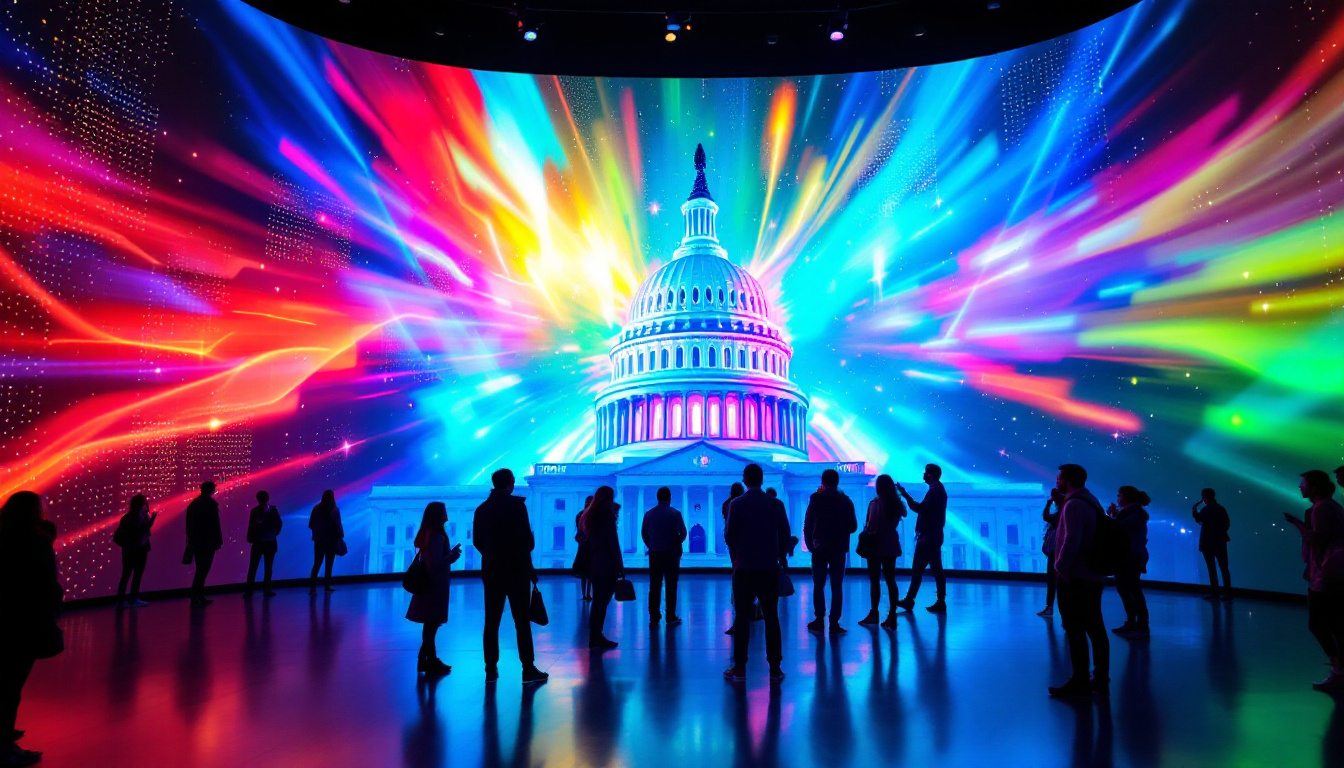
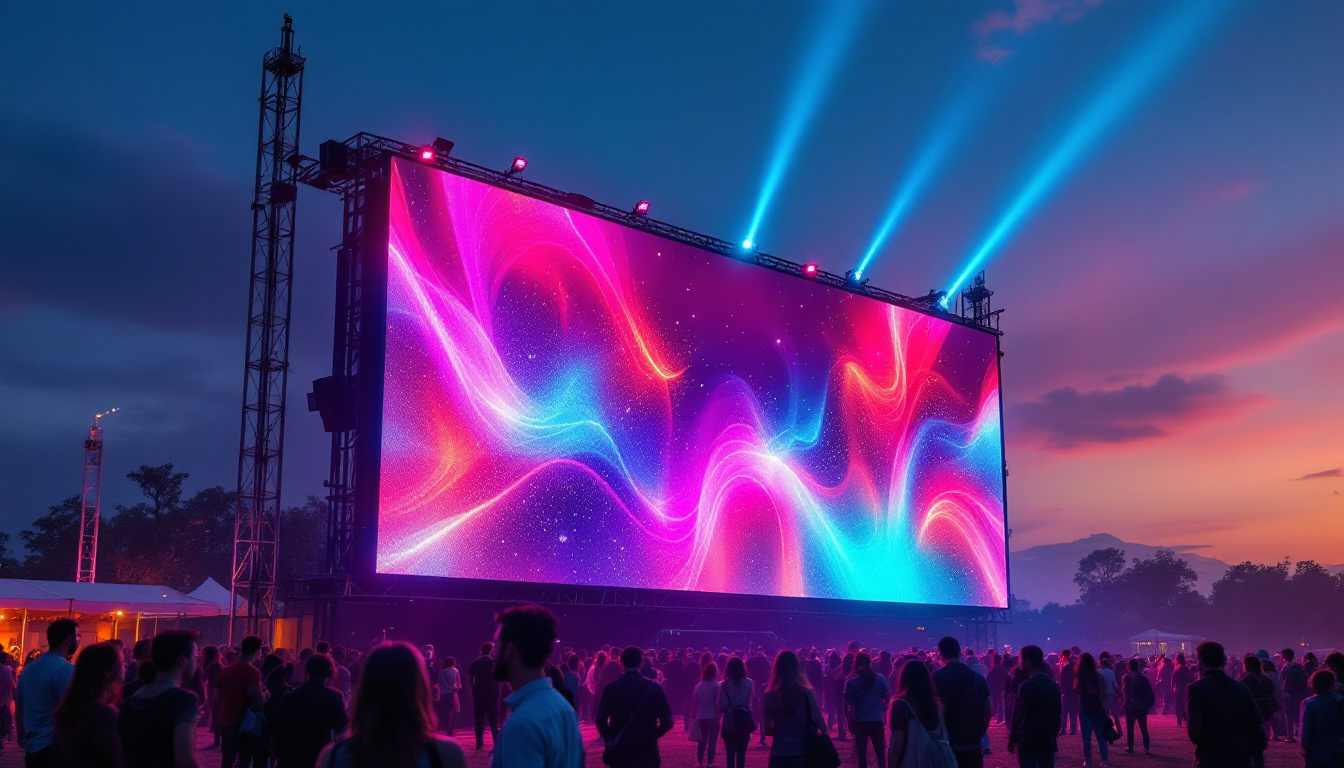
Large-scale LED displays are a staple in sports arenas and concert venues, providing spectators with instant replays, scores, and immersive visual effects. These displays enhance the overall experience by delivering high-resolution content visible from any seat in the venue.
For instance, the AT&T Stadium in Texas features one of the largest LED screens in the world, measuring approximately 160 feet wide and 72 feet tall. Such installations demonstrate the scale and impact of LED technology in entertainment settings.
Transportation and Public Information
LED displays are widely used in transportation hubs such as airports, train stations, and bus terminals to provide real-time information on schedules, delays, and safety announcements. Their high visibility and reliability make them ideal for guiding large crowds efficiently.
Moreover, LED traffic signs and variable message signs improve road safety by delivering timely alerts and instructions to drivers. The adaptability of LED displays ensures that critical information can be updated instantly in response to changing conditions.
Retail and Hospitality
In retail environments, LED displays enhance customer engagement by showcasing promotional offers, product information, and interactive content. Hotels and restaurants use LED screens for digital menus, event promotions, and ambiance enhancement, creating memorable experiences for guests.
The flexibility of LED technology allows businesses to customize content quickly, aligning with marketing strategies and seasonal campaigns. This adaptability is a key advantage in fast-paced retail and hospitality sectors.
Future Trends in LED Display Technology
MicroLED and MiniLED Innovations
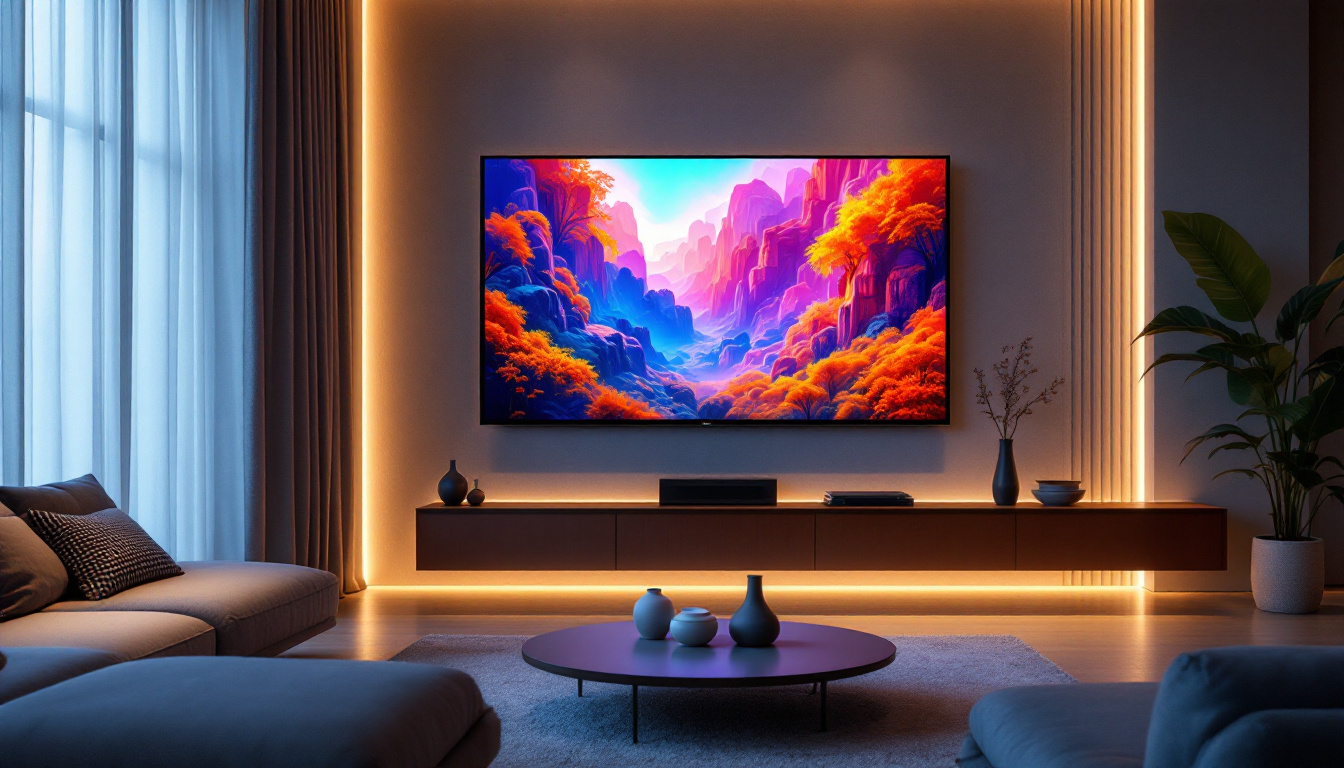
MicroLED and MiniLED represent the next generation of LED display technology, offering significant improvements in brightness, contrast, and energy efficiency. MicroLEDs are tiny LEDs that can be individually controlled, enabling ultra-high resolution and exceptional color accuracy.
These technologies are expected to disrupt the market by providing displays that rival OLED in quality but with longer lifespans and better durability. Companies are already developing MicroLED TVs and commercial displays, signaling a shift toward more advanced LED solutions.
Integration with IoT and Smart Technologies
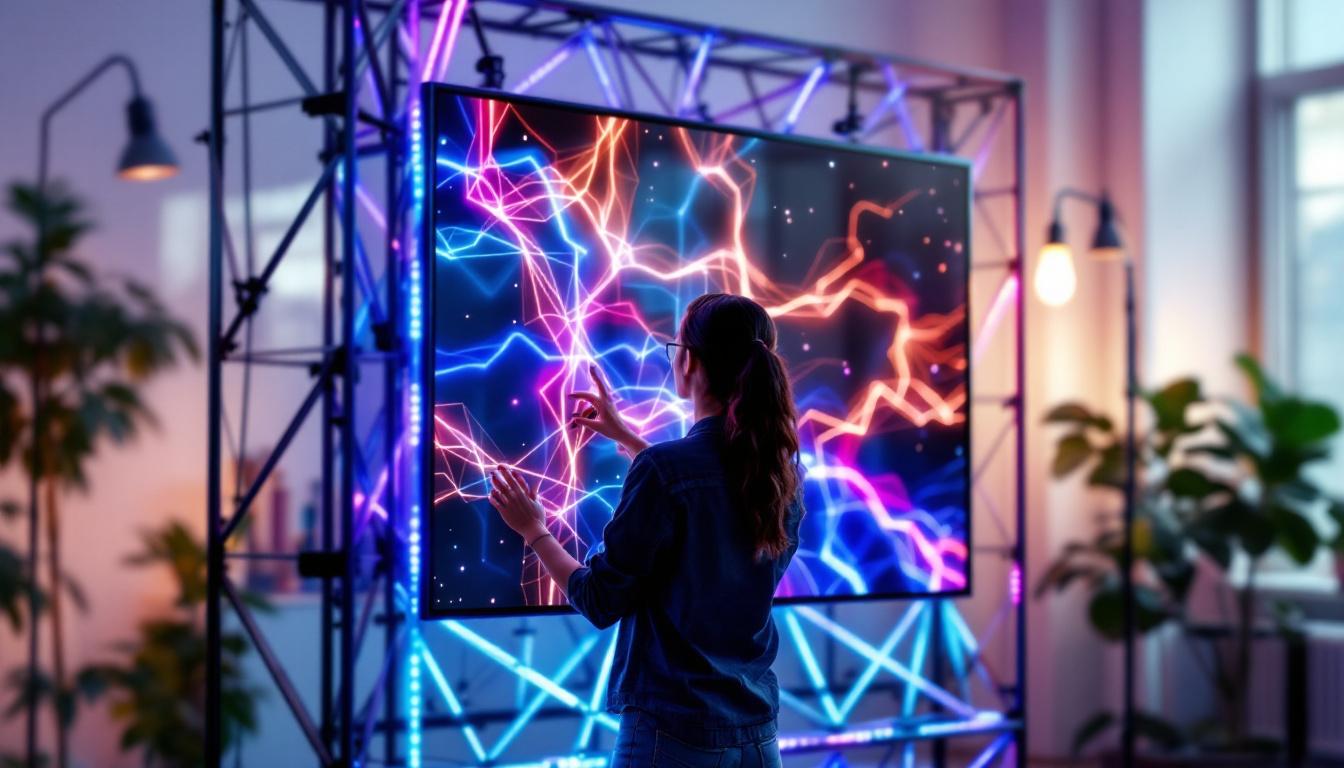
The integration of LED displays with Internet of Things (IoT) platforms is opening new possibilities for interactive and context-aware digital signage. Smart LED displays can collect data, respond to environmental changes, and personalize content based on user behavior.
This convergence enhances the effectiveness of LED displays in retail, advertising, and public spaces by delivering more relevant and engaging experiences. As IoT adoption grows, LED displays will become an even more powerful communication tool.
Sustainability and Energy Efficiency
As environmental concerns intensify, LED display manufacturers are focusing on sustainability by developing energy-efficient products and recyclable materials. Advances in LED driver technology and power management are reducing energy consumption without compromising performance.
Additionally, the long lifespan of LED displays contributes to lower electronic waste compared to other display technologies. Sustainable practices in production and disposal are becoming standard, aligning LED technology with global environmental goals.
Conclusion
LED displays have transformed the way visual content is delivered across multiple sectors, offering unparalleled brightness, flexibility, and durability. Understanding the technology behind LED displays, their types, and key specifications helps businesses and consumers make informed decisions about their use.
With ongoing innovations like MicroLED, smart integration, and sustainability efforts, LED displays will continue to evolve, providing richer and more dynamic visual experiences. Whether for advertising, entertainment, or information dissemination, LED technology remains at the forefront of digital display solutions.
Discover LumenMatrix’s Innovative LED Solutions
Ready to elevate your visual communication with cutting-edge LED technology? LumenMatrix is at the forefront of LED innovation, offering a wide array of solutions tailored to your needs. From Indoor and Outdoor LED Wall Displays to specialized options like Vehicle, Sports, and Floor LED Displays, our products are designed to captivate and engage your audience. Experience the future of digital signage with our Custom, All-in-One, and Transparent LED Displays. Check out LumenMatrix LED Display Solutions today and transform your space into a dynamic visual masterpiece.