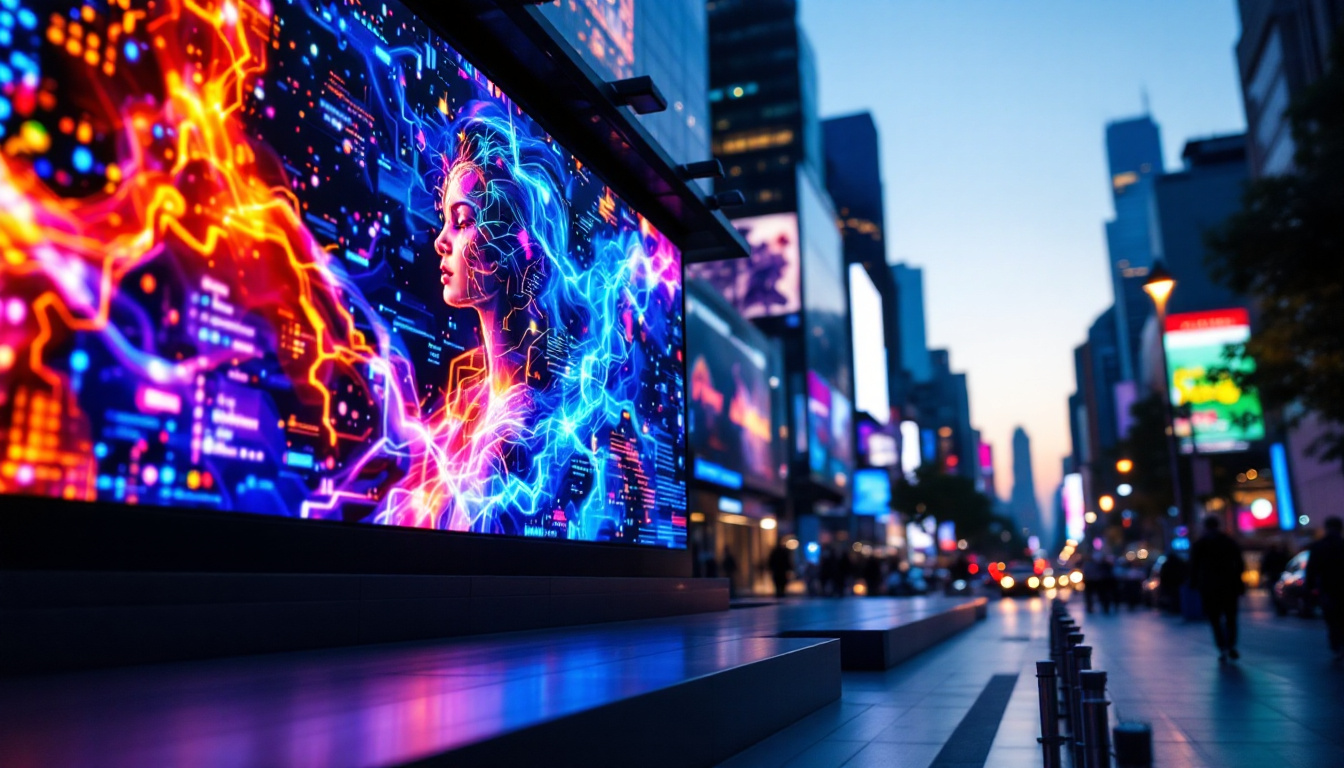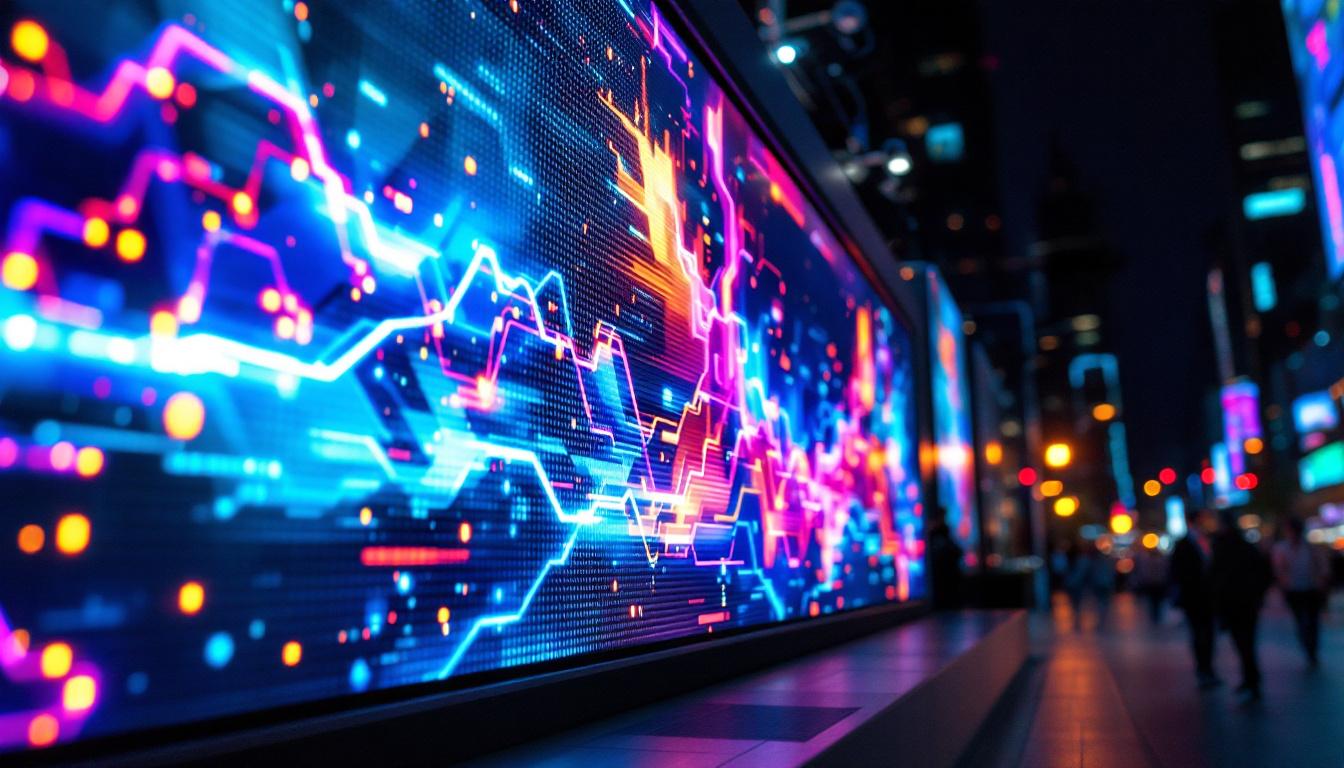
In the rapidly evolving world of digital signage and display technology, LED displays have emerged as a dominant force. From massive outdoor billboards to indoor advertising panels and even wearable tech, LED displays are everywhere. However, understanding the intricacies behind their longevity, performance, and maintenance is crucial for businesses and consumers alike. This article delves into the concept of the “Lifetime Grid” of LED displays, explaining what it means, why it matters, and how it impacts the overall value and effectiveness of LED display technology.
What is an LED Display?
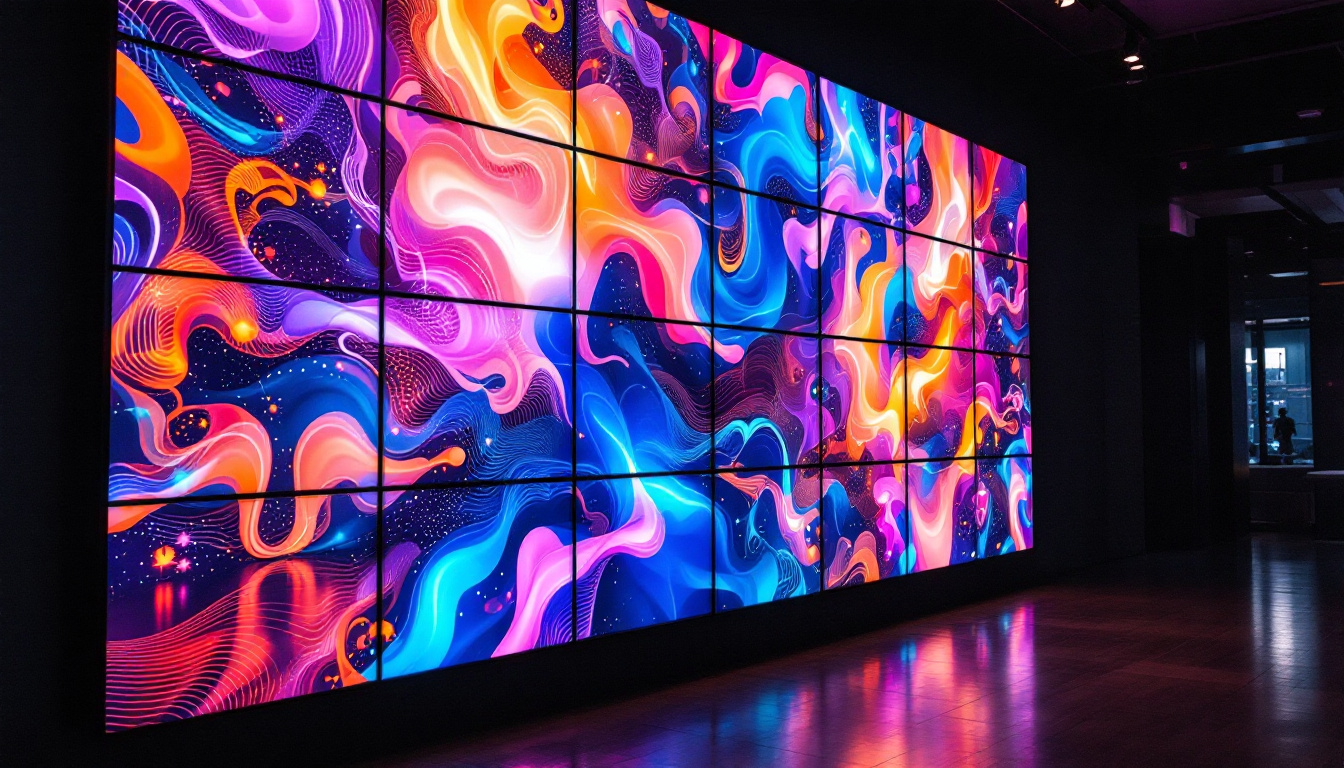
LED stands for Light Emitting Diode, a semiconductor device that emits light when an electric current passes through it. LED displays are made up of thousands to millions of these tiny diodes arranged in a grid or matrix, which collectively produce images, videos, or text with vibrant colors and high brightness.
Unlike traditional LCD or plasma screens, LED displays use these individual diodes as pixels, which can be turned on or off independently. This structure allows for superior contrast, brightness, and energy efficiency, making LED displays ideal for both indoor and outdoor environments where visibility is critical.
LED technology has advanced significantly over the past decade, with innovations in pixel pitch, color accuracy, and power consumption. However, one of the most important aspects for users and manufacturers is the display’s lifetime — how long it can operate effectively before its performance degrades.
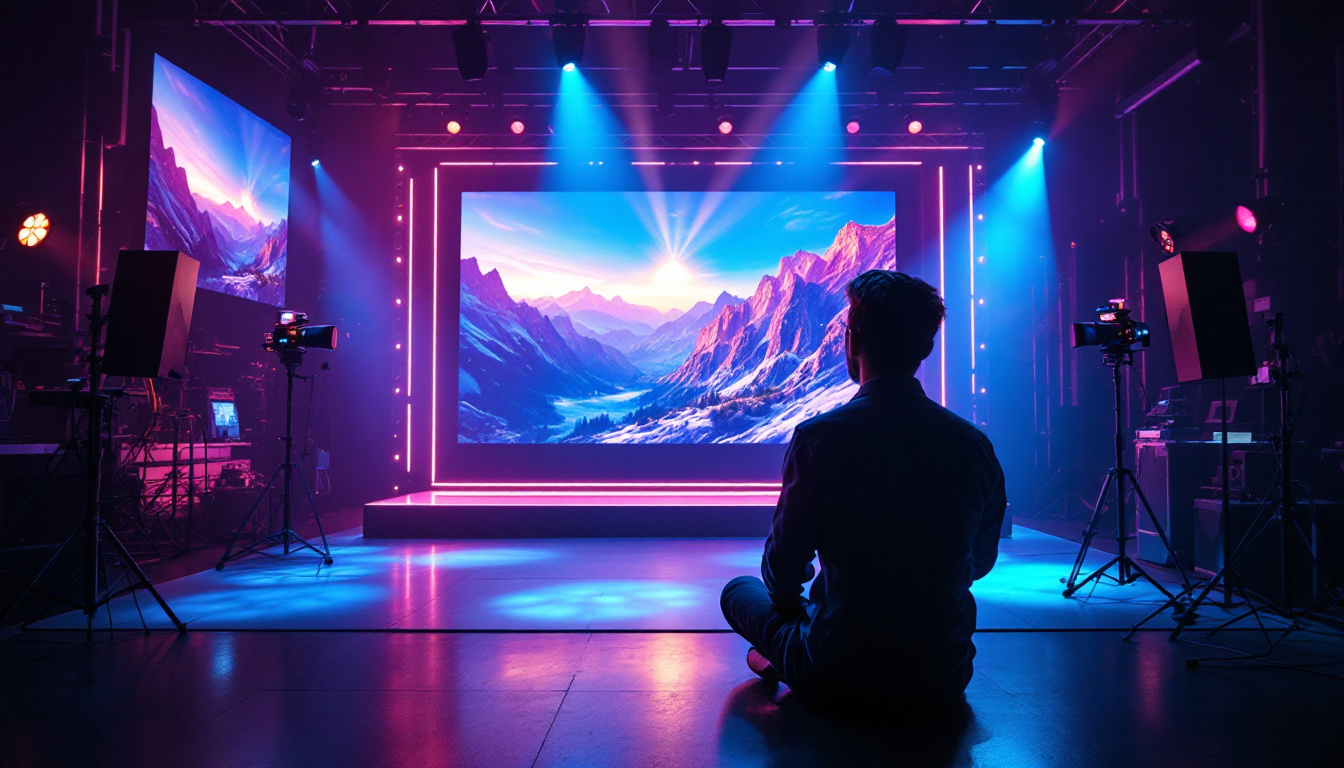
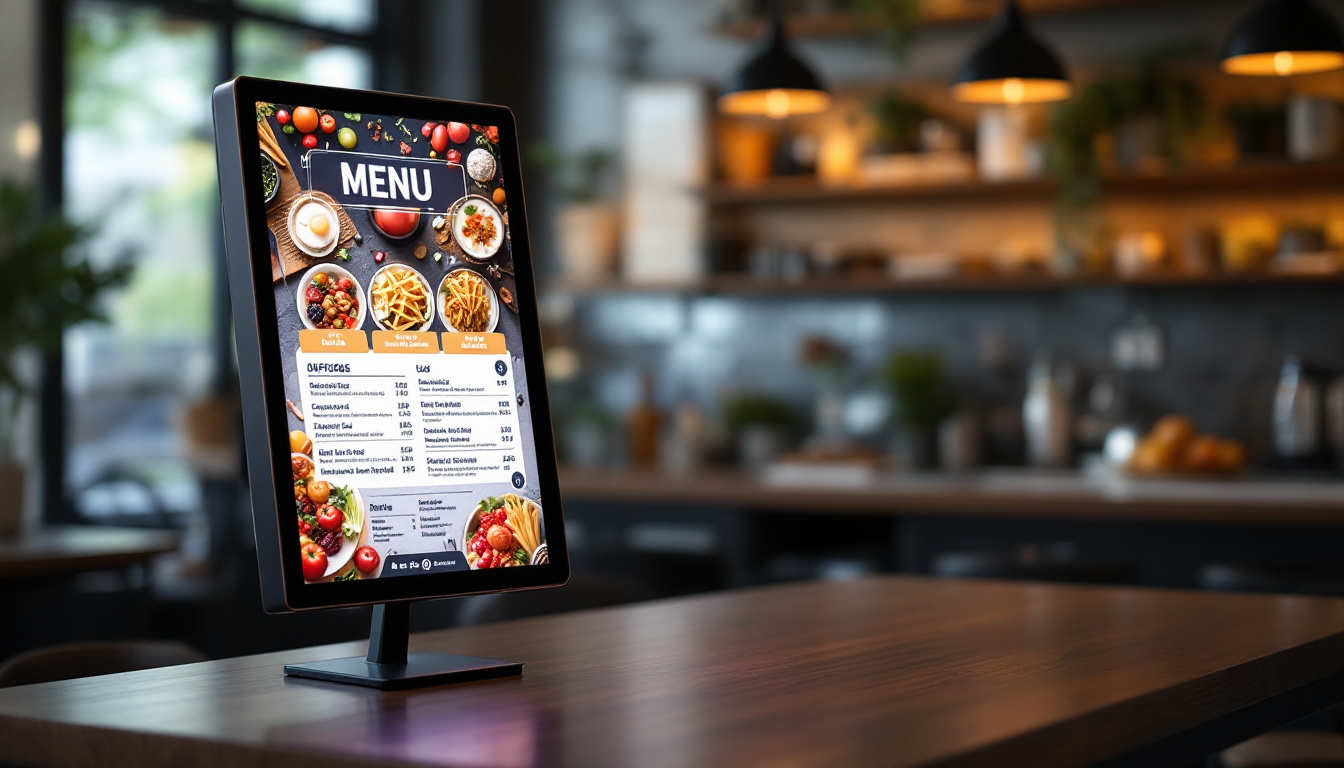
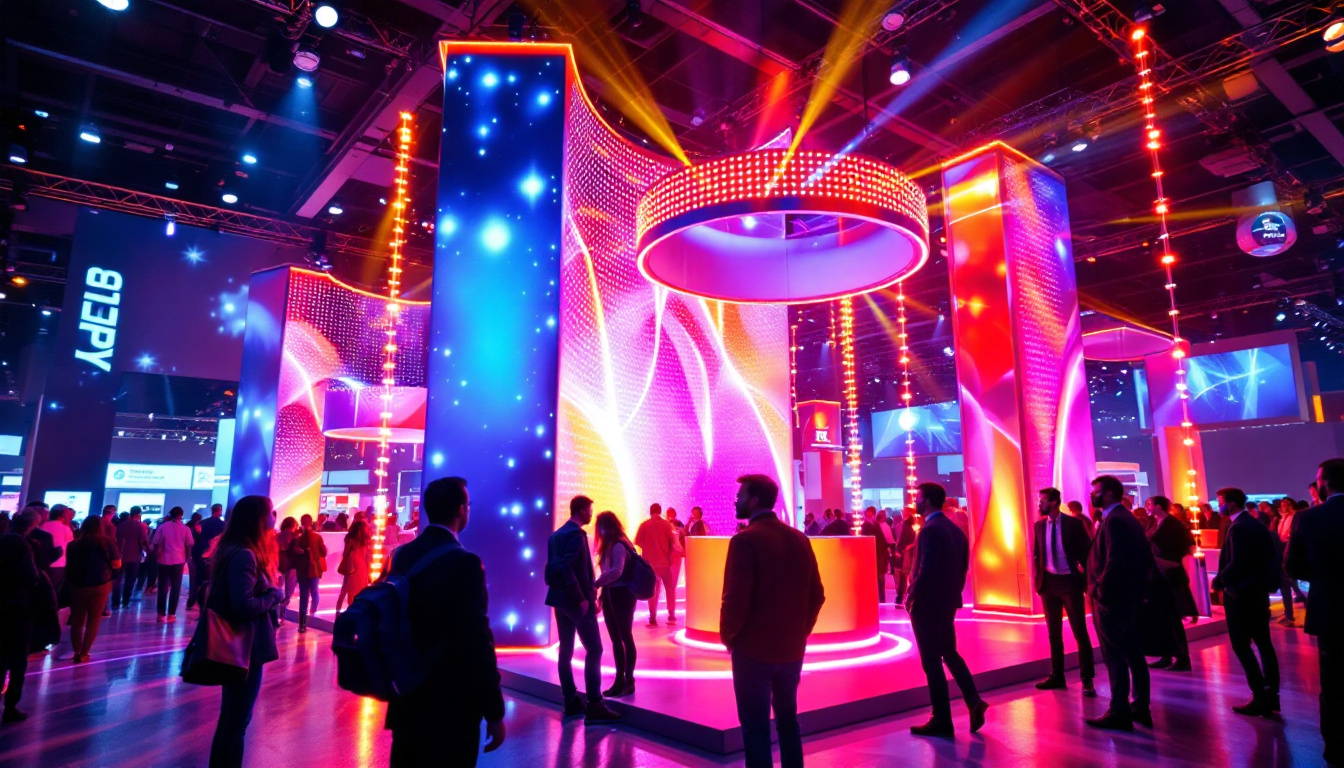
In addition to their impressive longevity, LED displays are also known for their versatility. They can be found in a variety of applications, from large-scale billboards and sports arenas to smaller screens used in retail environments and public transportation systems. The modular nature of LED technology allows for creative configurations, enabling designers to create unique shapes and sizes that fit specific spaces or artistic visions. This adaptability has led to a surge in the popularity of LED displays in architectural installations, where they can be integrated seamlessly into buildings, enhancing both functionality and aesthetic appeal.
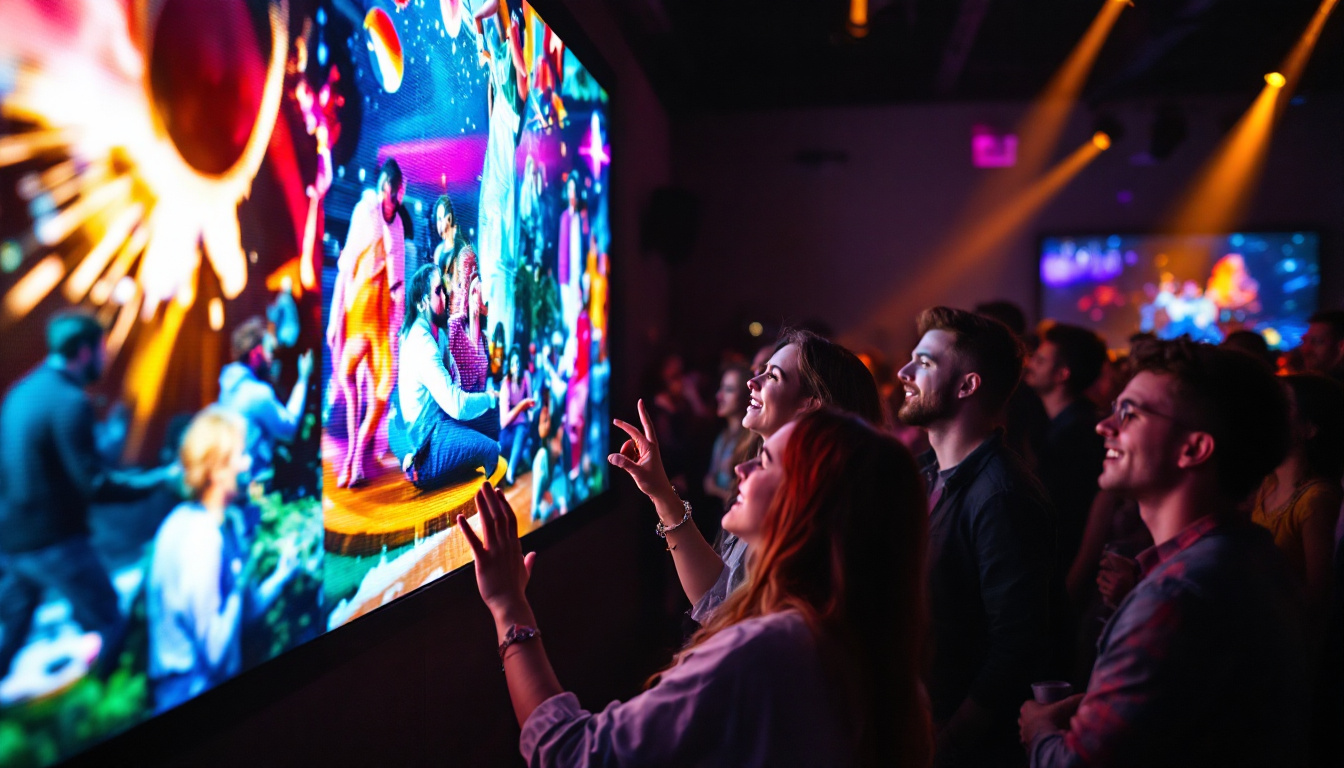
Furthermore, the rise of smart LED displays has introduced advanced features such as interactivity and connectivity. Many modern LED screens can be integrated with software systems that allow for real-time content updates, audience engagement through touch or gesture recognition, and even integration with social media platforms. This interactivity not only captivates viewers but also provides businesses with valuable data on customer engagement and preferences, making LED displays an essential tool in the digital marketing landscape.
Understanding the Lifetime of an LED Display
Defining Lifetime in LED Displays
The term “lifetime” in the context of LED displays refers to the duration over which the display maintains a certain level of brightness and color fidelity before it is considered no longer usable for its intended purpose. Typically, manufacturers define lifetime as the point at which the display’s brightness drops to 50% of its original output, often called the “half-brightness” point.
For example, if an LED display starts with a brightness of 1,000 nits, its lifetime would be the number of operating hours until the brightness declines to 500 nits. This metric helps users understand how long the display will remain visually effective and when it might require replacement or refurbishment. Additionally, it is important to note that the perceived lifetime can vary significantly based on the application; for instance, an LED display used in a high-traffic area may experience faster degradation due to increased exposure to environmental stressors compared to one used in a controlled indoor setting.
Factors Affecting LED Display Lifetime
Several factors influence the lifetime of an LED display, including:
- LED Quality: The quality of the individual diodes plays a critical role. High-quality LEDs from reputable manufacturers tend to have longer lifespans and more consistent performance.
- Operating Conditions: Environmental factors such as temperature, humidity, and exposure to elements like dust or UV radiation can accelerate LED degradation.
- Usage Patterns: Continuous operation versus intermittent use affects lifespan. Displays running 24/7 will naturally age faster than those used only a few hours daily.
- Driving Current: The electrical current supplied to the LEDs influences brightness and heat generation. Higher currents yield brighter displays but can reduce lifespan due to increased thermal stress.
- Maintenance: Regular cleaning, calibration, and timely repairs can extend the effective lifetime of an LED display.
In addition to these factors, the design and technology behind the LED display itself can also impact longevity. For instance, displays that incorporate advanced thermal management systems are better equipped to dissipate heat, which is a significant factor in LED deterioration. Furthermore, innovations in LED technology, such as the development of organic LEDs (OLEDs) or quantum dot displays, may offer enhanced performance and longer lifetimes compared to traditional LED technologies. As these advancements continue to evolve, they promise to redefine the expectations surrounding display longevity and performance, making it essential for consumers and businesses to stay informed about the latest developments in the field.
Moreover, the application of the LED display can dictate specific requirements for lifetime and performance. For example, outdoor billboards must withstand harsher conditions, including rain, snow, and extreme temperatures, necessitating robust designs that can endure these challenges. Conversely, displays used in indoor environments, such as retail or corporate settings, might prioritize color accuracy and resolution over extreme durability. Understanding these nuances can help users make informed decisions when selecting LED displays tailored to their specific needs, ensuring optimal performance and longevity in their intended applications.
The Concept of the Lifetime Grid
What is the Lifetime Grid?
The “Lifetime Grid” is a framework used by LED manufacturers and engineers to map the expected operational lifespan of an LED display across its entire surface area. Instead of considering the display as a single unit, the lifetime grid breaks down the display into smaller sections or “grids,” each representing a cluster of LEDs.
This approach recognizes that not all parts of an LED display degrade uniformly. Variations in heat dissipation, electrical load, and environmental exposure can cause certain sections to dim or fail earlier than others. By analyzing the lifetime grid, technicians can predict which areas might require maintenance or replacement sooner, enabling proactive management of the display’s performance.
Why the Lifetime Grid Matters
Understanding the lifetime grid is essential for several reasons:
- Targeted Maintenance: Instead of replacing the entire display, operators can focus on specific grid sections showing signs of wear, reducing costs and downtime.
- Performance Optimization: Monitoring the lifetime grid helps maintain consistent brightness and color uniformity across the display, which is critical for brand image and viewer experience.
- Warranty and Service Agreements: Manufacturers often use lifetime grid data to define warranty terms and service schedules, ensuring transparency and accountability.
- Investment Planning: Businesses can better forecast replacement cycles and budget accordingly by understanding how different parts of the display age.
Measuring and Monitoring the Lifetime Grid
Technologies Used for Lifetime Grid Analysis
Modern LED displays are often equipped with integrated sensors and diagnostic software that continuously monitor the health of each grid section. These systems measure parameters such as brightness, color temperature, and power consumption in real-time.
Advanced analytics platforms use this data to generate lifetime grid maps, highlighting areas of degradation or impending failure. Some displays also incorporate self-calibration features that adjust the output of individual grids to compensate for aging LEDs, maintaining uniform image quality.
Case Study: Large-Scale Outdoor LED Billboard
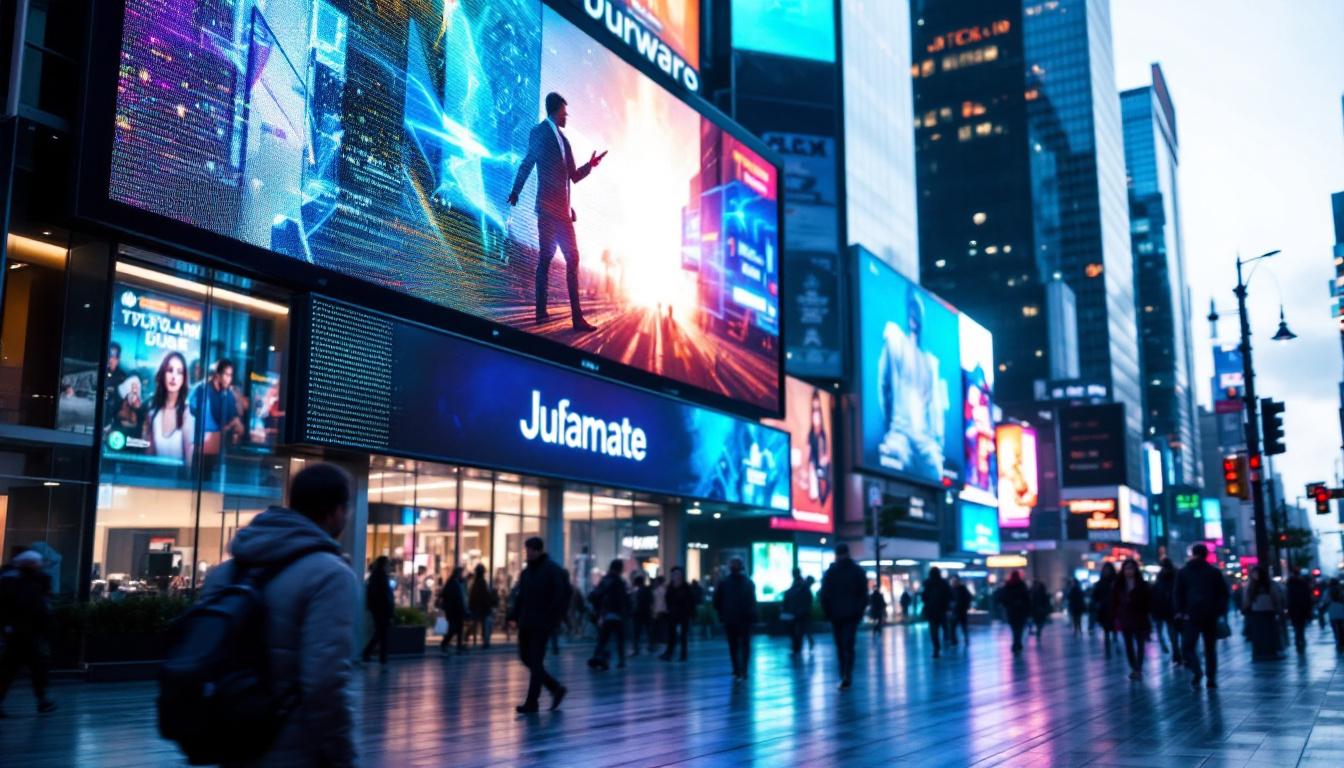
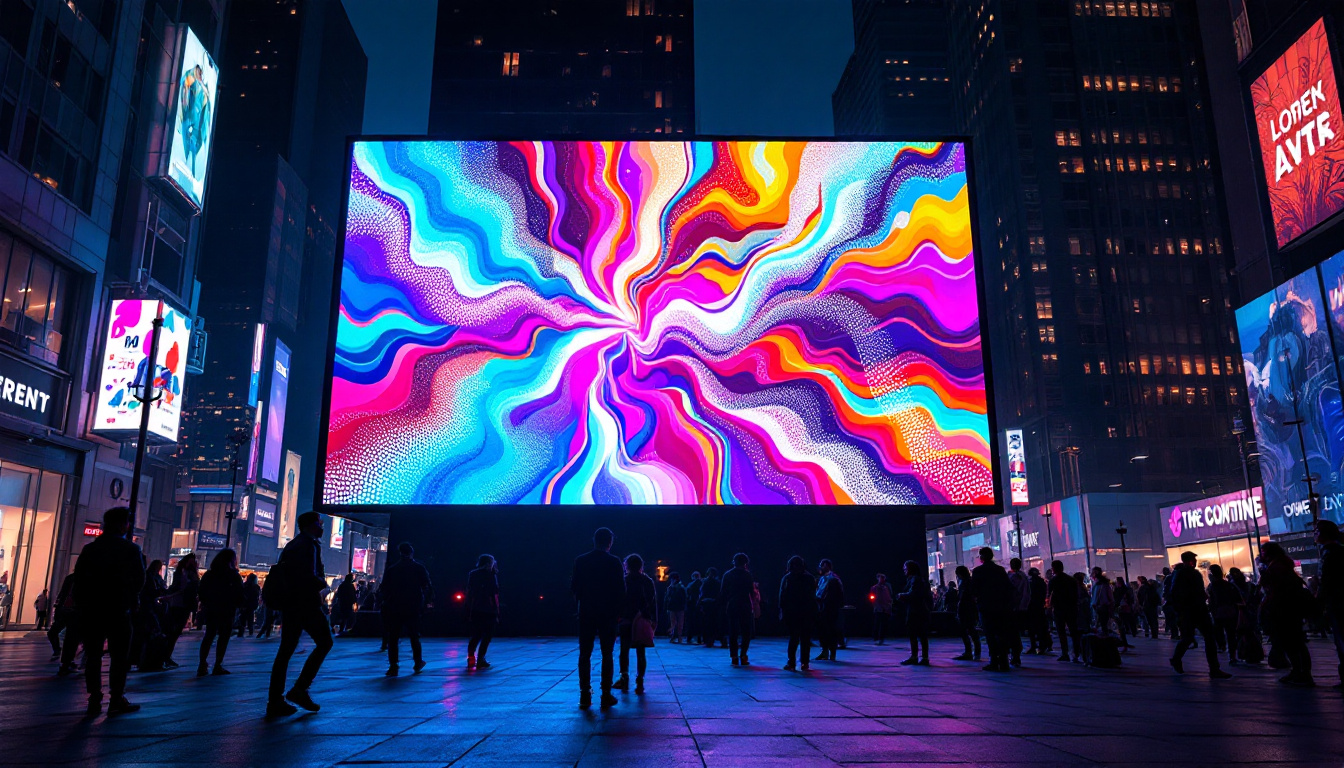
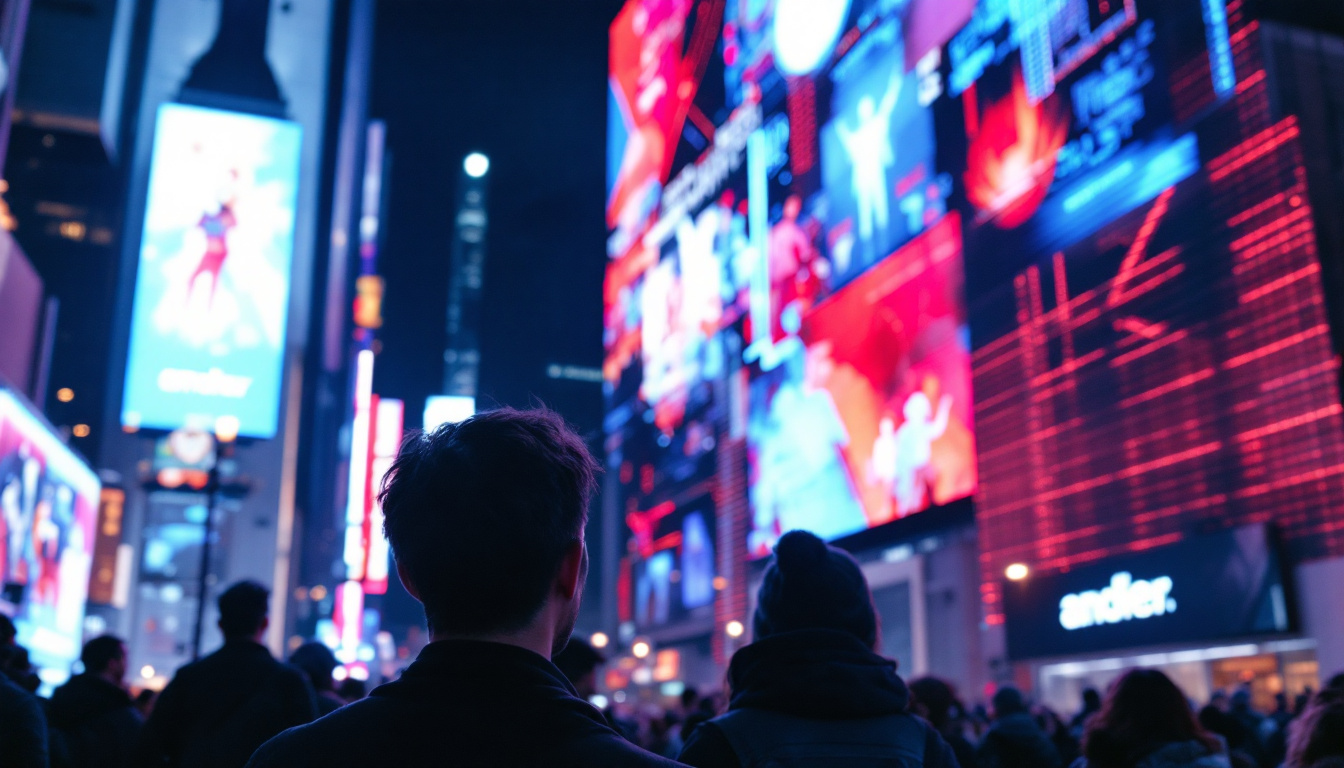
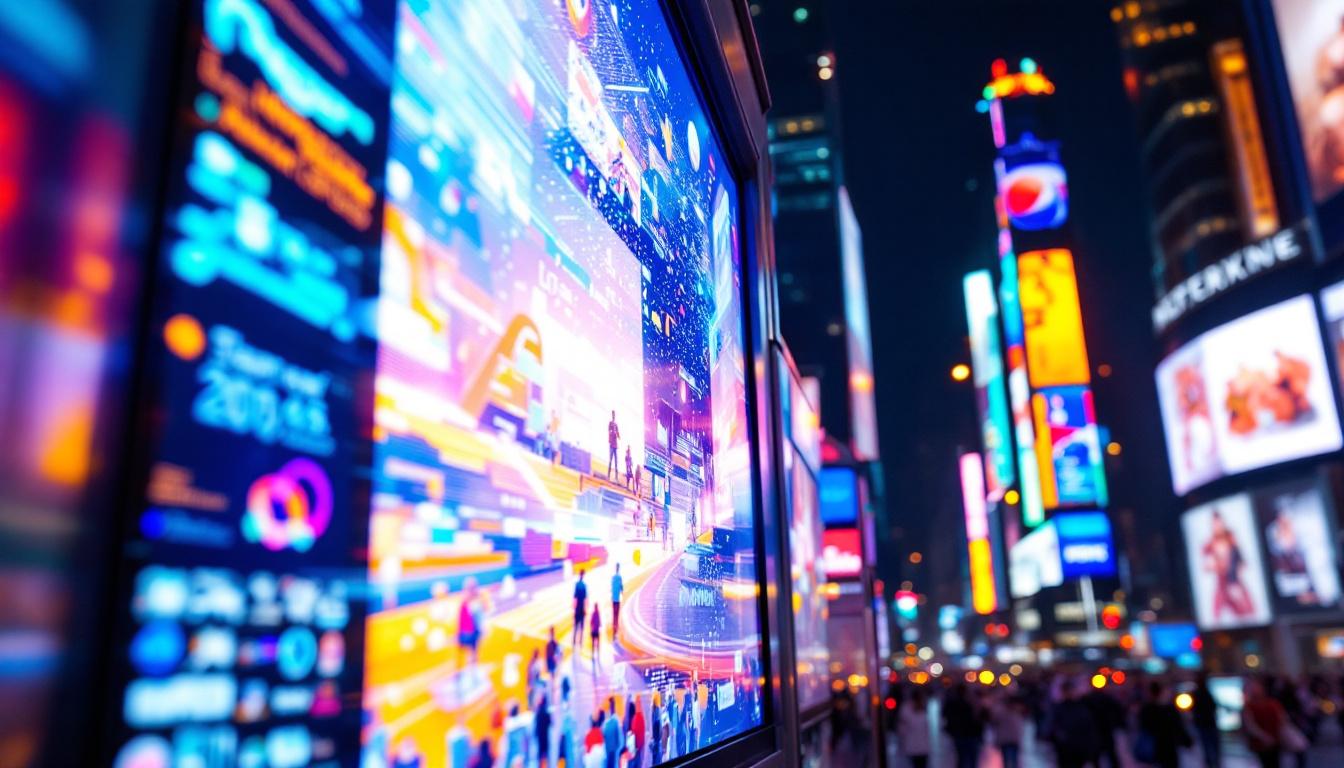
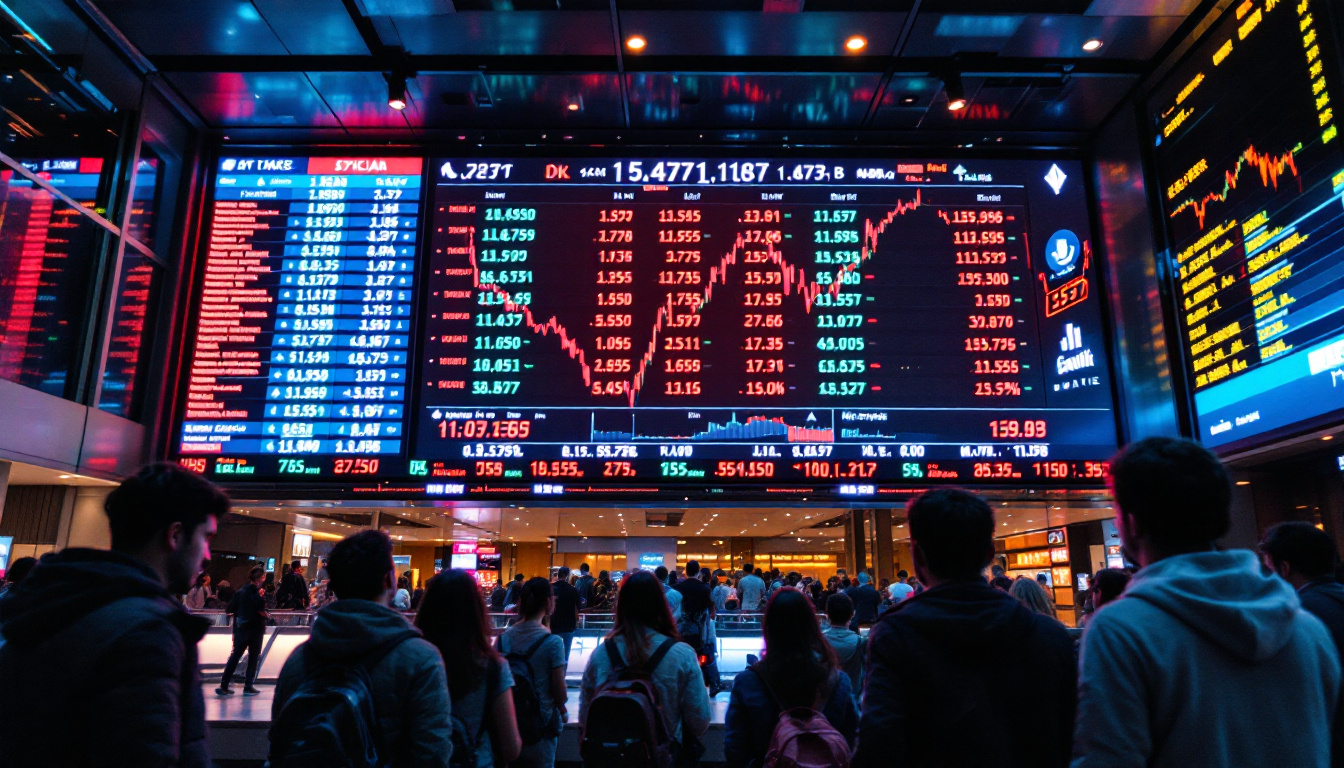
Consider a 20-meter-wide outdoor LED billboard used for advertising in a busy urban area. Due to constant exposure to sunlight, rain, and pollution, certain sections near the top and edges might degrade faster. By employing lifetime grid monitoring, the billboard operator can identify these vulnerable areas early.
Instead of replacing the entire panel, technicians can replace or repair only the affected grid sections. This targeted approach not only extends the billboard’s overall lifetime but also ensures that the advertisements remain vibrant and eye-catching, maximizing return on investment.
Extending the Lifetime of LED Displays
Best Practices for Longevity
Extending the lifetime of an LED display involves a combination of design choices, operational strategies, and maintenance routines:
- Optimal Driving Current: Running LEDs at a slightly reduced current can significantly increase lifespan without compromising much on brightness.
- Effective Heat Management: Heat is a major enemy of LEDs. Using heat sinks, fans, or other cooling mechanisms helps maintain lower operating temperatures.
- Environmental Protection: For outdoor displays, using weatherproof enclosures and protective coatings can shield LEDs from moisture and UV damage.
- Regular Cleaning: Dust and dirt accumulation can block light output and trap heat. Scheduled cleaning routines help maintain performance.
- Routine Calibration: Periodic color and brightness calibration ensure uniformity and compensate for aging LEDs.
Innovations Driving Longer Lifetimes
Recent advances in LED materials and manufacturing processes have contributed to longer-lasting displays. For example, the development of more efficient phosphor coatings improves color stability and reduces degradation.
Additionally, smart control systems that dynamically adjust brightness based on ambient light conditions not only save energy but also reduce stress on LEDs, extending their operational life.
Economic and Environmental Impact of LED Display Lifetime
Cost Implications
The lifetime of an LED display directly affects the total cost of ownership. While high-quality displays with longer lifetimes may have a higher upfront cost, they typically offer better value over time due to reduced maintenance and replacement expenses.
Businesses relying on LED displays for advertising or information dissemination must weigh these factors carefully. Investing in displays with well-documented lifetime grids and robust monitoring systems can prevent unexpected failures and costly downtime.
Environmental Considerations
Longer-lasting LED displays contribute to sustainability by reducing electronic waste. The ability to repair or replace specific grid sections rather than entire panels minimizes material consumption and landfill contributions.
Moreover, LED technology is inherently more energy-efficient than alternatives like incandescent or fluorescent lighting, further reducing environmental impact over the display’s lifetime.
Conclusion: The Importance of Understanding Lifetime Grids in LED Displays
LED displays have transformed the way information and advertisements are presented, offering unparalleled brightness, color quality, and flexibility. However, their true value lies not just in their initial performance but in their sustained operation over time.
The concept of the lifetime grid provides a nuanced understanding of how LED displays age and degrade, enabling smarter maintenance, cost savings, and improved visual consistency. For businesses and operators, leveraging lifetime grid data and best practices can maximize the return on investment while minimizing environmental impact.
As LED technology continues to evolve, integrating lifetime grid monitoring and management into display solutions will become increasingly important, ensuring that these vibrant screens remain reliable and effective for years to come.
Discover the Future of LED Displays with LumenMatrix
Ready to experience the pinnacle of LED display technology? LumenMatrix is at the forefront of innovation, offering a wide array of LED display solutions that bring your visual communications to life. Whether you’re looking for Indoor LED Walls, Outdoor Displays, or Custom LED Solutions tailored to your unique needs, LumenMatrix has the expertise to elevate your brand’s presence. Embrace the power of advanced LED displays and join the revolution in visual storytelling. Check out LumenMatrix LED Display Solutions today and see your message shine like never before.