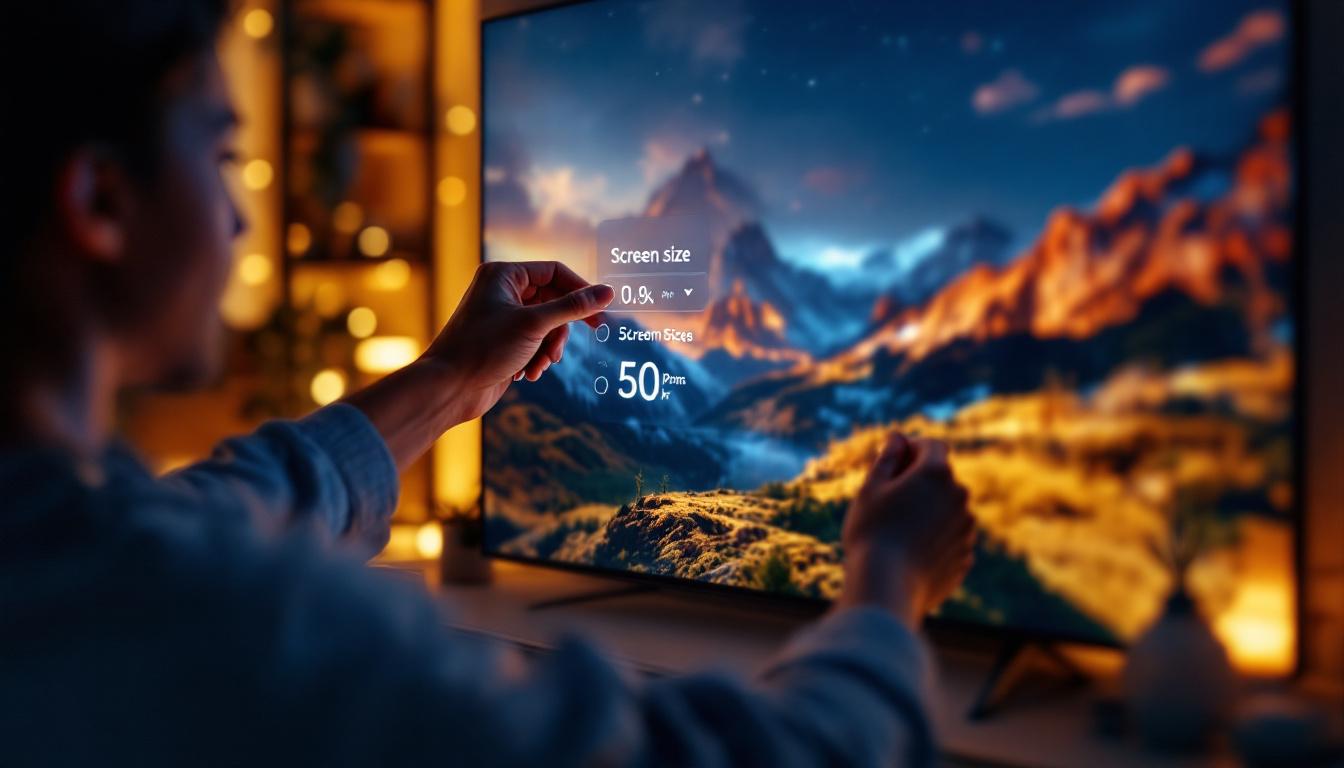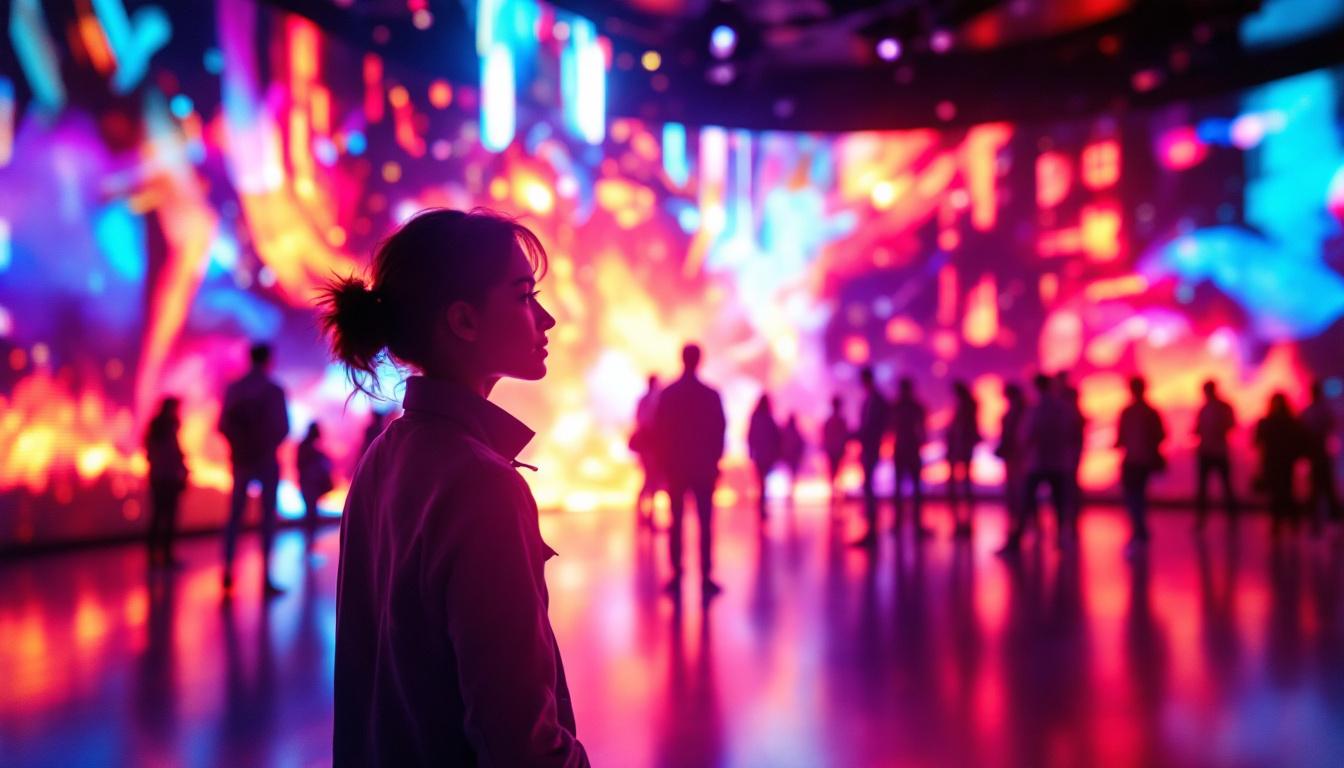
In the rapidly evolving world of digital signage and display technology, LED displays have become the cornerstone of vibrant, high-impact visual communication. Among the many products available, the Light M Series LED displays stand out for their innovative design and versatile applications. This article delves into the background of the Light M Series, explaining the technology behind LED displays, their advantages, and why the Light M Series is a preferred choice for many industries today.
Understanding LED Display Technology
What is an LED Display?
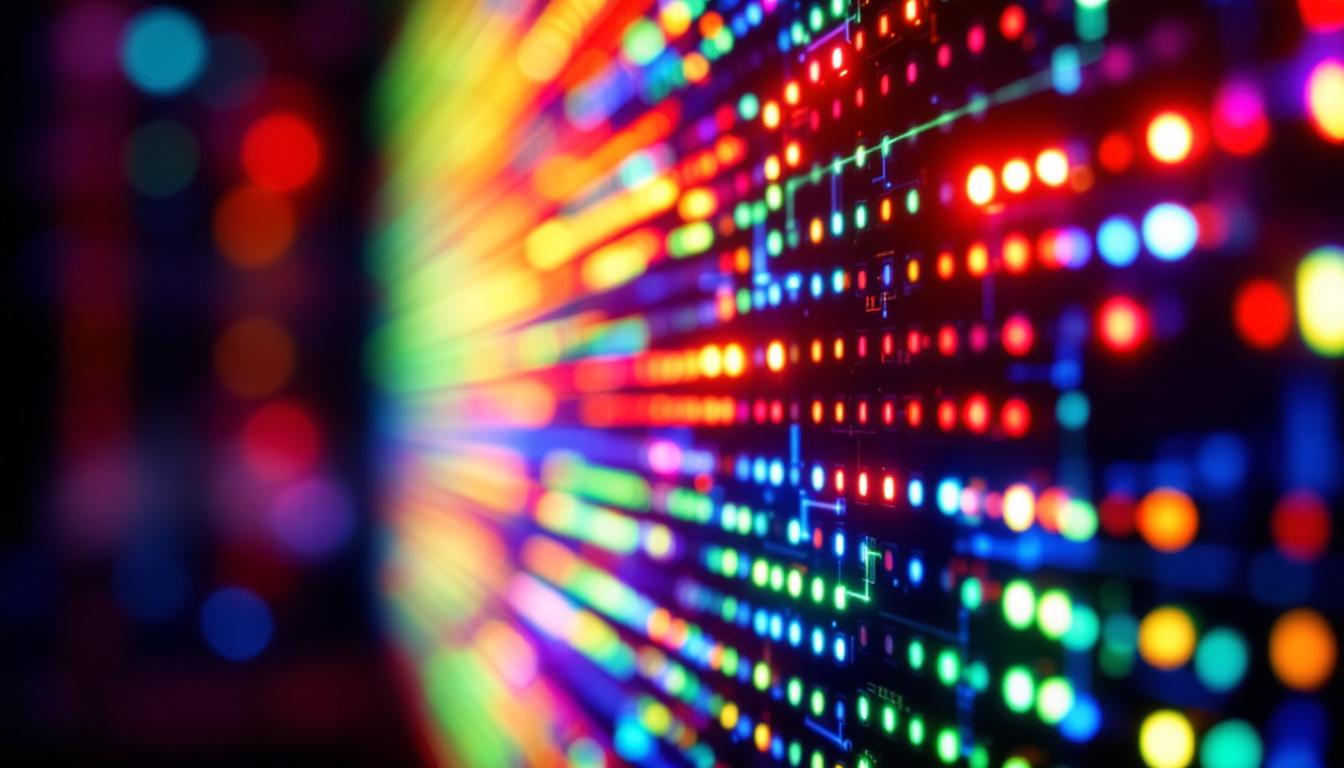
LED stands for Light Emitting Diode, a semiconductor device that emits light when an electric current passes through it. An LED display is essentially a flat panel or screen that uses an array of light-emitting diodes as pixels to create images, videos, or text. These displays are widely used in various settings, from outdoor billboards to indoor video walls, because of their brightness, energy efficiency, and long lifespan.
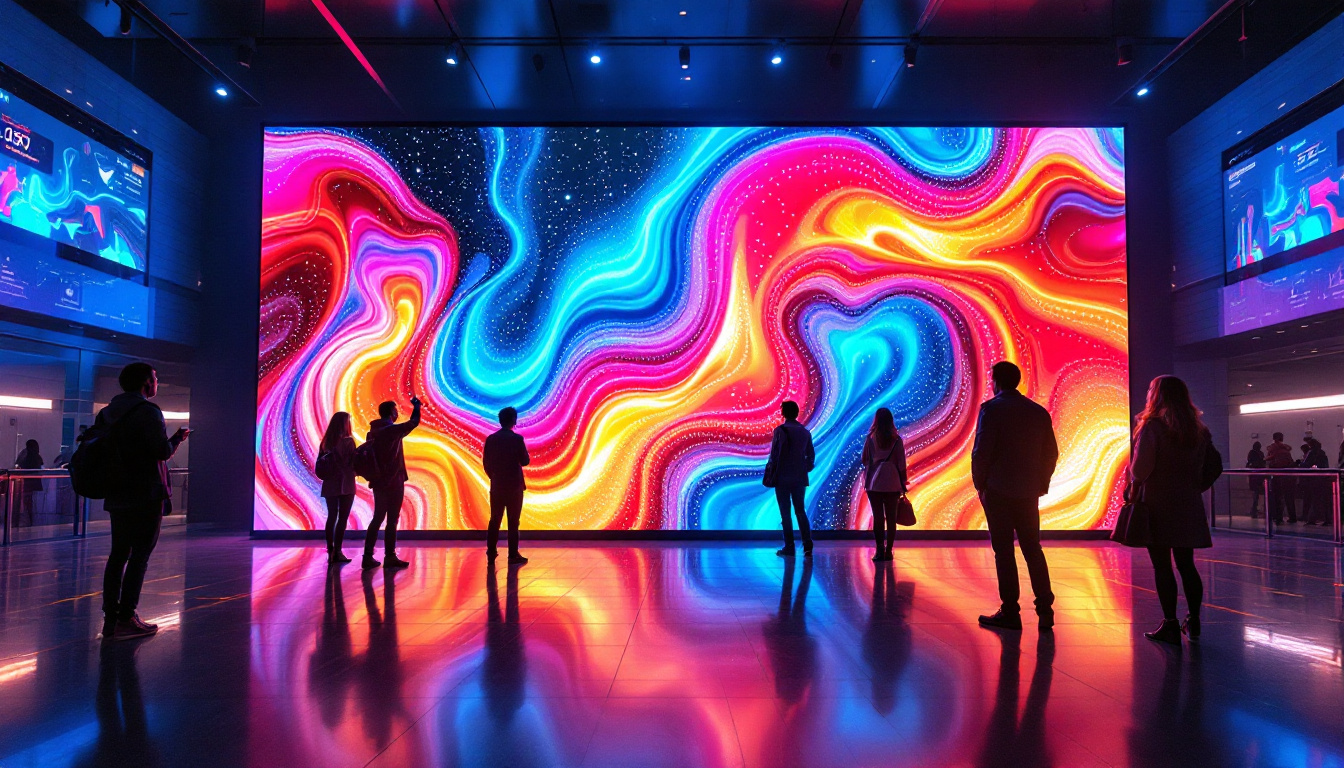
Unlike traditional LCD screens, LED displays do not require backlighting. Instead, each diode emits its own light, which results in higher contrast ratios and more vibrant colors. This self-illumination capability allows LED displays to perform exceptionally well in bright environments, including direct sunlight, making them ideal for outdoor advertising and public information displays. Additionally, the rapid response time of LEDs contributes to smoother motion graphics and video playback, enhancing the viewer’s experience significantly.
Moreover, LED technology has evolved to include features such as dynamic range and color calibration, allowing for more accurate and lifelike representations of images. This advancement is particularly beneficial in industries like broadcasting and live events, where color fidelity and clarity are paramount. The integration of smart technology into LED displays has also enabled interactive features, allowing users to engage with the content in real-time, which is increasingly popular in retail and entertainment settings.
Types of LED Displays
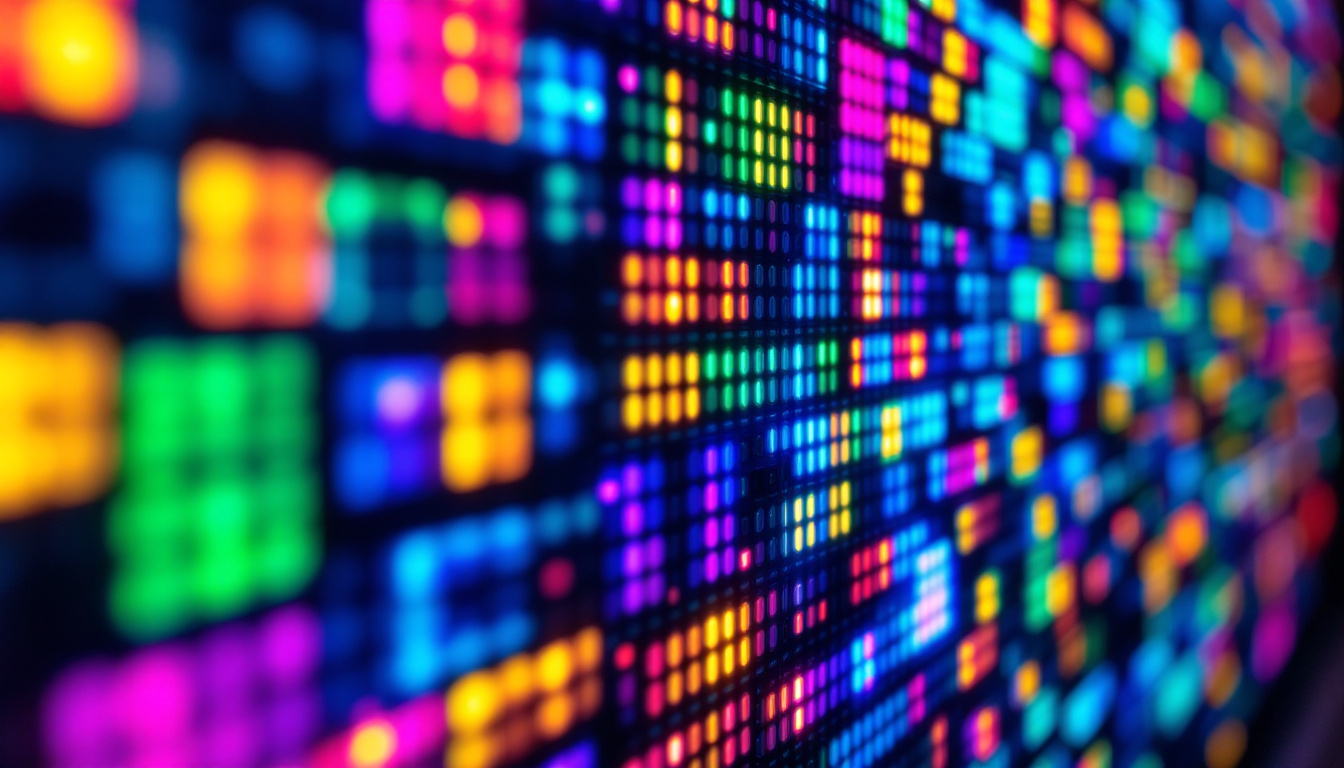
LED displays come in different forms, primarily categorized by their pixel pitch, which is the distance between the centers of two adjacent pixels. Smaller pixel pitches mean higher resolution and better image clarity, suitable for close viewing distances, while larger pixel pitches are used for displays viewed from afar.
There are two main types of LED displays:
- Direct View LED Displays: These use LEDs as the actual pixels and are known for their brightness and color accuracy. They are commonly used in large-scale applications such as stadium screens and outdoor billboards. The modular nature of direct view displays allows for easy customization in size and shape, making them versatile for various architectural designs and event setups.
- LED-Backlit LCD Displays: These are traditional LCD panels that use LEDs as a backlight source. They offer improved color and energy efficiency over older CCFL-backlit LCDs but do not match the brightness and contrast of direct view LED displays. However, they remain popular in consumer electronics, such as televisions and computer monitors, due to their affordability and wide availability.
In addition to these primary types, there are also specialized LED displays designed for specific applications. For instance, transparent LED displays are becoming increasingly popular in retail environments, allowing for eye-catching advertisements without obstructing views into or out of a store. Similarly, flexible LED displays can be bent or shaped to fit unconventional spaces, enabling creative installations that were previously impossible with rigid screens. This adaptability further showcases the innovative potential of LED technology in modern visual communication.
The Evolution and Significance of the Light M Series
Origins and Development
The Light M Series was developed in response to the growing demand for LED displays that combine high performance with energy efficiency and sleek design. It represents a significant advancement in LED technology, incorporating cutting-edge materials and manufacturing techniques to deliver superior image quality and reliability.
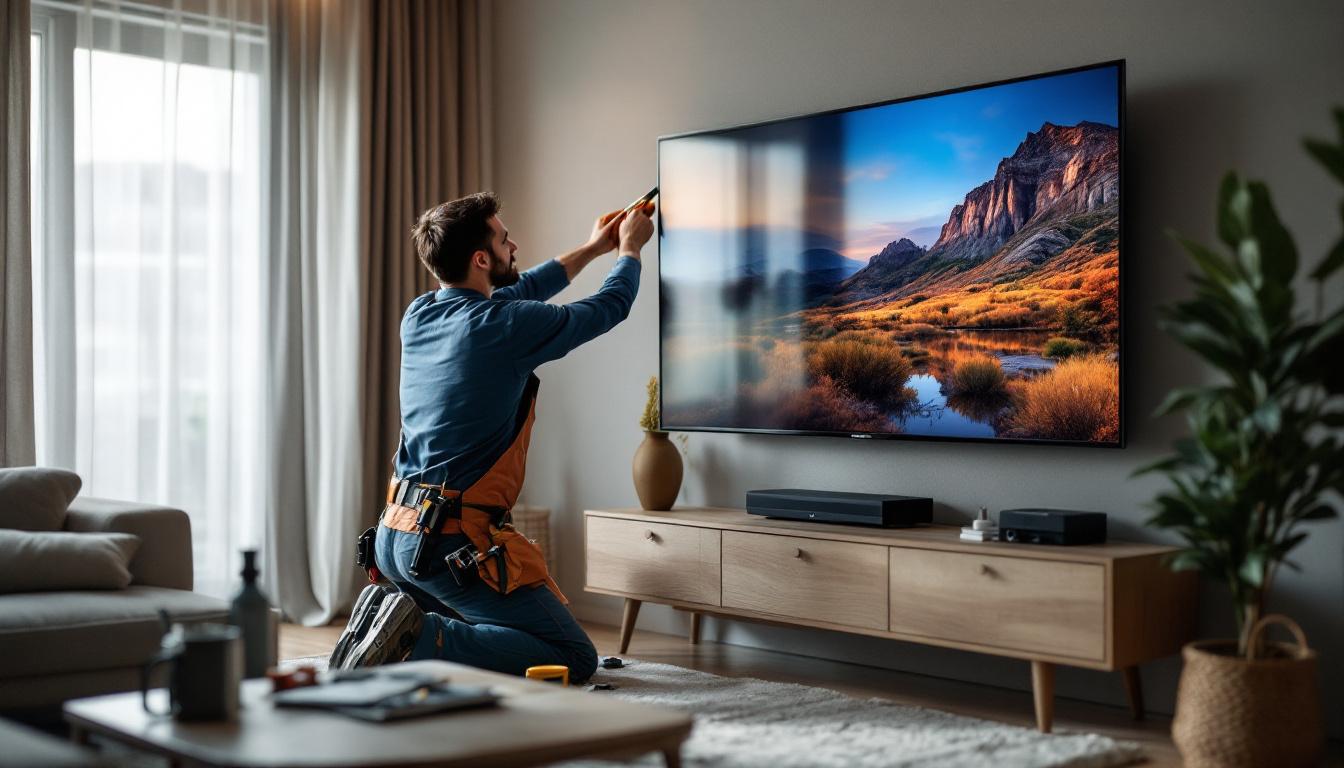
Since its introduction, the Light M Series has been embraced by industries ranging from retail and entertainment to corporate and public sectors. Its modular design allows for easy installation and maintenance, while its lightweight construction makes it suitable for both permanent and temporary setups.
Key Features of the Light M Series
The Light M Series is distinguished by several notable features that enhance its functionality and user experience:
- High Resolution and Brightness: With pixel pitches as fine as 1.2mm, the Light M Series offers crisp, clear images even at close viewing distances. Its high brightness levels ensure visibility in various lighting conditions, including outdoor environments.
- Energy Efficiency: Utilizing the latest LED technology, the series consumes significantly less power compared to older models, reducing operational costs and environmental impact.
- Lightweight and Slim Design: The lightweight cabinet design simplifies transportation and installation, while the slim profile allows for seamless integration into architectural spaces.
- Robust Durability: Designed to withstand harsh environmental conditions, the Light M Series features weatherproofing and heat dissipation systems that extend its lifespan.
- Flexible Configuration: The modular nature of the Light M Series enables custom sizes and shapes, catering to diverse application requirements.
Applications of the Light M Series LED Displays
Retail and Advertising
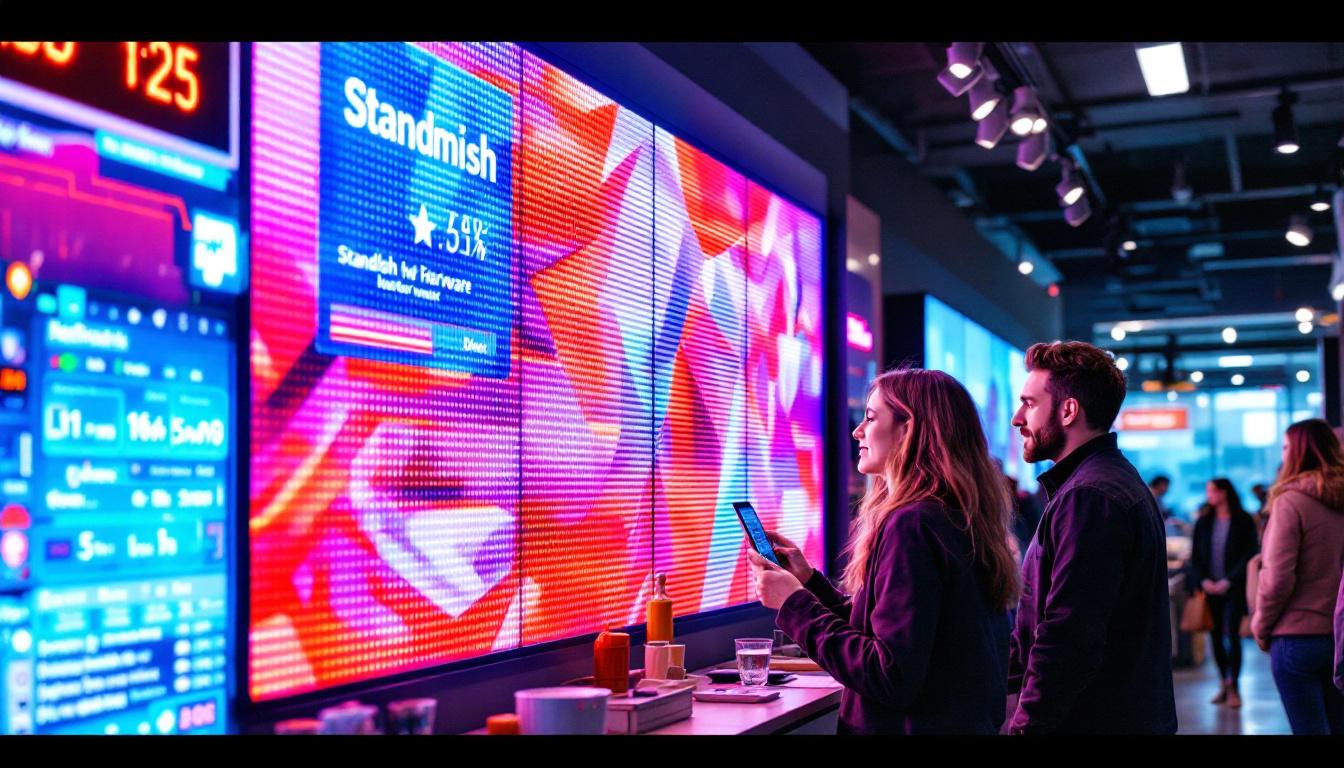
In the retail sector, captivating customers’ attention is paramount. The Light M Series excels in this area by delivering vibrant, dynamic content that can be easily updated to reflect promotions, product launches, or seasonal campaigns. Its high resolution ensures that images and videos appear sharp and engaging, helping retailers enhance brand visibility and drive sales.
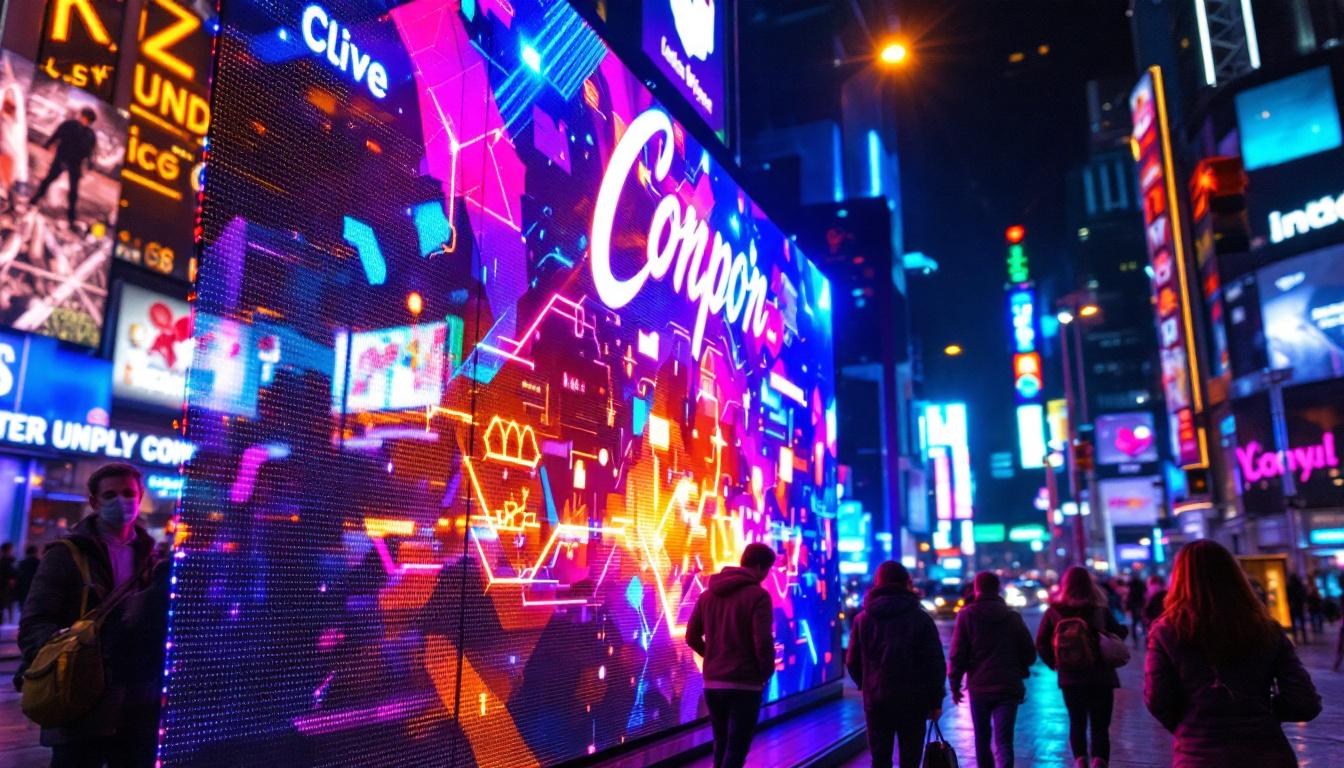
Outdoor advertising also benefits from the Light M Series’ brightness and durability. Billboards and signage installed in high-traffic areas maintain their visual impact regardless of weather or time of day, making them a reliable medium for advertisers.
Corporate and Event Use
Corporate environments utilize the Light M Series for presentations, digital signage, and video conferencing. The display’s clarity and color accuracy contribute to effective communication, whether in boardrooms, lobbies, or auditoriums.
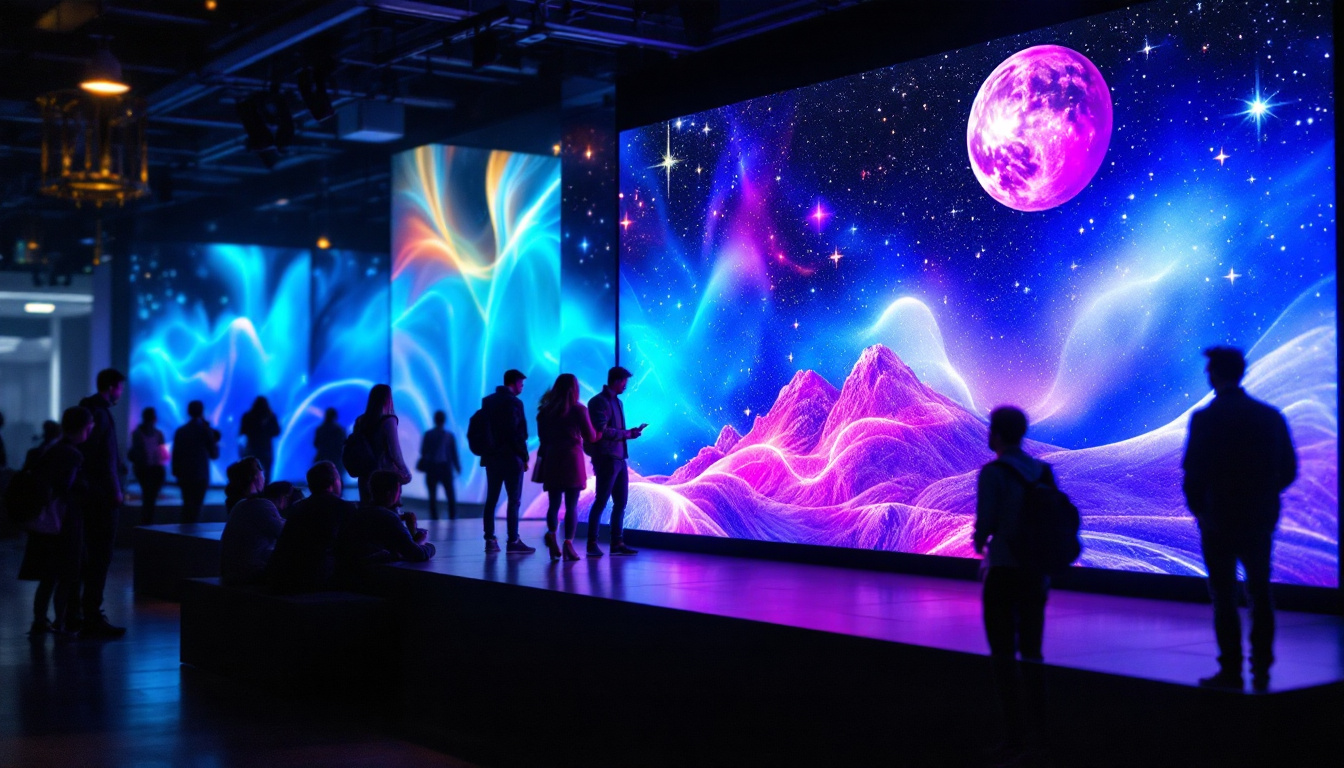
Events such as concerts, trade shows, and exhibitions demand flexible display solutions that can be quickly assembled and disassembled. The lightweight and modular features of the Light M Series make it an ideal choice for event organizers seeking high-quality visuals without logistical challenges.
Public Spaces and Transportation Hubs
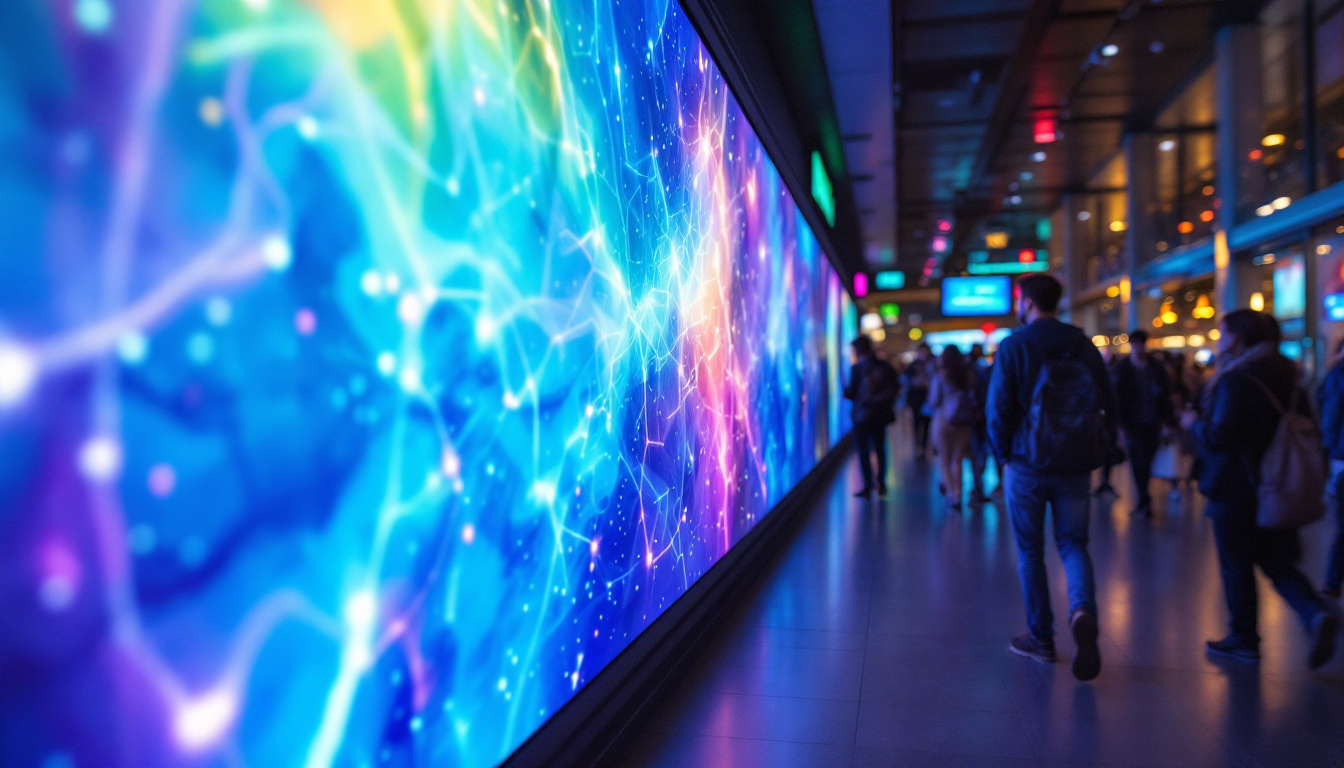
Public information displays in airports, train stations, and city centers require reliable, easy-to-read screens. The Light M Series meets these needs with its excellent visibility and robust build quality, ensuring consistent performance in busy, high-traffic environments.
Additionally, the ability to configure the displays into various sizes and shapes allows for creative installations that enhance the aesthetic appeal of public spaces while providing essential information to the public.
Technical Insights: How the Light M Series Stands Out
Advanced LED Modules and Pixel Density
The Light M Series incorporates advanced LED modules that use high-quality diodes with precise color calibration. This results in uniform brightness and color consistency across the entire display surface, a critical factor for professional-grade visual presentations.
Pixel density is a key determinant of image quality. With options ranging from 1.2mm to 3.9mm pixel pitch, the Light M Series caters to both indoor environments requiring close viewing and outdoor applications where viewers are farther away. This versatility ensures that the display performs optimally regardless of the setting.
Innovative Cooling and Power Management
LED displays generate heat during operation, which can affect performance and longevity if not managed properly. The Light M Series uses an innovative cooling system that combines passive heat dissipation with efficient airflow design. This approach reduces the need for noisy fans and lowers maintenance requirements.
Power management is another area where the Light M Series excels. Intelligent circuitry adjusts power consumption based on ambient light conditions and content brightness, further enhancing energy efficiency without compromising visual quality.
Seamless Integration and Control Systems
Modern LED displays must integrate smoothly with content management systems and control software. The Light M Series supports a wide range of protocols and interfaces, allowing users to manage content remotely and schedule updates with ease.
Its compatibility with popular video processing and control platforms ensures that the display can be part of a larger digital ecosystem, providing synchronized and interactive experiences across multiple screens.
Future Trends and the Role of the Light M Series
The Shift Toward Smart and Interactive Displays
As digital signage evolves, there is a growing trend toward smart and interactive displays that engage audiences more effectively. The Light M Series is well-positioned to adapt to these trends by incorporating sensors, touch capabilities, and AI-driven content management in future iterations.
Interactive LED displays can transform passive viewers into active participants, enhancing user experience and providing valuable data insights for businesses and organizations.
Sustainability and Environmental Considerations
Environmental sustainability is becoming a critical factor in technology development. The Light M Series addresses this through its energy-efficient design, use of recyclable materials, and compliance with international environmental standards.
As companies and governments prioritize green initiatives, choosing LED displays like the Light M Series that minimize carbon footprint and operational costs will become increasingly important.
Conclusion: Why Choose the Light M Series LED Display?
The Light M Series represents a convergence of technological innovation, practical design, and environmental responsibility. Its high resolution, brightness, and energy efficiency make it a superior choice for a wide range of applications, from retail and corporate environments to public spaces and events.
By understanding the technology behind LED displays and the specific advantages of the Light M Series, businesses and organizations can make informed decisions that enhance their visual communication strategies while optimizing cost and sustainability.
As LED technology continues to advance, the Light M Series is poised to remain at the forefront, delivering exceptional performance and flexibility to meet the demands of today’s dynamic display market.
Discover the Future of Visual Communication with LumenMatrix
Ready to elevate your visual impact? Explore LumenMatrix’s full range of innovative LED display solutions, tailored to meet the diverse needs of any application. From Indoor and Outdoor LED Walls to specialized displays like Vehicle, Sports, and Floor LED options, LumenMatrix is committed to transforming your space with captivating and energy-efficient digital signage. Embrace the revolution in visual communication and check out LumenMatrix LED Display Solutions today to share your message with unparalleled clarity and vibrancy.