In an era dominated by digital communication, the role of display technology has never been more critical. Among the myriad of options available, LED displays have emerged as a leading choice for businesses, advertisers, and public spaces worldwide. This article delves into the world of LED digital display screens, exploring their technology, applications, benefits, and future trends. Whether you are a business owner considering a digital signage upgrade or simply curious about how these vibrant screens work, this comprehensive guide will illuminate the essentials of LED displays.
Understanding LED Display Technology
What is an LED Display?
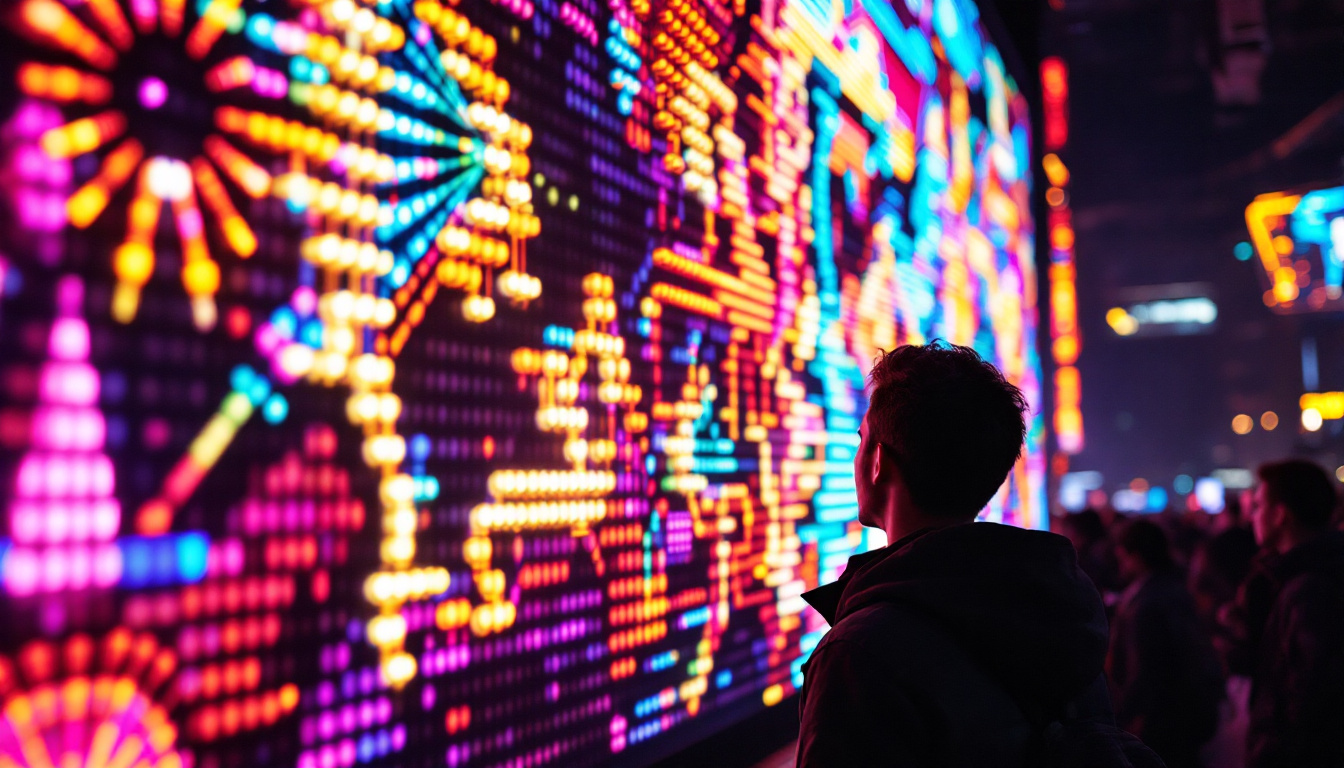
LED stands for Light Emitting Diode, a semiconductor device that emits light when an electric current passes through it. LED displays are digital screens composed of numerous tiny LEDs arranged in a matrix to form images, videos, or text. Unlike traditional LCD or plasma screens, LED displays use these diodes as the primary light source, which contributes to their brightness, energy efficiency, and longevity.
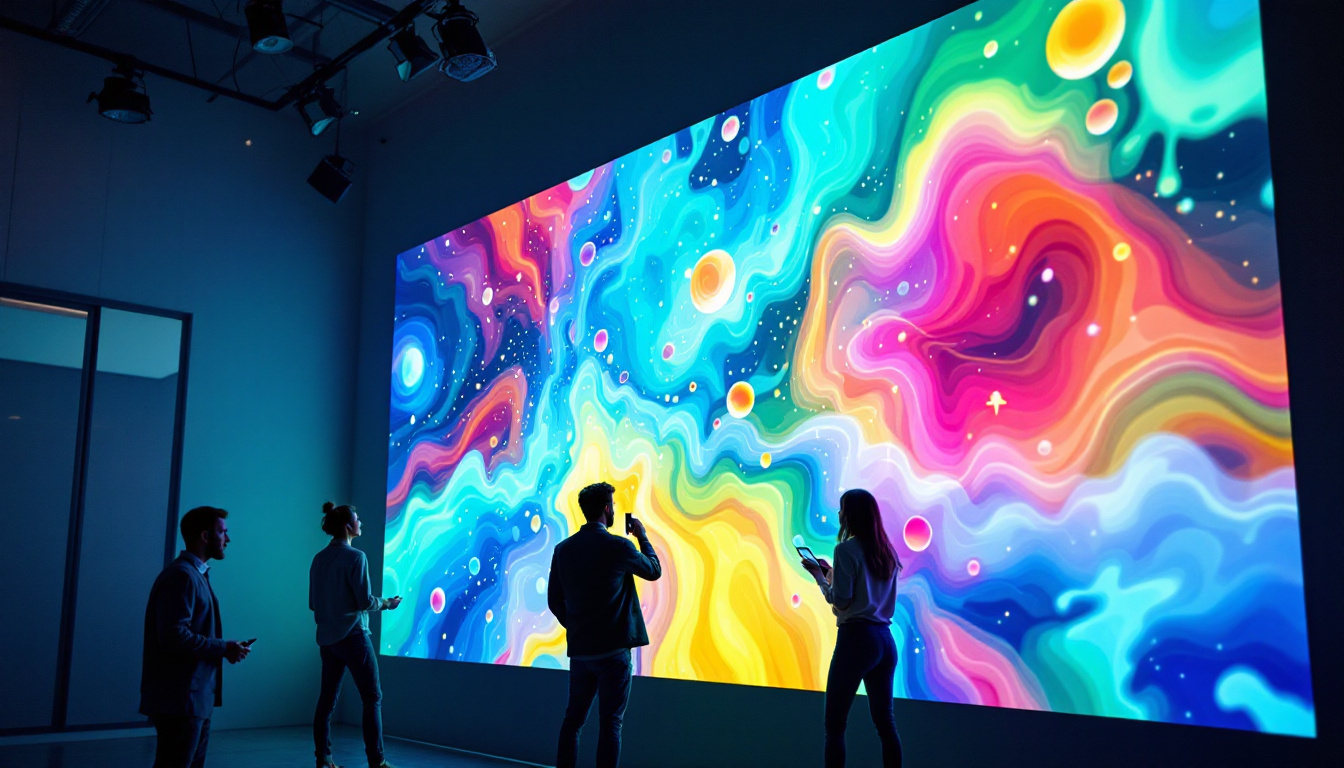
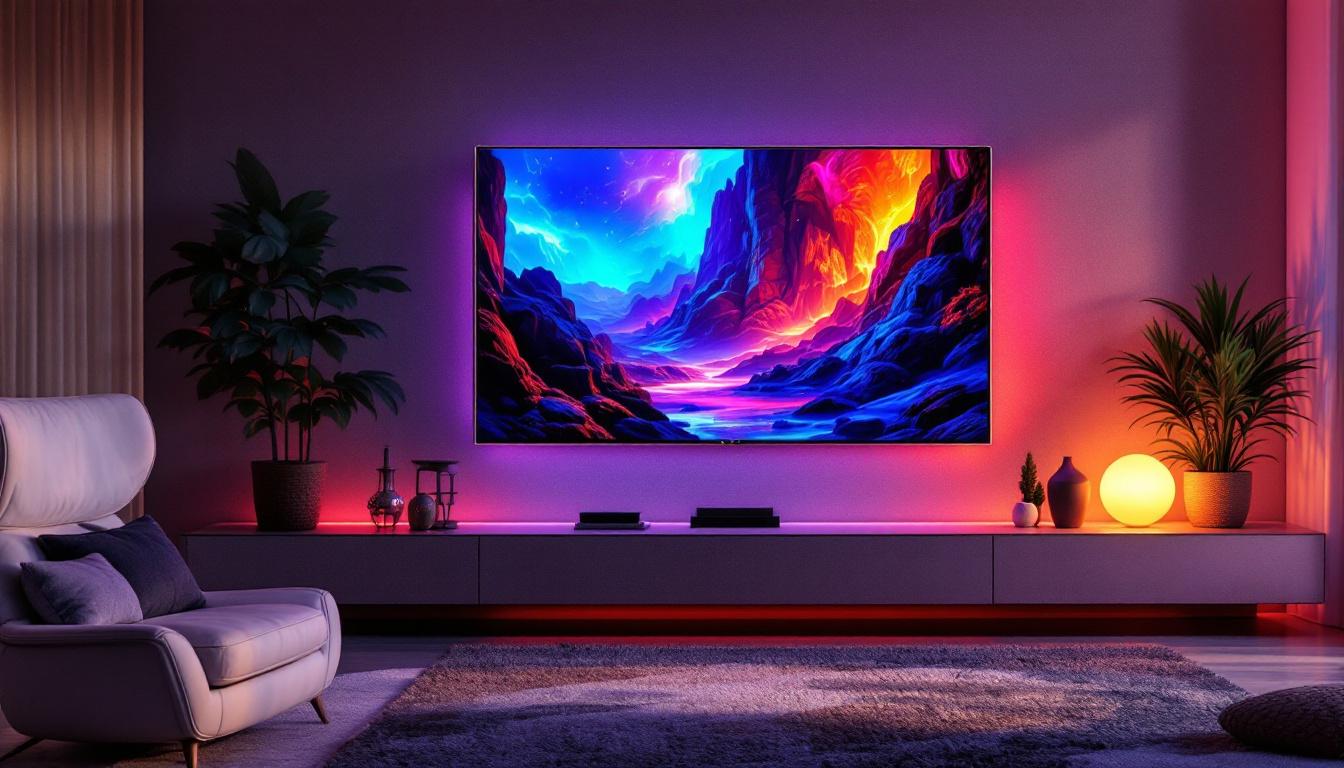
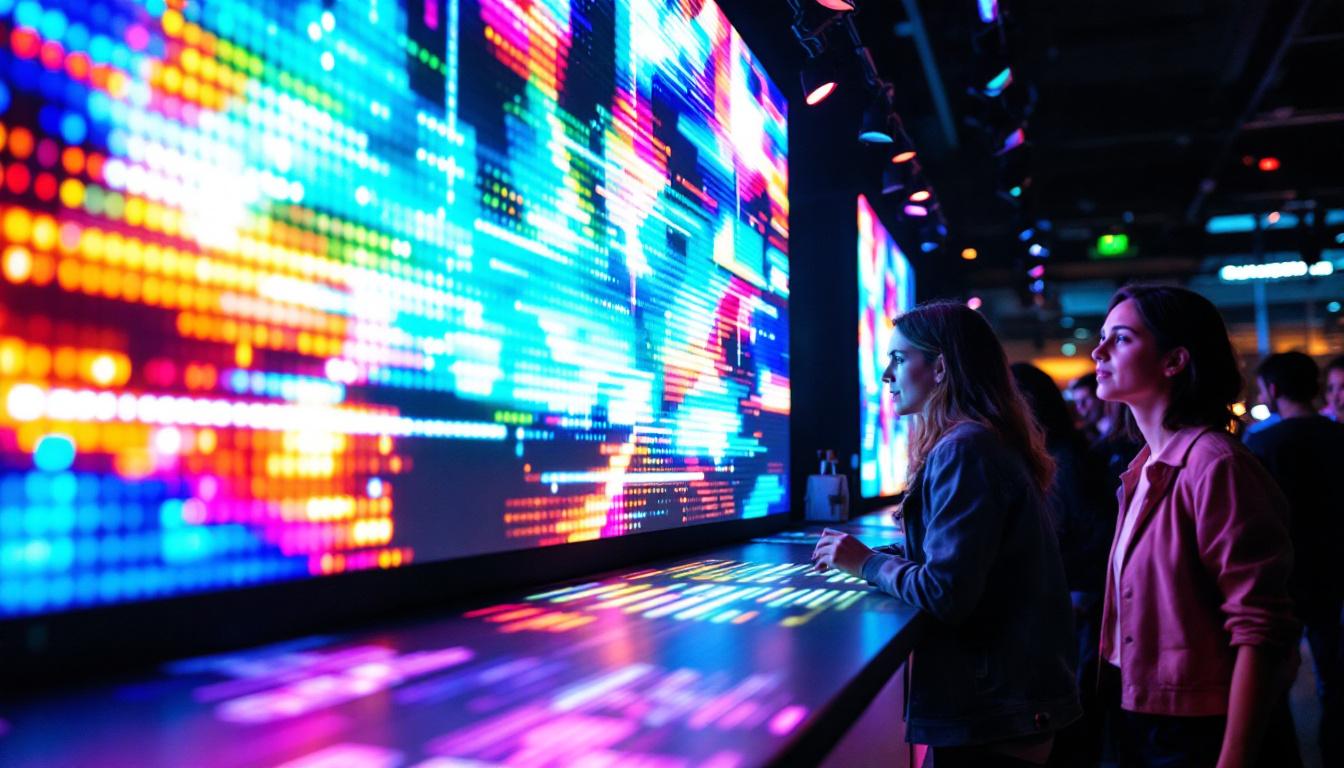
LED displays can be found in various forms, including indoor and outdoor screens, video walls, billboards, and even wearable technology. Their modular design allows for customization in size and resolution, making them versatile for different environments and purposes. For instance, outdoor LED displays are engineered to withstand harsh weather conditions, featuring protective coatings and robust materials that ensure durability and optimal performance, even in direct sunlight. Indoor displays, on the other hand, focus on delivering high-definition visuals with vibrant colors, making them ideal for retail environments, conference rooms, and entertainment venues.
How Do LED Displays Work?
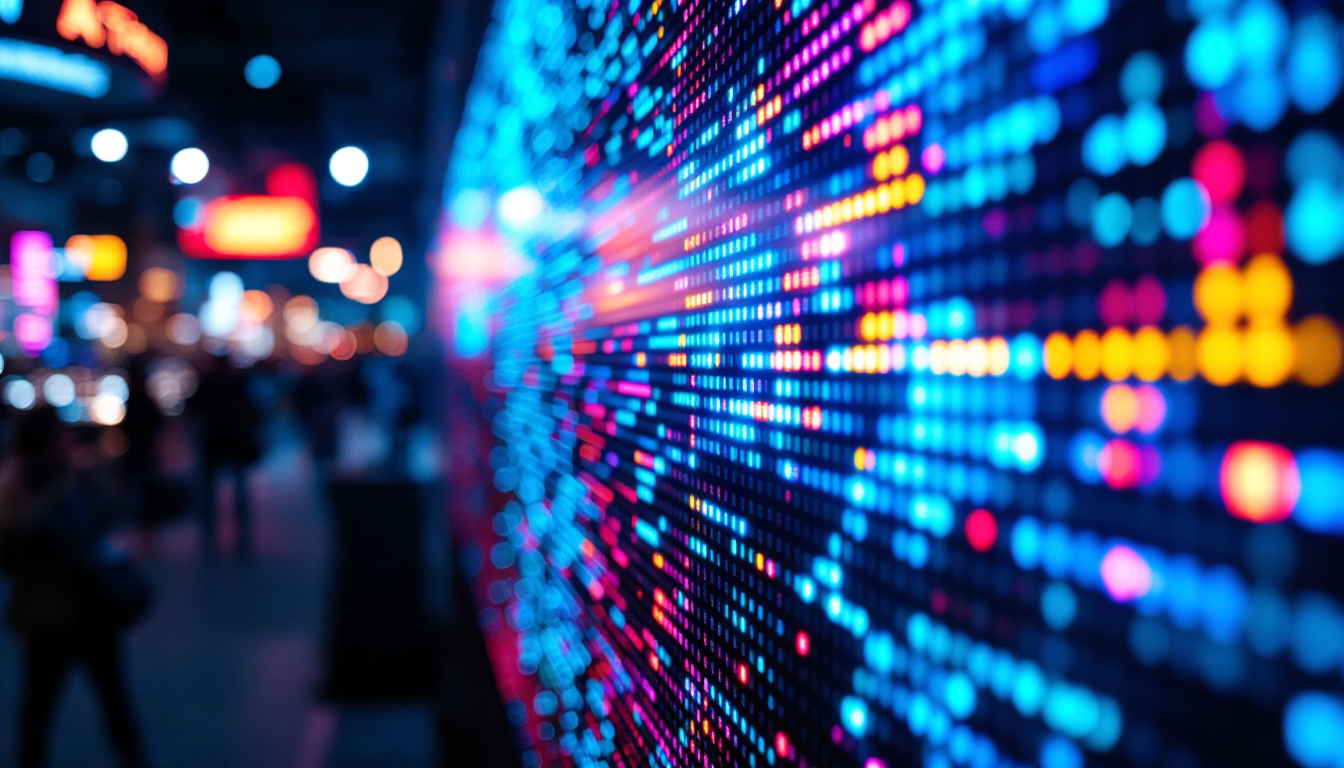
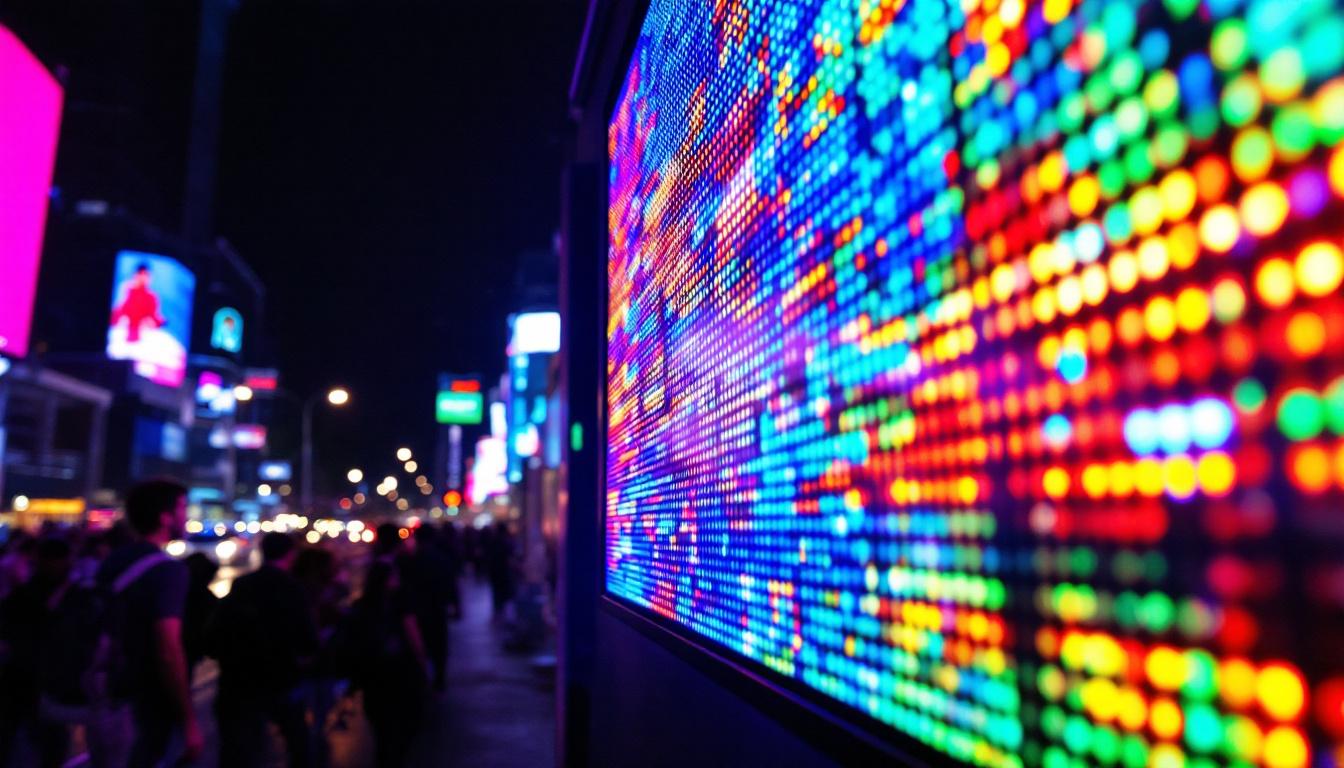
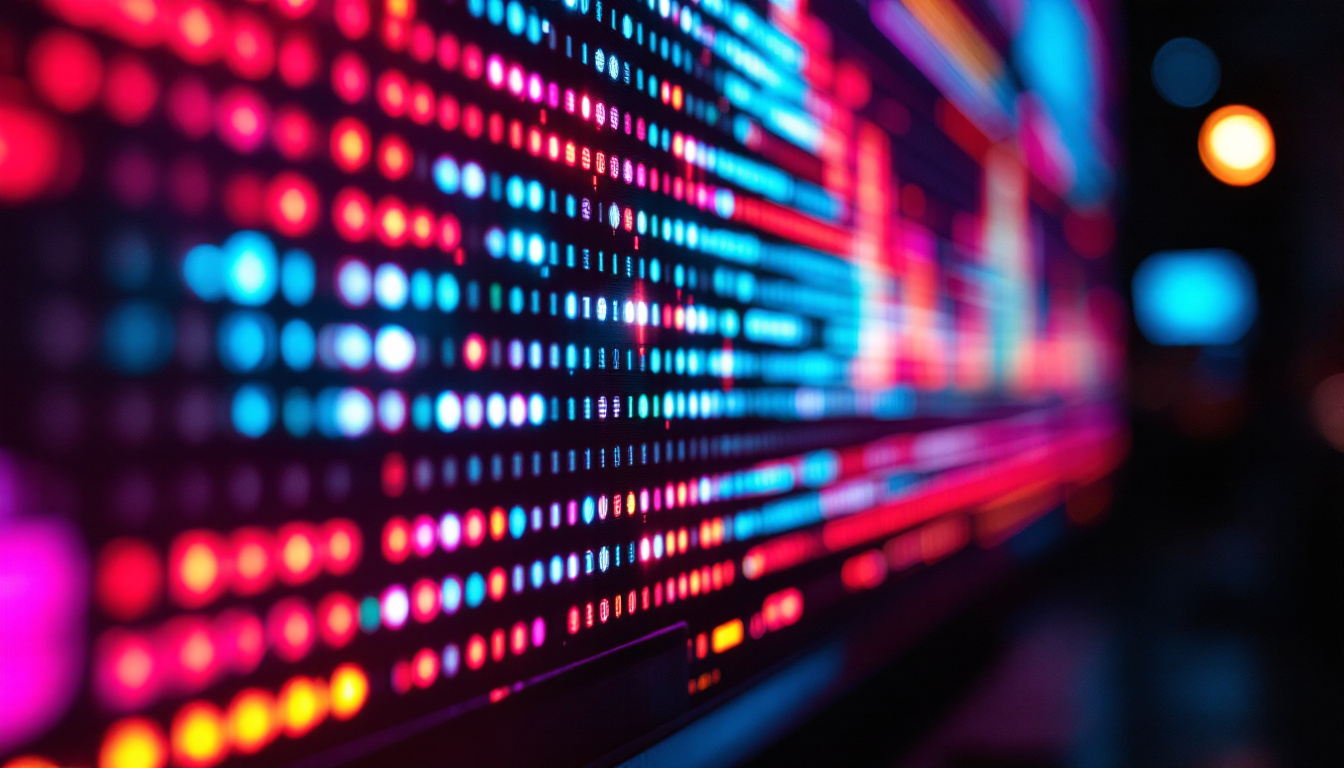
At the core of an LED display is the pixel, the smallest unit of the image. Each pixel typically consists of three sub-pixels: red, green, and blue LEDs. By adjusting the intensity of these sub-pixels, the display can produce a full spectrum of colors. This process is controlled by a sophisticated driver circuit and a controller board, which interpret the incoming video signals and translate them into precise light emissions.
Modern LED displays often use surface-mounted device (SMD) technology, where LEDs are mounted directly onto the circuit board, allowing for higher pixel density and better color accuracy. The pitch, or the distance between pixels, is a critical factor influencing the display’s resolution and viewing distance. Smaller pitch values mean higher resolution and closer optimal viewing distances. Additionally, advancements in technology have led to the development of flexible LED displays, which can be bent or shaped to fit unconventional spaces, opening up new possibilities for creative installations in architecture and design. These innovations not only enhance the aesthetic appeal but also increase the functionality of LED displays in various applications, from art installations to immersive advertising experiences.
Types of LED Displays
Indoor vs. Outdoor LED Displays
One of the primary distinctions in LED display technology is between indoor and outdoor screens. Indoor LED displays are designed for controlled environments where factors like weather and ambient light are less challenging. These displays typically have a smaller pixel pitch, often ranging from 1.2mm to 4mm, which allows for high-resolution images suitable for close viewing distances.
Outdoor LED displays, on the other hand, must withstand harsh environmental conditions such as rain, wind, dust, and extreme temperatures. They are built with weatherproof enclosures and often have a higher brightness level—sometimes exceeding 5,000 nits—to remain visible in direct sunlight. The pixel pitch for outdoor displays is generally larger, between 6mm and 20mm, since they are viewed from greater distances.
Flexible and Transparent LED Displays
Recent advancements have introduced flexible and transparent LED displays, expanding the possibilities for digital signage. Flexible LED screens can bend and curve, making them ideal for creative architectural installations or wearable technology. Transparent LED displays, meanwhile, allow light to pass through the screen, enabling them to be used on glass surfaces without obstructing the view. This innovation is popular in retail storefronts and museums where blending digital content with physical surroundings is desired.
Applications of LED Displays
Advertising and Marketing
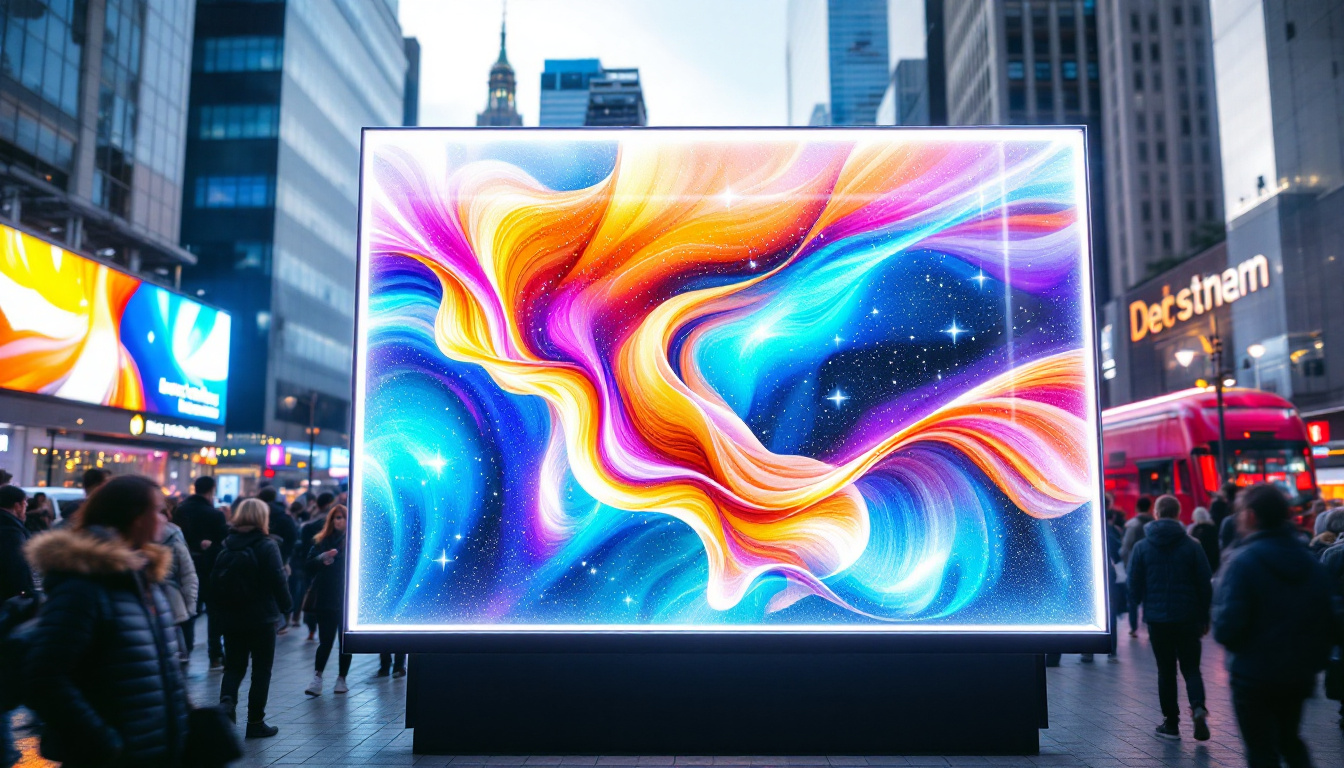
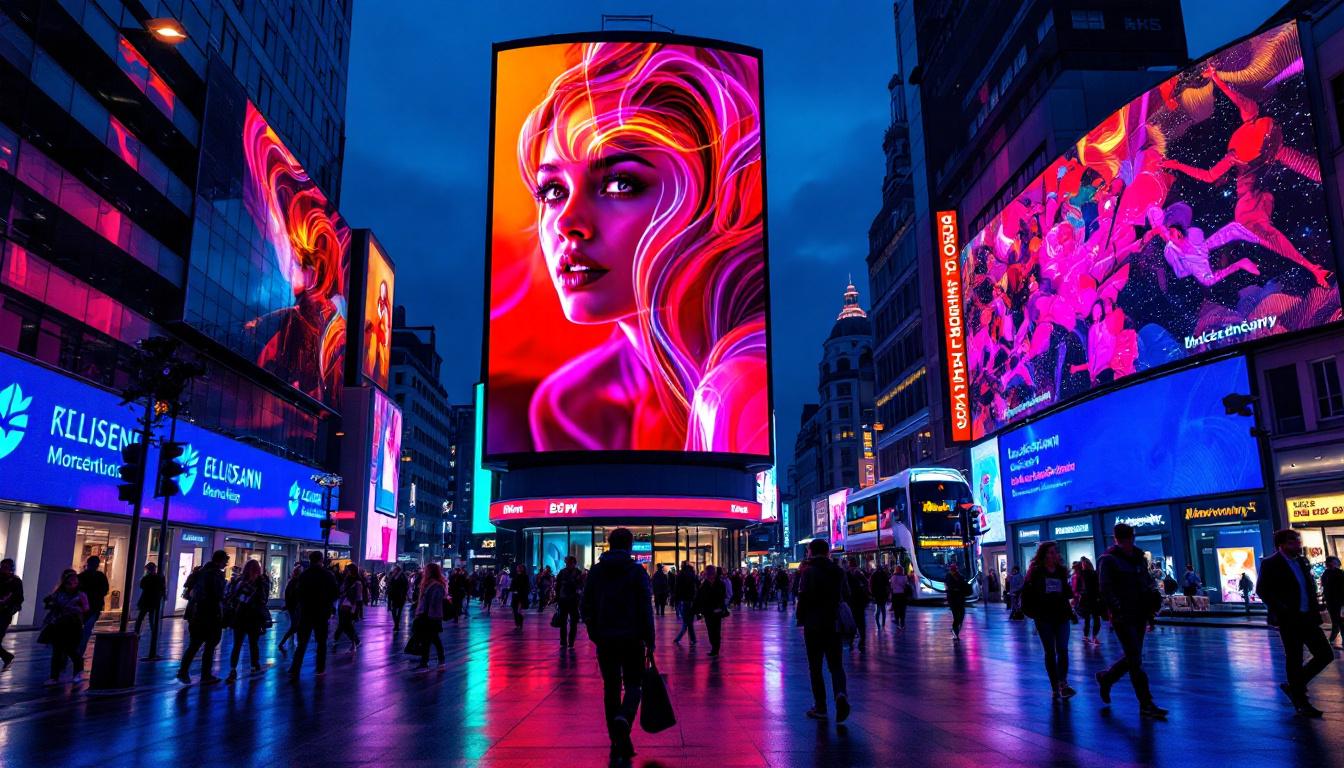
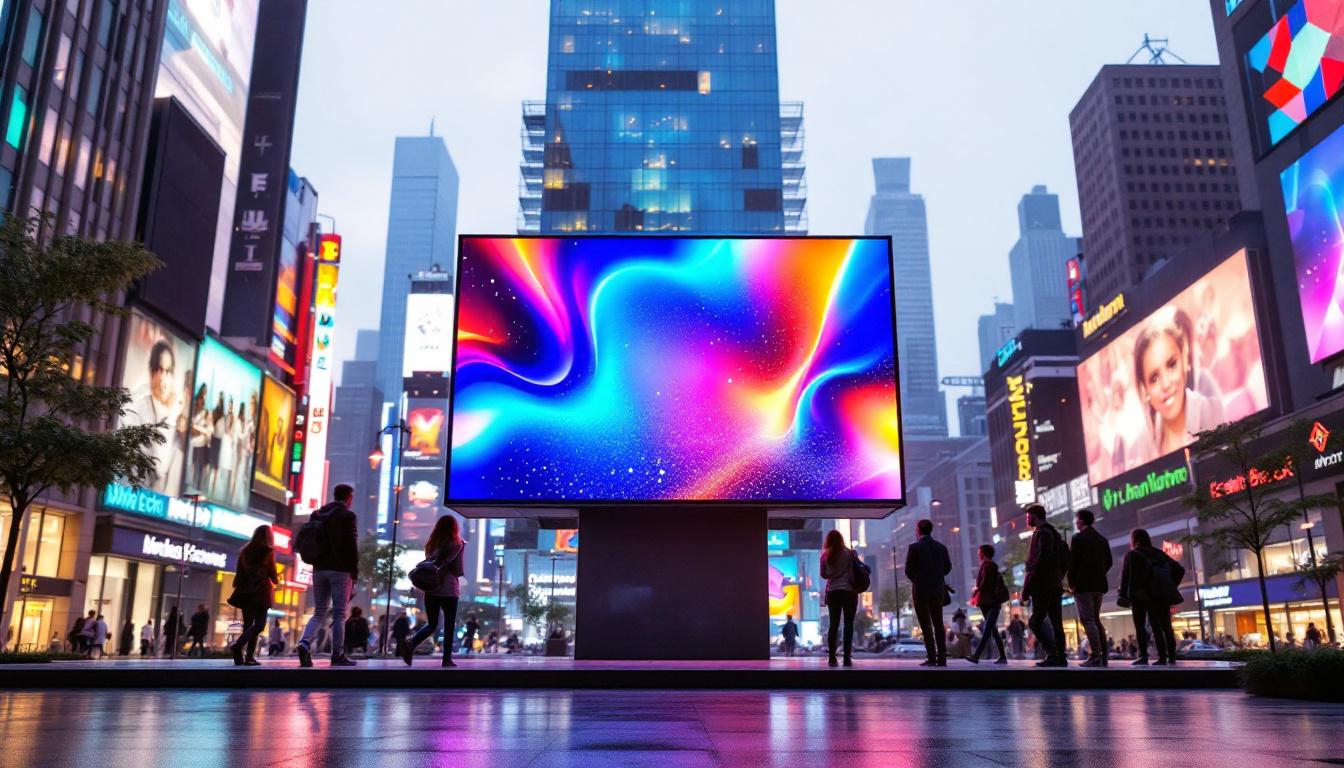
LED displays have revolutionized advertising by providing dynamic, eye-catching content that can be updated in real-time. From Times Square’s towering billboards to local shopping mall signage, LED screens capture attention with vibrant colors and motion. According to a 2023 report by Grand View Research, the global digital signage market is expected to reach $32.84 billion by 2028, with LED displays accounting for a significant share due to their effectiveness and adaptability.
Businesses leverage LED displays to promote products, announce events, or engage customers with interactive content. The ability to schedule different messages throughout the day and integrate social media feeds enhances marketing strategies and boosts customer engagement.
Sports and Entertainment Venues
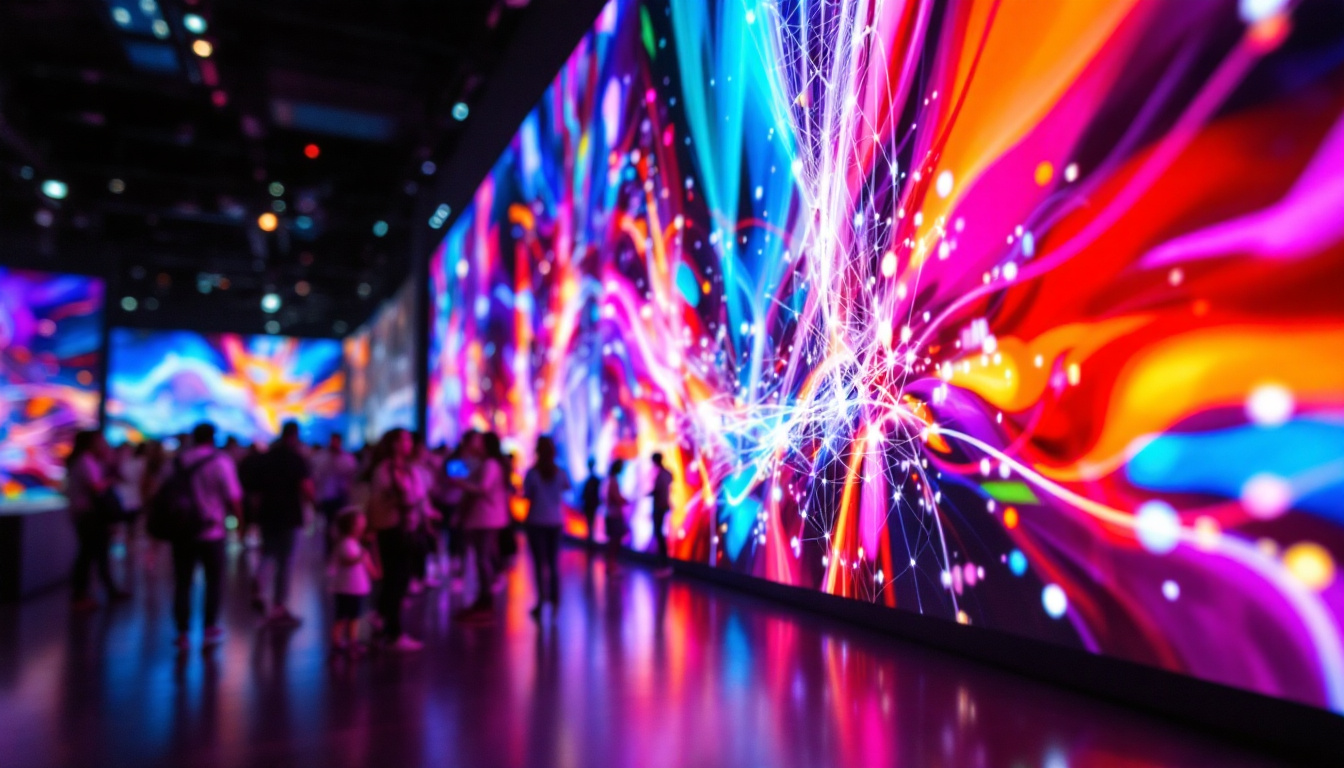
Sports arenas and concert venues utilize large-scale LED video walls to enhance the spectator experience. These displays provide instant replays, live scores, and immersive visuals that keep audiences engaged. The high refresh rates and brightness levels of LED screens ensure clear visibility even in brightly lit stadiums or outdoor events.
Moreover, LED displays are integral to stage design in concerts and theatrical performances, allowing for dynamic backdrops and special effects that elevate the production value.
Transportation and Public Information
Transportation hubs such as airports, train stations, and bus terminals employ LED displays to provide real-time information on schedules, delays, and safety announcements. Their high visibility and reliability make them indispensable for managing large crowds and ensuring smooth operations.
Additionally, LED screens are used in traffic management systems, displaying alerts and guidance to drivers, contributing to safer and more efficient roadways.
Advantages of LED Displays
Brightness and Visibility
One of the standout benefits of LED displays is their exceptional brightness, which can reach up to 10,000 nits in some outdoor models. This brightness ensures that content remains visible even under direct sunlight, an essential feature for outdoor advertising and public information displays. The high contrast ratio also contributes to sharp, vivid images that attract attention.
Energy Efficiency and Longevity
LED technology is known for its energy efficiency compared to other display types like LCD or plasma. LEDs consume less power while delivering superior brightness, which translates to lower operational costs over time. Furthermore, LED displays have a long lifespan, often exceeding 100,000 hours of use before significant brightness degradation occurs. This durability reduces maintenance needs and replacement frequency, making LED displays a cost-effective investment.
Flexibility and Customization
LED displays offer unparalleled flexibility in terms of size, shape, and resolution. The modular nature of LED panels allows for the creation of custom configurations, from small indoor signs to massive outdoor video walls spanning hundreds of square meters. This adaptability ensures that LED technology can meet the unique needs of diverse industries and applications.
Challenges and Considerations
Initial Investment and Installation
Despite their many advantages, LED displays can require a significant upfront investment. High-resolution indoor displays and large-scale outdoor installations involve considerable costs for hardware, installation, and setup. However, these expenses are often offset by the long-term benefits of durability, energy savings, and enhanced engagement.
Maintenance and Technical Expertise
Maintaining LED displays involves regular cleaning, calibration, and occasional repairs. Outdoor displays, in particular, need protection against environmental wear and tear. Additionally, operating and programming LED screens may require technical expertise, especially for complex video walls or interactive installations. Partnering with experienced suppliers and service providers can mitigate these challenges.
Environmental Impact
While LED displays are more energy-efficient than many alternatives, their production and disposal raise environmental concerns. The manufacturing process involves rare earth elements and electronic components that require responsible sourcing and recycling practices. Advances in eco-friendly materials and recycling programs are gradually addressing these issues, making LED technology more sustainable.
The Future of LED Display Technology
Mini-LED and Micro-LED Innovations
Emerging technologies such as Mini-LED and Micro-LED promise to push the boundaries of LED display performance. Mini-LED uses thousands of tiny LEDs as backlighting for LCD panels, enhancing contrast and brightness. Micro-LED takes this further by creating displays composed entirely of microscopic LEDs, offering superior color accuracy, energy efficiency, and lifespan without the burn-in issues associated with OLED screens.
These advancements are expected to revolutionize consumer electronics, including televisions, smartphones, and augmented reality devices, while also benefiting commercial digital signage.
Integration with Smart Technologies
The integration of LED displays with Internet of Things (IoT) and artificial intelligence (AI) is transforming how digital signage operates. Smart LED screens can adapt content based on audience demographics, weather conditions, or real-time data analytics. This level of interactivity and personalization enhances user engagement and provides valuable insights for marketers and operators.
Sustainability and Energy Management
Future LED display systems are increasingly focusing on sustainability, incorporating energy-saving features such as ambient light sensors and adaptive brightness controls. Manufacturers are also exploring biodegradable materials and improved recycling methods to reduce environmental impact. These efforts align with global trends toward greener technology and corporate social responsibility.
Conclusion
LED digital display screens have become an indispensable part of modern communication, offering vibrant visuals, flexibility, and durability across a wide range of applications. Understanding the technology behind LED displays, their advantages, and the challenges involved is essential for making informed decisions about their use. As innovations continue to advance, LED displays will play an even more prominent role in shaping the future of digital signage and visual communication.
For businesses and organizations looking to enhance their visibility and engagement, investing in LED display technology presents a compelling opportunity. With the right approach and expert guidance, LED screens can deliver impactful messages that resonate with audiences and drive success.
Illuminate Your Message with LumenMatrix
Ready to elevate your visual communication and captivate your audience like never before? LumenMatrix stands at the forefront of LED display innovation, offering a comprehensive suite of solutions tailored to your unique needs. From the immersive Indoor LED Wall Display to the dynamic Outdoor LED Wall Display, and from the versatile Vehicle LED Display to the sleek LED Poster Display, our products are designed to make your brand shine. Discover the full potential of LED technology with our LED Sports Display, Floor LED Display, Custom LED Display, All-in-One LED Display, and LED Transparent Display. Embrace the future of digital signage with LumenMatrix and share your message with unparalleled clarity and impact. Check out LumenMatrix LED Display Solutions today and transform your space into a visual spectacle.