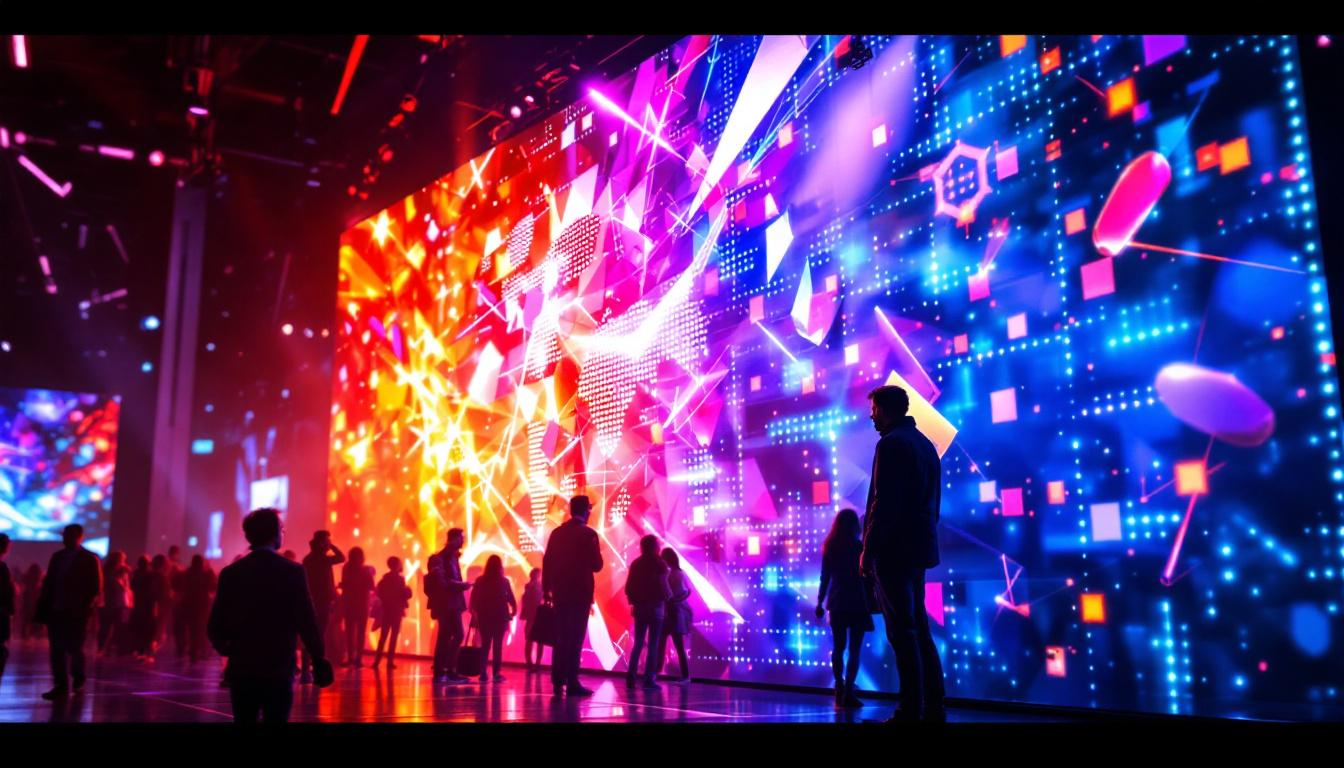
In today’s fast-evolving lighting industry, LED displays have become a cornerstone technology, revolutionizing how spaces are illuminated and information is conveyed. From stadium scoreboards to digital billboards and architectural lighting, LED displays offer unparalleled versatility, energy efficiency, and visual impact. For lighting planners, understanding the intricacies of LED displays is essential to designing effective, sustainable, and visually compelling environments.
What Is an LED Display?
LED, or Light Emitting Diode, displays are screens composed of numerous tiny light sources called diodes. These diodes emit light when an electric current passes through them, producing bright, vivid colors that can be controlled individually or in groups. Unlike traditional display technologies, LED displays do not rely on backlighting, which allows for higher contrast ratios and better visibility in various lighting conditions.
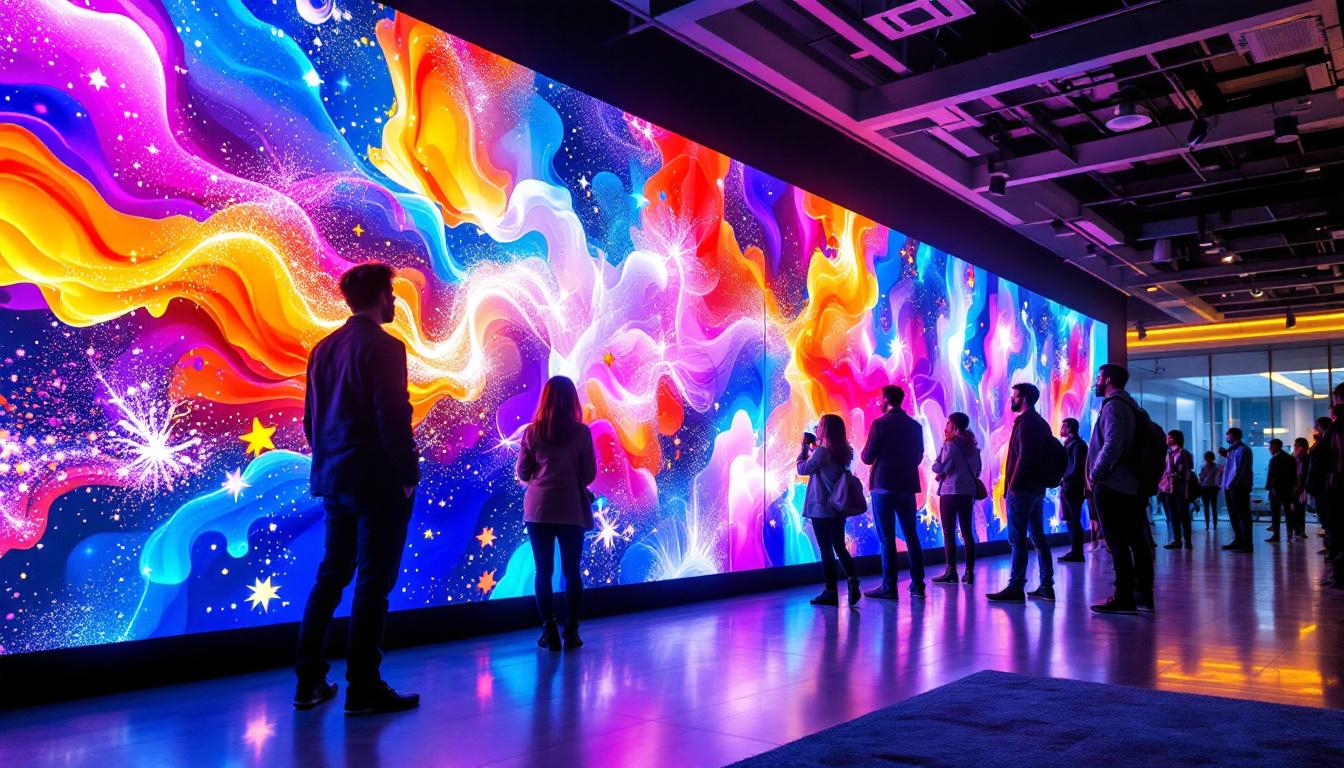
LED displays come in many forms, including indoor and outdoor screens, flexible panels, and transparent installations. Their modular nature means they can be scaled to fit a wide range of applications, from small retail signage to massive outdoor advertising walls covering thousands of square feet.
The Evolution of LED Technology
LED technology has progressed significantly since its inception. Early LEDs were limited to indicator lights and simple displays, but advances in semiconductor materials and manufacturing techniques have enabled the creation of full-color, high-resolution panels. Modern LED displays now support 4K and even 8K resolutions, with refresh rates and color accuracy rivaling traditional LCD and OLED screens.
Additionally, the development of mini-LED and micro-LED technologies promises even greater brightness, energy efficiency, and lifespan, making LED displays an increasingly attractive option for lighting planners and designers.
Key Components of LED Displays
Understanding the components that make up an LED display is crucial for lighting planners to select the right system for their projects. The main elements include the LED modules, control system, power supply, and housing.
LED Modules
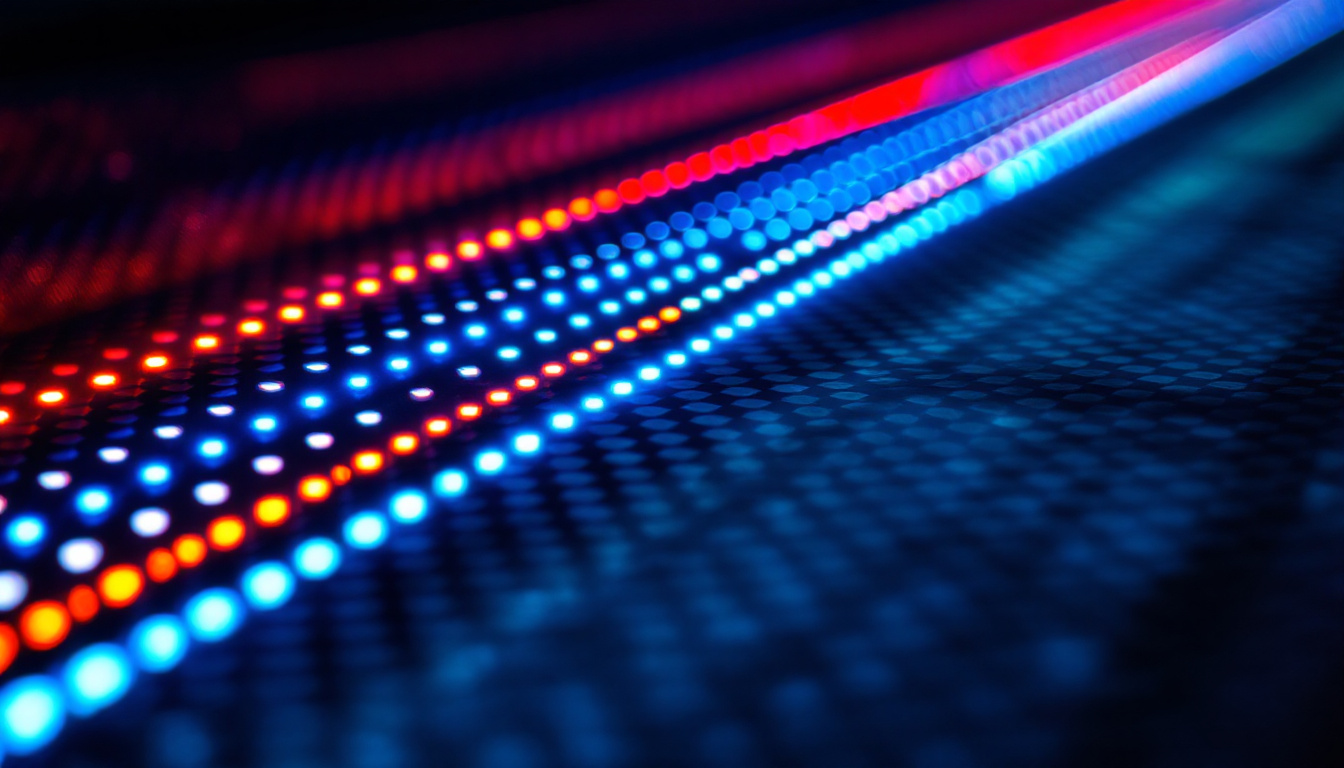
LED modules are the fundamental building blocks of an LED display. Each module contains an array of LEDs arranged in a grid pattern. The density of LEDs within a module is measured in pixel pitch, which is the distance from the center of one LED to the center of the adjacent LED. Pixel pitch directly influences the resolution and viewing distance of the display.
For example, a pixel pitch of 1.5mm is ideal for close-up indoor viewing, such as retail signage or control rooms, while a pitch of 10mm or more is suitable for large outdoor displays viewed from a distance.
Control System
The control system manages the content displayed on the LED screen. It processes input signals from computers, media players, or cameras and converts them into commands that illuminate specific LEDs. Modern control systems support real-time content updates, remote monitoring, and integration with various media formats.
Advanced control software also allows for color calibration, brightness adjustment, and synchronization across multiple displays, ensuring consistent and high-quality visual output.
Power Supply and Housing
LED displays require stable power supplies to maintain consistent brightness and prevent flickering. High-quality power units protect the system from voltage fluctuations and extend the lifespan of the LEDs.
The housing or cabinet protects the LED modules from environmental factors such as moisture, dust, and physical impact. Outdoor LED displays often feature weatherproof enclosures rated to IP65 or higher, ensuring reliable operation in harsh conditions.
Benefits of Using LED Displays in Lighting Planning
LED displays offer numerous advantages that make them a preferred choice for lighting planners across various sectors.
Energy Efficiency and Sustainability
One of the most compelling benefits of LED displays is their energy efficiency. LEDs consume significantly less power than traditional incandescent or fluorescent lighting, reducing operational costs and environmental impact. According to the U.S. Department of Energy, LEDs use at least 75% less energy and last 25 times longer than incandescent lighting.
This efficiency aligns with the growing emphasis on sustainable design practices, helping lighting planners meet green building standards such as LEED and WELL certifications.
Design Flexibility and Customization
LED displays offer unmatched flexibility in terms of size, shape, and resolution. Lighting planners can create custom installations that conform to architectural features, wrap around curved surfaces, or even be embedded into furniture and fixtures. This adaptability enables innovative designs that enhance user experience and brand messaging.
Moreover, dynamic content capabilities allow for real-time updates, interactive displays, and integration with sensors or IoT devices, opening new possibilities for responsive environments.
Improved Visibility and Impact
LED displays provide exceptional brightness and contrast, ensuring visibility in various lighting conditions, including direct sunlight. This makes them ideal for outdoor advertising, sports arenas, and public information systems where clarity and legibility are critical.
The vibrant colors and high refresh rates also contribute to engaging visual experiences that capture attention and communicate messages effectively.
Applications of LED Displays in Lighting Planning
LED displays are utilized in a wide range of applications, each with unique requirements and challenges.
Outdoor Advertising and Digital Billboards
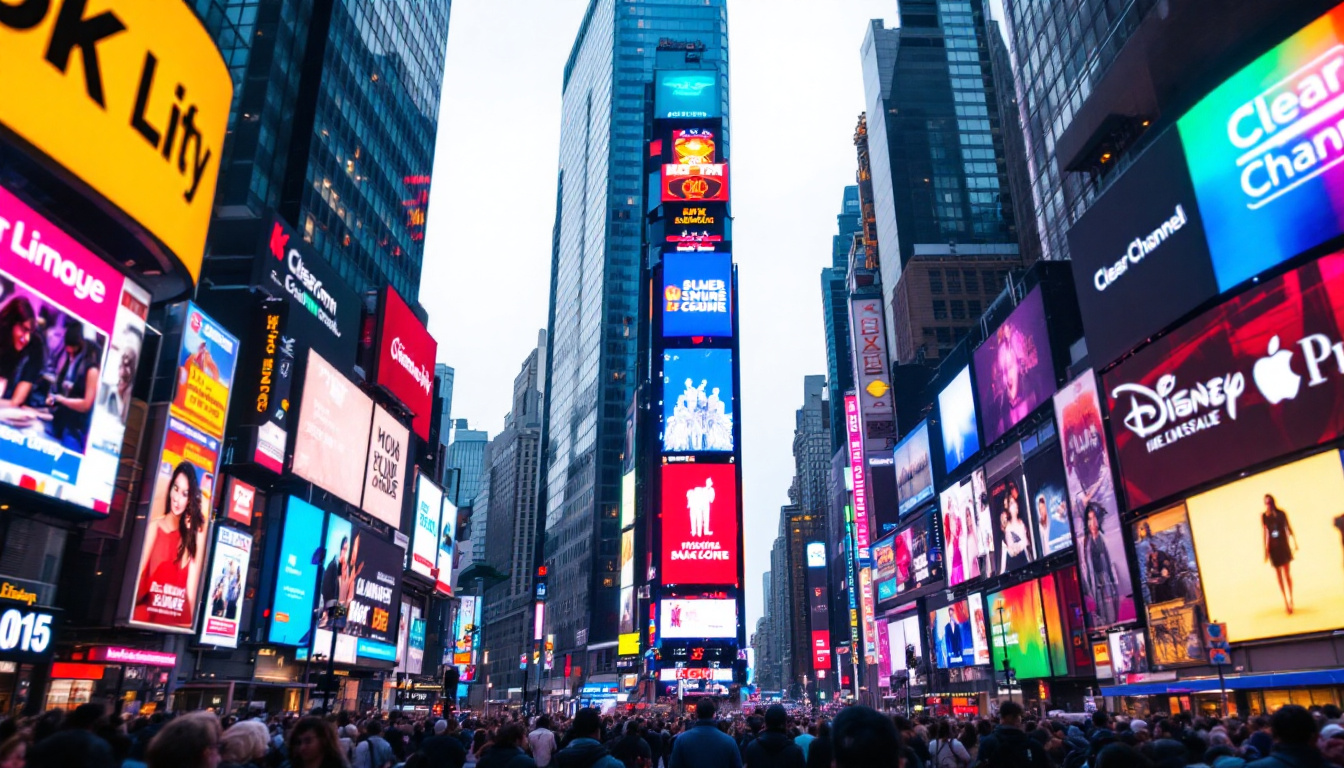
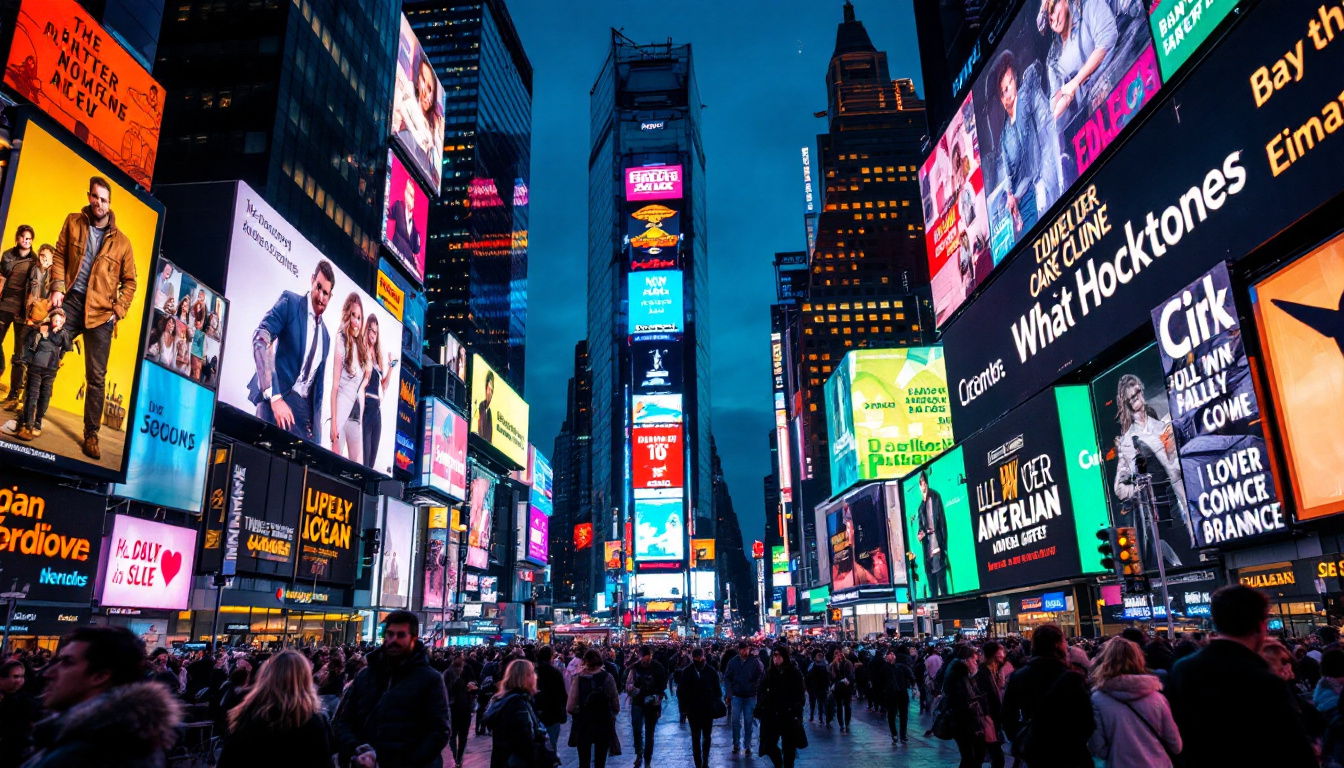
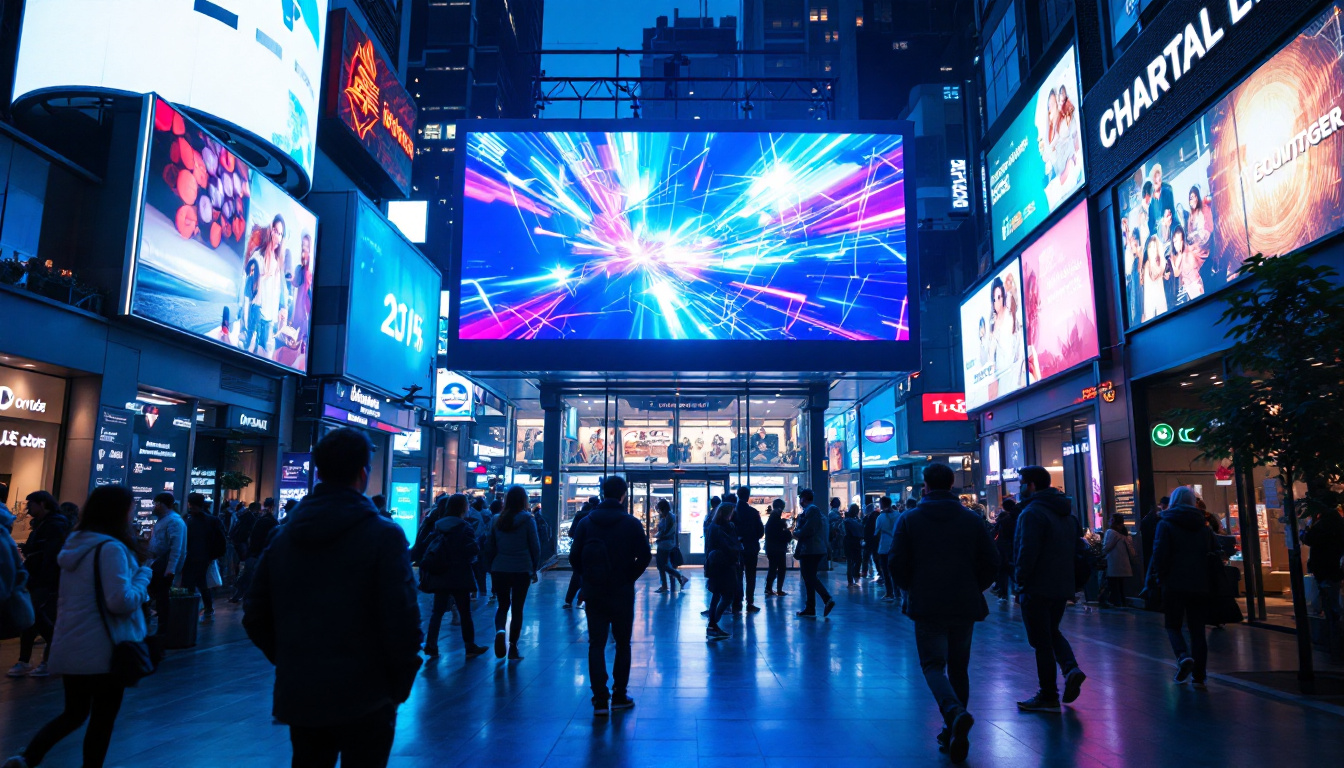
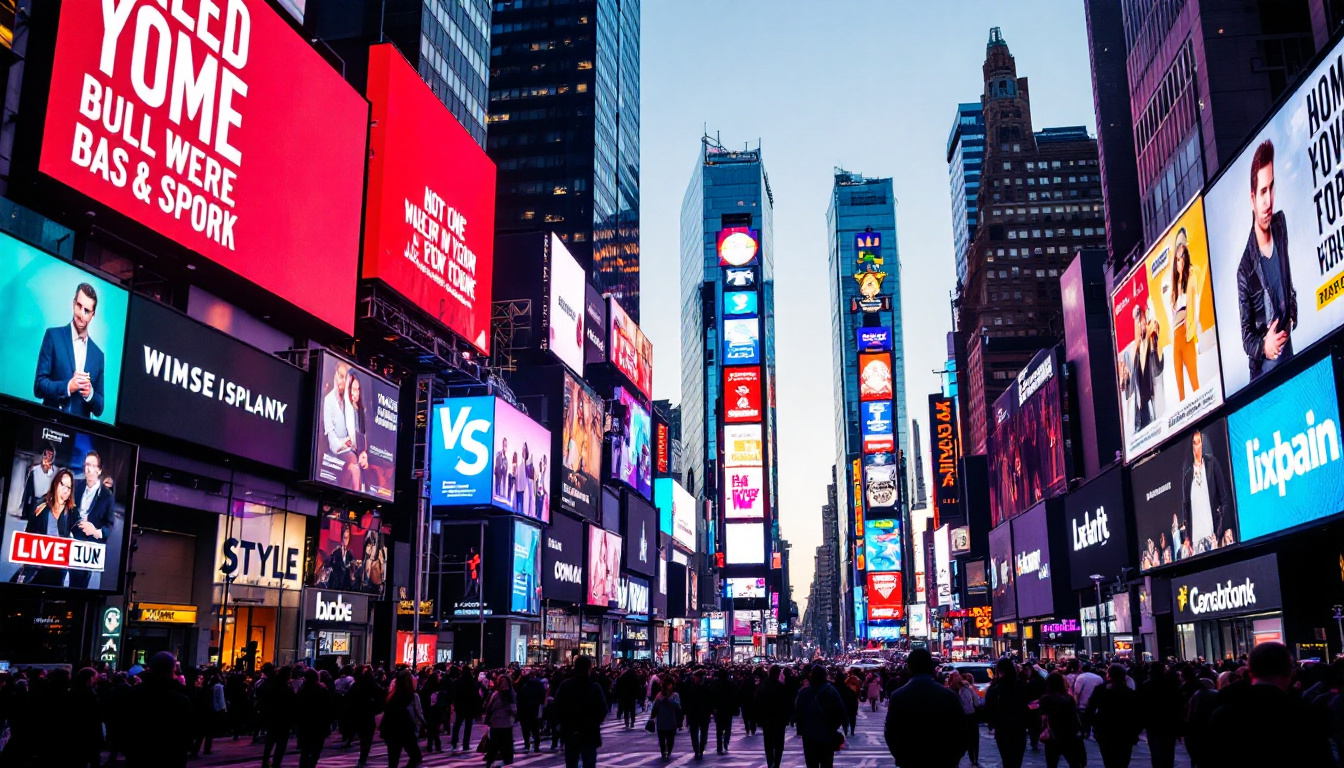
Digital billboards have transformed the advertising landscape by enabling dynamic content delivery that can be tailored to time of day, weather, or audience demographics. LED displays used in this context must be durable, weather-resistant, and capable of delivering high brightness levels to compete with ambient sunlight.
Many cities now regulate the brightness and size of these displays to minimize light pollution and ensure public safety, so lighting planners must consider local codes and ordinances during design.
Architectural and Façade Lighting
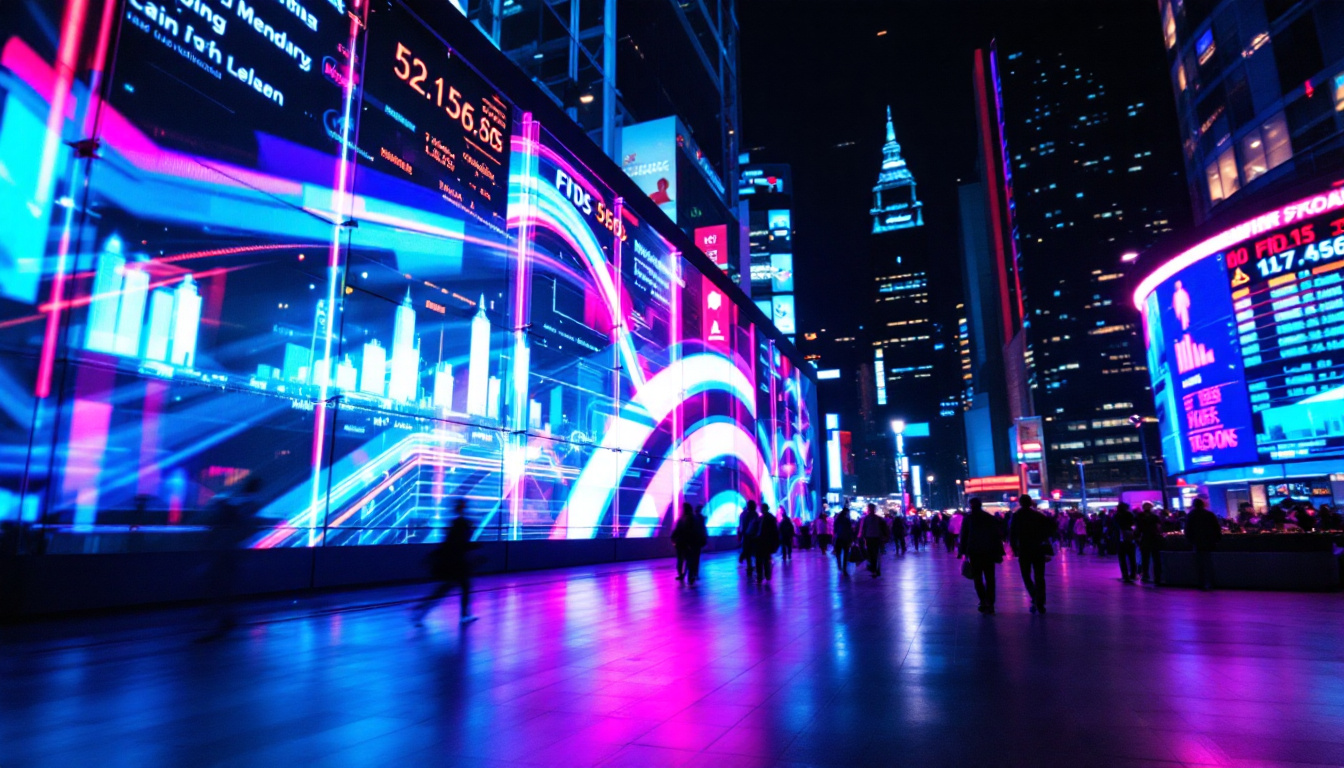
LED displays integrated into building façades allow architects and designers to create visually striking landmarks. These installations can display artistic content, branding, or environmental data, transforming static structures into dynamic canvases.
Lighting planners must balance aesthetic goals with technical constraints such as power availability, heat dissipation, and structural support when specifying LED façade systems.
Event and Entertainment Venues
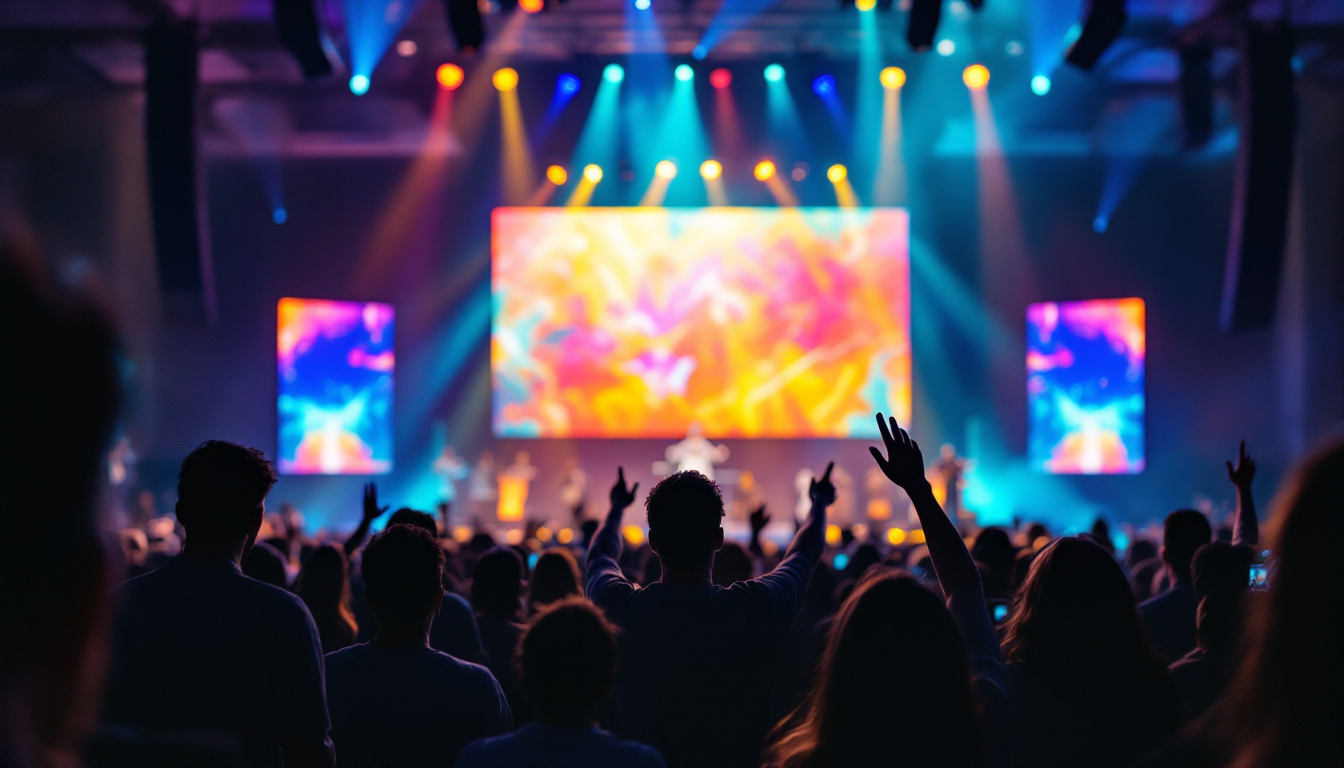
From concert stages to sports arenas, LED displays enhance the spectator experience by providing real-time information, replays, and immersive visuals. The modular design of LED panels allows for quick assembly and disassembly, making them ideal for temporary installations.
Lighting planners working in this sector must prioritize factors like refresh rate, viewing angle, and pixel pitch to ensure optimal performance for diverse audience sizes and viewing distances.
Retail and Hospitality Environments
In retail stores and hotels, LED displays serve as dynamic signage, digital art, or interactive kiosks. These applications demand high resolution and color accuracy to showcase products and promotions effectively.
Lighting planners should consider ambient lighting conditions and integrate LED displays seamlessly with other lighting elements to create cohesive and inviting spaces.
Challenges and Considerations in LED Display Planning
While LED displays offer many benefits, lighting planners must navigate several challenges to ensure successful implementation.
Initial Investment and Maintenance Costs
High-quality LED displays can require significant upfront investment, especially for large-scale or high-resolution installations. However, these costs are often offset by lower energy consumption and reduced maintenance over time.
Maintenance considerations include cleaning, module replacement, and software updates. Planning for easy access and modular repairs can minimize downtime and service expenses.
Heat Management
LEDs generate heat during operation, which can affect performance and lifespan if not properly managed. Effective thermal design, including heat sinks and ventilation, is essential to maintain optimal operating temperatures.
Lighting planners should collaborate with manufacturers to understand the thermal requirements of specific LED modules and incorporate appropriate solutions into their designs.
Color Calibration and Uniformity
Achieving consistent color and brightness across large LED displays can be challenging due to variations in LED performance and environmental factors. Calibration tools and software help maintain uniformity, but ongoing monitoring may be necessary.
Lighting planners should specify calibration protocols and consider the impact of ambient lighting on perceived color accuracy.
Regulatory Compliance and Environmental Impact
Compliance with local regulations regarding brightness, flicker, and light pollution is critical, particularly for outdoor installations. Lighting planners must stay informed about evolving standards and community concerns to avoid legal issues and public backlash.
Additionally, selecting LED products with environmentally responsible manufacturing and disposal practices supports sustainability goals.
Future Trends in LED Display Technology
The LED display market continues to innovate rapidly, driven by advances in materials science, electronics, and software.
Micro-LED and Mini-LED Displays
Micro-LED technology uses microscopic LEDs to achieve ultra-high resolution and brightness with lower power consumption. This technology promises thinner, lighter displays with improved durability, ideal for both indoor and outdoor applications.
Mini-LEDs, slightly larger than micro-LEDs, offer enhanced contrast and local dimming capabilities, improving image quality in HDR content.
Flexible and Transparent LED Displays
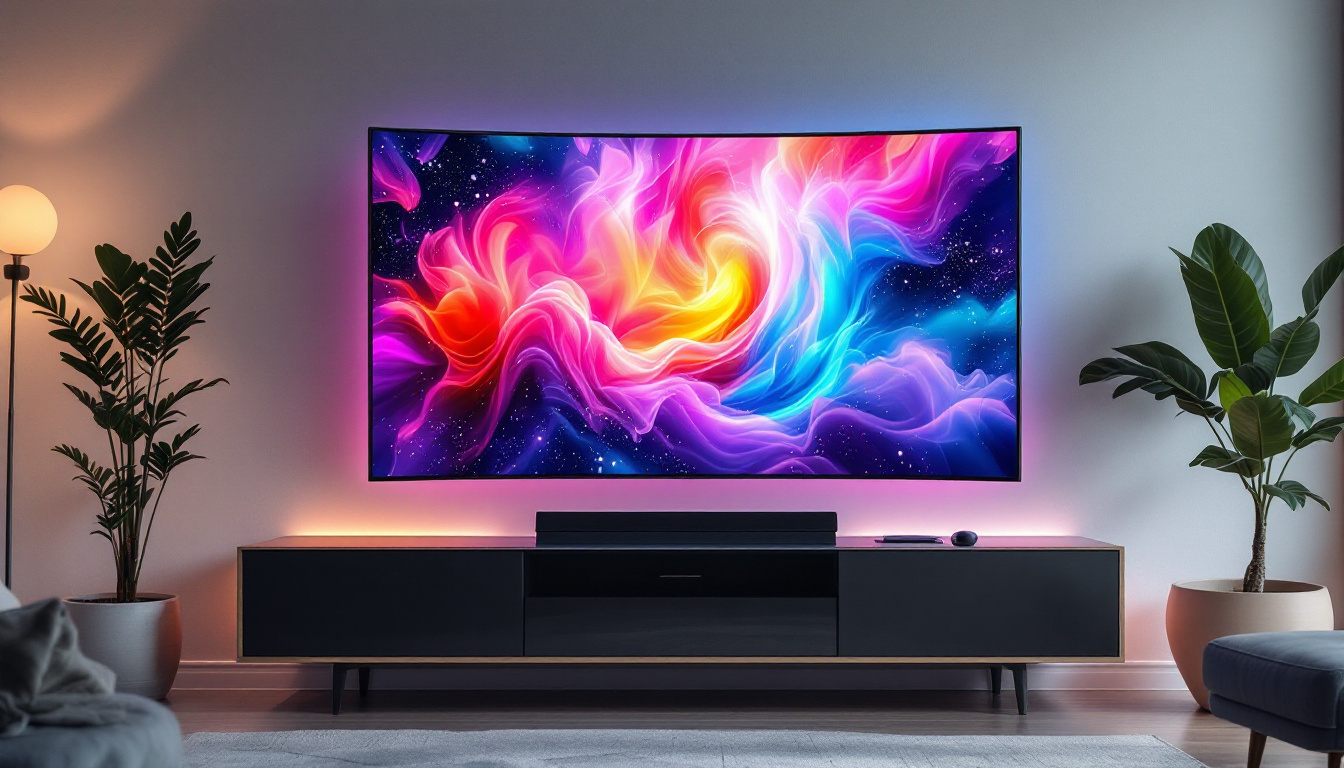
Flexible LED panels enable curved and irregular installations, expanding creative possibilities for lighting planners. Transparent LED displays allow light and visibility through the screen, making them suitable for retail windows and architectural glass façades.
These innovations facilitate seamless integration of displays into existing environments without compromising aesthetics or functionality.
Integration with Smart Lighting and IoT
LED displays are increasingly integrated with smart lighting systems and Internet of Things (IoT) devices. This connectivity allows for adaptive lighting scenarios, energy optimization, and interactive experiences based on user behavior or environmental conditions.
Lighting planners can leverage these capabilities to create responsive, data-driven environments that enhance comfort, safety, and engagement.
Conclusion
For lighting planners, mastering the complexities of LED display technology is vital to delivering innovative, efficient, and impactful lighting solutions. By understanding the components, benefits, applications, and challenges of LED displays, planners can make informed decisions that align with project goals and sustainability objectives.
As LED technology continues to advance, it will unlock new creative opportunities and redefine how light and information shape our built environments. Staying abreast of these developments ensures lighting planners remain at the forefront of design innovation.
Explore Cutting-Edge LED Display Solutions with LumenMatrix
Ready to elevate your lighting designs with the latest in LED technology? Discover LumenMatrix’s innovative range of LED display solutions, from vibrant Indoor and Outdoor LED Wall Displays to dynamic Vehicle and Sports LED Displays. Whether you’re looking to create an immersive Floor LED Display, a sleek LED Poster Display, or require a Custom LED Display tailored to your unique needs, LumenMatrix has you covered. Embrace the future of visual communication and captivate your audience with our All-in-One and Transparent LED Displays. Check out LumenMatrix LED Display Solutions today and transform your space with unparalleled clarity and impact.