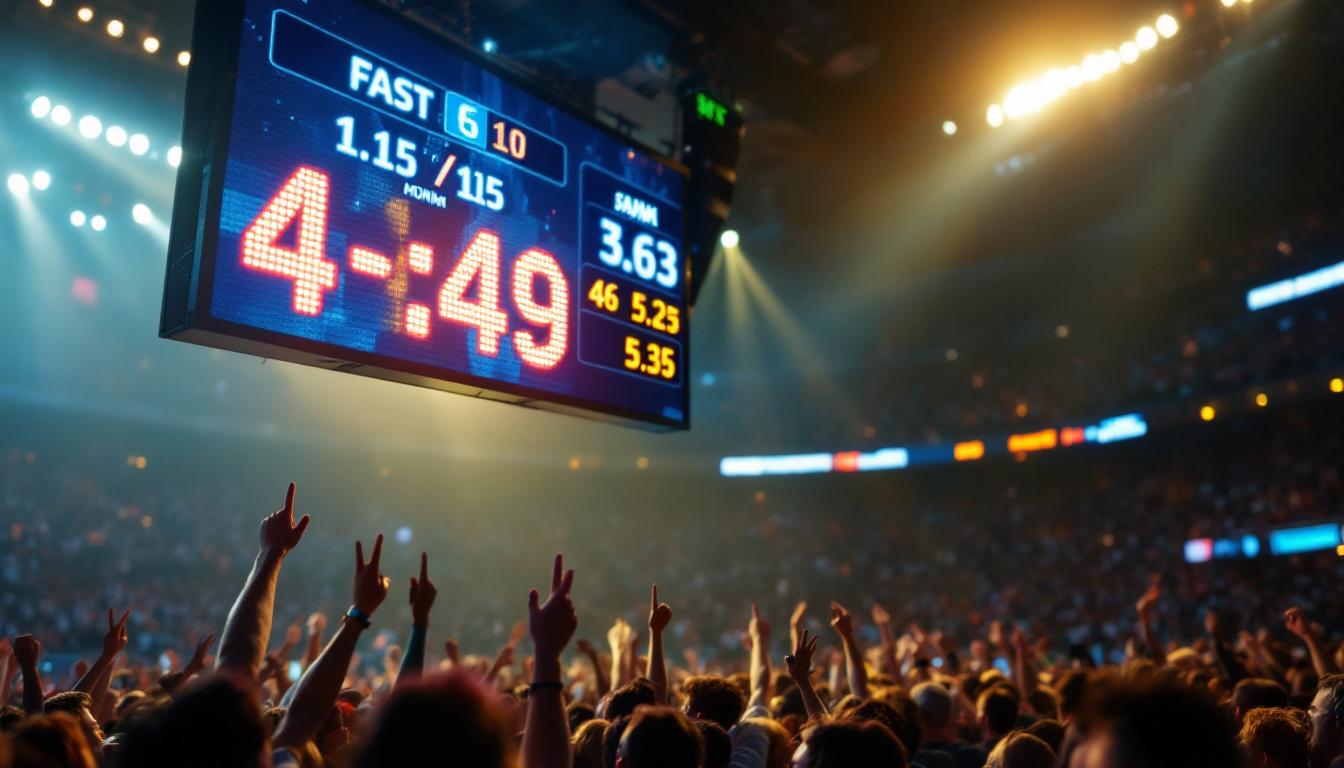
In the fast-paced world of sports, real-time information is crucial for fans, players, and broadcasters alike. One of the most effective ways to communicate live scores and game statistics is through LED displays. These vibrant, dynamic screens have revolutionized how audiences engage with sports events, both in stadiums and through remote viewing experiences. This article explores the technology behind live sports score LED displays, their benefits, and why they have become an indispensable part of modern sports entertainment.
The Evolution of Live Sports Score Displays
Before the advent of LED technology, sports venues relied on manual scoreboards or mechanical flip boards to relay scores and game information. These traditional methods, while functional, had significant limitations in terms of visibility, update speed, and flexibility. Fans in the stands often had to rely on their own knowledge of the game or the occasional announcement from the PA system to keep track of the action, which could lead to confusion, especially in fast-paced sports.
With the introduction of LED (Light Emitting Diode) displays in the late 20th century, sports arenas began to experience a transformation. Early LED scoreboards were simple, showing only basic numeric scores. However, advancements in LED technology have since enabled the creation of full-color, high-resolution screens capable of displaying complex graphics, animations, and live video feeds. These innovations not only improved the clarity of the information presented but also enhanced the overall atmosphere of the sporting event, allowing fans to engage more deeply with the action on the field.
Today, LED displays are not only used for scores but also for player stats, game clocks, advertisements, and interactive fan engagement. This evolution reflects the increasing demand for immersive and informative sports experiences. For instance, many venues now incorporate real-time social media feeds, allowing fans to see their tweets or posts displayed on the big screen, creating a sense of community and involvement. Additionally, augmented reality features are becoming more common, enabling fans to view player statistics and game highlights through their mobile devices, further bridging the gap between the physical and digital realms of sports entertainment.
Furthermore, the integration of advanced analytics into these displays has revolutionized how fans consume sports information. With the rise of data-driven insights, scoreboards can now showcase not just the score but also advanced metrics such as player efficiency ratings, shot probabilities, and even predictive analytics that forecast game outcomes. This level of detail caters to the increasingly savvy sports audience, who crave deeper insights into the games they love. As technology continues to evolve, we can expect even more innovative uses of LED displays, pushing the boundaries of how sports are experienced in venues around the world.
How LED Displays Work in Live Sports Scoreboards
Basic Technology Behind LED Displays
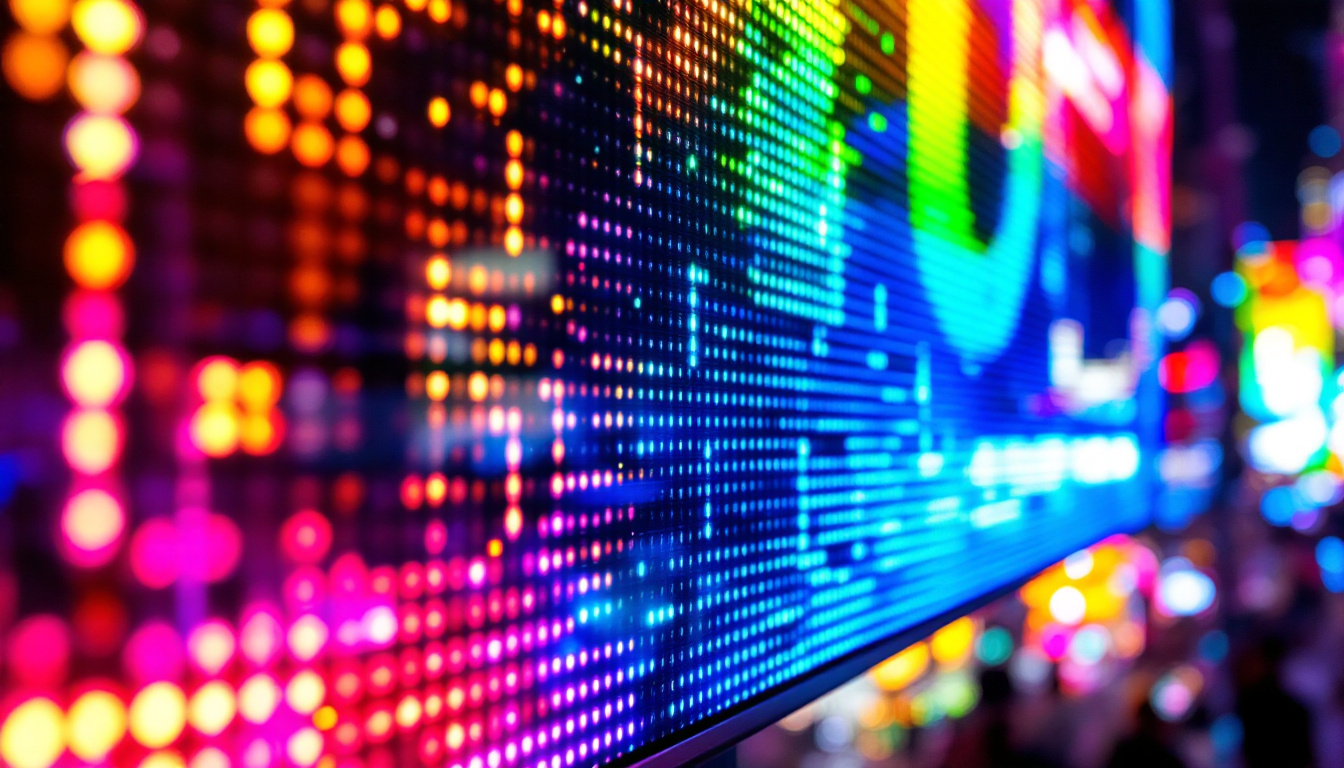
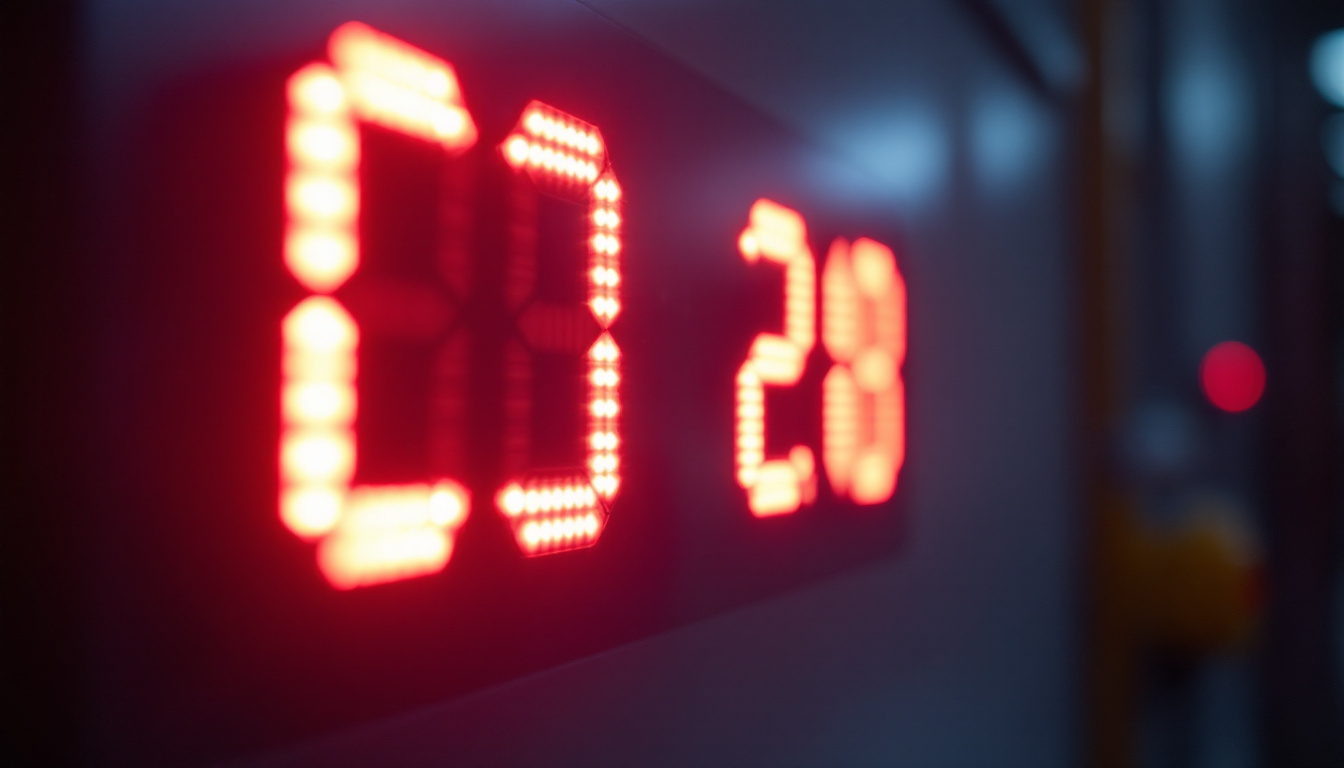
LED displays consist of numerous tiny light-emitting diodes arranged in a grid pattern. Each diode acts as a pixel that can emit light in various colors depending on the type of LED used. By controlling the brightness and color of each pixel, the display can create images, text, and animations.
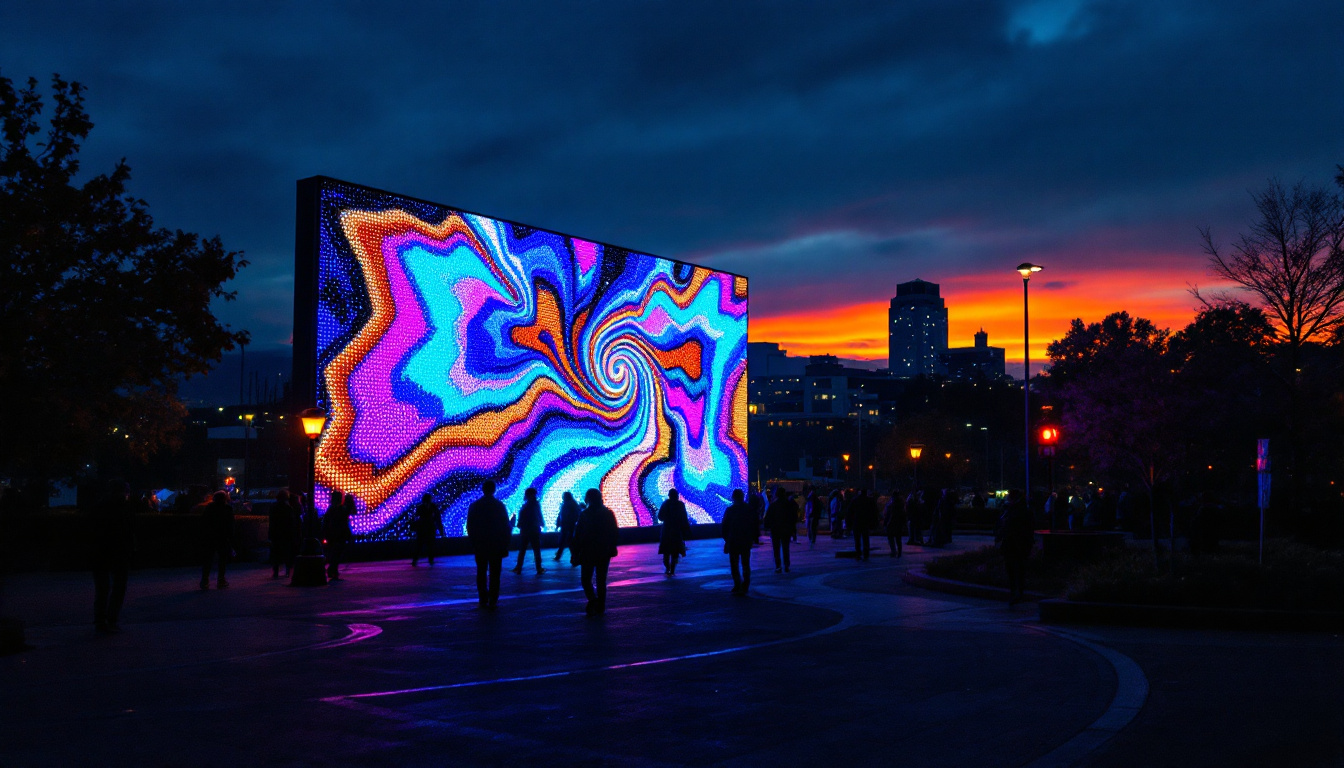
For sports scoreboards, the display is often modular, meaning it is composed of multiple panels that can be combined to form large screens. This modularity allows for flexible sizing, from small scoreboards in local gyms to massive jumbotrons in stadiums seating tens of thousands of spectators. The technology behind these displays has evolved significantly, with advancements in pixel pitch—the distance between the centers of adjacent pixels—allowing for higher resolution images and clearer visibility from greater distances. This is particularly important in large venues where fans are seated far from the screen, ensuring that everyone can enjoy a vibrant viewing experience.
Real-Time Data Integration
One of the key features of live sports LED displays is their ability to update information instantaneously. This is achieved through integration with sports data systems that collect and process game statistics in real time. These systems receive inputs from referees, official statisticians, and automated tracking technologies such as cameras and sensors.
The data is then transmitted to the LED display control system, which updates the scoreboard within milliseconds. This seamless integration ensures that fans and players are always informed about the current score, time remaining, fouls, substitutions, and other critical game details. Additionally, many modern scoreboards incorporate advanced features like player profiles, live statistics, and even social media feeds, enhancing the overall engagement of the audience. For instance, during a timeout, the display might showcase player highlights or fan interactions, creating a more immersive experience that keeps spectators entertained and informed throughout the event.
Advantages of LED Displays for Live Sports Scores
High Visibility and Brightness
LED displays are renowned for their brightness and clarity, making them visible even under direct sunlight or from great distances. This is particularly important in outdoor stadiums where lighting conditions can vary dramatically. Unlike traditional scoreboards, LED screens maintain consistent visibility, ensuring that every spectator can follow the game without strain. The advanced technology behind LED displays allows for a wider color spectrum and higher contrast ratios, which means that not only are the scores easy to read, but the vibrant colors can also enhance the atmosphere of the event, making it more exciting for fans.
Dynamic and Versatile Content
Unlike static scoreboards, LED displays can show a wide range of content beyond just numbers. They can present animations, highlight reels, player profiles, and sponsor advertisements. This versatility enhances the overall fan experience by providing engaging and informative content throughout the event. The ability to quickly update the display with real-time statistics, such as player performance metrics or game-changing moments, keeps fans informed and engaged, fostering a deeper connection to the game.
For example, during halftime or timeouts, the LED display can switch from showing scores to interactive fan polls or instant replays, keeping the audience entertained and connected. Furthermore, teams can use these displays to promote upcoming events or merchandise, creating a dynamic marketing platform that benefits both the organization and its sponsors. The integration of social media feeds can also allow fans to see their posts featured on the big screen, encouraging greater interaction and participation from the crowd.
Energy Efficiency and Durability
Modern LED technology is highly energy-efficient compared to older lighting systems. LEDs consume less power and generate less heat, which reduces operational costs for sports venues. Additionally, LED displays are built to withstand harsh environmental conditions, including rain, wind, and extreme temperatures, making them ideal for both indoor and outdoor use. Their longevity is another significant advantage, as LED screens can last up to 100,000 hours with minimal maintenance, translating to fewer replacements and lower long-term costs for sports facilities.
Moreover, the eco-friendly nature of LED technology aligns with the growing emphasis on sustainability in sports. Many venues are now seeking ways to reduce their carbon footprint, and the use of energy-efficient LED displays contributes positively to these efforts. By choosing LED technology, sports organizations not only enhance the viewer experience but also demonstrate a commitment to environmental responsibility, appealing to an increasingly eco-conscious fan base. This dual benefit of performance and sustainability makes LED displays an attractive option for modern sports venues.
Applications of LED Score Displays in Different Sports
Football and Soccer
In football and soccer stadiums worldwide, large LED scoreboards are a staple. They not only display the score and game clock but also provide real-time statistics such as possession percentages, shot counts, and player substitutions. For example, major leagues like the NFL and the English Premier League utilize advanced LED displays to enhance the viewing experience both on-site and for television broadcasts.
Basketball
Basketball arenas often feature multiple LED displays, including center-hung scoreboards and ribbon boards around the arena perimeter. These screens provide detailed stats like player points, fouls, and timeouts remaining. The fast-paced nature of basketball demands quick score updates, which LED technology delivers flawlessly.
Tennis and Other Individual Sports
In tennis, LED displays are used to show the current set score, game score, and serve speed. Portable LED scoreboards are also common in smaller venues and tournaments, providing flexibility and ease of setup. Other individual sports such as badminton, volleyball, and table tennis increasingly adopt LED displays to enhance spectator engagement.
Future Trends in Live Sports LED Displays
Integration with Augmented Reality and AI
As technology advances, LED displays are expected to integrate more deeply with augmented reality (AR) and artificial intelligence (AI). AR can overlay additional information on live feeds, such as player trajectories or tactical insights, while AI can analyze game data to provide predictive statistics and personalized content for fans.
This convergence will create a richer, more immersive viewing experience, bridging the gap between physical and digital sports entertainment.
Higher Resolution and Flexible Displays
Emerging LED technologies are pushing the boundaries of resolution and form factor. MicroLED and flexible LED panels allow for ultra-high-definition displays that can curve around stadium architecture or be embedded into player benches and advertising boards. These innovations will offer new creative possibilities for presenting live sports information.
Enhanced Interactivity and Fan Engagement
Future LED scoreboards will likely incorporate interactive features that allow fans to customize the information they see or participate in live polls and games. Integration with mobile apps and social media platforms will enable a two-way communication channel, making sports events more participatory and engaging.
Choosing the Right LED Display for Your Sports Venue
Selecting an appropriate LED display involves considering several factors, including venue size, viewing distance, ambient lighting, and budget. For large stadiums, high-brightness, high-resolution displays with wide viewing angles are essential. Smaller venues may prioritize cost-effectiveness and portability.
Additionally, the control system’s compatibility with existing scoring and data management software is critical to ensure smooth operation. Working with experienced LED display manufacturers and integrators can help tailor a solution that meets the specific needs of the sports venue.
Conclusion
LED displays have become an integral part of live sports score presentation, offering unparalleled visibility, flexibility, and interactivity. Their ability to provide real-time updates and engaging content enhances the experience for fans, players, and broadcasters alike. As technology continues to evolve, LED scoreboards will play an increasingly sophisticated role in shaping the future of sports entertainment.
Whether in a local gym or a world-class stadium, investing in high-quality LED score displays is essential for any venue seeking to deliver a modern, dynamic, and immersive sporting experience.
Enhance Your Venue with LumenMatrix LED Displays
Ready to elevate the live sports experience at your venue? Discover the innovative solutions offered by LumenMatrix, a leader in LED display technology. From vibrant Indoor and Outdoor LED Wall Displays to dynamic LED Sports Displays and beyond, LumenMatrix provides a range of products designed to captivate your audience and amplify your message. Embrace the future of visual engagement and check out LumenMatrix LED Display Solutions today to transform your sports venue into a cutting-edge entertainment hub.