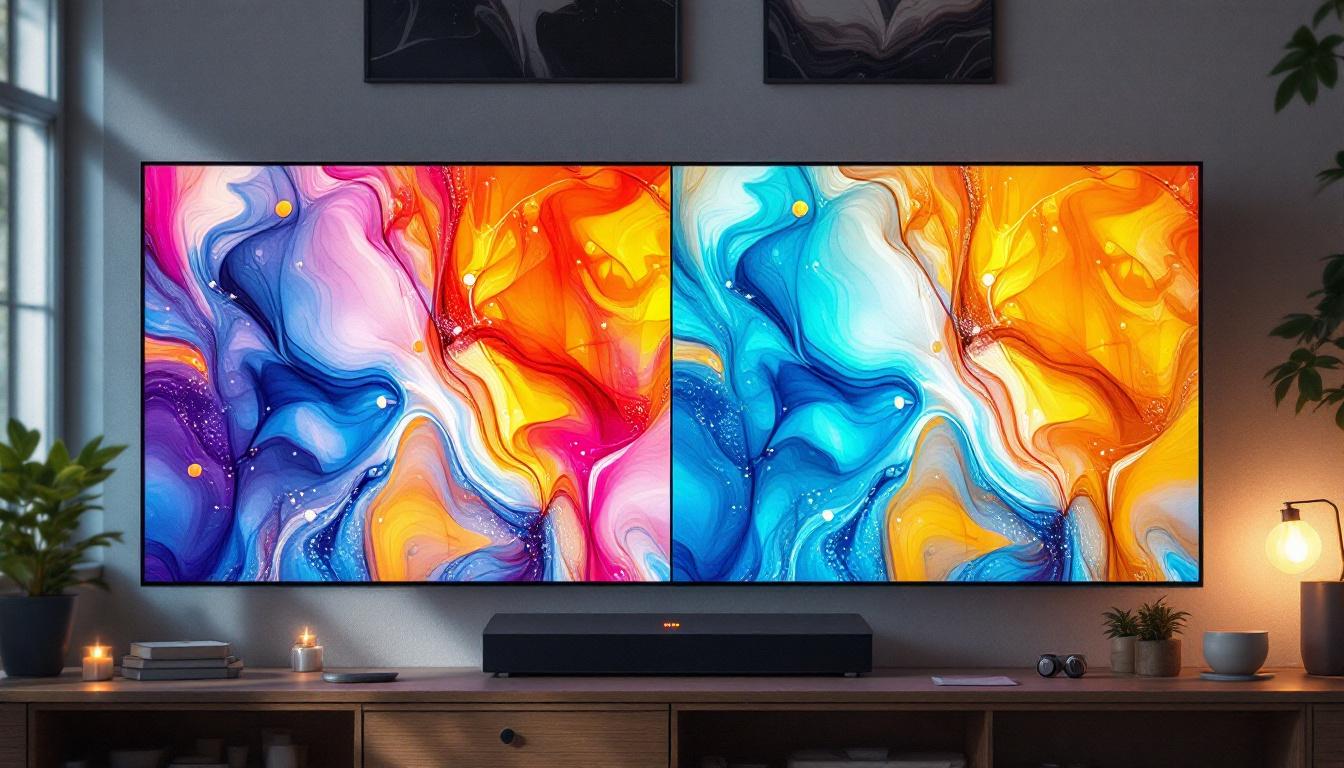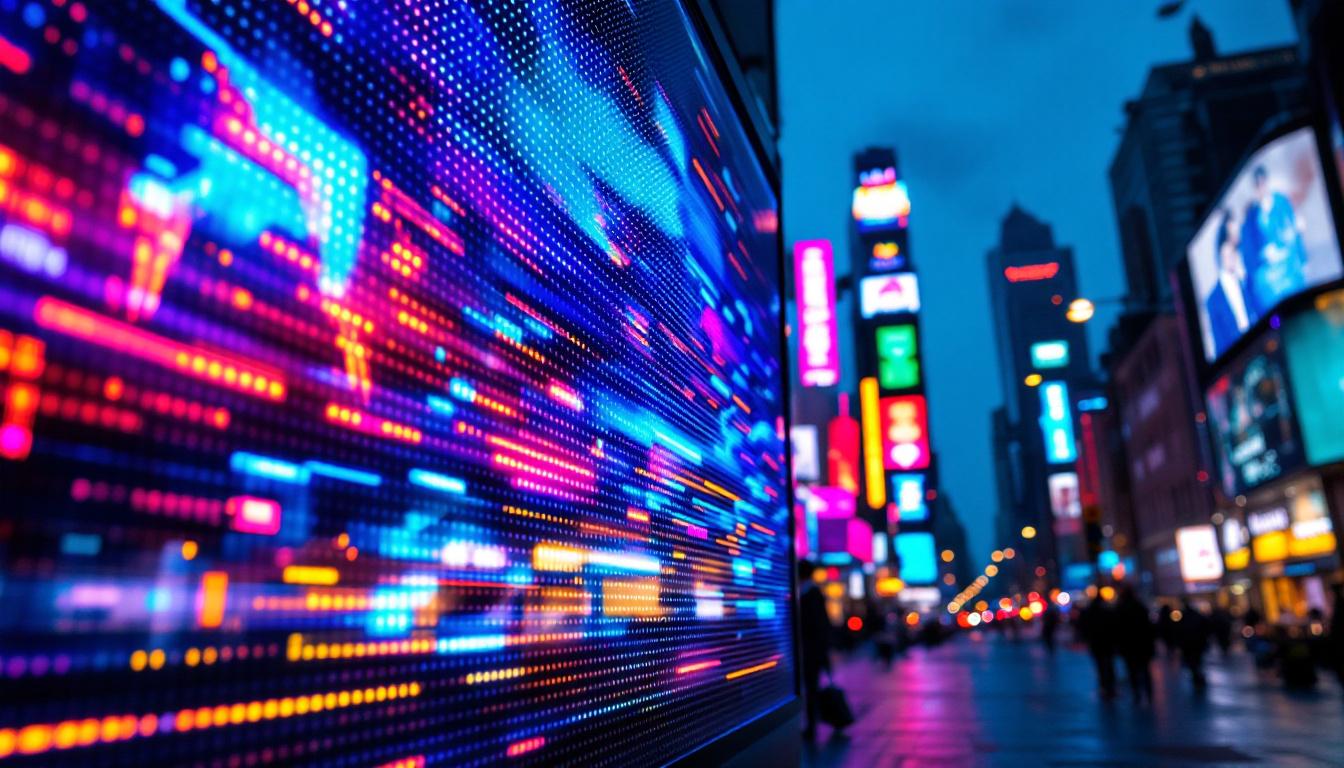
In the dynamic world of visual communication, LED displays have emerged as a powerful medium for brands and businesses to captivate audiences. Whether it’s a bustling Times Square billboard or a sleek retail storefront, LED technology is transforming how logos and messages are presented. This article delves into the essentials of LED displays, exploring their technology, benefits, types, and strategic use in logo presentation to help businesses make informed decisions in their branding efforts.
Understanding LED Display Technology
At its core, an LED (Light Emitting Diode) display is a flat panel that uses an array of tiny light-emitting diodes to produce images, videos, and text. Unlike traditional display technologies such as LCD or plasma, LEDs emit their own light, which results in superior brightness, contrast, and energy efficiency.
The technology behind LED displays involves millions of tiny diodes arranged in clusters known as pixels. Each pixel typically contains red, green, and blue diodes, which combine to create a full spectrum of colors. By adjusting the intensity of each diode, the display can render vivid and accurate images that remain visible even under direct sunlight. This capability makes LED displays particularly popular in high-visibility environments such as stadiums, concert venues, and busy urban centers, where capturing the audience’s attention is paramount.
How LEDs Differ From Other Display Technologies
LED displays stand out primarily due to their brightness and durability. For example, while LCD screens rely on backlighting, which can cause light bleed and reduce contrast, LED displays emit light directly, allowing for deeper blacks and more vibrant colors. This attribute is particularly crucial for outdoor advertising where ambient light levels are high. The ability to maintain image clarity and vibrancy in various lighting conditions not only enhances viewer engagement but also significantly boosts the effectiveness of advertising campaigns.
Moreover, LEDs have a longer lifespan compared to many other display types, often exceeding 100,000 hours of use. This longevity reduces maintenance costs and downtime, making LED displays a cost-effective solution for long-term branding campaigns. Additionally, advancements in LED technology have led to the development of flexible and transparent displays, opening new avenues for creative advertising and design. These innovations allow for seamless integration into architectural elements, enabling brands to create immersive experiences that captivate audiences in ways previously thought impossible. As technology continues to evolve, the potential applications for LED displays are expanding, making them an increasingly vital component of modern visual communication strategies.
Types of LED Displays and Their Applications
LED displays come in various forms, each suited to specific environments and purposes. Understanding these types helps businesses select the right display to maximize their logo’s impact.
Indoor LED Displays
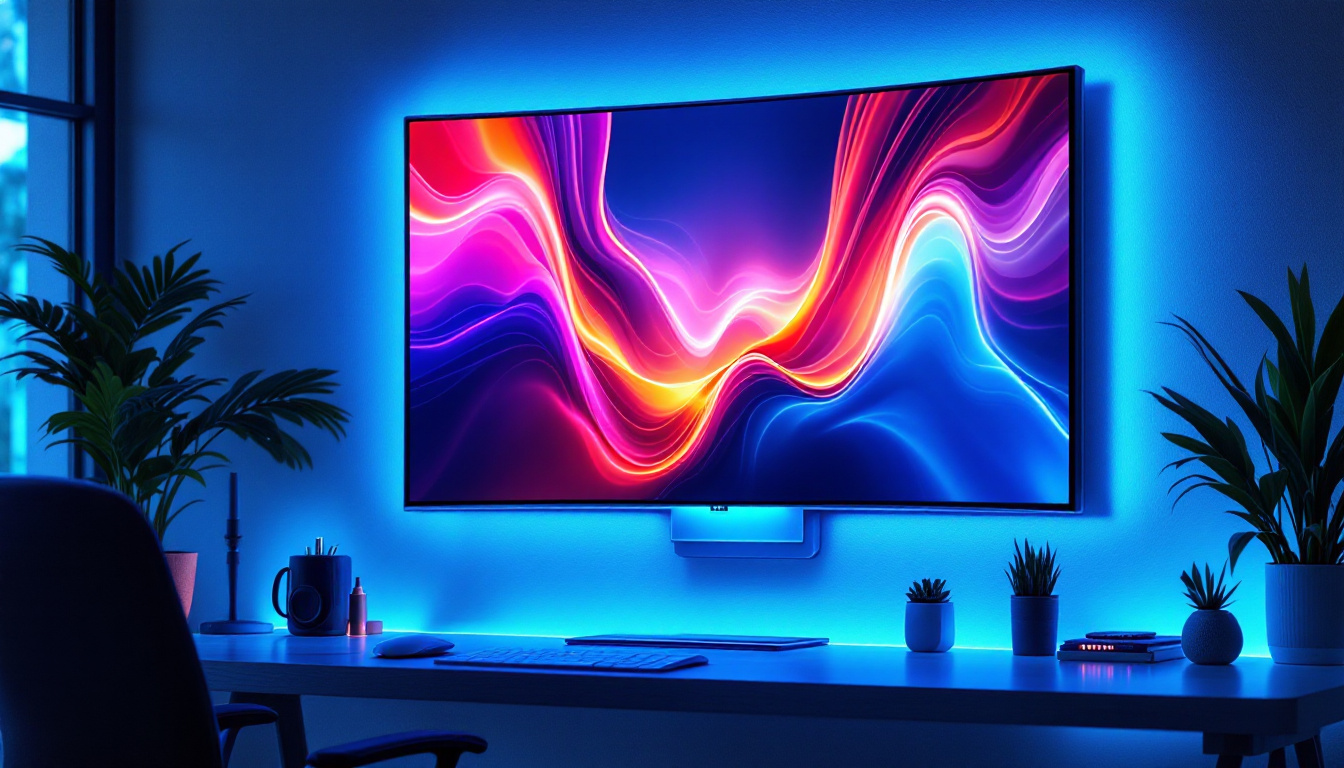
Indoor LED displays are designed for controlled lighting environments such as retail stores, conference halls, and airports. These displays typically have a higher pixel density, resulting in sharper images at close viewing distances. For example, a retail store may use an indoor LED display to showcase its logo alongside promotional content, enhancing brand recognition and customer engagement.
Because indoor environments have less exposure to harsh weather, these displays can be lighter and thinner, allowing for seamless integration into architectural designs.
Outdoor LED Displays
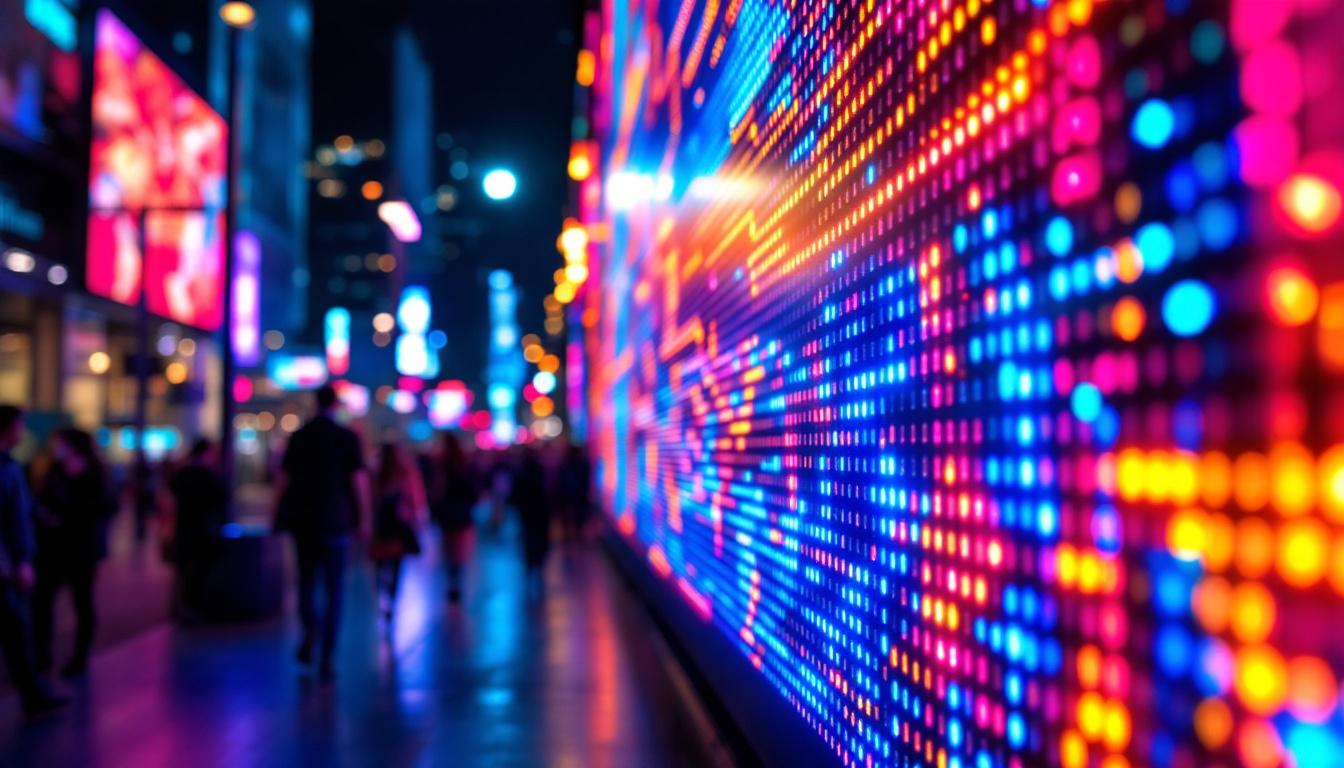
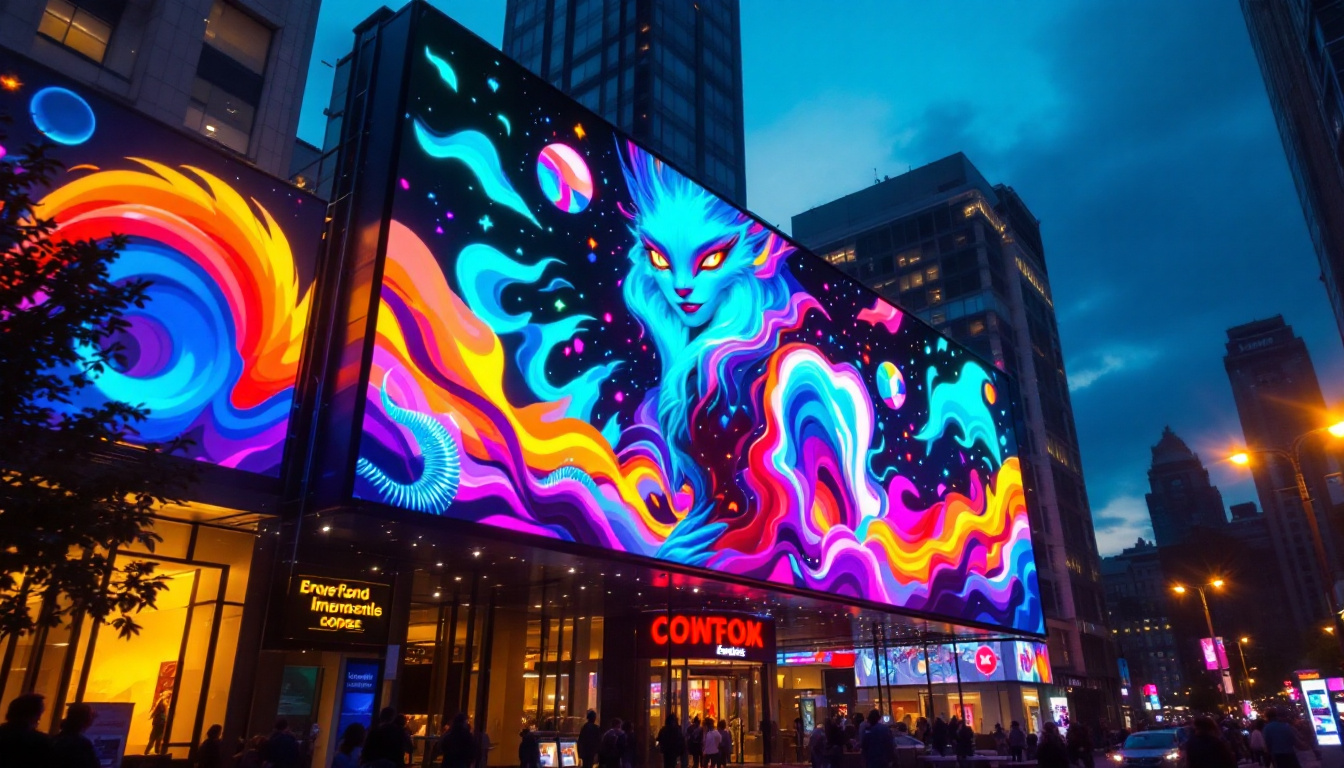
Outdoor LED displays are built to withstand weather conditions like rain, wind, and extreme temperatures. They feature higher brightness levels — often exceeding 5,000 nits — to remain visible in direct sunlight. Outdoor displays are commonly used for billboards, stadium screens, and building facades.
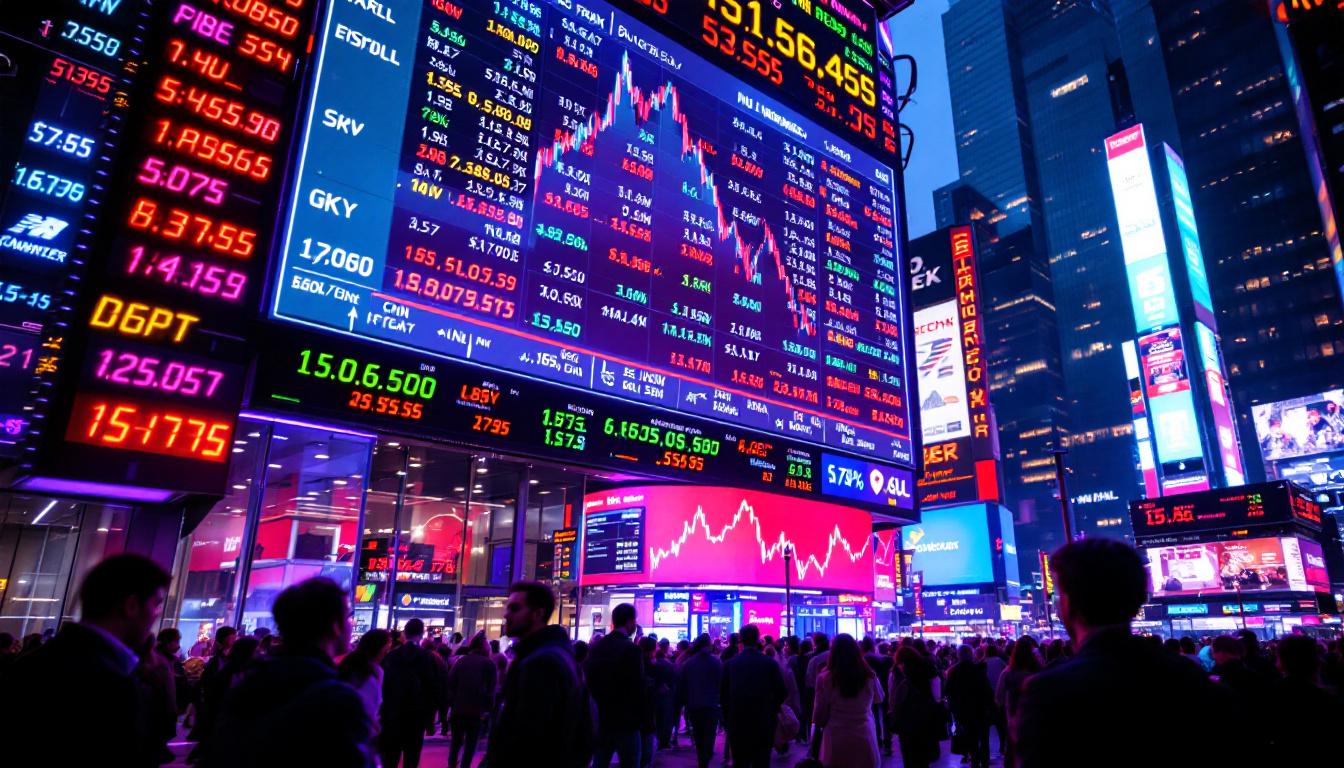
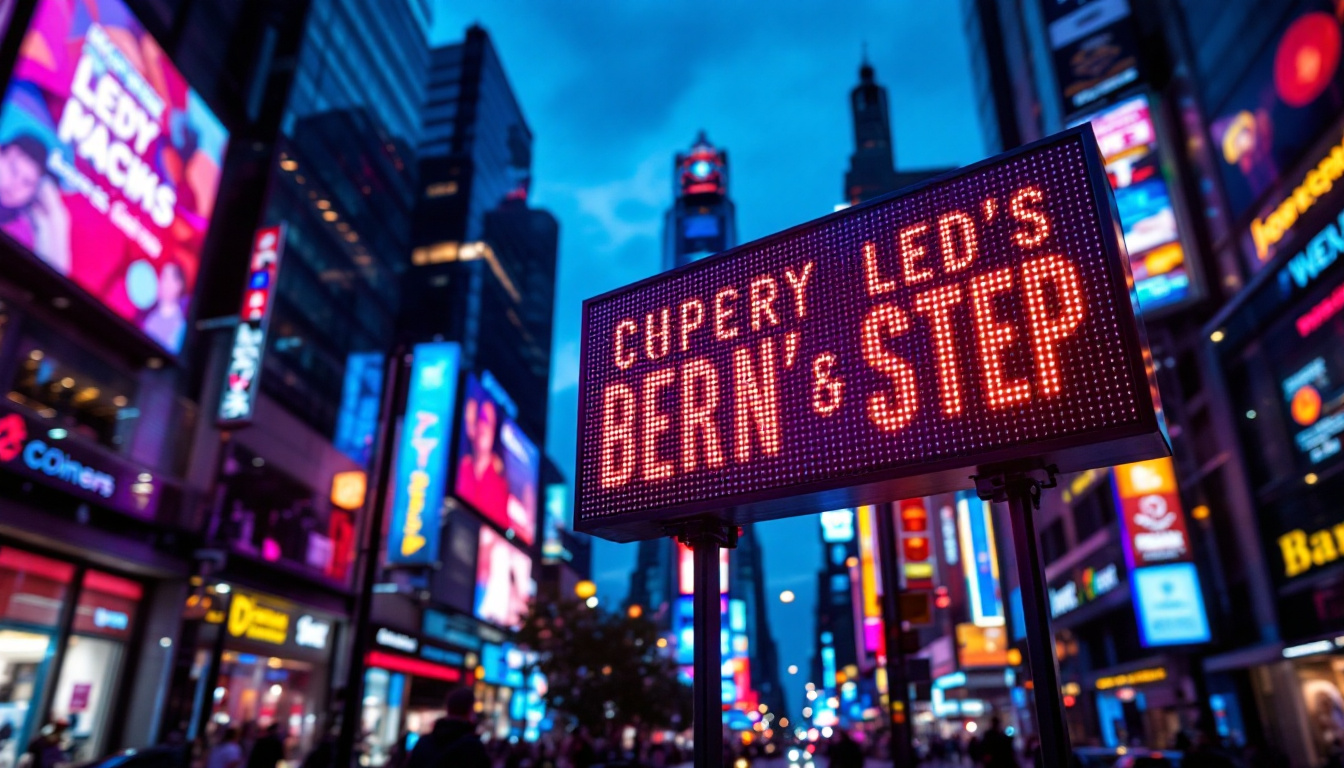
One notable example is the use of LED displays in Times Square, New York City, where logos and advertisements must compete with intense natural and artificial light. The high brightness and durability of outdoor LED displays ensure that brands maintain visibility and vibrancy around the clock.
Flexible and Transparent LED Displays
Innovations in LED technology have led to flexible and transparent displays, expanding creative possibilities for logo presentation. Flexible LED panels can curve around surfaces, enabling unique installations on columns, vehicles, or wearable technology. Transparent LED displays allow viewers to see through the screen, making them ideal for storefront windows where logos and promotional content can be displayed without obstructing the view inside.
Benefits of Using LED Displays for Logo Presentation
Choosing LED displays for logo presentation offers numerous advantages that can elevate brand visibility and engagement.
Enhanced Visibility and Impact
LED displays provide unmatched brightness and color accuracy, ensuring logos stand out in any environment. This visibility is critical for businesses aiming to attract attention in crowded urban spaces or busy retail environments. Studies have shown that digital signage can increase brand recall by up to 47%, highlighting the effectiveness of vibrant LED displays in capturing consumer attention.
Dynamic Content and Flexibility
Unlike static signage, LED displays allow for dynamic content changes. Brands can rotate logos, update promotional messages, or incorporate animations to keep the display fresh and engaging. This flexibility supports seasonal campaigns, special events, or real-time updates, enabling marketers to respond quickly to market trends and consumer behavior.
Energy Efficiency and Sustainability
Modern LED displays consume significantly less power than traditional lighting and display technologies. According to the U.S. Department of Energy, LEDs use at least 75% less energy and last 25 times longer than incandescent lighting. For companies focused on sustainability, adopting LED displays aligns with environmental goals while reducing operational costs.
Cost-Effectiveness Over Time
While the initial investment in LED displays may be higher than traditional signage, the long-term benefits often outweigh the costs. Reduced maintenance, lower energy consumption, and the ability to update content without reprinting materials contribute to a favorable return on investment. For example, a retail chain that replaces static signs with LED displays can save thousands annually on printing and installation expenses.
Design Considerations for Logo Presentation on LED Displays
Effectively showcasing a logo on an LED display requires thoughtful design to leverage the technology’s strengths and avoid common pitfalls.
Optimizing Resolution and Pixel Pitch
Pixel pitch — the distance between individual LED pixels — directly impacts image clarity. A smaller pixel pitch means higher resolution, which is essential for close viewing distances. For indoor displays where viewers are near, a pixel pitch of 1.5 to 2.5 millimeters is typical. Outdoor displays, viewed from farther away, can use larger pixel pitches of 6 to 10 millimeters without sacrificing perceived quality.
Designers must ensure that logos are created or adapted to suit the resolution capabilities of the chosen display, avoiding overly intricate details that may blur or pixelate.
Color Accuracy and Contrast
Maintaining brand colors accurately is crucial for logo integrity. LED displays should be calibrated to reproduce colors faithfully, considering the ambient lighting conditions. High contrast between the logo and background enhances readability, especially in outdoor environments where sunlight can wash out colors.
Animation and Motion Use
Incorporating subtle animation can draw attention to logos, but excessive motion may distract or overwhelm viewers. Effective use of motion includes gentle fades, zooms, or color shifts that complement the brand identity without compromising message clarity.
Viewing Distance and Angle
Designers should consider the typical viewing distance and angle to optimize logo size and placement. Outdoor billboards require larger logos and bolder fonts, while indoor displays can afford finer details. Additionally, LED displays have wide viewing angles, but extreme angles may reduce color vibrancy, so positioning is key.
Case Studies: Successful Logo Implementations Using LED Displays
Examining real-world examples highlights how LED displays can transform logo presentation and brand engagement.
Nike’s Flagship Store in New York City
Nike’s flagship store on Fifth Avenue uses a massive LED facade to showcase its iconic swoosh logo alongside dynamic content. The display’s high resolution and brightness allow the logo to remain prominent day and night, reinforcing brand presence in a competitive retail environment. The ability to update content in real time supports Nike’s marketing campaigns, creating a seamless connection between physical and digital branding.
Coca-Cola’s Times Square Billboard
Coca-Cola’s LED billboard in Times Square is a prime example of leveraging outdoor LED technology for maximum impact. The display’s vibrant colors and animations bring the logo to life, engaging millions of viewers daily. The billboard’s durability and brightness ensure consistent performance despite harsh weather and intense ambient light, maintaining brand visibility 24/7.
Samsung’s Transparent LED Display in Retail
Samsung has pioneered the use of transparent LED displays in retail environments, allowing logos and product visuals to appear on glass surfaces without blocking the view inside the store. This innovative approach enhances customer experience by blending branding with architectural aesthetics, demonstrating how LED technology can support modern retail strategies.
Future Trends in LED Display Technology for Branding
The LED display landscape continues to evolve, with emerging trends offering exciting possibilities for logo presentation.
MicroLED and MiniLED Innovations
MicroLED and MiniLED technologies promise even higher resolutions, improved color accuracy, and greater energy efficiency. These advancements will enable ultra-thin, flexible displays with exceptional image quality, expanding creative options for brands.
Integration with Augmented Reality (AR)
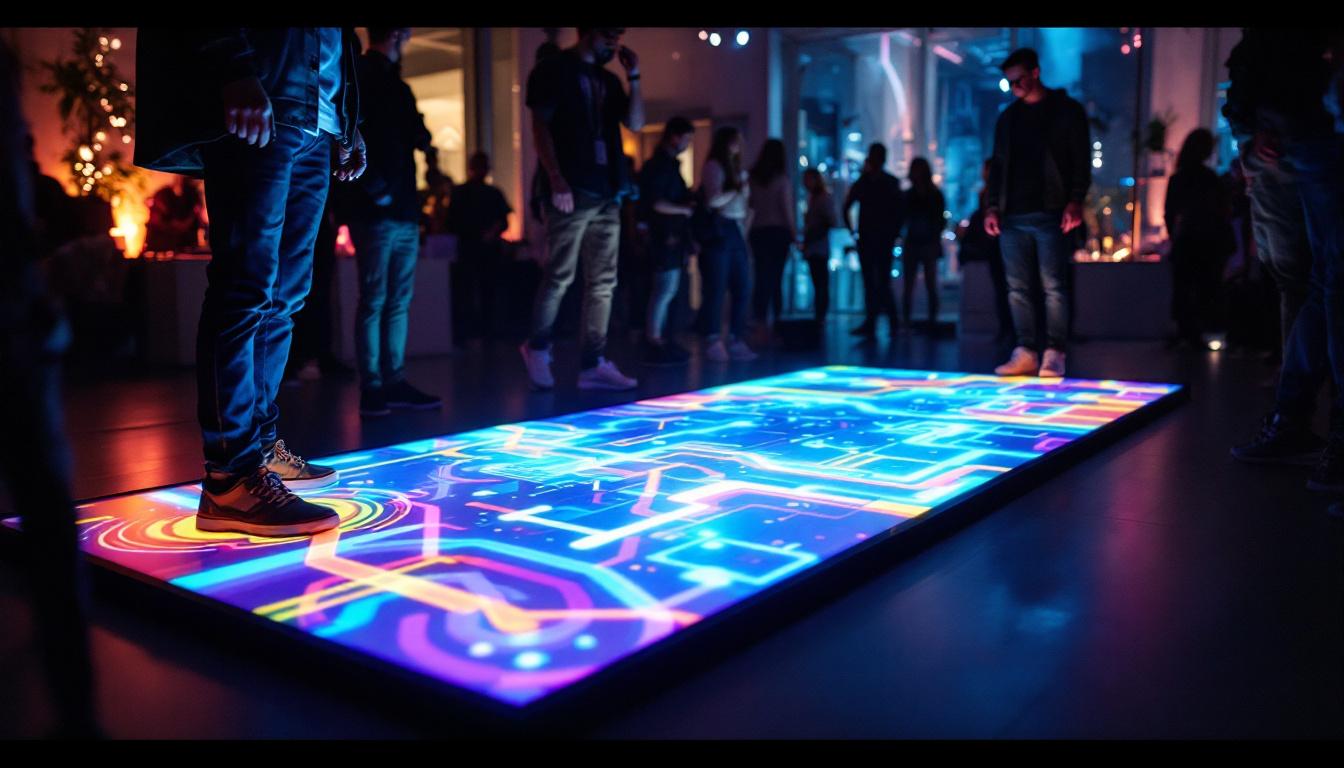
Combining LED displays with AR technology can create immersive branding experiences. For instance, interactive LED screens could respond to viewer movements or display personalized content, deepening consumer engagement.
AI-Driven Content Optimization
Artificial intelligence is increasingly used to analyze audience behavior and optimize content delivery on LED displays. This capability allows brands to tailor logo presentations and messaging dynamically, maximizing relevance and impact.
Conclusion
LED displays have revolutionized how logos are presented, offering unparalleled brightness, flexibility, and durability. By understanding the technology, selecting the appropriate display type, and applying thoughtful design principles, businesses can harness LED displays to elevate their brand presence effectively. As innovations continue to emerge, LED technology will remain at the forefront of visual branding, enabling companies to connect with audiences in more engaging and memorable ways than ever before.
Illuminate Your Brand with LumenMatrix
Ready to take your brand’s visibility to the next level? LumenMatrix is at the forefront of LED display innovation, offering a comprehensive range of solutions tailored to your unique branding needs. From the vibrant Indoor LED Wall Display to the dynamic Outdoor LED Wall Display, and from the mobile Vehicle LED Display to the sleek LED Transparent Display, our technology is designed to captivate and engage your audience. Embrace the future of visual communication with LumenMatrix and let your logo shine like never before. Check out LumenMatrix LED Display Solutions and revolutionize the way you connect with your audience today.