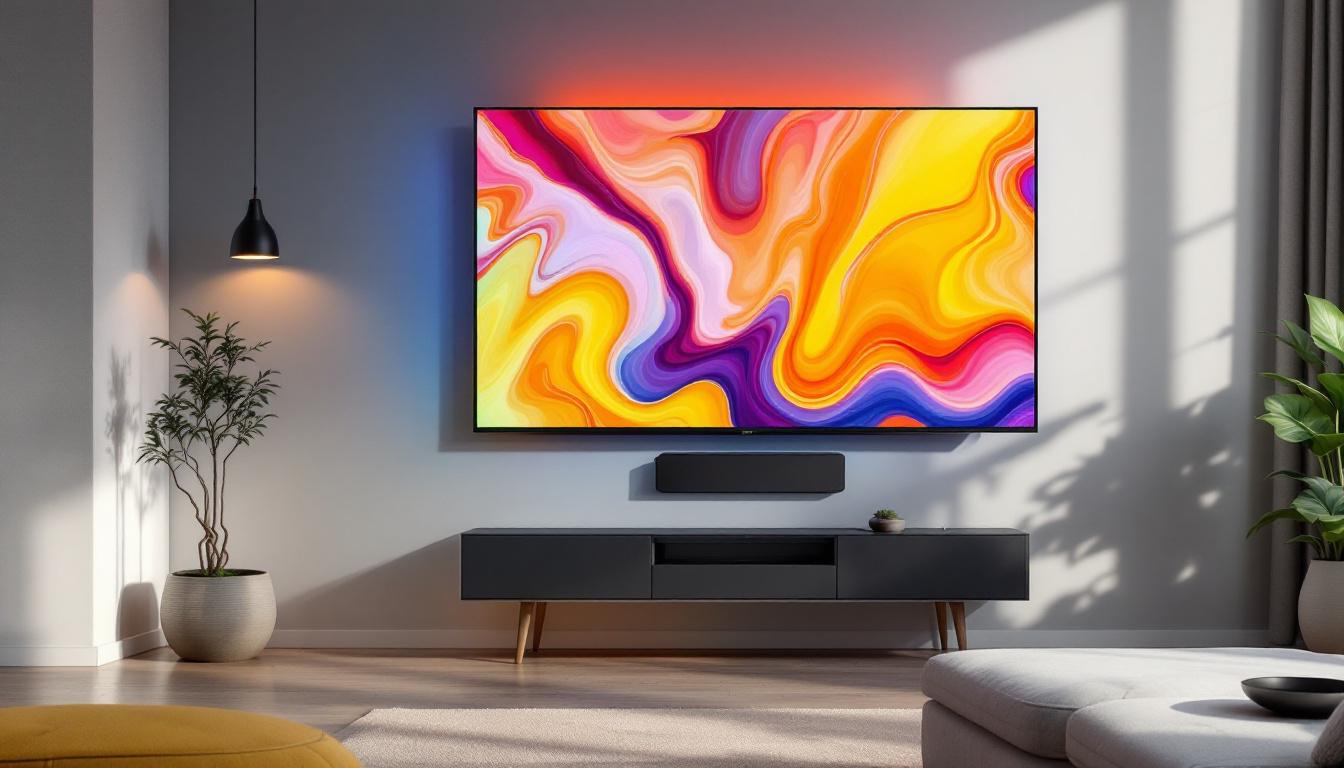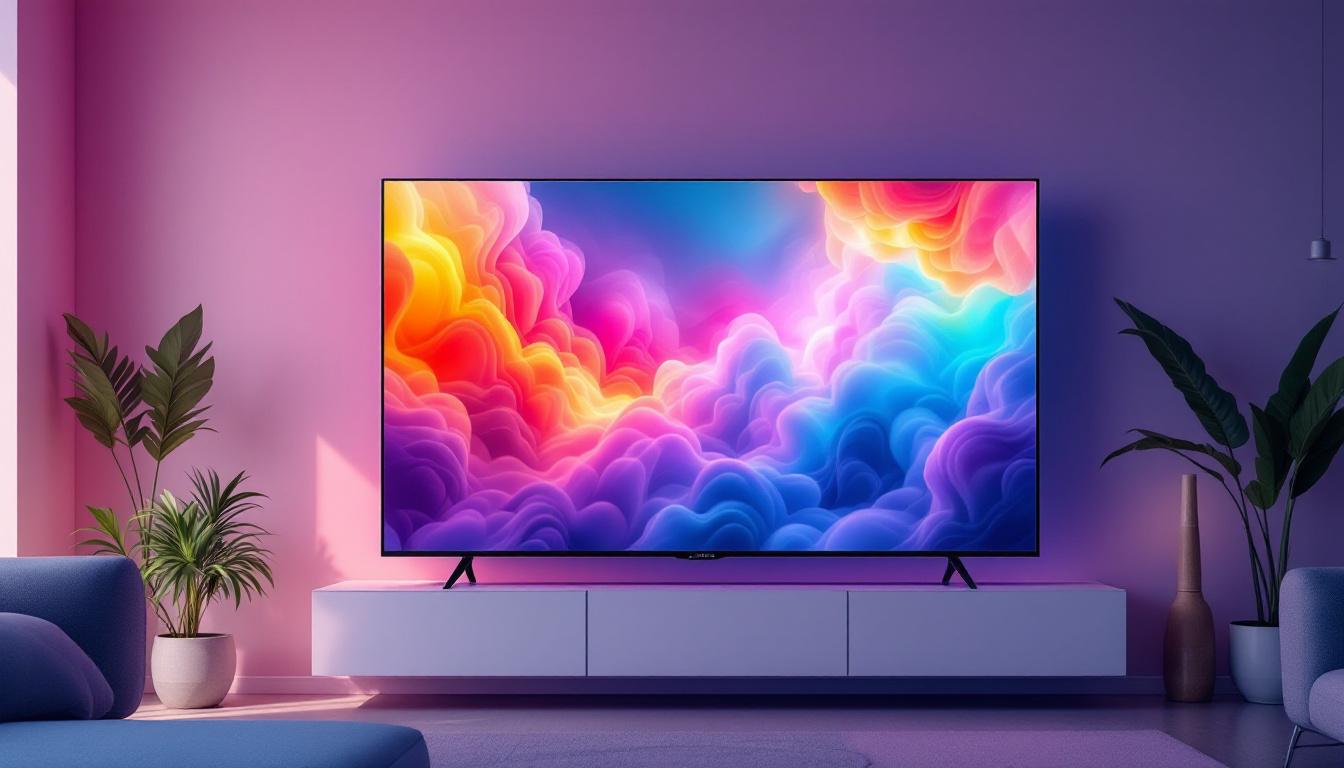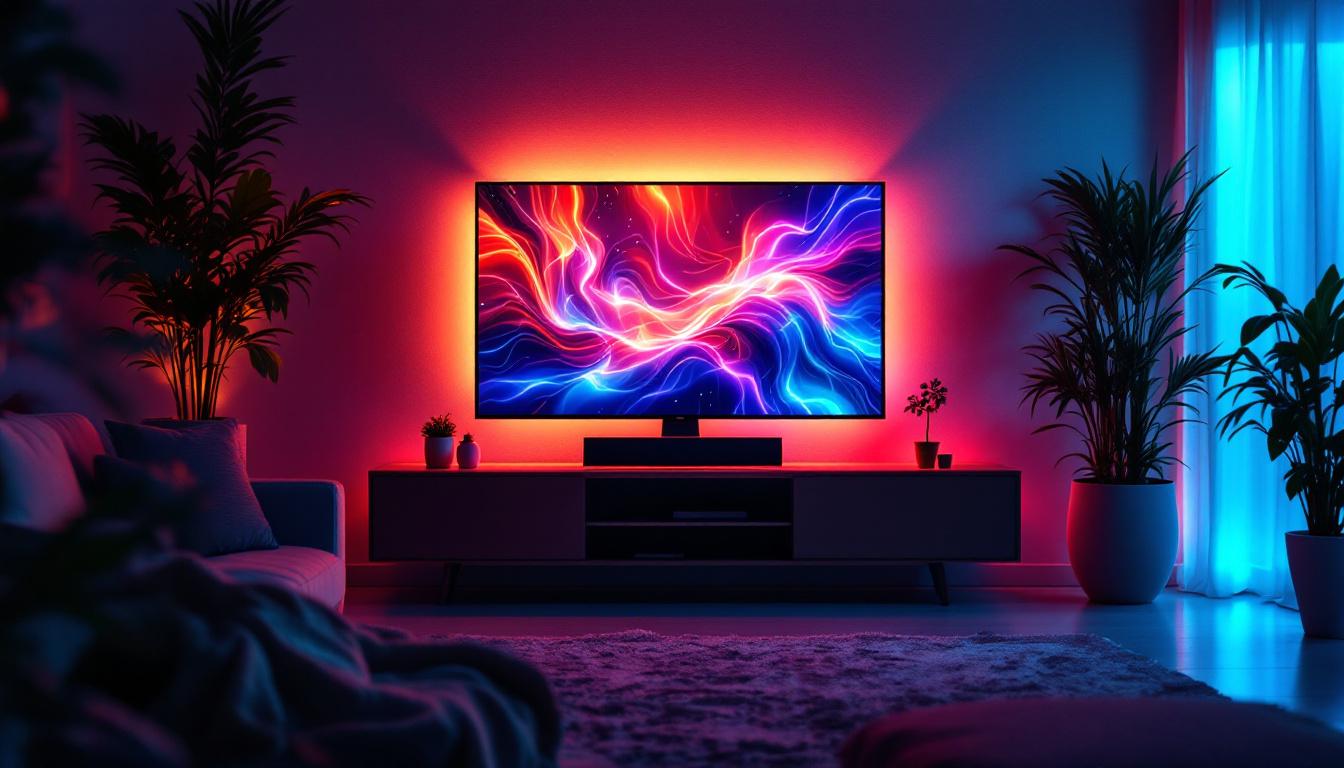
In recent years, the integration of LED lighting with television sets has revolutionized the home entertainment experience. LED lights that change with TV content, often referred to as bias lighting or ambient lighting systems, enhance immersion, reduce eye strain, and elevate the aesthetic appeal of viewing environments. This article delves into the technology behind these dynamic LED displays, exploring how they work, their benefits, and the future of LED-enhanced TV viewing.
Understanding LED Lighting Technology in TVs
What Are LED Lights and How Are They Used in TVs?
LED stands for Light Emitting Diode, a semiconductor device that emits light when an electric current passes through it. In televisions, LEDs serve two primary purposes: as backlighting for LCD screens and as external ambient lighting to complement the viewing experience.
Traditional LCD TVs require a light source behind the screen to illuminate the pixels, and LEDs have become the preferred backlighting method due to their energy efficiency, brightness, and color accuracy. However, the LED lights that change with TV content are typically external strips or panels positioned behind or around the TV, designed to project colors that match or complement the on-screen visuals.
How LED Bias Lighting Works
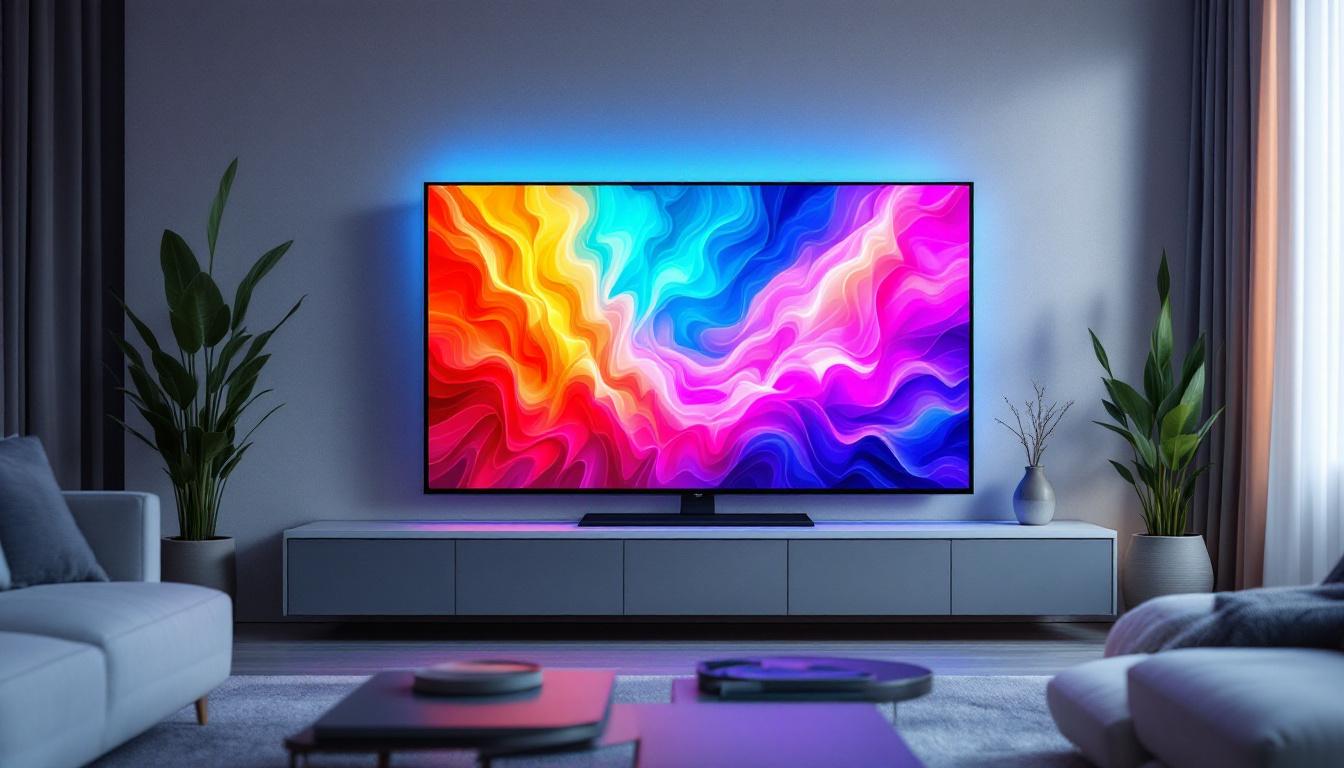
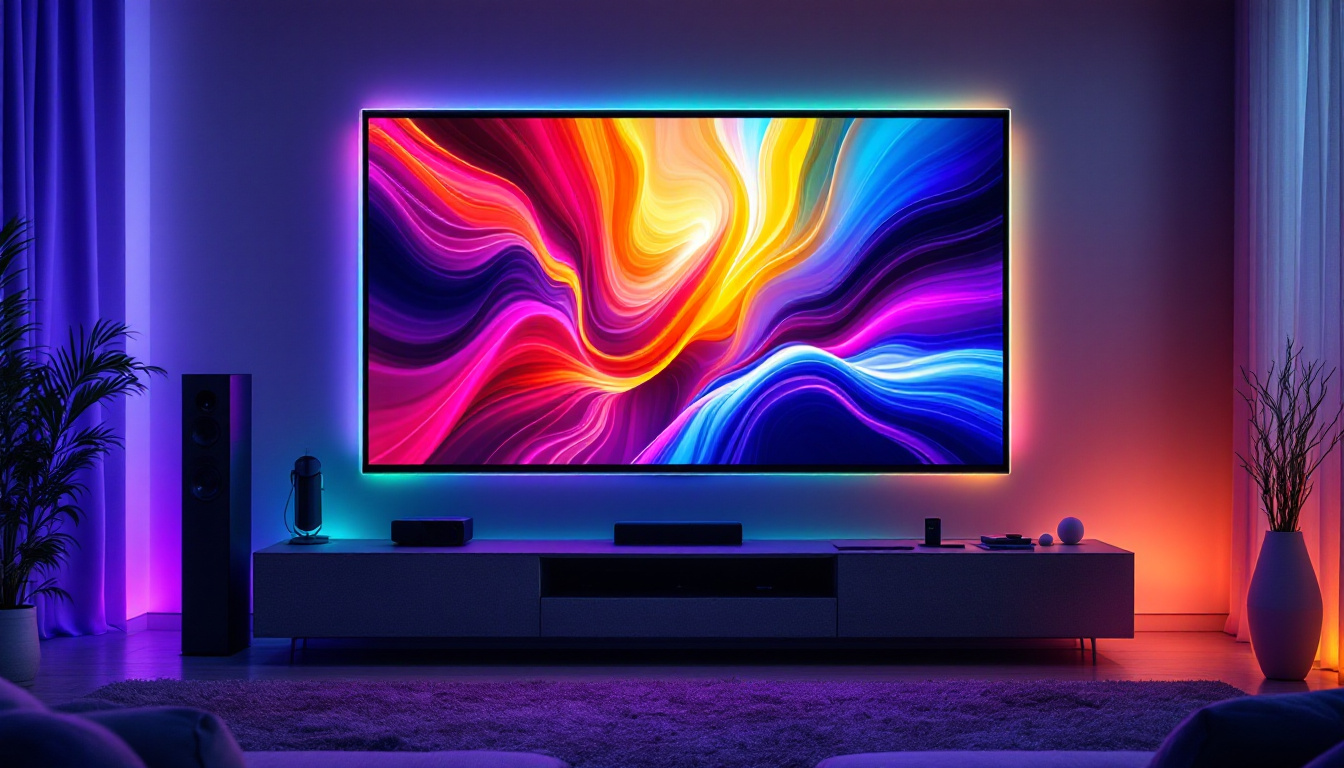
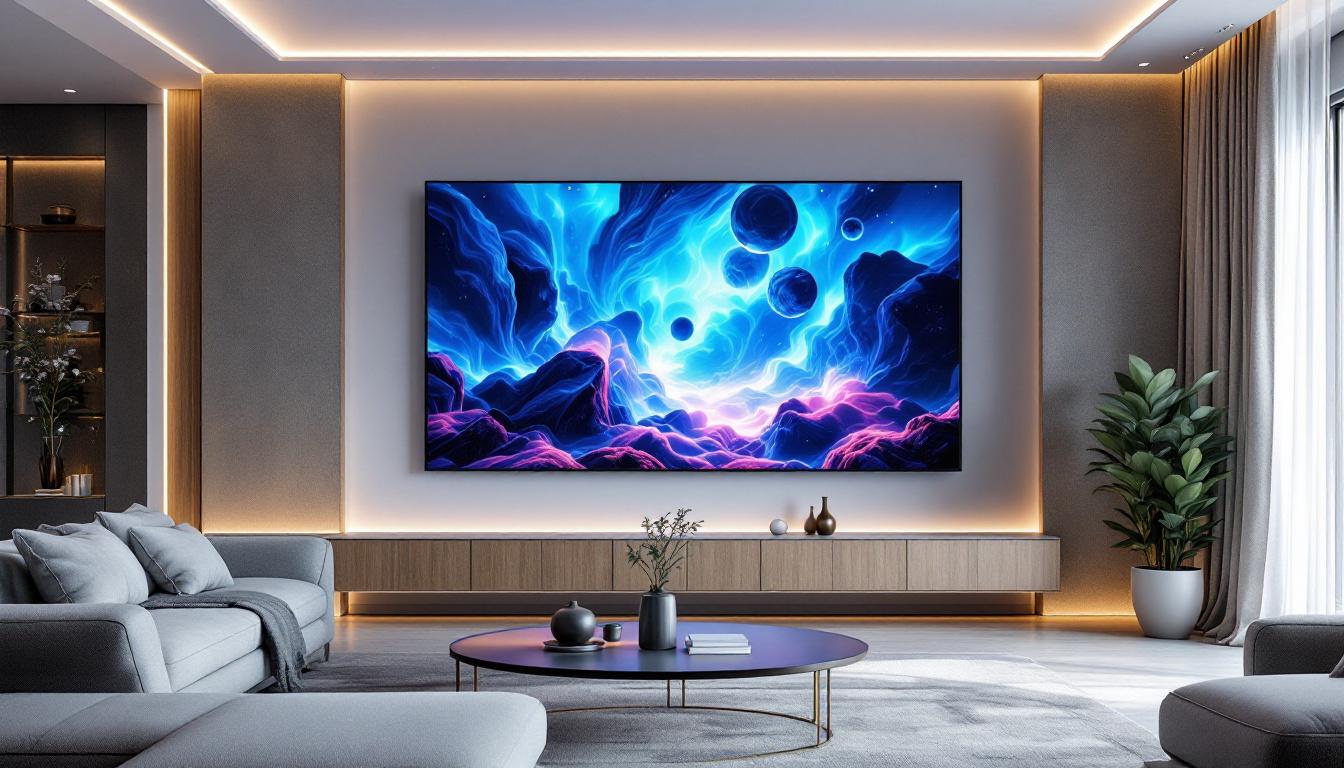
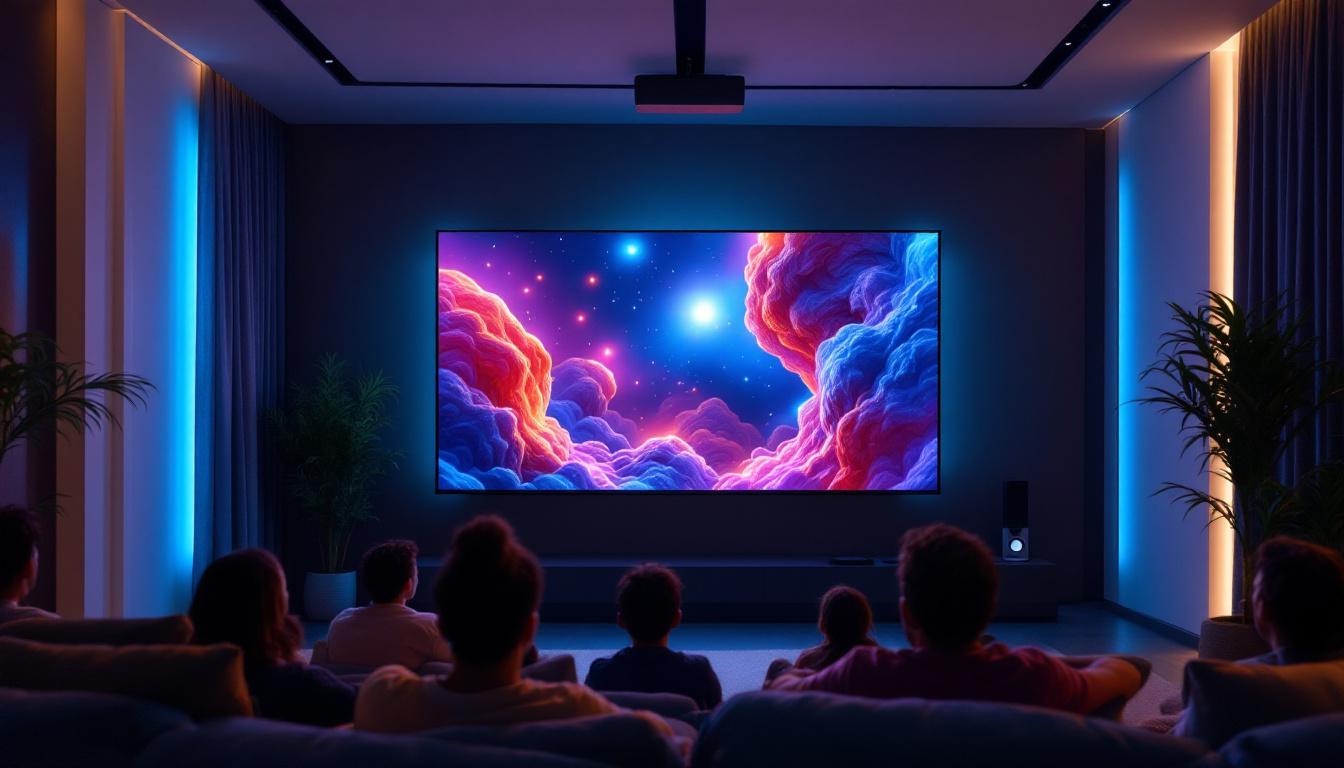
Bias lighting involves placing LED strips behind the television to cast a soft glow on the wall behind the screen. This subtle illumination reduces the contrast between the bright screen and the dark room, which helps minimize eye strain during extended viewing sessions. When these LEDs are synchronized with the TV content, they dynamically change colors in real-time, creating an immersive ambient effect.
Advanced systems use sensors, cameras, or HDMI passthrough technology to analyze the colors and brightness of the content displayed on the screen. The LED lights then adjust their hues and intensity accordingly, effectively extending the visual experience beyond the physical boundaries of the TV.
The Technology Behind LED Lights That Change With TV
Color Sensing and Signal Processing
The core of LED systems that adapt to TV content lies in their ability to sense or receive information about the colors displayed on the screen. There are two main approaches:
- External Sensors: Some systems use a camera or color sensor positioned near the TV to capture the colors being displayed. The sensor analyzes the dominant colors and communicates with the LED controller to adjust the lights accordingly.
- Direct Signal Processing: Other solutions integrate with the TV’s HDMI input or use smart TV apps to access the video signal directly. This allows for more precise and faster color matching since the system processes the video data in real-time.
Direct signal processing tends to offer better synchronization and less latency compared to sensor-based systems, which can be affected by ambient light or viewing angle.
Hardware Components
LED lighting systems designed for TV integration typically consist of the following components:
- LED Strips or Panels: Flexible LED strips with individually addressable LEDs allow for nuanced color changes along the length of the strip. Some systems use rigid panels or modular units for larger displays.
- Controller Unit: This device processes input from sensors or video sources and manages the LED color output. Controllers often connect to the TV via HDMI or USB and may include wireless connectivity options.
- Power Supply: A dedicated power source powers the LEDs and controller, ensuring consistent brightness and color fidelity.
Many modern systems also include smartphone apps or remote controls for customization, allowing users to adjust brightness, color schemes, and synchronization settings.
Benefits of LED Lights That Change With TV Content
Enhanced Immersion and Visual Experience
One of the most compelling reasons to use LED lights that change with TV content is the enhanced sense of immersion they provide. By extending the colors and mood of the on-screen action beyond the TV frame, these lights create a more enveloping viewing environment.
For example, during a nature documentary featuring lush green forests, the LED lights may glow with varying shades of green, making the viewer feel more connected to the scene. In contrast, during a suspenseful thriller, the LEDs might shift to darker, more intense colors, heightening the emotional impact.
Reduction of Eye Strain and Fatigue
Watching a bright screen in a dark room can cause eye strain due to the high contrast between the screen and the surrounding environment. Bias lighting helps balance this contrast by providing a gentle background glow, which reduces the strain on the eyes.
Studies have shown that bias lighting can improve visual comfort and reduce headaches associated with prolonged screen time. The dynamic adjustment of LED lights to match content further optimizes this effect by maintaining consistent ambient lighting that adapts to changing scenes.
Improved Perceived Contrast and Color Accuracy
Proper bias lighting has been shown to improve perceived contrast on LCD screens. When the background lighting complements the on-screen colors, the human eye perceives deeper blacks and more vibrant colors, enhancing overall picture quality without altering the TV’s settings.
This effect is particularly beneficial in home theaters or dedicated viewing rooms where lighting conditions can be controlled. By using LED lights that change with the TV content, viewers can enjoy a more vivid and accurate representation of movies, sports, and games.
Popular LED Systems and How to Choose the Right One
Leading Products in the Market
Several companies have developed LED lighting kits specifically designed to synchronize with TV content. Some of the most popular include:
- Philips Hue Play Gradient Lightstrip: Known for its seamless integration with select smart TVs, this system uses HDMI sync boxes to match on-screen colors with high precision. It supports a wide color gamut and offers extensive customization through the Philips Hue ecosystem.
- Govee Immersion LED Backlights: A more affordable option that uses a camera sensor to capture screen colors. It offers easy installation and smartphone app control, making it a popular choice for casual users.
- Lightpack: An open-source solution that uses a USB connection and software to analyze video content and control LED strips. It appeals to tech-savvy users who want customizable setups.
Each product varies in terms of installation complexity, price, and compatibility, so it is important to consider individual needs and TV models before purchasing.
Factors to Consider When Selecting an LED Lighting System
Choosing the right LED lighting system for your TV involves evaluating several key factors:
- Compatibility: Ensure the system supports your TV model and preferred input methods (HDMI, USB, or wireless).
- Installation: Some kits require minimal setup, while others may involve mounting sensors or running cables behind furniture.
- Color Accuracy and Responsiveness: Systems that process video signals directly tend to offer better synchronization and faster response times than sensor-based solutions.
- Customization: Look for systems that allow you to adjust brightness, color schemes, and effects to suit your preferences.
- Budget: Prices can range from under $50 for basic kits to several hundred dollars for premium solutions with advanced features.
Installation Tips and Best Practices
Placement and Setup
For optimal performance, LED strips should be placed evenly along the back edges of the TV, ensuring that the lights are not visible from the front but can effectively cast ambient light on the wall behind. Clean the surface before attaching the strips to ensure strong adhesion.
When using sensor-based systems, position the camera or sensor so it has an unobstructed view of the screen. Avoid placing it too close to other light sources, which may interfere with color detection.
Calibrating Your LED Lights
After installation, calibrate the LED system according to the manufacturer’s instructions. This may involve adjusting the color balance, brightness, and response speed. Some systems include calibration modes that display test patterns to help optimize settings.
Regularly updating the system’s firmware and software can also improve performance and add new features over time.
The Future of LED Lighting and TV Integration
Advancements in Smart Home and IoT Integration
The growing popularity of smart home ecosystems is driving innovation in LED lighting technology. Future systems are expected to offer deeper integration with voice assistants, home automation platforms, and AI-driven content analysis.
Imagine a TV setup where your LED lights not only sync with your shows and movies but also adjust based on the time of day, room occupancy, or even your mood, creating a truly personalized entertainment environment.
MicroLED and OLED Displays: Impact on Ambient Lighting
Emerging display technologies like MicroLED and OLED offer superior contrast ratios and self-emissive pixels, which may reduce the need for traditional bias lighting. However, ambient LED lighting that changes with content will likely remain popular for its immersive and aesthetic benefits.
Manufacturers are exploring ways to integrate lighting directly into TV frames or stands, creating seamless and stylish solutions that blur the line between display and environment.
Conclusion
LED lights that change with TV content represent a significant leap forward in home entertainment technology. By combining advanced color sensing, signal processing, and LED hardware, these systems enhance immersion, reduce eye strain, and improve perceived picture quality. Whether through premium solutions like the Philips Hue Play Gradient or more accessible options like Govee Immersion, consumers have a range of choices to elevate their viewing experience.
As technology continues to evolve, the integration of LED lighting with TVs will become more sophisticated and personalized, transforming how people engage with their favorite content. For anyone seeking to upgrade their home theater or simply enjoy a more comfortable and captivating viewing environment, LED lights that change with TV content are a compelling innovation worth exploring.
Discover the Future of LED Display Technology with LumenMatrix
Ready to transform your viewing experience with the latest in LED display innovation? LumenMatrix is at the forefront of creating immersive environments that go beyond traditional viewing. From captivating Indoor LED Wall Displays to dynamic Outdoor LED Wall Displays and beyond, our solutions are designed to bring your content to life. Experience the future of visual engagement and let LumenMatrix elevate your space with our comprehensive range of LED display modules. Check out LumenMatrix LED Display Solutions today and step into a world where every visual tells a story.