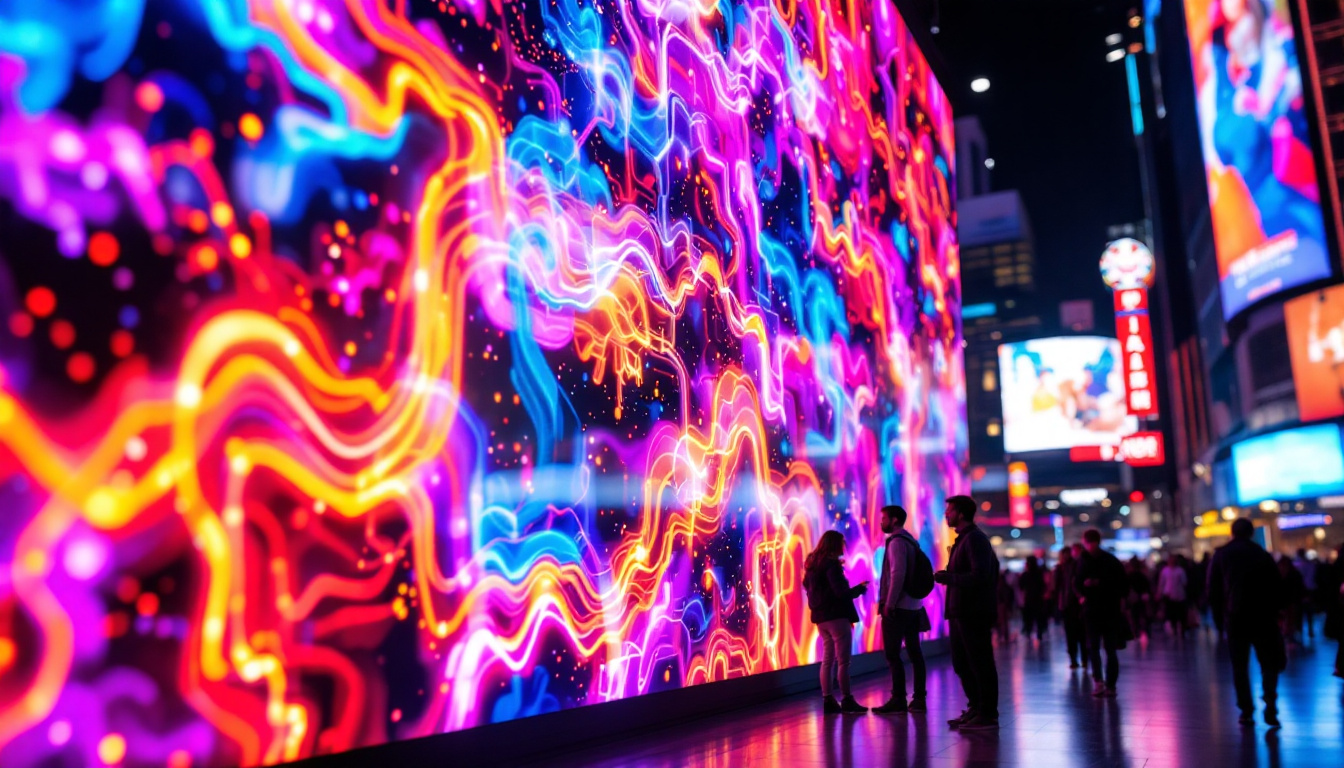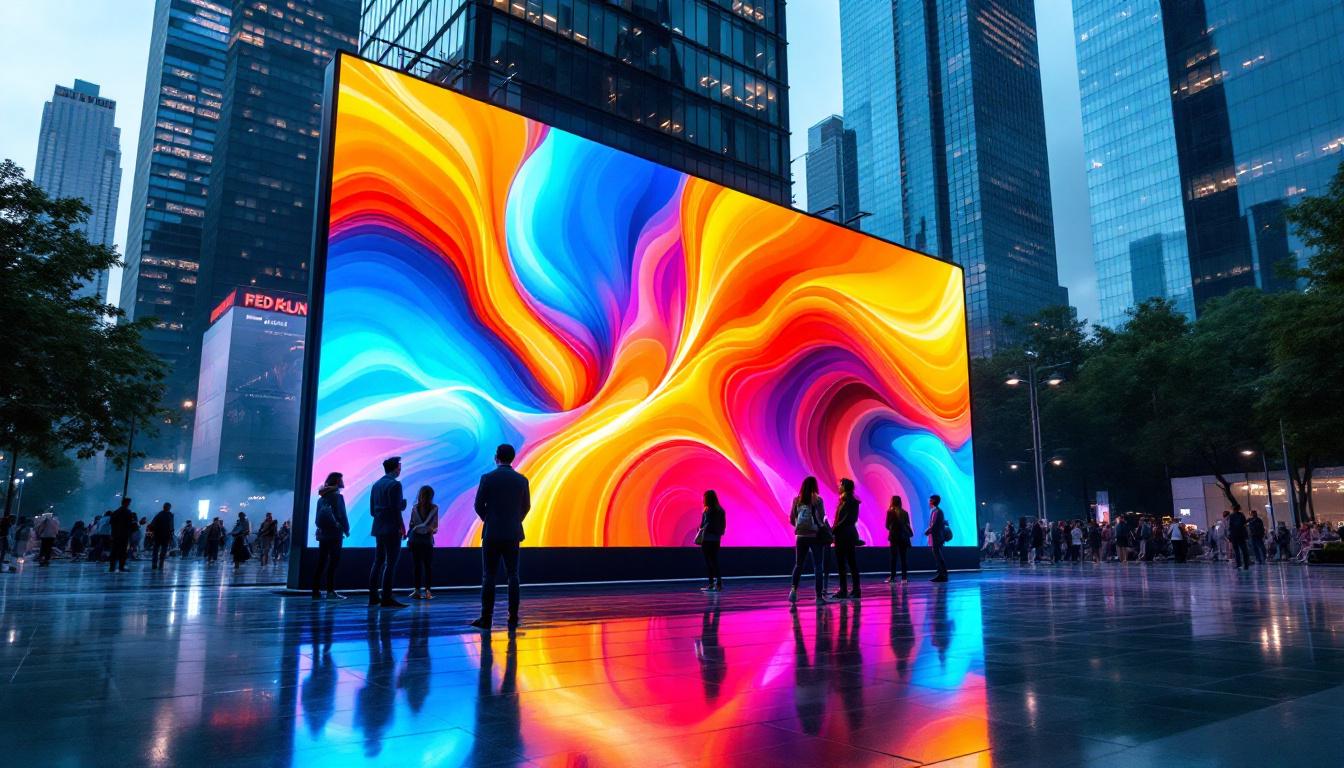
In today’s fast-paced digital world, visual communication has become paramount. Among the various display technologies available, LED displays have emerged as a leading choice for businesses, advertisers, and event organizers alike. This article delves into the intricacies of LED displays, exploring how they work, their advantages, applications, and future trends. Whether you’re considering investing in an LED display or simply curious about the technology behind the vibrant screens you see every day, this comprehensive guide will illuminate everything you need to know.
Understanding LED Display Technology
What is an LED Display?
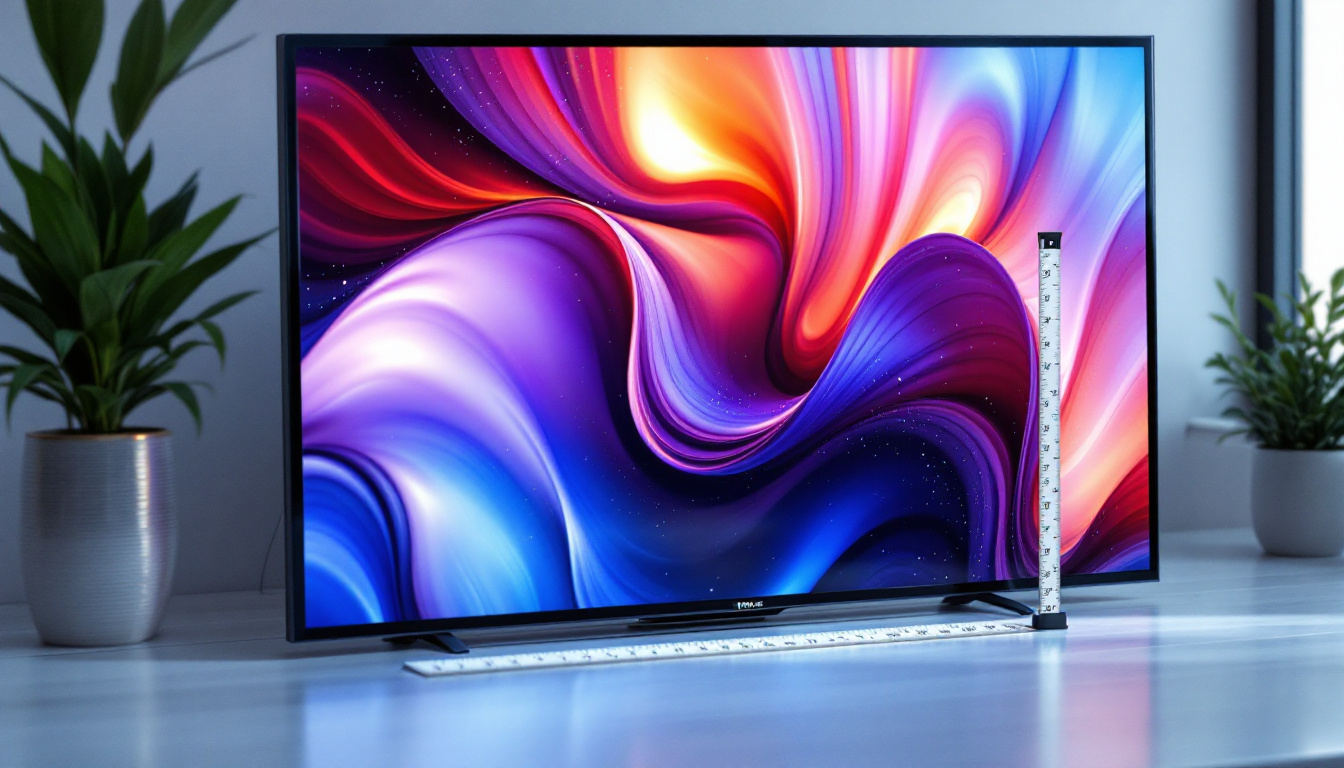
An LED (Light Emitting Diode) display is a flat panel display that uses an array of light-emitting diodes as pixels to produce images. Unlike traditional LCDs that rely on backlighting, LED displays emit their own light, resulting in brighter and more vivid visuals. These displays can range in size from small digital signs to massive outdoor billboards spanning hundreds of square meters. The versatility of LED technology allows it to be utilized in various environments, from indoor theaters to outdoor stadiums, making it a popular choice for advertising, entertainment, and information dissemination.
The core component of an LED display is the individual LED pixel, which can emit red, green, and blue light. By varying the intensity of these three colors, the display can produce a full spectrum of colors, creating sharp and dynamic images. Modern LED displays use surface-mounted device (SMD) technology, where LEDs are mounted directly onto the circuit board, allowing for higher resolution and better color accuracy. This advancement in technology not only enhances the visual experience but also contributes to energy efficiency, as LED displays consume significantly less power compared to traditional display technologies.
How Do LED Displays Work?
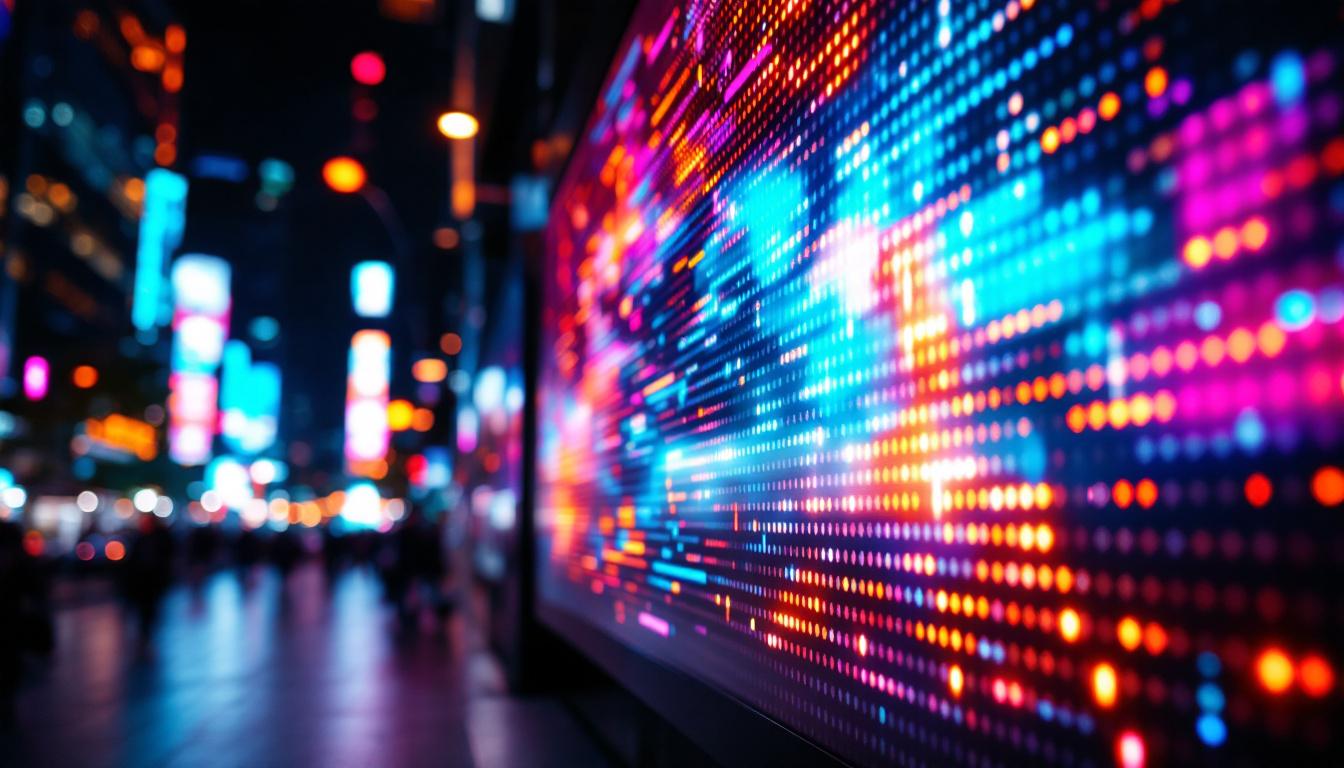
At the heart of an LED display is a matrix of tiny LEDs arranged in rows and columns. Each LED acts as a pixel that can be controlled independently. When electrical current passes through an LED, it emits light. By adjusting the current supplied to the red, green, and blue LEDs within each pixel, the display can produce millions of colors. This capability allows for intricate designs and animations, making LED displays ideal for dynamic advertising and artistic installations. Furthermore, the modular nature of LED panels means they can be easily assembled into larger configurations, accommodating various display sizes and shapes.
The display is controlled by a processor that receives input from video sources, such as computers or media players. This processor converts the input signal into electrical signals that drive the LEDs. The refresh rate, or how often the image updates per second, is typically very high (often 60 Hz or more), ensuring smooth motion and reducing flicker. Additionally, many LED displays are equipped with advanced features such as automatic brightness adjustment and color calibration, which enhance performance in different lighting conditions. This adaptability makes LED displays not only visually stunning but also highly functional across a range of applications, from live events to retail environments.
Advantages of LED Displays Over Other Technologies
Brightness and Visibility
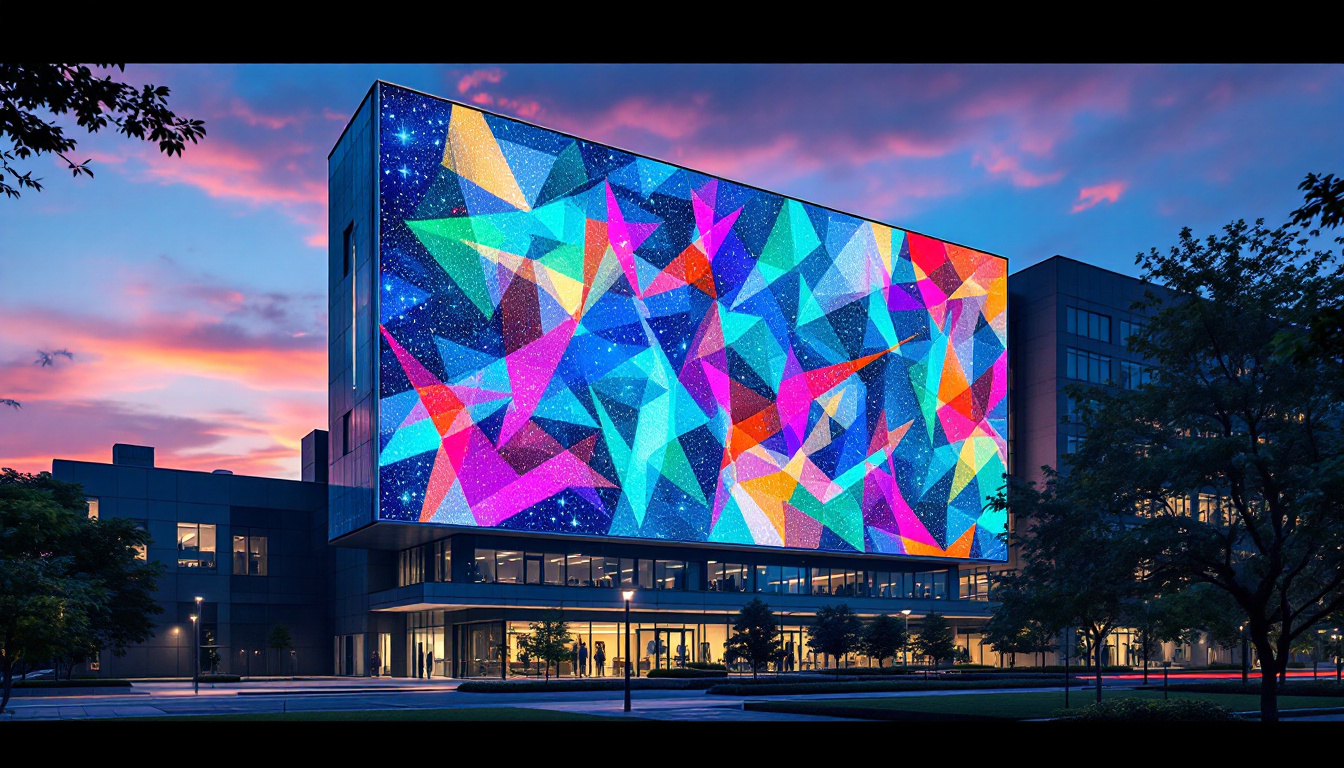
One of the most significant advantages of LED displays is their exceptional brightness. LEDs can achieve brightness levels of over 5,000 nits, making them easily visible even in direct sunlight. This makes LED displays ideal for outdoor advertising, stadium screens, and transportation hubs where ambient light conditions can be challenging.
Compared to LCD and projection displays, which often struggle with glare and washed-out images under bright conditions, LED displays maintain clarity and vibrancy. This superior visibility ensures that messages reach audiences effectively, maximizing impact.
Energy Efficiency and Longevity
LED technology is renowned for its energy efficiency. LEDs consume significantly less power than traditional incandescent or fluorescent lighting and even outperform many LCD backlighting systems. This translates into lower operational costs, especially for large-scale installations that run continuously.
Additionally, LEDs have a long lifespan, often rated between 50,000 to 100,000 hours of operation. This durability reduces maintenance costs and downtime, making LED displays a cost-effective solution over the long term.
Flexibility and Customization
LED displays are highly versatile. They can be manufactured in various shapes and sizes, from small indoor panels to massive curved or flexible screens. This adaptability allows businesses to tailor displays to unique architectural spaces or creative designs.
Moreover, LED displays support dynamic content, including video, animations, and real-time data feeds. This capability enables engaging storytelling and interactive experiences that static signs cannot match.
Common Applications of LED Displays
Advertising and Digital Billboards
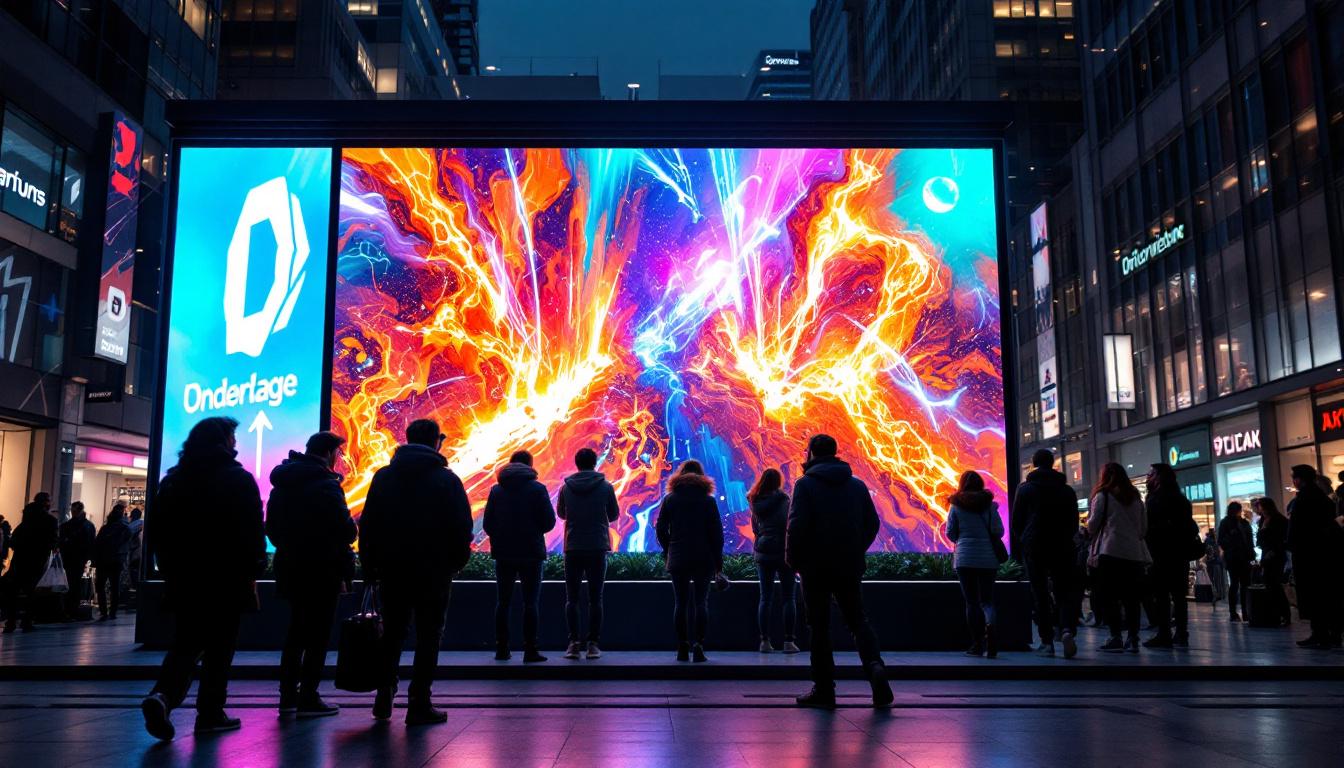
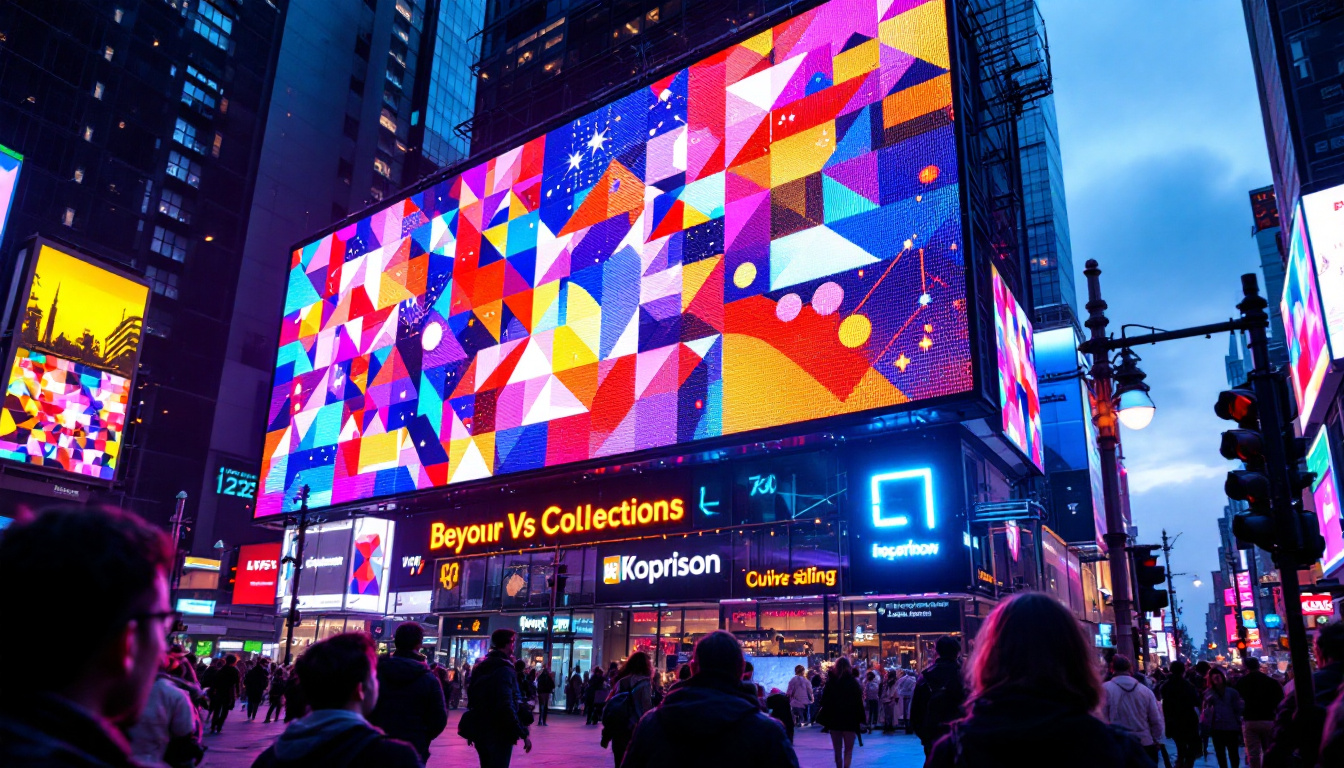
Digital billboards powered by LED technology have revolutionized outdoor advertising. According to recent industry reports, digital out-of-home (DOOH) advertising is expected to grow at a compound annual growth rate (CAGR) of over 10% through 2027. LED billboards offer advertisers the ability to change content instantly, target different demographics at various times of day, and display high-impact visuals that capture attention.
Major cities worldwide are increasingly replacing traditional printed billboards with LED versions, leveraging their brightness and flexibility to enhance urban landscapes.
Sports and Entertainment Venues
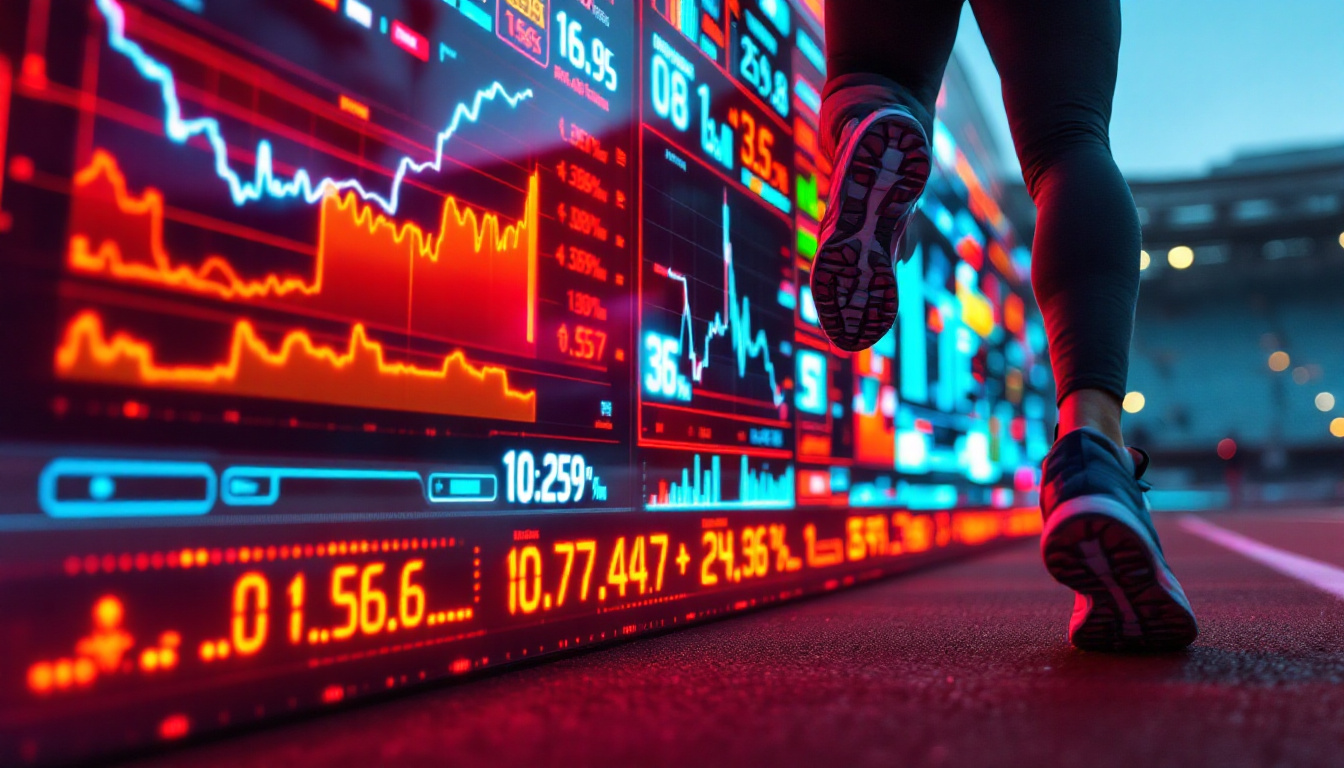
Stadiums and arenas utilize large LED screens to enhance the fan experience. These displays provide live game footage, instant replays, player statistics, and interactive content. The ability to deliver high-resolution images to tens of thousands of spectators simultaneously is a game-changer for event organizers.
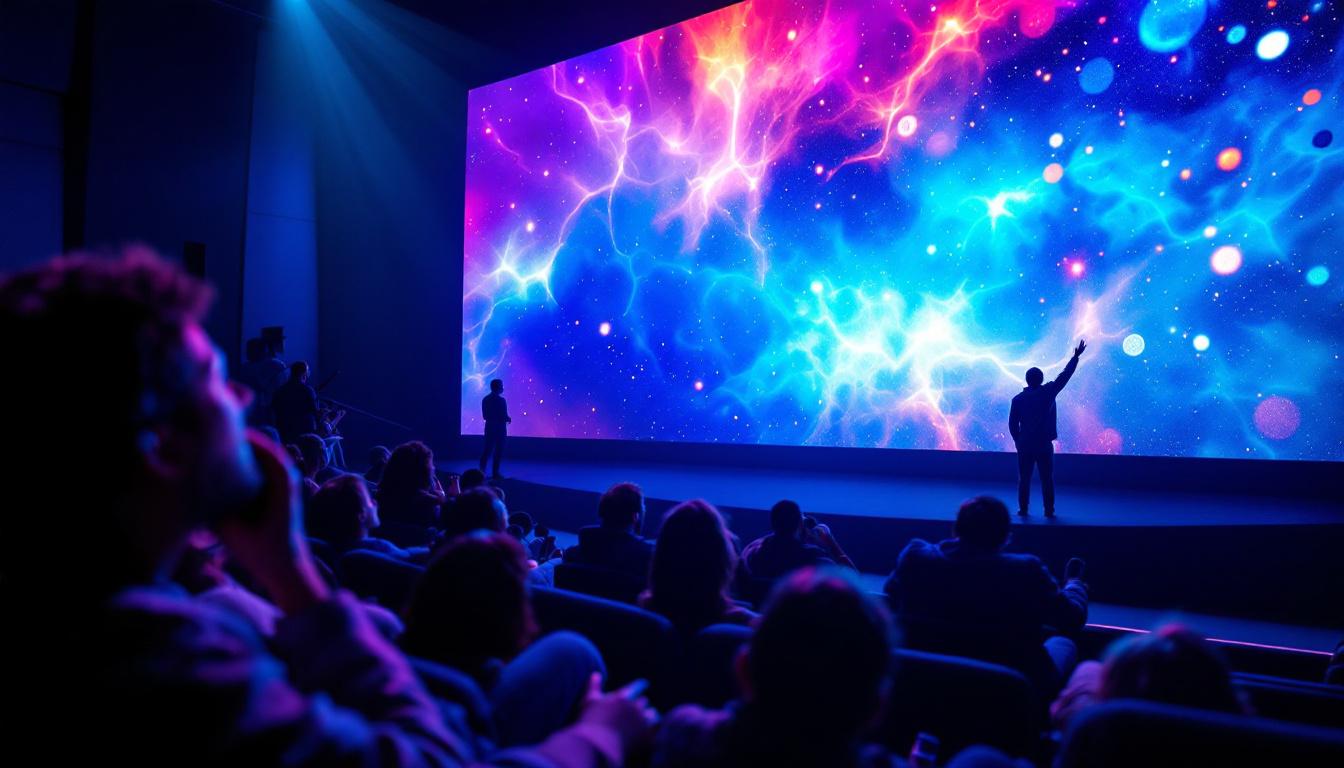
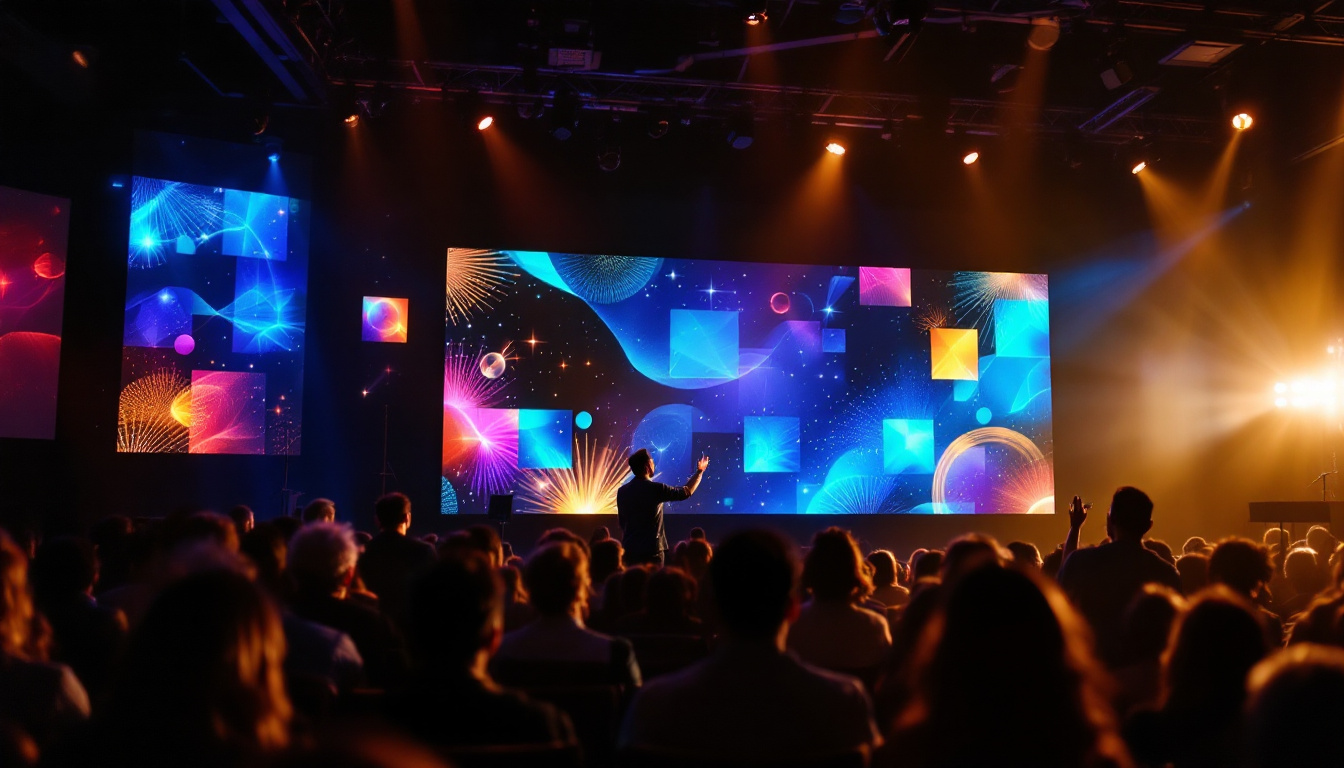
Beyond sports, concerts and festivals use LED walls and stage backdrops to create immersive environments. The lightweight and modular nature of LED panels facilitate quick setup and customization for different events.
Corporate and Retail Environments
Within corporate settings, LED displays serve as digital signage for lobbies, conference rooms, and trade shows. They communicate brand messages, display real-time data, and foster engagement with visitors and employees.
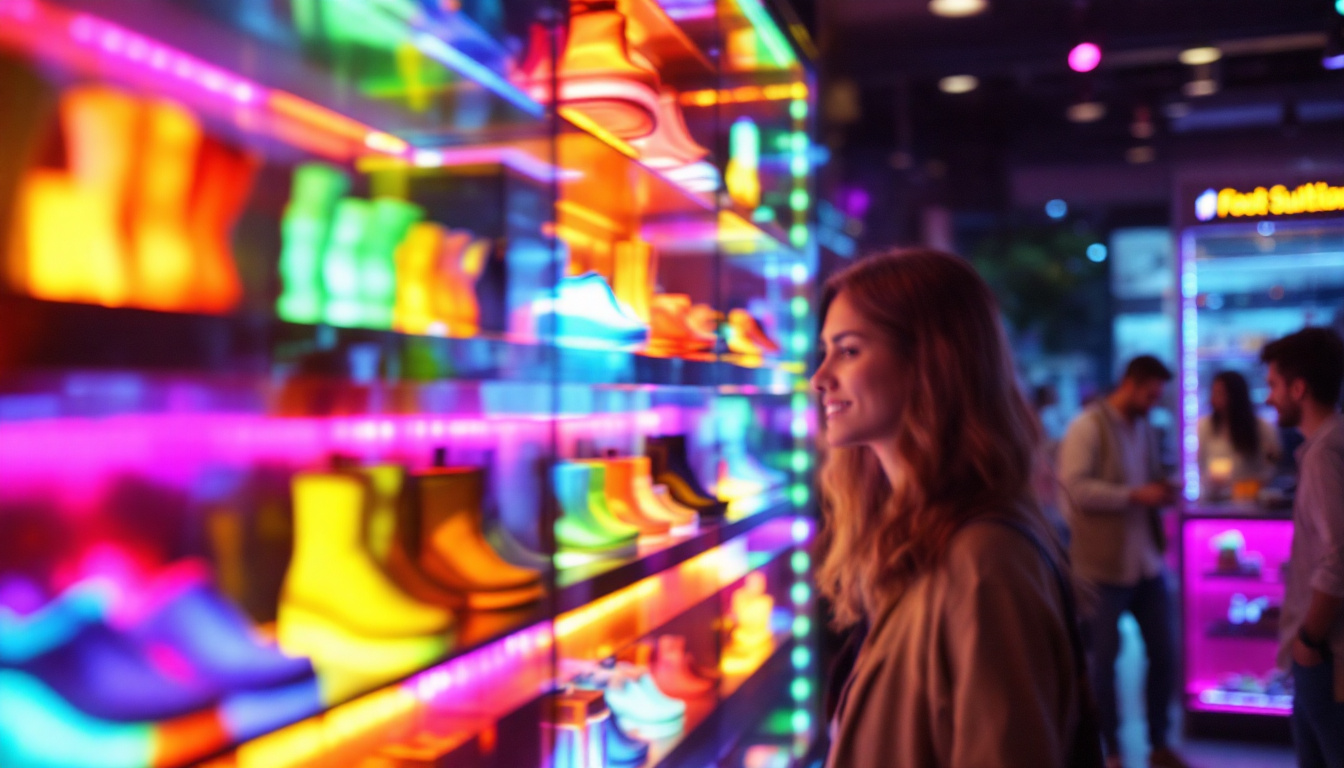
Retailers deploy LED screens to showcase promotions, product information, and interactive advertisements. Studies have shown that digital signage can increase sales by up to 30%, highlighting the effectiveness of LED displays in driving consumer behavior.
Technical Considerations When Choosing an LED Display
Resolution and Pixel Pitch
The resolution of an LED display refers to the total number of pixels it contains, while pixel pitch is the distance between the centers of two adjacent pixels. Pixel pitch is critical because it determines the viewing distance and image clarity. Smaller pixel pitches (e.g., 1.2 mm) are suitable for close-up viewing, such as indoor displays, whereas larger pitches (e.g., 10 mm or more) are common for outdoor billboards viewed from afar.
Choosing the right pixel pitch ensures that the display delivers crisp images without unnecessary cost. Higher resolution displays require more LEDs and more complex control systems, which can increase the price.
Brightness and Contrast Ratios
Brightness is measured in nits, and selecting an appropriate brightness level depends on the installation environment. Outdoor displays typically require brightness levels above 5,000 nits, while indoor displays may operate effectively at 800 to 1,500 nits.
Contrast ratio, the difference between the darkest black and the brightest white a display can produce, affects image depth and realism. LED displays generally offer excellent contrast ratios due to their self-emissive nature, enhancing the viewing experience.
Durability and Weather Resistance
For outdoor LED displays, durability against weather elements is essential. High-quality LED panels come with IP65 or higher ratings, indicating protection against dust and water ingress. Additionally, temperature regulation features such as built-in fans or heat sinks help maintain optimal operating conditions.
Ensuring the display meets environmental standards reduces the risk of damage and extends the lifespan of the installation.
Future Trends in LED Display Technology
MicroLED and MiniLED Innovations
Emerging technologies like MicroLED and MiniLED are pushing the boundaries of LED display performance. MicroLEDs are tiny LEDs, often less than 100 micrometers in size, enabling ultra-high resolution and improved color accuracy. These displays promise better energy efficiency and longer lifespans compared to OLEDs and traditional LEDs.
MiniLED technology uses smaller LEDs for backlighting LCD panels, enhancing contrast and brightness. Both technologies are gaining traction in premium TVs, smartphones, and commercial displays, signaling a new era of visual quality.
Integration with Smart Technologies
LED displays are increasingly integrated with IoT (Internet of Things) and AI (Artificial Intelligence) systems. Smart displays can adapt content based on audience demographics, environmental conditions, or real-time analytics. For example, digital signage in retail can personalize advertisements based on customer behavior, boosting engagement and sales.
Moreover, remote management platforms allow operators to control multiple LED displays across locations from a single interface, improving operational efficiency.
Sustainability and Eco-Friendly Designs
As environmental concerns grow, manufacturers are focusing on making LED displays more sustainable. Advances in materials and manufacturing processes aim to reduce hazardous substances and improve recyclability. Energy-efficient designs and solar-powered LED displays are also emerging, helping reduce the carbon footprint of digital signage.
Businesses adopting eco-friendly LED solutions can enhance their corporate social responsibility profile while benefiting from lower energy costs.
Conclusion
LED display technology has transformed the way information and advertising are communicated across industries. Its superior brightness, energy efficiency, and versatility make it a preferred choice for a wide range of applications, from outdoor billboards to immersive event screens. Understanding the technical aspects and future trends of LED displays empowers businesses and organizations to make informed decisions that maximize impact and ROI.
As innovations like MicroLED and smart integration continue to evolve, LED displays will become even more dynamic, sustainable, and interactive. Staying abreast of these developments ensures that users can leverage the full potential of LED technology to captivate audiences and drive success in an increasingly digital world.
Discover LumenMatrix’s Innovative LED Display Solutions
Ready to elevate your visual communication with the latest in LED technology? LumenMatrix is at the forefront of innovation, offering a diverse range of LED display modules designed to bring your brand to life. From vibrant Indoor LED Walls to dynamic Outdoor LED Displays, and from mobile Vehicle LED Displays to interactive Floor LED solutions, our products are crafted to create unforgettable visual experiences. Embrace the future with LumenMatrix’s Custom LED Displays, All-in-One solutions, and revolutionary LED Transparent Displays. Check out LumenMatrix LED Display Solutions today and transform how you engage and captivate your audience.