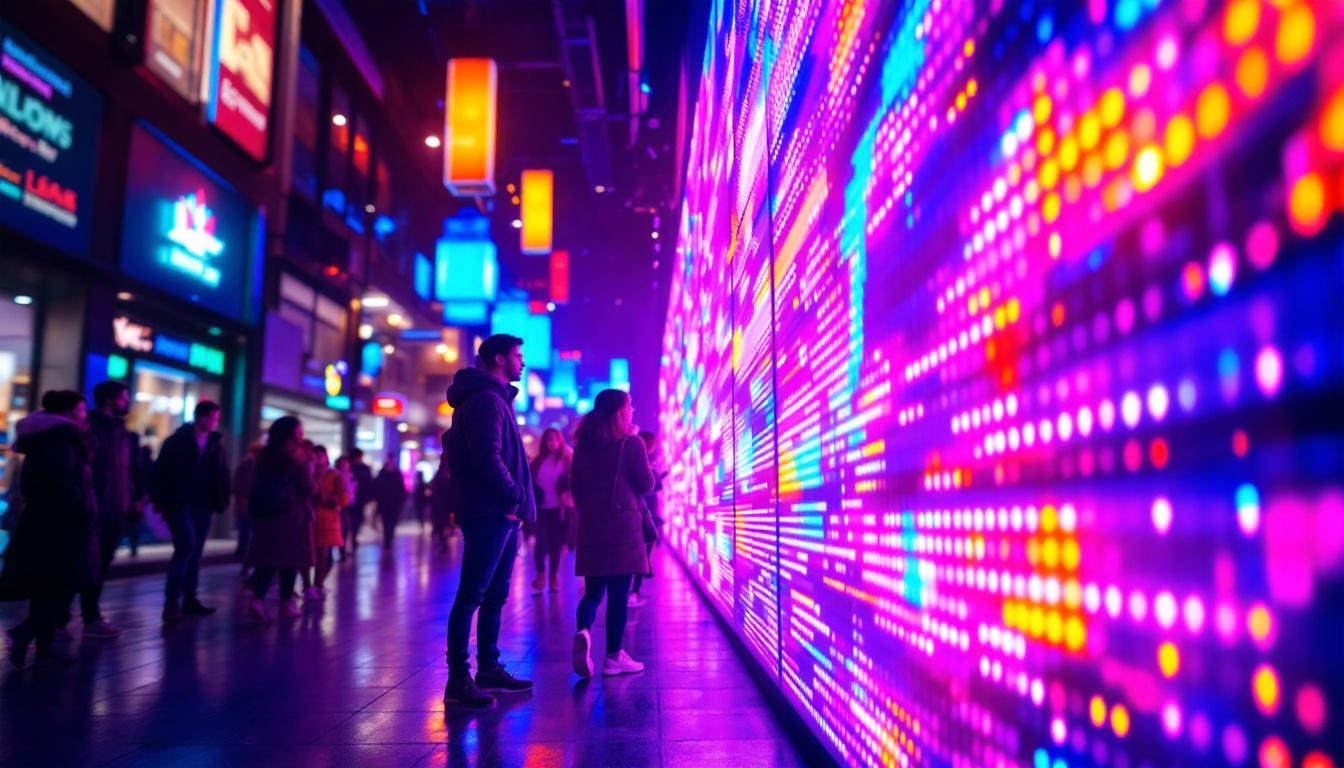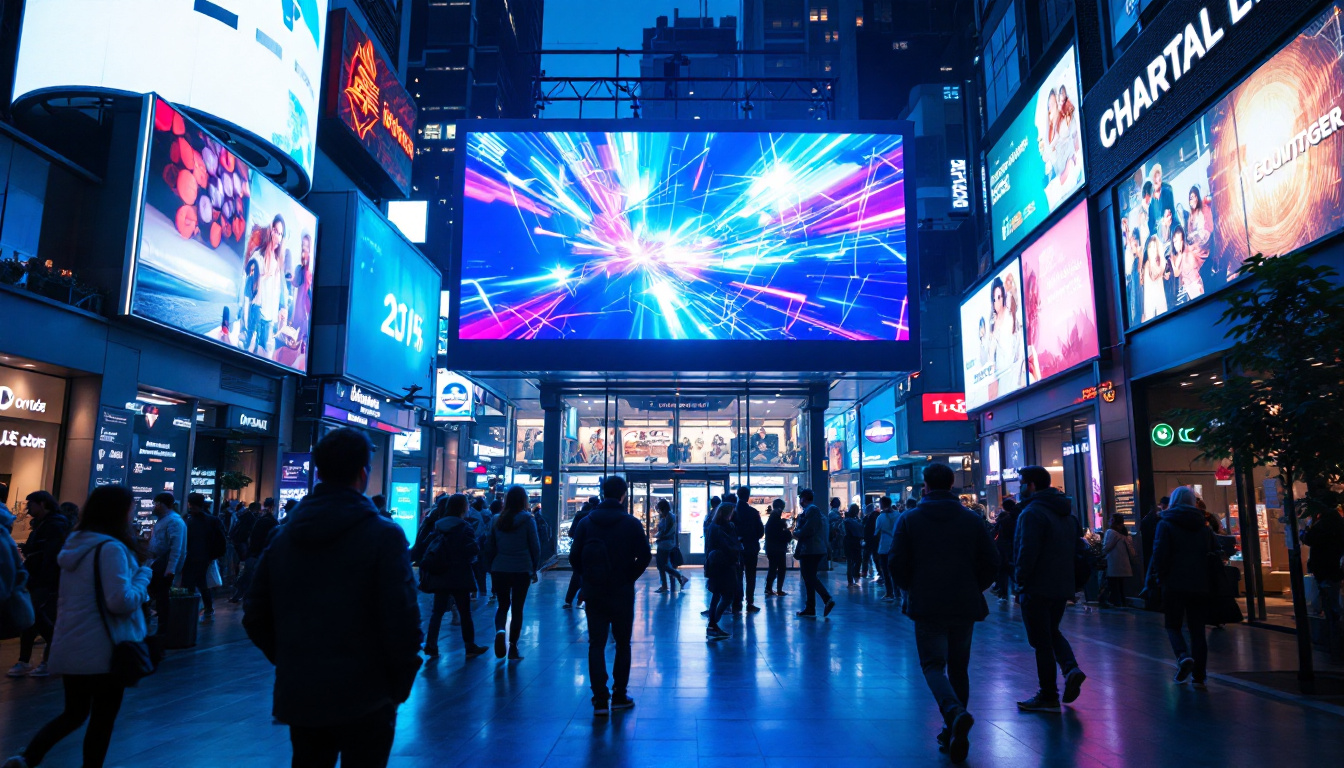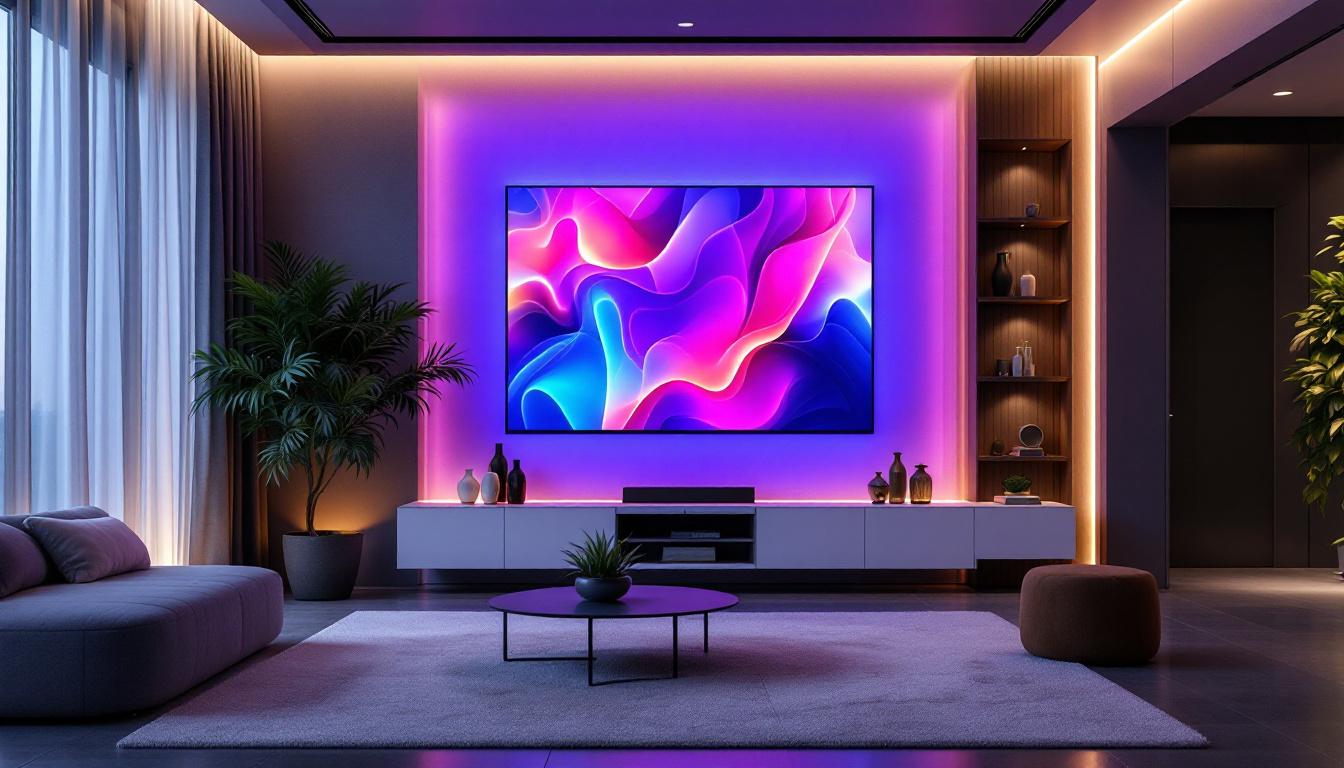
In the age of smart homes and high-end technology, LED displays have become a cornerstone of luxurious living spaces. From ultra-thin televisions to immersive home theaters and dynamic art installations, LED technology offers unparalleled visual quality and versatility. But what exactly makes LED displays so special, and how are they shaping the future of luxury interiors? This article delves deep into the world of LED displays, exploring their technology, applications, and why they are a must-have for anyone looking to elevate their living environment.
Understanding LED Display Technology
What is an LED Display?
LED stands for Light Emitting Diode, a semiconductor device that emits light when an electric current passes through it. An LED display is a flat panel display that uses an array of these tiny diodes to produce images, videos, and animations. Unlike traditional LCD screens that rely on backlighting, LED displays generate their own light, resulting in brighter images, better contrast, and more vivid colors.
LED technology has evolved significantly since its inception. Early LEDs emitted only red light and were used primarily as indicator lights. Today’s LED displays incorporate red, green, and blue diodes in varying intensities to create millions of colors, enabling high-definition visuals that can rival or surpass other display technologies. The advancements in LED technology have not only improved visual quality but have also made these displays more energy-efficient, which is a crucial factor in today’s eco-conscious market.
Types of LED Displays
There are several types of LED displays, each with unique characteristics suited for different applications:
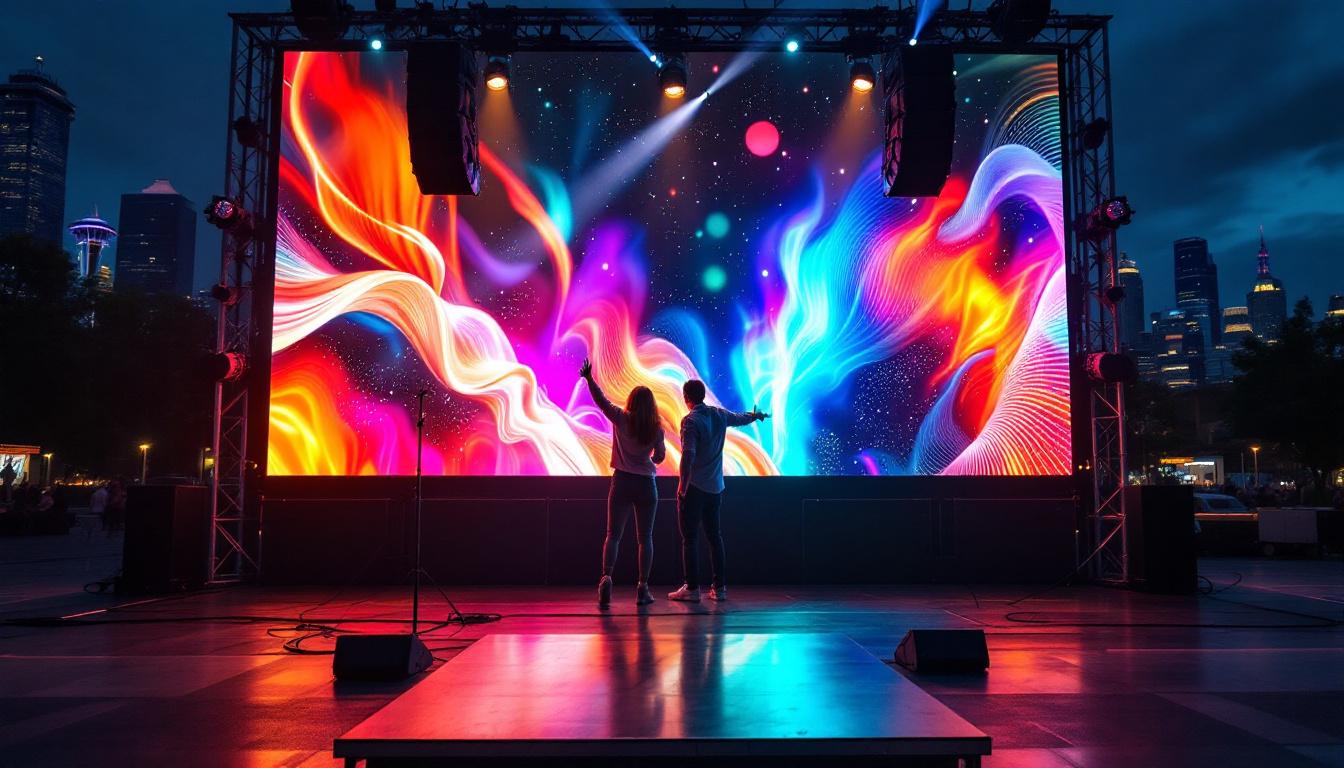
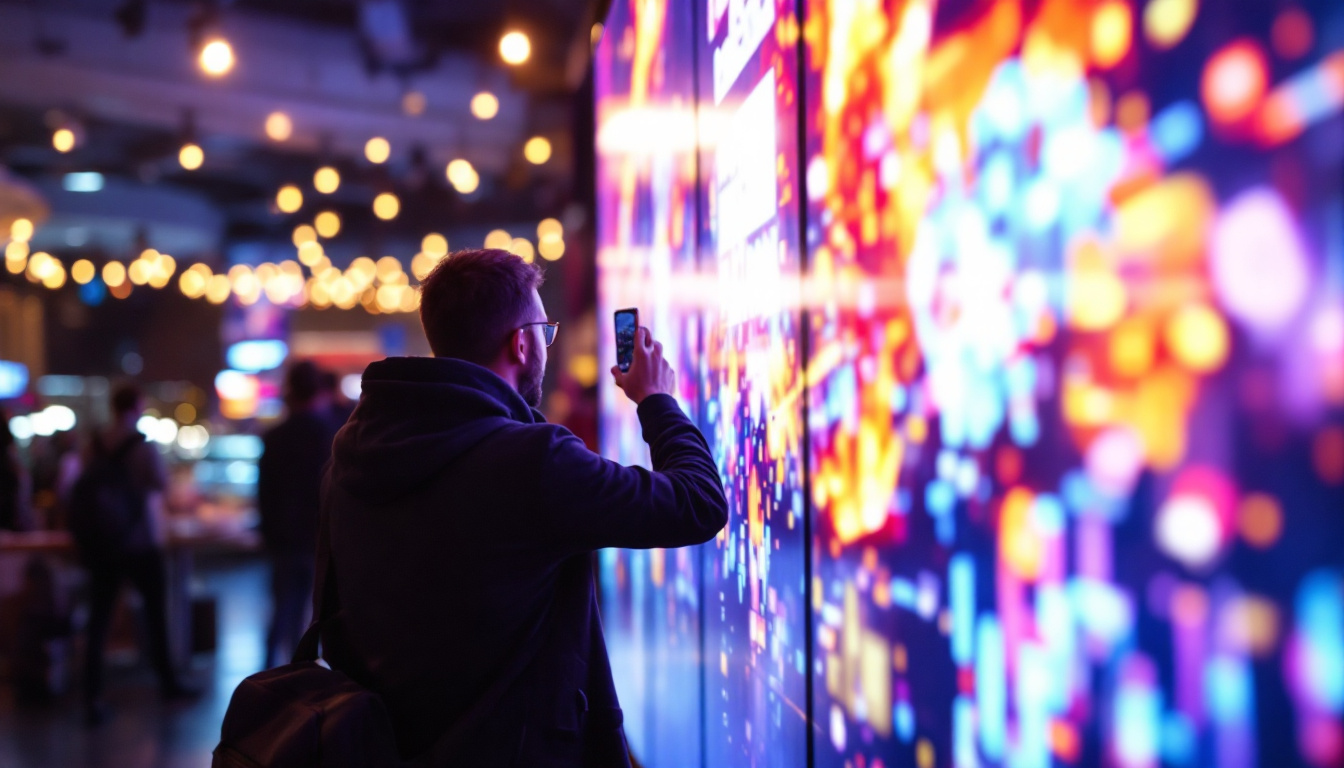
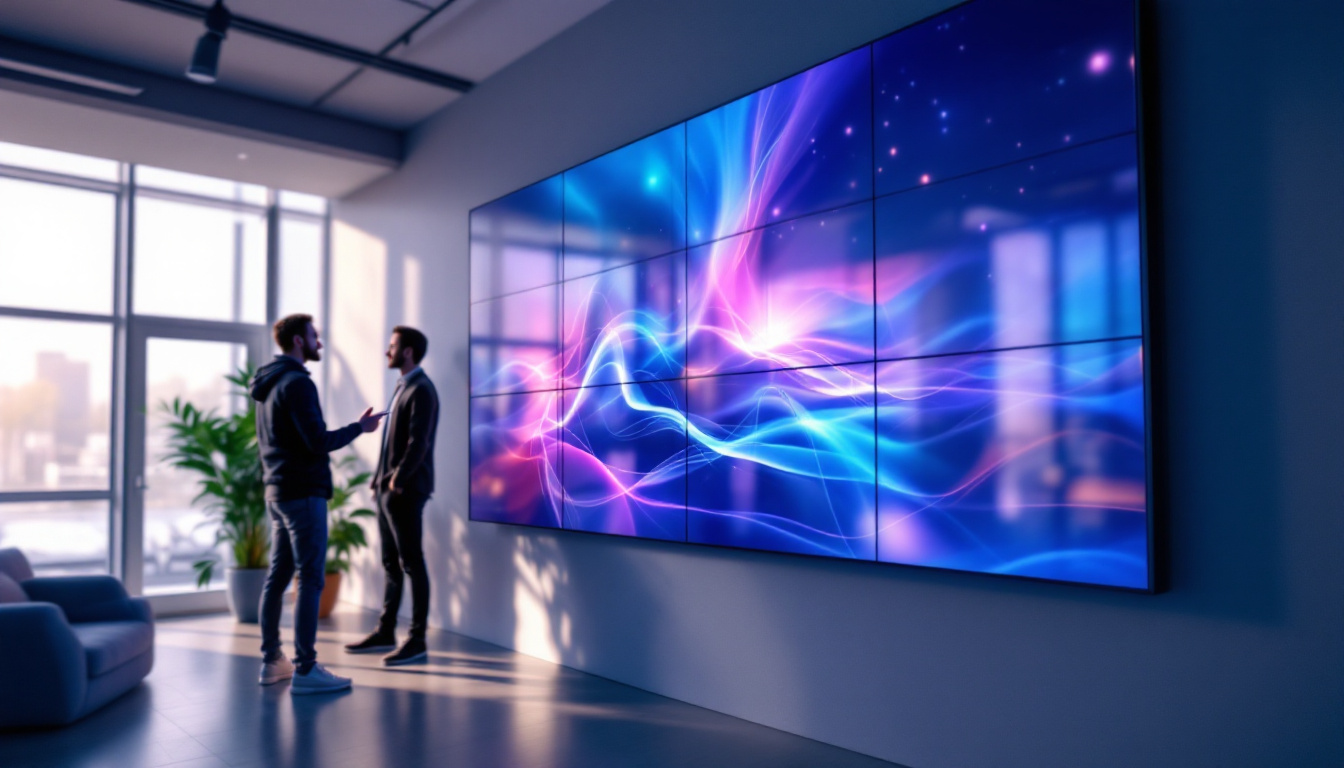
- Direct View LED (DVLED): These displays consist of individual LEDs arranged in a matrix, creating bright, high-resolution images. DVLEDs are commonly used in large outdoor screens, stadium displays, and increasingly in indoor luxury settings. Their modular design allows for seamless integration into various environments, making them versatile for advertising and entertainment.
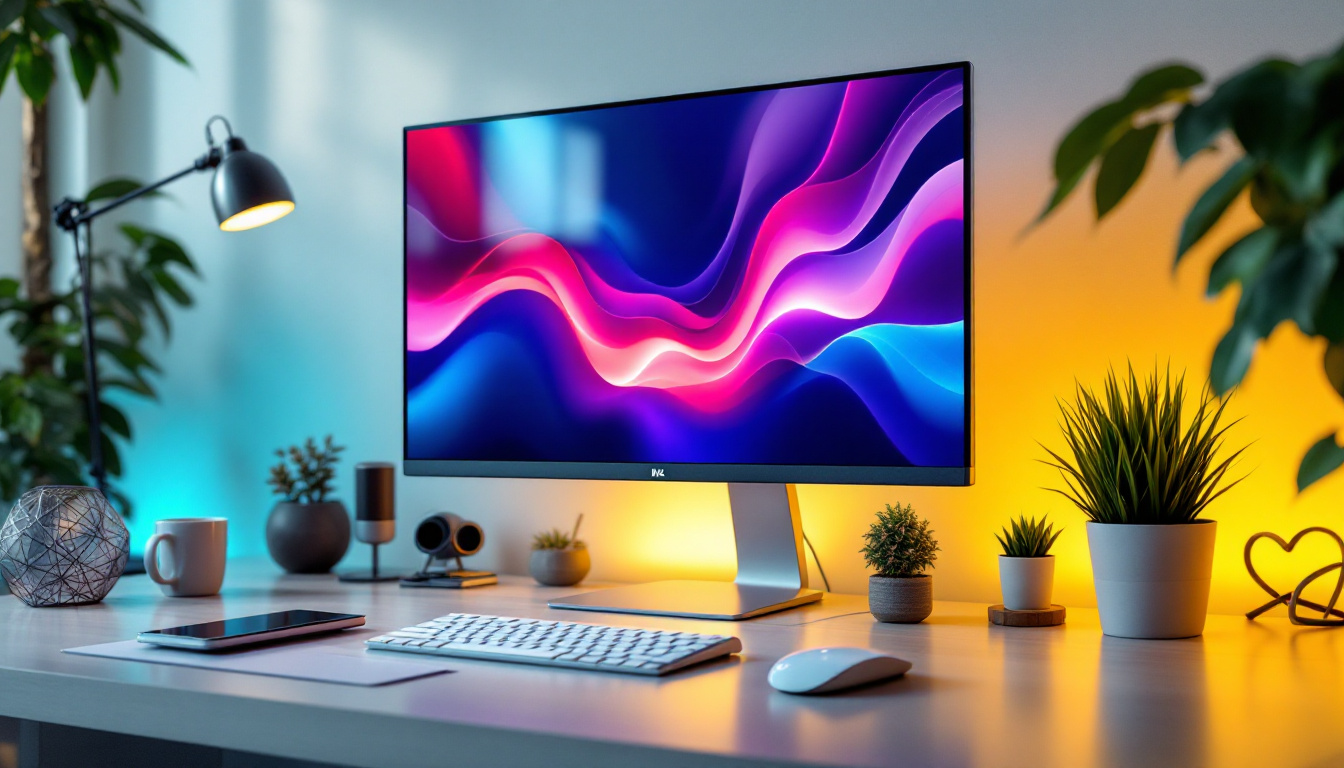
- Mini-LED: Mini-LEDs are smaller than traditional LEDs and are used as backlighting for LCD panels. They offer improved contrast and brightness over conventional LCDs, making them popular in premium TVs and monitors. This technology enables finer control over local dimming, which enhances the overall viewing experience by providing deeper blacks and brighter highlights.
- Micro-LED: Micro-LED technology uses microscopic LEDs to create displays with exceptional brightness, color accuracy, and energy efficiency. Though still emerging, Micro-LEDs are considered the future of luxury display technology. Their potential for creating large, seamless displays without bezels opens up new possibilities for immersive experiences in both home and commercial settings.
- OLED (Organic LED): While technically a different technology, OLED shares similarities with LED displays and is often compared due to its superior contrast and color performance. OLEDs use organic compounds that emit light when electrified, allowing for flexible and ultra-thin displays. This flexibility has led to innovative applications, such as curved and rollable screens, which are transforming the way we interact with digital content.
As the demand for high-quality visual experiences continues to grow, the development of LED display technology is likely to accelerate. Innovations in pixel density, energy consumption, and durability are at the forefront of research, with manufacturers exploring new materials and designs to enhance performance. Additionally, the integration of smart technology into LED displays is becoming increasingly prevalent, allowing for features like touch sensitivity and connectivity with other devices, further enriching user interaction and engagement.
Moreover, the environmental impact of LED technology cannot be overlooked. With their lower energy consumption and longer lifespan compared to traditional display technologies, LEDs are becoming the preferred choice for sustainable practices in various industries. As more businesses and consumers prioritize eco-friendly solutions, the shift towards LED displays not only makes economic sense but also aligns with a global movement towards reducing carbon footprints and promoting energy efficiency.
The Advantages of LED Displays in Luxury Living
Unmatched Visual Quality
One of the primary reasons LED displays are favored in luxury living environments is their exceptional visual quality. LED displays offer higher brightness levels than most other display types, which is particularly beneficial in well-lit rooms or spaces with large windows. This brightness ensures images remain crisp and clear without washing out.
Additionally, LED displays provide superior contrast ratios. The ability to turn off individual diodes means true blacks can be achieved, enhancing depth and realism in images. This feature is especially important for home theaters and art installations where image fidelity is paramount.
Design Flexibility and Aesthetics
LED technology allows for remarkable design flexibility, which is a significant advantage in luxury interiors where aesthetics are crucial. Ultra-thin LED panels can be seamlessly integrated into walls, ceilings, or even furniture, creating a sleek, minimalist look without bulky hardware.
Curved and flexible LED displays open up new possibilities for custom installations, from wrap-around screens to dynamic architectural features. This adaptability enables designers and homeowners to create personalized environments that reflect their style and preferences.
Energy Efficiency and Longevity
LED displays are known for their energy efficiency compared to traditional display technologies. They consume less power, which translates to lower electricity bills and a reduced environmental footprint—an increasingly important consideration in luxury living.
Moreover, LEDs have a long operational lifespan, often exceeding 50,000 hours of use. This durability ensures that luxury installations remain vibrant and functional for years without frequent replacements or maintenance, preserving the investment’s value.
Applications of LED Displays in Luxurious Homes
Home Theaters and Entertainment Systems
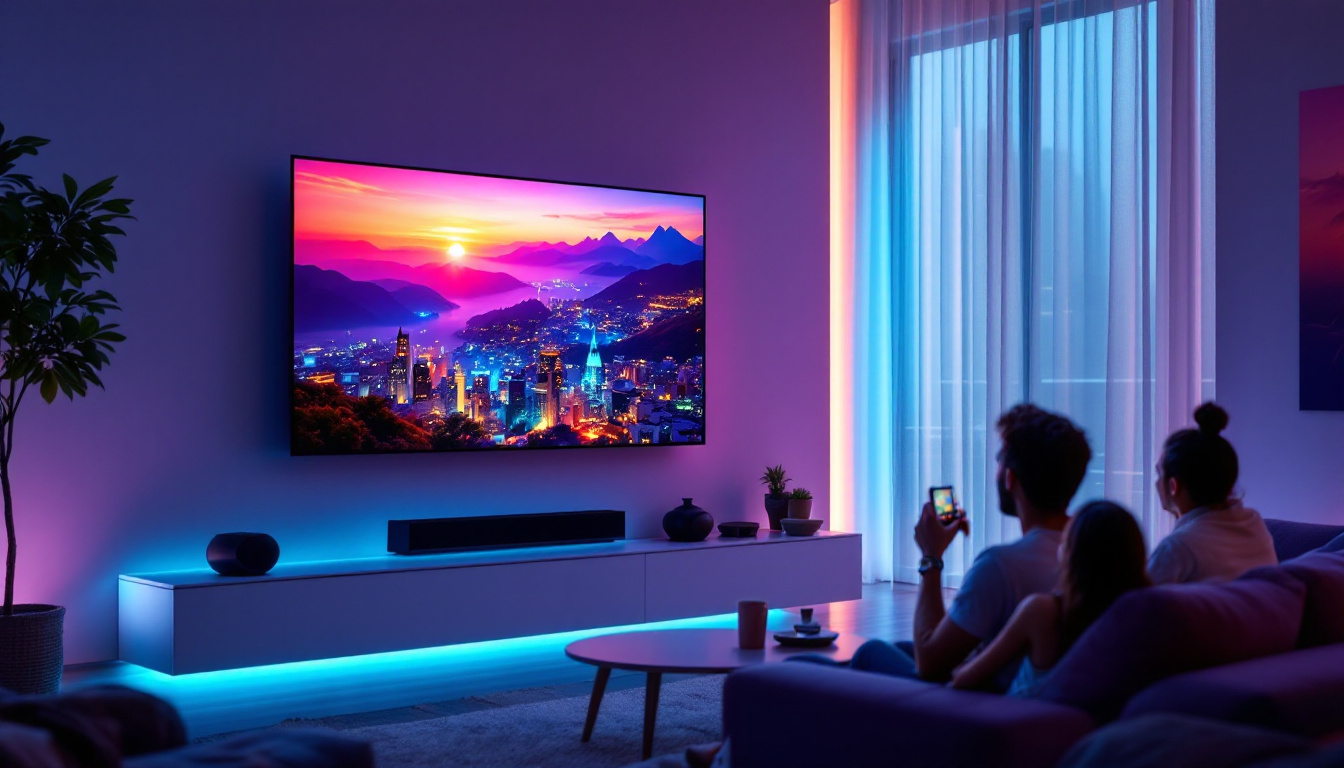
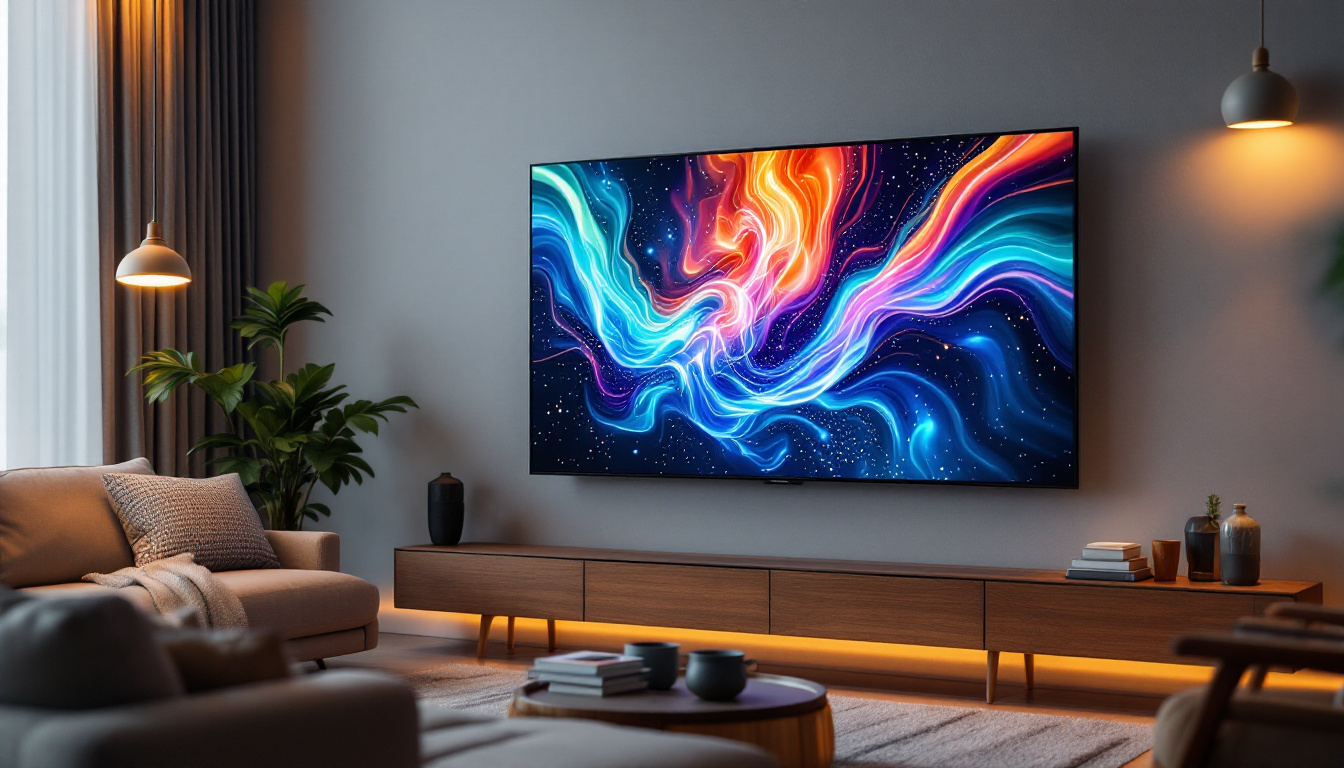
High-end home theaters are one of the most popular applications of LED displays in luxury living. Direct View LED screens can be custom-sized to fit any room, providing an immersive viewing experience with cinema-quality brightness and color accuracy.
Unlike projectors, LED displays do not require a darkened room to perform optimally, making them versatile for daytime and nighttime use. Additionally, their slim profiles allow for elegant installations that blend seamlessly with sophisticated interior designs.
Smart Home Control Panels
LED displays are increasingly integrated into smart home systems as interactive control panels. These panels provide homeowners with intuitive interfaces to manage lighting, climate, security, and entertainment systems. The vibrant and responsive nature of LED screens enhances usability and adds a modern touch to home automation setups.
Dynamic Art and Ambient Displays
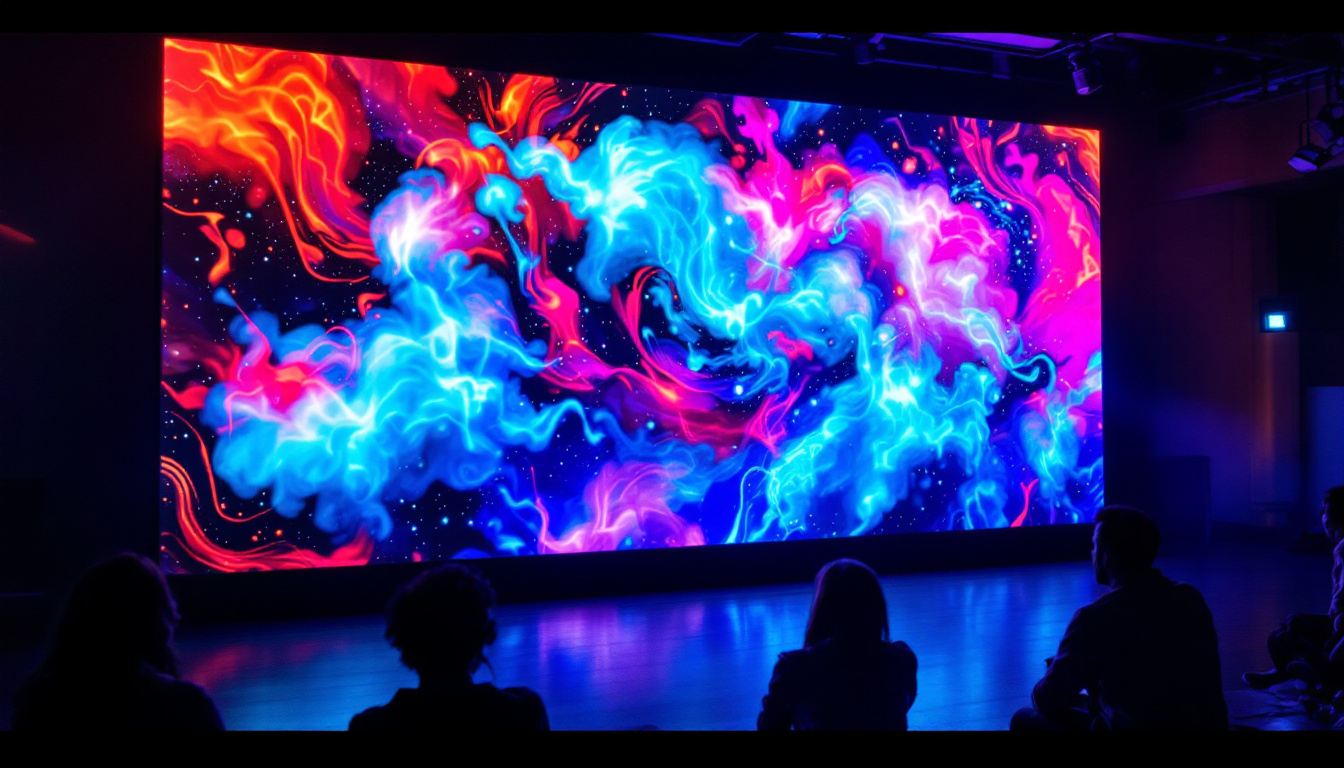
Luxury living spaces often incorporate digital art and ambient displays to create unique atmospheres. LED technology enables dynamic artworks that can change based on mood, time of day, or user preference. This capability transforms static walls into living canvases, enhancing the sensory experience of a home.
For example, some high-end residences feature LED walls that display calming nature scenes during the day and transition to abstract patterns in the evening, contributing to relaxation and ambiance without the need for physical artwork.
Outdoor and Landscape Lighting
LED displays are not confined to indoor use. Outdoor LED screens and lighting installations are becoming popular in luxury homes for garden parties, poolside entertainment, and architectural illumination. Weather-resistant LED panels can display visuals or lighting effects that enhance the outdoor living experience while complementing the home’s design.
Choosing the Right LED Display for Your Luxury Home
Consider Resolution and Pixel Pitch
Resolution and pixel pitch are critical factors when selecting an LED display. Resolution refers to the number of pixels on the screen, while pixel pitch is the distance between individual LEDs. A smaller pixel pitch results in higher image clarity, especially at close viewing distances.
For living rooms or home theaters where viewers are seated relatively close to the screen, a pixel pitch of less than 1.5mm is recommended to avoid visible pixelation. Larger pixel pitches may be suitable for expansive walls or outdoor installations where viewers are farther away.
Assess Brightness and Contrast Needs
Brightness is measured in nits, with typical LED displays offering between 600 to over 1,500 nits. Rooms with abundant natural light require higher brightness to maintain image visibility. Conversely, darker rooms can benefit from lower brightness levels to reduce eye strain and preserve image quality.
Contrast ratio is equally important, particularly for media consumption. Look for displays capable of producing deep blacks and vibrant colors to maximize visual impact.
Integration and Control Compatibility
Luxury homes often feature complex automation systems. When choosing an LED display, ensure it is compatible with existing smart home platforms such as Control4, Crestron, or Savant. Seamless integration allows for centralized control, enhancing convenience and user experience.
Additionally, consider the display’s connectivity options, including HDMI, USB, and wireless capabilities, to support various media sources and future upgrades.
Professional Installation and Calibration
LED displays, especially large or custom installations, require professional setup to achieve optimal performance. Proper calibration ensures accurate color reproduction, balanced brightness, and uniformity across the screen. Working with experienced installers familiar with luxury home requirements is essential to protect your investment and guarantee satisfaction.
The Future of LED Displays in Luxury Living
Emerging Technologies: Micro-LED and Beyond
Micro-LED technology promises to revolutionize luxury displays with even higher brightness, better energy efficiency, and unparalleled color accuracy. Unlike OLEDs, Micro-LEDs are less susceptible to burn-in and can be manufactured in larger sizes without compromising quality.
As production costs decrease, Micro-LED displays are expected to become more accessible, enabling new forms of immersive media and architectural integration in upscale homes.
Interactive and Adaptive Displays
Future LED displays will likely incorporate advanced sensors and AI-driven software to adapt content dynamically based on user preferences, ambient lighting, and room acoustics. This interactivity will enhance personalization and create more engaging environments tailored to individual lifestyles.
Sustainability and Smart Energy Management
With growing emphasis on sustainability, LED displays will integrate smarter energy management features, such as automatic brightness adjustment and power-saving modes. These advancements will help luxury homeowners reduce their environmental impact without sacrificing performance or aesthetics.
Conclusion
LED displays have firmly established themselves as a vital component of luxury living, offering unmatched visual quality, design flexibility, and energy efficiency. Whether enhancing a home theater, serving as a dynamic art installation, or integrating into smart home systems, LED technology elevates the modern living experience.
As innovations like Micro-LED and adaptive displays continue to advance, the possibilities for luxurious, immersive environments will only expand. For homeowners and designers seeking to blend cutting-edge technology with sophisticated aesthetics, understanding LED displays is essential to making informed decisions that enhance both lifestyle and property value.
Investing in high-quality LED displays and professional installation not only enriches daily living but also future-proofs your home for the evolving landscape of luxury technology.
Discover the Future of Luxury Living with LumenMatrix
Ready to transform your living space into a beacon of luxury and innovation? LumenMatrix invites you to explore our extensive range of LED display solutions, designed to bring your vision to life. From the comfort of your home theater to the allure of your outdoor entertainment spaces, our Indoor and Outdoor LED Wall Displays, along with specialized options like Vehicle, Sports, and Floor LED Displays, ensure a captivating visual experience. Embrace the art of digital storytelling with our Custom, All-in-One, and Transparent LED Displays. Experience the pinnacle of visual communication and make a lasting impression. Check out LumenMatrix LED Display Solutions today and step into the future of luxury living.