The groundbreaking visual effects of The Mandalorian have redefined the way television and film productions approach immersive environments. Central to this innovation is the use of massive LED display technology, which has allowed creators to blend real-time digital backgrounds with live-action footage seamlessly. This article delves into the behind-the-scenes magic of LED displays in The Mandalorian, exploring how this technology works, why it matters, and what it means for the future of filmmaking.
The Evolution of Visual Effects in Film and Television
Before diving into the specifics of LED displays, it’s important to understand the context of visual effects evolution. Traditionally, filmmakers relied heavily on green screens and post-production compositing to create fantastical worlds. Actors would perform in front of a monochromatic backdrop, with digital environments added later. While effective, this method often posed challenges such as lighting mismatches, unnatural reflections, and limited actor immersion. The reliance on post-production also meant that directors had to wait until editing to see how the final product would look, which could lead to creative frustrations and a disconnect between the actors’ performances and the visual elements.
Advancements in real-time rendering and display technologies have paved the way for new techniques that address these issues. The use of LED volumes—large, curved walls composed of hundreds of high-resolution LED panels—has emerged as a game-changer. This technology enables filmmakers to project dynamic, photorealistic backgrounds that move naturally with the camera, providing a more integrated and realistic experience for both actors and viewers. Furthermore, the ability to adjust lighting in real-time allows for a more seamless interaction between the actors and their environments, enhancing the believability of the scenes being shot.
In addition to LED volumes, the integration of virtual reality (VR) and augmented reality (AR) into the filmmaking process has further transformed the landscape of visual effects. Filmmakers can now immerse themselves in a digital environment before a single frame is shot, allowing for better planning and creative exploration. This technology not only aids in visualizing complex scenes but also enables directors to experiment with angles and compositions in a virtual space, ultimately leading to more innovative storytelling. As these technologies continue to evolve, the line between reality and digital artistry blurs, opening up new possibilities for filmmakers to captivate audiences in ways previously thought impossible.
What is the LED Volume Technology Used in The Mandalorian?
Understanding the LED Wall Setup
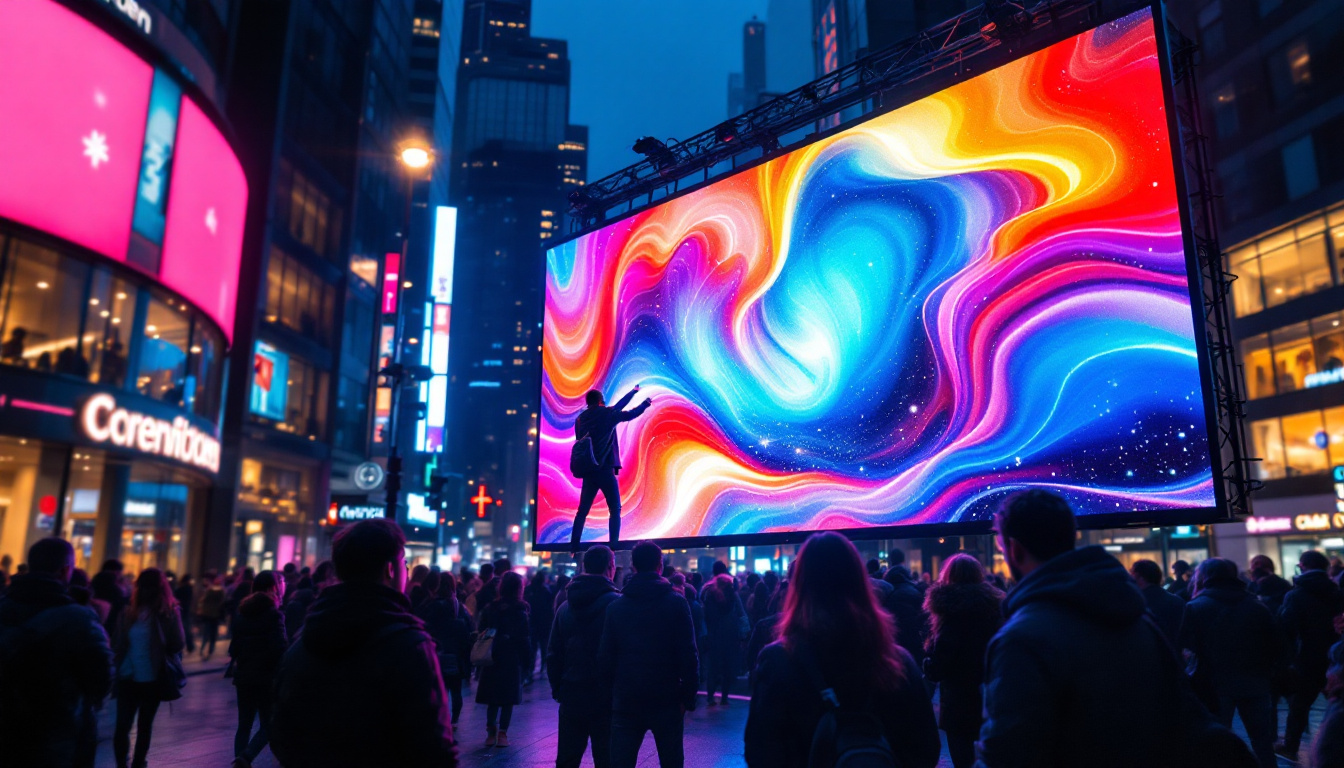
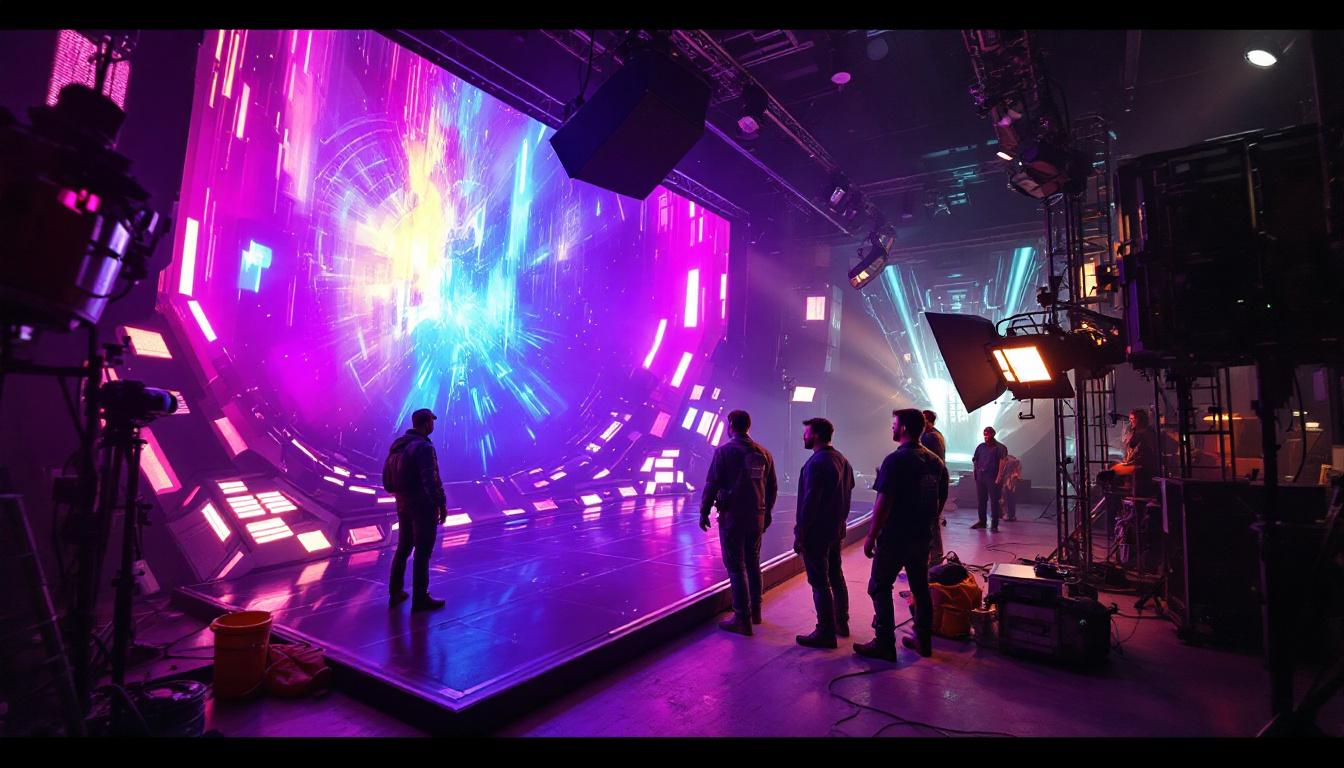
The core of The Mandalorian’s visual innovation lies in the “StageCraft” LED volume developed by Industrial Light & Magic (ILM). This setup consists of a massive, semicircular wall of LED panels surrounding the actors and set pieces. The wall often spans over 270 degrees horizontally and extends vertically to cover the entire field of view captured by the camera.
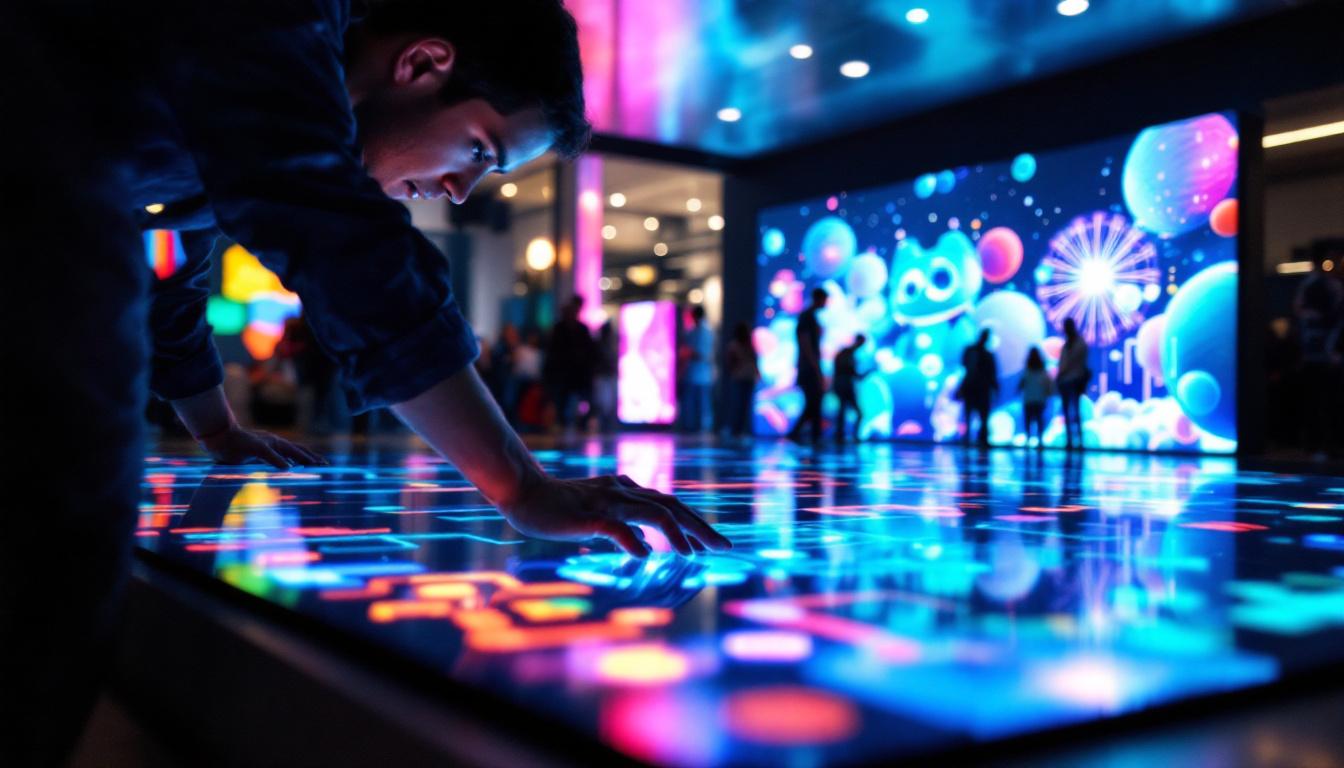
Each LED panel is capable of displaying ultra-high-definition images with precise color accuracy and brightness. The panels are arranged seamlessly to create a continuous, immersive backdrop that can simulate skies, landscapes, interiors, or any environment imaginable. The LED volume also includes a floor made from similar panels, allowing for reflections and lighting effects that match the digital environment. This innovative approach not only enhances the visual fidelity of the scenes but also allows for greater creative freedom, as filmmakers can easily adjust the environment in real time to suit the narrative needs of the story.
Moreover, the LED volume’s ability to produce realistic lighting effects has a profound impact on the performances of the actors. Instead of relying solely on green screens, which often require extensive post-production work, the actors are illuminated by the actual light emitted from the LED panels. This creates a more authentic atmosphere on set, allowing performers to react naturally to their surroundings and enhancing the overall believability of the scenes. The immersive environment fosters a sense of presence that traditional filming techniques struggle to achieve, making it a game-changer in modern filmmaking.
Real-Time Rendering with Game Engine Technology
Behind the scenes, the digital backgrounds displayed on the LED walls are rendered in real time using advanced game engine software, such as Unreal Engine. This software allows the environment to respond dynamically to camera movements, creating parallax and perspective shifts that mimic real-world optics.
When the camera moves, sensors track its position and orientation, feeding this data to the rendering engine. The engine then updates the displayed imagery instantly, ensuring that the background always aligns perfectly with the camera’s viewpoint. This synchronization is critical for maintaining the illusion of a tangible, three-dimensional space. The ability to render complex environments in real time not only streamlines the production process but also opens up new avenues for creativity, allowing directors and cinematographers to experiment with different looks and feels on the fly.
This cutting-edge technology has also paved the way for a new era of virtual production, where filmmakers can visualize and manipulate their scenes in ways that were previously unimaginable. By integrating live-action footage with digital elements seamlessly, the LED volume allows for a more collaborative approach to filmmaking. Departments such as art direction, lighting, and visual effects can work in tandem, making adjustments on set rather than in post-production, which ultimately enhances the storytelling process and reduces the time spent in editing suites. As the industry continues to embrace this technology, it is likely to redefine the boundaries of visual storytelling in the years to come.
Benefits of Using LED Displays Over Traditional Green Screens
Enhanced Lighting and Reflections
One of the most significant advantages of LED volumes is their ability to provide natural, on-set lighting that matches the digital environment. Unlike green screens, which require artificial lighting setups and complex post-production adjustments, LED walls emit light that interacts realistically with actors and physical props.
This means that reflective surfaces—such as helmets, armor, or metallic objects—accurately mirror the environment’s colors and lighting conditions. For example, the iconic Mandalorian helmet reflects the surrounding digital desert or starry skies, enhancing authenticity and visual coherence.
Improved Actor Performance and Immersion
Performing in front of a green screen can be challenging for actors, who must imagine the environment and react to invisible elements. LED volumes provide a fully realized backdrop that actors can see and respond to in real time. This immersive setting helps performers deliver more natural and emotionally resonant performances.
Additionally, directors and cinematographers can make creative decisions on the spot, adjusting backgrounds, lighting, and camera angles without waiting for post-production. This flexibility streamlines the production process and fosters greater collaboration among departments.
Cost and Time Efficiency
While the initial investment in LED volume technology is substantial, it can lead to long-term savings by reducing the need for location shoots, extensive green screen setups, and complex post-production compositing. Shooting scenes on a controlled soundstage with digital environments also mitigates weather-related delays and logistical challenges.
For The Mandalorian, which features diverse alien worlds and intricate settings, LED volumes enabled rapid scene changes and consistent visual quality without the costs associated with building multiple physical sets or traveling to remote locations.
Technical Challenges and Solutions in LED Volume Production
Managing Resolution and Seamlessness
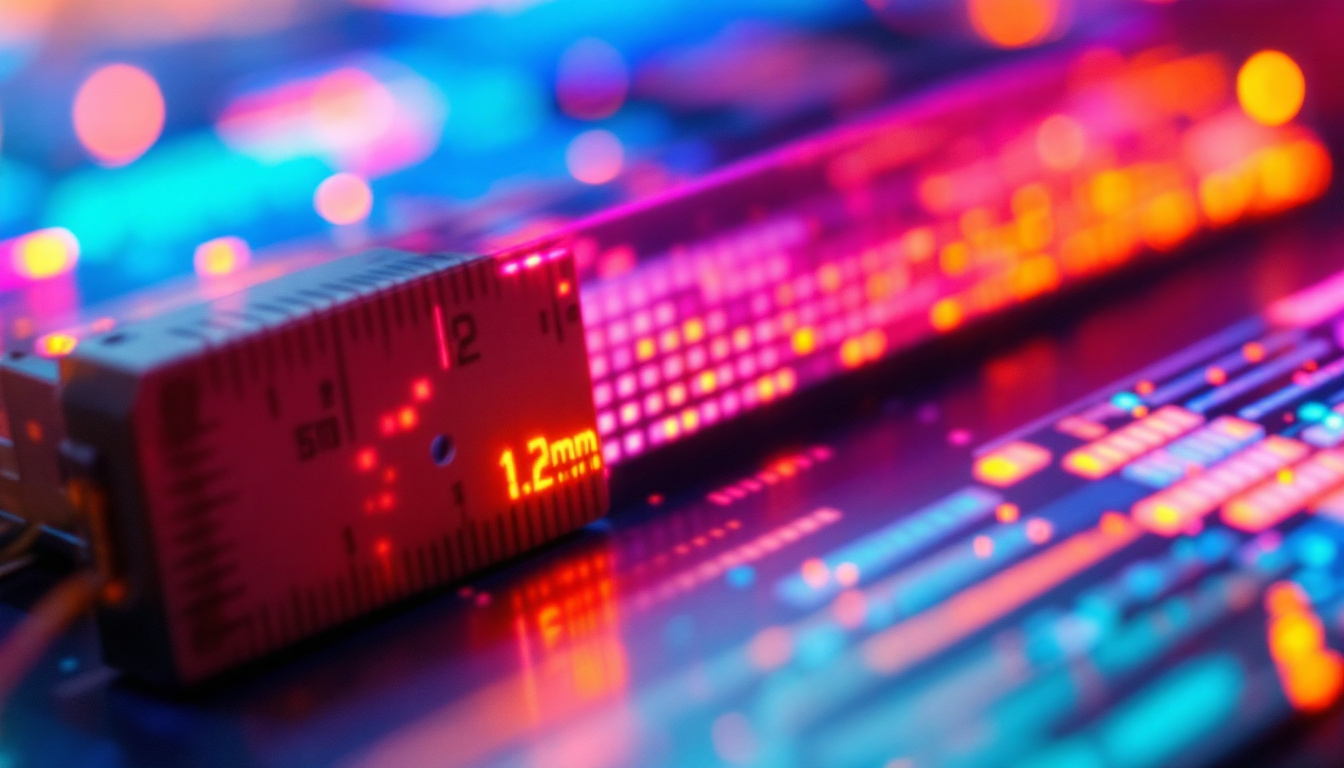
One technical hurdle with LED volumes is ensuring that the displayed images are high-resolution and seamless across all panels. Any visible seams or pixelation can break the illusion and distract viewers. ILM addressed this by using custom-designed LED panels with fine pixel pitches and sophisticated calibration techniques that blend the panels flawlessly.
Additionally, the content displayed on the walls must be rendered at extremely high resolutions to maintain clarity, especially when the camera zooms in or captures wide shots. This requires powerful computing resources and optimized rendering pipelines.
Synchronizing Camera Tracking and Rendering
Precise camera tracking is essential to maintain the correct perspective of the digital background. Any latency or errors can cause misalignment, resulting in visual artifacts. To overcome this, ILM integrated advanced motion capture systems and low-latency data transmission protocols that ensure the rendering engine receives real-time camera data without delay.
This synchronization extends to multiple cameras when shooting complex scenes, allowing for consistent backgrounds across different angles and takes.
Color Accuracy and HDR Capabilities
Achieving accurate color reproduction and high dynamic range (HDR) is vital for photorealism. The LED panels used in The Mandalorian support HDR, enabling bright highlights and deep shadows that mimic natural lighting conditions. Color calibration is meticulously maintained to ensure consistency between the digital environment and physical elements on set.
These capabilities contribute to the cinematic quality of the show, making the digital worlds visually compelling and believable.
The Impact of LED Volumes on Storytelling and Cinematography
Enabling Creative Freedom
The flexibility of LED volumes empowers directors and cinematographers to experiment with complex camera moves and lighting setups that would be difficult or impossible on location. For instance, sweeping shots through alien landscapes or dynamic lighting changes can be executed with precision and ease.
This creative freedom enhances storytelling by allowing visual elements to support narrative themes and character emotions more effectively. The seamless integration of digital and physical elements helps immerse audiences in the Star Wars universe like never before.
Facilitating World-Building and Continuity
Consistency in visual environments is crucial for maintaining suspension of disbelief. LED volumes allow for precise control over environmental details, weather conditions, and lighting, ensuring that scenes filmed on different days or stages match perfectly.
This continuity is especially important for serialized storytelling, where audiences expect a coherent and immersive world. The technology also enables quick iteration and refinement of environments, supporting the evolving creative vision throughout production.
The Future of LED Display Technology in Film and Television
The success of The Mandalorian has spurred widespread interest in LED volume technology across the entertainment industry. Studios and productions are investing in similar stages to leverage the benefits of real-time digital environments.
Looking ahead, advancements in LED panel resolution, rendering algorithms, and camera tracking will further enhance the realism and flexibility of these setups. Integration with virtual production tools and artificial intelligence promises to streamline workflows and open new creative possibilities.
Moreover, as costs decrease and accessibility improves, smaller productions and independent filmmakers may adopt LED volumes, democratizing high-quality visual effects and transforming how stories are told on screen.
Conclusion
The use of LED display technology in The Mandalorian represents a paradigm shift in filmmaking, combining cutting-edge hardware and software to create immersive, photorealistic environments in real time. This innovation not only elevates visual storytelling but also enhances actor performance, production efficiency, and creative flexibility.
As LED volumes continue to evolve, they are poised to become a staple of film and television production, shaping the future of immersive entertainment. Understanding the technology behind these stunning visuals offers valuable insight into the artistry and engineering that bring beloved stories like The Mandalorian to life.
Explore Cutting-Edge LED Display Solutions with LumenMatrix
As you’ve seen with The Mandalorian, LED display technology is transforming the art of storytelling, bringing cinematic visions to life with unprecedented realism. If you’re inspired to elevate your own productions or visual presentations, LumenMatrix is at the forefront of this revolution. Offering a wide array of innovative LED display solutions, from Indoor and Outdoor LED Walls to Custom and Transparent Displays, LumenMatrix empowers you to create immersive experiences that captivate and engage. Check out LumenMatrix LED Display Solutions and step into the future of visual communication.