In the evolving world of visual display technology, understanding the differences and functionalities of various projection and display systems is essential. Among these, manual projector screens and LED displays stand out as popular choices for both professional and personal use. This article explores the characteristics, benefits, and applications of manual projector screens and LED displays, providing a comprehensive guide to help you make informed decisions about your visual setup.
Understanding Manual Projector Screens
What Is a Manual Projector Screen?
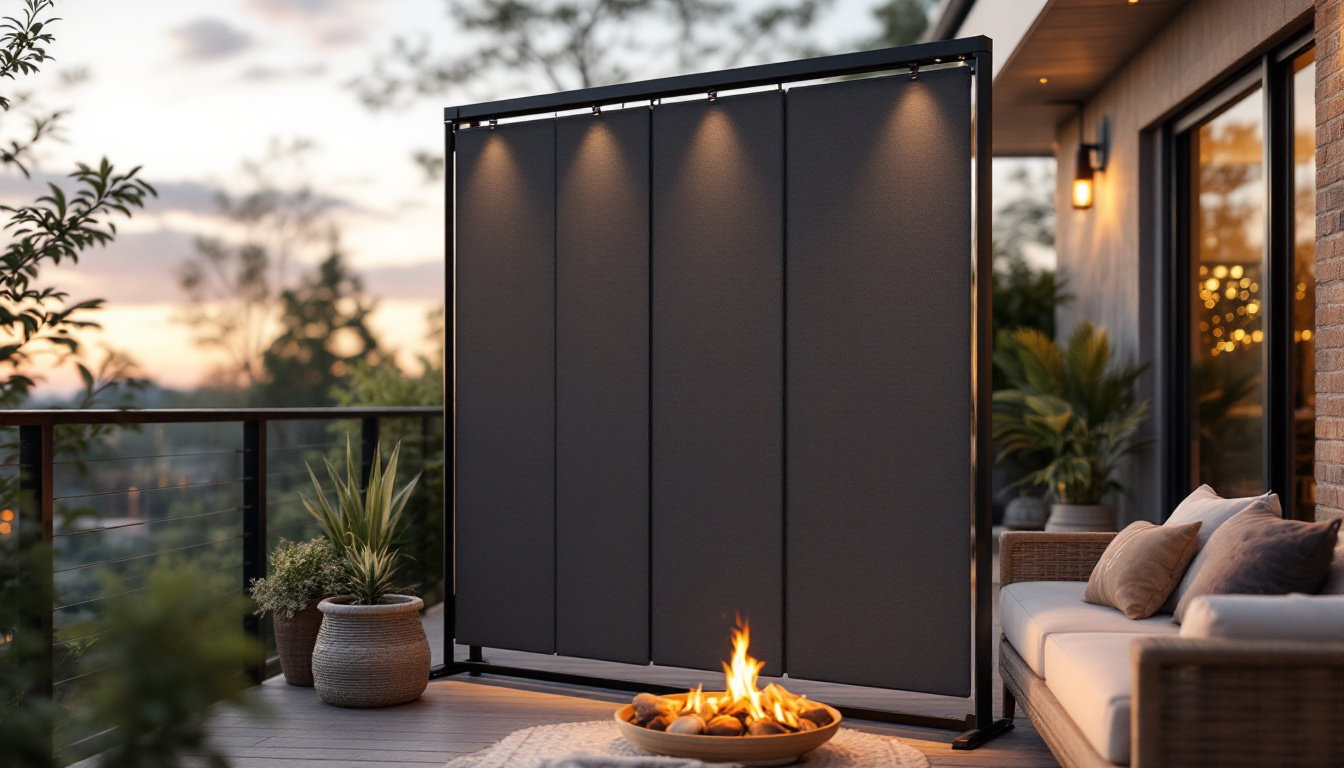
A manual projector screen is a type of projection surface that is operated by hand, typically using a pull-down mechanism. Unlike motorized screens that rely on electric motors to extend or retract the screen, manual screens require the user to physically pull the screen down when needed and roll it back up for storage.
These screens are often mounted on walls or ceilings and come in various sizes and aspect ratios to accommodate different projector types and room configurations. The screen surface is specially coated to reflect projected light effectively, enhancing image brightness and clarity. The materials used in manual projector screens can also vary, with options ranging from matte white to high-gain surfaces, allowing users to choose the best fit for their specific projection needs.
Advantages of Manual Projector Screens
Manual projector screens offer several benefits that make them a practical choice for many settings:
- Cost-Effectiveness: Manual screens are generally more affordable than motorized alternatives, making them accessible for schools, small businesses, and home theaters.
- Durability: With fewer mechanical parts, manual screens tend to have a longer lifespan and require less maintenance.
- Portability: Many manual screens are lightweight and easy to install or relocate, suitable for temporary setups or multi-purpose rooms.
- Control: Users have direct control over the screen position, allowing for quick adjustments without relying on electrical components.
Additionally, manual projector screens are often designed with user-friendly features such as built-in tensioning systems that help keep the screen flat and free from wrinkles, ensuring a smooth viewing experience. Some models also come with a locking mechanism that allows users to set the screen at various heights, making it versatile for different types of presentations or movie nights.
Common Uses and Environments
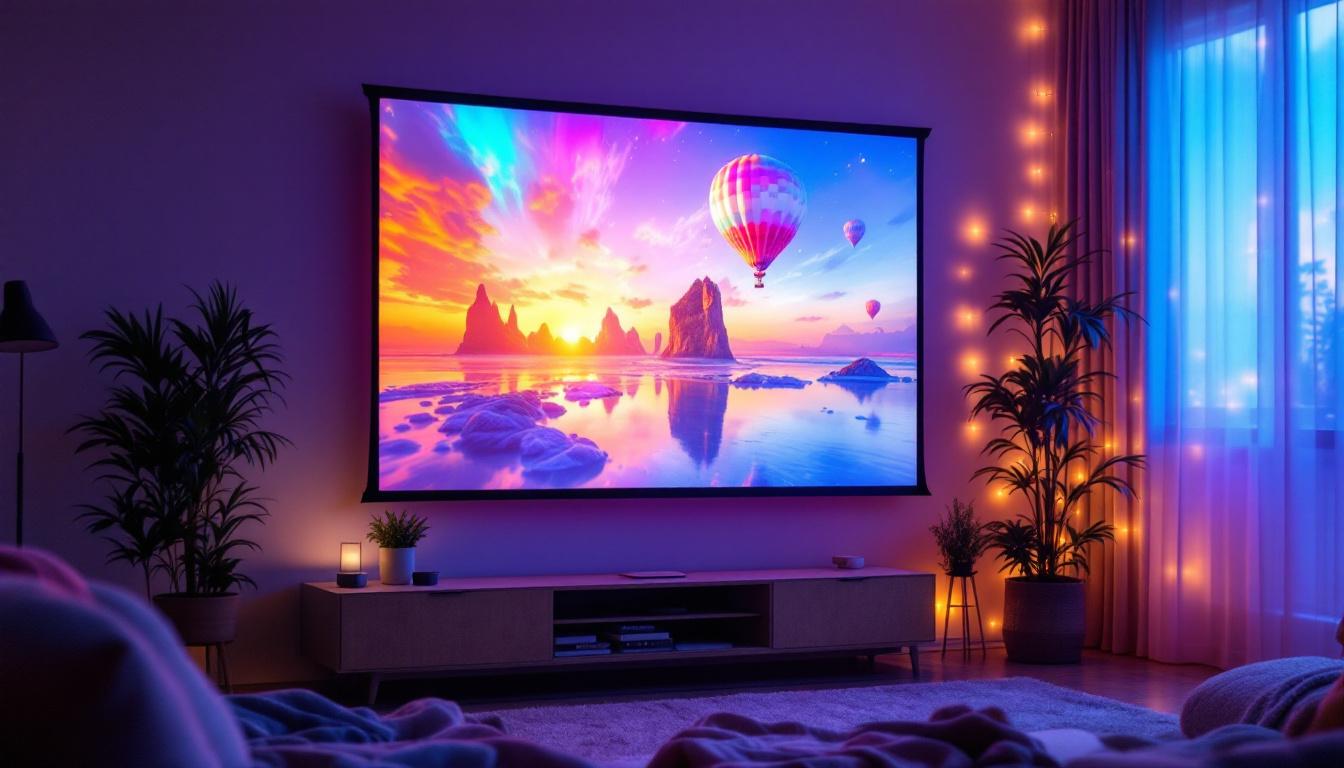
Manual projector screens are widely used in educational institutions, conference rooms, and home entertainment systems. Their simplicity and reliability make them ideal for environments where budget constraints exist or where motorized screens are unnecessary.
For example, classrooms often benefit from manual screens due to their ease of use and low cost, while home theaters appreciate the ability to conceal the screen when not in use, preserving room aesthetics. In corporate settings, manual screens can be quickly deployed for presentations and then retracted just as easily, allowing for a seamless transition between different activities. Furthermore, these screens are also popular in outdoor settings, where portable options can be set up for movie nights or presentations in parks and backyards, providing a versatile solution for various viewing experiences.
Exploring LED Displays
What Is an LED Display?
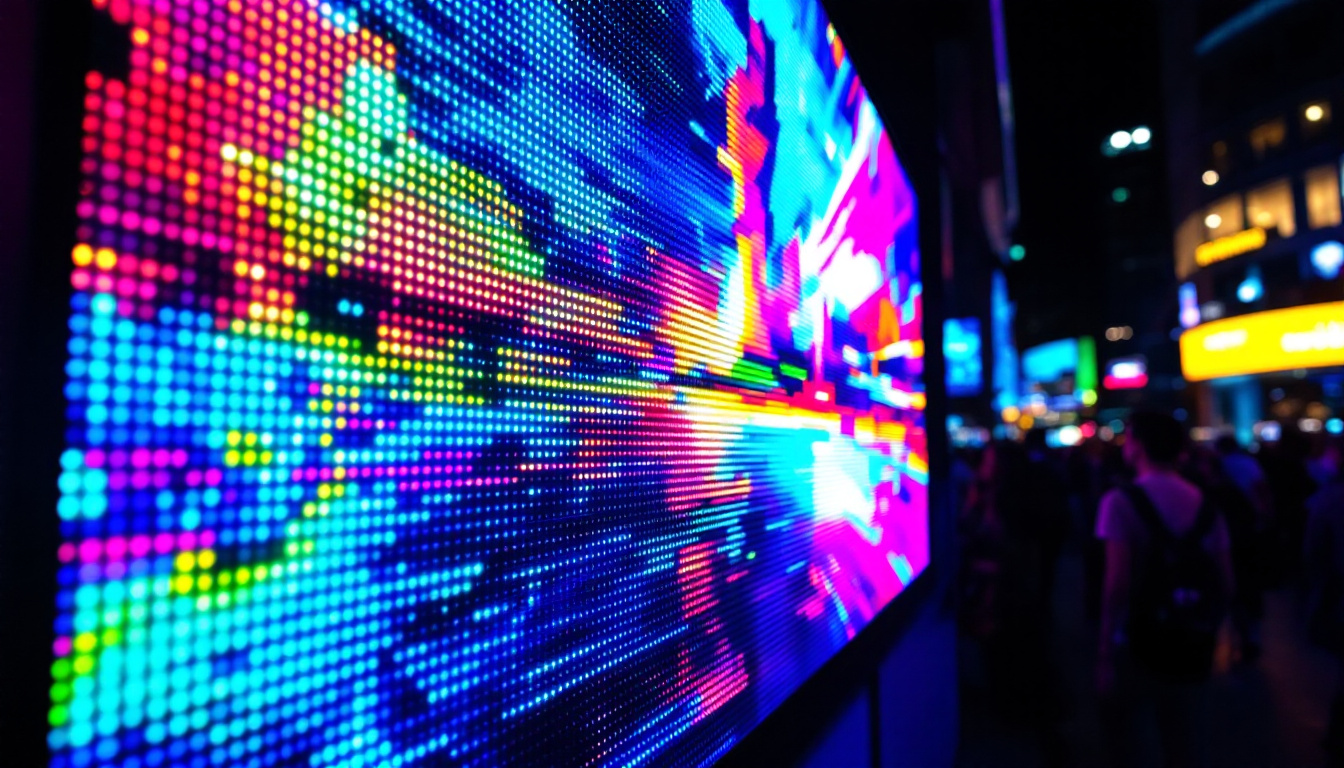
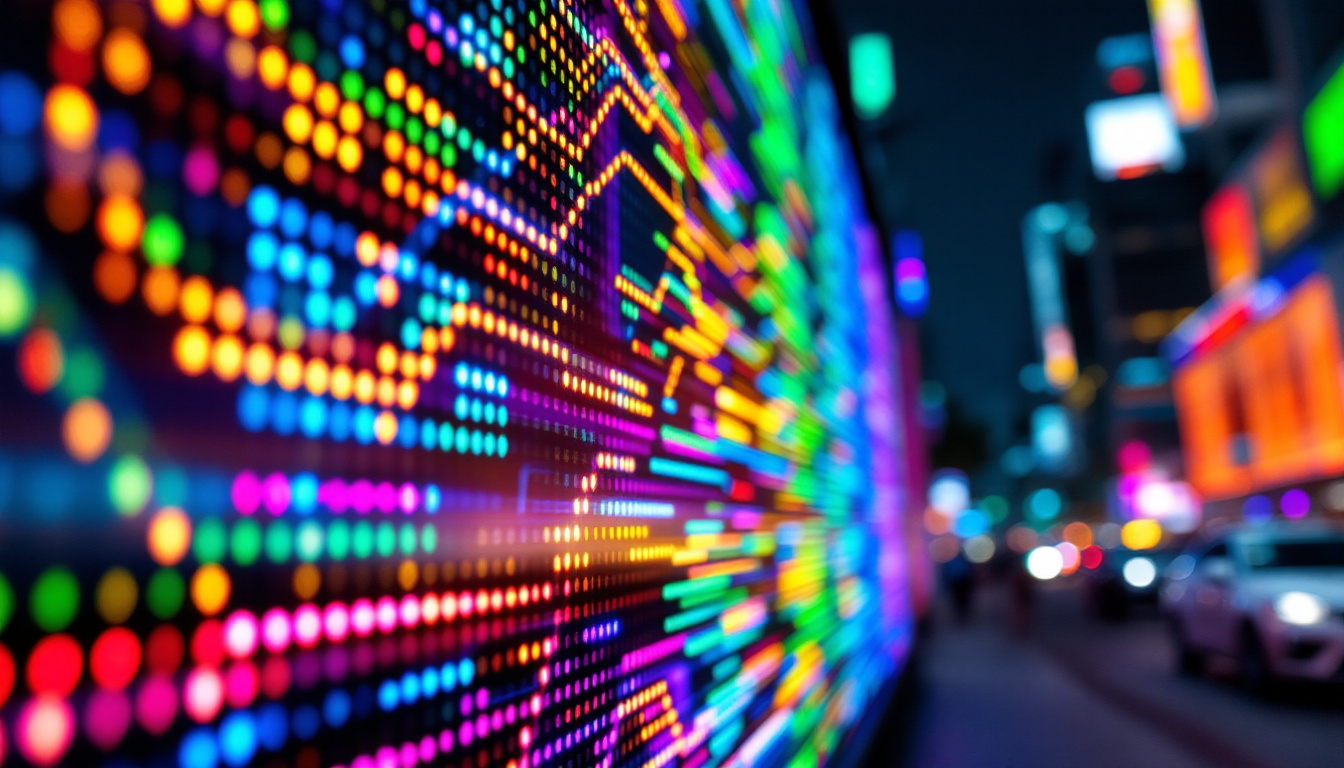
LED (Light Emitting Diode) displays are digital screens composed of numerous tiny LEDs that emit light to create vibrant images and videos. Unlike projector screens that rely on external light sources, LED displays are self-illuminating, offering bright and high-contrast visuals even in well-lit environments.
LED technology has advanced significantly, enabling the production of large-format displays with exceptional color accuracy, resolution, and durability. These displays are commonly used in advertising, sports arenas, control rooms, and increasingly, in corporate and residential settings. The evolution of LED technology has also led to the development of flexible and transparent displays, which open up new possibilities for creative installations and innovative design solutions.
Key Benefits of LED Displays
LED displays provide several advantages that have driven their widespread adoption:
- Brightness and Visibility: LED screens can achieve brightness levels exceeding 1,000 nits, ensuring clear visibility even in direct sunlight or brightly lit rooms.
- Color Accuracy and Contrast: The ability to control each LED individually allows for deep blacks and vivid colors, enhancing image quality.
- Durability and Longevity: LEDs have a long operational life, often exceeding 50,000 hours, with minimal degradation over time.
- Flexibility in Size and Shape: LED panels can be assembled in various configurations, from small digital signage to massive video walls.
- Energy Efficiency: Compared to traditional display technologies, LEDs consume less power, reducing operational costs.
Applications of LED Displays
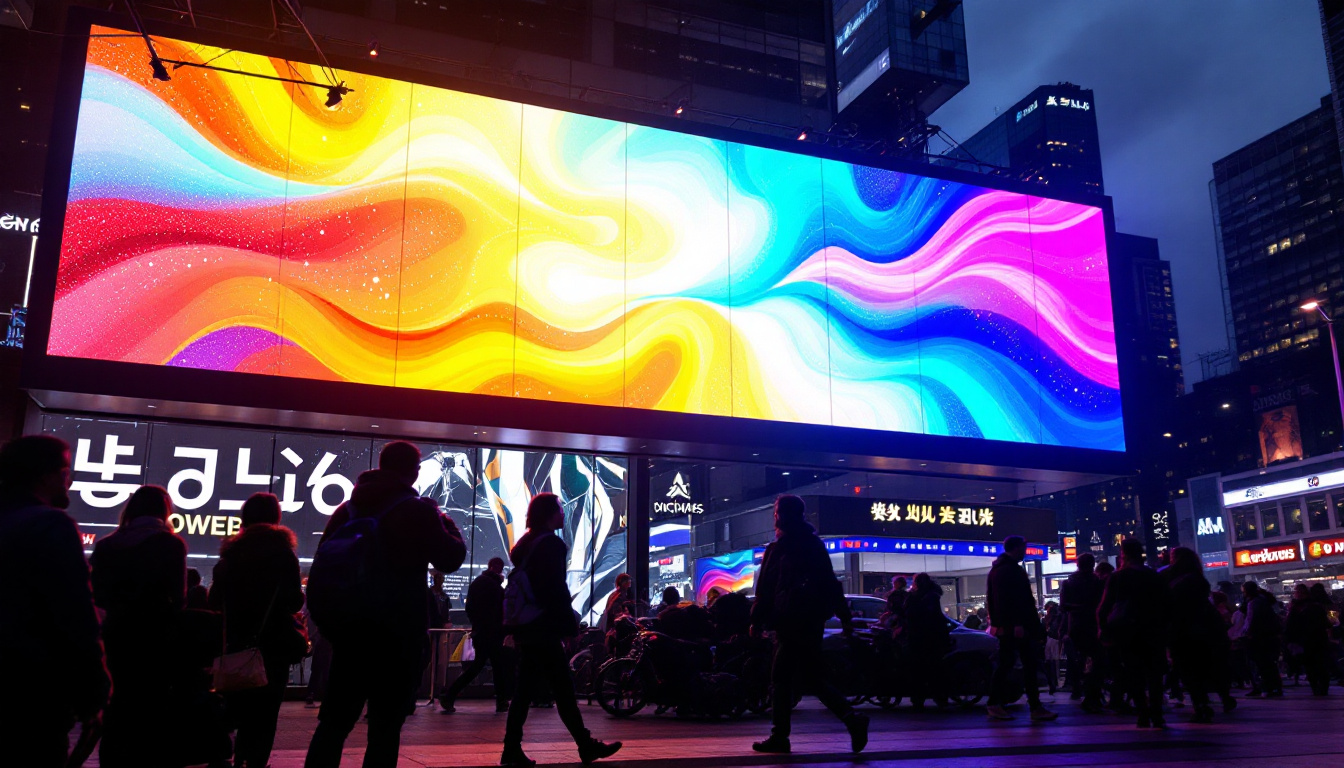
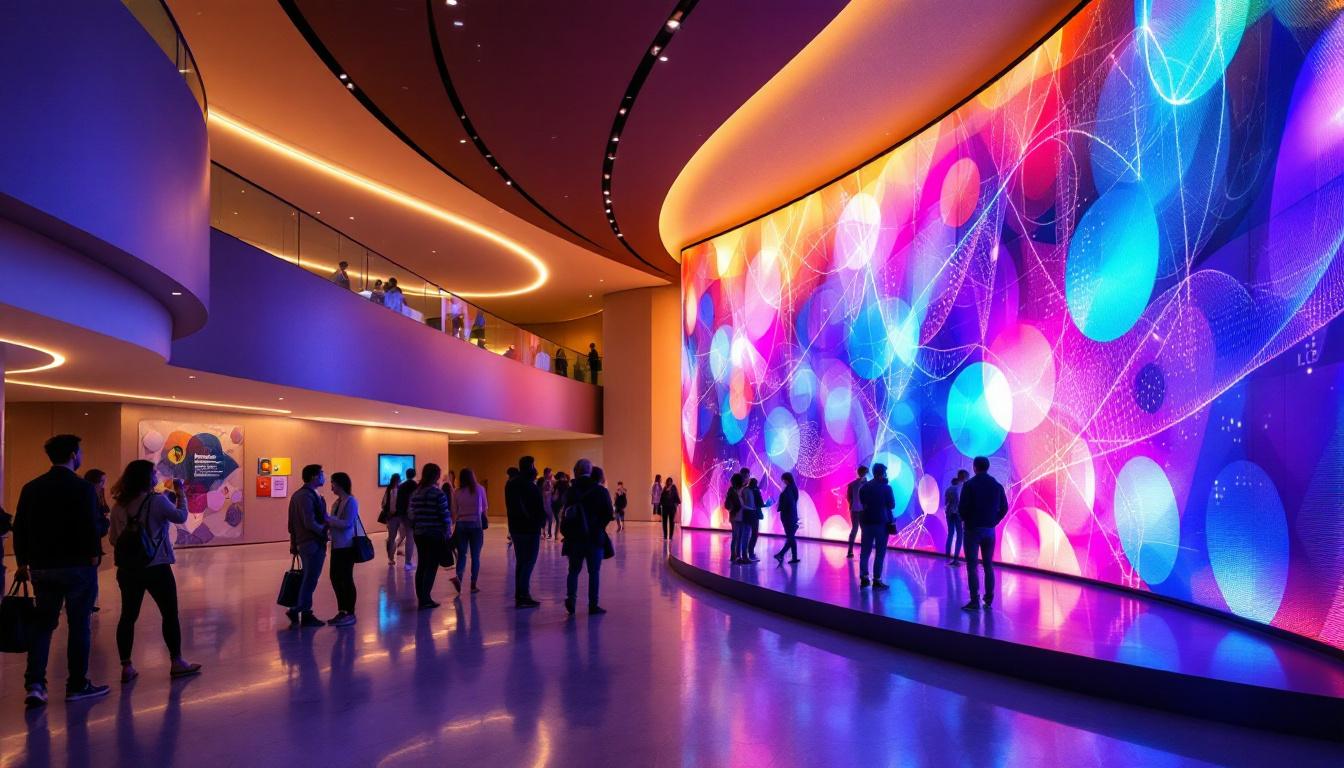
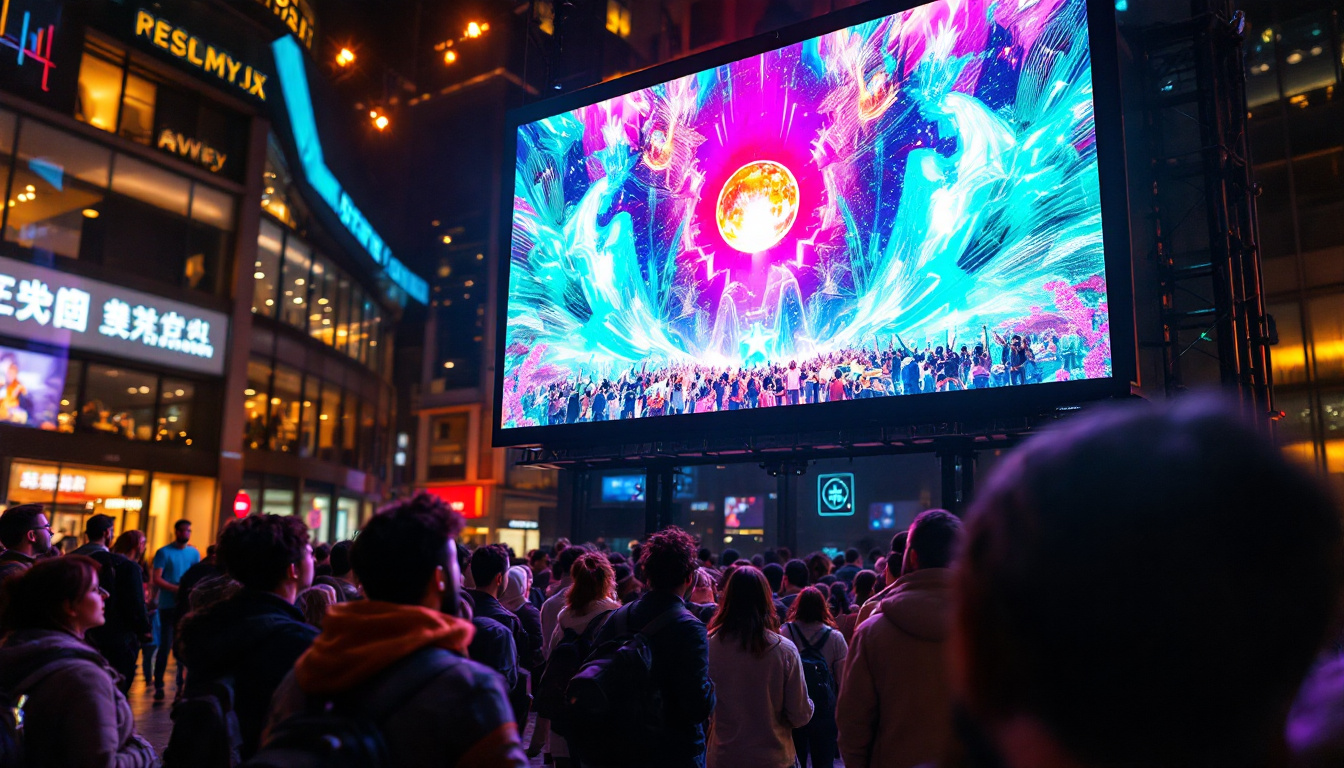
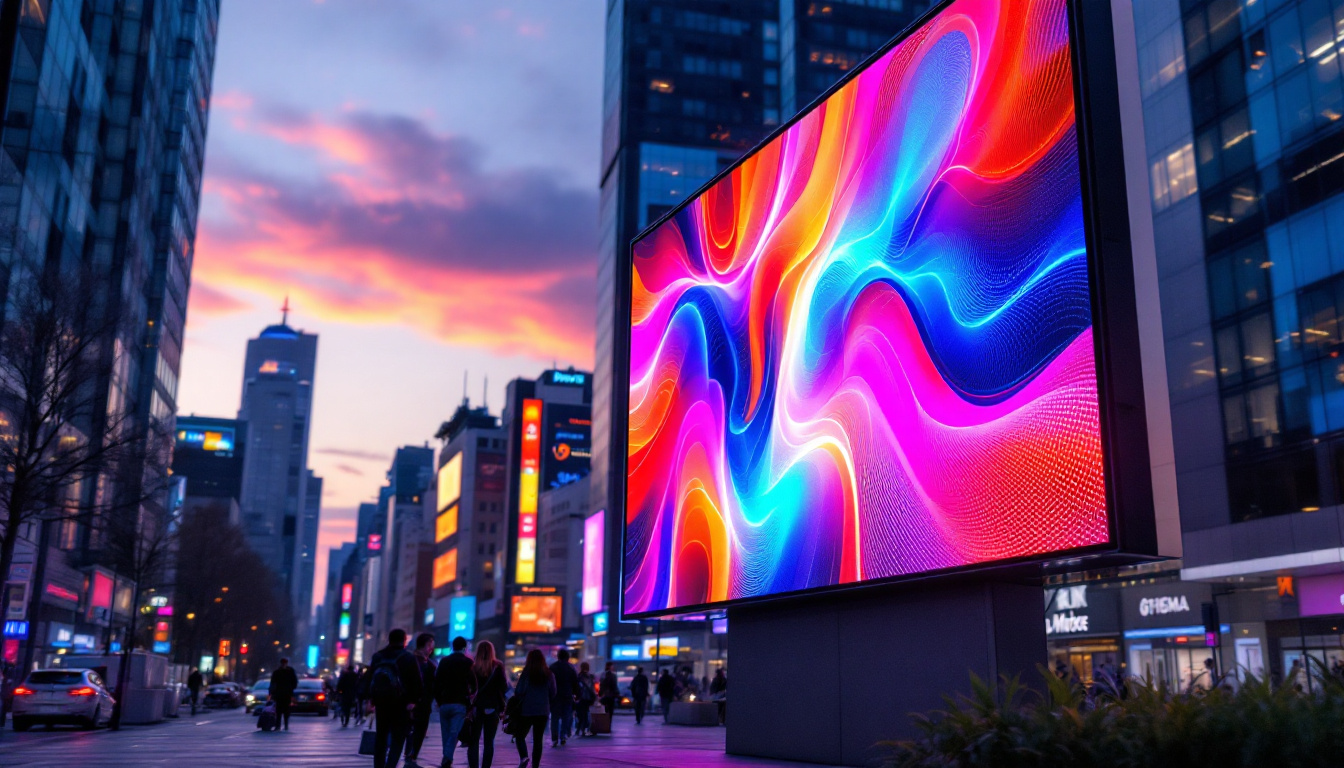
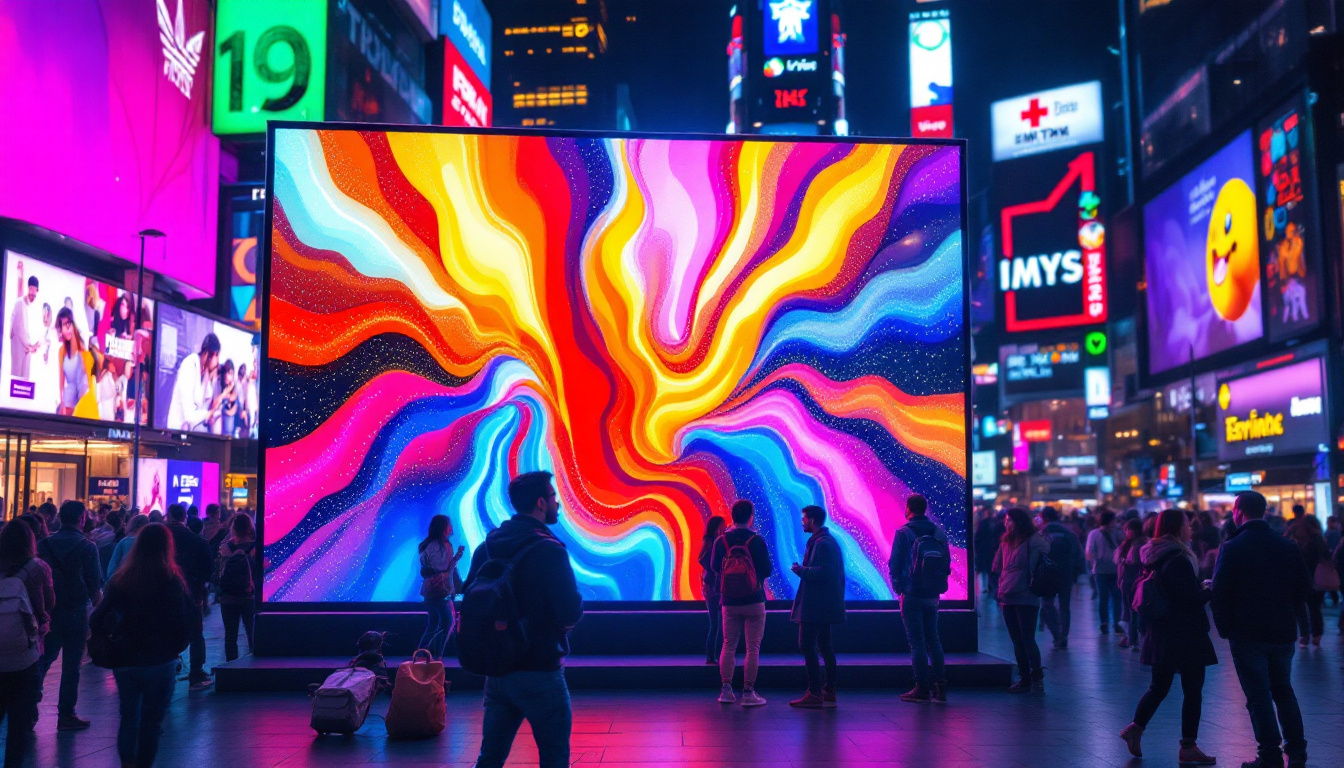
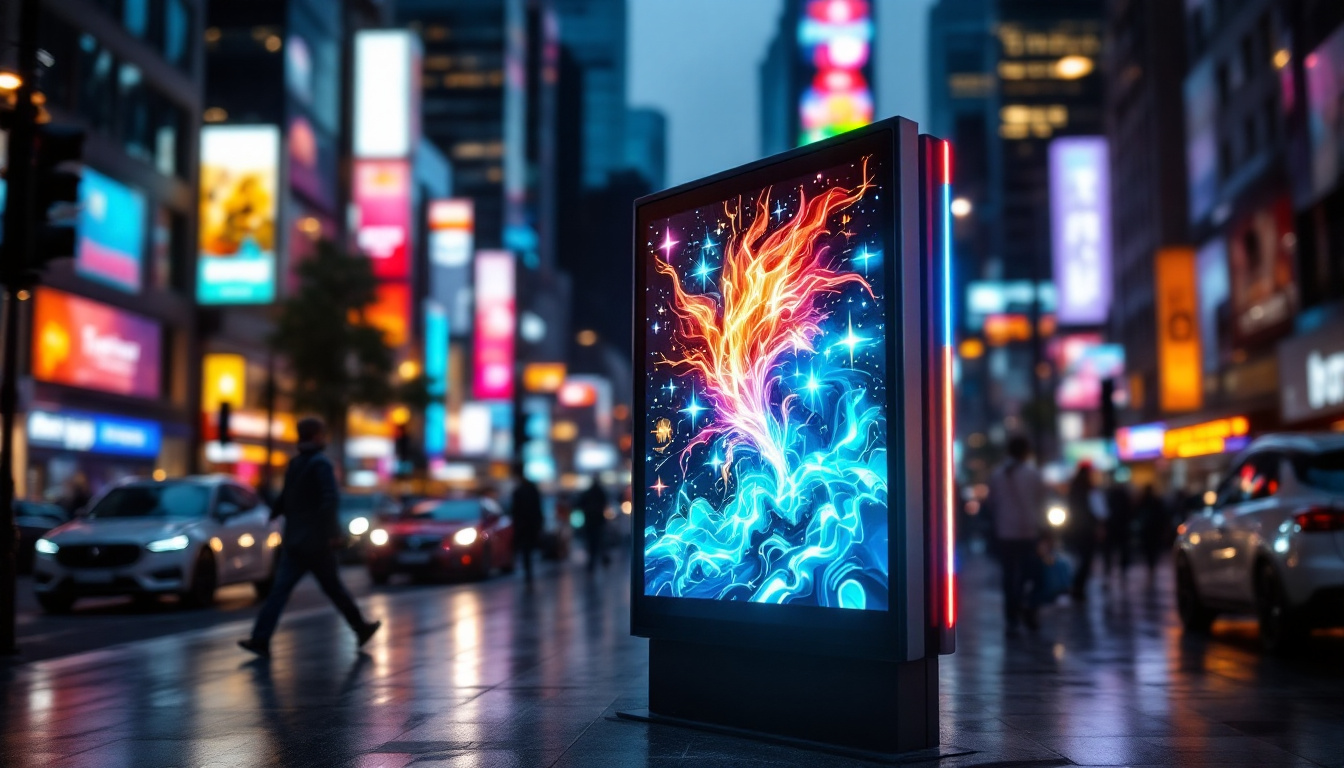
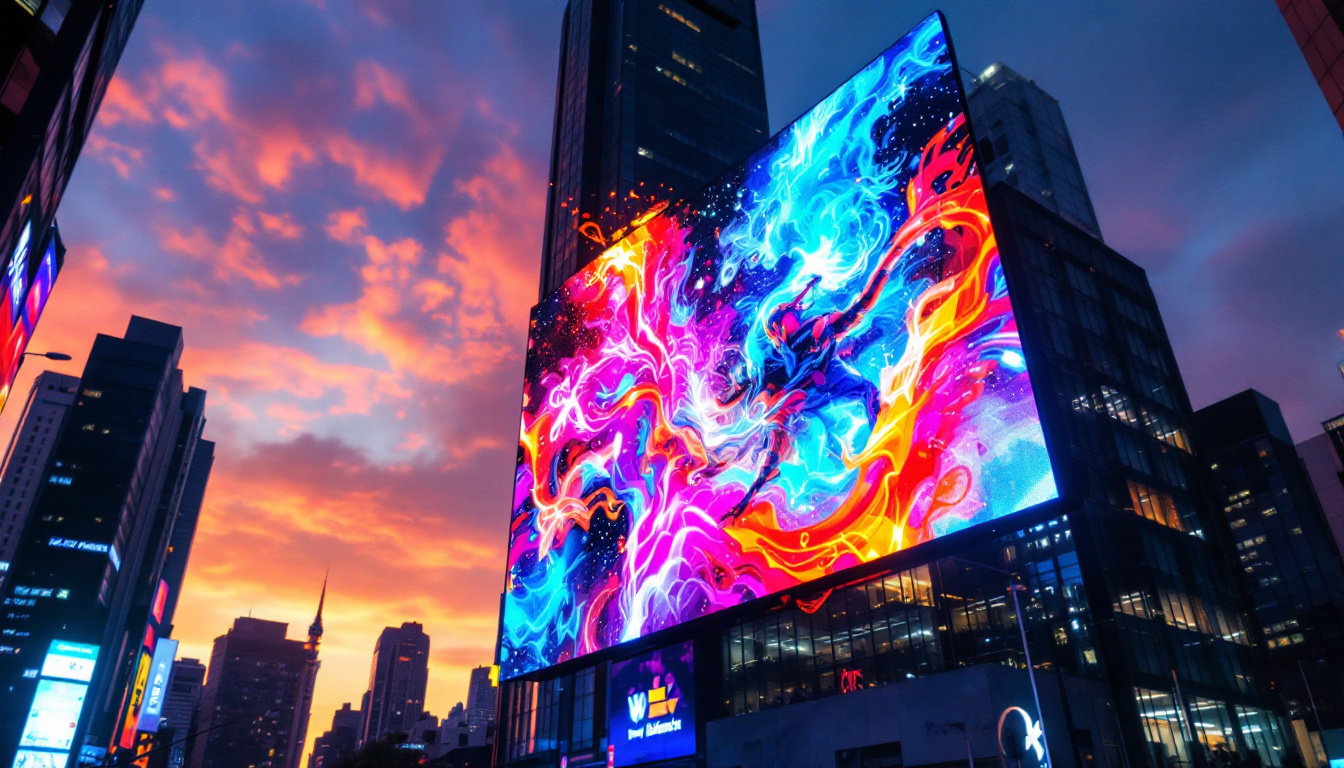
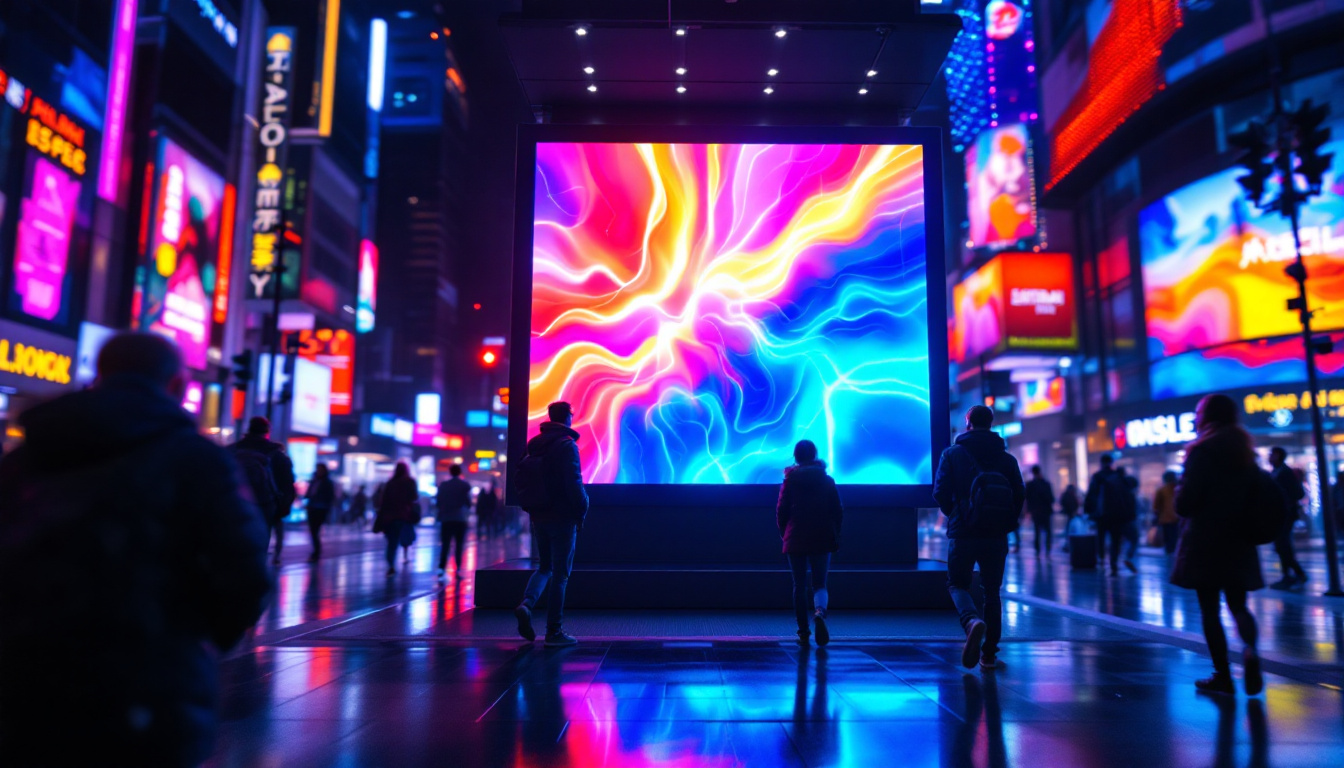
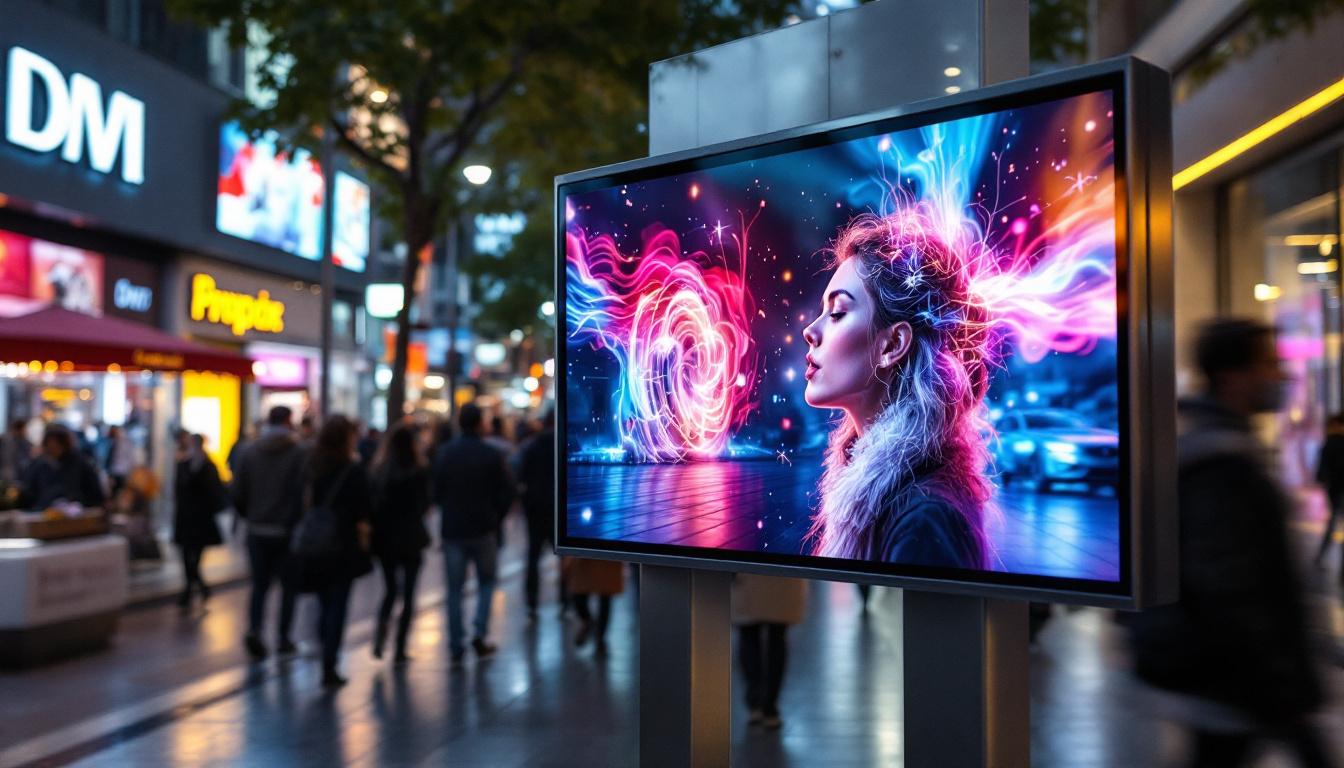
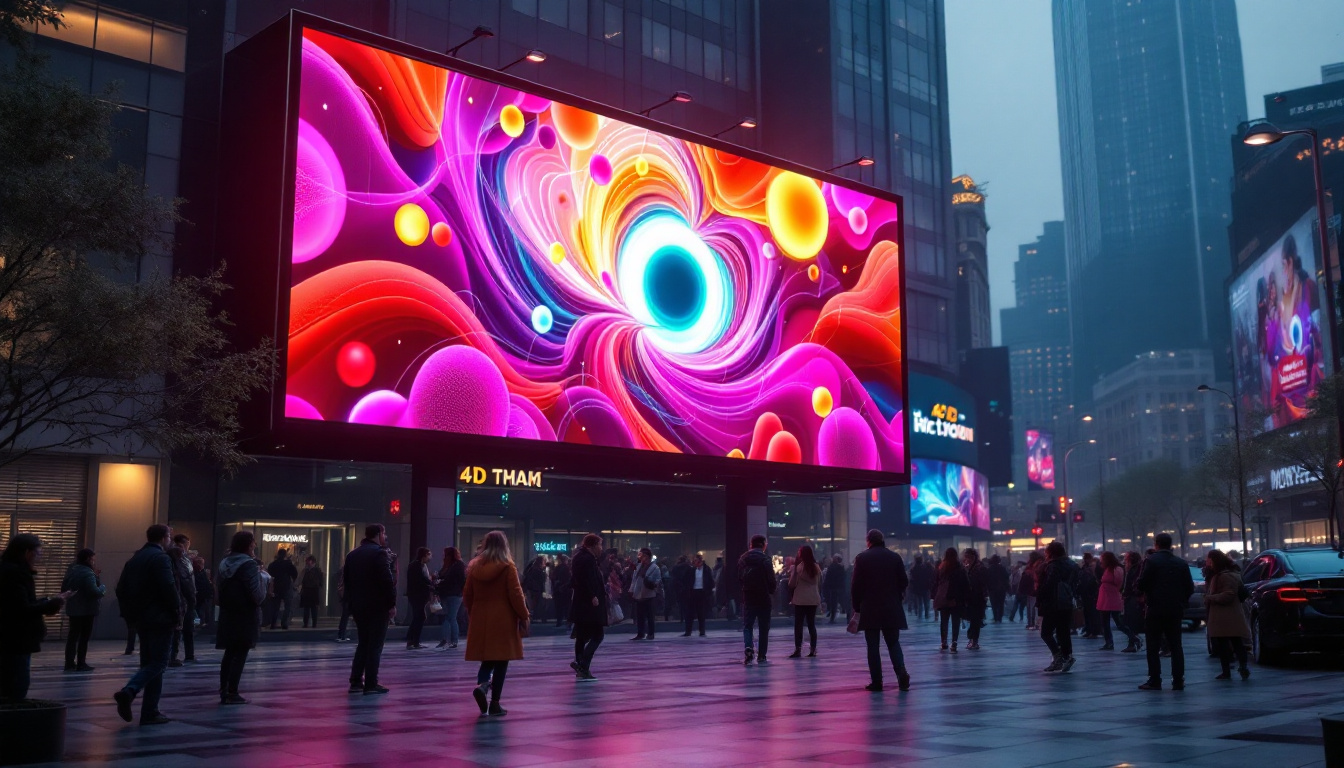
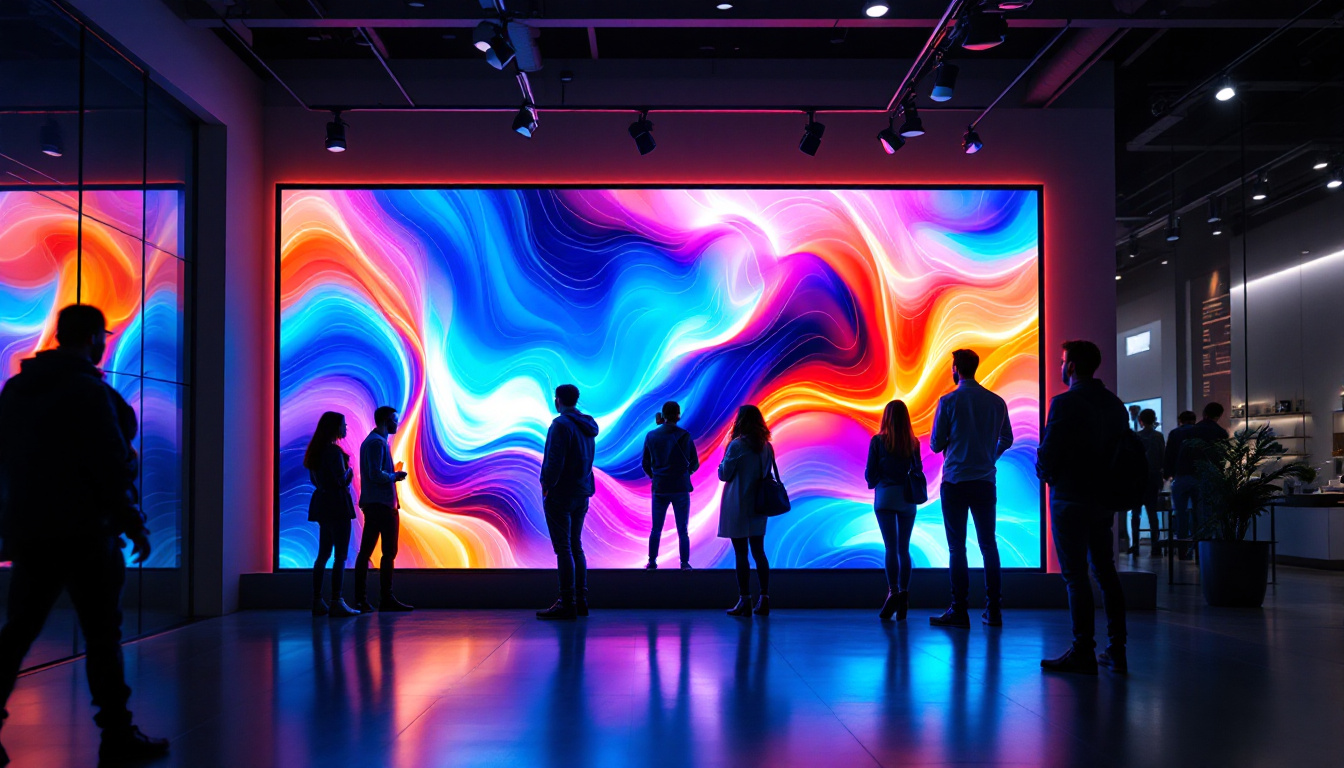
LED displays are versatile and used across numerous industries. Outdoor advertising billboards leverage their brightness and weather resistance, while indoor LED walls enhance events, retail spaces, and corporate presentations. The ability to create dynamic content that can be updated in real-time makes LED displays particularly effective for engaging audiences and delivering timely information.
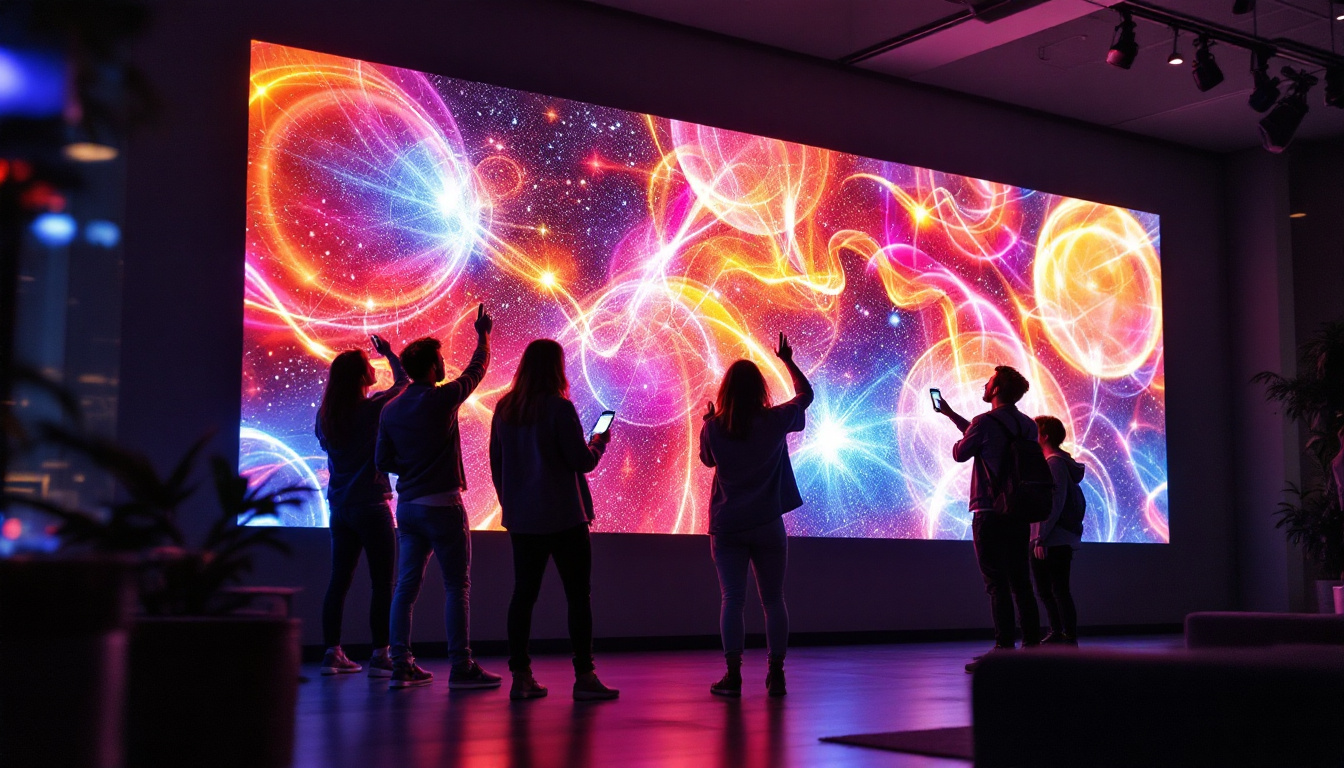
In recent years, the rise of micro-LED and mini-LED technologies has further expanded the use of LED displays in consumer electronics, including televisions and monitors, offering superior visual experiences. These advancements not only improve picture quality but also enable thinner and lighter designs, making them more aesthetically pleasing and easier to integrate into modern living spaces. Furthermore, the integration of smart technology with LED displays allows for interactive features, such as touch capabilities and connectivity with mobile devices, enhancing user engagement and experience.
Manual Projector Screens vs. LED Displays: A Comparative Analysis
Image Quality and Viewing Experience
Manual projector screens depend heavily on the projector’s capabilities and ambient lighting conditions. Projectors can produce large images, but their brightness can be diminished by ambient light, and image quality may vary based on the projector’s resolution and lamp life.
In contrast, LED displays provide consistently bright and sharp images regardless of lighting conditions. Their self-emissive nature ensures vibrant colors and high contrast, making them suitable for environments where lighting control is challenging. Additionally, LED displays often feature advanced technologies such as HDR (High Dynamic Range) and wide color gamuts, which enhance the viewing experience by providing deeper blacks and more vivid colors. This makes them particularly appealing for applications such as digital signage, where visual impact is crucial.
Cost Considerations
Manual projector screens are typically more budget-friendly upfront. A quality manual screen can cost between $100 and $500, depending on size and material. Projectors themselves vary widely in price, but entry-level models are accessible for most users.
LED displays, especially large-format or high-resolution models, involve a significantly higher initial investment. Prices can range from several thousand to tens of thousands of dollars. However, the long-term durability and reduced maintenance may offset some costs over time. Moreover, many businesses find that the enhanced productivity and engagement that comes with LED displays justifies the initial expenditure. The ability to display dynamic content, such as videos and animations, can attract more attention and create a more immersive environment for presentations or advertising.
Installation and Maintenance
Manual projector screens are relatively simple to install and maintain. They require minimal technical expertise and can often be mounted by users themselves. Maintenance mainly involves cleaning the screen surface and ensuring the pull mechanism functions smoothly.
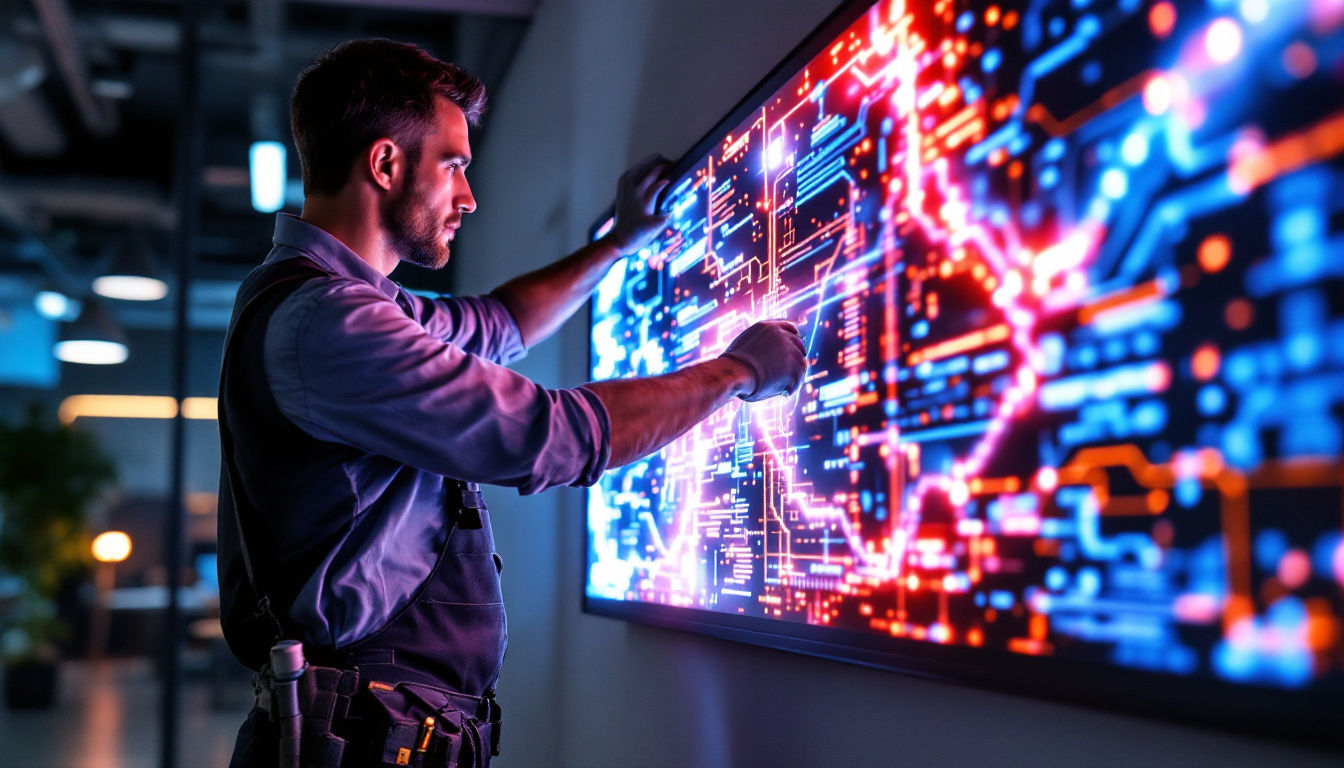
LED displays require professional installation, particularly for large or complex setups. Maintenance involves monitoring for dead pixels, ensuring proper ventilation, and occasionally replacing LED modules. However, their robust design minimizes frequent repairs. Furthermore, many modern LED displays come equipped with smart technology that allows for remote monitoring and diagnostics, enabling quicker troubleshooting and minimizing downtime. This feature is particularly beneficial in commercial settings where continuous operation is essential.
Portability and Flexibility
Manual projector screens excel in portability. Many models are designed to be rolled up and transported easily, ideal for mobile presentations or temporary setups.
LED displays, while increasingly modular, are generally fixed installations due to their weight and power requirements. Portable LED solutions exist but are typically more expensive and less common. However, advancements in technology are starting to bridge this gap; for instance, lightweight, collapsible LED panels are emerging, allowing for greater flexibility in various settings. These panels can be configured in different shapes and sizes, making them a versatile option for events, trade shows, or even outdoor screenings. The ability to customize the display layout can significantly enhance the overall impact of visual presentations, catering to diverse audience needs.
Choosing the Right Display Solution for Your Needs
Factors to Consider
Selecting between a manual projector screen and an LED display depends on several key factors:
- Purpose and Usage: For casual home theater use or occasional presentations, a manual projector screen may suffice. For high-impact advertising or environments with bright lighting, LED displays are preferable.
- Budget: Evaluate both initial costs and long-term expenses, including maintenance and energy consumption.
- Environment: Consider ambient lighting, room size, and installation constraints.
- Image Quality Requirements: High-resolution content and vivid colors favor LED displays, while standard presentations may not require such capabilities.
- Portability Needs: If the display must be moved frequently, manual screens offer superior convenience.
Emerging Trends and Future Outlook
The display technology landscape continues to evolve rapidly. Hybrid solutions that combine projection with LED backlighting, as well as advancements in laser projectors and micro-LED technology, are blurring traditional boundaries.
Moreover, the increasing demand for immersive experiences in education, entertainment, and corporate communications is driving innovation. As LED displays become more affordable and projectors more sophisticated, users will have more options tailored to specific needs.
Conclusion
Manual projector screens and LED displays each offer distinct advantages and are suited to different applications. Manual screens provide an economical, durable, and portable solution for many projection needs, especially where budget and simplicity are priorities. LED displays deliver superior brightness, color accuracy, and durability, making them ideal for high-visibility environments and professional installations.
Understanding the strengths and limitations of each technology enables users to select the most appropriate display system, ensuring optimal viewing experiences and value for investment. Whether outfitting a classroom, boardroom, or home theater, the right choice enhances communication, engagement, and enjoyment.
Discover LumenMatrix’s Advanced LED Display Solutions
Ready to elevate your visual experience with cutting-edge technology? Explore LumenMatrix’s innovative LED display solutions, tailored to meet your diverse needs. From vibrant Indoor and Outdoor LED Wall Displays to dynamic Vehicle and Sports LED Displays, our offerings ensure your message stands out. Experience the future of visual communication with our Custom, All-in-One, and Transparent LED Displays, designed to captivate and engage your audience. Don’t just share your message—make an impact with clarity and precision. Check out LumenMatrix LED Display Solutions today and transform your space into a visual spectacle.