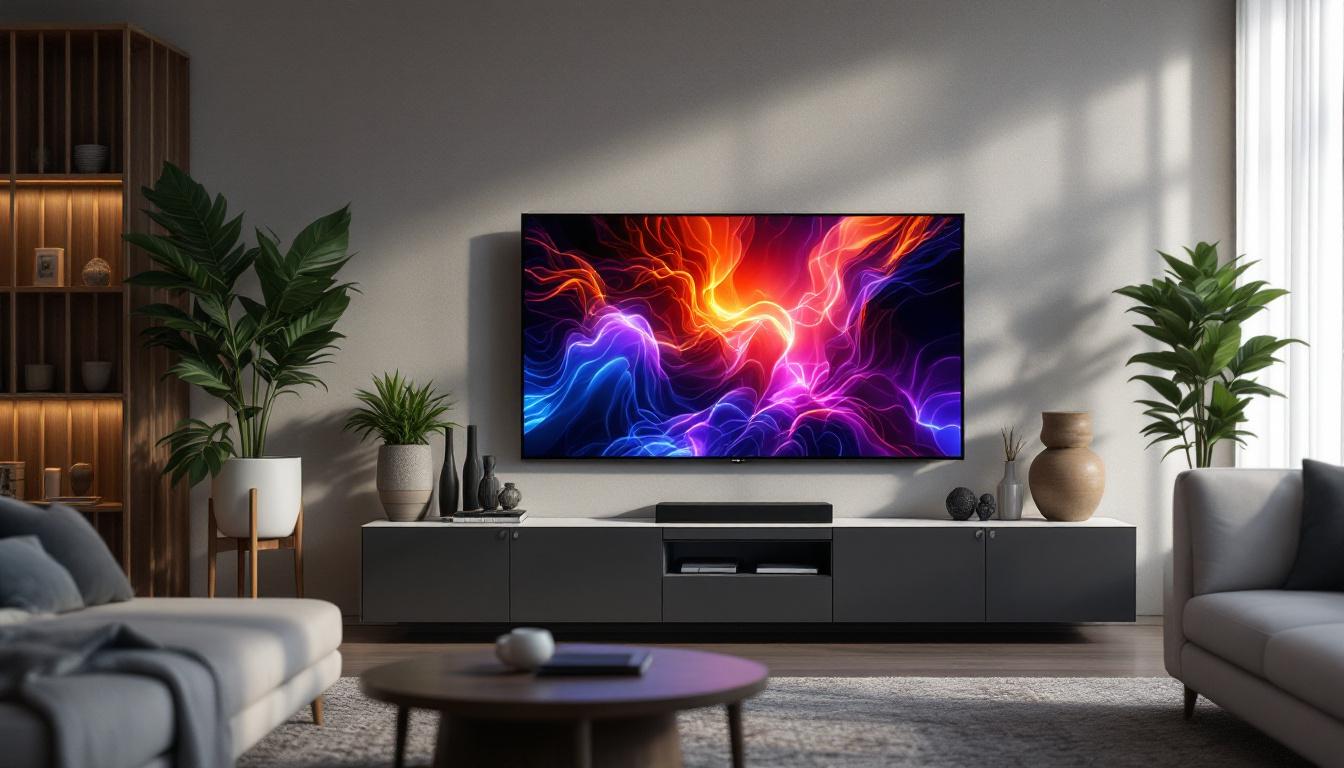
Screen doors are a staple in many homes, providing ventilation while keeping insects and debris out. Over time, however, the mesh in these doors can become damaged, necessitating repair. Interestingly, the principles behind repairing screen door mesh share some parallels with the technology behind LED displays, especially when it comes to the materials and structural integrity involved. This article explores how to effectively repair screen door mesh and delves into the fundamentals of LED display technology, offering a comprehensive understanding of both topics.
Understanding Screen Door Mesh: Materials and Common Issues
The mesh in screen doors is typically made from materials such as fiberglass, aluminum, or stainless steel. Each material has its own advantages and drawbacks:
- Fiberglass Mesh: Lightweight, flexible, and resistant to rust, fiberglass is the most common material used in residential screen doors. It is affordable but can be prone to tearing under stress.
- Aluminum Mesh: More durable than fiberglass and resistant to dents, aluminum is often used in commercial or heavy-duty applications. However, it can corrode over time if not properly maintained.
- Stainless Steel Mesh: The most durable and resistant to corrosion, stainless steel mesh is ideal for high-traffic areas or locations exposed to harsh weather. It is more expensive and less flexible than other options.
Common issues with screen door mesh include tears, holes, sagging, and detachment from the frame. These problems not only reduce the door’s effectiveness but can also compromise home security and energy efficiency. Additionally, a damaged screen can lead to increased energy costs as conditioned air escapes and outside air infiltrates, making heating and cooling systems work harder.
Why Repairing Screen Door Mesh Matters
Repairing screen door mesh promptly is essential for several reasons. First, it prevents insects and pests from entering the home, which can be a health hazard. According to the Centers for Disease Control and Prevention (CDC), vector-borne diseases transmitted by insects like mosquitoes cause millions of illnesses worldwide each year. Proper screening is a simple but effective barrier.
Second, a well-maintained screen door contributes to better airflow and ventilation, which can reduce reliance on air conditioning and improve indoor air quality. Fresh air circulation is vital for maintaining a healthy living environment, as it helps to dilute indoor pollutants and allergens. Finally, repairing rather than replacing the entire screen door mesh is cost-effective and environmentally friendly, reducing waste and resource consumption. Repair kits are widely available and can often be used to fix small issues quickly, making it a practical choice for homeowners looking to maintain their doors without incurring significant costs.
Moreover, understanding the specific needs of your screen door mesh can lead to better long-term maintenance. For instance, if you live in an area with high humidity or frequent storms, opting for a more durable material like stainless steel may save you money in the long run. Additionally, regular inspections and cleaning can help identify potential problems before they escalate, ensuring that your screen door remains a reliable barrier against unwanted pests while enhancing the overall aesthetic of your home. Taking these proactive steps can significantly extend the lifespan of your screen door mesh, making it a worthwhile investment for any homeowner.
Step-by-Step Guide to Repairing Screen Door Mesh
Repairing screen door mesh can be a straightforward DIY project if approached correctly. Here is a detailed guide to help homeowners restore their screen doors to optimal condition.
Tools and Materials Needed
- Replacement screen mesh (fiberglass or aluminum, depending on original material)
- Screen spline (the rubber or vinyl strip that holds the mesh in place)
- Spline roller tool
- Utility knife or scissors
- Flathead screwdriver or pick tool
- Measuring tape
- Gloves (optional, for protection)
Removing the Old Mesh
Begin by carefully removing the screen door from its hinges and placing it on a flat surface. Using a flathead screwdriver or pick tool, pry out the spline from the frame’s groove. Once the spline is removed, the old mesh can be lifted away. Take care not to damage the frame during this process.
Measuring and Cutting the New Mesh
Measure the dimensions of the frame’s mesh area accurately. Add an extra inch or two to each side to ensure the new mesh fully covers the frame and allows for secure attachment. Cut the replacement mesh to size using scissors or a utility knife.
Installing the New Mesh
Lay the new mesh over the frame, ensuring it is evenly positioned with some overlap on all sides. Starting at one corner, press the spline into the groove over the mesh using the spline roller tool. Work your way around the frame, keeping the mesh taut but not overly stretched to avoid warping or tearing. Trim any excess mesh with the utility knife once the spline is fully seated.
Reinstalling the Screen Door
After the mesh is securely in place, reattach the screen door to its hinges. Test the door’s operation to ensure it opens and closes smoothly without catching or sagging. This final step confirms a successful repair.
LED Display Technology: An Overview
While screen door mesh and LED displays serve vastly different purposes, both rely on precise material engineering and structural integrity. Understanding LED display technology provides insight into how mesh-like structures can be utilized in modern electronics.
What Is an LED Display?
LED stands for Light Emitting Diode, a semiconductor device that emits light when an electric current passes through it. LED displays are composed of an array of these diodes arranged in a grid, which can produce images, text, and video by varying the intensity and color of each diode.
These displays are widely used in televisions, smartphones, digital billboards, and even wearable technology due to their energy efficiency, brightness, and longevity.
Structure of an LED Display
An LED display consists of several layers:
- Substrate: The base layer that supports the entire structure, often made of glass or plastic.
- LED Pixels: Individual light-emitting diodes arranged in rows and columns. Each pixel can be a single color or composed of red, green, and blue diodes to create full-color images.
- Driver Circuitry: Controls the electrical signals sent to each LED, managing brightness and color.
- Protective Mesh or Filter: A fine mesh or grid often covers the display to protect the delicate LEDs from physical damage and environmental factors.
This protective mesh is critical, much like the mesh in screen doors, as it preserves the integrity of the display while allowing light to pass through clearly.
Comparing Screen Door Mesh and LED Display Mesh
At first glance, screen door mesh and the protective mesh on LED displays might seem unrelated. However, both serve as protective barriers designed to maintain functionality while allowing interaction with the environment—airflow in screen doors and light transmission in LED displays.
Material Considerations
Screen door mesh materials prioritize durability, flexibility, and resistance to weather and pests. In contrast, LED display mesh or filters focus on optical clarity, minimal light obstruction, and protection from dust and impact.
Advancements in nanotechnology and materials science have led to the development of ultra-thin, transparent meshes used in high-end LED displays, which balance protection with minimal interference to image quality. These innovations echo the importance of selecting the right mesh material for screen doors, where balance between strength and visibility is key.
Structural Integrity and Maintenance
Both types of mesh require maintenance to ensure longevity. For screen doors, this involves repairing tears and replacing worn spline to keep the mesh taut. For LED displays, regular cleaning and protective coatings help prevent damage and maintain image clarity.
Understanding the parallels in maintenance highlights the importance of proactive care in extending the lifespan of mesh-based systems, whether in home fixtures or advanced electronics.
Practical Tips for Maintaining Screen Door Mesh and LED Displays
Proper maintenance extends the life of both screen door mesh and LED displays. Here are some practical tips for each:
Screen Door Mesh Maintenance
- Regular Inspection: Check the mesh for small holes or tears monthly, especially after storms or heavy use.
- Gentle Cleaning: Use a soft brush or vacuum with a brush attachment to remove dust and debris without damaging the mesh.
- Prompt Repairs: Address minor damage immediately to prevent it from worsening.
- Proper Installation: Ensure the mesh is installed tautly but not overstretched to avoid premature wear.
LED Display Care
- Dust Removal: Use compressed air or a soft microfiber cloth to remove dust without scratching the surface.
- Environmental Control: Keep displays in environments with controlled humidity and temperature to prevent damage.
- Protective Covers: Use screen protectors or covers when the display is not in use to reduce exposure to physical damage.
- Professional Servicing: Schedule regular maintenance with qualified technicians to check internal components and ensure optimal performance.
Conclusion: The Intersection of Practical Repair and Advanced Technology
Repairing screen door mesh is a practical skill that preserves home comfort, security, and energy efficiency. Understanding the materials and techniques involved empowers homeowners to maintain their screen doors effectively and economically.
Meanwhile, exploring the technology behind LED displays reveals fascinating parallels in material science and structural design. Both domains emphasize the importance of durable, well-maintained mesh structures, whether to keep insects out or to protect delicate electronics.
By appreciating these connections, homeowners and technology enthusiasts alike can gain a deeper understanding of how simple materials like mesh play critical roles in everyday life and cutting-edge innovation.
Discover Cutting-Edge LED Display Solutions with LumenMatrix
Just as repairing your screen door mesh can revitalize the comfort and efficiency of your home, embracing the latest in LED display technology can transform the way you communicate and connect with your audience. LumenMatrix is at the forefront of this innovation, offering a diverse range of LED display modules designed to create immersive visual experiences. From dynamic Indoor and Outdoor LED Wall Displays to versatile Vehicle and Sports LED Displays, each solution is crafted to bring your brand’s message to life with vibrancy and precision. Experience the future of visual engagement with LumenMatrix’s Custom and All-in-One LED Displays, and see through the clarity of LED Transparent Displays. Ready to revolutionize your visual communication? Check out LumenMatrix LED Display Solutions and let your message shine with unparalleled impact.