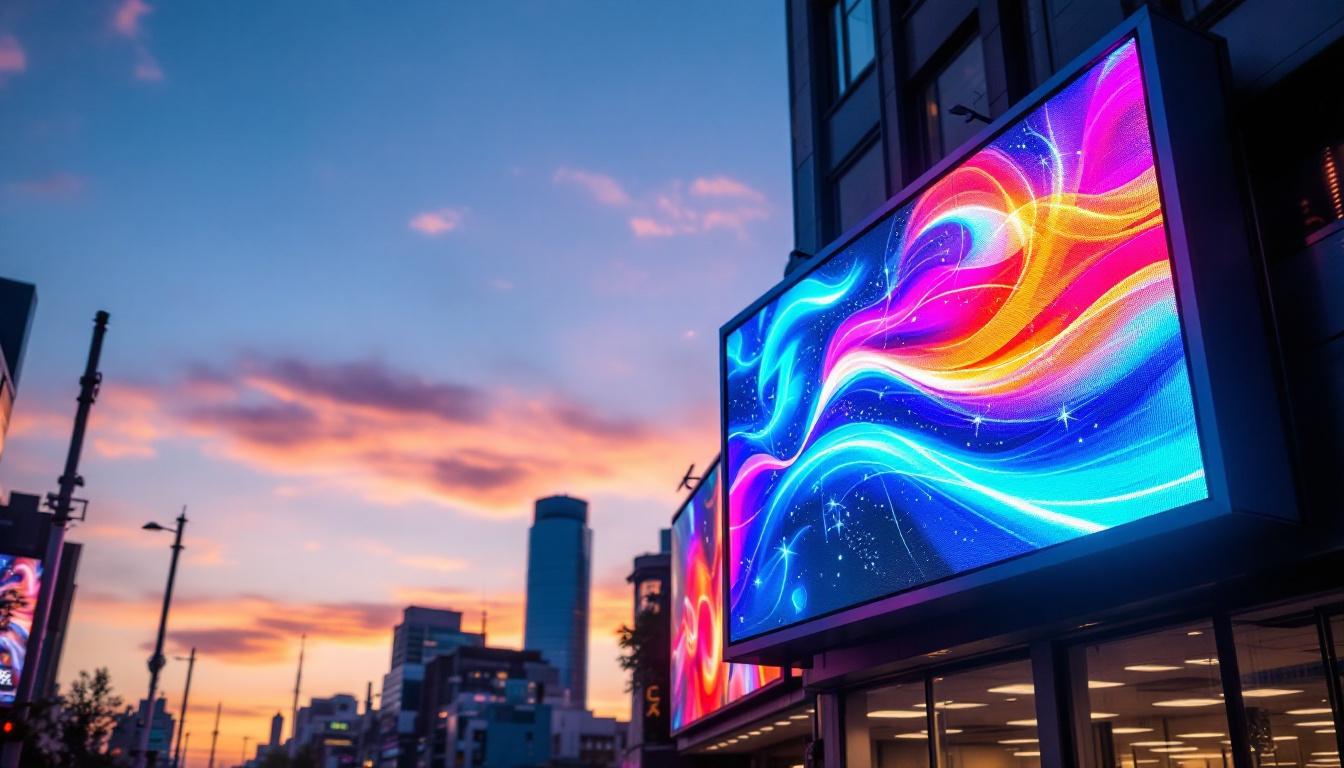
In the dynamic world of advertising and public communication, LED marquee displays have become a cornerstone for businesses, municipalities, and event organizers alike. These vibrant, eye-catching displays offer a powerful way to convey messages, promote products, and engage audiences in real time. However, understanding the cost implications of establishing and maintaining a marquee network using LED displays can be complex. This article delves into the essential factors that influence marquee network costs, providing a comprehensive explanation of LED display technology, pricing structures, and strategic considerations.
Understanding LED Marquee Displays
LED (Light Emitting Diode) marquee displays are digital signage solutions that use a matrix of LEDs to create bright, colorful, and dynamic visual content. Unlike traditional static signs, LED marquees can display text, images, animations, and videos, making them highly versatile for a variety of applications.
These displays are widely used in retail storefronts, sports arenas, transportation hubs, and public spaces to capture attention and communicate messages effectively. Their brightness and visibility in various lighting conditions, including direct sunlight, make them superior to many other forms of signage. Additionally, the ability to update content in real-time allows businesses to promote sales, events, and important announcements without the need for physical alterations, which can save both time and resources.
Moreover, LED marquee displays can be integrated with various technologies, such as social media feeds or live news updates, providing a dynamic way to engage audiences. This interactivity not only keeps the content fresh and relevant but also encourages viewer interaction, enhancing the overall effectiveness of the signage.
Types of LED Displays
LED displays come in several configurations, each suited to different needs and budgets:
- Indoor LED Displays: Designed for controlled environments, these displays have higher pixel density for sharper images but lower brightness compared to outdoor models. They are often used in venues like conference rooms, shopping malls, and theaters, where close viewing is common.
- Outdoor LED Displays: Built to withstand weather elements, these displays have higher brightness levels and robust enclosures to ensure durability. They are ideal for billboards, sports stadiums, and outdoor events, where visibility from a distance is crucial.
- Flexible and Curved LED Displays: Innovative designs allow for creative installations on curved surfaces, enhancing aesthetic appeal. These displays can be used in artistic installations or unique architectural designs, providing a modern touch to any space.
Choosing the right type depends on the intended location, viewing distance, and content requirements. Additionally, factors such as installation complexity and maintenance needs should also be considered. For instance, while outdoor displays may require more robust maintenance due to environmental exposure, indoor displays can often be serviced more easily, making them a practical choice for many businesses.
Furthermore, advancements in LED technology, such as the development of energy-efficient models and improved color accuracy, are making these displays even more appealing. As sustainability becomes a growing concern, many organizations are opting for LED solutions that not only reduce energy consumption but also contribute to a smaller carbon footprint. This shift towards eco-friendly signage is not just beneficial for the environment; it can also enhance a brand’s image as a socially responsible entity.
Key Factors Influencing Marquee Network Cost
When budgeting for a marquee network, it’s crucial to consider multiple cost components beyond the initial purchase price of the LED displays. These factors collectively determine the total cost of ownership and operational efficiency.
1. Display Size and Resolution
The size of the LED display directly impacts cost. Larger displays require more LEDs and supporting hardware, increasing material and installation expenses. Resolution, defined by pixel pitch (the distance between individual LED clusters), affects image clarity and price. A smaller pixel pitch means higher resolution and sharper images but comes at a premium cost.
For example, a 10mm pixel pitch outdoor LED display will be significantly less expensive than a 4mm pixel pitch display of the same size, but the latter will deliver crisper visuals suitable for closer viewing distances.
2. Installation and Infrastructure
Installation costs include mounting structures, electrical wiring, and integration with existing systems. Outdoor LED marquees may require specialized weatherproof housing, cooling systems, and secure mounting to withstand environmental stressors.
Additionally, network infrastructure for a marquee network—such as data cabling, wireless connectivity, and control systems—can add to the overall cost. Complex installations in urban settings or historic buildings may incur higher labor and permitting fees.
3. Content Management Systems (CMS)
A robust CMS is essential for managing and scheduling content across multiple marquee displays. Costs vary depending on software capabilities, user licenses, and integration with other marketing tools.
Some CMS platforms offer cloud-based solutions that reduce upfront costs but involve recurring subscription fees. Others provide one-time licensing but may require dedicated IT support.
4. Power Consumption and Maintenance
LED displays are energy-efficient compared to older signage technologies, but power consumption still contributes to ongoing operational costs. Larger and higher-brightness displays consume more electricity, which can add up over time.
Maintenance costs include routine cleaning, repairs, and component replacements. High-quality LED modules and reliable suppliers can reduce downtime and maintenance expenses.
5. Network Scale and Integration
Deploying a network of marquee displays across multiple locations introduces additional complexities. Centralized control, synchronization, and content consistency require advanced networking solutions, which may increase both initial and ongoing costs.
Integration with other digital marketing platforms or data analytics tools can enhance the value of a marquee network but may also require specialized software development and support.
Breaking Down the Cost Components
To provide a clearer picture, here is a detailed breakdown of typical cost components involved in establishing and operating an LED marquee network.
Initial Capital Expenditure
- LED Display Panels: Depending on size and resolution, costs range from $1,000 to $10,000 per square meter. For example, a 5m x 2m outdoor display with a 10mm pixel pitch might cost around $10,000 to $15,000.
- Mounting and Housing: Structural supports, weatherproof enclosures, and protective glass can add 15-30% to the display cost.
- Installation Labor: Professional installation can vary widely based on location complexity but typically accounts for 10-20% of the total hardware cost.
- Content Management Software: Licensing fees can range from $500 for basic systems to $5,000 or more for advanced enterprise solutions.
Operational Costs
- Electricity: A typical outdoor LED marquee consumes between 300 to 700 watts per square meter. Monthly electricity costs can range from $50 to $200 depending on usage and local rates.
- Maintenance: Annual maintenance budgets often allocate 5-10% of the initial hardware cost for cleaning, repairs, and software updates.
- Content Creation: Ongoing expenses for graphic design, video production, and scheduling staff should be factored in, varying widely by organization size and content complexity.
Network Management and Expansion
For organizations managing multiple marquee displays, centralized network management software and dedicated IT personnel may be necessary. This can add $1,000 to $10,000 annually depending on the scale.
Expansion costs for adding new displays to the network typically benefit from economies of scale but still require investment in hardware, installation, and integration.
Strategic Considerations for Cost Efficiency
Investing in an LED marquee network is a significant decision that requires balancing upfront costs with long-term benefits. Several strategies can help optimize expenditure without compromising quality or impact.
Choosing the Right Pixel Pitch
Understanding the typical viewing distance is critical when selecting pixel pitch. For example, a display viewed primarily from 20 meters or more does not require ultra-high resolution, allowing for a larger pixel pitch and lower cost.
Matching display resolution to audience needs ensures cost efficiency and maximizes return on investment.
Phased Deployment
Rolling out the marquee network in phases allows organizations to spread costs over time, gather performance data, and adjust strategies based on real-world feedback.
This approach reduces financial risk and enables more informed budgeting for future expansions.
Leveraging Energy-Efficient Technologies
Modern LED modules with improved energy efficiency and intelligent brightness controls can significantly reduce power consumption, lowering operational costs.
Implementing solar power or other renewable energy sources can further enhance sustainability and cost savings.
Partnering with Experienced Vendors
Choosing reputable LED display manufacturers and installation partners ensures higher product quality, better warranties, and reliable technical support, all of which contribute to lower total cost of ownership.
Vendor partnerships can also provide access to the latest technology and software innovations.
Case Study: Municipal LED Marquee Network
To illustrate the cost dynamics, consider a mid-sized city implementing a network of 10 outdoor LED marquees across key locations such as parks, transit stations, and civic centers.
The city opts for 6m x 3m displays with a 12mm pixel pitch, balancing visibility and cost. Initial hardware and installation costs per display are approximately $25,000, totaling $250,000 for the network.
Content management software is licensed for $8,000 annually, with an additional $20,000 per year allocated for content creation and maintenance. Electricity costs average $1,500 per month for the entire network.
By leveraging phased deployment and energy-efficient modules, the city projects a payback period of 5-7 years based on increased advertising revenue and community engagement benefits.
Future Trends Impacting Marquee Network Costs
The LED display industry continues to evolve rapidly, with innovations that promise to influence cost structures and capabilities.
Mini-LED and Micro-LED Technologies
Emerging display technologies like mini-LED and micro-LED offer higher brightness, better color accuracy, and longer lifespans. While currently more expensive, these technologies are expected to become more affordable, potentially reducing maintenance and replacement costs.
Artificial Intelligence and Automation
AI-driven content management systems can automate scheduling, optimize brightness based on ambient light, and tailor messages to audience demographics, increasing effectiveness and operational efficiency.
Integration with IoT and Smart City Infrastructure
Marquee networks integrated with Internet of Things (IoT) devices and smart city platforms can offer real-time data analytics, dynamic content updates, and enhanced interactivity, adding value but also requiring investment in advanced networking and security.
Conclusion
Understanding the cost of a marquee network with LED displays involves more than just the price tag of the screens. Factors such as display size, resolution, installation complexity, content management, power consumption, and network scale all play critical roles in shaping the total investment and ongoing expenses.
By carefully evaluating these elements and considering strategic approaches like phased deployment and energy-efficient technologies, organizations can optimize their marquee network investments to achieve impactful communication and strong returns.
As LED technology continues to advance and integrate with broader digital ecosystems, staying informed about trends and innovations will be essential for making sound decisions in this vibrant and evolving field.
Explore Cutting-Edge LED Solutions with LumenMatrix
Ready to elevate your marquee network and captivate your audience with unparalleled clarity? Discover LumenMatrix’s innovative LED display technologies, from vibrant Indoor and Outdoor LED Wall Displays to dynamic Vehicle and Sports LED Displays, and beyond. Embrace the future of visual communication with our diverse range of solutions, designed to empower your brand and create unforgettable visual experiences. Check out LumenMatrix LED Display Solutions today and transform your message into a powerful visual statement.