In the rapidly evolving world of display technology, Micro LED screens have emerged as a groundbreaking innovation. Offering superior brightness, contrast, and energy efficiency compared to traditional LED and OLED displays, Micro LED technology is poised to redefine visual experiences across various applications. This article provides a comprehensive explanation of Micro LED screens, exploring their technology, advantages, challenges, and future prospects.
Understanding Micro LED Technology
Micro LED, sometimes referred to as micro-LED or µLED, represents a new generation of display technology that utilizes microscopic light-emitting diodes to create images. Unlike traditional LED displays that rely on larger LEDs as backlighting or pixel elements, Micro LED screens integrate millions of tiny LEDs, each functioning as an individual pixel. This innovative approach not only enhances image quality but also allows for more flexible and versatile display designs, paving the way for new applications in various fields.
How Micro LEDs Work
Each Micro LED is a self-emissive semiconductor device that emits light when an electric current passes through it. These LEDs are typically smaller than 100 micrometers in size, allowing for extremely high pixel densities. Because each pixel emits its own light, Micro LED displays do not require backlighting, which is a significant advantage over LCDs. This feature contributes to the display’s ability to achieve true blacks, as individual pixels can be turned off completely, resulting in a more dynamic range of colors and contrasts.
The structure of a Micro LED display involves transferring these microscopic LEDs onto a substrate, often glass or silicon, where they are arranged in a precise grid to form the display panel. Each LED can emit red, green, or blue light, combining to produce full-color images with exceptional clarity and vibrancy. Additionally, the modular nature of Micro LED technology allows for seamless integration into various form factors, from large-scale video walls to compact wearable devices, thus expanding its potential applications across consumer electronics, automotive displays, and even augmented reality systems.
Comparison with Other Display Technologies
Micro LED technology shares some similarities with OLED (Organic Light Emitting Diode) displays, as both are self-emissive and do not need backlighting. However, Micro LEDs use inorganic materials, which provide higher brightness levels and longer lifespans. Compared to traditional LED-backlit LCDs, Micro LEDs offer better contrast ratios, faster response times, and improved energy efficiency. Furthermore, Micro LEDs are less susceptible to burn-in issues, a common drawback associated with OLED displays, making them a more reliable choice for applications requiring prolonged use, such as digital signage or gaming.
As the technology continues to evolve, researchers are exploring new methods to enhance the manufacturing processes of Micro LEDs, aiming to reduce production costs and improve yield rates. Innovations such as mass transfer techniques and advanced packaging solutions are being developed to facilitate the deployment of Micro LED technology in consumer products. This ongoing research not only promises to make Micro LED displays more accessible to the average consumer but also aims to unlock new possibilities in display customization and interactivity, potentially revolutionizing the way we experience visual content in our everyday lives.
Advantages of Micro LED Displays
Micro LED screens bring a host of benefits that make them attractive for a wide range of applications, from consumer electronics to large-scale commercial displays.
Superior Brightness and Contrast
One of the standout features of Micro LED displays is their exceptional brightness. Micro LEDs can achieve brightness levels exceeding 1,000 nits, with some prototypes reaching up to 10,000 nits. This makes them ideal for outdoor use and environments with high ambient light.
Additionally, because each pixel emits its own light and can be turned off completely, Micro LED displays achieve true blacks and infinite contrast ratios. This results in stunning image quality with deep shadows and vibrant colors, enhancing visual realism. The ability to render HDR (High Dynamic Range) content with remarkable accuracy further elevates the viewing experience, making it particularly appealing for filmmakers and gamers who demand the highest fidelity in their visual presentations.
Energy Efficiency and Longevity
Micro LED technology is highly energy-efficient. By eliminating the need for backlighting and reducing light leakage, Micro LED displays consume less power than LCDs and even OLEDs in many scenarios. This efficiency is particularly beneficial for battery-powered devices such as smartphones and wearables.
Moreover, inorganic Micro LEDs are less prone to degradation over time compared to organic materials used in OLEDs. This translates to longer display lifespans and reduced risk of burn-in, a common issue in OLED screens. The durability of Micro LEDs also means they can withstand harsher environmental conditions, making them suitable for a variety of applications, including automotive displays and outdoor advertising, where resilience is paramount.
Scalability and Flexibility
Micro LED displays can be manufactured in a variety of sizes and shapes, from tiny smartwatch screens to massive video walls. Their modular nature allows for seamless tiling, enabling the creation of ultra-large displays without visible bezels. This scalability opens new possibilities for digital signage, immersive environments, and custom installations.
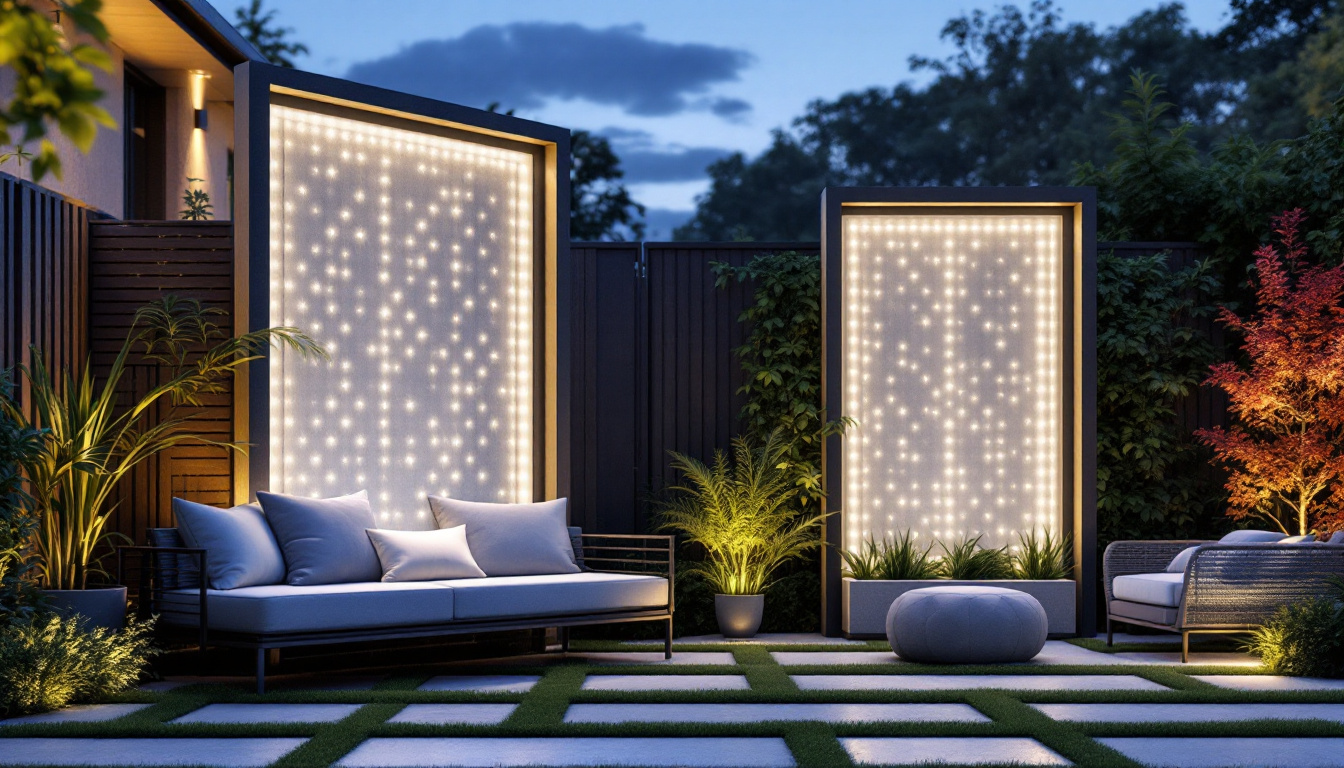
Furthermore, the flexibility of Micro LED technology allows for innovative designs that can adapt to different contexts and aesthetic requirements. For instance, curved displays can enhance the immersive experience in virtual reality setups, while transparent Micro LED panels can create stunning visual effects in architecture and retail environments. This versatility not only broadens the scope of potential applications but also encourages creativity in how we interact with digital content, transforming the way information is presented and experienced in public spaces.
Challenges in Micro LED Manufacturing
Despite its promising advantages, Micro LED technology faces significant manufacturing challenges that have slowed its widespread adoption.
Mass Transfer and Assembly Complexity
One of the biggest hurdles is the mass transfer process, which involves moving millions of microscopic LEDs from their growth substrate to the display panel accurately and efficiently. This process requires extreme precision to ensure each LED is correctly positioned and electrically connected.
Current methods, such as pick-and-place techniques, are time-consuming and costly. Researchers and manufacturers are actively developing new approaches, including wafer bonding and self-assembly, to improve throughput and reduce defects. Innovative techniques like laser-assisted transfer and electrostatic methods are being explored to enhance the efficiency of this critical step. The integration of automation and robotics into the assembly line could also play a pivotal role in streamlining the process, potentially reducing labor costs and minimizing human error.
Cost Considerations
The complexity of Micro LED production translates into high manufacturing costs. Compared to OLED and LCD panels, Micro LED displays currently have a higher price point, limiting their availability primarily to premium products and specialized applications.
However, as manufacturing processes mature and economies of scale are achieved, costs are expected to decrease significantly, paving the way for broader market penetration. Furthermore, investment in research and development is crucial for discovering cost-effective materials and methods. The potential for Micro LEDs to revolutionize various sectors, from consumer electronics to automotive displays, may drive further funding and innovation, ultimately leading to more affordable options for consumers.
Color Uniformity and Calibration
Ensuring consistent color performance across millions of tiny LEDs is another challenge. Variations in LED size, brightness, and wavelength can lead to color inconsistencies. Advanced calibration techniques and precise control systems are essential to maintain uniform image quality.
Moreover, the development of sophisticated algorithms for color management is becoming increasingly important. These algorithms can analyze and adjust the output of each LED in real time, compensating for any discrepancies that arise during manufacturing or over time. Additionally, the ongoing research into new materials, such as quantum dots, holds promise for enhancing color accuracy and expanding the color gamut of Micro LED displays, making them even more appealing for high-end applications such as virtual reality and professional-grade monitors.
Applications of Micro LED Displays
Micro LED technology is versatile, finding use in various sectors that benefit from its unique properties.
Consumer Electronics
Smartphones, tablets, and wearable devices are prime candidates for Micro LED integration. The technology’s high brightness and energy efficiency make it ideal for outdoor visibility and extended battery life. Leading manufacturers are investing heavily in Micro LED research to bring next-generation displays to market.
Televisions and Home Entertainment
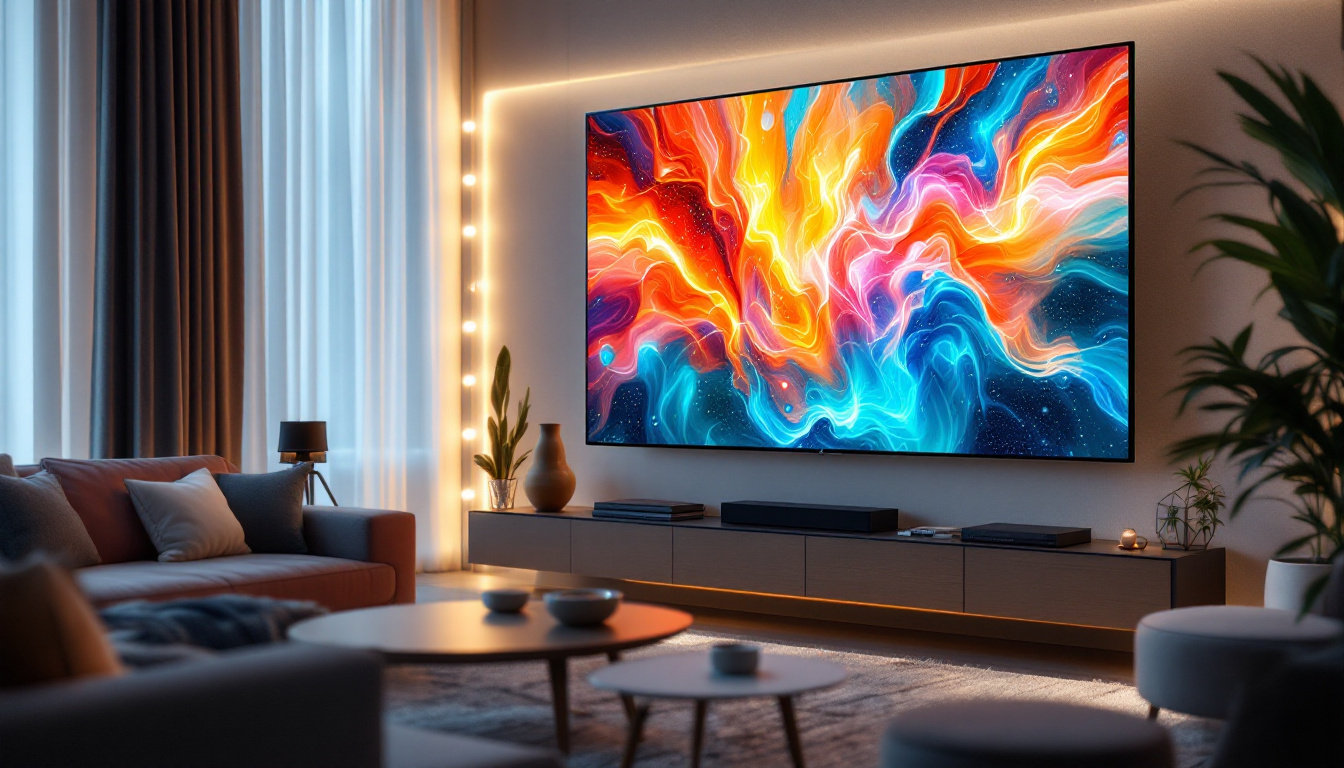
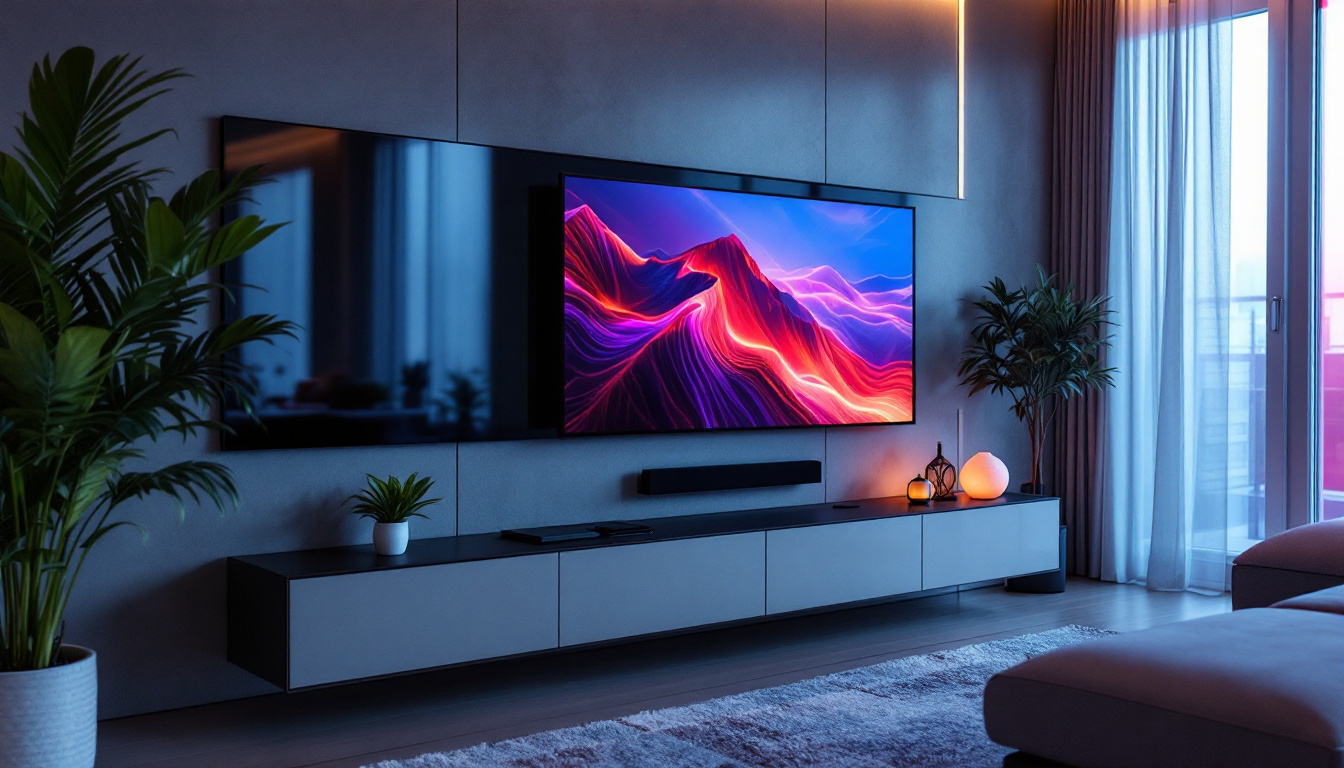
Micro LED TVs offer unparalleled picture quality with superior contrast and brightness compared to OLEDs. Some companies have already introduced large-format Micro LED TVs exceeding 100 inches, targeting luxury home entertainment markets. These displays provide immersive viewing experiences with vivid colors and deep blacks.
Commercial and Public Displays
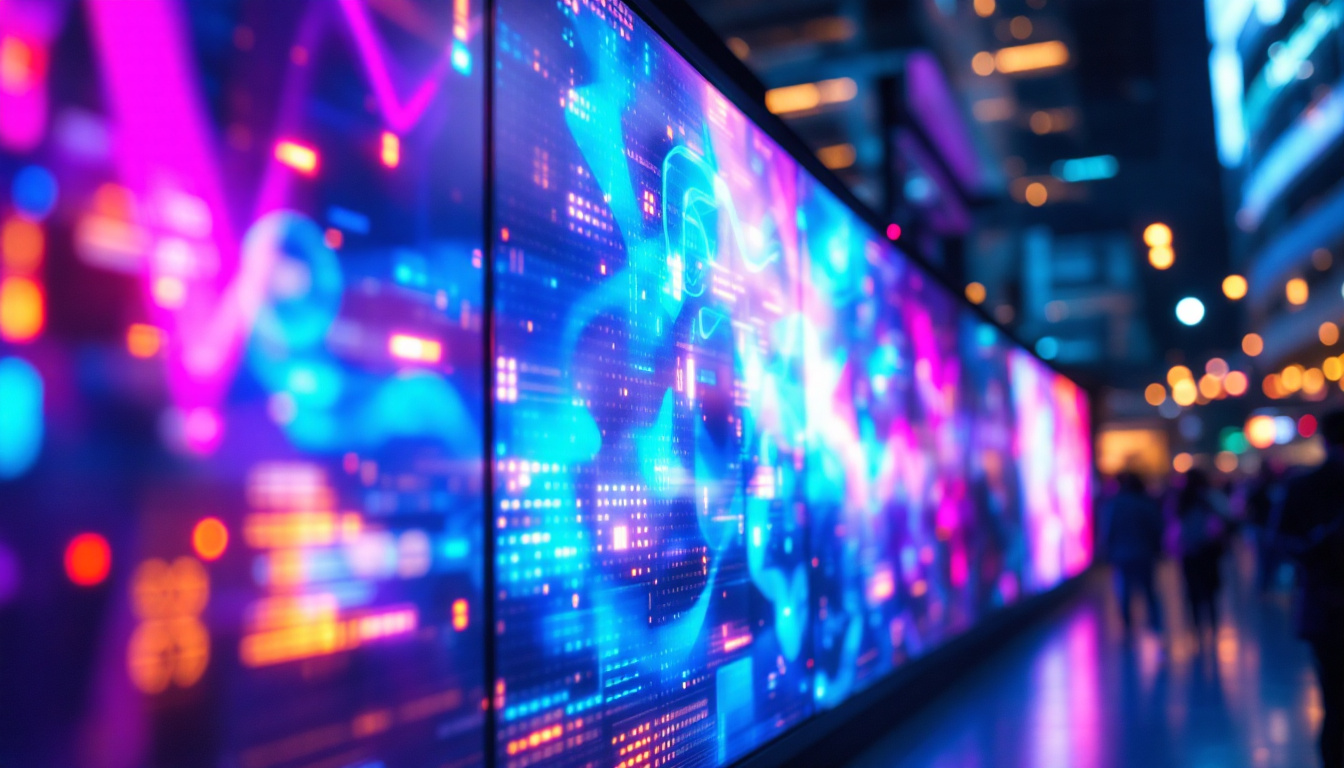
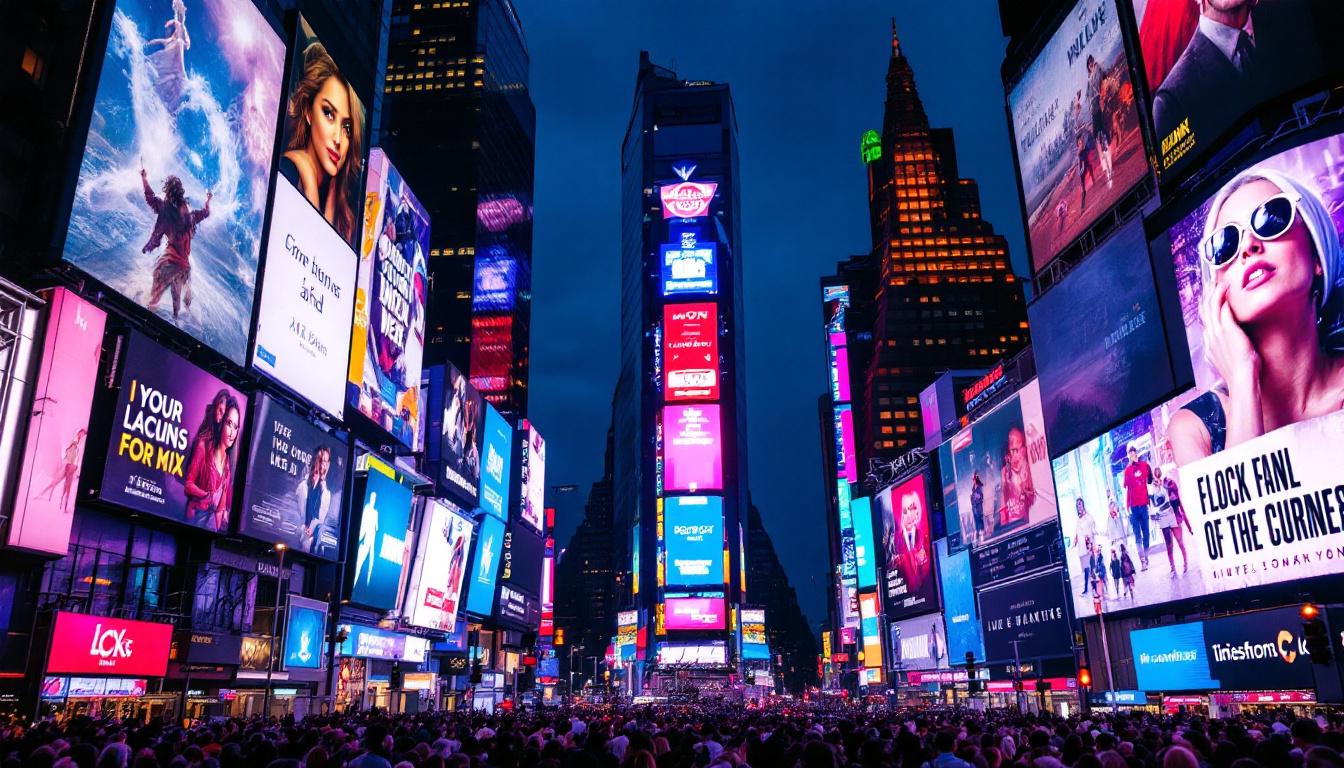
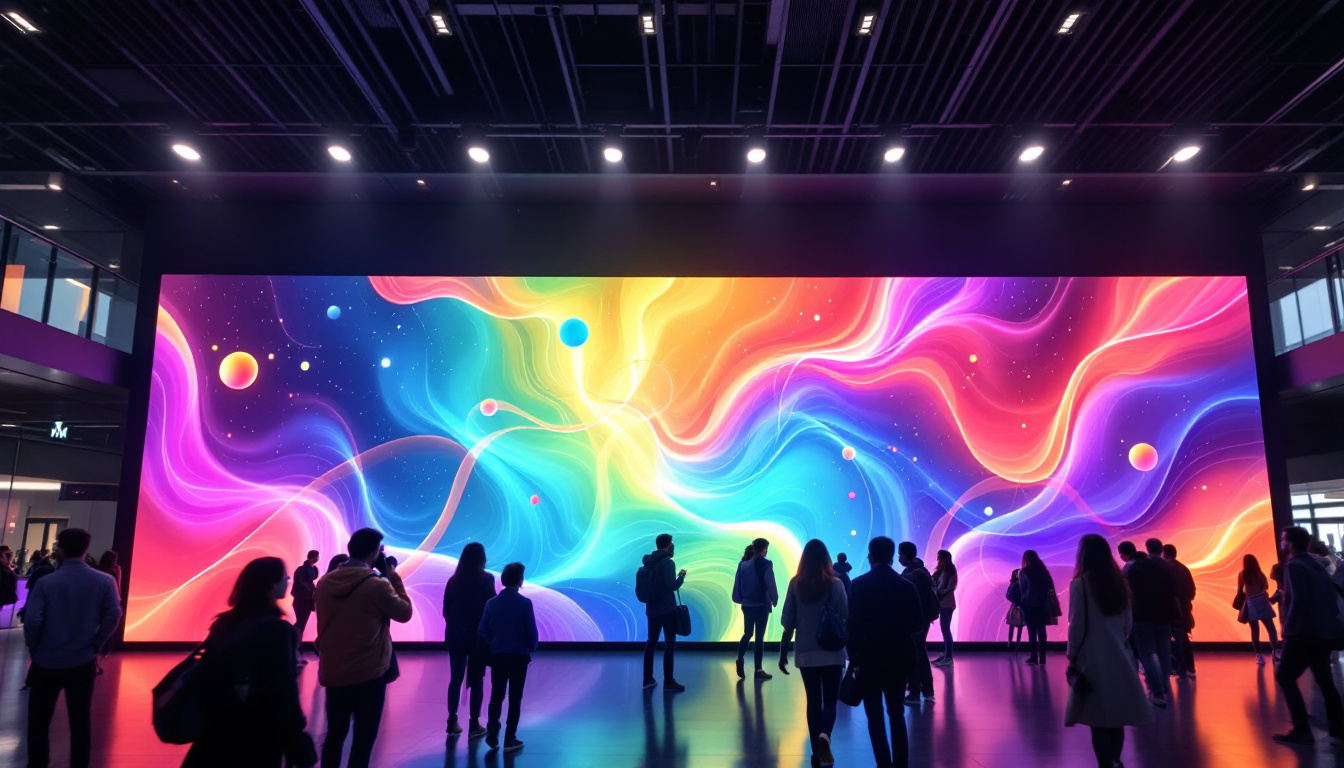
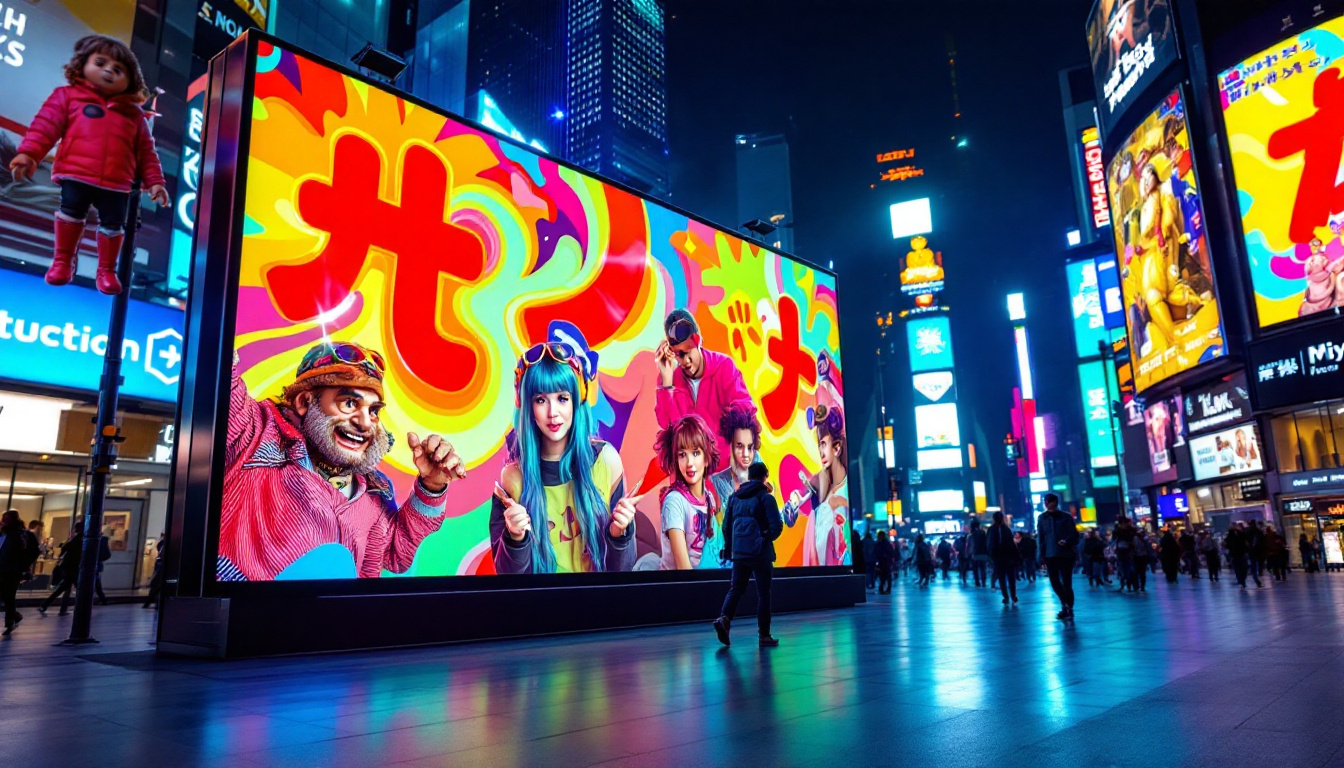
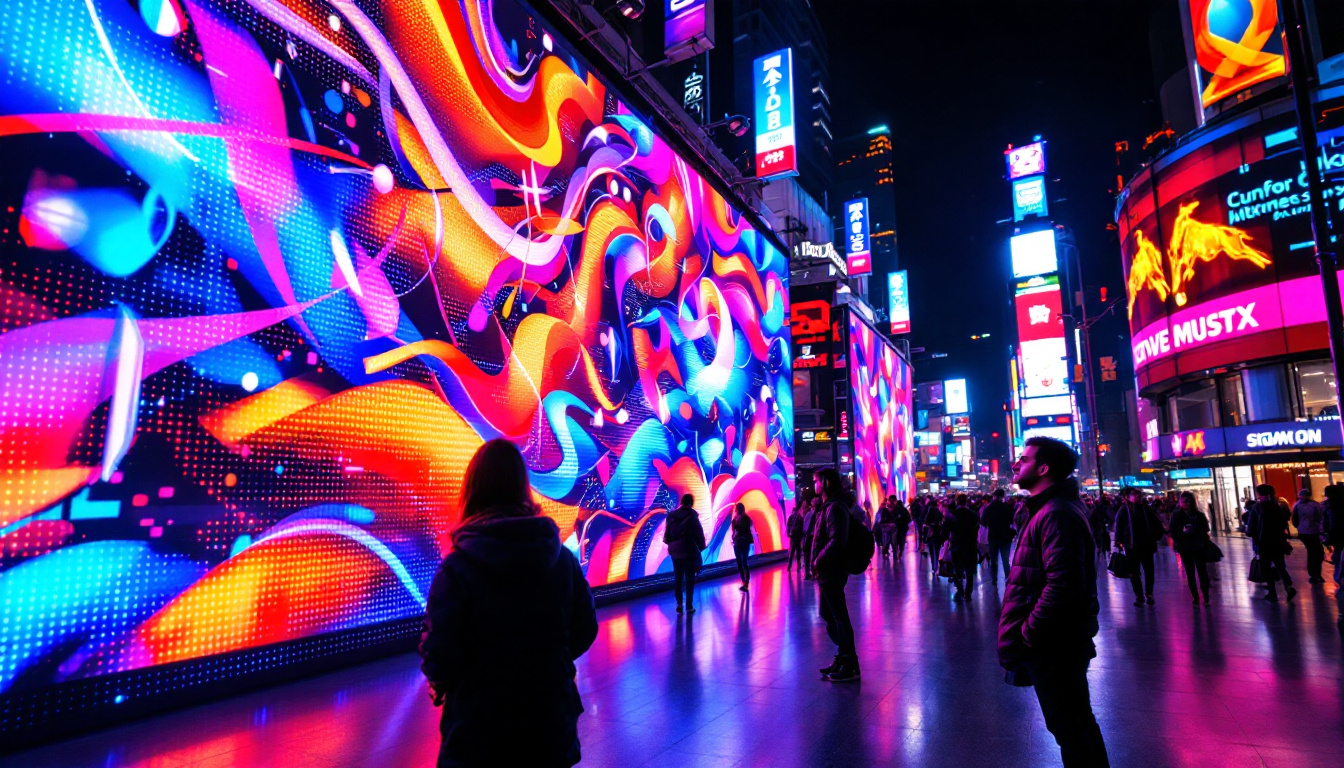
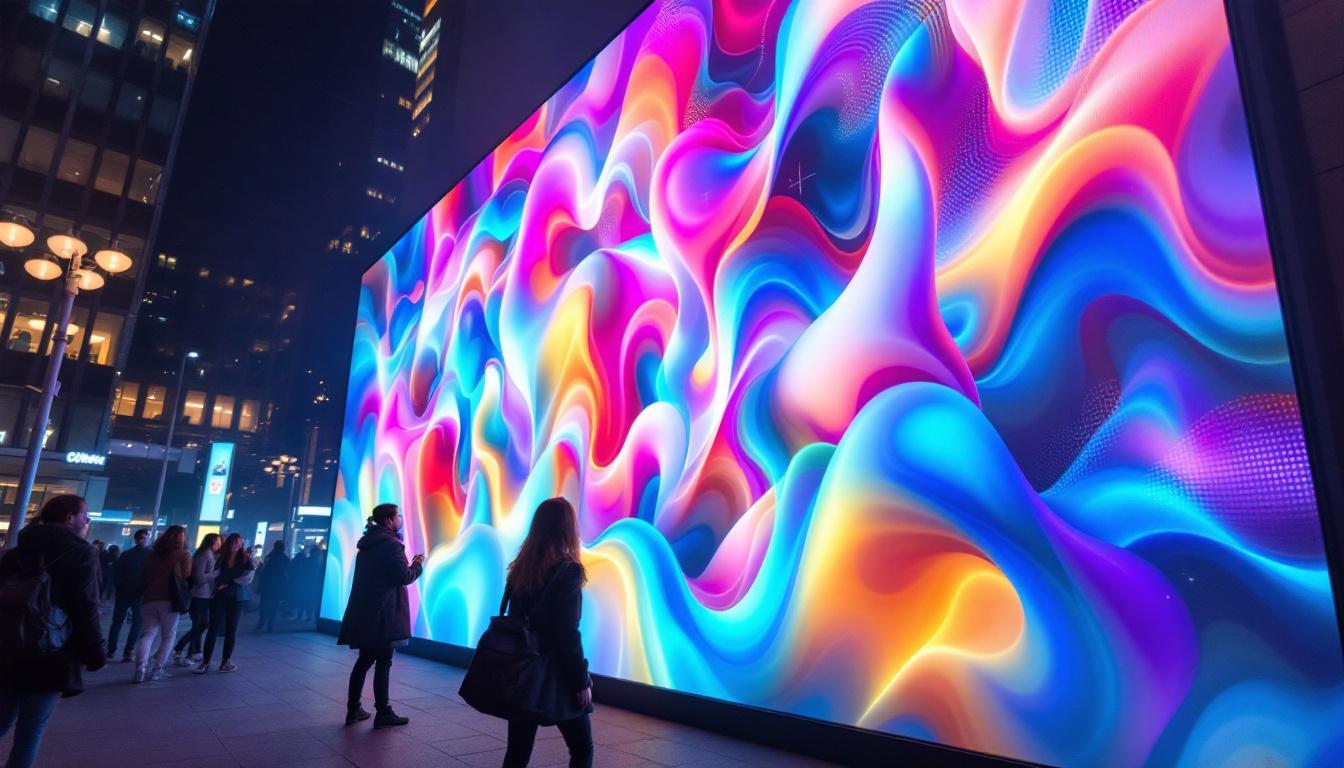
In retail, transportation hubs, and stadiums, Micro LED video walls deliver bright, eye-catching visuals that remain clear even in direct sunlight. Their modular design allows for flexible installation sizes and shapes, making them ideal for advertising and informational displays.
Augmented Reality and Virtual Reality
The compact size and high pixel density of Micro LEDs make them suitable for AR and VR headsets, where display quality and power consumption are critical. Micro LED screens can enhance user immersion by providing sharp, bright images with minimal latency.
The Future of Micro LED Technology
As research and development continue, Micro LED displays are expected to become more accessible and widespread.
Innovations in Manufacturing
Breakthroughs in mass transfer techniques and automation are anticipated to reduce production costs and improve yield rates. Emerging technologies like laser-based transfer and robotic assembly promise to streamline manufacturing and enable high-volume production.
Integration with Emerging Technologies
Micro LED displays are likely to be integrated with flexible substrates, enabling bendable and foldable screens. This could revolutionize device form factors, leading to new categories of electronics that combine durability with high performance.
Environmental Impact and Sustainability
Given the energy efficiency and longer lifespan of Micro LED displays, they offer a more sustainable alternative to existing technologies. As environmental concerns grow, the adoption of Micro LEDs could contribute to reducing electronic waste and lowering energy consumption in the display industry.
Conclusion
Micro LED technology represents a significant leap forward in display innovation, combining the best attributes of LED and OLED technologies while addressing many of their limitations. Its superior brightness, contrast, energy efficiency, and scalability make it a compelling choice for a wide range of applications.
While manufacturing challenges remain, ongoing advancements suggest that Micro LED screens will become increasingly prevalent in consumer electronics, commercial displays, and immersive technologies. As the technology matures, it promises to deliver richer visual experiences and drive the next wave of display evolution.
Discover the Future of Visual Experience with LumenMatrix
Ready to elevate your visual communication to new heights? LumenMatrix is at the forefront of the LED display revolution, offering an array of advanced LED display modules tailored to your needs. From mesmerizing Indoor LED Walls to dynamic Outdoor LED Displays, and from versatile Vehicle LED Displays to innovative LED Transparent Displays, our solutions are designed to captivate and engage. Embrace the future of display technology and check out LumenMatrix LED Display Solutions today to transform your space into a visual masterpiece.