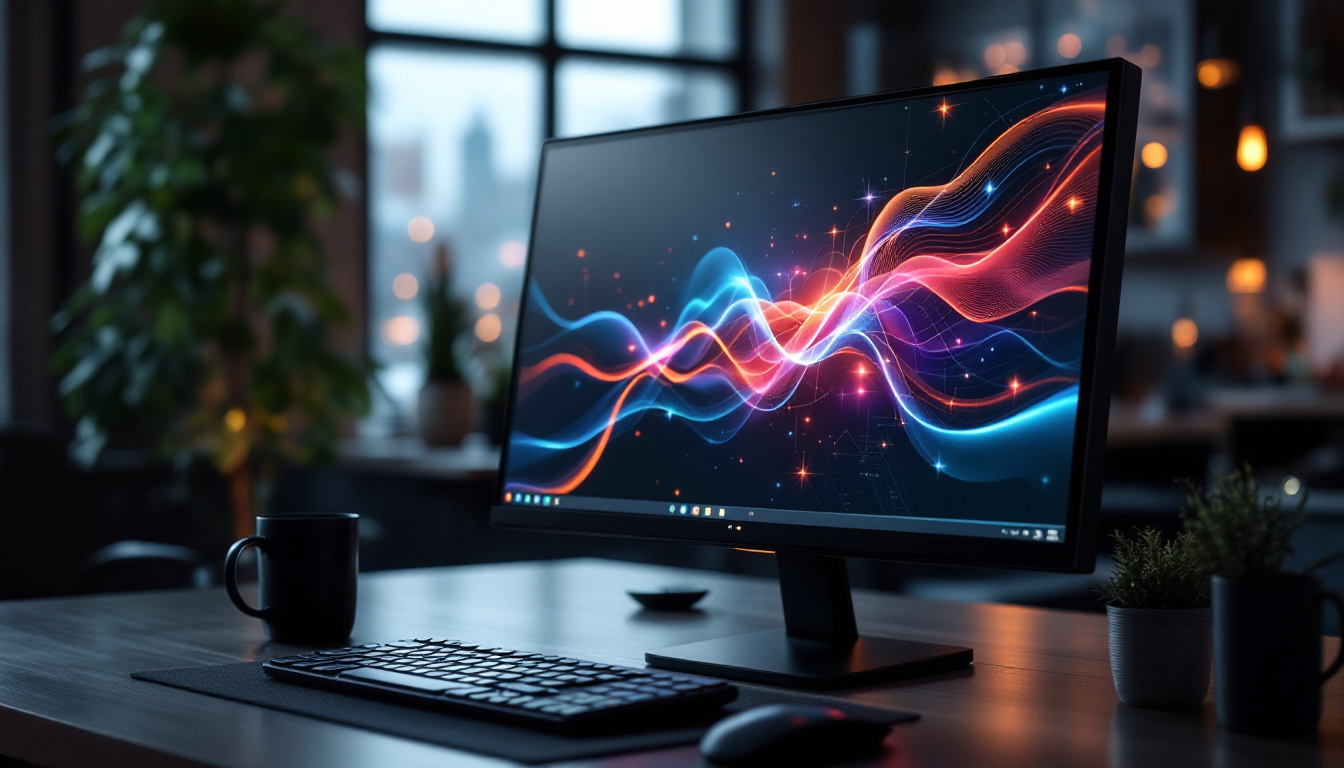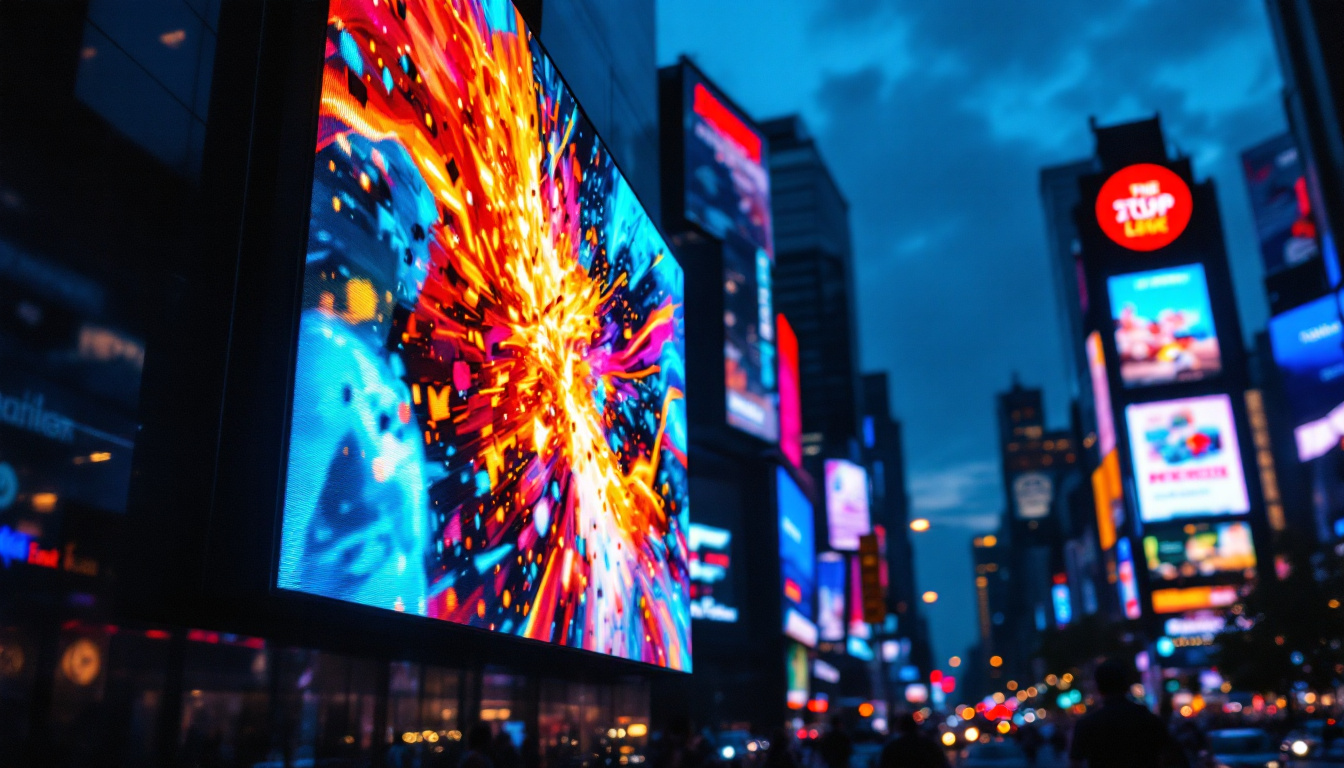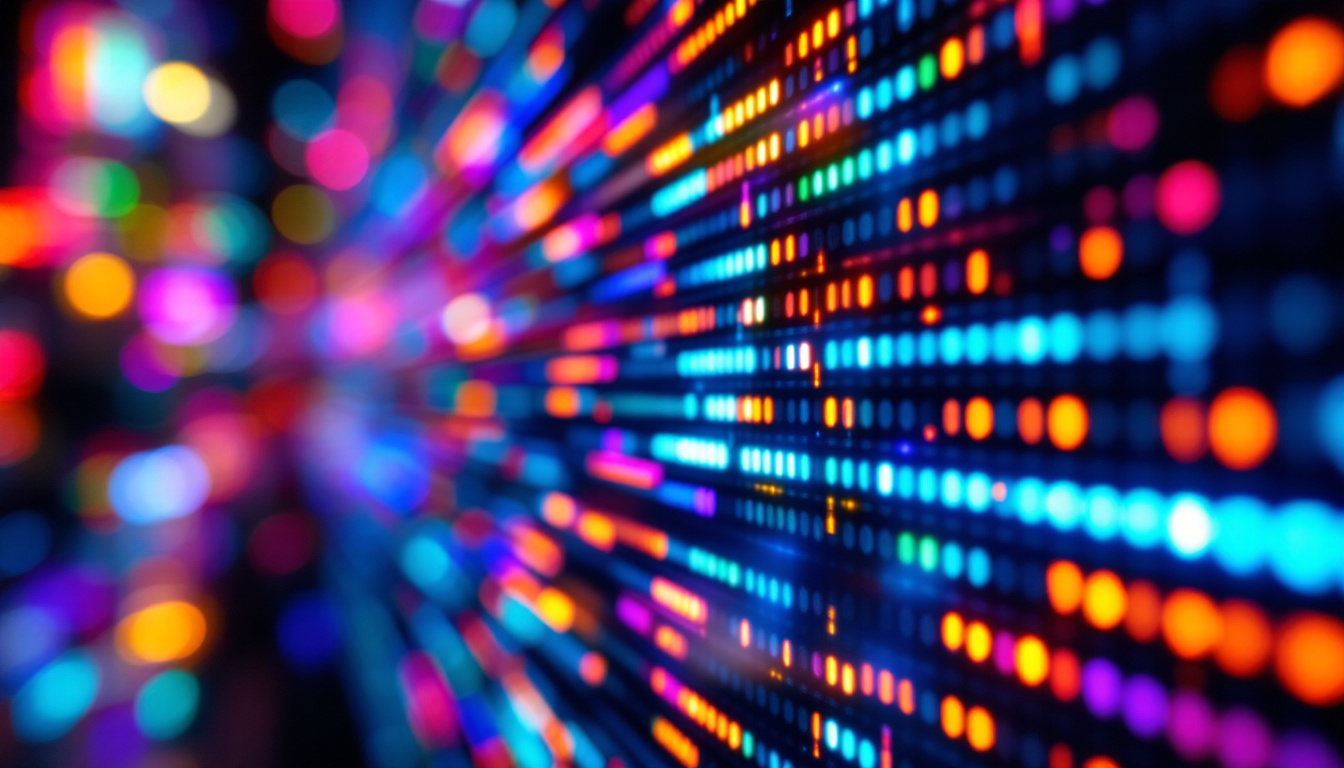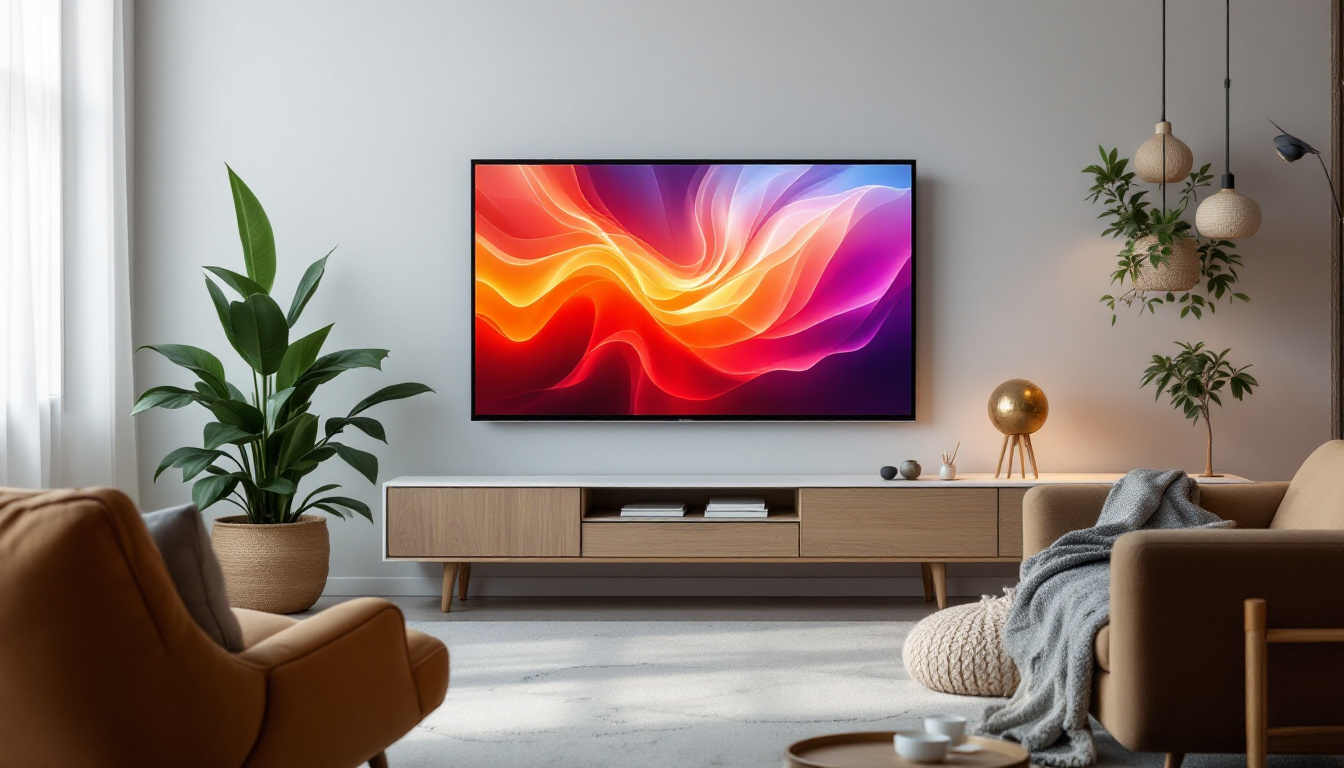
In the rapidly evolving world of display technology, Mini LED has emerged as a significant innovation, promising enhanced visual performance and improved energy efficiency. As consumers and professionals alike seek better screen quality for televisions, monitors, and digital signage, understanding Mini LED display technology becomes essential. This article delves deep into what Mini LED displays are, how they differ from other LED technologies, their advantages, applications, and future prospects.
Understanding LED Display Technology
To appreciate the significance of Mini LED displays, it is important first to understand the basics of LED display technology. LED stands for Light Emitting Diode, a semiconductor device that emits light when an electric current passes through it. LED displays use these diodes as pixels to create images on a screen.
Traditional LED displays can be broadly categorized into two types: direct LED and edge-lit LED. Direct LED displays have LEDs placed directly behind the screen, providing better brightness and contrast, while edge-lit LEDs position the diodes along the edges of the screen, allowing for thinner designs but sometimes compromising uniformity and contrast.
However, as display technology demands higher resolution, better contrast ratios, and thinner panels, traditional LED solutions face limitations. This is where Mini LED technology steps in, offering a refined approach to backlighting that enhances overall picture quality. Mini LEDs are significantly smaller than traditional LEDs, allowing for a greater number of individual light sources to be packed into a display. This increase in the number of LEDs enables more precise control over local dimming zones, which results in deeper blacks and brighter highlights. The enhanced contrast ratio provided by Mini LEDs makes them particularly appealing for high dynamic range (HDR) content, where the difference between the darkest and brightest parts of an image is crucial for an immersive viewing experience.
Moreover, the advancements in Mini LED technology have led to improvements in energy efficiency as well. With the ability to turn off smaller sections of the display entirely, Mini LED screens can consume less power compared to their traditional counterparts, especially when displaying darker images. This not only contributes to reduced electricity bills but also extends the lifespan of the display. Furthermore, as manufacturers continue to innovate, we are seeing Mini LED technology being integrated into a variety of devices, from televisions to laptops and even smartphones, making high-quality visual experiences more accessible to consumers across different platforms.
What is a Mini LED Display Screen?
Defining Mini LED
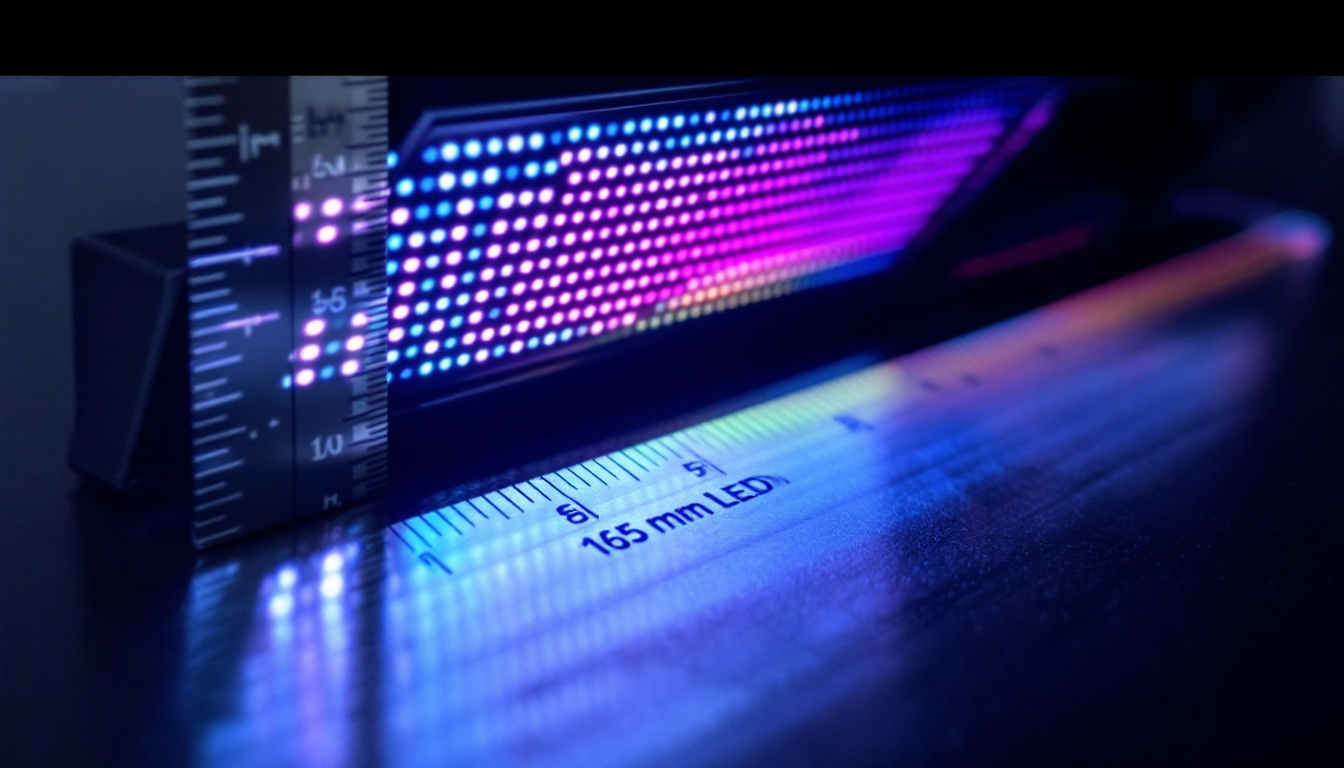
Mini LED refers to a display backlighting technology that uses significantly smaller LEDs compared to conventional LED backlights. Typically, Mini LEDs measure between 100 to 200 micrometers in size, which is about 10 to 20 times smaller than traditional LEDs used in backlighting.
By using thousands of these tiny LEDs as backlight sources, Mini LED displays can achieve much finer control over brightness and contrast. This granular control enables better local dimming zones, which directly translates to deeper blacks, brighter highlights, and more vivid colors. The result is a viewing experience that is not only more immersive but also more lifelike, making Mini LED technology particularly appealing for high-definition content such as 4K and 8K video.
Additionally, the energy efficiency of Mini LED technology is noteworthy. Because it can selectively dim or brighten specific areas of the screen, it reduces power consumption compared to traditional LED displays. This not only helps in lowering electricity bills but also contributes to a smaller carbon footprint, aligning with the growing demand for sustainable technology solutions.
How Mini LED Differs from Micro LED and OLED
It’s important to distinguish Mini LED from other emerging display technologies such as Micro LED and OLED, as these terms are sometimes confused.
- Micro LED: Micro LEDs are even smaller than Mini LEDs, often less than 100 micrometers, and are used as individual self-emitting pixels rather than backlighting. This technology promises perfect blacks and infinite contrast but is currently expensive and complex to manufacture. As a result, Micro LED displays are still in the early stages of adoption, primarily seen in high-end applications and prototypes.
- OLED (Organic Light Emitting Diode): OLED displays use organic compounds that emit light when electrically stimulated. Each pixel emits its own light, allowing for true blacks and excellent contrast. However, OLEDs can suffer from burn-in and generally have lower peak brightness compared to Mini LED. Despite these drawbacks, OLED technology is favored for its ability to produce stunning color accuracy and wide viewing angles, making it a popular choice for premium televisions and smartphones.
Mini LED, by contrast, is a backlighting technology used in LCD panels. It leverages the advantages of LED backlighting but with improved precision and efficiency. This makes it a compelling option for consumers looking for high-quality displays without the premium price tag associated with OLED or Micro LED technologies. Moreover, as manufacturers continue to innovate, Mini LED displays are becoming increasingly affordable and widely available, making them an attractive choice for a variety of applications, from televisions to laptops and gaming monitors.
Furthermore, the versatility of Mini LED technology allows it to be integrated into various form factors, including ultra-thin displays and curved screens. This adaptability opens up new possibilities for design and functionality, catering to diverse consumer preferences. As the technology matures, we can expect to see even more advancements in Mini LED displays, such as enhanced color gamut and improved refresh rates, which will further elevate the viewing experience across different media formats.
Technical Advantages of Mini LED Displays
Improved Local Dimming and Contrast
One of the most significant benefits of Mini LED technology is the vast increase in the number of local dimming zones. Traditional LED displays might have a few dozen dimming zones, whereas Mini LED displays can have thousands. This allows the display to dim specific parts of the screen independently, enhancing contrast and producing deeper blacks without sacrificing brightness in other areas.
For example, a Mini LED TV can display a starry night sky with stars shining brightly against a pitch-black background, something conventional LED displays struggle to achieve.
Higher Brightness Levels
Mini LED displays can reach higher peak brightness levels compared to OLED screens. This makes them particularly suitable for viewing in bright environments or for HDR (High Dynamic Range) content, which demands both bright highlights and deep shadows. Some Mini LED TVs and monitors can reach peak brightness levels of over 1,500 nits, surpassing many OLED counterparts.
Better Color Accuracy and Wide Color Gamut
Thanks to improved backlighting precision, Mini LED displays can deliver more accurate color reproduction. When combined with quantum dot technology, many Mini LED screens achieve wide color gamuts covering over 90% of the DCI-P3 color space, which is commonly used in digital cinema and HDR content.
Energy Efficiency and Longevity
Mini LEDs are more energy-efficient than traditional LED backlights because they can selectively illuminate only the necessary zones. This targeted lighting reduces power consumption, which is beneficial for battery-powered devices like laptops and tablets. Additionally, Mini LED backlights tend to have longer lifespans and are less prone to burn-in compared to OLED displays.
Applications of Mini LED Displays
Consumer Electronics
Mini LED technology has rapidly gained traction in consumer electronics, especially in high-end televisions, computer monitors, and laptops. Brands such as Apple have integrated Mini LED backlighting in their latest MacBook Pro models and iPad Pro tablets, citing improved brightness, contrast, and color performance.
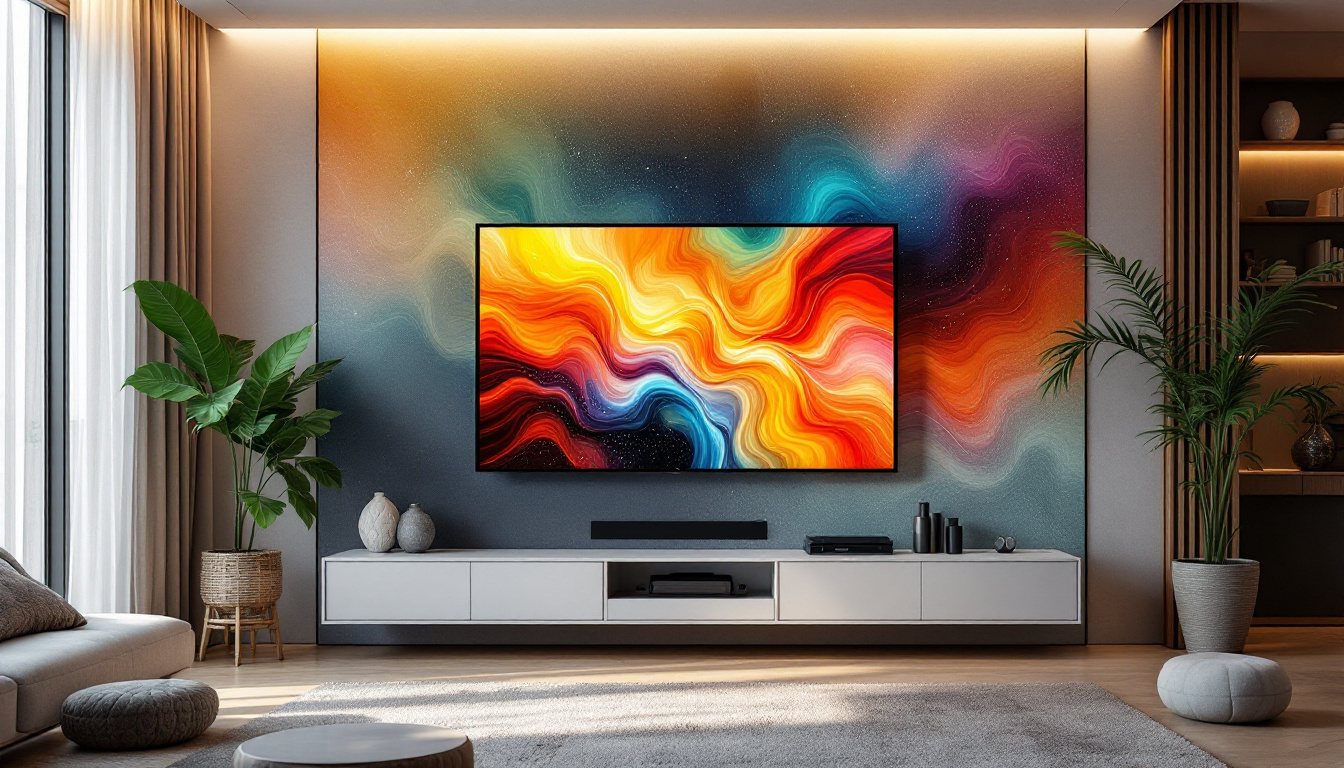
In the television market, Mini LED TVs have become a popular alternative to OLED, offering comparable picture quality with better brightness and no risk of burn-in. This makes them ideal for bright room viewing and gaming applications.
Professional and Commercial Displays
Beyond consumer devices, Mini LED displays are increasingly used in professional environments where color accuracy and image quality are critical. This includes video editing monitors, medical imaging displays, and digital signage in retail or public spaces.
The ability to produce bright, vivid images with precise local dimming zones makes Mini LED displays valuable for environments with varying lighting conditions, ensuring visibility and clarity at all times.
Automotive and Aviation Displays
Mini LED technology is also making inroads into automotive dashboards and cockpit displays. The high brightness and contrast levels improve readability under direct sunlight, enhancing safety and user experience. Similarly, in aviation, Mini LED displays are used in cockpit instrumentation and in-flight entertainment systems.
Challenges and Considerations
Manufacturing Complexity and Cost
While Mini LED offers numerous advantages, manufacturing these displays is more complex and expensive than traditional LED backlit LCDs. The process involves placing thousands of tiny LEDs precisely behind the screen, which requires advanced assembly techniques and quality control.
As a result, Mini LED products often come at a premium price point, although costs are expected to decrease as production scales up and technology matures.
Thickness and Weight
Mini LED backlighting requires additional layers compared to OLED, which is inherently thin because each pixel emits light independently. Therefore, Mini LED displays tend to be thicker and heavier than OLED panels, which may be a consideration for ultra-thin devices or mobile applications.
Potential for Blooming Effects
Despite the improved local dimming, Mini LED displays can still exhibit blooming, where bright objects on dark backgrounds create halos or light bleed. This is because the dimming zones, while numerous, are still larger than individual pixels. However, ongoing improvements in zone control and algorithms continue to reduce this effect.
The Future of Mini LED Technology
Mini LED technology is poised to become a mainstream standard for high-performance displays in the coming years. As manufacturing techniques improve and costs decrease, more affordable Mini LED products will enter the market, making the technology accessible to a broader audience.
Moreover, the combination of Mini LED backlighting with emerging technologies like quantum dots and advanced local dimming algorithms will further enhance visual quality, potentially rivaling or surpassing OLED in many aspects.
Research is also ongoing into integrating Mini LED technology with flexible and curved displays, expanding its application scope. Additionally, hybrid displays combining Mini LED with Micro LED or OLED elements could unlock new levels of performance.
Conclusion
Mini LED display screens represent a significant step forward in display technology, bridging the gap between traditional LED LCDs and more advanced self-emissive technologies like OLED and Micro LED. By using thousands of tiny LEDs for backlighting, Mini LED displays deliver superior brightness, contrast, and color accuracy, making them ideal for a wide range of applications from consumer electronics to professional and automotive displays.
While challenges such as manufacturing complexity and cost remain, the benefits of Mini LED technology are driving rapid adoption and ongoing innovation. For consumers and professionals seeking high-quality visuals with excellent HDR performance and energy efficiency, Mini LED displays offer a compelling choice in today’s competitive market.
Discover LumenMatrix’s Advanced LED Display Solutions
Ready to experience the future of display technology with Mini LED? LumenMatrix is at the forefront of this innovative field, offering a diverse range of LED display solutions tailored to meet your needs. Whether you’re looking to enhance your brand visibility with an Indoor LED Wall Display, captivate passersby with an Outdoor LED Wall Display, or create dynamic visual experiences with our Custom LED Displays, LumenMatrix has the cutting-edge technology to bring your vision to life. Elevate your visual communication and engage your audience like never before. Check out LumenMatrix LED Display Solutions today and see the difference for yourself.