In today’s fast-paced advertising landscape, brands are constantly seeking innovative ways to capture attention and engage audiences. One of the most dynamic solutions gaining traction is the mobile billboard trailer equipped with LED displays. Combining mobility with vibrant, high-resolution visuals, these trailers offer advertisers a powerful tool to reach consumers wherever they are.
This article delves into the world of mobile billboard trailers with LED displays, explaining their technology, benefits, applications, and considerations for businesses looking to leverage this advertising medium.
Understanding Mobile Billboard Trailers with LED Displays
What Is a Mobile Billboard Trailer?
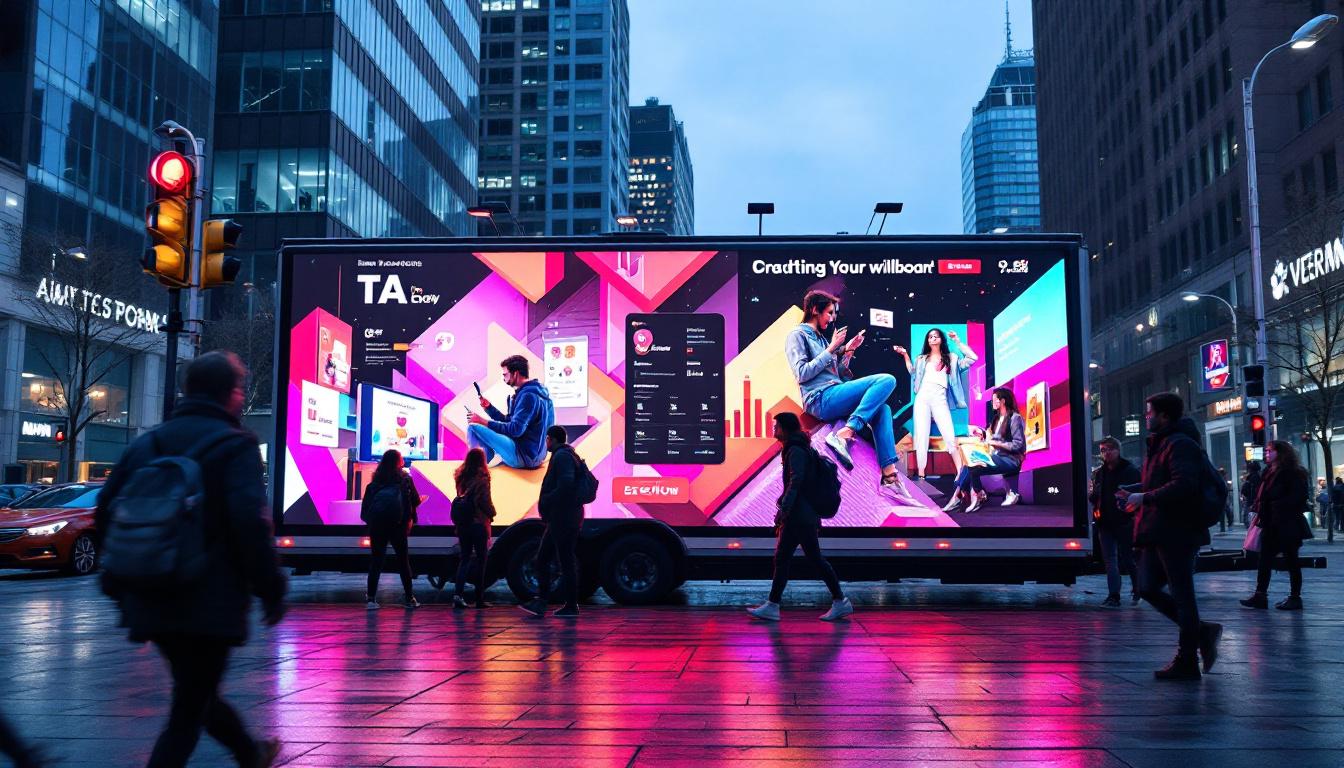
A mobile billboard trailer is a vehicle-mounted advertising platform that can be transported to different locations, allowing brands to display their messages in various high-traffic areas. Unlike traditional static billboards, these trailers offer flexibility in placement and timing, making them ideal for targeted campaigns, events, and promotions.
Typically, these trailers are towed by a vehicle and feature large display surfaces. The integration of LED technology has revolutionized their effectiveness, enabling dynamic content that can be updated remotely and displayed in vibrant colors. This adaptability makes mobile billboard trailers particularly appealing for businesses looking to engage with audiences during specific events, such as concerts, sporting events, or festivals, where foot traffic is high and visibility is crucial.
Moreover, mobile billboard trailers can be strategically positioned to reach specific demographics. For instance, a brand targeting college students might park near a university campus during peak hours, ensuring that their message resonates with the intended audience. This level of precision in targeting is a game changer in the advertising landscape, allowing brands to maximize their return on investment.
How LED Displays Work on Mobile Billboards
LED (Light Emitting Diode) displays consist of an array of tiny light sources that emit light when an electrical current passes through them. These LEDs are arranged in pixels, which together form images, videos, and text. The brightness and color of each pixel can be controlled precisely, allowing for sharp, eye-catching visuals.
On mobile billboard trailers, LED panels are mounted on the sides or rear of the trailer. Advanced control systems allow advertisers to upload new content remotely via wireless connections, enabling real-time updates and scheduling. This flexibility is a significant advantage over static billboards, which require physical replacement of printed materials. Additionally, the ability to display animations or short video clips can capture the attention of passersby more effectively than traditional static images, creating a more engaging experience.
Furthermore, the technology behind LED displays has advanced significantly, allowing for higher resolution and greater brightness, which ensures visibility even in direct sunlight. Some mobile billboards are equipped with sensors that can adjust the brightness based on ambient light conditions, optimizing visibility at all times of the day. This technological sophistication not only enhances the effectiveness of the advertisements but also contributes to the overall aesthetic appeal of the mobile billboard, making it a striking addition to any advertising campaign.
Advantages of Using LED Mobile Billboard Trailers
High Visibility and Engagement
LED displays are known for their brightness and clarity, making them visible even in direct sunlight or adverse weather conditions. This ensures that advertisements stand out in busy urban environments or along highways. Furthermore, the ability to display moving images and animations captures attention more effectively than static ads.
Studies indicate that digital billboards can increase brand recall by up to 47% compared to traditional billboards. The dynamic nature of LED content encourages viewers to engage longer, boosting the likelihood of message retention.
Flexibility and Targeted Advertising
One of the most compelling benefits of mobile LED billboard trailers is their mobility. Advertisers can strategically position trailers in areas with high foot traffic, near events, or in neighborhoods that align with their target demographics. This targeted approach maximizes advertising ROI by reaching the right audience at the right time.
Additionally, the ability to change content remotely means campaigns can be tailored for different locations or times of day without the need for physical intervention. For example, a restaurant could promote breakfast specials in the morning and dinner deals in the evening using the same trailer.
Cost Efficiency Over Time
While the initial investment in an LED-equipped mobile billboard trailer may be higher than traditional static billboards, the long-term savings are considerable. There are no printing costs, and content updates do not require physical labor or materials. This reduces operational expenses and allows for more frequent campaign changes.
Moreover, the versatility of mobile trailers means they can be used for multiple campaigns and clients, increasing utilization rates and spreading costs over time.
Technical Specifications and Features to Consider
Resolution and Pixel Pitch
The quality of an LED display is largely determined by its resolution and pixel pitch. Pixel pitch refers to the distance between the centers of adjacent pixels, typically measured in millimeters. A smaller pixel pitch means higher resolution and sharper images, which is crucial for close-range viewing.
For mobile billboard trailers, a pixel pitch between 6mm and 10mm is common, balancing image clarity with cost-effectiveness. Advertisers should consider the typical viewing distance when selecting a trailer’s LED display to ensure optimal visual impact.
Brightness and Weather Resistance
Brightness is measured in nits, with outdoor LED displays typically requiring 5,000 to 7,000 nits to remain visible in direct sunlight. Mobile billboard trailers must have high-brightness LEDs to maintain visibility in various lighting conditions.
Additionally, the LED panels and electronic components must be weatherproof and durable to withstand rain, dust, and temperature fluctuations. IP65 or higher ratings are standard for outdoor LED displays, ensuring longevity and reliable performance.
Power Supply and Battery Life
Mobile billboard trailers often rely on onboard batteries or generators to power the LED displays. Battery capacity and power management systems are critical for uninterrupted operation, especially during extended campaigns or in areas without easy access to external power sources.
Recent advancements in lithium-ion battery technology have improved energy density and reduced charging times, enabling trailers to operate longer on a single charge. Some trailers also incorporate solar panels to supplement power and enhance sustainability.
Applications and Use Cases
Event Promotion and Sponsorship
Mobile LED billboard trailers are ideal for promoting events such as concerts, sports games, festivals, and trade shows. Their mobility allows advertisers to position trailers near event venues or along routes leading to the location, maximizing exposure to attendees.
Brands sponsoring events can use these trailers to display sponsor logos, schedules, and interactive content, enhancing brand visibility and engagement during the event.
Political Campaigns and Public Awareness
Political candidates and advocacy groups frequently utilize mobile billboard trailers to reach voters and raise awareness about causes. The ability to move trailers to different neighborhoods and display timely messages makes them an effective tool for grassroots campaigning.
During election seasons, these trailers can be used to share candidate information, voting reminders, and event announcements, contributing to higher voter turnout and informed communities.
Retail and Product Launches
Retailers and manufacturers often deploy mobile LED billboard trailers to announce new product launches, store openings, or special promotions. The trailers can be stationed in shopping districts, parking lots, or near competitor locations to attract attention and drive foot traffic.
Dynamic content such as countdown timers, promotional codes, and customer testimonials can be displayed to create urgency and encourage immediate action.
Key Considerations Before Investing
Regulatory Compliance and Permits
Advertising regulations vary by city and state, and mobile billboard trailers are subject to specific rules regarding size, brightness, and placement. It is essential to research local ordinances and obtain necessary permits before deploying trailers to avoid fines or removal.
Some jurisdictions restrict digital billboards near highways due to concerns about driver distraction. Understanding these restrictions helps advertisers plan campaigns that are both effective and compliant.
Content Strategy and Creative Design
The success of a mobile LED billboard campaign depends heavily on the quality and relevance of the content displayed. Advertisers should invest in professional graphic design and video production to create visually compelling messages that resonate with the target audience.
Content should be concise, easy to read at a glance, and optimized for the display’s resolution and viewing distance. Incorporating calls to action and brand elements consistently enhances recognition and response rates.
Maintenance and Technical Support
LED displays require regular maintenance to ensure optimal performance. This includes cleaning, software updates, and troubleshooting hardware issues. Partnering with a provider that offers comprehensive technical support can minimize downtime and protect the investment.
Routine inspections and preventive maintenance extend the lifespan of the trailer’s LED system and contribute to consistent campaign delivery.
The Future of Mobile Billboard Trailers with LED Displays
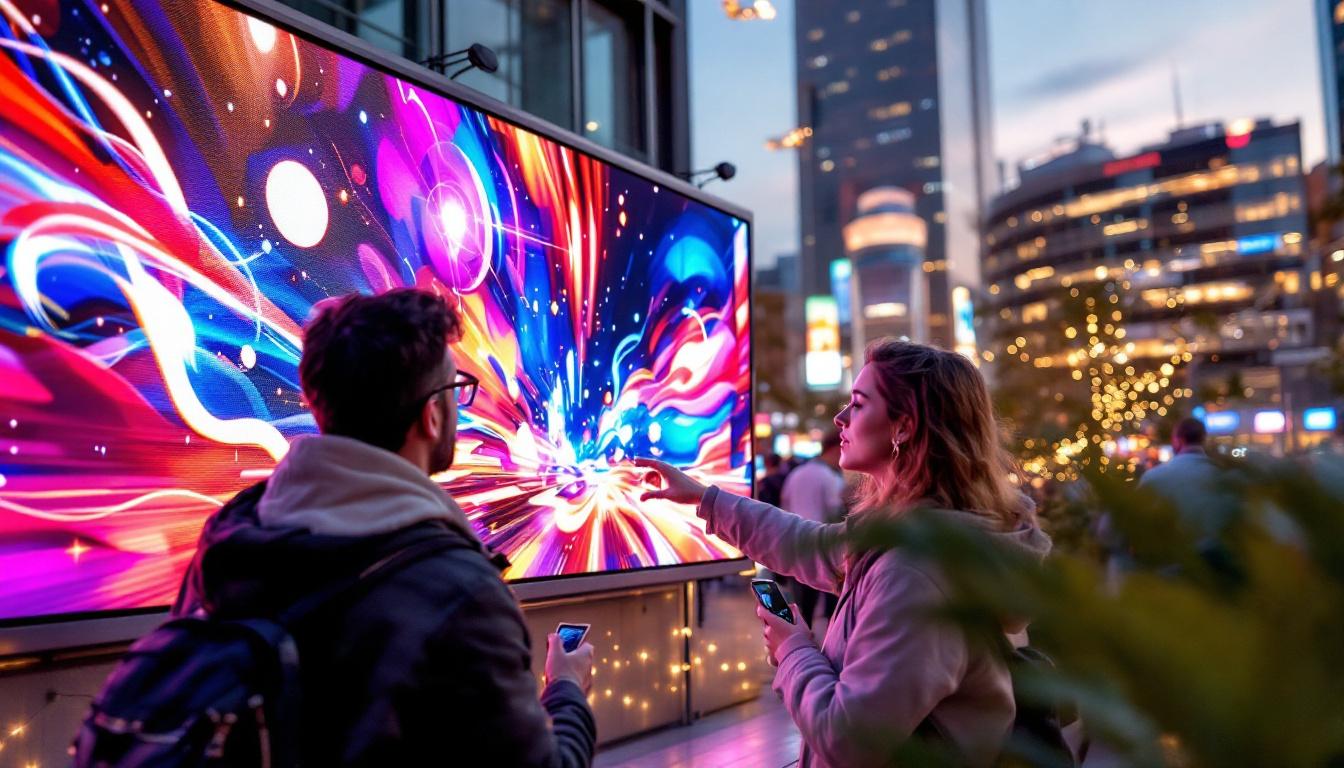
As technology advances, mobile billboard trailers are becoming smarter and more interactive. Integration with GPS and data analytics enables real-time audience targeting and campaign optimization. Some trailers now feature touchscreens and augmented reality elements to engage viewers on a deeper level.
Environmental sustainability is also a growing focus, with innovations in solar power, energy-efficient LEDs, and recyclable materials reducing the ecological footprint of mobile advertising.
With these developments, mobile LED billboard trailers are poised to remain a vital and evolving component of the advertising ecosystem, offering brands unparalleled flexibility and impact.
Conclusion
Mobile billboard trailers equipped with LED displays represent a cutting-edge advertising medium that combines mobility, visibility, and dynamic content delivery. Their ability to engage audiences in diverse locations and adapt messages in real time makes them an invaluable asset for marketers seeking to maximize reach and effectiveness.
By understanding the technology, benefits, and practical considerations outlined in this article, businesses can make informed decisions about incorporating mobile LED billboard trailers into their advertising strategies, ultimately driving greater brand awareness and customer engagement.
Illuminate Your Advertising with LumenMatrix
Ready to elevate your brand’s presence and captivate your audience with the most vibrant and dynamic advertising medium available? LumenMatrix is at the forefront of LED display technology, offering a wide array of solutions from Indoor and Outdoor LED Walls to innovative Vehicle Displays and beyond. Our mission is to transform your visual communication strategy with LED displays that not only grab attention but create memorable experiences. Don’t let your message fade into the background. Check out LumenMatrix LED Display Solutions today and light up your brand’s future.