In the rapidly evolving world of digital displays, modular LED panels have emerged as a versatile and powerful solution for a wide range of applications. From massive outdoor billboards to intricate indoor video walls, these panels offer unmatched flexibility, brightness, and durability. This article delves into the technology behind modular LED panels, their advantages, applications, and what to consider when choosing the right LED display for your needs.
Understanding Modular LED Panels
At its core, a modular LED panel is a self-contained unit composed of numerous light-emitting diodes (LEDs) arranged in a matrix. These panels can be connected seamlessly to form larger displays of virtually any size and shape. The modular design allows for easy installation, maintenance, and scalability, making them ideal for both temporary and permanent installations.
What Makes an LED Panel Modular?
The term “modular” refers to the ability to combine multiple panels into a cohesive display. Each panel is designed with standardized dimensions and connection points, enabling installers to assemble them like building blocks. This modularity simplifies transportation and installation, especially for large-scale projects.
Moreover, modular LED panels often come with built-in control systems that synchronize the content across all units, ensuring a seamless visual experience. This synchronization is critical for maintaining image quality and consistency, especially when displaying high-resolution video or dynamic content. The ability to easily swap out individual panels also means that if one unit fails, it can be replaced without the need to dismantle the entire display, minimizing downtime and maintenance costs.
Technical Components of Modular LED Panels
Each modular LED panel consists of several key components:
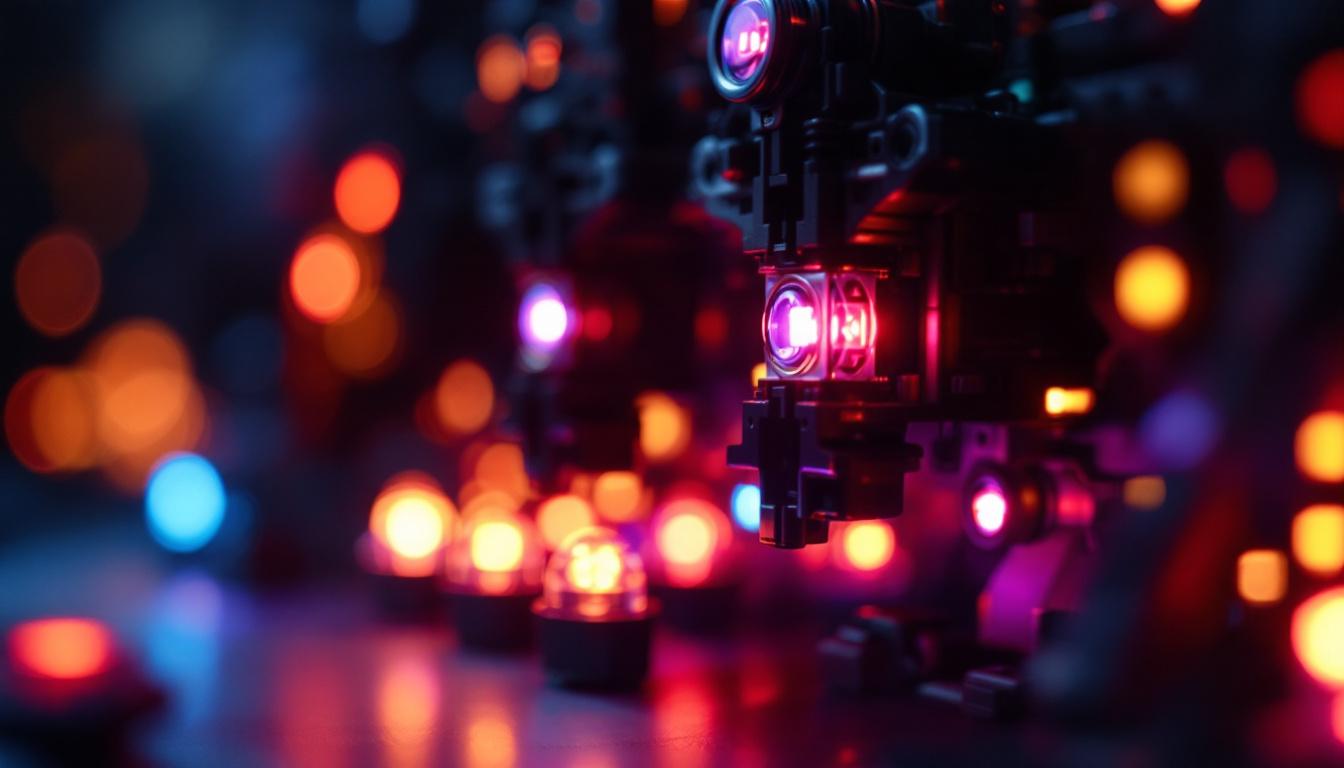
- LED Modules: These are the smallest units containing the LEDs themselves. The density and arrangement of LEDs determine the panel’s resolution and pixel pitch.
- Driving ICs: Integrated circuits control the current supplied to each LED, managing brightness and color accuracy.
- Power Supply: Ensures stable voltage and current to the LEDs, critical for consistent performance.
- Control Board: Receives input signals and manages the display content, often supporting various video formats and resolutions.
- Frame and Housing: Provides structural support and protection against environmental factors.
In addition to these components, many modular LED panels feature advanced thermal management systems. These systems are essential for dissipating heat generated by the LEDs, which can significantly affect performance and longevity. Effective thermal management not only enhances the lifespan of the panels but also ensures that they operate at optimal brightness levels, even in challenging environments. Furthermore, some panels are designed with weather-resistant features, making them suitable for outdoor use where exposure to the elements is a concern.
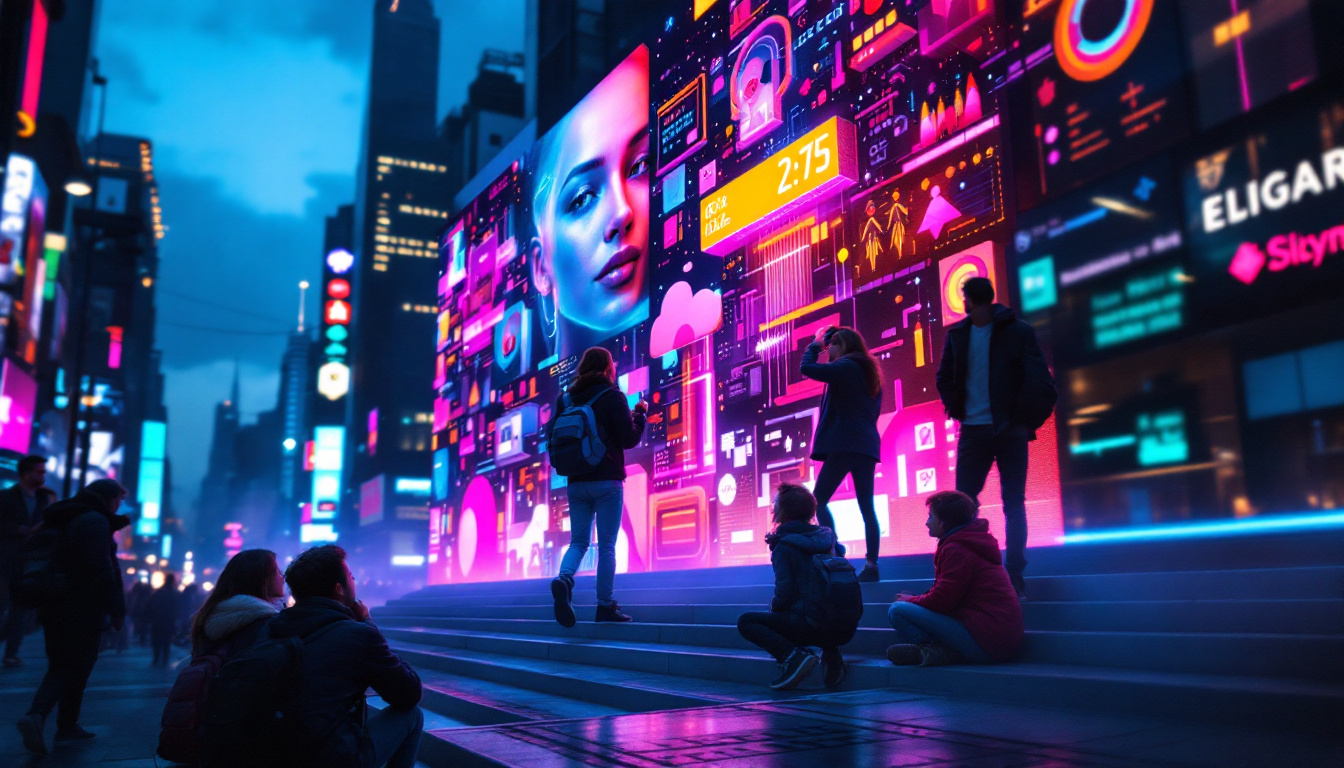
Another noteworthy aspect of modular LED panels is their versatility in application. They are widely used in various settings, from advertising billboards and sports arenas to concert stages and corporate events. The ability to create custom shapes and sizes allows for creative installations that can transform any space into an engaging visual experience. As technology continues to evolve, the integration of smart features, such as remote monitoring and automated adjustments based on ambient light, is becoming increasingly common, further enhancing the functionality of these innovative displays.
Advantages of Modular LED Panels
Modular LED panels offer several benefits that have contributed to their widespread adoption in various industries. Their flexibility, durability, and image quality make them a preferred choice over traditional display technologies like LCD or projection screens.
Scalability and Customization
One of the most significant advantages of modular LED panels is their scalability. Whether the requirement is for a small indoor display or a massive outdoor billboard, panels can be combined to fit the exact dimensions needed. This flexibility allows businesses to tailor their displays to specific spaces and audiences without being constrained by fixed sizes.
Customization extends beyond size. Panels can be arranged in curved or irregular shapes, enabling creative and eye-catching installations. This adaptability is particularly valuable for retail environments, event stages, and architectural facades.
High Brightness and Visibility
LED technology inherently provides high brightness levels, making modular LED panels visible even in direct sunlight. Outdoor displays typically achieve brightness levels exceeding 5,000 nits, ensuring clear visibility during the day and vibrant colors at night.
In comparison, traditional LCD screens struggle with glare and reduced visibility in bright conditions. This makes LED panels the preferred choice for outdoor advertising, sports arenas, and transportation hubs where ambient light is a challenge.
Energy Efficiency and Longevity
Modern LED panels are designed to be energy efficient, consuming significantly less power than older display technologies. Advances in LED chip design and power management have reduced energy consumption while maintaining brightness and color fidelity.
Additionally, LEDs have a long operational lifespan, often rated between 50,000 to 100,000 hours. This durability reduces maintenance costs and downtime, making modular LED panels a cost-effective investment over time.
Easy Maintenance and Repair
Thanks to their modular design, individual panels or modules can be replaced without dismantling the entire display. This feature is crucial for large installations where downtime can result in lost revenue or diminished customer engagement.
Many manufacturers also offer front-serviceable panels, allowing technicians to access and repair components from the front of the display. This capability is especially beneficial for wall-mounted or hard-to-reach installations.
Applications of Modular LED Panels
The versatility of modular LED panels has led to their adoption across numerous sectors. Their ability to deliver high-impact visuals in diverse environments makes them invaluable for communication, branding, and entertainment.
Advertising and Digital Signage
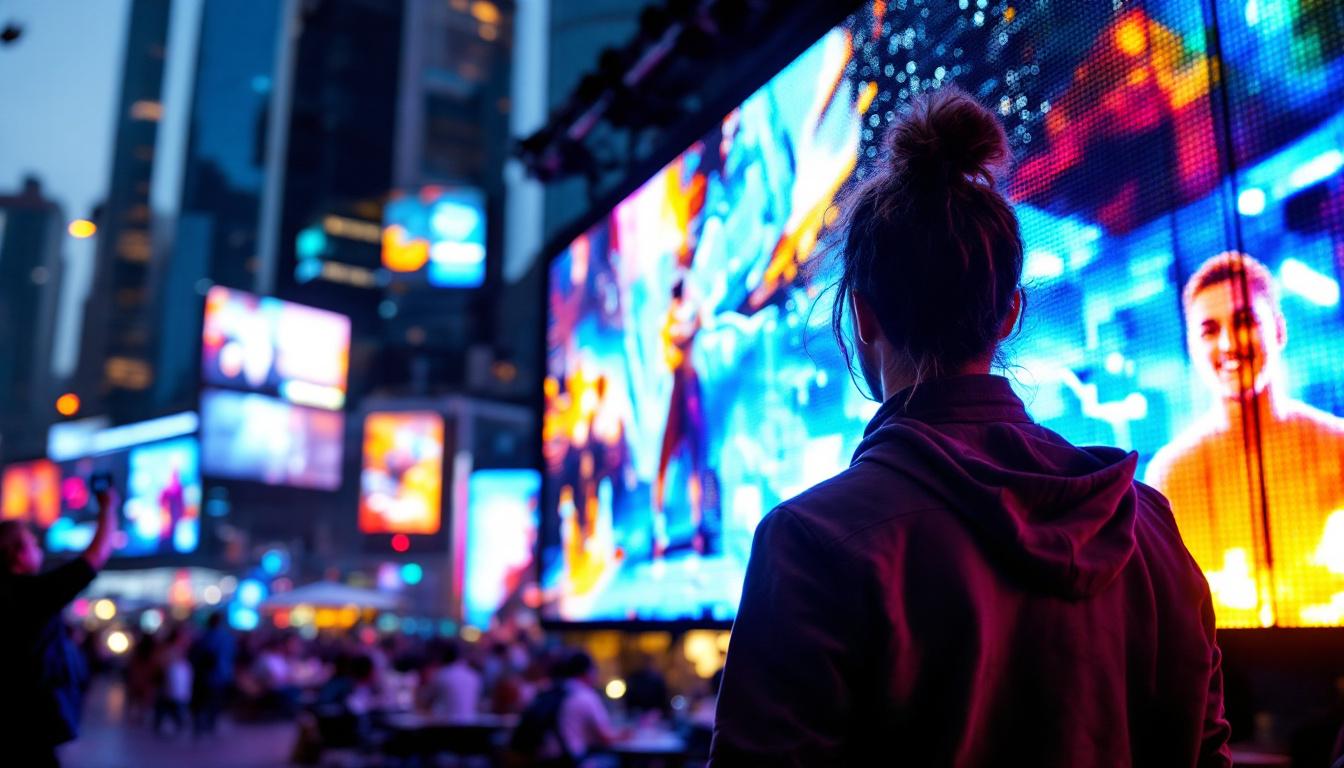
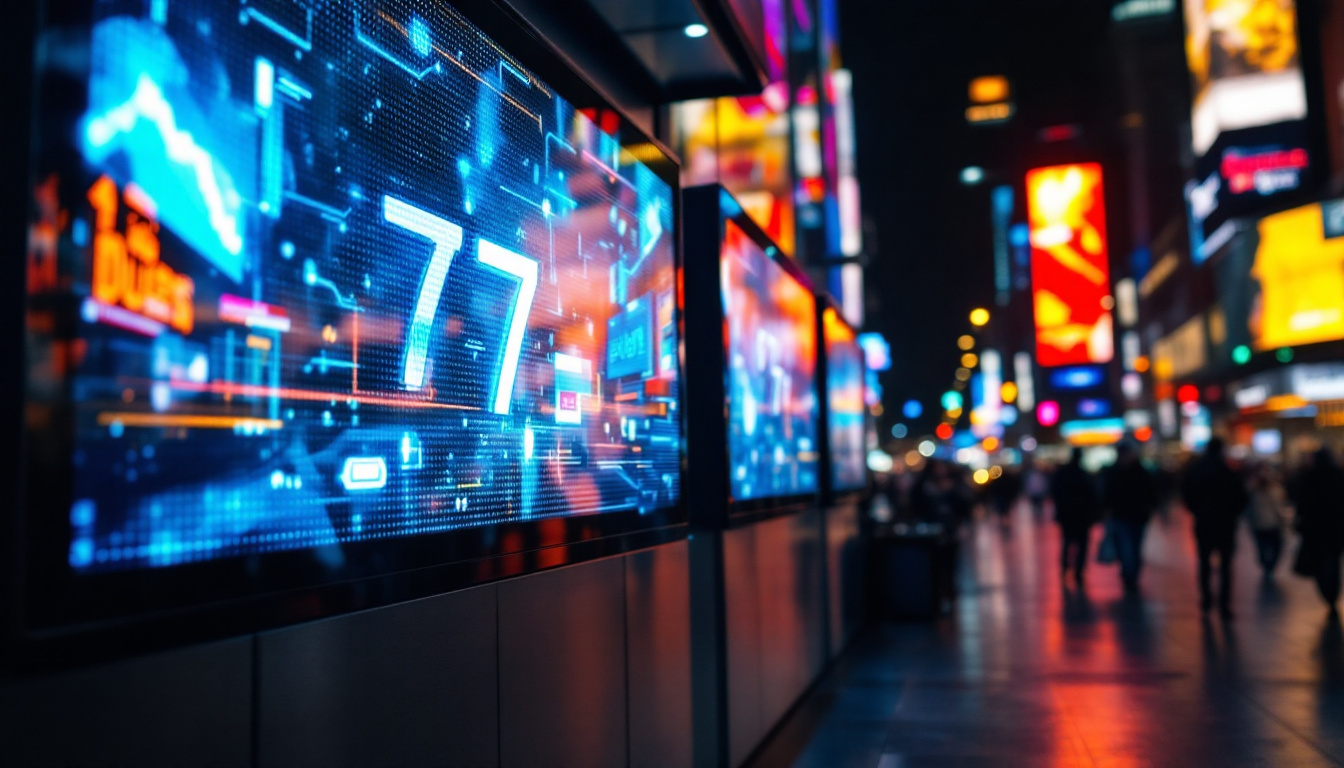
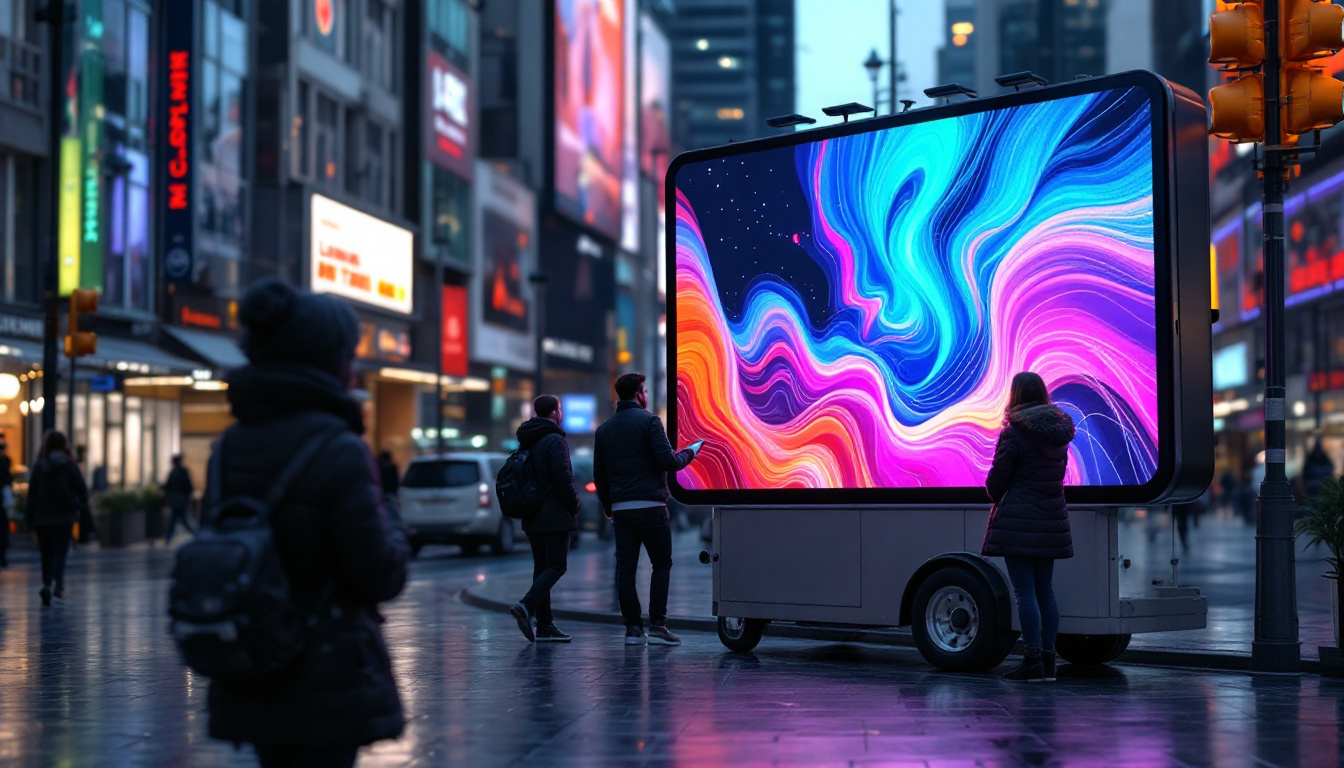
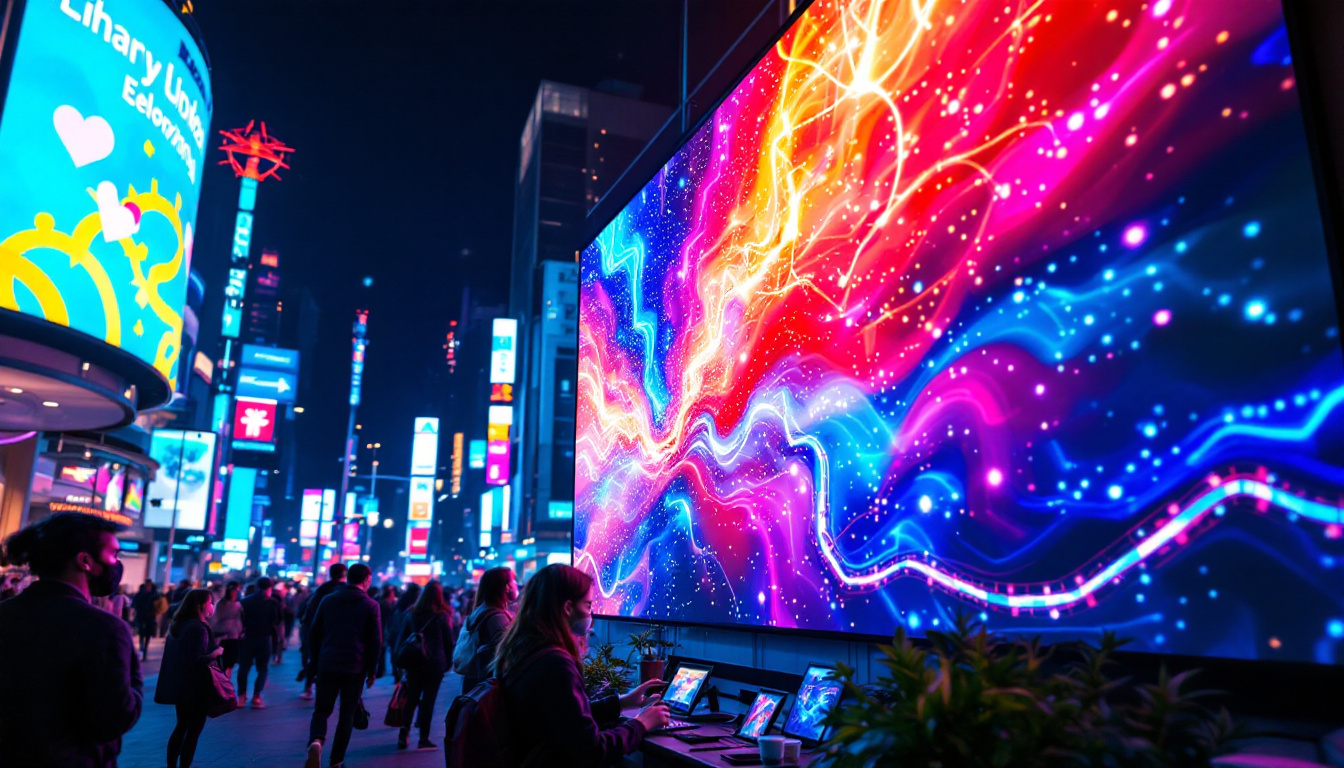
Outdoor advertising has been revolutionized by LED billboards and digital signage. Brands can now display dynamic, eye-catching content that captures attention more effectively than static posters. The ability to update content remotely and instantly also allows for timely promotions and targeted messaging.
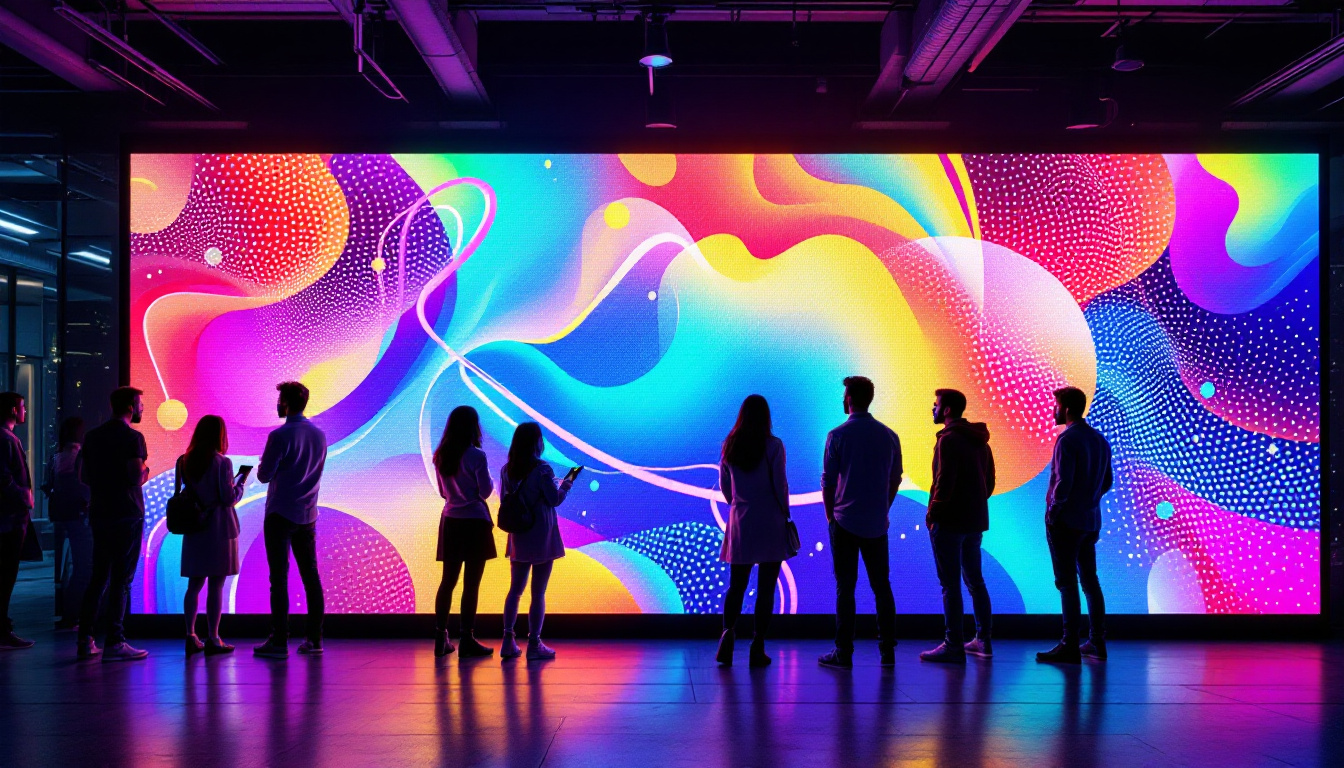
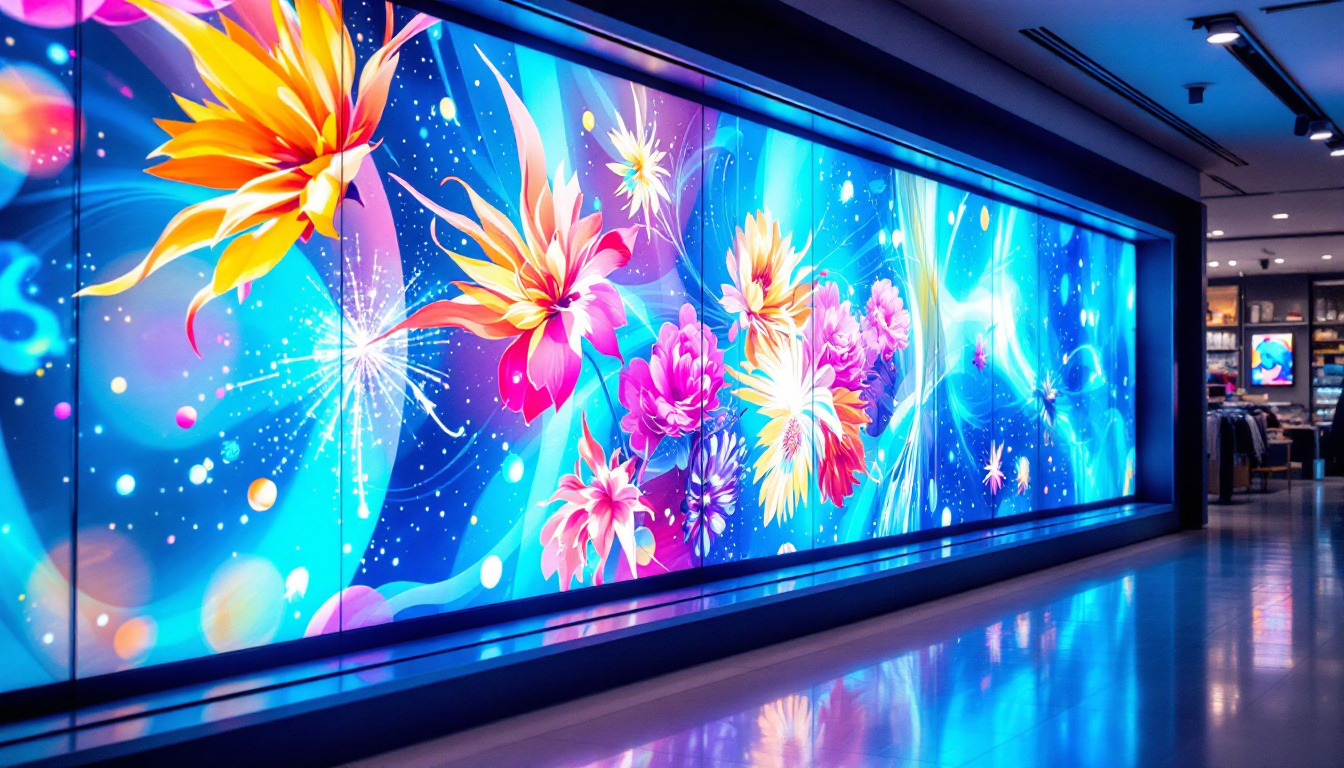
Indoor digital signage benefits from the high resolution and vibrant colors of LED panels, enhancing customer engagement in retail stores, shopping malls, and airports.
Sports and Entertainment Venues
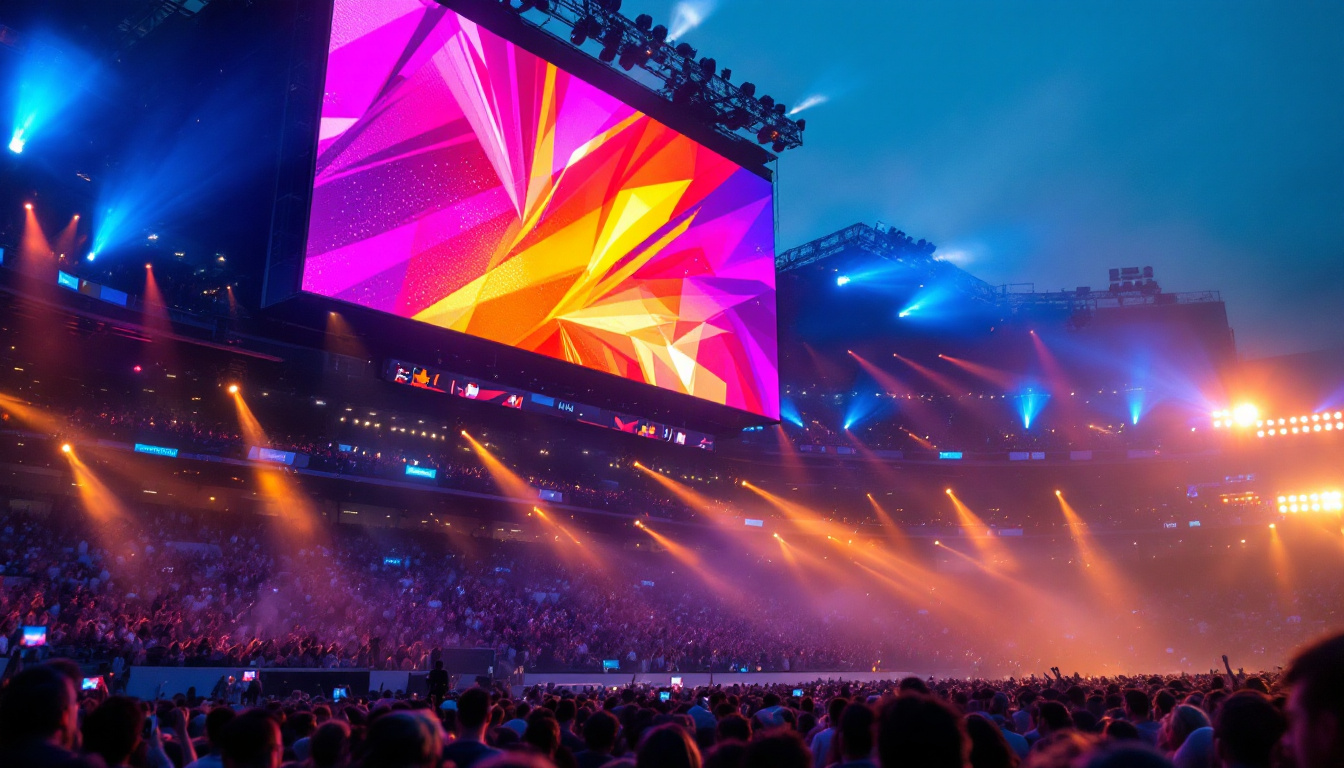
Stadiums and arenas use modular LED panels for scoreboards, video walls, and perimeter advertising. The panels’ brightness and refresh rates ensure clear visibility for both in-person spectators and broadcast audiences.
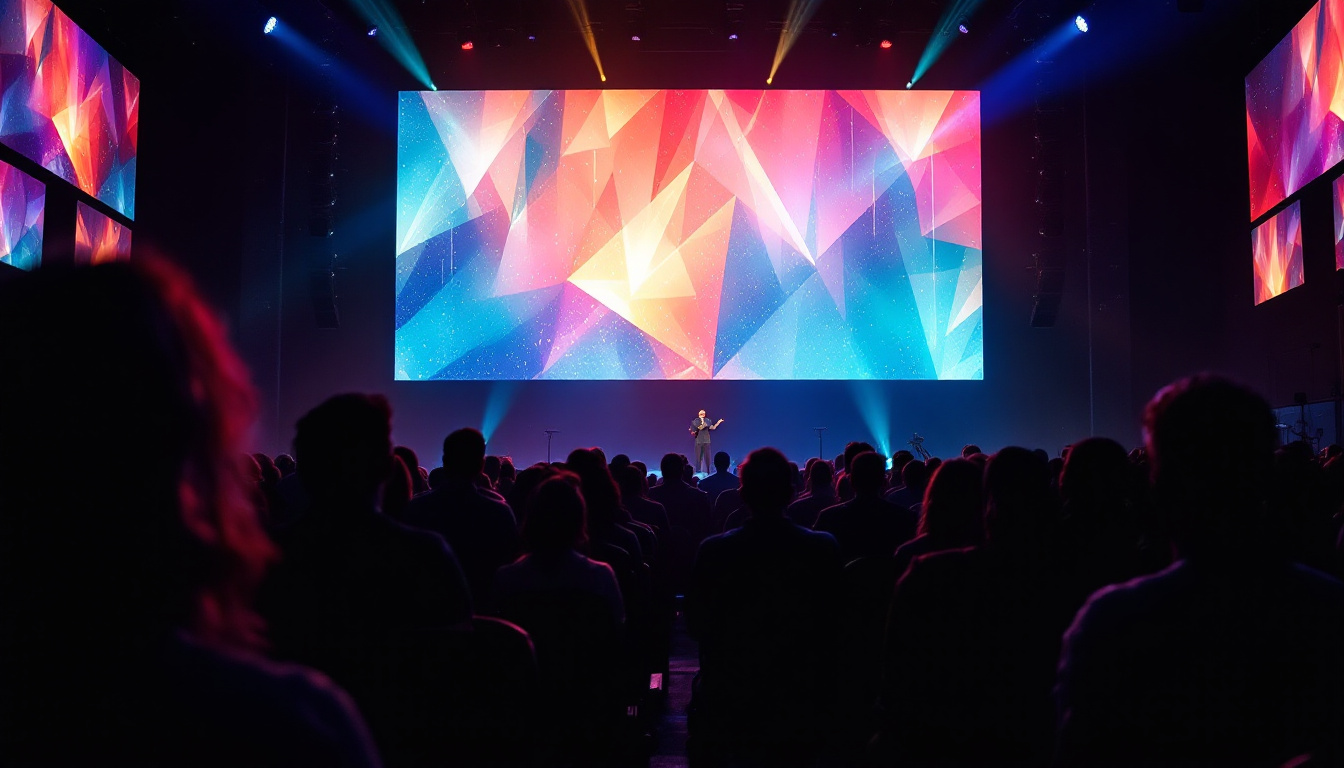
Concerts and live events leverage LED displays for immersive stage backdrops and interactive visuals, enhancing the overall experience for attendees.
Corporate and Control Rooms
In corporate environments, LED video walls facilitate presentations, video conferencing, and data visualization. Control rooms in industries like transportation, utilities, and security rely on large LED displays for real-time monitoring and decision-making.
Architectural and Creative Installations
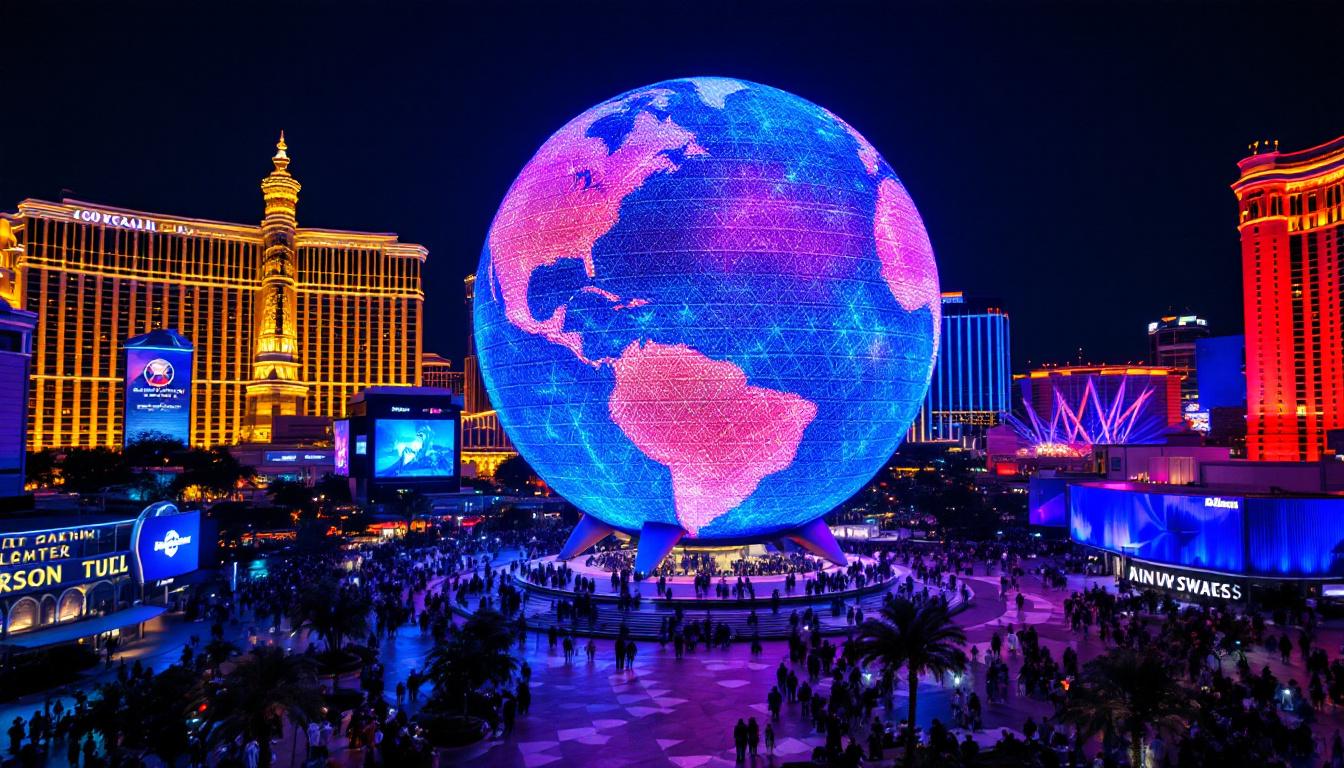
Architects and designers incorporate LED panels into building facades and public art installations to create dynamic, illuminated surfaces. These installations can respond to environmental data, time of day, or audience interaction, adding a new dimension to urban spaces.
Key Considerations When Choosing Modular LED Panels
Selecting the right modular LED panel involves evaluating several factors to ensure the display meets specific performance and budgetary requirements.
Pixel Pitch and Resolution
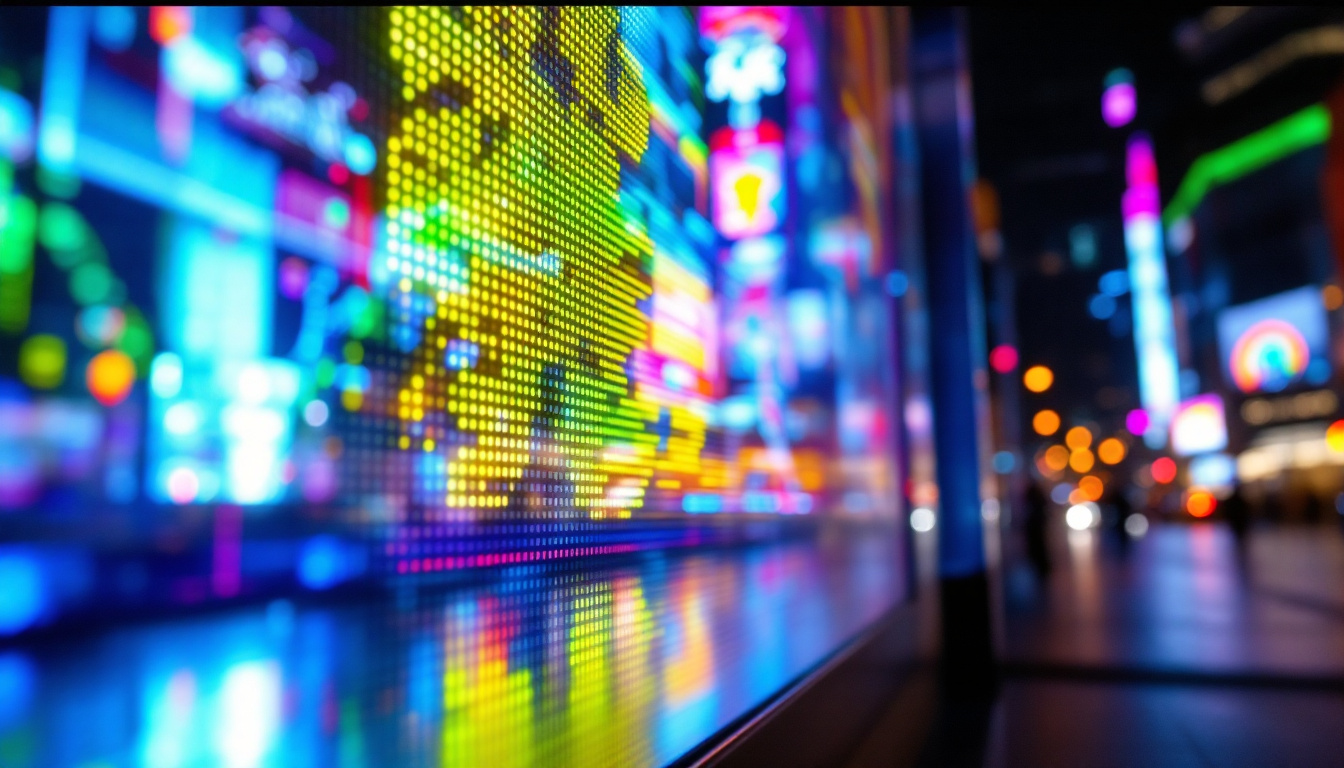
Pixel pitch refers to the distance between the centers of adjacent LEDs, typically measured in millimeters. A smaller pixel pitch means higher resolution and sharper images, which is essential for close viewing distances.
For indoor displays viewed from a few feet away, pixel pitches as low as 1.2mm are common. Outdoor displays, viewed from greater distances, often use pixel pitches between 6mm and 20mm. Choosing the right pixel pitch balances image quality with cost, as finer pitches generally increase the price.
Brightness and Contrast Ratio
Brightness is crucial for visibility, especially in outdoor or brightly lit indoor environments. Look for panels with adjustable brightness settings to optimize performance across different lighting conditions.
The contrast ratio, the difference between the darkest black and brightest white, affects image depth and color richness. High contrast ratios enhance the viewing experience, particularly for video content.
Refresh Rate and Color Accuracy
Refresh rate, measured in Hertz (Hz), indicates how often the display updates per second. Higher refresh rates reduce flicker and motion blur, important for video playback and live broadcasts. A refresh rate of at least 1920Hz is recommended for smooth performance.
Color accuracy ensures that the displayed content matches the intended hues and tones. Look for panels with wide color gamut support and calibration options to maintain consistent color reproduction.
Durability and Weather Resistance
Outdoor LED panels must withstand harsh weather conditions, including rain, wind, dust, and temperature fluctuations. Panels with an IP65 or higher rating provide adequate protection against water and dust ingress.
Consider the operating temperature range and UV resistance to ensure long-term reliability in your specific environment.
Installation and Maintenance
Evaluate the ease of installation and whether the panels support front or rear servicing. Front-serviceable panels simplify maintenance in tight spaces but may come at a higher cost.
Also, consider the availability of technical support and warranty terms from the manufacturer or supplier.
Future Trends in Modular LED Panel Technology
The LED display industry continues to innovate, driven by advances in materials, manufacturing, and digital technology. Several trends are shaping the future of modular LED panels.
MicroLED and MiniLED Technologies
MicroLED and MiniLED represent the next generation of LED technology, offering even higher resolution, improved brightness, and better energy efficiency. MicroLEDs are significantly smaller than traditional LEDs, enabling ultra-fine pixel pitches and exceptional image quality.
Although currently more expensive, these technologies are expected to become more accessible, expanding the possibilities for high-end displays in both consumer and commercial markets.
Flexible and Transparent LED Panels
Flexible LED panels allow for curved and irregular installations that conform to unique architectural features. Transparent LED panels can be integrated into glass surfaces, maintaining visibility while displaying dynamic content.
These innovations open new creative avenues for designers and advertisers, blending digital displays seamlessly into physical environments.
Integration with IoT and AI
Smart LED displays are increasingly connected to the Internet of Things (IoT), enabling real-time data-driven content updates. Artificial intelligence (AI) can optimize content based on audience demographics, weather, or traffic patterns, enhancing engagement and effectiveness.
Conclusion
Modular LED panels have transformed the landscape of digital displays, offering unparalleled flexibility, brightness, and durability. Their modular nature allows for scalable and customizable installations that meet the diverse needs of advertising, entertainment, corporate, and architectural sectors.
Understanding the technical aspects, advantages, and applications of modular LED panels is essential for making informed decisions when investing in this technology. As innovations continue to advance, modular LED displays will play an increasingly prominent role in how information and experiences are communicated visually across the globe.
Discover LumenMatrix’s Innovative LED Solutions
Ready to elevate your visual communication with cutting-edge technology? LumenMatrix is at the forefront of LED display innovation, offering a diverse range of solutions tailored to your needs. From captivating Indoor LED Wall Displays to dynamic Outdoor LED Wall Displays, and from versatile Vehicle LED Displays to sleek LED Poster Displays, our products are designed to make your brand stand out. Experience the future of visual engagement with our LED Sports Displays, interactive Floor LED Displays, and customizable Custom LED Displays. Embrace the clarity and impact of LumenMatrix’s All-in-One LED Display and LED Transparent Display solutions. Check out LumenMatrix LED Display Solutions today and transform how you share your message with the world.