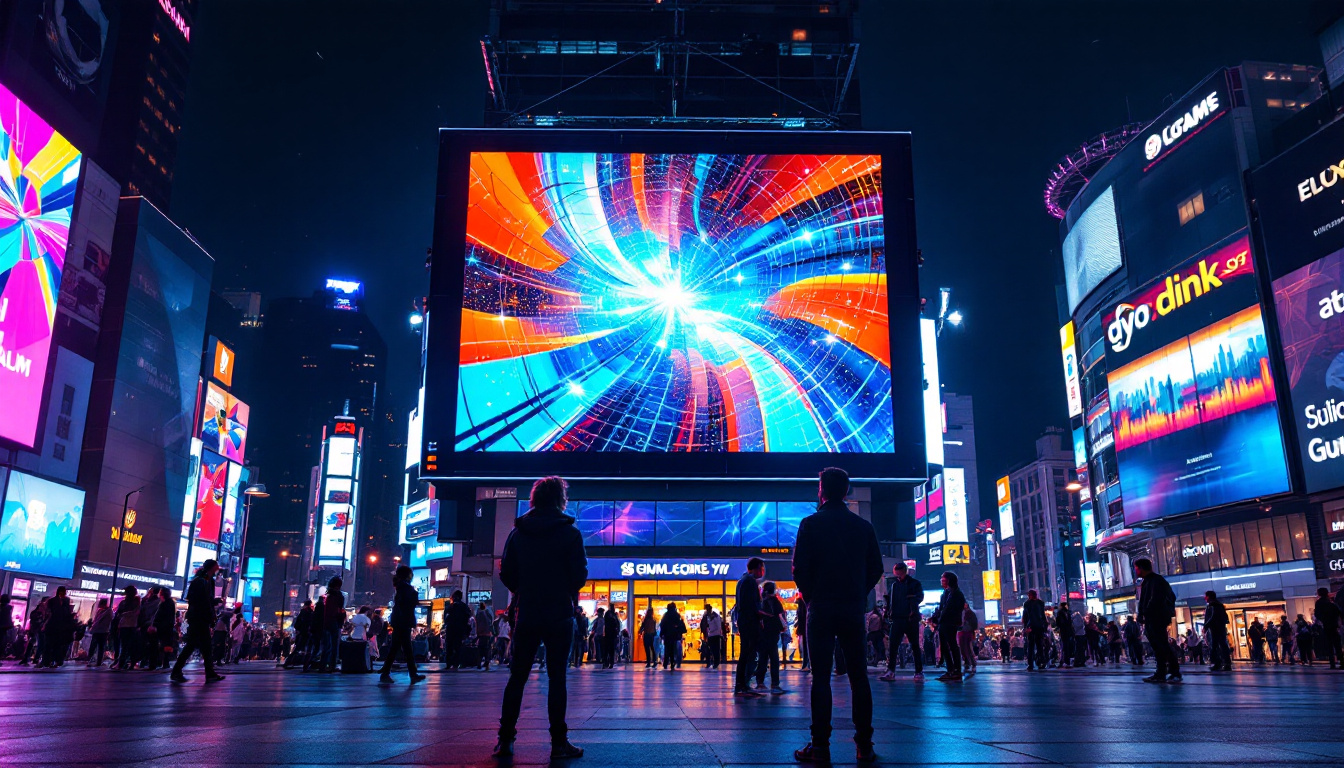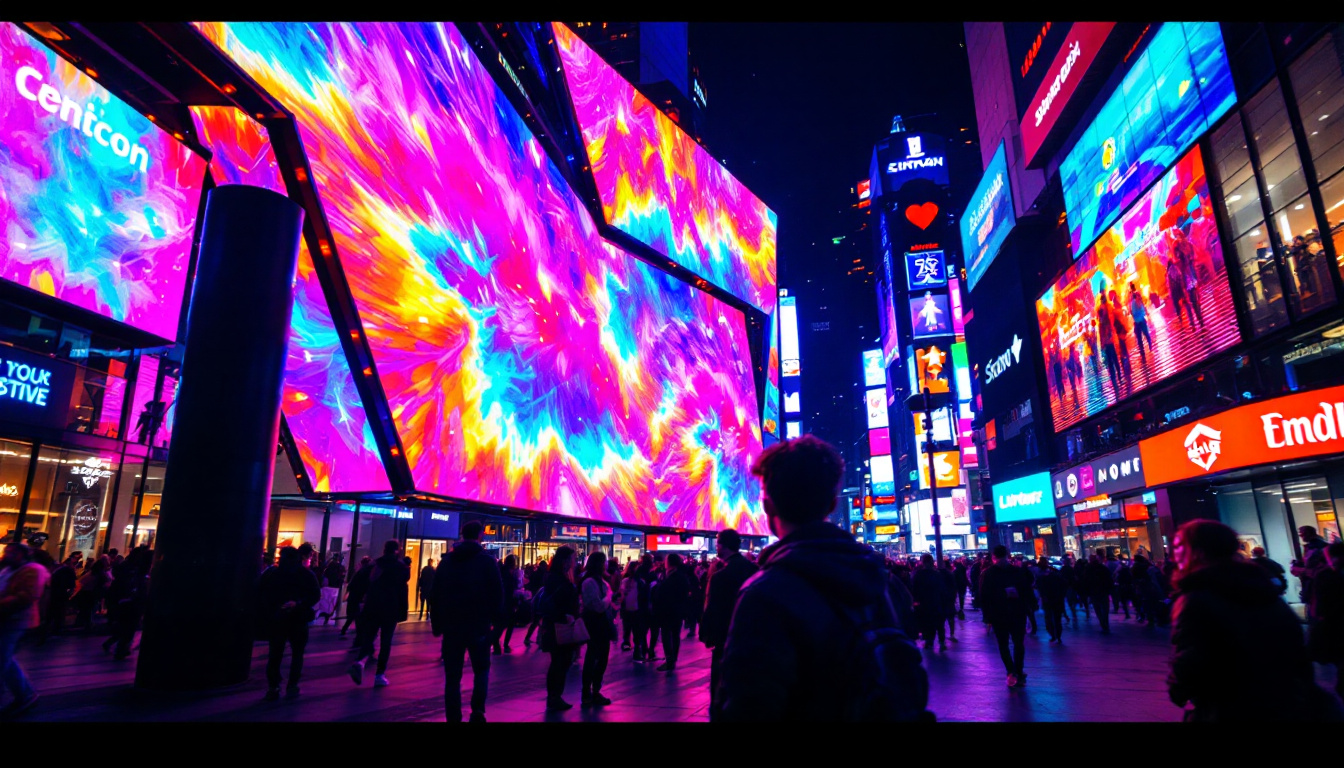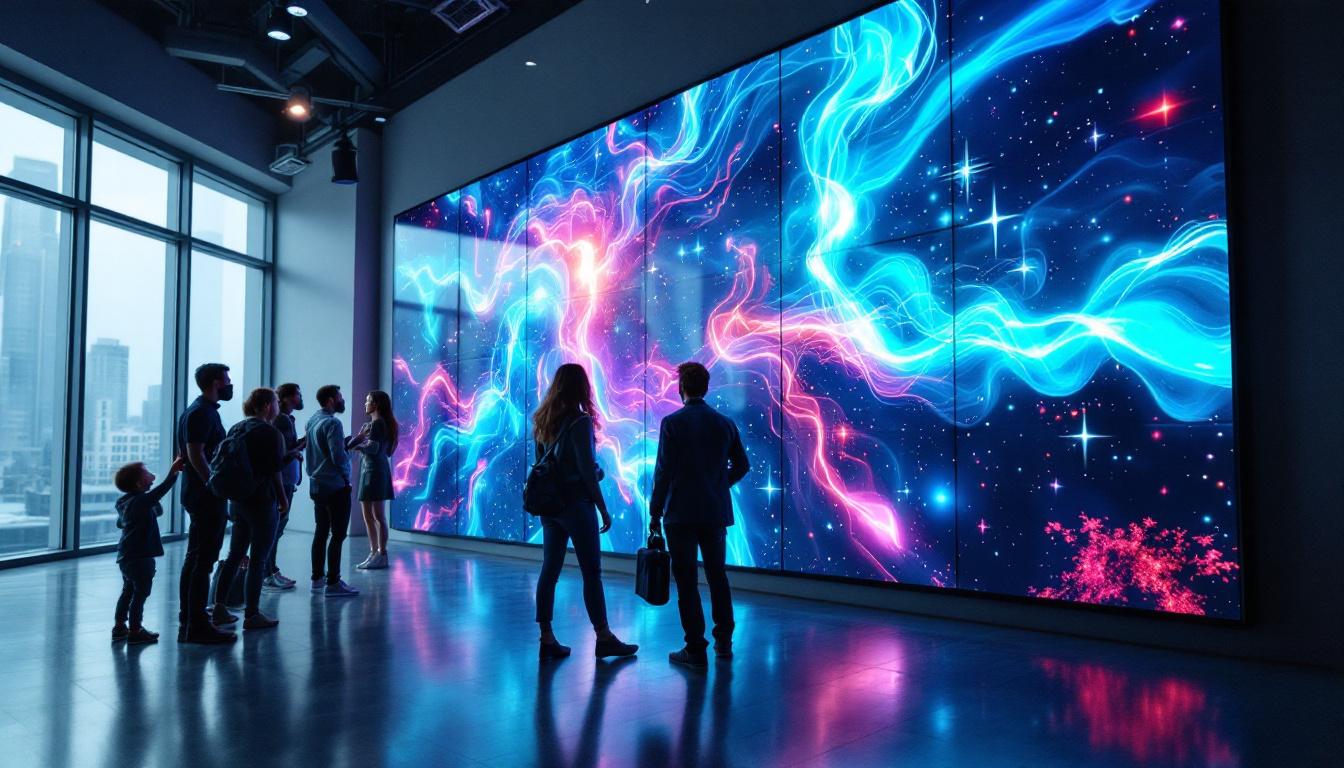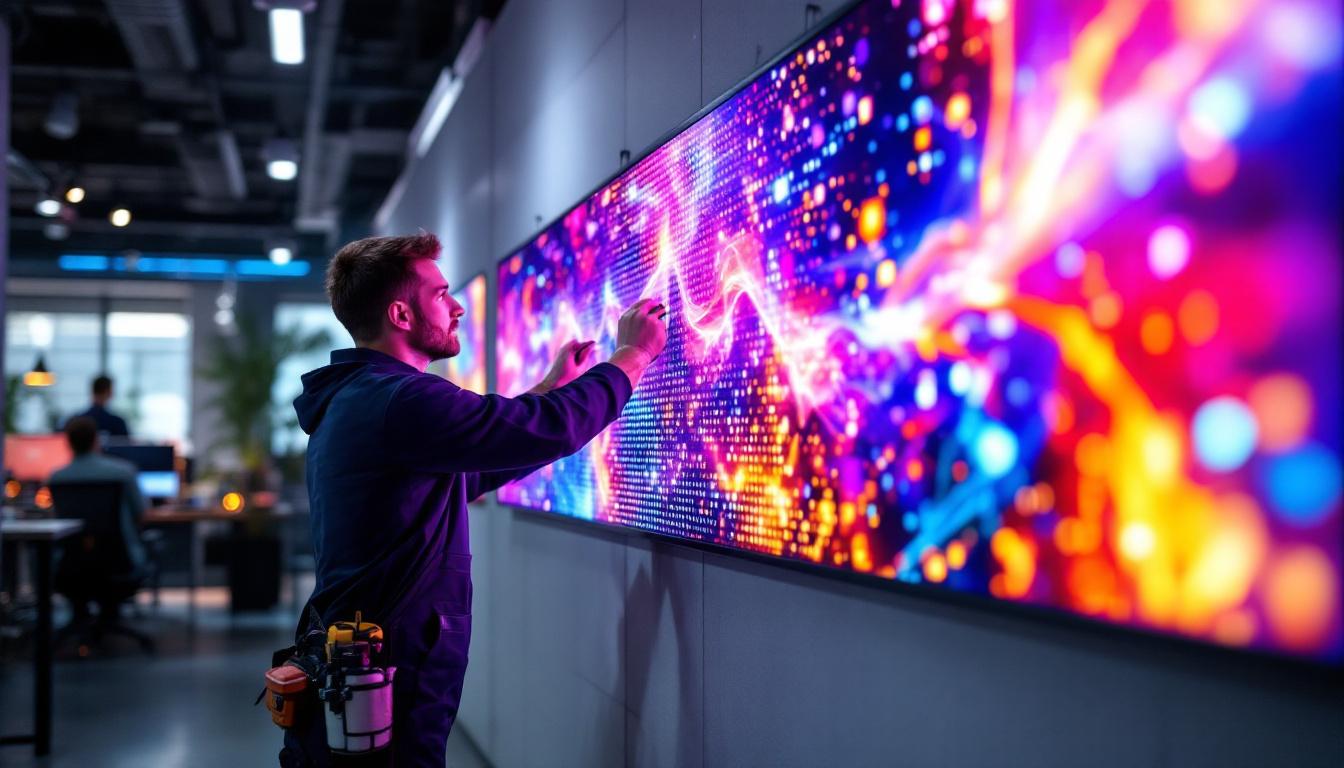
In the rapidly evolving world of digital signage and visual communication, modular LED wall installations have emerged as a transformative technology. Their flexibility, scalability, and stunning visual quality make them an ideal choice for a wide range of applications—from corporate environments and retail spaces to entertainment venues and public displays. This comprehensive article explores the fundamentals of modular LED wall installations, detailing their components, benefits, installation processes, and the latest industry trends.
Understanding Modular LED Displays
Modular LED displays are composed of individual panels or modules that can be seamlessly connected to create large, high-resolution screens. Unlike traditional fixed displays, these modules allow customization in size and shape, enabling designers to tailor the display to specific spatial and aesthetic requirements. This flexibility has made modular LED displays a popular choice for various applications, from corporate environments to entertainment venues, where the visual impact is paramount.
Each module contains an array of light-emitting diodes (LEDs) that produce vibrant colors and sharp images. The modular design means that damaged or malfunctioning sections can be replaced independently, reducing maintenance costs and downtime. Additionally, the ability to easily reconfigure these displays allows businesses to adapt to changing needs, whether that means resizing for a new location or altering the display’s shape for a unique installation. This adaptability is particularly beneficial in dynamic environments like trade shows or sports arenas, where the audience and context can shift rapidly.
Core Components of a Modular LED Wall
A typical modular LED wall consists of several key components:
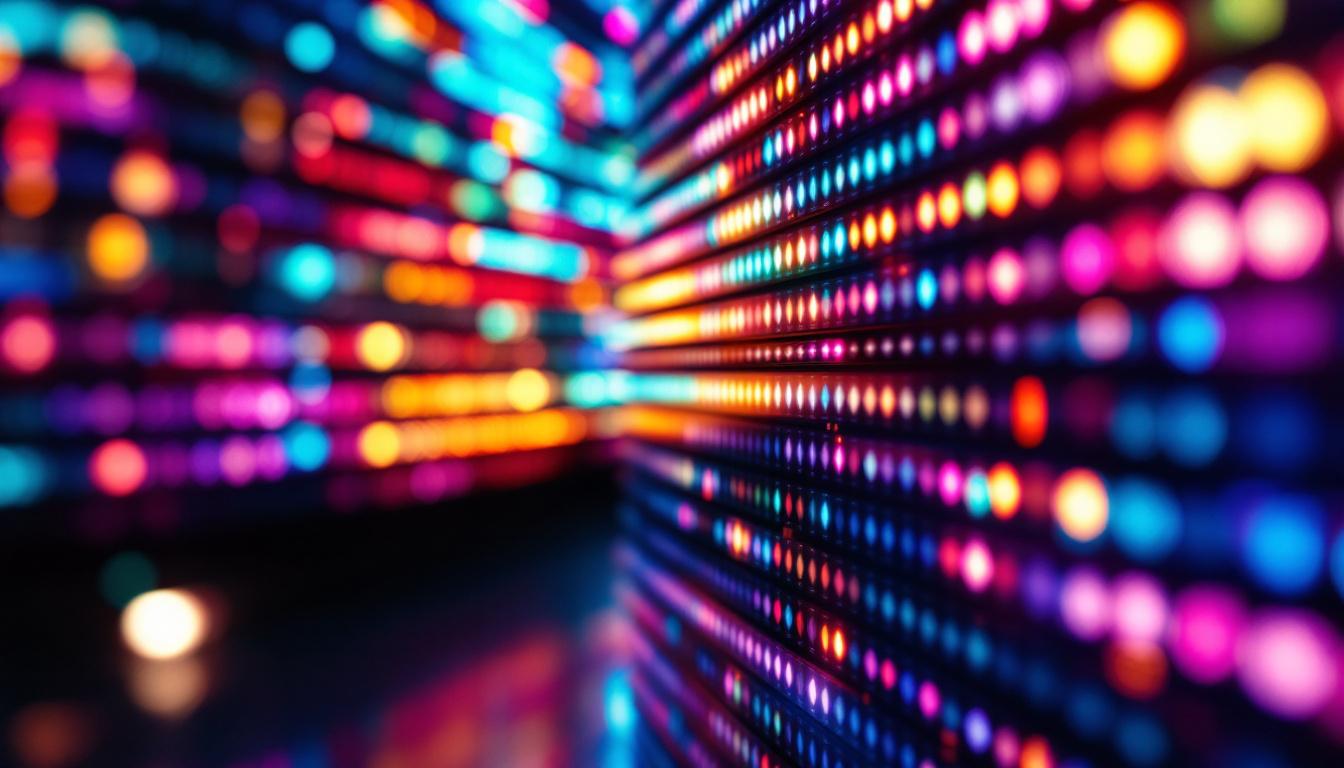
- LED Modules: These are the building blocks of the display, each containing a grid of LEDs arranged to form pixels. Modules vary in pixel pitch, which determines the resolution and viewing distance suitability.
- Cabinet Frames: These house the LED modules and provide structural integrity. Cabinets are designed for easy assembly and alignment, ensuring a seamless visual experience. The design of these frames also allows for efficient heat dissipation, which is critical for maintaining optimal performance over time.
- Control System: This includes processors and software that manage the content displayed, synchronize modules, and adjust brightness and color calibration. Advanced control systems can also incorporate real-time data feeds, enabling dynamic content that can respond to audience engagement or environmental changes.
- Power Supply Units: Reliable power distribution is critical for consistent performance and longevity. These units are often designed with redundancy in mind, ensuring that even if one power supply fails, the display continues to operate without interruption.
- Mounting Structures: These support the entire installation, tailored to the wall or framework where the display is installed. Depending on the application, mounting structures can be designed for permanent installations or temporary setups, providing versatility in deployment.
Pixel Pitch and Resolution
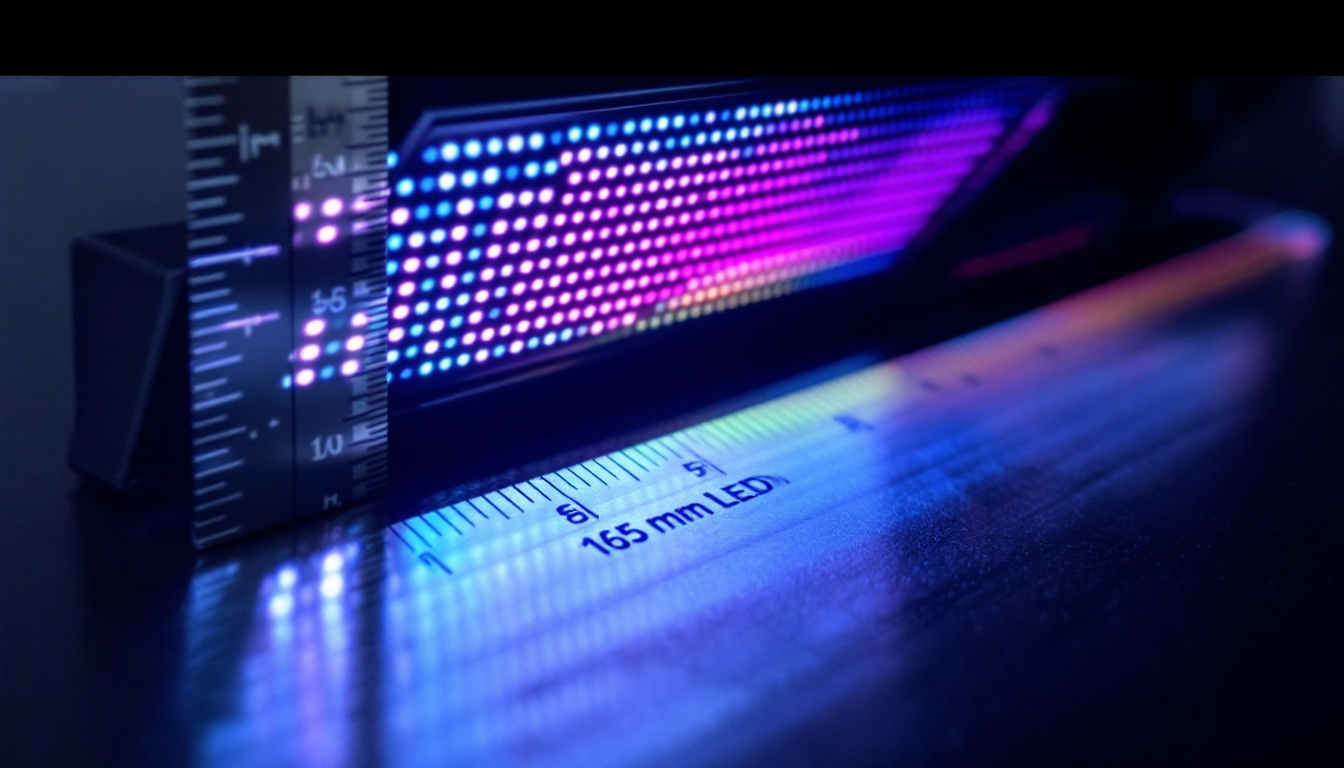
Pixel pitch, measured in millimeters, refers to the distance between the centers of two adjacent pixels. It is a crucial factor in determining image clarity and optimal viewing distance. Smaller pixel pitches (e.g., 1.2mm to 2.5mm) are ideal for close-up viewing environments such as control rooms or retail counters, while larger pitches (e.g., 4mm to 10mm) suit outdoor billboards or large venues where viewers are farther away. The choice of pixel pitch not only affects the visual quality but also influences the overall cost of the display, as higher resolution modules tend to be more expensive.
Understanding pixel pitch helps businesses select the right LED modules to balance cost, resolution, and viewing experience effectively. Additionally, advancements in LED technology have led to the development of ultra-fine pixel pitch displays, which are becoming increasingly popular in high-end applications such as broadcasting studios and immersive experiences. These displays not only enhance the visual quality but also allow for innovative content creation, as they can display intricate details that captivate audiences from various angles and distances. This evolution in pixel pitch technology continues to push the boundaries of what is possible in visual communication.
Advantages of Modular LED Wall Installations
Modular LED walls offer numerous benefits that make them a preferred choice for modern digital displays. Their adaptability and performance capabilities address many limitations found in traditional display technologies.
Scalability and Customization
One of the most significant advantages of modular LED walls is their scalability. Whether the project requires a small screen for a conference room or an expansive video wall for a stadium, modules can be added or removed to achieve the desired size. This flexibility also extends to shape customization, allowing for curved or irregularly shaped displays that enhance architectural aesthetics.
Superior Visual Performance
LED technology delivers high brightness levels, excellent contrast ratios, and vibrant colors. This ensures clear visibility even in brightly lit environments or direct sunlight, outperforming LCD and projection alternatives. Additionally, LED displays offer wide viewing angles, ensuring consistent image quality from various perspectives.
Energy Efficiency and Longevity
Modern LEDs consume significantly less power compared to traditional lighting and display technologies. Advances in LED chip design and power management have extended the lifespan of LED modules, often exceeding 100,000 hours of operation. This translates to lower operational costs and reduced environmental impact.
Ease of Maintenance and Repair
The modular nature allows for quick replacement of individual panels without dismantling the entire display. This reduces downtime and maintenance expenses, which is particularly important for high-traffic or mission-critical installations such as airports or broadcast studios.
Installation Process of Modular LED Walls
Installing a modular LED wall requires careful planning and execution to ensure optimal performance and safety. The process involves several stages, from initial design to final calibration.
Site Assessment and Design Planning
Before installation, a thorough site assessment is essential. Factors such as wall dimensions, ambient lighting conditions, viewing distances, and structural support must be evaluated. This information guides the selection of appropriate LED modules, pixel pitch, and mounting systems.
Design planning also includes content strategy, determining how the display will be used—whether for dynamic advertising, informational displays, or immersive experiences.
Structural Preparation and Mounting
The mounting structure must be robust enough to support the weight of the LED cabinets and withstand environmental factors like wind or vibration. Common mounting options include fixed frames, hanging rigs, or wall brackets, depending on the installation location.
Precision in alignment is critical to avoid visible seams or misaligned pixels, which can degrade the visual quality.
Module Installation and Cabling
LED modules are installed into the cabinet frames, typically using magnetic or mechanical fasteners for secure attachment. Careful handling is required to prevent damage to the delicate LEDs.
Power and data cables are routed through the cabinets and connected to the control system. Cable management ensures safety and facilitates future maintenance.
Calibration and Testing
After physical installation, the display undergoes calibration to balance brightness, color accuracy, and uniformity across all modules. Specialized software tools adjust parameters to achieve a seamless visual output.
Comprehensive testing verifies the integrity of connections, image quality, and system responsiveness. This step is crucial to identify and resolve any issues before the display goes live.
Applications and Industry Use Cases
Modular LED walls have found applications across various sectors, demonstrating their versatility and effectiveness in communication and entertainment.
Corporate and Conference Environments
In corporate settings, LED walls enhance presentations, video conferencing, and branding. Their ability to display high-resolution content allows for engaging storytelling and real-time data visualization during meetings and events.
Retail and Advertising
Retailers leverage LED walls for dynamic advertising, product launches, and interactive experiences. The brightness and color fidelity attract customer attention, driving engagement and sales. According to recent market analysis, digital out-of-home advertising, including LED displays, is projected to grow at a CAGR of 10.5% through 2027.
Entertainment and Sports Venues
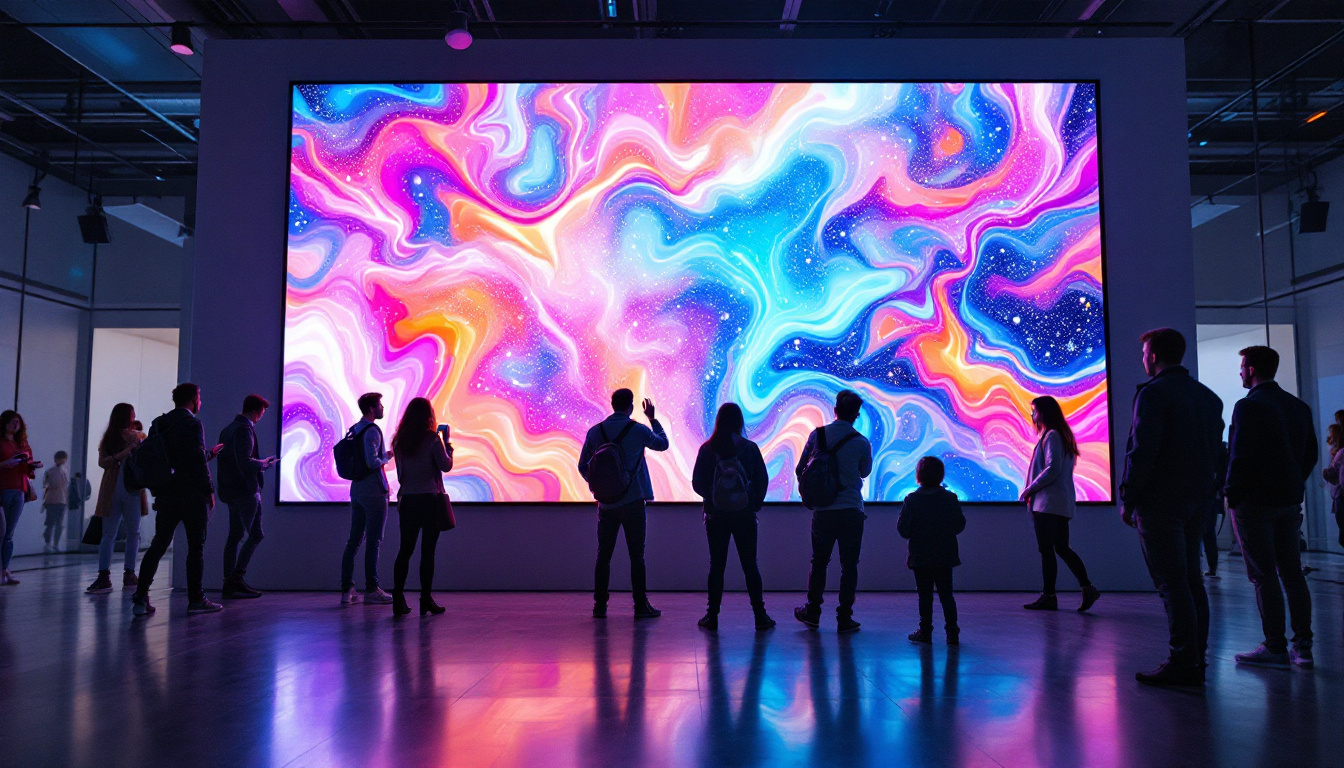
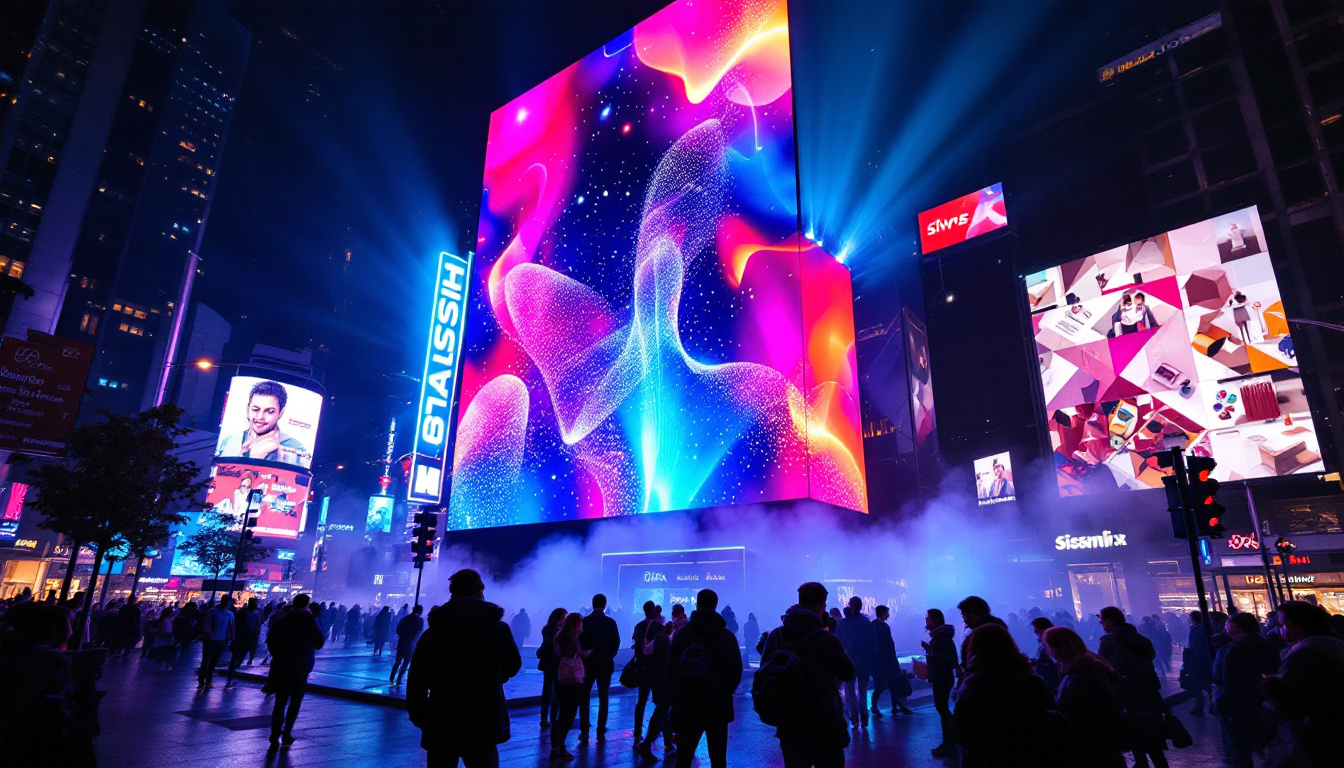
Stadiums, concert halls, and theaters use modular LED walls for live event broadcasting, immersive backdrops, and audience engagement. The scalability allows for massive screens that deliver impactful visuals even to large crowds.
Public Information and Transportation Hubs
Airports, train stations, and city centers utilize LED walls for real-time information, wayfinding, and emergency notifications. Their reliability and visibility ensure critical messages reach diverse audiences effectively.
Emerging Trends and Innovations in Modular LED Technology
The LED display industry continues to innovate, driven by advancements in materials, software, and integration capabilities.
MicroLED and MiniLED Technologies
MicroLED technology promises even higher resolution and brightness with lower power consumption by using microscopic LEDs. While still emerging, MicroLED walls are expected to revolutionize display quality in the coming years.
MiniLED, a more mature technology, enhances backlighting in LCD displays but is also influencing modular LED designs by improving contrast and color accuracy.
Flexible and Transparent LED Displays
Flexible LED modules enable curved and foldable displays, expanding design possibilities. Transparent LED screens allow light and visibility through the display, ideal for retail windows and architectural applications.
Integration with Smart Technologies
Modern LED walls are increasingly integrated with IoT devices, AI-driven content management, and interactive sensors. This integration facilitates personalized content delivery, remote monitoring, and adaptive brightness control based on ambient conditions.
Conclusion
Modular LED wall installations represent a dynamic and versatile solution for high-impact visual communication. Their modularity, combined with superior image quality and energy efficiency, makes them suitable for a broad spectrum of applications. As technology advances, the capabilities and creative potential of LED walls continue to expand, offering exciting opportunities for businesses and organizations to engage audiences in innovative ways.
For anyone considering a digital display solution, understanding the nuances of modular LED technology is essential to making informed decisions that maximize both aesthetic appeal and functional performance.
Discover LumenMatrix LED Display Solutions
Ready to elevate your space with high-impact visual displays? LumenMatrix is at the forefront of LED display innovation, offering a diverse range of solutions tailored to your unique needs. From indoor and outdoor displays to specialized applications like vehicle and sports displays, our products are designed to captivate and engage your audience. Embrace the future of digital signage with LumenMatrix and transform your visual communication. Check out LumenMatrix LED Display Solutions today and see the difference cutting-edge technology can make.